

The prevalence of depression among patients with tuberculosis: a systematic review and meta-analysis
Open accessThe DOI matches its Crossref record; 52 of the 52 references it cites were found in a registry or an index.
Abstract
Background: Evidence has shown that the prevalence of depression is much higher among patients with tuberculosis (TB) and this, in turn, may adversely impact compliance with anti-TB medications. Therefore, this systematic review and meta-analysis aimed to quantitatively summarize epidemiologic evidence on the prevalence of depression among patients with TB and formulate a recommendation for future clinical practice as well as research. Methods: We followed the preferred reporting items for systematic reviews and meta-analyses (PRISMA) guidelines to conduct this review. We searched PubMed, EMBASE, SCOPUS and Psych INFO to identify relevant studies that investigated the prevalence of depression among TB patients. We also supplemented our electronic search with manual searching to include all pertinent studies in the analysis. We used a Comprehensive Meta-Analysis software version 3.0 (CMA 3.0) to conduct a meta-analysis. We conducted a subgroup and sensitivity analysis and Cochran’s Q- and the I2-statistics were used to assess heterogeneity. The evidence for the presence of publication bias was checked by using Egger’s test and visual inspection of the symmetry in funnel plots. Results: We identified a total of 25 studies that included 4903 participants across seven countries. In our analysis, the pooled estimated prevalence of depression among TB patients was found to be 45.19% (95% CI 38.04–52.55). The prevalence was higher in MDR-TB 52.34% (95% CI 38.09–66.22) than non-MDR-TB 43.47% (95% CI 35.88–51.37) patients. We also found that the pooled prevalence of depression was higher among females 51.54% (95% CI 40.34–62.60) when compared to males 45.25% (95% CI 35.19–55.71). The pooled prevalence of depression was 45.45% as measured by HRDS, and it was 55.62%, 45.52%, and 38.36% as measured by BDI, HADS and PHQ-9, respectively. Conclusion: Our finding suggested that the pooled estimated prevalence of depression among tuberculosis patients was relatively high. Screening and management of depression among TB patients were warranted to alleviate suffering. Moreover, the integration of tuberculosis program with regular psychiatry services may substantially reduce the burden.
Overview
The claims and statistics of this paper haven’t been checked yet.
Free: it reads the open-access text and checks the first 5 claims that cite a source we can check. Create a free account to check every claim.
Integrity signals
Registry
Cites
Statistics
Figures
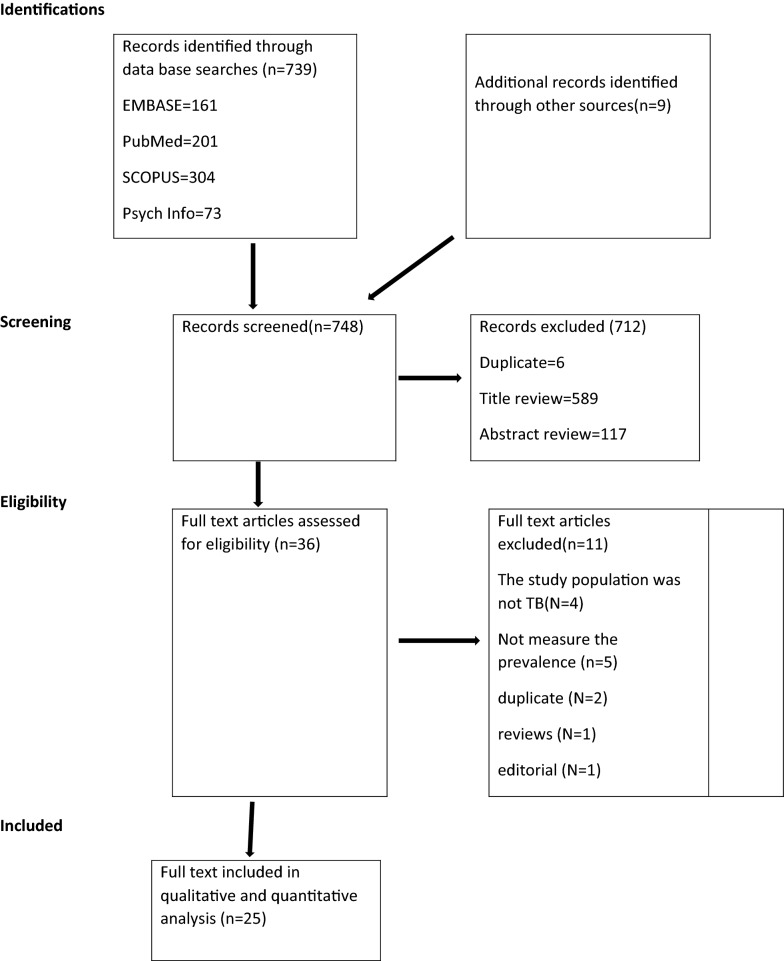
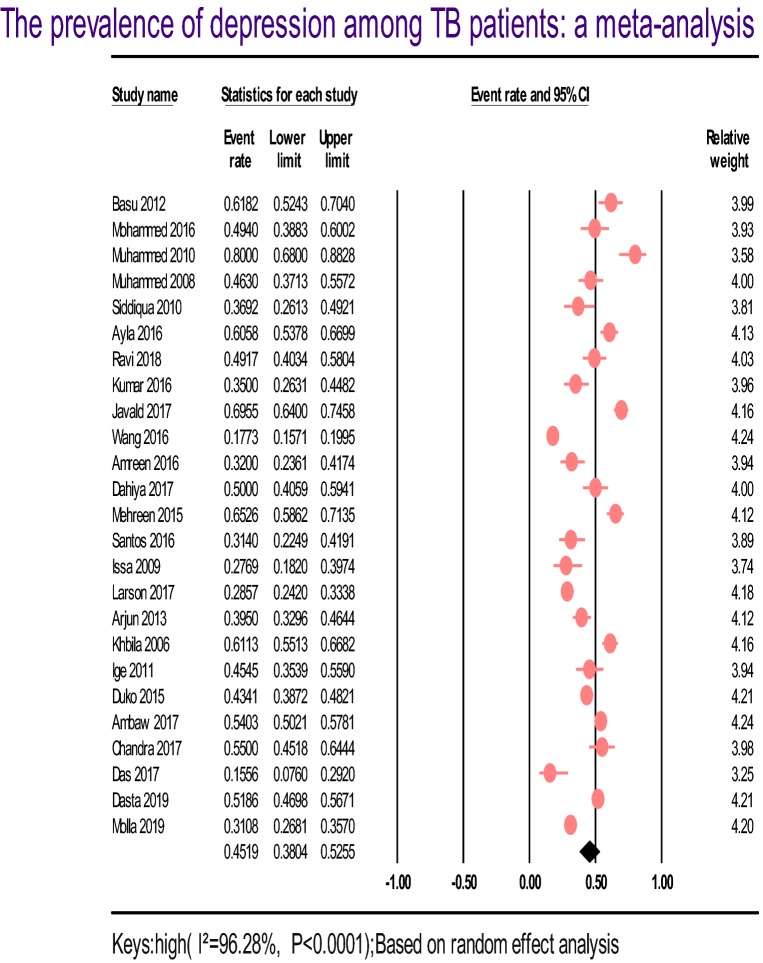
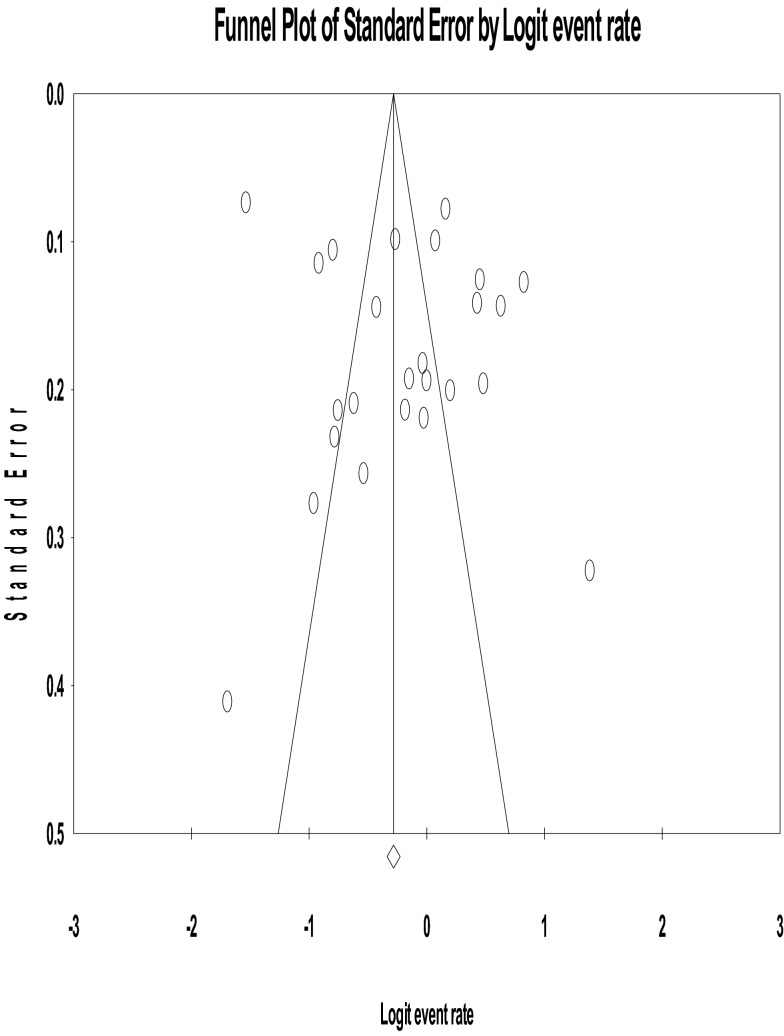
Verification
Claims the paper makes
The claims and statistics of this paper haven’t been checked yet.
Free: it reads the open-access text and checks the first 5 claims that cite a source we can check. Create a free account to check every claim.
Claims other papers make about this one
Each is checked against this paper’s own text: does it say what the citing paper says it does?
The source backs part of the claim, not all of it — or backs it for a different population, condition or comparison.
In the citing paper
“There is growing evidence that common mental disorders, especially depression and anxiety, are highly prevalent among people with TB, with estimates often ranging from approximately 40% to 60%, and with an even greater burden among MDR-TB populations [7,8,9].”
From Psychosocial Interventions for Improving Treatment Adherence in Tuberculosis Patients: A Scoping Review of Evidence-Based Approaches. (2026) · cites this paper as [9]
Experimental — accuracy not yet measuredThe source backs part of the claim, not all of it — or backs it for a different population, condition or comparison.
In the citing paper
“This finding is consistent with the conceptualization of TB and depression as a syndemic, in which poverty, undernutrition, stigma, social isolation, medication side effects, and psychological distress may reinforce one another over time [6,7,9].”
From Psychosocial Interventions for Improving Treatment Adherence in Tuberculosis Patients: A Scoping Review of Evidence-Based Approaches. (2026) · cites this paper as [9]
Experimental — accuracy not yet measuredThe source backs part of the claim, not all of it — or backs it for a different population, condition or comparison.
In the citing paper
“and a somewhat higher prevalence in MDR-TB than in drug-susceptible TB (52.34% vs. 43.47%), although the latter difference was not statistically significant.”
From Psychosocial Interventions for Improving Treatment Adherence in Tuberculosis Patients: A Scoping Review of Evidence-Based Approaches. (2026) · cites this paper as [9]
Experimental — accuracy not yet measuredThe source backs part of the claim, not all of it — or backs it for a different population, condition or comparison.
In the citing paper
“Although Duko et al. [9] found a somewhat higher pooled prevalence of depression in MDR-TB than in drug-susceptible TB, that subgroup difference was not statistically significant.”
From Psychosocial Interventions for Improving Treatment Adherence in Tuberculosis Patients: A Scoping Review of Evidence-Based Approaches. (2026) · cites this paper as [9]
Experimental — accuracy not yet measuredThe cited source says what the claim attributes to it.
In the citing paper
“Duko et al. [9] estimated a pooled prevalence of 45.19% (95% CI [38.04, 52.55]) across 25 studies involving 4903 participants with TB.”
From Psychosocial Interventions for Improving Treatment Adherence in Tuberculosis Patients: A Scoping Review of Evidence-Based Approaches. (2026) · cites this paper as [9]
3 more claims about this paper
Create a free account to see every claim other papers make about this one.
Self-check
Percentages, sums and reported differences re-computed from the paper’s own numbers.
The self-check needs the paper’s full text.
Citations
Cites
The Measurement of Observer Agreement for Categorical Data
Landis, J. R., & Koch, G. G. (1977) · Biometrics · doi:10.2307/2529310 · Cited by 81,148
Measuring inconsistency in meta-analyses
Higgins, J. P. T., Thompson, S. G., Deeks, J. J., & Altman, D. G. (2003) · BMJ · doi:10.1136/bmj.327.7414.557 · Cited by 63,139
Stang, A. (2010) · European Journal of Epidemiology · doi:10.1007/s10654-010-9491-z · Cited by 17,396
A basic introduction to fixed-effect and random-effects models for meta-analysis
Borenstein, M., Hedges, L. V., Higgins, J. P. T., & Rothstein, H. R. (2010) · Research Synthesis Methods · doi:10.1002/jrsm.12 · Cited by 6,793
Whiteford, H. A., Degenhardt, L., Rehm, J., Baxter, A. J., Ferrari, A. J., Erskine, H. E., Charlson, F. J., Norman, R. E., Flaxman, A. D., Johns, N., et al. (2013) · The Lancet · doi:10.1016/s0140-6736(13)61611-6 · Cited by 6,006
Depression, chronic diseases, and decrements in health: results from the World Health Surveys
Moussavi, S., Chatterji, S., Verdes, E., Tandon, A., Patel, V., & Ustun, B. (2007) · The Lancet · doi:10.1016/s0140-6736(07)61415-9 · Cited by 4,070
Salk, R. H., Hyde, J. S., & Abramson, L. Y. (2017) · Psychological Bulletin · doi:10.1037/bul0000102 · Cited by 2,622
Cross-national epidemiology of DSM-IV major depressive episode
Bromet, E., Andrade, L. H., Hwang, I., Sampson, N. A., Alonso, J., de Girolamo, G., de Graaf, R., Demyttenaere, K., Hu, C., Iwata, N., et al. (2011) · BMC Medicine · doi:10.1186/1741-7015-9-90 · Cited by 2,221
Why is depression more prevalent in women?
Albert, P. R. (2015) · Journal of Psychiatry and Neuroscience · doi:10.1503/jpn.150205 · Cited by 1,785
Sex differences in anxiety and depression clinical perspectives
Altemus, M., Sarvaiya, N., & Neill Epperson, C. (2014) · Frontiers in Neuroendocrinology · doi:10.1016/j.yfrne.2014.05.004 · Cited by 1,413
Research works printed but not linked: 6
- American Psychiatric Association. Diagnostic and statistical manual of mental disorders, 5th ed. (DSM-5). Washington, DC: American Psychiatric Publishing; 2013. https://psycnet.apa.org/record/2013-14907-000. Accessed 28 Feb 2019.
- Ugarte-Gil C Ruiz P Zamudio C Canaza L Otero L Kruger H Seas C Association of major depressive episode with negative outcomes of tuberculosis treatment PLoS ONE 2013 8 7 e69514 10.1371/journal.pone.0069514 23922728 PMC3726639 · DOI · Paper page
- Manmilena A Octivluiza N Cosmina B Antigona T Dana A Depressive syndrome, anxiety and illness perception in tuberculosis patients Recent Res Mod Med. 2010 978 243 248
- Ahmed MM Mazhar M Zaidi A Depression in tuberculosis patients and its relationship to socio demographic factors J Rawalpindi Med Coll 2016 20 4 296 299
- Ravi CS Dinesh DS Neeraj K Manish KT Pankaj K Assessment of the frequency of depression and anxiety among tuberculosis patients at a tertiary care health centre. A cross sectional study Eur J Pharm Med Res 2018 5 4 496 499
- Basu G Chatterjee C Singh R Biswas S Prevalence of depression in tuberculosis patients: an experience from a DOTS clinic IJRRMS. 2012 2 4 14 17
Cited by
Nightingale, R., Carlin, F., Meghji, J. Z., McMullen, K., Evans, D. H., van der Zalm, M. M., Anthony, M. G., Bittencourt, M. S., Byrne, A., Preez, K. D., et al. (2023) · The International Journal of Tuberculosis and Lung Disease · doi:10.5588/ijtld.22.0514 · Cited by 196
The relationship between mental health and risk of active tuberculosis: a systematic review
Hayward, S. E., Deal, A., Rustage, K., Nellums, L. B., Sweetland, A. C., Boccia, D., Hargreaves, S., & Friedland, J. S. (2022) · BMJ Open · doi:10.1136/bmjopen-2021-048945 · Cited by 82
Naidoo, K., Perumal, R., Cox, H. S., Mathema, B., Loveday, M., Ismail, N. A., Omar, S. V., Georghiou, S. B., Daftary, A., O’Donnell, M. R., et al. (2024) · The Lancet Infectious Diseases · doi:10.1016/s1473-3099(24)00144-0 · Cited by 75
Jarde, A., Romano, E., Afaq, S., Elsony, A., Lin, Y., Huque, R., Elsey, H., Siddiqi, K., Stubbs, B., & Siddiqi, N. (2022) · BMJ Open · doi:10.1136/bmjopen-2022-060906 · Cited by 66
Liu, X., Bai, X., Ren, R., Tan, L., Zhang, Y., Lan, H., Yang, Q., He, J., & Tang, X. (2022) · Frontiers in Psychiatry · doi:10.3389/fpsyt.2022.985823 · Cited by 39
Chapter 5: Treatment of tuberculosis disease
Johnston, J. C., Cooper, R. D., & Menzies, D. (2022) · Canadian Journal of Respiratory Critical Care and Sleep Medicine · doi:10.1080/24745332.2022.2036504 · Cited by 31
Risk Factors for Depression in Tuberculosis Patients: A Meta-Analysis
Shen, R., Zong, K., Liu, J., & Zhang, L. (2022) · Neuropsychiatric Disease and Treatment · doi:10.2147/ndt.s347579 · Cited by 40
“4 Aside from its high prevalence, depression in TB patients can have serious consequences, including suicidal thoughts.”
BackgroundBest practices for the care of pregnant people living with TB
Maugans, C., Loveday, M., Hlangu, S., Waitt, C. J., Schalkwyk, M. V., van de Water, B. J., Salazar‐Austin, N., McKenna, L., Mathad, J. S., Kalk, E., et al. (2023) · The International Journal of Tuberculosis and Lung Disease · doi:10.5588/ijtld.23.0031 · Cited by 29
Pradhan, A., Koirala, P., Bhandarı, S. S., Dutta, S., Grau, P. G., Sampath, H., & Sharma, I. L. (2022) · Frontiers in Psychiatry · doi:10.3389/fpsyt.2022.869647 · Cited by 38
Xu, C., Chen, Y., Zhou, L., & Tong, J. (2023) · Scientific Reports · doi:10.1038/s41598-023-34129-4 · Cited by 45
Zuo, X., Dong, Z., Zhang, P., Zhang, P., Zhu, X., Qiao, C., Yang, Y., & Lou, P. (2022) · BMC Public Health · doi:10.1186/s12889-022-14631-6 · Cited by 23
“Anxiety and depression are two common psychological symptoms experienced by patients with pulmonary tuberculosis [4, 5].”
BackgroundResultHealthcare Utilization After Respiratory Tuberculosis: A Controlled Interrupted Time Series Analysis
Romanowski, K., Law, M. R., Karim, M. E., Campbell, J. R., Hossain, M. B., Gilbert, M., Cook, V. J., & Johnston, J. C. (2023) · Clinical Infectious Diseases · doi:10.1093/cid/ciad290 · Cited by 23
Thungana, Y., Wilkinson, R., & Zingela, Z. (2022) · BMJ Open · doi:10.1136/bmjopen-2021-058013 · Cited by 32
Dixit, K., Rai, B., Aryal, T. P., de Siqueira-Filha, N. T., Dhital, R., Sah, M. K., Pandit, R. N., Majhi, G., Paudel, P. R., Levy, J., et al. (2024) · BMC Global and Public Health · doi:10.1186/s44263-024-00049-2 · Cited by 34
“%) depression, which is in line with the existing body of evidence of an association between TB and depression [23, 25].”
ResultInfluentialStoichiță, A., Dumitrescu, A., Ciobanu, A., Oancea, C. I., Fildan, A. P., Crișan-Dabija, R. A., Dumchev, K. V., Dadu, A., Mahler, B., & Akopyan, K. (2021) · Monaldi Archives for Chest Disease · doi:10.4081/monaldi.2021.1704 · Cited by 23
Basham, C. A., Karim, M. E., Cook, V. J., Patrick, D. M., & Johnston, J. C. (2021) · Annals of Epidemiology · doi:10.1016/j.annepidem.2021.06.002 · Cited by 20
Sutar, R. F., Majumdar, A., Yadav, V., Basera, D. S., & Gupta, H. (2024) · Industrial Psychiatry Journal · doi:10.4103/ipj.ipj_58_23 · Cited by 28
“[14,15] We operationalized the term anxiety as the presence of syndromal anxiety disorder or positive screen for anxiety using validated psychological tools or the presence of both, if available.”
Risk Factors for Depression in Tuberculosis Patients: A Meta-Analysis
Shen, R., Zong, K., Liu, J., & Zhang, L. (2022) · DOAJ (DOAJ: Directory of Open Access Journals) · Cited by 19
Anxiety and Depression in Patients With Nontuberculous Mycobacterial Pulmonary Disease
Jung, H. I., Kim, S. A., Kim, H., Yim, J., & Kwak, N. (2021) · CHEST Journal · doi:10.1016/j.chest.2021.10.024 · Cited by 16
Todowede, O. O., Afaq, S., Adhikary, A., Kanan, S., Shree, V., Jennings, H. M., Faisal, M. R., Nisar, Z., Khan, I., Desai, G., et al. (2023) · BMC Health Services Research · doi:10.1186/s12913-023-09783-z · Cited by 19
Prevalence of Tuberculosis and Mental Disorders Comorbidity: A Systematic Review and Meta-analysis
Njie, G. J., & Khan, A. (2021) · Journal of Immigrant and Minority Health · doi:10.1007/s10903-021-01312-6 · Cited by 19
“Our findings are consistent with other reviews that examined this topic from a broader perspective [3, 36, 37].”
BackgroundResultDisadvantage and the experience of treatment for multidrug-resistant tuberculosis (MDR-TB)
Taylor, H. A., Dowdy, D. W., Searle, A. R., Stennett, A. L., Dukhanin, V., Zwerling, A. A., & Merritt, M. W. (2022) · SSM - Qualitative Research in Health · doi:10.1016/j.ssmqr.2022.100042 · Cited by 20
Mainga, T., Gondwe, M., Stewart, R. C., Mactaggart, I., Shanaube, K., Ayles, H., & Bond, V. (2022) · International Journal of Mental Health Systems · doi:10.1186/s13033-022-00542-x · Cited by 13
Necho, M., Zenebe, Y., Tiruneh, C., Ayano, G., & Yimam, B. (2022) · Frontiers in Psychiatry · doi:10.3389/fpsyt.2022.814360 · Cited by 20
Self-citationPatwal, R., Sachdeva, A., Bhaskarapillai, B., Arasappa, R., Muliyala, K. P., & Desai, G. (2023) · Journal of Psychosomatic Research · doi:10.1016/j.jpsychores.2023.111171 · Cited by 16
Nasir, A., Hassan, I. I., Ma’ruf, A., Suharno, N. E., Goenharto, S., Purwanto, C. R., & Tyas, A. P. M. (2024) · PLoS ONE · doi:10.1371/journal.pone.0303331 · Cited by 25
Alemu, W. G., & Amare, T. (2023) · African Health Sciences · doi:10.4314/ahs.v23i1.25 · Cited by 15
Remand Prisoners’ Specific Needs: A Systematic Review
Andrade, J., Sousa, M., Gonçalves, R., & Castro-Rodigues, A. (2022) · Journal of Police and Criminal Psychology · doi:10.1007/s11896-022-09562-2 · Cited by 14
Mainga, T., Gondwe, M., Mactaggart, I., Stewart, R. C., Shanaube, K., Ayles, H., & Bond, V. A. (2022) · BMC Psychology · doi:10.1186/s40359-022-00881-x · Cited by 11
“A 2020 global systematic review and meta-analysis, that aimed to summarize the prevalence of depression among 4903 TB patients from seven countries, found a pooled prevalence estimate of 45% from 25 studies [9], which is significantly higher than the estimated global prevalence of depression of 3.”
BackgroundResultInfluentialEndalamaw, A., Gilks, C. F., Ambaw, F., Chatfield, M. D., & Assefa, Y. A. (2022) · Health & Social Care in the Community · doi:10.1111/hsc.13953 · Cited by 16
Depression symptoms among Afghan TB patients: A multi-center study
Stanikzai, M. H., Ishaq, N., Zafar, M. N., Baray, A. H., Anwary, Z., Ahmad, M., & Stanikzai, K. A. (2024) · Indian Journal of Tuberculosis · doi:10.1016/j.ijtb.2024.08.016 · Cited by 12
Ivanova, O., Sineke, T., Wenzel, R., Siyame, E., Lalashowi, J., Bakuli, A., Zekoll, F. C., Höelscher, M., Rachow, A., Evans, D. H., et al. (2022) · Archives of Public Health · doi:10.1186/s13690-022-00899-y · Cited by 11
“A number of systematic reviews suggested that the prevalence of depression among TB patients is relatively high [16] and TB has a substantial and encompassing impact on patients’ quality of life [17].”
BackgroundAbdurahman, S., Yadeta, T. A., Ayana, D. A., Kure, M. A., Ahmed, J., & Mehadi, A. (2022) · Neuropsychiatric Disease and Treatment · doi:10.2147/ndt.s370795 · Cited by 15
Dohál, M., Dvořáková, V., Šperková, M., Pinková, M., Ghodousi, A., Omrani, M., Porvazník, I., Rasmussen, E. M., Škereňová, M., Krivošová, M., et al. (2023) · Journal of Epidemiology and Global Health · doi:10.1007/s44197-023-00166-5 · Cited by 10
Depression and Anxiety among Tuberculosis Patients: A Systematic Review and Meta-analysis
Panibatla, V., Nagaraja, S. B., Mohan, D., K., S. M. P., & Sangeetha, M. D. (2024) · Indian Journal of Social Psychiatry · doi:10.4103/ijsp.ijsp_222_23 · Cited by 16
Depression and stigma experience among patients with tuberculosis in urban and rural settings
Elavarasi, E. A., Smitha, M. C., Manasa, K., & Kruthika, B. N. (2023) · Indian Journal of Tuberculosis · doi:10.1016/j.ijtb.2023.03.008 · Cited by 10
Psychological disorders in tuberculosis: A narrative review
Verma, A. K., & Singh, A. (2024) · Indian Journal of Tuberculosis · doi:10.1016/j.ijtb.2024.08.003 · Cited by 13
Patel, N., Patel, H., Varu, J., Gandhi, R. B., & Yogesh, M. (2024) · Cureus · doi:10.7759/cureus.65015 · Cited by 8
“Similarly, a meta-analysis also reported a prevalence of depression among TB patients of 45.19% (95% CI 38.04-52.55) [17].”
BackgroundInfluentialThampy, P., Rupani, A., Chullithala, A., & Pawar, N. (2024) · Indian Journal of Psychiatry · doi:10.4103/indianjpsychiatry.indianjpsychiatry_237_24 · Cited by 9
“[7] Our current study focuses on depression rates among MDR-TB patients in South Asian countries by combining the latest research on the topic from the year 2017 onward.”
Solanki, N., Upadhyay, A., Upadhyay, R., Dabar, D., Mandal, U. K., Yadav, V., & Agarwal, S. S. (2023) · Cureus · doi:10.7759/cureus.46637 · Cited by 14
“Various other studies conducted globally also found a very high prevalence of depression among TB patients [5].”
BackgroundResultRisk of Herpes Zoster in Patients with Pulmonary Tuberculosis—A Population-Based Cohort Study
Wang, C.-A., Chen, C., Hsieh, W.-C., Hsu, T.-J., Hsu, C. Y., Cheng, Y.-C., & Hsu, C.-Y. (2023) · International Journal of Environmental Research and Public Health · doi:10.3390/ijerph20032656 · Cited by 9
“19% prevalence of depression among patients with TB [31].”
BackgroundPsychometric evaluation of a new drug-resistant tuberculosis stigma scale
Redwood, L., Mitchell, E. M. H., Nguyen, T. A., Viney, K. A., Nguyen, V. N., & Fox, G. J. (2021) · Journal of Clinical Epidemiology · doi:10.1016/j.jclinepi.2021.01.007 · Cited by 9
Yogesh, M., Patel, N. S., Kumar, V., & Gandhi, R. B. (2024) · Cureus · doi:10.7759/cureus.60412 · Cited by 10
Symptom network analysis of insomnia-depression-anxiety-stigma in tuberculosis patients
Liu, X. H., Qiu, X., Lan, H., Diao, L., Huang, W., Wen, Y., Feng, M., & Tang, X. (2025) · Frontiers in Psychiatry · doi:10.3389/fpsyt.2024.1513524 · Cited by 15
“Due to prolonged treatment, drug side effects, and lack of social support, TB patients are prone to sleep and mental problems such as insomnia, anxiety, and depression, with morbidity rates even exceeding 50% (1, 3), 30% (4), and 40% (5), respectively.”
Stress, Depression and Coping in Tuberculosis Patients- A Hospital Based Study
Rajeev, H., & Satyanarayana, P. T. (2022) · National Journal of Community Medicine · doi:10.55489/njcm.131120222287 · Cited by 10
Depression and Its Impact on Various Aspects of Life - A Narrative Review
Balatif, R., & Sukma, A. A. M. (2023) · Current Psychiatry Research and Reviews · doi:10.2174/2666082219666230518105004 · Cited by 8
Drug-induced hypothyroidism in tuberculosis
Aldave, J. E. Q., Durand‐Vásquez, M. D. C., Osorio, E. R. G., Urteaga, L. A. C., Pecho‐Silva, S., Rodríguez-Hidalgo, L. A., & Concepción‐Zavaleta, M. J. (2024) · Expert Review of Endocrinology & Metabolism · doi:10.1080/17446651.2024.2307525 · Cited by 9
“The importance of diagnosing hypothyroidism in these patients cannot be underestimated, as it has been found to be associated with an increased risk of depression [16,17], which is already more prevalent compared to the general population [18].”
BackgroundOkoro, L. C., Odukoya, O. O., Ikwuka, A. O., & Udeh, F. C. (2024) · American Journal of Medical Science and Innovation · doi:10.54536/ajmsi.v3i1.2653 · Cited by 6
“TB has been reported to be associated with mental illnesses such as depression (Duko, 2020; WHO, 2023a).”
BackgroundAdejumo, O. A., Haffejee, F., Jinabhai, C. C., & Daniel, O. J. (2024) · Tropical Medicine & International Health · doi:10.1111/tmi.14046 · Cited by 9
“A systematic review demonstrated that among PWTB, the prevalence of depression was higher among females than males [21].”
InfluentialPsychosocial experiences of adolescents with tuberculosis in Cape Town
Wademan, D. T., Mlomzale, M., Marthinus, A., Jacobs, S., Mcimeli, K., Zimri, K., Seddon, J. A., & Hoddinott, G. (2024) · PLOS Global Public Health · doi:10.1371/journal.pgph.0003539 · Cited by 21
“Similar to findings in other research, adolescents in our study reported feeling depressed, despondent, and at times suicidal—especially those with MDR-TB [35, 36].”
ResultLatent TB and depressive symptoms in household contacts of persons with active TB
Galea, J. T., Chu, A. L., Sweetland, A. C., Jiménez, J., Yataco, R. M., Calderon, R. I., Zhang, Z., Huang, C., Lecca, L. W., & Murray, M. B. (2023) · The International Journal of Tuberculosis and Lung Disease · doi:10.5588/ijtld.22.0609 · Cited by 6
Nurse-led intervention to decrease drug use among LTBI positive homeless adults
Nyamathi, A., Morisky, D., Wall, S. A., Yadav, K., Shin, S., Hall, E., Chang, A. H., White, K., Arce, N., Parsa, T., et al. (2022) · Public Health Nursing · doi:10.1111/phn.13044 · Cited by 5
Salnikova, A., Makarenko, O., Sereda, Y., Kiriazova, T. K., Lunze, K., DeHovitz, J. A., & Ompad, D. C. (2025) · Global Health Action · doi:10.1080/16549716.2024.2448894 · Cited by 7
“According to a 2020 meta-analysis that included 25 studies across low-and middle-income countries, the pooled prevalence of depression among TB patients was 45.2% (95% CI 38.04–52.55) [14], which was considerably higher than the present study.”
InfluentialVo, L. N. Q., Forse, R., Codlin, A. J., Huynh, H. B., Wiemers, A. M. C., Creswell, J., Garg, T., Dang, T. M. H., Nguyen, L. H., Nguyen, H. B., et al. (2025) · Health and Quality of Life Outcomes · doi:10.1186/s12955-025-02369-9 · Cited by 7
Sweetland, A. C., Mann, C. G., Fernandes, M. J., Silva, F. V. S. D. M., Matsuzaka, C. T., Cavalcanti, M. D. L. T., Fortes, S., Kritski, A. L., Su, A. Y., Ambrosio, J. C., et al. (2023) · Health Promotion Practice · doi:10.1177/15248399231183400 · Cited by 5
Improving post-tuberculosis care in Canada
Romanowski, K., Amin, P., & Johnston, J. C. (2022) · Canadian Medical Association Journal · doi:10.1503/cmaj.220739 · Cited by 4
(2024) · European Journal of Medical and Health Sciences · doi:10.34104/ejmhs.021.085099 · Cited by 6
Possible depression in new tuberculosis patients in the Free State province, South Africa
Kigozi, G., Heunis, C., Engelbrecht, M., & Tweheyo, R. (2024) · Southern African Journal of Infectious Diseases · doi:10.4102/sajid.v39i1.653 · Cited by 5
Banholzer, N., Muula, G. K., Mureithi, F., Evans, D. H., Huwa, J. M., Rafael, I., Kunzekwenyika, C., Jinga, N., Fernando, A., Thawani, A., et al. (2025) · BMC Medicine · doi:10.1186/s12916-025-04321-6 · Cited by 5
“A meta-analysis estimated that 45% of people with TB experience symptoms of depression at the start of treat-ment [9].”
Tomeny, E., Tran, P. B., Kazibwe, J., Roșu, L., Nikolaidis, G. F., Nightingale, R., Wingfield, T., Meghji, J. Z., Squire, S. B., & Worrall, E. (2025) · PLOS Global Public Health · doi:10.1371/journal.pgph.0005062 · Cited by 3
Burke, S. D. A. (2025) · American Journal of Human Biology · doi:10.1002/ajhb.70146 · Cited by 4
Basham, C. A., Karim, M. E., & Johnston, J. C. (2022) · Canadian Journal of Public Health · doi:10.17269/s41997-022-00711-y · Cited by 3
“Similarly, a greater prevalence of depression among TB survivors was observed in a meta-analysis estimating a pooled prevalence of 45% (95% CI: 38–53) (Duko et al., 2020).”
BackgroundSparg, T., Petersen, L., Mayers, P. M., & Rogers, C. (2024) · Frontiers in Rehabilitation Sciences · doi:10.3389/fresc.2024.1336346 · Cited by 4
Kim, H. S., Jung, J., Han, K., Kim, H., & Jeon, H. J. (2025) · Frontiers in Psychiatry · doi:10.3389/fpsyt.2025.1425637 · Cited by 7
Amalia, R., Lestari, R. P., & Cholidah, R. (2022) · Lombok Medical Journal · doi:10.29303/lmj.v1i2.1613 · Cited by 3
Sousa, S., & Aguiar, A. (2024) · Mental Health Global Challenges Journal · doi:10.56508/mhgcj.v7i1.180 · Cited by 4
Psychological manifestations in patients with tuberculosis: prevalence and contributing factors
Kant, S., Pandey, A. K., Yadav, S., & Tripathi, P. P. (2024) · IP Indian Journal of Immunology and Respiratory Medicine · doi:10.18231/j.ijirm.2024.011 · Cited by 5
Jarde, A., Ma, R., Todowede, O. O., Latif, A., Yaqoob, A., Afaq, S., Ferdous, T., Tomeny, E., Roșu, L., Mrema, L. E., et al. (2022) · medRxiv · doi:10.1101/2022.09.22.22280228 · Cited by 3
Jahan, D., Khan, M. A. S., Akter, S., Rezwan, M. S., Sarna, I. Z., Parvez, M. R., Prince, G. D., Ahmed, S. U., & Flora, M. S. (2025) · IJID Regions · doi:10.1016/j.ijregi.2025.100790 · Cited by 2
“This finding aligns with the global pooled prevalence of 45.19% reported by Duko et al. [ 15 ] and is comparable to rates reported in Pakistan (56”
InfluentialKedthongma, W., Usaprom, S., & Phakdeekul, W. (2026) · BMC Psychology · doi:10.1186/s40359-026-04574-7 · Cited by 3
Sharma, D., Goel, N. K., Sidana, A. K., Sandha, K. S., & Bishnoi, M. (2024) · Indian Journal of Community Medicine · doi:10.4103/ijcm.ijcm_167_23 · Cited by 2
Endalamaw, A., Gilks, C. F., Ambaw, F., Chatfield, M. D., & Assefa, Y. A. (2023) · medRxiv · doi:10.1101/2023.07.10.23292462 · Cited by 2
Bin Qamar, R. A., Pereira, H., & Alckmin-Carvalho, F. (2026) · Advances in respiratory medicine · doi:10.3390/arm94030032 · Cited by 1
“The pooled prevalence of depression among people with TB reported by Duko et al. [9] (45.19”
InfluentialBala, M., Rajpoot, A., Layek, A., Gupta, R. K., & Rathore, S. S. (2025) · Indian Journal of Tuberculosis · doi:10.1016/j.ijtb.2025.03.010 · Cited by 2
The Impact of Maladaptive Coping Styles on Psychological Outcomes in Tuberculosis Patients
Papavă, I., Dăescu, A.-M. C., Dehelean, L., Bredicean, A. C., Ilie, A. C., Ursoniu, S., Bondrescu, M., Ion, R., Dăescu, A., Gaitoane, A.-I., et al. (2025) · Healthcare · doi:10.3390/healthcare13091042 · Cited by 5
“Estimates show that 40–70% of TB patients report symptoms of anxiety or depression, particularly in settings where stigma and limited psychosocial support are prevalent [6–9].”
Gupta, A. J., Turimumahoro, P., Rosman, L. M., Golub, J. E., & Dowdy, D. W. (2025) · PLoS ONE · doi:10.1371/journal.pone.0322753 · Cited by 1
“This is due to a lack of providers, funding, cultural norms, and stigma [20,22,30,31].”
Schreiber, M., Quittner, A. L., & Henkle, E. M. (2025) · Therapeutic Advances in Respiratory Disease · doi:10.1177/17534666251396240 · Cited by 1
Khan, S. M., Hussain, J. M., Saleem, Z., Fatima, A., Khan, R., Gul, S. S., Bint-e-Shahzad, W., Chawla, R., Naseer, H. W., Bashir, S., et al. (2026) · Indian Journal of Tuberculosis · doi:10.1016/j.ijtb.2026.01.003 · Cited by 1
Impact of Medication Adherence on Quality of Life in Tuberculosis Patients
Achmad, G. N. V., Husna, R. M., Priyandani, Y., & Zairina, E. (2025) · Research in Clinical Pharmacy · doi:10.59931/rcp.25.0011 · Cited by 2
Suicide risk in people with tuberculosis in Republic of Korea: a nationwide cohort, 2012–2021
Chung, C., Lee, S. W., Jeong, D., Choi, H., Sohn, H., & Kang, Y. A. (2026) · Infectious Diseases of Poverty · doi:10.1186/s40249-026-01424-x · Cited by 1
“[15].”
Gschwenter, S., Garber, D., & Steininger, B. (2026) · Disability and Rehabilitation · doi:10.1080/09638288.2026.2649665 · Cited by 1
Park, S., Chung, C., Jung, S. S., Lee, S.-S., Lee, K. M., Jeong, Y., & Min, J. (2026) · BMJ Open Respiratory Research · doi:10.1136/bmjresp-2025-003773 · Cited by 1
Sulistiyani, S., Situmeang, L., & Nur, Q. (2021) · JURNAL KEPERAWATAN TROPIS PAPUA · doi:10.47539/jktp.v4i1.160 · Cited by 2
Disseminated tuberculosis masquerading as depression
Mohamed Riaz, R., Kotian, C. M., Devaramane, V., & Umakanth, S. (2022) · Tropical Doctor · doi:10.1177/00494755221105632 · Cited by 1
“along with ATT.(3) According to ICD-11 criteria, a person with clinical depression must have at least five out of a list of ten symptoms, occurring most of the day for at least two weeks and resulting in significant impairment in functioning.”
The COVID-19 pandemic as a catalyst for integrated global mental healthcare and tuberculosis care
Chu, A. L., Pasha, A., Contreras, C. C., Lecca, L. W., Sweetland, A. C., & Galea, J. T. (2023) · BJPsych International · doi:10.1192/bji.2023.3 · Cited by 1
Marco para la acción colaborativa sobre la tuberculosis y sus comorbilidades
de la Salud, O. P. (2023) · doi:10.37774/9789275327388 · Cited by 2
Contreras, C. C., Cruz, J. S., Galea, J. T., Chu, A. L., Puma, D., Ramos, L., Tovar, M. A., Peinado, J., Lecca, L. W., Keshavjee, S. A., et al. (2024) · Cambridge Prisms Global Mental Health · doi:10.1017/gmh.2024.21 · Cited by 3
“Similar depression prevalence estimates have been previously reported among persons with TB and MDR-TB in Peru (Vega et al., 2004; Ugarte-Gil et al., 2013).”
BackgroundResultInfluentialFeatures of Pulmonary Tuberculosis (TB): Linking Biomarkers and Quality of Life Measures
Juárez, E., Carreto-Binaghi, L. E., Guzmán‐Beltrán, S., Muñoz-Torrico, M. V., & González, Y. (2024) · Springer eBooks · doi:10.1007/978-3-031-32046-0_175-1 · Cited by 2
Korotych, O., Dadu, A., Yedilbayev, A., & Dara, M. (2021) · Monaldi Archives for Chest Disease · doi:10.4081/monaldi.2021.1736 · Cited by 1
Depressive symptoms are associated with cigarette smoking among tuberculosis patients in BotswanaPreprint
Jones‐Patten, A., Wang, Q., Molebatsi, K., Novotny, T. E., Siddiqi, K., Modongo, C., Zetola, N. M., Mbongwe, B., & Shin, S. S. (2021) · medRxiv · doi:10.1101/2021.09.14.21263357 · Cited by 1
Arba, A., Awoke, N., Guta, M. T., Lolaso, T., Paulos, K., Samuel, S., Kedida, B. D., & Uka, Y. Y. (2024) · Research Square · doi:10.21203/rs.3.rs-4254185/v1 · Cited by 1
Mainga, T., Gondwe, M., Stewart, R. C., Mactaggart, I., Shanaube, K., Ayles, H., & Bond, V. A. (2021) · Research Square · doi:10.21203/rs.3.rs-305063/v1
Navigating challenges in management of drug resistant tuberculosis: Case experience from Nepal
Verma, A., Bhatta, N., Mishra, D. R., Acharya, A. B., Shahi, R., Limbu, S. H., & Katuwal, S. (2022) · Nepalese Respiratory Journal · doi:10.3126/nrj.v1i1.45299
Campion, J. (2022) · Oxford University Press eBooks · doi:10.1093/med/9780198861478.003.0051
Améliorer les soins post-tuberculose au Canada
Romanowski, K., Amin, P., & Johnston, J. C. (2023) · Canadian Medical Association Journal · doi:10.1503/cmaj.220739-f
Fawzia, N., Lestari, W., Nurwidya, F., Agustin, H., & Hasyim, A. A. (2023) · Jurnal Respirasi · doi:10.20473/jr.v9-i.3.2023.194-199
Pellegrini, J. M., Morelli, M. P., Colombo, M. I., & García, V. (2023) · Frontiers in Cellular and Infection Microbiology · doi:10.3389/fcimb.2023.1332084
Chapitre 5: Le traitement de la tuberculose active
Johnston, J. C., Cooper, R. D., & Menzies, D. (2023) · Canadian Journal of Respiratory Critical Care and Sleep Medicine · doi:10.1080/24745332.2023.2226003
Firdausiah, L., Susanto, T., Ati, N. A. L., & Bahtiar, S. (2024) · Journal of Rural Community Nursing Practice · doi:10.58545/jrcnp.v2i1.238
Contreras, C. C., Cruz, J. S., Galea, J. T., et al. (2024) · Cambridge Prisms Global Mental Health · doi:10.1017/gmh.2024.21.pr5
Metadata
- Authors
- Duko, B., Bedaso, A., & Ayano, G.
- Affiliations
- Hawassa University (ET)
- Curtin University (AU)
- Corresponding author
- Duko, Bereket
- Venue
- Annals of General Psychiatry
- Published
- 2020-05-07
- Volume
- 19
- Issue
- 1
- Pages
- 30-30
- ISSN
- 1744-859X (ISSN-L)
- PMC
- PMC7206806
- OpenAlex
- W3027771879
- Semantic Scholar
- bb0af0db0e6b0e2f7e5f054facf5c26e89aab8b5
- Cited by
- 154
- References
- 52
- Citations by year
- 2026: 24 · 2025: 26 · 2024: 39 · 2023: 26 · 2022: 30 · 2021: 9
- FWCI
- 0.78
- Type
- journal article
- Language
- en
- Open access
- gold
- doi.org
- Licence
- cc-by
- creativecommons.org/licenses/by/4.0/ (tdm)
- creativecommons.org/licenses/by/4.0/ (vor)
- Locations
- Annals of General Psychiatry (publishedVersion, cc-by)
- PubMed Central (publishedVersion, cc-by)
- PubMed (publishedVersion)
- UTS ePRESS (University of Technology Sydney) (submittedVersion, cc-by-nc-sa)
- DOAJ (DOAJ: Directory of Open Access Journals) (submittedVersion, cc-by-sa)
- UniSA Research Outputs Repository (University of South Australia) (submittedVersion, cc-by)
- Greater South Information System
- Topics
- Health Sciences › Medicine › Infectious Diseases › Tuberculosis Research and Epidemiology
- Health Sciences › Medicine › Psychiatry and Mental health › Mental Health Treatment and Access
- Social Sciences › Psychology › Clinical Psychology › COVID-19 and Mental Health
- Keywords
- depression, tuberculosis, depression prevalence, multidrug-resistant tuberculosis, sex differences, depression screening, psychiatric comorbidity, Beck Depression Inventory, Hospital Anxiety and Depression Scale, PHQ-9, Hamilton Depression Rating Scale
About these checks
Registry, retraction, Cites and statistics results are computed, not judged, with one exception: a printed reference that no index lists is read once by a model before it counts as a citation error. Claims are extracted by a model and kept only when their quote appears verbatim in the text; each cited source is then checked, with a model’s help, for whether it says what the claim relies on. Those verdicts can be wrong — read the claim’s quote and the cited source before relying on one.
Statistics and arithmetic are recomputed, not judged.
Confidence bands are shown only for fields calibrated on our annotated test set. None is calibrated yet, so no band is shown.
What counts as a claim ›How we measure confidence ›How we check this ›
Are you an author, or do you see a problem with this page? Request a review
Data sources
Bibliographic data: Semantic Scholar, OpenAlex, Crossref.
Contains information from the Semantic Scholar Academic Graph Datasets, made available under the ODC Attribution License (ODC-BY 1.0).
Semantic Scholar’s data is described in: Kinney, R., et al. (2023). The Semantic Scholar Open Data Platform. arXiv:2301.10140.
