

Acute mesenteric ischemia: guidelines of the World Society of Emergency Surgery
Open accessThe DOI matches its Crossref record; 85 of the 85 references it cites were found in a registry or an index.
Abstract
Acute mesenteric ischemia (AMI) is typically defined as a group of diseases characterized by an interruption of the blood supply to varying portions of the small intestine, leading to ischemia and secondary inflammatory changes. If untreated, this process will eventuate in life threatening intestinal necrosis. The incidence is low, estimated at 0.09-0.2% of all acute surgical admissions. Therefore, although the entity is an uncommon cause of abdominal pain, diligence is always required because if untreated, mortality has consistently been reported in the range of 50%. Early diagnosis and timely surgical intervention are the cornerstones of modern treatment and are essential to reduce the high mortality associated with this entity. The advent of endovascular approaches in parallel with modern imaging techniques may provide new options. Thus, we believe that a current position paper from World Society of Emergency Surgery (WSES) is warranted, in order to put forth the most recent and practical recommendations for diagnosis and treatment of AMI. This review will address the concepts of AMI with the aim of focusing on specific areas where early diagnosis and management hold the strongest potential for improving outcomes in this disease process. Some of the key points include the prompt use of CT angiography to establish the diagnosis, evaluation of the potential for revascularization to re-establish blood flow to ischemic bowel, resection of necrotic intestine, and use of damage control techniques when appropriate to allow for re-assessment of bowel viability prior to definitive anastomosis and abdominal closure.
Overview
The claims and statistics of this paper haven’t been checked yet.
Free: it reads the open-access text and checks the first 5 claims that cite a source we can check. Create a free account to check every claim.
Integrity signals
Registry
Cites
Statistics
Figures
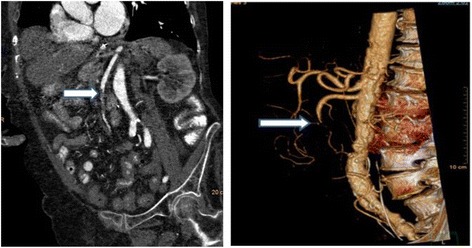
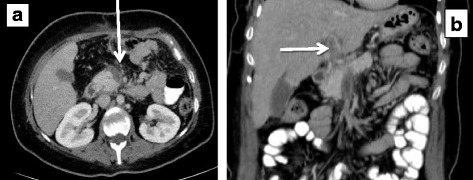
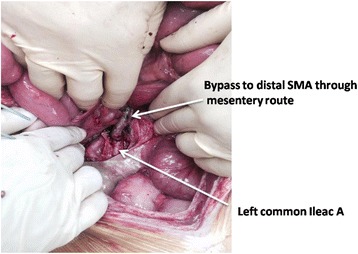
Verification
Claims the paper makes
The claims and statistics of this paper haven’t been checked yet.
Free: it reads the open-access text and checks the first 5 claims that cite a source we can check. Create a free account to check every claim.
Claims other papers make about this one
Each is checked against this paper’s own text: does it say what the citing paper says it does?
The source backs part of the claim, not all of it — or backs it for a different population, condition or comparison.
In the citing paper
“These guidelines disagree regarding the definition of AMI and on whether to include or exclude large bowel ischaemia but agree that early diagnosis and prompt revascularisation is essential to reduce mortality and bowel resection rates.”
From Management of acute mesenteric ischaemia: Results of a worldwide survey (2023) · cites this paper as [3]
Experimental — accuracy not yet measuredThe cited source says what the claim attributes to it.
In the citing paper
“AMI represents an uncommon cause of acute abdominal pain as the overall incidence of AMI is 0.09% to 0.2% of all acute surgical admissions[4].”
From Ischemic bowel disease in 2021. (2021) · cites this paper as [4]
The cited source says what the claim attributes to it.
In the citing paper
“According to Bala et al. the SMA is predestined for embolic events due to the large vessel diameter and sharp angulation [19].”
From Results after intraoperative open and endovascular revascularization of acute mesenteric ischemia requiring a laparotomy (2023) · cites this paper as [19]
The cited source says what the claim attributes to it.
In the citing paper
“In non-COVID patients, the etiology may be mesenteric arterial embolism (in 50%), mesenteric arterial thrombosis (15–25%), venous thrombosis (5–15%), or less frequent, from non-occlusive causes associated with low blood flow [1].”
From Acute mesenteric ischemia in COVID-19 patients (2021) · cites this paper as [1]
In the citing paper
“In the absence of a validated available diagnostic biomarker of AMI, broad and timely clinical suspicion and subsequent confirmation by an appropriate multiphasic CT scan is currently the only way to achieve an earlier diagnosis and better outcomes [1, 28].”
From Improving clinical suspicion of acute mesenteric ischemia among patients with acute abdomen: A cross-sectional study from an intestinal stroke center (2023) · cites this paper as [28]
4 more claims about this paper
Create a free account to see every claim other papers make about this one.
Self-check
Percentages, sums and reported differences re-computed from the paper’s own numbers.
The self-check needs the paper’s full text.
Citations
Cites
(2012) · Hepatogastroenterology · doi:10.5754/hge12469 · Cited by 3,178
Acute Mesenteric Ischemia: A Clinical Review
Oldenburg, W. A., Lau, L. L., Rodenberg, T. J., Edmonds, H. J., & Burger, C. D. (2004) · Archives of Internal Medicine · doi:10.1001/archinte.164.10.1054 · Cited by 714
Clair, D. G., & Beach, J. M. (2016) · New England Journal of Medicine · doi:10.1056/nejmra1503884 · Cited by 589
Systematic review of survival after acute mesenteric ischaemia according to disease aetiology
Schoots, I. G., Koffeman, G. I., Legemate, D. A., Levi, M., & van Gulik, T. M. (2004) · Journal of British Surgery · doi:10.1002/bjs.4459 · Cited by 502 · cited 1×
“Unfortunately, these patients are often in critical condition and the mortality remains very high (50–85%) [9].”
BackgroundContemporary management of acute mesenteric ischemia: Factors associated with survival
Park, W. M., Gloviczki, P., Cherry, K. J., Hallett, J. W., Bower, T. C., Panneton, J. M., Schleck, C., Ilstrup, D., Harmsen, W. S., & Noel, A. A. (2002) · Journal of Vascular Surgery · doi:10.1067/mva.2002.120373 · Cited by 463 · cited 3×
“In a review of 43 patients undergoing open mesenteric revascularization, the authors noted that 11 of the 23 patients undergoing a second-look operation required bowel resection [20].”
BackgroundInfluentialKirkpatrick, I. D. C., Kroeker, M. A., & Greenberg, H. M. (2003) · Radiology · doi:10.1148/radiol.2291020991 · Cited by 365
Menke, J. (2010) · Radiology · doi:10.1148/radiol.10091938 · Cited by 319
Kougias, P., Lau, D., El Sayed, H. F., Zhou, W., Huynh, T. T., & Lin, P. H. (2007) · Journal of Vascular Surgery · doi:10.1016/j.jvs.2007.04.045 · Cited by 303
CT Diagnosis of Acute Mesenteric Ischemia from Various Causes
Furukawa, A., Kanasaki, S., Kono, N., Wakamiya, M., Tanaka, T., Takahashi, M., & Murata, K. (2009) · American Journal of Roentgenology · doi:10.2214/ajr.08.1138 · Cited by 302 · cited 1×
“c) Multi-planar reconstructions (MPR) to assess the origin of the mesenteric arteries [35].”
BackgroundArthurs, Z. M., Titus, J., Bannazadeh, M., Eagleton, M. J., Srivastava, S., Sarac, T. P., & Clair, D. G. (2011) · Journal of Vascular Surgery · doi:10.1016/j.jvs.2010.09.049 · Cited by 285 · cited 1×
“There are no randomized controlled trials comparing laparotomy versus endovascular treatment as a first line strategy for the management AMI [10, 58, 59].”
MethodEvennett, N. J., Petrov, M. S., Mittal, A., & Windsor, J. A. (2009) · World Journal of Surgery · doi:10.1007/s00268-009-0074-7 · Cited by 270 · cited 1×
“Based on the current literature, no accurate biomarkers have been identified to date [26, 27].”
BackgroundUnchanged high mortality rates from acute occlusive intestinal ischemia: six year review
Kassahun, W. T., Schulz, T., Richter, O., & Hauss, J. (2008) · Langenbeck's Archives of Surgery · doi:10.1007/s00423-007-0263-5 · Cited by 262
Acute Mesenteric Ischemia: Diagnostic Approach and Surgical Treatment
Wyers, M. C. (2010) · Seminars in Vascular Surgery · doi:10.1053/j.semvascsurg.2009.12.002 · Cited by 259 · cited 1×
“To guide effective resuscitation, early hemodynamic monitoring should be implemented [44].”
Damage control surgery for abdominal emergencies
Weber, D. G., Bendinelli, C., & Balogh, Z. J. (2014) · Journal of British Surgery · doi:10.1002/bjs.9360 · Cited by 252 · cited 1×
“Planned second look techniques are required after restoration of SMA flow, with or without resection of ischemic bowel (and no anastomosis or stoma) following resuscitation in intensive care unit [64, 65].”
BackgroundSelf-citationMesenteric ischaemia: A multidisciplinary approach
Bradbury, A. W., Brittenden, J., McBride, K., & Ruckley, C. V. (1995) · Journal of British Surgery · doi:10.1002/bjs.1800821105 · Cited by 239 · cited 1×
“(Recommendation 1A) Delay in diagnosis is the dominant factor that accounts for continued mortality rates as high as 30–70% despite vast clinical experience and recognition of this entity [32, 33].”
BackgroundHow to assess intestinal viability during surgery: A review of techniques
Urbanavičius, L. (2011) · World Journal of Gastrointestinal Surgery · doi:10.4240/wjgs.v3.i5.59 · Cited by 235 · cited 1×
“Of note, however, multiple adjuncts have been suggested to assess intestinal viability, but none have proven to be uniformly reliable [66, 67].”
BackgroundTiming and causes of death in septic shock
Daviaud, F., Grimaldi, D., Dechartres, A., Charpentier, J., Geri, G., Marin, N., Chiche, J.-D., Cariou, A., Mira, J.-P., & Pène, F. (2015) · Annals of Intensive Care · doi:10.1186/s13613-015-0058-8 · Cited by 234 · cited 1×
“(Recommendation 1B) Unexplained abdominal distension or gastrointestinal bleeding may be the only signs of acute intestinal ischemia in NOMI and may be undetectable in sedated patients in the ICU in approximately 25% of cases [40, 41].”
BackgroundNuzzo, A., Maggiori, L., Ronot, M., Becq, A., Plessier, A., Gault, N., Joly, F., Castier, Y., Vilgrain, V., Paugam, C., et al. (2017) · American Journal of Gastroenterology · doi:10.1038/ajg.2017.38 · Cited by 233 · cited 1×
“01) in established diagnosis of AMI [25].”
Mesenteric venous thrombosis: A changing clinical entity
Morasch, M. D., Ebaugh, J. L., Chiou, A. C., Matsumura, J. S., Pearce, W. H., & Yao, J. S. T. (2001) · Journal of Vascular Surgery · doi:10.1067/mva.2001.116965 · Cited by 231 · cited 2×
“Duplex ultrasonography has a limited role in this entity, but may be helpful if obtained early in chronic cases [22].”
BackgroundAschoff, A. J., Stuber, G., Becker, B. W., Hoffmann, M. H. K., Schmitz, B. L., Schelzig, H., & Jaeckle, T. (2009) · Abdominal Imaging · doi:10.1007/s00261-008-9392-8 · Cited by 223 · cited 1×
“NOMI occurs in approximately 20% of cases and is usually a consequence of SMA vasoconstriction associated with low splanchnic blood flow [16].”
BackgroundComparison of open and endovascular treatment of acute mesenteric ischemia
Beaulieu, R. J., Arnaoutakis, K. D., Abularrage, C. J., Efron, D. T., Schneider, E., & Black, J. H. (2014) · Journal of Vascular Surgery · doi:10.1016/j.jvs.2013.06.084 · Cited by 222 · cited 2×
“There are no randomized controlled trials comparing laparotomy versus endovascular treatment as a first line strategy for the management AMI [10, 58, 59].”
BackgroundMethodRosenblum, J. D., Boyle, C. M., & Schwartz, L. B. (1997) · Surgical Clinics of North America · doi:10.1016/s0039-6109(05)70549-1 · Cited by 220 · cited 1×
“Thus, blood supply must be reduced by more than 50% before the small intestine becomes ischemic [11].”
BackgroundACR appropriateness criteria® imaging of mesenteric ischemia
Oliva, I. B., Davarpanah, A. H., Rybicki, F. J., Desjardins, B., Flamm, S. D., Francois, C. J., Gerhard-Herman, M. D., Kalva, S. P., Ashraf Mansour, M., Mohler, E. R., et al. (2013) · Abdominal Imaging · doi:10.1007/s00261-012-9975-2 · Cited by 200
Bench-to-bedside review: the effects of hyperoxia during critical illness
Helmerhorst, H. J. F., Schultz, M. J., van der Voort, P. H. J., de Jonge, E., & van Westerloo, D. J. (2015) · Critical Care · doi:10.1186/s13054-015-0996-4 · Cited by 187 · cited 1×
“Although in the past, supra-physiologic levels were advocated, current evidence does not support this concept [49].”
BackgroundDiagnostic accuracy of plasma biomarkers for intestinal ischaemia
Block, T., Nilsson, T. K., Björck, M., & Acosta, S. (2008) · Scandinavian Journal of Clinical and Laboratory Investigation · doi:10.1080/00365510701646264 · Cited by 172 · cited 1×
“9 mg/L had a specificity, sensitivity, and accuracy of 82, 60, and 79%, respectively [28].”
BackgroundAcute mesenteric ischemia (part I) – Incidence, etiologies, and how to improve early diagnosis
Kärkkäinen, J. M., & Acosta, S. (2017) · Best Practice & Research Clinical Gastroenterology · doi:10.1016/j.bpg.2016.10.018 · Cited by 172 · cited 1×
“Accordingly, symptomatic SMA thrombosis most often accompanies celiac occlusion [15].”
BackgroundAcosta, S., Ögren, M., Sternby, N.-H., Bergqvist, D., & Björck, M. (2005) · Annals of Surgery · doi:10.1097/01.sla.0000154269.52294.57 · Cited by 162 · cited 1×
“Thus, findings of changes in these organs on CTA suggest a proximal embolic source [14].”
BackgroundHmoud, B., Singal, A. K., & Kamath, P. S. (2014) · Journal of Clinical and Experimental Hepatology · doi:10.1016/j.jceh.2014.03.052 · Cited by 160
Multidetector CT Angiography in the Diagnosis of Mesenteric Ischemia
Horton, K. M., & Fishman, E. K. (2007) · Radiologic Clinics of North America · doi:10.1016/j.rcl.2007.03.010 · Cited by 158
Acosta, S., & Björck, M. (2003) · European Journal of Vascular and Endovascular Surgery · doi:10.1053/ejvs.2002.1893 · Cited by 158
Identification of Risk Factors for Perioperative Mortality in Acute Mesenteric Ischemia
Acosta‐Merida, M. A., Marchena‐Gomez, J., Hemmersbach‐Miller, M., Roque‐Castellano, C., & Hernandez‐Romero, J. M. (2006) · World Journal of Surgery · doi:10.1007/s00268-005-0560-5 · Cited by 158 · cited 1×
“A careful history is important because distinct clinical scenarios are associated with the pathophysiological form of AMI [21].”
BackgroundThrombolytic therapy for acute superior mesenteric artery occlusion
Schoots, I. G., Levi, M. M., Reekers, J. A., Lameris, J. S., & van Gulik, T. M. (2005) · Journal of Vascular and Interventional Radiology · doi:10.1097/01.rvi.0000141719.24321.0b · Cited by 152 · cited 1×
“At this time, these techniques have been attempted in very early, cases of AMI, and the role of such procedures remains to be determined [51, 52].”
MethodPalliative Care in Surgery: Defining the Research Priorities
Lilley, E. J., Cooper, Z. R., Schwarze, M. L., & Mosenthal, A. C. (2017) · Annals of Surgery · doi:10.1097/sla.0000000000002253 · Cited by 142
Diagnostic performance of plasma biomarkers in patients with acute intestinal ischaemia
Matsumoto, S., Sekine, K., Funaoka, H., Yamazaki, M., Shimizu, M., Hayashida, K., & Kitano, M. (2014) · British Journal of Surgery · doi:10.1002/bjs.9331 · Cited by 135 · cited 2×
“(Recommendation 1C) Abbreviations alpha–GST: Serum alpha-glutathione S-transferase; AMI: Acute mesenteric ischemia; CABA: Cobalt-albumin binding assay; CMI: Chronic mesenteric ischemia; CTA: Computed tomography angiography; DCS: Damage control surgery; I-FABP: Intestinal fatty acid binding protein; MDCT: Multi-detecto…”
BackgroundTreskes, N., Persoon, A. M., & van Zanten, A. R. H. (2017) · Internal and Emergency Medicine · doi:10.1007/s11739-017-1668-y · Cited by 135 · cited 2×
“(Recommendation 1C) Abbreviations alpha–GST: Serum alpha-glutathione S-transferase; AMI: Acute mesenteric ischemia; CABA: Cobalt-albumin binding assay; CMI: Chronic mesenteric ischemia; CTA: Computed tomography angiography; DCS: Damage control surgery; I-FABP: Intestinal fatty acid binding protein; MDCT: Multi-detecto…”
BackgroundUpdate in management of mesenteric ischemia
Chang, R. W. (2006) · World Journal of Gastroenterology · doi:10.3748/wjg.v12.i20.3243 · Cited by 132
Intestinal ischemia - the basics
Haglund, U., & Bergqvist, D. (1999) · Langenbeck's Archives of Surgery · doi:10.1007/s004230050197 · Cited by 126
Pathophysiology of Mesenteric Ischemia
Patel, A., Kaleya, R. N., & Sammartano, R. J. (1992) · Surgical Clinics of North America · doi:10.1016/s0039-6109(16)45626-4 · Cited by 119 · cited 1×
“Acute mesenteric ischemia (AMI) may be defined as a sudden interruption of the blood supply to a segment of the small intestine, leading to ischemia, cellular damage, intestinal necrosis, and eventually patient death if untreated [1].”
BackgroundOperative Assessment of Intestinal Viability
Horgan, P. G., & Gorey, T. F. (1992) · Surgical Clinics of North America · doi:10.1016/s0039-6109(16)45632-x · Cited by 117 · cited 1×
“Of note, however, multiple adjuncts have been suggested to assess intestinal viability, but none have proven to be uniformly reliable [66, 67].”
BackgroundAcosta, S. (2015) · Current Opinion in Critical Care · doi:10.1097/mcc.0000000000000189 · Cited by 111
Godat, L. N., Kobayashi, L. M., Costantini, T. W., & Coimbra, R. S. M. (2013) · World Journal of Emergency Surgery · doi:10.1186/1749-7922-8-53 · Cited by 108 · cited 1×
“The decision to implement the DCS mode should be made early based upon the response to resuscitation and ongoing physiology, as this has been associated with improved mortality [62].”
MethodPercutaneous Management of Chronic Mesenteric Ischemia: Outcomes after Intervention
Landis, M. S., Rajan, D. K., Simons, M. E., Hayeems, E. B., Kachura, J. R., & Sniderman, K. W. (2005) · Journal of Vascular and Interventional Radiology · doi:10.1097/01.rvi.0000171697.09811.0e · Cited by 104 · cited 1×
“At this time, these techniques have been attempted in very early, cases of AMI, and the role of such procedures remains to be determined [51, 52].”
MethodGastro-Intestinal Vascular Emergencies
Corcos, O., & Nuzzo, A. (2013) · Best Practice & Research Clinical Gastroenterology · doi:10.1016/j.bpg.2013.08.006 · Cited by 104
Sikkens, E. C. M., Cahen, D. L., de Wit, J., Looman, C. W. N., van Eijck, C. H. J., & Bruno, M. J. (2013) · British journal of surgery · doi:10.1002/bjs.9342 · Cited by 101
Mesenteric ischemia: Pathogenesis and challenging diagnostic and therapeutic modalities
Mastoraki, A. (2016) · World Journal of Gastrointestinal Pathophysiology · doi:10.4291/wjgp.v7.i1.125 · Cited by 101
Palliative Care in Surgery: Defining the Research Priorities
Lilley, E. J., Cooper, Z., Schwarze, M. L., & Mosenthal, A. C. (2017) · Journal of Palliative Medicine · doi:10.1089/jpm.2017.0079 · Cited by 92
Hagspiel, K. D., Flors, L., Hanley, M., & Norton, P. T. (2015) · Techniques in Vascular and Interventional Radiology · doi:10.1053/j.tvir.2014.12.002 · Cited by 88 · cited 1×
“and negative predictive values of 100 and 94%, respectively, were achieved [37, 38].”
BackgroundMesenteric stenosis, collaterals, and compensatory blood flow
van Petersen, A. S., Kolkman, J. J., Meerwaldt, R., Huisman, A. B., van der Palen, J., Zeebregts, C. J., & Geelkerken, R. H. (2014) · Journal of Vascular Surgery · doi:10.1016/j.jvs.2014.01.063 · Cited by 87 · cited 1×
“tion in mesenteric blood flow for up to 12 h [13].”
BackgroundSilvestri, L., van Saene, H. K. F., Zandstra, D. F., Marshall, J. C., Gregori, D., & Gullo, A. (2010) · Critical Care Medicine · doi:10.1097/ccm.0b013e3181d9db8c · Cited by 78
The importance of open emergency surgery in the treatment of acute mesenteric ischemia
Duran, M., Pohl, E., Grabitz, K., Schelzig, H., Sagban, T. A., & Simon, F. (2015) · World Journal of Emergency Surgery · doi:10.1186/s13017-015-0041-6 · Cited by 76
Thrombophilia and Venous Thromboembolism: Implications for Testing
Cohn, D., Roshani, S., & Middeldorp, S. (2007) · Seminars in Thrombosis and Hemostasis · doi:10.1055/s-2007-985753 · Cited by 75 · cited 1×
“Thrombophilia may also be acquired due to malignancies, hematologic disorders, and oral contraceptives [18].”
BackgroundEarly Endovascular Treatment of Superior Mesenteric Occlusion Secondary to Thromboemboli
Jia, Z., Jiang, G., Tian, F., Zhao, J., Li, S., Wang, K., Wang, Y., Jiang, L., & Wang, W. (2013) · European Journal of Vascular and Endovascular Surgery · doi:10.1016/j.ejvs.2013.09.025 · Cited by 75
Stapled versus Sutured Gastrointestinal Anastomoses in the Trauma Patient: A Multicenter Trial
Brundage, S. I., Jurkovich, G. J., Hoyt, D. B., Patel, N. Y., Ross, S. E., Marburger, R., Stoner, M., Ivatury, R. R., Ku, J., Rutherford, E. J., et al. (2001) · Journal of Trauma and Acute Care Surgery · doi:10.1097/00005373-200112000-00005 · Cited by 74 · cited 1×
“Recent studies suggest that careful hand sewn techniques are preferable to the use of staples in this group [68, 69].”
BackgroundMoore, H. B., Moore, E. E., Lawson, P. J., Gonzalez, E., Fragoso, M., Morton, A. P., Gamboni, F., Chapman, M. P., Sauaia, A., Banerjee, A., et al. (2015) · Surgery · doi:10.1016/j.surg.2015.04.008 · Cited by 73 · cited 1×
“Additionally, recent work suggests that fibrinolysis shutdown (resistance to tissue plasminogen activator (tPA)) is a significant risk factor for hypercoagulability [17].”
BackgroundSelf-citationFortelny, R. H., Hofmann, A. T., Gruber‐Blum, S., Petter‐Puchner, A. H., & Glaser, K. S. (2013) · Surgical Endoscopy · doi:10.1007/s00464-013-3251-6 · Cited by 71
Superior mesenteric arterial embolism: local fibrinolytic treatment with urokinase.
Simó, G., Echenagusia, A. J., Camúñez, F., Turégano, F., Cabrera, A., & Urbano, J. (1997) · Radiology · doi:10.1148/radiology.204.3.9280258 · Cited by 71
Acute Mesenteric Ischemia Among Postcardiac Surgery Patients Presenting with Multiple Organ Failure
Guillaume, A., Pili-Floury, S., Chocron, S., Delabrousse, E., De Parseval, B., Koch, S., Samain, E., Capellier, G., & Piton, G. (2017) · Shock · doi:10.1097/shk.0000000000000720 · Cited by 68 · cited 1×
“(Recommendation 1B) Unexplained abdominal distension or gastrointestinal bleeding may be the only signs of acute intestinal ischemia in NOMI and may be undetectable in sedated patients in the ICU in approximately 25% of cases [40, 41].”
Background(1993) · PubMed · Cited by 65
Surgical management of peritonitis secondary to acute superior mesenteric artery occlusion
Acosta, S. (2014) · World Journal of Gastroenterology · doi:10.3748/wjg.v20.i29.9936 · Cited by 64 · cited 1×
“Early use of heparin has been associated with improved survival [76].”
BackgroundTolonen, M., Mentula, P. J., Sallinen, V. J., Rasilainen, S. K., Bäcklund, M., & Leppäniemi, A. K. (2017) · The Journal of Trauma: Injury, Infection, and Critical Care · doi:10.1097/ta.0000000000001452 · Cited by 62
Plasma biomarkers for early diagnosis of acute intestinal ischemia
Powell, A., & Armstrong, P. (2014) · Seminars in Vascular Surgery · doi:10.1053/j.semvascsurg.2015.01.008 · Cited by 60
Mesenteric Ischemia: The Whole Spectrum
Sise, M. J. (2010) · Scandinavian Journal of Surgery · doi:10.1177/145749691009900212 · Cited by 60 · cited 2×
“Dobutamine, low dose dopamine, and milrinone to improve cardiac function have been shown to have less impact on mesenteric blood flow [46, 47].”
BackgroundCarver, T. W., Vora, R. S., & Taneja, A. (2016) · Critical Care Clinics · doi:10.1016/j.ccc.2015.11.001 · Cited by 58
Smith, J. W., Matheson, P. J., Franklin, G. A., Harbrecht, B. G., Richardson, D. J., & Garrison, N. R. (2017) · Journal of the American College of Surgeons · doi:10.1016/j.jamcollsurg.2016.12.047 · Cited by 54
An investigation of bedside laparoscopy in the ICU for cases of non-occlusive mesenteric ischemia
Cocorullo, G., Mirabella, A., Falco, N., Fontana, T., Tutino, R., Licari, L., Salamone, G., Scerrino, G., & Gulotta, G. (2017) · World Journal of Emergency Surgery · doi:10.1186/s13017-017-0118-5 · Cited by 48 · cited 1×
“In cases of endovascular approach, the use of laparoscopy to assess bowel function may be a reasonable addition [60].”
BackgroundSehgal, M., & Haskal, Z. J. (2000) · Journal of Vascular and Interventional Radiology · doi:10.1016/s1051-0443(07)61283-4 · Cited by 47
Interventional Radiological Management of Prehepatic Obstruction the Splanchnic Venous System
Semiz-Oysu, A., Keussen, I., & Cwikiel, W. B. (2007) · CardioVascular and Interventional Radiology · doi:10.1007/s00270-007-9097-3 · Cited by 46
Superior Mesenteric Artery Embolism: Treatment with Intraarterial Urokinase
Schoenbaum, S. W., Pena, C., Koenigsberg, P., & Katzen, B. T. (1992) · Journal of Vascular and Interventional Radiology · doi:10.1016/s1051-0443(92)71997-6 · Cited by 43
Outcomes of damage-control celiotomy in elderly nontrauma patients with intra-abdominal catastrophes
Subramanian, A., Balentine, C. J., Palacio, C. H., Sansgiry, S., Berger, D. H., & Awad, S. S. (2010) · The American Journal of Surgery · doi:10.1016/j.amjsurg.2010.07.027 · Cited by 39
Meilahn, J. E., Morris, J. B., Ceppa, E. P., & Bulkley, G. B. (2001) · Annals of Surgery · doi:10.1097/00000658-200107000-00016 · Cited by 38 · cited 1×
“directed infusion of vasodilatory and antispasmodic agents, most commonly papaverine hydrochloride [81].”
BackgroundAcosta, S., Björck, M., & Petersson, U. (2017) · Anaesthesiology Intensive Therapy · doi:10.5603/ait.a2017.0023 · Cited by 38
Karawi, M. A. A., Quaiz, M., Clark, D., Hilali, A. E., Mohamed, A. E., & Jawdat, M. (1990) · PubMed · Cited by 37
Anastomotic Complications Associated with Stapled Versus Hand-Sewn Anastomosis
Worrell, S., Mumtaz, S., Tsuboi, K., Lee, T. H., & Mittal, S. K. (2010) · Journal of Surgical Research · doi:10.1016/j.jss.2009.07.004 · Cited by 31 · cited 1×
“Recent studies suggest that careful hand sewn techniques are preferable to the use of staples in this group [68, 69].”
BackgroundWilson, C., & Imrie, C. W. (1986) · Journal of British Surgery · doi:10.1002/bjs.1800730322 · Cited by 28 · cited 1×
“Elevated amylase has been reported in roughly a half of patients with AMI [29].”
BackgroundCrafts, T. D., Hunsberger, E. B., Jensen, A. R., Rescorla, F. J., Yoder, M. C., & Markel, T. A. (2015) · Journal of Surgical Research · doi:10.1016/j.jss.2015.06.031 · Cited by 23
Mogilner, J., Bitterman, H., Hayari, L., Brod, V., Coran, A. G., Shaoul, R. R., Lurie, M., Eldar, S., & Sukhotnik, I. (2008) · European Journal of Pediatric Surgery · doi:10.1055/s-2008-1038920 · Cited by 20 · cited 1×
“Animal studies have shown that even with intraabdominal pressure of only 10 mmHg, portal venous blood flow is reduced considerably, and that at 20 mmHg, the portal venous flow and hepatic arterial flow are reduced by 35 and 55%, respectively [43].”
BackgroundHofmann, A. T., Gruber‐Blum, S., Lechner, M., Petter‐Puchner, A. H., Glaser, K. S., & Fortelny, R. H. (2017) · Surgical Endoscopy · doi:10.1007/s00464-017-5547-4 · Cited by 19
Orr, N. T., & Endean, E. D. (2015) · European Journal of Vascular and Endovascular Surgery · doi:10.1016/j.ejvs.2015.04.026 · Cited by 18 · cited 1×
“There are no randomized controlled trials comparing laparotomy versus endovascular treatment as a first line strategy for the management AMI [10, 58, 59].”
MethodBrundage, S. I., Maier, R. V., & Jurkovich, G. J. (2001) · doi:10.1097/00005373-200107000-00039 · Cited by 18
Kim, B.-G., Ohm, J.-Y., Bae, M., Kim, H., Kim, Y.-J., Chung, M.-H., Park, C., Ihm, S., & Kim, H.-Y. (2013) · Canadian Journal of Cardiology · doi:10.1016/j.cjca.2012.12.008 · Cited by 16
Björck, M. (2015) · European Journal of Vascular and Endovascular Surgery · doi:10.1016/j.ejvs.2015.04.025 · Cited by 12 · cited 1×
“Centers of excellence equipped with hybrid operating rooms may provide further data supporting the use of an endovascular strategy [61].”
MethodWillms, A. G., Schaaf, S., Schwáb, R., Richardsen, I., Jänig, C. W., Bieler, D., Wagner, B., & Güsgen, C. (2017) · Langenbeck s Archives of Surgery · doi:10.1007/s00423-017-1575-8 · Cited by 12
(2016) · Oncology Times · doi:10.1097/01.cot.0000488526.93784.fc · Cited by 7
Clinical Presentation, Etiology, and Diagnostic Considerations
David, R. A., Erben, Y., & Kalra, M. (2015) · Mesenteric Vascular Disease · doi:10.1007/978-1-4939-1847-8_15 · Cited by 6
Techniques of Endovascular Revascularization for Acute Mesenteric Ischemia
Sarac, T. P. (2014) · Springer eBooks · doi:10.1007/978-1-4939-1847-8_18 · Cited by 5 · cited 1×
“Other contraindications to thrombolytic therapy include recent surgery, trauma, cerebrovascular or gastrointestinal bleeding, and uncontrolled hypertension [53].”
Background
Research works printed but not linked: 2
- Oliva IB, Davarpanah AH, Rybicki FJ, et al. ACR appropriateness criteria imaging of mesenteric ischemia. Abdom Imaging. 2013;38:714–9. · DOI · Paper page
- Weber DG, Bendinelli C, Balogh ZJ. Damage control surgery for abdominal emergencies. Br J Surg. 2014;101:e109–18. · DOI · Paper page
Cited by
Acute mesenteric ischemia: updated guidelines of the World Society of Emergency Surgery.
Bala, M., Catena, F., Kashuk, J., De Simone, B., Gomes, C. A., Weber, D., Sartelli, M., Coccolini, F., Kluger, Y., Abu-Zidan, F. M., et al. (2022) · World Journal of Emergency Surgery · doi:10.1186/s13017-022-00443-x · Cited by 380
“Accordingly, the present paper aims to provide an update with recommendations based on the most currently accepted concepts in the management of AMI [20].”
BackgroundSelf-citationThe open abdomen in trauma and non-trauma patients: WSES guidelines
Coccolini, F., Roberts, D., Ansaloni, L., Ivatury, R., Gamberini, E., Kluger, Y., Moore, E. E., Coimbra, R., Kirkpatrick, A. W., Pereira, B. M., et al. (2018) · World Journal of Emergency Surgery · doi:10.1186/s13017-018-0167-4 · Cited by 354
“No definitive indications to OA exist; the relative indications to OA are massive resuscitation, deranged physiology, fascial tension at closure, use of balloon occlusion of the aorta, and blood loss > 5 L [25 – 27].”
Self-citationWaksman, R., Pahuja, M., van Diepen, S., Proudfoot, A. G., Morrow, D., Spitzer, E., Nichol, G., Weisfeldt, M. L., Moscucci, M., Lawler, P. R., et al. (2023) · Circulation · doi:10.1161/circulationaha.123.064527 · Cited by 203
Sermonesi, G., Tian, B. W. C. A., Vallicelli, C., Abu‐Zidan, F. M., Damaskos, D., Kelly, M. D., Leppäniemi, A. K., Galante, J. M., Tan, E. C. T. H., Kirkpatrick, A. W., et al. (2023) · World Journal of Emergency Surgery · doi:10.1186/s13017-023-00520-9 · Cited by 159
“If the physical examination demonstrates signs of peritonitis, there is likely irreversible intestinal ischemia with bowel necrosis and prompt laparotomy was recommended by the previous 2017 WSES guidelines [165].”
MethodSelf-citationIncidence and outcomes of acute mesenteric ischaemia: a systematic review and meta-analysis
Tamme, K., Reintam Blaser, A., Laisaar, K.-T., Mändul, M., Kals, J., Forbes, A., Kiss, O., Acosta, S., Bjørck, M., & Starkopf, J. (2022) · BMJ Open · doi:10.1136/bmjopen-2022-062846 · Cited by 112
Metadata
- Authors
- Bala, M., Kashuk, J., Moore, E. E., Kluger, Y., Biffl, W., Gomes, C. A., Ben-Ishay, O., Rubinstein, C., Balogh, Z. J., Civil, I., Coccolini, F., Leppaniemi, A., Peitzman, A., Ansaloni, L., Sugrue, M., Sartelli, M., Di Saverio, S., Fraga, G. P., & Catena, F.
- Affiliations
- Hebrew University of Jerusalem (IL)
- Tel Aviv University (IL)
- Denver Health Medical Center (US)
- Rambam Health Care Campus (IL)
- Queen's Medical Center (US)
- Universidade Federal de Juiz de Fora (BR)
- Hadassah Medical Center (IL)
- John Hunter Hospital (AU)
- Auckland City Hospital (NZ)
- Ospedale Papa Giovanni XXIII (IT)
- University of Pittsburgh (US)
- Letterkenny University Hospital (IE)
- Ospedale di Macerata (IT)
- Universidade Estadual de Campinas (UNICAMP) (BR)
- University of Parma (IT)
- Corresponding author
- Bala, Miklosh
- ORCID
- Venue
- World Journal of Emergency Surgery
- Published
- 2017-08-07
- Volume
- 12
- Issue
- 1
- Pages
- 38-38
- ISSN
- 1749-7922 (ISSN-L)
- PMC
- PMC5545843
- OpenAlex
- W2742337206
- Semantic Scholar
- 1ea03027d9d9b882a832f8588fead7383d348168
- Cited by
- 574
- References
- 85
- Citations by year
- 2026: 42 · 2025: 39 · 2024: 65 · 2023: 77 · 2022: 110 · 2021: 86 · 2020: 73 · 2019: 46 · 2018: 34 · 2017: 2
- FWCI
- 8.99
- Type
- journal article
- Language
- en
- Open access
- gold
- doi.org
- Licence
- cc-by
- Locations
- World Journal of Emergency Surgery (publishedVersion, cc-by)
- PubMed Central (publishedVersion, cc-by)
- PubMed (publishedVersion)
- CINECA IRIS Institutial research information system (University of Pisa) (submittedVersion)
- Archivio istituzionale della ricerca (Alma Mater Studiorum Università di Bologna) (submittedVersion)
- DOAJ (DOAJ: Directory of Open Access Journals) (submittedVersion, cc-by-sa)
- Figshare (submittedVersion, cc-by)
- Työväentutkimus Vuosikirja (submittedVersion)
- IrInSubria (University of Insubria) (submittedVersion)
- Lenus, The Irish Health Repository (Dr Steevens Hospital Library) (submittedVersion)
- NOVA (University of Newcastle Australia) (submittedVersion, cc-by)
- NOVA (University of Newcastle Australia) (submittedVersion, other-oa)
- Topics
- Health Sciences › Medicine › Surgery › Abdominal vascular conditions and treatments
- Health Sciences › Medicine › Surgery › Intestinal and Peritoneal Adhesions
- Health Sciences › Medicine › Emergency Medicine › Appendicitis Diagnosis and Management
- Keywords
- acute mesenteric ischemia, small bowel ischemia, intestinal necrosis, CT angiography, damage control surgery, bowel viability assessment, early diagnosis, surgical management, mortality
- MeSH terms
- Anti-Bacterial Agents, Emergency Medical Services, Fluid Therapy, Humans, Intestine, Small, Mesenteric Vascular Occlusion, Necrosis, Thrombosis, Tomography, X-Ray Computed, Vascular Surgical Procedures, Abdominal Pain, Guidelines as Topic, Mesenteric Ischemia
About these checks
Registry, retraction, Cites and statistics results are computed, not judged, with one exception: a printed reference that no index lists is read once by a model before it counts as a citation error. Claims are extracted by a model and kept only when their quote appears verbatim in the text; each cited source is then checked, with a model’s help, for whether it says what the claim relies on. Those verdicts can be wrong — read the claim’s quote and the cited source before relying on one.
Statistics and arithmetic are recomputed, not judged.
Confidence bands are shown only for fields calibrated on our annotated test set. None is calibrated yet, so no band is shown.
What counts as a claim ›How we measure confidence ›How we check this ›
Are you an author, or do you see a problem with this page? Request a review
Data sources
Bibliographic data: Semantic Scholar, OpenAlex, Crossref.
Contains information from the Semantic Scholar Academic Graph Datasets, made available under the ODC Attribution License (ODC-BY 1.0).
Semantic Scholar’s data is described in: Kinney, R., et al. (2023). The Semantic Scholar Open Data Platform. arXiv:2301.10140.
