

Cognitive–behavioral therapy for management of mental health and stress-related disorders: Recent advances in techniques and technologies
Open accessThe DOI matches its Crossref record; 19 of the 19 references it cites were found in a registry or an index.
Abstract
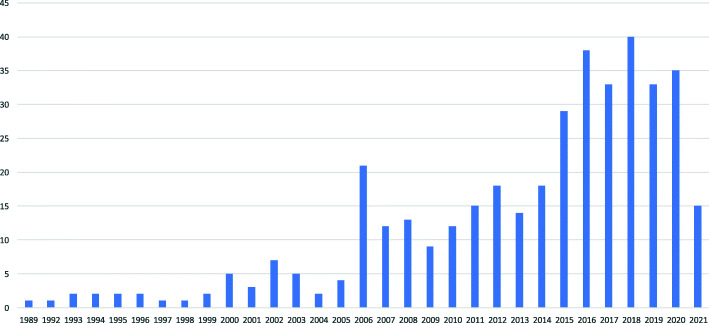
Cognitive–behavioral therapy (CBT) helps individuals to eliminate avoidant and safety-seeking behaviors that prevent self-correction of faulty beliefs, thereby facilitating stress management to reduce stress-related disorders and enhance mental health. The present review evaluated the effectiveness of CBT in stressful conditions among clinical and general populations, and identified recent advances in CBT-related techniques. A search of the literature for studies conducted during 1987–2021 identified 345 articles relating to biopsychosocial medicine; 154 (45%) were review articles, including 14 systemic reviews, and 53 (15%) were clinical trials including 45 randomized controlled trials. The results of several randomized controlled trials indicated that CBT was effective for a variety of mental problems (e.g., anxiety disorder, attention deficit hypersensitivity disorder, bulimia nervosa, depression, hypochondriasis), physical conditions (e.g., chronic fatigue syndrome, fibromyalgia, irritable bowel syndrome, breast cancer), and behavioral problems (e.g., antisocial behaviors, drug abuse, gambling, overweight, smoking), at least in the short term; more follow-up observations are needed to assess the long-term effects of CBT. Mental and physical problems can likely be managed effectively with online CBT or self-help CBT using a mobile app, but these should be applied with care, considering their cost-effectiveness and applicability to a given population.
Overview
The claims and statistics of this paper haven’t been checked yet.
Free: it reads the open-access text and checks the first 5 claims that cite a source we can check. Create a free account to check every claim.
Integrity signals
Registry
Cites
Statistics
Figures
Verification
Claims the paper makes
The claims and statistics of this paper haven’t been checked yet.
Free: it reads the open-access text and checks the first 5 claims that cite a source we can check. Create a free account to check every claim.
Claims other papers make about this one
Each is checked against this paper’s own text: does it say what the citing paper says it does?
The source backs part of the claim, not all of it — or backs it for a different population, condition or comparison.
In the citing paper
“multiple mobile applications support tracking and management of symptoms common during BZD tapering (e.g., sleep impairment, anxiety, depression).204–208”
From Joint Clinical Practice Guideline on Benzodiazepine Tapering: Considerations When Risks Outweigh Benefits (2025) · cites this paper as [208]
Experimental — accuracy not yet measuredThe source backs part of the claim, not all of it — or backs it for a different population, condition or comparison.
In the citing paper
“Cognitive-behavioural therapy emphasizes cognitive restructuring, which involves identifying irrational thoughts and negative ideations and instead allows substitution with positive reinforcement coping strategies to meet conceived expectations [42]. It also incoporates behavioural activation, which encourages engagement in positive activities and thoughts that enhance emotional regulation and cop”
From Psychosocial interventions for improving marital intimacy, sexual satisfaction, and quality of life of women and couples with infertility problems in low and middle-income countries: Systematic review protocol (2025) · cites this paper as [42]
Experimental — accuracy not yet measured
Self-check
Percentages, sums and reported differences re-computed from the paper’s own numbers.
The self-check needs the paper’s full text.
Citations
Cites
The Efficacy of Cognitive Behavioral Therapy: A Review of Meta-analyses
Hofmann, S. G., Asnaani, A., Vonk, I. J. J., Sawyer, A. T., & Fang, A. (2012) · Cognitive Therapy and Research · doi:10.1007/s10608-012-9476-1 · Cited by 3,445 · cited 1×
“CBT is a type of psychotherapeutic treatment that helps people to identify and change destructive or disturbing thought patterns that have a negative influence on their behavior and emotions [1].”
BackgroundPrevalence of chronic benign pain disorder among adults: a review of the literature
Verhaak, P. F. M., Kerssens, J. J., Dekker, J., Sorbi, M. J., & Bensing, J. M. (1998) · Pain · doi:10.1016/s0304-3959(98)00117-1 · Cited by 743
Cherkin, D. C., Sherman, K. J., Balderson, B. H., Cook, A. J., Anderson, M. L., Hawkes, R. J., Hansen, K. E., & Turner, J. A. (2016) · JAMA · doi:10.1001/jama.2016.2323 · Cited by 729 · cited 2×
“logical well-being and quality of life [11].”
BackgroundCognitive therapy: A 30-year retrospective.
Beck, A. T. (1991) · American Psychologist · doi:10.1037//0003-066x.46.4.368 · Cited by 607 · cited 1×
“In the US, Albert Ellis founded rational emotive therapy to help clients modify their irrational thoughts when encountering problematic events, and Aaron Beck employed cognitive therapy for depressed clients using Ellison’s model [3].”
Cognitive Behavior Therapy for Hypochondriasis: A Randomized Controlled Trial
Barsky, A. J., & Ahern, D. K. (2004) · JAMA · doi:10.1001/jama.291.12.1464 · Cited by 307
Schmidt, S., Grossman, P., Schwarzer, B., Jena, S., Naumann, J., & Walach, H. (2011) · PAIN · doi:10.1016/j.pain.2010.10.043 · Cited by 297 · cited 1×
“disease conditions like panic disorder and agoraphobia [6], and mindfulness reduces stress-related pain in fibromyalgia [7].”
BackgroundHellman, C. J. C., Budd, M., Borysenko, J., McClelland, D. C., & Benson, H. (1990) · Behavioral Medicine · doi:10.1080/08964289.1990.9934605 · Cited by 155 · cited 1×
“medicine, it has been reported that cognitive restructuring is effective in improving psychosomatic symptoms [5], exposure therapy is suitable for a variety of anxious”
BackgroundBiopsychosocial Approach to Assessing and Managing Patients with Chronic Pain
Cheatle, M. D. (2015) · Medical Clinics of North America · doi:10.1016/j.mcna.2015.08.007 · Cited by 137 · cited 1×
“The use of biopsychosocial approaches to treat chronic pain is shown to be clinically and economically efficacious [10]; for example, CBT is effective for chronic low-back pain [11].”
BackgroundFeliu‐Soler, A., Cebolla, A., McCracken, L. M., D’Amico, F., Knapp, M. R. J., López-Montoyo, A., García‐Campayo, J., Soler, J., Baños, R., Pérez‐Aranda, A., et al. (2017) · Behavior Therapy · doi:10.1016/j.beth.2017.07.001 · Cited by 77 · cited 2×
“The first- and second-wave forms of CBT arose via attempts to develop well-specified and rigorous techniques based on empirically validated basic principles [4].”
BackgroundCoping with Work-Related Stress through Guided Imagery and Music (GIM): Randomized Controlled Trial
Beck, B. D., Hansen, Å. M., & Gold, C. (2015) · Journal of Music Therapy · doi:10.1093/jmt/thv011 · Cited by 65 · cited 1×
“Most clinical trials recruited the samples from patient populations in order to assess specific diseases, but some targeted at those from non-patient populations like a working population in order to assessing mind-body conditions relating to sick leave [9].”
Background
Research works printed but not linked: 1
- Cochrane library. Cochrane reviews. [ https://www.cochranelibrary.com/] Accessed 15 June 2021.
Cited by
Items 101–200 of 491
Okesanya, O. J., Adebayo, U. O., Ngwoke, I., Agboola, A. O., Atewologun, F. A., Ajayi, S. B., Olaleke, N. O., Oso, T. A., & Lucero‐Prisno, D. E. (2025) · Exploration of Digital Health Technologies · doi:10.37349/edht.2025.101174 · Cited by 7
Chaurasiya, S., Singh, R., Bahadur, B. R., Singh, S., Maurya, V., & Rai, S. (2025) · Frontiers in Public Health · doi:10.3389/fpubh.2025.1703256 · Cited by 7
The Impact of Lifestyle on Brain Health
Potashkin, J. A., Vidyadhara, D. J., & Hunsberger, H. C. (2025) · American Journal of Lifestyle Medicine · doi:10.1177/15598276251411888 · Cited by 7
Cascavita, C. T., Hall, A. E., Shariati, K., Chevalier, J. M., Argame, A. A., Nguyen, N. H., Tseng, C.-H., Hidalgo, M. A., & Lee, J. C. (2026) · Journal of the American College of Surgeons · doi:10.1097/xcs.0000000000001891 · Cited by 7
Pang, C. H., Lam, Y. H. B., Chia, J. L. C., Ng, S. I. F., Wong, S. S., & Tay, P. K. C. (2024) · Psychology of Music · doi:10.1177/03057356241231769 · Cited by 6
“Current stress management techniques include mindfulness meditation (Sharma & Rush, 2014), cognitive behavioral therapy (Nakao et al., 2021) or anti-anxiety medications (Baldwin et al., 2011).”
Yue, S. R. B., Yin, Y., Liu, J., & Liu, Z. (2024) · Brazilian Journal of Medical and Biological Research · doi:10.1590/1414-431x2024e13689 · Cited by 6
“CBSM aims to alleviate individuals ’ psychosomatic disorders by reconstructing cognition, changing maladaptive behaviors, improving the ability to reduce stress, and conducting relaxation training (8,20).”
BackgroundEdikpa, E. C., IGABARI, Q. E., Ede, M. O., Amoke, C. V., Manafa, I. F., Nweze, C. A., Okoro, I. D., & Okereke, I. E. (2025) · Psychological Reports · doi:10.1177/00332941251323243 · Cited by 6
Sense of Mastery Explains Social Patterning of Health
Assari, S., Najand, B., & Donovan, A. (2025) · Healthcare · doi:10.3390/healthcare13131511 · Cited by 6
“Therapeutic approaches such as cognitive–behavioral therapy (CBT) [39], acceptance and commitment therapy (ACT) [40], and narrative therapy [41] already contain elements that seek to restore or build an individual’s sense of control over life circumstances.”
Yang, M., Hong, A., Qin, M., Gu, X., & Yuan, C. (2025) · Supportive Care in Cancer · doi:10.1007/s00520-025-09770-6 · Cited by 6
“[9] Given the growing evidence supporting the role of nurse-led interventions in oncology care, this meta-analysis aims to systematically evaluate their effectiveness in improving patient-reported outcomes for individuals with gynecological cancers.”
A Study on Islamic Psycho-Spiritual Therapy on Recovered Adolescent Addicts
Ismail, N. A. H., Haris, R. H., Kassim, S. K., & Mat, M. Z. A. (2022) · SYAMIL Jurnal Pendidikan Agama Islam (Journal of Islamic Education) · doi:10.21093/sy.v10i2.5653 · Cited by 9
Integrating CBT in obesity treatment for sustainable health and well-being
Amalia, R., Lutfatulatifah, L., & Indreswari, H. (2024) · Journal of Public Health · doi:10.1093/pubmed/fdae250 · Cited by 6
Molecular mechanism underlying stress response and adaptation
Yusuf, J. A., Akanbi, S. T., Olorunlowu, D. R., Opoola, E. K., Ogunlade, E. E., Kayode, E. A., Adejobi, E. O., Sulaiman, Y. O., Odemakinde, D. I., Aworeni, E. O., et al. (2025) · Progress in brain research · doi:10.1016/bs.pbr.2025.01.005 · Cited by 8
Kaplan, V., Düken, M. E., Kaya, R., & Almazan, J. U. (2023) · Journal of Research and Health · doi:10.32598/jrh.13.2.2125.1 · Cited by 6
Schechter, M. S., Molzhon, A., Everhart, R. S., Kang, L., Weiskittle, R., Castleberry, B., & Thompson, N. J. (2024) · Journal of Cystic Fibrosis · doi:10.1016/j.jcf.2024.11.008 · Cited by 5
Mapping vulnerability factors of chronic emotional and social loneliness: A network analysis
van den Bulck, C. M. M., van Emmerik, A., Blanken, T. F., Kamphuis, J. H., & Dijk, C. (2025) · Journal of Affective Disorders · doi:10.1016/j.jad.2025.02.105 · Cited by 5
Ghabashi, M. A. (2025) · Frontiers in Nutrition · doi:10.3389/fnut.2025.1532394 · Cited by 5
Pilot study of an app-supported psychosocial prevention intervention: a mixed-methods approach
Gehrmann, J., Stephan, J., Dehner, J., Stullich, A., Richter, M., PE³PP study group, Ballaschke, O., Finke, F., Gabel, F., Grossmann, A., et al. (2025) · Pilot and Feasibility Studies · doi:10.1186/s40814-025-01737-y · Cited by 5
Sivagurunathan, R., Sivagurunathan, L., Senathirajah, A. R. B. S., Qazi, S., Haque, R., & Joshi, G. (2025) · Discover Sustainability · doi:10.1007/s43621-025-02277-4 · Cited by 5
“Physical, mental and social well-being are interconnected (biopsychosocial model), and people learn best when they are actively involved and think about what they are learning (experiential learning theory) [37, 48].”
Virtual Reality Revolution: Strategies for treating mental and emotional disorders
Nava, E., & Jalote-Parmar, A. (2022) · Conference proceedings/Conference proceedings - IEEE International Conference on Systems, Man, and Cybernetics · doi:10.1109/smc53654.2022.9945483 · Cited by 5
“CBT is a logical approach that helps patients identify and interact with negative feelings and emotions and develop goals and strategies to change unhelpful behaviours [20].”
BackgroundCarneiro, L. S. R. D. S. F., Ćwirynkało, K., Vaičekauskaitė, R., Doğan, S., Kowalczyk, O., & WELLS, J. S. G. (2023) · Advances in psychology, mental health, and behavioral studies (APMHBS) book series · doi:10.4018/978-1-6684-6040-5.ch002 · Cited by 5
Lin, Y., Zhang, H., Shi, C., Yang, N., Li, X., & Gan, J. (2025) · Actas Españolas de Psiquiatría · doi:10.62641/aep.v53i2.1673 · Cited by 5
“Furthermore, the behavioral activation techniques employed in CBT may facilitate individuals to re-engage in meaningful activities and social interactions, counteracting the social isolation and withdrawal often associated with vision loss [ 36].”
Lin, X., Fu, X., Shen, Y., Liu, G., Ding, N., Zhang, G., & Qian, J. (2025) · Frontiers in Psychology · doi:10.3389/fpsyg.2025.1588090 · Cited by 7
“Furthermore, high stress can trigger rumination, involving fixating on negative content and worsening mood (Diamond, 2013; Kadzikowska-Wrzosek, 2020; Ganor et al., 2023).”
Khan, A., Madihie, A., Ullah, F., Abid, O., & Awan, K. H. (2025) · Counselling and Psychotherapy Research · doi:10.1002/capr.12870 · Cited by 6
Afridah, W., Fitriyah, F. K., Lestari, Y. N., Amin, N., & Wikurendra, E. A. (2025) · Social Sciences & Humanities Open · doi:10.1016/j.ssaho.2025.101504 · Cited by 6
Mohammed, S., Bugingo, R., Mahdi, F., Spencer, D., Manzar, M. D., & Paris, J. J. (2025) · Psychiatry International · doi:10.3390/psychiatryint6020047 · Cited by 5
Smith, B. W., Albonico, K., deCruz-Dixon, N., Phan, A., Guzman, A., & Schodt, K. B. (2023) · International Journal of Wellbeing · doi:10.5502/ijw.v13i3.2801 · Cited by 7
Psychosocial Occupational Therapy Interventions for High-Risk Pregnancies: A Systematic Review
Khan, S., Tran, T., Edema, C., Grant, J., Olivares, L., & Ferreira, V. (2025) · American Journal of Occupational Therapy · doi:10.5014/ajot.2025.051199 · Cited by 4
“…cognitive restructuring, emotional regulation, and adaptive coping — directly enhance a woman ’ s ability to engage in meaningful occupations such as self-care, household management, work, and social participation (Curtiss et al., 2021; McCoyd et al., 2020; Nakao et al., 2021; Suzuki et al., 2011).”
Abouzed, M. A., Gabr, A. A. M., Elsheikh, M., Elag, K. A., Zeid, M. Y., Barakat, M., Elasaly, E., Elsaadouni, N., & Soliman, M. (2025) · Scientific Reports · doi:10.1038/s41598-025-24785-z · Cited by 4
“Psychosocial interventions, including cognitive behavioral therapy and family psychoeducation, have shown efficacy in FEP but have not been widely studied in SIPD or brief psychotic disorder (BPD) 14,15 .”
Coaching Leadership in Nursing
Wei, H., Leising, B., Greenwood, S., Opton, L., Sullivan, L. K., Veesart, A., Cherry, B., Weber, J. R., & Randall, J. C. (2025) · Nurse Leader · doi:10.1016/j.mnl.2025.102633 · Cited by 4
Behaviorally Informed Organization Development: Integrating Counseling Theories to OD Practices
Rothwell, W. J., Sadique, F., & West, R. D. (2025) · The Journal of Applied Behavioral Science · doi:10.1177/00218863251409826 · Cited by 4
“For example, Narrative Therapy aligns with cultural storytelling initiatives and complements dialogic OD, while cognitive-behavioral therapy offers tools to help employees reframe maladaptive thinking during change efforts (Nakao et al., 2021).”
Antifragility and Growth Through Adversity: A Scoping Review
Holton, N., Cottin, M., Wright, A., Michael, M., Antonio, D. S., & Bigliassi, M. (2026) · Psychological Reports · doi:10.1177/00332941261416041 · Cited by 5
Farmawati, C., & Zulfa, N. (2025) · Psikis Jurnal Psikologi Islami · doi:10.19109/psikis.v11i2.30427 · Cited by 4
Sadiq, U., Irfan, A., Baig, K. B., & Flesia, L. (2026) · Adolescents · doi:10.3390/adolescents6020027 · Cited by 8
“It is also positively associated with emotional well-being [20], resilience [21], and healthier interpersonal relationships [22], as individuals who can regulate stress tend to communicate more constructively and respond less impulsively.”
Reconceptualizing islamic counseling for global mental health: An integrative framework
Kholilurrohman, K., Mufid, A., Masuwd, M. A., & Razali, K. (2026) · Jurnal Ilmu Dakwah · doi:10.21580/jid.v46.1.31114 · Cited by 4
“One of the most widely used evidence-based counselling techniques is cognitive-behavioural therapy (CBT), which focuses on changing negative thought patterns and behaviours (Nakao et al., 2021).”
Wang, Q., Collet, J., Mei, J., Chen, G., Huang, S., Yang, Y., Wang, W., & Ding, F. (2023) · Digital Health · doi:10.1177/20552076231184052 · Cited by 4
Saeedy, S. A. G., Faiz, A. F., Rahimi, A., & Shayan, N. A. (2024) · Health Science Reports · doi:10.1002/hsr2.2301 · Cited by 4
Mallise, C. A., Wall, L., Paolucci, F., Davies, K., Hera-Fuentes, G. L., Wilson, J. W., Tickner, C., KAY‐LAMBKIN, F. J., & Heinsch, M. (2024) · Community Mental Health Journal · doi:10.1007/s10597-024-01350-y · Cited by 5
“The uptake and use of mental health and substance use treatment has been found to help individuals manage symptoms of their condition(s), improving their physical and social wellbeing (Clark et al., 2018; Nakao et al., 2021).”
Feasibility and preliminary effects of the mindful healthy family project among rural families
Kao, T. A., Ling, J., Alanazi, M. O., Bara, N., & Barnes-Najor, J. V. (2024) · Health Psychology and Behavioral Medicine · doi:10.1080/21642850.2024.2446368 · Cited by 4
“However, providers generally require extensive training to use such a combination to reduce stress (Nakao et al., 2021).”
Pashko, T., Товстуха, О., Черновська, Л., Serhieieva, I., & Чумак, О. О. (2025) · European Journal of Trauma & Dissociation · doi:10.1016/j.ejtd.2025.100580 · Cited by 4
Vaillant-Coindard, E., Briet, G., Lespiau, F., Gisclard, B., & Charbonnier, É. (2024) · BMC Psychology · doi:10.1186/s40359-024-01723-8 · Cited by 6
“…therapy (CBT)- inspired techniques are potentially suitable for targeting the processes of interest in prophylactic interventions promoting positive mental health trajectories among adolescents, given the evidence of CBT efficacy in both therapeutic [152] and preventive [47, 170, 237] settings.”
BackgroundVernmark, K., Hursti, T. J., Blom, V., Asplund, R. P., Nathanson, E., Engelro, L., Radvogin, E., & Andersson, G. (2024) · Clinical Psychology in Europe · doi:10.32872/cpe.12899 · Cited by 5
“To this date it is the most researched psychotherapy method, although its effects for stress related problems have been less studied (Nakao et al., 2021).”
A psychological model of predictive factors of distress following long COVID
Brown, S. A., Holland, J. F., Gaynor, K., Bramham, J., O’Keeffe, F. M., O'Flanagan, S., Savinelli, S., Mallon, P. W. G., Feeney, E. R., Kenny, G., et al. (2024) · Journal of Affective Disorders · doi:10.1016/j.jad.2024.12.049 · Cited by 4
Internet chat based intervention as a mode for therapy and counselling
Gopinath, J. K., Rodrigues, M., & Manuja, P. (2025) · Cambridge Prisms Global Mental Health · doi:10.1017/gmh.2024.151 · Cited by 5
“…evidence to prove that the CBT approach is as powerful or more effective compared to other forms of psychological therapy and psychiatric medicines, and its usefulness extends to psychological and physical conditions and behavioural problems among individuals (APA, 2017; Nakao et al., 2021).”
Otu, M. S., & Sefotho, M. M. (2024) · World Journal of Clinical Cases · doi:10.12998/wjcc.v12.i2.322 · Cited by 5
“The findings of this study also support Nakao et al ’s finding that cognitive behavioral interventions were found to reduce irrational thought patterns and improve workers' overall well-being after participating in these interventions[72].”
Review of analysis of EEG signals for stress detection
Mazlan, M. R., Sukor, A. S. A., Adom, A. H., & Jamaluddin, R. (2024) · AIP conference proceedings · doi:10.1063/5.0181590 · Cited by 6
Bokhari, S. F. H., Waseem, A. B., Raza, H., Javaid, S., Idrees, B., Saad, K. A. D., Iqbal, A., Bakht, D., & Dost, W. (2025) · World Journal of Surgical Procedures · doi:10.5412/wjsp.v15.i1.104178 · Cited by 5
AI-Driven Personalization of E-Therapy Interventions for Anxiety, Stress, and Depression
Ramzan, H. A., Abdulah, F., Ahmad, M., Ramzan, S., & Ashraf, M. (2024) · International Conference on Open Source Systems and Technologies (ICOSST) · doi:10.1109/icosst64562.2024.10871158 · Cited by 3
“Medication and cognitive-behavioral therapy (CBT) are two common traditional methods used for the treatment of these disorders [2], [3].”
Alotaibi, N. M., Alenezi, L., Ahmad, F. M., Almutairi, W., Alshammari, D., Alenezi, M., & Alotaibi, M. (2025) · Scientific Reports · doi:10.1038/s41598-025-01633-8 · Cited by 5
“It eliminates avoidant and safety-seeking behaviors that inhibit self-correction of false beliefs, leading to better stress management, reduced stress-related disorders, and improved psychological manifestations such as stress, anxiety and depression symptoms 45 .”
Interplay of psychological factors and bronchial asthma: a comprehensive review
Verma, A. K., Tripathi, S., Tripathi, A., Gupta, S. S., Singh, A., Tripathi, P. P., Bajpai, J., & Kant, S. (2025) · Monaldi Archives for Chest Disease · doi:10.4081/monaldi.2025.3208 · Cited by 3
Wang, B., Shen, S., Lok, K. Y. W., Lin, J., & Smith, R. D. (2025) · BMC Psychiatry · doi:10.1186/s12888-025-07459-y · Cited by 3
“Several studies also indicated modest yet consistent benefits of CBT across a range of conditions [39, 40].”
Liu, S., Chen, X., Liu, D., Lin, Y., Chen, Y., & Cai, S. (2025) · JMIR Rehabilitation and Assistive Technologies · doi:10.2196/60717 · Cited by 3
A longitudinal study assessing prevalence of stress in student pharmacists at two programs
Robinson, J. D., Dayer, L. E., Heldenbrand, S. D., & McKeirnan, K. C. (2025) · Currents in Pharmacy Teaching and Learning · doi:10.1016/j.cptl.2025.102551 · Cited by 3
Lai, X., Liu, J., Zhao, Y., Wu, X., Wu, L., He, K., Chu, H., Yan, Y., Liao, Y., Li, C., et al. (2025) · Journal of Affective Disorders · doi:10.1016/j.jad.2025.120964 · Cited by 3
Measuring the Role of Female Auditor Behavior: Evidence in Indonesia
Saifudin, S., Januarti, I., & Laguador, J. M. (2025) · Journal of Accounting and Strategic Finance · doi:10.33005/jasf.v8i2.614 · Cited by 3
“CBT technically focuses on the thoughts and behaviors of individuals, where negative thoughts will cause individuals who need treatment to have negative feelings and behaviors, and vice versa (Nakao et.al, 2021).”
Giguère, R., Marois, A., Fortin‐Guichard, D., Charest, J., Rocheleau, J., Thompson, K., Stolberg, M., St‐Martin, P., Bergouignan, A., Niaussat, V., et al. (2026) · Frontiers in Physiology · doi:10.3389/fphys.2025.1729596 · Cited by 3
Callegari, S., Mubarak, E., Romain, G., Golledge, J., Mena‐Hurtado, C., & Smolderen, K. G. E. (2026) · Arteriosclerosis Thrombosis and Vascular Biology · doi:10.1161/atvbaha.125.322135 · Cited by 3
Qu, S., Zhou, M., Campy, K. S., & Bu, P. (2026) · Vaccine · doi:10.1016/j.vaccine.2026.128508 · Cited by 3
Burnout Syndrome in Modern Life: A Psychological Perspective
Das, J., & Bose, M. (2026) · IntechOpen eBooks · doi:10.5772/intechopen.1015422 · Cited by 3
Prevalence, Risks and Prevention of Child Maltreatment in the Middle East
Kiyumi, M. H. A., Shidhani, A. S. A., Sumri, S. A., Harrasi, A. A., Kiyumi, M. A., & Alsaidi, Y. (2023) · Journal of Pediatrics Research Reviews & Reports · doi:10.47363/jprrr/2023(5)156 · Cited by 3
Could the use of web-based applications assist in neuropsychiatric treatment? An umbrella review
Pelucio, L., Quagliato, L. A., Cardoso, A., Horato, N., & Nardi, A. E. (2025) · BMC Psychology · doi:10.1186/s40359-024-02263-x · Cited by 3
The Relationship between Stress and Immune Function: A Review Article
Kahya, H. F. H., & Mahmood, M. T. (2025) · Commagene Journal of Biology · doi:10.31594/commagene.1641548 · Cited by 3
Bell, J. S., Tillson, M. D., Anvari, M. S., Blonigen, D. M., McGovern, M. P., & Magidson, J. F. (2025) · Administration and Policy in Mental Health and Mental Health Services Research · doi:10.1007/s10488-025-01470-x · Cited by 4
“Studies also were required to describe behavioral evidence-based interventions (EBIs) delivered by PRS, which were derived by using lists of behavioral EBIs for SUD described by McGovern and Carroll ( 2003), Glasner and Drazdowski (2019), and Jhanjee (2014 (Nakao et al., 2021).”
Su, R. J., Wang, R., Li, Z., Wang, Y., Zhao, X., Sun, Y., Ni, J., Zhu, Y., Luan, J., Tian, G., et al. (2025) · International Journal of Clinical Oncology · doi:10.1007/s10147-025-02875-2 · Cited by 5
“Our analysis did not explore the effects of all contemporary CBT techniques, including other third-wave approaches such as Acceptance and Commitment Therapy (ACT) and Dialectical Behavior Therapy (DBT) [104].”
Hamzaa, H. G., El‐Sayed, M. M., Khedr, M. A., Mahmoud, A. S., Sharif, L., Mahsoon, A. N., Sharif, K., & Gabal, S. A. (2025) · SAGE Open Nursing · doi:10.1177/23779608251383584 · Cited by 3
“Cognitive-behavioral therapy (CBT) has proven effective in addressing early signs of relapse and can alleviate emotional distress while promoting well-being (Nakao et al., 2021).”
Gu, Y., You, Y., Guo, G., Xie, F., Guan, C., Xie, C., Cheng, Y., Ji, Q., & Yao, F. (2023) · PLoS ONE · doi:10.1371/journal.pone.0287287 · Cited by 3
Reviewing CBT Intervention for Body Dysmorphic Disorder: A Systematic Literature
Unbrin, A., Shazhadi, M., & Jabeen, M. (2024) · Journal of Development and Social Sciences · doi:10.47205/jdss.2024(5-i)32 · Cited by 3
“Cognitive Behavioral Therapy (CBT) has emerged as one of the most effective psychological interventions for BDD (Nakao et al., 2021b).”
BackgroundCompreendendo e abordando a Síndrome de Burnout: causas, consequências e estratégias terapêuticas
Samartino, M., Pacheco, A. P. Q. D. F., de Lima, C. V. R., da Silva, A. L. S., Oliveira, S. D. S., de Souza, E. V. A., Garcia, G. P., Avila, A. Q. R. D., Alves, R. E. M., de Mendonça, G. J. G., et al. (2024) · Caderno Pedagógico · doi:10.54033/cadpedv21n6-194 · Cited by 2
Sleepless nights, troubled futures: The association between insufficient sleep and child flourishing
Okorie, I. P., & Weber, A. M. (2024) · Sleep Medicine · doi:10.1016/j.sleep.2024.07.020 · Cited by 3
Transdisciplinary Issues of the United States Healthcare Delivery System
Yogarajah, J., Prybutok, V. R., & Prybutok, G. T. (2024) · Informing Science The International Journal of an Emerging Transdiscipline · doi:10.28945/5376 · Cited by 2
Polytrauma and executive functioning: A review of cognitive protective mechanisms and resilience
Rose, M. L., & Johnson, M. L. (2025) · European Journal of Trauma & Dissociation · doi:10.1016/j.ejtd.2025.100503 · Cited by 2
Rosyanti, L., Nugroho, H. S. W., & Hadi, I. (2025) · Anaesthesia Pain & Intensive Care · doi:10.35975/apic.v29i2.2725 · Cited by 2
Yan, Z., Wang, N., Wang, B., Guan, R., Xue, H., Li, X., & Wang, Y. (2025) · Psychology Health & Medicine · doi:10.1080/13548506.2025.2524863 · Cited by 2
“There were several possible reasons for this: (1) CSMP corrected the maladaptive cognition and developed the positive thinking of parents, thereby relieving their anxiety and depression (Nakao et al., 2021, Tang et al., 2020).”
Hue, V. C., Nor, A. M., & Siaw, Y.-L. (2025) · Malaysia Online Journal of Psyhcology and Counselling · doi:10.22452/mojpc.vol12no1.5 · Cited by 2
Hasani, M., Banadaki, F. D., Novin, M. R., Mobarakeh, M. N., & Darabi, R. (2025) · doi:10.61838/kman.ijes.8.1.13 · Cited by 2
Allostatic load in major depressive disorder: An in-patient clinical study
Finlay, S., Suvarna, B., Adegboye, O. A., Rudd, D., McDERMOTT, B. M., Westphal, S., Guest, P. C., Meyer-Lotz, G., Dobrowolny, H., Bahn, S., et al. (2025) · Psychoneuroendocrinology · doi:10.1016/j.psyneuen.2025.107653 · Cited by 2
Supportive Interventions for Deprescribing in Adult Mental Healthcare: A Narrative Review
Tchijevitch, O., Gildberg, F. A., & Birkeland, S. (2025) · Issues in Mental Health Nursing · doi:10.1080/01612840.2025.2562183 · Cited by 2
“…anxiety disorders, bulimia nervosa, etc.), behavioral problems (e.g. antisocial behaviors, substance use, gambling, obesity, smoking) and physical conditions (e.g. chronic fatigue syndrome, fibromyalgia, irritable bowel syndrome, breast cancer) (Cuijpers et al., 2023; Nakao et al., 2021).”
Social isolation induced negative emotions affect economic behavior: A natural experiment study
Jin, S., Liu, T., Sun, Z., & Zhang, X. (2025) · Journal of Development Economics · doi:10.1016/j.jdeveco.2025.103677 · Cited by 5
Yang, Z., Hu, C., Wang, H., Yang, T., Wang, H., & Jiang, M. (2025) · Frontiers in Psychiatry · doi:10.3389/fpsyt.2025.1663611 · Cited by 2
Prabhu, N., Vijayan, V., & Mythili, N. (2025) · Discover Applied Sciences · doi:10.1007/s42452-025-07919-w · Cited by 3
“Psychological medications, like CBT, deals the emotional as well as behavioral dimensions of CI, like tiredness, mental depression, and maladaptive beliefs about memory [117].”
Posicionamento sobre a Saúde Cardiometabólica ao Longo do Ciclo de Vida da Mulher – 2025
de Oliveira, G. M. M., de Almeida, M. C. C., Valério, C. M., Giuffrida, F. M. A., Espíndola, L. N., Izar, M. C. D. O., Marques-Santos, C., Freire, C. M. V., Albuquerque, C. J. D. M., Chagas, A. C. P., et al. (2025) · Arquivos Brasileiros de Cardiologia · doi:10.36660/abc.20250615 · Cited by 5
Position Statement on Cardiometabolic Health Across the Woman's Life Course – 2025
de Oliveira, G. M. M., de Almeida, M. C. C., Valério, C. M., Giuffrida, F. M. A., Espíndola, L. N., Izar, M. C. D. O., Marques-Santos, C., Freire, C. M. V., Albuquerque, C. J. D. M., Chagas, A. C. P., et al. (2025) · Revista Brasileira Ginecologia e Obstetrícia · doi:10.61622/rbgo/2025rbgo200 · Cited by 2
Espin, A., Rodriguez‐Larrad, A., Ruiz-Fernández, A., Martín-Pérez, A., Fernández-Gutiérrez, N., Andersen, L. L., & Irazusta, J. (2025) · Musculoskeletal Science and Practice · doi:10.1016/j.msksp.2025.103465 · Cited by 2
Lee, N., & Lee, K.-E. (2026) · Healthcare · doi:10.3390/healthcare14040421 · Cited by 2
“It is necessary to help firefighters find healthy ways to relieve stress via stress management programs using various techniques, such as cognitive behavioral therapy, stress awareness and relaxation, breathing exercises, physical activity, and training on controlling negative emotions [48,49].”
Jalali, A., Ghasemianrad, M., Khazaie, H., Jalali, R., Chavoshani, F., Khalili, M., & Kazeminia, M. (2026) · SN Comprehensive Clinical Medicine · doi:10.1007/s42399-025-02235-1 · Cited by 2
“Several factors influence the format and effectiveness of cognitive-behavioral therapy (CBT) for stress, anxiety, and depression, including the clinical population, how CBT is delivered, session length and order, and cultural differences [184–186].”
Savio, A., Srivastava, M., Jose, M. R., Kumar, N., Elanjickal, C. S., & Singh, K. (2026) · Discover Mental Health · doi:10.1007/s44192-026-00391-x · Cited by 2
“There was no sustained improvement in pain intensity or catastrophizing, suggesting that psychological rather than sensory processes mediate the effects of CBT [36].”
InfluentialKent-Wilkinson, A. E., Ogunwemimo, S., & Zaba, E. (2026) · International Journal of Mental Health Nursing · doi:10.1111/inm.70251 · Cited by 2
Aggarwal, N. K. (2026) · Transcultural Psychiatry · doi:10.1177/13634615261452805 · Cited by 2
Putra, M. A. D. T., Endratamma, M. A., Akbar, M. F., Hamid, A. A., & Mokhtar, M. H. (2026) · Medicina · doi:10.3390/medicina62071335 · Cited by 2
“By targeting negative thought patterns and avoidance behaviors, CBT helps individuals reframe their experiences, develop problem-solving strategies, and adopt more adaptive coping mechanisms [37,38].”
Nwankwo, H. E., Ogunniyi, K. E., Okezue, C., Dele, D., Adebisi, Y. A., Balogun, T., Igbokwe, M. A., Ajua, N., Ihenachor, M. O., Daniel, E., et al. (2026) · European Journal of Preventive Cardiology · doi:10.1093/eurjpc/zwag509 · Cited by 2
Estimation psychophysiological state via nonlinear dynamic integral models
Pavlenko, V. D., Shamanina, T. V., & Chori, V. (2023) · Applied Aspects of Information Technology · doi:10.15276/aait.06.2023.8 · Cited by 2
Akhtar, M., Aamer, S., Alam, M., Dean, N., Bondogji, L., Tokhi, M., Asad, S., Razick, D., Qubain, L., & Bhatti, S. (2024) · Cureus · doi:10.7759/cureus.60462 · Cited by 2
“This fosters a more balanced mindset, enhancing the capacity to manage stress effectively [37].”
BackgroundSexual and reproductive health in men with spinal cord injury
Arian, I., Maria, R. U. S. U., Machidon, D., & Dumbraveanu, I. (2024) · One Health & Risk Management · doi:10.38045/ohrm.2024.3.01 · Cited by 2
Opioid reward and deep brain stimulation of the lateral hypothalamic area
Fattahi, M., Rahimpour, M., & Riahi, E. (2024) · Vitamins and hormones · doi:10.1016/bs.vh.2024.10.004 · Cited by 3
Terapi Bermain Puzzle untuk Meningkatkan Fungsi Kognitif Lansia
Wahyuningsih, T., & Aryanti, D. (2024) · Jurnal Penelitian Kesehatan "SUARA FORIKES" (Journal of Health Research "Forikes Voice") · doi:10.33846/sf15305 · Cited by 2
Nurses' In-service Education Program Content for Psychiatric Nurses: An Integrative Review
Osaka, K., Betriana, F., Blaquera, A. P., Soriano, K., Kataoka, M., & Tanioka, T. (2024) · Celebes Nursing Journal. · doi:10.70848/cnj.v1i2.10 · Cited by 4
Rozenova, M. I. (2024) · Èkstremalʹnaâ psihologiâ i bezopasnostʹ ličnosti. · doi:10.17759/epps.2024010403 · Cited by 2
Lakho, A., Ain, N. U., Memon, K., Lakhiar, A., Um-e-Kalsoom, Siyal, F. J., Jiskani, S. A., Jokhio, F., Lund, N., Abbas, W., et al. (2025) · Indus journal of bioscience research. · doi:10.70749/ijbr.v3i2.787 · Cited by 2
Bridging the Gap Between Brain Health Guidelines and Real-world Implementation
Correa, D. J., Jordan, J. T., & Said, R. R. (2025) · CONTINUUM Lifelong Learning in Neurology · doi:10.1212/cont.0000000000001579 · Cited by 2
Ahmed, A., Ali, Z., Abid, M., Niaz, H., & Ali, U. (2025) · Cureus · doi:10.7759/cureus.92867 · Cited by 3
“Interventional studies focusing on lifestyle changes, cognitive-behavioral therapy, sleep modulation, and pharmacological strategies have begun to reveal potential avenues for mitigating neurocognitive decline and improving mental health outcomes in this vulnerable group [6,7].”
Bogart, L. M., Barreras, J. L., Robledo, J., Whitaker, L., Mendoza-Graf, A., Klein, D. J., Castro, G., Wagner, Z., Penoyer, D., MacCarthy, S., et al. (2025) · AIDS and Behavior · doi:10.1007/s10461-025-04906-5 · Cited by 3
“Cognitive behavior therapy (CBT) interventions have been effective in improving stress management, as well as reducing internalized stigma, including among people with mental health conditions, people living with HIV, and gay and bisexual and other men who have sex with men [ 14– 16].”
Metadata
- Authors
- Nakao, M., Shirotsuki, K., & Sugaya, N.
- Affiliations
- International University of Health and Welfare (JP)
- Musashino University (JP)
- Yokohama City University (JP)
- Corresponding author
- Nakao, Mutsuhiro
- Venue
- BioPsychoSocial Medicine
- Published
- 2021-10-03
- Volume
- 15
- Issue
- 1
- Pages
- 16-16
- ISSN
- 1751-0759 (ISSN-L)
- PMC
- PMC8489050
- OpenAlex
- W3204339337
- Semantic Scholar
- bc7fb565310ef2d6f78bc9b8eccb5e262110bafb
- Cited by
- 339
- References
- 19
- Citations by year
- 2026: 75 · 2025: 137 · 2024: 88 · 2023: 30 · 2022: 9
- FWCI
- 30.69
- Type
- journal article
- Language
- en
- Open access
- gold
- doi.org
- Licence
- cc-by
- creativecommons.org/licenses/by/4.0 (tdm)
- creativecommons.org/licenses/by/4.0 (vor)
- Locations
- BioPsychoSocial Medicine (publishedVersion, cc-by)
- Europe PMC (PubMed Central) (publishedVersion, other-oa)
- PubMed Central (publishedVersion, cc-by)
- PubMed (publishedVersion)
- DOAJ (DOAJ: Directory of Open Access Journals) (submittedVersion, cc-by-sa)
- Funders
- ministry of education and science (kakenhi C)
- Topics
- Social Sciences › Psychology › Experimental and Cognitive Psychology › Anxiety, Depression, Psychometrics, Treatment, Cognitive Processes
- Social Sciences › Psychology › Applied Psychology › Digital Mental Health Interventions
- Social Sciences › Psychology › Clinical Psychology › Psychological Treatments and Assessments
- Keywords
- cognitive behavioral therapy, stress management, stress-related disorders, mental health, anxiety disorders, depression, bulimia nervosa, health anxiety, chronic fatigue syndrome, fibromyalgia, irritable bowel syndrome, breast cancer, antisocial behavior, drug abuse, gambling, smoking, mobile application, cost-effectiveness
About these checks
Registry, retraction, Cites and statistics results are computed, not judged, with one exception: a printed reference that no index lists is read once by a model before it counts as a citation error. Claims are extracted by a model and kept only when their quote appears verbatim in the text; each cited source is then checked, with a model’s help, for whether it says what the claim relies on. Those verdicts can be wrong — read the claim’s quote and the cited source before relying on one.
Statistics and arithmetic are recomputed, not judged.
Confidence bands are shown only for fields calibrated on our annotated test set. None is calibrated yet, so no band is shown.
What counts as a claim ›How we measure confidence ›How we check this ›
Are you an author, or do you see a problem with this page? Request a review
Data sources
Bibliographic data: Semantic Scholar, OpenAlex, Crossref.
Contains information from the Semantic Scholar Academic Graph Datasets, made available under the ODC Attribution License (ODC-BY 1.0).
Semantic Scholar’s data is described in: Kinney, R., et al. (2023). The Semantic Scholar Open Data Platform. arXiv:2301.10140.
