

Cognitive–behavioral therapy for management of mental health and stress-related disorders: Recent advances in techniques and technologies
Open accessThe DOI matches its Crossref record; 19 of the 19 references it cites were found in a registry or an index.
Abstract
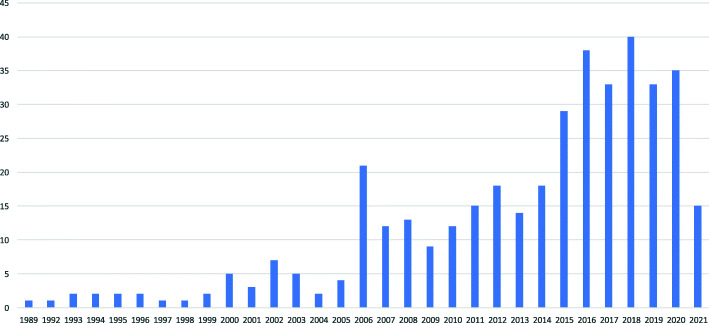
Cognitive–behavioral therapy (CBT) helps individuals to eliminate avoidant and safety-seeking behaviors that prevent self-correction of faulty beliefs, thereby facilitating stress management to reduce stress-related disorders and enhance mental health. The present review evaluated the effectiveness of CBT in stressful conditions among clinical and general populations, and identified recent advances in CBT-related techniques. A search of the literature for studies conducted during 1987–2021 identified 345 articles relating to biopsychosocial medicine; 154 (45%) were review articles, including 14 systemic reviews, and 53 (15%) were clinical trials including 45 randomized controlled trials. The results of several randomized controlled trials indicated that CBT was effective for a variety of mental problems (e.g., anxiety disorder, attention deficit hypersensitivity disorder, bulimia nervosa, depression, hypochondriasis), physical conditions (e.g., chronic fatigue syndrome, fibromyalgia, irritable bowel syndrome, breast cancer), and behavioral problems (e.g., antisocial behaviors, drug abuse, gambling, overweight, smoking), at least in the short term; more follow-up observations are needed to assess the long-term effects of CBT. Mental and physical problems can likely be managed effectively with online CBT or self-help CBT using a mobile app, but these should be applied with care, considering their cost-effectiveness and applicability to a given population.
Overview
The claims and statistics of this paper haven’t been checked yet.
Free: it reads the open-access text and checks the first 5 claims that cite a source we can check. Create a free account to check every claim.
Integrity signals
Registry
Cites
Statistics
Figures
Verification
Claims the paper makes
The claims and statistics of this paper haven’t been checked yet.
Free: it reads the open-access text and checks the first 5 claims that cite a source we can check. Create a free account to check every claim.
Claims other papers make about this one
Each is checked against this paper’s own text: does it say what the citing paper says it does?
The source backs part of the claim, not all of it — or backs it for a different population, condition or comparison.
In the citing paper
“multiple mobile applications support tracking and management of symptoms common during BZD tapering (e.g., sleep impairment, anxiety, depression).204–208”
From Joint Clinical Practice Guideline on Benzodiazepine Tapering: Considerations When Risks Outweigh Benefits (2025) · cites this paper as [208]
Experimental — accuracy not yet measuredThe source backs part of the claim, not all of it — or backs it for a different population, condition or comparison.
In the citing paper
“Cognitive-behavioural therapy emphasizes cognitive restructuring, which involves identifying irrational thoughts and negative ideations and instead allows substitution with positive reinforcement coping strategies to meet conceived expectations [42]. It also incoporates behavioural activation, which encourages engagement in positive activities and thoughts that enhance emotional regulation and cop”
From Psychosocial interventions for improving marital intimacy, sexual satisfaction, and quality of life of women and couples with infertility problems in low and middle-income countries: Systematic review protocol (2025) · cites this paper as [42]
Experimental — accuracy not yet measured
Self-check
Percentages, sums and reported differences re-computed from the paper’s own numbers.
The self-check needs the paper’s full text.
Citations
Cites
The Efficacy of Cognitive Behavioral Therapy: A Review of Meta-analyses
Hofmann, S. G., Asnaani, A., Vonk, I. J. J., Sawyer, A. T., & Fang, A. (2012) · Cognitive Therapy and Research · doi:10.1007/s10608-012-9476-1 · Cited by 3,445 · cited 1×
“CBT is a type of psychotherapeutic treatment that helps people to identify and change destructive or disturbing thought patterns that have a negative influence on their behavior and emotions [1].”
BackgroundPrevalence of chronic benign pain disorder among adults: a review of the literature
Verhaak, P. F. M., Kerssens, J. J., Dekker, J., Sorbi, M. J., & Bensing, J. M. (1998) · Pain · doi:10.1016/s0304-3959(98)00117-1 · Cited by 743
Cherkin, D. C., Sherman, K. J., Balderson, B. H., Cook, A. J., Anderson, M. L., Hawkes, R. J., Hansen, K. E., & Turner, J. A. (2016) · JAMA · doi:10.1001/jama.2016.2323 · Cited by 729 · cited 2×
“logical well-being and quality of life [11].”
BackgroundCognitive therapy: A 30-year retrospective.
Beck, A. T. (1991) · American Psychologist · doi:10.1037//0003-066x.46.4.368 · Cited by 607 · cited 1×
“In the US, Albert Ellis founded rational emotive therapy to help clients modify their irrational thoughts when encountering problematic events, and Aaron Beck employed cognitive therapy for depressed clients using Ellison’s model [3].”
Cognitive Behavior Therapy for Hypochondriasis: A Randomized Controlled Trial
Barsky, A. J., & Ahern, D. K. (2004) · JAMA · doi:10.1001/jama.291.12.1464 · Cited by 307
Schmidt, S., Grossman, P., Schwarzer, B., Jena, S., Naumann, J., & Walach, H. (2011) · PAIN · doi:10.1016/j.pain.2010.10.043 · Cited by 297 · cited 1×
“disease conditions like panic disorder and agoraphobia [6], and mindfulness reduces stress-related pain in fibromyalgia [7].”
BackgroundHellman, C. J. C., Budd, M., Borysenko, J., McClelland, D. C., & Benson, H. (1990) · Behavioral Medicine · doi:10.1080/08964289.1990.9934605 · Cited by 155 · cited 1×
“medicine, it has been reported that cognitive restructuring is effective in improving psychosomatic symptoms [5], exposure therapy is suitable for a variety of anxious”
BackgroundBiopsychosocial Approach to Assessing and Managing Patients with Chronic Pain
Cheatle, M. D. (2015) · Medical Clinics of North America · doi:10.1016/j.mcna.2015.08.007 · Cited by 137 · cited 1×
“The use of biopsychosocial approaches to treat chronic pain is shown to be clinically and economically efficacious [10]; for example, CBT is effective for chronic low-back pain [11].”
BackgroundFeliu‐Soler, A., Cebolla, A., McCracken, L. M., D’Amico, F., Knapp, M. R. J., López-Montoyo, A., García‐Campayo, J., Soler, J., Baños, R., Pérez‐Aranda, A., et al. (2017) · Behavior Therapy · doi:10.1016/j.beth.2017.07.001 · Cited by 77 · cited 2×
“The first- and second-wave forms of CBT arose via attempts to develop well-specified and rigorous techniques based on empirically validated basic principles [4].”
BackgroundCoping with Work-Related Stress through Guided Imagery and Music (GIM): Randomized Controlled Trial
Beck, B. D., Hansen, Å. M., & Gold, C. (2015) · Journal of Music Therapy · doi:10.1093/jmt/thv011 · Cited by 65 · cited 1×
“Most clinical trials recruited the samples from patient populations in order to assess specific diseases, but some targeted at those from non-patient populations like a working population in order to assessing mind-body conditions relating to sick leave [9].”
Background
Research works printed but not linked: 1
- Cochrane library. Cochrane reviews. [ https://www.cochranelibrary.com/] Accessed 15 June 2021.
Cited by
Qing, W., Zhang, W., & An, S. (2023) · Internet Interventions · doi:10.1016/j.invent.2023.100690 · Cited by 87
“In addition, formidable barriers are impeding access to traditional face-to-face clinical therapy, including elevated costs, limited availability in remote regions, and a shortage of skilled therapists (Hofmann, 2011; Nakao et al., 2021; Hedman et al., 2012).”
BackgroundUnraveling the Complex Web of Fibromyalgia: A Narrative Review
Sharie, S. A., Varga, S. J., Al-Husinat, L., Sarzi‐Puttini, P., Araydah, M., Bal’awi, B. R., & Varrassi, G. (2024) · Medicina · doi:10.3390/medicina60020272 · Cited by 71
“The findings of a study indicate that individuals adhering to a vegan diet experienced notable enhancements in reported pain [98].”
BackgroundHu, Y., Wang, W.-R., Ma, W., Wang, W., Ren, W., Wang, S., Fu, F., & Li, Y. (2024) · International Journal of Molecular Medicine · doi:10.3892/ijmm.2024.5475 · Cited by 70
Psychological risk factors and cardiovascular disease
Carola, V., Vincenzo, C., Vincenzo, G. D., Morale, C., Cecchi, V., & Nicolais, G. (2024) · Frontiers in Psychology · doi:10.3389/fpsyg.2024.1419731 · Cited by 56
Brunner, E., Chen, C.-Y. A., Klein, T., Maust, D., Mazer-Amirshahi, M., Mecca, M., Najera, D., Ogbonna, C., Rajneesh, K. F., Roll, E., et al. (2025) · Journal of General Internal Medicine · doi:10.1007/s11606-025-09499-2 · Cited by 51
Depression and obesity: Focus on factors and mechanistic links
Selman, A., Dai, J., Driskill, J., Reddy, A. P., & Reddy, P. H. (2024) · Biochimica et Biophysica Acta (BBA) - Molecular Basis of Disease · doi:10.1016/j.bbadis.2024.167561 · Cited by 51
Abdelaziz, E. M., Alsadaan, N., Alqahtani, M., Elsharkawy, N. B., Ouda, M. M. A., Ramadan, O. M. E., Shaban, M., & Shokre, E. S. (2024) · Behavioral Sciences · doi:10.3390/bs14010046 · Cited by 59
“The findings align with and build upon prior research demonstrating the effectiveness of CBT in ameliorating distress and improving coping abilities in caregivers of children with disabilities [39,65–67].”
ResultGkintoni, E., & Νικολάου, Γ. (2024) · International Journal of Environmental Research and Public Health · doi:10.3390/ijerph21081110 · Cited by 43
“The affective component uses various therapeutic methods designed to cope with emotions [62–64].”
BackgroundZainal, N. H., Soh, C. P., Doren, N. V., & Benjet, C. L. (2024) · Clinical Psychology Review · doi:10.1016/j.cpr.2024.102518 · Cited by 43
Nwadi, C. L., Edeh, N. I., Ugwunwoti, E. P., Nwokike, F. O., Nneji, S. O., Anamezie, R. C., Uguru, T. O., Onubuleze, F. K., Chukwu, P. N., Eya, G. M., et al. (2025) · BMC Medical Education · doi:10.1186/s12909-025-07130-w · Cited by 45
Fithriyah, I., Sayyi, A., Alenesi, A. S. H. G., Agustina, L., & Al-Manduriy, S. M. (2025) · Al-Ihath Jurnal Bimbingan dan Konseling Islam · doi:10.53915/jbki.v5i2.580 · Cited by 32
Țenea-Cojan, Ș.-T., Dinescu, V.-C., Gheorman, V., Dragne, I.-G., Gheorman, V., Forțofoiu, M.-C., Forţofoiu, M., & Dobrinescu, A. (2025) · Life · doi:10.3390/life15020251 · Cited by 41
“Psychotherapy a. Cognitive Behavioral Therapy (CBT) and adaptations: CBT is effective in addressing psychiatric symptoms in patients with internal diseases, particularly when tailored to accommodate physical limitations, cognitive impairments, or disease-related stressors [54,55].”
Nguyen, T., Pu, C., Waits, A., Tran, T. D., Ngo, T. H., Huynh, Q. T. V., & Huang, S.-L. (2023) · BMC Medical Education · doi:10.1186/s12909-023-04559-9 · Cited by 30
Current and Emerging Therapies for Chronic Subjective Tinnitus
Park, K. W., Kullar, P., Malhotra, C., & Stanković, K. M. (2023) · Journal of Clinical Medicine · doi:10.3390/jcm12206555 · Cited by 30
“CBT, a type of psychotherapy, is used as an intervention for a wide variety of psychiatric conditions, including anxiety, depression, and the distress associated with tinnitus [72].”
BackgroundNeurofibromatosis Type 1: Optimizing Management with a Multidisciplinary Approach
Lalvani, S., & Brown, R. M. (2024) · Journal of Multidisciplinary Healthcare · doi:10.2147/jmdh.s362791 · Cited by 33
Ding, G., Xu, L., & Sun, L. (2022) · Frontiers in Public Health · doi:10.3389/fpubh.2022.841140 · Cited by 28
Wang, F., Zhang, S., Song, B., & Han, Y. (2023) · Frontiers in Psychology · doi:10.3389/fpsyg.2023.1138070 · Cited by 28
“deal with negative emotions, release stress, and promoted stress management, thus alleviated anxiety and depression in patients (Nakao et al., 2021).”
BackgroundBoris, P., Kovács, K. E., & Nagy, B. E. (2024) · Scientific Reports · doi:10.1038/s41598-024-57442-y · Cited by 26
“Interventions targeting cognitive restructuring and fostering adaptive coping mechanisms become pivotal in mitigating the detrimental effects of non-productive thoughts 9 .”
BackgroundYurt, E., & Haylı, Ç. M. (2025) · BMJ Open · doi:10.1136/bmjopen-2024-097631 · Cited by 27
Wang, X., Wu, Y., Fu, L., Fu, X., Pang, C., & Zang, S. (2023) · Appetite · doi:10.1016/j.appet.2023.107120 · Cited by 24
Verdi, M., Candido, D., Madan, J. C., Bernstein, J. A., Bukstein, D. A., Anagnostou, A., Greenhawt, M., Mustafa, S. S., Wang, J., Nowak-Wegrzyn, A. H., et al. (2025) · The Journal of Allergy and Clinical Immunology In Practice · doi:10.1016/j.jaip.2025.05.020 · Cited by 22
Behr, H., Earl, S., Ho, A. S., Lee, J., Mitchell, E. S., McCallum, M., May, C. N., & Michaelides, A. P. (2022) · Nutrients · doi:10.3390/nu14224812 · Cited by 24
Abdelaziz, E. M., Alshammari, A. M., Elsharkawy, N. B., Oraby, F. A., & Ramadan, O. M. E. (2025) · BMC Pregnancy and Childbirth · doi:10.1186/s12884-025-07341-5 · Cited by 26
Peri, S., Neppala, G. K., Shaik, R., & Parvaz, M. A. (2024) · Current Addiction Reports · doi:10.1007/s40429-024-00582-y · Cited by 24
Systemic Consequences of Inflammatory Bowel Disease Beyond Immune-Mediated Manifestations
Caballero-Mateos, A. M., Brunet, E., & Gros, B. (2025) · Journal of Clinical Medicine · doi:10.3390/jcm14227984 · Cited by 21
“Psy-chotherapy: Cognitive-behavioral therapy (CBT) reduces maladaptive coping behaviors, improves resilience, and has been shown to enhance quality of life and reduce relapse rates [35].”
Miller, I., Peake, E., Strauss, G., Vierra, E., Koepsell, X., Shalchi, B., Padmanabhan, A., & Lake, J. (2023) · JMIR Formative Research · doi:10.2196/43260 · Cited by 19
“CBT is a psychosocial intervention focused on the relationship between thoughts, feelings, and behaviors and on teaching coping skills to overcome symptoms [27,28].”
BackgroundEl-Malahi, O., Mohajeri, D., Bäuerle, A., Mincu, R. I., Rothenaicher, K., Ullrich, G., Rammos, C., Teufel, M., Rassaf, T., & Lortz, J. (2024) · Life · doi:10.3390/life14060749 · Cited by 24
Yerezhepov, T., Kazakhbayeva, G., Mektepbergenov, N., Orynbayeva, L., Shadibekov, T., & Nurgaliyeva, S. (2025) · Retos · doi:10.47197/retos.v68.113620 · Cited by 19
“Long-term stress alters metabolism, hormonal glands, and the nervous system, leading to a decline in a person’s overall health (Biswas et al., 2022; Nakao et al., 2021).”
Mehta, L. S., Churchwell, K., Coleman, D. M., Davidson, J. E., Furie, K. L., Ijioma, N., Katz, J. N., Moutier, C. Y., Rove, J. Y., Summers, R. L., et al. (2024) · Circulation · doi:10.1161/cir.0000000000001259 · Cited by 21
“79 For many patients, cognitive behavioral therapy or other talk therapy modalities are most effective when combined with psychotropic medications.”
BackgroundCortisol as a Target for Treating Mental Disorders: A Promising Avenue for Therapy
Patel, V. K., Vaishnaw, A., Shirbhate, E., Kore, R., Singh, V. P., Veerasamy, R., & Rajak, H. (2023) · Mini-Reviews in Medicinal Chemistry · doi:10.2174/0113895575262104230928042150 · Cited by 21
Miranda, O., Fan, P., Qi, X., Wang, H., Brannock, D., Kosten, T. R., Ryan, N. D., Kirisci, L., & Wang, L. (2024) · Journal of Personalized Medicine · doi:10.3390/jpm14010094 · Cited by 22
“It proves particularly beneficial in helping individuals break free from pessimism and problem-solving challenges during times of stress, fostering more balanced thinking and enhancing their stress-coping abilities [102].”
BackgroundQueirolo, L., Roccon, A., Piovan, S., Ludovichetti, F. S., Bacci, C., & Zanette, G. (2024) · Frontiers in Psychology · doi:10.3389/fpsyg.2024.1344970 · Cited by 19
Advancements in Modern Treatment Approaches for Central Post-Stroke Pain: A Narrative Review
Asadauskas, A., Stieger, A., Luedi, M. M., & Andereggen, L. (2024) · Journal of Clinical Medicine · doi:10.3390/jcm13185377 · Cited by 21
“By targeting these psychological symptoms, CBT contributes to a comprehensive treatment approach that improves overall patient well-being and mental health outcomes [103].”
BackgroundDigital Health Literacy in the General Population: National Cross-Sectional Survey Study
Yoon, J., Yang, S., Kang, S. J., Lee, M., Kim, D., Park, J., Kim, S. J., Han, J., Joo, J., & Cho, J. (2025) · Journal of Medical Internet Research · doi:10.2196/67780 · Cited by 20
“Additionally, previous review studies have confirmed that interventions using mobile health apps may enhance the quality of life and self-efficacy and reduce anxiety, depression, and distress [37,38].”
Calderone, A., Latella, D., Fauci, E. L., Puleo, R., Sergi, A., Francesco, M. D., Mauro, M., Foti, A., Salemi, L., & Calabrò, R. S. (2025) · Clinical Psychology & Psychotherapy · doi:10.1002/cpp.70191 · Cited by 18
Lin, Z., Zheng, J., Wang, Y., Su, Z., Zhu, R., Liu, R., Wei, Y., Zhang, X., & Wang, F. (2024) · BMC Psychiatry · doi:10.1186/s12888-024-05638-x · Cited by 20
“Cognitive behavioral therapy (CBT) has received widespread attention due to its highly structured nature and good therapeutic effect [18].”
BackgroundSaccenti, D., Lauro, L. J. R., Crespi, S. A., Moro, A. S., Vergallito, A., Grgič, R. G., Pretti, N., Lamanna, J., & Ferro, M. (2024) · Neural Plasticity · doi:10.1155/np/7853199 · Cited by 18
Ma, J., Li, H., Zhao, M., & Williams, J. W. (2025) · International Journal of Clinical and Health Psychology · doi:10.1016/j.ijchp.2025.100636 · Cited by 19
“Various interventions have been employed to address the increasing mental health challenges university students face, including medication, psychological counselling, cognitive-behavioural therapy (CBT), and mindfulness-based interventions (Shirotsuki & Sugaya, 2021).”
Eye-Tracking Technology and its Application in Neuroscience
Pavlenko, V. D., Shamanina, T. V., & Chori, V. (2023) · IEEE International Conference on Intelligent Data Acquisition and Advanced Computing Systems: Technology and Applications (IDAACS) · doi:10.1109/idaacs58523.2023.10348754 · Cited by 17
“In line with contemporary PTSD care protocols, two psychotherapeutic methods are often recommended: Eye Movement Desensitization and Reprocessing (EMDR) [5]-[7] and Cognitive Behavioural Therapy (CBT) [8]-[10].”
BackgroundMethodWang, C., Qiu, M., Wang, S., Luo, J., Huang, L., Deng, Q., Fang, Z., Sun, L., & Gooneratne, R. (2024) · International Journal of Molecular Sciences · doi:10.3390/ijms252312998 · Cited by 16
Guo, Z., Lai, A. G., Ive, J., Petcu, A. P., Wang, Y., Qi, L., Thygesen, J. H., & Li, K. (2026) · PLOS Digital Health · doi:10.1371/journal.pdig.0001446 · Cited by 16
“The CBT vector store integrated publicly accessible materials selected for their structured, clinically grounded nature [45,46], including annotated scripts (e.g., from learn.problemgambling.ca), case dialogues, and educational videos by licensed clinicians.”
Prabakar, A. D. (2024) · The Yale Journal of Biology and Medicine · doi:10.59249/cptg1770 · Cited by 16
“Healthcare providers can integrate CBT techniques into routine care by offer - ing brief, targeted interventions during medical visits or by referring patients to trained therapists for more comprehensive treatment [72].”
BackgroundAbegaz, T. M., Ahmed, M. B., Ali, A. A., & Bhagavathula, A. S. (2025) · Bioengineering · doi:10.3390/bioengineering12020166 · Cited by 16
“Numerous research studies suggest that CBT leads to significant improvements in functioning and quality of life [38].”
The rise of artificial intelligence for cognitive behavioral therapy: A bibliometric overview
Vanhée, L., Andersson, G., Garcia, D., & Sikström, S. (2025) · Applied Psychology Health and Well-Being · doi:10.1111/aphw.70033 · Cited by 14
“…(Olatunji et al., 2013), post-traumatic stress disorder (Shubina, 2015), panic disorders (Papola et al., 2023), psychosis (Hutton & Taylor, 2014), schizophrenia (Turkington et al., 2004), stress (Nakao et al., 2021), smoking cessation (Gierisch et al., 2012), chronic pain (Knoerl et al., 2016).”
Orrù, L., & Mannarini, S. (2026) · Clinical Psychology & Psychotherapy · doi:10.1002/cpp.70242 · Cited by 17
“…Therapy (CBT) – a psychotherapeutic intervention focused on identifying and modifying negative thought patterns affecting emotions and behaviours (Hofmann et al. 2012; Nakao et al. 2021) – and provide support for various disorders such as anxiety, depression and PTSD (Bertl et al. 2022).”
Impact of Burnout on Anaesthesiologists
Berger‐Estilita, J., Salvisberg, D., Köselerli, E., Haupt, S., & Meço, B. C. (2024) · Türk anesteziyoloji ve reanimasyon derneği dergisi · doi:10.4274/tjar.2024.241565 · Cited by 17
“34 Studies examining individuals who underwent CBT sessions found reductions in cortisol levels, improvement in well-being, and diminished burnout symptoms.”
BackgroundMovahed, F., Dehbozorgi, M., Goodarzi, S., Abianeh, F. E., Bahri, R. A., & Shafiee, A. (2025) · BMC Cancer · doi:10.1186/s12885-025-14277-8 · Cited by 18
“Cognitive Behavioral Therapy (CBT) [40] and support groups have proven effective in reducing symptoms of depression and anxiety [41].”
El-Malahi, O., Mohajeri, D., Bäuerle, A., Mincu, R. I., Rammos, C., Jansen, C., Teufel, M., Rassaf, T., & Lortz, J. (2025) · Journal of Medical Internet Research · doi:10.2196/67118 · Cited by 14
“Digital therapy options also include web-based cognitive behavioral therapy (CBT), which notably improves stress management by offering the flexibility of accessing treatment from any location, thereby increasing its availability [11,12].”
Stress, Resilience, and Brain Performance
Singha, R. (2024) · Advances in business strategy and competitive advantage book series · doi:10.4018/979-8-3693-1785-3.ch002 · Cited by 18
Jing, J., Li, M., Rui, Y., Wang, D., Zhu, Q., & Yuan, L. (2025) · Supportive Care in Cancer · doi:10.1007/s00520-025-09904-w · Cited by 13
“…examination and care schedules, optimizing medical and nursing workflows through enhanced clinical pathways, and providing psycho-social interventions such as cognitive behavioral therapy (CBT) or psychological counseling to deliver both emotional support and practical assistance [36, 37].”
Yuan, Y., Liu, X., Cui, Y., Shi, L., & Ye, X. (2023) · Irish Journal of Medical Science (1971 -) · doi:10.1007/s11845-023-03501-8 · Cited by 13
“CBSM not only relieve mental stress through recognizing and changing maladaptive cognition, regulating negative emotions, and improving their ability to manage stress, but also alleviate physical stress through relaxation training [14–16].”
Rubio-Zarapuz, A., Parraça, J. A., Tornero-Aguilera, J. F., & Clemente‐Suárez, V. J. (2024) · Medical Gas Research · doi:10.4103/mgr.medgasres-d-24-00013 · Cited by 13
“119 By acknowledging and addressing these interconnected factors, cognitive–behavioral interventions offer a comprehensive strategy for mitigating the multifaceted challenges associated with fibromyalgia, thereby contributing to an improved overall quality of life for those affected.”
BackgroundJiang, R., Liu, H., Jiang, X., Wang, D., Li, X., & Shang, Y. (2024) · Journal of Multidisciplinary Healthcare · doi:10.2147/jmdh.s463044 · Cited by 13
“7,8 Postoperative care interventions play a pivotal role in enhancing the Quality of Life and mitigating negative emotions in such patients.”
BackgroundSonbol, H. M., El‐Sayed, M. M., Taha, S. M., Khedr, M. A., El‐Ashry, A. M., & Elhay, E. S. A. (2024) · Journal of Psychiatric and Mental Health Nursing · doi:10.1111/jpm.13089 · Cited by 13
Violet light photobiomodulation therapy for depression: A double-blind randomized crossover trial
Noda, Y., Taniguchi, K., Takano, M., Mimura, Y., Yanagisawa, N., Hayano, M., Kitahata, R., Ogawa, Y., Mimura, M., & Tsubota, K. (2025) · Journal of Affective Disorders · doi:10.1016/j.jad.2025.02.031 · Cited by 14
Fujita, J., Yano, Y., Shinoda, S., Sho, N., Otsuki, M., Suda, A., Takayama, M., Moroga, T., Yamaguchi, H., Ishii, M., et al. (2025) · JMIRx Med · doi:10.2196/70960 · Cited by 14
“Cognitive behavioral therapy (CBT), such as acceptance and commitment therapy (ACT), is a first-line treatment for depression and anxiety in young people, yet barriers such as limited availability of trained therapists highlight the need for alternative delivery methods [10].”
Bernard, D. M. (2023) · Ciencia Latina Revista Científica Multidisciplinar · doi:10.37811/cl_rcm.v7i3.6673 · Cited by 14
“The theoretical P á g i n a 6783 principles, a form of psychological intervention structured to help change negative thought patterns and behaviors (Coskun, 2019; Nakao et al., 2021).”
Wu, S., Liu, G., Yang, J., Xie, X., Wu, M.-E., Wang, L., Zhang, Y., Chen, J., Wang, X., Li, W., et al. (2025) · International Journal of Nursing Sciences · doi:10.1016/j.ijnss.2025.02.008 · Cited by 12
Ferreira, S., Rodrigues, M. A., Mateus, C., Rodrigues, P. P., & Rocha, N. (2025) · Journal of Medical Internet Research · doi:10.2196/70134 · Cited by 14
“In recent decades, various solutions for managing mental health in occupational settings have emerged, including cognitive behavioral therapy [11,12]; stress, coping, or mindfulness training [13-15]; problem-solving [16,17]; and acceptance and commitment therapy training [18,19], among others.”
Choudhary, N., Kumar, A., Sharma, V., Kaur, K., Kharbanda, P. S., Baishya, J., Kumar, D., Sharma, A. D., & Chakravarty, K. (2024) · Epilepsy & Behavior · doi:10.1016/j.yebeh.2023.109608 · Cited by 14
Matei, D. V., Trăistaru, R., Amzolini, A. M., Ianoși, S. L., Neagoe, C. D., Mitrea, A., Clenciu, D., & Avramescu, T. E. (2024) · Life · doi:10.3390/life14080942 · Cited by 12
“CBT can reduce pain and fatigue, improve emotional well-being, elevate mood, and potentially enhance physical and social functioning [33].”
BackgroundIlari, S., Passacatini, L. C., Malafoglia, V., Oppedisano, F., Maiuolo, J., Gliozzi, M., Palma, E., Tomino, C., Fini, M., Raffaeli, W., et al. (2022) · Pharmacological Research · doi:10.1016/j.phrs.2022.106547 · Cited by 14
Dhiman, A., Mehan, S., Khan, Z., Tiwari, A., Gupta, G. D., & Narula, A. S. (2024) · Current Gene Therapy · doi:10.2174/0115665232316708240828063527 · Cited by 15
Joshi, A. C., Ghogare, A. S., & Madavi, P. B. (2025) · Industrial Psychiatry Journal · doi:10.4103/ipj.ipj_363_24 · Cited by 12
“[8] In recent years, artificial intelligence (AI) has emerged as a vital tool in mental health care.”
Reis, J. C., Travado, L., & Antoni, M. H. (2025) · International Journal of Clinical and Health Psychology · doi:10.1016/j.ijchp.2025.100615 · Cited by 11
“These interventions not only reduce subjective reports of distress but also positively modulate neuroendocrine and autonomic systems, which could improve health outcomes (Nakao et al., 2021).”
Management strategies for burning mouth syndrome: a comprehensive review
Canfora, F., Coppola, N., Calabria, E., Armogida, N. G., Mignogna, M. D., Spagnuolo, G., & Adamo, D. (2026) · Journal of Oral & Facial Pain and Headache · doi:10.22514/jofph.2026.001 · Cited by 11
“Additionally, CBT provides coping strategies, such as problem-solving and seeking social support, which aid in managing the emotional impacts of pain [140].”
Bertolín, S., Alonso, P., Martínez‐Zalacaín, I., Menchón, J. M., Jiménez‐Múrcia, S., Baker, J. T., Bargalló, N., Batistuzzo, M. C., Boedhoe, P. S. W., Brennan, B. P., et al. (2022) · Journal of the American Academy of Child & Adolescent Psychiatry · doi:10.1016/j.jaac.2022.07.865 · Cited by 14
Modern Anti-Stress Technologies in Extreme and Helping Professions
Rozenova, M. I., Огнев, А. С., Ekimova, V. I., & Kokurin, A. V. (2023) · Journal of Modern Foreign Psychology · doi:10.17759/jmfp.2023120302 · Cited by 11
Psychotherapy for Irritable Bowel Syndrome: A Systematic Review
Slouha, E., Patel, B., Mohamed, A. H. H., Razeq, Z., Clunes, L. A., & Kollias, T. F. (2023) · Cureus · doi:10.7759/cureus.51003 · Cited by 17
“One main function is to help eliminate safety-seeking and avoidant behaviors that typically prevent correcting faulty beliefs, reducing stress-related disorders, and improving mental health [5].”
BackgroundThe Helping Hand in Ukraine: feasibility and potential impact
Raknes, S., & Chorna, T. (2024) · Pilot and Feasibility Studies · doi:10.1186/s40814-024-01520-5 · Cited by 14
Mental Stress and Cognitive Deficits Management
Al-Shargie, F., Taresh, S. M., & Al‐Ezzi, A. A. A. (2024) · Brain Sciences · doi:10.3390/brainsci14040316 · Cited by 11
“In particular, CBT is effective in reducing stress-related disorders and improving mental health in both clinical and general populations [5].”
BackgroundOesterle, T., Bormann, N. L., Paul, M. M., Breitinger, S. A., Lai, B., Smith, J. L., Stoppel, C. J., Arndt, S. V., & Williams, M. D. (2025) · JMIR Research Protocols · doi:10.2196/65693 · Cited by 10
“User time, effort, and attention can measure user engagement [51,52].”
Effects of a Nurse-Led Cognitive Behavioral Intervention for Parents of Children With Epilepsy
Wu, Z., Li, X., Huang, Y., Huang, K., Xiao, B., Chi, Y., Feng, L., & Yang, H. (2024) · Pediatric Neurology · doi:10.1016/j.pediatrneurol.2024.03.003 · Cited by 10
Neurobiology and medico-legal aspects of suicides among older adults: a narrative review
Sessa, F., Polito, R., Rosi, G. L., Salerno, M., Esposito, M., Pisanelli, D., Ministeri, F., Messina, A., Carotenuto, M., Chieffi, S., et al. (2024) · Frontiers in Psychiatry · doi:10.3389/fpsyt.2024.1449526 · Cited by 13
Long COVID syndrome: exploring therapies for managing and overcoming persistent symptoms
Chatterjee, D., & Maparu, K. (2025) · Inflammopharmacology · doi:10.1007/s10787-025-01807-w · Cited by 12
“Cognitive Behavioural Therapy (CBT) helps to manage anxiety, depression, and brain fog associated with long-term COVID symptoms (Nakao et al. 2021) (Vink and Vink-Niese 2020) (Li et al. 2020a, b).”
Impact of oral health management on mental health and psychological disease: a scoping review
Matsuda, S., & Yoshimura, H. (2023) · Journal of International Medical Research · doi:10.1177/03000605221147186 · Cited by 10
Miranda, O., Fan, P., Qi, X., Wang, H., Brannock, D., Kosten, T. R., Ryan, N. D., Kirisci, L., & Wang, L. (2024) · Drug and Alcohol Dependence · doi:10.1016/j.drugalcdep.2023.111066 · Cited by 12
“These are psychotherapeutic approaches that help to identify and transform harmful behavior and emotional patterns, making it particularly effective in improving problem-solving and coping skills during stressful times (Nakao, 2021).”
BackgroundBadriyah, F. L., Suarilah, I., Tarihoran, D. E. T. A. U., Saragih, I. D., & Lee, B. (2025) · Nursing and Health Sciences · doi:10.1111/nhs.70036 · Cited by 9
Al‐Beltagi, M., Saeed, N. K., Bediwy, A. S., Bediwy, E. A., & Elbeltagi, R. M. (2025) · World Journal of Clinical Pediatrics · doi:10.5409/wjcp.v14.i3.105290 · Cited by 10
Hanrop, S., Narupan, N., Praha, N., Phianhasin, L., & Ruksakulpiwat, S. (2025) · Patient Preference and Adherence · doi:10.2147/ppa.s521546 · Cited by 10
“41 44 This highlights the importance of early mental health interventions in chronic disease management to enhance overall quality of life.”
He, J., Chen, Z., Shen, Y., Tian, Y., Li, Y., & Ou, J. (2025) · European Journal of Psychotraumatology · doi:10.1080/20008066.2025.2542045 · Cited by 10
“Therapeutic approaches such as Cognitive Behavioural Therapy and Dialectical Behaviour Therapy could help adolescents develop healthier emotion regulation skills and coping mechanisms to manage distress (Berking et al., 2013; Mou-savi et al., 2022; Nakao et al., 2021).”
The relationship between self-oriented perfectionism and athlete burnout: a longitudinal study
Fu, Y., Li, X., Sun, J., Li, C., Yang, P., Hong, F., & Pan, J. (2025) · Frontiers in Psychology · doi:10.3389/fpsyg.2025.1656816 · Cited by 10
Costa, A., & Lucarini, E. (2024) · Nutritional Neuroscience · doi:10.1080/1028415x.2024.2365021 · Cited by 10
Argueta, D. L., Brice, K. N., Wu‐Chung, E. L., Chen, M. A., Lai, V., Paoletti, J., Denny, B. T., Green, C., Medina, L. D., Schulz, P. E., et al. (2024) · Psychoneuroendocrinology · doi:10.1016/j.psyneuen.2024.107140 · Cited by 11
Yang, L., Hao, S., Tu, D., Gu, X., Chai, C., Ding, H., Gu, B., & Yang, X. (2024) · Integrative Cancer Therapies · doi:10.1177/15347354241293449 · Cited by 11
“10-12 CBT originally developed as regular face-to-face and group formats is not readily available in most clinical settings due to the limited number of trained therapists, high costs, as well as limited time and space.”
BackgroundRetractedZhao, M., & Wang, P. (2025) · PsyCh Journal · doi:10.1002/pchj.70034 · Cited by 8
“Specifically, CBT appears to mitigate suicidal ideation by enhancing cognitive control capacities and improving emotion regulation strategies that are typically impaired in suicidal individuals (Nakao et al. 2021; Wang et al. 2025).”
Abdoshahi, M. (2024) · Physical activity in children. · doi:10.61186/pach.2024.488934.1038 · Cited by 10
Lunde, C. E., Wu, Z., Reinecke, A., & Sieberg, C. B. (2024) · Cognitive and Behavioral Practice · doi:10.1016/j.cbpra.2024.01.005 · Cited by 13
Shahzadi, M., & Mahmood, K. (2024) · Journal of the Pakistan Medical Association · doi:10.47391/jpma.9940 · Cited by 8
“21 The widely used behavioural interventions for people with various mental health conditions for many years has been CBT which integrates cognitive and behavioural theories.”
MethodYao, S., Xu, M., & Sun, L. (2023) · International Journal of Environmental Research and Public Health · doi:10.3390/ijerph20064908 · Cited by 8
“Further considering the influence of cognitive dissonance on mental health [14,15], the relationship between PD and mental health can be assumed, which was also supported in our previous studies [16,17].”
ResultMa, R., Min, K., Meng, Z., Yang, J., Zhang, H., & Li, Q. (2025) · BMC Public Health · doi:10.1186/s12889-025-23608-0 · Cited by 8
“The results of several randomized controlled trials indicated that cognitive-behavioral therapy was effective for a variety of mental problems (e.g., anxiety disorder, attention deficit hypersensitivity disorder, bulimia nervosa, depression, hypochondriasis) at least in the short term [54].”
Ma, C., Zhao, D., Zhai, L., Huo, R., & Liu, Y. (2025) · General Hospital Psychiatry · doi:10.1016/j.genhosppsych.2025.07.013 · Cited by 8
Mavroudis, I. A., Petridis, F., Kazis, D. A., Dăscălescu, G., Ciobica, A. S., Ilea, C. G., Anton, S. C., & Anton, E. (2025) · Life · doi:10.3390/life15111659 · Cited by 7
“Cognitive behavioral therapy (CBT) helps patients identify and restructure maladaptive thought patterns related to sexual performance and intimacy, thereby reducing anxiety and depressive symptoms that often exacerbate sexual dysfunction [52].”
Hao, Q., Feng, L., Chen, D., Fan, X., Wei, L., Cui, Z., Zhang, J., Wang, L., Zhang, D., Zhan, X., et al. (2024) · Journal of Obstetrics and Gynaecology · doi:10.1080/01443615.2024.2410858 · Cited by 7
“(2) one-on-one communication and rehabilitation focused on specific patients’ psychological problems, thereby mitigating their anxiety and depression (nakao et al. 2021).”
InfluentialClustering digital mental health perceptions using transformer-based models
Ibitoye, A., Oladimeji, O. O., & Afe, O. F. (2025) · Franklin Open · doi:10.1016/j.fraope.2025.100262 · Cited by 8
Buselli, R., Corsi, M., Veltri, A., Marino, R., Caldi, F., Guerra, P. D., Guglielmi, G., Tanca, C., Paoli, M., Calabretta, V. M., et al. (2023) · International Journal of Environmental Research and Public Health · doi:10.3390/ijerph20095735 · Cited by 9
“Throughout the literature, CBT-based interventions have been effective in improving the perceived quality of working life, improving psychological resources and responses, reducing distress, decreasing perceived stress, and decreasing symptoms of anxiety and depression [21,22].”
BackgroundLi, W., Duan, H., Zuo, H., Wang, Z., Jiao, S., Liu, Y., Li, H., & Chen, J. (2023) · Hematology · doi:10.1080/16078454.2023.2293498 · Cited by 7
“(2) CBSM facilitated the awareness of their mental status in parents with anxiety or depression at M0; thereby, these parents might have a higher willingness to engage in the intervention [41].”
The neuroscientific basis of post-traumatic stress disorder (PTSD): From brain to treatment
Agbaria, L., Mirzaei, F., A'amar, N. O., Raba, F. T., Papazian, G., Bhatnagar, K., Sirimanne, N., Ayoubkhan, A. A., Thilagendra, A. G., & Gupta, A. (2025) · Progress in brain research · doi:10.1016/bs.pbr.2025.01.009 · Cited by 8
Toyoshima, K., Ichiki, M., Inoue, T., Shimura, A., Masuya, J., Fujimura, Y., Higashi, S., & Kusumi, I. (2022) · BMC Public Health · doi:10.1186/s12889-022-12936-0 · Cited by 7
A scoping review on mindfulness-based art therapy for university students’ psychological well-being
Xue, P., & Abdullah, S. M. S. (2025) · The Arts in Psychotherapy · doi:10.1016/j.aip.2025.102340 · Cited by 6
Metadata
- Authors
- Nakao, M., Shirotsuki, K., & Sugaya, N.
- Affiliations
- International University of Health and Welfare (JP)
- Musashino University (JP)
- Yokohama City University (JP)
- Corresponding author
- Nakao, Mutsuhiro
- Venue
- BioPsychoSocial Medicine
- Published
- 2021-10-03
- Volume
- 15
- Issue
- 1
- Pages
- 16-16
- ISSN
- 1751-0759 (ISSN-L)
- PMC
- PMC8489050
- OpenAlex
- W3204339337
- Cited by
- 339
- References
- 19
- Citations by year
- 2026: 75 · 2025: 137 · 2024: 88 · 2023: 30 · 2022: 9
- FWCI
- 30.69
- Type
- journal article
- Language
- en
- Open access
- gold
- doi.org
- Licence
- cc-by
- creativecommons.org/licenses/by/4.0 (tdm)
- creativecommons.org/licenses/by/4.0 (vor)
- Locations
- BioPsychoSocial Medicine (publishedVersion, cc-by)
- Europe PMC (PubMed Central) (publishedVersion, other-oa)
- PubMed Central (publishedVersion, cc-by)
- PubMed (publishedVersion)
- DOAJ (DOAJ: Directory of Open Access Journals) (submittedVersion, cc-by-sa)
- Funders
- ministry of education and science (kakenhi C)
- Topics
- Social Sciences › Psychology › Experimental and Cognitive Psychology › Anxiety, Depression, Psychometrics, Treatment, Cognitive Processes
- Social Sciences › Psychology › Applied Psychology › Digital Mental Health Interventions
- Social Sciences › Psychology › Clinical Psychology › Psychological Treatments and Assessments
- Keywords
- cognitive behavioral therapy, stress management, stress-related disorders, mental health, anxiety disorders, depression, bulimia nervosa, health anxiety, chronic fatigue syndrome, fibromyalgia, irritable bowel syndrome, breast cancer, antisocial behavior, drug abuse, gambling, smoking, mobile application, cost-effectiveness
About these checks
Registry, retraction, Cites and statistics results are computed, not judged, with one exception: a printed reference that no index lists is read once by a model before it counts as a citation error. Claims are extracted by a model and kept only when their quote appears verbatim in the text; each cited source is then checked, with a model’s help, for whether it says what the claim relies on. Those verdicts can be wrong — read the claim’s quote and the cited source before relying on one.
Statistics and arithmetic are recomputed, not judged.
Confidence bands are shown only for fields calibrated on our annotated test set. None is calibrated yet, so no band is shown.
What counts as a claim ›How we measure confidence ›How we check this ›
Are you an author, or do you see a problem with this page? Request a review
Data sources
Bibliographic data: Semantic Scholar, OpenAlex, Crossref.
Contains information from the Semantic Scholar Academic Graph Datasets, made available under the ODC Attribution License (ODC-BY 1.0).
Semantic Scholar’s data is described in: Kinney, R., et al. (2023). The Semantic Scholar Open Data Platform. arXiv:2301.10140.
