

Changes in life satisfaction among unaccompanied asylum-seeking and refugee minors who participated in teaching recovery techniques (TRT)
Open accessThe DOI matches its Crossref record; 45 of the 45 references it cites were found in a registry or an index.
Abstract
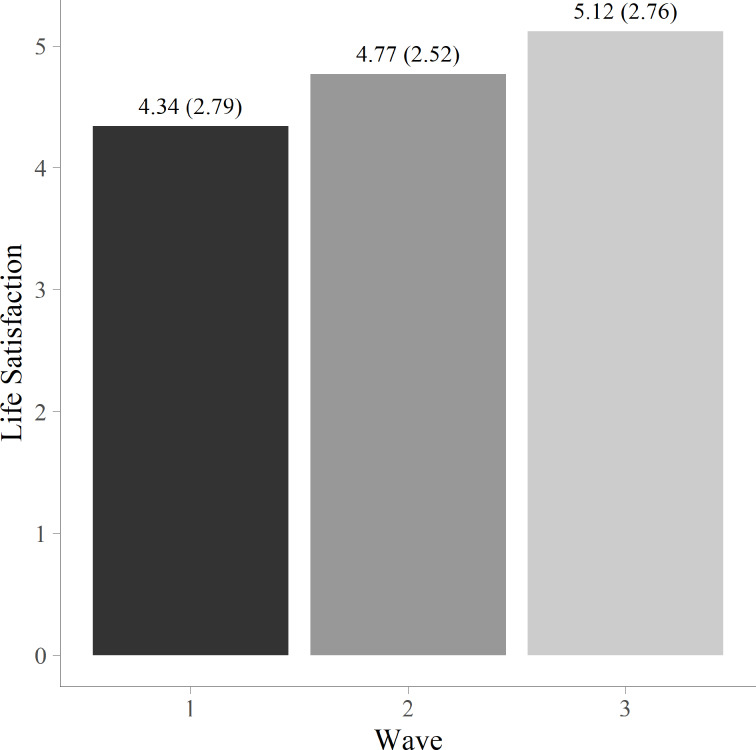
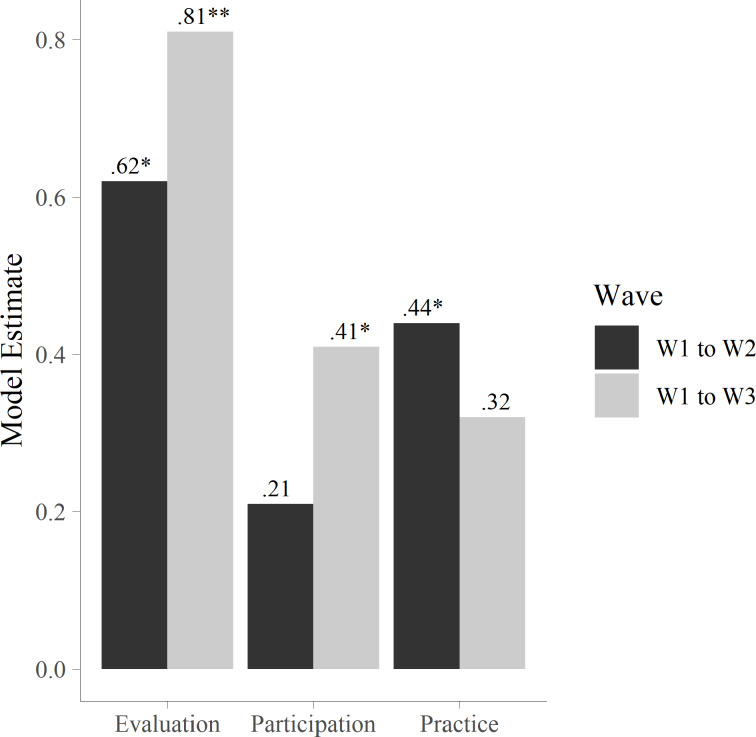
Background: Unaccompanied asylum-seeking and refugee minors report low life satisfaction and high levels of mental health problems, nevertheless they often do not seek or receive help for their problems. Teaching Recovery Techniques (TRT) is a low-threshold, five sessions intervention developed to reduce distressing war- and disaster-related trauma reactions among children and youth. In this study, we investigate if TRT can contribute to increased life satisfaction among unaccompanied asylum-seeking and refugee minors. Methods: Asylum-seeking and resettled unaccompanied minors participated in TRT carried out in 15 locations throughout Norway, n = 147, mean age = 16.61 (SD = 1.80), 88% boys, and 67% from Afghanistan. Life satisfaction was measured by the Cantril Ladder before the intervention, and two- and eight weeks post-intervention. We also included indices of intervention compliance and contextual variables, such as asylum status. We applied a pre- and post-intervention design with linear mixed model analyses to investigate change in life satisfaction. Results: Life satisfaction significantly increased from pre- to post- intervention, but not for youth whose asylum application had been rejected or who were still awaiting a decision. Indices of intervention compliance were associated with an increase in life satisfaction. Conclusions: TRT is a potential useful intervention to enhance life satisfaction among unaccompanied asylum-seeking and refugee minors and can be a measure to support positive development among youth at risk for mental health problems. However, TRT initiatives should consider the participant’s stage of asylum process, because harsh immigration policies may overburden the coping capacity. Without further adaptation, TRT seems most useful for youth granted residence. The manual has been revised to include asylum-related stressors. Trial Registration: ClinicalTrials.gov (16/54,571, registered 30.01.2019).
Overview
The claims and statistics of this paper haven’t been checked yet.
Free: it reads the open-access text and checks the first 5 claims that cite a source we can check. Create a free account to check every claim.
Integrity signals
Registry
Cites
Statistics
Figures
Verification
Claims the paper makes
The claims and statistics of this paper haven’t been checked yet.
Free: it reads the open-access text and checks the first 5 claims that cite a source we can check. Create a free account to check every claim.
Claims other papers make about this one
Each is checked against this paper’s own text: does it say what the citing paper says it does?
The cited source doesn’t support the claim as written.
In the citing paper
“Authors reported that TF-CBT seems to significantly increase life satisfaction, but only for UM whose asylum application had not been rejected or who were still awaiting a decision [61].”
From Examining cognitive behavioral therapy interventions for unaccompanied minors: a systematic review and qualitative research synthesis. (2025) · cites this paper as [61]
Checked by a reasoning model — may be wrong.
Experimental — accuracy not yet measuredThe source backs part of the claim, not all of it — or backs it for a different population, condition or comparison.
In the citing paper
“improvements were maintained at two weeks to 6-months follow-up [61, 67, 68, 73].”
From Examining cognitive behavioral therapy interventions for unaccompanied minors: a systematic review and qualitative research synthesis. (2025) · cites this paper as [61]
Experimental — accuracy not yet measuredThe source backs part of the claim, not all of it — or backs it for a different population, condition or comparison.
In the citing paper
“From the studies included, only two utilized quantitative measures of QoL [60, 61].”
From Examining cognitive behavioral therapy interventions for unaccompanied minors: a systematic review and qualitative research synthesis. (2025) · cites this paper as [61]
Experimental — accuracy not yet measuredThe cited source says what the claim attributes to it.
In the citing paper
“In addition, only seven studies (38.9%) included follow-up assessments in their study designs limiting the evidence regarding long-term benefits of the interventions [60, 61, 63, 67, 68, 73, 78].”
From Examining cognitive behavioral therapy interventions for unaccompanied minors: a systematic review and qualitative research synthesis. (2025) · cites this paper as [61]
The cited source says what the claim attributes to it.
In the citing paper
“Improvements from the interventions were only maintained for four studies (22.2%) [61, 67, 68, 73].”
From Examining cognitive behavioral therapy interventions for unaccompanied minors: a systematic review and qualitative research synthesis. (2025) · cites this paper as [61]
Self-check
Percentages, sums and reported differences re-computed from the paper’s own numbers.
The self-check needs the paper’s full text.
Citations
Cites
Fitting Linear Mixed-Effects Models Using lme4
Bates, D., Mächler, M., Bolker, B., & Walker, S. (2015) · Journal of Statistical Software · doi:10.18637/jss.v067.i01 · Cited by 86,835 · cited 1×
“We conducted the linear mixed models using the lme4 package [44], applying Maximum Likelihood (ML) estimation.”
MethodDurlak, J. A., & DuPre, E. P. (2008) · American Journal of Community Psychology · doi:10.1007/s10464-008-9165-0 · Cited by 5,304 · cited 2×
“Intervention compliance The process of transferring an intervention program into the real world consists of several phases, such as the implementation phase, which must be carefully studied to ensure the validity of an intervention [28].”
BackgroundThe challenge of defining wellbeing
Dodge, R., Daly, A., Huyton, J., & Sanders, L. (2012) · International Journal of Wellbeing · doi:10.5502/ijw.v2i3.4 · Cited by 2,166 · cited 1×
“There are many dimensions of wellbeing, but less clear definitions [14].”
BackgroundMEASURING QUALITY OF LIFE: ECONOMIC, SOCIAL, AND SUBJECTIVE INDICATORS
Diener, E., & Suh, E. (1997) · Social Indicators Research · doi:10.1023/a:1006859511756 · Cited by 2,092 · cited 2×
“Diener E, Suh E. Measuring quality of life: Economic, social, and subjective indicators.”
BackgroundHappiness Is a Stochastic Phenomenon
Lykken, D., & Tellegen, A. (1996) · Psychological Science · doi:10.1111/j.1467-9280.1996.tb00355.x · Cited by 1,719 · cited 2×
“Lykken D, Tellegen A. Happiness is a stochastic phenomenon.”
BackgroundCurrie, C. E., Zanotti, C., Morgan, A. M., Currie, D. B., de Looze, M. E., Roberts, C., Samdal, O., Smith, O. R. F., & Barnekow, V. (2012) · Cited by 1,591
Dane, A. V., & Schneider, B. H. (1998) · Clinical Psychology Review · doi:10.1016/s0272-7358(97)00043-3 · Cited by 1,557 · cited 2×
“Previous research on preventive programs has shown that the number of sessions attended and program engagement were associated with better program outcomes [29, 31, 32].”
BackgroundThe contemporary refugee crisis: an overview of mental health challenges
Silove, D., Ventevogel, P., & Rees, S. (2017) · World Psychiatry · doi:10.1002/wps.20438 · Cited by 775 · cited 1×
“No single program can target the reciprocal and interrelated psycho-social and mental health needs of refugees, and the actors in the field must coordinate their work and establish an integrated response to the complex need of the refugee population [55].”
BackgroundThe Children's Revised Impact of Event Scale (CRIES): Validity as a Screening Instrument for PTSD
Perrin, S., Meiser-Stedman, R., & Smith, P. (2005) · Behavioural and Cognitive Psychotherapy · doi:10.1017/s1352465805002419 · Cited by 567
Helliwell, J. F., Layard, R., & Sachs, J. D. (2013) · London School of Economics and Political Science Research Online (London School of Economics and Political Science) · doi:10.14288/1.0053622 · Cited by 536
Putting the Pieces Together: An Integrated Model of Program Implementation
Berkel, C., Mauricio, A. M., Schoenfelder, E., & Sandler, I. N. (2011) · Prevention Science · doi:10.1007/s11121-010-0186-1 · Cited by 531 · cited 2×
“We focused on participant responsiveness, but we have not fully accounted for facilitator behavior, which is also an important part of program implementation [30].”
BackgroundA systematic review and meta-analysis of psychological interventions to improve mental wellbeing
van Agteren, J., Iasiello, M., Lo, L., Bartholomaeus, J., Kopsaftis, Z., Carey, M., & Kyrios, M. (2021) · Nature Human Behaviour · doi:10.1038/s41562-021-01093-w · Cited by 510
A critical review of psychological treatments of posttraumatic stress disorder in refugees
Nickerson, A., Bryant, R. A., Silove, D., & Steel, Z. (2011) · Clinical Psychology Review · doi:10.1016/j.cpr.2010.10.004 · Cited by 457 · cited 2×
“A therapeutic goal could be to help the youth enhance a sense of control and efficacy, even though the possibility for influencing the situation is limited [49].”
BackgroundReliability and Validity of an Adapted Version of the Cantril Ladder for Use with Adolescent Samples
Levin, K. A., & Currie, C. (2014) · Social Indicators Research · doi:10.1007/s11205-013-0507-4 · Cited by 356 · cited 3×
“Levin and Currie [41] concluded that the Cantril Ladder was a valid and reliable measurement among Scottish adolescents.”
BackgroundInfluentialBaydar, N., Reid, M. J., & Webster-Stratton, C. (2003) · Child Development · doi:10.1111/1467-8624.00616 · Cited by 343 · cited 1×
“Previous research on preventive programs has shown that the number of sessions attended and program engagement were associated with better program outcomes [29, 31, 32].”
BackgroundEhntholt, K. A., Smith, P. A., & Yule, W. (2005) · Clinical Child Psychology and Psychiatry · doi:10.1177/1359104505051214 · Cited by 298 · cited 3×
“Most studies that have evaluated TRT have focused on its effectiveness in reducing symptoms of PTSD and depression [22, 25].”
BackgroundResultIasiello, M., van Agteren, J., & Muir Cochrane, E. (2020) · Evidence Base · doi:10.21307/eb-2020-001 · Cited by 270
Principal components analysis of the impact of event scale with children in war
Smith, P., Perrin, S., Dyregrov, A., & Yule, W. (2003) · Personality and Individual Differences · doi:10.1016/s0191-8869(02)00047-8 · Cited by 268 · cited 5×
“Salari R, Malekian C, Linck L, Kristiansson R, Sarkadi A. Screening for PTSD symptoms in unaccompanied refugee minors: a test of the CRIES-8 questionnaire in routine care.”
MethodInfluentialQouta, S. R., Palosaari, E., Diab, M., & Punamäki, R. (2012) · Journal of Traumatic Stress · doi:10.1002/jts.21707 · Cited by 197
Measuring participation in a prevention trial with parents of young children
Garvey, C., Julion, W., Fogg, L., Kratovil, A., & Gross, D. (2006) · Research in Nursing & Health · doi:10.1002/nur.20127 · Cited by 178 · cited 1×
“Previous research on preventive programs has shown that the number of sessions attended and program engagement were associated with better program outcomes [29, 31, 32].”
BackgroundJakobsen, M., Meyer DeMott, M. A., Wentzel-Larsen, T., & Heir, T. (2017) · BMJ Open · doi:10.1136/bmjopen-2016-015157 · Cited by 151 · cited 1×
“In their destination country, they are faced with postmigration stressors related to asylum-seeking and acculturation processes [3, 4].”
BackgroundBean, T., Eurelings-Bontekoe, E. H. M., Mooijaart, A., & Spinhoven, P. (2006) · Administration and Policy in Mental Health and Mental Health Services Research · doi:10.1007/s10488-006-0046-2 · Cited by 140 · cited 1×
“They report more mental health problems than other refugee and non-refugee youth [5], and a review study reported a prevalence between 17 and 85% for post-traumatic stress disorder (PTSD), and 12.”
BackgroundNickerson, A., Steel, Z., Bryant, R. A., Brooks, R., & Silove, D. M. (2011) · Psychiatry Research · doi:10.1016/j.psychres.2010.12.015 · Cited by 139 · cited 1×
“Overall, these findings are in accordance with studies comparing wellbeing outcomes among individuals with different asylum status, or whose asylum status changed from temporary to permanent stay [51, 52], and studies emphasizing the role of the asylum process on intervention effects [34, 35].”
ResultRandomized Control Trial of a CBT Trauma Recovery Program in Palestinian Schools
Barron, I. G., Abdallah, G., & Smith, P. (2013) · Journal of Loss and Trauma · doi:10.1080/15325024.2012.688712 · Cited by 130 · cited 2×
“Most studies that have evaluated TRT have focused on its effectiveness in reducing symptoms of PTSD and depression [22, 25].”
BackgroundPositive mental health as a predictor of recovery from mental illness
Iasiello, M., van Agteren, J., Keyes, C. L. M., & Cochrane, E. M. (2019) · Journal of Affective Disorders · doi:10.1016/j.jad.2019.03.065 · Cited by 129 · cited 1×
“Consequently, better mental health and psychosocial functioning can be some of the benefits of improving wellbeing among asylum-seekers and refugees [19, 21].”
BackgroundGiannopoulou, I., Dikaiakou, A., & Yule, W. (2006) · Clinical Child Psychology and Psychiatry · doi:10.1177/1359104506067876 · Cited by 104 · cited 1×
“This is consistent with some TRT-studies examining mental health outcomes [23, 45], but contrary to a study of asylum-seeking children in UK, where the children showed a reduction in symptoms of PTSD, but this was not maintained at follow-up [25].”
ResultKeles, S., Friborg, O., Idsøe, T., Sirin, S., & Oppedal, B. (2016) · Ethnicity & Health · doi:10.1080/13557858.2015.1065310 · Cited by 96 · cited 1×
“In their destination country, they are faced with postmigration stressors related to asylum-seeking and acculturation processes [3, 4].”
BackgroundSelf-citationQuality of Life Among Iranian Refugees Resettled in Sweden
Ghazinour, M., Richter, J., & Eisemann, M. R. (2004) · Journal of Immigrant Health · doi:10.1023/b:joih.0000019167.04252.58 · Cited by 96 · cited 3×
“These positive adaptations, such as coping and social support, are predictive of life satisfaction and other aspects of positive mental health [17, 20].”
BackgroundSarkadi, A., Ådahl, K., Stenvall, E., Ssegonja, R., Batti, H., Gavra, P., Fängström, K., & Salari, R. (2018) · European Child & Adolescent Psychiatry · doi:10.1007/s00787-017-1093-9 · Cited by 94 · cited 4×
“They also highlighted that they gained a sense of manageability and strategies to cope with their symptoms, and appreciated the social support within the group [26].”
BackgroundResultInfluentialThe mental health and wellbeing of Unaccompanied Refugee Minors (URMs)
von Werthern, M., Grigorakis, G., & Vizard, E. (2019) · Child Abuse & Neglect · doi:10.1016/j.chiabu.2019.104146 · Cited by 90
Akinyemi, O. O., Owoaje, E. T., Ige, O. K., & Popoola, O. A. (2012) · BMC Research Notes · doi:10.1186/1756-0500-5-394 · Cited by 82
Seglem, K. B., Oppedal, B., & Roysamb, E. (2014) · International Journal of Behavioral Development · doi:10.1177/0165025414520807 · Cited by 70 · cited 2×
“In contrast, a Norwegian study found no significant differences comparing levels of life satisfaction among URMs with that of ethnic majority and minority youth, implying that the URMs were satisfied with life, despite higher levels of depression and daily hassles than the two other youth groups [20].”
BackgroundResultSelf-citationUnterhitzenberger, J., Wintersohl, S., Lang, M., König, J., & Rosner, R. (2019) · Child and Adolescent Psychiatry and Mental Health · doi:10.1186/s13034-019-0282-3 · Cited by 70 · cited 2×
“In an intervention study with URMs in Germany, lack of permanent asylum status negatively affected the outcome of TF-CBT by impairing the participants’ feelings of safety [34].”
BackgroundResultChildren and war: the work of the Children and War Foundation
Yule, W., Dyregrov, A., Raundalen, M., & Smith, P. (2013) · European Journal of Psychotraumatology · doi:10.3402/ejpt.v4i0.18424 · Cited by 69 · cited 1×
““Teaching Recovery Techniques” (TRT) was developed by the Children and War Foundation [10] to mitigate symptoms of PTSD among children exposed to war and disaster in low resource contexts [11].”
Backgroundvan der Boor, C. F., Amos, R., Nevitt, S., Dowrick, C., & White, R. G. (2020) · Conflict and Health · doi:10.1186/s13031-020-00292-y · Cited by 68
The synergy of the refugee crisis and the financial crisis in Greece: Impact on mental health
Anagnostopoulos, D., Giannakopoulos, G., & Christodoulou, G. N. (2017) · International Journal of Social Psychiatry · doi:10.1177/0020764017700444 · Cited by 64 · cited 1×
“Asylum status Most participants in the present study arrived during the so-called 2015 European refugee crisis, characterized by a considerable increase in refugees and migrants coming to Europe, including URMs [33].”
BackgroundHealth-related quality of life among Syrian refugees resettled in Sweden
Gottvall, M., Sjölund, S., Arwidson, C. V. E., & Saboonchi, F. (2019) · Quality of Life Research · doi:10.1007/s11136-019-02323-5 · Cited by 63 · cited 3×
“Compared to the general population, refugees reported lower quality of life [18, 19].”
BackgroundMeyer DeMott, M. A., Jakobsen, M., Wentzel‐Larsen, T., & Heir, T. (2017) · Scandinavian Journal of Psychology · doi:10.1111/sjop.12395 · Cited by 53 · cited 2×
“Participants and non-participants in an expressive art therapy intervention showed different trajectories of life satisfaction, symptoms of PTSD, and mental distress [46].”
BackgroundPunamäki, R.-L., Peltonen, K., Diab, M., & Qouta, S. R. (2014) · Traumatology · doi:10.1037/h0099856 · Cited by 52 · cited 1×
“This is consistent with some TRT-studies examining mental health outcomes [23, 45], but contrary to a study of asylum-seeking children in UK, where the children showed a reduction in symptoms of PTSD, but this was not maintained at follow-up [25].”
ResultSalari, R., Malekian, C., Linck, L., Kristiansson, R., & Sarkadi, A. (2017) · Scandinavian Journal of Public Health · doi:10.1177/1403494817715516 · Cited by 52 · cited 1×
“CRIES-8 was validated as a screening instrument for URMs [42], and can be downloaded from Children and War Foundation [10] in various languages, including Norwegian, Dari, Pashto, Arabic, and Somali.”
BackgroundMueller, J., Schmidt, M., Staeheli, A., & Maier, T. (2011) · The European Journal of Public Health · doi:10.1093/eurpub/ckq016 · Cited by 44 · cited 1×
“Overall, these findings are in accordance with studies comparing wellbeing outcomes among individuals with different asylum status, or whose asylum status changed from temporary to permanent stay [51, 52], and studies emphasizing the role of the asylum process on intervention effects [34, 35].”
ResultPfeiffer, E., Sachser, C., Tutus, D., Fegert, J. M., & Plener, P. L. (2019) · Child and Adolescent Psychiatry and Mental Health · doi:10.1186/s13034-019-0277-0 · Cited by 39
Fra bosetting til voksenliv: Den kommunale tjenestekjeden for enslige mindreårige flyktninger
Lidén, H., Aasen, B., Seeberg, M. L., & Staver, A. B. (2020) · NORA - Norwegian Open Research Archives · Cited by 6
Unaccompanied Girls with Precarious Odds
Hedlund, D., Salmonsson, L., & Sohlberg, T. (2020) · Journal of Refugee Studies · doi:10.1093/jrs/feaa101 · Cited by 4 · cited 1×
“They seek asylum in a foreign country, after being exposed to accumulated negative and traumatic life events, such as experiences of war, extensive social and economic hardship, unnatural death or disappearance of family members, ethnicity-related conflicts, forced recruitment or sexual violence [2].”
BackgroundASSISTANCE TO UNACCOMPANIED REFUGEE MINORS*
(1996) · Refugee Survey Quarterly · doi:10.1093/rsq/15.3.25 · Cited by 2
Research works printed but not linked: 3
- Sønsterudbråten S Tyldum G Raundalen M Et trygt sted å vente - omsorgspraksiser på asylmottak for enslige mindreårige 2018 Oslo Fafo 05
- Smith P Dyregrov A Yule W Teaching recovery techniques adolescent unaccompanied minors 2020 Bergen, Norway Children and War Foundation
- Bath H The three pillars of trauma-informed care Reclaiming Child Youth 2008 17 3 17 21
Cited by
Oberg, C. N., & Sharma, H. (2023) · Children · doi:10.3390/children10060941 · Cited by 44
Hosseini, Z., Syed, H., Raza, Z., Mansouri, M., Magan, I. M., & Awaad, R. Y. (2023) · Journal of Cross-Cultural Psychology · doi:10.1177/00220221231213884 · Cited by 33
Yavna, K., Sinelnichenko, Y., Zhuravel, T., Yule, W., & Rosenthal, M. (2024) · Journal of Affective Disorders · doi:10.1016/j.jad.2024.01.206 · Cited by 16
Morroni, D., Konstantinou, P., Gkleka, C., Kassianos, A. P., & Karekla, M. (2025) · European Child & Adolescent Psychiatry · doi:10.1007/s00787-024-02500-z · Cited by 9
“TF-CBT appeared to reduce PTSD symptoms in most studies ( n = 7) [ 66 – 72] with medium to large effect sizes [68 – 70 ] and improvements were maintained at two weeks to 6-months follow-up [61, 67, 68, 73].”
InfluentialSolhaug, A. K., Oppedal, B., & Røysamb, E. (2025) · Adversity and Resilience Science · doi:10.1007/s42844-025-00169-0 · Cited by 4
“Previous studies have demonstrated the dynamic relations between past and current adversities in reducing life satisfaction (Solhaug et al., 2024), and that TRT was associated with increased life satisfaction among participating URMs (Solhaug et al., 2023).”
Self-citation
Metadata
- Authors
- Solhaug, A. K., Røysamb, E., & Oppedal, B.
- Affiliations
- Norwegian Institute of Public Health (NO)
- Corresponding author
- Solhaug, Anne Kristine
- Venue
- Child and Adolescent Psychiatry and Mental Health
- Published
- 2023-04-18
- Volume
- 17
- Issue
- 1
- Pages
- 50-50
- ISSN
- 1753-2000 (ISSN-L)
- PMC
- PMC10114353
- OpenAlex
- W4366264247
- Semantic Scholar
- d73cbbde56a1a1198e71bc889ea61cd3a28179d9
- Cited by
- 11
- References
- 45
- Citations by year
- 2026: 3 · 2025: 3 · 2024: 3 · 2023: 2
- FWCI
- 3.21
- Type
- journal article
- Language
- en
- Open access
- gold
- doi.org
- Licence
- cc-by
- creativecommons.org/licenses/by/4.0 (tdm)
- creativecommons.org/licenses/by/4.0 (vor)
- Locations
- Child and Adolescent Psychiatry and Mental Health (publishedVersion, cc-by)
- PubMed Central (publishedVersion, cc-by)
- PubMed (publishedVersion)
- DOAJ (DOAJ: Directory of Open Access Journals) (submittedVersion, cc-by-sa)
- Duo Research Archive (University of Oslo) (submittedVersion, cc-by)
- Funders
- Norwegian Institute of Public Health
- Topics
- Social Sciences › Psychology › Clinical Psychology › Migration, Health and Trauma
- Social Sciences › Education › Education and experiences of immigrants and refugees
- Social Sciences › Psychology › Social Psychology › Psychological Well-being and Life Satisfaction
- Keywords
- life satisfaction, refugee youth, Teaching Recovery Techniques, war trauma, disaster-related trauma, asylum status, intervention adherence, asylum procedure, youth mental health, Afghan refugees
About these checks
Registry, retraction, Cites and statistics results are computed, not judged, with one exception: a printed reference that no index lists is read once by a model before it counts as a citation error. Claims are extracted by a model and kept only when their quote appears verbatim in the text; each cited source is then checked, with a model’s help, for whether it says what the claim relies on. Those verdicts can be wrong — read the claim’s quote and the cited source before relying on one.
Statistics and arithmetic are recomputed, not judged.
Confidence bands are shown only for fields calibrated on our annotated test set. None is calibrated yet, so no band is shown.
What counts as a claim ›How we measure confidence ›How we check this ›
Are you an author, or do you see a problem with this page? Request a review
Data sources
Bibliographic data: Semantic Scholar, OpenAlex, Crossref.
Contains information from the Semantic Scholar Academic Graph Datasets, made available under the ODC Attribution License (ODC-BY 1.0).
Semantic Scholar’s data is described in: Kinney, R., et al. (2023). The Semantic Scholar Open Data Platform. arXiv:2301.10140.
