

The DOI matches its Crossref record; 230 of the 231 references it cites were found in a registry or an index.
Metabolic reprogramming in the tumor microenvironment of liver cancer
Open accessAbstract
The liver is essential for metabolic homeostasis. The onset of liver cancer is often accompanied by dysregulated liver function, leading to metabolic rearrangements. Overwhelming evidence has illustrated that dysregulated cellular metabolism can, in turn, promote anabolic growth and tumor propagation in a hostile microenvironment. In addition to supporting continuous tumor growth and survival, disrupted metabolic process also creates obstacles for the anticancer immune response and restrains durable clinical remission following immunotherapy. In this review, we elucidate the metabolic communication between liver cancer cells and their surrounding immune cells and discuss how metabolic reprogramming of liver cancer impacts the immune microenvironment and the efficacy of anticancer immunotherapy. We also describe the crucial role of the gut-liver axis in remodeling the metabolic crosstalk of immune surveillance and escape, highlighting novel therapeutic opportunities.
Overview
The claims and statistics of this paper haven’t been checked yet.
Run the check — free, no account needed. It reads the open-access text and checks the sources it cites.
Integrity signals
Registry
Cites
Statistics
Figures
Verification
Claims the paper makes
The claims and statistics of this paper haven’t been checked yet.
Run the check — free, no account needed. It reads the open-access text and checks the sources it cites.
Claims other papers make about this one
Each is checked against this paper’s own text: does it say what the citing paper says it does?
The source backs part of the claim, not all of it — or backs it for a different population, condition or comparison.
In the citing paper
“Reprogramming of liver microenvironment is a key feature of hepatocarcinogenesis, which encompasses but not limited to metabolic alterations of hepatocyte and immune cells, re-emergence of fetal-associated endothelial cells and altered inflammatory milieu [10, 46, 65, 66].”
From Single-cell transcriptome reveals the reprogramming of immune microenvironment during the transition from MASH to HCC (2025) · cites this paper as [65]
Experimental — accuracy not yet measured
Self-check
Percentages, sums and reported differences re-computed from the paper’s own numbers.
The self-check needs the paper’s full text.
Citations
Cites
(1986) · The New Zealand medical journal · doi:10.1016/s0015-6264(78)80335-6 · Cited by 18,572 · cited 2×
“…as multi-kinase inhibitors, have achieved great progress since 2007, and combined anti-vascular endothelial growth factor (VEGF) or tyrosine kinase inhibitors (TKIs) with immune checkpoint block-ades (ICBs) has been endorsed as the new standard of care in first-line treatment for advanced HCC [2].”
BackgroundUnderstanding the Warburg Effect: The Metabolic Requirements of Cell Proliferation
Vander Heiden, M. G., Cantley, L. C., & Thompson, C. B. (2009) · Science · doi:10.1126/science.1160809 · Cited by 16,197 · cited 1×
“Unlike normal cells, which usually acquire energy through oxidative phosphorylation (OXPHOS), tumor cells tend to choose glycolysis even in the presence of oxygen, also known as “Warburg effect” [9].”
BackgroundLlovet, J. M., Kelley, R. K., Villanueva, A., Singal, A. G., Pikarsky, E., Roayaie, S., Lencioni, R., Koike, K., Zucman-Rossi, J., & Finn, R. S. (2021) · Nature Reviews Disease Primers · doi:10.1038/s41572-020-00240-3 · Cited by 7,055 · cited 1×
“Lenvatinib, a multi-kinase inhibitor approved for systemic first-line treatment of HCC [141], promotes neutrophil recruitment by inducing CXCL2 and CXCL5 secretion in the TME.”
BackgroundOncology meets immunology: the cancer-immunity cycle.
Chen, D. S., & Mellman, I. (2013) · Immunity · doi:10.1016/j.immuni.2013.07.012 · Cited by 6,929 · cited 1×
“…the release of cancer cell antigens, the presentation of cancer-associated antigens, the priming and activation of T-cell, and their trafficking to the tumor site, followed by infiltration into the tumor and stroma, recognition of the tumor cells, and, ultimately, killing of the tumor cells [93].”
BackgroundGut microbiome influences efficacy of PD-1-based immunotherapy against epithelial tumors
Routy, B., Le Chatelier, E., Derosa, L., Duong, C. P. M., Alou, M. T., Daillère, R., Fluckiger, A., Messaoudene, M., Rauber, C., Roberti, M. P., et al. (2018) · Science · doi:10.1126/science.aan3706 · Cited by 5,671
Gut microbiome modulates response to anti-PD-1 immunotherapy in melanoma patients
Gopalakrishnan, V., Spencer, C. N., Nezi, L., Reuben, A., Andrews, M. C., Karpinets, T. V., Prieto, P. A., Vicente, D., Hoffman, K., Wei, S. C., et al. (2018) · Science · doi:10.1126/science.aan4236 · Cited by 4,812 · cited 1×
“The gut microbiome strongly influences the tumor immune microenvironment and immunotherapy response [218–223].”
BackgroundEpidemiology of Viral Hepatitis and Hepatocellular Carcinoma
El‐Serag, H. B. (2012) · Gastroenterology · doi:10.1053/j.gastro.2011.12.061 · Cited by 3,465 · cited 1×
“Due to excessive lipid accumulation, obesity heightens the risk of HCC, particularly in men, though the underlying molecular mechanism remains unclear [159, 160].”
BackgroundMetabolic Competition in the Tumor Microenvironment Is a Driver of Cancer Progression
Chang, C.-H., Qiu, J., O’Sullivan, D., Buck, M. D., Noguchi, T., Curtis, J. D., Chen, Q., Gindin, M., Gubin, M. M., van der Windt, G. J. W., et al. (2015) · Cell · doi:10.1016/j.cell.2015.08.016 · Cited by 3,331 · cited 2×
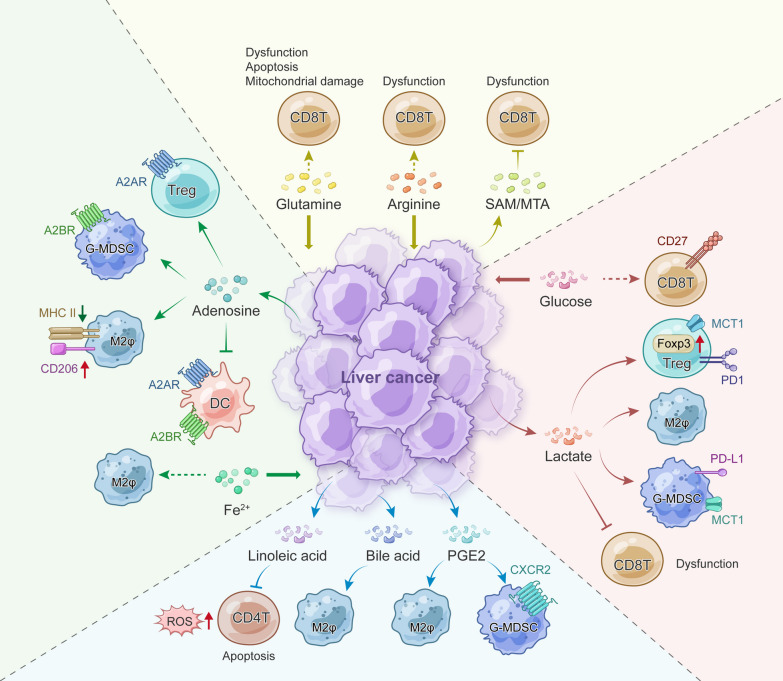
“Emerging evidence indicates that metabolic alterations in tumor cells affect the composition and function of surrounding cells [16, 17].”
BackgroundFunctional Polarization of Tumour-Associated Macrophages by Tumour-Derived Lactic Acid
Colegio, O. R., Chu, N.-Q., Szabo, A. L., Chu, T., Rhebergen, A. M., Jairam, V., Cyrus, N., Brokowski, C. E., Eisenbarth, S. C., Phillips, G. M., et al. (2014) · Nature · doi:10.1038/nature13490 · Cited by 3,046
CD8+ T cells regulate tumour ferroptosis during cancer immunotherapy
Wang, W., Green, M., Choi, J. E., Gijón, M., Kennedy, P. D., Johnson, J. K., Liao, P., Lang, X., Kryczek, I., Sell, A., et al. (2019) · Nature · doi:10.1038/s41586-019-1170-y · Cited by 2,880 · cited 1×
“Tumor cells often extract these nutrients from the tumor interstitial fluid (TIF) to hinder tumorolytic activities [10, 16, 96–101].”
Background
Research works printed but not linked: 3
- Kelley RK, et al. Pembrolizumab in combination with gemcitabine and cisplatin compared with gemcitabine and cisplatin alone for patients with advanced biliary tract cancer (KEYNOTE-966): a randomised, double-blind, placebo-controlled, phase 3 trial. Lancet. 2023;401:1853–65. https://doi.org/10.1016/S0140-6736(23)00727-4. · DOI · Paper page
- Xun X, et al. Cyclooxygenase-2 expressed hepatocellular carcinoma induces cytotoxic T lymphocytes exhaustion through M2 macrophage polarization. Am J Transl Res. 2021;13:4360–75.
- Tap WD, et al. Phase I study of the mutant IDH1 inhibitor ivosidenib: safety and clinical activity in patients with advanced chondrosarcoma. J Clin Oncol. 2020;38:1693–701. https://doi.org/10.1200/JCO.19.02492. · DOI · Paper page
Cited by
Sorted by citations
Items 101–200 of 248
Yang, Y., Hui, R., Li, Y., Cao, R., Qiu, Z., Zheng, G., Wang, Q., Cheng, C., & Hu, J. (2025) · International Immunopharmacology · doi:10.1016/j.intimp.2025.116025 · Cited by 3
Protein succinylation in tumors-from biology to clinical therapy
Li, H., Zhang, H., Zhu, J., Tang, Y., & An, J. (2025) · International Journal of Biological Macromolecules · doi:10.1016/j.ijbiomac.2025.149489 · Cited by 2
Shi, Y., Zhang, Z.-Y., Di, X., Shen, G., Tian, M., Zhu, C.-Q., Sun, X.-C., Song, J., Cheng, H.-Y., & Sun, Y.-Y. (2025) · Biochimica et Biophysica Acta - Molecular Basis of Disease · doi:10.1016/j.bbadis.2025.168146 · Cited by 3
Ji, K., Zhou, L., Zhang, T.-S., Fan, H., Xie, G., Man, W., Wang, C., Tian, Y., Chen, L., Wang, G., et al. (2025) · Cell Death Discovery · doi:10.1038/s41420-025-02814-0 · Cited by 3
Wei, X., Zhu, H., Yu, H., & Li, T.-H. (2025) · Cellular Signalling · doi:10.1016/j.cellsig.2025.112177 · Cited by 3
Moorthy, T., Yalamandala, B. N., Huynh, T. M. H., Lien, H., Pan, W.-C., Iao, H. M., Chang, Y., & Hu, S. (2025) · Drug Delivery and Translational Research · doi:10.1007/s13346-025-01935-4 · Cited by 5
“This limited progress stems from malignant tumors adapting to evade therapy, involving metabolic rewiring that promotes unchecked proliferation and survival [1–3].”
Homedan, A., Pandya, D. N., Schnicker, N., & Wadas, T. J. (2025) · EJNMMI Radiopharmacy and Chemistry · doi:10.1186/s41181-025-00356-5 · Cited by 3
Wang, Y., Shi, Y., Hu, X., & Wang, C. (2025) · Frontiers in Pharmacology · doi:10.3389/fphar.2025.1559546 · Cited by 3
“Furthermore, the accumulation of glycolytic products, such as lactate, can alter the tumor microenvironment (Chen et al., 2022; Lin et al., 2024), thereby promoting immune evasion and invasive behaviors of the tumor (Reuss et al., 2021; Lin et al., 2023; Qian et al., 2021).”
Biosocial Determinants of Health Among Patients with Chronic Liver Disease and Liver Cancer
Samanta, T., Park, J. H., & Kaipparettu, B. A. (2025) · Cancers · doi:10.3390/cancers17050844 · Cited by 2
“The liver is the largest internal organ for controlling metabolism, and metabolic disruption is closely associated with LC [16].”
Yao, L., Diao, Y., Gong, J.-B., Gu, L., Xu, J., Wang, M.-D., & Li, C. (2025) · iLiver · doi:10.1016/j.iliver.2025.100146 · Cited by 3
“30 Therefore, an in-depth study of metabolic processes, including amino acid metabolism, sugar metabolism, and fatty acid metabolism, may reveal new targets for the diagnosis, prognosis assessment, and development of treatment strategies for HCC. ALYREF, 31 CDKN3, 32 KIF3A, 33 MCM10, 34 RRM2, 35…”
Metabolic Reprogramming at the Tumor–Immune Interface in Hepatocellular Carcinoma
Zhao, W., & Li, P. (2026) · Cells · doi:10.3390/cells15151357 · Cited by 1
Spatial multiomics profiling reveals ZFP36-mediated immunometabolic reprogramming in bladder cancer
Ye, F., Han, X., Li, W., Huang, L., Chen, Z., Lu, Y., Huang, H., Jiang, H., & Zheng, L. (2026) · Proceedings of the National Academy of Sciences · doi:10.1073/pnas.2505125123 · Cited by 2
Wang, N., Liu, L., Xu, B., Wang, F., Sun, L., & Ye, Q. (2026) · Critical Reviews in Oncology/Hematology · doi:10.1016/j.critrevonc.2026.105305 · Cited by 2
Zheng, X., Qu, W., Xun, C., Zhang, C., Li, Y., Xu, X., Gao, Y., Gu, Y., Yang, Z., Huang, X., et al. (2026) · Journal of Experimental & Clinical Cancer Research · doi:10.1186/s13046-026-03671-0 · Cited by 3
Metabolic crosstalk between cancer and stromal cells: Implications for precision oncology
Yang, W., Ding, Y., & Tian, H. (2026) · Surgical Oncology · doi:10.1016/j.suronc.2026.102366 · Cited by 1
Zhang, Y., Han, Y., Li, S., Shan, R., Lin, L., Gu, Z., wang, R., Chen, Y., Xiao, J., an, F., et al. (2026) · Redox Biology · doi:10.1016/j.redox.2025.103993 · Cited by 2
“Although glycolysis (the Warburg effect) dominates in certain tumors, both glycolysis and OXPHOS can coexist during the progression [12,19,20].”
Gupta, A., Rao, G. K. K., Tuli, H., Kaur, G., Mishra, P., & Haque, S. (2026) · Cancer Treatment and Research Communications · doi:10.1016/j.ctarc.2026.101114 · Cited by 2
Rong, X., Guan, J., Ye, C., Li, Q., Wan, M., Fu, W., Chen, J.-Z., Zheng, D., Chen, R.-Y., Zhou, R., et al. (2025) · Journal of Advanced Research · doi:10.1016/j.jare.2025.11.011 · Cited by 2
“Notably, glutamine metabolism is critical for tumor cell bioenergetics and biosynthesis [68,69].”
Aleksandrova, Y. R., Savina, L., Shagina, I., Lyubina, A. P., Zubishina, A. A., Makarova, S., Bagylly, A., Хохлов, А. Л., Бегунов, Р. С., & Неганова, М. Е. (2025) · Molecules · doi:10.3390/molecules30214150 · Cited by 4
Sun, K., Wen, S., Guo, S.-J., Pan, Q., & Wang, K. (2025) · Frontiers in Immunology · doi:10.3389/fimmu.2025.1681887 · Cited by 2
“Furthermore, metabolic reprogramming in LIHC can affect its immune microenvironment, thereby in fl uencing tumor progression and response to immunotherapy (4, 6).”
Shao, Y., Yu, X., Zhou, W., Yan, J., Dong, H., & Ye, G. (2025) · Annals of Medicine · doi:10.1080/07853890.2025.2566866 · Cited by 2
“Tumour cell metabolism is one of the core areas of cancer biology research, which lies on the foundation that cancer cells reshape energy and material metabolism pathways through metabolic reprogramming to adapt to the needs of rapidly proliferating cells and harsh microenvironments [87].”
EMSY enhances glycolysis in ovarian cancer cells
Wang, S.-S., Xie, N., Zha, P., Li, Y.-M., Wei, M., Bai, J., & Zhao, X. (2025) · European Journal of Medical Research · doi:10.1186/s40001-025-03133-x · Cited by 2
“Metabolic reprogramming is a hallmark of cancer cells, distinguishing them from normal cells [17].”
Asumda, F. Z., Alzoubi, S., Padarath, K., John, N., Jones, K., Kolhe, R. B., Mondal, A. K., Lee, T. J., Zhi, W., Huebert, R. C., et al. (2025) · Cells · doi:10.3390/cells14110815 · Cited by 2
“In contrast, SM hepatoblasts showed a significant increase in TCA metabolites associated with both canonical and non-canonical energy metabolism pathways, such as ADPR, cADPR, and NAD+, which are predominantly linked to cancer-related metabolic reprogramming [29,30].”
Zhang, Y., Feng, S., Lv, L., Wang, C., Kong, R., Zhong, G., Wang, N., Li, P., & Zhou, X.-X. (2025) · Biochemical Genetics · doi:10.1007/s10528-025-11047-w · Cited by 2
“Metabolic reprogramming is known to support tumor growth during significant nutritional crises (Faubert et al. 2020; Lin et al. 2024).”
Cai, W., Dai, S., Chen, Y., Cheng, C., & Chen, L. (2026) · Biochimica et Biophysica Acta (BBA) - Reviews on Cancer · doi:10.1016/j.bbcan.2026.189712 · Cited by 1
Heat Shock Proteins in Cancer: Mechanisms and Therapeutic Targeting
Ma, S., Liu, C., Ma, S., Wang, S., Xia, Q., & Xu, M. (2026) · MedComm · doi:10.1002/mco2.70966 · Cited by 1
“HSPs participate in both redox buffering and stress-response signaling, but how individual HSP family members differentially regulate localized ROS signaling versus global oxidative injury remains incompletely defined [ 9 ].”
InfluentialA lactic acid-Chac1 axis regulates ferroptosis-associated cell death and tumor progression.
He, L., Chen, J., Zhang, A., Wu, R., Zhong, S., He, S.-Y., Lu, J.-Y., Shao, B., Hu, F., Yu, J.-Y., et al. (2026) · Pathology, Research and Practice · doi:10.1016/j.prp.2026.156665 · Cited by 1
Metabolic remodeling of endometriosis microenvironment: Energy stress and immune evasion
Yang, P., Wang, T., Liu, W., Miao, Y., Zhu, Y., & Sun, J. (2026) · iScience · doi:10.1016/j.isci.2026.116592 · Cited by 1
“11,12 15 Although EMs is a benign disorder, it exhibits multiple cancer-like malignant biological behaviors, including abnormal proliferation, adhesion, invasion, and neovascularization.”
Li, Y., Zhao, L.-L., Xu, Z.-Y., Wang, W., Lu, S., Du, J.-Y., Chen, S.-H., Chen, J., & Zou, F. (2026) · Free Radical Biology & Medicine · doi:10.1016/j.freeradbiomed.2026.07.017 · Cited by 1
Zhang, Z., Xie, Y.-A., Mu, C., Sheng, S., Zhang, J., Han, J., Li, J., He, Z., & Liu, X. (2026) · Journal for ImmunoTherapy of Cancer · doi:10.1136/jitc-2026-015462 · Cited by 1
“Cluster markers : Differential expression analysis was performed using the FindAllMarkers function, with a log fold change threshold of 1, to identify markers that define cell clusters.”
Qu, S.-M., & Wang, B. (2026) · Cell Death Discovery · doi:10.1038/s41420-026-03176-x · Cited by 1
“The metabolic state of cells within the tumor microenvironment profoundly in fl uences their function [13, 14].”
Fang, Y., Zhang, T., Ye, T., He, Q., & Ye, Q. (2026) · Journal of Cancer Research and Clinical Oncology · doi:10.1007/s00432-026-06535-4 · Cited by 1
“Metabolic reprogramming is a defining hallmark of cancer, enabling malignant cells to sustain proliferation and sur - vival in nutrient-fluctuating and often scarce microenviron - ments (Jiang et al. 2023 ; Lin et al. 2024a, 2024b ; Perez et al. 2024 ).”
Li, A.-R., Xu, J.-W., Qin, J., Yuan, Q., & Teng, L.-C. (2026) · Frontiers in Immunology · doi:10.3389/fimmu.2026.1799104 · Cited by 1
Wali, S. S. (2026) · International Journal of General Medicine · doi:10.2147/ijgm.s604182 · Cited by 1
Zhu, Y., Cai, Y., Wang, Q.-Y., Guo, H., Xie, Q., Xiáng, Y., Yu, S., Wu, B., & Qiu, L. (2026) · Metabolites · doi:10.3390/metabo16050293 · Cited by 1
“In addition to the changes within the tumor, new evidence indicates that interactions between tumor cells and hepatocytes, hepatic stellate cells, and immune cells in the liver microenvironment further promote metabolic adaptation and immune evasion during CRLM [41,42].”
Zhang, H., Gu, L., Su, X., Chen, W., Tan, M., Yu, H., Zhou, H., Gao, T., Wang, Z., Chen, X., et al. (2026) · 癌症:英文版 · doi:10.34133/cancomm.0028 · Cited by 1
“Emerging evidence indicates that many metabolic pathways are reprogrammed in cancer to promote cell proliferation and invasion [ 3 ].”
Wang, F., Huang, M., Sheng, K., Yan, Y., Zhang, B., Wang, X., Yang, Z., Li, M., Liu, Y., Qi, Q., et al. (2026) · Oncogene · doi:10.1038/s41388-026-03765-1 · Cited by 1
KRAS and MYC synergistic inhibition: a powerful strategy targeting KRAS-mutant cancers
Yan, M., Liu, K., Xu, J., Liu, Y., Ji, L., & Zhang, S. (2026) · Molecular Cancer · doi:10.1186/s12943-026-02659-w · Cited by 1
“Together, these changes support rapid tumor proliferation, growth, and survival while also contributing to immune evasion by shaping an immunosuppressive TME [98].”
Wang, X.-M., Zhang, J., Yuan, J., Wen, L., Ying, T.-X., Xu, Z., Zhou, Z., Chen, S., Zhou, Q., Sheng, J.-H., et al. (2026) · Cell Death and Disease · doi:10.1038/s41419-026-08575-7 · Cited by 1
Crosstalk Between Cis-Regulatory Elements and Metabolism Reprogramming in Hepatocellular Carcinoma
Ren, Y., Tang, D., Ding, X., & He, M. (2026) · Cancers · doi:10.3390/cancers18061002 · Cited by 1
Jia, J.-L., Jia, Z., & Yang, B. (2026) · Frontiers in Immunology · doi:10.3389/fimmu.2026.1808165 · Cited by 1
Li, C., Wu, Q., Hong, H., & Zhou, L. (2026) · Translational Cancer Research · doi:10.21037/tcr-2025-aw-2523 · Cited by 1
“Even under aerobic conditions, liver cancer cells preferentially generate ATP via glycolysis, a phenomenon known as the “Warburg effect” (13,14).”
Succinylation: novel molecular mechanisms and prospects for targeted therapy in liver diseases
Zhou, J., Tian, X., Zhou, Y., Tan, N.-H., & Chen, B. (2026) · Frontiers in Molecular Biosciences · doi:10.3389/fmolb.2026.1768199
“HCC development is accompanied by significant metabolic reprogramming that influences the tumor microenvironment (Lin et al., 2024; Yang et al., 2025d).”
Feng, T., Piao, H., & Chen, D. (2026) · Metabolites · doi:10.3390/metabo16020129 · Cited by 1
Han, Y., Song, H., Gu, Z., Guan, P., Li, Y., Wang, L., Zhao, Q., & Liu, Z. (2026) · Acta Biomaterialia · doi:10.1016/j.actbio.2026.02.037 · Cited by 2
Wen, J., Li, Q., Xu, S., Lu, W., Wu, F., Lou, J., & Wang, L. (2026) · iScience · doi:10.1016/j.isci.2026.114691 · Cited by 1
“Given the central metabolic role of the pancreas and the established contribution of metabolic reprogramming to cancer progression, 34,35 we hypothesized that PKA activation promotes PDAC metastasis by driving specific metabolic alterations.”
Deng, S., & Fu, J. (2025) · Translational Cancer Research · doi:10.21037/tcr-2025-1946 · Cited by 1
“The development of HCC is a complex biological process driven by multiple factors, including gene regulation, transcription, translation, protein modification and degradation, and the accumulation of metabolic products, all of which encompass the entire central dogma of molecular biology (22).”
Linoleic Acid Potentiates Response to Chemotherapy in Biliary Tract Cancer Through RARγ Activation
Yao, Y., Xu, C., Shao, Y., Xu, X., Yin, Q., Cao, X., Zheng, M., Zhao, D., Zheng, W., Ni, J., et al. (2025) · The FASEB Journal · doi:10.1096/fj.202502665r · Cited by 1
“Metabolic reprogramming is a hallmark of cancer that pro-foundly influences the therapeutic response [10, 11].”
Zhang, Y.-G., Chen, M., Li, H.-D., Deng, H., Chen, S., Ni, J., Hu, J., Lei, S.-X., Huang, L.-S., Dang, S.-S., et al. (2025) · iScience · doi:10.1016/j.isci.2025.114052 · Cited by 1
Mao, M., Zhang, Z., Zhang, Y., Zuo, T., Chang, L., Lu, S., Zhang, Y., Zhang, Z., & Xu, P. (2025) · International Journal of Biological Macromolecules · doi:10.1016/j.ijbiomac.2025.147983 · Cited by 1
Chen, Y., Wei, S., Wang, Q., Hameed, M. S., Bao, J., Yan, J., Keserű, G. M., & Han, X. (2025) · European Journal of Medicinal Chemistry · doi:10.1016/j.ejmech.2025.118109 · Cited by 1
Ventura-García, E. K., Valdez-Solana, M. A., Avitia-Domínguez, C. I., García‐Arenas, G., Téllez‐Valencia, A., Balagurusamy, N., & Sierra‐Campos, E. (2025) · BioMedInformatics · doi:10.3390/biomedinformatics5020029 · Cited by 1
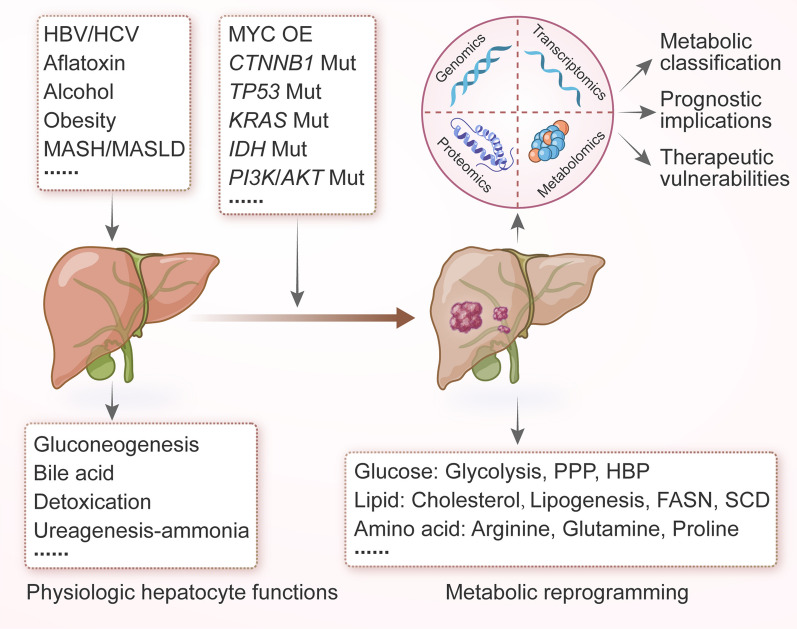
“During the progression of liver cancer, gluconeogenesis, detoxication, bile acid metabolism, and other typical hepatocyte metabolic functions are decreased, and these metabolic changes are accompanied by an increase in tumor progression [57].”
Huang, A., Li, T., Zhou, Y., Li, S., Zhang, J., Li, Y., Wu, S., Kong, Y., Yu, Z., & Xia, J. (2025) · Open Research (University of Surrey) · doi:10.1002/viw.20240103
Zhong, R.-L., Wei, R., Zhang, C.-Y., Ji, X.-Q., Hu, L., Li, L., & Mei, Z. (2025) · Science in progress · doi:10.1177/00368504251335082 · Cited by 1
Zhang, C., Zhang, X., Dai, S., & Yang, W. (2025) · Frontiers in Genetics · doi:10.3389/fgene.2024.1522484 · Cited by 1
“Furthermore, several studies (Kudo et al., 2020; Lin et al., 2024; Liu et al., 2018) suggest that metabolic reprogramming could serve as a new direction for cancer treatment.”
Wang, C.-Y., Wang, X.-D., Tian, Y.-H., Tian, H., Chen, Y.-C., Wu, B.-L., & Cheng, W. (2024) · International Journal of Nanomedicine · doi:10.2147/ijn.s484694 · Cited by 1
Tang, B., Shen, Z.-C., Zeng, J.-N., Wei, K.-D., Tang, X., Huang, M., He, H., Xia, W.-N., & Liu, X.-T. (2026) · Frontiers in Oncology · doi:10.3389/fonc.2026.1810429
Emerging roles and mechanistic insights of ASRGL1 in tumorigenesis and cancer progression
Zeng, H., Li, Z.-K., Geng, R.-H., & Chen, L.-J. (2026) · Frontiers in Cell and Developmental Biology · doi:10.3389/fcell.2026.1955895
Yang, J., Cai, X., He, F., 张君红, Zhang, Z., Yi, Z., Xie, C., & Xu, B. (2026) · Signal Transduction and Targeted Therapy · doi:10.1038/s41392-026-02903-1
Xu, Y., Wang, J., Ding, C., Xia, C., Liu, Y., Zheng, Y., Chang, S., Zhang, S. H., He, Y., Sun, R., et al. (2026) · Advanced Science · doi:10.1002/advs.78077
“…activation further enhances HBV replication [ 21–23 ], leading to additional NAM accumulation, while simultaneously promoting LC progression through upregulation of MAPK signaling and glycolysis, the latter being strongly associated with development, progression, and poor prognosis of LC [ 5, 42 ].”
Mechanisms and Therapeutic Advances of Natural Products Regulating Non-Coding RNAs in Cancer
You, Q.-H., Pan, R.-F., Guo, H.-D., & Liu, B.-N. (2026) · Pharmaceuticals · doi:10.3390/ph19101560
“Increased expression of glucose transporters and glycolytic enzymes, which are frequently regulated by carcinogenic transcription factors including HIF-1 α and c-Myc, mediates this metabolic reprogramming [179,180].”
Zhao, S., Cheng, J., Wang, H., & Wu, Q. (2026) · JCO Precision Oncology · doi:10.1200/po-26-00393
Metabolomics at the Interface of Personalized Cancer Vaccination and Immune Responsiveness
Rahman, M., Rifty, S. H., Mrittika, T. R., Zaman, J., & Khan, T. A. (2026) · Biomarker Insights · doi:10.1177/11772719261497428
Xu, C., Zhu, X., Xie, H., An, J., Zhu, J.-F., & Gao, S.-C. (2026) · Frontiers in Immunology · doi:10.3389/fimmu.2026.1953712
Heterogeneity in cancer: molecular mechanisms and therapeutic strategies
He, Y., Niu, L., Ren, Y.-M., Yuan, G.-Q., Pan, Y.-W., & Jin, W. (2026) · Signal Transduction and Targeted Therapy · doi:10.1038/s41392-026-03064-x
Amjad, E., & Sokouti, B. (2026) · OBM Transplantation · doi:10.21926/obm.transplant.2603276
Liao, Z., Fang, Q., Chen, Y., Yang, X., Wu, H., Wang, H., & Gao, J. (2026) · The Journal of Gene Medicine · doi:10.1002/jgm.70111
“Indeed, disturbances across multiple metabolic pathways, particularly those involved in glucose, lipid, and amino acid metabolism, have been consistently reported as significantly associated with hepatocarcinogenesis [5–7].”
Zhou, Y.-M., Li, Y.-H., Shi, W., Yang, P.-S., & Li, F.-Y. (2026) · Letters in Drug Design & Discovery · doi:10.1016/j.lddd.2026.100565
Chen, H.-T., Ji, S.-Y., Wu, P.-F., Liu, J., Zhang, W.-T., Guo, Y.-D., Zhang, J.-C., Zhang, Z.-J., Liu, Y.-L., Liu, Y.-Q., et al. (2026) · Clinical and Translational Medicine · doi:10.1002/ctm2.70840
Jiao, J.-N., Zhang, K., Li, B.-G., Yang, A.-A., & Lv, Z. (2026) · Journal of Biological Chemistry · doi:10.1016/j.jbc.2026.113591
Xiang, G., Zhou, Z., Jiang, X., Du, Z., Zhan, Y., & Liu, X. (2026) · Advanced Science · doi:10.1002/advs.77424
“More importantly, these metabolic alterations profoundly reshape the function of immune cells within the tumor microenvironment, directly or indirectly suppressing antitumor immunity and promoting immune escape [ 7, 8 ].”
ANP32A interacts with LDHA to modulate glycolysis and ferroptosis in hepatocellular carcinoma
Chi, B.-X., Cui, Z., Hou, X.-Y., Ding, H.-F., Li, L.-J., Ai, R., Yang, Y.-Z., Zhao, Y., Wang, L.-Y., & Wang, J. (2026) · Frontiers in Oncology · doi:10.3389/fonc.2026.1908459
“HCC is a malignant tumor marked by metabolic reprogramming (35, 36).”
TRIM32-mediated ubiquitination of STING promotes glycolysis and tumor progression.
Zhou, H.-X., Guan, Z., Yin, Z., Shan, B., Wu, J., Lu, K.-P., Li, J.-Z., Zhang, H., Wang, J.-Y., Liu, C.-Z., et al. (2026) · Cell Death and Differentiation · doi:10.1038/s41418-026-01855-x
Deng, Y.-L., Huang, B.-B., Tang, Y.-X., Su, Q.-Y., Liu, H.-Q., Mo, H.-Z., Tang, H.-H., Xiong, K., He, S.-P., Dang, Y.-W., et al. (2026) · Frontiers in Bioscience · doi:10.31083/fbl52385
Zhou, L.-L., Liu, W., Pan, Y., Lei, W., Yan, L.-F., Zou, J.-F., Qian, K.-J., & Wang, F. (2026) · Translational Cancer Research · doi:10.21037/tcr-2026-1520
“Through lactylation, lactate remodels the tumor microenvironment, impairs CD8+ T cell function, and facilitates immune evasion (34,35).”
Mai, K., Jiang, J., Ma, X., Huang, W., & Xia, L. (2026) · Biochimica et Biophysica Acta (BBA) - Reviews on Cancer · doi:10.1016/j.bbcan.2026.189680
Zhang, X., Gong, L.-F., Zhang, H.-Y., Luo, Y., Long, T., He, Q., Han, L., Li, Z., Li, C., Wang, X., et al. (2026) · Research · doi:10.34133/research.1413
“Among the array of precision medicine approaches, emerging strategies such as antibody therapy [ 32 ], cell therapy [ 33 ], metabolic reprogramming [ 34 ], and tolerogenic vaccines [ 35 ] aim to overcome challenges including low drug bioavailability, insufficient targeting specificity, and…”
Zhang, Z., Fu, Y., Zhou, Y.-S., Zhou, X., Liu, W., Tang, M., & Li, W. (2026) · Frontiers in Pharmacology · doi:10.3389/fphar.2026.1856591
“…is a hallmark of malignancy (Li et al., 2026; Bian et al., 2025), providing energy and biosynthetic precursors for tumor growth while also modulating signaling pathways and intercellular communication to influence tumor progression and immune responses (Lin et al., 2024; Mao et al., 2024).”
Tumor Metabolic Reprogramming: Mechanisms, Regulatory Networks, And Therapeutic Opportunities
Gao, A., Liu, J., & Liang, H. (2026) · Advanced Medical Research · doi:10.62836/amr.v5i2.0010
“The tumor microenvironment may be considered a battlefield with regard to metabolism — here tumor cells and immune cells struggle intensely for scarce nutrients [24].”
Stupnikova, G. S., Popov, I. A., & Игоревич, П. С. (2026) · Frontiers in Cell and Developmental Biology · doi:10.3389/fcell.2026.1890663
“Altered metabolism also affects the tumor microenvironment, thereby helping PLC cells evade the immune response (Zhang et al., 2018; Lin et al., 2024).”
Extracellular vesicles and acetylation: reciprocal regulation in disease progression
Liu, Y., Wu, S., Wang, Y., Zhu, X., & Kang, L. (2026) · Frontiers in Immunology · doi:10.3389/fimmu.2026.1890445
“…glycolysis can increase lactate production, and lactate accumulation may create a metabolic environment permissive for histone lactylation, including H3K18 lactylation, which has been implicated in tumor progression, macrophage polarization, immune suppression, and therapy resistance (97 – 102).”
Lv, F., Zhou, H.-X., Yang, J., Xu, J., Bi, F., Zhou, Y., Zhang, H., Ye, Q., Gao, L., & Jin, B. (2026) · Clinical and Translational Medicine · doi:10.1002/ctm2.70771
“9,25,26 However, the key factors driving metabolic reprogramming in HCC and shaping the immunosuppressive microenvironment remain incompletely understood.”
Pan, Q., Zhou, A., Yang, T., Lin, T., Wang, B., Xiao, W., Gao, Y., Song, J., Liu, H., Zhou, W., et al. (2026) · American Journal of Transplantation · doi:10.1016/j.ajt.2026.07.036
Guo, G., Huang, X., & Xiufang, W. (2026) · Biochemical Pharmacology · doi:10.1016/j.bcp.2026.118377
Taimuri, Y., & Ahmad, R. (2026) · iLiver · doi:10.1016/j.iliver.2026.100260
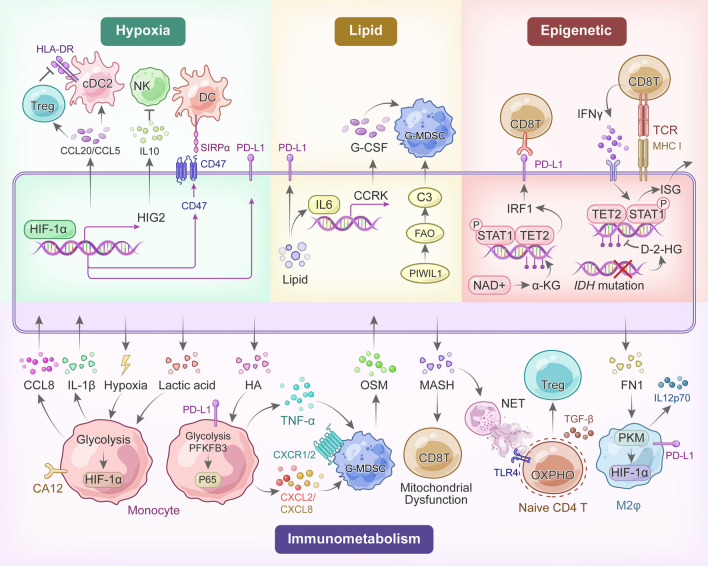
“17 Hypoxia is a key contributor to liver injury but also plays an important part in adaptive responses that may be protective under certain situations.”
The TAF3/SREBP2/cholesterol axis drives tumor progression in hepatocellular carcinoma
Qiu, J., Cao, L., Li, Y., Li, Y., Yin, Z.-Q., Kong, D.-J., Chen, N., & Wang, Z.-L. (2026) · Clinical and Experimental Medicine (Testo stampato) · doi:10.1007/s10238-026-02267-4
Stark, M., & Assaraf, Y. (2026) · International Journal on Biological Sciences · doi:10.7150/ijbs.139733
Wang, Z.-Y., Yue, Z.-Y., & Jiang, C.-K. (2026) · Cancer Cell International · doi:10.1186/s12935-026-04401-4
“Many SMGs were significantly upregulated or downregulated in tumor tissue, reflecting dysregulation of the sphingosine-ceramide-S1P metabolic axis [46, 47].”
Huang, B., Tian, C., & Sui, Y. (2026) · Hepatoma Research · doi:10.20517/2394-5079.2026.42
Spatial anchoring of lipid metabolism shapes immune fate in the tumor microenvironment
Zheng, S., Tan, Z., Bao, Y., Gong, X., & Zhong, X. (2026) · Lipids in Health and Disease · doi:10.1186/s12944-026-03011-3 · Cited by 1
“Cancer is characterized by cellular metabolic reprogramming [1].”
Zou, M., Lan, R., Huo, Z., Li, S., Lv, Y., & Yang, L. (2026) · Comput. Methods Programs Biomed. · doi:10.1016/j.cmpb.2026.109555
Gomes, D. A., de Melo, T. L., Figueiredo, É. E. D. S., de Souza, V. M., & Rodrigues, M. A. (2026) · Cell Calcium · doi:10.1016/j.ceca.2026.103171
Yang, Q.-W., Yu, L., Peng, Y.-S., Yuan, Q., Fan, N., & Wang, G.-S. (2026) · Journal of Hepatocellular Carcinoma · doi:10.2147/jhc.s627971
“87 In addition, tumor-derived metabolites directly modulate stromal and immune cells through receptor-mediated signaling and epigenetic regulation.”
Zhang, Y., & Liu, L. (2026) · Biochemical and Biophysical Research Communications · doi:10.1016/j.bbrc.2026.154360
Huang, L., & Li, H. (2026) · Discover Oncology · doi:10.1007/s12672-026-05445-8
Wu, C.-Y., Wu, Z.-G., Chen, J.-C., Zhong, S.-S., Zhao, B.-C., Yang, W.-T., Li, X.-C., Yin, W.-L., Huang, J.-L., Cao, J., et al. (2026) · Analytical Chemistry · doi:10.1021/acs.analchem.6c00691
Qiao, Z., Li, L., Sheng, Y., Yang, J., Yu, J., Wu, F., Ji, M., Xi, R., Yang, L., Zhang, G., et al. (2026) · Journal of Medicinal Chemistry · doi:10.1021/acs.jmedchem.6c00075
Advances in Nanomedicine for Modulating DNA Methylation and Inducing Pyroptosis
Wang, S. P., Li, X., Liu, H., Zhang, J., Li, J., Xu, J., & Fang, C. (2026) · Journal of Nanotheranostics · doi:10.3390/jnt7020014
“These modifications directly contribute to the hallmarks of cancer, driving tumor initiation, progression, metastasis, and development of therapeutic resistance [22–24].”
Yang, M., Dai, X.-L., He, C., Fang, H.-X., Yan, J., Bai, R.-X., Hao, J., Sun, Z., Liu, X., Cui, S., et al. (2026) · Anti-Cancer Drugs · doi:10.1097/cad.0000000000001829
Metadata
- Authors
- Lin, J., Rao, D., Zhang, M., & Gao, Q.
- Affiliations
- Fudan University (CN)
- Shanghai Medical College of Fudan University (CN)
- Corresponding author
- Gao, Qiang
- Venue
- Journal of Hematology & Oncology
- Published
- 2024-01-31
- Volume
- 17
- Issue
- 1
- Pages
- 6-6
- ISSN
- 1756-8722 (ISSN-L)
- PMC
- PMC10832230
- OpenAlex
- W4391404272
- Cited by
- 251
- References
- 231
- Citations by year
- 2026: 125 · 2025: 110 · 2024: 16
- FWCI
- 12.25
- Type
- journal article
- Language
- en
- Open access
- gold
- doi.org
- Locations
- Journal of Hematology & Oncology (publishedVersion, cc-by)
- PubMed Central (publishedVersion, cc-by)
- PubMed (publishedVersion)
- DOAJ (DOAJ: Directory of Open Access Journals) (submittedVersion, cc-by-sa)
- Funders
- National Natural Science Foundation of China (82103314, 82130077)
- Jinshan Hospital Flexible Mobile Talent Research Startup Fund (RXRC-2020-1)
- Topics
- Life Sciences › Biochemistry, Genetics and Molecular Biology › Cancer Research › Cancer, Hypoxia, and Metabolism
- Life Sciences › Immunology and Microbiology › Immunology › Immune cells in cancer
- Health Sciences › Medicine › Oncology › Cancer Immunotherapy and Biomarkers
- Keywords
- metabolic reprogramming, liver cancer, tumor microenvironment, tumor immune microenvironment, cancer immunotherapy, immunotherapy resistance, gut-liver axis, immune surveillance, immune evasion
- MeSH terms
- Metabolic Reprogramming, Energy Metabolism, Glycolysis, Humans, Immunotherapy, Liver Neoplasms, Neoplasms, Tumor Microenvironment
About these checks
Registry, retraction, Cites and statistics results are computed, not judged, with one exception: a printed reference that no index lists is read once by a model before it counts as a citation error. Claims are extracted by a model and kept only when their quote appears verbatim in the text; each cited source is then checked, with a model’s help, for whether it says what the claim relies on. Those verdicts can be wrong — read the claim’s quote and the cited source before relying on one.
Statistics and arithmetic are recomputed, not judged.
Confidence bands are shown only for fields calibrated on our annotated test set. None is calibrated yet, so no band is shown.
What counts as a claim ›How we measure confidence ›How we check this ›
Are you an author, or do you see a problem with this page? Request a review
