

The DOI matches its Crossref record; 230 of the 231 references it cites were found in a registry or an index.
Metabolic reprogramming in the tumor microenvironment of liver cancer
Open accessAbstract
The liver is essential for metabolic homeostasis. The onset of liver cancer is often accompanied by dysregulated liver function, leading to metabolic rearrangements. Overwhelming evidence has illustrated that dysregulated cellular metabolism can, in turn, promote anabolic growth and tumor propagation in a hostile microenvironment. In addition to supporting continuous tumor growth and survival, disrupted metabolic process also creates obstacles for the anticancer immune response and restrains durable clinical remission following immunotherapy. In this review, we elucidate the metabolic communication between liver cancer cells and their surrounding immune cells and discuss how metabolic reprogramming of liver cancer impacts the immune microenvironment and the efficacy of anticancer immunotherapy. We also describe the crucial role of the gut-liver axis in remodeling the metabolic crosstalk of immune surveillance and escape, highlighting novel therapeutic opportunities.
Overview
The claims and statistics of this paper haven’t been checked yet.
Run the check — free, no account needed. It reads the open-access text and checks the sources it cites.
Integrity signals
Registry
Cites
Statistics
Figures
Verification
Claims the paper makes
The claims and statistics of this paper haven’t been checked yet.
Run the check — free, no account needed. It reads the open-access text and checks the sources it cites.
Claims other papers make about this one
Each is checked against this paper’s own text: does it say what the citing paper says it does?
The source backs part of the claim, not all of it — or backs it for a different population, condition or comparison.
In the citing paper
“Reprogramming of liver microenvironment is a key feature of hepatocarcinogenesis, which encompasses but not limited to metabolic alterations of hepatocyte and immune cells, re-emergence of fetal-associated endothelial cells and altered inflammatory milieu [10, 46, 65, 66].”
From Single-cell transcriptome reveals the reprogramming of immune microenvironment during the transition from MASH to HCC (2025) · cites this paper as [65]
Experimental — accuracy not yet measured
Self-check
Percentages, sums and reported differences re-computed from the paper’s own numbers.
The self-check needs the paper’s full text.
Citations
Cites
(1986) · The New Zealand medical journal · doi:10.1016/s0015-6264(78)80335-6 · Cited by 18,572 · cited 2×
“…as multi-kinase inhibitors, have achieved great progress since 2007, and combined anti-vascular endothelial growth factor (VEGF) or tyrosine kinase inhibitors (TKIs) with immune checkpoint block-ades (ICBs) has been endorsed as the new standard of care in first-line treatment for advanced HCC [2].”
BackgroundUnderstanding the Warburg Effect: The Metabolic Requirements of Cell Proliferation
Vander Heiden, M. G., Cantley, L. C., & Thompson, C. B. (2009) · Science · doi:10.1126/science.1160809 · Cited by 16,197 · cited 1×
“Unlike normal cells, which usually acquire energy through oxidative phosphorylation (OXPHOS), tumor cells tend to choose glycolysis even in the presence of oxygen, also known as “Warburg effect” [9].”
BackgroundLlovet, J. M., Kelley, R. K., Villanueva, A., Singal, A. G., Pikarsky, E., Roayaie, S., Lencioni, R., Koike, K., Zucman-Rossi, J., & Finn, R. S. (2021) · Nature Reviews Disease Primers · doi:10.1038/s41572-020-00240-3 · Cited by 7,055 · cited 1×
“Lenvatinib, a multi-kinase inhibitor approved for systemic first-line treatment of HCC [141], promotes neutrophil recruitment by inducing CXCL2 and CXCL5 secretion in the TME.”
BackgroundOncology meets immunology: the cancer-immunity cycle.
Chen, D. S., & Mellman, I. (2013) · Immunity · doi:10.1016/j.immuni.2013.07.012 · Cited by 6,929 · cited 1×
“…the release of cancer cell antigens, the presentation of cancer-associated antigens, the priming and activation of T-cell, and their trafficking to the tumor site, followed by infiltration into the tumor and stroma, recognition of the tumor cells, and, ultimately, killing of the tumor cells [93].”
BackgroundGut microbiome influences efficacy of PD-1-based immunotherapy against epithelial tumors
Routy, B., Le Chatelier, E., Derosa, L., Duong, C. P. M., Alou, M. T., Daillère, R., Fluckiger, A., Messaoudene, M., Rauber, C., Roberti, M. P., et al. (2018) · Science · doi:10.1126/science.aan3706 · Cited by 5,671
Gut microbiome modulates response to anti-PD-1 immunotherapy in melanoma patients
Gopalakrishnan, V., Spencer, C. N., Nezi, L., Reuben, A., Andrews, M. C., Karpinets, T. V., Prieto, P. A., Vicente, D., Hoffman, K., Wei, S. C., et al. (2018) · Science · doi:10.1126/science.aan4236 · Cited by 4,812 · cited 1×
“The gut microbiome strongly influences the tumor immune microenvironment and immunotherapy response [218–223].”
BackgroundEpidemiology of Viral Hepatitis and Hepatocellular Carcinoma
El‐Serag, H. B. (2012) · Gastroenterology · doi:10.1053/j.gastro.2011.12.061 · Cited by 3,465 · cited 1×
“Due to excessive lipid accumulation, obesity heightens the risk of HCC, particularly in men, though the underlying molecular mechanism remains unclear [159, 160].”
BackgroundMetabolic Competition in the Tumor Microenvironment Is a Driver of Cancer Progression
Chang, C.-H., Qiu, J., O’Sullivan, D., Buck, M. D., Noguchi, T., Curtis, J. D., Chen, Q., Gindin, M., Gubin, M. M., van der Windt, G. J. W., et al. (2015) · Cell · doi:10.1016/j.cell.2015.08.016 · Cited by 3,331 · cited 2×
“Emerging evidence indicates that metabolic alterations in tumor cells affect the composition and function of surrounding cells [16, 17].”
BackgroundFunctional Polarization of Tumour-Associated Macrophages by Tumour-Derived Lactic Acid
Colegio, O. R., Chu, N.-Q., Szabo, A. L., Chu, T., Rhebergen, A. M., Jairam, V., Cyrus, N., Brokowski, C. E., Eisenbarth, S. C., Phillips, G. M., et al. (2014) · Nature · doi:10.1038/nature13490 · Cited by 3,046
CD8+ T cells regulate tumour ferroptosis during cancer immunotherapy
Wang, W., Green, M., Choi, J. E., Gijón, M., Kennedy, P. D., Johnson, J. K., Liao, P., Lang, X., Kryczek, I., Sell, A., et al. (2019) · Nature · doi:10.1038/s41586-019-1170-y · Cited by 2,880 · cited 1×
“Tumor cells often extract these nutrients from the tumor interstitial fluid (TIF) to hinder tumorolytic activities [10, 16, 96–101].”
Background
Research works printed but not linked: 3
- Kelley RK, et al. Pembrolizumab in combination with gemcitabine and cisplatin compared with gemcitabine and cisplatin alone for patients with advanced biliary tract cancer (KEYNOTE-966): a randomised, double-blind, placebo-controlled, phase 3 trial. Lancet. 2023;401:1853–65. https://doi.org/10.1016/S0140-6736(23)00727-4. · DOI · Paper page
- Xun X, et al. Cyclooxygenase-2 expressed hepatocellular carcinoma induces cytotoxic T lymphocytes exhaustion through M2 macrophage polarization. Am J Transl Res. 2021;13:4360–75.
- Tap WD, et al. Phase I study of the mutant IDH1 inhibitor ivosidenib: safety and clinical activity in patients with advanced chondrosarcoma. J Clin Oncol. 2020;38:1693–701. https://doi.org/10.1200/JCO.19.02492. · DOI · Paper page
Cited by
Sorted by citations
Molecular mechanisms in liver repair and regeneration: from physiology to therapeutics
Ma, X., Huang, T., Chen, X., Li, Q., Liao, M., Fu, L., Huang, J., Yuan, K., Wang, Z., & Zeng, Y. (2025) · Signal Transduction and Targeted Therapy · doi:10.1038/s41392-024-02104-8 · Cited by 133
The roles of KRAS in cancer metabolism, tumor microenvironment and clinical therapy
Ma, Q., Zhang, W., Wu, K., & Shi, L. (2025) · Molecular Cancer · doi:10.1186/s12943-024-02218-1 · Cited by 101
“Unlike normal cells, cancer cells undergo metabolic reprogramming to meet the increased demands for energy, macromolecule biosynthesis, and redox balance [16, 17].”
Zhang, M., Zheng, H., Jin, H., Zhu, X., Liu, S., Chen, Y., Zhang, H., & Zhang, S. (2025) · Bioactive Materials · doi:10.1016/j.bioactmat.2025.09.003 · Cited by 26
“Moreover, interfering glucose metabolic pathways, including OXPHOS, glycolysis and PPP, can also disrupt glucose metabolic process, thus inducing glucose dyshomeo-stasis [28,29].”
Self-citationHuang, Y., Xie, Y., Zhang, Y., Liu, Z., Jiang, W., Ye, Y., Tang, J., Li, Z., Yin, Z., & Lin, X.-J. (2025) · Molecular Cancer · doi:10.1186/s12943-025-02370-2 · Cited by 41
“Reprogramming of liver microenvironment is a key feature of hepatocarcinogenesis, which encompasses but not limited to metabolic alterations of hepatocyte and immune cells, re-emergence of fetal-associated endothelial cells and altered inflammatory milieu [10, 46, 65, 66].”
Fan, S., Wang, W., Che, W., Xu, Y., Jin, C., Dong, L., & Xia, Q. (2025) · Metabolites · doi:10.3390/metabo15030201 · Cited by 43
Wang, L., ChenLiu, Z., Wang, D., & Tang, D. (2025) · International Journal of Biological Macromolecules · doi:10.1016/j.ijbiomac.2025.140523 · Cited by 32
Liu, J., Zhang, X., Fan, X., Liu, P., Mi, Z., Tan, H., & Rong, P. (2025) · Journal of Experimental & Clinical Cancer Research · doi:10.1186/s13046-025-03477-6 · Cited by 32
“A hallmark of cancer, including HCC, is metabolic reprogramming [5, 6], in which tumor cells shift their energy production from oxidative phosphorylation to aerobic glycolysis, a phenomenon known as the Warburg effect [7].”
Metabolic reprogramming in cancer: signaling pathways and therapeutic targets
Dong, S., & Lei, X. (2026) · Molecular Cancer · doi:10.1186/s12943-026-02582-0 · Cited by 31
Liu, P., Huang, F., Lin, P., Liu, J., Zhou, P., Wang, J., Sun, H., Xing, F., & Ma, H.-Q. (2025) · Journal of Translational Medicine · doi:10.1186/s12967-025-06267-y · Cited by 28
“In recent years, the crosstalk between tumor cell metabolism and the immune microenvironment has garnered increasingly attention for its role in tumorigenesis and progression [16, 37, 38].”
Targeting lipid metabolism via nanomedicine: A prospective strategy for cancer therapy
Huang, X., Hou, S., Li, Y., Xu, G., Xia, N., Duan, Z., Luo, K., & Tian, B. (2024) · Biomaterials · doi:10.1016/j.biomaterials.2024.123022 · Cited by 23
Recent advances in understanding the immune microenvironment in ovarian cancer
Chen, J., Yang, L., Ma, Y., & Zhang, Y. (2024) · Frontiers in Immunology · doi:10.3389/fimmu.2024.1412328 · Cited by 18
“The interactions between these components and tumor cells have a signi fi cant impact on tumor progression (19, 20).”
BackgroundNonhistone lactylation: A hub for tumour metabolic reprogramming and epigenetic regulation
Zhang, D., Liang, C., Wu, C., Hawanga, M., Wan, S., Xu, L., Zhang, X., Liu, Y., Hu, F., Wang, M., et al. (2025) · Journal of Translational Medicine · doi:10.1186/s12967-025-06813-8 · Cited by 28
Lin, S.-L., Yang, S.-Y., Tsai, C.-H., Fong, Y., Chen, W.-L., Liu, J.-F., Lin, C.-Y., & Tang, C.-H. (2024) · International Journal on Biological Sciences · doi:10.7150/ijbs.95463 · Cited by 24
“Researchers have established that malignant growth depends on interactions between tumor cells and cells within the tumor microenvironment [7, 8], which is a complex system involving a variety of cell types, including endothelial, fibroblast, and inflammatory cells (e.g., dendritic and macrophage…”
BackgroundBi, Y., Ying, X., Chen, W., Wu, J., Kong, C., Hu, W., Fang, S., Yu, J., Zhai, M., Jiang, C., et al. (2024) · Lipids in Health and Disease · doi:10.1186/s12944-024-02298-4 · Cited by 23
“In HCC and CCA, enhanced anabolic processes and reduced catabolic processes lead to a metabolic imbalance [3, 8].”
BackgroundInsights into the gut-liver axis: mechanisms and emerging therapies in hepatocellular carcinoma
Hu, Y., Gao, M., Chenghuang, J., & Bao, R. (2025) · Frontiers in Pharmacology · doi:10.3389/fphar.2025.1595853 · Cited by 16
“This leads to HSCs senescence and the senescence-associated secretory phenotype, which secrete in fl ammatory cytokines, chemokines, proteases, and growth factors in the liver, promoting HCC progression (Yoshimoto et al., 2013; Lin et al., 2024).”
Role of cellular senescence in hepatic diseases (Review)
Xing, Y., & Zhu, J. (2025) · International Journal of Molecular Medicine · doi:10.3892/ijmm.2025.5623 · Cited by 19
“Second, enhanced aerobic glycolysis sustains Hcc progression by facil‑ itating proliferation, metastasis and chemoresistance (67).”
Urea cycle dysregulation: a new frontier in cancer metabolism and immune evasion
Shou, Y., Liu, R., Xiong, H., Xu, K., Chen, X., Huang, L., Zhang, Y., Sheng, H., Zhang, H., & Lü, Y. (2025) · Cell Communication and Signaling · doi:10.1186/s12964-025-02328-3 · Cited by 19
“Arginine is a critical substrate for regulatory T-cells (Tregs) function, and its depletion in the TME—often due to argininosuccinate synthetase 1 (ASS1) downregulation—results in impaired Tregs proliferation and activation, thus weakening the antitumor immune response [1–3].”
Lin, Y., Ruze, R., Zhang, R., Tuergan, T., Wang, M., Tulahong, A., Zhu, D., Yuan, Z., Jiang, T., Aji, T., et al. (2024) · Liver Cancer · doi:10.1159/000542578 · Cited by 17
“This nutrient-rich environment causes alterations in glucose, lipid, and amino acid levels, characteristic of various HCC etiologies [95].”
Mito-Nanozyme: Mitochondria-Targeted Nanozyme for Cancer Therapy
Li, Z., Song, J., Zhao, X., Wang, K., Liang, Y., Zhang, L., Guo, B., & Jiang, W. (2025) · Coordination Chemistry Reviews · doi:10.1016/j.ccr.2025.216899 · Cited by 18
RNA m5C methylation in cancer: mechanisms and biological impact
Guan, Z.-Y., Li, W.-D., He, Y.-T., & Guo, W.-Z. (2025) · Oncogenesis · doi:10.1038/s41389-025-00587-w · Cited by 16
Li, C.-H., Yuan, Y.-X., Jiang, X.-L., & Wang, Q. (2025) · Frontiers in Immunology · doi:10.3389/fimmu.2025.1702436 · Cited by 15
Lin, Z., Liu, X., Wang, H., Li, S., Miao, Z., Yang, J., Zhang, Y., Lei, K., Wu, Y., Kang, Y., et al. (2025) · Nature Communications · doi:10.1038/s41467-025-61448-z · Cited by 18
“These results implied that AR might play a crucial role in regulating angiogenesis within the AFP − HCC TME.”
InfluentialPan, G.-Q., Yan, Y., Li, R., Chen, X., Zhang, S.-P., Qu, Y., Dong, R., Zhou, Y. J., Zhang, T.-S., Chen, Z.-Q., et al. (2025) · Metabolism · doi:10.1016/j.metabol.2025.156304 · Cited by 15
Oxidative Stress in the Tumor Immune Microenvironment: Mechanisms and Therapeutic Perspectives
Wang, Z., Li, B., Tang, P., Yan, F., Wang, S., Leng, G., Dawa, P., Chen, Y., Guo, Y., Yang, P., et al. (2026) · MedComm – Oncology · doi:10.1002/mog2.70068 · Cited by 14
Chen, Y., Chen, D., Liang, Z., Yu, H., Sun, H., Hu, Y., Jiang, P., Zhang, M., Ye, L., & Li, H. (2025) · Cancer Drug Resistance · doi:10.20517/cdr.2025.120 · Cited by 9
Self-citationNew insights into T cell metabolism in liver cancer: from mechanism to therapy
Xiao, J., Liu, T., Zeng, F., & Zhang, J. (2025) · Cell Death Discovery · doi:10.1038/s41420-025-02397-w · Cited by 13
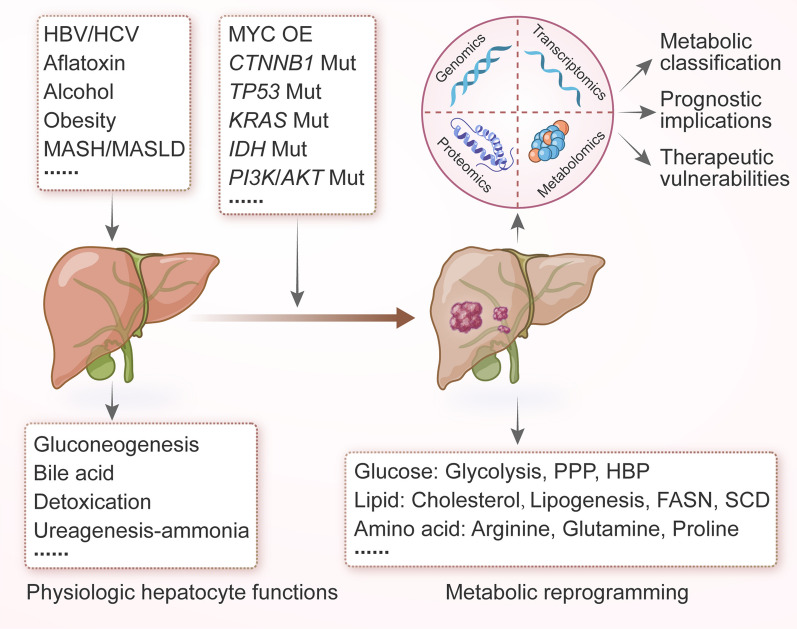
“During the progression of liver cancer, gluconeogenesis, detoxication, bile acid metabolism, and other typical hepatocyte metabolic functions are decreased, and these metabolic changes are accompanied by an increase in tumor progression [20, 21].”
Targeting Txnip-mediated metabolic reprogramming has therapeutic potential for osteoarthritis
Cao, X.-K., Yang, X., Zhang, P., Xu, J.-G., Zhao, J., & Yang, E.-Z. (2025) · Cell Death Discovery · doi:10.1038/s41420-025-02394-z · Cited by 14
Single-molecular theranostic metal complexes: Integrating bio-imaging and cancer therapy
Man, X., Zhang, Z., Liang, H., & Yang, F. (2025) · Coordination Chemistry Reviews · doi:10.1016/j.ccr.2025.217356 · Cited by 13
Multifaceted roles of lactate dehydrogenase in liver cancer (Review)
Jin, H., Liu, Q., Li, J., Zhao, S.-Y., & Tuo, B. (2025) · International Journal of Oncology · doi:10.3892/ijo.2025.5756 · Cited by 13
“For example, lactate can enter mitochondria through the lactate shuttle and be converted to pyruvate through reverse catalysis by LDH, which participates in the TCA and provides addi‑ tional energy to cells (65).”
Adapa, S. R., Porshe, S., Talada, D. P., Nywening, T. M., Anderson, M. L., Shaw, T. I., & Jiang, R. H. Y. (2025) · Cancers · doi:10.3390/cancers17193210 · Cited by 13
“These findings supports the concept that tumors can systemically prime distant sites for colonization [72].”
Lactate and lactylation in breast cancer: current understanding and therapeutic opportunities
Huang, L. J., Chen, X., Yan, M., Xiang, Z., & Wu, J. (2025) · Cancer Biology and Medicine · doi:10.20892/j.issn.2095-3941.2025.0173 · Cited by 6
Metabolic reprogramming: The driving force behind cancer drug resistance
El-Sehrawy, A. A. M. A., Hsu, C.-Y., Alkhathami, A. G., Chandra, M., Basunduwah, T. S., Malathi, H., Senapati, J. N., Gautam, A., Kadhem, M., & Yasin, H. A. (2025) · Seminars in Oncology · doi:10.1016/j.seminoncol.2025.152392 · Cited by 11
Harnessing Next‐Generation 3D Cancer Models to Elucidate Tumor‐Microbiome Crosstalk
Buzhor, M. G., Longobardi, G., Kandli, O., Krinsky, A., Avramoff, O., Katyal, A., Salomon, K., Miari, A., Venkert, D., Barnatan, T. T., et al. (2025) · Advanced Healthcare Materials · doi:10.1002/adhm.202503198 · Cited by 7
Gene regulatory network integration with multi-omics data enhances survival predictions in cancer
Pop, R. T., Hsieh, P., Belova, T., Mathelier, A., & Kuijjer, M. L. (2025) · Briefings in Bioinformatics · doi:10.1093/bib/bbaf315 · Cited by 10
“Lipid metabolism disruptions have been well documented in liver tumours (reviewed in [29, 30]).”
Xue, J., Zhang, L., Zhang, K., Wu, Y., Zhou, K., & Lü, X. (2025) · Frontiers in Immunology · doi:10.3389/fimmu.2025.1697056 · Cited by 10
The Immune Microenvironment in Liver Cancer: From Analysis to Targeting
Lan, J., Li, H., Xue, J., Duan, Y., Sun, J., & Niu, M. (2025) · Advanced Science · doi:10.1002/advs.202518487 · Cited by 10
Hypoxia-mediated m6A modulation in hepatocellular carcinoma: a comprehensive review
Jiang, H., Qian, S.-Y., Pan, D., Jin, C., & Pu, Q.-H. (2025) · Journal of Translational Medicine · doi:10.1186/s12967-025-07155-1 · Cited by 10
Research progress and therapeutic strategies in hepatocellular carcinoma metabolic reprogramming
Wang, H., Lun, Y., Xu, D., Jiang, H., Yan, Y., & Yang, X. H. (2025) · Journal of Advanced Research · doi:10.1016/j.jare.2025.08.023 · Cited by 7
“For example, HCC cells frequently favor glycolysis over oxidative phosphorylation (OXPHOS), even in the presence of oxygen, a phenomenon termed the ‘‘Warburg effect” [16,17], culminating in the generation of substantial lactate to support their rapid growth [18–20].”
Shen, X., Shi, H., Liu, L., Chong, S., Han, J.-W., & Gu, Y.-P. (2025) · Applied Biochemistry and Biotechnology · doi:10.1007/s12010-025-05319-9 · Cited by 10
“Metabolic reprogramming represents a hallmark of cancer that enables tumor cells to sustain rapid proliferation, invasion, and survival under nutrient-deprived conditions [7].”
Tian, L., Li, X., Guo, L., Huang, L., Wu, X., & Gao, W. (2024) · Coordination Chemistry Reviews · doi:10.1016/j.ccr.2024.216027 · Cited by 16
Li, K., Wang, H., Li, C., Xiao, M., Luo, Y., Shen, S., Li, G., Fu, Y., Chen, W., Shao, R., et al. (2025) · Communications Biology · doi:10.1038/s42003-025-08877-0 · Cited by 9
“In recent years, numerous studies have shown that metabolic reprogramming plays a pivotal role in the growth and spread of cancer cells 2 – 5 .”
Hepatic Fibrosis and Liver Cancer
Anton, A., Friedman, S. L., & Cogliati, B. (2025) · Seminars in Liver Disease · doi:10.1055/a-2779-4937 · Cited by 10
“Aberrant neovessels also modulate immune cell recruitment to hinder effective traf cking of cytotoxic lymphocytes while promoting the in ltration of immunosuppressive cells.”
Lymph node targeting nanomedicines for tumor immunotherapy
Li, X., Cheng, R., Junyi, D., Wu, Y., Ou, L., Yan, T., Zhou, X., Liu, Z., Feng, S., Chen, L., et al. (2025) · Biomaterials · doi:10.1016/j.biomaterials.2025.123735 · Cited by 10
Li, W., Li, G., Luo, C.-S., Yu, Q., & Cui, M. (2025) · Cancer Management and Research · doi:10.2147/cmar.s537930 · Cited by 11
“119,120 Loss of the metabolic regulator Sirt5 is associated with abnormally elevated bile acids, which promote M2-TAM polarization and favour an immunosuppressive TME.”
Liu, W., Fan, B., Fang, T., Li, H., Zhang, J., Liu, B., & Liu, Z. (2025) · Acta Pharmaceutica Sinica B · doi:10.1016/j.apsb.2025.08.010 · Cited by 10
“Tumor cells also often exhibit a similar secretory phenotype, secreting cytokines and growth factors such as VEGF, IL-6, and secreted transforming growth factor-beta (TGF-ß ), which contribute to tumor growth, metastasis, and immune evasion 113 .”
Lai, S.-Y., Zhu, X., Sun, W.-D., Bi, S.-Z., Zhang, C.-Y., Liu, A., & Li, J.-H. (2025) · Biomolecules · doi:10.3390/biom15050719 · Cited by 10
“While normal cells predominantly rely on oxidative phosphorylation (OXPHOS) for energy production, cancer cells often prefer glycolysis as their primary energy source, even when ample oxygen is available, a metabolic adaptation referred to as the “Warburg effect” (Figure 2) [45].”
Guo, Z., Yao, Z., Huang, B., Wu, D., Li, Y., Chen, X., Lu, Y., Wang, L., & Lv, W. (2024) · International Immunopharmacology · doi:10.1016/j.intimp.2024.112821 · Cited by 9
Hao, Y., Zhang, Y., Zhang, Y., Yang, D., Ren, D., Yue, Y., Li, Q., Fan, Q., Sun, C., Cui, M., et al. (2025) · European journal of medical research · doi:10.1186/s40001-025-03383-9 · Cited by 5
“Over the past decade, immunotherapy has emerged as a major focus in anti-tumour treatment [2].”
Self-citationThe impact of metabolic reprogramming in hepatocellular carcinoma on T cell
Liao, D., An, X., Huang, G., & Yuan, T.-L. (2025) · Frontiers in Immunology · doi:10.3389/fimmu.2025.1696113 · Cited by 9
“The core of these strategies lies in effectively plundering core resources such as glucose and amino acids from the TME by upregulating the expression of key nutrient transporters on the cell membrane (217, 219).”
Metabolic reprogramming in Helicobacter pylori infection: from mechanisms to therapeutics
Liu, T., Zhao, X., Cai, T., Li, W., & Zhang, M. (2025) · Frontiers in Cellular and Infection Microbiology · doi:10.3389/fcimb.2025.1678044 · Cited by 8
Self-citationWu, Z., Duan, W., Xiong, Y., Liu, J.-Y., Wen, X.-P., Zhao, F.-Q., Xiang, D.-B., Wang, J., Kasim, V., & Wu, S.-R. (2025) · Oncogene · doi:10.1038/s41388-025-03534-6 · Cited by 8
The Interplay of Aging and Cancer: Mechanisms, Implications, and Therapeutic Strategies
Wang, L., Luo, Y., Chen, X., Wang, Y., & Zhang, Y. (2025) · MedComm – Oncology · doi:10.1002/mog2.70041 · Cited by 8
Lin, P., Qin, Q., Gan, X.-Y., Pang, J., Wen, R., He, Y., & Yang, H. (2025) · Journal of Translational Medicine · doi:10.1186/s12967-025-06347-z · Cited by 8
“The liver is the largest organ in the body responsible for metabolic control, and metabolic disorders are closely associated with the occurrence of liver cancer [7].”
Xia, J., Wang, C., & Li, B. (2024) · Frontiers in Oncology · doi:10.3389/fonc.2024.1451650 · Cited by 8
Ou, Y., Wei, H., Peng, C., Li, J., Wei, K., Zhan, C., & Zhang, Z. (2026) · Cancers · doi:10.3390/cancers18060980 · Cited by 8
“In the liver, LPS engages Toll-like receptor 4 (TLR4) https://doi.org/10.3390/cancers18060980 on resident macrophages and myeloid precursors, triggering CXCL1–CXCR2 signaling that massively expands and activates PMN-MDSCs while reinforcing their Arg-1 and ROS-dependent suppressive activity [23,117].”
InfluentialYuan, C., Hu, C.-P., Zhou, H.-Y., Liu, W., Lai, W.-J., Liu, Y.-F., Yin, Y., Li, G.-B., & Zhang, R. (2025) · Neoplasia · doi:10.1016/j.neo.2025.101160 · Cited by 7
“Metabolic reprogramming has emerged as a hallmark of cancer, enabling tumor cells to adapt to the hypoxic and nutrient-deprived microenvironment [3,4].”
Wu, Y., Chen, Z., Hu, Y., Ren, S., & Li, M. (2026) · Autoimmunity Reviews · doi:10.1016/j.autrev.2026.104150 · Cited by 6
Li, Q., Yu, K., Zhou, S., Fang, C.-Y., Zhang, L.-R., Jin, F.-Y., Hou, X., Yao, F., Tang, Y.-H., Xu, J.-L., et al. (2026) · Gut · doi:10.1136/gutjnl-2025-337331 · Cited by 6
Jiang, X., Fang, G., Li, W., Liu, Y., Chen, G., Perea, S. E., Perera, Y., Ma, R., Hu, X., & Long, X. (2026) · Critical Reviews in Oncology/Hematology · doi:10.1016/j.critrevonc.2026.105155 · Cited by 5
Shi, G., Zhang, W., Xie, F., Shi, J., Yan, M., He, L., Li, Z., Xiao, Y., Yu, D. N., Cao, H., et al. (2025) · Cell Communication and Signaling · doi:10.1186/s12964-025-02427-1 · Cited by 6
“The occurrence and development of liver cancer are closely associated with immune microenvironment dysregulation [20].”
Guo, Z., Han, R.-L., Gao, Y., Fu, J., Zhuang, Z., Hou, Y., Yu, J.-C., & Tang, K.-Q. (2025) · Chemical Engineering Journal · doi:10.1016/j.cej.2025.165767 · Cited by 6
Aiello, C., Felli, É., Musarra, T., Nevi, L., Altomare, A., Gracia‐Sancho, J., Baiocchini, A., & Carotti, S. (2025) · International Journal of Cancer · doi:10.1002/ijc.70047 · Cited by 6
“46 However, immunohistochemical analysis reveals that GLUT1 protein is detectable in approximately 13% of HCC cases, with higher expression correlating with advanced tumor stage and poor differentiation.”
Targeting super-enhancers in liver cancer: from pathogenic mechanisms to clinical applications
Li, C., Yao, Z., Sun, A., Cao, J., & Wang, Z. (2025) · Frontiers in Pharmacology · doi:10.3389/fphar.2025.1589455 · Cited by 5
“Lin et al. previously reviewed the underlying metabolic communication between liver cancer cells and their surrounding immune cells, altering the landscapes of the immune microenvironment (Lin et al., 2024).”
Targeting fatty acid oxidation: A potential strategy for treating gastrointestinal tumors
Zheng, Y., Jiang, Z., Yuan, L., Cheng, X., He, W., & Chen, X. (2025) · International Journal of Cancer · doi:10.1002/ijc.35380 · Cited by 6
“72,73 In many cancers, FAO is upregulated, 74,75 which is attributed to the increased demand for energy and metabolic intermediates required for macromolecular synthesis.”
Transketolase promotes osteosarcoma progression through the YY1 ‐ PAK4 axis
Jing, D., Wu, W., Huang, X., Zhang, Z., Chen, X., Huang, F., Liu, J., Zhang, Z., Shao, Z., & Pu, F. (2025) · FEBS Journal · doi:10.1111/febs.17375 · Cited by 5
“Amino acids 201 – 228 YY1 can connect with the TKT protein. normal tissues have shown unique advantages and achieved phased results [22,23].”
Han, S., Luo, Y., Hu, Z., Li, X., Zhou, Y., & Luo, F. (2025) · Molecular Nutrition & Food Research · doi:10.1002/mnfr.202400750 · Cited by 6
Xie, B., Li, J., Lou, Y., Chen, Q., Yang, Y., Zhang, R., Liu, Z., He, L., & Cheng, Y. (2024) · International Immunopharmacology · doi:10.1016/j.intimp.2024.113019 · Cited by 4
Wang, Y., Li, F., Li, J., Huang, T., Huang, T., Zhang, N., Li, Y., Xun, Z., Zhu, Z., Tan, Q., et al. (2026) · Cell Metabolism · doi:10.1016/j.cmet.2026.06.003 · Cited by 5
Pan, J., Feng, J., Ding, Z., Fang, M., Yu, W., Yang, L., Zhang, X., & Wang, X. (2026) · Biochemical and Biophysical Research Communications - BBRC · doi:10.1016/j.bbrc.2026.154044 · Cited by 5
Ji, Y., Wang, Y., Yu, X., Jin, Y. C., Zhao, K., Hu, Y., & He, Z. (2026) · Frontiers in Cell and Developmental Biology · doi:10.3389/fcell.2026.1745201 · Cited by 7
“This is characterized by systemic alterations in metabolites, fluxes, and enzyme activities (Horn and Tacke, 2024), and represents a dynamic rebalancing of cellular energy demands, nutrient availability, and environmental stressors (Lin et al., 2024).”
Obstacles and improvement strategies for CAR-T cell therapy in solid tumors
Luo, Z., Hu, Q., Ren, M., Wang, L., Zou, Q., Wen, X., Chen, S., Liu, Q., Luo, D., & Guo, Z. (2026) · Discover Oncology · doi:10.1007/s12672-026-04473-8 · Cited by 6
“A signature feature of tumor cells is that they utilize glucose through aerobic glycolysis (Warburg effect) to meet their high energy requirements for survival and metabolism, as glycolysis produces ATP at a faster rate [101].”
Zhang, B., Iqbal, M., Yan, Y., Wang, H., Wang, X., Zhang, Y., & Guo, B. (2026) · Journal of Nanobiotechnology · doi:10.1186/s12951-026-04102-0 · Cited by 2
Qian, L.-M., Fu, Z., Chen, P., Guo, Y., Li, Y., Wang, Y., Wang, B., Zhang, Q., Guo, Q., Wu, L., et al. (2026) · International Journal on Biological Sciences · doi:10.7150/ijbs.125483 · Cited by 5
Wang, Y., Zhu, Y., Wang, Y.-X., Liu, Y., Wang, P., & Yu, M.-K. (2026) · Mediators of Inflammation · doi:10.1155/mi/2952331 · Cited by 5
“In this way, the in fl ammatory properties of the TME regulate the cellular sensitivities to cell death caused by copper using reprograming of metabolism [23].”
Liang, M.-Z., Huang, X.-F., Zhu, J., Bao, J., Chen, C., Wang, X., Lou, Y.-W., Pan, Y.-T., & Dai, Y. (2025) · Computational Biology and Chemistry · doi:10.1016/j.compbiolchem.2025.108507 · Cited by 5
Gu, M.-Y., Ma, W., Ma, Z.-M., Ma, L., & Ding, X. (2025) · Scientific Reports · doi:10.1038/s41598-025-94504-1 · Cited by 3
“One reason for the limited efficacy of immune checkpoint inhibitors is that tumors weaken the killing effect of immune cells through immune evasion mechanisms 43 , and high PSMD2 expression may further exacerbate this process.”
A Bibliometric Analysis of Metabolic Reprogramming in the Tumor Microenvironment From 2003 to 2022
Xi, Y., Liu, R., Zhang, X., Guo, Q., Zhang, X., Yang, Z., Zheng, H., Song, Q., & Hua, B. (2024) · Cancer Reports · doi:10.1002/cnr2.2146 · Cited by 5
Li, Q., Zhou, S., Zhang, L.-R., Yu, K., Fang, C.-Y., Liu, X., Tie, X., Zhang, R.-Z., Peng, H., Yao, F., et al. (2026) · Gut · doi:10.1136/gutjnl-2025-337330 · Cited by 4
Liu, Y., Yang, X., Qin, M., Chen, W., Liu, C., Jiang, W., Wang, Y., Tan, S., Sun, H., Chen, J., et al. (2026) · Journal of Ethnopharmacology · doi:10.1016/j.jep.2026.121554 · Cited by 3
Arshad, F., Chinnappan, R., Broering, D. C., Raptis, D. A., Mir, T. A., Khan, M. I., & Yaqinuddin, A. (2026) · Frontiers in Bioengineering and Biotechnology · doi:10.3389/fbioe.2026.1748835 · Cited by 4
“…that are associated with isocitrate dehydrogenase (IDH) mutations and are essential in cell signaling and immune response, and therefore serves as a crucial biomarker in the diagnosis and prognosis of cancers, including liver cancers that occur as a consequence of NASH/MASH (Lin et al., 2024).”
Cai, P., Liu, X., Lin, M.-Z., Xie, S.-F., Yuan, L., Lin, Z.-B., Zhang, Y., & Cai, S. (2026) · Cells · doi:10.3390/cells15020207 · Cited by 4
Zhu, W.-S., Qi, H., Jing, F.-B., Shi, Y., Xing, Y., Ma, X.-L., Ning, B., Wang, Y.-S., & Jia, Y.-F. (2026) · Redox Biology · doi:10.1016/j.redox.2026.104055 · Cited by 4
“Tumor cells are compelled to undergo metabolic reprogramming to adapt to hypoxia, stress, and unrestricted proliferation conditions [15].”
Wang, Q., Qiao, H., Yuan, W., Deng, X., Xie, Z., Lei, X., Yang, X., Tang, G., & Wang, Z. (2025) · Biomedicine & Pharmacotherapy · doi:10.1016/j.biopha.2025.118912 · Cited by 4
Jiang, L., Shen, Y., Feng, Z., Wang, Y., Zhu, Y., Shen, Y., & Peng, Q. (2025) · European journal of medical research · doi:10.1186/s40001-025-03275-y · Cited by 4
“The tumor microenvironment (TME), a complex ecosystem comprising a diverse array of cells, such as stromal and immune cells, plays a pivotal role in the effective identification of suitable patients for immunotherapeutic interventions [20].”
KBTBD11 suppresses hepatocellular carcinoma by targeting ENO1-mediated glycolysis
Liu, Y.-X., Chen, Y.-R., Tang, L.-R., Lin, F.-F., Zhuang, Q., Chen, H., Lin, X.-D., & Li, J.-L. (2025) · Journal of Translational Medicine · doi:10.1186/s12967-025-07161-3 · Cited by 4
Acylation modification-mediated metabolism reprogramming in cancer
Huang, K., Wang, Y., Li, B., Xiu, Y., Zhan, H., Wei, G., & Duan, Y. (2025) · iScience · doi:10.1016/j.isci.2025.113883 · Cited by 8
“28”
Lactylation modification in lung cancer: A review of current research and future directions (Review)
Lv, Q., Xu, J., Hu, N., Zhao, Y., Wang, X., Wang, T., & Tian, L. (2025) · Oncology Reports · doi:10.3892/or.2025.8981 · Cited by 3
Xu, J., Cheng, Y., Feng, Y., & Wang, Y. (2025) · Immunological Investigations · doi:10.1080/08820139.2025.2553774 · Cited by 4
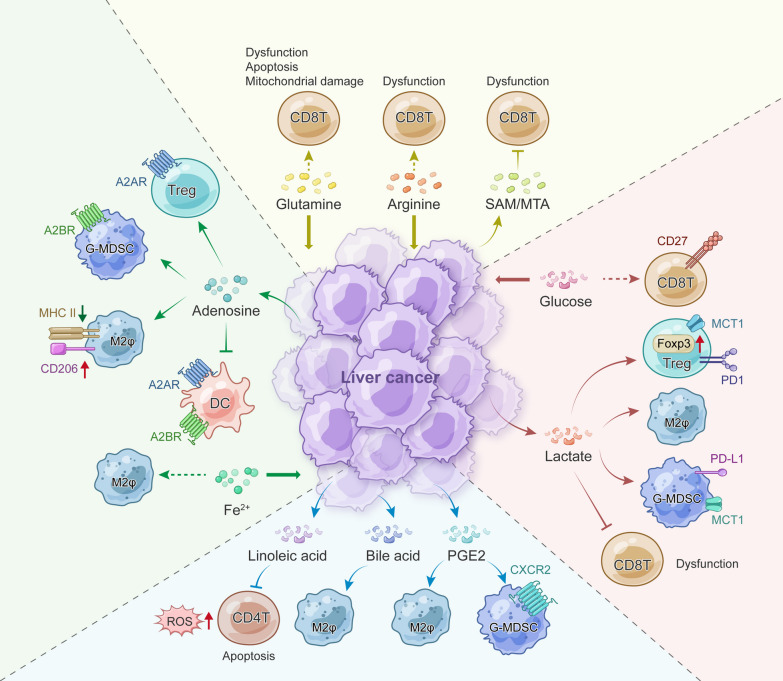
“The intense competition for nutrients and the accumulation of inhibitory metabolic products in the tumor microenvironment of the liver together lead to immune cell dysfunction (J. Lin et al., 2024; H. Yang et al., 2025).”
Ma, J., Cheng, M. Y., Jin, L., Wang, Y., Feng, Z., Shen, Y., Zhu, Y., & Peng, Q. (2025) · Clinical & Translational Oncology · doi:10.1007/s12094-025-03963-5 · Cited by 4
“It has been reported that HCC is associated with a range of metabolic dysregulations, including abnormalities in glucose, fatty acid, and amino acid metabolism [7–9].”
Wang, M., Wang, Y.-H., Chen, L., Yu, S., Li, X.-D., Huang, G., & Jin, M.-M. (2025) · European Journal of Pharmacology · doi:10.1016/j.ejphar.2025.177839 · Cited by 4
Huang, J.-H., Li, Y.-H., Hong, J., Li, R., Wang, R., Chen, Z.-Q., Li, S., Chi, Y.-L., Huang, J., & Zhu, Y. (2025) · Molecular Therapy — Nucleic Acids · doi:10.1016/j.omtn.2025.102560 · Cited by 4
“36 However, the role of BA metabolism in the occurrence and progression of HCC remains controversial.”
Nelson, A. B., Reese, L. E., Rono, E., Queathem, E. D., Qiu, Y., McCluskey, B. M., Crampton, A. L., Conniff, E., Cummins, K. A., Boytim, E., et al. (2025) · International Journal of Molecular Sciences · doi:10.3390/ijms26051976 · Cited by 6
“Moreover, substrate fuels are used to program neighboring immune cells for repressed anti-tumor responses [7].”
Xiao, N., Chen, C., Yang, X., Hao, J., Xie, M., Wang, J., Xiang, J., Liu, C., Jiang, X., Huang, S., et al. (2026) · Frontiers in Immunology · doi:10.3389/fimmu.2026.1894189 · Cited by 2
“Resting or tolerogenic APCs may rely more on oxidative phosphorylation or lipid-associated metabolic programs (102).”
Ding, L., Du, W., Zhu, J., Zhang, Y., Wang, X., Li, L., Liu, B., Wang, X., Wang, Q., & Pei, D. (2026) · Proceedings of the National Academy of Sciences · doi:10.1073/pnas.2524594123 · Cited by 3
Wang, Q., Sun, M., Han, Y., Li, Z., Liu, J., Zhou, Z., Shi, X., Zhao, X. R., & Shi, J. (2026) · Advanced Cancer Research · doi:10.55092/acr20260007 · Cited by 3
“These specific pathological features of TME mainly arise from the uncontrolled proliferation of malignant cells and the consequent metabolic disorders [15–17].”
Li, W., Wang, Z.-A., Chen, J., & Ying, S.-B. (2026) · Toxicology · doi:10.1016/j.tox.2026.154450 · Cited by 3
Targeting cancer signaling pathways and their therapeutic strategies
Salem, M. M., & Mohamed, T. M. (2026) · Discover Oncology · doi:10.1007/s12672-026-04708-8 · Cited by 4
“15) [79].”
Yang, W., Wang, C., Yu, C., Jiang, N., Yu, B., Ni, Y., Ni, C., Feng, L., & Zhang, L. (2026) · Cell Reports Medicine · doi:10.1016/j.xcrm.2026.102662 · Cited by 2
“14,15 19 Coupled with significantly reduced CO 2 production due to inhibition of the tricarboxylic acid cycle and oxidative phosphorylation, tumor cells maintain an alkaline intracellular pH and an acidic extracellular pH. 20,21 This pH gradient collectively promotes tumor invasion and metastasis…”
The role of ADAR1 in human pathophysiology
Li, J., Xiao, Y., Li, X., & Dai, Y. (2025) · Frontiers in Cell and Developmental Biology · doi:10.3389/fcell.2025.1672970 · Cited by 4
Metadata
- Authors
- Lin, J., Rao, D., Zhang, M., & Gao, Q.
- Affiliations
- Fudan University (CN)
- Shanghai Medical College of Fudan University (CN)
- Corresponding author
- Gao, Qiang
- Venue
- Journal of Hematology & Oncology
- Published
- 2024-01-31
- Volume
- 17
- Issue
- 1
- Pages
- 6-6
- ISSN
- 1756-8722 (ISSN-L)
- PMC
- PMC10832230
- OpenAlex
- W4391404272
- Cited by
- 251
- References
- 231
- Citations by year
- 2026: 125 · 2025: 110 · 2024: 16
- FWCI
- 12.25
- Type
- journal article
- Language
- en
- Open access
- gold
- doi.org
- Locations
- Journal of Hematology & Oncology (publishedVersion, cc-by)
- PubMed Central (publishedVersion, cc-by)
- PubMed (publishedVersion)
- DOAJ (DOAJ: Directory of Open Access Journals) (submittedVersion, cc-by-sa)
- Funders
- National Natural Science Foundation of China (82103314, 82130077)
- Jinshan Hospital Flexible Mobile Talent Research Startup Fund (RXRC-2020-1)
- Topics
- Life Sciences › Biochemistry, Genetics and Molecular Biology › Cancer Research › Cancer, Hypoxia, and Metabolism
- Life Sciences › Immunology and Microbiology › Immunology › Immune cells in cancer
- Health Sciences › Medicine › Oncology › Cancer Immunotherapy and Biomarkers
- Keywords
- metabolic reprogramming, liver cancer, tumor microenvironment, tumor immune microenvironment, cancer immunotherapy, immunotherapy resistance, gut-liver axis, immune surveillance, immune evasion
- MeSH terms
- Metabolic Reprogramming, Energy Metabolism, Glycolysis, Humans, Immunotherapy, Liver Neoplasms, Neoplasms, Tumor Microenvironment
About these checks
Registry, retraction, Cites and statistics results are computed, not judged, with one exception: a printed reference that no index lists is read once by a model before it counts as a citation error. Claims are extracted by a model and kept only when their quote appears verbatim in the text; each cited source is then checked, with a model’s help, for whether it says what the claim relies on. Those verdicts can be wrong — read the claim’s quote and the cited source before relying on one.
Statistics and arithmetic are recomputed, not judged.
Confidence bands are shown only for fields calibrated on our annotated test set. None is calibrated yet, so no band is shown.
What counts as a claim ›How we measure confidence ›How we check this ›
Are you an author, or do you see a problem with this page? Request a review
