

The DOI matches its Crossref record; 230 of the 231 references it cites were found in a registry or an index.
Metabolic reprogramming in the tumor microenvironment of liver cancer
Open accessAbstract
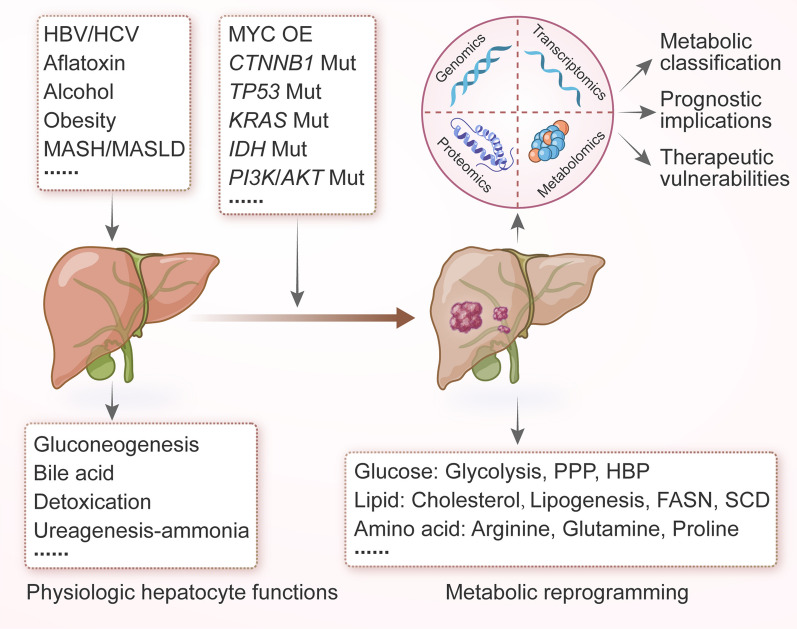
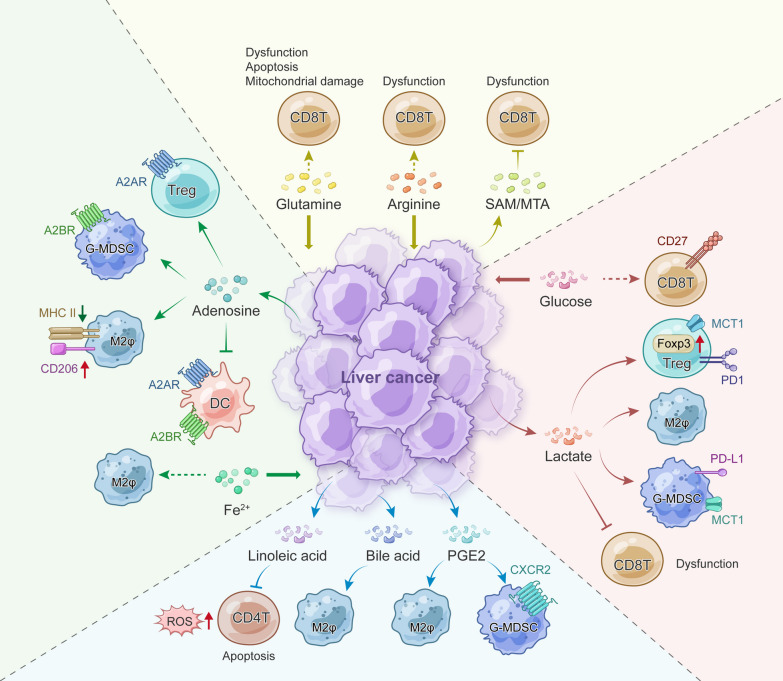
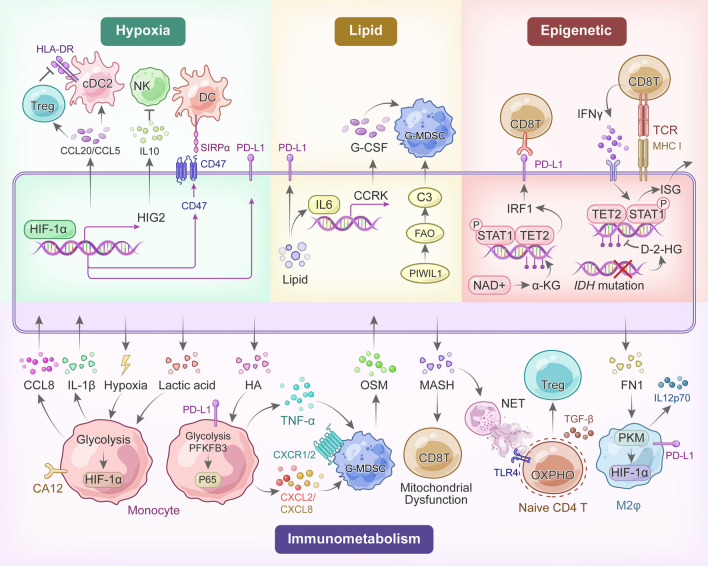
The liver is essential for metabolic homeostasis. The onset of liver cancer is often accompanied by dysregulated liver function, leading to metabolic rearrangements. Overwhelming evidence has illustrated that dysregulated cellular metabolism can, in turn, promote anabolic growth and tumor propagation in a hostile microenvironment. In addition to supporting continuous tumor growth and survival, disrupted metabolic process also creates obstacles for the anticancer immune response and restrains durable clinical remission following immunotherapy. In this review, we elucidate the metabolic communication between liver cancer cells and their surrounding immune cells and discuss how metabolic reprogramming of liver cancer impacts the immune microenvironment and the efficacy of anticancer immunotherapy. We also describe the crucial role of the gut-liver axis in remodeling the metabolic crosstalk of immune surveillance and escape, highlighting novel therapeutic opportunities.
Overview
The claims and statistics of this paper haven’t been checked yet.
Run the check — free, no account needed. It reads the open-access text and checks the sources it cites.
Integrity signals
Registry
Cites
Statistics
Figures
Verification
Claims the paper makes
The claims and statistics of this paper haven’t been checked yet.
Run the check — free, no account needed. It reads the open-access text and checks the sources it cites.
Claims other papers make about this one
Each is checked against this paper’s own text: does it say what the citing paper says it does?
The source backs part of the claim, not all of it — or backs it for a different population, condition or comparison.
In the citing paper
“Reprogramming of liver microenvironment is a key feature of hepatocarcinogenesis, which encompasses but not limited to metabolic alterations of hepatocyte and immune cells, re-emergence of fetal-associated endothelial cells and altered inflammatory milieu [10, 46, 65, 66].”
From Single-cell transcriptome reveals the reprogramming of immune microenvironment during the transition from MASH to HCC (2025) · cites this paper as [65]
Experimental — accuracy not yet measured
Self-check
Percentages, sums and reported differences re-computed from the paper’s own numbers.
The self-check needs the paper’s full text.
Citations
Cites
(1986) · The New Zealand medical journal · doi:10.1016/s0015-6264(78)80335-6 · Cited by 18,572 · cited 2×
“…as multi-kinase inhibitors, have achieved great progress since 2007, and combined anti-vascular endothelial growth factor (VEGF) or tyrosine kinase inhibitors (TKIs) with immune checkpoint block-ades (ICBs) has been endorsed as the new standard of care in first-line treatment for advanced HCC [2].”
BackgroundUnderstanding the Warburg Effect: The Metabolic Requirements of Cell Proliferation
Vander Heiden, M. G., Cantley, L. C., & Thompson, C. B. (2009) · Science · doi:10.1126/science.1160809 · Cited by 16,197 · cited 1×
“Unlike normal cells, which usually acquire energy through oxidative phosphorylation (OXPHOS), tumor cells tend to choose glycolysis even in the presence of oxygen, also known as “Warburg effect” [9].”
BackgroundLlovet, J. M., Kelley, R. K., Villanueva, A., Singal, A. G., Pikarsky, E., Roayaie, S., Lencioni, R., Koike, K., Zucman-Rossi, J., & Finn, R. S. (2021) · Nature Reviews Disease Primers · doi:10.1038/s41572-020-00240-3 · Cited by 7,055 · cited 1×
“Lenvatinib, a multi-kinase inhibitor approved for systemic first-line treatment of HCC [141], promotes neutrophil recruitment by inducing CXCL2 and CXCL5 secretion in the TME.”
BackgroundOncology meets immunology: the cancer-immunity cycle.
Chen, D. S., & Mellman, I. (2013) · Immunity · doi:10.1016/j.immuni.2013.07.012 · Cited by 6,929 · cited 1×
“…the release of cancer cell antigens, the presentation of cancer-associated antigens, the priming and activation of T-cell, and their trafficking to the tumor site, followed by infiltration into the tumor and stroma, recognition of the tumor cells, and, ultimately, killing of the tumor cells [93].”
BackgroundGut microbiome influences efficacy of PD-1-based immunotherapy against epithelial tumors
Routy, B., Le Chatelier, E., Derosa, L., Duong, C. P. M., Alou, M. T., Daillère, R., Fluckiger, A., Messaoudene, M., Rauber, C., Roberti, M. P., et al. (2018) · Science · doi:10.1126/science.aan3706 · Cited by 5,671
Gut microbiome modulates response to anti-PD-1 immunotherapy in melanoma patients
Gopalakrishnan, V., Spencer, C. N., Nezi, L., Reuben, A., Andrews, M. C., Karpinets, T. V., Prieto, P. A., Vicente, D., Hoffman, K., Wei, S. C., et al. (2018) · Science · doi:10.1126/science.aan4236 · Cited by 4,812 · cited 1×
“The gut microbiome strongly influences the tumor immune microenvironment and immunotherapy response [218–223].”
BackgroundEpidemiology of Viral Hepatitis and Hepatocellular Carcinoma
El‐Serag, H. B. (2012) · Gastroenterology · doi:10.1053/j.gastro.2011.12.061 · Cited by 3,465 · cited 1×
“Due to excessive lipid accumulation, obesity heightens the risk of HCC, particularly in men, though the underlying molecular mechanism remains unclear [159, 160].”
BackgroundMetabolic Competition in the Tumor Microenvironment Is a Driver of Cancer Progression
Chang, C.-H., Qiu, J., O’Sullivan, D., Buck, M. D., Noguchi, T., Curtis, J. D., Chen, Q., Gindin, M., Gubin, M. M., van der Windt, G. J. W., et al. (2015) · Cell · doi:10.1016/j.cell.2015.08.016 · Cited by 3,331 · cited 2×
“Emerging evidence indicates that metabolic alterations in tumor cells affect the composition and function of surrounding cells [16, 17].”
BackgroundFunctional Polarization of Tumour-Associated Macrophages by Tumour-Derived Lactic Acid
Colegio, O. R., Chu, N.-Q., Szabo, A. L., Chu, T., Rhebergen, A. M., Jairam, V., Cyrus, N., Brokowski, C. E., Eisenbarth, S. C., Phillips, G. M., et al. (2014) · Nature · doi:10.1038/nature13490 · Cited by 3,046
CD8+ T cells regulate tumour ferroptosis during cancer immunotherapy
Wang, W., Green, M., Choi, J. E., Gijón, M., Kennedy, P. D., Johnson, J. K., Liao, P., Lang, X., Kryczek, I., Sell, A., et al. (2019) · Nature · doi:10.1038/s41586-019-1170-y · Cited by 2,880 · cited 1×
“Tumor cells often extract these nutrients from the tumor interstitial fluid (TIF) to hinder tumorolytic activities [10, 16, 96–101].”
Background
Research works printed but not linked: 3
- Kelley RK, et al. Pembrolizumab in combination with gemcitabine and cisplatin compared with gemcitabine and cisplatin alone for patients with advanced biliary tract cancer (KEYNOTE-966): a randomised, double-blind, placebo-controlled, phase 3 trial. Lancet. 2023;401:1853–65. https://doi.org/10.1016/S0140-6736(23)00727-4. · DOI · Paper page
- Xun X, et al. Cyclooxygenase-2 expressed hepatocellular carcinoma induces cytotoxic T lymphocytes exhaustion through M2 macrophage polarization. Am J Transl Res. 2021;13:4360–75.
- Tap WD, et al. Phase I study of the mutant IDH1 inhibitor ivosidenib: safety and clinical activity in patients with advanced chondrosarcoma. J Clin Oncol. 2020;38:1693–701. https://doi.org/10.1200/JCO.19.02492. · DOI · Paper page
Cited by
Sorted by citations
Items 201–248 of 248
Cao, Y., Wang, H., Gou, Y., Zhang, H., Liu, J., Bai, R., Liang, Z., Zhao, Y., Han, X., & Zhang, Z. (2026) · Cellular Signalling · doi:10.1016/j.cellsig.2026.112620
Deng, X., Liu, Y., Li, M. S., Tang, W., Jiang, L., Rahman, J., Sagnelli, M., 胡洪涛, Sun, L.-Z., Zuo, Q., et al. (2026) · iScience · doi:10.1016/j.isci.2026.116270
Qiao, C., Lei, Q., Lu, L., Ding, Y., Xu, Y., Zhang, H., Song, J. H., Qiao, H., Cheng, T., & 李俊生 (2026) · Biomedical Materials · doi:10.1088/1748-605x/ae70e2
“…to improve the therapeutic response to RT, phototherapy, and immunotherapy in HCC. Hypoxia is a hallmark of the HCC microenvironment and arises primarily from inadequate oxygen supply caused by abnormal tumor vasculature together with excessive oxygen consumption during rapid tumor growth [16–18].”
Salem, A. E., Nassar, N., Emam, S. M., Negm, S. H., Talib, W. H., & Raposa, B. L. (2026) · Nutrients · doi:10.3390/nu18121911
Fan, Z., Li, Y., Geng, S., Si, Y., Yang, Y., 李, 玉., Hu, X., & Jiang, J. (2026) · Current Issues in Molecular Biology · doi:10.3390/cimb48060569
“Recent reviews have also highlighted coordinated alterations in glucose, lipid, and amino acid metabolism in HCC [43,47].”
Xu, D., Peng, L., He, J., Wang, X., & Xia, J.-Q. (2026) · International Journal of Molecular Sciences · doi:10.3390/ijms27114862
SF3B4 stabilizes SREBF1 via 3′UTR binding to drive hepatocellular carcinoma progression
Fang, Y., Wang, D., Han, L., Li, M.-G., He, Q.-Y., Xu, W., Li, H.-J., Zeng, Z., Lin, J., & Huang, H.-F. (2026) · Frontiers in Oncology · doi:10.3389/fonc.2026.1833357
Self-citationZhang, K., Liu, B., & Hu, H. (2026) · Frontiers in Medicine · doi:10.3389/fmed.2026.1814665
RNA methylation regulates ferroptosis in liver cancer: mechanisms and therapeutic insights
Gao, Y., Yu, L., & Xu, N. (2026) · European Journal of Medical Research · doi:10.1186/s40001-026-04518-2
“As a central hub for metabolic regulation and iron homeostasis, liver undergoes profound metabolic reprogramming during tumorigenesis [13, 14].”
Zheng, X., Jiang, Y.-F., Liu, B., Xu, Z., Lu, W., & Luo, F. (2026) · Biochemical and Biophysical Research Communications - BBRC · doi:10.1016/j.bbrc.2026.153971
Artemisinin and Its Derivatives in Cancer: A Mechanistic Review
Liang, Z., Xie, W., Zhang, L., Sun, Y., & Wang, J. (2026) · Cancer Bioscience · doi:10.1016/j.cbs.2026.100002 · Cited by 1
Liang, Z.-K., Chen, Z.-H., Zhang, Y., Zhang, C.-W., Sun, K.-P., Zhang, W.-P., Chen, C., Yang, W., & Wei, H.-B. (2026) · Biomaterials Advances · doi:10.1016/j.bioadv.2026.214950
Xie, L., Chen, M., Wu, J. L., Li, Z., Guo, R., Yu, H., Li, X., Wang, Q., Liu, F., Wang, J., et al. (2026) · Investigative Ophthalmology & Visual Science · doi:10.1167/iovs.67.5.70
“23 However, degenerative disorders such as FECD display a fundamentally different metabolic profile.”
Ni, X., Wang, C., Zhang, K., Zhang, M., Guo, J., Fan, W., Zheng, L., Jiang, T., & Zhang, G. (2026) · Phytomedicine · doi:10.1016/j.phymed.2026.158360
Self-citationSimultaneous In-Depth Single-Cell Proteomic and Metabolomic Analysis.
Wu, J., Lu, F., Tao, L., Wang, Y., Huang, Y., Wang, Y., Yang, Y., Pan, J.-Z., Liang, X., & Fang, Q. (2026) · Analytical Chemistry · doi:10.1021/acs.analchem.5c08090
Jung, H., Baek, G., Yoon, M., Jang, S.-H., Cheong, J., Kim, S., & Jung, W. E. (2026) · BMC Cancer · doi:10.1186/s12885-026-16066-3
Shi, Q., Bai, Y., Wang, J., Ru, M.-Y., Zhang, K., Guo, Y., Bai, Z.-T., & Shen, L. (2026) · Molecular Biomedicine · doi:10.1186/s43556-026-00451-2
“HCC is a highly malignant tumor characterized by significant metabolic dysregulation [7, 8], and lipid metabolism reprogramming is one of its hallmark characteristics [9, 10].”
Shirian, F. I., Safari-Alighiarloo, N., Mohebbi, A., Tabatabaei, S., Karami, A., Vaezi, M. A., Bahar, A., Salimi, V., & Tavakoli-Yaraki, M. (2026) · Scientific Reports · doi:10.1038/s41598-026-48209-8
Xu, M., Wang, A., Shan, D., Chen, X., Zhang, R., Xu, C., Yuan, J., Li, J., An, G., Shen, Z., et al. (2026) · BMC Medical Imaging · doi:10.1186/s12880-026-02311-5
Wei, S.-H., Chen, T., Jin, Y., Jin, X.-Y., Zhao, Y., Chen, X.-Y., Cao, Q., Li, L.-C., Zhou, M.-L., Qi, R., et al. (2026) · Journal of Proteome Research · doi:10.1021/acs.jproteome.5c01071
Hypoxia-inducible factor in hepatocellular carcinoma: From pathogenesis to therapeutic potential
Chi, Z.-C. (2026) · World Chinese Journal of Digestology · doi:10.11569/wcjd.v34.i3.207
Immunotherapy in liver metastases: Challenges, emerging evidence, and future directions
Pham, H. T., Dong, Z., Alba, M. D., Cottle, C., Zhang, M.-Y., Parker, J., Morecroft, R., Chaludiya, K., Ingram, D., Ahmad, A. N., et al. (2026) · World Journal of Clinical Oncology · doi:10.5306/wjco.v17.i3.116093
Self-citationAdvances in Metabolic Reprogramming and Immune Regulatory Mechanisms in Lung Cancer
Li, X.-M., Li, X.-J., Wu, H., & Li, R. (2026) · Oncology Research · doi:10.32604/or.2026.076176
“This adaptation not only drives tumor growth but also remodels immune responses within the TME [3], a niche pivotal to tumor initiation, progression, invasion, and metastasis [4].”
Crosstalk between protein lipidation and ubiquitination in tumor biology
Liao, J., Huang, Q., Yang, Z., Zou, M., Ren, J., Fang, R., Wen, J., Gao, Y., Peng, J., & Hao, L. (2026) · APOPTOSIS · doi:10.1007/s10495-026-02277-3
Liu, P., Chen, Z., Hong, H., & Sun, Y. (2026) · JCO Precision Oncology · doi:10.1200/po-25-00897
Bera, P., Raju, R., & Das, D. (2026) · European Journal of Surgical Oncology · doi:10.1016/j.ejso.2026.111781
Yang, X., Li, J., Wang, Y., Gao, Q., & Zhang, M. (2026) · Cellular Oncology · doi:10.1007/s13402-026-01177-7
“Metabolic reprogramming is an important hallmark of cancer that enables tumor cells to meet the demands of rapid proliferation, survival under stress, and immune evasion [35, 36 ].”
Self-citationXu, L., Zhang, X., Zhu, H., Niu, D., Zhu, X., & Jin, C. (2026) · Frontiers in Bioscience-Landmark · doi:10.31083/fbl45415
Liu, H., Wu, Y., Sun, H., Han, X., Liu, Q., Zhang, Y., & Zhang, J. (2026) · Discover Oncology · doi:10.1007/s12672-026-04635-8
“…of these hub metabolic pathways (e.g., glycolysis, lipid metabolism, glutamate metabolism) is not only a key driver of tumor cell-autonomous proliferation but is also closely associated with enhanced aggressiveness and poor prognosis across a wide range of tumor types, including LGGs [18–21].”
Protein arginine methyltransferase 3: Mechanism of action in diseases and modulator discovery
Yu, D., He, K., Mai, C., & Li, M. (2026) · Bioorganic Chemistry · doi:10.1016/j.bioorg.2026.109589
Zhu, J., He, H., Xiao, Y., Li, Y., Liu, L., Shen, Q., Yuan, J., Wang, J., & Song, T. (2026) · Clinical Oral Investigations · doi:10.1007/s00784-026-06787-x
Wu, H.-Z., Ke, M., Feng, X., Li, Z.-H., Luo, Y.-W., Bian, F.-H., Liao, J., & Tang, R.-M. (2026) · Cytotechnology (Dordrecht) · doi:10.1007/s10616-026-00898-9
“Given its widespread occurrence and critical role in tumor progression, dysregulated glycolysis is now recognized as a hallmark of tumor metabolic reprogramming (Lin et al. 2024; Wu et al. 2023).”
Zhang, L., Yuan, J., Liu, S., Zhang, L., Ma, L.-N., Xialuo, & Ding, X. (2026) · BMC Gastroenterology · doi:10.1186/s12876-025-04571-x
SMP30: a promising cancer biomarker with therapeutic potential
Chen, P., Zhang, Y., & Guo, Y. (2026) · Open Medicine · doi:10.1515/med-2026-1447
“Tumor cells prefer to rapidly decompose glucose and produce large amounts of lactic acid through aerobic glycolysis, even in the presence of su ffi cient oxygen [46].”
Fatihoğlu, Ö. U., Oflaz, A. B., Özkan, Ö., Şekeroğlu, H. T., & Saatçi, A. O. (2025) · Turkish Journal of Ophthalmology · doi:10.4274/tjo.galenos.2025.03491
Sun, H., Li, S., Mao, C., Liu, X., Ye, L., Yan, J., Chen, X., Wang, B., Du, T., & Wang, X. (2025) · Bioorganic Chemistry · doi:10.1016/j.bioorg.2025.109293
Li, Z., Feng, J., Zhao, L., Wang, L., Shen, X., Yuan, W., Wang, B., & Wu, F. (2025) · Discover Oncology · doi:10.1007/s12672-025-03531-x
“Previous studies have shown that amino acid metabolism is significantly enhanced in liver tumor tissues compared to non-tumor tissues [30].”
Guerra, S., Birrer, D. L., Ungethüm, U., Jang, J., Clavien, P., & Humar, B. (2025) · International Journal of Surgery · doi:10.1097/js9.0000000000003216
Zhang, W., Wu, D., Wang, X., Zhang, H., & Yu, M.-X. (2025) · Frontiers in Oncology · doi:10.3389/fonc.2025.1524765
“Studies have found that the absence of a tumor capsule is related to regional lymph node metastasis and may be a factor affecting the prognosis of patients with liver cancer (5, 6).”
Cui, X., Chen, S., Geng, H., Chen, P., Zhang, Y.-Q., Li, M., Wang, X., & Sun, C.-L. (2025) · Analytical Chemistry · doi:10.1021/acs.analchem.5c01135
Intratumoral microenvironment remodeling by lncRNA ROLLCSC enhances lung adenocarcinoma progression
Zhang, Y., Xie, J.-C., Ye, T., Guo, S., Han, X., Yang, S., Shi, L., Li, Y., Xing, H. R., Li, J.-Y., et al. (2025) · Genes & Diseases · doi:10.1016/j.gendis.2025.101788
“12,17 For example, Lu et al demonstrated that PCK1 augments lipid synthesis capacity via the INSIG1/2-SREBP signaling pathway, thereby promoting hepatocellular carcinoma development.”
Cai, S., Xu, W., Yu, D., & Xia, Y. (2025) · Frontiers in Molecular Biosciences · doi:10.3389/fmolb.2025.1572710
“In ocular tumors, such metabolic shifts have been shown to correlate with aggressive tumor behaviors, such as increased proliferation, invasion, and metastasis (Jin et al., 2023; Lin et al., 2024).”
Design and Implementation of Vessel Segmentation System Based on UNet
Guo, J., Wang, B., Yao, Y. F., & Ma, Z. (2025) · International Conference on Biomedical and Intelligent Systems (IC-BIS) · doi:10.1145/3745034.3745037
“This can lower the risk of surgery and help patients live longer [ 1 , 2 , 3 , 4 ] .”
Advances in inflammaging in liver disease
Xu, Y., Chen, L., Liu, W., & Chen, L. (2025) · Journal of Zhejiang University (Medical Sciences) · doi:10.3724/zdxbyxb-2024-0249 · Cited by 2
Jin, L., Fu, J., Lin, X., Jin, L., Guo, Y., Liu, X., Khalifa, S. A. M., El-Seedi, H. R., Fu, H., & Shou, Q. (2024) · Journal of Functional Foods · doi:10.1016/j.jff.2024.106573 · Cited by 1
Liu, Y.-Y., Li, Y., Liu, Y.-S., Zhang, Z., & Gao, Y. (2024) · Frontiers in Oncology · doi:10.3389/fonc.2024.1404799
“The epidemiology, risk factors, genetics, and epigenetics of ICC and HCC vary signi fi cantly (9), accompanied by notable differences in cellular metabolism, leading to distinct treatment approaches and prognoses for each (4, 21 – 23).”
BackgroundThe role of tumor metabolic reprogramming in acquired anti-PD-1/PD-L1 resistance
Gao, C.-Z., Chen, J.-N., Pang, B., & Su, C. (2023) · Translational Lung Cancer Research · doi:10.21037/tlcr-2026-1-0171
“In this metabolically adapted milieu, effector immune cells are functionally suppressed, while immunosuppressive cell populations expand, establishing a foundation for tumor-driven immune escape and therapeutic resistance (17).”
Wang, Y.-Y. (2026) · Hans Journal of Biomedicine · doi:10.12677/hjbm.2026.164085
Metadata
- Authors
- Lin, J., Rao, D., Zhang, M., & Gao, Q.
- Affiliations
- Fudan University (CN)
- Shanghai Medical College of Fudan University (CN)
- Corresponding author
- Gao, Qiang
- Venue
- Journal of Hematology & Oncology
- Published
- 2024-01-31
- Volume
- 17
- Issue
- 1
- Pages
- 6-6
- ISSN
- 1756-8722 (ISSN-L)
- PMC
- PMC10832230
- OpenAlex
- W4391404272
- Cited by
- 251
- References
- 231
- Citations by year
- 2026: 125 · 2025: 110 · 2024: 16
- FWCI
- 12.25
- Type
- journal article
- Language
- en
- Open access
- gold
- doi.org
- Locations
- Journal of Hematology & Oncology (publishedVersion, cc-by)
- PubMed Central (publishedVersion, cc-by)
- PubMed (publishedVersion)
- DOAJ (DOAJ: Directory of Open Access Journals) (submittedVersion, cc-by-sa)
- Funders
- National Natural Science Foundation of China (82103314, 82130077)
- Jinshan Hospital Flexible Mobile Talent Research Startup Fund (RXRC-2020-1)
- Topics
- Life Sciences › Biochemistry, Genetics and Molecular Biology › Cancer Research › Cancer, Hypoxia, and Metabolism
- Life Sciences › Immunology and Microbiology › Immunology › Immune cells in cancer
- Health Sciences › Medicine › Oncology › Cancer Immunotherapy and Biomarkers
- Keywords
- metabolic reprogramming, liver cancer, tumor microenvironment, tumor immune microenvironment, cancer immunotherapy, immunotherapy resistance, gut-liver axis, immune surveillance, immune evasion
- MeSH terms
- Metabolic Reprogramming, Energy Metabolism, Glycolysis, Humans, Immunotherapy, Liver Neoplasms, Neoplasms, Tumor Microenvironment
About these checks
Registry, retraction, Cites and statistics results are computed, not judged, with one exception: a printed reference that no index lists is read once by a model before it counts as a citation error. Claims are extracted by a model and kept only when their quote appears verbatim in the text; each cited source is then checked, with a model’s help, for whether it says what the claim relies on. Those verdicts can be wrong — read the claim’s quote and the cited source before relying on one.
Statistics and arithmetic are recomputed, not judged.
Confidence bands are shown only for fields calibrated on our annotated test set. None is calibrated yet, so no band is shown.
What counts as a claim ›How we measure confidence ›How we check this ›
Are you an author, or do you see a problem with this page? Request a review
