

The DOI matches its Crossref record; 89 of the 89 references it cites were found in a registry or an index.
Metabolic reprogramming: the emerging concept and associated therapeutic strategies
Open accessAbstract
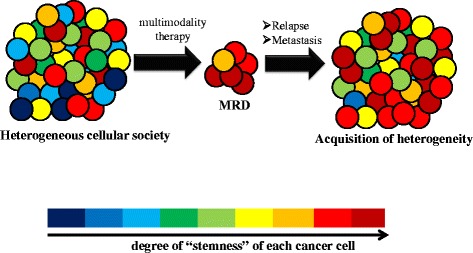
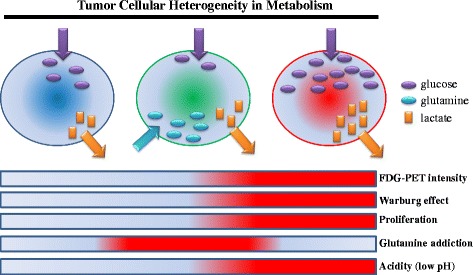
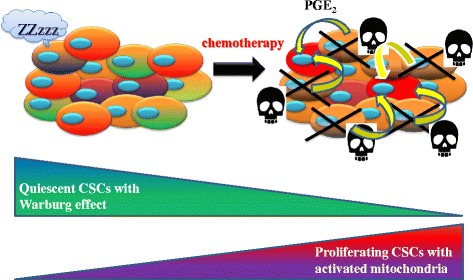
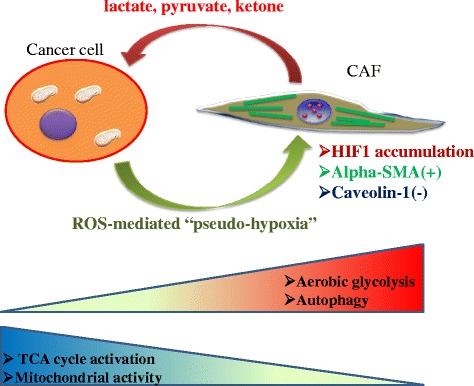
Tumor tissue is composed of cancer cells and surrounding stromal cells with diverse genetic/epigenetic backgrounds, a situation known as intra-tumoral heterogeneity. Cancer cells are surrounded by a totally different microenvironment than that of normal cells; consequently, tumor cells must exhibit rapidly adaptive responses to hypoxia and hypo-nutrient conditions. This phenomenon of changes of tumor cellular bioenergetics, called "metabolic reprogramming", has been recognized as one of 10 hallmarks of cancer. Metabolic reprogramming is required for both malignant transformation and tumor development, including invasion and metastasis. Although the Warburg effect has been widely accepted as a common feature of metabolic reprogramming, accumulating evidence has revealed that tumor cells depend on mitochondrial metabolism as well as aerobic glycolysis. Remarkably, cancer-associated fibroblasts in tumor stroma tend to activate both glycolysis and autophagy in contrast to neighboring cancer cells, which leads to a reverse Warburg effect. Heterogeneity of monocarboxylate transporter expression reflects cellular metabolic heterogeneity with respect to the production and uptake of lactate. In tumor tissue, metabolic heterogeneity induces metabolic symbiosis, which is responsible for adaptation to drastic changes in the nutrient microenvironment resulting from chemotherapy. In addition, metabolic heterogeneity is responsible for the failure to induce the same therapeutic effect against cancer cells as a whole. In particular, cancer stem cells exhibit several biological features responsible for resistance to conventional anti-tumor therapies. Consequently, cancer stem cells tend to form minimal residual disease after chemotherapy and exhibit metastatic potential with additional metabolic reprogramming. This type of altered metabolic reprogramming leads to adaptive/acquired resistance to anti-tumor therapy. Collectively, complex and dynamic metabolic reprogramming should be regarded as a reflection of the "robustness" of tumor cells against unfavorable conditions. This review focuses on the concept of metabolic reprogramming in heterogeneous tumor tissue, and further emphasizes the importance of developing novel therapeutic strategies based on drug repositioning.
Overview
The claims and statistics of this paper haven’t been checked yet.
Run the check — free, no account needed. It reads the open-access text and checks the sources it cites.
Integrity signals
Registry
Cites
Statistics
Figures
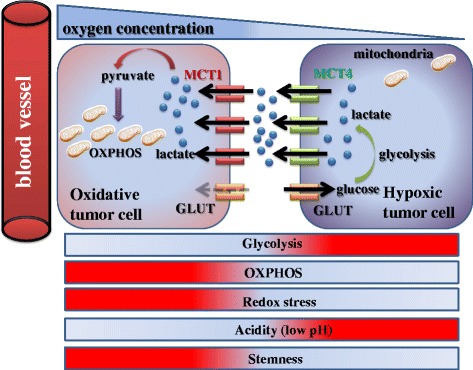
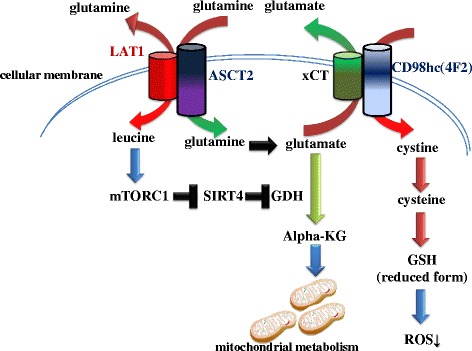
Verification
Claims the paper makes
The claims and statistics of this paper haven’t been checked yet.
Run the check — free, no account needed. It reads the open-access text and checks the sources it cites.
Claims other papers make about this one
Each is checked against this paper’s own text: does it say what the citing paper says it does?
In the citing paper
“In oxygenated environment, tumorous or even normal cells can consume the excreted metabolites of other cells located in the stroma.”
From Hypoxia Signaling in Cancer: From Basics to Clinical Practice (2021) · cites this paper as [37]
In the citing paper
“lactate produced during “lactic glycolysis” of hypoxic or pseudo-hypoxic cells can be utilized in this manner [37] (Figure 6).”
From Hypoxia Signaling in Cancer: From Basics to Clinical Practice (2021) · cites this paper as [37]
Self-check
Percentages, sums and reported differences re-computed from the paper’s own numbers.
The self-check needs the paper’s full text.
Citations
Cites
Hallmarks of Cancer: The Next Generation
Hanahan, D., & Weinberg, R. A. (2011) · Cell · doi:10.1016/j.cell.2011.02.013 · Cited by 66,590
Warburg, O. (1956) · Science · doi:10.1126/science.123.3191.309 · Cited by 13,425
TOR signaling in growth and metabolism
Wullschleger, S., Loewith, R., & Hall, M. N. (2006) · Cell · doi:10.1016/j.cell.2006.01.016 · Cited by 5,787
Kalluri, R., & Zeisberg, M. (2006) · Nature Reviews Cancer · doi:10.1038/nrc1877 · Cited by 4,538
The metabolism of tumors in the body
Warburg, O., Wind, F., & Negelein, E. (1927) · Journal of General Physiology · doi:10.1085/jgp.8.6.519 · Cited by 4,416
Otto Warburg's contributions to current concepts of cancer metabolism
Koppenol, W. H., Bounds, P. L., & Dang, C. V. (2011) · Nature Reviews Cancer · doi:10.1038/nrc3038 · Cited by 3,427
Metabolic Reprogramming: A Cancer Hallmark Even Warburg Did Not Anticipate
Ward, P. S., & Thompson, C. B. (2012) · Cancer Cell · doi:10.1016/j.ccr.2012.02.014 · Cited by 3,233
Role of the Vascular Endothelial Growth Factor Pathway in Tumor Growth and Angiogenesis
Hicklin, D. J., & Ellis, L. M. (2004) · Journal of Clinical Oncology · doi:10.1200/jco.2005.06.081 · Cited by 3,057
Influence of tumour micro-environment heterogeneity on therapeutic response
Junttila, M. R., & de Sauvage, F. J. (2013) · Nature · doi:10.1038/nature12626 · Cited by 2,694
Autophagy in Human Health and Disease
Choi, A. M. K., Ryter, S. W., & Levine, B. (2013) · New England Journal of Medicine · doi:10.1056/nejmra1205406 · Cited by 2,583
Cited by
Sorted by citations
Ferroptosis, a new form of cell death: opportunities and challenges in cancer
Mou, Y., Wang, J., Wu, J., He, D., Zhang, C., Duan, C., & Li, B. (2019) · Journal of Hematology & Oncology · doi:10.1186/s13045-019-0720-y · Cited by 1,964
Anand, U., Dey, A., Chandel, A. K. S., Sanyal, R., Mishra, A., Pandey, D. K., Falco, V. D., Upadhyay, A., Kandimalla, R. J. L., Chaudhary, A., et al. (2022) · Genes & Diseases · doi:10.1016/j.gendis.2022.02.007 · Cited by 2,011
Signaling pathways in cancer-associated fibroblasts and targeted therapy for cancer
Wu, F., Yang, J., Liu, J., Wang, Y., Mu, J., Zeng, Q., Deng, S., & Zhou, H. (2021) · Signal Transduction and Targeted Therapy · doi:10.1038/s41392-021-00641-0 · Cited by 773
Emerging roles and the regulation of aerobic glycolysis in hepatocellular carcinoma
Feng, J., Li, J., Wu, L., Yu, Q., Ji, J., Wu, J., Dai, W., & Guo, C. (2020) · Journal of Experimental & Clinical Cancer Research · doi:10.1186/s13046-020-01629-4 · Cited by 706
Lee, S. Y., Jeong, E. K., Ju, M. K., Jeon, H. M., Kim, M. Y., Kim, C. H., Park, H. G., Han, S. I., & Kang, H. S. (2017) · Molecular Cancer · doi:10.1186/s12943-016-0577-4 · Cited by 592
A New View into the Regulation of Purine Metabolism: The Purinosome
Pedley, A. M., & Benkovic, S. J. (2016) · Trends in Biochemical Sciences · doi:10.1016/j.tibs.2016.09.009 · Cited by 574
Cancer stem cells: advances in knowledge and implications for cancer therapy
Chu, X., Tian, W., Ning, J., Xiao, G., Zhou, Y., Wang, Z., Zhai, Z., Tanzhu, G., Yang, J., & Zhou, R. (2024) · Signal Transduction and Targeted Therapy · doi:10.1038/s41392-024-01851-y · Cited by 656
Altered metabolism in cancer: insights into energy pathways and therapeutic targets
Tufail, M., Jiang, C.-H., & Li, N. (2024) · Molecular Cancer · doi:10.1186/s12943-024-02119-3 · Cited by 534
Molecular mechanisms of tumor resistance to radiotherapy
Wu, Y., Song, Y., Wang, R., & Wang, T. (2023) · Molecular Cancer · doi:10.1186/s12943-023-01801-2 · Cited by 527
The Warburg effect: 80 years on
Potter, M., Newport, E., & Morten, K. (2016) · Biochemical Society Transactions · doi:10.1042/bst20160094 · Cited by 530
Applications of patient-derived tumor xenograft models and tumor organoids
Yoshida, G. J. (2020) · Journal of Hematology & Oncology · doi:10.1186/s13045-019-0829-z · Cited by 471
Cancer stem cell (CSC) resistance drivers
Najafi, M., Mortezaee, K., & Majidpoor, J. (2019) · Life Sciences · doi:10.1016/j.lfs.2019.116781 · Cited by 485
LDHA-mediated ROS generation in chondrocytes is a potential therapeutic target for osteoarthritis
Arra, M., Swarnkar, G., Ke, K., Otero, J. E., Ying, J., Duan, X., Maruyama, T., Rai, M. F., O’Keefe, R. J., Mbalaviele, G., et al. (2020) · Nature Communications · doi:10.1038/s41467-020-17242-0 · Cited by 421
Role of metabolism in cancer cell radioresistance and radiosensitization methods
Tang, L. M., Wei, F., Wu, Y., He, Y., Shi, L., Xiong, F., Gong, Z., Guo, C. J., Li, X., Deng, H., et al. (2018) · Journal of Experimental & Clinical Cancer Research · doi:10.1186/s13046-018-0758-7 · Cited by 426
Mechanisms of Cancer Resistance to Immunotherapy
Bai, R., Chen, N., Li, L., Du, N., Bai, L., Lv, Z., Tian, H., & Cui, J. (2020) · Frontiers in Oncology · doi:10.3389/fonc.2020.01290 · Cited by 375
Lactylation, a Novel Metabolic Reprogramming Code: Current Status and Prospects
Chen, A.-N., Luo, Y., Yang, Y.-H., Fu, J.-T., Geng, X.-M., Shi, J.-P., & Yang, J. (2021) · Frontiers in Immunology · doi:10.3389/fimmu.2021.688910 · Cited by 324
Targeting Glutamine Metabolism for Cancer Treatment
Choi, Y., & Park, K. (2017) · Biomolecules & Therapeutics · doi:10.4062/biomolther.2017.178 · Cited by 335
Yoshida, G. J. (2020) · Journal of Experimental & Clinical Cancer Research · doi:10.1186/s13046-020-01611-0 · Cited by 328
Wang, L., Liu, Y., Dai, Y., Tang, X., Tong, Y., Wang, C., Wang, T., Dong, L., Shi, M., Qin, J., et al. (2022) · Gut · doi:10.1136/gutjnl-2021-326070 · Cited by 314
Fatty acid synthase (FASN) as a therapeutic target in breast cancer
Menéndez, J. A., & Lupu, R. (2017) · Expert Opinion on Therapeutic Targets · doi:10.1080/14728222.2017.1381087 · Cited by 297
Metabolic Plasticity as a Determinant of Tumor Growth and Metastasis
Lehuédé, C., Dupuy, F., Rabinovitch, R., Jones, R. G., & Siegel, P. M. (2016) · Cancer Research · doi:10.1158/0008-5472.can-16-0266 · Cited by 288
The peroxisome: an update on mysteries 2.0
Islinger, M., Völkl, A., Fahimi, H. D., & Schrader, M. (2018) · Histochemistry and Cell Biology · doi:10.1007/s00418-018-1722-5 · Cited by 296
Mitochondrial adaptation in cancer drug resistance: prevalence, mechanisms, and management
Jin, P., Jiang, J., Zhou, L., Huang, Z., Nice, E. C., Huang, C., & Fu, L. (2022) · Journal of Hematology & Oncology · doi:10.1186/s13045-022-01313-4 · Cited by 299
Jia, D., Park, J. E., Jung, K., Levine, H., & Kaipparettu, B. A. (2018) · Cells · doi:10.3390/cells7030021 · Cited by 283
Fu, Y., Liu, S., Yin, S., Niu, W., Xiong, W., Tan, M., Li, G., & Zhou, M. (2017) · Oncotarget · doi:10.18632/oncotarget.18175 · Cited by 272
Zhang, C., Wang, X., Zhang, P., He, T.-C., Han, J.-H., Zhang, R., Lin, J., Fan, J., Lu, L., Zhu, W.-W., et al. (2022) · Cell Death and Disease · doi:10.1038/s41419-022-04506-4 · Cited by 273
Emerging roles of aerobic glycolysis in breast cancer
Wu, Z., Wu, J., Zhao, Q., Fu, S., & Jin, J. (2019) · Clinical & Translational Oncology · doi:10.1007/s12094-019-02187-8 · Cited by 264
Drug resistance in pancreatic cancer: Impact of altered energy metabolism
Grasso, C., Jansen, G., & Giovannetti, E. (2017) · Critical Reviews in Oncology/Hematology · doi:10.1016/j.critrevonc.2017.03.026 · Cited by 260
Emerging role of lipid metabolism alterations in Cancer stem cells
Yi, M., Li, J., Chen, S., Cai, J., Ban, Y., Peng, Q., Zhou, Y., Zeng, Z., Peng, S., Li, X., et al. (2018) · Journal of Experimental & Clinical Cancer Research · doi:10.1186/s13046-018-0784-5 · Cited by 253
Comito, G., Iscaro, A., Bacci, M., Morandi, A., Ippolito, L., Parri, M., Montagnani, I., Raspollini, M. R., Serni, S., Simeoni, L., et al. (2019) · Oncogene · doi:10.1038/s41388-019-0688-7 · Cited by 257
Emerging roles of Myc in stem cell biology and novel tumor therapies
Yoshida, G. J. (2018) · Journal of Experimental & Clinical Cancer Research · doi:10.1186/s13046-018-0835-y · Cited by 252
Yoshida, G. J. (2017) · Journal of Hematology & Oncology · doi:10.1186/s13045-017-0436-9 · Cited by 239
Feng, J., Dai, W., Mao, Y., Wu, L., Li, J., Chen, K., Yu, Q., Kong, R., Li, S., Zhang, J., et al. (2020) · Journal of Experimental & Clinical Cancer Research · doi:10.1186/s13046-020-1528-x · Cited by 232
Autophagy in the physiological endometrium and cancer
Devis, L., Eritja, N., Davis, M. L., Matías‐Guiu, X., & Llobet‐Navàs, D. (2020) · Autophagy · doi:10.1080/15548627.2020.1752548 · Cited by 232
The Mitochondrion as an Emerging Therapeutic Target in Cancer
Roth, K. G., Mambetsariev, I., Kulkarni, P., & Salgia, R. (2019) · Trends in Molecular Medicine · doi:10.1016/j.molmed.2019.06.009 · Cited by 219
The Id-protein family in developmental and cancer-associated pathways
Roschger, C., & Cabrele, C. (2017) · Cell Communication and Signaling · doi:10.1186/s12964-016-0161-y · Cited by 217
Metabolic reprogramming by traditional Chinese medicine and its role in effective cancer therapy
Wang, S., Fu, J., Hao, H., Jiao, Y., Li, P., & Han, S. (2021) · Pharmacological Research · doi:10.1016/j.phrs.2021.105728 · Cited by 207
Xia, P., Zhang, H., Lu, H., Xu, K., Jiang, X. W., Jiang, Y., Gongye, X., Chen, Z., Liu, J., Chen, X., et al. (2023) · 癌症:英文版 · doi:10.1002/cac2.12403 · Cited by 200
Cruz‐Bermúdez, A., Briviesca, R. L., Vicente-Blanco, R. J., García‐Grande, A., Coronado, M. J., Laine-Menéndez, S., Palacios-Zambrano, S., Moreno-Villa, M. R., Ruiz-Valdepeñas, A. M., Lendinez, C., et al. (2019) · Free Radical Biology and Medicine · doi:10.1016/j.freeradbiomed.2019.03.009 · Cited by 201
The impact of cancer-associated fibroblasts on major hallmarks of pancreatic cancer
Sun, Q., Zhang, B., Hu, Q., Qin, Y., Xu, W., Liu, W., Yu, X., & Xu, J. (2018) · Theranostics · doi:10.7150/thno.26546 · Cited by 201
The roles of glucose metabolic reprogramming in chemo- and radio-resistance
Lin, J., Xia, L., Liang, J., Han, Y., Wang, H., Oyang, L., Tan, S., Tian, Y., Rao, S., Chen, X., et al. (2019) · Journal of Experimental & Clinical Cancer Research · doi:10.1186/s13046-019-1214-z · Cited by 193
Gao, J., Yu, H., Guo, W., Kong, Y., Gu, L., Li, Q., Yang, S., Zhang, Y., & Wang, Y. (2018) · Cancer Cell International · doi:10.1186/s12935-018-0595-y · Cited by 188
The Role of Tumor-Stroma Interactions in Drug Resistance Within Tumor Microenvironment
Ni, Y., Zhou, X., Yang, J., Shi, H., Li, H., Zhao, X., & Ma, X. (2021) · Frontiers in Cell and Developmental Biology · doi:10.3389/fcell.2021.637675 · Cited by 184
Xu, D., Jin, J., Yu, H., Zhao, Z., Ma, D., Zhang, C., & Jiang, H. (2017) · Journal of Experimental & Clinical Cancer Research · doi:10.1186/s13046-017-0514-4 · Cited by 170
Cancer-associated adipocytes: emerging supporters in breast cancer
Zhao, C., Wu, M., Zeng, N., Xiong, M., Hu, W., Lv, W., Yi, Y., Zhang, Q., & Wu, Y. (2020) · Journal of Experimental & Clinical Cancer Research · doi:10.1186/s13046-020-01666-z · Cited by 177
Mitochondrial CPT1A: Insights into structure, function, and basis for drug development
Liang, K. (2023) · Frontiers in Pharmacology · doi:10.3389/fphar.2023.1160440 · Cited by 156
Oxidative stress in prostate hyperplasia and carcinogenesis
Udensi, U. K., & Tchounwou, P. B. (2016) · Journal of Experimental & Clinical Cancer Research · doi:10.1186/s13046-016-0418-8 · Cited by 163
Oncogenic regulation of tumor metabolic reprogramming
Tarrado‐Castellarnau, M., de Atauri, P., & Cascante, M. (2016) · Oncotarget · doi:10.18632/oncotarget.10911 · Cited by 165
Bioenergetic Adaptations in Chemoresistant Ovarian Cancer Cells
Dar, S. A., Chhina, J., Mert, İ., Chitale, D. A., Buekers, T., Kaur, H., Giri, S., Munkarah, A. R., & Rattan, R. (2017) · Scientific Reports · doi:10.1038/s41598-017-09206-0 · Cited by 160
Role of Metabolic Reprogramming in Epithelial–Mesenchymal Transition (EMT)
Kang, H., Kim, H., Lee, S., Youn, H., & Youn, B. (2019) · International Journal of Molecular Sciences · doi:10.3390/ijms20082042 · Cited by 157
Targeting GPX4 in human cancer: Implications of ferroptosis induction for tackling cancer resilience
Lee, J., & Roh, J. (2023) · Cancer Letters · doi:10.1016/j.canlet.2023.216119 · Cited by 152
Hypoxia in solid tumors: a key promoter of cancer stem cell (CSC) resistance
Najafi, M., Farhood, B., Mortezaee, K., Kharazinejad, E., Majidpoor, J., & Ahadi, R. (2019) · Journal of Cancer Research and Clinical Oncology · doi:10.1007/s00432-019-03080-1 · Cited by 151
Targeting glucose metabolism enzymes in cancer treatment: current and emerging strategies
Zhang, Y., Li, Q., Huang, Z., Li, B., Nice, E. C., Huang, C., Wei, L., & Zou, B. (2022) · Cancers · doi:10.3390/cancers14194568 · Cited by 144
Yu, J., Han, Q., Zhao, H., & Zhang, J. (2021) · Journal of Experimental & Clinical Cancer Research · doi:10.1186/s13046-020-01808-3 · Cited by 143
Metabolic Reprogramming of Cancer Associated Fibroblasts: The Slavery of Stromal Fibroblasts
Avagliano, A., Granato, G., Ruocco, M. R., Romano, V., Belviso, I., Carfora, A., Montagnani, S., & Arcucci, A. (2018) · BioMed Research International · doi:10.1155/2018/6075403 · Cited by 139
Wang, J.-C., Li, G.-Y., Wang, B., Han, S.-X., Sun, X., Jiang, Y.-N., Shen, Y.-W., Zhou, C., Feng, J., Lu, S.-Y., et al. (2019) · Journal of Experimental & Clinical Cancer Research · doi:10.1186/s13046-019-1211-2 · Cited by 138
Machine Learning: A New Prospect in Multi-Omics Data Analysis of Cancer
Arjmand, B., Hamidpour, S. K., Tayanloo-Beik, A., Goodarzi, P., Aghayan, H. R., Adibi, H., & Larijani, B. A. (2022) · Frontiers in Genetics · doi:10.3389/fgene.2022.824451 · Cited by 142
Dual-functional drug liposomes in treatment of resistant cancers
Mu, L.-M., Ju, R.-J., Liu, R., Bu, Y.-Z., Zhang, J., Li, X., Zeng, F., & Lü, W.-L. (2017) · Advanced Drug Delivery Reviews · doi:10.1016/j.addr.2017.04.006 · Cited by 136
Cho, S. J., Moon, J.-S., Lee, C.-M., Choi, A. M. K., & Stout-Delgado, H. W. (2017) · American Journal of Respiratory Cell and Molecular Biology · doi:10.1165/rcmb.2016-0225oc · Cited by 133
Metabolic reprogramming and its clinical implication for liver cancer
Yang, F., Hilakivi-Clarke, L. A., Shaha, A., Wang, Y., Wang, X., Deng, Y., Lai, J., & Kang, N. (2023) · Hepatology · doi:10.1097/hep.0000000000000005 · Cited by 140
Mudassar, F., Shen, H. M., O’Neill, G. M., & Hau, E. K. C. (2020) · Journal of Experimental & Clinical Cancer Research · doi:10.1186/s13046-020-01724-6 · Cited by 134
Morrot, A., da Fonseca, L. M., Salustiano, E. J., Gentile, L. B., Conde, L., Filardy, A. A., Franklim, T. N., da Costa, K. M., Freire-de-Lima, C. G., & Freire‐de‐Lima, L. (2018) · Frontiers in Oncology · doi:10.3389/fonc.2018.00081 · Cited by 128
‘Reverse Warburg effect’ of cancer‑associated fibroblasts (Review)
Liang, L., Li, W., Li, X., Jin, X., Liao, Q., Li, Y., & Zhou, Y. (2022) · International Journal of Oncology · doi:10.3892/ijo.2022.5357 · Cited by 131
Diedrich, J. D., Rajagurubandara, E. N., Herroon, M. K., Mahapatra, G., Hüttemann, M., & Podgorski, I. (2016) · Oncotarget · doi:10.18632/oncotarget.11712 · Cited by 126
Molecular pathogenic pathways in extranodal NK/T cell lymphoma
Mel, S. D., Hue, S. S., Jeyasekharan, A. D. D., Chng, W. J., & Ng, S. (2019) · Journal of Hematology & Oncology · doi:10.1186/s13045-019-0716-7 · Cited by 127
Yoshida, G. J., Azuma, A., Miura, Y., & Orimo, A. (2019) · International Journal of Molecular Sciences · doi:10.3390/ijms20092256 · Cited by 131
Hypoxic tumor microenvironment: Implications for cancer therapy
Roy, S., Kumaravel, S., Sharma, A., Duran, C. L., Bayless, K. J., & Chakraborty, S. (2020) · Experimental Biology and Medicine · doi:10.1177/1535370220934038 · Cited by 134
Metabolic reprogramming in skin wound healing
Wang, Z., Zhao, F., Xu, C., Zhang, Q., Ren, H., Huang, X., He, C., Ma, J., & Wang, Z. (2024) · Burns & Trauma · doi:10.1093/burnst/tkad047 · Cited by 130
Role of the mechanical microenvironment in cancer development and progression
Liu, Q., Luo, Q., Ju, Y., & Song, G. (2020) · Cancer Biology and Medicine · doi:10.20892/j.issn.2095-3941.2019.0437 · Cited by 123
Hallmarks of cancer resistance
Tufail, M., Hu, J.-J., Liang, J., He, C., Wan, W., Huang, Y., Jiang, C., Wu, H., & Li, N. (2024) · iScience · doi:10.1016/j.isci.2024.109979 · Cited by 137
Giacomini, I., Gianfanti, F., Desbats, M. A., Orso, G., Berretta, M., Prayer‐Galetti, T., Ragazzi, E., & Cocetta, V. (2021) · Frontiers in Oncology · doi:10.3389/fonc.2021.682911 · Cited by 121
Crosstalk between the Warburg effect, redox regulation and autophagy induction in tumourigenesis
Gwangwa, M. V., Joubert, A. M., & Visagie, M. H. (2018) · Cellular & Molecular Biology Letters · doi:10.1186/s11658-018-0088-y · Cited by 120
Yuan, Q., Deng, D., Chen, P., Ren, J., Wei, T., Wu, Z., Zhang, B., Li, S., Yin, P., & Shang, D. (2022) · Frontiers in Immunology · doi:10.3389/fimmu.2022.951137 · Cited by 118
Shan, T., Chen, S., Chen, X., Lin, W. R., Li, W., Ma, J., Wu, T., Cui, X., Ji, H. L., Li, Y., et al. (2017) · Oncology Reports · doi:10.3892/or.2017.5479 · Cited by 118
Cancer-Associated Fibroblasts: Mechanisms of Tumor Progression and Novel Therapeutic Targets
Czekay, R., Cheon, D., Samarakoon, R., Kutz, S. M., & Higgins, P. J. (2022) · Cancers · doi:10.3390/cancers14051231 · Cited by 116
Targeting autophagy enhances the anticancer effect of artemisinin and its derivatives
Sun, X., Yan, P., Zou, C., Wong, Y., Shu, Y., Lee, Y. M., Zhang, C., Yang, N., Wang, J., & Zhang, J. (2019) · Medicinal Research Reviews · doi:10.1002/med.21580 · Cited by 113
Zheng, Y., Liu, P., Wang, N., Wang, S., Yang, B., Li, M., Chen, J., Situ, H., Xie, M., Lin, Y. H., et al. (2019) · Oxidative Medicine and Cellular Longevity · doi:10.1155/2019/8781690 · Cited by 113
Hypoxia Signaling in Cancer: From Basics to Clinical Practice
Sebestyén, A., Kopper, L., Dankó, T., & Tímár, J. (2021) · Pathology and Oncology Research · doi:10.3389/pore.2021.1609802 · Cited by 110
The Role of Tumour Metabolism in Cisplatin Resistance
Wang, L., Zhao, X., Fu, J., Xu, W., & Yuan, J. (2021) · Frontiers in Molecular Biosciences · doi:10.3389/fmolb.2021.691795 · Cited by 114
Cretella, D., Ravelli, A., Fumarola, C., Monica, S. L., Digiacomo, G., Cavazzoni, A., Alfieri, R. R., Biondi, A., Generali, D., Bonelli, M. A., et al. (2018) · Journal of Experimental & Clinical Cancer Research · doi:10.1186/s13046-018-0741-3 · Cited by 106
Cancer-Associated Adipocytes in Breast Cancer: Causes and Consequences
Rybińska, I., Mangano, N., Tagliabue, E., & Triulzi, T. (2021) · International Journal of Molecular Sciences · doi:10.3390/ijms22073775 · Cited by 108
Xie, C., Ji, N., Tang, Z., Li, J., & Chen, Q. (2019) · Molecular Cancer · doi:10.1186/s12943-019-0985-3 · Cited by 103
Yan, Y., He, M., Zhao, L., Wu, H., Zhao, Y., Han, L., Wei, B., Ye, D., Lv, X., Wang, Y., et al. (2022) · Cell Death & Differentiation · doi:10.1038/s41418-022-00963-8 · Cited by 101
Glutaminase-1 (GLS1) inhibition limits metastatic progression in osteosarcoma
Ren, L., Ruiz‐Rodado, V., Dowdy, T., Huang, S., Issaq, S. H., Beck, J. A., Wang, H., Hoang, C. D., Lita, A., Larion, M., et al. (2020) · Cancer & Metabolism · doi:10.1186/s40170-020-0209-8 · Cited by 102
Regulation of glycolysis and the Warburg effect in wound healing
Vinaik, R., Barayan, D., Auger, C., Abdullahi, A., & Jeschke, M. G. (2020) · JCI Insight · doi:10.1172/jci.insight.138949 · Cited by 103
Chen, R. R., Yung, M. M. H., Yang, X., Zhan, S., Leung, L. L., Liang, R. R., Leung, T. H. Y., Yang, H., Xu, D., Sharma, R., et al. (2019) · Communications Biology · doi:10.1038/s42003-019-0508-1 · Cited by 97
Wang, Z.-H., Zhang, Y.-Z., Wang, Y., & Ma, X.-X. (2019) · Cancer Cell International · doi:10.1186/s12935-019-1001-0 · Cited by 98
Butz, F., Eichelmann, A.-K., Mayne, G. C., Wang, T., Bastian, I., Chiam, K., Marri, S., Sykes, P. J., Wijnhoven, B. P. L., Toxopeus, E. L. A., et al. (2020) · International Journal of Molecular Sciences · doi:10.3390/ijms21238898 · Cited by 98
The multifaceted mechanisms of ellagic acid in the treatment of tumors: State-of-the-art
Lu, G., Wang, X., Cheng, M., Wang, S., & Ma, K. (2023) · Biomedicine & Pharmacotherapy · doi:10.1016/j.biopha.2023.115132 · Cited by 101
Research progresses in roles of LncRNA and its relationships with breast cancer
Xu, B., Hongjian, Y., Zhang, X., Bo, C., Shifeng, Y., & Tang, B. (2018) · Cancer Cell International · doi:10.1186/s12935-018-0674-0 · Cited by 97
Circulating cell-free DNA content as blood based biomarker in endometrial cancer
Cicchillitti, L., Corrado, G., Angeli, M. D., Mancini, E., Baiocco, E., Patrizi, L., Zampa, A., Merola, R., Martayan, A., Conti, L., et al. (2017) · Oncotarget · doi:10.18632/oncotarget.23247 · Cited by 95
Wu, S., Zhang, A., Li, S., Chatterjee, S., Qi, R., Segura-Ibarra, V., Mauro Ferrari, B., Gupte, A. A., Blanco, E., & Hamilton, D. J. (2018) · Advanced Science · doi:10.1002/advs.201700530 · Cited by 96
Ramamonjisoa, N., & Ackerstaff, E. (2017) · Frontiers in Oncology · doi:10.3389/fonc.2017.00003 · Cited by 93
Targeting cancer-cell mitochondria and metabolism to improve radiotherapy response
McCann, E., O'Sullivan, J. N., & Marcone, S. (2020) · Translational Oncology · doi:10.1016/j.tranon.2020.100905 · Cited by 89
Zhang, Q., Yang, X., Wu, J., Ye, S., Gong, J., Cheng, W. M., Luo, Z., Yu, J., Liu, Y., Zeng, W., et al. (2023) · Cell Discovery · doi:10.1038/s41421-022-00515-x · Cited by 91
Cretella, D., Fumarola, C., Bonelli, M. A., Alfieri, R. R., Monica, S. L., Digiacomo, G., Cavazzoni, A., Galetti, M., Generali, D., & Petronini, P. G. (2019) · Scientific Reports · doi:10.1038/s41598-019-49484-4 · Cited by 85
From Warburg effect to Reverse Warburg effect; the new horizons of anti-cancer therapy
Benny, S., Mishra, R., Kumar, M. K. M., & Aneesh, T. P. (2020) · Medical Hypotheses · doi:10.1016/j.mehy.2020.110216 · Cited by 88
Drug repurposing for the treatment of glioblastoma multiforme
Abbruzzese, C., Matteoni, S., Signore, M., Cardone, L., Nath, K., Glickson, J. D., & Paggi, M. G. (2017) · Journal of Experimental & Clinical Cancer Research · doi:10.1186/s13046-017-0642-x · Cited by 87
Extracellular vesicles in cancer diagnostics and therapeutics
Shehzad, A., Islam, S. U., Shahzad, R., Khan, S., & Lee, Y. S. (2021) · Pharmacology & Therapeutics · doi:10.1016/j.pharmthera.2021.107806 · Cited by 84
Novel prognostic and predictive microRNA targets for triple‐negative breast cancer
Turashvili, G., Lightbody, E. D., Tyryshkin, K., Sengupta, S., Elliott, B. E., Madarnas, Y., Ghaffari, A., Day, A. G., & Nicol, C. J. B. (2018) · The FASEB Journal · doi:10.1096/fj.201800120r · Cited by 82
Metadata
- Authors
- Yoshida, G. J.
- Affiliations
- Tokyo Medical and Dental University (JP)
- Corresponding author
- Yoshida, Go J.
- ORCID
- Yoshida, Go J.
- Venue
- Journal of Experimental & Clinical Cancer Research
- Published
- 2015-10-06
- Volume
- 34
- Issue
- 1
- Pages
- 111-111
- ISSN
- 0392-9078 (ISSN-L)
- 1756-9966
- PMC
- PMC4595070
- OpenAlex
- W2114090713
- Cited by
- 716
- References
- 89
- Citations by year
- 2026: 60 · 2025: 83 · 2024: 99 · 2023: 77 · 2022: 80 · 2021: 91 · 2020: 71 · 2019: 46 · 2018: 45 · 2017: 35 · 2016: 27 · 2015: 2
- FWCI
- 3.55
- Type
- journal article
- Language
- en
- Open access
- gold
- doi.org
- Licence
- cc-by
- Locations
- Journal of Experimental & Clinical Cancer Research (publishedVersion, cc-by)
- PubMed Central (publishedVersion, cc-by)
- PubMed (publishedVersion)
- Funders
- Keio University
- Japan Society for the Promotion of Science (15J02898)
- Topics
- Life Sciences › Biochemistry, Genetics and Molecular Biology › Cancer Research › Cancer, Hypoxia, and Metabolism
- Life Sciences › Biochemistry, Genetics and Molecular Biology › Molecular Biology › Metabolism, Diabetes, and Cancer
- Health Sciences › Medicine › Oncology › Cancer Cells and Metastasis
- Keywords
- metabolic reprogramming, Warburg effect, aerobic glycolysis, mitochondrial metabolism, tumor microenvironment, cancer-associated fibroblasts, reverse Warburg effect, monocarboxylate transporters, lactate, metabolic heterogeneity, metabolic symbiosis, cancer stem cells, chemoresistance, drug repurposing, tumor stroma, tumor heterogeneity
- MeSH terms
- Cellular Reprogramming Techniques, Antineoplastic Agents, Cell Transformation, Neoplastic, Energy Metabolism, Glycolysis, Humans, Mitochondria, Neoplasms, Oxidative Phosphorylation, Neoplastic Stem Cells, Drug Resistance, Neoplasm, Tumor Microenvironment
About these checks
Registry, retraction, Cites and statistics results are computed, not judged, with one exception: a printed reference that no index lists is read once by a model before it counts as a citation error. Claims are extracted by a model and kept only when their quote appears verbatim in the text; each cited source is then checked, with a model’s help, for whether it says what the claim relies on. Those verdicts can be wrong — read the claim’s quote and the cited source before relying on one.
Statistics and arithmetic are recomputed, not judged.
Confidence bands are shown only for fields calibrated on our annotated test set. None is calibrated yet, so no band is shown.
What counts as a claim ›How we measure confidence ›How we check this ›
Are you an author, or do you see a problem with this page? Request a review
