

The DOI matches its Crossref record; 89 of the 89 references it cites were found in a registry or an index.
Metabolic reprogramming: the emerging concept and associated therapeutic strategies
Open accessAbstract
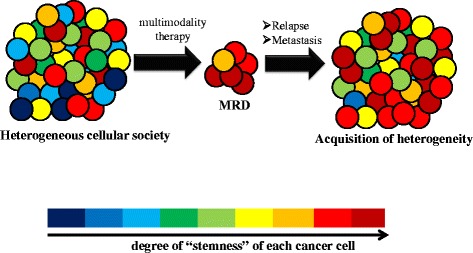
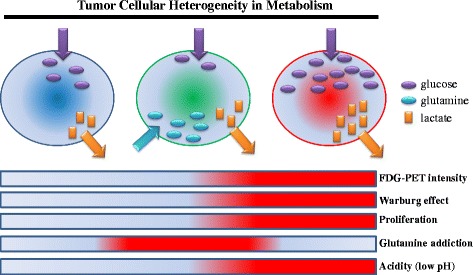
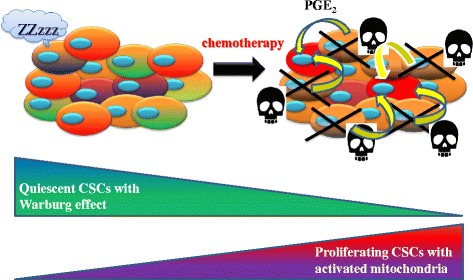
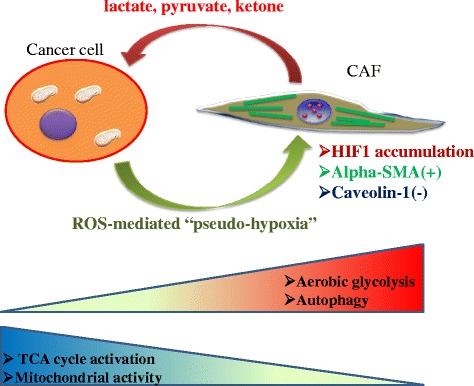
Tumor tissue is composed of cancer cells and surrounding stromal cells with diverse genetic/epigenetic backgrounds, a situation known as intra-tumoral heterogeneity. Cancer cells are surrounded by a totally different microenvironment than that of normal cells; consequently, tumor cells must exhibit rapidly adaptive responses to hypoxia and hypo-nutrient conditions. This phenomenon of changes of tumor cellular bioenergetics, called "metabolic reprogramming", has been recognized as one of 10 hallmarks of cancer. Metabolic reprogramming is required for both malignant transformation and tumor development, including invasion and metastasis. Although the Warburg effect has been widely accepted as a common feature of metabolic reprogramming, accumulating evidence has revealed that tumor cells depend on mitochondrial metabolism as well as aerobic glycolysis. Remarkably, cancer-associated fibroblasts in tumor stroma tend to activate both glycolysis and autophagy in contrast to neighboring cancer cells, which leads to a reverse Warburg effect. Heterogeneity of monocarboxylate transporter expression reflects cellular metabolic heterogeneity with respect to the production and uptake of lactate. In tumor tissue, metabolic heterogeneity induces metabolic symbiosis, which is responsible for adaptation to drastic changes in the nutrient microenvironment resulting from chemotherapy. In addition, metabolic heterogeneity is responsible for the failure to induce the same therapeutic effect against cancer cells as a whole. In particular, cancer stem cells exhibit several biological features responsible for resistance to conventional anti-tumor therapies. Consequently, cancer stem cells tend to form minimal residual disease after chemotherapy and exhibit metastatic potential with additional metabolic reprogramming. This type of altered metabolic reprogramming leads to adaptive/acquired resistance to anti-tumor therapy. Collectively, complex and dynamic metabolic reprogramming should be regarded as a reflection of the "robustness" of tumor cells against unfavorable conditions. This review focuses on the concept of metabolic reprogramming in heterogeneous tumor tissue, and further emphasizes the importance of developing novel therapeutic strategies based on drug repositioning.
Overview
The claims and statistics of this paper haven’t been checked yet.
Run the check — free, no account needed. It reads the open-access text and checks the sources it cites.
Integrity signals
Registry
Cites
Statistics
Figures
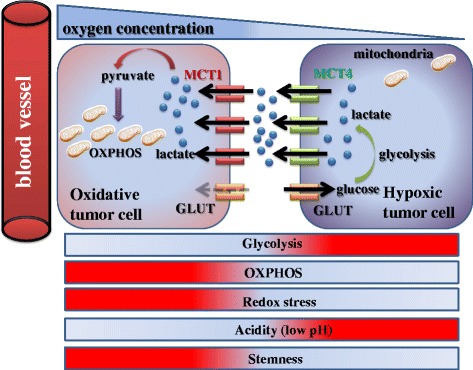
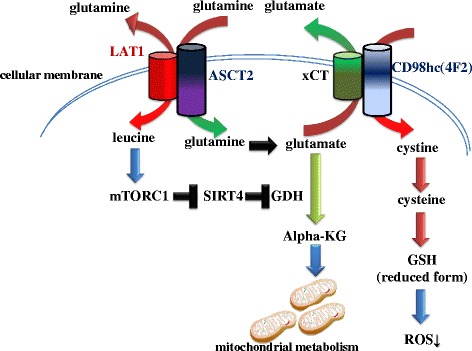
Verification
Claims the paper makes
The claims and statistics of this paper haven’t been checked yet.
Run the check — free, no account needed. It reads the open-access text and checks the sources it cites.
Claims other papers make about this one
Each is checked against this paper’s own text: does it say what the citing paper says it does?
In the citing paper
“In oxygenated environment, tumorous or even normal cells can consume the excreted metabolites of other cells located in the stroma.”
From Hypoxia Signaling in Cancer: From Basics to Clinical Practice (2021) · cites this paper as [37]
In the citing paper
“lactate produced during “lactic glycolysis” of hypoxic or pseudo-hypoxic cells can be utilized in this manner [37] (Figure 6).”
From Hypoxia Signaling in Cancer: From Basics to Clinical Practice (2021) · cites this paper as [37]
Self-check
Percentages, sums and reported differences re-computed from the paper’s own numbers.
The self-check needs the paper’s full text.
Citations
Cites
Hallmarks of Cancer: The Next Generation
Hanahan, D., & Weinberg, R. A. (2011) · Cell · doi:10.1016/j.cell.2011.02.013 · Cited by 66,590
Warburg, O. (1956) · Science · doi:10.1126/science.123.3191.309 · Cited by 13,425
TOR signaling in growth and metabolism
Wullschleger, S., Loewith, R., & Hall, M. N. (2006) · Cell · doi:10.1016/j.cell.2006.01.016 · Cited by 5,787
Kalluri, R., & Zeisberg, M. (2006) · Nature Reviews Cancer · doi:10.1038/nrc1877 · Cited by 4,538
The metabolism of tumors in the body
Warburg, O., Wind, F., & Negelein, E. (1927) · Journal of General Physiology · doi:10.1085/jgp.8.6.519 · Cited by 4,416
Otto Warburg's contributions to current concepts of cancer metabolism
Koppenol, W. H., Bounds, P. L., & Dang, C. V. (2011) · Nature Reviews Cancer · doi:10.1038/nrc3038 · Cited by 3,427
Metabolic Reprogramming: A Cancer Hallmark Even Warburg Did Not Anticipate
Ward, P. S., & Thompson, C. B. (2012) · Cancer Cell · doi:10.1016/j.ccr.2012.02.014 · Cited by 3,233
Role of the Vascular Endothelial Growth Factor Pathway in Tumor Growth and Angiogenesis
Hicklin, D. J., & Ellis, L. M. (2004) · Journal of Clinical Oncology · doi:10.1200/jco.2005.06.081 · Cited by 3,057
Influence of tumour micro-environment heterogeneity on therapeutic response
Junttila, M. R., & de Sauvage, F. J. (2013) · Nature · doi:10.1038/nature12626 · Cited by 2,694
Autophagy in Human Health and Disease
Choi, A. M. K., Ryter, S. W., & Levine, B. (2013) · New England Journal of Medicine · doi:10.1056/nejmra1205406 · Cited by 2,583
Cited by
Sorted by citations
Items 501–600 of 714
Cao, W., Wang, C., Zhang, Y., Yang, J., Luo, X., Zhao, Y., Wu, M., Cheng, S., & Wang, Y. (2024) · European journal of medical research · doi:10.1186/s40001-024-01762-2 · Cited by 4
Fructose-1, 6-Bisphosphate Aldolase B Suppresses Glycolysis and Tumor Progression of Gastric Cancer
Wu, L., Dong, J., Fei, D., Le, T., Xiao, L., Liu, J., & Yu, Z. (2024) · Digestive Diseases and Sciences · doi:10.1007/s10620-024-08568-6 · Cited by 4
Stafeev, I., Menshikov, M. Y., Va, T., & Парфенова, Е. В. (2017) · Kardiologiia · doi:10.18087/cardio.2017.12.10067 · Cited by 4
Budipramana, V. S., & Arifin, F. (2020) · Surgery Gastroenterology and Oncology · doi:10.21614/sgo-25-5-280 · Cited by 4
Diet and Cancer Metabolic Reprogramming
Bhattacharya, S. (2021) · Cancer Reports and Reviews · doi:10.15761/crr.1000233 · Cited by 4
Vashishta, M., Kumar, V., Guha, C., Wu, X., & Dwarakanath, B. S. R. (2023) · Cancer Management and Research · doi:10.2147/cmar.s385968 · Cited by 4
Movahed, Z. G., Matin, M. M., Mansouri, K., & Sisakhtnezhad, S. (2023) · Cancer Reports · doi:10.1002/cnr2.1809 · Cited by 3
Silva, J. R., Monsalves‐Álvarez, M., Sepúlveda, C., Donoso-Barraza, C., Troncoso, R., & Hirsch, S. (2024) · Molecular and Cellular Biochemistry · doi:10.1007/s11010-024-04987-1 · Cited by 5
Subedi, A., Muroi, M., Futamura, Y., Kawamura, T., Aono, H., Nishi, M., Ryo, A., Watanabe, N., & Osada, H. (2019) · FEBS Letters · doi:10.1002/1873-3468.13361 · Cited by 4
Metformin enhances cytotoxic action of dichloroacetate against Lewis lung carcinoma cells in vitro
Kolesnik, D. L., Pyaskovskaya, O. N., Gorbach, O. I., & Solyanik, G. I. (2020) · Experimental Oncology · doi:10.32471/exp-oncology.2312-8852.vol-42-no-1.14318 · Cited by 4
Zhu, P., Zhang, F., Deng, W., & Chen, W. (2022) · Medicine · doi:10.1097/md.0000000000030695 · Cited by 4
RetractedReprogramming of Cancer Cell Metabolism: Warburg and Reverse Warburg Hypothesis
Narayanan, S., Santhoshkumar, A., Ray, S., & Harihar, S. (2020) · Springer eBooks · doi:10.1007/978-981-15-1991-8_2 · Cited by 4
Glucose metabolism in glioma: an emerging sight with ncRNAs
Rong, J., Wang, Q., Li, T., Qian, J., & Cheng, J. (2024) · Cancer Cell International · doi:10.1186/s12935-024-03499-8 · Cited by 3
Wang, Z., Li, X., & Sun, X. (2025) · Biochimica et Biophysica Acta (BBA) - Reviews on Cancer · doi:10.1016/j.bbcan.2025.189422 · Cited by 2
Fekry, B., Aggarwal, S., Drunen, R. V., Bravo, R., Escalante, A., Atkins, C. L., Pan, S., Chen, Z., Sun, K., Hall, D. R., et al. (2025) · Cell Reports · doi:10.1016/j.celrep.2025.116313 · Cited by 3
Surviving the siege: A review on the metabolic hallmarks of cancer dormancy
Djelti, F., Hani, M., Chetbani, Y., Belaadi, A., & Ammarullah, M. I. (2026) · Cancer Treatment and Research Communications · doi:10.1016/j.ctarc.2026.101123 · Cited by 3
Xie, J., Pan, X., & Xia, Y. (2026) · Biochemical Pharmacology · doi:10.1016/j.bcp.2026.117772 · Cited by 3
Zhang, Y., Zhang, T., Zhao, Y., Wu, H., Zhen, Q., Zhu, S., & Hou, S. (2023) · BMC Cancer · doi:10.1186/s12885-023-11221-6 · Cited by 3
RetractedIshii, D., Shindo, Y., Arai, W., Konno, T., Kohno, T., Honda, K., Miyajima, M., Watanabe, A., & Kojima, T. (2024) · International Journal of Molecular Sciences · doi:10.3390/ijms25031411 · Cited by 3
Deng, W., Huang, R., Pan, Y., & Sun, C. (2024) · Journal of Pharmaceutical and Biomedical Analysis · doi:10.1016/j.jpba.2024.116622 · Cited by 3
Zhang, Z., Wu, H., Li, M., Zhou, F., & Huang, Y. (2025) · Biochimica et Biophysica Acta (BBA) - Reviews on Cancer · doi:10.1016/j.bbcan.2025.189263 · Cited by 4
FMR1: A Neurodevelopmental Factor Regulating Cell Metabolism in the Tumor Microenvironment
Zhou, R., Lin, H., Dou, X., Zeng, B., Zhao, X., Ma, L., Diarra, D., Liu, B., Deng, W., & Wu, T. (2025) · Biomolecules · doi:10.3390/biom15060779 · Cited by 4
Song, C.-S., Wang, G.-H., Mao, P., Zhang, H.-S., Liu, L., Ma, X., Li, X.-D., & Zhang, Y. (2025) · The FASEB Journal · doi:10.1096/fj.202501058r · Cited by 2
An Optimized Method to Culture Human Primary Lung Tumor Cell Spheroids
Mueggler, A., Pilotto, E., Perriraz, N., Jiang, S., Addeo, A., Bédat, B., Karenovicŝ, W., Triponez, F., & Serre‐Beinier, V. (2023) · Cancers · doi:10.3390/cancers15235576 · Cited by 3
Bareja, C., Dwivedi, K., Uboveja, A., Mathur, A., Kumar, N., V, & Saluja, D. (2024) · Scientific Reports · doi:10.1038/s41598-024-60715-1 · Cited by 3
Tumor Microenvironment: Multiway Role in Drug Resistance
Hurrah, I. M., Mintoo, M. J., Fatima, K., Kousar, R., Mohiuddin, T., Wani, A., & Khan, S. U. (2024) · Springer eBooks · doi:10.1007/978-981-97-1666-1_5 · Cited by 3
Yoshikawa, T., Endo, K., Moriyama‐Kita, M., Ueno, T., Nakanishi, Y., Dochi, H., Uno, D., Kondo, S., & Yoshizaki, T. (2024) · Auris Nasus Larynx · doi:10.1016/j.anl.2024.04.008 · Cited by 3
Chen, L., Elizalde, M., Dubois, L. J., Roeth, A. A., Neumann, U. P., Damink, S. W. M. O., Schaap, F. G., & Álvarez‐Sola, G. (2024) · International Journal of Molecular Sciences · doi:10.3390/ijms25137279 · Cited by 3
Study on the mechanism of 17-Hydroxy-jolkinolide B on anaplastic thyroid cancer cell
Yang, L., Shi, W., Li, D., Shen, Y., Li, N., & Meng, Z. (2024) · The American Journal of the Medical Sciences · doi:10.1016/j.amjms.2024.09.004 · Cited by 3
Mechanism of CXCL8 regulation of methionine metabolism to promote angiogenesis in gliomas
Chang, J., Pan, Y., Jiang, F., Xu, W., Wang, Y., Wang, L., & Hu, B. (2024) · Discover Oncology · doi:10.1007/s12672-024-01467-2 · Cited by 3
Current landscape of hypoxia in thyroid cancer pathogenesis and treatment
Ye, J., & Chen, L. (2025) · Critical Reviews in Oncology/Hematology · doi:10.1016/j.critrevonc.2025.104719 · Cited by 3
Ito, Y., Nakajima, K., Masubuchi, Y., Kikuchi, S. S., Saito, F., Akahori, Y., Jin, M., Yoshida, T., & Shibutani, M. (2019) · Journal of Toxicologic Pathology · doi:10.1293/tox.2019-0048 · Cited by 3
Mierke, C. T. (2020) · Biological and medical physics, biomedical engineering · doi:10.1007/978-3-030-58532-7_9 · Cited by 3
Toll-Like Receptor Agonists in Cancer Therapy
Lu, Y. W. (2020) · Novel Approaches in Cancer Study · doi:10.31031/nacs.2020.04.000597 · Cited by 3
Huo, J., Guan, J., & Li, Y. (2022) · BMC Gastroenterology · doi:10.1186/s12876-022-02451-2 · Cited by 3
Li, L., Liu, C., Qin, Y., Gao, F., Wang, Q., & Zhu, Y. (2023) · Journal of Proteomics · doi:10.1016/j.jprot.2023.104826 · Cited by 3
Cancer RNome: Evolution and Sustenance
Arora, M., & Kaul, D. (2018) · Springer eBooks · doi:10.1007/978-981-13-1568-8_3 · Cited by 3
Militello, G., & Bertolaso, M. (2022) · Human perspectives in health sciences and technology · doi:10.1007/978-3-030-74804-3_2 · Cited by 4
Drug Repurposing: A Conduit to Unravelling Metabolic Reprogramming for Cancer Treatment
Chaudhary, S., Rana, A., & Bhatnagar, S. (2025) · Mini-Reviews in Medicinal Chemistry · doi:10.2174/0113895575339660250106093738 · Cited by 3
Zhu, M., Wu, Q., Geng, X., Xie, H., Wang, Y., Wu, Z., Lin, Y., Zhou, L., Xu, S., Ye, Y., et al. (2025) · Current Oncology · doi:10.3390/curroncol32020093 · Cited by 2
Wang, Y., Li, H., Chen, C., Yu, H., & Xu, L. (2025) · Discover Oncology · doi:10.1007/s12672-025-03015-y · Cited by 2
Mediterranean Pattern Diet in Multiple Sclerosis: A Review Focusing on Immunometabolites
Papiri, G., Paci, C., D’Andreamatteo, G., Membrino, V., Crescenzo, T. D., Cacchiò, G., Cagnetti, C., & Vignini, A. (2025) · Current Neuropharmacology · doi:10.2174/011570159x382929250719084728 · Cited by 2
Pan, Y., Liu, Z., Quan, J., Wang, J., Lu, J., Zhao, G., Song, G., & Zhang, J. (2025) · Aquaculture · doi:10.1016/j.aquaculture.2025.743097 · Cited by 2
Jiang, H., Ding, N., Wang, Z., Shang, F., Yan, G., & Song, Y. (2025) · International Immunopharmacology · doi:10.1016/j.intimp.2025.115463 · Cited by 2
Patil, P. H., Mahajan, A. S., Patil, R. B., Singh, A., Deotare, A., & Mali, A. V. (2025) · Biochemical and Biophysical Research Communications · doi:10.1016/j.bbrc.2025.152672 · Cited by 2
Engineering glutamine-regulating nanomedicines for efficient tumor therapy
Hou, G., Lu, S., Chen, Y., Lei, H., Yi, B., & Cheng, L. (2025) · Materials Today · doi:10.1016/j.mattod.2025.09.019 · Cited by 2
A Glycerophospholipid Metabolism-Based Prognostic Model Guides Osteosarcoma Therapy
Wen, Y., Wang, D., Wang, H., Zhao, J., Li, Y., Zhang, J., & Chen, B. (2025) · Translational Oncology · doi:10.1016/j.tranon.2025.102572 · Cited by 2
Pan, M., Li, H. Z., Guo, H., Luo, S., Yao, J., Zhang, M., Luo, Y., & Shi, X. (2025) · Journal of Ethnopharmacology · doi:10.1016/j.jep.2025.120862 · Cited by 2
Oxidative stress and cancer metabolism: From pathogenesis to therapeutic opportunities
Agnihotri, T. G., Gomte, S. S., Rout, B., Peddinti, V., Maharana, S. K., Yallappa, D., & Jain, A. (2025) · Elsevier eBooks · doi:10.1016/b978-0-443-33459-7.00006-5 · Cited by 3
Chen, I., Hsieh, C., Li, C.-C., Wei, Y.-L., Cheng, C., Feng, S., Lee, H.-L., Chiang, N.-J., Shen, C., & Hsu, H. (2025) · Oncogenesis · doi:10.1038/s41389-025-00588-9 · Cited by 2
Mukai, Y., Yamaguchi, A., Suganuma, Y., Okamoto, K., Matsumoto, N., Narumi, K., & Kobayashi, M. (2025) · Biological and Pharmaceutical Bulletin · doi:10.1248/bpb.b25-00343 · Cited by 2
Functions of mitochondrial metabolism in hematopoiesis and hematopoietic malignancies
Yi, S., Zhang, H., & Sheng, Y. (2026) · Blood Science · doi:10.1097/bs9.0000000000000271 · Cited by 2
Sun, W., Yuan, Y., Qiu, Q., Tan, K., Li, X., Li, H., Kang, L., Gu, Y., Zhang, Z., He, J., et al. (2026) · Advanced Science · doi:10.1002/advs.202416996 · Cited by 2
Review of the Pathology of Muscle in Amyotrophic Lateral Sclerosis
Katz, M., Robertson, T., Ngo, S. T., Yarlagadda, S., Henderson, R. D., McCombe, P., & Noakes, P. G. (2026) · International Journal of Molecular Sciences · doi:10.3390/ijms27062802 · Cited by 2
Hong, Z., Wu, Y., Liu, W., Li, D., & Xu, J. (2026) · Frontiers in Immunology · doi:10.3389/fimmu.2026.1773233 · Cited by 2
Imbalances of mitochondrial dynamics in solid tumors
Roskam, C., Roessler, H. R. K., Medema, J. P., & Bijlsma, M. F. (2026) · Oncogenesis · doi:10.1038/s41389-026-00620-6 · Cited by 3
Novel lipometabolism biomarker for chemotherapy and immunotherapy response in breast cancer
Zhang, L., She, R., Zhu, J., Lu, J., Gao, Y., Song, W., Cai, S., & Wang, L. (2022) · BMC Cancer · doi:10.1186/s12885-022-10110-8 · Cited by 2
Xu, Z., Marchionni, L., & Wang, S. (2023) · Bioinformatics · doi:10.1093/bioinformatics/btad333 · Cited by 2
Tian, M., Qin, F., Sun, X., Pang, H., Yu, T., & Dong, Y. (2025) · Journal of Imaging Informatics in Medicine · doi:10.1007/s10278-024-01371-9 · Cited by 2
Li, Y., Liu, P., Liu, S., Zhu, J., Han, Y., Jiang, Z., Tang, D., Meng, Z., Li, S., Zhang, M., et al. (2025) · Phytomedicine · doi:10.1016/j.phymed.2025.156788 · Cited by 2
Sun, P., Cui, H., Ren, C., Xu, C., Yue, C. S., Li, J., & Lai, Y. (2025) · ACS Applied Bio Materials · doi:10.1021/acsabm.5c00589 · Cited by 2
Caro, C., Arias‐Ramos, N., Urbano‐Gámez, J. D., González-Alday, R., López‐Larrubia, P., & García‐Martín, M. L. (2025) · Scientific Reports · doi:10.1038/s41598-025-06684-5 · Cited by 2
The Role of Lactate in Cancer Immunotherapy: Mechanisms and Applications
Fan, Y., Jia, H., & Zhang, W. (2025) · Current Cancer Drug Targets · doi:10.2174/0115680096373625250701095509 · Cited by 2
Metabolic cell death in cancer: mechanisms and therapeutic potential
Hao, Y., Shao, J., Lian, N., & Bian, M. (2025) · APOPTOSIS · doi:10.1007/s10495-025-02176-z · Cited by 2
Chiu, C.-F., Qiu, Y.-K., Kao, W.-Y., Su, Y., Wang, W.-Y., Hsu, T.-W., Saengboonmee, C., Hung, S.-W., Mountanea, O. G., Batsika, C. S., et al. (2025) · Food Bioscience · doi:10.1016/j.fbio.2025.107255 · Cited by 2
Li, L., Xing, T., Chen, Y., Xu, W., Fan, B., Ju, G., Zhao, J., Li, L., Yan, C., Liang, J., et al. (2023) · Research Square · doi:10.21203/rs.3.rs-2921987/v1 · Cited by 2
Komarova, A. D., Sinyushkina, S. D., Shchechkin, I. D., Николаевна, Д. И., Smirnova, S. A., Terekhov, V. M., Mozherov, A. M., Ignatova, N. I., Nikonova, E. E., Shirshin, E. A., et al. (2024) · bioRxiv (Cold Spring Harbor Laboratory) · doi:10.1101/2024.01.02.573874 · Cited by 2
Saha, P. S., Yan, J., & Zhu, C. (2025) · Journal of Biomedical Optics · doi:10.1117/1.jbo.30.s2.s23905 · Cited by 1
Chen, G., Wang, S., Zhang, M., Shi, W., Wang, R., & Zhu, W. (2025) · Cancer Cell International · doi:10.1186/s12935-025-03903-x · Cited by 1
Liu, Y., Wei, X., Chen, N., & Wang, W. (2025) · Discover Oncology · doi:10.1007/s12672-025-03509-9 · Cited by 1
Bakar, N. S., & Salleh, N. N. H. N. (2025) · Future Journal of Pharmaceutical Sciences · doi:10.1186/s43094-025-00896-2 · Cited by 1
Dual Drug Nanoformulations for Non-Small Cell Lung Cancer Therapeutics: A Systematic Review
Ahmad, F., Tanuja, T., & Raza, K. (2025) · Natural Product Communications · doi:10.1177/1934578x251401396 · Cited by 1
Zheng, R., Zhao, Y., Gong, L., Wang, Y., Xu, K., & Gao, Y. (2026) · European Journal of Pharmacology · doi:10.1016/j.ejphar.2026.178611 · Cited by 1
Metabolic crosstalk between cancer and stromal cells: Implications for precision oncology
Yang, W., Ding, Y., & Tian, H. (2026) · Surgical Oncology · doi:10.1016/j.suronc.2026.102366 · Cited by 1
Metabolomic profiling and anti-tumor function of canine NK cells in tumor interaction
He, S., Wu, S., Chen, L., Li, Y., & Wang, B. (2026) · BMC Veterinary Research · doi:10.1186/s12917-026-05343-9 · Cited by 1
Yuan, Y., Zhang, R., Qu, C., Huang, N., Wang, L., & Liu, M. (2026) · Journal of Hepatocellular Carcinoma · doi:10.2147/jhc.s581943 · Cited by 1
Cho, M. S., Lee, Y., Kim, K. D., Choi, M., Park, S. Q., Lee, S.-H., Nam, H.-S., & Lee, Y. (2026) · Life · doi:10.3390/life16040615 · Cited by 1
PLA2G16 deficiency enhances oxaliplatin sensitivity in colorectal cancer
Yang, F., Wu, H., Luo, X., Jiang, L., Liu, H., Zhang, Z., Wu, W., 黄志纯, Tan, Z., & Pan, J. (2026) · Tissue and Cell · doi:10.1016/j.tice.2026.103554 · Cited by 1
Mondal, P., & Bhattacharyya, S. (2026) · Cell Biochemistry and Function · doi:10.1002/cbf.70215 · Cited by 1
Hu, Y., Xie, P., Li, J., Liu, R., Wang, H., Wang, Z., & Liu, C. (2026) · International Journal of Nanomedicine · doi:10.2147/ijn.s603170 · Cited by 1
Emerging insights into the role of BDH1 in the pathogenesis of human cancer
Wang, P. Y., Yan, Y., Liu, Z. H., Feng, G., & Yu, W. (2026) · Frontiers in Oncology · doi:10.3389/fonc.2026.1785200 · Cited by 1
Liang, C., Liu, Z., Li, J., Han, C., Gao, Y., Zhou, B., Chen, Q., Bi, F., Liao, C., Wu, W., et al. (2026) · Nature Communications · doi:10.1038/s41467-026-74348-7 · Cited by 1
Ma, H., Lu, H., Zhang, Z., Wang, J., Zhao, Q., Ding, Y., Wang, X., Zhang, W., Li, N., & Wang, S. (2026) · Discover Oncology · doi:10.1007/s12672-026-05562-4 · Cited by 1
Liu, S., Xu, J., Zhang, H., Tang, Y., Han, X., Xiong, W., Fan, L., Su, C., Sui, Z., & Zhao, W. (2026) · Cell Communication and Signaling · doi:10.1186/s12964-026-03103-8 · Cited by 1
Nanomaterial-mediated metabolic reprogramming for functional wound regeneration
Liang, J., Liu, C., Huang, C., Chen, L., Chen, Y., Zhao, T., Zhou, H., Ma, J., Wu, M., Pan, H., et al. (2026) · Materials Today · doi:10.1016/j.mattod.2026.103467 · Cited by 1
Wu, G., Chen, F., & Xiong, Q. (2026) · Frontiers in Endocrinology · doi:10.3389/fendo.2026.1831426 · Cited by 1
RNA‐Binding Proteins: Function, Biological Mechanisms, and Therapeutic Opportunities
Li, L., Yan, X., Ji, Q., & Zhang, H. (2026) · MedComm · doi:10.1002/mco2.70938 · Cited by 1
Xu, H. N., & Li, L. Z. (2016) · Proceedings of SPIE, the International Society for Optical Engineering/Proceedings of SPIE · doi:10.1117/12.2208267 · Cited by 1
Liu, M., Cui, Y., Xie, Z.-T., Zheng, Y. H., Chen, H., Meng, W., Xu, K., & Qu, L. (2023) · Natural Product Communications · doi:10.1177/1934578x231195153 · Cited by 1
Deng, Y., Zhu, G., Mi, X., & Jing, X. (2024) · Aging · doi:10.18632/aging.205423 · Cited by 1
Wei, M., Shen, X., Liu, Y., Chen, X., Su, S., Lv, X., Qian, X.-P., Yu, L., & Wang, L. (2024) · Frontiers in Oncology · doi:10.3389/fonc.2024.1447828 · Cited by 1
Ghasemi, M., Holmes, A. M., Turnbull, T., & Kempson, I. M. (2024) · Analytical Chemistry · doi:10.1021/acs.analchem.4c04214 · Cited by 1
Yang, L., Ma, X., Yang, D., Song, J., Yang, J., Sun, Y. H., Wang, Y., & Xue, L. (2025) · Journal of Visualized Experiments · doi:10.3791/68833 · Cited by 1
CETIN, A. (2018) · International Journal of Hematology and Oncology · doi:10.4999/uhod.182445 · Cited by 1
Boldrini, L., Manassero, F., Selli, C., Bartoletti, R., & Faviana, P. (2020) · World Academy of Sciences Journal · doi:10.3892/wasj.2020.33 · Cited by 1
Zhang, X., Xu, J., Lan, Y., Guo, F., Xiao, Y., Li, Y., & Li, X. (2020) · PeerJ · doi:10.7717/peerj.9458 · Cited by 1
A New Glance on Energy Metabolism Investigation in Cultured Cells
Obukhova, L. M., Shirmanova, M. V., Nikiforova, О. N., Lukina, M. M., & Erlykina, E. I. (2020) · Journal of Biosciences and Medicines · doi:10.4236/jbm.2020.88005 · Cited by 1
Par-4 Secretagogues in Clinical Trials
Wang, P., & Hao, Z. (2021) · Springer eBooks · doi:10.1007/978-3-030-80558-6_20 · Cited by 1
System Biology and Network Analysis Approaches on Oxidative Stress in Cancer
Bose, S., Kumar, K. G., & Chakrabarti, S. (2022) · Springer eBooks · doi:10.1007/978-981-15-9411-3_158 · Cited by 1
Some Aspects of Oxidative Stress–Induced Prostate Cancer Therapy
Alam, M. N., Chakraborti, T., Ghosh, P., Pramanik, P. K., Devgupta, P., & Chakraborti, S. (2022) · Handbook of Oxidative Stress in Cancer: Therapeutic Aspects · doi:10.1007/978-981-16-5422-0_144 · Cited by 1
Metadata
- Authors
- Yoshida, G. J.
- Affiliations
- Tokyo Medical and Dental University (JP)
- Corresponding author
- Yoshida, Go J.
- ORCID
- Yoshida, Go J.
- Venue
- Journal of Experimental & Clinical Cancer Research
- Published
- 2015-10-06
- Volume
- 34
- Issue
- 1
- Pages
- 111-111
- ISSN
- 0392-9078 (ISSN-L)
- 1756-9966
- PMC
- PMC4595070
- OpenAlex
- W2114090713
- Cited by
- 716
- References
- 89
- Citations by year
- 2026: 60 · 2025: 83 · 2024: 99 · 2023: 77 · 2022: 80 · 2021: 91 · 2020: 71 · 2019: 46 · 2018: 45 · 2017: 35 · 2016: 27 · 2015: 2
- FWCI
- 3.55
- Type
- journal article
- Language
- en
- Open access
- gold
- doi.org
- Licence
- cc-by
- Locations
- Journal of Experimental & Clinical Cancer Research (publishedVersion, cc-by)
- PubMed Central (publishedVersion, cc-by)
- PubMed (publishedVersion)
- Funders
- Keio University
- Japan Society for the Promotion of Science (15J02898)
- Topics
- Life Sciences › Biochemistry, Genetics and Molecular Biology › Cancer Research › Cancer, Hypoxia, and Metabolism
- Life Sciences › Biochemistry, Genetics and Molecular Biology › Molecular Biology › Metabolism, Diabetes, and Cancer
- Health Sciences › Medicine › Oncology › Cancer Cells and Metastasis
- Keywords
- metabolic reprogramming, Warburg effect, aerobic glycolysis, mitochondrial metabolism, tumor microenvironment, cancer-associated fibroblasts, reverse Warburg effect, monocarboxylate transporters, lactate, metabolic heterogeneity, metabolic symbiosis, cancer stem cells, chemoresistance, drug repurposing, tumor stroma, tumor heterogeneity
- MeSH terms
- Cellular Reprogramming Techniques, Antineoplastic Agents, Cell Transformation, Neoplastic, Energy Metabolism, Glycolysis, Humans, Mitochondria, Neoplasms, Oxidative Phosphorylation, Neoplastic Stem Cells, Drug Resistance, Neoplasm, Tumor Microenvironment
About these checks
Registry, retraction, Cites and statistics results are computed, not judged, with one exception: a printed reference that no index lists is read once by a model before it counts as a citation error. Claims are extracted by a model and kept only when their quote appears verbatim in the text; each cited source is then checked, with a model’s help, for whether it says what the claim relies on. Those verdicts can be wrong — read the claim’s quote and the cited source before relying on one.
Statistics and arithmetic are recomputed, not judged.
Confidence bands are shown only for fields calibrated on our annotated test set. None is calibrated yet, so no band is shown.
What counts as a claim ›How we measure confidence ›How we check this ›
Are you an author, or do you see a problem with this page? Request a review
