

PCK1 negatively regulates cell cycle progression and hepatoma cell proliferation via the AMPK/p27Kip1 axis
Open accessThe DOI matches its Crossref record; 52 of the 52 references it cites were found in a registry or an index.
Abstract
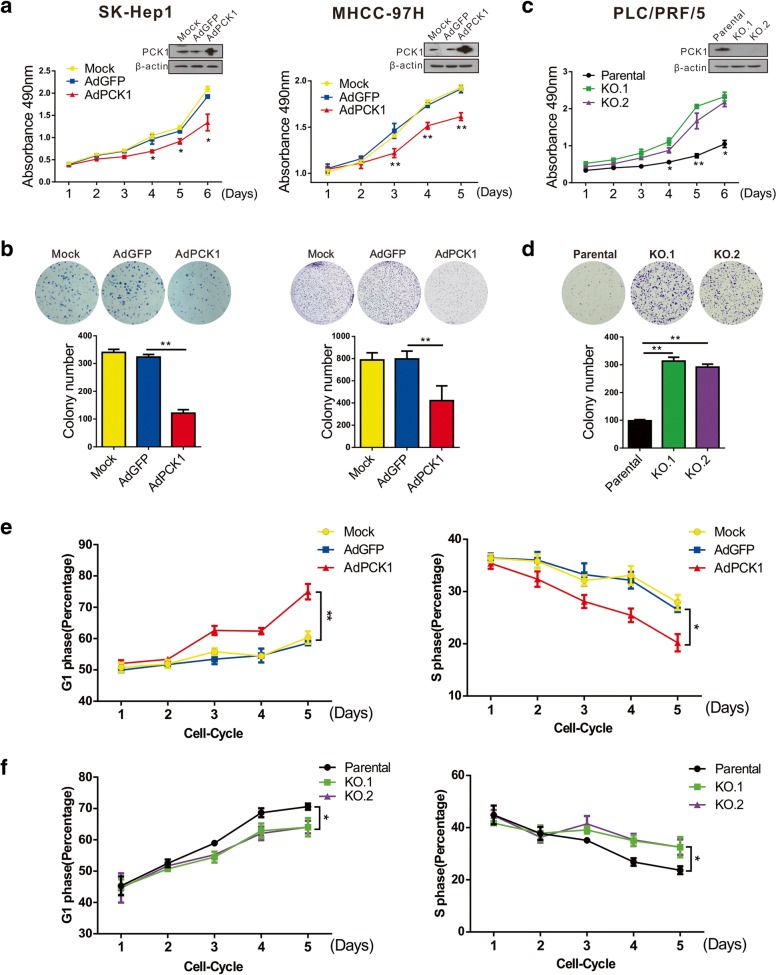
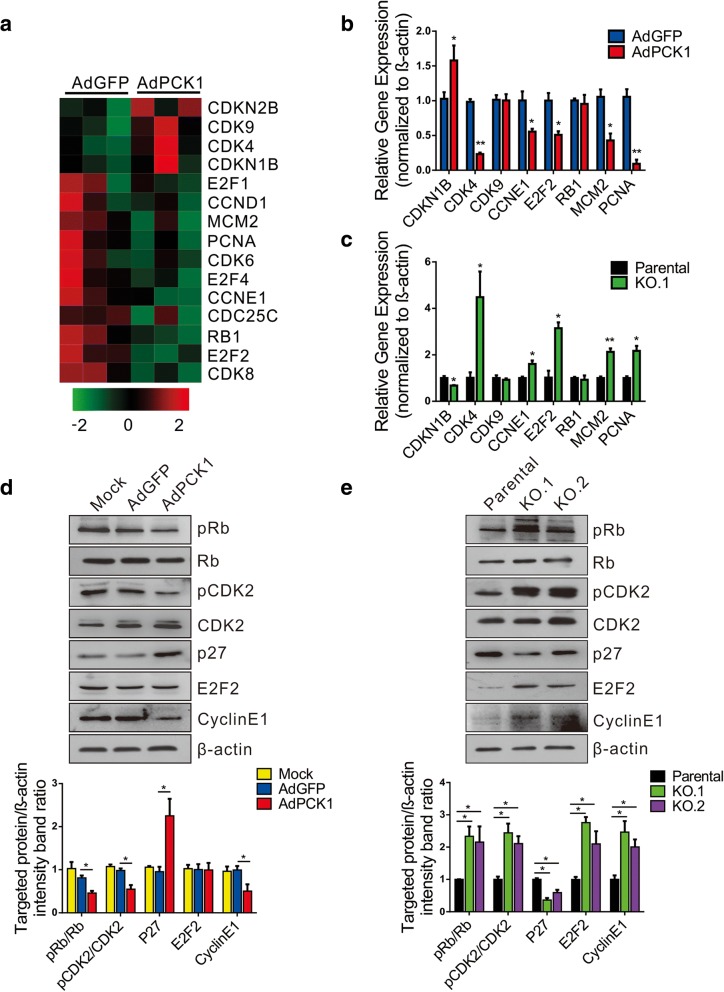
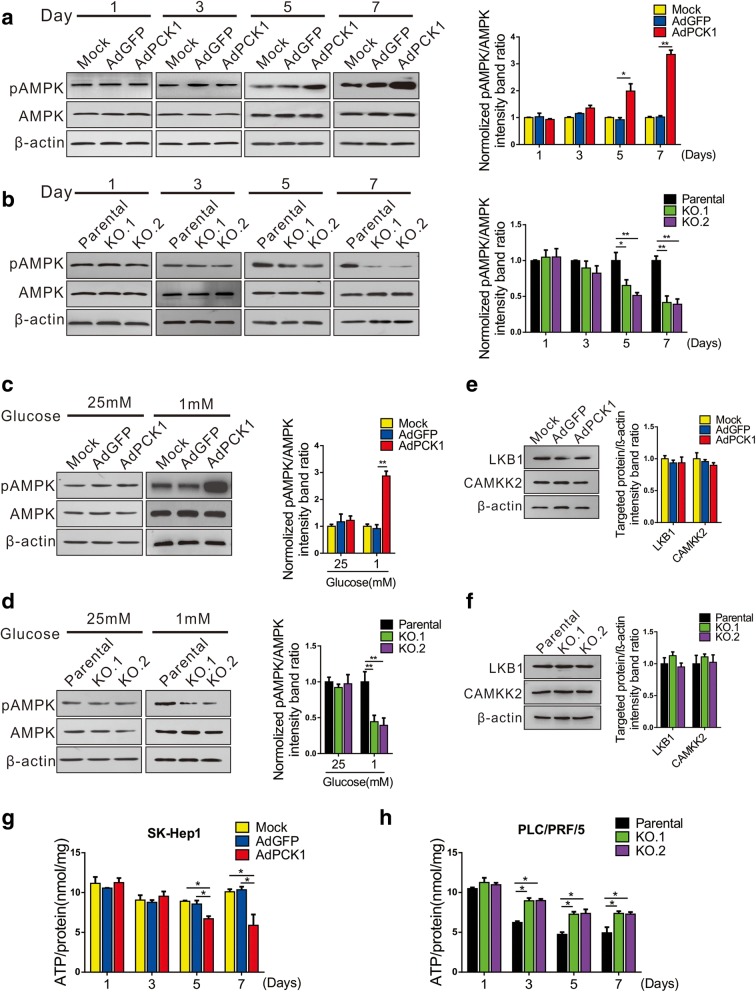
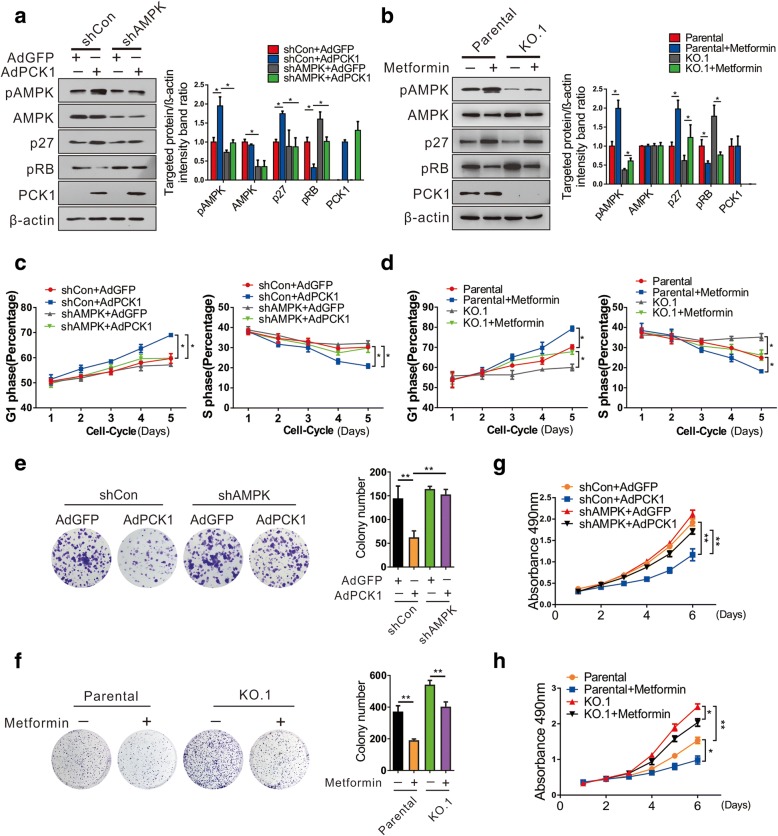
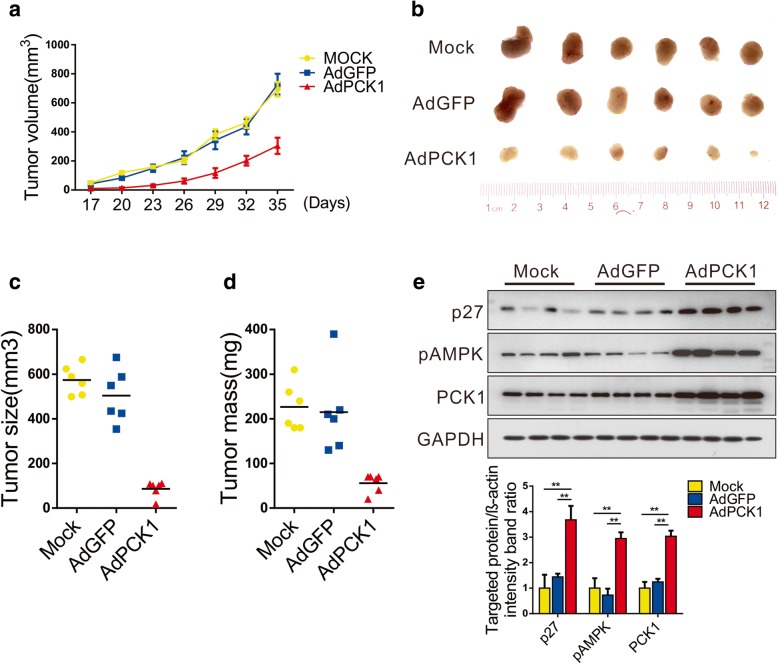
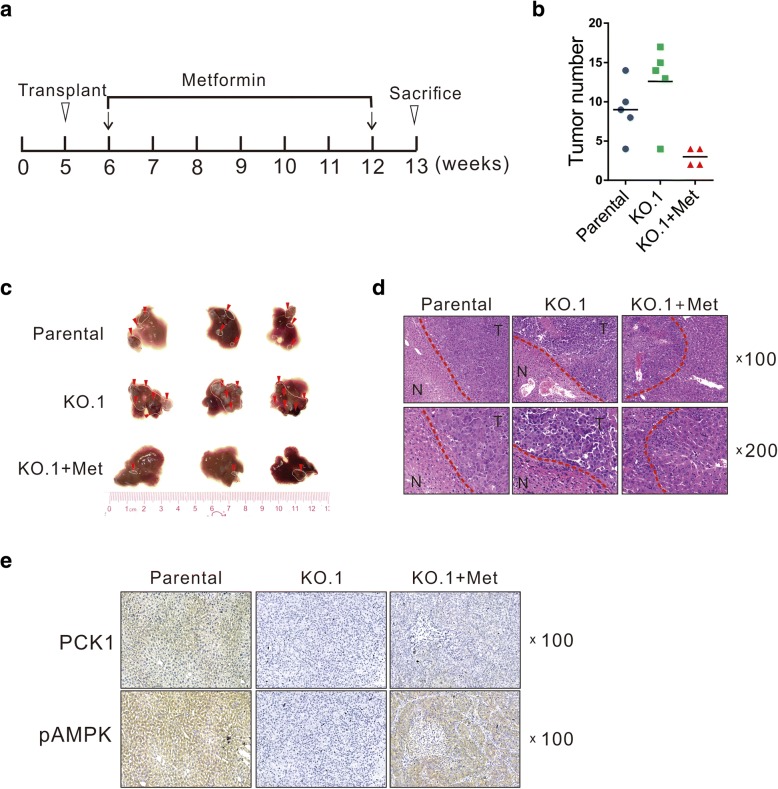
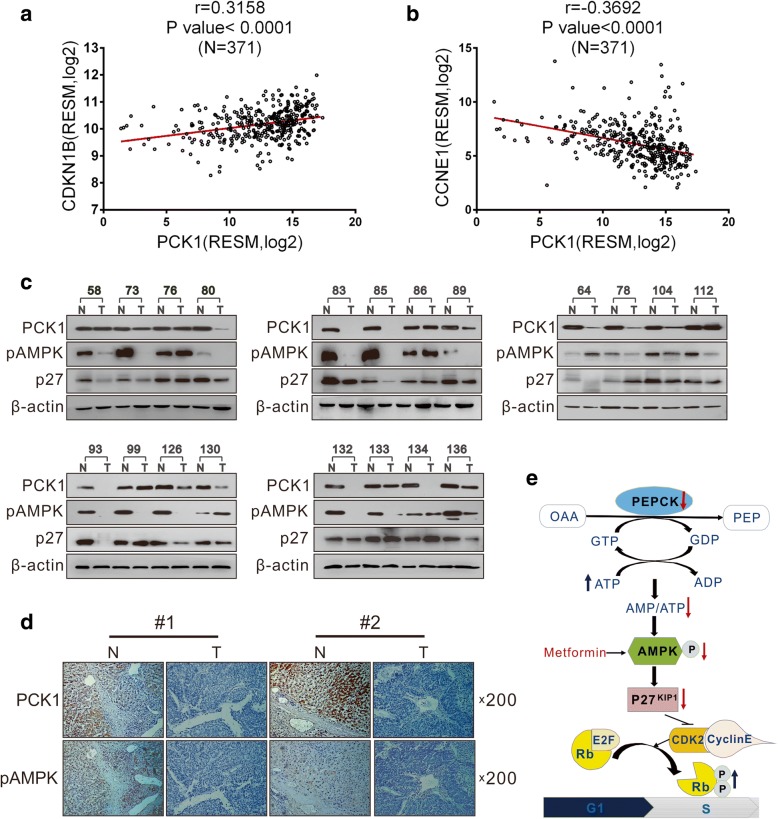
Altered glucose metabolism endows tumor cells with metabolic flexibility for biosynthesis requirements. Phosphoenolpyruvate carboxykinase 1 (PCK1), a key enzyme in the gluconeogenesis pathway, is downregulated in hepatocellular carcinoma (HCC) and predicts poor prognosis. Overexpression of PCK1 has been shown to suppress liver tumor growth, but the underlying mechanism remains unclear. mRNA and protein expression patterns of PCK1, AMPK, pAMPK, and the CDK/Rb/E2F pathway were determined using qRT-PCR and western blotting. Cell proliferation ability and cell cycle were assessed by MTS assay and flow cytometric analysis. The effect of PCK1 on tumor growth was examined in xenograft implantation models. Both gain and loss-of-function experiments demonstrated that PCK1 deficiency promotes hepatoma cell proliferation through inactivation of AMPK, suppression of p27 Kip1 expression, and stimulation of the CDK/Rb/E2F pathway, thereby accelerating cell cycle transition from the G1 to S phase under glucose-starved conditions. Overexpression of PCK1 reduced cellular ATP levels and enhanced AMPK phosphorylation and p27 Kip1 expression but decreased Rb phosphorylation, leading to cell cycle arrest at G1. AMPK knockdown significantly reversed G1-phase arrest and growth inhibition of PCK1-expressing SK-Hep1 cells. In addition, the AMPK activator metformin remarkably suppressed the growth of PCK1-knockout PLC/PRF/5 cells and inhibited tumor growth in an orthotropic HCC mouse model. This study revealed that PCK1 negatively regulates cell cycle progression and hepatoma cell proliferation via the AMPK/p27 Kip1 axis and supports a potential therapeutic and protective effect of metformin on HCC.
Overview
The claims and statistics of this paper haven’t been checked yet.
Free: it reads the open-access text and checks the first 5 claims that cite a source we can check. Create a free account to check every claim.
Integrity signals
Registry
Cites
Statistics
Figures
Verification
Claims the paper makes
The claims and statistics of this paper haven’t been checked yet.
Free: it reads the open-access text and checks the first 5 claims that cite a source we can check. Create a free account to check every claim.
Claims other papers make about this one
Each is checked against this paper’s own text: does it say what the citing paper says it does?
The check wasn’t confident either way, so it gives no verdict — never disputed.
In the citing paper
“However, research in the past decades indicated that these enzymes have a moonlighting function in phosphorylating various proteins that regulate many pathways ranging from cell‐cycle progression and proliferation to apoptosis, autophagy and T‐cell activation.”
From Tumor microenvironment signaling and therapeutics in cancer progression (2023) · cites this paper as [247]
Experimental — accuracy not yet measured
Self-check
Percentages, sums and reported differences re-computed from the paper’s own numbers.
The self-check needs the paper’s full text.
Citations
Cites
Hallmarks of Cancer: The Next Generation
Hanahan, D., & Weinberg, R. A. (2011) · Cell · doi:10.1016/j.cell.2011.02.013 · Cited by 66,590
Understanding the Warburg Effect: The Metabolic Requirements of Cell Proliferation
Vander Heiden, M. G., Cantley, L. C., & Thompson, C. B. (2009) · Science · doi:10.1126/science.1160809 · Cited by 16,197
AMPK: a nutrient and energy sensor that maintains energy homeostasis
Hardie, D. G., Ross, F. A., & Hawley, S. A. (2012) · Nature Reviews Molecular Cell Biology · doi:10.1038/nrm3311 · Cited by 4,602
AMPK: guardian of metabolism and mitochondrial homeostasis
Herzig, S., & Shaw, R. J. (2018) · Nature Reviews Molecular Cell Biology · doi:10.1038/nrm.2017.95 · Cited by 4,061
LKB1 is the upstream kinase in the AMP-activated protein kinase cascade
Woods, A., Johnstone, S. R., Dickerson, K., Leiper, F. C., Fryer, L. G. D., Neumann, D., Schlattner, U., Wallimann, T., Carlson, M., & Carling, D. (2003) · Current Biology · doi:10.1016/j.cub.2003.10.031 · Cited by 1,650
Hawley, S. A., Pan, D. A., Mustard, K. J., Ross, L., Bain, J., Edelman, A. M., Frenguelli, B. G., & Hardie, D. G. (2005) · Cell Metabolism · doi:10.1016/j.cmet.2005.05.009 · Cited by 1,589 · cited 7×
“Immunoblot assays showed that protein levels of LKB1 and CaMKK2 were not affected upon modulation of PCK1 expression (Fig.”
BackgroundInfluentialHawley, S. A., Davison, M., Woods, A., Davies, S. P., Beri, R. K., Carling, D., & Hardie, D. G. (1996) · Journal of Biological Chemistry · doi:10.1074/jbc.271.44.27879 · Cited by 1,264
AMPK: Sensing Glucose as well as Cellular Energy Status
Lin, S.-C., & Hardie, D. G. (2018) · Cell Metabolism · doi:10.1016/j.cmet.2017.10.009 · Cited by 1,191 · cited 2×
“(AMPK) is a central cellular sensor of adenine nucleotides that plays a key role in sensing cellular energy availability and regulating metabolic adaptation pathways [11, 12].”
BackgroundReprogramming glucose metabolism in cancer: can it be exploited for cancer therapy?
Hay, N. (2016) · Nature Reviews Cancer · doi:10.1038/nrc.2016.77 · Cited by 1,115
Hirayama, A., Kami, K., Sugimoto, M., Sugawara, M., Toki, N., Onozuka, H., Kinoshita, T., Saito, N., Ochiai, A., Tomita, M., et al. (2009) · Cancer Research · doi:10.1158/0008-5472.can-08-4806 · Cited by 1,066 · cited 1×
“However, in hepatocellular carcinoma (HCC), the expression levels of PCK and other key gluconeogenic enzymes are strikingly suppressed [7, 8], indicating that PCK has * Correspondence: ahuang@cqmu.”
Background
Cited by
Tumor microenvironment signaling and therapeutics in cancer progression
Goenka, A., Khan, F., Verma, B., Sinha, P., Dmello, C. C., Jogalekar, M. P., Gangadaran, P., & Ahn, B. (2023) · Cancer Communications · doi:10.1002/cac2.12416 · Cited by 323
Gluconeogenesis in cancer cells – Repurposing of a starvation-induced metabolic pathway?
Grasmann, G., Smolle, E., Olschewski, H., & Leithner, K. (2019) · Biochimica et Biophysica Acta (BBA) - Reviews on Cancer · doi:10.1016/j.bbcan.2019.05.006 · Cited by 237
Ye, Q., Liu, Y., Zhang, G., Deng, H., Wang, X., Tuo, L., Chen, C., Pan, X., Wu, K., Fan, J., et al. (2023) · Nature Communications · doi:10.1038/s41467-023-37142-3 · Cited by 168
Self-citationJin, X., Chen, C., Liu, R., Gou, D., Chang, L., Deng, H., Gao, Q., Zhang, W., Tuo, L., Pan, X., et al. (2021) · Journal of Clinical Investigation · doi:10.1172/jci144703 · Cited by 126
“Previously, we reported that PCK1 activates AMP-activated protein kinase (AMPK) upon glucose deprivation in HCC (24).”
BackgroundInfluentialSelf-citationKosti, A., Araujo, P. R. D., Li, W.-Q., Guardia, G. D. A., Chiou, J., Yi, C., Ray, D., Meliso, F. M., Li, Y.-M., Delambre, T., et al. (2020) · Genome biology · doi:10.1186/s13059-020-02115-y · Cited by 122
“PCK1 is downregulated in hepatocellular carcinoma (HCC) and clear cell renal cell carcinoma and its reduced expression predicts poor prognosis [56, 57].”
BackgroundJiang, X., Tan, H., Teng, S., Chan, Y.-T., Wang, D., & Wang, N. (2019) · Cancers · doi:10.3390/cancers11050647 · Cited by 87
“AMPK activation was found to induce G1/S phase cell cycle arrest of HCC cells, which was related to the increased expression of p27 and phosphorylation of Rb in HCC cells [43].”
Gou, D., Liu, R., Shan, X., Deng, H., Chen, C., Jin, X., Liu, Y., Gao, Q., Li, Z., Huang, A., et al. (2023) · Journal of Clinical Investigation · doi:10.1172/jci161713 · Cited by 75
“Previous studies have demonstrated that elevated PCK1 expression is responsible for decreasing cellular ATP levels that activate p-AMPK (19), while deletion of PCK1 leads to accumulated ribose-5-phosphate (R5P) that protects cells against oxidative damage (18) and enhanced UDP-GlcNAc biosynthesis that upregulates O-Gl…”
Self-citationO-GlcNAc modified-TIP60/KAT5 is required for PCK1 deficiency-induced HCC metastasis
Liu, R., Gou, D., Jin, X., Pan, X., Gao, Q., Zhou, P., Liu, Y., Hu, J., Wang, K., & Tang, N. (2021) · Oncogene · doi:10.1038/s41388-021-02058-z · Cited by 64
Self-citationOut of the cycle: Impact of cell cycle aberrations on cancer metabolism and metastasis
Cheung, A. H. K., Hui, C. H., Wong, K. Y., Liu, X., Chen, B., Kang, W., & To, K. F. (2022) · International Journal of Cancer · doi:10.1002/ijc.34288 · Cited by 52
Metformin and insulin-resistant related diseases: Emphasis on the role of microRNAs
Alimoradi, N., Firouzabadi, N., & Fatehi, R. (2021) · Biomedicine & Pharmacotherapy · doi:10.1016/j.biopha.2021.111662 · Cited by 39
Glucometabolic Reprogramming in the Hepatocellular Carcinoma Microenvironment: Cause and Effect
Tian, H., Zhu, X., Lv, Y., Jiao, Y., & Wang, G. (2020) · Cancer Management and Research · doi:10.2147/cmar.s258196 · Cited by 44
Jin, X., Wang, K., & Tang, N. (2022) · Genes & Diseases · doi:10.1016/j.gendis.2022.02.010 · Cited by 37
Self-citationWen, E., Tian, Y., Chen, Y., Wang, Z., Feng, Y., & Liao, Z. (2025) · Journal of Nanobiotechnology · doi:10.1186/s12951-025-03453-4 · Cited by 30
Shao, Z., Pan, Q., & Zhang, Y. (2020) · The International Journal of Biochemistry & Cell Biology · doi:10.1016/j.biocel.2020.105789 · Cited by 28
Zhang, J., Wang, E., Zhang, L., & Zhou, B. (2021) · Cell Biology International · doi:10.1002/cbin.11489 · Cited by 27
Zhang, Z., Yang, J., Liu, R., Ma, J., Wang, K., Wang, Q., & Tang, N. (2024) · Genes & Diseases · doi:10.1016/j.gendis.2024.101285 · Cited by 38
Self-citationO-GlcNAcylation of SPOP promotes carcinogenesis in hepatocellular carcinoma
Zhou, P., Chang, W.-Y., Gong, D.-A., Huang, L., Liu, R., Liu, Y., Xia, J. L., Wang, K., Tang, N., & Huang, A. (2023) · Oncogene · doi:10.1038/s41388-022-02589-z · Cited by 26
Self-citationZhao, B., Lv, X., Zhao, X., Maimaitiaili, S., Zhang, Y., Su, K., Yu, H., Liu, C., & Qiao, T. (2022) · International Journal of Molecular Sciences · doi:10.3390/ijms231810209 · Cited by 27
Mao, L., Chen, S., Li, X., Xu, F., Lei, J., Wang, Q., Luo, L.-Y., Cao, H., Ge, X., Tao, R., et al. (2020) · Aging · doi:10.18632/aging.102907 · Cited by 23
O-GlcNAcylation of E3 ubiquitin ligase SKP2 promotes hepatocellular carcinoma proliferation
Feng, Z., Yin, J., Zhang, Z., Chen, Z., Huang, L., Tang, N., & Wang, K. (2024) · Oncogene · doi:10.1038/s41388-024-02977-7 · Cited by 24
Self-citationLiu, N., Zhu, X., Wu, C., Liu, Y.-Y., Chen, M., & Gu, J.-H. (2024) · Cell Death Discovery · doi:10.1038/s41420-024-02240-8 · Cited by 22
Ji, W., Peng, Z., Sun, B., Chen, L., Zhang, Q., Guo, M., & Su, C. (2021) · Frontiers in Oncology · doi:10.3389/fonc.2021.678714 · Cited by 23
Zhou, Y., Zhang, Y., Li, Y., Liu, L., Li, Z., Liu, Y., & Xiao, Y. (2021) · Experimental and Therapeutic Medicine · doi:10.3892/etm.2021.10857 · Cited by 19
RetractedInterplay Between Glucose Metabolism and Chromatin Modifications in Cancer
Ma, R., Wu, Y., Li, S., & Yu, X. (2021) · Frontiers in Cell and Developmental Biology · doi:10.3389/fcell.2021.654337 · Cited by 23
“Overexpression of PEPCK1 in liver cancer cells significantly reduces the level of cellular ATP to activate AMPK and promote the expression of p27, which causes cell cycle arrest at G1 phase (Tuo et al., 2019).”
BackgroundThe chromosome-scale genome of the raccoon dog: Insights into its evolutionary characteristics
Lan, T., Li, H., Yang, S., Shi, M., Han, L., Sahu, S. K., Lu, Y., Wang, J., Zhou, M., Liu, H., et al. (2022) · iScience · doi:10.1016/j.isci.2022.105117 · Cited by 19
“…Seo et al., 2005; Sheikh et al., 2015; Shema et al., 2008; Silver and Livingston, 2012; Smith, 2010; Strobl et al., 2011; Tsuchiya et al., 2021; Tuo et al., 2019; Valizadeh et al., 2015; Wang et al., 2016; Wang et al., 2018; Warren et al., 2015; Yang et al., 2016; Yoshinaka et al., 2019; Zhan…”
Ning, G., Huang, Y., Zhen, L., Xu, W., Li, X., Wu, L., Liu, Y., Xie, C., & Peng, L. (2020) · BioMed Research International · doi:10.1155/2020/3765937 · Cited by 18
Phosphoenolpyruvate carboxykinases as emerging targets in cancer therapy
Yu, Y., Li, J., & Ren, K. (2023) · Frontiers in Cell and Developmental Biology · doi:10.3389/fcell.2023.1196226 · Cited by 18
“PCK1 deficiency could also promote HCC cell proliferation by inactivating AMPK, inhibiting p27Kip1 expression, and induce CDK/Rb/E2F activation, which supports cell cycle transition from the G1 to S phase upon low glucose stimulation (Tuo et al., 2019).”
BackgroundZhao, W., & Liu, X. (2021) · Annals of Hepatology · doi:10.1016/j.aohep.2021.100570 · Cited by 19
PADI3 plays an antitumor role via the Hsp90/CKS1 pathway in colon cancer
Chai, Z., Wang, L., Zheng, Y., Liang, N., Wang, X., Zheng, Y., Zhang, Z., Zhao, C., Zhu, T., & Liu, C. (2019) · Cancer Cell International · doi:10.1186/s12935-019-0999-3 · Cited by 15
Zhang, X., Tao, G., Jiang, J., Qu, T., Zhao, S., Xu, P., Zhao, Y., Xing, X., & Qin, S. (2023) · Cancer Cell International · doi:10.1186/s12935-023-02894-x · Cited by 13
Glucose Metabolic Reprogramming in Colorectal Cancer: From Mechanisms to Targeted Therapy Approaches
Zhou, R., Wang, F., Wen, J., Zhou, X., & Wen, Y. (2025) · Cancer Medicine · doi:10.1002/cam4.71185 · Cited by 14
“PCK1 is the cytosolic isoform of the enzyme, and PCK1 deficiency can regulate gluconeogenesis and lead to inherited metabolic disorders [106].”
Tognocchi, M., Conte, M., Testai, L., Martucci, M., Serra, A., Salvioli, S., Calderone, V., Mele, M. L., & Conte, G. (2022) · Foods · doi:10.3390/foods11030398 · Cited by 13
“In particular, several studies have shown that PCK1 promotes cell death, especially in conditions of reduced glucose levels [60].”
BackgroundJin, X., Zhang, Y., Tuo, L., Liu, R., Gou, D., Liang, L., Chen, C., Xia, J. L., Tang, N., & Wang, K. (2019) · Genes & Diseases · doi:10.1016/j.gendis.2019.04.004 · Cited by 14
“On the other hand, Overexpression of PCK1 decreased cellular ATP levels and enabled AMPK phosphorylation.(36) p-AMPK attenuates Wnt/b-catenin signaling by reducing b-catenin protein levels.”
BackgroundSelf-citationGeng, Y., Wang, Z., Xu, X., Sun, X., Dong, X., Luo, Y., & Sun, X. (2023) · Translational research · doi:10.1016/j.trsl.2023.08.001 · Cited by 17
Ren, M., Wang, L., Deng, X., Gao, Z.-X., Wang, Q., Tao, M., Shen, K., Ding, Y.-T., Qian, L., Wei, C., et al. (2022) · Bioengineered · doi:10.1080/21655979.2022.2080385 · Cited by 10
“High levels of ROS should have induced apoptosis, but genetic changes led to survive at high levels of ROS by increasing the NADPH level through the PPP or by activating the KEAP1 /Nrf2 antioxidant signaling pathway [33,34].”
BackgroundRetractedMicroRNAs as the critical regulators of tumor angiogenesis in liver cancer
Fanoodi, A., Maharati, A., Akhlaghipour, I., Rahimi, H. R., & Moghbeli, M. (2023) · Pathology - Research and Practice · doi:10.1016/j.prp.2023.154913 · Cited by 10
Gaowa, N., Li, W., Gelsinger, S. L., Murphy, B., & Li, S. (2021) · Metabolites · doi:10.3390/metabo11070414 · Cited by 14
Oridonin interrupts cellular bioenergetics to suppress glioma cell growth by down‐regulating PCK2
Jian-hu, L., Wu, S., Ye, S., Papa, A. P. D., Yang, J., Huang, S., Arthur, G., Zhuge, Q., & Zhang, Y. (2021) · Phytotherapy Research · doi:10.1002/ptr.7009 · Cited by 10
Gao, S., Zhang, F., Sun, H., & Yang, X. (2020) · OncoTargets and Therapy · doi:10.2147/ott.s257275 · Cited by 9
RetractedWan, J., Lang, C., Gao, M., Liu, F., Feng, X., Li, H., Wang, C., & Sun, J. (2025) · Frontiers in Pharmacology · doi:10.3389/fphar.2025.1583307 · Cited by 7
Bi, Y., Yin, B., & Fan, G. (2021) · Hereditas · doi:10.1186/s41065-021-00177-x · Cited by 10
Screening Hub Genes of Hepatocellular Carcinoma Based on Public Databases
Gao, S., Zhu, D., Zhu, J. S., Shen, L., Zhu, M., & Ren, X. (2021) · Computational and Mathematical Methods in Medicine · doi:10.1155/2021/7029130 · Cited by 8
Exploiting metabolic vulnerability in glioblastoma using a brain-penetrant drug with a safe profile
Burban, A., Tessier, C., Larroquette, M., Guyon, J., Lubiato, C., Pinglaut, M., Toujas, M., Galvis, J., Dartigues, B., Georget, E., et al. (2025) · EMBO Molecular Medicine · doi:10.1038/s44321-025-00195-6 · Cited by 7
“( H ) Nuclear fractions from BTSC53 and BTSC73 treated for 72h with 500nM of mubritinib or vehicle control and subjected to immunoblotting using an antibody against p27 Kip1 .”
InfluentialLKB1 suppression promotes cardiomyocyte regeneration via LKB1-AMPK-YAP axis
Qu, S., Liao, Q., Yu, C. J., Chen, Y., Luo, H., Xia, X., He, D., Xu, Z., José, P. A., Li, Z., et al. (2022) · Biomolecules and Biomedicine · doi:10.17305/bjbms.2021.7225 · Cited by 9
“Interestingly, AMPK is involved in all these three processes: AMPK senses energy stress and enhances catabolic metabolism [33]; AMPK mediates re-organization of the cytoskeleton [34], and AMPK inhibits cell proliferation [35].”
Hypoxia reduces SLC27A5 to promote hepatocellular carcinoma proliferation by repressing HNF4A
Tao, J., Liu, Y., Tang, X., Nie, D., Wu, K., Wang, K., & Tang, N. (2025) · Biochimica et Biophysica Acta (BBA) - Molecular Cell Research · doi:10.1016/j.bbamcr.2025.119916 · Cited by 5
Self-citationChen, Y., Wang, Z., Deng, Q., Chen, Y., & Liang, H. (2023) · PubMed Central · Cited by 5
Zhuang, W., Shi, X., Gao, S., & Qin, X. (2023) · Cancer & Metabolism · doi:10.1186/s40170-023-00312-4 · Cited by 7
Jayathirtha, M., Jayaweera, T. M., Whitham, D., Sullivan, I., Petre, B. A., Darie, C. C., & Neagu, A.-N. (2023) · Molecules · doi:10.3390/molecules28227501 · Cited by 7
“…may promote PCK1 dysregulation may promote cell proliferation via inactivation of AMPK (KEGG_AMPK signaling pathway), known as a tumor suppressor [36] but was recently reconsidered as a putative oncogene [148]. cell proliferation via inactivation of AMPK (KEGG_AMPK signaling pathway), known as a…”
BackgroundInfluentialZhao, P., Cui, J., & Wang, X. (2024) · The Pharmacogenomics Journal · doi:10.1038/s41397-024-00324-3 · Cited by 6
“An important cellular sensor of these nucleotides, AMPK detects the availability of cellular energy and can help regulate metabolic adaptation pathways [20, 21].”
InfluentialZhai, W., Lu, H., Dong, S., Fang, J., & Yu, Z. (2020) · Acta Biochimica et Biophysica Sinica · doi:10.1093/abbs/gmaa068 · Cited by 6
Tan, Y.-Y., Wang, Y., Luo, X., Chen, C., Liu, X., Liu, X., & Wu, Y. (2025) · Renal Failure · doi:10.1080/0886022x.2025.2508297 · Cited by 4
“Research has demonstrated that beyond its function as a rate-limiting enzyme in gluconeogenesis, PCK1 is extensively involved in various metabolic and biological processes, including glucose and lipid metabolism, aging, inflammation, fibrosis, and tumor cell proliferation and apoptosis [13–18].”
Liu, R. R., Yi, L., Zhang, W., Zhang, G., Zhang, Z., Huang, L., Tang, N., & Wang, K. (2023) · Genes & Diseases · doi:10.1016/j.gendis.2023.101114 · Cited by 5
Self-citationXie, Y., Li, J., Tao, Q., Wu, Y., Liu, Z., Chen, Y., & Zeng, C. (2024) · Scientific Reports · doi:10.1038/s41598-024-63891-2 · Cited by 4
“Single-cell analysis has also revealed significant changes in CD8 T cells in UC 57 .”
BackgroundLan, Q., Liufu, S., Xu, X., Chen, B., Chen, W., Wang, K., Liu, C., Xiao, L., Liu, X., Yi, L., et al. (2025) · BMC Genomics · doi:10.1186/s12864-025-11896-0 · Cited by 5
“Recent study has highlighted the role of PCK1 in regulating hepatic energy metabolism and gluconeogenesis, with its dysfunction being associated with various metabolic disorders, including diabetes, obesity, insulin resistance, and cancer progression [36].”
Self-citationEmerging roles of cytosolic phosphoenolpyruvate kinase 1 (PCK1) in cancer
Abate, E., Mehdi, M., Addisu, S., Degef, M., Gizaw, S. T., & Kelemu, T. (2023) · Biochemistry and Biophysics Reports · doi:10.1016/j.bbrep.2023.101528 · Cited by 7
“Retinoblastoma-E2 transcription factor (CDK/Rb/E2F) signaling pathway in cancer, particularly HCC, by holding the G1–S phase transition [80].”
BackgroundXu, X., Ping, S., Wang, F., Chang, M. S., & Song, G. (2024) · Aquaculture Reports · doi:10.1016/j.aqrep.2024.102077 · Cited by 8
Zhou, Y., Wang, L., Zhang, W., Ma, J., Zhang, Z., Yang, M., Yu, J., Luo, J., & Yan, Z. (2022) · Disease Markers · doi:10.1155/2022/6335155 · Cited by 5
Self-citationYe, Q., Liu, Y., Zhang, G., Deng, H., Wang, Q., Tuo, L., Chen, C., Pan, X., Wu, K., Fan, J., et al. (2021) · bioRxiv (Cold Spring Harbor Laboratory) · doi:10.1101/2021.01.12.426294 · Cited by 4
“rate-limiting enzyme in the gluconeogenesis which converts oxaloacetate 74 (OAA) to phosphoenolpyruvate (PEP) in the cytoplasm.(4) Our previous studies 75 have shown that PCK1 deficiency promotes HCC progression by enhancing 76 the hexosamine-biosynthesis pathway.”
BackgroundSelf-citationTumour Cell Size Control and Its Impact on Tumour Cell Function
Zhou, M., Zhou, M. L., & Jin, Y. (2025) · Cell Proliferation · doi:10.1111/cpr.70080 · Cited by 6
“In hepatocellular carcinoma, high expression of phosphoenolpyruvate carboxykinase 1 (PCK1) accelerates the transition of the cell cycle from the G1 phase to the S phase under low glucose conditions by activating the CDK/Rb/E2F pathway, promoting the growth and division of liver cancer cells [65].”
Li, X., An, P., Zhao, Y., Cai, Z., Ye, B., Wang, Y., Wang, W., Gao, Q., Li, L., Zhang, T., et al. (2022) · Evidence-based Complementary and Alternative Medicine · doi:10.1155/2022/3664696 · Cited by 3
“inhibit Cyclin E and CDK2, blocking the cells at phase G1 and inhibiting cell proliferation [36].”
BackgroundXu, C., Miao, F., Feng, X., Shi, H., Wang, Y., Wu, J., Zhao, L., Zhang, W., & Jiang, C. (2021) · European Journal of Cancer Prevention · doi:10.1097/cej.0000000000000638 · Cited by 3
Self-citationRetractedWang, Q., Liu, Y., Wang, K., Huang, A., Tang, N., & Peng, P. (2025) · Biochimica et Biophysica Acta (BBA) - Molecular Cell Research · doi:10.1016/j.bbamcr.2025.120080 · Cited by 3
Self-citationPei, Y., Wu, W. H., Wang, J., Xi, Y., Xu, B., Li, Z., Li, Q., Chen, X., Zhan, D., Li, Y., et al. (2025) · Functional & Integrative Genomics · doi:10.1007/s10142-025-01779-8 · Cited by 2
“Prior research has shown that PCK1 is downregulated in HCC, and that PCK1 deletion increases the proliferation and metastasis of HCC cells in vitro and in vivo (Ma et al. 2013; Liu et al. 2018, 2021; Tuo et al. 2019).”
Liu, Y., Fu, B., Yu, Z., Song, G., Zeng, H., Gong, Y., Ding, Y., & Huang, D. (2022) · Journal of Hepatocellular Carcinoma · doi:10.2147/jhc.s363862 · Cited by 2
Suppression of PCK1 attenuates neuronal injury and improves post-resuscitation outcomes
Xu, R., Li, J., Zhu, J. F., Guo, F., Zhang, C., Chen, K., & Xu, J. (2025) · Biochimica et Biophysica Acta (BBA) - Molecular Basis of Disease · doi:10.1016/j.bbadis.2025.167674 · Cited by 2
Li, X., Liu, J., Zhao, L., Gu, H., & He, Y. (2024) · Aging · doi:10.18632/aging.206151 · Cited by 2
“In addition, Tuo et al. found that PCK1 can lead to the occurrence of HCC by targeting the cell cycle [36].”
AMPK-activation by catecholamines induces autophagy and cell proliferation in cardiac fibroblasts
Catalán, M., Vivar, R., González‐Herrera, F., Olmedo, I., Ortiz, R., Pedrozo, Z., Cuéllar, M., Díaz-Araya, G., & Aránguiz, P. (2025) · Biochemical Pharmacology · doi:10.1016/j.bcp.2025.117028 · Cited by 2
Feeding of high-quality hay modulates hepatic lipid and energy metabolism in weaned dairy calves
Metzler-Zebeli, B. U., Sener-Aydemir, A., Terler, G., & Zebeli, Q. (2025) · JDS Communications · doi:10.3168/jdsc.2025-0793 · Cited by 1
Medica, A. C. O., Kim, M. E., Hung, W.-T., Sohni, A., Dulęba, A. J., Tan, K., & Wilkinson, M. F. (2026) · Frontiers in Reproductive Health · doi:10.3389/frph.2026.1819763 · Cited by 1
“The 3 upregulated genes associated with PPAR signaling — PCK1, ANGPTL4 , and STC1 — are all known to influence cell proliferation (36, 62).”
Brücher, B. L. D. M., & Jamall, I. S. (2019) · 4open · doi:10.1051/fopen/2019006 · Cited by 1
Chen, Y., Yang, S., Huang, Y., Wang, Z., Deng, Q., Chen, Y., Yu, Q., & Liang, H. (2022) · Research Square · doi:10.21203/rs.3.rs-1493918/v1 · Cited by 1
Ren, M., Wang, L., Deng, X., Gao, Z., Wang, Q., Tao, M., Shen, K., Ding, Y.-T., Qian, L., Wei, C., et al. (2021) · Research Square · doi:10.21203/rs.3.rs-462600/v1
SUCUPIRA, F. (2023) · Digital Library of Theses and Dissertations (Universidade de São Paulo) · doi:10.11606/d.17.2023.tde-10112023-165126 · Cited by 1
Wen, C., Shi, R. L., An, Y. L., Zhang, S. T., Wang, T., & Luo, H. L. (2024) · Russian Journal of Genetics · doi:10.1134/s1022795424700807
“For example, Lin Tuo et al. reported that PCK1 can inhibit the cell cycle through the AMPK/P27 pathway, thus inhibiting the growth of hepatocellular carcinoma [31].”
Zhang, X., Tao, G., Jiang, J., Qu, T., Zhao, S., Xu, P., Zhao, Y., Xing, X., & Qin, S. (2024) · Figshare · doi:10.6084/m9.figshare.26582594
Zhuang, W., Shi, X., Gao, S., & Qin, X. (2023) · Figshare · doi:10.6084/m9.figshare.23908795
Zhang, X., Tao, G., Jiang, J., Qu, T., Zhao, S., Xu, P., Zhao, Y., Xing, X., & Qin, S. (2024) · Figshare · doi:10.6084/m9.figshare.26582600
Zhang, X., Tao, G., Jiang, J., Qu, T., Zhao, S., Xu, P., Zhao, Y., Xing, X., & Qin, S. (2024) · Figshare · doi:10.6084/m9.figshare.26582597
Carberry, C. K., Mordant, A. L., Mills, C. A., Hartwell, H. J., Carberry, V., Simendinger, L., Hickman, E., Herring, L. E., & Rager, J. E. (2026) · PLoS ONE · doi:10.1371/journal.pone.0338102
Integrated multi‐omics analysis reveals the anti‐fatigue mechanisms of Shenzhu granules
Zhang, H., Li, X., Li, M., Guo, W., Zhang, M., Gao, X., Liu, J., Lin, Y., Xie, S., Zhang, D., et al. (2026) · Journal of the Science of Food and Agriculture · doi:10.1002/jsfa.70603
“40 In this study, SG signi fi cantly reduced the protein levels of Prkcb, Camk2g, and Pck1, suggesting that its anti-fatigue effects anti-in fl ammatory activity, attenuation of calcium overload, and restoration of cellular energy metabolism.”
Hepatic Gluconeogenesis and the Antidepressant Effects of Exercise: A Narrative Review
Gong, H., Miao, J., Yuan, J., Zhu, Y., Xiang, H., Yu, Y., Zhou, S., Zhang, Q., & Han, Y. (2026) · Metabolites · doi:10.3390/metabo16050310
“Meanwhile, mice with reduced PCK1 expression showed insulin resistance, hypoglycemia, and hepatic steatosis, suggesting an important role for PCK1 in regulating glucose homeostasis and lipid metabolism [147,150].”
InfluentialChen, S.-J., Yue, S.-W., Zhang, Y.-P., Liang, H., Wu, H.-X., Chen, X., Zhang, B.-X., & Zhang, W. (2026) · Signal Transduction and Targeted Therapy · doi:10.1038/s41392-026-02862-7 · Cited by 2
Self-citationDilixiati, Y., Zhumatay, S., & Tuerdi, M. (2026) · Research Square · doi:10.21203/rs.3.rs-10921386/v1
Metadata
- Authors
- Tuo, L., Xiang, J., Pan, X., Hu, J., Tang, H., Liang, L., Xia, J., Hu, Y., Zhang, W., Huang, A., Wang, K., & Tang, N.
- Affiliations
- Second Affiliated Hospital of Chongqing Medical University (CN)
- Corresponding author
- Huang, Ailong
- Wang, Kai
- Tang, Ni
- Venue
- Journal of Experimental & Clinical Cancer Research
- Published
- 2019-02-04
- Volume
- 38
- Issue
- 1
- Pages
- 50-50
- ISSN
- 0392-9078 (ISSN-L)
- 1756-9966
- PMC
- PMC6360696
- OpenAlex
- W2921283762
- Semantic Scholar
- 4afd73d8aa8f694ba741526073c009d0db00e987
- Cited by
- 84
- References
- 52
- Citations by year
- 2026: 6 · 2025: 13 · 2024: 11 · 2023: 15 · 2022: 11 · 2021: 15 · 2020: 8 · 2019: 5
- FWCI
- 3.23
- Type
- journal article
- Language
- en
- Open access
- gold
- doi.org
- Licence
- cc-by
- creativecommons.org/licenses/by/4.0/ (tdm)
- Locations
- Journal of Experimental & Clinical Cancer Research (publishedVersion, cc-by)
- Europe PMC (PubMed Central) (publishedVersion, other-oa)
- PubMed Central (publishedVersion, cc-by)
- PubMed (publishedVersion)
- DOAJ (DOAJ: Directory of Open Access Journals) (submittedVersion, cc-by-sa)
- Funders
- National Natural Science Foundation of China (81602417, 81572683, 81371827, 81872270,31171307, 81471946,81661148057, 81671997)
- Natural Science Foundation of Chongqing (cstc2015jcyjBX0011, cstc2018jcyjAX0254)
- Department of S and T for Social Development (2017ZX10202203-004, 2012ZX10002005-003-002)
- Topics
- Life Sciences › Biochemistry, Genetics and Molecular Biology › Molecular Biology › Metabolism, Diabetes, and Cancer
- Life Sciences › Biochemistry, Genetics and Molecular Biology › Cancer Research › Cancer, Hypoxia, and Metabolism
- Life Sciences › Biochemistry, Genetics and Molecular Biology › Molecular Biology › PI3K/AKT/mTOR signaling in cancer
- Keywords
- PCK1, hepatocellular carcinoma, AMPK, p27, cell cycle progression, cell proliferation, gluconeogenesis, glucose metabolism, metformin, G1 cell cycle arrest, tumor growth
- MeSH terms
- Animals, Calcium-Binding Proteins, Glucose, Carcinoma, Hepatocellular, Humans, Hypoglycemic Agents, Liver Neoplasms, Male, Metformin, Phosphoenolpyruvate Carboxykinase (GTP), Down-Regulation, Up-Regulation, Cyclin-Dependent Kinases, Xenograft Model Antitumor Assays, Cell Line, Tumor, Intracellular Signaling Peptides and Proteins, Cell Proliferation, E2F Transcription Factors, Mice, AMP-Activated Protein Kinases, Gene Knockdown Techniques, G1 Phase Cell Cycle Checkpoints
About these checks
Registry, retraction, Cites and statistics results are computed, not judged, with one exception: a printed reference that no index lists is read once by a model before it counts as a citation error. Claims are extracted by a model and kept only when their quote appears verbatim in the text; each cited source is then checked, with a model’s help, for whether it says what the claim relies on. Those verdicts can be wrong — read the claim’s quote and the cited source before relying on one.
Statistics and arithmetic are recomputed, not judged.
Confidence bands are shown only for fields calibrated on our annotated test set. None is calibrated yet, so no band is shown.
What counts as a claim ›How we measure confidence ›How we check this ›
Are you an author, or do you see a problem with this page? Request a review
Data sources
Bibliographic data: Semantic Scholar, OpenAlex, Crossref.
Contains information from the Semantic Scholar Academic Graph Datasets, made available under the ODC Attribution License (ODC-BY 1.0).
Semantic Scholar’s data is described in: Kinney, R., et al. (2023). The Semantic Scholar Open Data Platform. arXiv:2301.10140.
