

PCK1 negatively regulates cell cycle progression and hepatoma cell proliferation via the AMPK/p27Kip1 axis
Open accessThe DOI matches its Crossref record; 52 of the 52 references it cites were found in a registry or an index.
Abstract
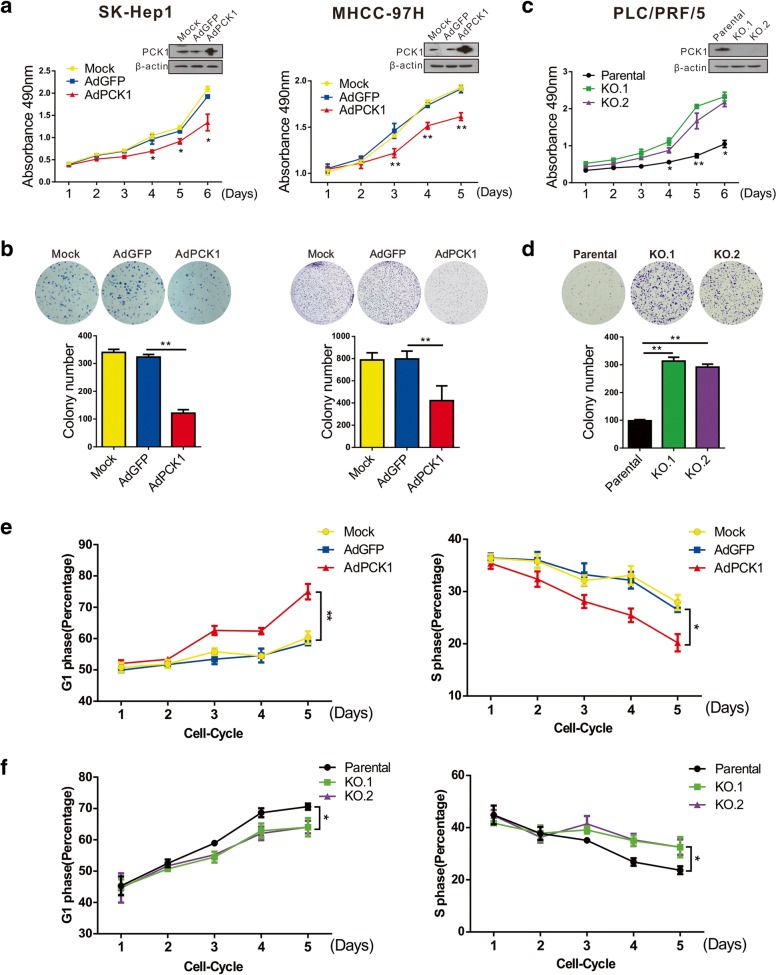
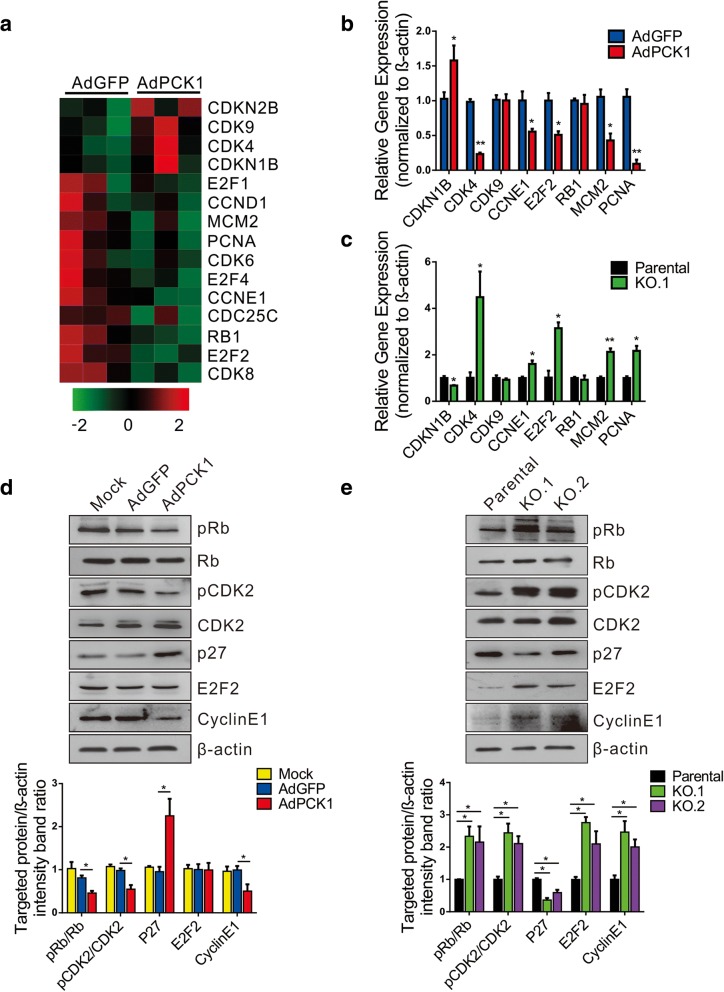
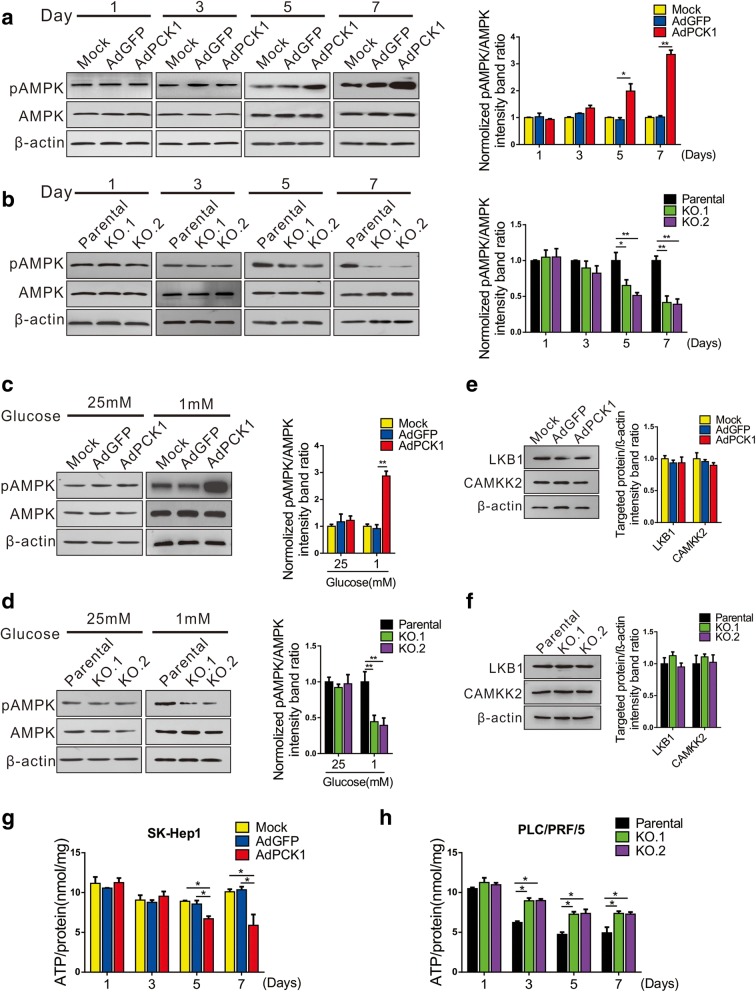
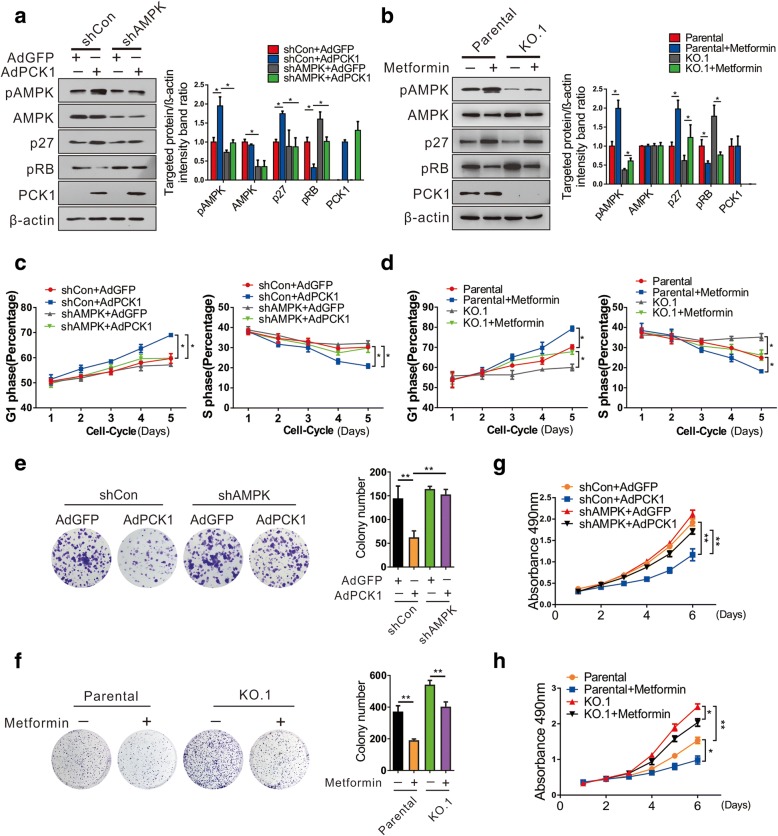
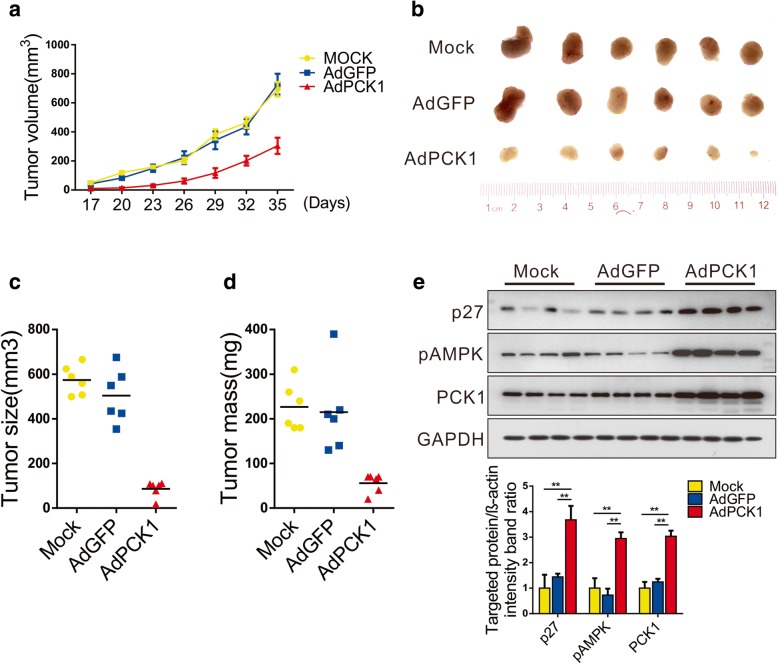
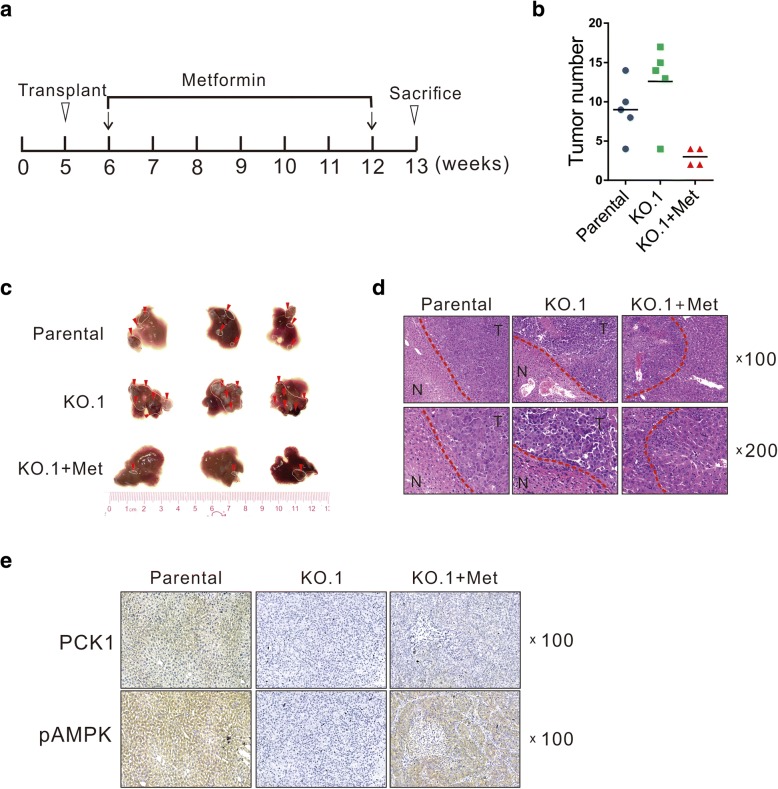
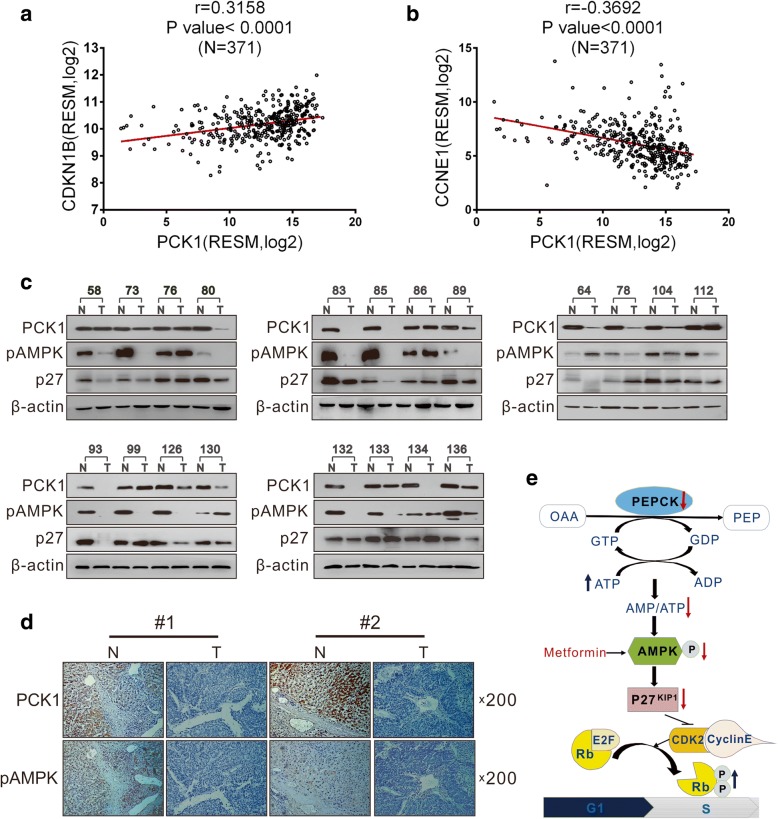
Altered glucose metabolism endows tumor cells with metabolic flexibility for biosynthesis requirements. Phosphoenolpyruvate carboxykinase 1 (PCK1), a key enzyme in the gluconeogenesis pathway, is downregulated in hepatocellular carcinoma (HCC) and predicts poor prognosis. Overexpression of PCK1 has been shown to suppress liver tumor growth, but the underlying mechanism remains unclear. mRNA and protein expression patterns of PCK1, AMPK, pAMPK, and the CDK/Rb/E2F pathway were determined using qRT-PCR and western blotting. Cell proliferation ability and cell cycle were assessed by MTS assay and flow cytometric analysis. The effect of PCK1 on tumor growth was examined in xenograft implantation models. Both gain and loss-of-function experiments demonstrated that PCK1 deficiency promotes hepatoma cell proliferation through inactivation of AMPK, suppression of p27 Kip1 expression, and stimulation of the CDK/Rb/E2F pathway, thereby accelerating cell cycle transition from the G1 to S phase under glucose-starved conditions. Overexpression of PCK1 reduced cellular ATP levels and enhanced AMPK phosphorylation and p27 Kip1 expression but decreased Rb phosphorylation, leading to cell cycle arrest at G1. AMPK knockdown significantly reversed G1-phase arrest and growth inhibition of PCK1-expressing SK-Hep1 cells. In addition, the AMPK activator metformin remarkably suppressed the growth of PCK1-knockout PLC/PRF/5 cells and inhibited tumor growth in an orthotropic HCC mouse model. This study revealed that PCK1 negatively regulates cell cycle progression and hepatoma cell proliferation via the AMPK/p27 Kip1 axis and supports a potential therapeutic and protective effect of metformin on HCC.
Overview
The claims and statistics of this paper haven’t been checked yet.
Free: it reads the open-access text and checks the first 5 claims that cite a source we can check. Create a free account to check every claim.
Integrity signals
Registry
Cites
Statistics
Figures
Verification
Claims the paper makes
The claims and statistics of this paper haven’t been checked yet.
Free: it reads the open-access text and checks the first 5 claims that cite a source we can check. Create a free account to check every claim.
Claims other papers make about this one
Each is checked against this paper’s own text: does it say what the citing paper says it does?
The check wasn’t confident either way, so it gives no verdict — never disputed.
In the citing paper
“However, research in the past decades indicated that these enzymes have a moonlighting function in phosphorylating various proteins that regulate many pathways ranging from cell‐cycle progression and proliferation to apoptosis, autophagy and T‐cell activation.”
From Tumor microenvironment signaling and therapeutics in cancer progression (2023) · cites this paper as [247]
Experimental — accuracy not yet measured
Self-check
Percentages, sums and reported differences re-computed from the paper’s own numbers.
The self-check needs the paper’s full text.
Citations
Cites
Hallmarks of Cancer: The Next Generation
Hanahan, D., & Weinberg, R. A. (2011) · Cell · doi:10.1016/j.cell.2011.02.013 · Cited by 66,590
Understanding the Warburg Effect: The Metabolic Requirements of Cell Proliferation
Vander Heiden, M. G., Cantley, L. C., & Thompson, C. B. (2009) · Science · doi:10.1126/science.1160809 · Cited by 16,197
AMPK: a nutrient and energy sensor that maintains energy homeostasis
Hardie, D. G., Ross, F. A., & Hawley, S. A. (2012) · Nature Reviews Molecular Cell Biology · doi:10.1038/nrm3311 · Cited by 4,602
AMPK: guardian of metabolism and mitochondrial homeostasis
Herzig, S., & Shaw, R. J. (2018) · Nature Reviews Molecular Cell Biology · doi:10.1038/nrm.2017.95 · Cited by 4,061
LKB1 is the upstream kinase in the AMP-activated protein kinase cascade
Woods, A., Johnstone, S. R., Dickerson, K., Leiper, F. C., Fryer, L. G. D., Neumann, D., Schlattner, U., Wallimann, T., Carlson, M., & Carling, D. (2003) · Current Biology · doi:10.1016/j.cub.2003.10.031 · Cited by 1,650
Hawley, S. A., Pan, D. A., Mustard, K. J., Ross, L., Bain, J., Edelman, A. M., Frenguelli, B. G., & Hardie, D. G. (2005) · Cell Metabolism · doi:10.1016/j.cmet.2005.05.009 · Cited by 1,589 · cited 7×
“Immunoblot assays showed that protein levels of LKB1 and CaMKK2 were not affected upon modulation of PCK1 expression (Fig.”
BackgroundInfluentialHawley, S. A., Davison, M., Woods, A., Davies, S. P., Beri, R. K., Carling, D., & Hardie, D. G. (1996) · Journal of Biological Chemistry · doi:10.1074/jbc.271.44.27879 · Cited by 1,264
AMPK: Sensing Glucose as well as Cellular Energy Status
Lin, S.-C., & Hardie, D. G. (2018) · Cell Metabolism · doi:10.1016/j.cmet.2017.10.009 · Cited by 1,191 · cited 2×
“(AMPK) is a central cellular sensor of adenine nucleotides that plays a key role in sensing cellular energy availability and regulating metabolic adaptation pathways [11, 12].”
BackgroundReprogramming glucose metabolism in cancer: can it be exploited for cancer therapy?
Hay, N. (2016) · Nature Reviews Cancer · doi:10.1038/nrc.2016.77 · Cited by 1,115
The CREB coactivator TORC2 is a key regulator of fasting glucose metabolism
Koo, S.-H., Flechner, L., Qi, L., Zhang, X., Screaton, R. A., Jeffries, S., Hedrick, S., Xu, W., Boussouar, F., Brindle, P., et al. (2005) · Nature · doi:10.1038/nature03967 · Cited by 995
Hirayama, A., Kami, K., Sugimoto, M., Sugawara, M., Toki, N., Onozuka, H., Kinoshita, T., Saito, N., Ochiai, A., Tomita, M., et al. (2009) · Cancer Research · doi:10.1158/0008-5472.can-08-4806 · Cited by 956 · cited 1×
“However, in hepatocellular carcinoma (HCC), the expression levels of PCK and other key gluconeogenic enzymes are strikingly suppressed [7, 8], indicating that PCK has * Correspondence: ahuang@cqmu.”
BackgroundStructure of mammalian AMPK and its regulation by ADP
Xiao, B., Sanders, M. J., Underwood, E., Heath, R., Mayer, F. V., Carmena, D., Jing, C., Walker, P. A., Eccleston, J. F., Haire, L. F., et al. (2011) · Nature · doi:10.1038/nature09932 · Cited by 926
Fructose-1,6-bisphosphate and aldolase mediate glucose sensing by AMPK
Zhang, C.-S., Hawley, S. A., Zong, Y., Li, M., Wang, Z., Gray, A., Ma, T., Cui, J., Feng, J.-W., Zhu, M., et al. (2017) · Nature · doi:10.1038/nature23275 · Cited by 717 · cited 1×
“Interestingly, a recent study reported that the glycolytic enzymes aldolase and fructose-1,6-bisphosphate can suppress AMPK activation [36].”
BackgroundMetabolic determinants of cancer cell sensitivity to glucose limitation and biguanides
Birsoy, K., Possemato, R., Lorbeer, F. K., Bayraktar, E. C., Thiru, P., Yucel, B., Wang, T., Chen, W. W., Clish, C. B., & Sabatini, D. M. (2014) · Nature · doi:10.1038/nature13110 · Cited by 710
Structural basis of AMPK regulation by small molecule activators
Xiao, B., Sanders, M. J., Carmena, D., Bright, N. J., Haire, L. F., Underwood, E., Patel, B. R., Heath, R. B., Walker, P. A., Hallen, S., et al. (2013) · Nature Communications · doi:10.1038/ncomms4017 · Cited by 543
Mihaylova, M. M., Vasquez, D. S., Ravnskjaer, K., Denechaud, P.-D., Yu, R. T., Alvarez, J. G., Downes, M., Evans, R. M., Montminy, M., & Shaw, R. J. (2011) · Cell · doi:10.1016/j.cell.2011.03.043 · Cited by 533
AMPK and cell proliferation – AMPK as a therapeutic target for atherosclerosis and cancer
Motoshima, H., Goldstein, B. J., Igata, M., & Araki, E. (2006) · The Journal of Physiology · doi:10.1113/jphysiol.2006.108324 · Cited by 527
Mitochondrial metabolism mediates oxidative stress and inflammation in fatty liver
Satapati, S., Kucejova, B., Duarte, J. A. G., Fletcher, J. A., Reynolds, L., Sunny, N. E., He, T., Nair, L. A., Livingston, K., Fu, X., et al. (2015) · Journal of Clinical Investigation · doi:10.1172/jci82204 · Cited by 399
Chen, H.-P., Shieh, J.-J., Chang, C.-C., Chen, T.-T., Lin, J.-T., Wu, M.-S., Lin, J.-H., & Wu, C.-Y. (2013) · Gut · doi:10.1136/gutjnl-2011-301708 · Cited by 392
Mammalian Liver Phosphoenolpyruvate Carboxykinase Activities
Nordlie, R. C., & Lardy, H. A. (1963) · Journal of Biological Chemistry · doi:10.1016/s0021-9258(19)67962-7 · Cited by 375 · cited 1×
“Two isoforms of PCK have been described, a cytoplasmic form (PCK1, PEPCK-C) and a mitochondrial isoform (PCK2, PEPCK-M) [5].”
BackgroundRattan, R., Giri, S., Singh, A. K., & Singh, I. (2005) · Journal of Biological Chemistry · doi:10.1074/jbc.m507443200 · Cited by 339 · cited 2×
“Several studies have suggested that AMPK arrests cell cycle progression through the upregulation of G1/S phase transition inhibitors such as p27 [16, 44, 45].”
BackgroundPEPCK Coordinates the Regulation of Central Carbon Metabolism to Promote Cancer Cell Growth
Montal, E. D., Dewi, R., Bhalla, K., Ou, L., Hwang, B. J., Ropell, A. E., Gordon, C., Liu, W.-J., DeBerardinis, R. J., Sudderth, J., et al. (2015) · Molecular Cell · doi:10.1016/j.molcel.2015.09.025 · Cited by 259
Metformin elicits anticancer effects through the sequential modulation of DICER and c-MYC
Blandino, G., Valerio, M., Cioce, M., Mori, F., Casadei, L., Pulito, C., Sacconi, A., Biagioni, F., Cortese, G., Galanti, S., et al. (2012) · Nature Communications · doi:10.1038/ncomms1859 · Cited by 242 · cited 1×
“The anti-tumor effect of metformin has been verified in breast, lung, and gastric cancers [46, 49, 50].”
BackgroundLi, L., Han, R., Xiao, H., Lin, C., Wang, Y., Liu, H., Li, K., Chen, H., Sun, F., Yang, Z., et al. (2014) · Clinical Cancer Research · doi:10.1158/1078-0432.ccr-13-2613 · Cited by 234 · cited 1×
“The anti-tumor effect of metformin has been verified in breast, lung, and gastric cancers [46, 49, 50].”
BackgroundRegulation of AMPK Activation by CD36 Links Fatty Acid Uptake to β-Oxidation
Samovski, D., Sun, J., Pietka, T., Gross, R. W., Eckel, R. H., Su, X., Stahl, P. D., & Abumrad, N. A. (2015) · Diabetes · doi:10.2337/db14-0582 · Cited by 221
Liu, M.-X., Jin, L., Sun, S.-J., Liu, P., Feng, X., Cheng, Z.-L., Liu, W.-R., Guan, K.-L., Shi, Y.-H., Yuan, H.-X., et al. (2018) · Oncogene · doi:10.1038/s41388-017-0070-6 · Cited by 212 · cited 5×
“Similarly, PCK1 downregulation has been observed in other cohorts of HCC, where restoration of its expression leads to tumor suppression [18, 19, 28], indicating that PCK1 acts as a tumor suppressor in HCC.”
BackgroundMethodResultInfluentialAMPK and autophagy in glucose/glycogen metabolism
Ha, J., Guan, K.-L., & Kim, J. (2015) · Molecular Aspects of Medicine · doi:10.1016/j.mam.2015.08.002 · Cited by 211
PCK1 and PCK2 as candidate diabetes and obesity genes
Beale, E. G., Harvey, B. J., & Forest, C. (2007) · Cell Biochemistry and Biophysics · doi:10.1007/s12013-007-0025-6 · Cited by 208
Phosphoenolpyruvate carboxykinase. I. Its ce:role in gluconeogenesis
Hanson, R. W., & Garber, A. J. (1972) · The American Journal of Clinical Nutrition · doi:10.1093/ajcn/25.10.1010 · Cited by 184
Rate-limiting steps in metabolic pathways.
Rognstad, R. (1979) · Journal of Biological Chemistry · doi:10.1016/s0021-9258(17)37738-4 · Cited by 183 · cited 1×
“32) is the first rate-limiting step in hepatic gluconeogenesis [3, 4].”
BackgroundSwitch of glycolysis to gluconeogenesis by dexamethasone for treatment of hepatocarcinoma
Ma, R., Zhang, W., Tang, K., Zhang, H., Zhang, Y., Li, D., Li, Y., Xu, P., Luo, S., Cai, W., et al. (2013) · Nature Communications · doi:10.1038/ncomms3508 · Cited by 163 · cited 1×
“However, in hepatocellular carcinoma (HCC), the expression levels of PCK and other key gluconeogenic enzymes are strikingly suppressed [7, 8], indicating that PCK has * Correspondence: ahuang@cqmu.”
BackgroundSelf-citationQu, C., Zhang, W., Zheng, G., Zhang, Z., Yin, J., & He, Z. (2013) · Molecular and Cellular Biochemistry · doi:10.1007/s11010-013-1845-x · Cited by 161
Self-citationStark, R., Pasquel, F., Turcu, A., Pongratz, R. L., Roden, M., Cline, G. W., Shulman, G. I., & Kibbey, R. G. (2009) · Journal of Biological Chemistry · doi:10.1074/jbc.m109.011775 · Cited by 152
Wang, S.-T., Ho, H. J., Lin, J.-T., Shieh, J.-J., & Wu, C.-Y. (2017) · Cell Death & Disease · doi:10.1038/cddis.2016.472 · Cited by 151 · cited 1×
“[15, 16] Moreover, p27 Kip1 stability via phosphorylation is also increased by activation of AMPK signaling [44].”
BackgroundIdentification of the Consistently Altered Metabolic Targets in Human Hepatocellular Carcinoma
Nwosu, Z. C., Megger, D. A., Hammad, S., Sitek, B., Roessler, S., Ebert, M. P., Meyer, C., & Dooley, S. (2017) · Cellular and Molecular Gastroenterology and Hepatology · doi:10.1016/j.jcmgh.2017.05.004 · Cited by 151
Bian, X., Chen, H., Yang, P., Li, Y.-P., Zhang, F.-N., Zhang, J.-Y., Wang, W.-J., Zhao, W., Zhang, S., Chen, Q.-T., et al. (2017) · Nature Communications · doi:10.1038/ncomms14420 · Cited by 137 · cited 1×
“The present study demonstrated that PCK1 deficiency promotes HCC growth both in vitro and in vivo, whereas overexpression of PCK1 represses HCC growth, which is consistent with previous findings [18, 29].”
ResultPEPCK-M expression in mouse liver potentiates, not replaces, PEPCK-C mediated gluconeogenesis
Méndez-Lucas, A., Duarte, J. A. G., Sunny, N. E., Satapati, S., He, T., Fu, X., Bermúdez, J., Burgess, S. C., & Perales, J. C. (2013) · Journal of Hepatology · doi:10.1016/j.jhep.2013.02.020 · Cited by 114 · cited 1×
“In the mammalian liver, PCK1 accounts for over 95% of gluconeogenesis activity [6], is upregulated in colon and melanoma cancers, and is associated with increased glucose consumption to support anabolic metabolism and tumor growth.”
BackgroundHan, G., Gong, H., Wang, Y., Guo, S., & Liu, K. (2015) · Cancer Biology & Therapy · doi:10.4161/15384047.2014.987021 · Cited by 107
Glucose starvation induces LKB1-AMPK-mediated MMP-9 expression in cancer cells
Endo, H., Owada, S., Inagaki, Y., Shida, Y., & Tatemichi, M. (2018) · Scientific Reports · doi:10.1038/s41598-018-28074-w · Cited by 105 · cited 1×
“(AMPK) is a central cellular sensor of adenine nucleotides that plays a key role in sensing cellular energy availability and regulating metabolic adaptation pathways [11, 12].”
BackgroundTang, Y., Zhang, Y., Wang, C., Sun, Z., Li, L., Cheng, S., & Zhou, W. (2018) · Cellular Physiology and Biochemistry · doi:10.1159/000489811 · Cited by 87 · cited 2×
“Similarly, PCK1 downregulation has been observed in other cohorts of HCC, where restoration of its expression leads to tumor suppression [18, 19, 28], indicating that PCK1 acts as a tumor suppressor in HCC.”
BackgroundLi, Y., Luo, S., Ma, R., Liu, J., Xu, P., Zhang, H., Tang, K., Ma, J., Zhang, Y., Liang, X., et al. (2015) · Cancer Research · doi:10.1158/0008-5472.can-14-2615 · Cited by 83
Qi, H., Liu, Y., Li, S., Chen, Y., Li, L., Cao, Y., Mingyao, E., Shi, P., Song, C., Li, B., et al. (2017) · Molecular Therapy — Nucleic Acids · doi:10.1016/j.omtn.2017.07.004 · Cited by 71
Mitochondrial metabolism mediates oxidative stress and inflammation in fatty liver
Satapati, S., Kucejová, B., Duarte, J. A. G., Fletcher, J. A., Reynolds, L., Sunny, N. E., He, T., Nair, L. A., Livingston, K. A., Fu, X., et al. (2016) · Journal of Clinical Investigation · doi:10.1172/jci86695 · Cited by 60
Shi, H., Fang, R., Li, Y., Li, L., Zhang, W., Wang, H., Chen, F., Zhang, S., Zhang, X., & Ye, L. (2016) · Cancer Letters · doi:10.1016/j.canlet.2016.08.025 · Cited by 53
Self-citationShort, J. D., Dere, R., Houston, K. D., Cai, S., Kim, J., Bergeron, J. M., Shen, J., Liang, J., Bedford, M. T., Mills, G. B., et al. (2010) · Molecular Carcinogenesis · doi:10.1002/mc.20613 · Cited by 49
Metformin potentiates the anticancer effects of cisplatin under normoxic conditions in vitro
UEHARA, T., Mitsuhashi, A., Tsuruoka, N., & Shozu, M. (2014) · Oncology Reports · doi:10.3892/or.2014.3611 · Cited by 40
Vieira, P., Cameron, J. M., Rahikkala, E., Keski‐Filppula, R., Zhang, L., Santra, S., Matthews, A., Myllynen, P. K., Nuutinen, M., Moilanen, J. S., et al. (2017) · Molecular Genetics and Metabolism · doi:10.1016/j.ymgme.2017.02.003 · Cited by 40
Reversibility of the Pyrophosphoryl Transfer from ATP to GTP by Escherichia coli Stringent Factor
Sy, J. (1974) · Proceedings of the National Academy of Sciences · doi:10.1073/pnas.71.9.3470 · Cited by 29
Park, J., Kim, S. C., Kim, W. K., Hong, J. P., Kim, K., Yeo, H. Y., Lee, J. Y., Kim, M. S., Kim, J. H., Yang, S. Y., et al. (2014) · BMC Cancer · doi:10.1186/1471-2407-14-160 · Cited by 28 · cited 2×
“PCK1 catalyzes the formation of PEP from OAA, this reaction—along with GTP consumption—may result in cellular energy reduction [20].”
BackgroundNucleoside diphosphate kinase A as a controller of AMP-kinase in airway epithelia
Muimo, R., Crawford, R. M., & Mehta, A. (2006) · Journal of Bioenergetics and Biomembranes · doi:10.1007/s10863-006-9033-2 · Cited by 24
Vink, E. I., Smiley, J. R., & Mohr, I. (2017) · Journal of Virology · doi:10.1128/jvi.00295-17 · Cited by 19 · cited 1×
“Once activated, AMPK triggers catabolic pathways to generate ATP, while inhibiting anabolic ATP-consuming pathways in an attempt to restore cellular energy homeostasis [13, 31, 32].”
BackgroundGao, Q., Wang, K., Chen, K., Liang, L., Zheng, Y., Zhang, Y., Jin, X., & Tang, N. (2017) · Cancer Science · doi:10.1111/cas.13277 · Cited by 18 · cited 1×
“Adenoviral recombinant pAd-PCK1 was generated using the AdEasy system as described previously [17].”
MethodSelf-citation
Cited by
Tumor microenvironment signaling and therapeutics in cancer progression
Goenka, A., Khan, F., Verma, B., Sinha, P., Dmello, C. C., Jogalekar, M. P., Gangadaran, P., & Ahn, B. (2023) · Cancer Communications · doi:10.1002/cac2.12416 · Cited by 323
Gluconeogenesis in cancer cells – Repurposing of a starvation-induced metabolic pathway?
Grasmann, G., Smolle, E., Olschewski, H., & Leithner, K. (2019) · Biochimica et Biophysica Acta (BBA) - Reviews on Cancer · doi:10.1016/j.bbcan.2019.05.006 · Cited by 237
Ye, Q., Liu, Y., Zhang, G., Deng, H., Wang, X., Tuo, L., Chen, C., Pan, X., Wu, K., Fan, J., et al. (2023) · Nature Communications · doi:10.1038/s41467-023-37142-3 · Cited by 168
Self-citationJin, X., Chen, C., Liu, R., Gou, D., Chang, L., Deng, H., Gao, Q., Zhang, W., Tuo, L., Pan, X., et al. (2021) · Journal of Clinical Investigation · doi:10.1172/jci144703 · Cited by 126
“Previously, we reported that PCK1 activates AMP-activated protein kinase (AMPK) upon glucose deprivation in HCC (24).”
BackgroundInfluentialSelf-citationKosti, A., Araujo, P. R. D., Li, W.-Q., Guardia, G. D. A., Chiou, J., Yi, C., Ray, D., Meliso, F. M., Li, Y.-M., Delambre, T., et al. (2020) · Genome biology · doi:10.1186/s13059-020-02115-y · Cited by 122
“PCK1 is downregulated in hepatocellular carcinoma (HCC) and clear cell renal cell carcinoma and its reduced expression predicts poor prognosis [56, 57].”
Background
Metadata
- Authors
- Tuo, L., Xiang, J., Pan, X., Hu, J., Tang, H., Liang, L., Xia, J., Hu, Y., Zhang, W., Huang, A., Wang, K., & Tang, N.
- Affiliations
- Second Affiliated Hospital of Chongqing Medical University (CN)
- Corresponding author
- Huang, Ailong
- Wang, Kai
- Tang, Ni
- Venue
- Journal of Experimental & Clinical Cancer Research
- Published
- 2019-02-04
- Volume
- 38
- Issue
- 1
- Pages
- 50-50
- ISSN
- 0392-9078 (ISSN-L)
- 1756-9966
- PMC
- PMC6360696
- OpenAlex
- W2921283762
- Cited by
- 84
- References
- 52
- Citations by year
- 2026: 6 · 2025: 13 · 2024: 11 · 2023: 15 · 2022: 11 · 2021: 15 · 2020: 8 · 2019: 5
- FWCI
- 3.23
- Type
- journal article
- Language
- en
- Open access
- gold
- doi.org
- Licence
- cc-by
- creativecommons.org/licenses/by/4.0/ (tdm)
- Locations
- Journal of Experimental & Clinical Cancer Research (publishedVersion, cc-by)
- Europe PMC (PubMed Central) (publishedVersion, other-oa)
- PubMed Central (publishedVersion, cc-by)
- PubMed (publishedVersion)
- DOAJ (DOAJ: Directory of Open Access Journals) (submittedVersion, cc-by-sa)
- Funders
- National Natural Science Foundation of China (81602417, 81572683, 81371827, 81872270,31171307, 81471946,81661148057, 81671997)
- Natural Science Foundation of Chongqing (cstc2015jcyjBX0011, cstc2018jcyjAX0254)
- Department of S and T for Social Development (2017ZX10202203-004, 2012ZX10002005-003-002)
- Topics
- Life Sciences › Biochemistry, Genetics and Molecular Biology › Molecular Biology › Metabolism, Diabetes, and Cancer
- Life Sciences › Biochemistry, Genetics and Molecular Biology › Cancer Research › Cancer, Hypoxia, and Metabolism
- Life Sciences › Biochemistry, Genetics and Molecular Biology › Molecular Biology › PI3K/AKT/mTOR signaling in cancer
- Keywords
- PCK1, hepatocellular carcinoma, AMPK, p27, cell cycle progression, cell proliferation, gluconeogenesis, glucose metabolism, metformin, G1 cell cycle arrest, tumor growth
- MeSH terms
- Animals, Calcium-Binding Proteins, Glucose, Carcinoma, Hepatocellular, Humans, Hypoglycemic Agents, Liver Neoplasms, Male, Metformin, Phosphoenolpyruvate Carboxykinase (GTP), Down-Regulation, Up-Regulation, Cyclin-Dependent Kinases, Xenograft Model Antitumor Assays, Cell Line, Tumor, Intracellular Signaling Peptides and Proteins, Cell Proliferation, E2F Transcription Factors, Mice, AMP-Activated Protein Kinases, Gene Knockdown Techniques, G1 Phase Cell Cycle Checkpoints
About these checks
Registry, retraction, Cites and statistics results are computed, not judged, with one exception: a printed reference that no index lists is read once by a model before it counts as a citation error. Claims are extracted by a model and kept only when their quote appears verbatim in the text; each cited source is then checked, with a model’s help, for whether it says what the claim relies on. Those verdicts can be wrong — read the claim’s quote and the cited source before relying on one.
Statistics and arithmetic are recomputed, not judged.
Confidence bands are shown only for fields calibrated on our annotated test set. None is calibrated yet, so no band is shown.
What counts as a claim ›How we measure confidence ›How we check this ›
Are you an author, or do you see a problem with this page? Request a review
Data sources
Bibliographic data: Semantic Scholar, OpenAlex, Crossref.
Contains information from the Semantic Scholar Academic Graph Datasets, made available under the ODC Attribution License (ODC-BY 1.0).
Semantic Scholar’s data is described in: Kinney, R., et al. (2023). The Semantic Scholar Open Data Platform. arXiv:2301.10140.
