

Novel cancer treatment paradigm targeting hypoxia-induced factor in conjunction with current therapies to overcome resistance
Open accessThe DOI matches its Crossref record; 171 of the 171 references it cites were found in a registry or an index.
Abstract
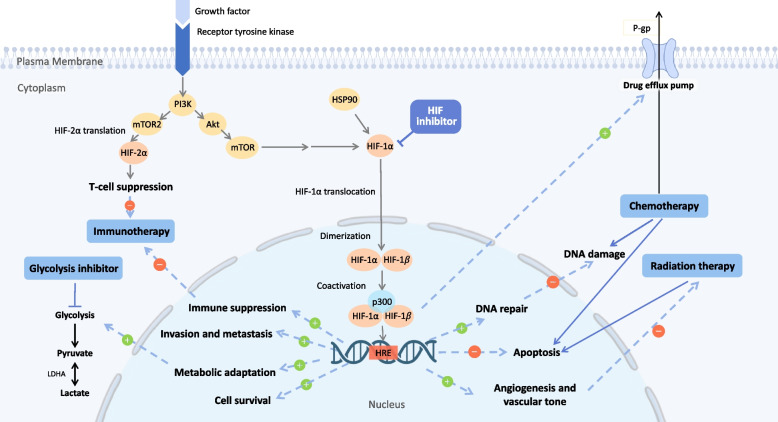
Chemotherapy, radiotherapy, targeted therapy, and immunotherapy are established cancer treatment modalities that are widely used due to their demonstrated efficacy against tumors and favorable safety profiles or tolerability. Nevertheless, treatment resistance continues to be one of the most pressing unsolved conundrums in cancer treatment. Hypoxia-inducible factors (HIFs) are a family of transcription factors that regulate cellular responses to hypoxia by activating genes involved in various adaptations, including erythropoiesis, glucose metabolism, angiogenesis, cell proliferation, and apoptosis. Despite this critical function, overexpression of HIFs has been observed in numerous cancers, leading to resistance to therapy and disease progression. In recent years, much effort has been poured into developing innovative cancer treatments that target the HIF pathway. Combining HIF inhibitors with current cancer therapies to increase anti-tumor activity and diminish treatment resistance is one strategy for combating therapeutic resistance. This review focuses on how HIF inhibitors could be applied in conjunction with current cancer treatments, including those now being evaluated in clinical trials, to usher in a new era of cancer therapy.
Overview
The claims and statistics of this paper haven’t been checked yet.
Free: it reads the open-access text and checks the first 5 claims that cite a source we can check. Create a free account to check every claim.
Integrity signals
Registry
Cites
Statistics
Figures
Verification
Claims the paper makes
The claims and statistics of this paper haven’t been checked yet.
Free: it reads the open-access text and checks the first 5 claims that cite a source we can check. Create a free account to check every claim.
Claims other papers make about this one
Each is checked against this paper’s own text: does it say what the citing paper says it does?
The cited source says what the claim attributes to it.
In the citing paper
“as hypoxia is known to contribute to immunosuppression and ICI resistance, targeting hypoxia may also enhance the effectiveness of immunotherapies [215].”
From Mechanisms and Strategies to Overcome Drug Resistance in Colorectal Cancer (2025) · cites this paper as [215]
Self-check
Percentages, sums and reported differences re-computed from the paper’s own numbers.
The self-check needs the paper’s full text.
Citations
Cites
Targeting Hypoxia-Inducible Factors for the Treatment of Anemia in Chronic Kidney Disease Patients
Locatelli, F., Fishbane, S., Block, G. A., & Macdougall, I. C. (2017) · American Journal of Nephrology · doi:10.1159/000455166 · Cited by 4,813
Kim, J.-W., Tchernyshyov, I., Semenza, G. L., & Dang, C. V. (2006) · Cell Metabolism · doi:10.1016/j.cmet.2006.02.002 · Cited by 3,905
Targeting hypoxia in cancer therapy
Wilson, W. R., & Hay, M. P. (2011) · Nature Reviews Cancer · doi:10.1038/nrc3064 · Cited by 3,172 · cited 1×
“In cancer biology, hypoxia confers increased propensity of chemoresistance, radioresistance, disease relapse, and potentiates cancer metastasis [3].”
BackgroundThe mechanisms of action of metformin
Rena, G., Hardie, D. G., & Pearson, E. R. (2017) · Diabetologia · doi:10.1007/s00125-017-4342-z · Cited by 2,287
Gray, L. H., Conger, A. D., Ebert, M., Hornsey, S., & Scott, O. C. A. (1953) · The British Journal of Radiology · doi:10.1259/0007-1285-26-312-638 · Cited by 2,158 · cited 1×
“first described the negative association between hypoxia and the success of radiotherapy [4].”
BackgroundDefining the role of hypoxia-inducible factor 1 in cancer biology and therapeutics
Semenza, G. L. (2010) · Oncogene · doi:10.1038/onc.2009.441 · Cited by 1,712
HIF1α and HIF2α: sibling rivalry in hypoxic tumour growth and progression
Keith, B., Johnson, R. S., & Simon, M. C. (2012) · Nature Reviews Cancer · doi:10.1038/nrc3183 · Cited by 1,693 · cited 1×
“Despite HIF-1α and HIF-2α sharing similar abilities to dimerize with HIF-β, bind to genes whose promoters containing the HRE motif, and activate downstream expression of hypoxia-inducible genes, they differ in expression levels during different timings in cancer progression [24].”
BackgroundHIF-1 mediates metabolic responses to intratumoral hypoxia and oncogenic mutations
Semenza, G. L. (2013) · Journal of Clinical Investigation · doi:10.1172/jci67230 · Cited by 1,335 · cited 5×
“G HNSCC Squamous cell carcinoma of the head and neck HRE Hypoxia responsive element Hsp90 Heat shock protein‑90 ICB Immune checkpoint blockade IL‑1β Interleukin‑1β MDR1 Multidrug resistant protein 1 MDSC Myeloid‑derived suppressor cells MHC Major histocompatibility complex MMP Matrix metalloproteinase MTD Maximum tole…”
BackgroundInfluentialHudson, C. C., Liu, M., Chiang, G. G., Otterness, D. M., Loomis, D. C., Kaper, F., Giaccia, A. J., & Abraham, R. T. (2002) · Molecular and Cellular Biology · doi:10.1128/mcb.22.20.7004-7014.2002 · Cited by 1,186
Radiation activates HIF-1 to regulate vascular radiosensitivity in tumors
Moeller, B. J., Cao, Y., Li, C. Y., & Dewhirst, M. W. (2004) · Cancer Cell · doi:10.1016/s1535-6108(04)00115-1 · Cited by 996 · cited 1×
“Moreover, the reoxygenation of hypoxic tumor cells produces oxidative stress and leads to the upregulation of HIF-1, which stimulates the expression of VEGF and other proangiogenic factors that protect tumor cells from radiologic insults [84, 85].”
BackgroundVaupel, P., Schmidberger, H., & Mayer, A. (2019) · International Journal of Radiation Biology · doi:10.1080/09553002.2019.1589653 · Cited by 893 · cited 1×
“This unique metabolic reprogramming, referred to as the “Warburg effect,” not only provides essential cellular energy that sustains cancer cell growth but also generates a constellation of metabolic intermediates that are involved in the proliferation, adhesion, and invasion of cancer [135].”
BackgroundMetformin Promotes Antitumor Immunity via Endoplasmic-Reticulum-Associated Degradation of PD-L1
Cha, J.-H., Yang, W.-H., Xia, W., Wei, Y., Chan, L.-C., Lim, S.-O., Li, C.-W., Kim, T., Chang, S.-S., Lee, H.-H., et al. (2018) · Molecular Cell · doi:10.1016/j.molcel.2018.07.030 · Cited by 773 · cited 3×
“Abbreviation: VEGF Vascular endothelial growth factor, PI3k Phosphoinositide-3-kinase, Akt Protein kinase B, PD-1 Programmed cell death protein 1, PD-L1 Programmed death-ligand 1, CTLA4 Cytotoxic T-lymphocyte-associated protein 4 CTLA‑4/ CTLA‑4 mAb (Cat#BE0032;RRID:AB_1107798) Metformin Decreases tumor hypoxic status…”
BackgroundInfluentialTargeting renal cell carcinoma with a HIF-2 antagonist
Chen, W., Hill, H., Christie, A., Kim, M. S., Holloman, E., Pavia-Jimenez, A., Homayoun, F., Ma, Y., Patel, N., Yell, P., et al. (2016) · Nature · doi:10.1038/nature19796 · Cited by 709
Abdel-Wahab, A. F., Mahmoud, W., & Al-Harizy, R. M. (2019) · Pharmacological Research · doi:10.1016/j.phrs.2019.104511 · Cited by 591
Resistance to targeted therapy in renal-cell carcinoma
Rini, B. I., & Atkins, M. B. (2009) · The Lancet Oncology · doi:10.1016/s1470-2045(09)70240-2 · Cited by 569 · cited 2×
“HIF-1α was shown to synergize with Transforming growth factor-2 released by cancer-associated fibroblasts to promote GLI family zinc finger 2 expression in colorectal cancer stem cells (CSCs), resulting in enhanced stemness, dedifferentiation, and chemotherapy resistance [49].”
BackgroundMyeloid-Derived Suppressor Cells Hinder the Anti-Cancer Activity of Immune Checkpoint Inhibitors
Weber, R., Fleming, V., Hu, X., Nagibin, V., Groth, C., Altevogt, P., Utikal, J., & Umansky, V. (2018) · Frontiers in Immunology · doi:10.3389/fimmu.2018.01310 · Cited by 538 · cited 1×
“MDSCs induce HIF-1α to express an immense amount of PD-L1 and ultimately suppress T cell activation [128].”
BackgroundEfficacy of PD-1 Blockade Is Potentiated by Metformin-Induced Reduction of Tumor Hypoxia
Scharping, N. E., Menk, A. V., Whetstone, R. D., Zeng, X., & Delgoffe, G. M. (2017) · Cancer Immunology Research · doi:10.1158/2326-6066.cir-16-0103 · Cited by 520 · cited 3×
“gov/ compo und/ 4091 [155] Colon carcinoma (Mouse:MC38)”
BackgroundHIF activation identifies early lesions in VHL kidneys
Mandriota, S. J., Turner, K. J., Davies, D. R., Murray, P. G., Morgan, N. V., Sowter, H. M., Wykoff, C. C., Maher, E. R., Harris, A. L., Ratcliffe, P. J., et al. (2002) · Cancer Cell · doi:10.1016/s1535-6108(02)00071-5 · Cited by 483 · cited 1×
“This concept is supported by the observation that HIF-2α expression is proportional to the degree of dysplasia, while HIF-1α levels are inversely related to dysplasia [132].”
BackgroundLiu, Y. V., Baek, J. H., Zhang, H., Diez, R., Cole, R. N., & Semenza, G. L. (2007) · Molecular Cell · doi:10.1016/j.molcel.2007.01.001 · Cited by 478
Dong, S., Liang, S., Cheng, Z., Zhang, X., Luo, L., Li, L., Zhang, W., Li, S., Xu, Q., Zhong, M., et al. (2022) · Journal of Experimental & Clinical Cancer Research · doi:10.1186/s13046-021-02229-6 · Cited by 458
Chiu, D. K.-C., Tse, A. P.-W., Xu, I. M.-J., Di Cui, J., Lai, R. K.-H., Li, L. L., Koh, H.-Y., Tsang, F. H.-C., Wei, L. L., Wong, C.-M., et al. (2017) · Nature Communications · doi:10.1038/s41467-017-00530-7 · Cited by 448 · cited 2×
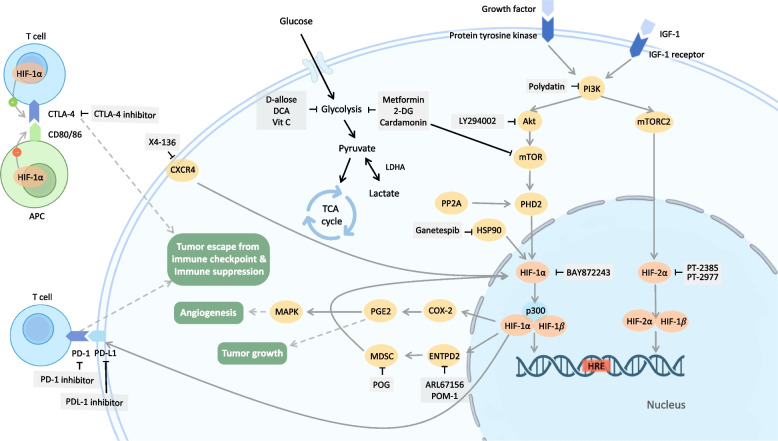
“HIF‐1α inhibitors improve immunotherapy efficacy In human hepatocellular carcinoma (HCC), entonucleoside triphosphate diphosphohydrolase 2 (ENTPD2), a direct transcriptional target of HIF-1α, is predominantly upregulated in hypoxia [111].”
BackgroundGenetic and Functional Studies Implicate HIF1 α as a 14q Kidney Cancer Suppressor Gene
Shen, C., Beroukhim, R., Schumacher, S. E., Zhou, J., Chang, M., Signoretti, S., & Kaelin, W. G. (2011) · Cancer Discovery · doi:10.1158/2159-8290.cd-11-0098 · Cited by 413 · cited 1×
“Multiple studies suggest that, unlike in other cancers, HIF-2α is oncogenic while HIF-1α is tumor suppressive in ccRCC [131].”
BackgroundAdvances in Targeting ‘Undruggable’ transcription Factors With Small Molecules
Henley, M. J., & Koehler, A. N. (2021) · Nature Reviews Drug Discovery · doi:10.1038/s41573-021-00199-0 · Cited by 409 · cited 1×
“The inhibition of HIF presents a challenging target for pharmacological inhibition as transcription factors are intracellular protein complex without easily accessible active sites typically used for drug binding [35].”
BackgroundNoman, M. Z., Hasmim, M., Messai, Y., Terry, S., Kieda, C., Janji, B., & Chouaib, S. (2015) · American Journal of Physiology-Cell Physiology · doi:10.1152/ajpcell.00207.2015 · Cited by 400 · cited 1×
“Moreover, autophagy induced by hypoxia renders tumor cells less susceptible to NK cell-mediated cytotoxicity and cytotoxic T lymphocyte-mediated lysis [103].”
BackgroundThe transcriptional factors HIF-1 and HIF-2 and their novel inhibitors in cancer therapy
Albadari, N., Deng, S., & Li, W. (2019) · Expert Opinion on Drug Discovery · doi:10.1080/17460441.2019.1613370 · Cited by 351 · cited 4×
“promoting drug efflux and cellular metabolism [6, 42, 43].”
BackgroundInfluentialJackson, S. E. (2012) · Topics in Current Chemistry · doi:10.1007/128_2012_356 · Cited by 338 · cited 1×
“Heat shock protein-90 (Hsp90) is a molecular chaperone involved in cell cycle regulation, hormone signaling, and cellular stress response [122].”
BackgroundHypoxia, Metabolic Reprogramming, and Drug Resistance in Liver Cancer
Bao, M. H.-R., & Wong, C. C.-L. (2021) · Cells · doi:10.3390/cells10071715 · Cited by 316
Reprogramming Metabolism with Metformin Improves Tumor Oxygenation and Radiotherapy Response
Zannella, V. E., Dal Pra, A., Muaddi, H., McKee, T. D., Stapleton, S., Sykes, J., Glicksman, R., Chaib, S., Zamiara, P., Milosevic, M., et al. (2013) · Clinical Cancer Research · doi:10.1158/1078-0432.ccr-13-1787 · Cited by 314 · cited 1×
“As for the combination of metformin with immunotherapy, it has been demonstrated that metformin not only reduces overall tumor hypoxia but also boosts antitumor cytotoxic T lymphocyte immunity by obstructing the PD-L1/PD-1 axis [155, 157].”
BackgroundHIF Inhibitors: Status of Current Clinical Development
Fallah, J., & Rini, B. I. (2019) · Current Oncology Reports · doi:10.1007/s11912-019-0752-z · Cited by 308 · cited 1×
“promoting drug efflux and cellular metabolism [6, 42, 43].”
Topoisomerase I-Mediated Inhibition of Hypoxia-Inducible Factor 1
Rapisarda, A., Uranchimeg, B., Sordet, O., Pommier, Y., Shoemaker, R. H., & Melillo, G. (2004) · Cancer Research · doi:10.1158/0008-5472.can-03-3139 · Cited by 301 · cited 1×
“Camptothecin and its analogs, including SN-38, topotecan, and irinotecan, are topoisomerase 1 inhibitors that also cause HIF-1α downregulation [160].”
BackgroundRegulation of cell proliferation by hypoxia-inducible factors
Hubbi, M. E., & Semenza, G. L. (2015) · American Journal of Physiology-Cell Physiology · doi:10.1152/ajpcell.00279.2015 · Cited by 300 · cited 1×
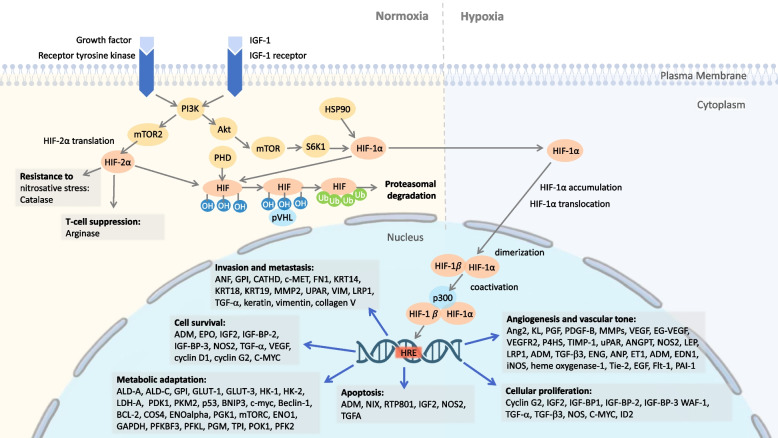
“The HIF-1 regulated- genes include angiopoietin, vascular endothelial growth factor (VEGF), and erythropoietin, which promote angiogenesis and red blood cell production [1], glucose transporters (GLUTs) and glycolytic enzymes, which promote glycolysis [16], and genes involved in immune checkpoints [19], cell prolifera…”
BackgroundWelsh, S. J., Williams, R. R., Kirkpatrick, L., Paine-Murrieta, G. D., & Powis, G. (2004) · PubMed · Cited by 280
Tang, Y.-A., Chen, Y.-F., Bao, Y., Mahara, S., Yatim, S. M. J. M., Oguz, G., Lee, P. L., Feng, M., Cai, Y., Tan, E. Y., et al. (2018) · Proceedings of the National Academy of Sciences · doi:10.1073/pnas.1801348115 · Cited by 277 · cited 1×
“Consistently, overexpression of HIFs is associated with resistance to cancer treatment, metastasis, and poor prognosis in patients [7].”
BackgroundMeng, L., Cheng, Y., Tong, X., Gan, S., Ding, Y., Zhang, Y., Wang, C., Xu, L., Zhu, Y., Wu, J., et al. (2018) · ACS Nano · doi:10.1021/acsnano.8b03590 · Cited by 268
HIF-1 in cancer therapy: two decade long story of a transcription factor
Soni, S., & Padwad, Y. S. (2017) · Acta Oncologica · doi:10.1080/0284186x.2017.1301680 · Cited by 251 · cited 8×
“G HNSCC Squamous cell carcinoma of the head and neck HRE Hypoxia responsive element Hsp90 Heat shock protein‑90 ICB Immune checkpoint blockade IL‑1β Interleukin‑1β MDR1 Multidrug resistant protein 1 MDSC Myeloid‑derived suppressor cells MHC Major histocompatibility complex MMP Matrix metalloproteinase MTD Maximum tole…”
BackgroundInfluentialHypoxia as a driver of resistance to immunotherapy
Kopecka, J., Salaroglio, I. C., Perez-Ruiz, E., Sarmento-Ribeiro, A. B., Saponara, S., De Las Rivas, J., & Riganti, C. (2021) · Drug Resistance Updates · doi:10.1016/j.drup.2021.100787 · Cited by 246 · cited 1×
“Hypoxic tumor microenvironment has been recognized as an attributor of the suboptimal results of immunotherapies [99, 100].”
BackgroundA RNA antagonist of hypoxia-inducible factor-1α, EZN-2968, inhibits tumor cell growth
Greenberger, L. M., Horak, I. D., Filpula, D., Sapra, P., Westergaard, M., Frydenlund, H. F., Albæk, C., Schrøder, H., & Ørum, H. (2008) · Molecular Cancer Therapeutics · doi:10.1158/1535-7163.mct-08-0510 · Cited by 245 · cited 1×
“Examples of indirect HIF inhibitors include EZN-2968, a synthetic antisense oligonucleotide that targets HIF-1α mRNA and leads to decreased HIF-1α protein expression [37], and PX-478, a prodrug that inhibits HIF-1α translation by blocking its interaction with ribosomes [38].”
BackgroundInhibition of hypoxia-inducible factor is sufficient for growth suppression of VHL−/− tumors
Zimmer, M., Doucette, D., Siddiqui, N., & Iliopoulos, O. (2004) · Molecular Cancer Research · doi:10.1158/1541-7786.89.2.2 · Cited by 244
Welsh, S., Williams, R., Kirkpatrick, L., Paine-Murrieta, G., & Powis, G. (2004) · Molecular Cancer Therapeutics · doi:10.1158/1535-7163.233.3.3 · Cited by 240
Mennerich, D., Kubaichuk, K., & Kietzmann, T. (2019) · Trends in Cancer · doi:10.1016/j.trecan.2019.08.005 · Cited by 235 · cited 2×
“Under hypoxic conditions, HIFs have the ability to activate hundreds of genes responsible for genetic instability, cell proliferation, angiogenesis, metastasis, glucose metabolism, growth factor signaling, immunosuppression, and the development of therapeutic resistance [5, 6].”
BackgroundMabuchi, S., Altomare, D. A., Cheung, M., Zhang, L., Poulikakos, P. I., Hensley, H. H., Schilder, R. J., Ozols, R. F., & Testa, J. R. (2007) · Clinical Cancer Research · doi:10.1158/1078-0432.ccr-06-2770 · Cited by 234 · cited 1×
“Besides that, in ovarian cancer cells, cisplatin (CDDP) can better demonstrate its therapeutic potential when combined with NSC606985, a camptothecin analog that inhibits the accumulation of HIF-1α [65], noscapine, which results in the degradation of cobalt-stabilized HIF-1α [67], or RAD001 (everolimus), an mTOR inhib…”
BackgroundCardamonin inhibits breast cancer growth by repressing HIF-1α-dependent metabolic reprogramming
Jin, J., Qiu, S., Wang, P., Liang, X., Huang, F., Wu, H., Zhang, B., Zhang, W., Tian, X., Xu, R., et al. (2019) · Journal of Experimental & Clinical Cancer Research · doi:10.1186/s13046-019-1351-4 · Cited by 225
Noman, M. Z., Hasmim, M., Lequeux, A., Xiao, M., Duhem, C., Chouaib, S., Berchem, G., & Janji, B. (2019) · Cells · doi:10.3390/cells8091083 · Cited by 212
Hypoxia as a barrier to immunotherapy in pancreatic adenocarcinoma
Daniel, S. K., Sullivan, K. M., Labadie, K. P., & Pillarisetty, V. G. (2019) · Clinical and Translational Medicine · doi:10.1186/s40169-019-0226-9 · Cited by 207 · cited 1×
“Hypoxic tumor microenvironment has been recognized as an attributor of the suboptimal results of immunotherapies [99, 100].”
BackgroundBeyond Warburg effect – dual metabolic nature of cancer cells
Xie, J., Wu, H., Dai, C., Pan, Q., Ding, Z., Hu, D., Ji, B., Luo, Y., & Hu, X. (2014) · Scientific Reports · doi:10.1038/srep04927 · Cited by 207 · cited 1×
“In addition to the Warburg effect, a hybrid metabolic state was observed in some aggressive cancer cell types, with coexisting glycolysis and oxidative phosphorylation (OXPHOS) that enhance the adaptation to environmental stress, invasiveness, and metastasis [136, 137].”
BackgroundResistance and Escape From Antiangiogenesis Therapy: Clinical Implications and Future Strategies
Bottsford-Miller, J. N., Coleman, R. L., & Sood, A. K. (2012) · Journal of Clinical Oncology · doi:10.1200/jco.2012.41.9242 · Cited by 199 · cited 1×
“Another mechanism of VEGF tyrosine kinase inhibitor resistance is through direct selection of cell subpopulations that can rapidly upregulate alternative proangiogenic pathways and have intrinsic hypoxia resistance [52].”
BackgroundDevelopment of Inhibitors Targeting Hypoxia-Inducible Factor 1 and 2 for Cancer Therapy
Yu, T., Tang, B., & Sun, X. (2017) · Yonsei Medical Journal · doi:10.3349/ymj.2017.58.3.489 · Cited by 191
HIF1/2α mediates hypoxia-induced LDHA expression in human pancreatic cancer cells
Cui, X.-G., Han, Z.-T., He, S.-H., Wu, X.-D., Chen, T.-R., Shao, C.-H., Chen, D.-L., Su, N., Chen, Y.-M., Wang, T., et al. (2017) · Oncotarget · doi:10.18632/oncotarget.15266 · Cited by 191
Self-citationA mechanistic investigation of the oxygen fixation hypothesis and oxygen enhancement ratio
Robert Grimes, D., & Partridge, M. (2015) · Biomedical Physics & Engineering Express · doi:10.1088/2057-1976/1/4/045209 · Cited by 188
Warshamana-Greene, G. S., Litz, J., Buchdunger, E., García-Echeverría, C., Hofmann, F., & Krystal, G. W. (2005) · Clinical Cancer Research · doi:10.1158/1078-0432.ccr-04-1544 · Cited by 184 · cited 1×
“NVP-ADW742 inhibits insulin-like growth factor-Imediated VEGF and HIF-1α and can further boost sensitivity to etoposide and carboplatin in small cell lung cancer cell lines[61].”
BackgroundPD-L1 expression is regulated by hypoxia inducible factor in clear cell renal cell carcinoma
Ruf, M., Moch, H., & Schraml, P. (2016) · International Journal of Cancer · doi:10.1002/ijc.30077 · Cited by 179 · cited 1×
“Moreover, several studies have indicated that PD-L1 expression in ccRCC is primarily regulated by the pVHL/ HIF-2α axis instead of HIF-1α [134].”
BackgroundRANK–RANKL signalling in cancer
Renema, N., Navet, B., Heymann, M.-F., Lezot, F., & Heymann, D. (2016) · Bioscience Reports · doi:10.1042/bsr20160150 · Cited by 161 · cited 1×
“The expression of receptor activator of nuclear factor kappa B ligand (RANKL) is driven by HIF-1α and serves as a poor prognostic indicator in various types of malignancies [119-121].”
BackgroundWang, Z., Guan, D., Wang, S., Chai, L. Y. A., Xu, S., & Lam, K.-P. (2020) · Frontiers in Immunology · doi:10.3389/fimmu.2020.00202 · Cited by 160
HSP90 inhibition enhances cancer immunotherapy by upregulating interferon response genes
Mbofung, R. M., McKenzie, J. A., Malu, S., Zhang, M., Peng, W., Liu, C., Kuiatse, I., Tieu, T., Williams, L., Devi, S., et al. (2017) · Nature Communications · doi:10.1038/s41467-017-00449-z · Cited by 159 · cited 2×
“gov/ compo und/ 13556 4985 [112, 113] [114] Melanoma Human: melanoma 2338, 2400, 2549, 2559, 2812”
BackgroundPore, N., Gupta, A. K., Cerniglia, G. J., Jiang, Z., Bernhard, E. J., Evans, S. M., Koch, C. J., Hahn, S. M., & Maity, A. (2006) · Cancer Research · doi:10.1158/0008-5472.can-06-1239 · Cited by 157 · cited 1×
“Moreover, nelfinavir, an Human Immunodeficiency Virus protease inhibitor, reduces HIF-1α/VEGF expression in lung cancer cells, which can reverse radiation resistance [94].”
BackgroundChen, J., Ding, Z., Peng, Y., Pan, F., Li, J., Zou, L., Zhang, Y., & Liang, H. (2014) · PLoS ONE · doi:10.1371/journal.pone.0098882 · Cited by 157
Zhang, T., Zhu, X., Wu, H., Jiang, K., Zhao, G., Shaukat, A., Deng, G., & Qiu, C. (2019) · Journal of Cellular and Molecular Medicine · doi:10.1111/jcmm.14276 · Cited by 156 · cited 1×
“This effect has been widely corroborated in chemotherapy [10], radiotherapy [11, 12], targeted therapy [13], and metabolic therapy [14], in various types of cancer, by preclinical studies and clinical trials.”
The Radiobiological Effects of Proton Beam Therapy: Impact on DNA Damage and Repair
Vitti, E. T., & Parsons, J. L. (2019) · Cancers · doi:10.3390/cancers11070946 · Cited by 143 · cited 11×
“The mechanism of radiotherapy to eradicate tumor cells is through either direct DNA damage or, more commonly, indirect damage by the induction of ROS [82].”
BackgroundInfluentialZhao, T., Ren, H., Jia, L., Chen, J., Xin, W., Yan, F., Li, J., Wang, X., Gao, S., Qian, D., et al. (2015) · Oncotarget · doi:10.18632/oncotarget.2948 · Cited by 142
Zhao, D., Zhai, B., He, C., Tan, G., Jiang, X., Pan, S., Dong, X., Wei, Z., Ma, L., Qiao, H., et al. (2014) · Cellular Signalling · doi:10.1016/j.cellsig.2014.01.026 · Cited by 141
Hypoxia Inducible Factor Pathway Inhibitors as Anticancer Therapeutics
Burroughs, S. K., Kaluz, S., Wang, D., Wang, K., Van Meir, E. G., & Wang, B. (2013) · Future Medicinal Chemistry · doi:10.4155/fmc.13.17 · Cited by 140 · cited 1×
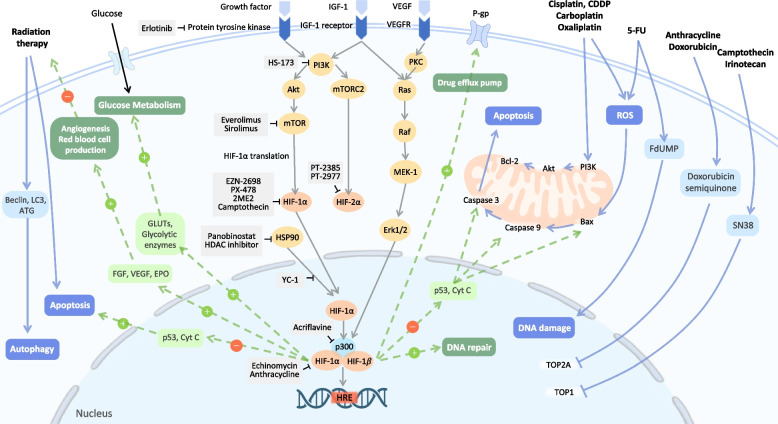
“There are several strategies for impeding HIF activity, including targeting HIF-1α protein synthesis, stability, dimerization, and interactions with other proteins [158].”
BackgroundBartoszewska, S., Rochan, K., Piotrowski, A., Kamysz, W., Ochocka, R. J., Collawn, J. F., & Bartoszewski, R. (2015) · The FASEB Journal · doi:10.1096/fj.14-267054 · Cited by 139 · cited 1×
“Various factors were suggested be involved in the signal switch from HIF-1α to HIF-2α, including prolonged hypoxia [26], pseudohypoxia [27], accumulation of Krebs cycle intermediates [28], onco-miRNAs [29], cytokines, and chemokines [30].”
BackgroundMolecular Pathways: Hypoxia-Activated Prodrugs in Cancer Therapy
Baran, N., & Konopleva, M. (2017) · Clinical Cancer Research · doi:10.1158/1078-0432.ccr-16-0895 · Cited by 138 · cited 1×
“Various strategies have been attempted to target hypoxia, including genetically engineered anerobic bacteria [8] and bioreductive prodrugs [9], which are activated in hypoxic environments.”
BackgroundMa, Z., Xiang, X., Li, S., Xie, P., Gong, Q., Goh, B.-C., & Wang, L. (2022) · Seminars in Cancer Biology · doi:10.1016/j.semcancer.2020.09.011 · Cited by 133 · cited 1×
“However, some small-molecule inhibitors have been identified that directly target the key protein–protein interactions involved in HIF-1 activation and downstream gene regulation [36].”
BackgroundCerniglia, G. J., Pore, N., Tsai, J. H., Schultz, S., Mick, R., Choe, R., Xing, X., Durduran, T., Yodh, A. G., Evans, S. M., et al. (2009) · PLoS ONE · doi:10.1371/journal.pone.0006539 · Cited by 125 · cited 2×
“For example, Erlotinib followed by radiation can decrease tumor regrowth [60].”
BackgroundTargeting HIF-2 α in clear cell renal cell carcinoma: A promising therapeutic strategy
Martínez‐Sáez, O., Borau, P. G., Alonso‐Gordoa, T., Molina‐Cerrillo, J., & Grande, E. (2017) · Critical Reviews in Oncology/Hematology · doi:10.1016/j.critrevonc.2017.01.013 · Cited by 117 · cited 1×
“Although both HIF-1α and HIF-2α can be activated by the loss of VHL, mounting evidence suggests that HIF-2α plays a more central role than HIF-1α in ccRCC [130].”
BackgroundXiang, L., Gilkes, D. M., Chaturvedi, P., Luo, W., Hu, H., Takano, N., Liang, H., & Semenza, G. L. (2014) · Journal of Molecular Medicine · doi:10.1007/s00109-013-1102-5 · Cited by 114
Lü, Y., Liu, Y., Oeck, S., Zhang, G. J., Schramm, A. R., & Glazer, P. M. (2020) · Cancer Research · doi:10.1158/0008-5472.can-20-1192 · Cited by 112 · cited 2×
“In addition, hypoxia constitutes a significant mechanism that drives resistance to epidermal growth factor receptor (EGFR) inhibitors [55].”
BackgroundZhou, X., Chen, J., Yi, G., Deng, M., Liu, H., Liang, M., Shi, B., Fu, X., Chen, Y., Chen, L., et al. (2016) · Oncotarget · doi:10.18632/oncotarget.6418 · Cited by 109
HIF-1 Signaling in Drug Resistance to Chemotherapy
Warfel, N. A., & El-Deiry, W. S. (2014) · Current Medicinal Chemistry · doi:10.2174/0929867321666140414101056 · Cited by 109
Cretella, D., Ravelli, A., Fumarola, C., La Monica, S., Digiacomo, G., Cavazzoni, A., Alfieri, R., Biondi, A., Generali, D., Bonelli, M., et al. (2018) · Journal of Experimental & Clinical Cancer Research · doi:10.1186/s13046-018-0741-3 · Cited by 107 · cited 2×
“This effect has been widely corroborated in chemotherapy [10], radiotherapy [11, 12], targeted therapy [13], and metabolic therapy [14], in various types of cancer, by preclinical studies and clinical trials.”
BackgroundHypoxia-inducible factor-1 confers resistance to the glycolytic inhibitor 2-deoxy-d-glucose
Maher, J. C., Wangpaichitr, M., Savaraj, N., Kurtoglu, M., & Lampidis, T. J. (2007) · Molecular Cancer Therapeutics · doi:10.1158/1535-7163.mct-06-0407 · Cited by 106 · cited 1×
“However, resistance to metabolic therapies has been reported due to upregulation of HIF-1 [138].”
BackgroundBaumeister, J., Chatain, N., Hubrich, A., Maié, T., Costa, I. G., Denecke, B., Han, L., Küstermann, C., Sontag, S., Seré, K., et al. (2019) · Leukemia · doi:10.1038/s41375-019-0629-z · Cited by 97 · cited 1×
“Molecular functions of HIFs Under normal oxygen conditions, HIF-1α subunit undergoes rapid proteasomal degradation due to hydroxylation by HIF prolyl-hydroxylases, allowing its recognition and labeling by the von Hippel-Lindau (VHL) E3 ubiquitin ligase [18].”
MethodRole of Hypoxia-Mediated Autophagy in Tumor Cell Death and Survival
Zaarour, R. F., Azakir, B., Hajam, E. Y., Nawafleh, H., Zeinelabdin, N. A., Engelsen, A. S. T., Thiery, J., Jamora, C., & Chouaib, S. (2021) · Cancers · doi:10.3390/cancers13030533 · Cited by 97 · cited 1×
“The HIF-1 regulated- genes include angiopoietin, vascular endothelial growth factor (VEGF), and erythropoietin, which promote angiogenesis and red blood cell production [1], glucose transporters (GLUTs) and glycolytic enzymes, which promote glycolysis [16], and genes involved in immune checkpoints [19], cell prolifera…”
BackgroundFischer, C., Leithner, K., Wohlkoenig, C., Quehenberger, F., Bertsch, A., Olschewski, A., Olschewski, H., & Hrzenjak, A. (2015) · Molecular Cancer · doi:10.1186/1476-4598-14-4 · Cited by 95
Mangraviti, A., Raghavan, T., Volpin, F., Skuli, N., Gullotti, D., Zhou, J., Asnaghi, L., Sankey, E., Liu, A., Wang, Y., et al. (2017) · Scientific Reports · doi:10.1038/s41598-017-14990-w · Cited by 93
Chetomin, targeting HIF-1α/p300 complex, exhibits antitumour activity in multiple myeloma
Viziteu, E., Grandmougin, C., Goldschmidt, H., Seckinger, A., Hose, D., Klein, B., & Moreaux, J. (2016) · British Journal of Cancer · doi:10.1038/bjc.2016.20 · Cited by 93 · cited 1×
“and inhibits its DNA binding activity [40].”
Ma, L., Li, G., Zhu, H., Dong, X., Zhao, D., Jiang, X. L., Li, J., Qiao, H., Ni, S., & Sun, X. (2014) · Cancer Letters · doi:10.1016/j.canlet.2014.09.011 · Cited by 91 · cited 1×
“2-Methoxyestradiol can disturb the expression of HIF-1α and HIF-2α when combined with sorafenib [72].”
BackgroundCretella, D., Fumarola, C., Bonelli, M. A., Alfieri, R. R., Monica, S. L., Digiacomo, G., Cavazzoni, A., Galetti, M., Generali, D., & Petronini, P. G. (2019) · Scientific Reports · doi:10.1038/s41598-019-49484-4 · Cited by 88 · cited 1×
“Additionally, the combination of palbociclib and paclitaxel can decrease cell growth more effectively than either therapy alone [74].”
BackgroundOladipupo, S. S., Hu, S., Santeford, A. C., Yao, J., Kovalski, J. R., Shohet, R. V., Maslov, K., Wang, L. V., & Arbeit, J. M. (2011) · Blood · doi:10.1182/blood-2010-09-307538 · Cited by 87
Sowa, T., Menju, T., Chen‐Yoshikawa, T. F., Takahashi, K., Nishikawa, S., Nakanishi, T., Shikuma, K., Motoyama, H., Hijiya, K., Aoyama, A., et al. (2017) · Cancer Medicine · doi:10.1002/cam4.991 · Cited by 87 · cited 1×
“This metabolic reprogramming was recognized to favor cancer progression, treatment resistance, and immune evasion [47].”
BackgroundAhern, E., Harjunpää, H., Barkauskas, D., Allen, S., Takeda, K., Yagita, H., Wyld, D., Dougall, W. C., Teng, M. W. L., & Smyth, M. J. (2017) · Clinical Cancer Research · doi:10.1158/1078-0432.ccr-17-0606 · Cited by 87 · cited 2×
“CTLA‐4 CTLA4 mAb (UC10‐4F10; hamster IgG) anti‐RANKL mAb: denosumab Downregulates HIF‐1α protein expres‐ sion Melanoma Mouse: B16F10, LWT1 [109] [110]”
Progress and current status of molecule-targeted therapy and drug resistance in gastric cancer
Chen, Z., Li, Y., Tan, B., Zhao, Q., Fan, L., Li, F., & Zhao, X. (2020) · Drugs of today · doi:10.1358/dot.2020.56.7.3112071 · Cited by 84
Bao, Y., Wang, Z., Liu, B., Lu, X. L., Xiong, Y., Shi, J., Li, P., Chen, J., Zhang, Z., Chen, M., et al. (2018) · Oncogene · doi:10.1038/s41388-018-0452-4 · Cited by 82
Zighelboim, I., Wright, J. D., Gao, F., Case, A. S., Massad, L. S., Mutch, D. G., Powell, M. A., Thaker, P. H., Eisenhauer, E. L., Cohn, D. E., et al. (2013) · Gynecologic Oncology · doi:10.1016/j.ygyno.2013.04.009 · Cited by 80
Inhibitors of HSP90 in melanoma
Mielczarek-Lewandowska, A., Hartman, M. L., & Czyż, M. (2019) · APOPTOSIS · doi:10.1007/s10495-019-01577-1 · Cited by 78 · cited 2×
“gov/ compo und/ 13556 4985 [112, 113] [114] Melanoma Human: melanoma 2338, 2400, 2549, 2559, 2812”
BackgroundDróżdż, M., Makuch, S., Cieniuch, G., Woźniak, M., & Ziółkowski, P. (2020) · Life Sciences · doi:10.1016/j.lfs.2020.118296 · Cited by 77 · cited 1×
“Various strategies have been attempted to target hypoxia, including genetically engineered anerobic bacteria [8] and bioreductive prodrugs [9], which are activated in hypoxic environments.”
BackgroundTherapeutic strategy targeting the mTOR–HIF‐1α–VEGF pathway in ovarian clear cell adenocarcinoma
Miyazawa, M., Yasuda, M., Fujita, M., Kajiwara, H., Hirabayashi, K., Takekoshi, S., Hirasawa, T., Murakami, M., Ogane, N., Kiguchi, K., et al. (2008) · Pathology International · doi:10.1111/j.1440-1827.2008.02320.x · Cited by 76
Prieto-Domínguez, N., Méndez-Blanco, C., Carbajo-Pescador, S., Fondevila, F., García-Palomo, A., González-Gallego, J., & Mauriz, J. L. (2017) · Oncotarget · doi:10.18632/oncotarget.20592 · Cited by 75
Kamiyama, H., Takano, S., Tsuboi, K., & Matsumura, A. (2004) · Journal of Cancer Research and Clinical Oncology · doi:10.1007/s00432-004-0642-z · Cited by 74
Conley, S. J., Baker, T. L., Burnett, J., Theisen, R., Lazarus, D. D., Peters, C. G., Clouthier, S. G., Eliasof, S. D., & Wicha, M. S. (2015) · Breast Cancer Research and Treatment · doi:10.1007/s10549-015-3349-8 · Cited by 71 · cited 1×
“In addition, the combination of CRLX101, a dual inhibitor of topoisomerase-1 and HIF-1, with bevacizumab results in enhanced tumor shrinkage and delayed tumor recurrence [76].”
BackgroundLeung, E., Cairns, R. A., Chaudary, N., Vellanki, R. N., Kalliomäki, T., Moriyama, E. H., Mujčić, H., Wilson, B. C., Wouters, B. G., Hill, R. P., et al. (2017) · BMC Cancer · doi:10.1186/s12885-017-3402-6 · Cited by 70 · cited 6×
“HNSCC FaDu and ME180 xenograft model HIF‐1 knockdown Increases oxygen consumption and killing of radiosensitive cell [92]”
BackgroundInfluentialHarada, K., Ferdous, T., Harada, T., & Ueyama, Y. (2016) · International Journal of Oncology · doi:10.3892/ijo.2016.3523 · Cited by 70
Liu, Y., Wang, X., Li, W., Xu, Y., Zhuo, Y., Li, M., He, Y. Z., Wang, X., Guo, Q., Zhao, L., et al. (2020) · Oncogene · doi:10.1038/s41388-020-01474-x · Cited by 69
Lu, L.-C., Chang, C.-J., & Hsu, C.-H. (2019) · Journal of Hepatocellular Carcinoma · doi:10.2147/jhc.s159693 · Cited by 68
Xu, J., Zheng, L., Chen, J., Sun, Y., Lin, H., Jin, R.-A., Tang, M., Liang, X., & Cai, X. (2017) · Cell Death & Disease · doi:10.1038/cddis.2017.411 · Cited by 68
Helbig, L., Koi, L., Brüchner, K., Gurtner, K., Hess-Stumpp, H., Unterschemmann, K., Baumann, M., Zips, D., & Yaromina, A. (2014) · Radiation Oncology · doi:10.1186/1748-717x-9-207 · Cited by 67 · cited 1×
“This effect has been widely corroborated in chemotherapy [10], radiotherapy [11, 12], targeted therapy [13], and metabolic therapy [14], in various types of cancer, by preclinical studies and clinical trials.”
Wang, F. (2015) · Medical Science Monitor · doi:10.12659/msm.893265 · Cited by 67 · cited 1×
“Similarly, it has been demonstrated that the adaptive revascularization of tumors after radiation is dependent on the HIF-1-mediated pathway [86].”
BackgroundQi, X., Xu, W., Xie, J., Wang, Y., Han, S., Wei, Z., Ni, Y., Dong, Y., & Han, W. (2016) · Scientific Reports · doi:10.1038/srep35788 · Cited by 66
Dai, S., Huang, M. L., Hsu, C. Y., & Chao, K. S. C. (2003) · International Journal of Radiation Oncology*Biology*Physics · doi:10.1016/s0360-3016(02)04507-8 · Cited by 63 · cited 1×
“There are no synergistic effects when HIF-1 knockdown glioblastoma cells are treated with cytotoxic chemotherapy; however, HIF-1 inhibition can led to oxygen-independent cytotoxicity and p53-independent apoptosis [59].”
BackgroundGarrett, C. R., Bekaii‐Saab, T. S., Ryan, T., Fisher, G. A., Clive, S., Kavan, P., Shacham‐Shmueli, E., Buchbinder, A., & Goldberg, R. M. (2013) · Cancer · doi:10.1002/cncr.28358 · Cited by 62
Gao, W.-F., Zhang, X., Yang, W., Dou, D., Zhang, H., Tang, Y., Zhong, W., Meng, J., Bai, Y., Liu, Y., et al. (2019) · Journal for ImmunoTherapy of Cancer · doi:10.1186/s40425-019-0676-z · Cited by 62 · cited 1×
“Furthermore, when combined with immunotherapy, POG boosts the anticancer efficacy of the PD-1 inhibitor (clone RMP1–14) in mouse tumor models, intensifies CD8+ T-lymphocyte infiltration in tumors, and demonstrates a novel targeted approach for the PD-1 pathway [105].”
BackgroundHypoxic Modulation of HLA-G Expression through the Metabolic Sensor HIF-1 in Human Cancer Cells
Garziera, M., Scarabel, L., & Toffoli, G. (2017) · Journal of Immunology Research · doi:10.1155/2017/4587520 · Cited by 60
Park, H.-J., Baek, K. H., Lee, H.-L., Kwon, A., Hwang, H. R., Qadir, A. S., Woo, K. M., Ryoo, H., & Baek, J. (2011) · Molecules and Cells · doi:10.1007/s10059-011-1055-x · Cited by 60
HIF-1α and HIF-2α correlate with migration and invasion in gastric cancer
Wang, Y., Li, Z., Zhang, H., Jin, H., Sun, L., Dong, H., Xu, M., Zhao, P., Zhang, B., Wang, J., et al. (2010) · Cancer Biology & Therapy · doi:10.4161/cbt.10.4.12441 · Cited by 57 · cited 1×
“Upregulation of HIF2α-mediated cancer pathways was reported to associate with advanced stage features such as malignant transformation, epithelial-mesenchymal transition, and VEGF resistance in a variety of cancers, especially gastric cancer [31], clear cell renal cell cancer (ccRCC) [32], and pancreatic cancer [33].”
BackgroundMalm, S. W., Hanke, N. T., Gill, A., Carbajal, L., & Baker, A. F. (2015) · Journal of Experimental & Clinical Cancer Research · doi:10.1186/s13046-015-0147-4 · Cited by 56 · cited 2×
“Pre-treatment with SB202190 renders the tumor more sensitive to PARP cleavage, which is mediated by the glucose analogs 2-DG and D-allose and induces apoptosis in pancreatic cancer cells [142].”
BackgroundYeo, D., He, H., Patel, O., Lowy, A. M., Baldwin, G. S., & Nikfarjam, M. (2016) · BMC Cancer · doi:10.1186/s12885-016-2057-z · Cited by 54 · cited 1×
“Under gemcitabine therapy, the addition of either PX-478, an HIF-1 inhibitor [77] or FRAX597, a PAK1 selective inhibitor [78] augments the antitumor efficacy and stifles pancreatic cancer cell proliferation and migration.”
BackgroundLing, S., Tian, Y., ZHANG, H., JIA, K., Feng, T., Sun, D., Gao, Z., Xu, F., Hou, Z., LI, Y., et al. (2014) · Molecular Medicine Reports · doi:10.3892/mmr.2014.2614 · Cited by 54
Hypoxia induces RANK and RANKL expression by activating HIF-1α in breast cancer cells
Tang, Z.-N., Zhang, F., Tang, P., Qi, X., & Jiang, J. (2011) · Biochemical and Biophysical Research Communications · doi:10.1016/j.bbrc.2011.04.035 · Cited by 52
Cercek, A., Shia, J., Gollub, M. J., Chou, J. F., Capanu, M., Raasch, P. J., Reidy‐Lagunes, D. L., Proia, D. A., Vakiani, E., Solit, D. B., et al. (2014) · Clinical Colorectal Cancer · doi:10.1016/j.clcc.2014.09.001 · Cited by 49 · cited 1×
“Researchers have revealed that the Hsp90 inhibitor ganetespib effectively suppresses tumor growth in colorectal cancer, breast cancer, and esophageal cancer [123-125].”
BackgroundNoscapine sensitizes chemoresistant ovarian cancer cells to cisplatin through inhibition of HIF-1α
Su, W., Huang, L., Ao, Q., Zhang, Q., Tian, X., Fang, Y., & Lu, Y. (2011) · Cancer Letters · doi:10.1016/j.canlet.2011.02.031 · Cited by 48
Li, L., Lin, X., Shoemaker, A. R., Albert, D. H., Fesik, S. W., & Shen, Y. (2006) · Clinical Cancer Research · doi:10.1158/1078-0432.ccr-05-2842 · Cited by 48 · cited 1×
“In another study, in comparison to monotherapy, temozolomide, an alkylating agent, can have a synergistic effect in the presence of HIF-1 knockdown [58].”
Self-citationZhang, X., He, C., Liu, X., Chen, Y., Zhao, P., Chen, C., Yan, R., Li, M., Fan, T., Altine, B., et al. (2020) · Theranostics · doi:10.7150/thno.41077 · Cited by 47
Li, Y., Luo, J., Lin, M.-T., Zhi, P., Guo, W.-W., Han, M., You, J., & Gao, J.-Q. (2019) · Molecular Pharmaceutics · doi:10.1021/acs.molpharmaceut.9b00199 · Cited by 46
Hahne, M., Schumann, P., Mursell, M., Strehl, C., Hoff, P., Buttgereit, F., & Gaber, T. (2017) · Microvascular Research · doi:10.1016/j.mvr.2017.09.004 · Cited by 46 · cited 1×
“Various factors were suggested be involved in the signal switch from HIF-1α to HIF-2α, including prolonged hypoxia [26], pseudohypoxia [27], accumulation of Krebs cycle intermediates [28], onco-miRNAs [29], cytokines, and chemokines [30].”
BackgroundSui, W., Zhang, Y., Wang, Z., WANG, Z., Jia, Q., Wu, L., & Zhang, W. (2014) · Oncology Reports · doi:10.3892/or.2014.3093 · Cited by 46
Targeting HIF-2α as therapy for advanced cancers
Murugesan, T., Rajajeyabalachandran, G., Kumar, S., Nagaraju, S., & Jegatheesan, S. K. (2018) · Drug Discovery Today · doi:10.1016/j.drudis.2018.05.003 · Cited by 44 · cited 1×
“Studies have shown that the expression of HIF-1α is more prominent in the early stages of cancer, during which tumorigenesis, cellular proliferation, and survival are major events, while HIF-2α-mediated cancer pathways are more active during the later stages, when metastasis and chemoresistance take place [25].”
BackgroundHIF-1α/MDR1 pathway confers chemoresistance to cisplatin in bladder cancer
Sun, Y., Guan, Z., Liang, L., Cheng, Y., Zhou, J., Li, J., & XU, Y. (2015) · Oncology Reports · doi:10.3892/or.2015.4536 · Cited by 44
Ikezawa, Y., Sakakibara‐Konishi, J., Mizugaki, H., Oizumi, S., & Nishimura, M. (2016) · International Journal of Clinical Oncology · doi:10.1007/s10147-016-1031-8 · Cited by 43 · cited 2×
“gov/ compo und/ Lific iguat [96] YC‐1: HIF‐1 inhibitor”
BackgroundLi, J., Xi, W., Li, X., Sun, H., & Li, Y. (2019) · Bioorganic & Medicinal Chemistry · doi:10.1016/j.bmc.2019.01.042 · Cited by 42 · cited 1×
“Targeting HIFs in cancer Because of the importance of HIF-1 and HIF-2 in cancer progression, substantial research has focused on developing compounds that suppress their effects [16, 34].”
BackgroundCheng, F., Chan, C., Wang, B.-J., Yeh, Y.-L., Wang, Y., & Chiu, H. (2021) · Cancers · doi:10.3390/cancers13040606 · Cited by 42 · cited 1×
“In chemoresistant triple-negative breast cancer, combination of CaO2-MNPs with doxorubicin significantly inhibited tumor growth and induced apoptosis both in vitro and in orthotopic murine models [80].”
BackgroundRexius‐Hall, M. L., Rehman, J., & Eddington, D. (2017) · Integrative Biology · doi:10.1039/c7ib00099e · Cited by 39 · cited 1×
“Various factors were suggested be involved in the signal switch from HIF-1α to HIF-2α, including prolonged hypoxia [26], pseudohypoxia [27], accumulation of Krebs cycle intermediates [28], onco-miRNAs [29], cytokines, and chemokines [30].”
BackgroundShi, X., Wang, M., Zhang, Y., Guo, X., Liu, M., Zhou, Z., Zhao, Y., He, R., Gao, Y., Liu, Y., et al. (2022) · EBioMedicine · doi:10.1016/j.ebiom.2022.104352 · Cited by 38
Ray-Coquard, I., Braicu, I., Berger, R., Mahner, S., Sehouli, J., Pujade-Lauraine, E., Cassier, P. A., Moll, U. M., Ulmer, H., Leunen, K., et al. (2019) · Frontiers in Oncology · doi:10.3389/fonc.2019.00832 · Cited by 37 · cited 3×
“9 mths A: ganetespib 100 mg/m(2) + pacli‐ taxel B: ganetespib 150 mg/ m(2) + paclitaxel NCT02012192 [166]”
BackgroundInfluentialZhang, P., Zhang, L., Wang, J., Zhu, L., Li, Z., Chen, H., & Gao, Y. (2021) · Carbohydrate Polymers · doi:10.1016/j.carbpol.2021.118655 · Cited by 37 · cited 1×
“This drug delivery system demonstrated a synergistic effect with Erlotinib and sonodynamic treatment in three-dimensional tumor spheroids culture of non-small cell lung cancer cell lines through increasing the production of ROS and downregulating EGFR and HIF-1α [81].”
BackgroundGilcrease, G. W., Stenehjem, D. D., Wade, M. L., Weis, J. R., McGregor, K., Whisenant, J. R., Boucher, K. M., Thorne, K., Orgain, N., Garrido‐Laguna, I., et al. (2018) · Investigational New Drugs · doi:10.1007/s10637-018-0645-2 · Cited by 37
Separate and concurrent use of 2-deoxy-D-glucose and 3-bromopyruvate in pancreatic cancer cells
Xiao, H., LI, S., Zhang, D., Liu, T., Yu, M., & Wang, F. (2012) · Oncology Reports · doi:10.3892/or.2012.2085 · Cited by 37 · cited 2×
“3-bromopyruvate and the glucose analog 2-Deoxy-Dglucose (2-DG), when used together, have greater anticancer effects in pancreatic cancer cells, as they inhibit glycolysis as well as HIF-1α [141].”
BackgroundLi, B., Zhu, Y., Sun, Q. Y., Yu, C., Chen, L., Tian, Y., & Yan, J. (2018) · International Journal of Molecular Medicine · doi:10.3892/ijmm.2018.3745 · Cited by 36 · cited 1×
“Dichloroacetate (DCA) LY294002 Blocks the Akt/GSK‐3β/ HIF‐1α signaling Pulmonary arterial smooth muscle cells (PASMCs) [145] PubChem CID: 25975, 3973 URL: https:// pubch em.”
BackgroundHelbig, L., Koi, L., Brüchner, K., Gurtner, K., Hess‐Stumpp, H., Unterschemmann, K., Pruschy, M. N., Baumann, M. A., Yaromina, A., & Zips, D. (2013) · International Journal of Radiation Oncology*Biology*Physics · doi:10.1016/j.ijrobp.2013.09.047 · Cited by 36 · cited 1×
“This effect has been widely corroborated in chemotherapy [10], radiotherapy [11, 12], targeted therapy [13], and metabolic therapy [14], in various types of cancer, by preclinical studies and clinical trials.”
Yun, S., Jung, K. H., Lee, H., Son, M. K., Seo, J.-H., YAN, H. H., Park, B. H., Hong, S., & Hong, S. (2013) · Cancer Letters · doi:10.1016/j.canlet.2013.01.007 · Cited by 33
Fan, Y., Cheng, H., Liu, Y., Liu, S., Lowe, S., Li, Y., Bentley, R., King, B., Tuason, J. P. W., Zhou, Q. C., et al. (2022) · Frontiers in Pharmacology · doi:10.3389/fphar.2022.955984 · Cited by 33 · cited 5×
“Furthermore, the effect of metformin combined with bevacizumab was also evaluated [152].”
BackgroundInfluentialLi, W., Chen, C., Zhao, X., Ye, H., Zhao, Y., Fu, Z., Pan, W., Zheng, S., Wei, L., Nong, T., et al. (2017) · Journal of Cellular and Molecular Medicine · doi:10.1111/jcmm.13202 · Cited by 32
Xu, L., Zhang, Z., Ding, Y., Wang, L., Cheng, Y., Meng, L., Wu, J., Yuan, A., Hu, Y., & Zhu, Y. (2019) · Biomaterials Science · doi:10.1039/c9bm00590k · Cited by 32 · cited 1×
“Acriflavine, the most efficacious HIF-1 inhibitors [68], or l-carnosine, which reduces HIF-1α and MDR1-pg expression [69], can have synergistic effects with doxorubicin or 5-fluorouracil in colorectal cancer cells.”
BackgroundHIF-1–Dependent Stromal Adaptation to Ischemia Mediates In Vivo Tumor Radiation Resistance
Schwartz, D. L., Bankson, J. A., Bidaut, L. M., He, Y., Williams, R. R., Lemos, R., Thitai, A. K., Oh, J., Volgin, A., Soghomonyan, S., et al. (2011) · Molecular Cancer Research · doi:10.1158/1541-7786.mcr-10-0469 · Cited by 32 · cited 1×
“These studies suggest HIF-1 to be a major determinant of tumor survival after radiation and that disruption of the HIF-1 pathways is warranted in tumors that have developed radioresistance due to adaptive vascular recovery [87].”
BackgroundOKUNO, T., Kawai, K., Hata, K., Murono, K., Emoto, S., Kaneko, M., Sasaki, K., Nishikawa, T., Tanaka, T., & Nozawa, H. (2018) · Anticancer Research · doi:10.21873/anticanres.12598 · Cited by 32
c-Myc is regulated by HIF-2α in chronic hypoxia and influences sensitivity to 5-FU in colon cancer
Wang, L., Xue, M., & Chung, D. C. (2016) · Oncotarget · doi:10.18632/oncotarget.12911 · Cited by 30 · cited 1×
“Various factors were suggested be involved in the signal switch from HIF-1α to HIF-2α, including prolonged hypoxia [26], pseudohypoxia [27], accumulation of Krebs cycle intermediates [28], onco-miRNAs [29], cytokines, and chemokines [30].”
BackgroundWu, C., Li, X., Zhang, D., Xu, B., Hu, W., Zheng, X. W., Zhu, D., Zhou, Q., Jiang, J., & Wu, C. (2018) · Cellular Physiology and Biochemistry · doi:10.1159/000492687 · Cited by 30
Saxena, R., Wang, Y., & Mier, J. W. (2019) · Melanoma Research · doi:10.1097/cmr.0000000000000639 · Cited by 30 · cited 2×
“The concurrent inhibition of IL-1β/miR-144-3p/WT1D by a miR-144-3p Abbreviation: ccRCC Clear cell renal cell carcinoma, HCC Hepatocellular carcinoma (HCC), MDSC Myeloid derived suppressor cells, NSCLC Non-small cell lung cancer, PD-1 Programmed cell death protein 1, PD-L1 Programmed death-ligand 1, CTLA4 Cytotoxic T-l…”
Jafari, S., Dabiri, S., Aghdam, E. M., Fathi, E., Saeedi, N., Montazersaheb, S., & Farahzadi, R. (2023) · Clinical & Translational Oncology · doi:10.1007/s12094-023-03141-5 · Cited by 29
Lee, J. H., Shim, J. W., Choi, Y. J., Heo, K., & Yang, K. (2013) · Oncology Reports · doi:10.3892/or.2013.2228 · Cited by 27
Sun, Y., Cai, N., & Liu, N. (2017) · Cellular Physiology and Biochemistry · doi:10.1159/000485764 · Cited by 26
Lee, H. H., Saini, N., Howard, E. W., Parris, A. B., Ma, Z., Zhao, Q., Zhao, M., Liu, B., Edgerton, S. M., Thor, A. D., et al. (2018) · Scientific Reports · doi:10.1038/s41598-018-25284-0 · Cited by 26 · cited 1×
“Researchers have revealed that the Hsp90 inhibitor ganetespib effectively suppresses tumor growth in colorectal cancer, breast cancer, and esophageal cancer [123-125].”
BackgroundGuan, L., Zou, Q., Liu, Q., Lin, Y., & Chen, S. (2020) · OncoTargets and Therapy · doi:10.2147/ott.s245813 · Cited by 26 · cited 1×
“Researchers have revealed that the Hsp90 inhibitor ganetespib effectively suppresses tumor growth in colorectal cancer, breast cancer, and esophageal cancer [123-125].”
BackgroundA Phase I Study of Ganetespib and Ziv-Aflibercept in Patients with Advanced Carcinomas and Sarcomas
Meehan, R. S., Kummar, S., Do, K. T., Coyne, G. O., Juwara, L., Zlott, J., Rubinstein, L., Doroshow, J. H., & Chen, A. P. (2018) · The Oncologist · doi:10.1634/theoncologist.2018-0203 · Cited by 25 · cited 3×
“B inhibitor) Phase I Metastatic gastrointestinal carcinomas, NSCLC, Urothelial carci‑ nomas Sarcomas Terminated (Drug supplier suspend) MTD (28 days): ganetespib 100 mg/ m2 + Ziv‑Aflibercept 3 mg/kg NCT02192541 [169] Table 6 (continued) HIF inhibitor Combination agent Study phase Cancer Status Endpoint Clinical trial…”
BackgroundInfluentialvon Wahlde, M., Hülsewig, C., Ruckert, C., Götte, M., Kiesel, L., & Bernemann, C. (2014) · Gynecological Endocrinology · doi:10.3109/09513590.2014.971235 · Cited by 25
Rini, B. I., Appleman, L. J., Figlin, R. A., Plimack, E. R., Merchan, J. R., Wang, K., Thamake, S. I., Zojwalla, N. J., Choueiri, T. K., & McDermott, D. F. (2019) · Journal of Clinical Oncology · doi:10.1200/jco.2019.37.7_suppl.558 · Cited by 25 · cited 4×
“PT2385 Nivolumab Phase I Advanced or metastatic ccRCC Active, not recruiting MTD NCT02293980 [171]”
BackgroundInfluentialInfluence of metformin on HIF-1 pathway in multiple myeloma
Kocemba‐Pilarczyk, K. A., Trojan, S., Ostrowska, B., Lasota, M., Dudzik, P., Kusior, D., & Kot, M. (2020) · Pharmacological Reports · doi:10.1007/s43440-020-00142-x · Cited by 24 · cited 1×
“Interestingly, many HIF inhibitors are repurposed drugs that were originally developed for other purposes, such as metformin, a widely used drug for diabetes that has been shown to inhibit HIF-1α expression [41].”
BackgroundIovine, B., Guardia, F., Irace, C., & Bevilacqua, M. A. (2016) · Biochimie · doi:10.1016/j.biochi.2016.05.010 · Cited by 23
Coliat, P., Ramolu, L., Jegu, J., Gaiddon, C., Jung, A. C., & Pencreach, E. (2019) · Cancers · doi:10.3390/cancers11101607 · Cited by 23
Szendrői, A., Szász, A. M., Kardos, M., Tõkés, A., Idan, R., Szűcs, M., Kulka, J., Nyírády, P., Szendrői, M., Szállási, Z., et al. (2016) · Oncotarget · doi:10.18632/oncotarget.9669 · Cited by 22
Targeting HIF-1α is a prerequisite for cell sensitivity to dichloroacetate (DCA) and metformin
Hong, S.-E., Jin, H., Kim, H., Seong, M.-K., Kim, E., Ye, S., Choe, T., Lee, J. K., Kim, J., Park, I., et al. (2015) · Biochemical and Biophysical Research Communications · doi:10.1016/j.bbrc.2015.11.088 · Cited by 22
Jin, F., Ji, H., Jia, C., Brockmeier, U., Hermann, D. M., Metzen, E., Zhu, Y., & Chi, B. (2012) · PLoS ONE · doi:10.1371/journal.pone.0047161 · Cited by 21
Lin, Z., Wang, J., Zhang, Y., Wang, L., Yu, M., & Wang, F. (2020) · Molecular Medicine Reports · doi:10.3892/mmr.2020.11103 · Cited by 20
Lai, X., Liu, S., Tsai, Y.-T., Sun, G., Chang, S., Huang, S., & Cha, T. (2017) · Oncotarget · doi:10.18632/oncotarget.17923 · Cited by 20
Xie, T., Wang, J.-R., Dai, C., Fu, X., Dong, J., & Huang, Q. (2019) · Clinical & Translational Oncology · doi:10.1007/s12094-019-02234-4 · Cited by 19
Wu, Y.-G., Zheng, Y., Shen, Z., Ge, W., Xie, Y.-S., & Li, C. (2014) · Experimental and Therapeutic Medicine · doi:10.3892/etm.2014.1526 · Cited by 18
Subramaniam, D. S., Liu, S. V., Crawford, J., Kramer, J. A., Thompson, J., Wang, H., & Giaccone, G. (2018) · Frontiers in Oncology · doi:10.3389/fonc.2018.00064 · Cited by 16 · cited 3×
“Abbreviation: VEGF Vascular endothelial growth factor, PI3k Phosphoinositide-3-kinase, Akt Protein kinase B, PD-1 Programmed cell death protein 1, PD-L1 Programmed death-ligand 1, CTLA4 Cytotoxic T-lymphocyte-associated protein 4 CTLA‑4/ CTLA‑4 mAb (Cat#BE0032;RRID:AB_1107798) Metformin Decreases tumor hypoxic status…”
InfluentialZhang, N., Zhang, H., Li, X., Zheng, Y., Yu, Y., Zhu, Y., Chen, G., & Di, W. J. (2009) · Cancer Letters · doi:10.1016/j.canlet.2008.12.025 · Cited by 15
Pentheroudakis, G. E., Kotoula, V., Koliou, G.-A., Karavasilis, V., Samantas, E., Aravantinos, G., Kalogeropoulou, L., Souglakos, I., Kentepozidis, N. K., Koumakis, G., et al. (2018) · Clinical Colorectal Cancer · doi:10.1016/j.clcc.2018.06.003 · Cited by 14
Simon, J.-M. (2007) · PubMed · Cited by 13
DNA damage players are linked to HIF-1α/hypoxia signaling
Rezaeian, A.-H., Wang, Y.-H., & Lin, H. (2017) · Cell Cycle · doi:10.1080/15384101.2017.1302208 · Cited by 13
Shen, Z., Pei, Q., Zhang, H., Yang, C., Cui, H., Li, B., Liu, J., Bo, Z., Wei, F., Zhang, M., et al. (2022) · Anti-Cancer Drugs · doi:10.1097/cad.0000000000001294 · Cited by 11 · cited 2×
“anti-PD-1 treatment in murine prostate cancer xenograft models [106].”
BackgroundMcDermott, D. F., Choueiri, T. K., Bauer, T. M., Arrowsmith, E. R., Roy, A., Perini, R. F., Vickery, D., & Tykodi, S. S. (2021) · Annals of Oncology · doi:10.1016/j.annonc.2021.08.052 · Cited by 8
Digoxin Attenuates Receptor Activation of NF-κB Ligand-Induced Osteoclastogenesis in Macrophages
Igari, K., Kelly, M. J., & Yamanouchi, D. (2019) · Journal of Vascular Research · doi:10.1159/000499380 · Cited by 7
Jia, X., Cheng, J., Shen, Z., Shao, Z., & Liu, G. (2018) · Molecular Medicine Reports · doi:10.3892/mmr.2018.8514 · Cited by 5 · cited 1×
“The combination of the HIF1 inhibitor zoledronic acid with fulvestrant decreases tumor development in vivo and in vitro [75].”
BackgroundKrasner, C. N., Birrer, M. J., Peters, C., Jayaraman, L., Eliasof, S. D., Tellez, A., Downing, W. T., & Senderowicz, A. M. (2016) · Cancer Research · doi:10.1158/1538-7445.am2016-ct090 · Cited by 4
The Nobel Prize for medicine and physiology, 2019
Noble, D. (2019) · Progress in Biophysics and Molecular Biology · doi:10.1016/j.pbiomolbio.2019.10.005 · Cited by 3 · cited 1×
“The discovery of HIF-1’s fundamental mechanism of oxygen sensing and adaptation was awarded the Nobel Prize in 2019 [23].”
BackgroundZhao, T., Ren, H., Jia, L., Chen, J., Xin, W., Yan, F., Li, J., Wang, X., Gao, S., Qian, D., et al. (2019) · Oncotarget · doi:10.18632/oncotarget.27205 · Cited by 3
Saxena, R., Wang, Y., & Mier, J. W. (2018) · Cancer Research · doi:10.1158/1538-7445.am2018-1749 · Cited by 3
Qi, X., Xu, W., Xie, J., Wang, Y., Han, S., Wei, Z., Ni, Y., Dong, Y., & Han, W. (2017) · Scientific Reports · doi:10.1038/srep42934 · Cited by 3
Wu, L. W., Li, K., Chen, B., Peng, W., Wang, J., Jiang, M., Wang, Q., Pu, X., Li, J., Xu, F., et al. (2021) · Journal of Thoracic Oncology · doi:10.1016/j.jtho.2021.01.885 · Cited by 2 · cited 3×
“A phase II trial was launched in 2019 to study the efficacy and safety of the combination of the PD-1inhibitor sintilimab and metformin (NCT03994744) [172].”
Background
Research works printed but not linked: 5
- Fallah J Rini BI HIF inhibitors: status of current clinical development Curr Oncol Rep 2019 21 1 6 10.1007/s11912-019-0752-z 30671662 · DOI · Paper page
- Sun Y Guan Z Liang L Cheng Y Zhou J Li J HIF-1alpha/MDR1 pathway confers chemoresistance to cisplatin in bladder cancer Oncol Rep 2016 35 3 1549 1556 10.3892/or.2015.4536 26717965 · DOI
- Noman MZ Hasmim M Lequeux A Xiao M Duhem C Chouaib S Improving Cancer Immunotherapy by Targeting the Hypoxic Tumor Microenvironment: New Opportunities and Challenges Cells 2019 8 9 1083 10.3390/cells8091083 31540045 PMC6770817 · DOI · Paper page
- Martínez-Sáez O Gajate Borau P Alonso-Gordoa T Molina-Cerrillo J Grande E Targeting HIF-2 α in clear cell renal cell carcinoma: A promising therapeutic strategy Crit Rev Oncol Hematol 2017 111 117 123 10.1016/j.critrevonc.2017.01.013 28259286 · DOI
- Zhang T Zhu X Wu H Jiang K Zhao G Shaukat A Targeting the ROS/PI3K/AKT/HIF-1alpha/HK2 axis of breast cancer cells: Combined administration of Polydatin and 2-Deoxy-d-glucose J Cell Mol Med 2019 23 5 3711 3723 10.1111/jcmm.14276 30920152 PMC6484306 · DOI · Paper page
Cited by
Tumor hypoxia and radiotherapy: A major driver of resistance even for novel radiotherapy modalities
Beckers, C., Pruschy, M., & Vetrugno, I. (2024) · Seminars in Cancer Biology · doi:10.1016/j.semcancer.2023.11.006 · Cited by 167
Mechanisms and Strategies to Overcome Drug Resistance in Colorectal Cancer
Haynes, J., & Manogaran, P. (2025) · International Journal of Molecular Sciences · doi:10.3390/ijms26051988 · Cited by 82
“Additionally, as hypoxia is known to contribute to immunosuppression and ICI resistance, targeting hypoxia may also enhance the effectiveness of immunotherapies [215].”
Tumor dormancy and relapse: understanding the molecular mechanisms of cancer recurrence
Tufail, M., Jiang, C., & Li, N. (2025) · Military Medical Research · doi:10.1186/s40779-025-00595-2 · Cited by 97
Natural products reverse cisplatin resistance in the hypoxic tumor microenvironment
Yang, C., Deng, X., Tang, Y., Tang, H., & Xia, C. (2024) · Cancer Letters · doi:10.1016/j.canlet.2024.217116 · Cited by 70
Chen, Y., Bai, M., Liu, M., Zhang, Z., Jiang, C., Li, K., Chen, Y., Xu, Y., & Wu, L. (2025) · Cancer Medicine · doi:10.1002/cam4.71317 · Cited by 73
“For instance, PX-478, a HIF-1α inhibitor, has completed a Phase I trial, demonstrating limited efficacy but acceptable tolerability in NSCLC patients [70].”
Metadata
- Authors
- Kao, T.-W., Bai, G.-H., Wang, T.-L., Shih, I.-M., Chuang, C.-M., Lo, C.-L., Tsai, M.-C., Chiu, L.-Y., Lin, C.-C., & Shen, Y.-A.
- Affiliations
- Taipei Medical University (TW)
- National Taiwan University (TW)
- Johns Hopkins University (US)
- National Yang Ming Chiao Tung University (TW)
- Taipei Medical University Hospital (TW)
- Mackay Memorial Hospital (TW)
- Corresponding author
- Shen, Yao-An
- ORCID
- Venue
- Journal of Experimental & Clinical Cancer Research
- Published
- 2023-07-18
- Volume
- 42
- Issue
- 1
- Pages
- 171-171
- ISSN
- 0392-9078 (ISSN-L)
- 1756-9966
- PMC
- PMC10353250
- OpenAlex
- W4384627173
- Semantic Scholar
- 7832c7da72abc85c0af5e3275425457a9864dfd7
- Cited by
- 89
- References
- 171
- Citations by year
- 2026: 20 · 2025: 30 · 2024: 36 · 2023: 3
- FWCI
- 2.81
- Type
- journal article
- Language
- en
- Open access
- gold
- doi.org
- Licence
- cc-by
- creativecommons.org/licenses/by/4.0 (tdm)
- creativecommons.org/licenses/by/4.0 (vor)
- Locations
- Journal of Experimental & Clinical Cancer Research (publishedVersion, cc-by)
- PubMed Central (publishedVersion, cc-by)
- PubMed (publishedVersion)
- DOAJ (DOAJ: Directory of Open Access Journals) (submittedVersion, cc-by-sa)
- Funders
- Taipei Medical University (TMU108-AE1-B12)
- Ministry of Science and Technology, Taiwan (MOST 109-2314-B-038-021-MY3)
- National Science and Technology Council, Taiwan (NSTC 111-2622-B-038-008, NSTC 112-2823-8-038-001)
- Topics
- Life Sciences › Biochemistry, Genetics and Molecular Biology › Cancer Research › Cancer, Hypoxia, and Metabolism
- Life Sciences › Biochemistry, Genetics and Molecular Biology › Molecular Biology › Angiogenesis and VEGF in Cancer
- Health Sciences › Medicine › Hepatology › Hepatocellular Carcinoma Treatment and Prognosis
- Keywords
- hypoxia-inducible factor, HIF inhibitors, cancer therapy resistance, combination therapy, tumor hypoxia, angiogenesis, glucose metabolism, erythropoiesis, apoptosis, chemoresistance, radiotherapy resistance, targeted therapy, immunotherapy
- MeSH terms
- Hypoxia, Humans, Neoplasms, Cell Hypoxia, Hypoxia-Inducible Factor 1, alpha Subunit
About these checks
Registry, retraction, Cites and statistics results are computed, not judged, with one exception: a printed reference that no index lists is read once by a model before it counts as a citation error. Claims are extracted by a model and kept only when their quote appears verbatim in the text; each cited source is then checked, with a model’s help, for whether it says what the claim relies on. Those verdicts can be wrong — read the claim’s quote and the cited source before relying on one.
Statistics and arithmetic are recomputed, not judged.
Confidence bands are shown only for fields calibrated on our annotated test set. None is calibrated yet, so no band is shown.
What counts as a claim ›How we measure confidence ›How we check this ›
Are you an author, or do you see a problem with this page? Request a review
Data sources
Bibliographic data: Semantic Scholar, OpenAlex, Crossref.
Contains information from the Semantic Scholar Academic Graph Datasets, made available under the ODC Attribution License (ODC-BY 1.0).
Semantic Scholar’s data is described in: Kinney, R., et al. (2023). The Semantic Scholar Open Data Platform. arXiv:2301.10140.
