

Diaphragm ultrasound as indicator of respiratory effort in critically ill patients undergoing assisted mechanical ventilation: a pilot clinical study
Open accessThe DOI matches its Crossref record; 47 of the 49 references it cites were found in a registry or an index.
Abstract
Introduction: Pressure-support ventilation, is widely used in critically ill patients; however, the relative contribution of patient’s effort during assisted breathing is difficult to measure in clinical conditions. Aim of the present study was to evaluate the performance of ultrasonographic indices of diaphragm contractile activity (respiratory excursion and thickening) in comparison to traditional indices of inspiratory muscle effort during assisted mechanical ventilation. Method: Consecutive patients admitted to the ICU after major elective surgery who met criteria for a spontaneous breathing trial with pressure support ventilation were enrolled. Patients with airflow obstruction or after thoracic/gastric/esophageal surgery were excluded. Variable levels of inspiratory muscle effort were achieved by delivery of different levels of ventilatory assistance by random application of pressure support (0, 5 and 15 cmH 2 O). The right hemidiaphragm was evaluated by B- and M-mode ultrasonography to record respiratory excursion and thickening. Airway, gastric and oesophageal pressures, and airflow were recorded to calculate indices of respiratory effort (diaphragm and esophageal pressure–time product). Results: 25 patients were enrolled. With increasing levels of pressure support, parallel reductions were found between diaphragm thickening and both diaphragm and esophageal pressure–time product (respectively, R = 0.701, p < 0.001 and R = 0.801, p < 0.001) during tidal breathing. No correlation was found between either diaphragm or esophageal pressure–time product and diaphragm excursion (respectively, R = −0.081, p = 0.506 and R = 0.003, p = 0.981), nor was diaphragm excursion correlated to diaphragm thickening (R = 0.093, p = 0.450) during tidal breathing. Conclusions: In patients undergoing in assisted mechanical ventilation, diaphragm thickening is a reliable indicator of respiratory effort, whereas diaphragm excursion should not be used to quantitatively assess diaphragm contractile activity.
Overview
The claims and statistics of this paper haven’t been checked yet.
Free: it reads the open-access text and checks the first 5 claims that cite a source we can check. Create a free account to check every claim.
Integrity signals
Registry
Cites
Statistics
Figures
Verification
Claims the paper makes
The claims and statistics of this paper haven’t been checked yet.
Free: it reads the open-access text and checks the first 5 claims that cite a source we can check. Create a free account to check every claim.
Self-check
Percentages, sums and reported differences re-computed from the paper’s own numbers.
The self-check needs the paper’s full text.
Citations
Cites
STATISTICAL METHODS FOR ASSESSING AGREEMENT BETWEEN TWO METHODS OF CLINICAL MEASUREMENT
Martin Bland, J., & Altman, D. (1986) · The Lancet · doi:10.1016/s0140-6736(86)90837-8 · Cited by 47,965
(1965) · The Lancet · doi:10.1016/s0140-6736(65)91037-8 · Cited by 16,856
ATS/ERS Statement on Respiratory Muscle Testing
(2002) · American Journal of Respiratory and Critical Care Medicine · doi:10.1164/rccm.166.4.518 · Cited by 2,841
Weaning from mechanical ventilation
Boles, J.-M., Bion, J., Connors, A., Herridge, M., Marsh, B., Melot, C., Pearl, R., Silverman, H., Stanchina, M., Vieillard-Baron, A., et al. (2007) · European Respiratory Journal · doi:10.1183/09031936.00010206 · Cited by 2,064
Esteban, A. (2002) · JAMA · doi:10.1001/jama.287.3.345 · Cited by 1,779 · cited 1×
“patients with the aim of unloading the respiratory muscles while avoiding muscle atrophy [4].”
BackgroundRapid Disuse Atrophy of Diaphragm Fibers in Mechanically Ventilated Humans
Levine, S., Nguyen, T., Taylor, N., Friscia, M. E., Budak, M. T., Rothenberg, P., Zhu, J., Sachdeva, R., Sonnad, S., Kaiser, L. R., et al. (2008) · New England Journal of Medicine · doi:10.1056/nejmoa070447 · Cited by 1,577 · cited 1×
“Conversely, mechanical ventilation itself may lead to diaphragm atrophy and dysfunction, which are well-recognized features of critically-ill patients [2,3].”
BackgroundClinical biostatistics: LIV. The biostatistics of concordance
Kramer, M. S., & Feinstein, A. R. (1981) · Clinical Pharmacology and Therapeutics · doi:10.1038/clpt.1981.18 · Cited by 1,087 · cited 1×
“75, usually considered to indicate good agreement [44].”
BackgroundA simple method for assessing the validity of the esophageal balloon technique.
Baydur, A., BEHRAKIS, P. K., Zin, W. A., Jaeger, M., & Milic‐Emili, J. (1982) · PubMed · doi:10.1164/arrd.1982.126.5.788 · Cited by 1,076 · cited 1×
“To check the correct position of the esophageal balloon, a dynamic occlusion test was performed to assure that Pes was changing in concert with Paw when making efforts against a closed airway [22].”
MethodStatistics notes: Measurement error
Bland, J. M., & Altman, D. G. (1996) · BMJ · doi:10.1136/bmj.312.7047.1654 · Cited by 835
ESTEBAN, A., ANZUETO, A., ALÍA, I., GORDO, F., APEZTEGUÍA, C., PÁLIZAS, F., CIDE, D., GOLDWASER, R., SOTO, L., BUGEDO, G., et al. (2000) · American Journal of Respiratory and Critical Care Medicine · doi:10.1164/ajrccm.161.5.9902018 · Cited by 780 · cited 1×
“PSV is a commonly used ventilation mode, both as stand-alone ventilatory support in acute respiratory failure and/or during the weaning phase of mechanical ventilation [30].”
Method
Cited by
Items 101–200 of 344
Song, J., Luo, Q., Lai, X., Hu, W., Yu, Y., Wang, M., Yang, K., Chen, G., Chen, W., Li, Q., et al. (2024) · Annals of Intensive Care · doi:10.1186/s13613-024-01294-2 · Cited by 20
Gordon, F. D. B. D. L. Q., Alcorta, B. N., & Pérez, M. F. (2017) · Revista Española de Anestesiología y Reanimación · doi:10.1016/j.redar.2017.01.001 · Cited by 22
Abdelwahed, W. M., Elghafar, M. S. A., Amr, Y. M., Alsherif, S. E.-D. I., & Eltomey, M. A. (2019) · Journal of Critical Care · doi:10.1016/j.jcrc.2019.03.006 · Cited by 20
Lassola, S., Miori, S., Sanna, A., Cucino, A., Magnoni, S., & Umbrello, M. (2021) · Journal of Clinical Monitoring and Computing · doi:10.1007/s10877-021-00674-4 · Cited by 22
Self-citationLung Sonography in Critical Care Medicine
Breitkopf, R., Treml, B., & Rajšić, S. (2022) · Diagnostics · doi:10.3390/diagnostics12061405 · Cited by 20
Barbariol, F., Deana, C., Guadagnin, G. M., Cammarota, G., Vetrugno, L., & Bassi, F. (2021) · Acta bio-medica dell'Ateneo parmense/Acta biomedica · doi:10.23750/abm.v92i3.11609 · Cited by 18
“DE is associated with lung volume during the inspiratory phase (21) but does not correlate with inspiratory muscular effort (22) in patients undergoing assisted mechanical ventilation, and it is influenced by several factors (1,23).”
BackgroundThe role of ultrasound in predicting non-invasive ventilation outcomes: a systematic review
Kheir, M. M., Dong, V., Roselli, V., & Mina, B. A. (2023) · Frontiers in Medicine · doi:10.3389/fmed.2023.1233518 · Cited by 23
Perioperative Diaphragm Dysfunction
Hu, J., Guo, R., Li, H., Wen, H., & Wang, Y. (2024) · Journal of Clinical Medicine · doi:10.3390/jcm13020519 · Cited by 21
“7 of 16 Tdi is measured in millimeters o ff the ultrasound screen with a cursor of a certain thickness and from a tracing that may not be perfectly outlined, it is susceptible to the “small number e ff ect”.”
BackgroundRespiratory monitoring in adult intensive care unit
Theerawit, P., Sutherasan, Y., Ball, L., & Pelosi, P. P. (2017) · Expert Review of Respiratory Medicine · doi:10.1080/17476348.2017.1325324 · Cited by 22
“lated with the PTP of the diaphragm, and is able to detect changes in diaphragm activity due to variations of the pressure support level [106,107].”
BackgroundVivier, E., Roche‐Campo, F., Brochard, L. J., & Dessap, A. M. (2017) · European Respiratory Journal · doi:10.1183/13993003.00783-2017 · Cited by 18
El-Mogy, M., El-Halaby, H., Attia, G., & Abdel‐Hady, H. (2017) · American Journal of Perinatology · doi:10.1055/s-0037-1608682 · Cited by 19
Monitoring Respiratory Muscle Function
Laghi, F. A., & Tobin, M. J. (2021) · Springer eBooks · doi:10.1007/978-3-030-73387-2_36 · Cited by 17
Formenti, P., Miori, S., Galimberti, A., & Umbrello, M. (2023) · Diagnostics · doi:10.3390/diagnostics13061157 · Cited by 19
“A well-trained operator (PF) performed the measurements as previously described [7].”
MethodSelf-citationHe, G., Han, Y., Zhan, Y., Yao, Y., Zhou, H., & Zheng, X. (2023) · Heart & Lung · doi:10.1016/j.hrtlng.2023.07.002 · Cited by 17
Gürsel, G., İnci, K., & Alasgarova, Z. (2018) · Critical Care Research and Practice · doi:10.1155/2018/5192647 · Cited by 17
“Diaphragm ultrasound (DUS) could be a useful and accurate tool to detect DD [1–4] in critically ill patients, to predict extubation success or failure [5–9] and to assess and monitorize diaphragm weakness in mechanically ventilated patients [9, 10] according to recent literature.”
MethodRespiratory Monitoring at Bedside in COVID-19 Patients
Giustivi, D., Bottazzini, F., & Belliato, M. (2021) · Journal of Clinical Medicine · doi:10.3390/jcm10214943 · Cited by 16
“In the ICU it could be a tool for predicting successful weaning from invasive mechanical ventilation [37], and thanks to its close correlation with the esophageal time–pressure curve (PTPES), and with the diaphragmatic time–pressure curve (PTPdi) [38,39], the TFi may be used to monitor the muscular effort exerted by t…”
MethodMaranta, F., Cianfanelli, L., Rizza, V., Cartella, I., Pistoni, A., Avitabile, M., Meloni, C., Castiglioni, A., Bonis, M. D., Alfieri, O., et al. (2022) · Ultrasound in Medicine & Biology · doi:10.1016/j.ultrasmedbio.2022.02.011 · Cited by 17
Umbrello, M., Cereghini, S., & Muttini, S. (2023) · Diagnostics · doi:10.3390/diagnostics13061022 · Cited by 18
“In particular, the diaphragm thickening fraction (TFdi) correlates well with EAdi [23] and esophageal and diaphragmatic pressure-time products [24].”
BackgroundSelf-citationSuttapanit, K., Wongkrasunt, S., Savatmongkorngul, S., & Supatanakij, P. (2023) · Journal of Intensive Care · doi:10.1186/s40560-023-00690-3 · Cited by 19
“Third, we measured only RDE and did not include the diaphragmatic thickness fraction, which has been shown to be associated with respiratory effort in patients receiving positive pressure ventilation [27, 51].”
MethodDemoule, A., Fossé, Q., Mercat, A., Bergum, D., Virolle, S., Bureau, C., Mellemseter, M., Guichou, R., Similowski, T., Dres, M., et al. (2024) · Critical Care · doi:10.1186/s13054-024-05003-0 · Cited by 19
Avaliação Ecográfica da Disfunção Diafragmática Induzida pelo Ventilador em Idade Pediátrica
Dionísio, M. T., Rebelo, A., Pinto, C., Carvalho, L., & Neves, J. F. (2019) · Acta Médica Portuguesa · doi:10.20344/amp.10830 · Cited by 16
Zhou, E. F. M., Fu, S. N., Huang, C., Huang, X. P., & Wong, A. Y. L. (2023) · BMC Oral Health · doi:10.1186/s12903-023-03558-y · Cited by 19
Automated evaluation of diaphragm configuration based on chest CT in COPD patients
Bakker, J. T., Hartman, J. E., Klooster, K., Lynch, D. A., van der Molen, M. C., Charbonnier, J., Tsiaousis, M., Vliegenthart, R., & Slebos, D. (2024) · European Radiology Experimental · doi:10.1186/s41747-024-00491-9 · Cited by 15
“…from each other preferable, as it would not be limited to the contact area of the lungs with the diaphragm and could be used to infer information on diaphragm thickness, which has been demonstrated to be related to the pressure generation of the diaphragm in ultrasound studies [11, 33, 34].”
BackgroundOliveira, M. V., Rocha, N. N., Santos, R. S., Rocco, M. R. M., de Magalhães, R. F., Silva, J. D., de Souza, S. A. L., Capelozzi, V. L., Pelosi, P. P., Silva, P. L., et al. (2019) · Frontiers in Physiology · doi:10.3389/fphys.2019.00664 · Cited by 18
Lung and diaphragm protective ventilation: a synthesis of recent data
Karageorgos, V., Proklou, Α., & Vaporidi, K. (2022) · Expert Review of Respiratory Medicine · doi:10.1080/17476348.2022.2060824 · Cited by 25
“At normal resting breathing, PTP ranges between 50 and 150 cmH2O*sec/min and WOB between 0.3 and 0.6 Joules/L.”
BackgroundInfluentialSonographic Evaluation of Diaphragmatic Dysfunction
Dass, C. A., Dako, F., Simpson, S. A., Marchetti, N. T., Steiner, R. M., & Criner, G. J. (2019) · Journal of Thoracic Imaging · doi:10.1097/rti.0000000000000436 · Cited by 15
Hadda, V., Raja, A., Suri, T. M., Khan, M. A., Mittal, S., Madan, K., & Mohan, A. (2022) · Respiratory Medicine and Research · doi:10.1016/j.resmer.2022.100960 · Cited by 16
“Diaphragm excursion is a less accurate reflection of its strength and function compared to DTF [22].”
BackgroundReference values of diaphragmatic dimensions in healthy children aged 0–8 years
Duyndam, A., Smit, J., Heunks, L. M. A., Molinger, J., IJland, M. M., van Rosmalen, J., van Dijk, M., Tibboel, D., & Ista, E. (2023) · European Journal of Pediatrics · doi:10.1007/s00431-023-04920-6 · Cited by 18
Laguado-Nieto, M. A., Roberto-Avilán, S. L., Junoy, F. F. N., Flórez, H. J. M., Lozada-Martínez, I. D., Domínguez-Alvarado, G. A., Campos-Castillo, V. A., Ríos-Orozco, S. U., & Narvaez‐Rojas, A. R. (2023) · Clinical Medicine Insights Circulatory Respiratory and Pulmonary Medicine · doi:10.1177/11795484231165940 · Cited by 16
Lytra, E., Kokkoris, S., Poularas, I., Filippiadis, D. K., Cokkinos, D. D., Exarhos, D. N., Zakynthinos, S. G., & Routsi, C. (2024) · Journal of Intensive Medicine · doi:10.1016/j.jointm.2023.11.008 · Cited by 16
Yao, X., Li, H.-M., Sun, B., Zhang, Y.-Y., Feng, J.-G., Jia, J., & Liu, L. (2024) · Frontiers in Medicine · doi:10.3389/fmed.2024.1389040 · Cited by 19
Mocellin, A., Guidotti, F., Rizzato, S., Tacconi, M., Bruzzi, G., Messina, J., Puggioni, D., Patsoura, A., Fantini, R., Tabbì, L., et al. (2024) · Internal and Emergency Medicine · doi:10.1007/s11739-024-03715-3 · Cited by 16
Lu, Z., Ge, H., Xu, L., Guo, F., Zhang, G., & Wu, Y. (2019) · Journal of Clinical Ultrasound · doi:10.1002/jcu.22690 · Cited by 15
“Of note, measurement of DTF provides a valid method of estimating diaphragmatic contractile force in ventilated patients.(11,12,14) Future studies are required to confirm that changes in diaphragm thickness are associated with true contractile weakness.”
MethodPoint-of-Care Ultrasound in the Perioperative Period
Ursprung, E., & Oren-Grinberg, A. (2015) · International Anesthesiology Clinics · doi:10.1097/aia.0000000000000084 · Cited by 14
“Promising but preliminary work has examined diaphragm thickening as an indicator of respiratory effort in mechanically ventilated patients.(46) Although in early stages of investigation, this may lead to more judicious ventilator management in the critical care and perioperative environment in the future.”
BackgroundDuyndam, A., Smit, J., Houmes, R. J., Heunks, L. M. A., Molinger, J., IJland, M. M., van Rosmalen, J., van Dijk, M., Tibboel, D., & Ista, E. (2023) · Frontiers in Pediatrics · doi:10.3389/fped.2023.1147309 · Cited by 13
Zapata, L., Blancas, R., Conejo-Márquez, I., & García-de-Acilu, M. (2023) · Medicina Intensiva · doi:10.1016/j.medin.2023.03.009 · Cited by 14
Ultrasonographic Assessment of the Diaphragm
Itagaki, T., Akimoto, Y., Takashima, T., & Oto, J. (2024) · Diagnostics · doi:10.3390/diagnostics14141481 · Cited by 16
“On the other hand, it has been reported that an excursion 10 mm before the start of SBT did not predict extubation failure (AUC 0.61) [3], whereas an excursion 10 mm 30 min after the start of SBT predicted extubation failure at a high rate [31].”
BackgroundInfluentialFerrari, G. M., Skaarup, S. H., Panero, F., & Wrightson, J. (2018) · European Respiratory Society eBooks · doi:10.1183/2312508x.10006917 · Cited by 13
Pu, H., Doig, G. S., Lv, Y., Wu, X., Fu, Y., Zhang, S., Liang, Z., Zhou, Y., & Kang, Y. M. (2023) · BMC Pulmonary Medicine · doi:10.1186/s12890-023-02633-y · Cited by 18
Advancements in imaging techniques for monitoring the respiratory muscles
Dres, M., Doorduin, J., Boussouar, S., & Bachasson, D. (2025) · Critical Care · doi:10.1186/s13054-025-05339-1 · Cited by 17
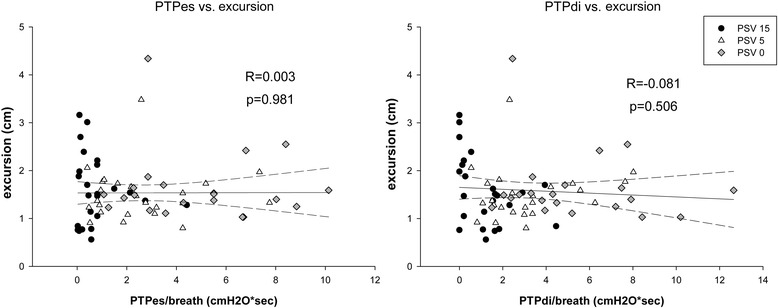
“In mechanically ventilated patients, diaphragm excursion shows a weak correlation with markers of pressure generating capacity [13, 28].”
Poulard, T., Dres, M., Nierat, M., Rivals, I., Hogrel, J., Similowski, T., Gennisson, J., & Bachasson, D. (2020) · The Journal of Physiology · doi:10.1113/jp280457 · Cited by 16
“…in line with previous studies that reported significant relationship between diaphragm thickening fraction and changes in Pdi during spontaneous breathing, inspiratory efforts, or in mechanically ventilated patients (Ueki et al. 1995; Vivier et al. 2012; Goligher et al. 2015; Umbrello et al. 2015).”
ResultPałac, M., & Linek, P. (2022) · Sensors · doi:10.3390/s22176622 · Cited by 13
“In the literature, there are a number of studies assessing the reliability of diaphragm and intercostal muscle thickness in adults with diseases [7,27,33], healthy adults [19,25] or athletes [3,15].”
BackgroundDiaphragm-protective mechanical ventilation in acute respiratory failure
Itagaki, T. (2022) · The Journal of Medical Investigation · doi:10.2152/jmi.69.165 · Cited by 14
Ventilator-Induced Diaphragm Dysfunction (Review)
Babaev, M. A., Bykov, D. B., Birg, Т. M., Ma, V., & Eremenko, A. A. (2018) · General Reanimatology · doi:10.15360/1813-9779-2018-3-82-103 · Cited by 12
“данный показатель следует рассматривать у пациентов исключительно во время попыток самостоятельного дыхания, а не при вспомогательной вентиляции [90].”
BackgroundDiaphragmatic ultrasound as a monitoring tool in the intensive care unit
Sigala, I., & Vassilakopoulos, T. (2017) · Annals of Translational Medicine · doi:10.21037/atm.2017.01.68 · Cited by 12
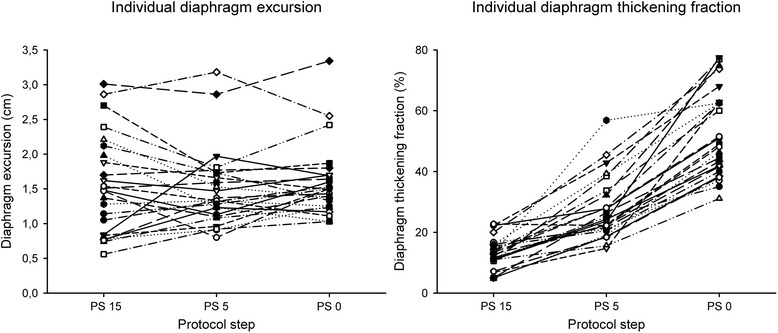
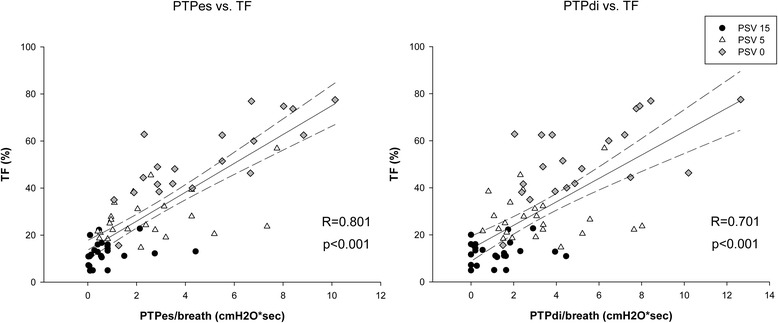
“PTPdi and diaphragmatic thickening fraction decrease in parallel with increasing levels of pressure support (11,16).”
BackgroundColaianni-Alfonso, N., Castro, I., Cáceres, V., Montiel, G. C., Maggiore, S. M., & Vetrugno, L. (2024) · Journal of Anesthesia Analgesia and Critical Care · doi:10.1186/s44158-024-00173-3 · Cited by 11
Ibraheem, S., Bustami, M., Ahmed, M. J., Alzanqaly, M. A., Ali, I., Alsaadi, A., Nour, I., Mohamed, A., & Nasef, N. (2024) · European Journal of Pediatrics · doi:10.1007/s00431-024-05927-3 · Cited by 11
“The posterior region of the diaphragm was assessed as it is usually 40% more contractile compared with the anterior region [21].”
Menis, A.-A., Tsolaki, V., Papadonta, M.-E., Vazgiourakis, V., Mantzarlis, K. D., Zakynthinos, E. G., & Makris, D. A. (2025) · Critical Care · doi:10.1186/s13054-025-05436-1 · Cited by 17
“There are studies where Tfdi correlated significantly with breathing effort [14, 15, 19, 20] and with weaning outcomes [7–9].”
InfluentialTidal Volume Estimation Using Portable Ultrasound Imaging System
Liu, M., Jiang, H., Chen, J., & Huang, M.-C. (2016) · IEEE Sensors Journal · doi:10.1109/jsen.2016.2616381 · Cited by 11
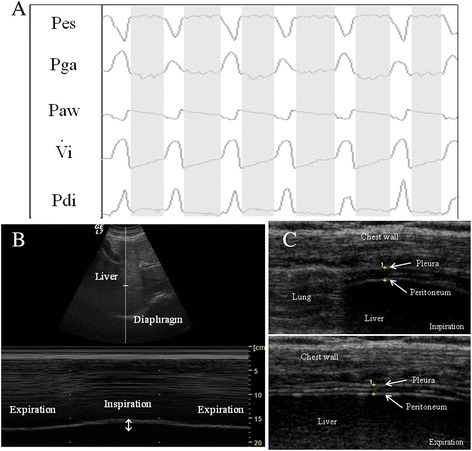
“comparison to traditional indices of inspiratory muscle effort during assisted mechanical ventilation [19].”
ResultGordon, F. D. B. D. L. Q., Alcorta, B. N., & Pérez, M. F. (2017) · Revista Española de Anestesiología y Reanimación (English Edition) · doi:10.1016/j.redare.2017.07.002 · Cited by 9
Implementing diaphragm protection during invasive mechanical ventilation
Goligher, E. C., Damiani, L. F., & Patel, B. K. (2024) · Intensive Care Medicine · doi:10.1007/s00134-024-07472-x · Cited by 11
“Diaphragm ultrasound can measure diaphragm muscle thickening during contractions although noise and variability in this measurement can be substantial [6].”
Elkhouli, M., Tamir‐Hostovsky, L., Ibrahim, J., Nasef, N., & Mohamed, A. (2022) · European Journal of Pediatrics · doi:10.1007/s00431-022-04738-8 · Cited by 10
Yetkin, N. A., Yetkin, M. F., Ketencioğlu, B. B., Oymak, F. S., Gülmez, İ., YILMAZ, İ., & Tutar, N. (2023) · TURKISH JOURNAL OF MEDICAL SCIENCES · doi:10.55730/1300-0144.5696 · Cited by 10
“The extent of diaphragmatic thickening for a given level of inspiratory effort varies considerably between subjects [19].”
BackgroundGlau, C. L., Lin, E. E., Conlon, T., Himebauch, A. S., Keim, G. P., & Nishisaki, A. (2023) · Pediatric Pulmonology · doi:10.1002/ppul.26768 · Cited by 10
“2,6,14 The present study observed significant decreases in all markers of diaphragm contractility even with mechanical ventilation using low driving pressures.”
BackgroundLiu, F., Wen, Q., Yang, Y.-W., Chen, J., Jin, G., Yu, L., & He, J. (2024) · Journal of Thoracic Disease · doi:10.21037/jtd-24-197 · Cited by 10
“Third, we only chose diaphragmatic excursion as a diagnostic index for diaphragmatic dysfunction, while the diaphragmatic thickening fraction also serves as an indicator to evaluate diaphragmatic function (41).”
Peng, L., Kang, H., Chang, H., Sun, Y., Zhao, Y., & Zhao, H. (2024) · Journal of Critical Care · doi:10.1016/j.jcrc.2024.154847 · Cited by 10
Genty, T., Laverdure, F., Peyrouset, O., Rézaiguia‐Delclaux, S., Thès, J., & Stéphan, F. (2022) · Respiratory Care · doi:10.4187/respcare.09476 · Cited by 11
“13,17,18 In patients receiving various levels of pressure support (PS) (PSV, BPAP, or HFNC oxygen), DTF decreases in proportion to the increase in PS, 13,17,18 with higher PS levels being associated with weaker diaphragm contractions.”
InfluentialHow to recognize patients at risk of self-inflicted lung injury
Pettenuzzo, T., Sella, N., Zarantonello, F., CASSAI, A. D., Geraldini, F., Persona, P., Pistollato, E., Boscolo, A., & Navalesi, P. (2022) · Expert Review of Respiratory Medicine · doi:10.1080/17476348.2022.2128335 · Cited by 11
Monitoring of Respiratory Muscle Function in Critically Ill Children
Mortamet, G., Crulli, B., Fauroux, B., & Émériaud, G. (2020) · Pediatric Critical Care Medicine · doi:10.1097/pcc.0000000000002254 · Cited by 10
“Furthermore, both cranio-caudal diaphragmatic excursion and diaphragm thickening fraction have been shown to correlate with esophageal pressure-time product (67) and EA DI (61).”
BackgroundLoizou, C. P., Chrysostomou, C., Minas, G., & Pattichis, C. S. (2020) · Computer Methods and Programs in Biomedicine · doi:10.1016/j.cmpb.2020.105517 · Cited by 9
Diao, S., Li, S., Dong, R., Jiang, W., Wang, C.-Y., Chen, Y., Wang, J., He, S., Wang, Y., Du, B., et al. (2024) · BMC Pulmonary Medicine · doi:10.1186/s12890-024-03077-8 · Cited by 9
Suttapanit, K., Lerdpaisarn, P., Charoensuksombun, C., Sanguanwit, P., & Supatanakij, P. (2025) · The American Journal of Emergency Medicine · doi:10.1016/j.ajem.2025.03.025 · Cited by 9
Fayssoil, A., Nguyen, L. S., Stojkovic, T., Prigent, H., Carlier, R., Amthor, H., Bergounioux, J., Zini, J., Damez‐Fontaine, S., Wahbi, K., et al. (2021) · Muscle & Nerve · doi:10.1002/mus.27432 · Cited by 9
“The diaphragm TF is defined as (end inspiratory thickness end expiratory thickness)/end expiratory thickness.(7) The diaphragm TF can be used as an index of respiratory effort and is correlated with inspiratory muscle pressure.”
BackgroundSilva, I. N., Duarte, J. A., Perret, A., Dousse, N., Wozniak, H., Pinto, B. B., Giraud, R., & Bendjelid, K. (2022) · PLoS ONE · doi:10.1371/journal.pone.0266174 · Cited by 11
Xiao, W., Zheng, F., Dong, K., Wang, Z., Zu, Y., & Wang, C. (2022) · Pain Research and Management · doi:10.1155/2022/7929982 · Cited by 10
Vega, M. L., Schifino, G., Pisani, L., Catalanotti, V., Prediletto, I., & Nava, S. (2023) · Pulmonology · doi:10.1016/j.pulmoe.2023.02.001 · Cited by 9
“In absence of diaphragm dysfunction,(13) TFdi can be used to estimate a change in patients’ inspiratory effort during NRS, similar to what Umbrello demonstrated in patients undergoing IMV.(4) Further studies are needed to assess the correlation between the TFdi and the patients’ clinical outcomes.”
ResultYou, M., Zhang, L., Fang, L., Li, J., & Xie, M. (2017) · Medicine · doi:10.1097/md.0000000000008817 · Cited by 12
Formenti, P., Ruzza, F., Giovanazzi, G. P., Sabbatini, G., Galimberti, A., Gotti, M., Pezzi, A., & Umbrello, M. (2024) · Journal of Clinical Anesthesia · doi:10.1016/j.jclinane.2024.111530 · Cited by 8
Self-citationLaverdure, F., Genty, T., Rézaiguia‐Delclaux, S., Hervé, P., & Stéphan, F. (2019) · Journal of Cardiothoracic and Vascular Anesthesia · doi:10.1053/j.jvca.2019.05.020 · Cited by 8
Skeletal muscle mass assessment in critically ill patients: method and application
Tanaka, K., Katayama, S., Okura, K., Okamura, M., Nawata, K., Nakanishi, N., & Shinohara, A. (2022) · Annals of Cancer Research and Therapy · doi:10.4993/acrt.30.93 · Cited by 8
Diaphragmale Dysfunktion: Fakten für den Kliniker
Bruells, C. S., & Marx, G. (2016) · Medizinische Klinik - Intensivmedizin und Notfallmedizin · doi:10.1007/s00063-016-0226-0 · Cited by 15
Diaphragm Assessment by Multimodal Ultrasound Imaging in Healthy Subjects
Zhang, T., Liu, Y., Xu, D., Dong, R., & Ye, S. (2024) · International Journal of General Medicine · doi:10.2147/ijgm.s478136 · Cited by 7
Menis, A.-A., Tsolaki, V., Papadonta, M.-E., Vazgiourakis, V., Zakynthinos, E., & Makris, D. (2025) · Critical Care Medicine · doi:10.1097/ccm.0000000000006660 · Cited by 6
Diaphragmatic ultrasound for extubation readiness: The role of thickening fraction
Rabuske, W. C., Westphal, G., Rático, G. B., do Nascimento, S. A., & Baptistella, A. R. (2025) · Journal of Critical Care · doi:10.1016/j.jcrc.2025.155253 · Cited by 7
Gómez-Zamora, A., Rodríguez‐Álvarez, D., Durán-Lorenzo, I., Schüffelmann, C., Rodríguez-Rubio, M., & Martínez-Romillo, P. D. (2022) · Respiratory Care · doi:10.4187/respcare.09414 · Cited by 7
“20 An explanation of our findings could be the fact that during NIV we set a relative low level of PS as the study wasn’t designed to assess the dTF variation with PS level modifications.”
Respiratory Neuropathy as an Important Component of Critical Illness Polyneuromyopathy
Rakhimov, R. T., Leyderman, I. N., & Belkin, A. A. (2020) · Russian Sklifosovsky Journal Emergency Medical Care · doi:10.23934/2223-9022-2020-9-1-108-122 · Cited by 7
Moury, P.-H., Zunarelli, R., Bailly, S., Durand, Z., Béhouche, A., Garein, M., Durand, M., Vergès, S., & Albaladejo, P. (2020) · Journal of Cardiothoracic and Vascular Anesthesia · doi:10.1053/j.jvca.2020.10.047 · Cited by 8
Respiratory burden in obese and young asthmatics: a study of diaphragmatic kinetics
Tenório, L. H. S., Vieira, F. C., de Souza, H. C. M., de Andrade, A. D., de Lorena, V. M. B., Medeiros, D., Rizzo, J., de Lira, G. R. S., Correia, M. A. D. V., & SARINHO, E. S. C. (2021) · Jornal Brasileiro de Pneumologia · doi:10.36416/1806-3756/e20210166 · Cited by 7
“(25) It reflects the work of breathing settled by the diaphragm in response to a certain load and can replicate intrinsic diaphragm strength, but it is also influenced by the the load degree imposed to the respiratory system.(26) A higher TF may reflect increased breathing work in response to higher cardiorespiratory…”
BackgroundSpadaro, S., Corte, F. D., Scaramuzzo, G., Grasso, S., Cinnella, G., Rosta, V., Chiavieri, V., Alvisi, V., Mussi, R. D., Volta, C. A., et al. (2021) · Frontiers in Medicine · doi:10.3389/fmed.2021.770408 · Cited by 7
Mawla, T. S. A., ElvFatah, S. R. A., Halim, A. M. A., & Elhefny, R. (2022) · The Egyptian Journal of Critical Care Medicine · doi:10.1097/ej9.0000000000000039 · Cited by 8
Gong, S., Lian, H., Ding, X., Wang, X., & on behalf of the Chinese Critical Ultrasound Study Group (CCUSG) (2024) · Journal of Intensive Care Medicine · doi:10.1177/08850666231222220 · Cited by 7
“49 51 Studies have shown that the mechanical ventilation time is shortest in mechanically ventilated patients when the TFdi is between 15% and 30%.”
Respiratory and Peripheral Muscle Assessment in the Intensive Care Unit
Carámbula, A., Visca, A., D’Amico, S., & Angulo, M. (2019) · Archivos de Bronconeumología · doi:10.1016/j.arbr.2019.03.005 · Cited by 11
Mask Continuous Positive Airway Pressure Increases Diaphragm Thickening Fraction in Healthy Subjects
Lindner, S., Teichert, J., Hoermann, C., Michels-Zetsche, J. D., Herth, F. J. F., Duerschmied, D., & Britsch, S. (2024) · Respiration · doi:10.1159/000535990 · Cited by 6
Vadivelu, S., Khera, D., Choudhary, B., Toteja, N., Sureka, B., Singh, K., & Singh, S. (2023) · Indian Pediatrics · doi:10.1007/s13312-023-2837-1 · Cited by 6
Can diaphragm excursion predict prognosis in patients with severe pneumonia?
Kaya, A. G., Verdi, E. B., Süslü, S. N., Öz, M., Erol, S., Çiftçi, F., Çiledağ, A., & Kaya, A. (2021) · Tuberkuloz ve Toraks · doi:10.5578/tt.20219609 · Cited by 6
“Mean Dex was significantly lower in deceased patients than in those who survived, while it was also lower in patients who required IMV than those who did not.”
InfluentialKhan, K. S., Meaney, J. F., Martín‐Loeches, I., & Collins, D. V. (2019) · Medical Sciences · doi:10.3390/medsci7050066 · Cited by 7
“Both M-Mode and B-Mode ultrasonography have been used to assess the motion of the dome and the thickness of the diaphragm muscle during inspiration [10].”
BackgroundMethodTakashima, T., Nakanishi, N., Arai, Y., & Oto, J. (2021) · The Journal of Medical Investigation · doi:10.2152/jmi.68.159 · Cited by 6
“This result is consistent with that of a previous study (18).”
BackgroundResultLindner, S., Hoermann, C., Teichert, J., Ziyadova, S., Michels-Zetsche, J. D., Neetz, B., Herth, F. J. F., Duerschmied, D., & Britsch, S. (2024) · BMC Pulmonary Medicine · doi:10.1186/s12890-024-03096-5 · Cited by 5
Assessment of Pulmonary Circulation of Critically Ill Patients Based on Critical Care Ultrasound
Gong, S., Ding, X., & Wang, X. (2024) · Journal of Clinical Medicine · doi:10.3390/jcm13030722 · Cited by 5
“…2 Early stage of pulmonary endothelial injury 1 B-lines involved >50% of the pleural Pulmonary interstitial edema, endothelial and epithelial injury 2 Early stage of pulmonary endothelial injury 1 B-lines involved >50% of the pleural Pulmonary interstitial edema, endothelial and epithelial injury 2”
BackgroundNoninvasive Longitudinal Monitoring of Respiratory Effort
Bootjeamjai, P., Dianti, J., & Goligher, E. C. (2024) · American Journal of Respiratory and Critical Care Medicine · doi:10.1164/rccm.202401-0100rl · Cited by 5
Ultrasonographic evaluation of diaphragm fatigue in healthy humans
Illidi, C. R., & Romer, L. M. (2025) · Experimental Physiology · doi:10.1113/ep092322 · Cited by 6
Muñoz, I. C., & Hernández, A. M. (2017) · Revista de la Facultad de Medicina · doi:10.15446/revfacmed.v65n2.60938 · Cited by 5
Muñoz, I. C., Hernández, A. M., & Mañanas, M. Á. (2019) · Applied Sciences · doi:10.3390/app9102007 · Cited by 5
Júnior, H. O., Camilo, G. B., Marques, J. A., Xavier, R. S., Santos, C. E. R., & Lopes, A. J. (2023) · Physiotherapy Theory and Practice · doi:10.1080/09593985.2023.2289053 · Cited by 5
“DD can be evaluated with instruments that measure inspiratory muscle strength in addition to imaging modalities that visualize diaphragm thickness (DT) (Umbrello et al., 2015).”
Diaphragmatic dysfunction following cardiac surgery
Pasero, D., Costamagna, A., Marchisio, A., Pivetta, E. E., Giunta, M., Fanelli, V., & Brazzi, L. (2019) · European Journal of Anaesthesiology · doi:10.1097/eja.0000000000000969 · Cited by 5
Zaytoun, T. M., Elsayed, H. E., & Elghazaly, A. (2021) · Egyptian Journal of Chest Diseases and Tuberculosis · doi:10.4103/ejcdt.ejcdt_20_20 · Cited by 5
Vassilakopoulos, T. (2015) · American Journal of Respiratory and Critical Care Medicine · doi:10.1164/rccm.201507-1466ed · Cited by 5
Barbariol, F., Guadagnin, G. M., & Deana, C. (2020) · doi:10.21203/rs.3.rs-17612/v1 · Cited by 5
“DE is associated with lung volume during the inspiratory phase [20] but does not correlate with inspiratory muscular effort [21] in patients undergoing assisted mechanical ventilation, and it is influenced by several factors [1, 22].”
BackgroundMeyer, G. R. A. D., Flamey, L., Adriaensens, I., der Aerschot, M. V., de Walle, H. V., Vanmarsenille, I., Jorens, P. G., Goligher, E. C., Saldien, V., & Schepens, T. (2023) · Pediatric Critical Care Medicine · doi:10.1097/pcc.0000000000003248 · Cited by 4
“In a pilot study, Umbrello et al (21) did not observe an effect of PEEP on the endexpiratory thickness of the diaphragm, whereas others have found a small effect (22).”
BackgroundRovira, L., Kot, P., Pozo, S., Cano, B., & Andrés, J. A. D. (2023) · Ultrasound in Medicine & Biology · doi:10.1016/j.ultrasmedbio.2023.05.018 · Cited by 4
Metadata
- Authors
- Umbrello, M., Formenti, P., Longhi, D., Galimberti, A., Piva, I., Pezzi, A., Mistraletti, G., Marini, J. J., & Iapichino, G.
- Affiliations
- University of Milan (IT)
- Ospedale San Paolo (IT)
- Regions Hospital (US)
- Corresponding author
- Umbrello, Michele
- Venue
- Critical Care
- Published
- 2015-12
- Volume
- 19
- Issue
- 1
- Pages
- 161-161
- ISSN
- 1364-8535 (ISSN-L)
- PMC
- PMC4403842
- OpenAlex
- W2044981290
- Semantic Scholar
- c07ab59ab857938e0ae94f61fd4f6ac371de2c07
- Cited by
- 343
- References
- 49
- Citations by year
- 2026: 31 · 2025: 22 · 2024: 43 · 2023: 39 · 2022: 32 · 2021: 41 · 2020: 29 · 2019: 28 · 2018: 25 · 2017: 26 · 2016: 19 · 2015: 7
- FWCI
- 20.33
- Type
- journal article
- Language
- en
- Open access
- gold
- doi.org
- Licence
- cc-by
- creativecommons.org/licenses/by/4.0 (tdm)
- creativecommons.org/licenses/by/4.0 (vor)
- Locations
- Critical Care (publishedVersion, cc-by)
- PubMed Central (publishedVersion, cc-by)
- PubMed (publishedVersion)
- Archivio Istituzionale della Ricerca (Universita Degli Studi Di Milano) (submittedVersion, other-oa)
- Topics
- Health Sciences › Medicine › Pulmonary and Respiratory Medicine › Respiratory Support and Mechanisms
- Health Sciences › Medicine › Critical Care and Intensive Care Medicine › Ultrasound in Clinical Applications
- Health Sciences › Medicine › Anesthesiology and Pain Medicine › Airway Management and Intubation Techniques
- Keywords
- diaphragm ultrasound, respiratory effort, pressure support ventilation, diaphragmatic excursion, spontaneous breathing trial, mechanical ventilation, critically ill patients
- MeSH terms
- Aged, Diaphragm, Female, Humans, Intensive Care Units, Male, Middle Aged, Muscle Contraction, Pilot Projects, Positive-Pressure Respiration, Ultrasonography, Work of Breathing, Critical Illness
About these checks
Registry, retraction, Cites and statistics results are computed, not judged, with one exception: a printed reference that no index lists is read once by a model before it counts as a citation error. Claims are extracted by a model and kept only when their quote appears verbatim in the text; each cited source is then checked, with a model’s help, for whether it says what the claim relies on. Those verdicts can be wrong — read the claim’s quote and the cited source before relying on one.
Statistics and arithmetic are recomputed, not judged.
Confidence bands are shown only for fields calibrated on our annotated test set. None is calibrated yet, so no band is shown.
What counts as a claim ›How we measure confidence ›How we check this ›
Are you an author, or do you see a problem with this page? Request a review
Data sources
Bibliographic data: Semantic Scholar, OpenAlex, Crossref.
Contains information from the Semantic Scholar Academic Graph Datasets, made available under the ODC Attribution License (ODC-BY 1.0).
Semantic Scholar’s data is described in: Kinney, R., et al. (2023). The Semantic Scholar Open Data Platform. arXiv:2301.10140.
