

Diaphragm ultrasound as indicator of respiratory effort in critically ill patients undergoing assisted mechanical ventilation: a pilot clinical study
Open accessThe DOI matches its Crossref record; 47 of the 49 references it cites were found in a registry or an index.
Abstract
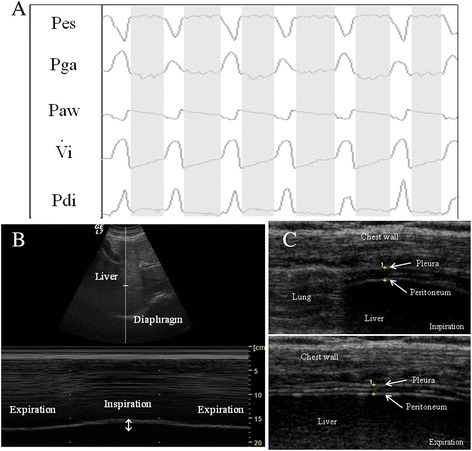
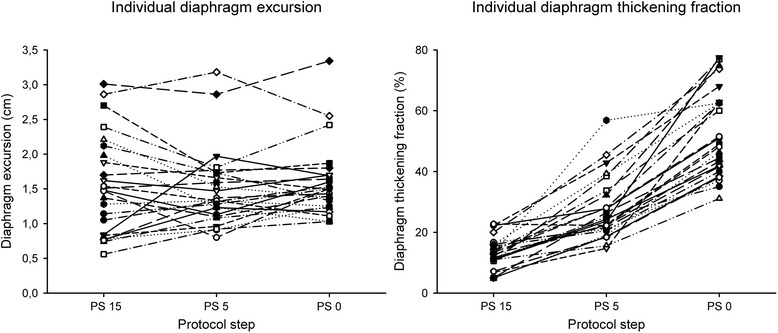
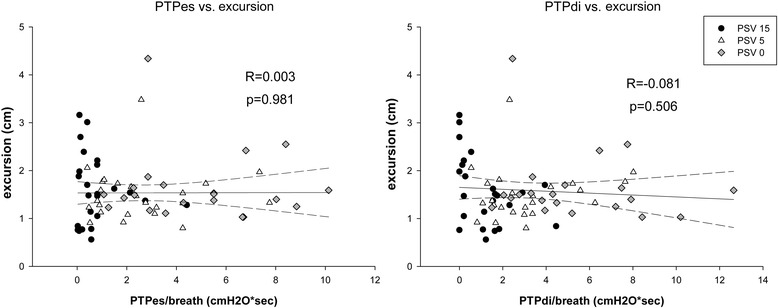
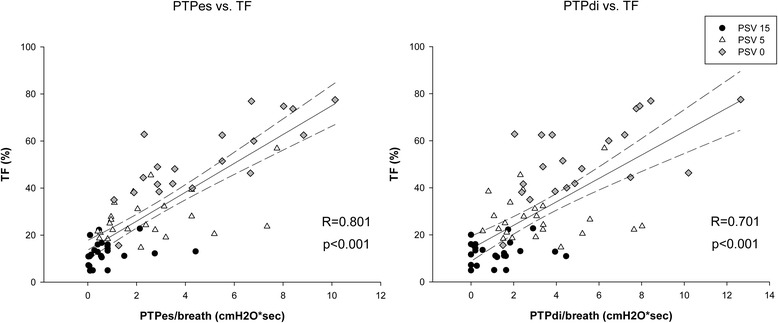
Introduction: Pressure-support ventilation, is widely used in critically ill patients; however, the relative contribution of patient’s effort during assisted breathing is difficult to measure in clinical conditions. Aim of the present study was to evaluate the performance of ultrasonographic indices of diaphragm contractile activity (respiratory excursion and thickening) in comparison to traditional indices of inspiratory muscle effort during assisted mechanical ventilation. Method: Consecutive patients admitted to the ICU after major elective surgery who met criteria for a spontaneous breathing trial with pressure support ventilation were enrolled. Patients with airflow obstruction or after thoracic/gastric/esophageal surgery were excluded. Variable levels of inspiratory muscle effort were achieved by delivery of different levels of ventilatory assistance by random application of pressure support (0, 5 and 15 cmH 2 O). The right hemidiaphragm was evaluated by B- and M-mode ultrasonography to record respiratory excursion and thickening. Airway, gastric and oesophageal pressures, and airflow were recorded to calculate indices of respiratory effort (diaphragm and esophageal pressure–time product). Results: 25 patients were enrolled. With increasing levels of pressure support, parallel reductions were found between diaphragm thickening and both diaphragm and esophageal pressure–time product (respectively, R = 0.701, p < 0.001 and R = 0.801, p < 0.001) during tidal breathing. No correlation was found between either diaphragm or esophageal pressure–time product and diaphragm excursion (respectively, R = −0.081, p = 0.506 and R = 0.003, p = 0.981), nor was diaphragm excursion correlated to diaphragm thickening (R = 0.093, p = 0.450) during tidal breathing. Conclusions: In patients undergoing in assisted mechanical ventilation, diaphragm thickening is a reliable indicator of respiratory effort, whereas diaphragm excursion should not be used to quantitatively assess diaphragm contractile activity.
Overview
The claims and statistics of this paper haven’t been checked yet.
Free: it reads the open-access text and checks the first 5 claims that cite a source we can check. Create a free account to check every claim.
Integrity signals
Registry
Cites
Statistics
Figures
Verification
Claims the paper makes
The claims and statistics of this paper haven’t been checked yet.
Free: it reads the open-access text and checks the first 5 claims that cite a source we can check. Create a free account to check every claim.
Self-check
Percentages, sums and reported differences re-computed from the paper’s own numbers.
The self-check needs the paper’s full text.
Citations
Cites
STATISTICAL METHODS FOR ASSESSING AGREEMENT BETWEEN TWO METHODS OF CLINICAL MEASUREMENT
Martin Bland, J., & Altman, D. (1986) · The Lancet · doi:10.1016/s0140-6736(86)90837-8 · Cited by 47,965
(1965) · The Lancet · doi:10.1016/s0140-6736(65)91037-8 · Cited by 16,856
ATS/ERS Statement on Respiratory Muscle Testing
(2002) · American Journal of Respiratory and Critical Care Medicine · doi:10.1164/rccm.166.4.518 · Cited by 2,841
Weaning from mechanical ventilation
Boles, J.-M., Bion, J., Connors, A., Herridge, M., Marsh, B., Melot, C., Pearl, R., Silverman, H., Stanchina, M., Vieillard-Baron, A., et al. (2007) · European Respiratory Journal · doi:10.1183/09031936.00010206 · Cited by 2,064
Esteban, A. (2002) · JAMA · doi:10.1001/jama.287.3.345 · Cited by 1,779 · cited 1×
“patients with the aim of unloading the respiratory muscles while avoiding muscle atrophy [4].”
BackgroundRapid Disuse Atrophy of Diaphragm Fibers in Mechanically Ventilated Humans
Levine, S., Nguyen, T., Taylor, N., Friscia, M. E., Budak, M. T., Rothenberg, P., Zhu, J., Sachdeva, R., Sonnad, S., Kaiser, L. R., et al. (2008) · New England Journal of Medicine · doi:10.1056/nejmoa070447 · Cited by 1,577 · cited 1×
“Conversely, mechanical ventilation itself may lead to diaphragm atrophy and dysfunction, which are well-recognized features of critically-ill patients [2,3].”
BackgroundClinical biostatistics: LIV. The biostatistics of concordance
Kramer, M. S., & Feinstein, A. R. (1981) · Clinical Pharmacology and Therapeutics · doi:10.1038/clpt.1981.18 · Cited by 1,087 · cited 1×
“75, usually considered to indicate good agreement [44].”
BackgroundA simple method for assessing the validity of the esophageal balloon technique.
Baydur, A., BEHRAKIS, P. K., Zin, W. A., Jaeger, M., & Milic‐Emili, J. (1982) · PubMed · doi:10.1164/arrd.1982.126.5.788 · Cited by 1,076 · cited 1×
“To check the correct position of the esophageal balloon, a dynamic occlusion test was performed to assure that Pes was changing in concert with Paw when making efforts against a closed airway [22].”
MethodStatistics notes: Measurement error
Bland, J. M., & Altman, D. G. (1996) · BMJ · doi:10.1136/bmj.312.7047.1654 · Cited by 835
ESTEBAN, A., ANZUETO, A., ALÍA, I., GORDO, F., APEZTEGUÍA, C., PÁLIZAS, F., CIDE, D., GOLDWASER, R., SOTO, L., BUGEDO, G., et al. (2000) · American Journal of Respiratory and Critical Care Medicine · doi:10.1164/ajrccm.161.5.9902018 · Cited by 780 · cited 1×
“PSV is a commonly used ventilation mode, both as stand-alone ventilatory support in acute respiratory failure and/or during the weaning phase of mechanical ventilation [30].”
Method
Cited by
Items 201–300 of 344
González-Aguirre, J. E., Rivera-Uribe, C. P., Rendón-Ramírez, E. J., Cañamar-Lomas, R., Serna-Rodríguez, J. A., & Mercado-Longoría, R. (2018) · Archivos de Bronconeumología · doi:10.1016/j.arbres.2018.09.015 · Cited by 4
Elsayed, A. A., Mousa, M. R., & Beshey, B. N. (2022) · Egyptian Journal of Anaesthesia · doi:10.1080/11101849.2022.2067679 · Cited by 4
“[20] concluded that in 25 postoperative patients on assisted spontaneous breathing, DT was a good indicator of changes of inspiratory muscle effort in response to modifications of PS level while using DE as an indicator”
MethodDiaphragmatic thickening fraction as a predictor for intubation in patients with COVID-19
Hache-Marliere, M., Lim, H., & Patail, H. (2022) · Respiratory Medicine Case Reports · doi:10.1016/j.rmcr.2022.101743 · Cited by 4
Ultrasonography of Diaphragm to Predict Extubation Outcome
Raj, I., & Nagaiah, S. K. (2023) · Cureus · doi:10.7759/cureus.36514 · Cited by 4
“[14] believed that dTF, rather than DE, was a more reliable indicator of respiratory effort and diaphragmatic contractile function.”
BackgroundSabetian, G., Mackie, M., Asmarian, N., Banifatemi, M., Schmidt, G. A., Masjedi, M., Paydar, S., & Zand, F. (2024) · Journal of Anesthesia · doi:10.1007/s00540-024-03321-9 · Cited by 5
“In post-elective surgery patients who are admitted to the ICU for ventilator support, diaphragm thickness is a better means for detecting respiratory dysfunction [31].”
Evaluación muscular respiratoria y periférica en la Unidad de Cuidados Intensivos
Carámbula, A., Visca, A., D’Amico, S., & Angulo, M. (2018) · Archivos de Bronconeumología · doi:10.1016/j.arbres.2018.09.002 · Cited by 8
Su, D., Li, R., Chen, Z., Cui, N., Yu, Z.-B., Ding, X., & Wu, J.-Q. (2025) · Risk Management and Healthcare Policy · doi:10.2147/rmhp.s502810
“This measurement was repeated three times to determine an average value, which was recorded as the representative measurement for DE.”
InfluentialZhou, X., Xu, Y., Yan, Q., Chen, R., Lv, X., & Wang, Z. (2026) · Critical Care · doi:10.1186/s13054-026-06240-1 · Cited by 3
Uyar, S., Tire, Y., & Kozanhan, B. (2024) · Journal of Minimal Access Surgery · doi:10.4103/jmas.jmas_401_23 · Cited by 3
Groenland, C. N. L., Janssen, M. L., van den Bosch, K. S., Baggen, V. J. M., Heunks, L. M. A., Endeman, H., & Wils, E. (2025) · BMJ Open Respiratory Research · doi:10.1136/bmjresp-2024-002868 · Cited by 3
“49 However, to date, smaller studies have failed to show clinical benefit and well-powered randomised trials that also evaluate specific phases of ventilator liberation are awaited 50 before closed-loop ventilation will be included in clinical guideline and implemented more widely.”
Bezerra, N. K. M. D. S., de Oliveira, E. F. A. L., Figueirêdo, B. B., Schwingel, P. A., & Magalhães, P. (2025) · Physiotherapy Research International · doi:10.1002/pri.70100 · Cited by 3
Rives, S., Schmid, B., Chaumet, G., Brégeon, F., & Boussuges, A. (2021) · Frontiers in Physiology · doi:10.3389/fphys.2021.756533 · Cited by 3
González-Aguirre, J. E., Rivera-Uribe, C. P., Rendón-Ramírez, E. J., Cañamar-Lomas, R., Serna-Rodríguez, J. A., & Mercado-Longoría, R. (2019) · Archivos de Bronconeumología · doi:10.1016/j.arbr.2018.09.015 · Cited by 3
Erfan, A. W., Khalil, M. M., ELMaraghy, A. A., & Kader, M. A. A. (2023) · Egyptian Journal of Chest Diseases and Tuberculosis · doi:10.4103/ecdt.ecdt_57_22 · Cited by 3
Bosch‐Compte, R., Parrilla, F. J., Muñoz-Bermúdez, R., Dot, I., Climent, C., Masclans, J. R., Marín‐Corral, J., & Pérez-Terán, P. (2023) · Medicina Intensiva (English Edition) · doi:10.1016/j.medine.2023.07.010 · Cited by 3
Moury, P.-H., Béhouche, A., Bailly, S., Durand, Z., Dessertaine, G., Pollet, A., Jaber, S., Vergès, S., & Albaladejo, P. (2024) · Annals of Intensive Care · doi:10.1186/s13613-024-01264-8 · Cited by 3
PREDICTION OF WEANING FAILURE OF MECHANICAL VENTILATION USING CLINICAL PARAMETERS IN PICU
El-Beheidy, R., Abdulrahman, D. A., Bayoumi, S. S., & Hassan, W. (2018) · Zagazig University Medical Journal · doi:10.21608/zumj.2018.13261 · Cited by 3
“mechanics with RSBI was one of the most widely used parameter by the other authors for comparison [16] .”
ResultFarghaly, S., Hasan, A., & Makhlouf, H. A. (2018) · Egyptian Journal of Bronchology · doi:10.4103/ejb.ejb_99_17 · Cited by 3
Saeed, A. M., Elshahed, G. S., Osman, N. M., Gomaa, A. A., & Fahyim, S. M. M. (2018) · Egyptian Journal of Bronchology · doi:10.4103/ejb.ejb_52_18 · Cited by 3
Ultrasound of the diaphragm an essential tool for pulmonologists and intensivists
Vetrugno, L., Orso, D., & Bove, T. (2020) · Jornal Brasileiro de Pneumologia · doi:10.36416/1806-3756/e20200367 · Cited by 3
“(1-4) A recent study(5) has shown that the most frequent type of shock in the ICU (septic shock) is associated with preferential diaphragmatic atrophy.”
BackgroundTommasi, I., Oricco, S., Medico, D., Sarotti, D., Rabozzi, R., & Franci, P. (2025) · The Veterinary Journal · doi:10.1016/j.tvjl.2025.106323 · Cited by 2
Okura, K., Satoh, K., Hirasawa, N., Okuyama, M., Kasukawa, Y., Miyakoshi, N., & Nakae, H. (2025) · Heart & Lung · doi:10.1016/j.hrtlng.2025.10.012 · Cited by 2
Sagmal, Y. E., Ekşioğlu, M., Kaymak, B. A., & Öztürk, T. C. (2025) · Heart & Lung · doi:10.1016/j.hrtlng.2025.10.021 · Cited by 4
Colombo, D., Ippolito, M., Bellani, G., Battaglini, D., Cammarota, G., Cortegiani, A., Giarratano, A., Grasso, S., Maggiore, S. M., Mirabella, L., et al. (2025) · Journal of Anesthesia Analgesia and Critical Care · doi:10.1186/s44158-025-00315-1 · Cited by 2
“measure the displacement (excursion) and the thickening fraction of the diaphragm [63].”
Aksoy, Y., Özgültekin, A., Balık, Y., & Ekinci, O. (2026) · Journal of Anesthesia · doi:10.1007/s00540-026-03655-6 · Cited by 6
“In a study by Umbrello et al. [21] excluding patients with chronic obstructive pulmonary disease (COPD) and high PEEP pressure, DTF and P0.”
Diaphragm Ultrasound in the Evaluation of Diaphragmatic Dysfunction in Lung Disease
Lux, S., Ramos, D., Pinto, A. B. D. C. F., Schilling, S., & F, M. S. (2021) · The Open Respiratory Medicine Journal · doi:10.2174/1874306402115010082 · Cited by 3
Role of ultrasound in acute respiratory failure and in the weaning of mechanical ventilation
Zapata, L., Blancas, R., Conejo-Márquez, I., & García-de-Acilu, M. (2023) · Medicina Intensiva (English Edition) · doi:10.1016/j.medine.2023.03.018 · Cited by 4
Huang, S., Pan, Y., Wang, Y., Pei, S., Wang, X., Sun, S., Yao, S., Chen, X., & Xia, H. (2024) · Medical Science Monitor · doi:10.12659/msm.942780 · Cited by 4
“Several recent studies have demonstrated that diaphragm thickening fraction (DTF) can serve as an index of successful extubation [14,15], weaning from mechanical ventilation [17], and the RNMB [18].”
BackgroundBosch‐Compte, R., Parrilla, F. J., Muñoz-Bermúdez, R., Dot, I., Climent, C., Masclans, J. R., Marín‐Corral, J., & Pérez-Terán, P. (2024) · Medicina Intensiva · doi:10.1016/j.medin.2023.06.015 · Cited by 2
Clinical application of ultrasound in paediatric diaphragmatic dysfunction
Zhao, X.-Q., Tang, Z.-J., & Xia, B. (2021) · Pediatric Dimensions · doi:10.15761/pd.1000214 · Cited by 2
“In such modes, a variable amount of work is generated by the patients’ inspiratory muscles while the remainder is provided by the ventilator [16].”
Chen, J.-R., Chen, Q.-Q., Zhou, J., & Zhou, Y. (2021) · Springer eBooks · doi:10.1007/978-981-15-9770-1_3 · Cited by 2
Formenti, P., Giorgis, V. D., & Chiumello, D. (2020) · Springer eBooks · doi:10.1007/978-3-030-43873-9_3 · Cited by 3
Self-citationBiasucci, D. G., Cutuli, S. L., Pizza, A., & Cavaliere, F. (2015) · Journal of Critical Care · doi:10.1016/j.jcrc.2015.05.013 · Cited by 2
Singh, A., Mandal, B., Puri, G. D., Sidhu, B., & Thingnam, S. K. S. (2020) · doi:10.22541/au.160288496.60961792/v1 · Cited by 2
Measuring and Monitoring Skeletal Muscle Mass and Dysfunction After StrokePreprint
Nakanishi, N., Okura, K., Okamura, M., Nawata, K., Shinohara, A., Tanaka, K., & Katayama, S. (2021) · Preprints.org · doi:10.20944/preprints202101.0580.v1 · Cited by 2
“have investigated the use of a urinary titin N-fragment in stroke [53].”
BackgroundQiu, C., Tang, L., Zhuang, Y., Chi, C., Zheng, K., & Zhu, X. (2026) · Intensive Care Medicine Experimental · doi:10.1186/s40635-026-00859-8 · Cited by 1
“Numerous studies [41, 42] have shown that both DD and diaphragmatic thickness fraction (DTF) can accurately reflect diaphragmatic function.”
A Man with Pleural Effusion and Patient–Ventilator Dyssynchrony
Morales-Estrella, J. L., & Mireles‐Cabodevila, E. (2018) · Annals of the American Thoracic Society · doi:10.1513/annalsats.201807-477cc · Cited by 1
Somboonviboon, D., Oer-Areemitr, N., & Wacharasint, P. (2022) · Clinical Critical Care · doi:10.54205/ccc.v30.259010 · Cited by 1
Place de l’oxygénothérapie nasale à haut débit en périopératoire
Genty, T., & Stéphan, F. (2022) · Revue des Maladies Respiratoires · doi:10.1016/j.rmr.2022.11.004 · Cited by 1
Ultrasound Assessment of the Respiratory Muscles
Jonkman, A. H., Rittayamai, N., Schreiber, A. F., Brochard, L. J., & Goffi, A. (2023) · Lessons from the ICU · doi:10.1007/978-3-031-32462-8_11 · Cited by 2
Hu, J., Hassan, O., Shiraishi, K., Hirao, Y., & Daoud, E. G. (2024) · Journal of Mechanical Ventilation · doi:10.53097/jmv.10111 · Cited by 1
Malhotra, N., Gothi, D., Kumar, R. K., Patro, M., Kumar, S., Jain, A., & Agarwal, M. (2025) · Monaldi Archives for Chest Disease · doi:10.4081/monaldi.2025.3483 · Cited by 2
Development of an automated assessment of ultrasound measured diaphragm thickness
Koopman, A. A., Burger, J., Laarman, K., van der Steen, D., Blokpoel, R. G. T., Oppersma, E., & Kneyber, M. C. J. (2025) · Computer Methods and Programs in Biomedicine · doi:10.1016/j.cmpb.2025.109220 · Cited by 1
Continuous and noninvasive respiratory effort monitoring: a narrative review of emerging techniques
Graßhoff, J., Warnaar, R. S. P., Donker, D. W., Rostalski, P., & Oppersma, E. (2026) · Journal of Intensive Care · doi:10.1186/s40560-026-00852-z · Cited by 1
Recognizing and managing excessive respiratory drive and effort: an expert narrative review
Pacchiarini, G., Monteleone, F., Zarantonello, F., Sella, N., Bassi, M., Zambianchi, A., Fincati, V., Bolzon, A., Pistollato, E., CASSAI, A. D., et al. (2026) · Expert Review of Respiratory Medicine · doi:10.1080/17476348.2026.2622110 · Cited by 1
“The inspiratory thickening fraction of the diaphragm (TFdi) may correlate with diaphragmatic effort during inspiration [74].”
Hoermann, C., Drotleff, L. S. S., Link, B., Doerflinger, L., Neetz, B., Michels-Zetsche, J. D., Herth, F. J., Britsch, M., Duerschmied, D. R., Britsch, S., et al. (2026) · Scientific Reports · doi:10.1038/s41598-026-40192-4 · Cited by 1
Rotea, B., Rotea, A., Meche, V., Suba, M.-I., Roșca, O., Cerbu, B., Enătescu, I., Dima, M. A., Iacob, E. R., Gluhovschi, A., et al. (2026) · Diagnostics · doi:10.3390/diagnostics16172733 · Cited by 1
“Prior studies in mechanically ventilated or preterm populations have examined excursion in relation to respiratory performance and outcomes [22,23].”
Diaphragm Ultrasound: State-of-the-Art Review
Brighenti, A., Boccatonda, A., D’Ardes, D., Accogli, E., Schiavone, C., Dietrich, C. F., Vetrugno, L., & Serra, C. (2026) · Ultrasound in Medicine & Biology · doi:10.1016/j.ultrasmedbio.2026.08.002 · Cited by 1
Lung ultrasonography for thoracic surgery
Ahn, H. J. (2019) · Anesthesia and Pain Medicine · doi:10.17085/apm.2019.14.1.1 · Cited by 1
“중환자실 환자인 경우 횡격막의 이동거리를 측정하는 것보다 두께 변화를 측정하 는 것이 인공환기 이탈의 예측도가 높다고 하였다[15].”
Diaphragm Ultrasound: Physiology and Applications
Goligher, E. C. (2021) · Springer eBooks · doi:10.1007/978-3-030-73387-2_35 · Cited by 1
Effect of Acupuncture on Diaphragm Function in Healthy Volunteers: A Pilot Clinical Study
Formenti, P., Galimberti, A., Pinciroli, R., & Umbrello, M. (2022) · Evidence-based Complementary and Alternative Medicine · doi:10.1155/2022/6608200 · Cited by 1
“Respiratory rate, tidal volume, and other noninvasive parameter derived from the ventilator waveforms have all been used to this extent [21, 22, 25].”
MethodSelf-citationThe power of diaphragm ultrasonography in predicting weaning success
Çavuş, M. A., Bektaş, Ş. G., Sipahioğlu, H., Zararsız, G. E., & Turan, S. (2022) · Çukurova medical journal (Online)/Çukurova medical journal · doi:10.17826/cumj.1037159 · Cited by 1
ULTRASOUND EXAMINATION OF THE DIAPHRAGM AS A PREDICTOR OF SUCCESSFUL VENTILATOR WEANING OF PATIENTS
Sinitsa, K. A., & Yakubtsevich, R. E. (2024) · Journal of the Grodno State Medical University · doi:10.25298/2221-8785-2024-22-1-13-18 · Cited by 2
Kaykı, G., Çelik, H. T., Ayaz, E., Tandırcıoğlu, Ü. A., Oguz, B. S., Yiğit, Ş., & Yurdakök, M. (2024) · Turkish Archives of Pediatrics · doi:10.5152/turkarchpediatr.2024.23290 · Cited by 1
Point-of-Care Ultrasound Management and Monitoring in Critical Care
Storti, E., & Rossi, S. (2019) · Springer eBooks · doi:10.1007/978-3-319-95114-0_6 · Cited by 1
Eltrawy, H. H., Ahmad, I. H., Elhussieny, F. M., & Nassib, S. A. (2020) · Egyptian Journal of Bronchology · doi:10.1186/s43168-020-00031-0 · Cited by 1
Skeletal muscle assessment in critically ill patients:Methods and application
Tanaka, K., Katayama, S., Okura, K., Okamura, M., Nawata, K., Nakanishi, N., & Shinohara, A. (2021) · The Japanese Journal of SURGICAL METABOLISM and NUTRITION · doi:10.11638/jssmn.55.6_273 · Cited by 1
Lung and Diaphragm Ultrasound for Monitoring Patient’s Ongoing Non-invasive Mechanical Ventilation
Tenza-Lozano, E. M. (2022) · Springer eBooks · doi:10.1007/978-3-030-71298-3_23 · Cited by 1
Concepcion, N. D. P., Laya, B. F., Myers, R. A., & Lee, E. Y. (2021) · Springer eBooks · doi:10.1007/978-3-030-56802-3_6 · Cited by 1
I ENCONTRO DE PESQUISA CLÍNICA E INOVAÇÃO TECNOLÓGICA EM SAÚDE DO HU-UNIVASF
de Araújo, I. S., Spínola, E. O., & Naue, C. R. (2023) · Revista de Ensino Ciência e Inovação em Saúde · doi:10.51909/recis.v1i1.269
Khemani, R. G., Ross, P. A., & Typpo, K. (2017) · Critical Care Medicine · doi:10.1097/ccm.0000000000002759 · Cited by 1
Mask CPAP Increases Diaphragm Thickening Fraction in Healthy SubjectsPreprint
Lindner, S., Teichert, J., Hoermann, C., Duerschmied, D., & Britsch, S. (2023) · Research Square · doi:10.21203/rs.3.rs-2753404/v1 · Cited by 1
Acute dyspnea by diaphragmatic excursion: practicality sustainable in ED?
Ilyas, S., Mina, B. A., & Esquinas, A. M. (2016) · The American Journal of Emergency Medicine · doi:10.1016/j.ajem.2016.08.040
Diaphragm contractile activity during mechanical ventilation
Brouwer, L. E. (2018) · SUNScholar (Stellenbosch University)
Échographie du diaphragme en réanimation
Jung, B., Guillon, A., & pour la Commission de la recherche translationnelle de la SRLF (2018) · Médecine Intensive Réanimation · doi:10.3166/rea-2018-0039
Induced-hypercapnia effects in ventilatory mechanics and work of breathing
Morales, P. A., Muñoz, I. C., & Hernández, A. M. (2018) · Global Medical Engineering Physics Exchanges/Pan American Health Care Exchanges (GMEPE/PAHCE) · doi:10.1109/gmepe-pahce.2018.8400748
“Despite WOB and ventilatory mechanics are relevant to identify the patients’ state and to improve the mechanical ventilation treatment, their measurements represent a challenge because the most used technique employs an esophageal catheter, and this is invasive and expensive [15].”
BackgroundMonitoring and regulation of supported breathing in Intensive Care
Oppersma, E. (2018) · doi:10.3990/1.9789036546423
“(35) found that diaphragm thickening is a reliable”
BackgroundQuintela, P. A. (2016) · Buleria (Universidad de León) · doi:10.18002/10612/5921
Fahmy, H., & Kinawy, S. A. E. (2019) · Journal of Anesthesia & Clinical Research
The Role of Ultrasound in Assessment of Diaphragmatic Dysfunction in I.C.U Patients
ALSHAER, I., Elsheikh, H., Shaalan, A., & Elnaggar, M. E. (2020) · Benha Medical Journal · doi:10.21608/bmfj.2020.79647
“891) This agrees with(14) in his study on 25 patients admitted to ICU post-surgery.”
BackgroundResultRodríguez, M. M., Portillo, E. M., & Munguía, B. V. (2020) · Medicina Crítica · doi:10.35366/93966
Pan, L., Yang, F., Luo, X., & Zhang, X. (2019) · Journal of Translational Critical Care Medicine · doi:10.4103/jtccm.jtccm_8_19
Link between muscle function and physical function in critically ill patients
Chhiba, S., Hanekom, S. D., & Lupton-Smith, A. R. (2021) · European Respiratory Journal · doi:10.1183/13993003.congress-2021.pa2415
Disfunción diafragmática y evaluación ultrasonográfica en el enfermo grave
Escamilla, M. A. G., Esper, R. C., & Gijón, J. E. R. (2021) · Medicina Crítica · doi:10.35366/100004
Zhu, Z., Wu, Y., Bai, J., Zhu, X., & Gu, Y. (2021) · Research Square · doi:10.21203/rs.3.rs-745128/v1
Évaluation diaphragmatique par échographie
Kharat, A., & Plojoux, J. (2021) · JMIG · doi:10.53738/revmed.2021.17.759.1962
Kulkanokwan, N., Morakul, S., Pisitsak, C., & Theerawit, P. (2022) · Clinical Critical Care · doi:10.54205/ccc.v30.255057
Diaphragm function in patients with interstitial lung disease (ILD): a pilot studyPreprint
Bernardinello, N., Cocconcelli, E., Boscolo, A., Castelli, G., Sella, N., Giraudo, C., Zanatta, E., Rea, F., Saetta, M. P., Navalesi, P., et al. (2022) · Research Square · doi:10.21203/rs.3.rs-2048372/v1
Role of Point-of-Care Ultrasound in the Management of Mechanical Ventilation
Aboulkheir, A. T. Y., & Tayar, A. S. A. (2022) · Springer eBooks · doi:10.1007/978-3-031-14138-6_19
Ghaffary, M. R., Jahanshahi, A., Ghaffari, S., & Seifi, Y. (2021) · International Journal of Health Sciences · doi:10.53730/ijhs.v5ns2.13881
“Accordingly, most studies performed in non-cardiac surgery patients recorded E or TF on only one hemi-diaphragm (usually on the right side), which is considered as a proxy for the entire diaphragm function (20).”
Point of Care Ultrasound of the Respiratory System in the Critically Ill
Haaksma, M. E. (2023) · doi:10.5463/thesis.203
Mosadek, H., Kamel, A. M. E. S., Mostafa, R. H., Kamal, M. M., & Maarouf, M. M. (2023) · Ain-Shams Journal of Anaesthesiology · doi:10.1186/s42077-023-00340-8
“evaluated the DE and DTF in comparison to traditional indices of inspiratory muscle effort during PSV using different support levels (Umbrello et al. 2015).”
MethodKısmet, G. K., Okutan, O., Ayten, Ö., Kose, E., Samancı, C., Yeşildal, M., & Kartaloğlu, Z. (2024) · Authorea · doi:10.22541/au.170667206.62018765/v1
Utilizing Point of Care Ultrasound for Ventilation Liberation: A State-of-the-Art Narrative Review
Mallah, H., Al‐Tanjy, A., Mahmoud, M. M., Alkhdour, L., Amro, L., Alshurafa, A., Hasan, M. A., & Alzghoul, B. N. (2024) · JAP Academy Journal · doi:10.58877/japaj.v2i1.120
Haaksma, M. E., Smit, J. M., Boussuges, A., Demoule, A., Dres, M., Ferrari, G. M., Formenti, P., Goligher, E. C., Heunks, L. M. A., Lim, E. H. T., et al. (2022) · Figshare · doi:10.6084/m9.figshare.19565863
Self-citationHaaksma, M. E., Smit, J. M., Boussuges, A., Demoule, A., Dres, M., Ferrari, G. M., Formenti, P., Goligher, E. C., Heunks, L. M. A., Lim, E. H. T., et al. (2022) · Figshare · doi:10.6084/m9.figshare.19565857
Self-citationГеннадьевич, Е. П., Khamidova, L. T., Petrikov, S. S., & Кулабухов, В. В. (2024) · Messenger of Anesthesiology and Resuscitation · doi:10.24884/2078-5658-2024-21-3-76-86
Application of pulmonary ultrasound for respiratory failure in intensive care unit
Deschamps, J., Alenazy, H., & Girard, M. (2024) · Journal of Translational Critical Care Medicine · doi:10.1097/jtccm-d-24-00016
Diaphragm ultrasound in critically ill patients
Khasne, R. W. (2025) · Journal of Nepalese Society of Critical Care Medicine · doi:10.3126/jnsccm.v3i1.73502
Progress in Clinical Application of Diaphragm Ultrasound
甘, 雨. (2025) · Advances in Clinical Medicine · doi:10.12677/acm.2025.151044
Ecografia pleuropolmonare in anestesia-rianimazione
Delmotte, P.-R., Brisson, H., & Monsel, A. (2025) · EMC - Anestesia-Rianimazione · doi:10.1016/s1283-0771(25)50359-6
How to quantify respiratory effort and drive in critically ill children?
Caviedes, P., Bachmann, M. C., Takeuchi, M., & Pablo Cruces, R. (2025) · Intensive Care Medicine – Paediatric and Neonatal · doi:10.1007/s44253-025-00098-x
“The fractional thickness change during the respiratory cycle allows measurement of dTF, which has been moderately correlated with PTP, being a valuable surrogate for assessing WOB [85].”
Akbudak, İ. H., Üyük, A., & Erdoğan, Ç. (2025) · Pamukkale Medical Journal · doi:10.31362/patd.1747747
Ecografía pleuropulmonar en anestesia y cuidados intensivos
Delmotte, P.-R., Brisson, H., & Monsel, A. (2025) · EMC - Anestesia-Reanimación · doi:10.1016/s1280-4703(25)50765-x
FIGURE 16 in Halacaridae) from the northern littoral zone of São Paulo State (Brazil)
Pepato, A. R., & Tiago, C. G. (2005) · INFM-OAR (INFN Catania) · doi:10.5281/zenodo.170434
Dong, Z., Liu, Y., Gai¹, Y., Meng, P., Lin, H., Zhao, Y., & 邢金燕 (2021) · Figshare · doi:10.6084/m9.figshare.14337414
Song, J., Luo, Q., Lai, X., Hu, W., Yu, Y., Wang, M., Yang, K., Chen, G., Chen, W., Li, Q., et al. (2024) · Figshare · doi:10.6084/m9.figshare.25656025
Song, J., Luo, Q., Lai, X., Hu, W., Yu, Y., Wang, M., Yang, K., Chen, G., Chen, W., Li, Q., et al. (2024) · Figshare · doi:10.6084/m9.figshare.25656163
Suttapanit, K., Wongkrasunt, S., Savatmongkorngul, S., & Supatanakij, P. (2024) · Figshare · doi:10.6084/m9.figshare.26618317
Metadata
- Authors
- Umbrello, M., Formenti, P., Longhi, D., Galimberti, A., Piva, I., Pezzi, A., Mistraletti, G., Marini, J. J., & Iapichino, G.
- Affiliations
- University of Milan (IT)
- Ospedale San Paolo (IT)
- Regions Hospital (US)
- Corresponding author
- Umbrello, Michele
- Venue
- Critical Care
- Published
- 2015-12
- Volume
- 19
- Issue
- 1
- Pages
- 161-161
- ISSN
- 1364-8535 (ISSN-L)
- PMC
- PMC4403842
- OpenAlex
- W2044981290
- Semantic Scholar
- c07ab59ab857938e0ae94f61fd4f6ac371de2c07
- Cited by
- 343
- References
- 49
- Citations by year
- 2026: 31 · 2025: 22 · 2024: 43 · 2023: 39 · 2022: 32 · 2021: 41 · 2020: 29 · 2019: 28 · 2018: 25 · 2017: 26 · 2016: 19 · 2015: 7
- FWCI
- 20.33
- Type
- journal article
- Language
- en
- Open access
- gold
- doi.org
- Licence
- cc-by
- creativecommons.org/licenses/by/4.0 (tdm)
- creativecommons.org/licenses/by/4.0 (vor)
- Locations
- Critical Care (publishedVersion, cc-by)
- PubMed Central (publishedVersion, cc-by)
- PubMed (publishedVersion)
- Archivio Istituzionale della Ricerca (Universita Degli Studi Di Milano) (submittedVersion, other-oa)
- Topics
- Health Sciences › Medicine › Pulmonary and Respiratory Medicine › Respiratory Support and Mechanisms
- Health Sciences › Medicine › Critical Care and Intensive Care Medicine › Ultrasound in Clinical Applications
- Health Sciences › Medicine › Anesthesiology and Pain Medicine › Airway Management and Intubation Techniques
- Keywords
- diaphragm ultrasound, respiratory effort, pressure support ventilation, diaphragmatic excursion, spontaneous breathing trial, mechanical ventilation, critically ill patients
- MeSH terms
- Aged, Diaphragm, Female, Humans, Intensive Care Units, Male, Middle Aged, Muscle Contraction, Pilot Projects, Positive-Pressure Respiration, Ultrasonography, Work of Breathing, Critical Illness
About these checks
Registry, retraction, Cites and statistics results are computed, not judged, with one exception: a printed reference that no index lists is read once by a model before it counts as a citation error. Claims are extracted by a model and kept only when their quote appears verbatim in the text; each cited source is then checked, with a model’s help, for whether it says what the claim relies on. Those verdicts can be wrong — read the claim’s quote and the cited source before relying on one.
Statistics and arithmetic are recomputed, not judged.
Confidence bands are shown only for fields calibrated on our annotated test set. None is calibrated yet, so no band is shown.
What counts as a claim ›How we measure confidence ›How we check this ›
Are you an author, or do you see a problem with this page? Request a review
Data sources
Bibliographic data: Semantic Scholar, OpenAlex, Crossref.
Contains information from the Semantic Scholar Academic Graph Datasets, made available under the ODC Attribution License (ODC-BY 1.0).
Semantic Scholar’s data is described in: Kinney, R., et al. (2023). The Semantic Scholar Open Data Platform. arXiv:2301.10140.
