

Lifetime stress accelerates epigenetic aging in an urban, African American cohort: relevance of glucocorticoid signaling
Open accessThe DOI matches its Crossref record; 74 of the 75 references it cites were found in a registry or an index.
Abstract
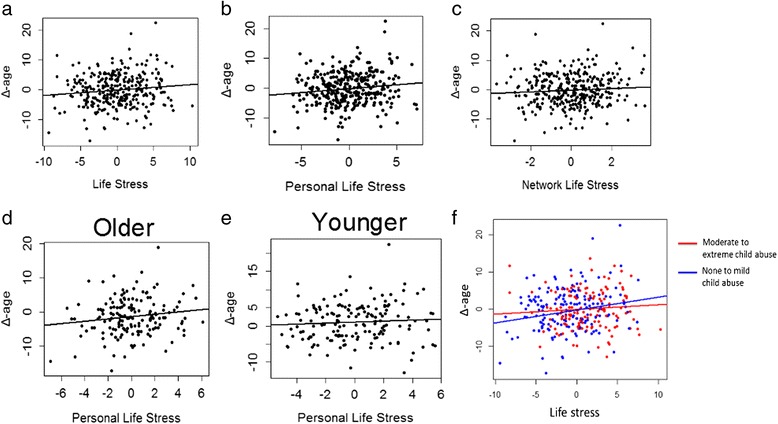
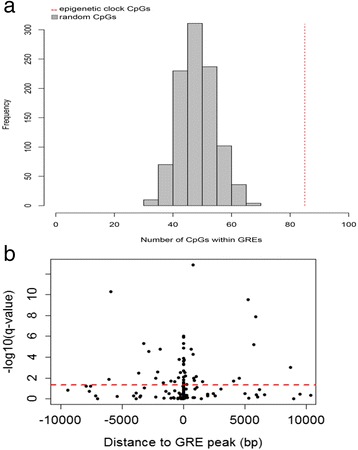
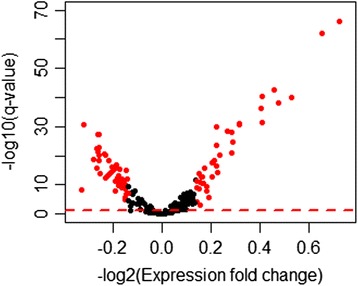
BACKGROUND: Chronic psychological stress is associated with accelerated aging and increased risk for aging-related diseases, but the underlying molecular mechanisms are unclear. RESULTS: We examined the effect of lifetime stressors on a DNA methylation-based age predictor, epigenetic clock. After controlling for blood cell-type composition and lifestyle parameters, cumulative lifetime stress, but not childhood maltreatment or current stress alone, predicted accelerated epigenetic aging in an urban, African American cohort (n = 392). This effect was primarily driven by personal life stressors, was more pronounced with advancing age, and was blunted in individuals with higher childhood abuse exposure. Hypothesizing that these epigenetic effects could be mediated by glucocorticoid signaling, we found that a high number (n = 85) of epigenetic clock CpG sites were located within glucocorticoid response elements. We further examined the functional effects of glucocorticoids on epigenetic clock CpGs in an independent sample with genome-wide DNA methylation (n = 124) and gene expression data (n = 297) before and after exposure to the glucocorticoid receptor agonist dexamethasone. Dexamethasone induced dynamic changes in methylation in 31.2 % (110/353) of these CpGs and transcription in 81.7 % (139/170) of genes neighboring epigenetic clock CpGs. Disease enrichment analysis of these dexamethasone-regulated genes showed enriched association for aging-related diseases, including coronary artery disease, arteriosclerosis, and leukemias. CONCLUSIONS: Cumulative lifetime stress may accelerate epigenetic aging, an effect that could be driven by glucocorticoid-induced epigenetic changes. These findings contribute to our understanding of mechanisms linking chronic stress with accelerated aging and heightened disease risk.
Overview
The claims and statistics of this paper haven’t been checked yet.
Free: it reads the open-access text and checks the first 5 claims that cite a source we can check. Create a free account to check every claim.
Integrity signals
Registry
Cites
Statistics
Figures
Verification
Claims the paper makes
The claims and statistics of this paper haven’t been checked yet.
Free: it reads the open-access text and checks the first 5 claims that cite a source we can check. Create a free account to check every claim.
Claims other papers make about this one
Each is checked against this paper’s own text: does it say what the citing paper says it does?
The source backs part of the claim, not all of it — or backs it for a different population, condition or comparison.
In the citing paper
“Accelerated epigenetic aging has been shown to be conferred by cumulative, particularly personal lifetime stress in a cohort of highly traumatized African-Americans (Zannas et al., 2015), and 6-month exposure of male soldiers to combat deployment in Afghanistan (Boks et al., 2015).”
From The applied implications of epigenetics in anxiety, affective and stress-related disorders - A review and synthesis on psychosocial stress, psychotherapy and prevention (2020) · cites this paper as Zannas et al., 2015
Experimental — accuracy not yet measuredThe source backs part of the claim, not all of it — or backs it for a different population, condition or comparison.
In the citing paper
“In addition, the methylation profile of individuals exposed to lifetime stress displayed an accelerated epigenetic aging profile, which was not present in individuals exposed to acute stress (Zannas et al, 2015).”
From Microglia Priming with Aging and Stress (2017) · cites this paper as Zannas et al, 2015
Experimental — accuracy not yet measuredThe cited source says what the claim attributes to it.
In the citing paper
“Cumulative lifetime stress was associated with accelerated epigenetic aging”
From The applied implications of epigenetics in anxiety, affective and stress-related disorders - A review and synthesis on psychosocial stress, psychotherapy and prevention (2020) · cites this paper as Zannas et al., 2015
In the citing paper
“Recent clinical findings showed that the epigenetic profile (such as, DNA methylation in glucocorticoid (GC) responsive regions) of subjects exposed to lifetime stress resembled the epigenetic changes in aging-associated diseases (Zannas et al, 2015).”
From Microglia Priming with Aging and Stress (2017) · cites this paper as Zannas et al, 2015
Self-check
Percentages, sums and reported differences re-computed from the paper’s own numbers.
The self-check needs the paper’s full text.
Citations
Cites
Fast and accurate short read alignment with Burrows-Wheeler transform
Li, H., & Durbin, R. (2009) · Bioinformatics · doi:10.1093/bioinformatics/btp324 · Cited by 58,607
An inventory for measuring depression
BECK, A. T. (1961) · Archives of General Psychiatry · doi:10.1001/archpsyc.1961.01710120031004 · Cited by 38,032 · cited 1×
“In the GTP, current depressive symptomatology was assessed with the 21-item validated Beck Depression Inventory (BDI) [56, 57] and current PTSD symptomatology was assessed with the validated 17-item PTSD Symptom Scale (PSS) [49, 58].”
MethodFelitti, V. J., Anda, R. F., Nordenberg, D., Williamson, D. F., Spitz, A. M., Edwards, V., Koss, M. P., & Marks, J. S. (1998) · American Journal of Preventive Medicine · doi:10.1016/s0749-3797(98)00017-8 · Cited by 18,943
Model-based Analysis of ChIP-Seq (MACS)
Zhang, Y., Liu, T., Meyer, C. A., Eeckhoute, J., Johnson, D. S., Bernstein, B. E., Nusbaum, C., Myers, R. M., Brown, M., Li, W., et al. (2008) · Genome Biology · doi:10.1186/gb-2008-9-9-r137 · Cited by 18,386 · cited 1×
“Peak-calling was carried out by MACS14 (v. 1 .4.2) [70] using default settings, resulting in approximately 23,000 annotated signals.”
MethodInfluentialPsychometric properties of the Beck Depression Inventory: Twenty-five years of evaluation
Beck, A. T., Steer, R. A., & Carbin, M. G. (1988) · Clinical Psychology Review · doi:10.1016/0272-7358(88)90050-5 · Cited by 11,696
Child abuse: Adolescent records vs. adult recall
Femina, D. D., Yeager, C. A., & Lewis, D. O. (1990) · Child Abuse & Neglect · doi:10.1016/0145-2134(90)90033-p · Cited by 8,820
Adjusting batch effects in microarray expression data using empirical Bayes methods
Johnson, W. E., Li, C., & Rabinovic, A. (2007) · Biostatistics · doi:10.1093/biostatistics/kxj037 · Cited by 8,658
Scoville, W. B. (1949) · Journal of neurosurgery · doi:10.3171/jns.1949.6.1.0065 · Cited by 7,381
DNA methylation age of human tissues and cell types
Horvath, S. (2013) · Genome Biology · doi:10.1186/gb-2013-14-10-r115 · Cited by 7,075 · cited 21×
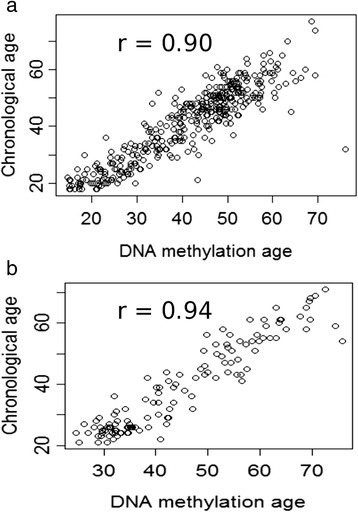
“The present study sought to determine the effect of life stressors on epigenetic aging, as measured with the epigenetic clock [27] in peripheral blood samples.”
BackgroundMethodInfluentialDevelopment and validation of a brief screening version of the Childhood Trauma Questionnaire
Bernstein, D. P., Stein, J. A., Newcomb, M. D., Walker, E., Pogge, D., Ahluvalia, T., Stokes, J., Handelsman, L., Medrano, M., Desmond, D., et al. (2003) · Child Abuse & Neglect · doi:10.1016/s0145-2134(02)00541-0 · Cited by 6,419 · cited 1×
“tional abuse, as well as emotional and physical neglect [53].”
Background
Research works printed but not linked: 1
- 2. Office for National Statistics. National Population Projections, 2012-based Statistical Bulletin. Newport: Office for National Statistics; 2012.
Cited by
Items 301–400 of 465
Jeremian, R., Bani‐Fatemi, A., Strauss, J. S., Tasmim, S., Dada, O. O., Graff‐Guerrero, A., Gerretsen, P., & Luca, V. D. (2019) · Schizophrenia Research · doi:10.1016/j.schres.2019.05.023 · Cited by 9
Bergquist, S. H., Wang, D., Smith, A. K., Roberts, D. L., & Moore, M. A. (2022) · Biogerontology · doi:10.1007/s10522-022-09985-8 · Cited by 8
“Early-life stress, cumulative lifetime stress, and certain excessive stress exposures have been associated with epigenetic changes suggestive of biologic age acceleration (Zannas 2019; Zannas et al. 2015).”
BackgroundSelf-citationGómez-Verján, J. C., Esparza‐Aguilar, M., Martín-Martín, V., Salazar-Pérez, C., Cadena-Trejo, C., Gutiérrez‐Robledo, L. M., & Arroyo, P. (2022) · Experimental Gerontology · doi:10.1016/j.exger.2022.111899 · Cited by 6
Christian, L. M., Kiecolt‐Glaser, J. K., Cole, S. W., Burd, C. E., Madison, A. A., Wilson, S. J., & Rosko, A. E. (2024) · Brain Behavior and Immunity · doi:10.1016/j.bbi.2024.04.019 · Cited by 8
“In addition, Black patients with breast cancer and controls had higher p16 than their White counterparts (Shen et al., 2020; Zannas et al., 2015).”
BackgroundIncreased somatic mosaicism in autosomal and X chromosomes for suicide death
Otsuka, I., Uchiyama, S., Shirai, T., Liu, X., Takahashi, M., Kamatani, Y., Terao, C., & Hishimoto, A. (2024) · Molecular Psychiatry · doi:10.1038/s41380-024-02718-y · Cited by 6
“…had shown that shortened telomere length and accelerated epigenetic clock aging mainly seem to be the consequences of excessive mental stress [38, 39], we consider that the increased mCAs demonstrated here may also mainly be the consequences of suicide, which represents one of the most extreme…”
León, I., Góngora, D., López, M. J. R., Herrero-Roldán, S., Rodríguez, M. L., Mitchell, C. M., Fisher, J., & Iturria‐Medina, Y. (2025) · Clinical Epigenetics · doi:10.1186/s13148-025-01839-7 · Cited by 6
“This finding also aligns with the results of accelerated epigenetic aging in adults exposed to childhood mal-treatment (52) or lifetime stress (53).”
Epigenetic and genomic mechanisms in the pathogenesis of posttraumatic stress disorder (review)
Павлова», Ф. Г. Б. О. У. В. О. «. Г. М. У. И. А. И. П., Faustova, A. G., Юров, И. Ю., & здоровья», Ф. Г. Б. Н. У. «. Ц. П. (2022) · RESEARCH RESULTS IN BIOMEDICINE · doi:10.18413/2658-6533-2022-8-1-0-2 · Cited by 6
“A.S. Zannas et al. (2015) видят реше- ние проблемы недоступности тканей головного мозга для прижизненного выявления эпигенетических маркеров посттравматического стрессового расстройства в применении трансляционного подхода [5].”
InfluentialBolhuis, E., Belsky, J., Frankenhuis, W. E., Shalev, I., Hastings, W. J., Tollenaar, M. S., O’Donnell, K. J., McGill, M. G., Pokhvisneva, I., Lin, D. T. S., et al. (2022) · Biological Psychology · doi:10.1016/j.biopsycho.2022.108446 · Cited by 9
“Like telomere length, epigenetic age appears to be affected by stress (Gassen et al., 2017; Zannas et al., 2015) and is related to health.”
Inequities in the Impacts of Hurricanes and Other Extreme Weather Events for Cancer Survivors
Gudenkauf, L. M., Hathaway, C. A., Carroll, J., Small, B. J., Li, X., Hoogland, A. I., Castro, E., Armaiz-Peña, G. N., Oswald, L. B., Jim, H., et al. (2024) · Cancer Epidemiology Biomarkers & Prevention · doi:10.1158/1055-9965.epi-23-1029 · Cited by 6
Role of Epigenetic Modification in the Intergeneration Transmission of War Trauma
Bolouki, A. (2024) · Indian Journal of Clinical Biochemistry · doi:10.1007/s12291-023-01136-1 · Cited by 5
“The person’s unique epigenetic signature can partially respond to individual differences in psychiatric outcomes after exposure to war trauma [46].”
Karlbauer, V. N., Martins, J., Rex‐Haffner, M., Sauer, S., Roeh, S., Dittrich, K., Dörr, P., Klawitter, H., Entringer, S., Buß, C., et al. (2024) · Neurobiology of Stress · doi:10.1016/j.ynstr.2024.100687 · Cited by 5
Self-citationSurachman, A., Harhay, M. N., DiMaria-Ghalili, R. A., Zannas, A. S., Almeida, D. M., & Coe, C. L. (2025) · GeroScience · doi:10.1007/s11357-025-01728-0 · Cited by 7
“While others have suggested that it can be valuable to include genome-wide SNP-based principal components and cell counts when analyzing DNA methylation-based epigenetic aging data [38, 39], this information was not available in the MIDUS epigenetic dataset.”
Self-citationAssociation between adverse life events, DNA methylation and risk of premature ovarian insufficiency
Yuan, S., Wei, L., Sun, J., Fan, Y., Li, M., Wang, L., Zhang, Q., Wang, Q., Yin, S., & Lai, D. (2026) · Climacteric · doi:10.1080/13697137.2025.2610484 · Cited by 6
“…epigenetic aging in POi patients, which is consistent with the previous report that cumulative lifetime stress may accelerate epigenetic aging [23]. in addition, previous research has demonstrated that abrupt estrogen loss, such as that occurring after surgical menopause (e.g. bilateral…”
Alhazzaa, O. A., Abahussin, H. M., Majrashi, M. A., Alotaibi, M. S., Alkhrayef, M. N., Alhamdan, Z. A., & Alawad, A. O. (2026) · Frontiers in Aging · doi:10.3389/fragi.2026.1743142 · Cited by 7
Post-traumatic stress disorder
Ressler, K. J., Rothbaum, B. O., Schnurr, P. P., Binder, E., Moreland-Capuia, A. R., Nievergelt, C. M., Koenen, K. C., Seedat, S., Shalev, A. Y., Marmar, C. R., et al. (2026) · Nature Reviews Disease Primers · doi:10.1038/s41572-026-00701-1 · Cited by 9
“The latter are probably mediated by epigenetic modifications that affect the activity of genes that regulate the stress response 117 .”
Self-citationTaff, C. C., McNew, S. M., Campagna, L., & Vitousek, M. N. (2024) · Molecular Ecology · doi:10.1111/mec.17456 · Cited by 5
“…rapidly even during adulthood (Bentz et al., 2021; Hu et al., 2018); (ii) it might persist over moderate to long time scales (Lea et al., 2016; Zannas et al., 2015); (iii) it has been shown to change with challenging experiences (Hu et al., 2018; Metzger & Schulte, 2017); and (iv) it can…”
Jung, S. Y., Yu, H., Deng, Y., & Pellegrini, M. A. (2024) · Aging · doi:10.18632/aging.206169 · Cited by 5
Remodeling the Epigenome Through Meditation: Effects on Brain, Body, and Well-being
Venditti, S. (2025) · Sub-cellular biochemistry/Subcellular biochemistry · doi:10.1007/978-3-031-75980-2_7 · Cited by 6
Vara, E. L., Langefeld, C. D., Wolf, B. J., Howard, T. D., Hawkins, G. A., Quet, Q., Moultrie, L. H., King, L. Q., Molano, I. D., Bray, S. L., et al. (2022) · Lupus Science & Medicine · doi:10.1136/lupus-2022-000698 · Cited by 7
Epigenetic aging differentially impacts breast cancer risk by self-reported race
Wu, Y., Miller, M. E., Gilmore, H. L., Thompson, C. L., & Schumacher, F. R. (2024) · PLoS ONE · doi:10.1371/journal.pone.0308174 · Cited by 5
Kaliman, P. (2019) · Springer eBooks · doi:10.1007/978-3-030-25513-8_3 · Cited by 6
Artigas, R., Vega‐Tapia, F., Hamilton, J., & Krause, B. J. (2020) · Journal of Developmental Origins of Health and Disease · doi:10.1017/s2040174420001075 · Cited by 5
Glucocorticoid Hormones in Aging
Kharwanlang, B., & Sharma, R. (2017) · Healthy ageing and longevity · doi:10.1007/978-3-319-63001-4_3 · Cited by 5
Hibernation slows epigenetic aging in yellow-bellied marmotsPreprint
de Pinho, G. M., Martin, J. G. A., Farrell, C. P., Haghani, A., Zoller, J. A., Zhang, J., Snir, S., Pellegrini, M. A., Wayne, R. K., Blumstein, D. T., et al. (2021) · bioRxiv (Cold Spring Harbor Laboratory) · doi:10.1101/2021.03.07.434299 · Cited by 6
Epigenetics of Stress in Farmed Fish
Guinand, B., & Σαμαράς, Α. (2023) · Wiley eBooks · doi:10.1002/9781119821946.ch12 · Cited by 6
Wallace, C. G., Capriotti, Z., & Klase, Z. A. (2026) · Clinical Epigenetics · doi:10.1186/s13148-025-02045-1 · Cited by 9
“Lifestyle factors such as smoking [57], poor diet [58], excessive alcohol consumption [59], and chronic psychological stress [60, 61] can hasten epigenetic ageing, as can environmental exposures like air pollution [62] and endocrine-disrupting chemicals [63, 64].”
Accelerated aging in psychiatric disorders: evidence from epigenetic clocks
Jiang, C., Ge, X., Wu, C., Zhang, X., & Fang, X. (2026) · Progress in Neuro-Psychopharmacology and Biological Psychiatry · doi:10.1016/j.pnpbp.2026.111632 · Cited by 4
Shan, J., Tay, J. H., Ye, K. X., Guo, J., Cao, L., Zeng, Y., Lee, T.-S., Kua, E. H., Kennedy, B. K., Maier, A. B., et al. (2026) · The Journal of Prevention of Alzheimer s Disease · doi:10.1016/j.tjpad.2026.100522 · Cited by 4
“Greater cumulative lifetime stress exposure predicted significantly accelerated Horvath AgeDev after adjusting for health and lifestyle factors [58].”
Ciciurkaite, G., Lee, B., Peng, S., Fekete, M., Mitchell, C., & Perry, B. L. (2026) · PLoS ONE · doi:10.1371/journal.pone.0343987 · Cited by 4
“The significant association with epigenetic aging is consistent with emerging scholarship [33,80], but previous research has also demonstrated unique significant effects of stressful events on psychological distress [24].”
Neurobiological Consequences of Child Maltreatment
Hill, S., & Belger, A. (2021) · Springer eBooks · doi:10.1007/978-3-319-89999-2_316 · Cited by 5
Molecular integrators of stress and aging: the example of FKBP5
Zannas, A. S. (2023) · Acta Neuropathologica · doi:10.1007/s00401-023-02572-2 · Cited by 6
“Work in humans further suggests that lifetime psychosocial stress and trauma burden are associated with accelerated aging as measured with composite methylomic markers (“epigenetic aging”) [6, 24].”
BackgroundSelf-citationExamining epigenetic aging in the post-mortem brain in attention deficit hyperactivity disorder
Shastri, G. G., Sudre, G. P., Ahn, K., Jung, B., Kolachana, B. S., Auluck, P. K., Elnitski, L. L., & Shaw, P. (2024) · Frontiers in Genetics · doi:10.3389/fgene.2024.1480761 · Cited by 4
Stem cell-based therapeutic strategies for liver aging
Niu, H., Wang, Y., Ding, Y. S., Lin, Y., Qin, J., & Wang, J. (2025) · Liver Research · doi:10.1016/j.livres.2025.04.003 · Cited by 5
Social and environmental predictors of gut microbiome age in wild baboons
Dasari, M. R., Roche, K. E., Jansen, D., Anderson, J. A., Alberts, S. C., Tung, J., Gilbert, J. A., Blekhman, R., Mukherjee, S., & Archie, E. A. (2025) · eLife · doi:10.7554/elife.102166.3 · Cited by 5
Dynamic and reversible transcriptomic age shifts induced by COVID-19 in Korean whole blood
An, K., Kwon, Y., Bhak, J., Ryu, H., Jeon, S., Nam, D., & Bhak, J. (2025) · Aging · doi:10.18632/aging.206270 · Cited by 5
“[32], and chronic psychosocial stress has been implicated in epigenetic aging [33].”
Reed, K., Cleveland, S., Thomas, J. L., Hsu, A., Jeong, A., Nguyen, J., Patel, A., Zhang, S., & Sumner, J. A. (2022) · Elsevier eBooks · doi:10.1016/b978-0-12-823039-8.00016-2 · Cited by 5
Psychobiologische Aspekte der Traumafolgestörungen
Ehrenthal, J. C., Stoffel, M., & Ditzen, B. (2019) · PiD - Psychotherapie im Dialog · doi:10.1055/a-0771-4890 · Cited by 4
“[3] Zannas AS, Arloth J, Carrillo-Roa T et al.”
BackgroundBouvette–Turcot, A., Meaney, M. J., & O’Donnell, K. J. (2018) · Child maltreatment solutions network · doi:10.1007/978-3-319-72589-5_7 · Cited by 7
Climate change, age acceleration, and the erosion of fitness in polar bearsPreprint
Newediuk, L., Richardson, E. S., Biddlecombe, B. A., Kassim, H. B., Kathan, L., Lunn, N. J., Rivkin, L. R., Salama, O. E., Schmidt, C., Jones, M. J., et al. (2024) · bioRxiv (Cold Spring Harbor Laboratory) · doi:10.1101/2024.01.05.574416 · Cited by 7
Bronk, G., Lardenoije, R., Koolman, L., Klengel, C., Dan, S., Howell, B., Morin, E. L., Meyer, J. S., Wilson, M. E., Ethun, K. F., et al. (2024) · bioRxiv (Cold Spring Harbor Laboratory) · doi:10.1101/2024.10.08.617208 · Cited by 5
Self-citationNyembwe, A., Zhao, Y., Caceres, B. A., Belsky, D. W., Ryan, C. P., Taylor, B., Morrison, M. T., Prescott, L., Potts‐Thompson, S., Aziz, A., et al. (2025) · Epigenomes · doi:10.3390/epigenomes9020014 · Cited by 3
“Zannas and colleagues found that cumulative lifetime stress, primarily personal life stressors, predicted accelerated aging in a sample of 392 African American adults [60].”
Abrishamcar, S., Aqua, J. K., Dye, C. K., Jones, R., Chen, Y., Gallo, L. C., Llabre, M. M., Perreira, K. M., Daviglus, M. L., Argos, M., et al. (2025) · Epigenomics · doi:10.1080/17501911.2025.2540260 · Cited by 4
Jeong, H. S., Joo, Y., Shim, Y., Kim, Y., Lee, H., Jin, Y., Kim, S. J., Yoon, S. J., & Lyoo, I. K. (2025) · Neurobiology of Stress · doi:10.1016/j.ynstr.2025.100763 · Cited by 3
“Exposure to stress is also associated with accelerated biological aging, including telomere shortening and epigenetic aging (Simons et al., 2016; Zannas et al., 2015).”
Wang, C. C. Q., Uddin, M., Wani, A. H., Graham, Z., Ratanatharathorn, A. D., Aiello, A. M., Koenen, K. C., Maggio, M., & Wildman, D. E. (2026) · Nature Mental Health · doi:10.1038/s44220-025-00581-6 · Cited by 3
“Importantly, many of these exposures have been shown to impact social and behavioral biology, including loneliness 20 , discrimination 21 and stressful life event (SLE) exposure 22 .”
Bock, S. L., Lyons, K., Yang, L., Wyffels, J. T., Adams, L., Klerks, N., Jeskie, A., Leever, E. M., Hartl, T., Almunia, J., et al. (2026) · Molecular Ecology · doi:10.1111/mec.70326 · Cited by 6
“…(e.g., menarche, menopause; Binder et al. 2018; Levine et al. 2016), disease risk (Levine et al. 2015, 2018; Lu et al. 2019), mortality (Marioni et al. 2015), and environmental factors that affect longevity (Maegawa et al. 2017; Petkovich et al. 2017; Ryan et al. 2020; Zannas et al. 2015).”
Living single in late life among African Americans
Jordan, T. R., & Martin, P. (2023) · Journal of Family Theory & Review · doi:10.1111/jftr.12531 · Cited by 3
Murgatroyd, C., Salontaji, K., Smajlagić, D., Page, C. M., Sanders, F., Jugessur, A., Lyle, R., Tsotsi, S., Haftorn, K. L., Felix, J. F., et al. (2026) · Translational Psychiatry · doi:10.1038/s41398-026-04405-8 · Cited by 3
Asif, H., & Kim, J. J. (2025) · Molecular Oncology · doi:10.1002/1878-0261.70013 · Cited by 3
Characterization of the effects of age and childhood maltreatment onELOVL2DNA methylation
Ramo‐Fernández, L., Karabatsiakis, A., Boeck, C., Bach, A. M., Gumpp, A. M., Mavioğlu, R. N., Ammerpohl, O., & Kolassa, I. (2021) · Development and Psychopathology · doi:10.1017/s0954579420001972 · Cited by 3
“Lifetime stress has been associated with accelerated epigenetic aging (Zannas et al., 2015).”
BackgroundCaceres, B. A., Huang, Y., Barcelona, V., Wang, Z., Newhall, K. P., Cerdeña, J. P., Crusto, C. A., Sun, Y. V., & Taylor, J. Y. (2022) · Epigenetics Insights · doi:10.1177/25168657221138510 · Cited by 4
Epigenetic aging differences between Wichí and Criollos from Argentina
Iannuzzi, V., Sarno, S., Sazzini, M., Abondio, P., Sala, C., Bacalini, M. G., Gentilini, D., Calzari, L., Masciotta, F., Garagnani, P., et al. (2023) · Evolution Medicine and Public Health · doi:10.1093/emph/eoad034 · Cited by 3
“These estimators have been applied broadly to study centenarians [12], socioeconomic inequalities, education [13], nutritional status and lifetime stress [14] and conditions including Down’s syndrome [15], Alzheimer’s diseases and cognitive decline [16].”
BackgroundEpigenetics and Lifestyle: The Impact of Stress, Diet, and Social Habits on Tissue Homeostasis
Pérez, R. F., Santamarina‐Ojeda, P., Fernández, A. F., & Fraga, M. F. (2019) · Elsevier eBooks · doi:10.1016/b978-0-12-814879-2.00020-0 · Cited by 6
Nikolova, Y. S., Swartz, J. R., & Hariri, A. R. (2016) · Epigenomics · doi:10.2217/epi-2016-0099 · Cited by 4
Zannas, A. S., Jia, M., Hafner, K., Baumert, J. J., Wiechmann, T., Pape, J. C., Arloth, J., Ködel, M., Martinelli, S., Roitman, M., et al. (2018) · bioRxiv (Cold Spring Harbor Laboratory) · doi:10.1101/484709 · Cited by 5
“Both aging and stress can have lasting effects on the epigenome (23-26), and FKBP5 transcription can be regulated by epigenetic mechanisms (27-29); thus, a plausible hypothesis is that stress exposure along the lifespan could epigenetically deregulate FKBP5 in immune cells, potentially contributing to peripheral infla…”
BackgroundMethodResultInfluentialSelf-citationSocial and environmental predictors of gut microbiome age in wild baboonsPreprint
Dasari, M. R., Roche, K. E., Jansen, D., Anderson, J. A., Alberts, S. C., Tung, J., Gilbert, J. A., Blekhman, R., Mukherjee, S., & Archie, E. A. (2025) · eLife · doi:10.7554/elife.102166.2 · Cited by 3
Bertoli, G., Phadke, K., Cospito, A., Rizk, J. A., Zhang, M., Miliotou, E., Cammer, M., Deng, Y., Mezzano, V., Alu, M., et al. (2025) · doi:10.1101/2025.10.22.682160 · Cited by 2
Problem Davranışların Önlenmesinde Sosyal Beceri Eğitimi
Seven, S. (2024) · doi:10.5152/8706 · Cited by 2
Residential Segregation and Epigenetic Age Acceleration Among Older-Age Black and White Americans
DeAngelis, R. T., Fisher, V., Dou, J., Bakulski, K. M., Rigby, D., & Hicken, M. T. (2025) · International Journal of Environmental Research and Public Health · doi:10.3390/ijerph22060837 · Cited by 2
“Chronic exposure to socioeconomic disadvantage and psychosocial stress has also been linked to accelerated epigenetic aging [11], especially among Black adults [12,13].”
Work-related stress and burnout: Is epigenetic aging the missing link?
Eder, J., David, F. S., Illius, S., Rothe, N., Wekenborg, M., Walther, A., Penz, M. S., Jylhävä, J., Miller, R. E., Kirschbaum, C., et al. (2025) · Clinical Epigenetics · doi:10.1186/s13148-025-01968-z · Cited by 5
“Epigenetic modifications often develop over prolonged periods, particularly in response to chronic stressors [38, 99].”
Influential(2026) · doi:10.1161/jaha.125.047447 · Cited by 2
Social bonds decrease epigenetic age in male bottlenose dolphins
Gerber, L., Peters, K. J., King, S. L., Allen, S. J., Connor, R. C., Forbes, O., Holmes, K. G., Kearns, A. M., Willems, E. P., Krützen, M., et al. (2025) · Communications Biology · doi:10.1038/s42003-025-09227-w · Cited by 4
Tang, Y., Gao, X. W., Wang, B., Kong, L., Fan, Y., & Zhu, X. (2025) · Journal of Affective Disorders · doi:10.1016/j.jad.2025.120766 · Cited by 3
Morales, J. P., Macchiavello, F., & Rojas‐Thomas, F. (2025) · Neuroscience · doi:10.1016/j.neuroscience.2025.12.034 · Cited by 2
The Molecular Exposome of Visible Age Reversal: From Organ–Skin Axes to Regenerative Aesthetics
Yamada, H. (2026) · Molecules · doi:10.3390/molecules31071147 · Cited by 2
Body mass index, physical activity, and epigenetic aging: a cross-population study
Zhou, B., Wu, D., Chen, S., Zhang, S., Ge, X., Li, J., Zhu, L., Zhou, S., Chang, N., Zhou, B., et al. (2026) · Clinical Epigenetics · doi:10.1186/s13148-026-02149-2 · Cited by 2
“Emerging evidence further indicates that obesity-related aging is not confined to a single tissue but rather involves coordinated alterations across multiple organs and biological systems, including adipose tissue dysfunction, stress-response pathways, and systemic inflammatory remodeling [41, 42].”
The Human Epigenome—Implications for the Understanding of Human Disease
Esteller, M. (2017) · Elsevier eBooks · doi:10.1016/b978-0-12-802761-5.00008-0 · Cited by 2
Yin, W., Li, X., Chen, R., Zhan, Y., Jylhävä, J., Fang, F., & Hägg, S. (2025) · Biogerontology · doi:10.1007/s10522-024-10171-1 · Cited by 3
“Although psychological stress has been linked to changes in DNA methylation (Fiorito et al. 2019; Wolf et al. 2018; Zannas et al. 2015), little is known regarding the impact of marital/living status on the epigenetic ageing markers.”
Kanouta, F., Karampitsakos, Τ., Memi, E., Vrachnis, N., Μacut, D., & Mastorakos, G. P. (2025) · HORMONES · doi:10.1007/s42000-025-00671-1 · Cited by 2
“In humans, exposure to dexamethasone negatively affects a DNA methylation-based age predictor which predicts accelerated epigenetic aging [4].”
Age-Related Variation in DNA Methylation
Keith, K., Issa, J. J., & Panjarian, S. B. (2022) · Springer eBooks · doi:10.1007/978-3-030-94475-9_10 · Cited by 3
Galkin, F., & Zhavoronkov, A. A. (2023) · Healthy ageing and longevity · doi:10.1007/978-3-031-35176-1_1 · Cited by 4
Webb, S. J. N., Whitney, S., Yi, S. V., & Simmons, J. H. (2025) · Aging · doi:10.18632/aging.206223 · Cited by 6
“Given this early-life adversity, we would perhaps expect accelerated aging in these nursery-reared individuals compared to their mother-reared counterparts, especially given the fact that lifetime stress exposure in humans has been associated with accelerated aging [29].”
Promotion of Mental Health of the Elderly
Kalasic, A. M., & Pfeiffer, A. (2017) · Springer eBooks · doi:10.1007/978-3-319-59123-0_14 · Cited by 3
Guffanti, G. (2019) · Oxford University Press eBooks · doi:10.1093/oso/9780190915858.003.0025 · Cited by 2
Halldorsdottir, T., Valdimarsdottir, H. B., & Valdimarsdóttir, U. A. (2022) · Elsevier eBooks · doi:10.1016/b978-0-12-823039-8.00007-1 · Cited by 6
Epigenetics: At the Crossroads Between Genetic and Environmental Determinants of Disease
Morales-Sánchez, P., Pérez, R. F., Santamarina‐Ojeda, P., Rodríguez‐Rodero, S., Fernandez-Fernandez, A., & Fraga, M. F. (2019) · Springer eBooks · doi:10.1007/978-981-13-7256-8_7 · Cited by 2
Epigenome-wide association study of posttraumatic stress disorder in a South African populationPreprint
Toikumo, S., Katrinli, Ş., du Plessis, M., Malan‐Müller, S., van den Heuvel, L. L., Tromp, G., Smith, A. K., Seedat, S., & Hemmings, S. M. J. (2025) · medRxiv · doi:10.1101/2025.05.07.25327159 · Cited by 3
“Notably, the Horvath’s DNAm age clock is enriched for glucocorticoid response elements linked to stress 101 .”
Self-citationBlood transcriptomic associations of epigenetic age in adolescents
Khodasevich, D., Bozack, A. K., Daredia, S., Deardorff, J., Harley, K. G., Eskenazi, B., Guo, W., Holland, N., & Cárdenas, A. (2025) · Epigenetics · doi:10.1080/15592294.2025.2503824 · Cited by 2
“Psychosocial stressors have been found to be major contributors to epigenetic aging in a range of studies [41,42], which may be reflected in our findings of consistent positive associations between multiple epigenetic clocks and MYO6 expression.”
McAfee, E. E., Lathan, E. C., Lipschutz, R. S., Barrie, D. L. L., Mekawi, Y., Stenson, A. F., Jovanović, T., Bradley, B., & Powers, A. D. (2025) · Journal of Child and Family Studies · doi:10.1007/s10826-025-03077-0 · Cited by 1
“In addition, life stressors such as poverty, trauma, and racial discrimination, can contribute to pubertal acceleration (Braithwaite et al., 2009; Gur et al., 2019; Sumner et al., 2019), which is often observed among Black children (Zannas et al., 2015; Jovanovic et al., 2017).”
Self-citationKilaberia, T. R., Akbary, H., Beckman, S., & Brooks, M. A. (2025) · Social Science & Medicine · doi:10.1016/j.socscimed.2025.118563 · Cited by 1
Tamman, A. J. F., Nagamatsu, S. T., Cabrera‐Mendoza, B., Averill, L. A., Dunn, E. C., Krystal, J. H., Gelernter, J. E., Montalvo‐Ortiz, J. L., Polimanti, R. A., & Pietrzak, R. H. (2025) · Psychoneuroendocrinology · doi:10.1016/j.psyneuen.2025.107568 · Cited by 1
Methylome and transcriptome analysis reveal the impact of psychological stress on the skin
Li, B., Zou, Y., Tian, S., Gonda, L., Mahns, A., Huang, T., Kolbe, L., Shi, Y., & Wang, S. (2026) · Molecular Genetics and Genomics · doi:10.1007/s00438-026-02354-x · Cited by 2
“Cumulative lifetime stress has been shown to accelerate epigenetic aging, likely driven in part by glucocorticoid-induced epigenetic changes (Zannas et al. 2015).”
Webb, E. K., Zannas, A. S., Linnstaedt, S. D., House, S. L., Beaudoin, F. L., An, X., Stevens, J. S., Neylan, T. C., Clifford, G. D., Jovanović, T., et al. (2026) · Journal of Psychiatric Research · doi:10.1016/j.jpsychires.2026.03.045 · Cited by 1
Self-citationÇocuklarda Problem Davranışlar: Anlama ve Önleme
Yürek, E., Kumru, F. B. A., İrevül, G., Tulumlu, R., & Seven, Z. D. (2024) · doi:10.5152/8700 · Cited by 2
Associations among prenatal stress, socioeconomic status, and infant epigenetic aging
Sperber, J. F., Hart, E. R., Troller‐Renfree, S. V., Watts, T. W., Miller, M., Bellatin, A., Meyer, J. S., Dettmer, A. M., Champagne, F. A., & Noble, K. G. (2025) · Psychoneuroendocrinology · doi:10.1016/j.psyneuen.2025.107575 · Cited by 2
“For example, adult research has observed a consistent pattern of accelerated epigenetic aging following exposure to trauma (Boks et al., 2015), childhood adversity (Sumner et al., 2019), childhood economic disadvantage (Hughes et al., 2018), and cumulative life stress (Zannas et al., 2015).”
Ohi, K., Fujikane, D., Oida, Y., Takai, K., Ukisu, T., Nakahara, M., Murakami, H., Fujita, K., Kuramitsu, A., Muto, Y., et al. (2025) · BMC Medicine · doi:10.1186/s12916-025-04480-6 · Cited by 2
Wang, X., & Zhong, X. (2026) · Scientific Reports · doi:10.1038/s41598-025-31813-5 · Cited by 2
“…of protein expression changes following digital intervention exposure can be described using Michaelis-Menten-type equations: where v represents protein synthesis rate, V max indicates maximum synthesis rate, [ S ] denotes substrate concentration, and K m represents the Michaelis constant 29 .”
Multifactorial conceptual model of cancer-related accelerated aging
Lh, M., Weiss, S. M., Ritchie, C. S., Wong, M. L., Hoffmann, T. K., Wallhagen, M. L., & Miaskowski, C. A. (2026) · npj Aging · doi:10.1038/s41514-025-00328-8 · Cited by 4
Santillan, C. M., Abbas, M., Macip, S., & Hanzu, F. A. (2026) · Endocrine Connections · doi:10.1530/ec-26-0197 · Cited by 1
“It favours visceral adiposity and is associated with a higher burden of chronic cardiometabolic and neurodegenerative disease – core features of accelerated biological ageing (54, 55).”
InfluentialPsychoneuroimmunology of Aging
Yan, Q. (2016) · Springer eBooks · doi:10.1007/978-3-319-45111-4_9 · Cited by 1
Neurobiological Consequences of Child Maltreatment
Hill, S., & Belger, A. (2020) · Springer eBooks · doi:10.1007/978-3-319-62122-7_316-1 · Cited by 1
Arif, T., & Anwar, N. (2020) · Asian Pacific Journal of Cancer Prevention · doi:10.31557/apjcp.2020.21.8.2395 · Cited by 4
“Asian Pacific Journal of Cancer Prevention, Vol 212400 grade, hormonal receptor status, abnormal mitosis, necrosis has shown to be associated with germline mutations (Zannas et al ., 2015).”
BackgroundEpigenetics of major depressive disorder
Braun, P., & Potash, J. B. (2021) · Elsevier eBooks · doi:10.1016/b978-0-12-823577-5.00002-7 · Cited by 1
Social and environmental predictors of gut microbiome age in wild baboonsPreprint
Dasari, M. R., Roche, K. E., Jansen, D., Anderson, J. A., Alberts, S. C., Tung, J., Gilbert, J. A., Blekhman, R., Mukherjee, S., & Archie, E. A. (2024) · eLife · doi:10.7554/elife.102166.1 · Cited by 1
Authors’ reply to comments on tocotrienols, health and ageing
Georgousopoulou, E. N., Panagiotakos, D. B., Mellor, D. D., & Naumovski, N. (2016) · Maturitas · doi:10.1016/j.maturitas.2016.11.020
Defective DNA Methylation/Demethylation Processes Define Aging-Dependent Methylation Patterns
Zampieri, M., Ciccarone, F., & Caiafa, P. (2017) · Elsevier eBooks · doi:10.1016/b978-0-12-811060-7.00002-4
Lessons from Knowledge on the Correlates of the Age of Onset of Physical Illness
Fiorito, G., Sacerdote, C., & Vineis, P. (2018) · Springer eBooks · doi:10.1007/978-3-319-72619-9_2
The Role of Glucocorticoid Signaling in Prostate Cancer Health Disparities
Woods‐Burnham, L. (2018) · The Scholars Repository - LLU (Loma Linda University)
Epigenetic Studies of Complex Human Disorders and Aging
Jeremian, R. (2018) · TSpace (University of Toronto)
Statistical Inference for the Investigation of Cell-Type Heterogeneity in DNA Methylation Data
Kennedy, D. W. (1905) · Queensland University of Technology · doi:10.5204/thesis.eprints.128080
Poddar, M. K., & Chakraborty, A. (2019) · Acta Scientifci Nutritional Health · doi:10.31080/asnh.2019.03.0458
Metadata
- Authors
- Zannas, A. S., Arloth, J., Carrillo-Roa, T., Iurato, S., Röh, S., Ressler, K. J., Nemeroff, C. B., Smith, A. K., Bradley, B., Heim, C., Menke, A., Lange, J. F., Brückl, T., Ising, M., Wray, N. R., Erhardt, A., Binder, E. B., & Mehta, D.
- Affiliations
- Duke University (US)
- Helmholtz Munich (DE)
- Max Planck Institute of Psychiatry (DE)
- Howard Hughes Medical Institute (US)
- University of Miami (US)
- Emory University (US)
- Pennsylvania State University (US)
- University of Würzburg (DE)
- The University of Queensland (AU)
- Corresponding author
- Zannas, Anthony S.
- Binder, Elisabeth B.
- ORCID
- Venue
- Genome Biology
- Published
- 2015-12
- Volume
- 16
- Issue
- 1
- Pages
- 266-266
- ISSN
- 1465-6906 (ISSN-L)
- 1474-760X
- PMC
- PMC4699359
- OpenAlex
- W2200534091
- Semantic Scholar
- 4a9f0c2be1397c1c5f01e5383f6df18f4d6b9917
- Cited by
- 469
- References
- 75
- Citations by year
- 2026: 31 · 2025: 38 · 2024: 51 · 2023: 46 · 2022: 62 · 2021: 60 · 2020: 33 · 2019: 43 · 2018: 44 · 2017: 43 · 2016: 16
- FWCI
- 14.82
- Type
- journal article
- Language
- en
- Update notices
- correction (2018-05-23)
- Open access
- gold
- doi.org
- Licence
- cc-by
- creativecommons.org/licenses/by/4.0/ (tdm)
- creativecommons.org/licenses/by/4.0/ (vor, 16 d)
- Locations
- Genome biology (publishedVersion, cc-by)
- PubMed Central (publishedVersion, cc-by)
- PubMed (publishedVersion)
- QUT ePrints (Queensland University of Technology) (submittedVersion, cc-by)
- MPG.PuRe (Max Planck Society) (submittedVersion, cc-by)
- Site cant be reached (submittedVersion, cc-by)
- Online Publication Service of Würzburg University (Würzburg University) (submittedVersion, cc-by)
- PuSH - Publication Server of Helmholtz Zentrum München (submittedVersion, cc-by)
- Funders
- European Commission (653240, ERA-NET Neuron)
- European Research Council (281338)
- National Institute of Mental Health (MH071538, MH58922, K01 MH073698–01)
- National Health and Medical Research Council (1047956)
- U.S. Public Health Service (UL1 RR025008)
- Topics
- Life Sciences › Biochemistry, Genetics and Molecular Biology › Molecular Biology › Epigenetics and DNA Methylation
- Life Sciences › Neuroscience › Behavioral Neuroscience › Stress Responses and Cortisol
- Life Sciences › Biochemistry, Genetics and Molecular Biology › Aging › Genetics, Aging, and Longevity in Model Organisms
- Keywords
- epigenetic aging, DNA methylation, epigenetic clocks, glucocorticoid signaling, glucocorticoid response element, dexamethasone, child abuse, African Americans, urban population, age-related diseases, coronary artery disease, arteriosclerosis, leukemia, gene expression
- MeSH terms
- Adolescent, Adult, Aged, Aging, Black or African American, Dexamethasone, Female, Glucocorticoids, Humans, Male, Middle Aged, Receptors, Glucocorticoid, Stress, Psychological, Urban Population, Signal Transduction, Case-Control Studies, CpG Islands, Response Elements, Epigenesis, Genetic
About these checks
Registry, retraction, Cites and statistics results are computed, not judged, with one exception: a printed reference that no index lists is read once by a model before it counts as a citation error. Claims are extracted by a model and kept only when their quote appears verbatim in the text; each cited source is then checked, with a model’s help, for whether it says what the claim relies on. Those verdicts can be wrong — read the claim’s quote and the cited source before relying on one.
Statistics and arithmetic are recomputed, not judged.
Confidence bands are shown only for fields calibrated on our annotated test set. None is calibrated yet, so no band is shown.
What counts as a claim ›How we measure confidence ›How we check this ›
Are you an author, or do you see a problem with this page? Request a review
Data sources
Bibliographic data: Semantic Scholar, OpenAlex, Crossref.
Contains information from the Semantic Scholar Academic Graph Datasets, made available under the ODC Attribution License (ODC-BY 1.0).
Semantic Scholar’s data is described in: Kinney, R., et al. (2023). The Semantic Scholar Open Data Platform. arXiv:2301.10140.
