

Lifetime stress accelerates epigenetic aging in an urban, African American cohort: relevance of glucocorticoid signaling
Open accessThe DOI matches its Crossref record; 74 of the 75 references it cites were found in a registry or an index.
Abstract
BACKGROUND: Chronic psychological stress is associated with accelerated aging and increased risk for aging-related diseases, but the underlying molecular mechanisms are unclear. RESULTS: We examined the effect of lifetime stressors on a DNA methylation-based age predictor, epigenetic clock. After controlling for blood cell-type composition and lifestyle parameters, cumulative lifetime stress, but not childhood maltreatment or current stress alone, predicted accelerated epigenetic aging in an urban, African American cohort (n = 392). This effect was primarily driven by personal life stressors, was more pronounced with advancing age, and was blunted in individuals with higher childhood abuse exposure. Hypothesizing that these epigenetic effects could be mediated by glucocorticoid signaling, we found that a high number (n = 85) of epigenetic clock CpG sites were located within glucocorticoid response elements. We further examined the functional effects of glucocorticoids on epigenetic clock CpGs in an independent sample with genome-wide DNA methylation (n = 124) and gene expression data (n = 297) before and after exposure to the glucocorticoid receptor agonist dexamethasone. Dexamethasone induced dynamic changes in methylation in 31.2 % (110/353) of these CpGs and transcription in 81.7 % (139/170) of genes neighboring epigenetic clock CpGs. Disease enrichment analysis of these dexamethasone-regulated genes showed enriched association for aging-related diseases, including coronary artery disease, arteriosclerosis, and leukemias. CONCLUSIONS: Cumulative lifetime stress may accelerate epigenetic aging, an effect that could be driven by glucocorticoid-induced epigenetic changes. These findings contribute to our understanding of mechanisms linking chronic stress with accelerated aging and heightened disease risk.
Overview
The claims and statistics of this paper haven’t been checked yet.
Free: it reads the open-access text and checks the first 5 claims that cite a source we can check. Create a free account to check every claim.
Integrity signals
Registry
Cites
Statistics
Figures
Verification
Claims the paper makes
The claims and statistics of this paper haven’t been checked yet.
Free: it reads the open-access text and checks the first 5 claims that cite a source we can check. Create a free account to check every claim.
Claims other papers make about this one
Each is checked against this paper’s own text: does it say what the citing paper says it does?
The source backs part of the claim, not all of it — or backs it for a different population, condition or comparison.
In the citing paper
“Accelerated epigenetic aging has been shown to be conferred by cumulative, particularly personal lifetime stress in a cohort of highly traumatized African-Americans (Zannas et al., 2015), and 6-month exposure of male soldiers to combat deployment in Afghanistan (Boks et al., 2015).”
From The applied implications of epigenetics in anxiety, affective and stress-related disorders - A review and synthesis on psychosocial stress, psychotherapy and prevention (2020) · cites this paper as Zannas et al., 2015
Experimental — accuracy not yet measuredThe source backs part of the claim, not all of it — or backs it for a different population, condition or comparison.
In the citing paper
“In addition, the methylation profile of individuals exposed to lifetime stress displayed an accelerated epigenetic aging profile, which was not present in individuals exposed to acute stress (Zannas et al, 2015).”
From Microglia Priming with Aging and Stress (2017) · cites this paper as Zannas et al, 2015
Experimental — accuracy not yet measuredThe cited source says what the claim attributes to it.
In the citing paper
“Cumulative lifetime stress was associated with accelerated epigenetic aging”
From The applied implications of epigenetics in anxiety, affective and stress-related disorders - A review and synthesis on psychosocial stress, psychotherapy and prevention (2020) · cites this paper as Zannas et al., 2015
In the citing paper
“Recent clinical findings showed that the epigenetic profile (such as, DNA methylation in glucocorticoid (GC) responsive regions) of subjects exposed to lifetime stress resembled the epigenetic changes in aging-associated diseases (Zannas et al, 2015).”
From Microglia Priming with Aging and Stress (2017) · cites this paper as Zannas et al, 2015
Self-check
Percentages, sums and reported differences re-computed from the paper’s own numbers.
The self-check needs the paper’s full text.
Citations
Cites
Fast and accurate short read alignment with Burrows-Wheeler transform
Li, H., & Durbin, R. (2009) · Bioinformatics · doi:10.1093/bioinformatics/btp324 · Cited by 58,607
An inventory for measuring depression
BECK, A. T. (1961) · Archives of General Psychiatry · doi:10.1001/archpsyc.1961.01710120031004 · Cited by 38,032 · cited 1×
“In the GTP, current depressive symptomatology was assessed with the 21-item validated Beck Depression Inventory (BDI) [56, 57] and current PTSD symptomatology was assessed with the validated 17-item PTSD Symptom Scale (PSS) [49, 58].”
MethodFelitti, V. J., Anda, R. F., Nordenberg, D., Williamson, D. F., Spitz, A. M., Edwards, V., Koss, M. P., & Marks, J. S. (1998) · American Journal of Preventive Medicine · doi:10.1016/s0749-3797(98)00017-8 · Cited by 18,943
Model-based Analysis of ChIP-Seq (MACS)
Zhang, Y., Liu, T., Meyer, C. A., Eeckhoute, J., Johnson, D. S., Bernstein, B. E., Nusbaum, C., Myers, R. M., Brown, M., Li, W., et al. (2008) · Genome Biology · doi:10.1186/gb-2008-9-9-r137 · Cited by 18,386 · cited 1×
“Peak-calling was carried out by MACS14 (v. 1 .4.2) [70] using default settings, resulting in approximately 23,000 annotated signals.”
MethodInfluentialPsychometric properties of the Beck Depression Inventory: Twenty-five years of evaluation
Beck, A. T., Steer, R. A., & Carbin, M. G. (1988) · Clinical Psychology Review · doi:10.1016/0272-7358(88)90050-5 · Cited by 11,696
Child abuse: Adolescent records vs. adult recall
Femina, D. D., Yeager, C. A., & Lewis, D. O. (1990) · Child Abuse & Neglect · doi:10.1016/0145-2134(90)90033-p · Cited by 8,820
Adjusting batch effects in microarray expression data using empirical Bayes methods
Johnson, W. E., Li, C., & Rabinovic, A. (2007) · Biostatistics · doi:10.1093/biostatistics/kxj037 · Cited by 8,658
Scoville, W. B. (1949) · Journal of neurosurgery · doi:10.3171/jns.1949.6.1.0065 · Cited by 7,380
DNA methylation age of human tissues and cell types
Horvath, S. (2013) · Genome Biology · doi:10.1186/gb-2013-14-10-r115 · Cited by 7,075 · cited 21×
“The present study sought to determine the effect of life stressors on epigenetic aging, as measured with the epigenetic clock [27] in peripheral blood samples.”
BackgroundMethodInfluentialDevelopment and validation of a brief screening version of the Childhood Trauma Questionnaire
Bernstein, D. P., Stein, J. A., Newcomb, M. D., Walker, E., Pogge, D., Ahluvalia, T., Stokes, J., Handelsman, L., Medrano, M., Desmond, D., et al. (2003) · Child Abuse & Neglect · doi:10.1016/s0145-2134(02)00541-0 · Cited by 6,419 · cited 1×
“tional abuse, as well as emotional and physical neglect [53].”
Background
Research works printed but not linked: 1
- Office for National Statistics. National Population Projections, 2012-based Statistical Bulletin. Newport: Office for National Statistics; 2012.
Cited by
DNA methylation-based biomarkers and the epigenetic clock theory of ageing
Horvath, S., & Raj, K. (2018) · Nature Reviews Genetics · doi:10.1038/s41576-018-0004-3 · Cited by 3,095
Epigenetic clock analysis of diet, exercise, education, and lifestyle factors
Quach, A., Levine, M. E., Tanaka, T., Lu, A. T., Chen, B. H., Ferrucci, L., Ritz, B., Bandinelli, S., Neuhouser, M. L., Beasley, J. M., et al. (2017) · Aging · doi:10.18632/aging.101168 · Cited by 801
“Further, the utility of the epigenetic clock method using various tissues and organs has been demonstrated in applications surrounding Alzheimer's disease [48], centenarian status [47, 49], development [50], Down syndrome [51], frailty [44], HIV infection [52], Huntington's disease [53], obesity [54], lifetime stress…”
An epigenetic clock analysis of race/ethnicity, sex, and coronary heart disease
Horvath, S., Gurven, M., Levine, M. E., Trumble, B. C., Kaplan, H., Allayee, H., Ritz, B. R., Chen, B., Lu, A. T., Rickabaugh, T. M., et al. (2016) · Genome Biology · doi:10.1186/s13059-016-1030-0 · Cited by 733
“The utility of the epigenetic clock method has been demonstrated in applications surrounding obesity [29], Down’s syndrome [30], HIV infection [31], Parkinson’s disease [32], Alzheimer’s disease-related neuropathologies [33], lung cancer [34], and lifetime stress [35].”
MethodDNA Methylation Clocks in Aging: Categories, Causes, and Consequences
Field, A. E., Robertson, N. A., Wang, T., Havas, A., Ideker, T., & Adams, P. D. (2018) · Molecular Cell · doi:10.1016/j.molcel.2018.08.008 · Cited by 621
“Insomnia and extreme lifestyle stresses are also associated with accelerated methylation aging (Carroll et al., 2017; Jovanovic et al., 2017; Zannas et al., 2015).”
Microglia Priming with Aging and Stress
Niraula, A., Sheridan, J. F., & Godbout, J. P. (2017) · Neuropsychopharmacology · doi:10.1038/npp.2016.185 · Cited by 398
Fitzgerald, K. N., Hodges, R., Hanes, D., Stack, E., Cheishvili, D., Szyf, M., Henkel, J., Twedt, M. W., Giannopoulou, D., Herdell, J., et al. (2021) · Aging · doi:10.18632/aging.202913 · Cited by 361
Zannas, A. S., Jia, M., Hafner, K., Baumert, J., Wiechmann, T., Pape, J. C., Arloth, J., Ködel, M., Martinelli, S., Roitman, M., et al. (2019) · Proceedings of the National Academy of Sciences · doi:10.1073/pnas.1816847116 · Cited by 352
“DNA methylation at cytosine – guanine dinucleotides (CpGs) can change with age (24), an effect moderated in part by environmental factors (29), including psychosocial stress (23).”
Self-citationSumner, J. A., Colich, N. L., Uddin, M., Armstrong, D., & McLaughlin, K. A. (2019) · Biological Psychiatry · doi:10.1016/j.biopsych.2018.09.008 · Cited by 315
Epigenetic aging in major depressive disorder
Han, L. K. M., Aghajani, M., Clark, S. L., Chan, R. F., Hattab, M. W., Shabalin, A. A., Zhao, M., Kumar, G., Xie, L. Y., Jansen, R., et al. (2018) · American Journal of Psychiatry · doi:10.1176/appi.ajp.2018.17060595 · Cited by 260
“A few studies have investigated DNAmAge in relation to schizophrenia(19;20), life stress(21), and posttraumatic stress disorder(22;23), with mixed findings.”
BackgroundObesity and ageing: Two sides of the same coin
Tam, B. T., Morais, J. A., & Santosa, S. (2020) · Obesity Reviews · doi:10.1111/obr.12991 · Cited by 253
“New insight has been provided by another study concluding that cumulative lifetime stress may accelerate epigenetic ageing via glucocorticoid-induced methylation in genomic DNA extracted from human whole blood.(134) Coincidentally, individuals with obesity have altered cortisol levels.”
BackgroundBiological age is increased by stress and restored upon recovery
Poganik, J. R., Zhang, B., Baht, G. S., Tyshkovskiy, A., Deik, A., Kerepesi, C., Yim, S. H., Lu, A. T., Haghani, A., Gong, T., et al. (2023) · Cell Metabolism · doi:10.1016/j.cmet.2023.03.015 · Cited by 246
Traumatic stress and accelerated DNA methylation age: a meta-analysis
Wolf, E. J., Maniates, H., Nugent, N., Maihofer, A. X., Armstrong, D., Ratanatharathorn, A., Ashley-Koch, A. E., Garrett, M., Kimbrel, N. A., Lori, A., et al. (2018) · Psychoneuroendocrinology · doi:10.1016/j.psyneuen.2017.12.007 · Cited by 245
Self-citationDNA methylation-based predictors of health: applications and statistical considerations
Yousefi, P. D., Suderman, M., Langdon, R., Whitehurst, O., Davey Smith, G., & Relton, C. L. (2022) · Nature Reviews Genetics · doi:10.1038/s41576-022-00465-w · Cited by 235
Dugué, P., Bassett, J. K., Joo, J. E., Jung, C., Ming Wong, E., Moreno‐Betancur, M., Schmidt, D., Makalic, E., Li, S., Severi, G., et al. (2018) · International Journal of Cancer · doi:10.1002/ijc.31189 · Cited by 214
Ambatipudi, S., Horvath, S., Perrier, F., Cuenin, C., Hernandez-Vargas, H., Le Calvez-Kelm, F., Durand, G., Byrnes, G., Ferrari, P., Bouaoun, L., et al. (2017) · European Journal of Cancer · doi:10.1016/j.ejca.2017.01.014 · Cited by 204
“Further, the utility of the epigenetic clock method using various tissues and organs has been demonstrated in applications surrounding Alzheimer disease [11], centenarian status [8], pre-natal and early life influences [12], Down syndrome [13], HIV infection [14], Huntington disease [15], obesity [16], lifetime stress…”
The accelerated aging phenotype: The role of race and social determinants of health on aging
Noren Hooten, N., Pacheco, N. L., Smith, J. T., & Evans, M. K. (2022) · Ageing Research Reviews · doi:10.1016/j.arr.2021.101536 · Cited by 186
“These stress-response genes were enriched for association with aging-related diseases (Zannas et al., 2015).”
InfluentialDNA methylation dynamics in aging: how far are we from understanding the mechanisms?
Ciccarone, F., Tagliatesta, S., Caiafa, P., & Zampieri, M. (2018) · Mechanisms of Ageing and Development · doi:10.1016/j.mad.2017.12.002 · Cited by 183
Simons, R. L., Lei, M.-K., Klopack, E., Beach, S. R. H., Gibbons, F. X., & Philibert, R. A. (2021) · Social Science & Medicine · doi:10.1016/j.socscimed.2020.113169 · Cited by 181
Exposure to Violence Accelerates Epigenetic Aging in Children
Jovanovic, T., Vance, L. A., Cross, D., Knight, A. K., Kilaru, V., Michopoulos, V., Klengel, T., & Smith, A. K. (2017) · Scientific Reports · doi:10.1038/s41598-017-09235-9 · Cited by 186
Self-citationDugué, P.-A., Bassett, J. K., Joo, J. E., Baglietto, L., Jung, C.-H., Wong, E. M., Fiorito, G., Schmidt, D., Makalic, E., Li, S., et al. (2018) · American Journal of Epidemiology · doi:10.1093/aje/kwx291 · Cited by 182
Early-life adversity and neurological disease: age-old questions and novel answers
Short, A. K., & Baram, T. Z. (2019) · Nature Reviews Neurology · doi:10.1038/s41582-019-0246-5 · Cited by 183
The effects of early life adversity on the immune system
Elwenspoek, M. M. C., Kuehn, A., Muller, C. P., & Turner, J. D. (2017) · Psychoneuroendocrinology · doi:10.1016/j.psyneuen.2017.05.012 · Cited by 180
“However, others found that mainly cumulative life stress, but not ELA alone, predicted accelerated epigenetic aging (Zannas et al., 2015; Boks et al., 2015).”
Parade, S. H., Huffhines, L., Daniels, T. E., Stroud, L. R., Nugent, N. R., & Tyrka, A. R. (2021) · Translational Psychiatry · doi:10.1038/s41398-021-01207-y · Cited by 170
Novel multiple sclerosis susceptibility loci implicated in epigenetic regulation
Andlauer, T. F. M., Buck, D., Antony, G., Bayas, A., Bechmann, L., Berthele, A., Chan, A., Gasperi, C., Gold, R., Graetz, C., et al. (2016) · Science Advances · doi:10.1126/sciadv.1501678 · Cited by 173
Self-citationCarroll, J. E., Irwin, M. R., Levine, M., Seeman, T. E., Absher, D., Assimes, T., & Horvath, S. (2017) · Biological Psychiatry · doi:10.1016/j.biopsych.2016.07.008 · Cited by 173
“Along this line, initial work has begun to examine the role of environmental factors that may contribute to accelerated aging, with evidence that accelerated epigenetic aging is associate with lifetime stress(40), low socioeconomic status, and psychological trauma(41; 42).”
BackgroundRyan, J., Wrigglesworth, J., Loong, J., Fransquet, P. D., & Woods, R. L. (2020) · The Journals of Gerontology: Series A · doi:10.1093/gerona/glz099 · Cited by 179
“Individual studies also reported increased DNAm age with increased life stress (50) and exposure to violence (55).”
BackgroundMethodInfluentialChildhood maltreatment and DNA methylation: A systematic review
Cecil, C. A. M., Zhang, Y., & Nolte, T. (2020) · Neuroscience & Biobehavioral Reviews · doi:10.1016/j.neubiorev.2020.02.019 · Cited by 169
DNA methylation-based age clocks: From age prediction to age reversion
Noroozi, R., Ghafouri-Fard, S., Pisarek, A., Rudnicka, J., Spólnicka, M., Branicki, W., Taheri, M., & Pośpiech, E. (2021) · Ageing Research Reviews · doi:10.1016/j.arr.2021.101314 · Cited by 163
Poor cognitive ageing: Vulnerabilities, mechanisms and the impact of nutritional interventions
Miquel, S., Champ, C., Day, J., Aarts, E., Bahr, B. A., Bakker, M., Bánáti, D., Calabrese, V., Cederholm, T., Cryan, J., et al. (2018) · Ageing Research Reviews · doi:10.1016/j.arr.2017.12.004 · Cited by 162
“An un-healthy lifestyle will accelerate an individual ’ s epigenetic age (clock) (Mather et al., 2016; Nevalainen et al., 2017; Quach et al., 2017; Zannas et al., 2015) as compared to their biological age, and promote early onset of complex lifestyle diseases, such as cancer, cardiometabolic…”
Accelerated epigenetic aging and mitochondrial DNA copy number in bipolar disorder
Fries, G. R., Bauer, I. E., Scaini, G., Wu, M.-J., Kazimi, I. F., Valvassori, S. S., Zunta-Soares, G., Walss-Bass, C., Soares, J. C., & Quevedo, J. (2017) · Translational Psychiatry · doi:10.1038/s41398-017-0048-8 · Cited by 162
High social status males experience accelerated epigenetic aging in wild baboons
Anderson, J. A., Johnston, R. A., Lea, A. J., Campos, F. A., Voyles, T. N., Akinyi, M. Y., Alberts, S. C., Archie, E. A., & Tung, J. (2021) · eLife · doi:10.7554/elife.66128 · Cited by 161
“, 2019), there is little evidence for the long-term effects of early adversity on epigenetic age in adulthood (Zannas et al., 2015; Austin et al., 2018; Boks et al., 2015; Lawn et al., 2018; Simons et al., 2016; Wolf et al., 2018).”
BackgroundEpigenetic programming by stress and glucocorticoids along the human lifespan
Zannas, A. S., & Chrousos, G. P. (2017) · Molecular Psychiatry · doi:10.1038/mp.2017.35 · Cited by 158
Self-citationSchiele, M. A., Gottschalk, M. G., & Domschke, K. (2020) · Clinical Psychology Review · doi:10.1016/j.cpr.2020.101830 · Cited by 156
Early-Life Adversity Accelerates Child and Adolescent Development
Belsky, J. (2019) · Current Directions in Psychological Science · doi:10.1177/0963721419837670 · Cited by 150
Strategies for dementia prevention: latest evidence and implications
Rakesh, G., Szabo, S. T., Alexopoulos, G. S., & Zannas, A. S. (2017) · Therapeutic Advances in Chronic Disease · doi:10.1177/2040622317712442 · Cited by 146
Self-citationAccelerated epigenetic aging in Werner syndrome
Maierhofer, A., Flunkert, J., Oshima, J., Martin, G. M., Haaf, T., & Horvath, S. (2017) · Aging · doi:10.18632/aging.101217 · Cited by 149
“Further, the utility of the epigenetic clock method using various tissues and organs has been demonstrated in studies of Alzheimer's disease [16], centenarian status [10, 17], Down syndrome [18], HIV infection [19], Huntington's disease [20], obesity [21], lifetime stress [22], menopause [23], osteoarthritis [24], and…”
MethodRelationship of tobacco smoking and smoking-related DNA methylation with epigenetic age acceleration
Gao, X., Zhang, Y., Breitling, L. P., & Brenner, H. (2016) · Oncotarget · doi:10.18632/oncotarget.9795 · Cited by 162
“Stressful life events, another potential determinant of epigenetic aging [17, 18], could not be controlled for as information on this potential confounder was not collected in our study.”
Stress: Concepts, Definition and History☆
Fink, G. (2016) · Elsevier eBooks · doi:10.1016/b978-0-12-809324-5.02208-2 · Cited by 192
Delgado-Morales, R., Agís-Balboa, R. C., Esteller, M., & Berdasco, M. (2017) · Clinical Epigenetics · doi:10.1186/s13148-017-0365-z · Cited by 143
“In addition, life stressors induce alterations in CpG methylation in early stages of development in humans, affecting specific genes such as glucocorticoid stress response-mediators [34, 35].”
BackgroundThe epigenetic impacts of social stress: how does social adversity become biologically embedded?
Cunliffe, V. T. (2016) · Epigenomics · doi:10.2217/epi-2016-0075 · Cited by 141
Dynamic DNA methylation during aging: A "prophet" of age-related outcomes
Xiao, F.-H., Wang, H.-T., & Kong, Q.-P. (2019) · Frontiers in Genetics · doi:10.3389/fgene.2019.00107 · Cited by 140
Adversity exposure during sensitive periods predicts accelerated epigenetic aging in children
Marini, S., Davis, K. A., Soare, T. W., Zhu, Y., Suderman, M. J., Simpkin, A. J., Smith, A. D. A. C., Wolf, E. J., Relton, C. L., & Dunn, E. C. (2020) · Psychoneuroendocrinology · doi:10.1016/j.psyneuen.2019.104484 · Cited by 138
Self-citation“Epigenetic clocks”: Theory and applications in human biology
Ryan, C. P. (2021) · American Journal of Human Biology · doi:10.1002/ajhb.23488 · Cited by 136
“In a separate study, the number of lifetime stressors was associated with acceleration of Horvath-AgeAccel in a cohort of African American women (Zannas et al., 2015).”
BackgroundInfluentialGassen, N. C., Chrousos, G. P., Binder, E. B., & Zannas, A. S. (2016) · Neuroscience & Biobehavioral Reviews · doi:10.1016/j.neubiorev.2016.06.003 · Cited by 139
Self-citationPsychological and biological resilience modulates the effects of stress on epigenetic aging
Harvanek, Z. M., Fogelman, N., Xu, K., & Sinha, R. (2021) · Translational Psychiatry · doi:10.1038/s41398-021-01735-7 · Cited by 123
“Studies have often been focused upon selected populations, such military veterans [45], individuals with significant trauma histories [59], or specific cohorts at higher risk [60–62].”
BackgroundResultDietary Intervention Modifies DNA Methylation Age Assessed by the Epigenetic Clock
Sae‐Lee, C., Corsi, S., Barrow, T. M., Kuhnle, G. G. C., Bollati, V., Mathers, J. C., & Byun, H. (2018) · Molecular Nutrition & Food Research · doi:10.1002/mnfr.201800092 · Cited by 121
Dhingra, R., Nwanaji‐Enwerem, J. C., Samet, M., & Ward-Caviness, C. K. (2018) · Current Environmental Health Reports · doi:10.1007/s40572-018-0203-2 · Cited by 132
Schmitz, L. L., Zhao, W., Ratliff, S. M., Goodwin, J., Miao, J., Lu, Q., Guo, X., Taylor, K. D., Ding, J., Liu, Y., et al. (2022) · Epigenetics · doi:10.1080/15592294.2021.1939479 · Cited by 122
From Healthy Aging to Frailty: In Search of the Underlying Mechanisms
Brivio, P., Paladini, M. S., Racagni, G., Riva, M. A., Calabrese, F., & Molteni, R. (2019) · Current Medicinal Chemistry · doi:10.2174/0929867326666190717152739 · Cited by 124
Chen, L., Dong, Y., Bhagatwala, J., Raed, A., Huang, Y., & Zhu, H. (2019) · The Journals of Gerontology: Series A · doi:10.1093/gerona/gly223 · Cited by 106
“012 Male (N) 8 (16) 3 (27) 2 (17) 2 (13) 1 (8) .”
BackgroundDurso, D. F., Bacalini, M. G., Sala, C., Pirazzini, C., Marasco, E., Bonafé, M., do Valle, Í. F., Gentilini, D., Castellani, G., Faria, A. M. C., et al. (2017) · Oncotarget · doi:10.18632/oncotarget.15573 · Cited by 107
“Frailty [21], lifetime stress [22], HIV-1 infection [23], and menopause [24] were also found to accelerate epigenetic age of WBC.”
BackgroundIrvin, M. R., Aslibekyan, S., Do, A., Zhi, D., Hidalgo, B., Claas, S. A., Srinivasasainagendra, V., Horvath, S., Tiwari, H. K., Absher, D. M., et al. (2018) · Clinical Epigenetics · doi:10.1186/s13148-018-0481-4 · Cited by 110
“Epigenetic age acceleration—or older epigenetic age in comparison to chronological age—has been robustly associated with all-cause mortality [5], obesity [6], physical fitness [7], and stress [8].”
BackgroundStress, diet, exercise: Common environmental factors and their impact on epigenetic age
Galkin, F., Kovalchuk, O., Koldasbayeva, D., Zhavoronkov, A. A., & Bischof, E. Y. (2023) · Ageing Research Reviews · doi:10.1016/j.arr.2023.101956 · Cited by 119
“More recently, accumulated lifetime stress has also been shown to be imprinted on the epigenome(Zannas et al., 2015).”
BackgroundSuarez, A., Lahti, J., Czamara, D., Lahti-Pulkkinen, M., Knight, A. K., Girchenko, P., Hämäläinen, E., Kajantie, E., Lipsanen, J., Laivuori, H., et al. (2018) · Journal of the American Academy of Child & Adolescent Psychiatry · doi:10.1016/j.jaac.2018.02.011 · Cited by 104
Self-citationBack to the future: Epigenetic clock plasticity towards healthy aging
Declerck, K., & Vanden Berghe, W. (2018) · Mechanisms of Ageing and Development · doi:10.1016/j.mad.2018.01.002 · Cited by 104
Han, L. K. M., Verhoeven, J. E., Tyrka, A. R., Penninx, B. W. J. H., Wolkowitz, O. M., Månsson, K. N. T., Lindqvist, D., Boks, M. P., Révész, D., Mellon, S. H., et al. (2019) · Psychoneuroendocrinology · doi:10.1016/j.psyneuen.2019.04.004 · Cited by 104
“tween PTSD and epigenetic aging using the Horvath predictor (Boks et al., 2015; Mehta et al., 2018; Zannas et al., 2015).”
Socioeconomic Position and DNA Methylation Age Acceleration Across the Life Course
Hughes, A., Smart, M., Gorrie-Stone, T., Hannon, E., Mill, J., Bao, Y., Burrage, J., Schalkwyk, L., & Kumari, M. (2018) · American Journal of Epidemiology · doi:10.1093/aje/kwy155 · Cited by 105
“Since socioeconomic position has multiple dimensions whose associations with health may differ (16) and previous epigenetic studies suggest that accumulation processes may exert particular effects (9), we considered contemporaneous factors (current employment status and income), cumulative measures (income and total u…”
BackgroundPsychosocial stress and epigenetic aging
(2020) · International Review of Neurobiology · doi:10.1016/bs.irn.2019.10.020 · Cited by 99
Self-citationTajuddin, S. M., Hernandez, D. G., Chen, B. H., Hooten, N. N., Mode, N. A., Nalls, M. A., Singleton, A., Ejiogu, N., Chitrala, K. N., Zonderman, A. B., et al. (2019) · Clinical Epigenetics · doi:10.1186/s13148-019-0722-1 · Cited by 105
Annett, S., Moore, G., & Robson, T. (2020) · Pharmacology & Therapeutics · doi:10.1016/j.pharmthera.2020.107623 · Cited by 111
DNA methylation age is accelerated in alcohol dependence
Rosen, A. D., Robertson, K. D., Hlady, R. A., Muench, C., Lee, J., Philibert, R. A., Horvath, S., Kaminsky, Z. A., & Lohoff, F. W. (2018) · Translational Psychiatry · doi:10.1038/s41398-018-0233-4 · Cited by 107
Evaluating the impact of trauma and PTSD on epigenetic prediction of lifespan and neural integrity
Katrinli, Ş., Stevens, J. S., Wani, A. H., Lori, A., Kilaru, V., van Rooij, S. J. H., Hinrichs, R. C., Powers, A. D., Gillespie, C. F., Michopoulos, V., et al. (2020) · Neuropsychopharmacology · doi:10.1038/s41386-020-0700-5 · Cited by 120
Self-citationTraumatic Stress and Accelerated Cellular Aging: From Epigenetics to Cardiometabolic Disease
Wolf, E. J., & Morrison, F. G. (2017) · Current Psychiatry Reports · doi:10.1007/s11920-017-0823-5 · Cited by 105
Early life adversity, pubertal timing, and epigenetic age acceleration in adulthood
Hamlat, E. J., Prather, A. A., Horvath, S., Belsky, J., & Epel, E. S. (2021) · Developmental Psychobiology · doi:10.1002/dev.22085 · Cited by 91
Brain age in mood and psychotic disorders: a systematic review and meta‐analysis
Ballester, P. L., Romano, M. T., Cardoso, T. D. A., Hassel, S., Strother, S. C., Kennedy, S. H., & Frey, B. N. (2021) · Acta Psychiatrica Scandinavica · doi:10.1111/acps.13371 · Cited by 97
Kozlenkov, A., Jaffe, A., Timashpolsky, A., Apontes, P., Rudchenko, S., Barbu, M., Byne, W., Hurd, Y., Horvath, S., & Dracheva, S. (2017) · Genes · doi:10.3390/genes8060152 · Cited by 86
“Further, the utility of the epigenetic clock method using various tissues and organs has been demonstrated in applications surrounding Alzheimer’s disease [52], centenarian status [47,53], development [54], Down syndrome [55], HIV infection [56], Huntington’s disease [57], obesity [58], lifetime stress [59], and Parki…”
MethodEffect of tobacco smoking on the epigenetic age of human respiratory organs
Wu, X., Huang, Q., Javed, R., Zhong, J., Gao, H., & Liang, H. (2019) · Clinical Epigenetics · doi:10.1186/s13148-019-0777-z · Cited by 93
“At present, the ability of epigenetic clock to predict aging has been verified in studies concerning diet [15], obesity [16], lifetime stress [17], centenarian status [18], Down syndrome [19], osteoarthritis [20], Alzheimer’s disease [21], and Parkinson’s disease [18], but we cannot find analysis on smoking-induced ep…”
BackgroundAging biomarkers and the brain
Higgins‐Chen, A., Thrush, K., & Levine, M. E. (2021) · Seminars in Cell and Developmental Biology · doi:10.1016/j.semcdb.2021.01.003 · Cited by 95
Demidenko, O., Barardo, D., Budovskii, V., Finnemore, R., Palmer, F. R., Kennedy, B. K., & Budovskaya, Y. V. (2021) · Aging · doi:10.18632/aging.203736 · Cited by 80
“…age such as frailty [14], cognitive/physical fitness in the elderly [15], age-acceleration in obesity [16], premature aging in Down’s syndrome [17] and HIV infection [18], Parkinson’s [19] and Alzheimer’s disease-related neuropathologies [20], as well as cancer [21] and lifetime stress [22].”
Trends in DNA Methylation with Age Replicate Across Diverse Human Populations
Gopalan, S., Carja, O., Fagny, M., Patin, E., Myrick, J. W., McEwen, L. M., Mah, S. M., Kobor, M. S., Froment, A., Feldman, M. W., et al. (2017) · Genetics · doi:10.1534/genetics.116.195594 · Cited by 90
Ryan, J., Chaudieu, I., Ancelin, M.-L., & Saffery, R. (2016) · Epigenomics · doi:10.2217/epi-2016-0083 · Cited by 85
Accelerated hippocampal biological aging in bipolar disorder
Fries, G. R., Bauer, I. E., Scaini, G., Valvassori, S. S., Walss‐Bass, C., Soares, J. C., & Quevedo, J. (2019) · Bipolar Disorders · doi:10.1111/bdi.12876 · Cited by 87
Li, Z., He, Y., Wang, D., Tang, J., & Chen, X. (2017) · Journal of Psychiatric Research · doi:10.1016/j.jpsychires.2017.06.002 · Cited by 84
The old guard: Age-related changes in microglia and their consequences
Costa, J., Martins, S., Ferreira, P. A., Cardoso, A. M., Guedes, J. R., Peça, J., & Cardoso, A. L. (2021) · Mechanisms of Ageing and Development · doi:10.1016/j.mad.2021.111512 · Cited by 94
“Several clinical studies have shown a correlation between cumulative life-time stress and several aging hallmarks, including epigenetic alterations (Zannas et al., 2015), DNA damage and telomere shortening (Epel et al.”
BackgroundIdentification of dynamic glucocorticoid-induced methylation changes at the FKBP5 locus
Wiechmann, T., Röh, S., Sauer, S., Czamara, D., Arloth, J., Ködel, M., Beintner, M., Knop, L., Menke, A., Binder, E. B., et al. (2019) · Clinical Epigenetics · doi:10.1186/s13148-019-0682-5 · Cited by 81
Self-citationKaliman, P. (2018) · Current Opinion in Psychology · doi:10.1016/j.copsyc.2018.11.010 · Cited by 97
An epigenome-wide association study meta-analysis of educational attainment
BIOS Consortium, Karlsson Linnér, R., Marioni, R. E., Rietveld, C. A., Simpkin, A. J., Davies, N. M., Watanabe, K., Armstrong, N. J., Auro, K., Baumbach, C., et al. (2017) · Molecular Psychiatry · doi:10.1038/mp.2017.210 · Cited by 80
Self-citationCarroll, J. E., Bower, J. E., & Ganz, P. A. (2022) · Nature Reviews Clinical Oncology · doi:10.1038/s41571-021-00580-3 · Cited by 76
Davis, E. G., Humphreys, K. L., McEwen, L. M., Sacchet, M. D., Camacho, M. C., MacIsaac, J. L., Lin, D. T. S., Kobor, M. S., & Gotlib, I. H. (2017) · Translational Psychiatry · doi:10.1038/tp.2017.188 · Cited by 81
Liu, Z., Chen, B. H., Assimes, T. L., Ferrucci, L., Horvath, S., & Levine, M. E. (2019) · Psychoneuroendocrinology · doi:10.1016/j.psyneuen.2019.01.028 · Cited by 81
Genomewide DNA methylation analysis in combat veterans reveals a novel locus for PTSD
Mehta, D., Bruenig, D., Carrillo‐Roa, T., Lawford, B., Harvey, W., Morris, C. P., Smith, A. K., Binder, E. B., Young, R. M., & Voisey, J. (2017) · Acta Psychiatrica Scandinavica · doi:10.1111/acps.12778 · Cited by 78
“From the large GTP samples, genomewide DNA methylation data were available for a subset, as described previously (52), and from this for replication we used data from 115 males who were matched for adult trauma levels (all had two or more types of adult trauma).”
MethodSelf-citationSerpeloni, F., Radtke, K. M., Hecker, T., Sill, J., Vukojevic, V., Assis, S. G. D., Schauer, M., Elbert, T., & Nätt, D. (2019) · Frontiers in Genetics · doi:10.3389/fgene.2019.00269 · Cited by 77
“The Grady dataset has been described in details previously (Zannas et al., 2015).”
BackgroundMethodEpigenetic clock analysis in long-term meditators
Chaix, R., Alvarez-López, M. J., Fagny, M., Lemee, L., Regnault, B., Davidson, R. J., Lutz, A., & Kaliman, P. (2017) · Psychoneuroendocrinology · doi:10.1016/j.psyneuen.2017.08.016 · Cited by 77
Accelerated DNA Methylation Age: Associations With Posttraumatic Stress Disorder and Mortality
Wolf, E. J., Logue, M. W., Stoop, T. B., Schichman, S. A., Stone, A., Sadeh, N., Hayes, J. P., & Miller, M. W. (2018) · Psychosomatic Medicine · doi:10.1097/psy.0000000000000506 · Cited by 75
“Lower epigenetic age amongwomen compared with men has been reported before (1,10,13), although the interpretation of the difference is unclear.”
Dammering, F., Martins, J., Dittrich, K., Czamara, D., Rex-Haffner, M., Overfeld, J., de Punder, K., Buss, C., Entringer, S., Winter, S. M., et al. (2021) · Neurobiology of Stress · doi:10.1016/j.ynstr.2021.100394 · Cited by 74
“We previously reported dynamic methylation change in CpGs composing the Horvath clock and altered transcription of genes neighboring these CpGs in adults 3 hours after oral intake of dexamethasone (Zannas et al., 2015).”
BackgroundSelf-citationThe epigenetic aging, obesity, and lifestyle
Franzago, M., Pilenzi, L., Rado, S. D., Vitacolonna, E., & Stuppia, L. (2022) · Frontiers in Cell and Developmental Biology · doi:10.3389/fcell.2022.985274 · Cited by 88
“, 2015) and stress (Zannas et al., 2015), albeit little is known about the link between epigenetic aging rates and lifestyle factors, including diet, alcohol abuse, and physical activity.”
BackgroundDNA methylation age is elevated in breast tissue of healthy women
Sehl, M. E., Henry, J. E., Storniolo, A. M., Ganz, P. A., & Horvath, S. (2017) · Breast Cancer Research and Treatment · doi:10.1007/s10549-017-4218-4 · Cited by 75
“The epigenetic clock method has shown that certain tissues exhibit age acceleration due to obesity [6], Alzheimer’s disease [7], Down syndrome [8], Parkinson’s disease [9], HIV [10, 11], Huntington’s disease [12], lifetime stress [13], and menopause [14].”
MethodAssociation of Adverse Childhood Experiences With Accelerated Epigenetic Aging in Midlife
Kim, K., Yaffe, K. S., Rehkopf, D. H., Zheng, Y., Nannini, D. R., Perak, A. M., Nagata, J. M., Miller, G. E., Zhang, K., Lloyd‐Jones, D. M., et al. (2023) · JAMA Network Open · doi:10.1001/jamanetworkopen.2023.17987 · Cited by 88
What are parental condition‐transfer effects and how can they be detected?
Bonduriansky, R., & Crean, A. J. (2017) · Methods in Ecology and Evolution · doi:10.1111/2041-210x.12848 · Cited by 88
“…accompanying (and perhaps causing) senescence (“epigenetic clock”: Horvath, 2013), stress may accelerate the clock (Horvath et al., 2016; Simons et al., 2016; Zannas et al., 2015), and some of these epigenetic changes may be transmissible to offspring (Skinner, 2015; Wang, Liu, & Sun, 2017).”
BackgroundCárdenas, A., Ecker, S., Fadadu, R. P., Huen, K., Orozco, A., McEwen, L. M., Engelbrecht, H.-R., Gladish, N., Kobor, M. S., Rosero‐Bixby, L., et al. (2022) · Scientific Reports · doi:10.1038/s41598-022-08160-w · Cited by 83
Posttraumatic psychopathology and the pace of the epigenetic clock: a longitudinal investigation
Wolf, E. J., Logue, M. W., Morrison, F. G., Wilcox, E., Stone, A., Schichman, S. A., McGlinchey, R. E., Milberg, W., & Miller, M. W. (2018) · Psychological Medicine · doi:10.1017/s0033291718001411 · Cited by 78
“These findings are broadly consistent with evidence that the probes that comprise the Horvath DNAm age index are responsive to glucocorticoid modulation (Zannas et al., 2015) and that advanced Horvath DNAm age is associated with greater diurnal cortisol (Davis et al.”
BackgroundResultPosttraumatic Stress Disorder-Related Cardiovascular Disease and Accelerated Cellular Aging
Wolf, E. J., & Schnurr, P. P. (2016) · Psychiatric Annals · doi:10.3928/00485713-20160729-01 · Cited by 71
DNA methylation signatures in panic disorder
Iurato, S., Carrillo-Roa, T., Arloth, J., Czamara, D., Diener-Hölzl, L., Lange, J., Müller-Myhsok, B., Binder, E. B., & Erhardt, A. (2017) · Translational Psychiatry · doi:10.1038/s41398-017-0026-1 · Cited by 70
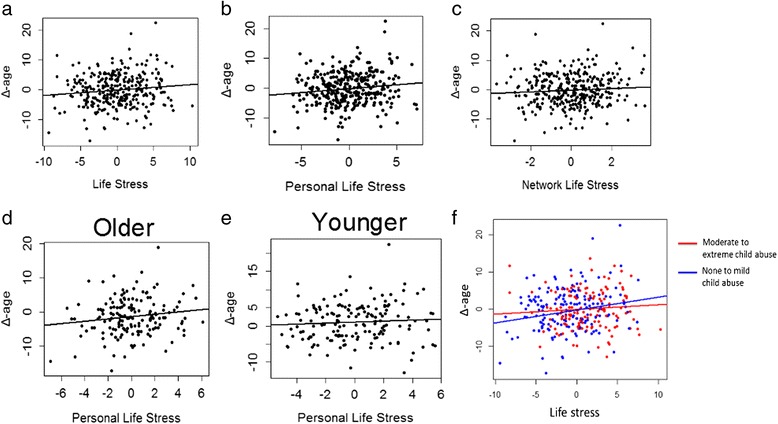
“It was showed by Zannas et al. 61 that the effect of personal life stress on Δ -age is stronger in older as compared to younger people.”
BackgroundInfluentialSelf-citationMaternal Prenatal Anxiety and the Fetal Origins of Epigenetic Aging
McGill, M. G., Pokhvisneva, I., Clappison, A. S., McEwen, L. M., Beijers, R., Tollenaar, M. S., Pham, H., Kee, M. Z. L., Garg, E., de Mendonça Filho, E. J., et al. (2022) · Biological Psychiatry · doi:10.1016/j.biopsych.2021.07.025 · Cited by 66
“Building on previous findings based on the Horvath clock (13), we sought to determine if the PedBE clock is sensitive to glucocorticoid exposure.”
Epigenetics as a key link between psychosocial stress and aging: concepts, evidence, mechanisms
Zannas, A. S. (2019) · Dialogues in Clinical Neuroscience · doi:10.31887/dcns.2019.21.4/azannas · Cited by 79
Self-citationFink, G. (2017) · Elsevier eBooks · doi:10.1016/b978-0-12-802175-0.00001-2 · Cited by 72
The biological age of the heart is consistently younger than chronological age
Pavanello, S., Campisi, M., Fabozzo, A., Cibin, G., Tarzia, V., Toscano, G., & Gerosa, G. (2020) · Scientific Reports · doi:10.1038/s41598-020-67622-1 · Cited by 69
Okazaki, S., Numata, S., Otsuka, I., Horai, T., Kinoshita, M., Sora, I., Ohmori, T., & Hishimoto, A. (2020) · Translational Psychiatry · doi:10.1038/s41398-020-0813-y · Cited by 71
O’Donnell, K. J., Chen, L., MacIsaac, J. L., McEwen, L. M., Nguyen, T. T. T., Beckmann, K., Zhu, Y., Chen, L. R., Brooks-Gunn, J., Goldman, D. A., et al. (2018) · Translational Psychiatry · doi:10.1038/s41398-017-0063-9 · Cited by 69
T Cell Immunosenescence after Early Life Adversity: Association with Cytomegalovirus Infection
Elwenspoek, M. M. C., Sias, K., Hengesch, X., Schaan, V., Leenen, F. A. D., Adams, P., Mériaux, S. B., Schmitz, S., Bonnemberger, F., Ewen, A., et al. (2017) · Frontiers in Immunology · doi:10.3389/fimmu.2017.01263 · Cited by 66
“Proc Natl Acad Sci U S A (1995) 92(24):11091–4.”
Metadata
- Authors
- Zannas, A. S., Arloth, J., Carrillo-Roa, T., Iurato, S., Röh, S., Ressler, K. J., Nemeroff, C. B., Smith, A. K., Bradley, B., Heim, C., Menke, A., Lange, J. F., Brückl, T., Ising, M., Wray, N. R., Erhardt, A., Binder, E. B., & Mehta, D.
- Affiliations
- Duke University (US)
- Helmholtz Munich (DE)
- Max Planck Institute of Psychiatry (DE)
- Howard Hughes Medical Institute (US)
- University of Miami (US)
- Emory University (US)
- Pennsylvania State University (US)
- University of Würzburg (DE)
- The University of Queensland (AU)
- Corresponding author
- Zannas, Anthony S.
- Binder, Elisabeth B.
- ORCID
- Venue
- Genome Biology
- Published
- 2015-12
- Volume
- 16
- Issue
- 1
- Pages
- 266-266
- ISSN
- 1465-6906 (ISSN-L)
- 1474-760X
- PMC
- PMC4699359
- OpenAlex
- W2200534091
- Semantic Scholar
- 4a9f0c2be1397c1c5f01e5383f6df18f4d6b9917
- Cited by
- 469
- References
- 75
- Citations by year
- 2026: 31 · 2025: 38 · 2024: 51 · 2023: 46 · 2022: 62 · 2021: 60 · 2020: 33 · 2019: 43 · 2018: 44 · 2017: 43 · 2016: 16
- FWCI
- 14.82
- Type
- journal article
- Language
- en
- Update notices
- correction (2018-05-23)
- Open access
- gold
- doi.org
- Licence
- cc-by
- creativecommons.org/licenses/by/4.0/ (tdm)
- creativecommons.org/licenses/by/4.0/ (vor, 16 d)
- Locations
- Genome biology (publishedVersion, cc-by)
- PubMed Central (publishedVersion, cc-by)
- PubMed (publishedVersion)
- QUT ePrints (Queensland University of Technology) (submittedVersion, cc-by)
- MPG.PuRe (Max Planck Society) (submittedVersion, cc-by)
- Site cant be reached (submittedVersion, cc-by)
- Online Publication Service of Würzburg University (Würzburg University) (submittedVersion, cc-by)
- PuSH - Publication Server of Helmholtz Zentrum München (submittedVersion, cc-by)
- Funders
- European Commission (653240, ERA-NET Neuron)
- European Research Council (281338)
- National Institute of Mental Health (MH071538, MH58922, K01 MH073698–01)
- National Health and Medical Research Council (1047956)
- U.S. Public Health Service (UL1 RR025008)
- Topics
- Life Sciences › Biochemistry, Genetics and Molecular Biology › Molecular Biology › Epigenetics and DNA Methylation
- Life Sciences › Neuroscience › Behavioral Neuroscience › Stress Responses and Cortisol
- Life Sciences › Biochemistry, Genetics and Molecular Biology › Aging › Genetics, Aging, and Longevity in Model Organisms
- Keywords
- epigenetic aging, DNA methylation, epigenetic clocks, glucocorticoid signaling, glucocorticoid response element, dexamethasone, child abuse, African Americans, urban population, age-related diseases, coronary artery disease, arteriosclerosis, leukemia, gene expression
- MeSH terms
- Adolescent, Adult, Aged, Aging, Black or African American, Dexamethasone, Female, Glucocorticoids, Humans, Male, Middle Aged, Receptors, Glucocorticoid, Stress, Psychological, Urban Population, Signal Transduction, Case-Control Studies, CpG Islands, Response Elements, Epigenesis, Genetic
About these checks
Registry, retraction, Cites and statistics results are computed, not judged, with one exception: a printed reference that no index lists is read once by a model before it counts as a citation error. Claims are extracted by a model and kept only when their quote appears verbatim in the text; each cited source is then checked, with a model’s help, for whether it says what the claim relies on. Those verdicts can be wrong — read the claim’s quote and the cited source before relying on one.
Statistics and arithmetic are recomputed, not judged.
Confidence bands are shown only for fields calibrated on our annotated test set. None is calibrated yet, so no band is shown.
What counts as a claim ›How we measure confidence ›How we check this ›
Are you an author, or do you see a problem with this page? Request a review
Data sources
Bibliographic data: Semantic Scholar, OpenAlex, Crossref.
Contains information from the Semantic Scholar Academic Graph Datasets, made available under the ODC Attribution License (ODC-BY 1.0).
Semantic Scholar’s data is described in: Kinney, R., et al. (2023). The Semantic Scholar Open Data Platform. arXiv:2301.10140.
