

Lifetime stress accelerates epigenetic aging in an urban, African American cohort: relevance of glucocorticoid signaling
Open accessThe DOI matches its Crossref record; 74 of the 75 references it cites were found in a registry or an index.
Abstract
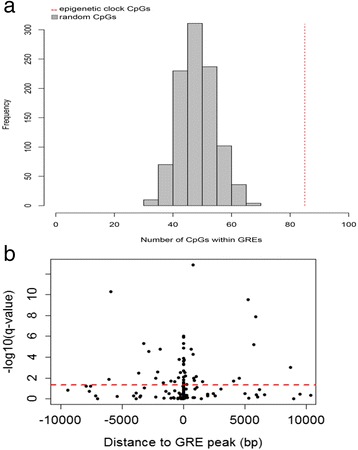
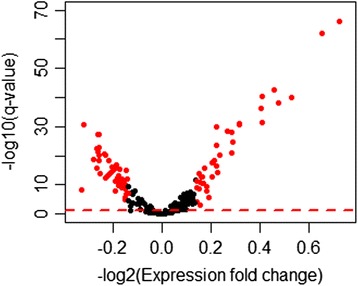
BACKGROUND: Chronic psychological stress is associated with accelerated aging and increased risk for aging-related diseases, but the underlying molecular mechanisms are unclear. RESULTS: We examined the effect of lifetime stressors on a DNA methylation-based age predictor, epigenetic clock. After controlling for blood cell-type composition and lifestyle parameters, cumulative lifetime stress, but not childhood maltreatment or current stress alone, predicted accelerated epigenetic aging in an urban, African American cohort (n = 392). This effect was primarily driven by personal life stressors, was more pronounced with advancing age, and was blunted in individuals with higher childhood abuse exposure. Hypothesizing that these epigenetic effects could be mediated by glucocorticoid signaling, we found that a high number (n = 85) of epigenetic clock CpG sites were located within glucocorticoid response elements. We further examined the functional effects of glucocorticoids on epigenetic clock CpGs in an independent sample with genome-wide DNA methylation (n = 124) and gene expression data (n = 297) before and after exposure to the glucocorticoid receptor agonist dexamethasone. Dexamethasone induced dynamic changes in methylation in 31.2 % (110/353) of these CpGs and transcription in 81.7 % (139/170) of genes neighboring epigenetic clock CpGs. Disease enrichment analysis of these dexamethasone-regulated genes showed enriched association for aging-related diseases, including coronary artery disease, arteriosclerosis, and leukemias. CONCLUSIONS: Cumulative lifetime stress may accelerate epigenetic aging, an effect that could be driven by glucocorticoid-induced epigenetic changes. These findings contribute to our understanding of mechanisms linking chronic stress with accelerated aging and heightened disease risk.
Overview
The claims and statistics of this paper haven’t been checked yet.
Free: it reads the open-access text and checks the first 5 claims that cite a source we can check. Create a free account to check every claim.
Integrity signals
Registry
Cites
Statistics
Figures
Verification
Claims the paper makes
The claims and statistics of this paper haven’t been checked yet.
Free: it reads the open-access text and checks the first 5 claims that cite a source we can check. Create a free account to check every claim.
Claims other papers make about this one
Each is checked against this paper’s own text: does it say what the citing paper says it does?
The source backs part of the claim, not all of it — or backs it for a different population, condition or comparison.
In the citing paper
“Accelerated epigenetic aging has been shown to be conferred by cumulative, particularly personal lifetime stress in a cohort of highly traumatized African-Americans (Zannas et al., 2015), and 6-month exposure of male soldiers to combat deployment in Afghanistan (Boks et al., 2015).”
From The applied implications of epigenetics in anxiety, affective and stress-related disorders - A review and synthesis on psychosocial stress, psychotherapy and prevention (2020) · cites this paper as Zannas et al., 2015
Experimental — accuracy not yet measuredThe source backs part of the claim, not all of it — or backs it for a different population, condition or comparison.
In the citing paper
“In addition, the methylation profile of individuals exposed to lifetime stress displayed an accelerated epigenetic aging profile, which was not present in individuals exposed to acute stress (Zannas et al, 2015).”
From Microglia Priming with Aging and Stress (2017) · cites this paper as Zannas et al, 2015
Experimental — accuracy not yet measuredThe cited source says what the claim attributes to it.
In the citing paper
“Cumulative lifetime stress was associated with accelerated epigenetic aging”
From The applied implications of epigenetics in anxiety, affective and stress-related disorders - A review and synthesis on psychosocial stress, psychotherapy and prevention (2020) · cites this paper as Zannas et al., 2015
In the citing paper
“Recent clinical findings showed that the epigenetic profile (such as, DNA methylation in glucocorticoid (GC) responsive regions) of subjects exposed to lifetime stress resembled the epigenetic changes in aging-associated diseases (Zannas et al, 2015).”
From Microglia Priming with Aging and Stress (2017) · cites this paper as Zannas et al, 2015
Self-check
Percentages, sums and reported differences re-computed from the paper’s own numbers.
The self-check needs the paper’s full text.
Citations
Cites
Fast and accurate short read alignment with Burrows-Wheeler transform
Li, H., & Durbin, R. (2009) · Bioinformatics · doi:10.1093/bioinformatics/btp324 · Cited by 58,607
An inventory for measuring depression
BECK, A. T. (1961) · Archives of General Psychiatry · doi:10.1001/archpsyc.1961.01710120031004 · Cited by 38,032 · cited 1×
“In the GTP, current depressive symptomatology was assessed with the 21-item validated Beck Depression Inventory (BDI) [56, 57] and current PTSD symptomatology was assessed with the validated 17-item PTSD Symptom Scale (PSS) [49, 58].”
MethodFelitti, V. J., Anda, R. F., Nordenberg, D., Williamson, D. F., Spitz, A. M., Edwards, V., Koss, M. P., & Marks, J. S. (1998) · American Journal of Preventive Medicine · doi:10.1016/s0749-3797(98)00017-8 · Cited by 18,943
Model-based Analysis of ChIP-Seq (MACS)
Zhang, Y., Liu, T., Meyer, C. A., Eeckhoute, J., Johnson, D. S., Bernstein, B. E., Nusbaum, C., Myers, R. M., Brown, M., Li, W., et al. (2008) · Genome Biology · doi:10.1186/gb-2008-9-9-r137 · Cited by 18,386 · cited 1×
“Peak-calling was carried out by MACS14 (v. 1 .4.2) [70] using default settings, resulting in approximately 23,000 annotated signals.”
MethodInfluentialPsychometric properties of the Beck Depression Inventory: Twenty-five years of evaluation
Beck, A. T., Steer, R. A., & Carbin, M. G. (1988) · Clinical Psychology Review · doi:10.1016/0272-7358(88)90050-5 · Cited by 11,696
Child abuse: Adolescent records vs. adult recall
Femina, D. D., Yeager, C. A., & Lewis, D. O. (1990) · Child Abuse & Neglect · doi:10.1016/0145-2134(90)90033-p · Cited by 8,820
Adjusting batch effects in microarray expression data using empirical Bayes methods
Johnson, W. E., Li, C., & Rabinovic, A. (2007) · Biostatistics · doi:10.1093/biostatistics/kxj037 · Cited by 8,658
Scoville, W. B. (1949) · Journal of neurosurgery · doi:10.3171/jns.1949.6.1.0065 · Cited by 7,381
DNA methylation age of human tissues and cell types
Horvath, S. (2013) · Genome Biology · doi:10.1186/gb-2013-14-10-r115 · Cited by 7,075 · cited 21×
“The present study sought to determine the effect of life stressors on epigenetic aging, as measured with the epigenetic clock [27] in peripheral blood samples.”
BackgroundMethodInfluentialDevelopment and validation of a brief screening version of the Childhood Trauma Questionnaire
Bernstein, D. P., Stein, J. A., Newcomb, M. D., Walker, E., Pogge, D., Ahluvalia, T., Stokes, J., Handelsman, L., Medrano, M., Desmond, D., et al. (2003) · Child Abuse & Neglect · doi:10.1016/s0145-2134(02)00541-0 · Cited by 6,419 · cited 1×
“tional abuse, as well as emotional and physical neglect [53].”
Background
Research works printed but not linked: 1
- 2. Office for National Statistics. National Population Projections, 2012-based Statistical Bulletin. Newport: Office for National Statistics; 2012.
Cited by
Items 201–300 of 465
Epigenetic clocks and female fertility timeline: A new approach to an old issue?
Piani, L. L., Viganò, P., & Somigliana, E. (2023) · Frontiers in Cell and Developmental Biology · doi:10.3389/fcell.2023.1121231 · Cited by 29
“In fact, the growing awareness of the modulation role of nutrients and other food components on DNAm patterns has paved the way for new studies on the relationship between lifestyle interventions and epigenetic aging (Mathers et al., 2010; Horvath et al., 2014; Zannas et al., 2015; Quach et al., 2017; Franzago et al.,…”
BackgroundQuinn, E. B., Hsiao, C. J., Maisha, F. M., & Mulligan, C. J. (2023) · Epigenetics · doi:10.1080/15592294.2023.2222473 · Cited by 31
“Lifetime stress [18] and exposure to violence [19] have been associated with accelerated epigenetic ageing in adults and children, respectively.”
BackgroundJohnson, J. R., Mavingire, N., Woods‐Burnham, L., Walker, M., Lewis, D. D., Hooker, S. E., Galloway, D., Rivers, B. M., & Kittles, R. A. (2024) · Nature Reviews Urology · doi:10.1038/s41585-023-00849-5 · Cited by 30
“Specifically, hyperactive glucocorticoid receptor signalling induces local lasting changes in DNA methylation, which shapes subsequent responses to glucocorticoid exposure and accelerates epigenetic ageing associated with cancer 118,119 .”
Okazaki, S., Otsuka, I., Horai, T., Hirata, T., Takahashi, M., Ueno, Y., Boku, S., Sora, I., & Hishimoto, A. (2019) · Progress in Neuro-Psychopharmacology and Biological Psychiatry · doi:10.1016/j.pnpbp.2019.109805 · Cited by 28
McCall, M. K., Connolly, M., Nugent, B. D., Conley, Y. P., Bender, C. M., & Rosenzweig, M. Q. (2019) · Journal of Cancer Education · doi:10.1007/s13187-019-01571-w · Cited by 27
Internalizing symptoms associate with the pace of epigenetic aging in childhood
Tollenaar, M. S., Beijers, R., Garg, E., Nguyen, T. T. T., Lin, D. T. S., MacIsaac, J. L., Shalev, I., Kobor, M. S., Meaney, M. J., O’Donnell, K. J., et al. (2021) · Biological Psychology · doi:10.1016/j.biopsycho.2021.108021 · Cited by 32
Wang, Z., Hui, Q., Goldberg, J. H., Smith, N. L., Kaseer, B., Murrah, N. V., Levantsevych, O. M., Shallenberger, L. H., Diggers, E., Bremner, J. D., et al. (2021) · Psychosomatic Medicine · doi:10.1097/psy.0000000000001028 · Cited by 30
“(71) reported that lifetime stress was associated with accelerated DNAm age, possibly”
BackgroundExposure to ionizing radiation disrupts normal epigenetic aging in Japanese medaka
Bertucci, E. M., Mason, M. W., Rhodes, O. E., & Parrott, B. B. (2021) · Aging · doi:10.18632/aging.203624 · Cited by 30
Kramer, H. M., Seidl, M. F., Thomma, B. P. H. J., & Cook, D. E. (2022) · mBio · doi:10.1128/mbio.03566-21 · Cited by 28
Stressful life events, social support, and epigenetic aging in the Women's Health Initiative
Skinner, H. G., Palma‐Gudiel, H., Stewart, J. D., Love, S.-A. M., Bhatti, P., Shadyab, A. H., Wallace, R. B., Salmoirago‐Blotcher, E., Manson, J. E., Kroenke, C. H., et al. (2023) · Journal of the American Geriatrics Society · doi:10.1111/jgs.18726 · Cited by 28
“We previously found that SLE burden was more strongly associated with accelerated epigenetic aging in older as compared to younger individuals, 23 suggesting that the epigenetic associations with SLEs become more pronounced as age advances.”
BackgroundSelf-citationShenk, C. E., O’Donnell, K. J., Pokhvisneva, I., Kobor, M. S., Meaney, M. J., Bensman, H. E., Allen, E. K., & Olson, A. E. (2021) · Journal of Clinical Child & Adolescent Psychology · doi:10.1080/15374416.2020.1864738 · Cited by 29
“Additionally, given that previous research has suggested that epigenetic aging following early-life adversity continues to progress into adulthood (Zannas et al., 2015), future studies could examine the rate of epigenetic aging following a childhood diagnosis of PTSD and subsequent trauma…”
BackgroundMethodInfluentialProtsenko, E., Wolkowitz, O. M., & Yaffe, K. S. (2023) · Translational Psychiatry · doi:10.1038/s41398-023-02360-2 · Cited by 29
“The relevance of the epigenetic clocks to psychological stress was fi rst demonstrated by Zannas et al. in 2015, when they reported that cumulative lifetime stress was associated with greater EEA when measured with the Horvath clock [16].”
Klotho, PTSD, and advanced epigenetic age in cortical tissue
Wolf, E. J., Chen, C.-D., Zhao, X., Zhou, Z., Morrison, F. G., Daskalakis, N. P., Stone, A., Schichman, S. A., Grenier, J. G., Fein‐Schaffer, D., et al. (2020) · Neuropsychopharmacology · doi:10.1038/s41386-020-00884-5 · Cited by 24
“That said, these findings also have not been uniform across studies [25, 26].”
Simons, R. L., Ong, M. L., Lei, M., Klopack, E. T., Berg, M. T., Zhang, Y., Philibert, R. A., & Beach, S. R. H. (2021) · Journal of Aging and Health · doi:10.1177/08982643211043668 · Cited by 23
“Past studies have reported that accelerated aging is associated with economic hardship (Simons et al., 2016), living in a disadvantaged neighborhood (Lei et al., 2019), racial discrimination (Brody et al., 2016), and cumulative stress (Zannas et al., 2015).”
BackgroundEpigenetic age analysis of brain in major depressive disorder
Li, Z., Hé, Y., Ma, X., & Chen, X. (2018) · Psychiatry Research · doi:10.1016/j.psychres.2018.09.001 · Cited by 25
Social Environment and Epigenetics
Merrill, S. M., Gladish, N., & Kobor, M. S. (2019) · Current topics in behavioral neurosciences · doi:10.1007/7854_2019_114 · Cited by 25
Shenk, C. E., Felt, J. M., Ram, N., O’Donnell, K. J., Sliwinski, M. J., Pokhvisneva, I., Benson, L., Meaney, M. J., Putnam, F. W., & Noll, J. G. (2021) · Psychoneuroendocrinology · doi:10.1016/j.psyneuen.2021.105606 · Cited by 28
An update in toxicology of ageing
Račková, L., Mach, M., & Brnoliaková, Z. (2021) · Environmental Toxicology and Pharmacology · doi:10.1016/j.etap.2021.103611 · Cited by 24
O’Shea, D. M., Maynard, T. R., & Tremont, G. N. (2022) · The Journals of Gerontology Series A · doi:10.1093/gerona/glac133 · Cited by 27
Gene-environment Interactions in Late Life: Linking Psychosocial Stress with Brain Aging
Zannas, A. S. (2018) · Current Neuropharmacology · doi:10.2174/1570159x15666171109121452 · Cited by 25
“For example, higher levels of early life stress have been shown to blunt the relationship between lifetime stress and epigenetic aging [74].”
BackgroundSelf-citationWoods‐Burnham, L., Ross, C. K. C., Love, A., Basu, A., Sanchez-Hernández, E. S., Martinez, S. R., Ortiz-Hernández, G. L., Stiel, L., Durán, A. M., Wilson, C. M., et al. (2018) · Scientific Reports · doi:10.1038/s41598-018-33150-2 · Cited by 23
Wolf, E. J., Zhao, X., Hawn, S. E., Morrison, F. G., Zhou, Z., Fein‐Schaffer, D., Huber, B. R., Miller, M. W., & Logue, M. W. (2021) · Neurobiology of Stress · doi:10.1016/j.ynstr.2021.100371 · Cited by 24
“Similarly, advanced DNAm age in blood has been associated with biomarkers of glucocorticoid responding (Jovanovic et al., 2017; Zannas et al., 2015), sleep disruption (Carroll et al., 2017), and inflammation, immune, and metabolic dysregulation (Quach et al., 2017), providing further support for…”
Kim, J. K., Arpawong, T. E., Klopack, E. T., & Crimmins, E. M. (2023) · Journal of Population Ageing · doi:10.1007/s12062-023-09434-5 · Cited by 22
“Previous studies of the relationship between childhood adversity and DNA methylation have used first-and second-generation epigenetic clocks such as Horvath, Hannum, PhenoAge and GrimAge (Hamlat et al., 2021; Hughes et al., 2018; Joshi et al., 2023; Tang et al., 2020; Zannas et al., 2015).”
Epigenetic Age Associates with Psychosocial Stress and Resilience in Children of Latinx Immigrants
Clausing, E. S., Binder, A. M., & Non, A. L. (2021) · Epigenomics · doi:10.2217/epi-2019-0343 · Cited by 21
Topriceanu, C., Dev, E., Ahmad, M., Hughes, R. K., Shiwani, H., Webber, M. R., Direk, K., Wong, A., Ugander, M., Moon, J., et al. (2023) · Clinical Epigenetics · doi:10.1186/s13148-023-01576-9 · Cited by 21
Beach, S. R. H., Ong, M. L., Lei, M., Carter, S. E., Simons, R. L., Gibbons, F. X., & Philibert, R. A. (2021) · Epigenetics · doi:10.1080/15592294.2021.1980688 · Cited by 24
Ruiz-Narváez, E., Cozier, Y. C., Zirpoli, G., Rosenberg, L. A., & Palmer, J. R. (2024) · Journal of Racial and Ethnic Health Disparities · doi:10.1007/s40615-024-01915-3 · Cited by 26
“Although diverse psychosocial stressors such as economic hardship have been associated with accelerated epigenetic aging [42–45], there is not much published evidence regarding the relation between perceived experiences of racial discrimination and epigenetic aging [46, 47].”
Associations between Social Adversity and Biomarkers of Inflammation, Stress, and Aging in Children
Pantell, M. S., Silveira, P. P., Filho, E. J. D. M., Wing, H. E., Brown, E. M., Keeton, V. F., Pokhvisneva, I., O’Donnell, K. J., Neuhaus, J. M., Hessler, D., et al. (2024) · Pediatric Research · doi:10.1038/s41390-023-02992-6 · Cited by 24
Kim, G. S., Smith, A. K., Xue, F., Michopoulos, V., Lori, A., Armstrong, D. L., Aiello, A. E., Koenen, K. C., Galea, S., Wildman, D. E., et al. (2019) · Brain Behavior and Immunity · doi:10.1016/j.bbi.2019.06.025 · Cited by 20
Self-citationSimons, R. L., Lei, M., Beach, S. R. H., Simons, L. G., Barr, A. B., Gibbons, F. X., & Philibert, R. A. (2019) · Journal of Health and Social Behavior · doi:10.1177/0022146519859896 · Cited by 22
“Toward this end, a few recent studies (Brody et al. 2016; Lei et al. forthcoming; Simons et al. 2016; Zannas et al. 2015) have reported that the social environment may play a role in accelerating aging.”
BackgroundClausing, E. S., & Non, A. L. (2021) · Frontiers in Psychiatry · doi:10.3389/fpsyt.2021.696827 · Cited by 23
Effects of stressful life-events on DNA methylation in panic disorder and major depressive disorder
Czamara, D., Neufang, A., Dieterle, R., Iurato, S., Arloth, J., Martins, J., Ising, M., Binder, E. B., & Erhardt, A. (2022) · Clinical Epigenetics · doi:10.1186/s13148-022-01274-y · Cited by 20
“The results showed that cumulative life stress was linked to accelerated epigenetic age and that this effect could be driven by glucocorticoid induced DNAm [26].”
BackgroundSelf-citationLongitudinal study of traumatic-stress related cellular and cognitive aging
Wolf, E. J., Miller, M. W., Hawn, S. E., Zhao, X., Wallander, S., McCormick, B. A., Govan, C., Rasmusson, A. M., Stone, A., Schichman, S. A., et al. (2023) · Brain Behavior and Immunity · doi:10.1016/j.bbi.2023.11.009 · Cited by 23
Zheng, J., Yin, F., Jin, G., Zhang, X., Zhang, L., Gong, Z., Kang, X., & Hu, H. (2018) · Molecules · doi:10.3390/molecules23123339 · Cited by 19
“The degree of DNA methylation in the brain increases during aging [11,19], and the methylation modifications of synaptic plasticity and memory formation-associated genes are also altered.”
BackgroundTurner, J. D., D’Ambrosio, C., Vögele, C., & Diewald, M. (2020) · International Journal of Molecular Sciences · doi:10.3390/ijms21093142 · Cited by 20
“In the social sciences especially transient stressful life events found attention, like the loss of significant others, unemployment, or singular experiences of a violent attack, Other studies found, however, a stronger impact of more enduring daily hassles [49], which got less attention.”
BackgroundBeach, S. R. H., Gibbons, F. X., Carter, S. E., Ong, M. L., Lavner, J. A., Lei, M.-K., Simons, R. L., Gerrard, M., & Philibert, R. A. (2022) · Development and Psychopathology · doi:10.1017/s0954579421001541 · Cited by 18
“…(Hillary et al., 2020; Levine et al., 2018; Lu et al., 2019), and have generally supported the hypothesis that social conditions and relationships may influence an individual’s speed of biological aging (Brody et al., 2016; Lei et al., 2019; Simons et al., 2016, in press; Zannas et al., 2015).”
BackgroundCancer risk among Holocaust survivors in Israel—A nationwide study
Sadetzki, S., Chetrit, A., Freedman, L. S., Hakak, N., Barchana, M., Catane, R., & Shani, M. (2017) · Cancer · doi:10.1002/cncr.30783 · Cited by 19
“Studies in humans have indicated that changes in DNA methylation can be long-lasting consequences of stressor exposure.(24) However, other researchers claim that psychological stress cannot be considered a direct cancer risk factor(25-27) and thus posit that stress impacts the risk of cancer through secondary mechanis…”
BackgroundYang, Y. P., Wang, S., Wang, Z., Gao, R., & Lee, J. (2023) · Epigenetics · doi:10.1080/15592294.2023.2211362 · Cited by 17
“[34] Zannas AS, Arloth J, Carrillo-Roa T, et al.”
Childhood adversity, accelerated GrimAge, and associated health consequences
Harvanek, Z. M., Kudinova, A. Y., Wong, S., Xu, K., Brick, L. A. D., Daniels, T. E., Marsit, C. J., Burt, A., Sinha, R., & Tyrka, A. R. (2024) · Journal of Behavioral Medicine · doi:10.1007/s10865-024-00496-0 · Cited by 22
“Recently, DNA methylation has been associated with accelerated biological aging as well as stress and adversity (Harvanek et al., 2021; Zannas et al., 2015).”
Biological Embedding of Psychosocial Stress Over the Life Course
Eachus, H., & Cunliffe, V. T. (2017) · Elsevier eBooks · doi:10.1016/b978-0-12-811060-7.00012-7 · Cited by 22
The Epigenetic Clock and Aging
Raj, K. (2017) · Elsevier eBooks · doi:10.1016/b978-0-12-811060-7.00004-8 · Cited by 21
Schmitz, L., Duffie, E., Zhao, W., Ratliff, S. M., Ding, J., Liu, Y., Merkin, S. S., Smith, J. A., & Seeman, T. E. (2023) · American Journal of Epidemiology · doi:10.1093/aje/kwad172 · Cited by 20
Sokolov, A. V., & Schiöth, H. B. (2024) · Translational Psychiatry · doi:10.1038/s41398-024-02992-y · Cited by 17
“…PSY (recall), Max Planck Institute of Psychiatry cohort 1 (GSE125105_MPIP) [43 – 46], Max Planck Institute of Psychiatry cohort 2 (GSE74414_MPIP2) [51], Grady Trauma Project cohort (GSE72680_GRADY) [43, 47], Royal Devon and Exeter (RDE) cohort (GSE113725_RDE) [48], Molecular Biomarkers of…”
Gettler, L. T., Lin, D. T. S., Miegakanda, V., Lew‐Levy, S., Eick, G. N., Snodgrass, J. J., MacIsaac, J. L., Ramadori, K. E., Kobor, M. S., & Boyette, A. H. (2019) · Developmental Psychobiology · doi:10.1002/dev.21935 · Cited by 17
Implication of DNA methylation during lifestyle mediated weight loss
Aurich, S., Müller, L., Kovacs, P. L., & Keller, M. (2023) · Frontiers in Endocrinology · doi:10.3389/fendo.2023.1181002 · Cited by 19
Watanasriyakul, W. T., Wardwell, J., McNeal, N., Schultz, R., Woodbury, M., Dagner, A., Cox, M., & Grippo, A. J. (2017) · Social Neuroscience · doi:10.1080/17470919.2017.1365761 · Cited by 16
“Given the frequency of co-occurrence of social and environmental stressors (Mahoney et al., 2015; Schreier et al., 2016; Zannas et al., 2015), the investigation of factors that may protect”
BackgroundInfluentialDNA Methylation–Based Measures of Biological Aging
Dugué, P., Li, S., Hopper, J. L., & Milne, R. L. (2018) · Elsevier eBooks · doi:10.1016/b978-0-12-812215-0.00003-0 · Cited by 17
de Assis, S. G., Tavares, P. H., Oliveira, N. C. D. S., Serpeloni, F., & Avanci, J. Q. (2025) · International Journal of Developmental Neuroscience · doi:10.1002/jdn.70042 · Cited by 19
“For example, epigenetic ageing has emerged as a key mechanism linking chronic stress with accelerated ageing and heightened vulnerability to stress-related disorders (Zannas, Arloth, et al. 2015).”
Neonatal Maternal Separation Modifies Proteostasis Marker Expression in the Adult Hippocampus
Sierra-Fonseca, J. A., Hamdan, J. N., Cohen, A. A., Cardenas, S. M., Saucedo, S., Lodoza, G. A., & Gosselink, K. L. (2021) · Frontiers in Molecular Neuroscience · doi:10.3389/fnmol.2021.661993 · Cited by 17
Adolescent peer struggles predict accelerated epigenetic aging in midlife
Allen, J. P., Danoff, J. S., Costello, M. A., Loeb, E. L., Davis, A. A., Hunt, G. L., Gregory, S. G., Giamberardino, S. N., & Connelly, J. J. (2022) · Development and Psychopathology · doi:10.1017/s0954579422000153 · Cited by 16
“Cumulative lifetime stress has been previously shown to predict epigenetic aging (Zannas et al., 2015) and evidence of such socially linked weathering effects on health increasingly appear in the literature (Allen, Loeb et al.”
BackgroundPsychiatric disorders, morbidity, and mortality: tracing mechanistic pathways to accelerated aging
Kiecolt-Glaser, J. K., & Wilson, S. J. (2016) · Psychosomatic Medicine · doi:10.1097/psy.0000000000000373 · Cited by 14
“For example, cumulative lifetime stress in an urban African American cohort predicted accelerated epigenetic aging (34).”
BackgroundHussain, S. A., Sarker, M. I. M., Liu, Y., & Jin, T. Z. (2026) · International Journal of Molecular Sciences · doi:10.3390/ijms27020566 · Cited by 20
“These factors interact with dietary exposures and may contribute to inconsistent findings across studies [48,49].”
Yu, Y.-L. (2022) · Journal of Aging and Health · doi:10.1177/08982643221104928 · Cited by 14
“For example, Zannas and colleagues (Zannas et al., 2015) showed that greater exposures to lifetime stress were significantly associated with accelerated epigenetic aging.”
BackgroundPsychosocial Factors Associated With Accelerated GrimAge in Male U.S. Military Veterans
Tamman, A. J. F., Nagamatsu, S. T., Krystal, J. H., Gelernter, J. E., Montalvo‐Ortiz, J. L., & Pietrzak, R. H. (2022) · American Journal of Geriatric Psychiatry · doi:10.1016/j.jagp.2022.09.002 · Cited by 15
Cortisol, DHEAS, and the cortisol/DHEAS ratio as predictors of epigenetic age acceleration
Takeshita, R. S. C., Nguyen, A. T., Auger, A. P., & Chung, W. C. J. (2025) · Biogerontology · doi:10.1007/s10522-025-10307-x · Cited by 17
“…Crujeiras and Diaz-Lagares 2016; Kinnally et al. 2011) Notably, several CpG sites included in epigenetic clocks are located within or near glucocorticoid response elements, key regulatory sequences that modulate glucocorticoid activity and the physiological response to stress (Zannas et al. 2015).”
Investigation of MORC1 DNA methylation as biomarker of early life stress and depressive symptoms
Thomas, M., Coope, A., Falkenberg, C., Dunlop, B. W., Czamara, D., Provençal, N., Craighead, W. E., Mayberg, H. S., Nemeroff, C. B., Binder, E. B., et al. (2019) · Journal of Psychiatric Research · doi:10.1016/j.jpsychires.2019.10.019 · Cited by 16
“All participants were from an urban population of low socioeconomic status and characterized by high prevalence and severity of trauma over the lifetime (Gillespie et al., 2009; Zannas et al., 2015).”
BackgroundSelf-citationYang, F., Zhang, F., Ji, X., Jiang, X., Xue, M., Yu, H., Hu, X., & Bao, Z. (2020) · Journal of Biological Chemistry · doi:10.1074/jbc.ra120.012974 · Cited by 15
“Studies further suggest that stress-related phenotypes may together confer disease by increasing tissue aging risk (15), but the underlyingmechanisms are poorly understood.”
BackgroundZhang, Z. Z., Moeckel, C. M., Mustafa, M. U., Pham, H., Olson, A. E., Mehta, D., Dorn, L. D., Engeland, C. G., & Shenk, C. E. (2023) · Journal of Psychiatric Research · doi:10.1016/j.jpsychires.2023.07.007 · Cited by 12
Self-citationMarkon, K. E., Mann, F. D., Freilich, C. D., Cole, S. W., & Krueger, R. F. (2024) · Social Science & Medicine · doi:10.1016/j.socscimed.2024.116990 · Cited by 17
“Other studies have examined retrospectively recalled socioeconomic and stress variables (e.g., Graf et al., 2022; Zannas et al., 2015), such as childhood stressors and traumas, which are subject to recall biases and unreliability, or restricts focus to variables that can be more easily assessed…”
BackgroundLee, J., Papa, F. J., Jaini, P. A., Alpini, S., & Kenny, T. (2019) · American Journal of Lifestyle Medicine · doi:10.1177/1559827619847436 · Cited by 13
“glucocorticoid response elements and accelerated aging.(106) These findings clearly demonstrate the impact of psychosocial stress resulting in epigenetic changes of the NR3C1 glucocorticoid receptor, which may be an ideal biomarker to study the relationship between DNA methylation and stress.”
BackgroundGalkin, F., Kochetov, K., Keller, M., Zhavoronkov, A. A., & Etcoff, N. L. (2022) · Aging · doi:10.18632/aging.204061 · Cited by 15
Reduced epigenetic age in older adults who volunteer
Nakamura, J. S., Kwok, C., Huang, A., Strecher, V. J., Kim, E. S., & Cole, S. W. (2022) · Psychoneuroendocrinology · doi:10.1016/j.psyneuen.2022.106000 · Cited by 13
On the road to resilience: Epigenetic effects of meditation
Verdone, L., Caserta, M., Ben‐Soussan, T. D., & Venditti, S. (2023) · Vitamins and hormones · doi:10.1016/bs.vh.2022.12.009 · Cited by 12
Psychogenic Aging: A Novel Prospect to Integrate Psychobiological Hallmarks of Aging
Faria, M., Ganz, A. B., Galkin, F., Zhavoronkov, A. A., & Snyder, M. P. (2024) · Translational Psychiatry · doi:10.1038/s41398-024-02919-7 · Cited by 17
McKenna, B. G., Mekawi, Y., Katrinli, Ş., Carter, S. E., Stevens, J. S., Powers, A. D., Smith, A. K., & Michopoulos, V. (2021) · PubMed · doi:10.1097/psy.0000000000001007 · Cited by 12
“Combined with evidence that chronic stress and other health risks are associated with EAA (35,36), researchers are increasingly turning to methylation-based measures of physiological aging to better understand the biological processes contributing to age-related diseases (37).”
BackgroundSelf-citationReduction in Epigenetic Age Acceleration Is Related to Empathy in Mothers with Neglectful Caregiving
Herrero-Roldán, S., López, M. J. R., Hernandez-Cabrera, J. A., Mitchell, C. M., Rodríguez, M. L., Alcoba-Flórez, J., Fisher, J., Espinosa, F., & León, I. (2021) · Brain Sciences · doi:10.3390/brainsci11111376 · Cited by 12
“In turn, early exposure to toxic caregiving environments involving childhood stress [21], cumulative childhood maltreatment [12], lifetime stress [13], major depression [22] and traumatic stress [12] have been found to accelerate epigenetic aging in adults.”
BackgroundEpigenetic clock analysis of blood samples in drug-naive first-episode schizophrenia patients
Li, Z., Zong, X., Li, D., He, Y. Z., Tang, J., Hu, M., & Chen, X. (2023) · BMC Psychiatry · doi:10.1186/s12888-023-04533-1 · Cited by 15
“Multiple clinical variables, such as trauma history, sex, and antipsychotic treatment have been associated with epigenetic aging processes [18, 35, 44], which may account for these inconsistent results and therefore should be taken into account in the future studies.”
ResultBiological Aging and Mental Illness—A Vicious Cycle?
Zannas, A. S. (2024) · JAMA Psychiatry · doi:10.1001/jamapsychiatry.2024.0084 · Cited by 31
Self-citationKennedy, D. W., White, N. M., Benton, M. C., Fox, A., Scott, R. J., Griffiths, L. R., Mengersen, K. L., & Lea, R. A. (2018) · PLoS ONE · doi:10.1371/journal.pone.0208915 · Cited by 14
Immune gene regulation is associated with age and environmental adversity in a nonhuman primate
Watowich, M. M., Costa, C. E., Chiou, K. L., Goldman, E. A., Petersen, R. M., Patterson, S. K., Martínez, M. I., Sterner, K. N., Horvath, J. E., Montague, M. J., et al. (2024) · Molecular Ecology · doi:10.1111/mec.17445 · Cited by 11
Cheishvili, D., Carmo, S. D., Caraci, F., Grasso, M., Cuello, A. C., & Szyf, M. (2025) · Aging · doi:10.18632/aging.206188 · Cited by 13
The Impact of Stress Within and Across Generations: Neuroscientific and Epigenetic Considerations
Miller, C. W. T. (2021) · Harvard Review of Psychiatry · doi:10.1097/hrp.0000000000000300 · Cited by 14
“Cumulative life stress may also lead to faster epigenetic aging.(35) Premature epigenetic aging may be associated with development of medical and neuropsychiatric comorbidity (e.”
BackgroundAssociations of depression and anxiety symptoms in childhood and adolescence with epigenetic aging
Ingram, S. J., Vazquez, A. Y., Klump, K. L., Hyde, L. W., Burt, S. A., & Clark, S. L. (2024) · Journal of Affective Disorders · doi:10.1016/j.jad.2024.02.044 · Cited by 12
Barrere‐Cain, R., & Allard, P. (2020) · Epigenetics Insights · doi:10.1177/2516865720947014 · Cited by 12
Zannas, A. S., Arloth, J., Carrillo‐Roa, T., Iurato, S., Röh, S., Ressler, K. J., Nemeroff, C. B., Smith, A. K., Bradley, B., Heim, C. C., et al. (2018) · Genome biology · doi:10.1186/s13059-018-1441-1 · Cited by 10
“Erratum Upon publication of the original article [1] it was highlighted by the authors that a transposition error affected Additional file 1, causing the misplacement of several columns and rendering the table difficult to read.”
Self-citationRussell, H., Angus, G., Singleton, S., Bell, C. G., & Hales, T. G. (2026) · Clinical Epigenetics · doi:10.1186/s13148-025-02047-z · Cited by 12
“While most studies considered the impact of cumulative ACE exposure [14, 23, 25–30, 32–36, 38, 40–42, 44–46], a smaller number identified the impact of individual ACEs only [13, 15, 24, 31, 39, 43] (Table 1 and Fig.”
InfluentialNaturalistic Stress Hormone Levels Drive Cumulative Epigenomic Changes along the Cellular Lifespan
Zannas, A. S. (2021) · International Journal of Molecular Sciences · doi:10.3390/ijms22168778 · Cited by 12
“Specifically, CpG sites located at open sea regions are more frequently associated with environmental stress, such as childhood maltreatment and natural disasters [35,36], and CpGs co-localizing with GR binding sites are more likely to show methylation changes as a result of both cumulative lifetime stress and dexamet…”
BackgroundSelf-citationGraham, K. L., Paun, O., & Stillerman, A. (2021) · Research in Gerontological Nursing · doi:10.3928/19404921-20210825-04 · Cited by 10
Das, A. (2022) · Social Science & Medicine · doi:10.1016/j.socscimed.2022.114967 · Cited by 10
Emeny, R. T., Zhang, K., Goodman, D., Dev, A., Lewinson, T., Wolff, K. B., Kerrigan, C. L., & Kraft, S. A. (2022) · Current Protocols · doi:10.1002/cpz1.556 · Cited by 13
“(Zannas et al., 2015) Extensions of these studies conducted in two culturally and Emeny et al. 7 of 17 Current Protocols racially distinct populations demonstrated that the experience of early childhood trauma was associated with depressive symptoms in later life that exacerbated age-associated…”
ResultSandalova, E., & Maier, A. B. (2023) · Biogerontology · doi:10.1007/s10522-023-10077-4 · Cited by 9
“Major lifestyle stressors, including insomnia, exposure to violence and cumulative lifestyle stress, are also associated to increased DNAm aging (Zannas et al. 2015; Horvath et al. 2016a, b; Jovanovic et al. 2017).”
Epigenetic clocks, sex markers and age‐class diagnostics in three harvested large mammals
Czajka, N., Northrup, J. M., Jones, M. J., & Shafer, A. B. A. (2024) · Molecular Ecology Resources · doi:10.1111/1755-0998.13956 · Cited by 12
White matter microstructure in trauma‐exposed children: Associations with pubertal stage
Fani, N., Stenson, A. F., van Rooij, S. J. H., Barrie, D. L. L., & Jovanović, T. (2021) · Developmental Science · doi:10.1111/desc.13120 · Cited by 10
Creasey, N., Leijten, P. H. O., Overbeek, G. J., & Tollenaar, M. S. (2024) · Psychoneuroendocrinology · doi:10.1016/j.psyneuen.2024.107043 · Cited by 9
“Interestingly, both the Horvath clock and the PedBE clock are shown to be enriched for glucocorticoid-responsive CpG sites (Dammering et al., 2021; Zannas et al., 2015).”
BackgroundBrooke, R. T., Köcher, T., Zauner, R., Gordevičius, J., Milčiūtė, M., Nowakowski, M., Haser, C., Blobel, T., Sieland, J., Langhoff, D., et al. (2025) · Aging Cell · doi:10.1111/acel.70182 · Cited by 12
Nishitani, S., Kasaba, R., Hiraoka, D., Shimada, K., Fujisawa, T. X., Okazawa, H., & Tomoda, A. (2022) · Frontiers in Genetics · doi:10.3389/fgene.2022.803584 · Cited by 9
McKenna, B. G., Choi, J., Brennan, P. A., Knight, A. K., Smith, A. K., Pilkay, S. R., Corwin, E. J., & Dunlop, A. L. (2022) · Research on Child and Adolescent Psychopathology · doi:10.1007/s10802-022-00981-7 · Cited by 8
“…due to chronic activation of stress response systems) given its ties to adversity exposure and adversity-related outcomes (Katrinli et al., 2020; Lu et al., 2019; Zannas et al., 2015), including racism-related adversity (Brody et al., 2016; Simons et al., 2016, 2021; Volpe et al., 2019).”
BackgroundSelf-citationThe Impact of Childhood Mental Health and Substance Use on Methylation Aging Into Adulthood
Clark, S. L., McGinnis, E. W., Zhao, M., Xie, L., Marks, G. T., Åberg, K. A., van den Oord, E. J. C. G., & Copeland, W. (2023) · Journal of the American Academy of Child & Adolescent Psychiatry · doi:10.1016/j.jaac.2023.10.014 · Cited by 10
Beydoun, M. A., Beydoun, H. A., Ashe, J. J., Georgescu, M. F., Horvath, S., Lu, A. T.-H., Zannas, A. S., Shadyab, A. H., Jung, S. Y., Wassertheil-Smoller, S. W., et al. (2024) · Aging · doi:10.18632/aging.205868 · Cited by 10
“…mortality risk proposes that for individuals living with minor, moderate, or major depression, the potential for hypothalamic-pituitary-adrenal (HPA) axis dysregulation is exacerbated, wherein neuroendocrine and inflammatory modulation can affect overall biological functioning and wellness [69].”
Self-citationA broad assessment of forty-one skin phenotypes reveals complex dimensions of skin ageing
Ng, J. Y., Wong, Q. Y. A., Lim, J. J., Cen, D., Wong, J. Y. K., Lim, Y. Y. E., Sio, Y. Y., Reginald, K., Say, Y., & Chew, F. T. (2025) · Journal of PHYSIOLOGICAL ANTHROPOLOGY · doi:10.1186/s40101-024-00383-2 · Cited by 8
“A different study on African Americans also found an association between high lifetime stress exposure and premature ageing [38].”
Mrug, S., Barker-Kamps, M., Goering, M., Patki, A., & Tiwari, H. K. (2023) · Journal of Youth and Adolescence · doi:10.1007/s10964-023-01863-x · Cited by 13
“Perhaps most prominent is the experience of chronic stress, which can be generated by both neighborhood poverty and neighborhood disorder, and which contributes to accelerated epigenetic aging (Zannas et al., 2015).”
Clukay, Hughes, D. A., Kertes, & Mulligan, C. J. (2019) · Human Biology · doi:10.13110/humanbiology.91.2.04 · Cited by 8
“A lack of association in our study could be due to sample limitations, but it is worth noting that Verhoeven et al. (2018) and Zannas et al. (2015) used the subtraction method of correction for chronological age, a method that has come under scrutiny in the work of Dhingra et al. (2019) and this…”
MethodResultWoods‐Burnham, L., Stiel, L., Martinez, S. R., Sanchez-Hernández, E. S., Ruckle, H. C., Almaguel, F. G., Stern, M. C., Roberts, L. R., Williams, D. R., Montgomery, S., et al. (2020) · PubMed · Cited by 13
Decoding the life story of our epigenome
Zannas, A. S. (2019) · Epigenomics · doi:10.2217/epi-2019-0155 · Cited by 8
Self-citationSocial and environmental predictors of gut microbiome age in wild baboonsPreprint
Dasari, M. R., Roche, K. E., Jansen, D., Anderson, J. A., Alberts, S. C., Tung, J., Gilbert, J. A., Blekhman, R., Mukherjee, S., & Archie, E. A. (2025) · eLife · doi:10.7554/elife.102166 · Cited by 12
Independent Avian Epigenetic Clocks for Ageing and Development
Haller, A., Risse, J. E., Sepers, B., & van Oers, K. (2025) · Molecular Ecology Resources · doi:10.1111/1755-0998.14128 · Cited by 12
Epigenetic Clocks in Skin Aging: From Exposome Drivers to Biomarkers and Therapeutic Interventions
de la O‐Escamilla, A., Khalil, S., Galadari, H., & Guida, S. (2025) · Clinical Cosmetic and Investigational Dermatology · doi:10.2147/ccid.s570073 · Cited by 9
Perez, N. B., Vorderstrasse, A. A., Yu, G., Melkus, G. D., Wright, F., Ginsberg, S. D., Crusto, C. A., Sun, Y. V., & Taylor, J. Y. (2022) · Epigenetics Insights · doi:10.1177/25168657221109781 · Cited by 7
Mechanisms of stress-attributed breast cancer incidence and progression
Reznik, E., & Torjani, A. (2024) · Cancer Causes & Control · doi:10.1007/s10552-024-01884-2 · Cited by 11
“In fact, these epigenetic modifications may be mediated via stress-induced glucocorticoids secretion via glucocorticoid response element (GRE) binding that can induce changes in DNA methylation [59].”
Garrett, M. E., Lê, B. M., Bourassa, K. J., Dennis, M. F., Hatch, D., Yang, Q., Tanabe, P. J., Shah, N., Luyster, F. S., Oyedeji, C. I., et al. (2024) · The Journals of Gerontology Series A · doi:10.1093/gerona/glae230 · Cited by 11
Metadata
- Authors
- Zannas, A. S., Arloth, J., Carrillo-Roa, T., Iurato, S., Röh, S., Ressler, K. J., Nemeroff, C. B., Smith, A. K., Bradley, B., Heim, C., Menke, A., Lange, J. F., Brückl, T., Ising, M., Wray, N. R., Erhardt, A., Binder, E. B., & Mehta, D.
- Affiliations
- Duke University (US)
- Helmholtz Munich (DE)
- Max Planck Institute of Psychiatry (DE)
- Howard Hughes Medical Institute (US)
- University of Miami (US)
- Emory University (US)
- Pennsylvania State University (US)
- University of Würzburg (DE)
- The University of Queensland (AU)
- Corresponding author
- Zannas, Anthony S.
- Binder, Elisabeth B.
- ORCID
- Venue
- Genome Biology
- Published
- 2015-12
- Volume
- 16
- Issue
- 1
- Pages
- 266-266
- ISSN
- 1465-6906 (ISSN-L)
- 1474-760X
- PMC
- PMC4699359
- OpenAlex
- W2200534091
- Semantic Scholar
- 4a9f0c2be1397c1c5f01e5383f6df18f4d6b9917
- Cited by
- 469
- References
- 75
- Citations by year
- 2026: 31 · 2025: 38 · 2024: 51 · 2023: 46 · 2022: 62 · 2021: 60 · 2020: 33 · 2019: 43 · 2018: 44 · 2017: 43 · 2016: 16
- FWCI
- 14.82
- Type
- journal article
- Language
- en
- Update notices
- correction (2018-05-23)
- Open access
- gold
- doi.org
- Licence
- cc-by
- creativecommons.org/licenses/by/4.0/ (tdm)
- creativecommons.org/licenses/by/4.0/ (vor, 16 d)
- Locations
- Genome biology (publishedVersion, cc-by)
- PubMed Central (publishedVersion, cc-by)
- PubMed (publishedVersion)
- QUT ePrints (Queensland University of Technology) (submittedVersion, cc-by)
- MPG.PuRe (Max Planck Society) (submittedVersion, cc-by)
- Site cant be reached (submittedVersion, cc-by)
- Online Publication Service of Würzburg University (Würzburg University) (submittedVersion, cc-by)
- PuSH - Publication Server of Helmholtz Zentrum München (submittedVersion, cc-by)
- Funders
- European Commission (653240, ERA-NET Neuron)
- European Research Council (281338)
- National Institute of Mental Health (MH071538, MH58922, K01 MH073698–01)
- National Health and Medical Research Council (1047956)
- U.S. Public Health Service (UL1 RR025008)
- Topics
- Life Sciences › Biochemistry, Genetics and Molecular Biology › Molecular Biology › Epigenetics and DNA Methylation
- Life Sciences › Neuroscience › Behavioral Neuroscience › Stress Responses and Cortisol
- Life Sciences › Biochemistry, Genetics and Molecular Biology › Aging › Genetics, Aging, and Longevity in Model Organisms
- Keywords
- epigenetic aging, DNA methylation, epigenetic clocks, glucocorticoid signaling, glucocorticoid response element, dexamethasone, child abuse, African Americans, urban population, age-related diseases, coronary artery disease, arteriosclerosis, leukemia, gene expression
- MeSH terms
- Adolescent, Adult, Aged, Aging, Black or African American, Dexamethasone, Female, Glucocorticoids, Humans, Male, Middle Aged, Receptors, Glucocorticoid, Stress, Psychological, Urban Population, Signal Transduction, Case-Control Studies, CpG Islands, Response Elements, Epigenesis, Genetic
About these checks
Registry, retraction, Cites and statistics results are computed, not judged, with one exception: a printed reference that no index lists is read once by a model before it counts as a citation error. Claims are extracted by a model and kept only when their quote appears verbatim in the text; each cited source is then checked, with a model’s help, for whether it says what the claim relies on. Those verdicts can be wrong — read the claim’s quote and the cited source before relying on one.
Statistics and arithmetic are recomputed, not judged.
Confidence bands are shown only for fields calibrated on our annotated test set. None is calibrated yet, so no band is shown.
What counts as a claim ›How we measure confidence ›How we check this ›
Are you an author, or do you see a problem with this page? Request a review
Data sources
Bibliographic data: Semantic Scholar, OpenAlex, Crossref.
Contains information from the Semantic Scholar Academic Graph Datasets, made available under the ODC Attribution License (ODC-BY 1.0).
Semantic Scholar’s data is described in: Kinney, R., et al. (2023). The Semantic Scholar Open Data Platform. arXiv:2301.10140.
