

Lifetime stress accelerates epigenetic aging in an urban, African American cohort: relevance of glucocorticoid signaling
Open accessThe DOI matches its Crossref record; 74 of the 75 references it cites were found in a registry or an index.
Abstract
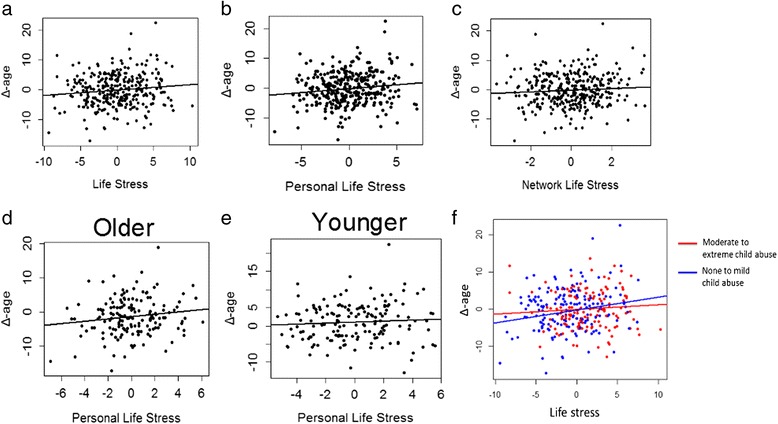
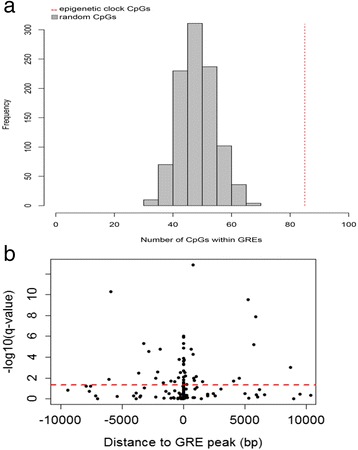
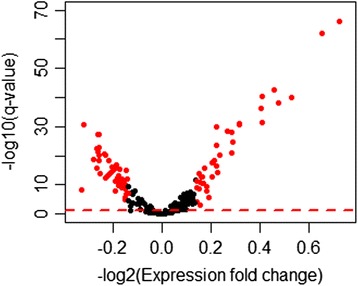
BACKGROUND: Chronic psychological stress is associated with accelerated aging and increased risk for aging-related diseases, but the underlying molecular mechanisms are unclear. RESULTS: We examined the effect of lifetime stressors on a DNA methylation-based age predictor, epigenetic clock. After controlling for blood cell-type composition and lifestyle parameters, cumulative lifetime stress, but not childhood maltreatment or current stress alone, predicted accelerated epigenetic aging in an urban, African American cohort (n = 392). This effect was primarily driven by personal life stressors, was more pronounced with advancing age, and was blunted in individuals with higher childhood abuse exposure. Hypothesizing that these epigenetic effects could be mediated by glucocorticoid signaling, we found that a high number (n = 85) of epigenetic clock CpG sites were located within glucocorticoid response elements. We further examined the functional effects of glucocorticoids on epigenetic clock CpGs in an independent sample with genome-wide DNA methylation (n = 124) and gene expression data (n = 297) before and after exposure to the glucocorticoid receptor agonist dexamethasone. Dexamethasone induced dynamic changes in methylation in 31.2 % (110/353) of these CpGs and transcription in 81.7 % (139/170) of genes neighboring epigenetic clock CpGs. Disease enrichment analysis of these dexamethasone-regulated genes showed enriched association for aging-related diseases, including coronary artery disease, arteriosclerosis, and leukemias. CONCLUSIONS: Cumulative lifetime stress may accelerate epigenetic aging, an effect that could be driven by glucocorticoid-induced epigenetic changes. These findings contribute to our understanding of mechanisms linking chronic stress with accelerated aging and heightened disease risk.
Overview
The claims and statistics of this paper haven’t been checked yet.
Free: it reads the open-access text and checks the first 5 claims that cite a source we can check. Create a free account to check every claim.
Integrity signals
Registry
Cites
Statistics
Figures
Verification
Claims the paper makes
The claims and statistics of this paper haven’t been checked yet.
Free: it reads the open-access text and checks the first 5 claims that cite a source we can check. Create a free account to check every claim.
Claims other papers make about this one
Each is checked against this paper’s own text: does it say what the citing paper says it does?
The source backs part of the claim, not all of it — or backs it for a different population, condition or comparison.
In the citing paper
“Accelerated epigenetic aging has been shown to be conferred by cumulative, particularly personal lifetime stress in a cohort of highly traumatized African-Americans (Zannas et al., 2015), and 6-month exposure of male soldiers to combat deployment in Afghanistan (Boks et al., 2015).”
From The applied implications of epigenetics in anxiety, affective and stress-related disorders - A review and synthesis on psychosocial stress, psychotherapy and prevention (2020) · cites this paper as Zannas et al., 2015
Experimental — accuracy not yet measuredThe source backs part of the claim, not all of it — or backs it for a different population, condition or comparison.
In the citing paper
“In addition, the methylation profile of individuals exposed to lifetime stress displayed an accelerated epigenetic aging profile, which was not present in individuals exposed to acute stress (Zannas et al, 2015).”
From Microglia Priming with Aging and Stress (2017) · cites this paper as Zannas et al, 2015
Experimental — accuracy not yet measuredThe cited source says what the claim attributes to it.
In the citing paper
“Cumulative lifetime stress was associated with accelerated epigenetic aging”
From The applied implications of epigenetics in anxiety, affective and stress-related disorders - A review and synthesis on psychosocial stress, psychotherapy and prevention (2020) · cites this paper as Zannas et al., 2015
In the citing paper
“Recent clinical findings showed that the epigenetic profile (such as, DNA methylation in glucocorticoid (GC) responsive regions) of subjects exposed to lifetime stress resembled the epigenetic changes in aging-associated diseases (Zannas et al, 2015).”
From Microglia Priming with Aging and Stress (2017) · cites this paper as Zannas et al, 2015
Self-check
Percentages, sums and reported differences re-computed from the paper’s own numbers.
The self-check needs the paper’s full text.
Citations
Cites
Fast and accurate short read alignment with Burrows-Wheeler transform
Li, H., & Durbin, R. (2009) · Bioinformatics · doi:10.1093/bioinformatics/btp324 · Cited by 58,607
An inventory for measuring depression
BECK, A. T. (1961) · Archives of General Psychiatry · doi:10.1001/archpsyc.1961.01710120031004 · Cited by 38,032 · cited 1×
“In the GTP, current depressive symptomatology was assessed with the 21-item validated Beck Depression Inventory (BDI) [56, 57] and current PTSD symptomatology was assessed with the validated 17-item PTSD Symptom Scale (PSS) [49, 58].”
MethodFelitti, V. J., Anda, R. F., Nordenberg, D., Williamson, D. F., Spitz, A. M., Edwards, V., Koss, M. P., & Marks, J. S. (1998) · American Journal of Preventive Medicine · doi:10.1016/s0749-3797(98)00017-8 · Cited by 18,943
Model-based Analysis of ChIP-Seq (MACS)
Zhang, Y., Liu, T., Meyer, C. A., Eeckhoute, J., Johnson, D. S., Bernstein, B. E., Nusbaum, C., Myers, R. M., Brown, M., Li, W., et al. (2008) · Genome Biology · doi:10.1186/gb-2008-9-9-r137 · Cited by 18,386 · cited 1×
“Peak-calling was carried out by MACS14 (v. 1 .4.2) [70] using default settings, resulting in approximately 23,000 annotated signals.”
MethodInfluentialPsychometric properties of the Beck Depression Inventory: Twenty-five years of evaluation
Beck, A. T., Steer, R. A., & Carbin, M. G. (1988) · Clinical Psychology Review · doi:10.1016/0272-7358(88)90050-5 · Cited by 11,696
Child abuse: Adolescent records vs. adult recall
Femina, D. D., Yeager, C. A., & Lewis, D. O. (1990) · Child Abuse & Neglect · doi:10.1016/0145-2134(90)90033-p · Cited by 8,820
Adjusting batch effects in microarray expression data using empirical Bayes methods
Johnson, W. E., Li, C., & Rabinovic, A. (2007) · Biostatistics · doi:10.1093/biostatistics/kxj037 · Cited by 8,658
Scoville, W. B. (1949) · Journal of neurosurgery · doi:10.3171/jns.1949.6.1.0065 · Cited by 7,381
DNA methylation age of human tissues and cell types
Horvath, S. (2013) · Genome Biology · doi:10.1186/gb-2013-14-10-r115 · Cited by 7,075 · cited 21×
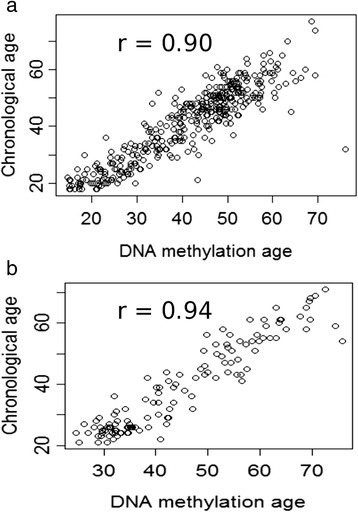
“The present study sought to determine the effect of life stressors on epigenetic aging, as measured with the epigenetic clock [27] in peripheral blood samples.”
BackgroundMethodInfluentialDevelopment and validation of a brief screening version of the Childhood Trauma Questionnaire
Bernstein, D. P., Stein, J. A., Newcomb, M. D., Walker, E., Pogge, D., Ahluvalia, T., Stokes, J., Handelsman, L., Medrano, M., Desmond, D., et al. (2003) · Child Abuse & Neglect · doi:10.1016/s0145-2134(02)00541-0 · Cited by 6,419 · cited 1×
“tional abuse, as well as emotional and physical neglect [53].”
Background
Research works printed but not linked: 1
- 2. Office for National Statistics. National Population Projections, 2012-based Statistical Bulletin. Newport: Office for National Statistics; 2012.
Cited by
Items 101–200 of 465
Biomarkers of ageing: Current state‐of‐art, challenges, and opportunities
Chen, R., Wang, Y., Zhang, S., Bulloch, G., Zhang, J., Liao, H., Shang, X., Clark, M., Peng, Q., Ge, Z., et al. (2023) · MedComm – Future Medicine · doi:10.1002/mef2.50 · Cited by 74
Galow, A.-M., & Peleg, S. (2022) · Cells · doi:10.3390/cells11030468 · Cited by 66
Hibernation slows epigenetic ageing in yellow-bellied marmots
de Pinho, G. M., Martin, J. G. A., Farrell, C. P., Haghani, A., Zoller, J. A., Zhang, J., Snir, S., Pellegrini, M. A., Wayne, R. K., Blumstein, D. T., et al. (2022) · Nature Ecology & Evolution · doi:10.1038/s41559-022-01679-1 · Cited by 70
Yang, Y., Zhu, Z., Wang, D., Zhang, X., Liu, Y.-Y., Lai, W., Mo, Y., Li, J., Liang, Y., Hu, Z.-Q., et al. (2018) · Acta Pharmacologica Sinica · doi:10.1038/aps.2017.134 · Cited by 59
Galkin, F., Kochetov, K., Koldasbayeva, D., Faria, M., Fung, H. H.-L., Chen, A. X., & Zhavoronkov, A. A. (2022) · Aging · doi:10.18632/aging.204264 · Cited by 64
Genetic loci and metabolic states associated with murine epigenetic aging
Mozhui, K., Lu, A. T., Li, C. Z., Haghani, A., Sandoval-Sierra, J. V., Wu, Y., Williams, R. W., & Horvath, S. (2022) · eLife · doi:10.7554/elife.75244 · Cited by 58
Obesity and accelerated epigenetic aging in a high-risk cohort of children
Etzel, L. C., Hastings, W. J., Hall, M. A., Heim, C. C., Meaney, M. J., Noll, J. G., O’Donnell, K. J., Pokhvisneva, I., Rose, E. J., Schreier, H. M. C., et al. (2022) · Scientific Reports · doi:10.1038/s41598-022-11562-5 · Cited by 62
Self-citationGenomic Approaches to Posttraumatic Stress Disorder: The Psychiatric Genomic Consortium Initiative
Nievergelt, C. M., Ashley‐Koch, A. E., Dalvie, S., Hauser, M. A., Morey, R. A., Smith, A. K., & Uddin, M. (2018) · Biological Psychiatry · doi:10.1016/j.biopsych.2018.01.020 · Cited by 62
“Of note, a relatively high proportion—nearly 25%—of epigenetic clock-related CpG sites are located in glucocorticoid response elements, a genomic region in which methylation levels vary in relation to trauma exposure (58) and dexamethasone suppression (56).”
BackgroundSelf-citationRegulation of microglia population dynamics throughout development, health, and disease
Hammond, B. P., Manek, R., Kerr, B. J., Macauley, M. S., & Plemel, J. R. (2021) · Glia · doi:10.1002/glia.24047 · Cited by 65
Epigenetic Age Acceleration and Cognitive Decline: A Twin Study
Vaccarino, V., Huang, M., Wang, Z., Hui, Q., Shah, A. J., Goldberg, J. H., Smith, N. L., Kaseer, B., Murrah, N. V., Levantsevych, O. M., et al. (2021) · The Journals of Gerontology Series A · doi:10.1093/gerona/glab047 · Cited by 59
“These include synaptic plasticity and neurogenesis (47– 49), stem cell function (50), immunosenescence (51), circadian rhythms (52), and the effects of cumulative stress through glucocorticoid signaling (53).”
Backgroundon behalf of the Seniors USP Team, Gale, C. R., Marioni, R. E., Čukić, I., Chastin, S. F., Dall, P. M., Dontje, M. L., Skelton, D. A., & Deary, I. J. (2018) · Clinical Epigenetics · doi:10.1186/s13148-017-0438-z · Cited by 54
“Based on prior literature [2, 10, 23, 24], we chose age, sex, depressive symptoms, chronic physical disease, and body mass index as potential confounding factors.”
BackgroundDNA methylation correlates of PTSD: Recent findings and technical challenges
Morrison, F. G., Miller, M. W., Logue, M. W., Assef, M., & Wolf, E. J. (2018) · Progress in Neuro-Psychopharmacology and Biological Psychiatry · doi:10.1016/j.pnpbp.2018.11.011 · Cited by 62
Verhoeven, J. E., Yang, R., Wolkowitz, O. M., Bersani, F. S., Lindqvist, D., Mellon, S. H., Yehuda, R., Flory, J. D., Lin, J., Abu-Amara, D., et al. (2018) · Complex Psychiatry · doi:10.1159/000491431 · Cited by 51
The impact of perceived stress on skin ageing
Lee, C. M., Watson, R. E. B., & Kleyn, C. E. (2019) · Journal of the European Academy of Dermatology and Venereology · doi:10.1111/jdv.15865 · Cited by 56
Kerr, B., Schwilk, D. W., Bergman, A., & Feldman, M. W. (1999) · Evolutionary ecology research · Cited by 56
Specific premature epigenetic aging of cartilage in osteoarthritis
Vidal-Bralo, L., Lopez-Golan, Y., Mera-Varela, A., Rego-Perez, I., Horvath, S., Zhang, Y., del Real, Á., Zhai, G., Blanco, F. J., Riancho, J. A., et al. (2016) · Aging · doi:10.18632/aging.101053 · Cited by 48
“The DmAM are useful biomarkers of biological age that show accelerated aging in several diseases of old age [19-21, 29, 30] and in subjects under elevated lifetime stress [26], and that correlate with cognitive and physical fitness in the elderly and with all-cause and cause-specific mortality [30-35].”
BackgroundPalma‐Gudiel, H., Eixarch, E., Crispi, F., Morán, S., Zannas, A. S., & Fañanás, L. (2019) · Clinical Epigenetics · doi:10.1186/s13148-019-0674-5 · Cited by 58
Self-citationUnderstanding the health effects of caregiving stress: New directions in molecular aging
Christian, L. M., Wilson, S. J., Madison, A. A., Prakash, R. S., Burd, C. E., Rosko, A. E., & Kiecolt‐Glaser, J. K. (2023) · Ageing Research Reviews · doi:10.1016/j.arr.2023.102096 · Cited by 52
“For example, cumulative lifetime stress predicted accelerated epigenetic aging in an urban, African American cohort (Zannas et al., 2015).”
BackgroundPavanello, S., Campisi, M., Tona, F., Lin, C. D., & Iliceto, S. (2019) · International Journal of Environmental Research and Public Health · doi:10.3390/ijerph16173074 · Cited by 54
“Stressors can drive a stable alteration in DNA methylation [17,18,38]; this change is mediated by the genomic action of glucocorticoids, primary molecular effectors to stress response [17,18].”
BackgroundThe Developmental Chronnecto-Genomics (Dev-CoG) study: A multimodal study on the developing brain
Stephen, J. M., Solis, I., Janowich, J. R., Stern, M. E., Frenzel, M. R., Eastman, J. A., Mills, M. S., Embury, C. M., Coolidge, N. M., Heinrichs‐Graham, E., et al. (2020) · NeuroImage · doi:10.1016/j.neuroimage.2020.117438 · Cited by 50
Joshi, D., González, A., Lin, D. T. S., & Raina, P. S. (2023) · Aging Cell · doi:10.1111/acel.13779 · Cited by 55
“Moreover, studies have focused on the Horvath or Hannum DNAm Age algorithms with discrepant findings (Wolf et al., 2018; Zannas et al., 2015).”
BackgroundMethodEpigenetic Aging Clocks in Ecology and Evolution
Parrott, B. B., & Bertucci, E. M. (2019) · Trends in Ecology & Evolution · doi:10.1016/j.tree.2019.06.008 · Cited by 54
Combined effects of genotype and childhood adversity shape variability of DNA methylation across age
Czamara, D., Tissink, E., Tuhkanen, J., Martins, J., Awaloff, Y., Drake, A. J., Khulan, B., Palotie, A., Winter, S. M., Nemeroff, C. B., et al. (2021) · Translational Psychiatry · doi:10.1038/s41398-020-01147-z · Cited by 46
Self-citationAccelerated aging in serious mental disorders
Bersani, F. S., Mellon, S. H., Reus, V. I., & Wolkowitz, O. M. (2019) · Current Opinion in Psychiatry · doi:10.1097/yco.0000000000000525 · Cited by 50
“Lifetime stress in urban African-Americans was associated with accelerated EpiAge, possibly secondary to glucocorticoid activation [52].”
BackgroundMehta, D., Bruenig, D., Lawford, B., Harvey, W., Carrillo-Roa, T., Morris, C. P., Jovanovic, T., Young, R. M., Binder, E. B., & Voisey, J. (2018) · Neurobiology of Stress · doi:10.1016/j.ynstr.2018.04.001 · Cited by 46
“The GTP samples were run on the Illumina 450k arrays as previously detailed in Zannas et al, 2015 30.”
Self-citationMehta, D., Bruenig, D., Pierce, J., Sathyanarayanan, A., Stringfellow, R., Miller, O. K., Mullens, A. B., & Shakespeare‐Finch, J. (2021) · Journal of Psychiatric Research · doi:10.1016/j.jpsychires.2021.11.026 · Cited by 50
Self-citationNegative fateful life events in midlife and advanced predicted brain aging
Hatton, S. N., Franz, C. E., Elman, J. A., Panizzon, M. S., Hagler, D. J., Fennema‐Notestine, C., Eyler, L. T., McEvoy, L. K., Lyons, M. J., Dale, A. M., et al. (2018) · Neurobiology of Aging · doi:10.1016/j.neurobiolaging.2018.03.004 · Cited by 47
“There is also evidence that cumulative life stress is associated with accelerated epigenetic aging (Zannas et al., 2015).”
BackgroundInfluentialCruz‐Almeida, Y., Sinha, P., Rani, A., Huo, Z., Fillingim, R. B., & Foster, T. C. (2019) · Molecular Pain · doi:10.1177/1744806919871819 · Cited by 48
Lei, M.-K., Beach, S. R. H., & Simons, R. L. (2018) · Development and Psychopathology · doi:10.1017/s0954579418000937 · Cited by 44
“In addition, there is evidence that accelerated epigenetic aging is affected by social environment conditions (Brody, Miller, Yu, Breach, & Chen, 2016; Simons et al., 2016; Zannas et al., 2015).”
BackgroundPiferrer, F., & Anastasiadi, D. (2023) · Frontiers in Marine Science · doi:10.3389/fmars.2023.1062151 · Cited by 48
“Specifically, glucocorticoid-induced epigenetic changes have been shown to be the mechanisms linking chronic stress with accelerated aging and higher disease risk in mammals (Zannas et al., 2015).”
BackgroundPalma-Gudiel, H., Prather, A. A., Lin, J., Oxendine, J. D., Guintivano, J., Xia, K., Rubinow, D. R., Wolkowitz, O., Epel, E. S., & Zannas, A. S. (2021) · Brain, Behavior, and Immunity · doi:10.1016/j.bbi.2020.11.027 · Cited by 43
“Once activated, the GR functions as a ligand-dependent transcription factor that translocates to the nucleus and interacts with the DNA via glucocorticoid response elements (GREs).”
BackgroundInfluentialSelf-citationLongitudinal study of surrogate aging measures during human immunodeficiency virus seroconversion
Leung, J. M., Fishbane, N., Jones, M. J., Morin, A. M., Xu, S., Liu, J. C., MacIsaac, J. L., Milloy, M., Hayashi, K., Montaner, J. S. G., et al. (2017) · Aging · doi:10.18632/aging.101184 · Cited by 45
“…correlates with measures of cognitive and physical fitness in the elderly [45]; e) it has been used in many applications including Down syndrome [46], obesity [23], lifetime stress [47], and Parkinson’s disease [48]; and f) it is applicable to populations of all ages, not just the elderly [49, 50].”
Lux, V., Non, A. L., Pexman, P. M., Stadler, W., Weber, L. A. E., & Krüger, M. (2021) · Frontiers in Systems Neuroscience · doi:10.3389/fnsys.2021.672740 · Cited by 51
“…that the effects of early life stress only impact the individual after multiple stressful experiences (Binder et al., 2008; Danese et al., 2011; Zannas et al., 2015), there is consensus among researchers that early life stress gets somehow biologically embedded or embodied during critical…”
BackgroundMenke, A. (2018) · Pharmacogenomics and Personalized Medicine · doi:10.2147/pgpm.s146110 · Cited by 41
“Next, combining genome-wide DNA methylation and gene expression data before and after GR activation revealed dynamic changes in methylation of the cytosine pyrimidine ring in cytosine/guanine (CpG) dinucleotides and transcription of gene neighboring epigenetic clock CpGs associated with aging and aging-related disorde…”
BackgroundSelf-citationWhat’s in a name? The three genealogies of the social in social epigenetics
Louvel, S. (2020) · Social Science Information · doi:10.1177/0539018419897001 · Cited by 42
Epigenetic aging and perceived psychological stress in old age
Vetter, V. M., Drewelies, J., Sommerer, Y., Kalies, C. H., Regitz‐Zagrosek, V., Bertram, L., Gerstorf, D., & Demuth, I. (2022) · Translational Psychiatry · doi:10.1038/s41398-022-02181-9 · Cited by 44
“It is unclear how the PSS corresponds with chronic stress in our cohort, which is often made responsible for the stress-associated adverse effects on physical and mental health [26, 27].”
BackgroundCritical review of aging clocks and factors that may influence the pace of aging
Min, M., Egli, C., Dulai, A. S., & Sivamani, R. K. (2024) · Frontiers in Aging · doi:10.3389/fragi.2024.1487260 · Cited by 51
The goddess who spins the thread of life: Klotho, psychiatric stress, and accelerated aging
Wolf, E. J., Morrison, F. G., Sullivan, D. R., Logue, M. W., Guetta, R. E., Stone, A., Schichman, S. A., McGlinchey, R. E., Milberg, W. P., & Miller, M. W. (2019) · Brain, Behavior, and Immunity · doi:10.1016/j.bbi.2019.03.007 · Cited by 42
“, 2018; Jovanovic et al, 2017), life stress (Zannas et al., 2015), racial discrimination in the context of poor family support (Brody et al.”
Backgroundde Toda, I. M., Vida, C., Cerro, E. D., & la Fuente, M. D. (2021) · The Journals of Gerontology Series A · doi:10.1093/gerona/glab136 · Cited by 43
Counteracting aged DNA methylation states to combat ageing and age-related diseases
Reale, A., Tagliatesta, S., Zardo, G., & Zampieri, M. (2022) · Mechanisms of Ageing and Development · doi:10.1016/j.mad.2022.111695 · Cited by 44
“including relaxation and sleep amelioration was based on previous evidence associating changes in DNA methylation profile and epigenetic age with stress (Moore et al., 2017; Wolf et al., 2016; Zannas et al., 2015), stress-reduction practices (Pavanello et al.”
MethodGodara, M., Silveira, S., Matthäus, H., Heim, C., Voelkle, M., Hecht, M., Binder, E. B., & Singer, T. (2021) · PLOS ONE · doi:10.1371/journal.pone.0256323 · Cited by 38
Self-citationBenton, M. C., Sutherland, H. G. E., Macartney-Coxson, D. P., Haupt, L. M., Lea, R. A., & Griffiths, L. R. (2017) · Aging · doi:10.18632/aging.101187 · Cited by 41
Epigenetic Age Acceleration Assessed with Human White-Matter Images
Hodgson, K., Carless, M. A., Kulkarni, H. R., Curran, J. E., Sprooten, E., Knowles, E. E. M., Mathias, S. R., Göring, H. H. H., Yao, N., Olvera, R. L., et al. (2017) · Journal of Neuroscience · doi:10.1523/jneurosci.0177-17.2017 · Cited by 41
“In samples that span adulthood, associations between epigenetic age acceleration in the blood and stress exposure and post-traumatic stress disorder have also been found (Boks et al., 2015; Zannas et al., 2015).”
Backgroundvan Dongen, J., Hagenbeek, F. A., Suderman, M. J., Roetman, P. J., Sugden, K., Chiocchetti, A. G., Ismail, K., Mulder, R. H., Hafferty, J. D., Adams, M. J., et al. (2021) · Molecular Psychiatry · doi:10.1038/s41380-020-00987-x · Cited by 44
Self-citationPTSD is associated with accelerated transcriptional aging in World Trade Center responders
Kuan, P. F., Ren, X., Clouston, S., Yang, X., Jonas, K. G., Kotov, R., Bromet, E. J., & Luft, B. J. (2021) · Translational Psychiatry · doi:10.1038/s41398-021-01437-0 · Cited by 41
Neuroepigenetics of Post-Traumatic Stress Disorder
Kim, G. S., Smith, A. K., Nievergelt, C. M., & Uddin, M. (2018) · Progress in molecular biology and translational science · doi:10.1016/bs.pmbts.2018.04.001 · Cited by 39
Self-citationEpigenetic GrimAge acceleration and cognitive impairment in bipolar disorder
Lima, C. N. D. C., Suchting, R., Scaini, G., Cuellar, V. A., Favero-Campbell, A. D., Walss‐Bass, C., Soares, J. C., Quevedo, J., & Fries, G. R. (2022) · European Neuropsychopharmacology · doi:10.1016/j.euroneuro.2022.06.007 · Cited by 44
Glucocorticoid effects on the brain: from adaptive developmental plasticity to allostatic overload
Eachus, H., & Ryu, S. (2024) · Journal of Experimental Biology · doi:10.1242/jeb.246128 · Cited by 43
Racial Discrimination, Neural Connectivity, and Epigenetic Aging Among Black Women
Elbasheir, A., Katrinli, Ş., Kearney, B. E., Lanius, R. A., Harnett, N. G., Carter, S. E., Ely, T. D., Bradley, B., Gillespie, C. F., Stevens, J. S., et al. (2024) · JAMA Network Open · doi:10.1001/jamanetworkopen.2024.16588 · Cited by 41
Self-citationMap of epigenetic age acceleration: A worldwide analysis
Yusipov, I., Kalyakulina, A., Trukhanov, A., Franceschi, C., & Ivanchenko, M. (2024) · Ageing Research Reviews · doi:10.1016/j.arr.2024.102418 · Cited by 47
Environmental Deflection: The Impact of Toxicant Exposures on the Aging Epigenome
Kochmanski, J. J., Montrose, L. B., Goodrich, J. M., & Dolinoy, D. C. (2017) · Toxicological Sciences · doi:10.1093/toxsci/kfx005 · Cited by 41
“…exposures can be difficult to quantify in human populations, several studies have evaluated stress events as definable representations of the human environment, examining environmental deflection of age-related methylation by stress (Boks et al., 2015; Zannas et al., 2015; Brody et al., 2016).”
BackgroundInfluentialEpigenetic Clock: Just a Convenient Marker or an Active Driver of Aging?
Ashapkin, V. V., Kutueva, L. I., & Vanyushin, B. F. (2019) · Advances in experimental medicine and biology · doi:10.1007/978-3-030-25650-0_10 · Cited by 42
The use of DNA methylation clock in aging research
He, X., Liu, J., Liu, B., & Shi, J. (2020) · Experimental Biology and Medicine · doi:10.1177/1535370220968802 · Cited by 42
“Psychological factors may be mediated by glucocorticoids in that 85 CpG sites of Horvath’s clock are located in glucocorticoid response elements.(108) Five studies investigated life-long posttraumatic stress disorder (PTSD) in war veterans.”
BackgroundMatías‐García, P. R., Ward-Caviness, C. K., Raffield, L. M., Gao, X., Zhang, Y., Wilson, R., Gao, X. Y., Nano, J., Bostom, A. G., Colicino, E., et al. (2021) · Clinical Epigenetics · doi:10.1186/s13148-021-01082-w · Cited by 40
Childhood adversity and accelerated reproductive events: a systematic review and meta-analysis
Ding, W.-Q., Yuxiang, X., Kondracki, A. J., & Sun, Y. (2023) · American Journal of Obstetrics and Gynecology · doi:10.1016/j.ajog.2023.10.005 · Cited by 41
Estimating breast tissue-specific DNA methylation age using next-generation sequencing data
Castle, J., Lin, N., Liu, J., Storniolo, A. M., Shendre, A., Hou, L., Horvath, S., Liu, Y., Wang, C., & He, C. (2020) · Clinical Epigenetics · doi:10.1186/s13148-020-00834-4 · Cited by 39
Simons, R. L., Ong, M. L., Lei, M., Klopack, E. T., Berg, M. T., Zhang, Y., Philibert, R. A., Gibbons, F. X., & Beach, S. R. H. (2022) · Social Science & Medicine · doi:10.1016/j.socscimed.2022.115175 · Cited by 37
Evaluation of Cell-Specific Epigenetic Age Acceleration in People With Multiple Sclerosis
Maltby, V. E., Xavier, A., Ewing, E., Campagna, M. P., Sampangi, S., Scott, R. J., Butzkueven, H., Jokubaitis, V., Kular, L., Bos, S. D., et al. (2023) · Neurology · doi:10.1212/wnl.0000000000207489 · Cited by 39
Dutta, S., Goodrich, J. M., Dolinoy, D. C., & Ruden, D. M. (2023) · Genes · doi:10.3390/genes15010016 · Cited by 40
“Several studies have pointed out the association between chronic stress and biological aging [153,172].”
BackgroundNon-linear patterns in age-related DNA methylation may reflect CD4+ T cell differentiation
Johnson, N. D., Wiener, H. W., Smith, A. K., Nishitani, S., Absher, D. M., Arnett, D. K., Aslibekyan, S., & Conneely, K. N. (2017) · Epigenetics · doi:10.1080/15592294.2017.1314419 · Cited by 37
Self-citationGenome-Wide Epigenetic Signatures of Adaptive Developmental Plasticity in the Andes
Childebayeva, A., Goodrich, J. M., Lèon‐Velarde, F., Rivera, M. C., Kiyamu, M., Brutsaert, T. D., Dolinoy, D. C., & Bigham, A. W. (2020) · Genome Biology and Evolution · doi:10.1093/gbe/evaa239 · Cited by 42
“In fact, accelerated epigenetic aging has been associated with increased stress in early life as well as with phenotypic outcomes including increased height for age, elevated diurnal cortisol, among others (Davis et al. 2017; Suarez et al. 2018; Zannas et al. 2015).”
BackgroundLei, M., Berg, M. T., Simons, R. L., & Beach, S. R. H. (2021) · Social Science & Medicine · doi:10.1016/j.socscimed.2021.114654 · Cited by 40
Chiou, K. L., DeCasien, A. R., Rees, K. P., Testard, C., Spurrell, C. H., Gogate, A. A., Pliner, H. A., Tremblay, S., Mercer, A., Whalen, C. J., et al. (2022) · Nature Neuroscience · doi:10.1038/s41593-022-01197-0 · Cited by 37
(2020) · International review of neurobiology · doi:10.1016/bs.irn.2020.03.012 · Cited by 34
Forrester, S., Baek, J., Hou, L., Roger, V. L., & Kiefe, C. I. (2024) · Journal of the American Heart Association · doi:10.1161/jaha.123.032847 · Cited by 35
“…have on the incidence and prevalence of CVD. Accelerated biological aging measures have been found to be associated with social factors 3,9,12,54,55 and further have been shown to account for some of the variation in the relationship between social factors and CVD. 31 Our previous work in…”
ResultVyas, C. M., Hazra, A., Chang, S., Qiu, W., Reynolds, C. F., Mischoulon, D., Chang, G., Manson, J. E., Vivo, I. D., & Okereke, O. I. (2019) · Translational Psychiatry · doi:10.1038/s41398-019-0446-1 · Cited by 38
Koop, B. E., Reckert, A., Becker, J., Han, Y., Wagner, W., & Ritz‐Timme, S. (2020) · International Journal of Legal Medicine · doi:10.1007/s00414-020-02375-0 · Cited by 39
Childhood Maltreatment and Longitudinal Epigenetic Aging: NIMHD Social Epigenomics Program
Chang, O. D., Meier, H. C. S., Maguire‐Jack, K., Davis-Kean, P. E., & Mitchell, C. M. (2024) · JAMA Network Open · doi:10.1001/jamanetworkopen.2024.21877 · Cited by 40
Quantification of Epigenetic Aging in Public Health
Kusters, C., & Horvath, S. (2024) · Annual Review of Public Health · doi:10.1146/annurev-publhealth-060222-015657 · Cited by 46
“The relationship between psychosocial stress and accelerated epigenetic aging has been explored in several review papers, highlighting a consistent link between chronic stress and increased epigenetic age across multiple studies (45, 60, 104, 121, 125, 138, 161).”
Epigenetic Mechanisms in Aging: Extrinsic Factors and Gut Microbiome
Borrego-Ruiz, A., & Borrego, J. J. (2024) · Genes · doi:10.3390/genes15121599 · Cited by 36
“In this respect, cumulative stress over a lifetime may accelerate epigenetic aging, potentially driven by glucocorticoid-induced changes in the epigenome, whereas no significant association was found with childhood maltreatment or current stress alone [245].”
Simons, R. L., Lei, M., Klopack, E. T., Berg, M. T., Zhang, Y., & Beach, S. R. H. (2021) · Journal of Health and Social Behavior · doi:10.1177/00221465211009309 · Cited by 40
Are housing circumstances associated with faster epigenetic ageing?
Clair, A., Baker, E., & Kumari, M. (2024) · Journal of Epidemiology and Community Health · doi:10.1136/jech-2023-220523 · Cited by 33
Accelerated biological aging in serious mental disorders
Wolkowitz, O. M. (2018) · World Psychiatry · doi:10.1002/wps.20546 · Cited by 35
McKenna, B. G., Hendrix, C. L., Brennan, P. A., Smith, A. K., Stowe, Z. N., Newport, D. J., & Knight, A. K. (2020) · Epigenetics · doi:10.1080/15592294.2020.1795604 · Cited by 37
“Prior work has also linked stress exposure to epigenetic age acceleration in adulthood [14,15], leading to the hypothesis that epigenetic ageing may be one mechanism that links chronic stress to negative health outcomes.”
BackgroundSelf-citationBiological and Environmental Factors Affecting Risk and Resilience among Syrian Refugee Children
Javanbakht, A., Stenson, A. F., Nugent, N. R., Smith, A. K., Rosenberg, D., & Jovanović, T. (2021) · Journal of Psychiatry and Brain Science · doi:10.20900/jpbs.20210003 · Cited by 41
“The CpG sites used to calculate age acceleration are enriched for glucocorticoid response elements and capture stress-related changes in DNA methylation age [91].”
Self-citationThe Cutting Edge of Epigenetic Clocks: In Search of Mechanisms Linking Aging and Mental Health
Harvanek, Z. M., Boks, M. P., Vinkers, C. H., & Higgins‐Chen, A. (2023) · Biological Psychiatry · doi:10.1016/j.biopsych.2023.02.001 · Cited by 37
Epigenetic models developed for plains zebras predict age in domestic horses and endangered equids
Larison, B., de Pinho, G. M., Haghani, A., Zoller, J. A., Li, C. Z., Finno, C. J., Farrell, C. P., Kaelin, C. B., Barsh, G. S., Wooding, B., et al. (2021) · Communications Biology · doi:10.1038/s42003-021-02935-z · Cited by 35
Leung, C. S., Kosyk, O., Welter, E. M., Dietrich, N., Archer, T., & Zannas, A. S. (2022) · iScience · doi:10.1016/j.isci.2022.104960 · Cited by 40
“…epigenetic changes, most notably in DNA methylation (Kress et al., 2006; Seifuddin et al., 2017; Thomassin et al., 2001; Wiechmann et al., 2019; Zannas et al., 2015, 2019; Provencal et al., 2019; Wiench et al., 2011; Zannas, 2021b), which involves the addition of a methyl group onto cytosine,…”
Self-citationIncorporating Intersectionality in Neuropsychology: Moving the Discipline Forward
Fujii, D. E. M. (2022) · Archives of Clinical Neuropsychology · doi:10.1093/arclin/acac075 · Cited by 31
Stressful life events and accelerated biological aging over time in youths
Sumner, J. A., Gao, X., Gambazza, S., Dye, C. K., Colich, N. L., Baccarelli, A., Uddin, M., & McLaughlin, K. A. (2023) · Psychoneuroendocrinology · doi:10.1016/j.psyneuen.2023.106058 · Cited by 33
How can we modulate aging through nutrition and physical exercise? An epigenetic approach
Rajado, A. T., Silva, N., Esteves, F., Brito, D. V. C., Binnie, A., Araújo, I. M., Nóbrega, C., Bragança, J., & Castelo‐Branco, P. (2023) · Aging · doi:10.18632/aging.204668 · Cited by 39
Ciuculete, D. M., Boström, A. E. D., Tuunainen, A., Sohrabi, F., Kular, L., Jagodic, M., Voisin, S. A. C., Mwinyi, J., & Schiöth, H. B. (2018) · Journal of Psychiatric Research · doi:10.1016/j.jpsychires.2018.03.008 · Cited by 32
Nwanaji‐Enwerem, J. C., Weisskopf, M. G., & Baccarelli, A. (2018) · Ageing Research Reviews · doi:10.1016/j.arr.2018.04.005 · Cited by 31
Accelerated DNA methylation age and the use of antihypertensive medication among older adults
Gao, X., Colicino, E., Shen, J., Just, A. C., Nwanaji‐Enwerem, J. C., Wang, C., Coull, B. A., Lin, X., Vokonas, P., Zheng, Y., et al. (2018) · Aging · doi:10.18632/aging.101626 · Cited by 32
“On the contrary, the AHMs’ potential side effects, such as abnormal glucose and lipid metabolism [24] and psychological/cognitive disorders [25, 26], might have the potential to accelerate epigenetic biomarkers of age as suggested by previous studies [6, 10, 27].”
Epigenetic Mechanisms Activated by Childhood Adversity
Krause, B. J., Artigas, R., Sciolla, A., & Hamilton, J. (2020) · Epigenomics · doi:10.2217/epi-2020-0042 · Cited by 30
Epigenetic aging and PTSD outcomes in the immediate aftermath of trauma
Zannas, A. S., Linnstaedt, S. D., An, X., Stevens, J. S., Harnett, N. G., Roeckner, A. R., Oliver, K. I., Rubinow, D. R., Binder, E. B., Koenen, K. C., et al. (2023) · Psychological Medicine · doi:10.1017/s0033291723000636 · Cited by 32
“…2016; Copeland et al., 2022; Harvanek et al., 7174 Anthony S. Zannas et al. et al., 2022; Na et al., 2022; Wang et al., 2022; Wolf et al., 2018; Zannas et al., 2015a), but no studies have examined whether epigenetic aging measured at the time of trauma predicts subsequent development of PTSD…”
BackgroundInfluentialSelf-citationHamlat, E. J., Neilands, T. B., Laraia, B. A., Zhang, J., Lu, A. T.-H., Lin, J., Horvath, S., & Epel, E. S. (2023) · Psychological Medicine · doi:10.1017/s0033291723001629 · Cited by 35
“Previous studies have found childhood trauma predicts accelerated epigenetic aging for children and adults (Hamlat et al., 2021; Sumner, Colich, Uddin, Armstrong, & McLaughlin, 2019; Wolf et al., 2018; Zannas et al., 2015).”
BackgroundEpigenetic age dysregulation in individuals with bipolar disorder and schizophrenia
Jeremian, R., Malinowski, A., Chaudhary, Z., Srivastava, A., Qian, J., Zai, C. C. H., Adanty, C., Fischer, C. E., Burhan, A. M., Kennedy, J. L., et al. (2022) · Psychiatry Research · doi:10.1016/j.psychres.2022.114689 · Cited by 32
Epigenetic mutation load is weakly correlated with epigenetic age acceleration
Yan, Q. J., Paul, K. C., Lu, A. T.-H., Kusters, C., Binder, A. M., Horvath, S., & Ritz, B. R. (2020) · Aging · doi:10.18632/aging.103950 · Cited by 29
“Furthermore, some clock-CpGs are located in glucocorticoid response elements [39].”
Hastings, W. J., Almeida, D. M., & Shalev, I. (2021) · The Journals of Gerontology Series A · doi:10.1093/gerona/glab187 · Cited by 34
“Furthermore, CpG sites located within glucocorticoid response elements make up as much as 24% of the CpG sites included in epigenetic clock algorithms (20).”
BackgroundEmerging trends in epigenetic and childhood trauma: Bibliometrics and visual analysis
Nie, Y., Wen, L., Song, J., Wang, N., Huang, L., Gao, L., & Qu, M. (2022) · Frontiers in Psychiatry · doi:10.3389/fpsyt.2022.925273 · Cited by 31
“For example, early-life adversity accelerates the aging process through glucocorticoidinduced epigenetic changes and regulates DNA methylation of neurons in mice, which raises arginine pressor, leading to neuroendocrine changes and depression (16, 17).”
BackgroundTransdiagnostic evaluation of epigenetic age acceleration and burden of psychiatric disorders
Yusupov, N., Dieckmann, L., Erhart, M., Sauer, S., Rex‐Haffner, M., Kopf‐Beck, J., Brückl, T. M., Czamara, D., & Binder, E. B. (2023) · Neuropsychopharmacology · doi:10.1038/s41386-023-01579-3 · Cited by 38
Self-citationZannas, A. S. (2016) · Journal of Child Psychology and Psychiatry · doi:10.1111/jcpp.12535 · Cited by 27
“Furthermore, these glucocorticoid-responsive genes were implicated in aging-related diseases, including coronary artery disease, arteriosclerosis, and leukemia (Zannas et al., 2015).”
InfluentialSelf-citationMusci, R. J., Raghunathan, R. S., Johnson, S. B., Klein, L., Ladd-Acosta, C., Ansah, R., Hassoun, R., & Voegtline, K. M. (2023) · Prevention Science · doi:10.1007/s11121-023-01576-4 · Cited by 27
Translational geroscience: From invertebrate models to companion animal and human interventions
Lee, M. B., & Kaeberlein, M. R. (2018) · Translational Medicine of Aging · doi:10.1016/j.tma.2018.08.002 · Cited by 36
Beydoun, M. A., Beydoun, H. A., Hooten, N. N., Maldonado, A. I., Weiss, J., Evans, M. K., & Zonderman, A. B. (2022) · Aging · doi:10.18632/aging.204150 · Cited by 34
Navigating Alzheimer’s Disease via Chronic Stress: The Role of Glucocorticoids
Sharma, V., & Singh, T. G. (2019) · Current Drug Targets · doi:10.2174/1389450120666191017114735 · Cited by 27
Advances in Understanding the Causes and Consequences of Health Disparities in Aging Minorities
Forrester, S., Taylor, J. L. W., Whitfield, K. E., & Thorpe, R. J. (2020) · Current Epidemiology Reports · doi:10.1007/s40471-020-00234-5 · Cited by 29
Ogris, C., Hu, Y., Arloth, J., & Müller, N. S. (2021) · Scientific Reports · doi:10.1038/s41598-021-85544-4 · Cited by 33
Self-citationClark, J., Bulka, C. M., Martin, C. L., Roell, K. R., Junior, H. P. D. O. S., O’Shea, T. M., Smeester, L., Fry, R. C., & Dhingra, R. (2022) · Epigenetics · doi:10.1080/15592294.2022.2125717 · Cited by 29
“In regard to SDoH, maternal stress is a relatively well-accepted risk factor for early gestational age and pre-term birth [13], and various types of stress have been linked to accelerated epigenetic aging in adults and children [14,15].”
Background
Metadata
- Authors
- Zannas, A. S., Arloth, J., Carrillo-Roa, T., Iurato, S., Röh, S., Ressler, K. J., Nemeroff, C. B., Smith, A. K., Bradley, B., Heim, C., Menke, A., Lange, J. F., Brückl, T., Ising, M., Wray, N. R., Erhardt, A., Binder, E. B., & Mehta, D.
- Affiliations
- Duke University (US)
- Helmholtz Munich (DE)
- Max Planck Institute of Psychiatry (DE)
- Howard Hughes Medical Institute (US)
- University of Miami (US)
- Emory University (US)
- Pennsylvania State University (US)
- University of Würzburg (DE)
- The University of Queensland (AU)
- Corresponding author
- Zannas, Anthony S.
- Binder, Elisabeth B.
- ORCID
- Venue
- Genome Biology
- Published
- 2015-12
- Volume
- 16
- Issue
- 1
- Pages
- 266-266
- ISSN
- 1465-6906 (ISSN-L)
- 1474-760X
- PMC
- PMC4699359
- OpenAlex
- W2200534091
- Semantic Scholar
- 4a9f0c2be1397c1c5f01e5383f6df18f4d6b9917
- Cited by
- 469
- References
- 75
- Citations by year
- 2026: 31 · 2025: 38 · 2024: 51 · 2023: 46 · 2022: 62 · 2021: 60 · 2020: 33 · 2019: 43 · 2018: 44 · 2017: 43 · 2016: 16
- FWCI
- 14.82
- Type
- journal article
- Language
- en
- Update notices
- correction (2018-05-23)
- Open access
- gold
- doi.org
- Licence
- cc-by
- creativecommons.org/licenses/by/4.0/ (tdm)
- creativecommons.org/licenses/by/4.0/ (vor, 16 d)
- Locations
- Genome biology (publishedVersion, cc-by)
- PubMed Central (publishedVersion, cc-by)
- PubMed (publishedVersion)
- QUT ePrints (Queensland University of Technology) (submittedVersion, cc-by)
- MPG.PuRe (Max Planck Society) (submittedVersion, cc-by)
- Site cant be reached (submittedVersion, cc-by)
- Online Publication Service of Würzburg University (Würzburg University) (submittedVersion, cc-by)
- PuSH - Publication Server of Helmholtz Zentrum München (submittedVersion, cc-by)
- Funders
- European Commission (653240, ERA-NET Neuron)
- European Research Council (281338)
- National Institute of Mental Health (MH071538, MH58922, K01 MH073698–01)
- National Health and Medical Research Council (1047956)
- U.S. Public Health Service (UL1 RR025008)
- Topics
- Life Sciences › Biochemistry, Genetics and Molecular Biology › Molecular Biology › Epigenetics and DNA Methylation
- Life Sciences › Neuroscience › Behavioral Neuroscience › Stress Responses and Cortisol
- Life Sciences › Biochemistry, Genetics and Molecular Biology › Aging › Genetics, Aging, and Longevity in Model Organisms
- Keywords
- epigenetic aging, DNA methylation, epigenetic clocks, glucocorticoid signaling, glucocorticoid response element, dexamethasone, child abuse, African Americans, urban population, age-related diseases, coronary artery disease, arteriosclerosis, leukemia, gene expression
- MeSH terms
- Adolescent, Adult, Aged, Aging, Black or African American, Dexamethasone, Female, Glucocorticoids, Humans, Male, Middle Aged, Receptors, Glucocorticoid, Stress, Psychological, Urban Population, Signal Transduction, Case-Control Studies, CpG Islands, Response Elements, Epigenesis, Genetic
About these checks
Registry, retraction, Cites and statistics results are computed, not judged, with one exception: a printed reference that no index lists is read once by a model before it counts as a citation error. Claims are extracted by a model and kept only when their quote appears verbatim in the text; each cited source is then checked, with a model’s help, for whether it says what the claim relies on. Those verdicts can be wrong — read the claim’s quote and the cited source before relying on one.
Statistics and arithmetic are recomputed, not judged.
Confidence bands are shown only for fields calibrated on our annotated test set. None is calibrated yet, so no band is shown.
What counts as a claim ›How we measure confidence ›How we check this ›
Are you an author, or do you see a problem with this page? Request a review
Data sources
Bibliographic data: Semantic Scholar, OpenAlex, Crossref.
Contains information from the Semantic Scholar Academic Graph Datasets, made available under the ODC Attribution License (ODC-BY 1.0).
Semantic Scholar’s data is described in: Kinney, R., et al. (2023). The Semantic Scholar Open Data Platform. arXiv:2301.10140.
