

Recent advances in understanding the effects of lignin structural characteristics on enzymatic hydrolysis
Open accessThe DOI matches its Crossref record; 172 of the 172 references it cites were found in a registry or an index.
Abstract
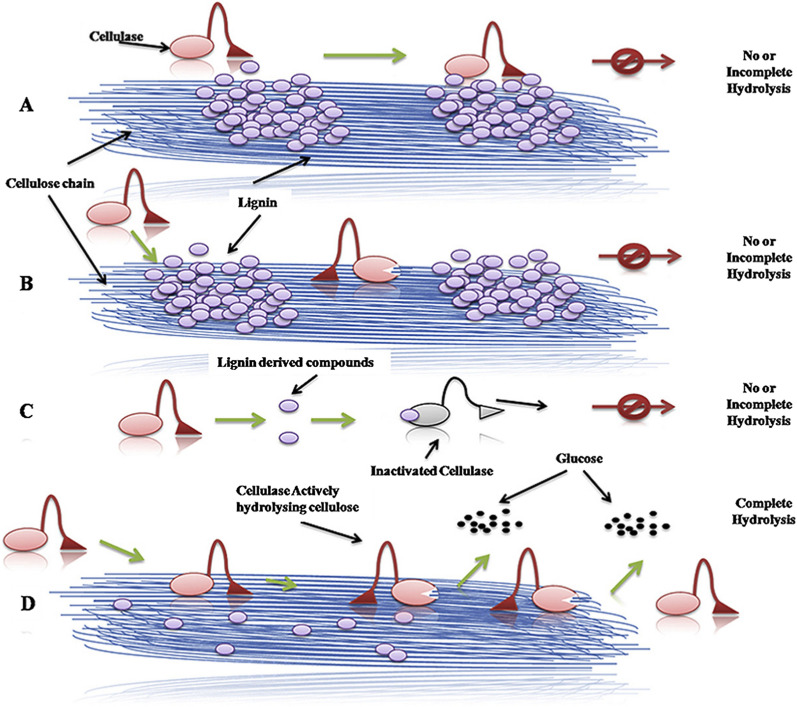
Enzymatic hydrolysis of lignocellulose for bioethanol production shows a great potential to remit the rapid consumption of fossil fuels, given the fact that lignocellulose feedstocks are abundant, cost-efficient, and renewable. Lignin results in low enzymatic saccharification by forming the steric hindrance, non-productive adsorption of cellulase onto lignin, and deactivating the cellulase. In general, the non-productive binding of cellulase on lignin is widely known as the major cause for inhibiting the enzymatic hydrolysis. Pretreatment is an effective way to remove lignin and improve the enzymatic digestibility of lignocellulose. Along with removing lignin, the pretreatment can modify the lignin structure, which significantly affects the non-productive adsorption of cellulase onto lignin. To relieve the inhibitory effect of lignin on enzymatic hydrolysis, enormous efforts have been made to elucidate the correlation of lignin structure with lignin–enzyme interactions but with different views. In addition, contrary to the traditional belief that lignin inhibits enzymatic hydrolysis, in recent years, the addition of water-soluble lignin such as lignosulfonate or low molecular-weight lignin exerts a positive effect on enzymatic hydrolysis, which gives a new insight into the lignin–enzyme interactions. For throwing light on their structure–interaction relationship during enzymatic hydrolysis, the effect of residual lignin in substrate and introduced lignin in hydrolysate on enzymatic hydrolysis are critically reviewed, aiming at realizing the targeted regulation of lignin structure for improving the saccharification of lignocellulose. The review is also focused on exploring the lignin–enzyme interactions to mitigate the negative impact of lignin and reducing the cost of enzymatic hydrolysis of lignocellulose.
Overview
The claims and statistics of this paper haven’t been checked yet.
Free: it reads the open-access text and checks the first 5 claims that cite a source we can check. Create a free account to check every claim.
Integrity signals
Registry
Cites
Statistics
Figures
Verification
Claims the paper makes
The claims and statistics of this paper haven’t been checked yet.
Free: it reads the open-access text and checks the first 5 claims that cite a source we can check. Create a free account to check every claim.
Claims other papers make about this one
Each is checked against this paper’s own text: does it say what the citing paper says it does?
The source backs part of the claim, not all of it — or backs it for a different population, condition or comparison.
In the citing paper
“Lignin is a promising alternative to traditional fossil resources for producing biofuels due to its aromaticity and renewability.”
From A review on lignin pyrolysis: pyrolytic behavior, mechanism, and relevant upgrading for improving process efficiency (2022) · cites this paper as [7]
Experimental — accuracy not yet measured
Self-check
Percentages, sums and reported differences re-computed from the paper’s own numbers.
The self-check needs the paper’s full text.
Citations
Cites
Energy production from biomass (part 1): overview of biomass
McKendry, P. (2002) · Bioresource Technology · doi:10.1016/s0960-8524(01)00118-3 · Cited by 4,860 · cited 1×
“Lignocellulose is rich in cellulose (40–50%) along with hemicelluloses (20–30%) and lignin (15–30%) [1].”
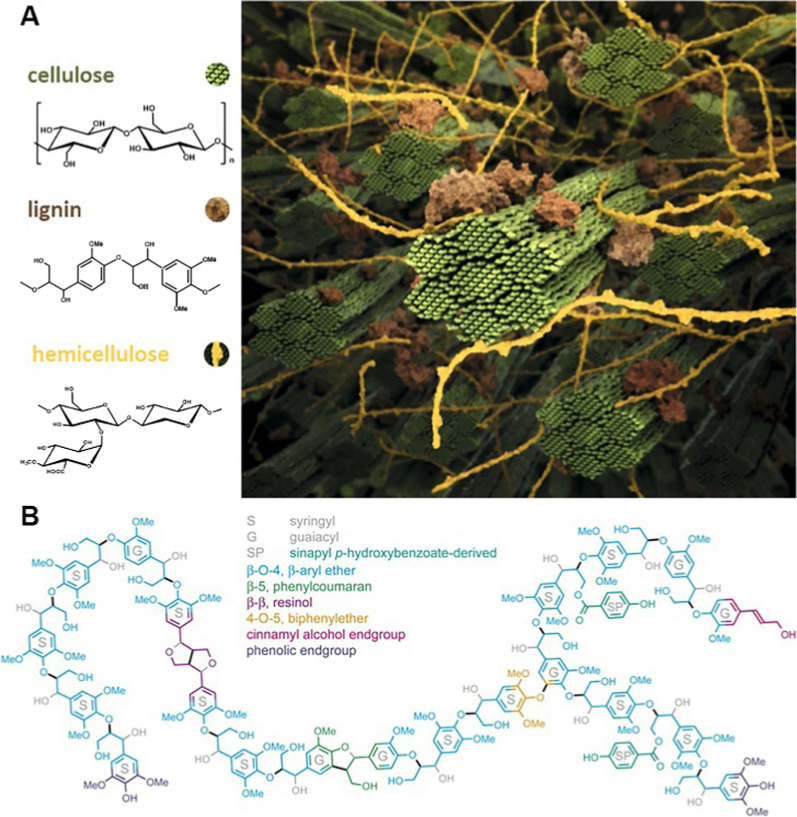
BackgroundLignin Biosynthesis and Structure
Vanholme, R., Demedts, B., Morreel, K., Ralph, J., & Boerjan, W. (2010) · Plant Physiology · doi:10.1104/pp.110.155119 · Cited by 2,664
Jönsson, L. J., & Martín, C. (2016) · Bioresource Technology · doi:10.1016/j.biortech.2015.10.009 · Cited by 2,147 · cited 1×
“The study found that selecting the Miscanthus grass and wheat straw with less recalcitrance feedstocks can make hydrothermal pretreatment perform under mild conditions, which effectively reduces the release of phenolic compounds [158].”
BackgroundUse of NeuroEyeCoach™ to Improve Eye Movement Efficacy in Patients with Homonymous Visual Field Loss
Sahraie, A., Smania, N., & Zihl, J. (2016) · BioMed Research International · doi:10.1155/2016/5186461 · Cited by 1,772
A review on alkaline pretreatment technology for bioconversion of lignocellulosic biomass
Kim, J. S., Lee, Y. Y., & Kim, T. H. (2016) · Bioresource Technology · doi:10.1016/j.biortech.2015.08.085 · Cited by 1,581 · cited 1×
“The porous structure further improved enzymatic hydrolysis efficiency [54].”
BackgroundLignin modification improves fermentable sugar yields for biofuel production
Chen, F., & Dixon, R. A. (2007) · Nature Biotechnology · doi:10.1038/nbt1316 · Cited by 1,330 · cited 3×
“Chen and Dixon [35] suggested that the recalcitrance of transgenic alfalfa to acid pretreatment and enzymatic hydrolysis was found to be proportional to the lignin content.”
BackgroundInfluentialLi, C., Knierim, B., Manisseri, C., Arora, R., Scheller, H. V., Auer, M., Vogel, K. P., Simmons, B. A., & Singh, S. (2010) · Bioresource Technology · doi:10.1016/j.biortech.2009.10.066 · Cited by 1,046
The role of pretreatment in improving the enzymatic hydrolysis of lignocellulosic materials
Sun, S., Sun, S., Cao, X., & Sun, R. (2016) · Bioresource Technology · doi:10.1016/j.biortech.2015.08.061 · Cited by 966 · cited 1×
“78%), most organosolv pretreatment also leads to a distinct improvement of enzymatic hydrolysis efficiency by extracting lignin from lignocellulosic materials, which also exposes more accessible surface area of cellulose and improves the enzymatic hydrolysis efficiency[28].”
BackgroundYoo, C. G., Meng, X., Pu, Y., & Ragauskas, A. J. (2020) · Bioresource Technology · doi:10.1016/j.biortech.2020.122784 · Cited by 775
Shen, X.-J., Wen, J.-L., Mei, Q.-Q., Chen, X., Sun, D., Yuan, T.-Q., & Sun, R.-C. (2019) · Green Chemistry · doi:10.1039/c8gc03064b · Cited by 750
Research works printed but not linked: 1
- Sewalt VJH Glasser WG Beauchemin KA Lignin impact on fiber degradation. 3. Reversal of inhibition of enzymatic hydrolysis by chemical modification of lignin and by additives J Agric Food Chem 1997 45 5 1823 1828 10.1021/jf9608074 · DOI · Paper page
Cited by
Lu, X., & Gu, X. (2022) · Biotechnology for Biofuels and Bioproducts · doi:10.1186/s13068-022-02203-0 · Cited by 354
Inhibitor formation and detoxification during lignocellulose biorefinery: A review
Guo, H., Zhao, Y., Chang, J.-S., & Lee, D.-J. (2022) · Bioresource Technology · doi:10.1016/j.biortech.2022.127666 · Cited by 174
Changing the role of lignin in enzymatic hydrolysis for a sustainable and efficient sugar platform
Cai, C., Zhang, C., Li, N., Liu, H., Xie, J., Lou, H., Pan, X., Zhu, J. Y., & Wang, F. (2023) · Renewable and Sustainable Energy Reviews · doi:10.1016/j.rser.2023.113445 · Cited by 129
Enzymes and enzymatic mechanisms in enzymatic degradation of lignocellulosic biomass: A mini-review
Guo, H., Zhao, Y., Chang, J., & Lee, D. (2022) · Bioresource Technology · doi:10.1016/j.biortech.2022.128252 · Cited by 122
The Role of Lignin Structure on Cellulase Adsorption and Enzymatic Hydrolysis
Wu, W., Li, P., Huang, L., Wei, Y., Li, J., Zhang, L., & Jin, Y. (2023) · Biomass · doi:10.3390/biomass3010007 · Cited by 102
“Cellulases are composed of three parts: the binding domain, the catalytic domain, and the connecting bridge [33].”
BackgroundSelf-citationRecent Advances in Lignin-Based Biofuel Production
Kocatürk, E., Salan, T., Ozcelik, O., Alma, M. H., & Candan, Z. (2023) · Energies · doi:10.3390/en16083382 · Cited by 93
Huang, C., Li, R., Tang, W., Zheng, Y., & Meng, X. (2022) · Fermentation · doi:10.3390/fermentation8100558 · Cited by 84
“developed a successive Fenton oxidation and sulfonated methylation pretreatment (FSP) to further decrease the surface lignin hydrophobicity [96].”
BackgroundVelidandi, A., Gandam, P. K., Chinta, M. L., Konakanchi, S., Bhavanam, A., Baadhe, R. R., Sharma, M., Gaffey, J., Nguyen, Q. D., & Gupta, V. K. (2023) · Journal of Energy Chemistry · doi:10.1016/j.jechem.2023.02.020 · Cited by 96
Gundupalli, M. P., Tantayotai, P., Panakkal, E. J., Chuetor, S., Kirdponpattara, S., Thomas, A. S. S., Sharma, B. K., & Sriariyanun, M. (2022) · Bioresource Technology Reports · doi:10.1016/j.biteb.2022.100957 · Cited by 71
Li, J., Su, J., Liang, J., Zhang, K., Xie, M., Cai, B., & Li, J. (2023) · International Journal of Biological Macromolecules · doi:10.1016/j.ijbiomac.2023.128284 · Cited by 71
Ntakirutimana, S., Xu, T., Ding, M., Liu, Z.-H., Li, B., & Yuan, Y. (2023) · Chemical Engineering Journal · doi:10.1016/j.cej.2023.144588 · Cited by 66
Self-citationBukhari, I., Haq, F., Kiran, M., Aziz, T., Mehmood, S., & Haroon, M. (2025) · Biomass and Bioenergy · doi:10.1016/j.biombioe.2025.108133 · Cited by 72
Gandam, P. K., Chinta, M. L., Gandham, A. P., Pabbathi, N. P. P., Konakanchi, S., Bhavanam, A., Atchuta, S. R., Baadhe, R. R., & Bhatia, R. K. (2022) · Fermentation · doi:10.3390/fermentation8120704 · Cited by 63
“The physical parameters include crystallinity, degree of polymerization, accessible surface area, and accessible volume [33].”
Deep Eutectic Solvent Pretreatment and Green Separation of Lignocellulose
Yao, Z., Chong, G. H., & Guo, H. (2024) · Applied Sciences · doi:10.3390/app14177662 · Cited by 61
Gundupalli, M. P., Sahithi, S. T. A., Panakkal, E. J., Asavasanti, S., Yasurin, P., Cheng, Y., & Sriariyanun, M. (2022) · Bioresource Technology Reports · doi:10.1016/j.biteb.2022.100986 · Cited by 57
Laksana, C., Sophiphun, O., & Chanprame, S. (2024) · Plant Science · doi:10.1016/j.plantsci.2024.111987 · Cited by 58
Synthesis of metallic nanoparticles using biometabolites: mechanisms and applications
Acharya, C., Mishra, S., Chaurasia, S. K., Pandey, B. K., Dhar, R., & Pandey, J. K. (2024) · BioMetals · doi:10.1007/s10534-024-00642-w · Cited by 60
“These are heterogeneous polymers made up of precursor lignols (coniferyl alcohol, sinapyl alcohol, and paracoumaryl alcohol) that play a crucial role in the formation of plant cell walls, and their amount varies according to the plant source (Yuan et al. 2021).”
Hu, Y., Priya, A., Chen, C., Liang, C., Wang, W., Wang, Q., Lin, C. S. K., & Qi, W. (2023) · International Biodeterioration & Biodegradation · doi:10.1016/j.ibiod.2023.105594 · Cited by 52
Drivers and Barriers in the Production and Utilization of Second-Generation Bioethanol in India
Pattnaik, F., Patra, B. R., Nanda, S., Mohanty, M. K., Dalai, A. K., & Rawat, J. (2024) · Recycling · doi:10.3390/recycling9010019 · Cited by 53
Kotwal, N., Pathania, D., Singh, A., Sheikh, Z. U. D., & Kothari, R. (2024) · Carbohydrate Research · doi:10.1016/j.carres.2024.109208 · Cited by 53
Li, S., Wang, Y., Dong, Q., Yuan, Z., Mu, T., Xue, Z., & Cao, L. (2024) · Carbohydrate Polymers · doi:10.1016/j.carbpol.2024.122628 · Cited by 48
Shakeel, U., Zhang, Y., Topakas, E., Wang, W., Liang, C., & Qi, W. (2024) · Carbohydrate Polymers · doi:10.1016/j.carbpol.2024.122037 · Cited by 46
Saratale, R. G., Ponnusamy, V. K., Piechota, G., Igliński, B., Shobana, S., Park, J., Saratale, G. D., Shin, H. S., Banu, J. R., Kumar, V., et al. (2023) · Bioresource Technology · doi:10.1016/j.biortech.2023.129560 · Cited by 46
Mohanakrishna, G., & Modestra, J. A. (2022) · Bioresource Technology · doi:10.1016/j.biortech.2022.128386 · Cited by 46
Luo, H., Gao, L., Liu, Z., Shi, Y., Xie, F., Bilal, M., Yang, R., & Taherzadeh, M. J. (2021) · Bioresources and Bioprocessing · doi:10.1186/s40643-021-00488-x · Cited by 43
Saxena, A., Hussain, A., Parveen, F., & Ashfaque, M. (2023) · Microbiological Research · doi:10.1016/j.micres.2023.127478 · Cited by 42
Ling, R., Wei, W., & Jin, Y. (2022) · Bioresource Technology · doi:10.1016/j.biortech.2022.127723 · Cited by 40
Self-citationEfficient Azo Dye Biodecolorization System Using Lignin-Co-Cultured White-Rot Fungus
Sun, S., Liu, P., & Ullah, M. (2023) · Journal of Fungi · doi:10.3390/jof9010091 · Cited by 42
Hage, M. E., Louka, N., Rezzoug, S.-A., Maugard, T., Sablé, S., Koubaa, M., Debs, E., & Maache‐Rezzoug, Z. (2023) · Energies · doi:10.3390/en16135052 · Cited by 40
Nogueira, C. D. C., Padilha, C. E. D. A., Filho, P. F. S., & dos Santos, E. S. (2022) · BioEnergy Research · doi:10.1007/s12155-021-10388-9 · Cited by 35
Semwal, S., Sivagurunathan, P., Satlewal, A., Kumar, R., Gupta, R. P., Christopher, J., & Kumar, R. (2023) · Waste and Biomass Valorization · doi:10.1007/s12649-023-02267-5 · Cited by 34
“Additionally, it was shown that the removal of xylan could increase the cell wall matrix porosity and build up nano-scale gaps (voids) between delaminated microfibril sheets, increasing the cellulose's susceptibility to cellulase [22].”
Benhamou, A. A., Abid, L., Calvez, I., Cloutier, A., Nejad, M., Stevanović, T., & Landry, V. (2025) · ChemSusChem · doi:10.1002/cssc.202500491 · Cited by 38
Tang, W., Huang, C., Ling, Z., & He, Y.-C. (2023) · Bioresource Technology · doi:10.1016/j.biortech.2023.129058 · Cited by 33
Site-directed immobilization of enzymes on nanoparticles using self-assembly systems
Zhou, H., Fang, Y., Zhang, J., Xiong, T., & Peng, F. (2024) · Bioresource Technology · doi:10.1016/j.biortech.2024.130505 · Cited by 33
Liu, J., Xie, Y., Xu, X., Xiang, R., Zhang, C., Ji, Z., Yong, Q., & Ling, Z. (2025) · Chemical Engineering Journal · doi:10.1016/j.cej.2025.160909 · Cited by 32
Wang, M., Fu, X., Chang, Y., Wei, J., & Cui, H. (2025) · Industrial Crops and Products · doi:10.1016/j.indcrop.2025.121028 · Cited by 32
Haldar, D., Shabbirahmed, A. M., & Mahanty, B. (2022) · Bioresource Technology · doi:10.1016/j.biortech.2022.128519 · Cited by 34
Alavijeh, R. S., Aghbashlo, M., Tabatabaei, M., Denayer, J. F. M., & Karimi, K. (2024) · Industrial Crops and Products · doi:10.1016/j.indcrop.2024.118236 · Cited by 31
Study on the mechanism of lignin non-productive adsorption on cellobiohydrolase
Mou, H., Tang, L., Wu, T., Feng, L., & Liu, Y. (2024) · International Journal of Biological Macromolecules · doi:10.1016/j.ijbiomac.2024.133003 · Cited by 29
Yaverino-Gutiérrez, M. A., Ramos, L., Ascencio, J. J., & Chandel, A. K. (2024) · Processes · doi:10.3390/pr12050978 · Cited by 28
Hossain, M. A., Mushill, L., Rahaman, M. S., Mains, S. M., Vickers, T., Tulaphol, S., Dong, J. N., & Sathitsuksanoh, N. (2022) · Industrial Crops and Products · doi:10.1016/j.indcrop.2022.114867 · Cited by 27
Bayramoğlu, G., Kilic, M., & Arica, M. Y. (2023) · Biodegradation · doi:10.1007/s10532-023-10024-7 · Cited by 27
Zhou, X., Liu, X., Zhan, Y., Bian, H., Wu, S., Dai, H., Liang, F., Meng, X., Huang, C., Fang, G., et al. (2024) · Chemical Engineering Journal · doi:10.1016/j.cej.2024.150407 · Cited by 30
Self-citationEffects of Elevated CO2 on Maize Physiological and Biochemical Processes
Khan, P., Aziz, T., Jan, R., & Kim, K. (2025) · Agronomy · doi:10.3390/agronomy15010202 · Cited by 26
“Additionally, long-term field studies and modern tools like high-throughput phenotyping and molecular techniques can deepen our understanding and support sustainable cultivation in charging climates.”
Riaño, P. A., Amândio, M. S. T., Xavier, A. M. R. B., Beltrán, S., & Sanz, M. T. (2022) · Polymers · doi:10.3390/polym14235218 · Cited by 29
“The presence of lignin has been considered a factor that largely determines the very low enzymatic hydrolysis extension of untreated lignocellulosic biomasses, as it hinders the accessibility of enzymes to cellulose [21].”
BackgroundSitotaw, Y. W., Habtu, N. G., & Gerven, T. V. (2022) · Biomass Conversion and Biorefinery · doi:10.1007/s13399-021-02185-3 · Cited by 25
“Furthermore, the presence of lignin decreased the enzyme activity due to the non-productive binding of enzyme protein on lignin, necessitating the use of a large amount of enzymes to convert a certain amount of cellulose into glucose [56].”
BackgroundSu, Y., Wang, P., Lai, C., Huang, C., Ling, Z., & Yong, Q. (2023) · Industrial Crops and Products · doi:10.1016/j.indcrop.2023.116297 · Cited by 25
Glucose photorefinery for sustainable hydrogen and value-added chemicals coproduction
Sun, Z., Zhao, H., Yu, X., Hu, J., & Chen, Z. (2024) · Chemical Synthesis · doi:10.20517/cs.2023.41 · Cited by 25
Chaudhari, A. A., Sharma, A. M., Rastogi, L., Dewangan, B. P., Sharma, R., Singh, D., Sah, R. K., Das, S., Bhattacharjee, S., Mellerowicz, E. J., et al. (2024) · Biotechnology for Biofuels and Bioproducts · doi:10.1186/s13068-024-02513-5 · Cited by 26
Zhang, Z., Gao, Q., & He, Y.-C. (2025) · International Journal of Biological Macromolecules · doi:10.1016/j.ijbiomac.2025.147895 · Cited by 27
Álvarez, C., Duque, A., Sánchez-Monedero, A., González, E. J., González‐Miquel, M., & Cañadas, R. (2024) · Processes · doi:10.3390/pr12112514 · Cited by 23
Santos, D. D. A., Siqueira, J. G. W., da Silva, M. G. L., Donato, M. V. L. C., da Silva, G., Pratto, B., Albuquerque, A. A., Dutra, E. D., & SONEGO, J. L. S. (2026) · Biomass · doi:10.3390/biomass6010013 · Cited by 23
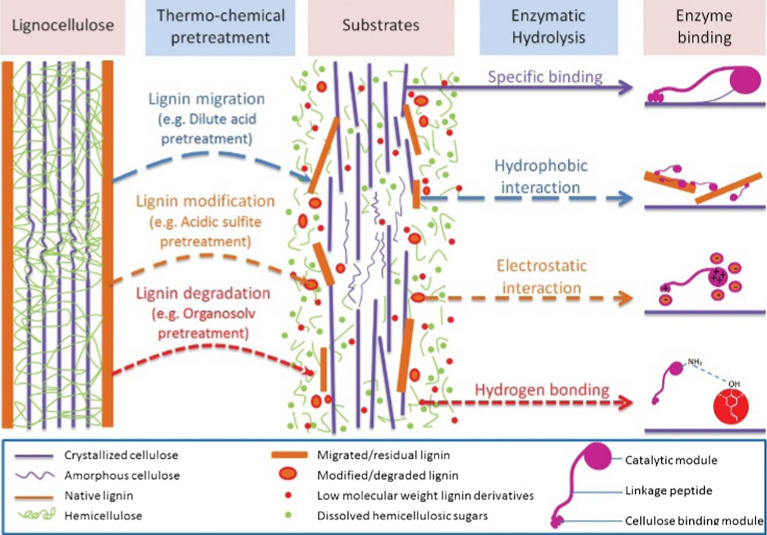
“Depending on the composition, this adsorption can be difficult and decrease hydrolysis efficiency, or the enzyme can be adsorbed to the lignin structure by hydrogen bonds or hydrophobic and electrostatic interactions, reducing the efficiency [15,41].”
Li, C., Fan, M., Xie, J., & Zhang, H. (2023) · Industrial Crops and Products · doi:10.1016/j.indcrop.2023.116774 · Cited by 22
Ela, R. C. A., & Heiden, P. A. (2024) · ACS Sustainable Resource Management · doi:10.1021/acssusresmgt.3c00051 · Cited by 22
Advancing Green Batteries: The Role of Lignin‐Derived Carbon in Alkali Metal Ion Energy Storage
Aslam, J., Waseem, M. A., Chen, L., Xu, Y., Sun, W., & Wang, Y. (2025) · Batteries & Supercaps · doi:10.1002/batt.202500108 · Cited by 26
Correa-Guillen, E., Henn, A., Österberg, M., & Dessbesell, L. (2025) · Current Opinion in Green and Sustainable Chemistry · doi:10.1016/j.cogsc.2025.101038 · Cited by 30
Intasit, R., & Kim, B. S. (2025) · BMC Biotechnology · doi:10.1186/s12896-025-01022-z · Cited by 22
“The lignin content varies among different feedstocks and must be reduced through a delignification step to allow easier access to cellulose and hemicellulose polymers [22].”
Bioconversion of corn fiber to bioethanol: Status and perspectives
Wang, M., Qiao, J., Sheng, Y., Wei, J., Cui, H., Li, X., & Yue, G. (2022) · Waste Management · doi:10.1016/j.wasman.2022.12.026 · Cited by 21
Qin, Y., Li, Y., Liang, G., Shen, N., Xian, L., & Wang, Q. (2023) · Fermentation · doi:10.3390/fermentation10010022 · Cited by 21
Xie, X., Song, K., Wang, J., Hu, J., Wu, S., & Chu, Q. (2024) · Renewable Energy · doi:10.1016/j.renene.2024.120289 · Cited by 21
Self-citationChen, P., Li, X., Fan, B., Tang, W., & He, Y.-C. (2025) · International Journal of Biological Macromolecules · doi:10.1016/j.ijbiomac.2025.147173 · Cited by 20
Effects of NaOH and Na2CO3 pretreatment on the saccharification of sweet sorghum bagasse
García‐Negrón, V., Stoklosa, R. J., & Toht, M. J. (2024) · Frontiers in Chemical Engineering · doi:10.3389/fceng.2024.1449114 · Cited by 19
Bioethanol as an alternative fuels: A review on production strategies and technique for analysis
Ghazali, M. F. S. M., & Mustafa, M. (2025) · Energy Conversion and Management X · doi:10.1016/j.ecmx.2025.100933 · Cited by 34
Ammonia and sodium sulfite synergistically pretreat reed to enhance enzymatic saccharification
Wang, X., Tao, Y., Yang, Q., Cheng, Y., Lu, J., Du, J., & Wang, H. (2023) · Bioresource Technology · doi:10.1016/j.biortech.2023.129070 · Cited by 19
Lignin-derived thermosets and vitrimers: Bridging the gap between renewable and recyclable materials
Adjaoud, A., Brosse, N., & Verge, P. (2024) · Materials Today Chemistry · doi:10.1016/j.mtchem.2024.102342 · Cited by 21
Tan, X., Yang, C., Li, Y., Zhang, Q., Sheng, Y., & Lai, C. (2025) · International Journal of Biological Macromolecules · doi:10.1016/j.ijbiomac.2025.139471 · Cited by 19
From lignocellulosic biomass to nanolignin: Sustainable solutions for a greener future
Dias, C. T., Mersmann, L., Pires, J. R. A., & Fernando, A. L. A. D. C. (2025) · Industrial Crops and Products · doi:10.1016/j.indcrop.2025.122286 · Cited by 19
Niu, Y., Hemashini, T., & Leh, C. P. (2025) · Cellulose · doi:10.1007/s10570-025-06898-w · Cited by 20
“Extensive efforts have focused on improving 2G ethanol conversion efficiency through advances in pretreatment, enzymatic hydrolysis, and fermentation (Kumar et al. 2008; Tye et al. 2016; Mankar et al. 2021; Yuan et al. 2021; Wu et al. 2023).”
Chen, T., Zhou, X., Zhan, Y., Cheng, J., Huang, C., Yoo, C. G., Fang, G., Ragauskas, A. J., Meng, X., & Huang, C. (2024) · ACS Sustainable Chemistry & Engineering · doi:10.1021/acssuschemeng.4c05937 · Cited by 18
Zhang, L., Zeng, G., Luo, J., Wan, Y., & Qi, B. (2025) · Biomass and Bioenergy · doi:10.1016/j.biombioe.2025.107707 · Cited by 18
Jeong, Y. J., Kim, Y., Lee, J. S., Kim, D.-G., & Lee, J. H. (2022) · Plants · doi:10.3390/plants11233353 · Cited by 21
“In recent years, biotechnological approaches to modulating the lignin content have been used to optimize the plant biomass in various industries [30,31].”
BackgroundMa, X., Zhao, Y., Lü, J., Ma, Y., Ma, Y., Zheng, X., Nan, W., Chen, Q., Lü, X., & Wang, X. (2024) · Industrial Crops and Products · doi:10.1016/j.indcrop.2024.118165 · Cited by 17
Guo, J., Liu, Y., Zhou, X., Liu, Z., Huang, K., & Xu, Y. Q. (2024) · Chemical Engineering Journal · doi:10.1016/j.cej.2024.159155 · Cited by 17
Rogoski, W., Pereira, G. N., Cesca, K., da Silva, M. A., Zanella, E., Stambuk, B. U., Ávila, P. F., Goldbeck, R., de Olíveira, D., & de Andrade, C. J. (2022) · Biomass Conversion and Biorefinery · doi:10.1007/s13399-022-03287-2 · Cited by 18
“It is worth noting that the enzymatic hydrolysis can be strongly affected by the lignin, including acetylation, mass molar, among others [69].”
Fan, C., Zhang, W., Guo, Y., Sun, K., Wang, L., & Luo, K. (2022) · Biotechnology for Biofuels and Bioproducts · doi:10.1186/s13068-022-02218-7 · Cited by 17
“Being a characteristic component of wood, lignin is considered as a major contributor to lignocellulose recalcitrance [3].”
BackgroundOuyang, D., Chen, H., Liu, N., Zhang, J., & Zhao, X. (2021) · Renewable Energy · doi:10.1016/j.renene.2021.12.036 · Cited by 16
Self-citationWang, Z., Lu, Y., Yang, J., Wei, X., Chen, T., Yi, C., & Xu, Z. (2023) · Langmuir · doi:10.1021/acs.langmuir.3c00486 · Cited by 16
Wood formation in trees responding to nitrogen availability
Lu, Y., Zheng, B., Zhang, C., Yu, C., & Luo, J. (2024) · Industrial Crops and Products · doi:10.1016/j.indcrop.2024.118978 · Cited by 17
Wang, A., Xu, L., Wang, Y., Chen, X., Du, B., & Han, Y. (2025) · International Journal of Biological Macromolecules · doi:10.1016/j.ijbiomac.2025.147528 · Cited by 15
Cavalaglio, G., Fabbrizi, G., Cardelli, F., Lorenzi, L., Angrisano, M., & Nicolini, A. (2024) · Energies · doi:10.3390/en17112611 · Cited by 15
“According to Yuan [39], a lignin percentage higher than 20% strongly inhibits the yields of the enzymatic hydrolysis process required to transform the obtained cellulose.”
BackgroundWen, P., Lin, Z., Yang, Q., Li, X., Lian, Z., Xu, Y. Q., & Zhang, J. (2022) · Industrial Crops and Products · doi:10.1016/j.indcrop.2022.115454 · Cited by 15
Nongkhai, S. N., Piemthongkham, P., Bankeeree, W., Punnapayak, H., Lotrakul, P., & Prasongsuk, S. (2023) · Heliyon · doi:10.1016/j.heliyon.2023.e22107 · Cited by 16
“Compared to the xylan recovery percentages from SL, those reported from sugarcane bagasse were lower and in a range between 53.00 and 72.10 % [13,57,58], which was probably due to the high lignin content that blocked the hemicellulose release [59].”
BackgroundInfluentialThe evolution of Lignin's role in enzymatic Hydrolysis: From physical barrier to functional enhancer
Yu, L. F., Han, Y., Li, Z., Chen, N., & Wu, W. (2025) · Biomass and Bioenergy · doi:10.1016/j.biombioe.2025.108099 · Cited by 14
Self-citationLee, E., Shin, Y.-J., Kim, H., & Lee, J. (2024) · Industrial Crops and Products · doi:10.1016/j.indcrop.2024.120119 · Cited by 15
Preparation and characterization of bacterial cellulose by kombucha using corncob
Liu, Z., Sun, Q., Wang, Y., Liu, J., & Zhu, P. (2024) · Cellulose · doi:10.1007/s10570-024-06018-0 · Cited by 14
“The cellulose content in corncob decreased with the increase of enzyme load, which exposed more lignin-derived polyphenol complex causing an increase in the amount of lignin small molecules in the enzymatic hydrolysate (Yuan et al. 2021).”
Mondal, S., Neogi, S., & Chakraborty, S. (2023) · Bioresource Technology Reports · doi:10.1016/j.biteb.2023.101549 · Cited by 15
Chen, G., Adibi, A., Jubinville, D., Hao, C., Yan, N., & Mekonnen, T. H. (2024) · International Journal of Biological Macromolecules · doi:10.1016/j.ijbiomac.2024.135884 · Cited by 13
Reversing lignin inhibition on enzymatic hydrolysis through regulating supramolecular assembly
Luan, Z., Wang, X., Zhang, W., Shi, X., Li, R., Li, M., Zhang, D., Li, M., & Yong, Q. (2025) · Bioresource Technology · doi:10.1016/j.biortech.2025.132451 · Cited by 13
Tang, S., Yu, Y., Liu, R., Wei, S., Zhang, Q., Zhao, J., Song, L., Dong, Q., Li, Y., & Wang, Y. (2022) · Bioresource Technology · doi:10.1016/j.biortech.2022.128391 · Cited by 13
Zininga, J. T., Puri, A. K., Dlangamandla, N., Wang, Z., Singh, S., & Permaul, K. (2023) · Biomass Conversion and Biorefinery · doi:10.1007/s13399-023-03935-1 · Cited by 14
“This is exacerbated by the combination of high temperatures as well as the high degree of alkaline lignin solubilization, which potentially releases chemicals like furans and phenolic compounds [31, 32].”
Employing Cationic Kraft Lignin as Additive to Enhance Enzymatic Hydrolysis of Corn Stalk
Xu, J., Li, H., Alam, M. A., Muhammad, G., Lv, Y., Zhao, A., Zhang, S., & Xiong, W. (2023) · Polymers · doi:10.3390/polym15091991 · Cited by 13
“When the concentration increased beyond 2 g/L, the enzyme activity was inhibited by excessive JLQKL50, resulting in a decrease in enzymatic hydrolysis efficiency [40].”
BackgroundChen, X., dos Santos, A., Gutierrez, D. M. R., Zhang, S., Aston, J. E., Thompson, D. N., Ladisch, M. R., & Mosier, N. S. (2023) · ACS Sustainable Chemistry & Engineering · doi:10.1021/acssuschemeng.3c04222 · Cited by 15
Maximizing the valorization potential of lignin through optimization of the Soda pulping conditions
Saegher, T. D., Deroma, M., Atanasova, B., Geem, K. M. V., Clercq, J. D., Lauwaert, J., & Verberckmoes, A. A. (2024) · Separation and Purification Technology · doi:10.1016/j.seppur.2024.128900 · Cited by 13
Carrillo-Varela, I., Albornoz, M., Reyes-González, I., Aguayo, M. G., Elgueta, E., Reyes, P. R. S. A., Pereira, M. Á., & Mendonça, R. T. (2024) · Cellulose · doi:10.1007/s10570-024-06086-2 · Cited by 12
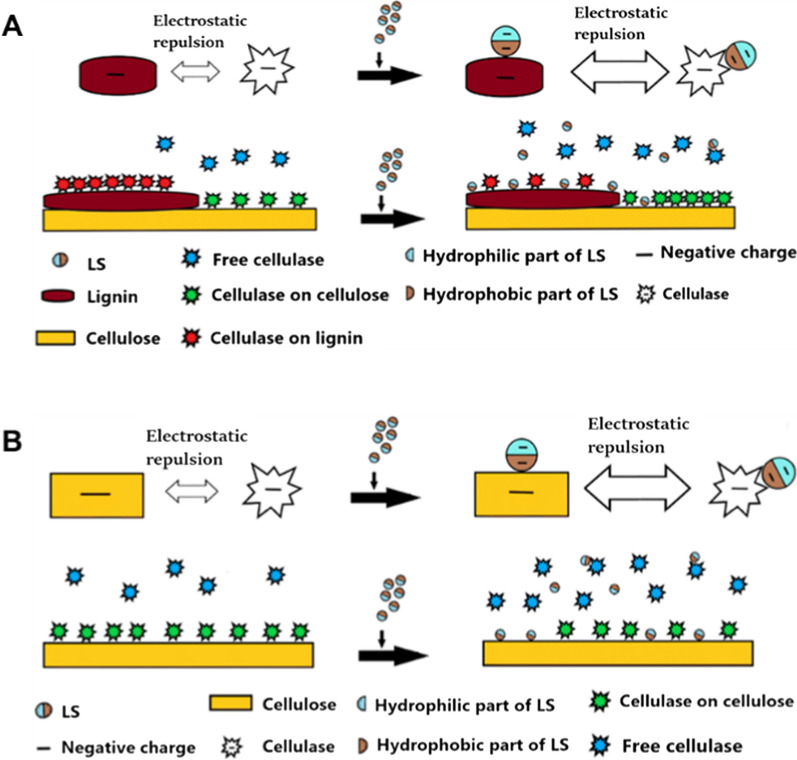
“In the case of UKP, the presence of phenolic and carboxylic (from carbonyl oxidation) groups in lignin contributes to the negative charge content of the fibers (Yuan et al. 2021).”
Shin, Y.-J., & Lee, J. (2025) · Bioresource Technology · doi:10.1016/j.biortech.2025.132972 · Cited by 12
Guillon, F., Gierlinger, N., Devaux, M., & Gorzsás, A. (2022) · Advances in botanical research · doi:10.1016/bs.abr.2022.03.009 · Cited by 13
Rusdipoetra, R. A., Suwito, H., Puspaningsih, N. N. T., & Haq, K. U. (2024) · RSC Advances · doi:10.1039/d3ra08346b · Cited by 14
Tessera, G. M., Habtu, N. G., Abera, M. K., & Misganaw, F. W. (2024) · Biomass Conversion and Biorefinery · doi:10.1007/s13399-024-06301-x · Cited by 14
“As a result, the challenge of these process conditions is producing inhibitory compounds that will have an impact on the fermentation process [49, 50].”
Li, R., Sun, F., Wang, W., Tang, J., Peng, H., Li, Z., Jiang, J., Zhan, T., Cai, L., & Lyu, J. (2024) · International Journal of Biological Macromolecules · doi:10.1016/j.ijbiomac.2024.138851 · Cited by 11
Chen, N., Zhao, M., Yu, L. F., Zhang, T., Jin, Y., & Wu, W. (2025) · International Journal of Biological Macromolecules · doi:10.1016/j.ijbiomac.2025.143907 · Cited by 11
Self-citation
Metadata
- Authors
- Yuan, Y., Jiang, B., Chen, H., Wu, W., Wu, S., Jin, Y., & Xiao, H.
- Affiliations
- Nanjing Forestry University (CN)
- University of New Brunswick (CA)
- Corresponding author
- Jin, Yongcan
- Venue
- Biotechnology for Biofuels
- Published
- 2021-10-20
- Volume
- 14
- Issue
- 1
- Pages
- 205-205
- ISSN
- 1754-6834 (ISSN-L)
- PMC
- PMC8527784
- OpenAlex
- W3207953456
- Semantic Scholar
- 2c7b1b21c88be50f9f6ba8c3cd836bcd874b327f
- Cited by
- 344
- References
- 172
- Citations by year
- 2026: 101 · 2025: 96 · 2024: 69 · 2023: 44 · 2022: 32 · 2021: 2
- FWCI
- 3.11
- Type
- journal article
- Language
- en
- Open access
- gold
- doi.org
- Licence
- cc-by
- creativecommons.org/licenses/by/4.0 (tdm)
- creativecommons.org/licenses/by/4.0 (vor)
- Locations
- Biotechnology for Biofuels (publishedVersion, cc-by)
- Europe PMC (PubMed Central) (publishedVersion, other-oa)
- PubMed Central (publishedVersion, cc-by)
- PubMed (publishedVersion)
- DOAJ (DOAJ: Directory of Open Access Journals) (submittedVersion, cc-by-sa)
- Funders
- national natural science foundation of china (31730106, 22078162, 21704045)
- Topics
- Physical Sciences › Engineering › Biomedical Engineering › Biofuel production and bioconversion
- Physical Sciences › Chemical Engineering › Process Chemistry and Technology › Lignin and Wood Chemistry
- Physical Sciences › Chemical Engineering › Catalysis › Catalysis for Biomass Conversion
- Keywords
- lignin structure, enzymatic hydrolysis, lignocellulosic biomass, cellulase adsorption, enzymatic saccharification, lignocellulosic biomass pretreatment, bioethanol production, lignosulfonate, low molecular weight lignin, steric hindrance
About these checks
Registry, retraction, Cites and statistics results are computed, not judged, with one exception: a printed reference that no index lists is read once by a model before it counts as a citation error. Claims are extracted by a model and kept only when their quote appears verbatim in the text; each cited source is then checked, with a model’s help, for whether it says what the claim relies on. Those verdicts can be wrong — read the claim’s quote and the cited source before relying on one.
Statistics and arithmetic are recomputed, not judged.
Confidence bands are shown only for fields calibrated on our annotated test set. None is calibrated yet, so no band is shown.
What counts as a claim ›How we measure confidence ›How we check this ›
Are you an author, or do you see a problem with this page? Request a review
Data sources
Bibliographic data: Semantic Scholar, OpenAlex, Crossref.
Contains information from the Semantic Scholar Academic Graph Datasets, made available under the ODC Attribution License (ODC-BY 1.0).
Semantic Scholar’s data is described in: Kinney, R., et al. (2023). The Semantic Scholar Open Data Platform. arXiv:2301.10140.
