

Recent advances in understanding the effects of lignin structural characteristics on enzymatic hydrolysis
Open accessThe DOI matches its Crossref record; 172 of the 172 references it cites were found in a registry or an index.
Abstract
Enzymatic hydrolysis of lignocellulose for bioethanol production shows a great potential to remit the rapid consumption of fossil fuels, given the fact that lignocellulose feedstocks are abundant, cost-efficient, and renewable. Lignin results in low enzymatic saccharification by forming the steric hindrance, non-productive adsorption of cellulase onto lignin, and deactivating the cellulase. In general, the non-productive binding of cellulase on lignin is widely known as the major cause for inhibiting the enzymatic hydrolysis. Pretreatment is an effective way to remove lignin and improve the enzymatic digestibility of lignocellulose. Along with removing lignin, the pretreatment can modify the lignin structure, which significantly affects the non-productive adsorption of cellulase onto lignin. To relieve the inhibitory effect of lignin on enzymatic hydrolysis, enormous efforts have been made to elucidate the correlation of lignin structure with lignin–enzyme interactions but with different views. In addition, contrary to the traditional belief that lignin inhibits enzymatic hydrolysis, in recent years, the addition of water-soluble lignin such as lignosulfonate or low molecular-weight lignin exerts a positive effect on enzymatic hydrolysis, which gives a new insight into the lignin–enzyme interactions. For throwing light on their structure–interaction relationship during enzymatic hydrolysis, the effect of residual lignin in substrate and introduced lignin in hydrolysate on enzymatic hydrolysis are critically reviewed, aiming at realizing the targeted regulation of lignin structure for improving the saccharification of lignocellulose. The review is also focused on exploring the lignin–enzyme interactions to mitigate the negative impact of lignin and reducing the cost of enzymatic hydrolysis of lignocellulose.
Overview
The claims and statistics of this paper haven’t been checked yet.
Free: it reads the open-access text and checks the first 5 claims that cite a source we can check. Create a free account to check every claim.
Integrity signals
Registry
Cites
Statistics
Figures
Verification
Claims the paper makes
The claims and statistics of this paper haven’t been checked yet.
Free: it reads the open-access text and checks the first 5 claims that cite a source we can check. Create a free account to check every claim.
Claims other papers make about this one
Each is checked against this paper’s own text: does it say what the citing paper says it does?
The source backs part of the claim, not all of it — or backs it for a different population, condition or comparison.
In the citing paper
“Lignin is a promising alternative to traditional fossil resources for producing biofuels due to its aromaticity and renewability.”
From A review on lignin pyrolysis: pyrolytic behavior, mechanism, and relevant upgrading for improving process efficiency (2022) · cites this paper as [7]
Experimental — accuracy not yet measured
Self-check
Percentages, sums and reported differences re-computed from the paper’s own numbers.
The self-check needs the paper’s full text.
Citations
Cites
Energy production from biomass (part 1): overview of biomass
McKendry, P. (2002) · Bioresource Technology · doi:10.1016/s0960-8524(01)00118-3 · Cited by 4,860 · cited 1×
“Lignocellulose is rich in cellulose (40–50%) along with hemicelluloses (20–30%) and lignin (15–30%) [1].”
BackgroundLignin Biosynthesis and Structure
Vanholme, R., Demedts, B., Morreel, K., Ralph, J., & Boerjan, W. (2010) · Plant Physiology · doi:10.1104/pp.110.155119 · Cited by 2,664
Jönsson, L. J., & Martín, C. (2016) · Bioresource Technology · doi:10.1016/j.biortech.2015.10.009 · Cited by 2,147 · cited 1×
“The study found that selecting the Miscanthus grass and wheat straw with less recalcitrance feedstocks can make hydrothermal pretreatment perform under mild conditions, which effectively reduces the release of phenolic compounds [158].”
BackgroundUse of NeuroEyeCoach™ to Improve Eye Movement Efficacy in Patients with Homonymous Visual Field Loss
Sahraie, A., Smania, N., & Zihl, J. (2016) · BioMed Research International · doi:10.1155/2016/5186461 · Cited by 1,772
A review on alkaline pretreatment technology for bioconversion of lignocellulosic biomass
Kim, J. S., Lee, Y. Y., & Kim, T. H. (2016) · Bioresource Technology · doi:10.1016/j.biortech.2015.08.085 · Cited by 1,581 · cited 1×
“The porous structure further improved enzymatic hydrolysis efficiency [54].”
BackgroundLignin modification improves fermentable sugar yields for biofuel production
Chen, F., & Dixon, R. A. (2007) · Nature Biotechnology · doi:10.1038/nbt1316 · Cited by 1,330 · cited 3×
“Chen and Dixon [35] suggested that the recalcitrance of transgenic alfalfa to acid pretreatment and enzymatic hydrolysis was found to be proportional to the lignin content.”
BackgroundInfluentialLi, C., Knierim, B., Manisseri, C., Arora, R., Scheller, H. V., Auer, M., Vogel, K. P., Simmons, B. A., & Singh, S. (2010) · Bioresource Technology · doi:10.1016/j.biortech.2009.10.066 · Cited by 1,046
The role of pretreatment in improving the enzymatic hydrolysis of lignocellulosic materials
Sun, S., Sun, S., Cao, X., & Sun, R. (2016) · Bioresource Technology · doi:10.1016/j.biortech.2015.08.061 · Cited by 966 · cited 1×
“78%), most organosolv pretreatment also leads to a distinct improvement of enzymatic hydrolysis efficiency by extracting lignin from lignocellulosic materials, which also exposes more accessible surface area of cellulose and improves the enzymatic hydrolysis efficiency[28].”
BackgroundYoo, C. G., Meng, X., Pu, Y., & Ragauskas, A. J. (2020) · Bioresource Technology · doi:10.1016/j.biortech.2020.122784 · Cited by 775
Shen, X.-J., Wen, J.-L., Mei, Q.-Q., Chen, X., Sun, D., Yuan, T.-Q., & Sun, R.-C. (2019) · Green Chemistry · doi:10.1039/c8gc03064b · Cited by 750
Fu, C., Mielenz, J. R., Xiao, X., Ge, Y., Hamilton, C. Y., Rodriguez, M., Chen, F., Foston, M., Ragauskas, A., Bouton, J., et al. (2011) · Proceedings of the National Academy of Sciences · doi:10.1073/pnas.1100310108 · Cited by 656 · cited 1×
“[79] generated the switchgrass mutants with a reduced S/G ratio and the ethanol yield was increased by 38% compared to the native plants.”
BackgroundInhibition of cellulase, xylanase and β-glucosidase activities by softwood lignin preparations
Berlin, A., Balakshin, M., Gilkes, N., Kadla, J., Maximenko, V., Kubo, S., & Saddler, J. (2006) · Journal of Biotechnology · doi:10.1016/j.jbiotec.2006.02.021 · Cited by 636 · cited 1×
“On the other hand, lignin isolated after pretreatment usually contains carboxyl, phenol hydroxyl and alcohol hydroxyl groups [146], and sulfonation-modified lignin also has sulfonic acid groups.”
BackgroundTarasov, D., Leitch, M., & Fatehi, P. (2018) · Biotechnology for Biofuels · doi:10.1186/s13068-018-1262-1 · Cited by 610 · cited 1×
“Lignin forms the LCC linkages with side chains of hemicellulose by covalent bonds, resulting in the lignocellulose recalcitrance [92].”
BackgroundLignin content in natural Populus variants affects sugar release
Studer, M. H., DeMartini, J. D., Davis, M. F., Sykes, R. W., Davison, B., Keller, M., Tuskan, G. A., & Wyman, C. E. (2011) · Proceedings of the National Academy of Sciences · doi:10.1073/pnas.1009252108 · Cited by 587 · cited 3×
“[65] indicated that the enzymatic hydrolysis efficiency of untreated biomass was not correlated with the S/G ratio of lignin.”
BackgroundDeactivation of cellulases by phenols
Ximenes, E., Kim, Y., Mosier, N., Dien, B., & Ladisch, M. (2011) · Enzyme and Microbial Technology · doi:10.1016/j.enzmictec.2010.09.006 · Cited by 556 · cited 2×
“The β-glucosidase from Trichoderma reesei is more susceptible to inhibition by phenolic compounds than the β-glucosidase from Aspergillus niger [153, 156].”
BackgroundApplication of quantitative 31P NMR in biomass lignin and biofuel precursors characterization
Pu, Y., Cao, S., & Ragauskas, A. J. (2011) · Energy & Environmental Science · doi:10.1039/c1ee01201k · Cited by 543
Sulfite pretreatment (SPORL) for robust enzymatic saccharification of spruce and red pine
Zhu, J. Y., Pan, X. J., Wang, G. S., & Gleisner, R. (2009) · Bioresource Technology · doi:10.1016/j.biortech.2008.10.057 · Cited by 529
Facile pretreatment of lignocellulosic biomass using deep eutectic solvents
Zhang, C.-W., Xia, S.-Q., & Ma, P.-S. (2016) · Bioresource Technology · doi:10.1016/j.biortech.2016.07.026 · Cited by 512 · cited 3×
“Zhang et al.”
MethodInfluentialSelig, M. J., Viamajala, S., Decker, S. R., Tucker, M. P., Himmel, M. E., & Vinzant, T. B. (2007) · Biotechnology Progress · doi:10.1021/bp0702018 · Cited by 502 · cited 1×
“Moreover, the deposition and redistribution of lignin on the cellulose surface also block the access of enzymes to cellulose [135, 136].”
BackgroundPalonen, H., Tjerneld, F., Zacchi, G., & Tenkanen, M. (2004) · Journal of Biotechnology · doi:10.1016/j.jbiotec.2003.09.011 · Cited by 494 · cited 1×
“Hydrophobic interactions Hydrophobic interaction is thought to be the main mechanism for the unproductive adsorption of enzymes and lignin [140].”
BackgroundInhibition of cellulases by phenols
Ximenes, E., Kim, Y., Mosier, N., Dien, B., & Ladisch, M. (2010) · Enzyme and Microbial Technology · doi:10.1016/j.enzmictec.2009.11.001 · Cited by 478 · cited 1×
“The β-glucosidase from Trichoderma reesei is more susceptible to inhibition by phenolic compounds than the β-glucosidase from Aspergillus niger [153, 156].”
BackgroundSoluble inhibitors/deactivators of cellulase enzymes from lignocellulosic biomass
Kim, Y., Ximenes, E., Mosier, N. S., & Ladisch, M. R. (2011) · Enzyme and Microbial Technology · doi:10.1016/j.enzmictec.2011.01.007 · Cited by 477 · cited 1×
“The inhibitory effect based on phenolic compounds is attributed to the co-precipitation with cellulase, depending on the microbial origin of cellulase, the types of enzyme and phenolic compounds [77, 154].”
BackgroundRecent advances in understanding the pseudo-lignin formation in a lignocellulosic biorefinery
Shinde, S. D., Meng, X., Kumar, R., & Ragauskas, A. J. (2018) · Green Chemistry · doi:10.1039/c8gc00353j · Cited by 410 · cited 1×
“[62] reported that the formation of lignin-like polymer termed pseudo-lignin occurred in dilute acid pretreatment.”
BackgroundRahikainen, J. L., Martin-Sampedro, R., Heikkinen, H., Rovio, S., Marjamaa, K., Tamminen, T., Rojas, O. J., & Kruus, K. (2013) · Bioresource Technology · doi:10.1016/j.biortech.2013.01.075 · Cited by 389 · cited 1×
“[117] used QCM-D to study the enzyme binding with lignin, and observed that cellulase adsorption amounts were higher for steam explosion pretreated lignin compared to untreated lignin, and therefore, the former showed the stronger inhibition effect on hydrolysis reaction.”
Deep eutectic solvent pretreatment and subsequent saccharification of corncob
Procentese, A., Johnson, E., Orr, V., Garruto Campanile, A., Wood, J. A., Marzocchella, A., & Rehmann, L. (2015) · Bioresource Technology · doi:10.1016/j.biortech.2015.05.053 · Cited by 384
Secondary cell wall biosynthesis
Zhong, R., Cui, D., & Ye, Z. (2019) · New Phytologist · doi:10.1111/nph.15537 · Cited by 373 · cited 1×
“, p-coumaryl, coniferyl, and sinapyl alcohols [4, 5].”
Disruption of Mediator rescues the stunted growth of a lignin-deficient Arabidopsis mutant
Bonawitz, N. D., Kim, J. I., Tobimatsu, Y., Ciesielski, P. N., Anderson, N. A., Ximenes, E., Maeda, J., Ralph, J., Donohoe, B. S., Ladisch, M., et al. (2014) · Nature · doi:10.1038/nature13084 · Cited by 366 · cited 1×
“[80] created a new mutant of Arabidopsis whose lignin is almost entirely composed of H units, and saccharification efficiency was significantly increased.”
BackgroundKo, J. K., Kim, Y., Ximenes, E., & Ladisch, M. R. (2015) · Biotechnology and Bioengineering · doi:10.1002/bit.25349 · Cited by 357 · cited 1×
“For example, the formation of spherical lignin droplets in the hydrothermal pretreatment shows the inhibitory effect on enzymatic hydrolysis [59].”
BackgroundLeu, S.-Y., & Zhu, J. Y. (2013) · BioEnergy Research · doi:10.1007/s12155-012-9276-1 · Cited by 339 · cited 22×
“Wang W, Wang X, Zhang Y, Yu Q, Tan X, Zhuang X, Yuan Z. Effect of sodium hydroxide pretreatment on physicochemical changes and enzymatic hydrolysis of herbaceous and woody lignocelluloses.”
BackgroundInfluentialGreen methods of lignocellulose pretreatment for biorefinery development
Capolupo, L., & Faraco, V. (2016) · Applied Microbiology and Biotechnology · doi:10.1007/s00253-016-7884-y · Cited by 320 · cited 1×
“The linear cellulose and branched hemicelluloses are the main polysaccharides for green biofuels production via biorefinery technology [2, 3].”
BackgroundCellulase adsorption on lignin: A roadblock for economic hydrolysis of biomass
Saini, J. K., Patel, A. K., Adsul, M., & Singhania, R. R. (2016) · Renewable Energy · doi:10.1016/j.renene.2016.03.089 · Cited by 276 · cited 1×
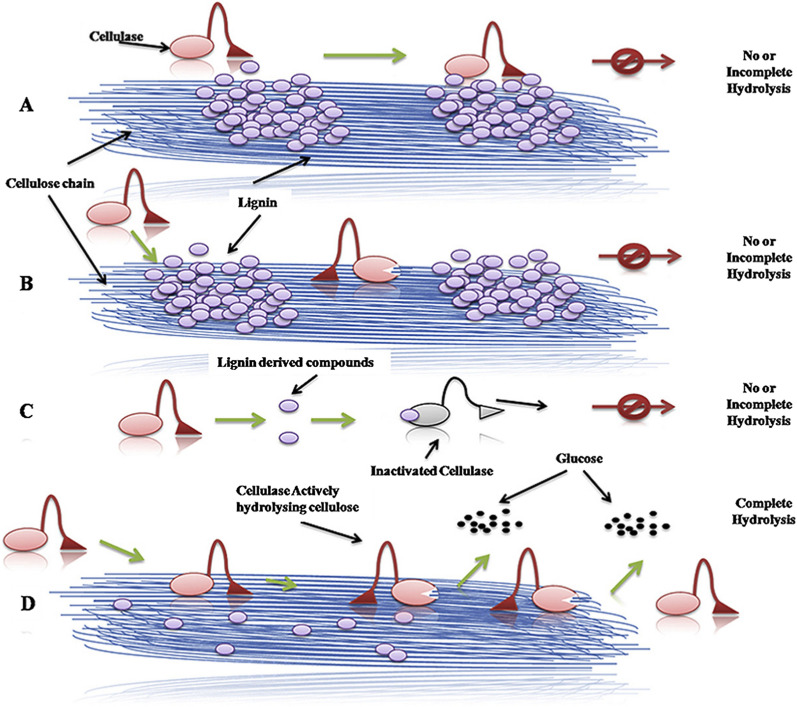
“2 Non-productive adsorption of cellulase onto lignin (A), physical blockage of cellulase progress on lignocellulose chain (B), enzyme inhibition due to soluble lignin-derived compounds (C), and normal functioning of cellulase on cellulose chain to release glucose in presence of no or very low amount of lignin (D) [131]”
BackgroundRahikainen, J., Mikander, S., Marjamaa, K., Tamminen, T., Lappas, A., Viikari, L., & Kruus, K. (2011) · Biotechnology and Bioengineering · doi:10.1002/bit.23242 · Cited by 275 · cited 1×
“The protein folded structure is lost during the adsorption, thus decreasing the enzymatic activity [7, 8].”
BackgroundSewalt, V. J. H., Glasser, W. G., & Beauchemin, K. A. (1997) · Journal of Agricultural and Food Chemistry · doi:10.1021/jf9608074 · Cited by 273 · cited 1×
“The protein folded structure is lost during the adsorption, thus decreasing the enzymatic activity [7, 8].”
BackgroundLi, H., Pu, Y., Kumar, R., Ragauskas, A. J., & Wyman, C. E. (2014) · Biotechnology and Bioengineering · doi:10.1002/bit.25108 · Cited by 269 · cited 1×
“For example, lignin droplets and the pseudo-lignin formed during the pretreatment can block the productive binding of cellulase and cellulose [134].”
BackgroundLignin–Enzyme Interactions in the Hydrolysis of Lignocellulosic Biomass
dos Santos, A. C., Ximenes, E., Kim, Y., & Ladisch, M. R. (2019) · Trends in Biotechnology · doi:10.1016/j.tibtech.2018.10.010 · Cited by 266 · cited 1×
“When exposed to lignin-derived phenolic compounds, the enzyme will be immediately inactivated, causing a steady loss of enzymatic activity with the prolonged exposure to phenolic compounds [152, 153].”
BackgroundLou, H., Zhu, J. Y., Lan, T. Q., Lai, H., & Qiu, X. (2013) · ChemSusChem · doi:10.1002/cssc.201200859 · Cited by 261 · cited 1×
“[148] showed that at an elevated pH from 4.”
BackgroundNakagame, S., Chandra, R. P., & Saddler, J. N. (2010) · Biotechnology and Bioengineering · doi:10.1002/bit.22626 · Cited by 259 · cited 1×
“Furthermore, the lignin extracted from woods has a more significant inhibition effect on enzymatic hydrolysis than the one extracted from herbaceous in which the lignin has a loose structure and a high H unit content [75].”
BackgroundMattison, K. W., Dubin, P. L., & Brittain, I. J. (1998) · The Journal of Physical Chemistry B · doi:10.1021/jp980486u · Cited by 258 · cited 1×
“Previous research indicated that LS contains the same ionizable groups as other anionic polyelectrolytes, which can bind to BSA with the formation of LS– BSA complex [159].”
BackgroundSamuel, R., Pu, Y., Raman, B., & Ragauskas, A. J. (2010) · Applied Biochemistry and Biotechnology · doi:10.1007/s12010-009-8749-y · Cited by 257 · cited 1×
“For example, considerable β-O-4 linkages were broken in the autohydrolysis pretreatment of poplar [86] and the dilute acid pretreatment of switchgrass [69].”
BackgroundMechanism of lignin inhibition of enzymatic biomass deconstruction
Vermaas, J. V., Petridis, L., Qi, X., Schulz, R., Lindner, B., & Smith, J. C. (2015) · Biotechnology for Biofuels · doi:10.1186/s13068-015-0379-8 · Cited by 252 · cited 1×
“[132] simulated the interaction between cellulase and model biomass containing cellulose and lignin and found that lignin bound to the hydrophobic surface of cellulose, causing steric hindrance, hindering productive adsorption between enzyme and cellulose, and delaying enzymatic hydrolysis.”
BackgroundNakagame, S., Chandra, R. P., Kadla, J. F., & Saddler, J. N. (2011) · Biotechnology and Bioengineering · doi:10.1002/bit.22981 · Cited by 249 · cited 2×
“However, the negative impact of lignin on the enzymatic hydrolysis of pretreated substrates may be reduced by increasing its hydrophilicity due to the presence of carboxylic acid in lignin [106].”
BackgroundInhibition of lignin-derived phenolic compounds to cellulase
Qin, L., Li, W.-C., Liu, L., Zhu, J.-Q., Li, X., Li, B.-Z., & Yuan, Y.-J. (2016) · Biotechnology for Biofuels · doi:10.1186/s13068-016-0485-2 · Cited by 243 · cited 1×
“[102] investigated the relationship between methoxyl and enzymatic hydrolysis efficiency using lignin model compounds, and found that additional methoxyl had a positive or negative effect on enzymatic hydrolysis, which was related to the type of lignin model compound.”
MethodSelf-citationAdsorption of enzyme onto lignins of liquid hot water pretreated hardwoods
Ko, J. K., Ximenes, E., Kim, Y., & Ladisch, M. R. (2015) · Biotechnology and Bioengineering · doi:10.1002/bit.25359 · Cited by 237 · cited 2×
“[74] also found that softwood lignin-containing a higher G unit had a stronger inhibition effect on enzymatic hydrolysis than hardwood lignin.”
BackgroundResearch Progress in Lignin‐Based Slow/Controlled Release Fertilizer
Chen, J., Fan, X., Zhang, L., Chen, X., Sun, S., & Sun, R. (2020) · ChemSusChem · doi:10.1002/cssc.202000455 · Cited by 229
Molecular-level driving forces in lignocellulosic biomass deconstruction for bioenergy
Petridis, L., & Smith, J. C. (2018) · Nature Reviews Chemistry · doi:10.1038/s41570-018-0050-6 · Cited by 228 · cited 1×
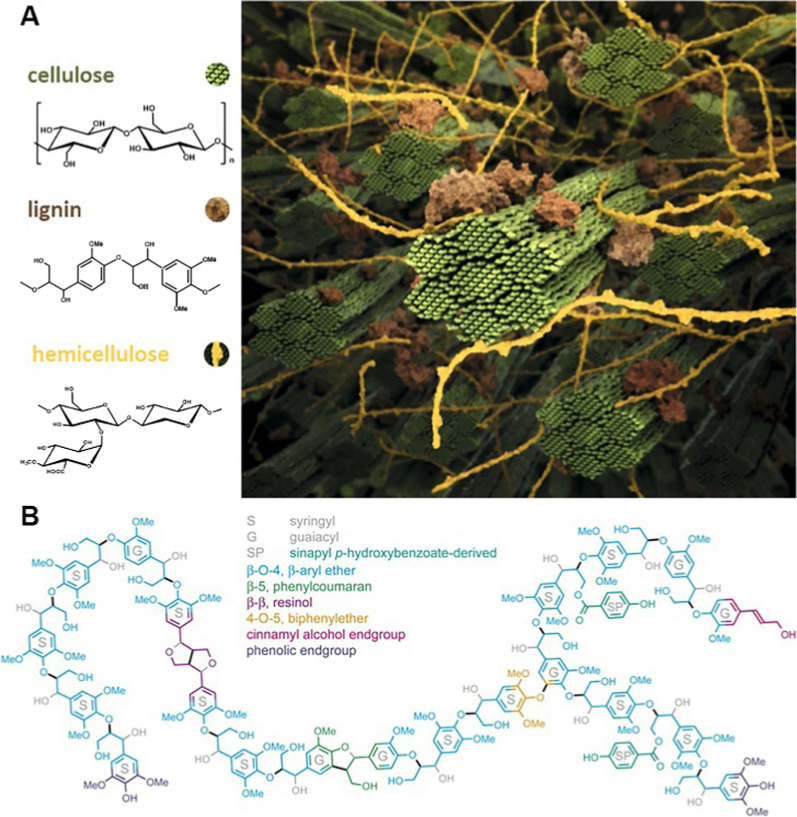
“1 Structure of lignocellulosic biomass and its components (A) [18] and representation of a lignin polymer from poplar, as predicted from NMR-based lignin analysis (B) [19]”
MethodRole of Functional Groups in Lignin Inhibition of Enzymatic Hydrolysis of Cellulose to Glucose
Pan, X. (2008) · Journal of Biobased Materials and Bioenergy · doi:10.1166/jbmb.2008.005 · Cited by 226 · cited 2×
“Most waterinsoluble lignin has an inhibitory effect on enzymatic hydrolysis, and the inhibitory effect is different, depending on the pretreatment methods and the source of lignin [101].”
BackgroundSheng, Y., Lam, S. S., Wu, Y., Ge, S., Wu, J., Cai, L., Huang, Z., Le, Q. V., Sonne, C., & Xia, C. (2021) · Bioresource Technology · doi:10.1016/j.biortech.2020.124631 · Cited by 220 · cited 2×
“Nevertheless, some water-insoluble lignins with lower Mw also exhibit a promoting effect on enzymatic hydrolysis [111].”
BackgroundLi, X., Ximenes, E., Kim, Y., Slininger, M., Meilan, R., Ladisch, M., & Chapple, C. (2010) · Biotechnology for Biofuels · doi:10.1186/1754-6834-3-27 · Cited by 215 · cited 1×
“Genetic engineering to change the three monomers’ relative abundance is an alternative method to reduce cell wall structural recalcitrance and improve enzymatic hydrolysis efficiency and is especially effective in increasing the S monomer content to achieve a high hydrolysis yield [76, 77].”
MethodGuo, F., Shi, W., Sun, W., Li, X., Wang, F., Zhao, J., & Qu, Y. (2014) · Biotechnology for Biofuels · doi:10.1186/1754-6834-7-38 · Cited by 214 · cited 2×
“[100] found that MWL from corn stover had a stronger affinity with cellulase, due to its lower carboxyl content and higher phenolic hydroxyl content compared to lignin from kenaf and aspen.”
BackgroundYang, Q., & Pan, X. (2016) · Biotechnology and Bioengineering · doi:10.1002/bit.25903 · Cited by 209 · cited 12×
“9 mL/g lignin, thereby eliminating 76–96% of lignin inhibition [98].”
BackgroundInfluentialProcessing and valorization of cellulose, lignin and lignocellulose using ionic liquids
Xia, Z., Li, J., Zhang, J., Zhang, X., Zheng, X., & Zhang, J. (2020) · Journal of Bioresources and Bioproducts · doi:10.1016/j.jobab.2020.04.001 · Cited by 203 · cited 1×
“It is generally believed that the dissolution of lignin by ionic liquids is achieved by the basicity of the hydrogen bonds of anions and the acidity of the hydrogen bonds of cations, the π–π interactions and hydrophobic interactions [29].”
BackgroundYoo, C. G., Li, M., Meng, X., Pu, Y., & Ragauskas, A. J. (2017) · Green Chemistry · doi:10.1039/c6gc03627a · Cited by 190 · cited 1×
“[89] found that the content of β-O-4 linkages of residual lignin reduced significantly during the organosolv pretreatment of poplar.”
BackgroundEffect of Lignin Chemistry on the Enzymatic Hydrolysis of Woody Biomass
Yu, Z., Gwak, K., Treasure, T., Jameel, H., Chang, H., & Park, S. (2014) · ChemSusChem · doi:10.1002/cssc.201400042 · Cited by 187 · cited 2×
“[96] also investigated the effect of the hydroxyl groups on enzymatic hydrolysis using MWL and found that the cellulase adsorption on MWL was increased with the decrease of total hydroxyl.”
BackgroundPark, N., Kim, H.-Y., Koo, B.-W., Yeo, H., & Choi, I.-G. (2010) · Bioresource Technology · doi:10.1016/j.biortech.2010.04.020 · Cited by 186 · cited 1×
“[27] showed that sulfuric acid–ethanol or magnesium chloride–ethanol rarely reduced lignin content of pitch pine.”
BackgroundComparison of Different Biomass Pretreatment Techniques and Their Impact on Chemistry and Structure
Singh, S., Cheng, G., Sathitsuksanoh, N., Wu, D., Varanasi, P., George, A., Balan, V., Gao, X., Kumar, R., Dale, B. E., et al. (2015) · Frontiers in Energy Research · doi:10.3389/fenrg.2014.00062 · Cited by 182 · cited 1×
“[94] suggested that ammonia fiber explosion pretreatment improved enzymatic hydrolysis efficiency by breaking the LCC linkage between lignin and carbohydrate.”
BackgroundMasarin, F., Gurpilhares, D. B., Baffa, D. C., Barbosa, M. H., Carvalho, W., Ferraz, A., & Milagres, A. M. (2011) · Biotechnology for Biofuels · doi:10.1186/1754-6834-4-55 · Cited by 176 · cited 1×
“In addition, genetic manipulation of plants can also reduce the non-productive adsorption of cellulase onto lignin by reducing the lignin content or regulating the lignin biosynthesis [14, 15].”
BackgroundZhao, C., Qiao, X., Cao, Y., & Shao, Q. (2017) · Fuel · doi:10.1016/j.fuel.2017.05.073 · Cited by 173 · cited 1×
“[60] reported that AFEX pretreatment at 2.”
Li, X., Li, M., Pu, Y., Ragauskas, A. J., Klett, A. S., Thies, M., & Zheng, Y. (2018) · Renewable Energy · doi:10.1016/j.renene.2018.02.079 · Cited by 166 · cited 2×
“[66] found that the deposition of high Mw lignin onto fiber surface is easy, and the deposited lignin further increased the steric hindrance.”
BackgroundDavison, B. H., Drescher, S. R., Tuskan, G. A., Davis, M. F., & Nghiem, N. P. (2006) · Applied Biochemistry and Biotechnology · doi:10.1385/abab:130:1:427 · Cited by 163 · cited 1×
“[37] found that the xylose yield of acid-hydrolyzed poplar genetic varieties with low lignin content and S/G ratio was 25% higher than those with high lignin content and S/G ratio.”
BackgroundWang, G. S., Pan, X. J., Zhu, J. Y., Gleisner, R., & Rockwood, D. (2009) · Biotechnology Progress · doi:10.1002/btpr.206 · Cited by 159
Mansfield, S. D., Kang, K., & Chapple, C. (2012) · New Phytologist · doi:10.1111/j.1469-8137.2011.04031.x · Cited by 159 · cited 2×
“Mansfied et al.[38] manipulated lignin content to assess the effect of cell wall lignin on hydrolysis efficiency, and found that low-lignin plants showed up to a 15% increase in conversion rate, which was close to complete hydrolysis of cellulose polymers.”
BackgroundZhao, C. C., Qiao, X., Shao, Q., Hassan, M., & Ma, Z. (2020) · Energy & Fuels · doi:10.1021/acs.energyfuels.0c00293 · Cited by 158 · cited 1×
“This might result from the higher affinity of the G unit for enzymes than the S unit [74, 78].”
BackgroundSurface Energy and Wettability of Spin-Coated Thin Films of Lignin Isolated from Wood
Notley, S. M., & Norgren, M. (2010) · Langmuir · doi:10.1021/la1003337 · Cited by 157
Fractionation of cellulase and fermentation inhibitors from steam pretreated mixed hardwood
Kim, Y., Kreke, T., Hendrickson, R., Parenti, J., & Ladisch, M. R. (2012) · Bioresource Technology · doi:10.1016/j.biortech.2012.10.130 · Cited by 157 · cited 1×
“[155] carried out post-pretreatment washing on steam explosion pretreated mixed hardwood, and found that the addition of washate concentrates significantly reduced the glucose yield from 88 to only 20–30%.”
BackgroundCompounds inhibiting the bioconversion of hydrothermally pretreated lignocellulose
Ko, J. K., Um, Y., Park, Y., Seo, J., & Kim, K. H. (2015) · Applied Microbiology and Biotechnology · doi:10.1007/s00253-015-6595-0 · Cited by 156 · cited 2×
“The inhibitory effect based on phenolic compounds is attributed to the co-precipitation with cellulase, depending on the microbial origin of cellulase, the types of enzyme and phenolic compounds [77, 154].”
BackgroundMethodUltrastructure of steam-exploded wood
Donaldson, L. A., Wong, K. K. Y., & Mackie, K. L. (1988) · Wood Science and Technology · doi:10.1007/bf00355846 · Cited by 154
Sun, F. F., Wang, L., Hong, J., Ren, J., Du, F., Hu, J., Zhang, Z., & Zhou, B. (2015) · Bioresource Technology · doi:10.1016/j.biortech.2015.03.051 · Cited by 151
Lu, X., Zheng, X., Li, X., & Zhao, J. (2016) · Biotechnology for Biofuels · doi:10.1186/s13068-016-0531-0 · Cited by 148 · cited 1×
“[142] observed that lignin has the greatest reduction in Cel7A enzyme activity, followed by xylanase, then by EGs (Cel5B, Cel5C, and Cel7B) and β-glucosidase.”
BackgroundLignosulfonate and elevated pH can enhance enzymatic saccharification of lignocelluloses
Wang, Z., Lan, T., & Zhu, J. (2013) · Biotechnology for Biofuels · doi:10.1186/1754-6834-6-9 · Cited by 146 · cited 1×
“5, LS increases the enzymatic digestibility of dilute acid pretreated and sulfite pretreated substrates by 10% and 20%, respectively [119].”
BackgroundZhou, H., Lou, H., Yang, D., Zhu, J., & Qiu, X. (2013) · Industrial & Engineering Chemistry Research · doi:10.1021/ie401085k · Cited by 145 · cited 3×
“[121] found that LS improved the hydrolysis yield of three different types of lignocellulose substrates, and noticed that low Mw LS fractions were more effective to enhance the enzymatic hydrolysis efficiency than high Mw LS fractions.”
BackgroundInfluentialYing, W., Shi, Z., Yang, H., Xu, G., Zheng, Z., & Yang, J. (2018) · Biotechnology for Biofuels · doi:10.1186/s13068-018-1217-6 · Cited by 144 · cited 2×
“[99] found that alkali pretreatment combined with carboxylation posttreatment could increase the enzymatic efficiency by 1.”
BackgroundWang, Z., Zhu, J., Fu, Y., Qin, M., Shao, Z., Jiang, J., & Yang, F. (2013) · Biotechnology for Biofuels · doi:10.1186/1754-6834-6-156 · Cited by 143 · cited 2×
“The mechanisms of WSL promoting enzymatic hydrolysis of lignin-containing biomass are mainly categorized into two types: (1) The addition of WSL leads to competitive adsorption of WSL with residual lignin, forming the WSL–cellulase complexes; (2) The WSL acts as a surfactant to stabilize the cellulase and increase the…”
BackgroundZhao, X., Meng, X., Ragauskas, A. J., Lai, C., Ling, Z., Huang, C., & Yong, Q. (2021) · Biotechnology Advances · doi:10.1016/j.biotechadv.2021.107830 · Cited by 143 · cited 1×
“It is an optical technology that can be used to detect the thickness and structure changes of the ultrathin adsorption layer on the metal surface [166].”
MethodHansen, M. A. T., Kristensen, J. B. L., Felby, C., & Jørgensen, H. (2010) · Bioresource Technology · doi:10.1016/j.biortech.2010.10.030 · Cited by 128 · cited 1×
“Similar observation also indicates that for the liquid hot water pretreatment, the hydrolysis rate of wheat straw gradually decreases over time due to the accumulation of lignin droplets on the surface of the hydrolyzed substrate [61].”
BackgroundLou, H., Wang, M., Lai, H., Lin, X., Zhou, M., Yang, D., & Qiu, X. (2013) · Bioresource Technology · doi:10.1016/j.biortech.2013.07.115 · Cited by 128 · cited 4×
“Another study also found that alkali lignin inhibited the efficiency of enzymatic hydrolysis, but the alkali lignin modified by PEG1000 led to relatively high efficiency of enzymatic hydrolysis [123].”
BackgroundInfluentialPoornejad, N., Karimi, K., & Behzad, T. (2012) · Industrial Crops and Products · doi:10.1016/j.indcrop.2012.04.059 · Cited by 127
Brienzo, M., Fikizolo, S., Benjamin, Y. L., Tyhoda, L., & Görgens, J. F. (2016) · Renewable Energy · doi:10.1016/j.renene.2016.12.037 · Cited by 127 · cited 1×
“[31] also investigated the enzymatic hydrolysis rate of sugarcane bagasse with different lignin content, and found that the samples with low lignin content generally showed a high glucose yield.”
BackgroundAbdul, P. M., Jahim, J. M., Harun, S., Markom, M., Lutpi, N. A., Hassan, O., Balan, V., Dale, B. E., & Nor, M. T. M. (2016) · Bioresource Technology · doi:10.1016/j.biortech.2016.02.135 · Cited by 126 · cited 1×
“[55] observed that AFEX pretreatment could promote the enzymatic hydrolysis of oil palm empty fruit bunch.”
BackgroundLin, W., Yang, J., Zheng, Y., Huang, C., & Yong, Q. (2021) · Biotechnology for Biofuels · doi:10.1186/s13068-021-01994-y · Cited by 125 · cited 1×
“SPR could been used to study the kinetic parameters of the adsorption of cellulase onto lignin films during the enzymatic hydrolysis process [167].”
MethodInteractive forces between lignin and cellulase as determined by atomic force microscopy
Qin, C., Clarke, K., & Li, K. (2014) · Biotechnology for Biofuels · doi:10.1186/1754-6834-7-65 · Cited by 124 · cited 2×
“[138] used atomic force microscopy (AFM) to measure the adhesion forces between lignin and enzyme and found that hydrogen bonding promoted the lignin– enzyme interaction to some extent.”
BackgroundMethodKumar, L., Chandra, R. P., & Saddler, J. N. (2011) · Biotechnology and Bioengineering · doi:10.1002/bit.23185 · Cited by 122
Hydrothermal pretreatment enhanced enzymatic hydrolysis and glucose production from oil palm biomass
Zakaria, M. R., Hirata, S., & Hassan, M. A. (2014) · Bioresource Technology · doi:10.1016/j.biortech.2014.11.027 · Cited by 118 · cited 2×
“The structure changes of lignocellulose caused by the redistribution of lignin can reduce the recalcitrance of lignocellulose and increase the accessibility of the enzyme to cellulose [52].”
BackgroundSong, Y., Chandra, R. P., Zhang, X., & Saddler, J. N. (2020) · Carbohydrate Polymers · doi:10.1016/j.carbpol.2020.116956 · Cited by 112 · cited 1×
“[91] found that DES pretreatment of willow and corn stover caused their lignin fragments to undergo condensation reactions.”
BackgroundZheng, Y., Yu, Y., Lin, W., Jin, Y., Yong, Q., & Huang, C. (2021) · Bioresource Technology · doi:10.1016/j.biortech.2021.124691 · Cited by 112 · cited 1×
“Content of residual lignin in substrate The presence of lignin largely hinders the accessibility of enzymes to cellulose, which results in a very low enzymatic hydrolysis of the lignocellulose feedstock [20, 21].”
BackgroundSelf-citationLi, H., Wang, B., Wen, J., Cao, X., Sun, S., & Sun, R. (2017) · Energy Conversion and Management · doi:10.1016/j.enconman.2017.10.089 · Cited by 110 · cited 1×
“[95] indicated that the cleavage of LCC bonds by hydrothermal pretreatment is beneficial to improve the digestibility of cellulose, because LCC can contribute to the biomass recalcitrance.”
BackgroundWang, W., Wang, X., Zhang, Y., Yu, Q., Tan, X., Zhuang, X., & Yuan, Z. (2020) · Industrial Crops and Products · doi:10.1016/j.indcrop.2020.112145 · Cited by 110 · cited 1×
“It is necessary to find a balance between the removal of lignin and the loss of carbohydrate when designing a suitable pretreatment method for the enzymatic hydrolysis of lignocellulosic biomass [39].”
MethodPapa, G., Varanasi, P., Sun, L. X., Cheng, G., Stavila, V., Holmes, B. M., Simmons, B. A., Adani, F., & Singh, S. (2012) · Bioresource Technology · doi:10.1016/j.biortech.2012.04.065 · Cited by 109
Zhao, C. C., Cao, Y., Ma, Z., & Shao, Q. (2017) · Biomass and Bioenergy · doi:10.1016/j.biombioe.2017.01.001 · Cited by 105 · cited 1×
“The liquid ammonia pretreatment also has been reported to result in the lignin relocation, which improves the enzyme access to cellulose [56].”
BackgroundLignin engineering to improve saccharification and digestibility in grasses
Halpin, C. (2019) · Current Opinion in Biotechnology · doi:10.1016/j.copbio.2019.02.013 · Cited by 105 · cited 1×
“In addition, genetic manipulation of plants can also reduce the non-productive adsorption of cellulase onto lignin by reducing the lignin content or regulating the lignin biosynthesis [14, 15].”
BackgroundInfluence of lignin addition on the enzymatic digestibility of pretreated lignocellulosic biomasses
Wang, W., Zhu, Y., Du, J., Yang, Y., & Jin, Y. (2015) · Bioresource Technology · doi:10.1016/j.biortech.2015.01.026 · Cited by 101 · cited 4×
“In recent years, several novel studies have found that water-soluble lignin (WSL), such as micromolecular lignin and lignosulfonate (LS), can promote enzymatic hydrolysis [16, 17], which gives a new insight in improving the enzymatic hydrolysis efficiency.”
BackgroundResultInfluentialSelf-citationLai, C., Tu, M., Shi, Z., Zheng, K., Olmos, L. G., & Yu, S. (2014) · Bioresource Technology · doi:10.1016/j.biortech.2014.04.065 · Cited by 101 · cited 1×
“For example, it was determined that the addition of ethanol organic solvent lignin significantly improved enzymatic hydrolysis efficiency [104, 105].”
BackgroundEffects of Lignin−Metal Complexation on Enzymatic Hydrolysis of Cellulose
Liu, H., Zhu, J., & Fu, S. (2010) · Journal of Agricultural and Food Chemistry · doi:10.1021/jf1001588 · Cited by 95 · cited 1×
“This inhibition effect is attributed to the non-productive adsorption of cellulase onto WSL, thereby reducing the avaliable adsorption sites of cellulase on cellulose [163].”
BackgroundGreen liquor pretreatment for improving enzymatic hydrolysis of corn stover
Gu, F., Yang, L., Jin, Y., Qiang, H., Chang, H., Jameel, H., & Phillips, R. (2012) · Bioresource Technology · doi:10.1016/j.biortech.2012.08.054 · Cited by 93
Self-citationImpact of Pseudolignin versus Dilute Acid-Pretreated Lignin on Enzymatic Hydrolysis of Cellulose
Hu, F., Jung, S., & Ragauskas, A. J. (2012) · ACS Sustainable Chemistry & Engineering · doi:10.1021/sc300032j · Cited by 91 · cited 1×
“[64] also found that compared to a 50/50 mixture of pseudo-lignin and dilute acid pretreated lignin, pseudolignin had a greater inhibition impact on enzymatic hydrolysis, which was attributed to its high hydrophobicity induced by the methoxy and polyaromatic structures presented in pseudo-lignin.”
ResultCellulose Thin Films: Degree of Cellulose Ordering and Its Influence on Adhesion
Eriksson, M., Notley, S. M., & Wågberg, L. (2007) · Biomacromolecules · doi:10.1021/bm061164w · Cited by 91
Kellock, M., Rahikainen, J. L., Marjamaa, K., & Kruus, K. (2017) · Bioresource Technology · doi:10.1016/j.biortech.2017.01.072 · Cited by 90 · cited 1×
“The adsorption experiment with QCM-D found that fungal monocomponent enzymes (Cel6A and Cel7B) showed the high adsorption capacity and nonproductive adsorption towards the steam pretreated spruce lignin, with hydrolysis yield decreasing by 66% and 60%, respectively [118].”
Martín‐Sampedro, R., Rahikainen, J. L., Johansson, L., Marjamaa, K., Laine, J., Kruus, K., & Rojas, O. J. (2013) · Biomacromolecules · doi:10.1021/bm400230s · Cited by 89
Hassanpour, M., Abbasabadi, M., Gebbie, L. K., Te’o, J., O’Hara, I. M., & Zhang, Z. (2020) · ACS Sustainable Chemistry & Engineering · doi:10.1021/acssuschemeng.0c01832 · Cited by 89 · cited 1×
“[108] prepared the acid–glycerol (AG) pretreated sugarcane bagasse and dilute acid pretreated sugarcane bagasse and recovered the lignin from enzymatic hydrolysis residual of AG pretreated sugarcane bagasse.”
MethodSurfactant-promoted hydrolysis of lignocellulose for ethanol production
Zheng, T., Jiang, J., & Yao, J. (2020) · Fuel Processing Technology · doi:10.1016/j.fuproc.2020.106660 · Cited by 89 · cited 1×
“For example, Tween 80 and BSA could mitigate the unproductive adsorption of cellulase on lignin by binding with lignin, thus improving the access of enzymes to cellulose [10, 11].”
BackgroundNew perspective on glycoside hydrolase binding to lignin from pretreated corn stover
Yarbrough, J. M., Mittal, A., Mansfield, E., Taylor, L. E., Hobdey, S. E., Sammond, D. W., Bomble, Y. J., Crowley, M. F., Decker, S. R., Himmel, M. E., et al. (2015) · Biotechnology for Biofuels · doi:10.1186/s13068-015-0397-6 · Cited by 88 · cited 2×
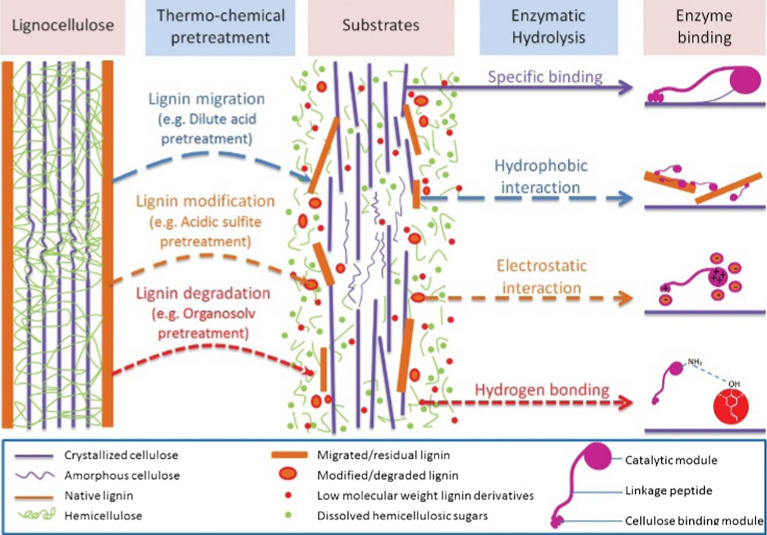
“In the process of enzymatic saccharification of lignocellulose, the non-productive adsorption of enzyme onto lignin caused by the hydrogen bonding, hydrophobic, and electrostatic interactions are thought to be the main reasons for the low saccharification efficiency of lignocellulose [6].”
BackgroundAkimkulova, A., Zhou, Y., Zhao, X., & Liu, D. (2016) · Bioresource Technology · doi:10.1016/j.biortech.2016.02.059 · Cited by 86 · cited 1×
“[13] suggested that Mg2+ weaken the non-productive adsorption of cellulase onto lignin driven by the electrostatic interaction and hydrogen-bonding.”
BackgroundThe Influence of Lignin on the Enzymatic Hydrolysis of Pretreated Biomass Substrates
Nakagame, S., Chandra, R. P., & Saddler, J. N. (2011) · ACS symposium series · doi:10.1021/bk-2011-1067.ch006 · Cited by 86
Lai, C., Tu, M., Li, M., & Yu, S. (2014) · Bioresource Technology · doi:10.1016/j.biortech.2014.01.030 · Cited by 84 · cited 2×
“For example, it was determined that the addition of ethanol organic solvent lignin significantly improved enzymatic hydrolysis efficiency [104, 105].”
BackgroundWang, P., Liu, C., Chang, J., Yin, Q., Huang, W., Liu, Y., Dang, X., Gao, T., & Lu, F. (2019) · Renewable Energy · doi:10.1016/j.renene.2019.01.118 · Cited by 84 · cited 1×
“Content of residual lignin in substrate The presence of lignin largely hinders the accessibility of enzymes to cellulose, which results in a very low enzymatic hydrolysis of the lignocellulose feedstock [20, 21].”
BackgroundDjajadi, D. T., Jensen, M. M., Oliveira, M., Jensen, A., Thygesen, L. G., Pinelo, M., Glasius, M., Jørgensen, H., & Meyer, A. S. (2018) · Biotechnology for Biofuels · doi:10.1186/s13068-018-1085-0 · Cited by 82 · cited 1×
“[133] showed that hydrothermally pretreated grass biomass lignin acts as a physical barrier to hinder enzymatic degradation of cellulose, rather than induces the inhibition by non-productive adsorption of enzymes.”
BackgroundSamuel, R., Cao, S., Das, B. K., Hu, F., Pu, Y., & Ragauskas, A. J. (2013) · RSC Advances · doi:10.1039/c3ra40578h · Cited by 79 · cited 1×
“For example, considerable β-O-4 linkages were broken in the autohydrolysis pretreatment of poplar [86] and the dilute acid pretreatment of switchgrass [69].”
BackgroundCostaouëc, T. L., Pakarinen, A., Várnai, A., Puranen, T., & Viikari, L. (2013) · Bioresource Technology · doi:10.1016/j.biortech.2013.05.079 · Cited by 77
Donaldson, L. A., & Vaidya, A. A. (2017) · Scientific Reports · doi:10.1038/srep44386 · Cited by 75 · cited 1×
“In addition to the above pretreatment methods, steam explosion pretreatment also resulted in the improvement of enzymatic hydrolysis rate due to increased pore volume and specific surface area of the substrate caused by the redistribution and removal of lignin [58].”
BackgroundTakada, M., Chandra, R. P., & Saddler, J. N. (2019) · Biotechnology and Bioengineering · doi:10.1002/bit.27137 · Cited by 74
Understanding the effects of lignosulfonate on enzymatic saccharification of pure cellulose
Lou, H., Zhou, H., Li, X., Wang, M., Zhu, J. Y., & Qiu, X. (2014) · Cellulose · doi:10.1007/s10570-014-0237-z · Cited by 73 · cited 1×
“[123, 129] observed that adding three commercial sodium lignosulfonates with different Mw could improve the enzymatic hydrolysis efficiency of pure cellulose.”
BackgroundGabhane, J., Kumar, S., & Sarma, A. K. (2020) · Renewable Energy · doi:10.1016/j.renene.2020.03.035 · Cited by 72
He, J., Huang, C., Lai, C., Huang, C., Li, X., & Yong, Q. (2018) · Industrial Crops and Products · doi:10.1016/j.indcrop.2018.01.046 · Cited by 71 · cited 1×
“[63] observed that pseudo-lignin was formed by dehydration and aromatization of carbohydrates during dilute acid pretreatment, which absorbed the enzyme and reduced the efficiency of enzymatic hydrolysis.”
BackgroundHaque, M. A., Barman, D. N., Kang, T. H., Kim, M. K., Kim, J., Kim, H., & Yun, H. D. (2012) · Journal of Microbiology and Biotechnology · doi:10.4014/jmb.1206.06058 · Cited by 70
Xu, C., Liu, F., Alam, M. A., Chen, H., Zhang, Y., Liang, C., Xu, H., Huang, S., Xu, J., & Wang, Z. (2020) · International Journal of Biological Macromolecules · doi:10.1016/j.ijbiomac.2019.12.270 · Cited by 68 · cited 1×
“A similar study also observed that lignin with high phenolic hydroxyl group content shows strong non-productive adsorption of cellulase [97].”
BackgroundSelf-citationHuang, C., He, J., Min, D., Lai, C., & Yong, Q. (2016) · Applied Biochemistry and Biotechnology · doi:10.1007/s12010-016-2183-8 · Cited by 67 · cited 2×
“[90] found that the phenolic hydroxyl group was associated positively with the unproductive adsorption of the cellulase on lignin, but negatively with the aliphatic hydroxyl group.”
BackgroundPielhop, T., Larrazábal, G. O., & von Rohr, P. R. (2016) · Green Chemistry · doi:10.1039/c6gc01447j · Cited by 66 · cited 1×
“During the autohydrolysis pretreatment of spruce, the addition of 2-naphthol and dimethylphloroglucinol significantly reduced the Mw of lignin and increased the enzymatic hydrolysis efficiency of the substrate by 39% and 42%, respectively [112].”
BackgroundZheng, W., Lan, T., Li, H., Yue, G., & Zhou, H. (2020) · Biotechnology for Biofuels · doi:10.1186/s13068-020-1659-5 · Cited by 65 · cited 3×
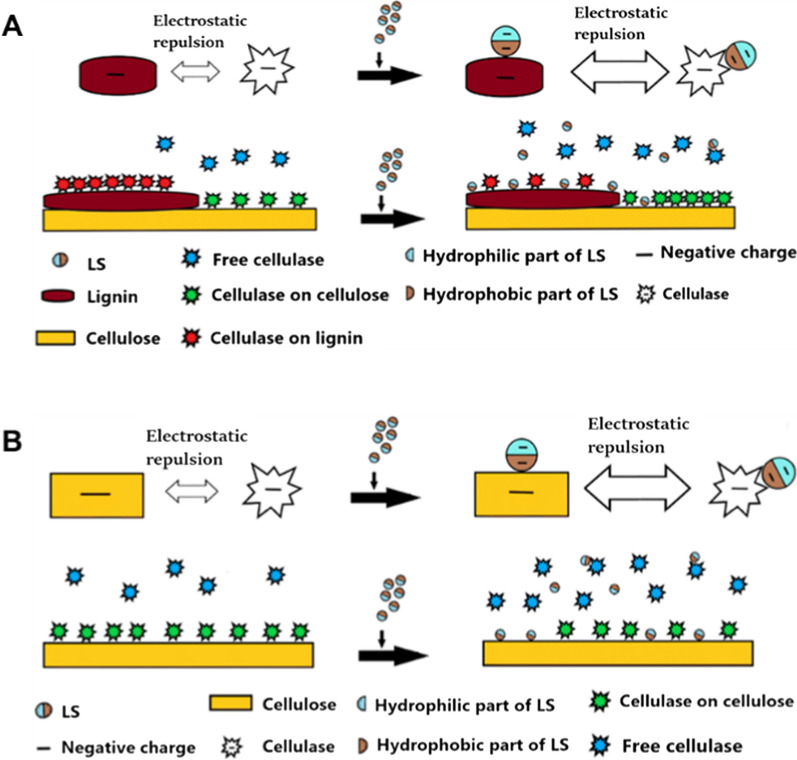
“4 Schematic diagram of cellulase adsorption on lignocellulose (DA-SCB) before and after adding LS (A) and schematic diagram of cellulase adsorption on pure cellulose (Avicel) before and after adding LS (B) [160]”
BackgroundInfluentialEffects of hydrothermal treatment on enhancing enzymatic hydrolysis of rapeseed straw
Wang, Z., Zhu, M.-Q., Li, M., Wei, Q., & Sun, R. (2018) · Renewable Energy · doi:10.1016/j.renene.2018.11.019 · Cited by 64 · cited 1×
“[53] observed that hydrothermal pretreatment effectively improved 3.”
BackgroundYoo, C. G., Kim, H., Lu, F., Azarpira, A., Pan, X., Oh, K. K., Kim, J. S., Ralph, J., & Kim, T. H. (2015) · BioEnergy Research · doi:10.1007/s12155-015-9662-6 · Cited by 64 · cited 1×
“[84] reported that ammonia pretreatment could crack FA cross-linkages and promote lignin depolymerization, thus improving the digestibility of biomass.”
BackgroundLi, Y., Qi, B., Luo, J., & Wan, Y. (2015) · Bioresource Technology · doi:10.1016/j.biortech.2015.10.038 · Cited by 64 · cited 2×
“In recent years, several novel studies have found that water-soluble lignin (WSL), such as micromolecular lignin and lignosulfonate (LS), can promote enzymatic hydrolysis [16, 17], which gives a new insight in improving the enzymatic hydrolysis efficiency.”
BackgroundReinforced alkali-pretreatment for enhancing enzymatic hydrolysis of sugarcane bagasse
Liu, Y., Xu, J., Zhang, Y., Liang, C., He, M., Yuan, Z., & Xie, J. (2015) · Fuel Processing Technology · doi:10.1016/j.fuproc.2015.11.004 · Cited by 63 · cited 1×
“Pretreatment that removes part of the lignin and increases the accessible surface area of the substrate to cellulase is the most critical step to enhance the enzymatic saccharification efficiency [9].”
BackgroundLin, X., Qiu, X., Yuan, L., Li, Z., Lou, H., Zhou, M., & Yang, D. (2015) · Bioresource Technology · doi:10.1016/j.biortech.2015.02.067 · Cited by 62 · cited 1×
“[12] found that the addition of PEG could reduce the non-productive adsorption of cellulase onto lignin by forming the PEG–cellulase complex, which Fig.”
BackgroundXu, C., Zhang, J., Zhang, Y., Guo, Y., Xu, H., Liang, C., Wang, Z., & Xu, J. (2019) · International Journal of Biological Macromolecules · doi:10.1016/j.ijbiomac.2019.08.263 · Cited by 61 · cited 1×
“[71] found that the lignin with the high S/G ratio enhanced the non-productive adsorption of cellulase and was not conducive to the enzymatic saccharification of cellulose.”
BackgroundLai, C., Tu, M., Yong, Q., & Yu, S. (2015) · RSC Advances · doi:10.1039/c5ra22308c · Cited by 60 · cited 1×
“[105, 113] also observed that the addition of the organosolv lignin with low Mw, which obtained from the organosolv pretreatment of biomass, facilitated the enzymatic conversion of pretreated lignocellulose.”
BackgroundLai, C., Yang, B., Lin, Z., Jia, Y., Huang, C., Li, X., Song, X., & Yong, Q. (2019) · Biotechnology for Biofuels · doi:10.1186/s13068-019-1402-2 · Cited by 60 · cited 2×
“[87] used QCM-D to calculate the cellulase adsorption parameter, and observed the EL has a lower maximum adsorption capacity (152.”
BackgroundMethodMin, D., Yang, C., Chiang, V. L., Jameel, H., & Chang, H. (2013) · Fuel · doi:10.1016/j.fuel.2013.07.046 · Cited by 58 · cited 1×
“[93] found that the presence of LCC reduced enzyme accessibility to the substrate and inhibited enzymatic hydrolysis efficiency.”
BackgroundLin, X., Wu, L., Huang, S., Qin, Y., Qiu, X., & Lou, H. (2018) · Carbohydrate Polymers · doi:10.1016/j.carbpol.2018.11.070 · Cited by 58 · cited 1×
“Based on the inspiration that WSL can increase the efficiency of enzymatic hydrolysis, attention has been paid to the hydrophilic modification of lignin reduced the inhibitory effect of lignin on enzymatic hydrolysis [124, 125].”
BackgroundMa, H., Zhang, B., Zhang, P., Li, S., Gao, Y.-F., & Hu, X. (2016) · Fuel Processing Technology · doi:10.1016/j.fuproc.2016.02.038 · Cited by 55
The influence of lignin on the enzymatic hydrolysis of pretreated biomass substrates
Nakagame, S. (2010) · cIRcle (University of British Columbia) · doi:10.14288/1.0071453 · Cited by 55 · cited 2×
“[114] found that the adsorption data of different source WILs are in good agreement with the Langmuir model of adsorption isotherm, with KP and Pad, m ranging from 0.”
BackgroundResultEnhancing enzymatic saccharification of sugarcane bagasse by combinatorial pretreatment and Tween 80
Zhang, H., Wei, W., Zhang, J., Huang, S., & Xie, J. (2018) · Biotechnology for Biofuels · doi:10.1186/s13068-018-1313-7 · Cited by 55 · cited 1×
“For example, Tween 80 and BSA could mitigate the unproductive adsorption of cellulase on lignin by binding with lignin, thus improving the access of enzymes to cellulose [10, 11].”
BackgroundJeong, S., Lee, E., Ban, S.-E., & Lee, J. (2021) · Carbohydrate Polymers · doi:10.1016/j.carbpol.2021.118375 · Cited by 55 · cited 2×
“However, high contents of phenolic hydroxyl, hydroxycinnamates, β–β, β-5, and LCC linkages are detrimental to the enzymatic hydrolysis process [65, 81, 88, 100].”
BackgroundMethodWang, B., Shen, X., Wen, J., Xiao, L., & Sun, R. (2017) · International Journal of Biological Macromolecules · doi:10.1016/j.ijbiomac.2017.01.069 · Cited by 53
Pereira, A., Hoeger, I. C., Ferrer, A., Rencoret, J., del Río, J. C., Kruus, K., Rahikainen, J. L., Kellock, M., Gutiérrez, A., & Rojas, O. J. (2017) · Biomacromolecules · doi:10.1021/acs.biomac.7b00071 · Cited by 52 · cited 1×
“[168] used SPR to conduct the enzyme adsorption experiments in buffer solutions with different ionic strengths.”
MethodReinoso, F. A. M., Rencoret, J., Gutiérrez, A., Milagres, A. M. F., del Río, J. C., & Ferraz, A. (2018) · Biotechnology for Biofuels · doi:10.1186/s13068-018-1155-3 · Cited by 50 · cited 1×
“[83] suggested that the pretreated substrate was resistant to enzymatic hydrolysis due to the presence of ester-linked pCA.”
BackgroundMartínez, P. M., Punt, A. M., Kabel, M. A., & Gruppen, H. (2016) · Bioresource Technology · doi:10.1016/j.biortech.2016.05.040 · Cited by 48 · cited 1×
“[85] found that NaOH pretreated simultaneously removed the xylan and pCA in sugarcane bagasse, thus improving the cellulose accessibility thereof saccharification efficiency.”
BackgroundLan, T., Wang, S. R., Li, H., Qin, Y., & Yue, G. (2020) · Industrial Crops and Products · doi:10.1016/j.indcrop.2020.112768 · Cited by 47 · cited 1×
“[109] suggested that the addition of sugarcane bagasse lignin that recovered from the p-toluenesulfonic acid pretreatment hydrolysate reduced the adsorption of cellulase to sugarcane bagasse residue.”
BackgroundEvaluation of the effects of isolated lignin on enzymatic hydrolysis of cellulose
Zhang, H., Wu, S., & Xie, J. (2017) · Enzyme and Microbial Technology · doi:10.1016/j.enzmictec.2017.03.001 · Cited by 45 · cited 2×
“8, 50 °C, 180 rpm and 72 h No inhibition effect [103]”
BackgroundSelf-citationAn, S., Li, W., Xue, F., Li, X., Xia, Y., Liu, Q., Chen, L., Jameel, H., & Chang, H. (2020) · Fuel Processing Technology · doi:10.1016/j.fuproc.2020.106407 · Cited by 45
Impact of phenolic compound as activators or inhibitors on the enzymatic hydrolysis of cellulose
Stamogiannou, I., Camp, J. V., Smagghe, G. J., de Walle, D. V., Dewettinck, K., & Raes, K. (2021) · International Journal of Biological Macromolecules · doi:10.1016/j.ijbiomac.2021.07.052 · Cited by 44
Wang, J., Hao, X., Wen, P., Zhang, T., & Zhang, J. (2020) · Industrial Crops and Products · doi:10.1016/j.indcrop.2020.112309 · Cited by 43
Adsorption and desorption of cellulases on/from lignin-rich residues from corn stover
Hao, X., Li, Y., Wang, J., Qin, Y., & Zhang, J. (2019) · Industrial Crops and Products · doi:10.1016/j.indcrop.2019.111559 · Cited by 42 · cited 1×
“[33] prepared two lignin-rich residues (LRR-DA and LRR-NaOH) from corn stover through dilute acid (DA) pretreatment and dilute alkali (NaOH) pretreatment.”
BackgroundKothari, N., Bhagia, S., Pu, Y., Yoo, C. G., Li, M., Venketachalam, S., Pattathil, S., Kumar, R., Cai, C. M., Hahn, M. G., et al. (2020) · Green Chemistry · doi:10.1039/d0gc02546a · Cited by 42 · cited 1×
“It was reported that the presence of FA makes the lignin close to the polysaccharide, thus increasing the recalcitrance of the substrate [82].”
BackgroundTan, L., Sun, W., Li, X., Zhao, J., Qu, Y., Choo, Y. M., & Loh, S. K. (2015) · Biotechnology Journal · doi:10.1002/biot.201400733 · Cited by 41 · cited 1×
“[72] observed that a high S/G ratio of bisulfite pretreated oil palm empty fruit bunch lignin was negatively correlated with the enzymatic hydrolysis efficiency.”
BackgroundHe, J., Huang, C., Lai, C., Jin, Y., Ragauskas, A. J., & Yong, Q. (2020) · Industrial Crops and Products · doi:10.1016/j.indcrop.2020.112927 · Cited by 41 · cited 1×
“[164] applied QCM-D to study the effect of pseudo-lignin and residual lignin on enzymatic hydrolysis.”
MethodSelf-citationPeciulyte, A., Samuelsson, L., Olsson, L., McFarland, K. C., Frickmann, J., Østergård, L., Halvorsen, R., Scott, B. R., & Johansen, K. S. (2018) · Biotechnology for Biofuels · doi:10.1186/s13068-018-1159-z · Cited by 40 · cited 1×
“[157] reported that in commercial enzyme preparations modified by the addition of lytic polysaccharide monooxygenases, phenolic compounds are actually beneficial, because these enzymes need reduce the equivalents to function.”
BackgroundZhang, Y., Xu, X., Zhang, Y., & Li, J. (2011) · Biotechnology and Bioprocess Engineering · doi:10.1007/s12257-011-0138-z · Cited by 40 · cited 1×
“[150] found that the addition of the surfactant such as PEG could form the hydrogen bonding with the phenolic hydroxyls of lignin, which prevented the non-productive adsorption of cellulase onto lignin through hydrogen bonding.”
BackgroundNorgren, M., Gärdlund, L., Notley, S. M., Htun, M., & Wågberg, L. (2007) · Langmuir · doi:10.1021/la063439z · Cited by 37
Lignin extracted by γ-valerolactone/water from corn stover improves cellulose enzymatic hydrolysis
Jia, L., Qin, Y., Wang, J., & Zhang, J. (2020) · Bioresource Technology · doi:10.1016/j.biortech.2020.122901 · Cited by 35 · cited 1×
“[107] investigated the effect of two extraneous lignin additives on the enzymatic hydrolysis of cellulose.”
BackgroundZhu, J., Li, W.-C., Qin, L., Zhao, X. Y., Chen, S., Liu, H., Liu, Z., Zhou, X. D., Li, B., Li, B., et al. (2018) · Industrial Crops and Products · doi:10.1016/j.indcrop.2018.07.072 · Cited by 34 · cited 1×
“[57] found that ethylenediamine pretreatment exposed a more accessible surface of the substrate by the coalescence and relocalization of the lignin, thus enhancing the productive adsorption of cellulase to cellulose.”
BackgroundSelf-citationEnhancement of lignosulfonate-based polyoxyethylene ether on enzymatic hydrolysis of lignocelluloses
Lin, X., Qiu, X., Lou, H., Li, Z., Zhan, N., Huang, J., & Pang, Y. (2015) · Industrial Crops and Products · doi:10.1016/j.indcrop.2015.11.024 · Cited by 33 · cited 1×
“In addition to LS, lignin–PEG (the modified isolated lignin) has been developed to reduce the non-productive of cellulase onto lignin by dispersing cellulase aggregates [162].”
BackgroundZhan, X., Cai, C., Pang, Y., Qin, F., Lou, H., Huang, J., & Qiu, X. (2019) · Bioresource Technology · doi:10.1016/j.biortech.2019.03.026 · Cited by 33 · cited 1×
“Based on the inspiration that WSL can increase the efficiency of enzymatic hydrolysis, attention has been paid to the hydrophilic modification of lignin reduced the inhibitory effect of lignin on enzymatic hydrolysis [124, 125].”
BackgroundJiang, B., Yu, J., Luo, X., Zhu, Y., & Jin, Y. (2018) · Process Biochemistry · doi:10.1016/j.procbio.2018.05.007 · Cited by 31 · cited 1×
“[122] found that soluble alkali lignin from pulping spent liquor promoted the enzymatic hydrolysis of wheat straw, so they proposed a method to improve the hydrolysis efficiency of lignocellulose by adding soluble alkali lignin.”
MethodSelf-citationAmmonium sulfite pretreatment of wheat straw for efficient enzymatic saccharification
Qi, G., Xiong, L., Tian, L., Luo, M., Chen, X., Huang, C., Li, H., & Chen, X. (2018) · Sustainable Energy Technologies and Assessments · doi:10.1016/j.seta.2018.06.014 · Cited by 30 · cited 1×
“This change reduced the nonproductive adsorption of cellulase onto lignin and steric hindrance [25, 26].”
BackgroundImproving enzymatic hydrolysis efficiency of corncob residue through sodium sulfite pretreatment
Chen, H., Jiang, L., Cheng, Y., Lu, J., Lv, Y., Yan, J., & Wang, H. (2019) · Applied Microbiology and Biotechnology · doi:10.1007/s00253-019-10050-7 · Cited by 30 · cited 1×
“This change reduced the nonproductive adsorption of cellulase onto lignin and steric hindrance [25, 26].”
BackgroundSelf-citationEnhancing Enzyme-Mediated Hydrolysis of Mechanical Pulps by Deacetylation and Delignification
Wu, J., Chandra, R. P., Kim, K. H., Kim, C. S., Pu, Y., Ragauskas, A. J., & Saddler, J. N. (2020) · ACS Sustainable Chemistry & Engineering · doi:10.1021/acssuschemeng.9b07226 · Cited by 30
Arslan, B., Colpan, M., Ju, X., Zhang, X., Kostyukova, A. S., & Abu‐Lail, N. I. (2016) · Biomacromolecules · doi:10.1021/acs.biomac.6b00129 · Cited by 28 · cited 1×
“The authors also suggested that changing the surface hydrophobicity and surface energy of lignin is a prerequisite to avoid the non-productive adsorption of cellulase onto kraft lignin [171].”
BackgroundEdmunds, C. W., Peralta, P. N., Kelley, S. S., Chiang, V. L., Sharma-Shivappa, R. R., Davis, M. F., Harman-Ware, A. E., Sykes, R. W., Gjersing, E. L., Cunningham, M. W., et al. (2017) · Cellulose · doi:10.1007/s10570-017-1231-z · Cited by 27
Wang, W., Zhuang, X., Yuan, Z., Qi, W., Yu, Q., & Wang, Q. (2016) · BioMed Research International · doi:10.1155/2016/8568604 · Cited by 26 · cited 2×
“[110] found that the alkali lignin from liquid hydrothermal pretreated biomass had a little negative effect on the efficiency of enzymatic hydrolysis.”
BackgroundXu, Y.-H., Zhou, Q., Li, M., Bian, J., & Peng, F. (2019) · Bioresource Technology · doi:10.1016/j.biortech.2019.02.088 · Cited by 26
Shao, J., Ni, Y., & Yan, L. (2021) · Journal of Bioresources and Bioproducts · doi:10.1016/j.jobab.2021.02.005 · Cited by 25 · cited 2×
“Deep eutectic solvent is a transparent mixture with a low freezing point obtained by the interaction between the hydrogen bond donor and the hydrogen bond acceptor [30].”
BackgroundTang, W., Wu, X., Huang, C., Ling, Z., Lai, C., & Yong, Q. (2021) · Industrial Crops and Products · doi:10.1016/j.indcrop.2021.113849 · Cited by 25 · cited 1×
“Distribution of residual lignin in substrate In addition to lignin content, the deposition and redistribution of lignin are considered as crucial factors to determine the cell wall recalcitrance to enzymatic hydrolysis [50, 51].”
BackgroundLai, C., Tu, M., Yong, Q., & Yu, S. (2018) · RSC Advances · doi:10.1039/c8ra00902c · Cited by 24 · cited 1×
“7%, which agreed with the effect of EOL-SG and EOL-LP on the enzymatic saccharification [115].”
BackgroundZhou, Z., You, Y., Lei, F., Li, P., Jiang, J., & Liwei, Z. (2017) · Fuel · doi:10.1016/j.fuel.2017.05.020 · Cited by 23 · cited 2×
“Zhou et al.[34] found that the glucose yield of green liquor (GL)–sulfite pretreated sugarcane bagasse continued to increase within 72 h, which was related to the low lignin content in the sugarcane bagasse.”
BackgroundJiang, C. W., Cao, T., Wu, W., Song, J., & Jin, Y. (2017) · ACS Sustainable Chemistry & Engineering · doi:10.1021/acssuschemeng.6b02884 · Cited by 21 · cited 1×
“[165] prepared a full-component lignocellulose ultrathin film using the LiCl/DMSO solvent system.”
MethodSelf-citationAdsorption of Cellulose Enzymes on Lignocellulosic Materials and Influencing Factors: A Review
Baig, K. S., & Turcotte, G. (2016) · International Journal of Waste Resources · doi:10.4172/2252-5211.1000239 · Cited by 20 · cited 1×
“[147] observed that the adsorption of lignin and cellulase was significantly reduced in an elevated pH of 4.”
BackgroundTang, W., Wu, X., Huang, C., Ling, Z., Lai, C., & Yong, Q. (2021) · Biotechnology for Biofuels · doi:10.1186/s13068-021-01874-5 · Cited by 19 · cited 1×
“The linear cellulose and branched hemicelluloses are the main polysaccharides for green biofuels production via biorefinery technology [2, 3].”
BackgroundThe Structure of Lignin of Corn Stover and its Changes Induced by Mild Sodium Hydroxide Treatment
Min, D., Chang, H., Jameel, H., Lucia, L. A., Wang, Z., & Jin, Y. (2014) · BioResources · doi:10.15376/biores.9.2.2405-2414 · Cited by 18
Self-citationReactions of dehydrodiferulates with ammonia
Azarpira, A., Lu, F., & Ralph, J. (2011) · Organic & Biomolecular Chemistry · doi:10.1039/c1ob05677h · Cited by 17 · cited 2×
“Ferulates (FA) and p-coumarates (pCA) are two important hydroxycinnamates in grasses [81].”
BackgroundKim, J. E., & Lee, J. (2018) · Bioresource Technology · doi:10.1016/j.biortech.2018.04.068 · Cited by 17 · cited 1×
“[73] found that oxalic acid pretreated biomass was more pronounced to inhibit the enzymatic hydrolysis compared to sulfuric acid pretreated biomass, the reason for this is that the former contained a large amount of G unit lignin which had a high affinity for enzymes.”
BackgroundZhu, Y., Wang, W., Wang, Y., & Jin, Y. (2015) · BioResources · doi:10.15376/biores.10.4.7361-7371 · Cited by 10
Self-citationYamamoto, Y., Cheng, N., Koda, K., Igarashi, K., Tamai, Y., & Uraki, Y. (2017) · Cellulose · doi:10.1007/s10570-017-1214-0 · Cited by 9 · cited 8×
“The mechanism of amphiphilic lignin derivatives promoting enzymatic saccharification was also studied using SPR [169].”
MethodInfluentialArslan, B., Egerton, K., Zhang, X., & Abu‐Lail, N. I. (2017) · Langmuir · doi:10.1021/acs.langmuir.7b01470 · Cited by 9 · cited 1×
“[170] used AFM to measure the nanoscale steric forces between a model surface with hydrophobic residues of cellulase and biomass substrates pretreated by different methods.”
Method
Research works printed but not linked: 1
- Sewalt VJH Glasser WG Beauchemin KA Lignin impact on fiber degradation. 3. Reversal of inhibition of enzymatic hydrolysis by chemical modification of lignin and by additives J Agric Food Chem 1997 45 5 1823 1828 10.1021/jf9608074 · DOI · Paper page
Cited by
Lu, X., & Gu, X. (2022) · Biotechnology for Biofuels and Bioproducts · doi:10.1186/s13068-022-02203-0 · Cited by 354
Inhibitor formation and detoxification during lignocellulose biorefinery: A review
Guo, H., Zhao, Y., Chang, J.-S., & Lee, D.-J. (2022) · Bioresource Technology · doi:10.1016/j.biortech.2022.127666 · Cited by 174
Changing the role of lignin in enzymatic hydrolysis for a sustainable and efficient sugar platform
Cai, C., Zhang, C., Li, N., Liu, H., Xie, J., Lou, H., Pan, X., Zhu, J. Y., & Wang, F. (2023) · Renewable and Sustainable Energy Reviews · doi:10.1016/j.rser.2023.113445 · Cited by 129
Enzymes and enzymatic mechanisms in enzymatic degradation of lignocellulosic biomass: A mini-review
Guo, H., Zhao, Y., Chang, J., & Lee, D. (2022) · Bioresource Technology · doi:10.1016/j.biortech.2022.128252 · Cited by 122
The Role of Lignin Structure on Cellulase Adsorption and Enzymatic Hydrolysis
Wu, W., Li, P., Huang, L., Wei, Y., Li, J., Zhang, L., & Jin, Y. (2023) · Biomass · doi:10.3390/biomass3010007 · Cited by 102
“Cellulases are composed of three parts: the binding domain, the catalytic domain, and the connecting bridge [33].”
BackgroundSelf-citation
Metadata
- Authors
- Yuan, Y., Jiang, B., Chen, H., Wu, W., Wu, S., Jin, Y., & Xiao, H.
- Affiliations
- Nanjing Forestry University (CN)
- University of New Brunswick (CA)
- Corresponding author
- Jin, Yongcan
- Venue
- Biotechnology for Biofuels
- Published
- 2021-10-20
- Volume
- 14
- Issue
- 1
- Pages
- 205-205
- ISSN
- 1754-6834 (ISSN-L)
- PMC
- PMC8527784
- OpenAlex
- W3207953456
- Cited by
- 344
- References
- 172
- Citations by year
- 2026: 101 · 2025: 96 · 2024: 69 · 2023: 44 · 2022: 32 · 2021: 2
- FWCI
- 3.11
- Type
- journal article
- Language
- en
- Open access
- gold
- doi.org
- Licence
- cc-by
- creativecommons.org/licenses/by/4.0 (tdm)
- creativecommons.org/licenses/by/4.0 (vor)
- Locations
- Biotechnology for Biofuels (publishedVersion, cc-by)
- Europe PMC (PubMed Central) (publishedVersion, other-oa)
- PubMed Central (publishedVersion, cc-by)
- PubMed (publishedVersion)
- DOAJ (DOAJ: Directory of Open Access Journals) (submittedVersion, cc-by-sa)
- Funders
- national natural science foundation of china (31730106, 22078162, 21704045)
- Topics
- Physical Sciences › Engineering › Biomedical Engineering › Biofuel production and bioconversion
- Physical Sciences › Chemical Engineering › Process Chemistry and Technology › Lignin and Wood Chemistry
- Physical Sciences › Chemical Engineering › Catalysis › Catalysis for Biomass Conversion
- Keywords
- lignin structure, enzymatic hydrolysis, lignocellulosic biomass, cellulase adsorption, enzymatic saccharification, lignocellulosic biomass pretreatment, bioethanol production, lignosulfonate, low molecular weight lignin, steric hindrance
About these checks
Registry, retraction, Cites and statistics results are computed, not judged, with one exception: a printed reference that no index lists is read once by a model before it counts as a citation error. Claims are extracted by a model and kept only when their quote appears verbatim in the text; each cited source is then checked, with a model’s help, for whether it says what the claim relies on. Those verdicts can be wrong — read the claim’s quote and the cited source before relying on one.
Statistics and arithmetic are recomputed, not judged.
Confidence bands are shown only for fields calibrated on our annotated test set. None is calibrated yet, so no band is shown.
What counts as a claim ›How we measure confidence ›How we check this ›
Are you an author, or do you see a problem with this page? Request a review
Data sources
Bibliographic data: Semantic Scholar, OpenAlex, Crossref.
Contains information from the Semantic Scholar Academic Graph Datasets, made available under the ODC Attribution License (ODC-BY 1.0).
Semantic Scholar’s data is described in: Kinney, R., et al. (2023). The Semantic Scholar Open Data Platform. arXiv:2301.10140.
