

Microalgae biofuels: illuminating the path to a sustainable future amidst challenges and opportunities
Open accessThe DOI matches its Crossref record; 280 of the 282 references it cites were found in a registry or an index, and 2 are not checked yet; 67 of the 198 sources its claims cite were checked for support.
Abstract
The development of microalgal biofuels is of significant importance in advancing the energy transition, alleviating food pressure, preserving the natural environment, and addressing climate change. Numerous countries and regions across the globe have conducted extensive research and strategic planning on microalgal bioenergy, investing significant funds and manpower into this field. However, the microalgae biofuel industry has faced a downturn due to the constraints of high costs. In the past decade, with the development of new strains, technologies, and equipment, the feasibility of large-scale production of microalgae biofuel should be re-evaluated. Here, we have gathered research results from the past decade regarding microalgae biofuel production, providing insights into the opportunities and challenges faced by this industry from the perspectives of microalgae selection, modification, and cultivation. In this review, we suggest that highly adaptable microalgae are the preferred choice for large-scale biofuel production, especially strains that can utilize high concentrations of inorganic carbon sources and possess stress resistance. The use of omics technologies and genetic editing has greatly enhanced lipid accumulation in microalgae. However, the associated risks have constrained the feasibility of large-scale outdoor cultivation. Therefore, the relatively controllable cultivation method of photobioreactors (PBRs) has made it the mainstream approach for microalgae biofuel production. Moreover, adjusting the performance and parameters of PBRs can also enhance lipid accumulation in microalgae. In the future, given the relentless escalation in demand for sustainable energy sources, microalgae biofuels should be deemed a pivotal constituent of national energy planning, particularly in the case of China. The advancement of synthetic biology helps reduce the risks associated with genetically modified (GM) microalgae and enhances the economic viability of their biofuel production.
Verified 2026-11-22 · 2 references not checked yet
Overview
CoChat Summary
TL;DR
This 2024 paper is a review of microalgae biofuels, arguing that robust, stress-tolerant strains, optimized cultivation, and genetic/omics tools are key to improving lipid accumulation and commercial viability. It concludes that photobioreactors and synthetic biology are promising, but high costs, scale-up risks, and GM microalgae concerns still limit deployment.
Key findings
- Green algae are emphasized as the main biofuel-relevant group: the paper states their average total lipid content is 25.5%, and stress/nutrient deficiency can raise it to 45.7%; some species such as Neochloris oleoabundans and Botryococcus braunii can exceed 74% lipid content.
- The paper reports that Chromochloris zofingiensis has the highest lipid productivity among the species it discusses, and notes that lipid productivity should be prioritized over lipid content alone because it reflects both growth and accumulation.
- Under nutrient stress, lipid accumulation rises: nitrogen deficiency is described as more effective than phosphorus deficiency, and saline stress exceeding 0.1 M NaCl increased lipid content in species including C. reinhardtii, A. dimorphus, C. vulgaris, and Acutodesmus obliquus.
- Genetic engineering can substantially improve output: the paper reports up to 64.25% improvement in overall lipid production from targeted knockout of phospholipase A2 in C. reinhardtii, and 45-fold TAG accumulation after disrupting UDP-glucose pyrophosphorylase in P. tricornutum.
Methods
- Narrative review of recent work on microalgae selection, cultivation, and genetic modification for biofuel production, with emphasis on lipid accumulation and eukaryotic microalgae.
- Synthesizes published studies and reports on strain traits, cultivation conditions (e.g., CO2, nutrients, light, temperature, PBRs), and genetic/omics approaches; the paper does not present a new experimental dataset.
- Main analysis is comparative and descriptive, drawing together prior findings to argue for preferred strains, cultivation systems, and engineering strategies.
Limitations
- The paper states it primarily emphasizes strategies for enhancing lipid accumulation and does not delve into harvesting, extraction, purification, and other production processes.
- The paper states that it focuses mainly on eukaryotic microalgae, so the discussion covers only part of the broader microalgae field.
- Evident from the text: much of the evidence is qualitative and literature-based, so conclusions depend on heterogeneous prior studies rather than a single standardized experimental comparison.
Model-written summary. Check it against the paper before relying on it.
Integrity signals
Registry
Cites
Statistics
Figures
Verification
Claims the paper makes
51 Valid · 7 Not valid · 68 Not checked · 68 Own results and interpretations
The cited sources support only part of this claim — read each source’s verdict below.
In the paper
“The use of omics technologies and genetic editing has greatly enhanced lipid accumulation in microalgae.”
§ Microalgae biofuels: illuminating the path to a sustainable future amidst challenges and opportunities > Abstract The development of microalgal biofuels is of significant importance in advancing the energy transition, alleviating food pressure, preserving the natural environment, and addressing climate change. Numerous countries and regions across the globe have conducted extensive research and strategic planning on microalgal bioenergy, investing significant funds and manpower into this field. However, the microalgae biofuel industry has faced a downturn due to the constraints of high costs. In the past decade, with the development of new strains, technologies, and equipment, the feasibility of large-scale production of microalgae biofuel should be re-evaluated. Here, we have gathered research results from the past decade regarding microalgae biofuel production, providing insights into the opportunities and challenges faced by this industry from the perspectives of microalgae selection, modification, and cultivation. In this review, we suggest that highly adaptable microalgae are the preferred choice for large-scale biofuel production, especially strains that can utilize high concentrations of inorganic carbon sources and possess stress resistance. The use of omics technologies and genetic editing has greatly enhanced lipid accumulation in microalgae. However, the associated risks have constrained the feasibility of large-scale outdoor cultivation. Therefore, the relatively controllable cultivation method of photobioreactors (PBRs) has made it the mainstream approach for microalgae biofuel production. Moreover, adjusting the performance and parameters of PBRs can also enhance lipid accumulation in microalgae. In the future, given the relentless escalation in demand for sustainable energy sources, microalgae biofuels should be deemed a pivotal constituent of national energy planning, particularly in the case of China. The advancement of synthetic biology helps reduce the risks associated with genetically modified (GM) microalgae and enhances the economic viability of their biofuel production.
What the sources say
- Partly supportedcites [31] Snow AA Smith VH Genetically engineered algae for biofuels: a key role for ecologists Bioscience 2012 62 8 765 768 10.1525/bio.2012.62.8.9 sourceExperimental — accuracy not yet measured
The 'Potential for gene flow and rapid evolution' section discusses gene discovery and metabolic engineering in microalgae, and 'Confidential business information' describes genetically engineered algae. Neither passage reports that omics technologies or genetic editing greatly enhanced lipid accumulation; the specific outcome and magnitude are unsupported. (LLM, conf=0.78)
boostedstates a cause- Asserted: passes — The authors put it forward as true.
- Checkable: passes — It can be checked against evidence.
- Load-bearing: passes — The paper’s conclusions depend on it.
- Based: passes — The paper gives a reason why it holds.
- Partly supported
Every source the paper cites for this claim was checked and supports it.
In the paper
“Second-generation biofuels, primarily derived from non-edible sources, such as switchgrass, poplar, straw, and food waste, are more sustainable than the first generation.”
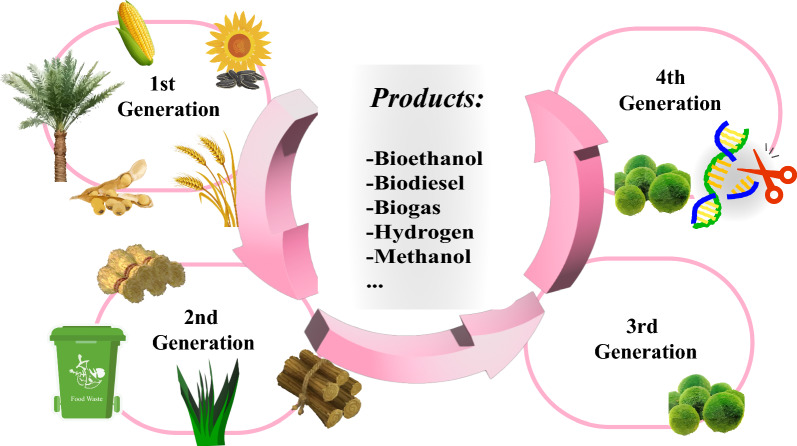
§ Microalgae biofuels: illuminating the path to a sustainable future amidst challenges and opportunities > Background For several decades, increasing global population, rapid industrialization, and urbanization have led to a significant rise in energy demand. In 2021, primary energy use surged by 5.8%, predominantly from fossil fuel [1]. The availability of secure, affordable, and low-carbon energy is of increasing importance, given the declining reserves of fossil fuels, the global warming crisis, and the geopolitical tensions that exist around the world [2]. Currently, various forms of clean energy, such as solar, ocean tides, hydroelectric, geothermal, wind, and biofuels, are being researched and implemented by numerous countries to satisfy the increasing energy demands [3, 4]. Among them, biodiesel stands out as the only biofuel capable of replacing fossil fuels, while other clean energies are constrained by their ecological footprint, economic performance, dependence on the environment, and geographical location, making them more suitable for power generation and heating purposes only [5]. Hence, biofuel production is receiving global attention and holds promising prospects for development and future demand. In terms of global biofuel production in 2021, besides the traditional biofuel producers such as the United States, Brazil, and the European Union, India, Switzerland, and Argentina also made noteworthy contributions to the growth in biofuel production [1]. Simultaneously, there is a continuous emergence of new national-level policies encouraging the gradual substitution of fossil fuels with biofuels [6, 7]. As one of the developing countries, China faces the problem of fossil fuels shortage and carbon emission. In recent years, China is also striving to find a sustainable development path of energy, and the biofuel industry is considered to be an important means to ensure energy security. The present situation and policy support of biofuel industry in China are introduced in this paper. Biofuels, derived from a diverse range of sources, such as higher plants, algae, microorganisms, crop straw, and livestock manure, offer a wide array of product types, including biodiesel, biohydrogen, bioethanol, biogas, and solid fuels. They are typically divided into four generations based on the feedstock sources (Fig. 1). The first-generation of biofuels often utilizes edible materials, such as corn, soybeans, wheat, sunflower oil, and palm oil as feedstocks, which can result in competition between food and fuel sources [8]. Second-generation biofuels, primarily derived from non-edible sources, such as switchgrass, poplar, straw, and food waste, are more sustainable than the first generation. However, both face limitations due to grain, land, and water resources [9]. Microalgae, which are important feedstocks for third- and fourth-generation biofuels, can grow in seawater, wastewater, food waste, and even saline–alkaline soil, and can obtain higher biomass than land plants using limited nutrients [10–15]. Microalgae exhibit a fast growth rate, a higher photosynthetic efficiency, and a better land utilization rate, which can yield a range of biofuel products [3, 16]. In the past two decades, scientists have made significant strides in researching microalgae biodiesel. Several species, including Chlorella vulgaris, Nannochloropsis oceanica, Dunaliella salina, Botryococcus, Desmodesmus, Neochloris, Scenedesmus, and Tetraselmis, have been identified as suitable for biodiesel production, with some of them producing biodiesel in laboratory scale with properties meeting ASTM standards [17–24]. Synechococcus strains also exhibit compliance with the EN 14214 standards in terms of iodine value and cetane number while also demonstrating lower cold filter plug point values [25]. Moreover, the fuel properties of diesel and microalgae biodiesel mixture have been extensively studied [26–28]. While various studies have documented methods of producing lipid from microalgae by manipulating culture conditions, fundamental limitations cannot be overcome if unsuitable strains are chosen for biofuel production. It is essential to conduct thorough investigations into species-specific characteristics regarding lipid production from microalgae. Hence, the selection of robust strains that could harvest a high amount of desired products is a crucial step in the large-scale production of biofuels [29], and this article will provide a comprehensive review on this topic. Due to differences in cell size, lipid content and fatty acids (FAs) composition among microalgae species, not all of them are useful for biofuel production. Recently, genetically engineered microalgae have attracted the interest of researchers, and numerous species have been modified, including Chlamydomonas, C. vulgaris, Phaeodactylum tricornutum, Thalassiosira pseudonana, Galdieria sulphuraria, B. braunii, D. salina, etc. [30]. This approach employs genetic engineering to enhance and adjust the standardized traits of microalgae, resulting in the production of high-yield lipids. It proves to be more effective, precise, and rapid compared to random mutagenesis, offering extensive potential applications [31]. The resources, methods, and limitations of microalgae genetic engineering are all discussed in this article.
What the sources say
- Supportedcites [9] Bharti MK Chalia S Thakur P Sridhara SN Thakur A Sharma PB Nanoferrites heterogeneous catalysts for biodiesel production from soybean and canola oil: a review Environ Chem Lett 2021 19 5 3727 3746 10.1007/s10311-021-01247-2 33967660 PMC8094988 source
The “Categories of biofuels” section says second-generation feedstocks are generally unsuitable for human consumption and that these biofuels are sustainable because they do not compete with the food supply. It also describes second-generation biofuels as comparatively greener than first-generation biofuels owing to their sustainability characteristics. (LLM, conf=0.93)
plainstates a cause- Asserted: passes — The authors put it forward as true.
- Checkable: passes — It can be checked against evidence.
- Load-bearing: unclear — It is unclear whether the paper’s conclusions depend on it.
- Based: passes — The paper gives a reason why it holds.
- Supported
The sources with a verdict support this claim; the rest weren’t checked yet, have no full text we could read, or their verdicts aren’t rated yet.
In the paper
“While a recent study challenges the notion that natural cyanobacteria lack neutral lipid TAG, it remains a fact that TAG content in cyanobacteria is generally low [37, 38].”
§ Microalgae biofuels: illuminating the path to a sustainable future amidst challenges and opportunities > Selection and cultivation of microalgae strains > Types of microalgae from biofuel sources
What the sources say
- Not checked — no full text of the sourcecites [37] Hu Q Sommerfeld M Jarvis E Ghirardi M Posewitz M Seibert M Darzins A Microalgal triacylglycerols as feedstocks for biofuel production: perspectives and advances Plant J 2008 54 4 621 639 10.1111/j.1365-313X.2008.03492.x 18476868 source
- Supportedcites [38] Aizouq M Peisker H Gutbrod K Melzer M Hölzl G Dörmann P Triacylglycerol and phytyl ester synthesis in Synechocystis sp. PCC6803 Proceed Nat Acad Sci. 2020 117 11 6216 6222 10.1073/pnas.1915930117 PMC7084069 32123083 source
The Discussion (page not available in our copy) describes TAG as one of the “low abundant nonpolar lipids” in cyanobacteria. That supports the claim that cyanobacterial TAG content is generally low. (LLM, conf=0.89)
plain- Asserted: passes — The authors put it forward as true.
- Checkable: passes — It can be checked against evidence.
- Load-bearing: passes — The paper’s conclusions depend on it.
- Based: passes — The paper gives a reason why it holds.
Every source the paper cites for this claim was checked and supports it.
In the paper
“However, both face limitations due to grain, land, and water resources [9].”
§ Microalgae biofuels: illuminating the path to a sustainable future amidst challenges and opportunities > Background For several decades, increasing global population, rapid industrialization, and urbanization have led to a significant rise in energy demand. In 2021, primary energy use surged by 5.8%, predominantly from fossil fuel [1]. The availability of secure, affordable, and low-carbon energy is of increasing importance, given the declining reserves of fossil fuels, the global warming crisis, and the geopolitical tensions that exist around the world [2]. Currently, various forms of clean energy, such as solar, ocean tides, hydroelectric, geothermal, wind, and biofuels, are being researched and implemented by numerous countries to satisfy the increasing energy demands [3, 4]. Among them, biodiesel stands out as the only biofuel capable of replacing fossil fuels, while other clean energies are constrained by their ecological footprint, economic performance, dependence on the environment, and geographical location, making them more suitable for power generation and heating purposes only [5]. Hence, biofuel production is receiving global attention and holds promising prospects for development and future demand. In terms of global biofuel production in 2021, besides the traditional biofuel producers such as the United States, Brazil, and the European Union, India, Switzerland, and Argentina also made noteworthy contributions to the growth in biofuel production [1]. Simultaneously, there is a continuous emergence of new national-level policies encouraging the gradual substitution of fossil fuels with biofuels [6, 7]. As one of the developing countries, China faces the problem of fossil fuels shortage and carbon emission. In recent years, China is also striving to find a sustainable development path of energy, and the biofuel industry is considered to be an important means to ensure energy security. The present situation and policy support of biofuel industry in China are introduced in this paper. Biofuels, derived from a diverse range of sources, such as higher plants, algae, microorganisms, crop straw, and livestock manure, offer a wide array of product types, including biodiesel, biohydrogen, bioethanol, biogas, and solid fuels. They are typically divided into four generations based on the feedstock sources (Fig. 1). The first-generation of biofuels often utilizes edible materials, such as corn, soybeans, wheat, sunflower oil, and palm oil as feedstocks, which can result in competition between food and fuel sources [8]. Second-generation biofuels, primarily derived from non-edible sources, such as switchgrass, poplar, straw, and food waste, are more sustainable than the first generation. However, both face limitations due to grain, land, and water resources [9]. Microalgae, which are important feedstocks for third- and fourth-generation biofuels, can grow in seawater, wastewater, food waste, and even saline–alkaline soil, and can obtain higher biomass than land plants using limited nutrients [10–15]. Microalgae exhibit a fast growth rate, a higher photosynthetic efficiency, and a better land utilization rate, which can yield a range of biofuel products [3, 16]. In the past two decades, scientists have made significant strides in researching microalgae biodiesel. Several species, including Chlorella vulgaris, Nannochloropsis oceanica, Dunaliella salina, Botryococcus, Desmodesmus, Neochloris, Scenedesmus, and Tetraselmis, have been identified as suitable for biodiesel production, with some of them producing biodiesel in laboratory scale with properties meeting ASTM standards [17–24]. Synechococcus strains also exhibit compliance with the EN 14214 standards in terms of iodine value and cetane number while also demonstrating lower cold filter plug point values [25]. Moreover, the fuel properties of diesel and microalgae biodiesel mixture have been extensively studied [26–28]. While various studies have documented methods of producing lipid from microalgae by manipulating culture conditions, fundamental limitations cannot be overcome if unsuitable strains are chosen for biofuel production. It is essential to conduct thorough investigations into species-specific characteristics regarding lipid production from microalgae. Hence, the selection of robust strains that could harvest a high amount of desired products is a crucial step in the large-scale production of biofuels [29], and this article will provide a comprehensive review on this topic. Due to differences in cell size, lipid content and fatty acids (FAs) composition among microalgae species, not all of them are useful for biofuel production. Recently, genetically engineered microalgae have attracted the interest of researchers, and numerous species have been modified, including Chlamydomonas, C. vulgaris, Phaeodactylum tricornutum, Thalassiosira pseudonana, Galdieria sulphuraria, B. braunii, D. salina, etc. [30]. This approach employs genetic engineering to enhance and adjust the standardized traits of microalgae, resulting in the production of high-yield lipids. It proves to be more effective, precise, and rapid compared to random mutagenesis, offering extensive potential applications [31]. The resources, methods, and limitations of microalgae genetic engineering are all discussed in this article.
What the sources say
- Supportedcites [9] Bharti MK Chalia S Thakur P Sridhara SN Thakur A Sharma PB Nanoferrites heterogeneous catalysts for biodiesel production from soybean and canola oil: a review Environ Chem Lett 2021 19 5 3727 3746 10.1007/s10311-021-01247-2 33967660 PMC8094988 source
The ‘Categories of biofuels’ section says that farming land and irrigation requirements constrain production of both first- and second-generation biofuels, and links first-generation feedstocks to food availability. The ‘Limitations of biodiesel’ section also warns that expanded feedstock farming may cause food, land, and water shortages. The paper elsewhere describes second-generation fuels as less competitive with food supplies, but that does not negate the stated production constraints. (LLM, conf=0.88)
plainstates a cause- Asserted: passes — The authors put it forward as true.
- Checkable: passes — It can be checked against evidence.
- Load-bearing: passes — The paper’s conclusions depend on it.
- Based: passes — The paper gives a reason why it holds.
- Supported
The cited sources support only part of this claim — read each source’s verdict below.
In the paper
“This approach employs genetic engineering to enhance and adjust the standardized traits of microalgae, resulting in the production of high-yield lipids.”
§ Microalgae biofuels: illuminating the path to a sustainable future amidst challenges and opportunities > Background For several decades, increasing global population, rapid industrialization, and urbanization have led to a significant rise in energy demand. In 2021, primary energy use surged by 5.8%, predominantly from fossil fuel [1]. The availability of secure, affordable, and low-carbon energy is of increasing importance, given the declining reserves of fossil fuels, the global warming crisis, and the geopolitical tensions that exist around the world [2]. Currently, various forms of clean energy, such as solar, ocean tides, hydroelectric, geothermal, wind, and biofuels, are being researched and implemented by numerous countries to satisfy the increasing energy demands [3, 4]. Among them, biodiesel stands out as the only biofuel capable of replacing fossil fuels, while other clean energies are constrained by their ecological footprint, economic performance, dependence on the environment, and geographical location, making them more suitable for power generation and heating purposes only [5]. Hence, biofuel production is receiving global attention and holds promising prospects for development and future demand. In terms of global biofuel production in 2021, besides the traditional biofuel producers such as the United States, Brazil, and the European Union, India, Switzerland, and Argentina also made noteworthy contributions to the growth in biofuel production [1]. Simultaneously, there is a continuous emergence of new national-level policies encouraging the gradual substitution of fossil fuels with biofuels [6, 7]. As one of the developing countries, China faces the problem of fossil fuels shortage and carbon emission. In recent years, China is also striving to find a sustainable development path of energy, and the biofuel industry is considered to be an important means to ensure energy security. The present situation and policy support of biofuel industry in China are introduced in this paper. Biofuels, derived from a diverse range of sources, such as higher plants, algae, microorganisms, crop straw, and livestock manure, offer a wide array of product types, including biodiesel, biohydrogen, bioethanol, biogas, and solid fuels. They are typically divided into four generations based on the feedstock sources (Fig. 1). The first-generation of biofuels often utilizes edible materials, such as corn, soybeans, wheat, sunflower oil, and palm oil as feedstocks, which can result in competition between food and fuel sources [8]. Second-generation biofuels, primarily derived from non-edible sources, such as switchgrass, poplar, straw, and food waste, are more sustainable than the first generation. However, both face limitations due to grain, land, and water resources [9]. Microalgae, which are important feedstocks for third- and fourth-generation biofuels, can grow in seawater, wastewater, food waste, and even saline–alkaline soil, and can obtain higher biomass than land plants using limited nutrients [10–15]. Microalgae exhibit a fast growth rate, a higher photosynthetic efficiency, and a better land utilization rate, which can yield a range of biofuel products [3, 16]. In the past two decades, scientists have made significant strides in researching microalgae biodiesel. Several species, including Chlorella vulgaris, Nannochloropsis oceanica, Dunaliella salina, Botryococcus, Desmodesmus, Neochloris, Scenedesmus, and Tetraselmis, have been identified as suitable for biodiesel production, with some of them producing biodiesel in laboratory scale with properties meeting ASTM standards [17–24]. Synechococcus strains also exhibit compliance with the EN 14214 standards in terms of iodine value and cetane number while also demonstrating lower cold filter plug point values [25]. Moreover, the fuel properties of diesel and microalgae biodiesel mixture have been extensively studied [26–28]. While various studies have documented methods of producing lipid from microalgae by manipulating culture conditions, fundamental limitations cannot be overcome if unsuitable strains are chosen for biofuel production. It is essential to conduct thorough investigations into species-specific characteristics regarding lipid production from microalgae. Hence, the selection of robust strains that could harvest a high amount of desired products is a crucial step in the large-scale production of biofuels [29], and this article will provide a comprehensive review on this topic. Due to differences in cell size, lipid content and fatty acids (FAs) composition among microalgae species, not all of them are useful for biofuel production. Recently, genetically engineered microalgae have attracted the interest of researchers, and numerous species have been modified, including Chlamydomonas, C. vulgaris, Phaeodactylum tricornutum, Thalassiosira pseudonana, Galdieria sulphuraria, B. braunii, D. salina, etc. [30]. This approach employs genetic engineering to enhance and adjust the standardized traits of microalgae, resulting in the production of high-yield lipids. It proves to be more effective, precise, and rapid compared to random mutagenesis, offering extensive potential applications [31]. The resources, methods, and limitations of microalgae genetic engineering are all discussed in this article.
What the sources say
- Partly supportedcites [31] Snow AA Smith VH Genetically engineered algae for biofuels: a key role for ecologists Bioscience 2012 62 8 765 768 10.1525/bio.2012.62.8.9 sourceExperimental — accuracy not yet measured
The Abstract says recombinant DNA can improve wild algal strains and describes genetic engineering of microalgae for biofuel production. It does not say that engineering has produced high-yield lipids; the examples concern faster growth, nitrogen-use efficiency, and enhanced ethanol production. No page number is available in our copy. (LLM, conf=0.84)
plainstates a cause- Asserted: passes — The authors put it forward as true.
- Checkable: passes — It can be checked against evidence.
- Load-bearing: passes — The paper’s conclusions depend on it.
- Based: passes — The paper gives a reason why it holds.
- Partly supported
103 more claims · 25 with their cited sources checked
Create a free account to see all 194 claims and to verify the 13 references still open.
- It may state two separate claims as one. 64
- Probably not a substantial claim. 33
Self-check
Percentages, sums and reported differences re-computed from the paper’s own numbers.
Self-check results appear here once an independent check has confirmed them.
Cited works that were retracted
Works this paper cites that were later retracted, from the retraction notices publishers deposit. Major when the notice came out before this paper was published.
A note, not an issue: for example, a cited work that was retracted only after this paper was published, which its authors could not have known.
In the paper
“Koyande AK, Show P-L, Guo R, Tang B, Ogino C, Chang J-S. Enhanced microalgal lipid production with media engineering of potassium nitrate as a nitrogen source. Bioengineered. 2019;10(1):574–92.”
Cited work 10.1080/21655979.2019.1679697 · retracted 2026-01-19 · notice 10.1080/21655979.2026.2614863 · this paper published 2024-01-23
Citations
Cites
1 retracted
Koyande, A. K., Show, P.-L., Guo, R., Tang, B., Ogino, C., & Chang, J.-S. (2019) · Bioengineered · doi:10.1080/21655979.2019.1679697 · Cited by 182
RetractedMicroalgal triacylglycerols as feedstocks for biofuel production: perspectives and advances
Hu, Q., Sommerfeld, M., Jarvis, E., Ghirardi, M., Posewitz, M., Seibert, M., & Darzins, A. (2008) · The Plant Journal · doi:10.1111/j.1365-313x.2008.03492.x · Cited by 3,745 · cited 3×
“While a recent study challenges the notion that natural cyanobacteria lack neutral lipid TAG, it remains a fact that TAG content in cyanobacteria is generally low [37, 38].”
BackgroundKaneko, T., Sato, S., Kotani, H., Tanaka, A., Asamizu, E., Nakamura, Y., Miyajima, N., Hirosawa, M., Sugiura, M., Sasamoto, S., et al. (1996) · DNA Research · doi:10.1093/dnares/3.3.185 · Cited by 2,432
Kaneko, T., Sato, S., Kotani, H., Tanaka, A., Asamizu, E., Nakamura, Y., Miyajima, N., Hirosawa, M., Sugiura, M., Sasamoto, S., et al. (1996) · DNA Research · doi:10.1093/dnares/3.3.109 · Cited by 2,132 · cited 1×
“The complete genome sequence of the cyanobacterium Synechocystis sp. PCC6803 was published as early as 1996, providing precise genetic information for gene modification [219].”
BackgroundReview of biodiesel composition, properties, and specifications
Hoekman, S. K., Broch, A., Robbins, C., Ceniceros, E., & Natarajan, M. (2012) · Renewable and Sustainable Energy Reviews · doi:10.1016/j.rser.2011.07.143 · Cited by 2,010 · cited 1×
“Triacylg-lycerol (TAG) is the preferred lipid component for use as biodiesel feedstocks, and is usually expressed as the total lipid content as a percentage of dry weight [36].”
BackgroundHigh-frequency nuclear transformation of Chlamydomonas reinhardtii.
Kindle, K. L. (1990) · Proceedings of the National Academy of Sciences · doi:10.1073/pnas.87.3.1228 · Cited by 1,093 · cited 1×
“Among them, the glass bead-based transformation was performed early in C. reinhardtii [259], and the discovery of cell wall-deficient mutants made transformation easier to achieve.”
BackgroundKeeling, P. J., Burki, F., Wilcox, H. M., Allam, B., Allen, E. E., Amaral-Zettler, L. A., Armbrust, E. V., Archibald, J. M., Bharti, A. K., Bell, C. J., et al. (2014) · PLoS Biology · doi:10.1371/journal.pbio.1001889 · Cited by 1,042 · cited 1×
“The Marine Microbial Eukaryote Transcriptome Sequencing Project has conducted transcriptome sequencing on almost 700 marine microbial species, including 140 microalgae species [229].”
BackgroundLipid accumulation and CO2 utilization of Nannochloropsis oculata in response to CO2 aeration
Chiu, S.-Y., Kao, C.-Y., Tsai, M.-T., Ong, S.-C., Chen, C.-H., & Lin, C.-S. (2009) · Bioresource Technology · doi:10.1016/j.biortech.2008.06.061 · Cited by 825
Microalgae to Biofuels: ‘Promising’ Alternative and Renewable Energy, Review
Shuba, E. S., & Kifle, D. (2018) · Renewable and Sustainable Energy Reviews · doi:10.1016/j.rser.2017.08.042 · Cited by 606
Nascimento, I. A., Marques, S. S. I., Cabanelas, I. T. D., Pereira, S. A., Druzian, J. I., de Souza, C. O., Vich, D. V., de Carvalho, G. C., & Nascimento, M. A. (2013) · BioEnergy Research · doi:10.1007/s12155-012-9222-2 · Cited by 517
Research works printed but not linked: 3
- BP Statistical Review of World Energy. 2022. https://www.bp.com/content/dam/bp/business-sites/en/global/corporate/pdfs/energy-economics/statistical-review/bp-stats-review-2022-full-report.pdf Accessed 18 Oct 2022.
- Biomass and Biofuels from Microalgae. Cham, Switzerland Springer Cham. 2015.
- Society CER China Energy Outlook 2030 2016 Beijing, China Energy and Management Press
Cited by
Items 101–197 of 197
Commercialization of Algae‐Based Biofuels: The Case of Ghana
Sarkodie, W. O., Kissi, S. K., Takase, M., & Amankwah, E. (2025) · International Journal of Chemical Engineering · doi:10.1155/ijce/5704048 · Cited by 1
Edwards, B., Simon, D. P., Pathak, A., Alvarez, D., & Chauhan, A. (2025) · Sustainability · doi:10.3390/su172411166 · Cited by 2
Akbar, S., Zubair, M., Hanif, A., Kunbhar, S., Zulfiqar, A., Rahman, S., Rahim, Z., & Ullah, K. (2026) · Bioresource Technology · doi:10.1016/j.biortech.2026.133983 · Cited by 4
Lakatos, G., Cicchi, B., Balestra, F., et al. (2026) · Frontiers in Marine Science · doi:10.3389/fmars.2025.1654421 · Cited by 1
“This approach aligns with the goals of sustainable energy development and environmental conservation (Wang et al., 2024).”
Algal Biofuels: Production Processes and Upscaling Challenges
Pillay, C., Naicker, S., & Beekrum, L. (2026) · Reference series in phytochemistry · doi:10.1007/978-3-031-80866-1_30-1 · Cited by 3
Microalgal photobioreactors as living air purifiers for better indoor carbon dioxide quality control
Komkhum, T., Winterburn, J. B., Wongsirichot, P., Janpum, C., & In-na, P. (2026) · Biomass and Bioenergy · doi:10.1016/j.biombioe.2026.109178 · Cited by 2
Singh, R. P., Kumar, A., Kaushik, A., Saikia, M., Yadav, S., Roychowdhury, R., Gupta, R. K., & Dufossé, L. (2026) · Energy Conversion and Management X · doi:10.1016/j.ecmx.2026.101762 · Cited by 2
Zurita, A., Márquez-Juan, A., Rivas-Navia, D., Cheikhwafa, J., Titica, M., Pruvost, J., Torrens, E., & Bengoa, C. (2026) · Algal Research · doi:10.1016/j.algal.2026.104662 · Cited by 1
Megiso, T. D., Ancha, V. R., Nallamothu, R. B., & Seifu, Y. (2026) · ACS Omega · doi:10.1021/acsomega.5c10698 · Cited by 4
Ugya, A. Y., Mohammed, Z. K., Mohammed, J. S., Chen, H., & Wang, Q. (2026) · Critical Reviews in Biotechnology · doi:10.1080/07388551.2026.2652317 · Cited by 3
Goyal, E., Fayaz, T., Ratha, S. K., & Renuka, N. (2026) · World Journal of Microbiology and Biotechnology · doi:10.1007/s11274-026-05056-z · Cited by 1
“A study reported that α-naphthylacetic acid, indomethacin, and 2,4-dichlorophen - oxyacetic acid led to greater lipid accumulation associated with higher expression of ME (malic enzyme) and ACC in Chlorella pyrenoidosa (Yu et al. 2022).”
InfluentialGimžauskaitė, D., & Eimontas, J. (2026) · Applied Sciences · doi:10.3390/app16136382 · Cited by 3
Biology-aware scaling of microalgal biofuels: bioprocess constraints and data-centric digital twins
Correa-Aguado, H. C., Cerrillo-Rojas, G. V., Arzate-Cárdenas, M. A., Jaramillo-Martínez, R., Galván-Tejada, J. I., Galvan-Tejada, C. E., García-Domínguez, A., Gonzalez-Curiel, I. E., & Vazquez, K. T. (2026) · Frontiers in Microbiology · doi:10.3389/fmicb.2026.1899560 · Cited by 2
“Genes encoding enzymes involved in reducing power generation, Frontiers in Microbiology 08 frontiersin.org energy production, and the supply of metabolic precursors for fatty acid synthesis participate in these processes (Yu et al., 2011; Wang et al., 2024; Yamaoka et al., 2025).”
Saquib, S., Satya, A., Lestari, F. S., Nafisyah, E., Satya, I. A., Chrismadha, T., Waluyo, A., Singh, G., Aikawa, S., Bhuyan, P. P., et al. (2026) · Phycology · doi:10.3390/phycology6030095 · Cited by 2
“Finally, the integrated synthesis of high-value byproducts alongside lipid-derived fuels constitutes a pivotal approach to mitigating the inherent economic barriers currently impeding the commercial viability of microalgal technologies [148,229].”
InfluentialBuilding Blocks for an Energy Transition
Ahamer, G. (2024) · Journal of Energy and Power Technology · doi:10.21926/jept.2402011 · Cited by 1
Shaberi, H. S. A., Bunawan, H., Craig, S., Bryan, S. J., & Ramzi, A. B. (2024) · Algal Research · doi:10.1016/j.algal.2024.103755 · Cited by 1
Green Gold: Sustainable Biodiesel Production and Bioactive Compounds Extraction from Microalgae
Bajwa, K., Bishnoi, N. R., & Selvan, S. T. (2024) · Journal of Energy Research and Reviews · doi:10.9734/jenrr/2024/v16i12384 · Cited by 1
Introduction to microalgal biofuels
Paul, R., Melville, L., Suhartini, S., Sulu, M., & Bature, A. (2025) · Elsevier eBooks · doi:10.1016/b978-0-443-24110-9.00001-3 · Cited by 1
Hashim, M., Tabassum, B., Khan, T., Khan, M., Hasan, A., & Khan, N. (2025) · Elsevier eBooks · doi:10.1016/b978-0-443-31556-5.00012-8 · Cited by 3
Yin, M., An, Y., Qi, F., et al. (2024) · Research Square · doi:10.21203/rs.3.rs-4705867/v1 · Cited by 1
Antonyraj, A. P. M., Nainangu, P., & Muralitharan, G. (2024) · SSRN Electronic Journal · doi:10.2139/ssrn.4803473
Moigne, D. L., Richard, F., Albrieux, C., et al. (2024) · bioRxiv (Cold Spring Harbor Laboratory) · doi:10.1101/2024.10.11.617903
Hu, Y., Kim, N., Roth, M., Louie, K., Kosina, S. M., Upadhyaya, S., Jeffers, T. L., Jordan, J. S., Bowen, B. P., Niyogi, K., et al. (2024) · Frontiers in Microbiology · doi:10.3389/fmicb.2024.1470054 · Cited by 1
Suyono, E. A., Zahra, S. N., Purnama, T. A., Wulandari, I., Dhiaurahman, A. N., Kurnianto, D., Maghfiroh, K. Q., Erfianti, T., Putri, R. A. E., & Amelia, R. (2024) · Asia-Pacific Journal of Molecular Biology and Biotechnology · doi:10.35118/apjmbb.2024.032.4.15 · Cited by 1
Chebotaryova, S. P., Zakharova, O. V., Baranchikov, P. A., et al. (2024) · Nanobiotechnology Reports · doi:10.1134/s263516762460202x
Kaoud, E., Alenany, E., & Sharafeldin, I. M. (2025) · Process Integration and Optimization for Sustainability · doi:10.1007/s41660-025-00523-w
“…the installation of fuel ethanol refineries considering alternatives for first-generation feed stocks such as food waste that is considered an excellent substrate (Hafid et al. 2017) for feed stock for fuel ethanol production and also the expansion of microalgae cultivation (Wang et al. 2024).”
Low-Cost Screening of Algae for Extreme Tolerance to pH, Temperature, Salinity, and LightPreprint
Saucedo, B., Kang, K., May, L., Gupta, A., Santo, É. D. E., Mayfield, S. P., & Molino, J. V. D. (2025) · bioRxiv (Cold Spring Harbor Laboratory) · doi:10.1101/2025.05.12.653396 · Cited by 1
“Selecting or developing strains with robust tolerance to stress factors is therefore a critical priority (8,9) .”
Single cell protein (SCP) for feed and food
Lackner, M. K., Bodraya, T., & Drew, D. (2025) · Elsevier eBooks · doi:10.1016/b978-0-443-15976-3.00036-2
Mongeon, J., Kwofie, E. M., & Aidoo, R. (2025) · The International Journal of Life Cycle Assessment · doi:10.1007/s11367-025-02489-w · Cited by 1
Tong, C. Y., Tomita, H., Miyazaki, K., et al. (2025) · SSRN Electronic Journal · doi:10.2139/ssrn.5351723
Bioactive Compounds from Algae: Biosynthetic Pathways and Their Applications
Garima, G., Kumar, L., & Bharadvaja, N. (2025) · Sustainable landscape planning and natural resources management · doi:10.1007/978-3-031-85550-4_9 · Cited by 1
Sözcü, A., & Uğuz, S. (2025) · Environmental Science and Pollution Research · doi:10.1007/s11356-025-36832-3
“Microalgae not only serve as a source for biofuel production, which is essential for mitigating greenhouse gas emissions, but they also provide a rich nutritional profile that benefits both human and animal nutrition (Son and Kwon 2023; Wang et al. 2024).”
Osmers, P., Boisvert, E. Y., Boddy, C. N. C., Fogg, D. E., & Cvetkovska, M. (2025) · bioRxiv (Cold Spring Harbor Laboratory) · doi:10.1101/2025.08.18.670973
Introduction to Algal Bioengineering and Microbial Synergy
Sharma, S., & Sharma, S. (2025) · Springer eBooks · doi:10.1007/978-981-96-8054-2_1 · Cited by 1
Bioprospecting Native Oleaginous Microalgae for Wastewater Nutrient Remediation and Lipid ProductionPreprint
Edwards, B., Simon, D. P., Pathak, A. K., et al. (2025) · bioRxiv (Cold Spring Harbor Laboratory) · doi:10.1101/2025.09.10.675442
“Microalgae as a feedstock for the renewable bioenergy production has the potential to meet the global biofuel demand as the lipid yield of some microalgae strains can exceed that of most productive oil crops (Wang et al. , 2024).”
Zoppi, M., Bona, F., Falasco, E., Beauger, A., Lumy, M., Marchand, J., & Schoefs, B. (2025) · SSRN Electronic Journal · doi:10.2139/ssrn.5499722
Modulation of PUFA and PUA production in coastal diatoms by varying light and phosphate availability
Hernanz-Torrijos, M., Bartual, A., & Ortega, M. J. (2025) · Algal Research · doi:10.1016/j.algal.2025.104365 · Cited by 2
Microalgae-Derived Omega-3 Fatty Acids Improve Nutritional and Flavor Profiles of Cultured Meat
Wang, Z. (2025) · Highlights in Science Engineering and Technology · doi:10.54097/8j04xc40
“In addition, overexpression of the diacylglycerol acyltransferase gene (DGAT2) from Nannochloropsis oceanica elevated the intracellular triacylglycerol (TAG) content to 74.5% of the dry weight and optimized the fatty acid composition to be more compliant with biodiesel standards [16].”
InfluentialMicroalgal Biomass Production and Harvesting
Akolkar, H. N., Haghi, A. K., Darekar, N. R., & Pawar, G. B. (2025) · Synthesis lectures on renewable energy technologies · doi:10.1007/978-3-032-03434-2_2
Simultaneous culture and hydrocarbon recovery from Botryococcus braunii with squalane as a solvent
Miyazaki, T., Furuhashi, K., Okada, S., Kaizu, Y., & Imou, K. (2025) · Journal of Applied Phycology · doi:10.1007/s10811-025-03693-9 · Cited by 2
“Biofuels derived from microalgae have attracted much attention in recent years (Wang et al. 2024).”
Nyam, T. T., Ayeleru, O. O., Ramatsa, I. M., & Olubambi, P. A. (2025) · Biomass and Bioenergy · doi:10.1016/j.biombioe.2025.108489
Ketata, A., & Driss, Z. (2025) · Journal of Umm Al-Qura University for Engineering and Architecture · doi:10.1007/s43995-025-00239-5
Wood, J. D., Miller, I. R., Arnold, A. D., Viamajala, S., Gerlach, R., & Fields, M. W. (2025) · Algal Research · doi:10.1016/j.algal.2025.104397
Anand, R. R., & Arora, K. (2025) · Springer eBooks · doi:10.1007/978-3-032-01020-9_16
Microalgal Photobioreactors as Living Air Purifiers for Better Indoor Carbon Dioxide Quality ControlPreprint
Komkhum, T., Winterburn, J. B., Wongsirichot, P., et al. (2025) · SSRN Electronic Journal · doi:10.2139/ssrn.5744500
Bharti, A., Kothari, R., Shankarayan, R., Ashokkumar, V., Allen, T., Pathania, D., & Tyagi, V. V. (2025) · Journal of Water Process Engineering · doi:10.1016/j.jwpe.2025.109083
Tong, C. Y., Tomita, H., Miyazaki, K., Derek, C. J. C., & Honda, K. (2025) · Algal Research · doi:10.1016/j.algal.2025.104442 · Cited by 4
Iriarte, M. L., Armando, C. H., Rearte, T. A., Soberón, J. R., Sampietro, D. A., & Sgariglia, M. A. (2026) · Algal Research · doi:10.1016/j.algal.2026.104518
Habashy, M. M., Li, L., Angulo-Mosquera, L. S., Bayar, B., Abubackar, H. N., Keskin, T., Güngörmüşler, M., Noman, M. A. A., Lohar, A. K., Chavan, P. R., et al. (2026) · 3 Biotech · doi:10.1007/s13205-025-04620-y · Cited by 3
“In this vein, biodiesel from lipids has recently drawn attention as a potential replacement for fossil fuels (Ong et al. 2021; Pasha et al. 2021; Wang et al. 2024).”
Algal biodiesel: A comprehensive review of promise, challenges, and future pathways
Karthikeyan, M., Akshaya, R. S., Meenakshy, N. S., Natarajan, L., Sathish, S., & Pugalendhi, R. (2026) · Sustainable Chemistry One World · doi:10.1016/j.scowo.2026.100183 · Cited by 2
Deng, Q., Zhang, Y., Liu, Z., Yu, B., Zhang, C., Cui, M., & Gao, B. (2026) · Algal Research · doi:10.1016/j.algal.2026.104524
Machida, S., & Okada, Y. (2026) · Applied Phycology · doi:10.1080/26388081.2025.2608071
Evidence of Climate Change Effects on Microalgal Pigments and Photosynthesis
Teoh, M., Leong, H. J.-Y., Wong, C. Z. E., & Beardall, J. (2026) · Springer eBooks · doi:10.1007/978-3-031-93945-7_10 · Cited by 1
Chizhova, A., Александровна, Б. Е., Шушарин, В. С., & Dyshlyuk, L. S. (2026) · KSTU News · doi:10.46845/1997-3071-2026-80-50-63
Oyebamiji, O. O., Ilori, M. O., Amund, O. O., Olaleru, S. A., & Boeing, W. J. (2026) · EPJ Web of Conferences · doi:10.1051/epjconf/202635101011
Maratha, S., Parveen, S., Agarwal, R., et al. (2026) · SSRN Electronic Journal · doi:10.2139/ssrn.6249646
Hydrocyclone pre-processing of wastewater algae: A strategy for inorganic ash separation
Brown, R. M., Wahlen, B. D., Steven, C. J., Rollins, H. W., & Valdez, P. J. (2026) · Algal Research · doi:10.1016/j.algal.2026.104607 · Cited by 1
Lee, J.-W., Lee, M.-W., Chun, S. J., Nam, K.-H., Lee, C., & Lee, H.-G. (2026) · SSRN Electronic Journal · doi:10.2139/ssrn.6460024
Systems biology approaches in bioenergy research
Chauhan, H., Jain, S., Kumar, P., Gupta, A., Asthana, M., & Mahajan, S. (2026) · Elsevier eBooks · doi:10.1016/b978-0-443-40488-7.00008-3
Microalgae cell: morphophysiological, molecular, and metabolic aspects
Montenegro-Herrera, C. A., Núñez-Avellaneda, M., Portillo, F. V.-L., Rivera-Hoyos, C. M., Garzón-Jirón, G., & Pedroza-Rodríguez, A. M. (2026) · Elsevier eBooks · doi:10.1016/b978-0-443-34082-6.00003-9
Parthipan, P., Santhoshkumar, M., Shanmugapriya, D., Duraisamy, N., Alam, M. M., Al-Sehemi, A. G., & Sathishkumar, K. (2026) · Waste and Biomass Valorization · doi:10.1007/s12649-026-03576-1 · Cited by 3
Microalgae and cyanobacteria-based processes and products: where are we going?
Aguilar-Magallanes, H. N., Cabello-Galindo, A., Machado-Cepeda, S., Cid-Ibarra, G. P., Mendoza-Nerio, A., Barboza-Rodríguez, R., Rosales-Aguado, M. L., Sampaio, I. C. F., Rodríguez‐Jasso, R. M., & Ruíz, H. A. (2026) · Elsevier eBooks · doi:10.1016/b978-0-443-34082-6.00058-1
Antarctic microalgae as a promising bioresource for microalgae-based processes and products
Balkanlı, D., İnan, B., Koçer, A. T., Karaca, G. A., & Karacaoğlu, B. (2026) · Elsevier eBooks · doi:10.1016/b978-0-443-34082-6.00005-2
Biofuels from microalgae: where are we going?
Sarker, N. K., & Kaparaju, P. (2026) · Elsevier eBooks · doi:10.1016/b978-0-443-34082-6.00060-x
Engineering Microalgae for Enhanced Lipids and Ketocarotenoid Production
Nawkarkar, P., Tripathi, S., & Kumar, S. (2026) · Reference series in phytochemistry · doi:10.1007/978-3-031-80866-1_44-1 · Cited by 2
Liu, J., Ma, R., Wei, B., Lin, Q., Chen, L., Wang, S., & Liu, K. (2026) · Journal of Industrial and Engineering Chemistry · doi:10.1016/j.jiec.2026.03.027
Phototrophic Microorganisms in the Global Bioeconomy: Advances, Barriers, and Regional Perspectives
Sergeeva, Y. A., Sukhinov, D. V., Горин, К. В., Pozhidaev, V. M., Mikhailov, G. V., Petrova, M. G., Suchkov, V. G., Хлевная, В. С., & Vasilov, R. G. (2025) · Nanobiotechnology Reports · doi:10.1134/s2635167625602153
Biology and diversity of microalgae and seaweeds
Gabriel, D. L., & Fredericq, S. (2026) · Elsevier eBooks · doi:10.1016/b978-0-443-33492-4.00016-4
Research gaps and future directions
Pereira, L. (2026) · Elsevier eBooks · doi:10.1016/b978-0-443-33492-4.00015-2
Microalgae Bioprospecting for Biofuel Synthesis: A Path Toward Sustainable Energy
Sagar, K., & Priti, K. (2026) · Green energy and technology · doi:10.1007/978-981-95-6766-9_8
Metabolic Engineering of Algae
Saini, K. C., Chitara, D., Rani, A., Verma, N., & Menghani, E. (2026) · Reference series in phytochemistry · doi:10.1007/978-3-031-80866-1_31-1
AlSalal, A. M., Alkanaimsh, S., & AlMomani, F. A. (2026) · Journal of environmental chemical engineering · doi:10.1016/j.jece.2026.123142 · Cited by 2
Biochemical and genomic advances in microalgae for sustainable production of biofuels
Goyal, E., Kapahi, P., Kharka, N., Fayaz, T., Ratha, S. K., & Renuka, N. (2026) · Elsevier eBooks · doi:10.1016/b978-0-443-29262-0.00022-8
Máthé, C., Póka, C., Zakar, M., Tóth, J., Gyimóthy, G., HORVATH, G., & TOTH, T. (2026) · Energy Conversion and Management X · doi:10.1016/j.ecmx.2026.101972 · Cited by 5
IoT-Based Microalgae Cultivation Control System
Ang, M. J. T., Tan, T. Y. B., Baldovino, R. G., Coching, J. K., Culaba, A. B., Concepcion, R., & Mayol, A. P. (2026) · IEEE International Conference on Consumer Technology (ICCT-Pacific) · doi:10.1109/icct-pacific69083.2026.11518586
“Closed systems, known as PBRs, reduce contamination and allow better growth control; however, their high capital and operating costs limit widespread use [12], [13].”
Pradhan, S., Nava, S., Hill, K., Ochoa‐Repáraz, J., & Sharma, K. (2026) · Frontiers in Physiology · doi:10.3389/fphys.2026.1801052 · Cited by 1
Anuar, N. H., Sunar, N. M., Wahab, N. S. A., Razalee, N. I. H. M., Atarabusyi, M. A. M., Soon, C. F., & Heng, C. (2026) · IOP Conference Series Earth and Environmental Science · doi:10.1088/1755-1315/1619/1/012031
Third-Generation Algal Lipid Synthesis, Extraction, and Regulation by Various Metabolic Approaches
Kumawat, G., Choudhary, S., Gupta, A. K., Nigam, S., Khatoon, H., & Mangesh, H. (2026) · Reference series in phytochemistry · doi:10.1007/978-3-031-80866-1_5-1
Thakur, R. K., & Sharma, P. (2026) · Energy & Fuels · doi:10.1021/acs.energyfuels.6c01420 · Cited by 2
Aliyu, A., Lee, J. G. M., & Harvey, A. (2026) · Green Carbon · doi:10.1016/j.greenca.2026.01.006 · Cited by 3
Technology integration potential of microalgae in sustainable biorefinery
Mowrin, S. T., Islam, A. S., Sunnah, M. M., Shehab, A. U., Rahman, A., & Yousuf, A. (2026) · Elsevier eBooks · doi:10.1016/b978-0-443-26623-2.00007-7
An overview of the microalgae biorefinery systems
Sivanantharajah, S., Sriram, K., & Selvaratnam, T. (2026) · Elsevier eBooks · doi:10.1016/b978-0-443-26623-2.00001-6
Hemdan, M., Elbahloul, Y., Farag, P. F., & EL-SAYED, W. S. (2026) · RSC Advances · doi:10.1039/d6ra02860h · Cited by 1
A sustainable model for algal biofuel production: cost-effectiveness and low carbon emissions
Joshi, H. C., Bagauli, R., Chauhan, A., & Singh, S. K. (2026) · Biofuels · doi:10.1080/17597269.2026.2694866
“Algal biomass is an environmentally friendly choice because it does not compete with traditional food sources and is used to produce animal feed and agricultural goods [6].”
Rajenthiram, T., Hanifa, N. M., Thevarajah, B., Nimarshana, P. H. V., Boopathy, R., & Ariyadasa, T. U. (2026) · Applied Sciences · doi:10.3390/app16147045 · Cited by 1
Jayakumar, T., Sundaresan, S., Arumuka Pravin, I., & Rakesh, S. (2026) · World Journal of Microbiology and Biotechnology · doi:10.1007/s11274-026-05142-2
“The scientific community’s research on microalgal biofuel has achieved considerable progress in the last twenty years (Wang et al. 2024).”
Yang, S.-K., Rehman, M. M. U., Huang, J.-C., & Lin, J.-C. (2026) · Biomass and Bioenergy · doi:10.1016/j.biombioe.2026.109864
Biomass microsystem environment
Gouda, M. (2026) · Elsevier eBooks · doi:10.1016/b978-0-443-44091-5.01005-0
Bagauli, R., Bisht, B., & Joshi, H. C. (2026) · South African Journal of Botany · doi:10.1016/j.sajb.2026.08.005
Ghazali, M. F. S. M., & Mustafa, M. (2026) · Biomass · doi:10.3390/biomass6050076
Double Boost Combustion: Elevating CI Engine Output with Hydrogen Green Fuels
Prabu, A. (2026) · Hydrogen Economy & Engineering · doi:10.1016/j.hee.2026.100013
Mohamed, Y. S., Steele, S., Khafaga, D. S. R., Basem, Y., Shawky, A. M., Mostafa, Y. G., & Solyman, S. M. (2026) · Nanomaterials · doi:10.3390/nano16181182
“As fossil fuels are being quickly used up, and with large amounts of greenhouse gases (GHGs) being created this has driven the world to find sustainable, renewable, and green energy alternatives [1].”
Renewable feedstocks and advanced technologies for sustainable bioethanol production
Khedkar, M. A., Ranade, Y., Chaudhari, N., & Dharshini, S. (2026) · Elsevier eBooks · doi:10.1016/b978-0-443-34088-8.00090-2
Process Intensification of ABE Fermentation Through an Oxygen-Scavenging Microbial Co-Culture System
Chávez-Cobian, J. A., Méndez, F., Reyes, A. G., & Quintero, J. (2026) · Biomass · doi:10.3390/biomass6050082
Kinetic study of pyrolysis of Spirulina platensis with MgO catalyst using thermogravimetric analysis
Syaharani, R., Subagyono, R. D. J. N., & Kassim, M. A. (2026) · Reaction Kinetics Mechanisms and Catalysis · doi:10.1007/s11144-026-03255-1
Pathway(s) and distribution of photosystem II-cyclic electron flow
Steiner, G., Wilke, C., & Gates, C. (2026) · Biochemical Society Transactions · doi:10.1042/bst20250531
Mörs, J., Brum, F. N., Becker, C. M., Leonhardt, F., Marder, M., Junqueira, L. T., Bezama, A., & Konrad, O. (2025) · SSRN Electronic Journal · doi:10.2139/ssrn.5510706
Metadata
- Authors
- Wang, M., Ye, X., Bi, H., & Shen, Z.
- Affiliations
- Chinese Academy of Tropical Agricultural Sciences (CN)
- Corresponding author
- Wang, Min
- Shen, Zhongbao
- ORCID
- Ye, Xiaoxue
- Venue
- Biotechnology for Biofuels and Bioproducts
- Published
- 2024-01-23
- Volume
- 17
- Issue
- 1
- Pages
- 10-10
- ISSN
- 2731-3654 (ISSN-L)
- PMC
- PMC10804497
- OpenAlex
- W4391116259
- Cited by
- 201
- References
- 280
- Citations by year
- 2026: 82 · 2025: 89 · 2024: 29
- FWCI
- 4.16
- Type
- journal article
- Language
- en
- Open access
- gold
- doi.org
- Licence
- cc-by
- creativecommons.org/licenses/by/4.0 (tdm)
- creativecommons.org/licenses/by/4.0 (vor)
- Locations
- Biotechnology for Biofuels and Bioproducts (publishedVersion, cc-by)
- PubMed Central (publishedVersion, cc-by)
- PubMed (publishedVersion)
- DOAJ (DOAJ: Directory of Open Access Journals) (submittedVersion, cc-by-sa)
- Funders
- Scientific Research Funds for Heilongjiang Provincial Institutes (CZKYF2022-2-C001)
- Design and Breeding of New Varieties of Cold-resistant and high-yield alfalfa in Beidahuang Reclamation Area (2022ZD040120403)
- Topics
- Physical Sciences › Energy › Renewable Energy, Sustainability and the Environment › Algal biology and biofuel production
- Life Sciences › Biochemistry, Genetics and Molecular Biology › Molecular Biology › Microbial Metabolic Engineering and Bioproduction
- Life Sciences › Agricultural and Biological Sciences › Agronomy and Crop Science › Bioenergy crop production and management
- Keywords
- microalgal biofuels, lipid accumulation, photobioreactors, synthetic biology, stress tolerance, inorganic carbon utilization, omics technologies, genome editing, energy transition, biofuel production costs
About these checks
Registry, retraction, Cites and statistics results are computed, not judged, with one exception: a printed reference that no index lists is read once by a model before it counts as a citation error. Claims are extracted by a model and kept only when their quote appears verbatim in the text; each cited source is then checked, with a model’s help, for whether it says what the claim relies on. Those verdicts can be wrong — read the claim’s quote and the cited source before relying on one.
The claim verdicts this report counts are experimental: their accuracy is not yet measured.
A language model drew the claims from the paper on 2026-10-09, under version 3 of the claim definition (model deepseek-v4.1-flash, prompt extract-v3).
A second model labelled each claim on 2026-10-09 (model jev-1.13-20260917, definition revision gold-guideline-v0.2).
Cited sources are checked with a language model’s help (gpt-6-sol).
Statistics and arithmetic are recomputed, not judged.
Confidence bands are shown only for fields calibrated on our annotated test set. None is calibrated yet, so no band is shown.
What counts as a claim ›How we measure confidence ›How we check this ›
Are you an author, or do you see a problem with this page? Request a review
Data sources
Bibliographic data: Semantic Scholar, OpenAlex, Crossref.
Contains information from the Semantic Scholar Academic Graph Datasets, made available under the ODC Attribution License (ODC-BY 1.0).
Semantic Scholar’s data is described in: Kinney, R., et al. (2023). The Semantic Scholar Open Data Platform. arXiv:2301.10140.
