

Microalgae biofuels: illuminating the path to a sustainable future amidst challenges and opportunities
Open accessThe DOI matches its Crossref record; 280 of the 282 references it cites were found in a registry or an index, and 2 are not checked yet; 67 of the 198 sources its claims cite were checked for support.
Abstract
The development of microalgal biofuels is of significant importance in advancing the energy transition, alleviating food pressure, preserving the natural environment, and addressing climate change. Numerous countries and regions across the globe have conducted extensive research and strategic planning on microalgal bioenergy, investing significant funds and manpower into this field. However, the microalgae biofuel industry has faced a downturn due to the constraints of high costs. In the past decade, with the development of new strains, technologies, and equipment, the feasibility of large-scale production of microalgae biofuel should be re-evaluated. Here, we have gathered research results from the past decade regarding microalgae biofuel production, providing insights into the opportunities and challenges faced by this industry from the perspectives of microalgae selection, modification, and cultivation. In this review, we suggest that highly adaptable microalgae are the preferred choice for large-scale biofuel production, especially strains that can utilize high concentrations of inorganic carbon sources and possess stress resistance. The use of omics technologies and genetic editing has greatly enhanced lipid accumulation in microalgae. However, the associated risks have constrained the feasibility of large-scale outdoor cultivation. Therefore, the relatively controllable cultivation method of photobioreactors (PBRs) has made it the mainstream approach for microalgae biofuel production. Moreover, adjusting the performance and parameters of PBRs can also enhance lipid accumulation in microalgae. In the future, given the relentless escalation in demand for sustainable energy sources, microalgae biofuels should be deemed a pivotal constituent of national energy planning, particularly in the case of China. The advancement of synthetic biology helps reduce the risks associated with genetically modified (GM) microalgae and enhances the economic viability of their biofuel production.
Verified 2026-11-22 · 2 references not checked yet
Overview
CoChat Summary
TL;DR
This 2024 paper is a review of microalgae biofuels, arguing that robust, stress-tolerant strains, optimized cultivation, and genetic/omics tools are key to improving lipid accumulation and commercial viability. It concludes that photobioreactors and synthetic biology are promising, but high costs, scale-up risks, and GM microalgae concerns still limit deployment.
Key findings
- Green algae are emphasized as the main biofuel-relevant group: the paper states their average total lipid content is 25.5%, and stress/nutrient deficiency can raise it to 45.7%; some species such as Neochloris oleoabundans and Botryococcus braunii can exceed 74% lipid content.
- The paper reports that Chromochloris zofingiensis has the highest lipid productivity among the species it discusses, and notes that lipid productivity should be prioritized over lipid content alone because it reflects both growth and accumulation.
- Under nutrient stress, lipid accumulation rises: nitrogen deficiency is described as more effective than phosphorus deficiency, and saline stress exceeding 0.1 M NaCl increased lipid content in species including C. reinhardtii, A. dimorphus, C. vulgaris, and Acutodesmus obliquus.
- Genetic engineering can substantially improve output: the paper reports up to 64.25% improvement in overall lipid production from targeted knockout of phospholipase A2 in C. reinhardtii, and 45-fold TAG accumulation after disrupting UDP-glucose pyrophosphorylase in P. tricornutum.
Methods
- Narrative review of recent work on microalgae selection, cultivation, and genetic modification for biofuel production, with emphasis on lipid accumulation and eukaryotic microalgae.
- Synthesizes published studies and reports on strain traits, cultivation conditions (e.g., CO2, nutrients, light, temperature, PBRs), and genetic/omics approaches; the paper does not present a new experimental dataset.
- Main analysis is comparative and descriptive, drawing together prior findings to argue for preferred strains, cultivation systems, and engineering strategies.
Limitations
- The paper states it primarily emphasizes strategies for enhancing lipid accumulation and does not delve into harvesting, extraction, purification, and other production processes.
- The paper states that it focuses mainly on eukaryotic microalgae, so the discussion covers only part of the broader microalgae field.
- Evident from the text: much of the evidence is qualitative and literature-based, so conclusions depend on heterogeneous prior studies rather than a single standardized experimental comparison.
Model-written summary. Check it against the paper before relying on it.
Integrity signals
Registry
Cites
Statistics
Figures
Verification
Claims the paper makes
51 Valid · 7 Not valid · 68 Not checked · 68 Own results and interpretations
The cited sources support only part of this claim — read each source’s verdict below.
In the paper
“The use of omics technologies and genetic editing has greatly enhanced lipid accumulation in microalgae.”
§ Microalgae biofuels: illuminating the path to a sustainable future amidst challenges and opportunities > Abstract The development of microalgal biofuels is of significant importance in advancing the energy transition, alleviating food pressure, preserving the natural environment, and addressing climate change. Numerous countries and regions across the globe have conducted extensive research and strategic planning on microalgal bioenergy, investing significant funds and manpower into this field. However, the microalgae biofuel industry has faced a downturn due to the constraints of high costs. In the past decade, with the development of new strains, technologies, and equipment, the feasibility of large-scale production of microalgae biofuel should be re-evaluated. Here, we have gathered research results from the past decade regarding microalgae biofuel production, providing insights into the opportunities and challenges faced by this industry from the perspectives of microalgae selection, modification, and cultivation. In this review, we suggest that highly adaptable microalgae are the preferred choice for large-scale biofuel production, especially strains that can utilize high concentrations of inorganic carbon sources and possess stress resistance. The use of omics technologies and genetic editing has greatly enhanced lipid accumulation in microalgae. However, the associated risks have constrained the feasibility of large-scale outdoor cultivation. Therefore, the relatively controllable cultivation method of photobioreactors (PBRs) has made it the mainstream approach for microalgae biofuel production. Moreover, adjusting the performance and parameters of PBRs can also enhance lipid accumulation in microalgae. In the future, given the relentless escalation in demand for sustainable energy sources, microalgae biofuels should be deemed a pivotal constituent of national energy planning, particularly in the case of China. The advancement of synthetic biology helps reduce the risks associated with genetically modified (GM) microalgae and enhances the economic viability of their biofuel production.
What the sources say
- Partly supportedcites [31] Snow AA Smith VH Genetically engineered algae for biofuels: a key role for ecologists Bioscience 2012 62 8 765 768 10.1525/bio.2012.62.8.9 sourceExperimental — accuracy not yet measured
The 'Potential for gene flow and rapid evolution' section discusses gene discovery and metabolic engineering in microalgae, and 'Confidential business information' describes genetically engineered algae. Neither passage reports that omics technologies or genetic editing greatly enhanced lipid accumulation; the specific outcome and magnitude are unsupported. (LLM, conf=0.78)
boostedstates a cause- Asserted: passes — The authors put it forward as true.
- Checkable: passes — It can be checked against evidence.
- Load-bearing: passes — The paper’s conclusions depend on it.
- Based: passes — The paper gives a reason why it holds.
- Partly supported
Every source the paper cites for this claim was checked and supports it.
In the paper
“Second-generation biofuels, primarily derived from non-edible sources, such as switchgrass, poplar, straw, and food waste, are more sustainable than the first generation.”
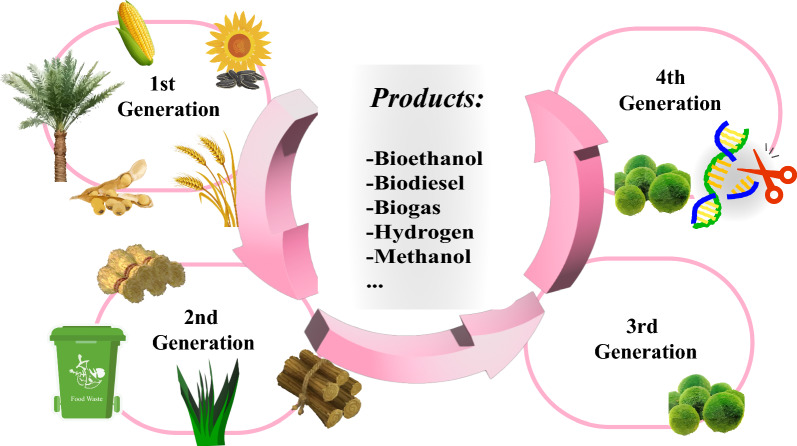
§ Microalgae biofuels: illuminating the path to a sustainable future amidst challenges and opportunities > Background For several decades, increasing global population, rapid industrialization, and urbanization have led to a significant rise in energy demand. In 2021, primary energy use surged by 5.8%, predominantly from fossil fuel [1]. The availability of secure, affordable, and low-carbon energy is of increasing importance, given the declining reserves of fossil fuels, the global warming crisis, and the geopolitical tensions that exist around the world [2]. Currently, various forms of clean energy, such as solar, ocean tides, hydroelectric, geothermal, wind, and biofuels, are being researched and implemented by numerous countries to satisfy the increasing energy demands [3, 4]. Among them, biodiesel stands out as the only biofuel capable of replacing fossil fuels, while other clean energies are constrained by their ecological footprint, economic performance, dependence on the environment, and geographical location, making them more suitable for power generation and heating purposes only [5]. Hence, biofuel production is receiving global attention and holds promising prospects for development and future demand. In terms of global biofuel production in 2021, besides the traditional biofuel producers such as the United States, Brazil, and the European Union, India, Switzerland, and Argentina also made noteworthy contributions to the growth in biofuel production [1]. Simultaneously, there is a continuous emergence of new national-level policies encouraging the gradual substitution of fossil fuels with biofuels [6, 7]. As one of the developing countries, China faces the problem of fossil fuels shortage and carbon emission. In recent years, China is also striving to find a sustainable development path of energy, and the biofuel industry is considered to be an important means to ensure energy security. The present situation and policy support of biofuel industry in China are introduced in this paper. Biofuels, derived from a diverse range of sources, such as higher plants, algae, microorganisms, crop straw, and livestock manure, offer a wide array of product types, including biodiesel, biohydrogen, bioethanol, biogas, and solid fuels. They are typically divided into four generations based on the feedstock sources (Fig. 1). The first-generation of biofuels often utilizes edible materials, such as corn, soybeans, wheat, sunflower oil, and palm oil as feedstocks, which can result in competition between food and fuel sources [8]. Second-generation biofuels, primarily derived from non-edible sources, such as switchgrass, poplar, straw, and food waste, are more sustainable than the first generation. However, both face limitations due to grain, land, and water resources [9]. Microalgae, which are important feedstocks for third- and fourth-generation biofuels, can grow in seawater, wastewater, food waste, and even saline–alkaline soil, and can obtain higher biomass than land plants using limited nutrients [10–15]. Microalgae exhibit a fast growth rate, a higher photosynthetic efficiency, and a better land utilization rate, which can yield a range of biofuel products [3, 16]. In the past two decades, scientists have made significant strides in researching microalgae biodiesel. Several species, including Chlorella vulgaris, Nannochloropsis oceanica, Dunaliella salina, Botryococcus, Desmodesmus, Neochloris, Scenedesmus, and Tetraselmis, have been identified as suitable for biodiesel production, with some of them producing biodiesel in laboratory scale with properties meeting ASTM standards [17–24]. Synechococcus strains also exhibit compliance with the EN 14214 standards in terms of iodine value and cetane number while also demonstrating lower cold filter plug point values [25]. Moreover, the fuel properties of diesel and microalgae biodiesel mixture have been extensively studied [26–28]. While various studies have documented methods of producing lipid from microalgae by manipulating culture conditions, fundamental limitations cannot be overcome if unsuitable strains are chosen for biofuel production. It is essential to conduct thorough investigations into species-specific characteristics regarding lipid production from microalgae. Hence, the selection of robust strains that could harvest a high amount of desired products is a crucial step in the large-scale production of biofuels [29], and this article will provide a comprehensive review on this topic. Due to differences in cell size, lipid content and fatty acids (FAs) composition among microalgae species, not all of them are useful for biofuel production. Recently, genetically engineered microalgae have attracted the interest of researchers, and numerous species have been modified, including Chlamydomonas, C. vulgaris, Phaeodactylum tricornutum, Thalassiosira pseudonana, Galdieria sulphuraria, B. braunii, D. salina, etc. [30]. This approach employs genetic engineering to enhance and adjust the standardized traits of microalgae, resulting in the production of high-yield lipids. It proves to be more effective, precise, and rapid compared to random mutagenesis, offering extensive potential applications [31]. The resources, methods, and limitations of microalgae genetic engineering are all discussed in this article.
What the sources say
- Supportedcites [9] Bharti MK Chalia S Thakur P Sridhara SN Thakur A Sharma PB Nanoferrites heterogeneous catalysts for biodiesel production from soybean and canola oil: a review Environ Chem Lett 2021 19 5 3727 3746 10.1007/s10311-021-01247-2 33967660 PMC8094988 source
The “Categories of biofuels” section says second-generation feedstocks are generally unsuitable for human consumption and that these biofuels are sustainable because they do not compete with the food supply. It also describes second-generation biofuels as comparatively greener than first-generation biofuels owing to their sustainability characteristics. (LLM, conf=0.93)
plainstates a cause- Asserted: passes — The authors put it forward as true.
- Checkable: passes — It can be checked against evidence.
- Load-bearing: unclear — It is unclear whether the paper’s conclusions depend on it.
- Based: passes — The paper gives a reason why it holds.
- Supported
The sources with a verdict support this claim; the rest weren’t checked yet, have no full text we could read, or their verdicts aren’t rated yet.
In the paper
“While a recent study challenges the notion that natural cyanobacteria lack neutral lipid TAG, it remains a fact that TAG content in cyanobacteria is generally low [37, 38].”
§ Microalgae biofuels: illuminating the path to a sustainable future amidst challenges and opportunities > Selection and cultivation of microalgae strains > Types of microalgae from biofuel sources
What the sources say
- Not checked — no full text of the sourcecites [37] Hu Q Sommerfeld M Jarvis E Ghirardi M Posewitz M Seibert M Darzins A Microalgal triacylglycerols as feedstocks for biofuel production: perspectives and advances Plant J 2008 54 4 621 639 10.1111/j.1365-313X.2008.03492.x 18476868 source
- Supportedcites [38] Aizouq M Peisker H Gutbrod K Melzer M Hölzl G Dörmann P Triacylglycerol and phytyl ester synthesis in Synechocystis sp. PCC6803 Proceed Nat Acad Sci. 2020 117 11 6216 6222 10.1073/pnas.1915930117 PMC7084069 32123083 source
The Discussion (page not available in our copy) describes TAG as one of the “low abundant nonpolar lipids” in cyanobacteria. That supports the claim that cyanobacterial TAG content is generally low. (LLM, conf=0.89)
plain- Asserted: passes — The authors put it forward as true.
- Checkable: passes — It can be checked against evidence.
- Load-bearing: passes — The paper’s conclusions depend on it.
- Based: passes — The paper gives a reason why it holds.
Every source the paper cites for this claim was checked and supports it.
In the paper
“However, both face limitations due to grain, land, and water resources [9].”
§ Microalgae biofuels: illuminating the path to a sustainable future amidst challenges and opportunities > Background For several decades, increasing global population, rapid industrialization, and urbanization have led to a significant rise in energy demand. In 2021, primary energy use surged by 5.8%, predominantly from fossil fuel [1]. The availability of secure, affordable, and low-carbon energy is of increasing importance, given the declining reserves of fossil fuels, the global warming crisis, and the geopolitical tensions that exist around the world [2]. Currently, various forms of clean energy, such as solar, ocean tides, hydroelectric, geothermal, wind, and biofuels, are being researched and implemented by numerous countries to satisfy the increasing energy demands [3, 4]. Among them, biodiesel stands out as the only biofuel capable of replacing fossil fuels, while other clean energies are constrained by their ecological footprint, economic performance, dependence on the environment, and geographical location, making them more suitable for power generation and heating purposes only [5]. Hence, biofuel production is receiving global attention and holds promising prospects for development and future demand. In terms of global biofuel production in 2021, besides the traditional biofuel producers such as the United States, Brazil, and the European Union, India, Switzerland, and Argentina also made noteworthy contributions to the growth in biofuel production [1]. Simultaneously, there is a continuous emergence of new national-level policies encouraging the gradual substitution of fossil fuels with biofuels [6, 7]. As one of the developing countries, China faces the problem of fossil fuels shortage and carbon emission. In recent years, China is also striving to find a sustainable development path of energy, and the biofuel industry is considered to be an important means to ensure energy security. The present situation and policy support of biofuel industry in China are introduced in this paper. Biofuels, derived from a diverse range of sources, such as higher plants, algae, microorganisms, crop straw, and livestock manure, offer a wide array of product types, including biodiesel, biohydrogen, bioethanol, biogas, and solid fuels. They are typically divided into four generations based on the feedstock sources (Fig. 1). The first-generation of biofuels often utilizes edible materials, such as corn, soybeans, wheat, sunflower oil, and palm oil as feedstocks, which can result in competition between food and fuel sources [8]. Second-generation biofuels, primarily derived from non-edible sources, such as switchgrass, poplar, straw, and food waste, are more sustainable than the first generation. However, both face limitations due to grain, land, and water resources [9]. Microalgae, which are important feedstocks for third- and fourth-generation biofuels, can grow in seawater, wastewater, food waste, and even saline–alkaline soil, and can obtain higher biomass than land plants using limited nutrients [10–15]. Microalgae exhibit a fast growth rate, a higher photosynthetic efficiency, and a better land utilization rate, which can yield a range of biofuel products [3, 16]. In the past two decades, scientists have made significant strides in researching microalgae biodiesel. Several species, including Chlorella vulgaris, Nannochloropsis oceanica, Dunaliella salina, Botryococcus, Desmodesmus, Neochloris, Scenedesmus, and Tetraselmis, have been identified as suitable for biodiesel production, with some of them producing biodiesel in laboratory scale with properties meeting ASTM standards [17–24]. Synechococcus strains also exhibit compliance with the EN 14214 standards in terms of iodine value and cetane number while also demonstrating lower cold filter plug point values [25]. Moreover, the fuel properties of diesel and microalgae biodiesel mixture have been extensively studied [26–28]. While various studies have documented methods of producing lipid from microalgae by manipulating culture conditions, fundamental limitations cannot be overcome if unsuitable strains are chosen for biofuel production. It is essential to conduct thorough investigations into species-specific characteristics regarding lipid production from microalgae. Hence, the selection of robust strains that could harvest a high amount of desired products is a crucial step in the large-scale production of biofuels [29], and this article will provide a comprehensive review on this topic. Due to differences in cell size, lipid content and fatty acids (FAs) composition among microalgae species, not all of them are useful for biofuel production. Recently, genetically engineered microalgae have attracted the interest of researchers, and numerous species have been modified, including Chlamydomonas, C. vulgaris, Phaeodactylum tricornutum, Thalassiosira pseudonana, Galdieria sulphuraria, B. braunii, D. salina, etc. [30]. This approach employs genetic engineering to enhance and adjust the standardized traits of microalgae, resulting in the production of high-yield lipids. It proves to be more effective, precise, and rapid compared to random mutagenesis, offering extensive potential applications [31]. The resources, methods, and limitations of microalgae genetic engineering are all discussed in this article.
What the sources say
- Supportedcites [9] Bharti MK Chalia S Thakur P Sridhara SN Thakur A Sharma PB Nanoferrites heterogeneous catalysts for biodiesel production from soybean and canola oil: a review Environ Chem Lett 2021 19 5 3727 3746 10.1007/s10311-021-01247-2 33967660 PMC8094988 source
The ‘Categories of biofuels’ section says that farming land and irrigation requirements constrain production of both first- and second-generation biofuels, and links first-generation feedstocks to food availability. The ‘Limitations of biodiesel’ section also warns that expanded feedstock farming may cause food, land, and water shortages. The paper elsewhere describes second-generation fuels as less competitive with food supplies, but that does not negate the stated production constraints. (LLM, conf=0.88)
plainstates a cause- Asserted: passes — The authors put it forward as true.
- Checkable: passes — It can be checked against evidence.
- Load-bearing: passes — The paper’s conclusions depend on it.
- Based: passes — The paper gives a reason why it holds.
- Supported
The cited sources support only part of this claim — read each source’s verdict below.
In the paper
“This approach employs genetic engineering to enhance and adjust the standardized traits of microalgae, resulting in the production of high-yield lipids.”
§ Microalgae biofuels: illuminating the path to a sustainable future amidst challenges and opportunities > Background For several decades, increasing global population, rapid industrialization, and urbanization have led to a significant rise in energy demand. In 2021, primary energy use surged by 5.8%, predominantly from fossil fuel [1]. The availability of secure, affordable, and low-carbon energy is of increasing importance, given the declining reserves of fossil fuels, the global warming crisis, and the geopolitical tensions that exist around the world [2]. Currently, various forms of clean energy, such as solar, ocean tides, hydroelectric, geothermal, wind, and biofuels, are being researched and implemented by numerous countries to satisfy the increasing energy demands [3, 4]. Among them, biodiesel stands out as the only biofuel capable of replacing fossil fuels, while other clean energies are constrained by their ecological footprint, economic performance, dependence on the environment, and geographical location, making them more suitable for power generation and heating purposes only [5]. Hence, biofuel production is receiving global attention and holds promising prospects for development and future demand. In terms of global biofuel production in 2021, besides the traditional biofuel producers such as the United States, Brazil, and the European Union, India, Switzerland, and Argentina also made noteworthy contributions to the growth in biofuel production [1]. Simultaneously, there is a continuous emergence of new national-level policies encouraging the gradual substitution of fossil fuels with biofuels [6, 7]. As one of the developing countries, China faces the problem of fossil fuels shortage and carbon emission. In recent years, China is also striving to find a sustainable development path of energy, and the biofuel industry is considered to be an important means to ensure energy security. The present situation and policy support of biofuel industry in China are introduced in this paper. Biofuels, derived from a diverse range of sources, such as higher plants, algae, microorganisms, crop straw, and livestock manure, offer a wide array of product types, including biodiesel, biohydrogen, bioethanol, biogas, and solid fuels. They are typically divided into four generations based on the feedstock sources (Fig. 1). The first-generation of biofuels often utilizes edible materials, such as corn, soybeans, wheat, sunflower oil, and palm oil as feedstocks, which can result in competition between food and fuel sources [8]. Second-generation biofuels, primarily derived from non-edible sources, such as switchgrass, poplar, straw, and food waste, are more sustainable than the first generation. However, both face limitations due to grain, land, and water resources [9]. Microalgae, which are important feedstocks for third- and fourth-generation biofuels, can grow in seawater, wastewater, food waste, and even saline–alkaline soil, and can obtain higher biomass than land plants using limited nutrients [10–15]. Microalgae exhibit a fast growth rate, a higher photosynthetic efficiency, and a better land utilization rate, which can yield a range of biofuel products [3, 16]. In the past two decades, scientists have made significant strides in researching microalgae biodiesel. Several species, including Chlorella vulgaris, Nannochloropsis oceanica, Dunaliella salina, Botryococcus, Desmodesmus, Neochloris, Scenedesmus, and Tetraselmis, have been identified as suitable for biodiesel production, with some of them producing biodiesel in laboratory scale with properties meeting ASTM standards [17–24]. Synechococcus strains also exhibit compliance with the EN 14214 standards in terms of iodine value and cetane number while also demonstrating lower cold filter plug point values [25]. Moreover, the fuel properties of diesel and microalgae biodiesel mixture have been extensively studied [26–28]. While various studies have documented methods of producing lipid from microalgae by manipulating culture conditions, fundamental limitations cannot be overcome if unsuitable strains are chosen for biofuel production. It is essential to conduct thorough investigations into species-specific characteristics regarding lipid production from microalgae. Hence, the selection of robust strains that could harvest a high amount of desired products is a crucial step in the large-scale production of biofuels [29], and this article will provide a comprehensive review on this topic. Due to differences in cell size, lipid content and fatty acids (FAs) composition among microalgae species, not all of them are useful for biofuel production. Recently, genetically engineered microalgae have attracted the interest of researchers, and numerous species have been modified, including Chlamydomonas, C. vulgaris, Phaeodactylum tricornutum, Thalassiosira pseudonana, Galdieria sulphuraria, B. braunii, D. salina, etc. [30]. This approach employs genetic engineering to enhance and adjust the standardized traits of microalgae, resulting in the production of high-yield lipids. It proves to be more effective, precise, and rapid compared to random mutagenesis, offering extensive potential applications [31]. The resources, methods, and limitations of microalgae genetic engineering are all discussed in this article.
What the sources say
- Partly supportedcites [31] Snow AA Smith VH Genetically engineered algae for biofuels: a key role for ecologists Bioscience 2012 62 8 765 768 10.1525/bio.2012.62.8.9 sourceExperimental — accuracy not yet measured
The Abstract says recombinant DNA can improve wild algal strains and describes genetic engineering of microalgae for biofuel production. It does not say that engineering has produced high-yield lipids; the examples concern faster growth, nitrogen-use efficiency, and enhanced ethanol production. No page number is available in our copy. (LLM, conf=0.84)
plainstates a cause- Asserted: passes — The authors put it forward as true.
- Checkable: passes — It can be checked against evidence.
- Load-bearing: passes — The paper’s conclusions depend on it.
- Based: passes — The paper gives a reason why it holds.
- Partly supported
103 more claims · 25 with their cited sources checked
Create a free account to see all 194 claims and to verify the 13 references still open.
- It may state two separate claims as one. 64
- Probably not a substantial claim. 33
Self-check
Percentages, sums and reported differences re-computed from the paper’s own numbers.
Self-check results appear here once an independent check has confirmed them.
Cited works that were retracted
Works this paper cites that were later retracted, from the retraction notices publishers deposit. Major when the notice came out before this paper was published.
A note, not an issue: for example, a cited work that was retracted only after this paper was published, which its authors could not have known.
In the paper
“Koyande AK, Show P-L, Guo R, Tang B, Ogino C, Chang J-S. Enhanced microalgal lipid production with media engineering of potassium nitrate as a nitrogen source. Bioengineered. 2019;10(1):574–92.”
Cited work 10.1080/21655979.2019.1679697 · retracted 2026-01-19 · notice 10.1080/21655979.2026.2614863 · this paper published 2024-01-23
Citations
Cites
1 retracted
Koyande, A. K., Show, P.-L., Guo, R., Tang, B., Ogino, C., & Chang, J.-S. (2019) · Bioengineered · doi:10.1080/21655979.2019.1679697 · Cited by 182
RetractedMicroalgal triacylglycerols as feedstocks for biofuel production: perspectives and advances
Hu, Q., Sommerfeld, M., Jarvis, E., Ghirardi, M., Posewitz, M., Seibert, M., & Darzins, A. (2008) · The Plant Journal · doi:10.1111/j.1365-313x.2008.03492.x · Cited by 3,745 · cited 3×
“While a recent study challenges the notion that natural cyanobacteria lack neutral lipid TAG, it remains a fact that TAG content in cyanobacteria is generally low [37, 38].”
BackgroundKaneko, T., Sato, S., Kotani, H., Tanaka, A., Asamizu, E., Nakamura, Y., Miyajima, N., Hirosawa, M., Sugiura, M., Sasamoto, S., et al. (1996) · DNA Research · doi:10.1093/dnares/3.3.185 · Cited by 2,432
Kaneko, T., Sato, S., Kotani, H., Tanaka, A., Asamizu, E., Nakamura, Y., Miyajima, N., Hirosawa, M., Sugiura, M., Sasamoto, S., et al. (1996) · DNA Research · doi:10.1093/dnares/3.3.109 · Cited by 2,132 · cited 1×
“The complete genome sequence of the cyanobacterium Synechocystis sp. PCC6803 was published as early as 1996, providing precise genetic information for gene modification [219].”
BackgroundReview of biodiesel composition, properties, and specifications
Hoekman, S. K., Broch, A., Robbins, C., Ceniceros, E., & Natarajan, M. (2012) · Renewable and Sustainable Energy Reviews · doi:10.1016/j.rser.2011.07.143 · Cited by 2,010 · cited 1×
“Triacylg-lycerol (TAG) is the preferred lipid component for use as biodiesel feedstocks, and is usually expressed as the total lipid content as a percentage of dry weight [36].”
BackgroundHigh-frequency nuclear transformation of Chlamydomonas reinhardtii.
Kindle, K. L. (1990) · Proceedings of the National Academy of Sciences · doi:10.1073/pnas.87.3.1228 · Cited by 1,093 · cited 1×
“Among them, the glass bead-based transformation was performed early in C. reinhardtii [259], and the discovery of cell wall-deficient mutants made transformation easier to achieve.”
BackgroundKeeling, P. J., Burki, F., Wilcox, H. M., Allam, B., Allen, E. E., Amaral-Zettler, L. A., Armbrust, E. V., Archibald, J. M., Bharti, A. K., Bell, C. J., et al. (2014) · PLoS Biology · doi:10.1371/journal.pbio.1001889 · Cited by 1,042 · cited 1×
“The Marine Microbial Eukaryote Transcriptome Sequencing Project has conducted transcriptome sequencing on almost 700 marine microbial species, including 140 microalgae species [229].”
BackgroundLipid accumulation and CO2 utilization of Nannochloropsis oculata in response to CO2 aeration
Chiu, S.-Y., Kao, C.-Y., Tsai, M.-T., Ong, S.-C., Chen, C.-H., & Lin, C.-S. (2009) · Bioresource Technology · doi:10.1016/j.biortech.2008.06.061 · Cited by 825
Microalgae to Biofuels: ‘Promising’ Alternative and Renewable Energy, Review
Shuba, E. S., & Kifle, D. (2018) · Renewable and Sustainable Energy Reviews · doi:10.1016/j.rser.2017.08.042 · Cited by 606
Nascimento, I. A., Marques, S. S. I., Cabanelas, I. T. D., Pereira, S. A., Druzian, J. I., de Souza, C. O., Vich, D. V., de Carvalho, G. C., & Nascimento, M. A. (2013) · BioEnergy Research · doi:10.1007/s12155-012-9222-2 · Cited by 517
Research works printed but not linked: 3
- BP Statistical Review of World Energy. 2022. https://www.bp.com/content/dam/bp/business-sites/en/global/corporate/pdfs/energy-economics/statistical-review/bp-stats-review-2022-full-report.pdf Accessed 18 Oct 2022.
- Biomass and Biofuels from Microalgae. Cham, Switzerland Springer Cham. 2015.
- Society CER China Energy Outlook 2030 2016 Beijing, China Energy and Management Press
Cited by
Recent advancements in photo-bioreactors for microalgae cultivation: a brief overview
Penloglou, G., Pavlou, A., & Kiparissides, C. (2024) · Processes · doi:10.3390/pr12061104 · Cited by 166
“First and foremost is the high cost of microalgae cultivation and production at a large scale, particularly in terms of nutrient inputs, the energy requirements for lighting and/or mixing and the infrastructure [66].”
BackgroundThe Microalgae Chlamydomonas for Bioremediation and Bioproduct Production
Bellido-Pedraza, C. M., Torres, M. J., & Llamas, Á. (2024) · Cells · doi:10.3390/cells13131137 · Cited by 68
“Microalgae are employed in activities such as wastewater treatment [5], biofuel generation [6], animal feed production [7], and the extraction of high-value-added products [8], among other applications.”
BackgroundBukhari, I., Haq, F., Kiran, M., Aziz, T., Mehmood, S., & Haroon, M. (2025) · Biomass and Bioenergy · doi:10.1016/j.biombioe.2025.108133 · Cited by 72
Wang, Y., Xiao, X. F., & Ji, Y. (2025) · Journal of Marine Science and Engineering · doi:10.3390/jmse13020196 · Cited by 53
Antonyraj, A. P. M., Nainangu, P., & Muralitharan, G. (2024) · Biomass and Bioenergy · doi:10.1016/j.biombioe.2024.107489 · Cited by 36
Covarrubias, L. P. S., Beluri, K., Mohammadi, Y., Easmin, N., Palacios, O. A., & Sharifan, H. (2025) · ACS Applied Bio Materials · doi:10.1021/acsabm.5c00300 · Cited by 36
Greener Extraction Solutions for Microalgal Compounds
Kopp, G., & Lauritano, C. (2025) · Marine Drugs · doi:10.3390/md23070269 · Cited by 33
“Over the past two decades, the use of microalgae as a biodiesel source has gained significant interest [14].”
Microalgae-mediated bioremediation: current trends and opportunities-a review
Ali, S. S., Hassan, L. H. S., & El-Sheekh, M. M. (2024) · Archives of Microbiology · doi:10.1007/s00203-024-04052-x · Cited by 40
“Developing cost-effective methods for large-scale cultivation and harvesting is crucial (Wang et al. 2024b).”
Gopalakrishnan, N. K., Balasubramanian, B., Meyyazhagan, A., Chaudhary, A., Palani, V., Kamyab, H., & Pappuswamy, M. (2025) · Algal Research · doi:10.1016/j.algal.2025.104251 · Cited by 30
Eckerstorfer, M. F., Dolezel, M., Miklau, M., Greiter, A., Heissenberger, A., Kastenhofer, K., Schulz, F., Hagen, K., Otto, M., & Engelhard, M. (2025) · International Journal of Molecular Sciences · doi:10.3390/ijms26073174 · Cited by 35
“…Biofuel Production (CS1) Ajjawi et al. [41] suggested that microalgae, such as Nannochloropsis sp., may be an important source for the production of biofuels [41], which are not associated with the same negative impacts on food and feed production and security as, e.g., plant-based biofuels [148].”
Valasara, V., Yun, S., Joo, J. C., Park, B. J., & Won, W. (2025) · Journal of Cleaner Production · doi:10.1016/j.jclepro.2025.146284 · Cited by 28
Elezz, M. A., Aboeleneen, N. M., Abdelmonem, N., & Sorour, F. H. (2025) · Next Materials · doi:10.1016/j.nxmate.2025.101001 · Cited by 46
Yan, C.-X., Zhang, S., Xu, L., Gao, H., Zhang, Z., Ma, W., & Sun, X. (2025) · Bioresource Technology · doi:10.1016/j.biortech.2025.132501 · Cited by 23
Malla, M. A., Ansari, F. A., Bux, F., & Kumari, S. (2024) · Environmental Research · doi:10.1016/j.envres.2024.119439 · Cited by 22
Production of Biodiesel from Industrial Sludge: Recent Progress, Challenges, Perspective
Aryanfar, Y., Keçebaş, A., Sadabad, A. N., García-Alcaráz, J. L., Blanco‐Fernández, J., & Wu, W. (2024) · Processes · doi:10.3390/pr12112517 · Cited by 25
Maturi, K. C., Madeti, S. R. K., Sinha, S., Saikia, S., Srivastava, A. N., & Haq, I. (2026) · Bioresources and Bioprocessing · doi:10.1186/s40643-025-01001-4 · Cited by 21
“Microalgae, due to their high growth rates, efficient photosynthesis, and the ability to thrive in diverse and even extreme habitats (including fresh, marine, and marginal lands), are positioned as an ideal candidate for biofuel production (Khan et al. 2018; Wang et al. 2024).”
Mikkili, I., Gaddirala, B. V. S. T., Borugadda, S., & Davuluri, S. B. (2024) · Preparative Biochemistry & Biotechnology · doi:10.1080/10826068.2024.2434879 · Cited by 19
“…production include Chlorella sp., Nannochloropsis sp., Dunaliella salina , Haematococcus pluvialis , Botryococcus braunii , and Scenedesmus sp. [5] Unlike petroleum products, which contribute significantly to greenhouse gas emissions, algae-based biofuels reduce greenhouse gas emissions and…”
Bai, R. G., Salini, C. N., Joller, L., & Kikas, T. (2025) · Biomass · doi:10.3390/biomass5040061 · Cited by 20
“These genetic engineering strategies could be tailored to target specific metabolic pathways for enhanced pollutant uptake, improved biomolecule production, higher tolerance, and resilience to regulate the phycoremediation performance [282,283].”
Arshad, S., Qadir, M. L., Hussain, N., Ali, Q., Han, S., & Ali, D. (2025) · Functional Plant Biology · doi:10.1071/fp24255 · Cited by 20
Sustainable Microalgal Biomass for Efficient and Scalable Green Energy Solutions: Fueling Tomorrow
Rathinavel, L., Singh, S., Rai, P. K., Chandra, N., Jothinathan, D., Gaffar, I., Pandey, A. K., Choure, K., Waoo, A. A., Joo, J. C., et al. (2024) · Fuels · doi:10.3390/fuels5040049 · Cited by 15
“Algal systems also provide a high energy yield by a factor of 16 per hectare, which is more than the yield from corn production [90–92].”
Valorization of Algal Biomass to Biofuel: A Review
Amalapridman, V., Ofori, P. A., & Abbey, L. (2025) · Biomass · doi:10.3390/biomass5020026 · Cited by 17
“Valorizing algae for biofuel has several significant impacts on alleviating food pressure, energy crisis, and climate change [10,11].”
Synthetic biology‐enhanced microalgae for biofuel production: a perspective
Makepa, D. C., & Chihobo, C. H. (2024) · Biofuels Bioproducts and Biorefining · doi:10.1002/bbb.2708 · Cited by 15
Microalga-Based Electricity Production: A Comprehensive Review
Alrashidi, W., Alhazmi, S., Sayegh, F., & Edris, S. (2025) · Energies · doi:10.3390/en18030536 · Cited by 18
Sundaram, T., Kamalesh, R., Saravanan, A., Yaashikaa, P. R., Vickram, A. S., Teena, R. A., & Thiruvengadam, S. (2025) · International Journal of Biological Macromolecules · doi:10.1016/j.ijbiomac.2025.145487 · Cited by 16
Yin, M., An, Y., Qi, F., Mu, R., Ma, G., & Chen, F. (2024) · Biotechnology for Biofuels and Bioproducts · doi:10.1186/s13068-024-02577-3 · Cited by 14
“Among them, algae-based biodiesel is regarded as an alternative to energy production due to its reduced dependence on fossil fuels and reduced CO 2 emissions, microalgae biofuels are clarifying the road to a sustainable future in the face of challenges and opportunities [3–7].”
Advanced imaging for microalgal biotechnology
Plouviez, M., Bhatia, N., Shurygin, B., & Solovchenko, A. E. (2024) · Algal Research · doi:10.1016/j.algal.2024.103649 · Cited by 12
Unlocking the potential of food waste as a nutrient goldmine for microalgae cultivation: A review
Chan, S. S., Lee, S. Y., Ling, T. C., Chae, K., Srinuanpan, S., & Khoo, K. S. (2025) · Journal of Cleaner Production · doi:10.1016/j.jclepro.2025.144753 · Cited by 16
Recent advances in microalgae-based vitamin D metabolome: Biosynthesis, and production
Ouedrhiri, W., Bennis, I., & Arroussi, H. E. (2024) · Bioresource Technology · doi:10.1016/j.biortech.2024.131078 · Cited by 10
Choudhary, S., Tiwari, M., & Poluri, K. M. (2024) · Cells · doi:10.3390/cells13242047 · Cited by 14
“The total protein content was gauged using the Bradford method, leveraging bovine serum albumin (BSA) (Sico Research Laboratories (SRL), Mumbai, India) as a standard, while the phenol–sulphuric method was used to determine carbohydrate levels in the freeze-dried biomass [37,41,42].”
Boichenko, S., Yakovlieva, A., Зубенко, С., Konovalov, S. V., Shkilniuk, І., Аrtyukhov, А., Wit, B., Czarnocki, K., & Wołowiec, T. (2024) · Energies · doi:10.3390/en17246390 · Cited by 12
Ezeako, E. C., Nwiloh, B. I., Odo, M. C., & Ozougwu, V. E. (2025) · Biochemical engineering journal · doi:10.1016/j.bej.2025.109777 · Cited by 10
Ahmad, A., & Ashraf, S. M. (2025) · Chemical Engineering Journal Advances · doi:10.1016/j.ceja.2025.100720 · Cited by 15
Heredia-Martínez, L. G., Gutiérrez-Diánez, A. M., & Díaz‐Santos, E. (2025) · Phycology · doi:10.3390/phycology5020019 · Cited by 7
Rivas-Navia, D., Cheikhwafa, J., Zurita, A., Torrens, E., & Bengoa, C. (2025) · Algal Research · doi:10.1016/j.algal.2025.104369 · Cited by 10
Jakubczak, M., Górnik, A., Bury, D., Moszczyńska, D., Naguib, M., & Jastrzębska, A. (2024) · Diamond and Related Materials · doi:10.1016/j.diamond.2024.111648 · Cited by 7
A Tool for On‐Line Monitoring Microalgal Bioprocesses Based on Gas Balance Analysis
Cogne, G., Ballestas, F. R. F., Titica, M., & Legrand, J. (2025) · Biotechnology and Bioengineering · doi:10.1002/bit.28983 · Cited by 8
“Microalgae have gained significant attention in recent years due to their versatility in producing a range of valuable bio ‐ products, including biofuels, nutraceuticals, and pharmaceuticals (Heredia et al. 2022; Wang et al. 2024; Nicoletti 2016; Huang et al. 2024).”
Koh, H. G., Park, K., Park, S., Kim, M., & Kang, N. K. (2025) · Frontiers in Microbiology · doi:10.3389/fmicb.2025.1601691 · Cited by 9
“The cultures were maintained in 250 mL baffled Erlenmeyer flasks with 200 mL of F2N medium at 25 C under a continuous light intensity of 120 µ mol photons/m 2 /s, with orbital shaking at 120 rpm. Air enriched with 2% CO2 was continuously supplied at a rate of 0.5 vvm.”
InfluentialWinichayakul, S., & Roberts, N. (2025) · Frontiers in Plant Science · doi:10.3389/fpls.2025.1589127 · Cited by 9
“Algae and duckweeds exhibit high lipid content under controlled conditions, but their performance in open pond systems or natural aquatic environments requires validation to ensure consistent yields (Wang et al., 2024a).”
Gurreri, L., Rindina, M. C., Luciano, A., Fino, D., & Mancini, G. (2025) · Journal of environmental chemical engineering · doi:10.1016/j.jece.2025.118053 · Cited by 8
Innovative strategies for enhancing microalgae-based biohydrogen production: A review
Pillay, K. J., Singh, N. K., & Pillai, S. (2025) · Algal Research · doi:10.1016/j.algal.2025.104325 · Cited by 8
Rusyn, I. B. (2025) · Biotechnology Advances · doi:10.1016/j.biotechadv.2025.108740 · Cited by 9
Teronpi, H., Kalita, N., Baruah, P. P., & Sarma, D. (2025) · Food Bioscience · doi:10.1016/j.fbio.2025.107793 · Cited by 9
Microalgae as a sustainable feedstock for biofuels: Advances, challenges, and future prospects
Fatima, N., Khanam, N., Kumari, R., Joshi, V. C., & Bhattacharya, S. (2025) · Next research. · doi:10.1016/j.nexres.2025.101020 · Cited by 11
Nutrient and salinity stress induced biodiesel production from a green alga, Monoraphidium neglectum
Sinha, T. S. P., Borah, D., Ravi, S., Mudliar, S. N., Chauhan, V. S., Sen, R., & Rout, J. (2024) · Biocatalysis and Agricultural Biotechnology · doi:10.1016/j.bcab.2024.103090 · Cited by 8
Singh, D. V., Upadhyay, A. K., Singh, R., & Singh, R. P. (2022) · Biocatalysis and Agricultural Biotechnology · doi:10.1016/j.bcab.2024.103299 · Cited by 9
Bakraoui, H. E., Malaki, A., Slaoui, M., & Laroche, C. (2025) · Applied Sciences · doi:10.3390/app15115832 · Cited by 7
Moigne, D. L., Richard, F., Albrieux, C., Mahieu, M., Arrighi, M., Larbi, G. S., Jouneau, P.-H., Gros, V., Louwagie, M., Roy, S., et al. (2025) · New Phytologist · doi:10.1111/nph.70350 · Cited by 9
The Advancement of Microalgal Cultivation Technology: Current Trends and Future Prospectives
Molla, A., & Abebe, G. M. (2025) · International Journal of Microbiology and Biotechnology · doi:10.11648/j.ijmb.20251003.13 · Cited by 5
The algal carbon diet: Repurposing volatile fatty acids into sustainable lipids
Tesfaye, E. L., Jutur, P. P., Belay, A., & Aragaw, T. A. (2026) · Energy Nexus · doi:10.1016/j.nexus.2026.100677 · Cited by 7
The power of microalgae: Cutting-edge applications and groundbreaking innovations
McKinley, K., & Ozbay, G. (2026) · New Biotechnology · doi:10.1016/j.nbt.2026.04.003 · Cited by 6
Jathar, L. D., Kolhe, M. R., Patil, J. D., & Awasarmol, U. V. (2025) · International Journal of Ambient Energy · doi:10.1080/01430750.2025.2543914 · Cited by 6
Microfluidics for macrofluidics: addressing marine-ecosystem challenges in an era of climate change
Liu, F., Deroy, C., & Herr, A. E. (2024) · Lab on a Chip · doi:10.1039/d4lc00468j · Cited by 10
Mongeon, J., Kwofie, E. M., Aidoo, R., & Selby, J. (2025) · Journal of Environmental Management · doi:10.1016/j.jenvman.2025.126227 · Cited by 5
Carbonate Mineral Formation by Microalgae: Precipitation Potential and Morphological Analysis
Keykha, H. A., Joshi, S., Mavroulidou, M., Romiani, H. M., & Asadi, A. (2025) · Minerals · doi:10.3390/min15111096 · Cited by 5
Magnetic nanoparticles as recyclable catalysts in biodiesel synthesis from microalgae
Alrudainy, A. M., Alnuaimi, M. T., Amshawee, A. M., Ali, R., Thanon, K. S., & Alassadi, N. M. (2025) · Sustainable Chemistry One World · doi:10.1016/j.scowo.2025.100164 · Cited by 7
Microalgae biorefinery in the belt and road initiative: opportunities for green growth
Zhang, Z., Lei, D., Yang, J., & Liu, Z. (2025) · Bioresource Technology · doi:10.1016/j.biortech.2025.133428 · Cited by 9
Wang, F., Liu, S., Li, Y., Zhang, N., Li, S., & Zhu, Z. (2024) · Algal Research · doi:10.1016/j.algal.2024.103721 · Cited by 5
Screening Microalgae for Producing Biofuel Precursors from Industrial Off-Gases
Penloglou, G., Pavlou, A., & Kiparissides, C. A. (2025) · Sustainability · doi:10.3390/su17072964 · Cited by 6
Zhang, W., Dong, S., Zhang, L., Yu, W., Li, L., Tsygankov, A. A., & Liu, J. (2025) · Algal Research · doi:10.1016/j.algal.2025.104128 · Cited by 4
Liu, Y., Wei, D., Chen, W. N., & Li, A. Z. (2025) · Renewable Energy · doi:10.1016/j.renene.2025.123728 · Cited by 5
Seyhan, A., Bayraktar, M., Yüksel, O., & Sevgili, C. (2026) · Climatic Change · doi:10.1007/s10584-026-04106-7 · Cited by 5
“These provisions indicate that advanced biofuels, including biodiesel from eligible waste streams, can significantly reduce compliance costs under the EU ETS, provided all sustainability, traceability, and bunker delivery conditions are met (Wang et al. 2024 ).”
Katbeh, T., Musa, T. A., Abdelkarim, Y., Choudhury, H. A., Challiwala, M. S., Tafreshi, R., & Elbashir, N. O. (2026) · ACS Omega · doi:10.1021/acsomega.5c05513 · Cited by 5
Barahoei, M., Kasiri, R., Feghhipour, S. E., & Hatamipour, M. S. (2026) · Algal Research · doi:10.1016/j.algal.2026.104588 · Cited by 4
Deshmukh, M. P., Kothawade, T. R., Pathan, A., Behera, U. S., Sangwai, J. S., & Byun, H. (2026) · Korean Journal of Chemical Engineering · doi:10.1007/s11814-025-00632-9 · Cited by 5
Metabolic Pathway Engineering in Cyanobacteria for Biohydrogen Production
Kumar, A., Paul, S., Das, D., & Singh, M. (2024) · Springer eBooks · doi:10.1007/978-3-031-70698-1_4 · Cited by 5
Thajuddin, F., Palanivel, P., Arutselvan, C., Thajuddin, S. F., Pugazhendhi, A., Chandraleka, S., Thajuddin, N., & Dharumadurai, D. (2025) · Algal Research · doi:10.1016/j.algal.2025.104082 · Cited by 5
Innovations and strategies for sustainable wastewater-integrated microalgal biodiesel production
Biswas, S., Muruganandam, L., & Moorthy, I. G. (2025) · Current Research in Biotechnology · doi:10.1016/j.crbiot.2025.100335 · Cited by 7
Peng, K.-T., Xiong, B.-H., Cheng, G., Zhong, Y., & Yu, L. (2025) · Frontiers in Marine Science · doi:10.3389/fmars.2025.1531239 · Cited by 5
Debnath, C., Bandyopadhyay, T. K., & Muthuraj, M. (2025) · Algal Research · doi:10.1016/j.algal.2025.104050 · Cited by 5
Kim, M., Kim, J. Y., Han, K. H., Shin, H. H., & Jin, E. (2025) · Microbial Cell Factories · doi:10.1186/s12934-025-02824-8 · Cited by 3
“In this context, extensive research has been dedicated to producing biofuels from microalgal biomass [2–4], with growing societal demand for sustainable aviation fuels further underscoring the importance of such efforts [5].”
Xie, S., Wang, Y., & Li, Q. (2025) · Chinese Journal of Chemical Engineering · doi:10.1016/j.cjche.2025.09.004 · Cited by 3
Quintana, W. H. S., García-Rico, R. O., Garcia-Martinez, J. B., Urbina-Suarez, N. A., López-Barrera, G. L., & Barajas-Solano, A. F. (2025) · Phycology · doi:10.3390/phycology5040059 · Cited by 5
“Microalgae and cyanobacteria are photoautotrophic microorganisms widely distributed in freshwater and marine environments, exhibiting remarkable physiological and biotechnological versatility, which enables their integration into bioproduct platforms of industrial interest [1].”
Kıyak, B. D., & Özcan, T. (2025) · Journal of Food Composition and Analysis · doi:10.1016/j.jfca.2025.108768 · Cited by 5
Metabolic engineering of microorganisms for the production of fatty acid-derived biofuels
Park, J., Yun, Y., & Lee, S. Y. (2026) · Current Opinion in Biotechnology · doi:10.1016/j.copbio.2026.103472 · Cited by 4
Valorization of algal biomass for sustainable biofuel production: cultivation to commercialization
Kundu, N., Yadav, S., Bhattacharya, A., Khinvasara, P., Aseri, G. K., & Jain, N. (2026) · Archives of Microbiology · doi:10.1007/s00203-026-04854-1 · Cited by 4
“…coordinated research agenda holds the potential to reduce production costs from the current 5–7 US$ per gasoline gallon equivalent to 2–3 US$ by 2035 (Wang et al. 2024), enabling commercially viable production at billion-gallon volumes while delivering substantial emissions reductions in sectors…”
Biocompounds of Commercial Interest from Freshwater and Marine Phytoplankton
Gallego, I. (2025) · IntechOpen eBooks · doi:10.5772/intechopen.1008500 · Cited by 5
Lopes, R. G., Vieira, A. S., Soares, A. T., Menezes, R. S., Filho, N. R. A., Owatari, M. S., Arana, L. A. V., & Dérner, R. B. (2025) · Journal of Applied Phycology · doi:10.1007/s10811-025-03509-w · Cited by 5
“Microalgae are seen as a sustainable source of raw materials for biodiesel production (Suhara et al. 2024; Wang et al. 2024) and have the potential to fully substitute petroleum diesel.”
Characterization of Lipid Production in Chlorella sp. Cultivated in Different Plant Fertilizers
Chakrabarty, B., Barczak, Ł., Rusanowska, P., Dudek, M., & Zieliński, M. (2024) · Energies · doi:10.3390/en17236193 · Cited by 10
Shee, A., Swaleh, M. N., Abubakar, L., Makonde, H. M., Mwaguni, S., Munga, D., Dzoga, M., & Wandera, C. O. (2025) · IntechOpen eBooks · doi:10.5772/intechopen.1007746 · Cited by 3
Choudhary, S., Kairamkonda, M., & Poluri, K. M. (2025) · Journal of environmental chemical engineering · doi:10.1016/j.jece.2025.119438 · Cited by 4
Microalgae Biomass as a Feedstock for Bioethanol
Anschau, A., de Lima, D. B., Garcia, E. P. R., Guimarães, M. D., Oliveira, S. D. S., & Montanher, P. F. (2025) · Developments in applied phycology. · doi:10.1007/978-3-031-86433-9_8 · Cited by 3
Electroosmotic Flow-Based Nanoinjection Technique Using a Nanopipette for Green Microalgae
Tanaka, T., Akasaka, K., Yasui, R., et al. (2025) · Marine Biotechnology · doi:10.1007/s10126-025-10487-0 · Cited by 2
“Current transformation techniques, such as microparticle bombardment or electroporation, have been used for various eukaryotic microalgae (Wang et al. 2024).”
The role of microalgae in circular carbon capture systems
Kirbayeva, D. K., Balouch, H., Xu, T., Bauenova, M. O., Zaletova, D. E., & Kossalbayev, B. D. (2025) · Functional Plant Biology · doi:10.1071/fp25195 · Cited by 2
Biological activity of the freshwater alga Spirogyra sp. from the Algerian desert
Belyagoubi, L., Belyagoubi-Benhammou, N., Mokhtari-Soulimane, N. A., Abdelmoumene, W., Dich, A., Larbi, B., Cegłowska, M., Konkel, R., Surosz, W., Toruńska-Sitarz, A., et al. (2025) · Algal Research · doi:10.1016/j.algal.2025.104292 · Cited by 3
Khunmok, M., Suansamai, D., Ditta, Z. M., Tanapongpisit, N., Wongprasod, S., Saenrang, W., Chainakun, P., Boonlue, S., Sata, V., Chindaprasirt, P., et al. (2025) · Construction and Building Materials · doi:10.1016/j.conbuildmat.2025.144335 · Cited by 3
From chromatin to crop: epigenetic innovations in bioenergy systems
Vela, S., & Steadman, C. R. (2026) · Frontiers in Plant Science · doi:10.3389/fpls.2025.1687164 · Cited by 3
Dinakarkumar, Y., Kannan, D. C., & Theivendren, P. (2026) · Biomass and Bioenergy · doi:10.1016/j.biombioe.2026.109081 · Cited by 4
Maratha, S., Parveen, S., Agarwal, R., & Patidar, S. K. (2026) · Bioresource Technology · doi:10.1016/j.biortech.2026.134426 · Cited by 2
Aravindh, S., Rochelle, F., Kanagaraj, C., Manikandan, R., & Suresh, S. N. (2026) · Archives of Microbiology · doi:10.1007/s00203-026-04875-w · Cited by 2
“Furthermore, photosynthetic established reputation as a cosmopolitan generalist capable of thriving across diverse aquatic environments (Wang et al. 2024).”
InfluentialMaheer, U., Badsha, M. M., Ramli, A., Chai, Y. H., Balakrishnan, V., Arafath, M. A., Yahaya, A. N. A., & Hossain, M. S. (2026) · Biomass and Bioenergy · doi:10.1016/j.biombioe.2026.109529 · Cited by 3
Algal–Bacterial Interactions: Mechanisms, Ecological Significance, and Biotechnological Implications
Prisa, D., Matsoukis, A. S., Jamal, A., Spagnuolo, D., & Ruggeri, L. M. (2026) · Phycology · doi:10.3390/phycology6020050 · Cited by 4
“The first step is to keep the system sterile to ensure the expected yield [208].”
Esposito, M., Tonietti, L., Santomartino, R., Giovannelli, D., Chianese, E., Rotundi, A., Romano, I., Poli, A., Finore, I., Cordone, A., et al. (2026) · Frontiers in Microbiology · doi:10.3389/fmicb.2026.1837116 · Cited by 3
“Algae-based hydrocarbon synthesis or microbial consortia could minimize resource use and substantially reduce carbon emissions (Greenwell et al., 2009; Brennan and Owende, 2010; Das et al., 2020; Wang et al., 2024 for vehicles (Lecker et al., 2017; Jensen et al., 2021; Koehle et al., 2023).”
Microalgae Biofuels: Can Decades of Development Finally Deliver Industrial Readiness?
Machado, R. L. S., Deprá, M. C., Dutra, D. A., Schneider, A. T., Machado, E. F., Zepka, L. Q., & Lopes, E. J. (2026) · Processes · doi:10.3390/pr14142267 · Cited by 4
Removal of contaminants through microalgae: towards the development of a circular economy
Loaiza-González, J. M., Rubio-Clemente, A., & Peñuela, G. A. (2024) · Revista UIS Ingenierías · doi:10.18273/revuin.v23n4-2024010 · Cited by 2
A novel non-genetic strategy to increase lipid content in Phaeodactylum tricornutum
Peng, K.-T., Xiong, B.-H., Cheng, G., Zhong, Y., & Yu, L. (2025) · Food Bioscience · doi:10.1016/j.fbio.2025.106396 · Cited by 3
Microalgae: Recent micro to macro-applications in South East Asia
Chung, H. H., Lim, L. W. K., Abidin, Q. H. Z., & Wan, W. W. (2025) · Bioresource Technology Reports · doi:10.1016/j.biteb.2025.102184 · Cited by 3
Conventional extraction methods for bioactive compounds from marine microalgae
Barzkar, N., Babich, O., Сухих, С. А., SUKOSO, & Khan, B. (2025) · Algal Research · doi:10.1016/j.algal.2025.104297 · Cited by 6
Microalgae Biodiesel: Advances, Costs, and Potential
He, L., Luthfi, A. A. I., Saleh, N. M., Yaakob, Z., Salleh, M. Z. M., Ahmad, K. N., Sajab, M. S., Li, X., & Tan, J. (2025) · Waste and Biomass Valorization · doi:10.1007/s12649-025-03135-0 · Cited by 5
Bioenergy Production from Algae and Microbial Systems
Thakur, R. (2025) · Springer eBooks · doi:10.1007/978-981-96-8054-2_10 · Cited by 1
Opia, A. C., Kadirgama, K., Abdollah, M. F. B., Ghazali, M. F., Harun, W. S. W., Mamah, S. C., Adeboye, O. J., Augustine, A., & Sylvanus, A. (2025) · Biofuels · doi:10.1080/17597269.2025.2564505 · Cited by 2
“…growing energy demands; however, biofuel is the only fuel source that can replace fossil fuels, whereas other clean energies are limited by their ecological footprint, economic performance, geographic location, and environmental dependence, thus resulting as appropriate for power production [8–10].”
Metadata
- Authors
- Wang, M., Ye, X., Bi, H., & Shen, Z.
- Affiliations
- Chinese Academy of Tropical Agricultural Sciences (CN)
- Corresponding author
- Wang, Min
- Shen, Zhongbao
- ORCID
- Ye, Xiaoxue
- Venue
- Biotechnology for Biofuels and Bioproducts
- Published
- 2024-01-23
- Volume
- 17
- Issue
- 1
- Pages
- 10-10
- ISSN
- 2731-3654 (ISSN-L)
- PMC
- PMC10804497
- OpenAlex
- W4391116259
- Cited by
- 201
- References
- 280
- Citations by year
- 2026: 82 · 2025: 89 · 2024: 29
- FWCI
- 4.16
- Type
- journal article
- Language
- en
- Open access
- gold
- doi.org
- Licence
- cc-by
- creativecommons.org/licenses/by/4.0 (tdm)
- creativecommons.org/licenses/by/4.0 (vor)
- Locations
- Biotechnology for Biofuels and Bioproducts (publishedVersion, cc-by)
- PubMed Central (publishedVersion, cc-by)
- PubMed (publishedVersion)
- DOAJ (DOAJ: Directory of Open Access Journals) (submittedVersion, cc-by-sa)
- Funders
- Scientific Research Funds for Heilongjiang Provincial Institutes (CZKYF2022-2-C001)
- Design and Breeding of New Varieties of Cold-resistant and high-yield alfalfa in Beidahuang Reclamation Area (2022ZD040120403)
- Topics
- Physical Sciences › Energy › Renewable Energy, Sustainability and the Environment › Algal biology and biofuel production
- Life Sciences › Biochemistry, Genetics and Molecular Biology › Molecular Biology › Microbial Metabolic Engineering and Bioproduction
- Life Sciences › Agricultural and Biological Sciences › Agronomy and Crop Science › Bioenergy crop production and management
- Keywords
- microalgal biofuels, lipid accumulation, photobioreactors, synthetic biology, stress tolerance, inorganic carbon utilization, omics technologies, genome editing, energy transition, biofuel production costs
About these checks
Registry, retraction, Cites and statistics results are computed, not judged, with one exception: a printed reference that no index lists is read once by a model before it counts as a citation error. Claims are extracted by a model and kept only when their quote appears verbatim in the text; each cited source is then checked, with a model’s help, for whether it says what the claim relies on. Those verdicts can be wrong — read the claim’s quote and the cited source before relying on one.
The claim verdicts this report counts are experimental: their accuracy is not yet measured.
A language model drew the claims from the paper on 2026-10-09, under version 3 of the claim definition (model deepseek-v4.1-flash, prompt extract-v3).
A second model labelled each claim on 2026-10-09 (model jev-1.13-20260917, definition revision gold-guideline-v0.2).
Cited sources are checked with a language model’s help (gpt-6-sol).
Statistics and arithmetic are recomputed, not judged.
Confidence bands are shown only for fields calibrated on our annotated test set. None is calibrated yet, so no band is shown.
What counts as a claim ›How we measure confidence ›How we check this ›
Are you an author, or do you see a problem with this page? Request a review
Data sources
Bibliographic data: Semantic Scholar, OpenAlex, Crossref.
Contains information from the Semantic Scholar Academic Graph Datasets, made available under the ODC Attribution License (ODC-BY 1.0).
Semantic Scholar’s data is described in: Kinney, R., et al. (2023). The Semantic Scholar Open Data Platform. arXiv:2301.10140.
