

The DOI matches its Crossref record; 88 of the 89 references it cites were found in a registry or an index, and 1 are not checked yet.
A bioinformatic framework for immune repertoire diversity profiling enables detection of immunological status
Open accessAbstract
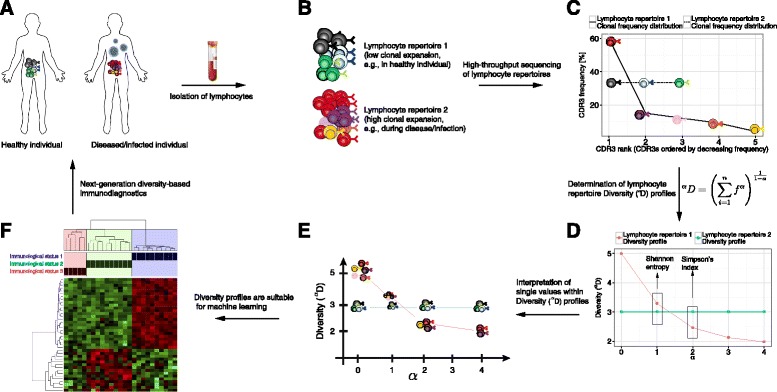
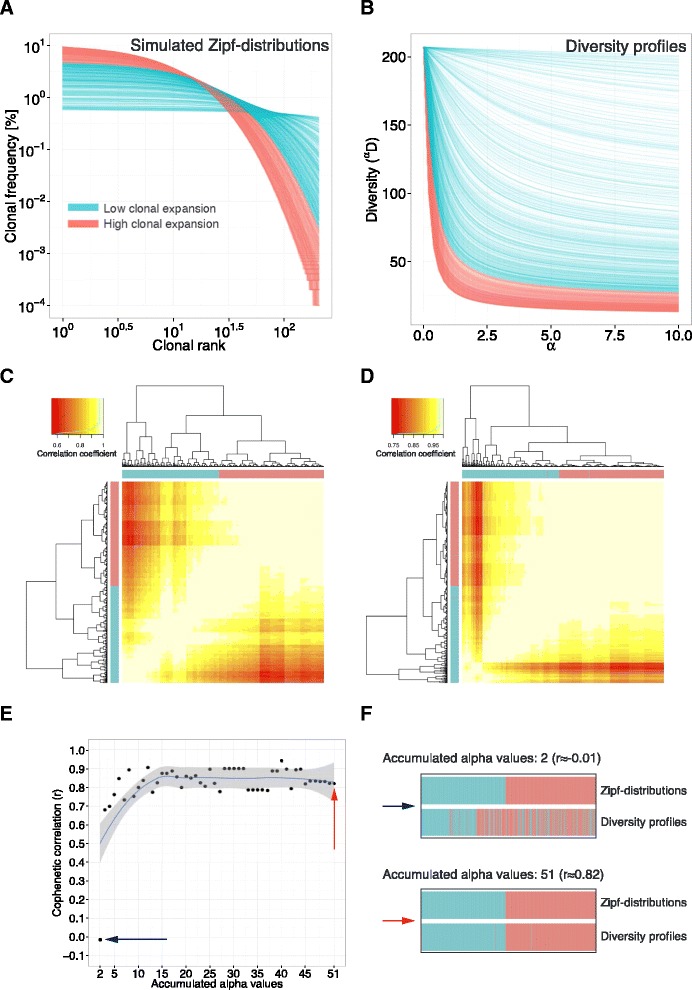
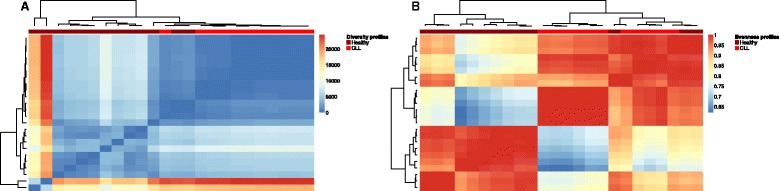
BACKGROUND: Lymphocyte receptor repertoires are continually shaped throughout the lifetime of an individual in response to environmental and pathogenic exposure. Thus, they may serve as a fingerprint of an individual's ongoing immunological status (e.g., healthy, infected, vaccinated), with far-reaching implications for immunodiagnostics applications. The advent of high-throughput immune repertoire sequencing now enables the interrogation of immune repertoire diversity in an unprecedented and quantitative manner. However, steadily increasing sequencing depth has revealed that immune repertoires vary greatly among individuals in their composition; correspondingly, it has been reported that there are few shared sequences indicative of immunological status ('public clones'). Disconcertingly, this means that the wealth of information gained from repertoire sequencing remains largely unused for determining the current status of immune responses, thereby hampering the implementation of immune-repertoire-based diagnostics. METHODS: Here, we introduce a bioinformatics repertoire-profiling framework that possesses the advantage of capturing the diversity and distribution of entire immune repertoires, as opposed to singular public clones. The framework relies on Hill-based diversity profiles composed of a continuum of single diversity indices, which enable the quantification of the extent of immunological information contained in immune repertoires. RESULTS: We coupled diversity profiles with unsupervised (hierarchical clustering) and supervised (support vector machine and feature selection) machine learning approaches in order to correlate patients' immunological statuses with their B- and T-cell repertoire data. We could predict with high accuracy (greater than or equal to 80 %) a wide range of immunological statuses such as healthy, transplantation recipient, and lymphoid cancer, suggesting as a proof of principle that diversity profiling can recover a large amount of immunodiagnostic fingerprints from immune repertoire data. Our framework is highly scalable as it easily allowed for the analysis of 1000 simulated immune repertoires; this exceeds the size of published immune repertoire datasets by one to two orders of magnitude. CONCLUSIONS: Our framework offers the possibility to advance immune-repertoire-based fingerprinting, which may in the future enable a systems immunogenomics approach for vaccine profiling and the accurate and early detection of disease and infection.
Overview
The claims and statistics of this paper haven’t been checked yet.
Run the check — free, no account needed. It reads the open-access text and checks the sources it cites.
Integrity signals
Registry
Cites
Statistics
Figures
Verification
Claims the paper makes
The claims and statistics of this paper haven’t been checked yet.
Run the check — free, no account needed. It reads the open-access text and checks the sources it cites.
Claims other papers make about this one
Each is checked against this paper’s own text: does it say what the citing paper says it does?
In the citing paper
“It was demonstrated that statistical classifiers can identify immune profiles of patients with chronic lymphocytic leukemia [220], multiple sclerosis [221] or influenza [222] from NGS data alone.”
From Computational approaches to therapeutic antibody design: established methods and emerging trends (2020) · cites this paper as [220]
Self-check
Percentages, sums and reported differences re-computed from the paper’s own numbers.
The self-check needs the paper’s full text.
Citations
Cites
R: A Language and Environment for Statistical Computing
R Core Team (2000) · doi:10.32614/r.manuals · Cited by 355,893
A Mathematical Theory of Communication
Shannon, C. E. (1948) · Bell System Technical Journal · doi:10.1002/j.1538-7305.1948.tb01338.x · Cited by 88,486
A Mathematical Theory of Communication
Shannon, C. E. (1948) · The MIT Press eBooks · doi:10.1002/j.1538-7305.1948.tb00917.x · Cited by 50,387
A mathematical theory of communication
Hockett, C. F., Shannon, C., & Weaver, W. (1948) · MOCO · doi:10.1145/584091.584093 · Cited by 30,543
Simpson, E. (1949) · Nature · doi:10.1038/163688a0 · Cited by 14,809
Gotelli, N., & Colwell, R. K. (2001) · Ecology Letters · doi:10.1046/j.1461-0248.2001.00230.x · Cited by 6,529
Diversity and Evenness: A Unifying Notation and Its Consequences
Hill, M. (1973) · Ecology · doi:10.2307/1934352 · Cited by 6,486
Jost, L. (2006) · Oikos · doi:10.1111/j.2006.0030-1299.14714.x · Cited by 4,669
On Measures of Entropy and Information
Rényi, A. (1961) · Project Euclid (Cornell University) · Cited by 4,031
Cellular and Molecular Immunology
Abbas, A. K., Lichtman, A. H., & Pillai, S. S. (1994) · Cited by 3,571
Research works printed but not linked: 4
- Janeway C, Shlomchik MJ, Walport M. Immunobiology. 6th ed. New York: Garland Science; 2004.
- Evert S, Baroni M. zipfR: Word frequency distributions in R. In: Proceedings of the 45th Annual Meeting of the Association for Computational Linguistics, Posters and Demonstrations Sessions. Prague, Czech Republic: Association for Computational Linguistics; 2007. p. 29–32.
- de Vries A, Ripley BD. Ggdendro: tools for extracting dendrogram and tree diagram plot data for use with ggplot. 2013.
- Galili T. Dendextend: extending R’s dendrogram functionality. 2014.
Cited by
Sorted by citations
Intratumoral plasma cells predict outcomes to PD-L1 blockade in non-small cell lung cancer
Patil, N. S., Nabet, B. Y., Müller, S., Koeppen, H., Zou, W., Giltnane, J. M., Au‐Yeung, A., Srivats, S., Cheng, J. H., Takahashi, C., et al. (2022) · Cancer Cell · doi:10.1016/j.ccell.2022.02.002 · Cited by 423
Overview of methodologies for T-cell receptor repertoire analysis
Rosati, E., Dowds, C. M., Liaskou, E., Henriksen, E. K. K., Karlsen, T. H., & Franke, A. (2017) · BMC Biotechnology · doi:10.1186/s12896-017-0379-9 · Cited by 322
Kovaltsuk, A., Leem, J., Kelm, S., Snowden, J., Deane, C. M., & Krawczyk, K. (2018) · The Journal of Immunology · doi:10.4049/jimmunol.1800708 · Cited by 247
Methods and Applications of CRISPR-Mediated Base Editing in Eukaryotic Genomes
Hess, G. T., Tycko, J., Yao, D., & Bassik, M. C. (2017) · Molecular Cell · doi:10.1016/j.molcel.2017.09.029 · Cited by 234
Practical guidelines for B-cell receptor repertoire sequencing analysis
Yaari, G., & Kleinstein, S. H. (2015) · Genome Medicine · doi:10.1186/s13073-015-0243-2 · Cited by 224
Computational approaches to therapeutic antibody design: established methods and emerging trends
Norman, R. A., Ambrosetti, F., Bonvin, A. M. J. J., Colwell, L. J., Kelm, S., Kumar, S., & Krawczyk, K. (2020) · Briefings in Bioinformatics · doi:10.1093/bib/bbz095 · Cited by 219
“Further development of a larger variety of such models could result in versatile diagnostic tools for multiple conditions on the basis of an individual’s sequenced BCR repertoire [220].”
BackgroundT-cell repertoire analysis and metrics of diversity and clonality
Chiffelle, J., Genolet, R., Perez, M. A. S., Coukos, G., Zoete, V., & Harari, A. (2020) · Current Opinion in Biotechnology · doi:10.1016/j.copbio.2020.07.010 · Cited by 212
Bioinformatic and Statistical Analysis of Adaptive Immune Repertoires
Greiff, V., Miho, E., Menzel, U., & Reddy, S. T. (2015) · Trends in Immunology · doi:10.1016/j.it.2015.09.006 · Cited by 210
Self-citationApplications of Immunogenomics to Cancer
Liu, X. S., & Mardis, E. R. (2017) · Cell · doi:10.1016/j.cell.2017.01.014 · Cited by 207
Miho, E., Yermanos, A., Weber, C. R., Berger, C. T., Reddy, S. T., & Greiff, V. (2018) · Frontiers in Immunology · doi:10.3389/fimmu.2018.00224 · Cited by 189
Greiff, V., Menzel, U., Miho, E., Weber, C. R., Riedel, R., Cook, S. C., Valai, A., Lopes, T., Radbruch, A., Winkler, T., et al. (2017) · Cell Reports · doi:10.1016/j.celrep.2017.04.054 · Cited by 167
Using T Cell Receptor Repertoires to Understand the Principles of Adaptive Immune Recognition
Bradley, P. H., & Thomas, P. G. (2019) · Annual Review of Immunology · doi:10.1146/annurev-immunol-042718-041757 · Cited by 162
Resident memory CD8 T cells persist for years in human small intestine
Bartolomé-Casado, R., Landsverk, O. J. B., Chauhan, S. K., Richter, L., Phung, D., Greiff, V., Risnes, L. F., Yao, Y., Neumann, R. S., Yaqub, S., et al. (2019) · The Journal of Experimental Medicine · doi:10.1084/jem.20190414 · Cited by 155
Chen, D., Le, S. B., Hutchinson, T. E., Calinescu, A.-A., Sebastian, M., Jin, D., Liu, T., Ghiaseddin, A. P., Rahman, M., & Tran, D. D. (2022) · Journal of Clinical Investigation · doi:10.1172/jci149258 · Cited by 157
Advanced Methodologies in High-Throughput Sequencing of Immune Repertoires
Friedensohn, S., Khan, T. A., & Reddy, S. T. (2016) · Trends in biotechnology · doi:10.1016/j.tibtech.2016.09.010 · Cited by 118
Greiff, V., Weber, C. R., Palme, J., Bodenhofer, U., Miho, E., Menzel, U., & Reddy, S. T. (2017) · The Journal of Immunology · doi:10.4049/jimmunol.1700594 · Cited by 106
Hoehn, K. B., Heiden, J. A. V., Zhou, J. Q., Lunter, G. A., Pybus, O. G., & Kleinstein, S. H. (2019) · Proceedings of the National Academy of Sciences · doi:10.1073/pnas.1906020116 · Cited by 114
Modern Hopfield Networks and Attention for Immune Repertoire ClassificationPreprint
Widrich, M., Schäfl, B., Pavlović, M., Ramsauer, H., Gruber, L., Holzleitner, M., Brandstetter, J., Sandve, G. K., Greiff, V., Hochreiter, S., et al. (2020) · bioRxiv (Cold Spring Harbor Laboratory) · doi:10.1101/2020.04.12.038158 · Cited by 111
Accurate and predictive antibody repertoire profiling by molecular amplification fingerprinting
Khan, T. A., Friedensohn, S., de Vries, A. R. G., Straszewski, J., Ruscheweyh, H., & Reddy, S. T. (2016) · Science Advances · doi:10.1126/sciadv.1501371 · Cited by 103
High-throughput sequencing of the T-cell receptor repertoire: pitfalls and opportunities
Heather, J., Ismail, M., Oakes, T., & Chain, B. (2016) · Briefings in Bioinformatics · doi:10.1093/bib/bbw138 · Cited by 102
De novo prediction of cancer-associated T cell receptors for noninvasive cancer detection
Beshnova, D., Ye, J., Onabolu, O., Moon, B., Zheng, W., Fu, Y., Brugarolas, J., Lea, J. S., & Li, B. (2020) · Science Translational Medicine · doi:10.1126/scitranslmed.aaz3738 · Cited by 101
History, applications, and challenges of immune repertoire research
Liu, X., & Wu, J. (2018) · Cell Biology and Toxicology · doi:10.1007/s10565-018-9426-0 · Cited by 91
The Diversity and Molecular Evolution of B-Cell Receptors during Infection
Hoehn, K. B., Fowler, A., Lunter, G. A., & Pybus, O. G. (2016) · Molecular Biology and Evolution · doi:10.1093/molbev/msw015 · Cited by 89
Greiff, V., Yaari, G., & Cowell, L. G. (2020) · Current Opinion in Systems Biology · doi:10.1016/j.coisb.2020.10.010 · Cited by 88
The immuneML ecosystem for machine learning analysis of adaptive immune receptor repertoires
Pavlović, M., Scheffer, L., Motwani, K., Kanduri, C., Kompova, R., Vazov, N., Waagan, K., Bernal, F. L. M., da Costa, A. A., Corrie, B., et al. (2021) · Nature Machine Intelligence · doi:10.1038/s42256-021-00413-z · Cited by 90
Support Vector Machines for Dyadic Data
Hochreiter, S., & Obermayer, K. (2006) · Neural Computation · doi:10.1162/neco.2006.18.6.1472 · Cited by 86
Mason, D. M., Weber, C. R., Parola, C., Meng, S. M., Greiff, V., Kelton, W., & Reddy, S. T. (2018) · Nucleic Acids Research · doi:10.1093/nar/gky550 · Cited by 87
Galson, J. D., Trück, J., Fowler, A., Münz, M., Cerundolo, V., Pollard, A. J., Lunter, G. A., & Kelly, D. F. (2015) · Frontiers in Immunology · doi:10.3389/fimmu.2015.00531 · Cited by 79
Comprehensive TCR repertoire analysis of CD4+ T-cell subsets in rheumatoid arthritis
Jiang, X., Wang, S., Zhou, C., Wu, J., Jiao, Y., Lin, L., Lü, X., Yang, B., Zhang, W., Xiao, X., et al. (2020) · Journal of Autoimmunity · doi:10.1016/j.jaut.2020.102432 · Cited by 72
Christley, S., Scarborough, W., Salinas, E., Rounds, W. H., Toby, I. T., Fonner, J. M., Levin, M. K., Kim, M., Mock, S. A., Jordan, C., et al. (2018) · Frontiers in Immunology · doi:10.3389/fimmu.2018.00976 · Cited by 72
How repertoire data are changing antibody science
Marks, C., & Deane, C. M. (2020) · Journal of Biological Chemistry · doi:10.1074/jbc.rev120.010181 · Cited by 69
Simnica, D., Akyüz, N., Schliffke, S., Mohme, M., von Wenserski, L., Mährle, T., Fanchi, L. F., Lamszus, K., & Binder, M. (2019) · OncoImmunology · doi:10.1080/2162402x.2019.1644110 · Cited by 63
Whangbo, J., Kim, H. T., Mirkovic, N., Leonard, L., Poryanda, S. J., Silverstein, S., Kim, S., Reynolds, C. G., Rai, S. C., Verrill, K. A., et al. (2019) · Blood Advances · doi:10.1182/bloodadvances.2019000631 · Cited by 62
Chu, N. D., Bi, H. S., Emerson, R., Sherwood, A., Birnbaum, M. E., Robins, H. S., & Alm, E. J. (2019) · BMC Immunology · doi:10.1186/s12865-019-0300-5 · Cited by 57
Brown, A. J., Snapkov, I., Akbar, R., Pavlović, M., Miho, E., Sandve, G. K., & Greiff, V. (2019) · Molecular Systems Design & Engineering · doi:10.1039/c9me00071b · Cited by 59
Self-citationAdaptive immune receptor repertoire analysis
Mhanna, V., Bashour, H., Quý, K. L., Barennes, P., Rawat, P., Greiff, V., & Mariotti‐Ferrandiz, E. (2024) · Nature Reviews Methods Primers · doi:10.1038/s43586-023-00284-1 · Cited by 66
Weber, C. R., Akbar, R., Yermanos, A., Pavlović, M., Snapkov, I., Sandve, G. K., Reddy, S. T., & Greiff, V. (2020) · Bioinformatics · doi:10.1093/bioinformatics/btaa158 · Cited by 58
TCR repertoire and CDR3 motif analyses depict the role of αβ T cells in Ankylosing spondylitis
Zheng, M., Zhang, X., Zhou, Y., Tang, J., Han, Q., Zhang, Y., Ni, Q., Chen, G., Jia, Q., Yu, H., et al. (2019) · EBioMedicine · doi:10.1016/j.ebiom.2019.07.032 · Cited by 56
Lanzarotti, E., Marcatili, P., & Nielsen, M. (2019) · Frontiers in Immunology · doi:10.3389/fimmu.2019.02080 · Cited by 54
Benchmarking immunoinformatic tools for the analysis of antibody repertoire sequences
Smakaj, E., Babrak, L. M., Ohlin, M., Shugay, M., Briney, B. S., Tosoni, D., Galli, C., Grobelsek, V., D’Angelo, I., Olson, B. J., et al. (2019) · Bioinformatics · doi:10.1093/bioinformatics/btz845 · Cited by 54
Islam, M. A., Rony, S. A., Rahman, M. B., Çınar, M. U., Villena, J., Uddin, M. J., & Kitazawa, H. (2020) · Animals · doi:10.3390/ani10122236 · Cited by 65
Antigen-Specific Development of Mucosal Foxp3+RORγt+ T Cells from Regulatory T Cell Precursors
Solomon, B. D., & Hsieh, C. (2016) · The Journal of Immunology · doi:10.4049/jimmunol.1601217 · Cited by 51
Quantifying lymphocyte receptor diversityPreprint
Mora, T., & Walczak, A. M. (2016) · bioRxiv (Cold Spring Harbor Laboratory) · doi:10.1101/046870 · Cited by 60
Yermanos, A., Greiff, V., Kräutler, N. J., Menzel, U., Dounas, A., Miho, E., Oxenius, A., Stadler, T., & Reddy, S. T. (2017) · Bioinformatics · doi:10.1093/bioinformatics/btx533 · Cited by 47
Motwani, K., Peters, L. D., Vliegen, W. H., Elsayed, A. G., Seay, H. R., López, M. C., Baker, H. V., Posgai, A. L., Brusko, M., Perry, D. J., et al. (2020) · Frontiers in Immunology · doi:10.3389/fimmu.2020.00611 · Cited by 50
Rettig, T. A., Ward, C., Bye, B. A., Pecaut, M. J., & Chapes, S. K. (2018) · PLoS ONE · doi:10.1371/journal.pone.0190982 · Cited by 44
The evolutionary and functional significance of germline immunoglobulin gene variation
Pennell, M., Rodriguez, O. L., Watson, C. T., & Greiff, V. (2022) · Trends in Immunology · doi:10.1016/j.it.2022.11.001 · Cited by 46
Specificity, Privacy, and Degeneracy in the CD4 T Cell Receptor Repertoire Following Immunization
Sun, Y., Best, K., Cinelli, M., Heather, J., Reich-Zeliger, S., Shifrut, E., Friedman, N., Shawe-Taylor, J. S., & Chain, B. (2017) · Frontiers in Immunology · doi:10.3389/fimmu.2017.00430 · Cited by 45
Computational Evaluation of B-Cell Clone Sizes in Bulk Populations
Rosenfeld, A. M., Meng, W., Chen, D. Y., Zhang, B., Granot, T., Färber, D. L., Hershberg, U., & Prak, E. T. L. (2018) · Frontiers in Immunology · doi:10.3389/fimmu.2018.01472 · Cited by 40
Kräutler, N. J., Yermanos, A., Pedrioli, A., Welten, S. P. M., Lorgé, D., Greczmiel, U., Wahl, I., Scheuermann, J., Kiefer, J. D., Eyer, K., et al. (2020) · Cell Reports · doi:10.1016/j.celrep.2019.12.088 · Cited by 43
Convergent selection in antibody repertoires is revealed by deep learningPreprint
Friedensohn, S., Neumeier, D., Khan, T. A., Csepregi, L., Parola, C., de Vries, A. R. G., Erlach, L., Mason, D. M., & Reddy, S. T. (2020) · bioRxiv (Cold Spring Harbor Laboratory) · doi:10.1101/2020.02.25.965673 · Cited by 41
Effects of spaceflight on the immunoglobulin repertoire of unimmunized C57BL/6 mice
Ward, C., Rettig, T. A., Hlavacek, S., Bye, B. A., Pecaut, M. J., & Chapes, S. K. (2017) · Life Sciences in Space Research · doi:10.1016/j.lssr.2017.11.003 · Cited by 42
Enninga, E. A. L., Raber, P. L., Quinton, R. A., Ruano, R., Ikumi, N. M., Gray, C. M., Johnson, E. L., Chakraborty, R., & Kerr, S. E. (2020) · The Journal of Immunology · doi:10.4049/jimmunol.1901297 · Cited by 41
Sakurai, K., Ishigaki, K., Shoda, H., Nagafuchi, Y., Tsuchida, Y., Sumitomo, S., Kanda, H., Suzuki, A., Kochi, Y., Yamamoto, K., et al. (2018) · The Journal of Rheumatology · doi:10.3899/jrheum.170909 · Cited by 41
Statistical inference of a convergent antibody repertoire response to influenza vaccine
Strauli, N. B., & Hernandez, R. D. (2016) · Genome Medicine · doi:10.1186/s13073-016-0314-z · Cited by 39
Kovaltsuk, A., Raybould, M. I. J., Wong, W. K., Marks, C., Kelm, S., Snowden, J., Trück, J., & Deane, C. M. (2020) · PLoS Computational Biology · doi:10.1371/journal.pcbi.1007636 · Cited by 39
Weber, T. (2018) · Frontiers in Immunology · doi:10.3389/fimmu.2018.01313 · Cited by 38
Amoriello, R., Greiff, V., Aldinucci, A., Bonechi, E., Carnasciali, A., Peruzzi, B., Repice, A. M., Mariottini, A., Saccardi, R., Mazzanti, B., et al. (2020) · Frontiers in Immunology · doi:10.3389/fimmu.2020.00559 · Cited by 39
Amoriello, R., Chernigovskaya, M., Greiff, V., Carnasciali, A., Massacesi, L., Barilaro, A., Repice, A. M., Biagioli, T., Aldinucci, A., Muraro, P. A., et al. (2021) · EBioMedicine · doi:10.1016/j.ebiom.2021.103429 · Cited by 40
Machine Learning Approaches to TCR Repertoire Analysis
Katayama, Y., Yokota, R., Akiyama, T., & Kobayashi, T. (2022) · Frontiers in Immunology · doi:10.3389/fimmu.2022.858057 · Cited by 35
Chen, D., Le, S. B., Ghiaseddin, A. P., Manektalia, H., Li, M., O’Dell, A., Rahman, M., & Tran, D. D. (2025) · Med · doi:10.1016/j.medj.2025.100708 · Cited by 33
Individualized VDJ recombination predisposes the available Ig sequence spacePreprint
Slabodkin, A., Chernigovskaya, M., Mikocziova, I., Akbar, R., Scheffer, L., Pavlović, M., Bashour, H., Snapkov, I., Mehta, B. B., Weber, C. R., et al. (2021) · Genome Research · doi:10.1101/gr.275373.121 · Cited by 34
Neuter, N. D., Bartholomeus, E., Elias, G., Keersmaekers, N., Suls, A., Jansens, H., Smits, E., Hens, N., Beutels, P., Damme, P. V., et al. (2018) · Genes and Immunity · doi:10.1038/s41435-018-0035-y · Cited by 30
Whangbo, J., Kim, H. T., Nikiforow, S., Koreth, J., Alho, A. C., Falahee, B. E., Kim, S., Dusenbury, K. H., Fields, M. J., Reynolds, C. G., et al. (2019) · Blood Advances · doi:10.1182/bloodadvances.2018027474 · Cited by 30
Simnica, D., Schliffke, S., Schultheiß, C., Bonzanni, N., Fanchi, L. F., Akyüz, N., Gösch, B., Casar, C., Thiele, B., Schlüter, J., et al. (2019) · Frontiers in Immunology · doi:10.3389/fimmu.2019.01897 · Cited by 28
Vaquero, S. T., Neuman, H., Comerma, L., Marcos-Fa, X., Corral-Vázquez, C., Uzzan, M., Pybus, M., Segura-Garzón, D., Guerra, J., Perruzza, L., et al. (2024) · The Journal of Experimental Medicine · doi:10.1084/jem.20230079 · Cited by 26
Analysis of the TCR Repertoire in HIV-Exposed but Uninfected Infants
Gabriel, B., Medin, C. L., Alves, J., Nduati, R. W., Bosire, R. K., Wamalwa, D. C., Farquhar, C., John-Stewart, G. C., & Lohman-Payne, B. L. (2019) · Scientific Reports · doi:10.1038/s41598-019-48434-4 · Cited by 26
Intrathymic differentiation of natural antibody-producing plasma cells in human neonates
Cordero, H., King, R. G., Dogra, P., Dufeu, C., See, S. B., Chong, A. M., Uhlemann, A., Ho, S., Kalfa, D. M., BACHA, E. A., et al. (2021) · Nature Communications · doi:10.1038/s41467-021-26069-2 · Cited by 28
Kanduri, C., Pavlović, M., Scheffer, L., Motwani, K., Chernigovskaya, M., Greiff, V., & Sandve, G. K. (2022) · GigaScience · doi:10.1093/gigascience/giac046 · Cited by 25
Reference-based comparison of adaptive immune receptor repertoires
Weber, C. R., Rubio, T., Wang, L., Zhang, W., Robert, P. A., Akbar, R., Snapkov, I., Wu, J., Kuijjer, M. L., Tarazona, S., et al. (2022) · Cell Reports Methods · doi:10.1016/j.crmeth.2022.100269 · Cited by 25
Reading the repertoire: Progress in adaptive immune receptor analysis using machine learning
O’Donnell, T. J., Kanduri, C., Isacchini, G., Limenitakis, J. P., Brachman, R. A., Alvarez, R. A., Haff, I. H., Sandve, G. K., & Greiff, V. (2024) · Cell Systems · doi:10.1016/j.cels.2024.11.006 · Cited by 24
Zhang, M., Cheng, Q., Wei, Z., Xu, J., Wu, S., Xu, N., Zhao, C., Yu, L., & Feng, W. (2024) · Briefings in Bioinformatics · doi:10.1093/bib/bbae420 · Cited by 23
A single donor is sufficient to produce a highly functional in vitro antibody library
Erasmus, M. F., D’Angelo, S., Ferrara, F., Naranjo, L. A., Teixeira, A. A. R., Buonpane, R. A., Stewart, S. M., Nastri, H. G., & Bradbury, A. M. (2021) · Communications Biology · doi:10.1038/s42003-021-01881-0 · Cited by 23
RepSeq Data Representativeness and Robustness Assessment by Shannon Entropy
Chaara, W., Mariotti‐Ferrandiz, E., Gonzalez-Tort, A., Flórez, L., Six, A., & Klatzmann, D. (2018) · Frontiers in Immunology · doi:10.3389/fimmu.2018.01038 · Cited by 27
Informatics for cancer immunotherapy
Hammerbacher, J., & Snyder, A. (2017) · Annals of Oncology · doi:10.1093/annonc/mdx682 · Cited by 23
Massey, J. C., Jackson, K., Singh, M., Hughes, B., Withers, B., Ford, C., Khoo, M., Hendrawan, K., Zaunders, J., Muylder, B. C.-D., et al. (2022) · Frontiers in Immunology · doi:10.3389/fimmu.2022.798300 · Cited by 26
Prospective Artificial Intelligence to Dissect the Dengue Immune Response and Discover Therapeutics
Natali, E. N., Babrak, L. M., & Miho, E. (2021) · Frontiers in Immunology · doi:10.3389/fimmu.2021.574411 · Cited by 24
Pélissier, A., Luo, S., Stratigopoulou, M., Guikema, J. E. J., & Martínez, M. R. (2023) · Frontiers in Immunology · doi:10.3389/fimmu.2023.1123968 · Cited by 21
Abalign: a comprehensive multiple sequence alignment platform for B-cell receptor immune repertoires
Zong, F., Long, C., Hu, W., Chen, S., Dai, W., Xiao, Z. J., & Cao, Y. (2023) · Nucleic Acids Research · doi:10.1093/nar/gkad400 · Cited by 21
Expanded TCRβ CDR3 clonotypes distinguish Crohn's disease and ulcerative colitis patients
Wu, J., Pendegraft, A. H., Byrne-Steele, M. L., Yang, Q., Wang, C., Pan, W., Lucious, T. D., Seay, T., Cui, X., Elson, C. O., et al. (2018) · Mucosal Immunology · doi:10.1038/s41385-018-0046-z · Cited by 21
Rigorous benchmarking of T-cell receptor repertoire profiling methods for cancer RNA sequencing
Peng, K., Nowicki, T. S., Campbell, K. M., Vahed, M., Peng, D., Meng, Y., Nagareddy, A., Huang, Y.-N., Karlsberg, A., Miller, Z., et al. (2023) · Briefings in Bioinformatics · doi:10.1093/bib/bbad220 · Cited by 21
Immune Literacy: Reading, Writing, and Editing Adaptive Immunity
Csepregi, L., Ehling, R. A., Wagner, B., & Reddy, S. T. (2020) · iScience · doi:10.1016/j.isci.2020.101519 · Cited by 22
Adaptive Immune Receptor Repertoire (AIRR) Community Guide to Repertoire Analysis
Marquez, S., Babrak, L. M., Greiff, V., Hoehn, K. B., Lees, W., Prak, E. T. L., Miho, E., Rosenfeld, A. M., Schramm, C. A., Stervbo, U., et al. (2022) · Methods in molecular biology · doi:10.1007/978-1-0716-2115-8_17 · Cited by 19
A comprehensive evaluation of diversity measures for TCR repertoire profiling
Mika, J., Polanska, A., Blenman, K., Pusztai, L., Polańska, J., Candéias, S. M., & Marczyk, M. (2025) · BMC Biology · doi:10.1186/s12915-025-02236-5 · Cited by 19
Kockelbergh, H., Evans, S. C., Deng, T., Clyne, E., Kyriakidou, A., Economou, A., Hoang, K. N. L., Woodmansey, S., Foers, A. D., Fowler, A., et al. (2022) · Diagnostics · doi:10.3390/diagnostics12051222 · Cited by 19
Apyrase-mediated amplification of secretory IgA promotes intestinal homeostasis
Perruzza, L., Strati, F., Raneri, M., Li, H., Gargari, G., Rezzonico-Jost, T., Palatella, M., Kwee, I., Morone, D., Seehusen, F., et al. (2022) · Cell Reports · doi:10.1016/j.celrep.2022.111112 · Cited by 17
Pavlović, M., Hajj, G. S. A., Kanduri, C., Pensar, J., Wood, M. E., Sollid, L. M., Greiff, V., & Sandve, G. K. (2024) · Nature Machine Intelligence · doi:10.1038/s42256-023-00781-8 · Cited by 29
Chernigovskaya, M., Pavlović, M., Kanduri, C., Gielis, S., Robert, P. A., Scheffer, L., Slabodkin, A., Haff, I. H., Meysman, P., Yaari, G., et al. (2025) · Nucleic Acids Research · doi:10.1093/nar/gkaf025 · Cited by 18
Chang, Y., Kuan, H.-C., Hsieh, T. C., H., K., Yang, C., Hsu, W.-B., Tsai, S., Chao, A., & Liu, H.-H. (2016) · Scientific Reports · doi:10.1038/srep26556 · Cited by 17
Foers, A. D., Shoukat, M. S., Welsh, O. E., Donovan, K., Petry, R., Evans, S. C., FitzPatrick, M. E. B., Collins, N., Klenerman, P., Fowler, A., et al. (2020) · The Journal of Pathology · doi:10.1002/path.5592 · Cited by 17
Öjlert, Å. K., Nebdal, D. J. H., Snapkov, I., Olsen, V., Kidman, J., Greiff, V., Chee, J., & Helland, Å. (2021) · Molecular Oncology · doi:10.1002/1878-0261.13082 · Cited by 17
Advances in antibody discovery from human BCR repertoires
Xu, Z., Ismanto, H. S., Zhou, H., Saputri, D. S., Sugihara, F., & Standley, D. M. (2022) · Frontiers in Bioinformatics · doi:10.3389/fbinf.2022.1044975 · Cited by 18
A Deep Learning Model for Accurate Diagnosis of Infection Using Antibody Repertoires
Chen, Y., Ye, Z., Zhang, Y., Xie, W., Chen, Q., Lan, C., Yang, X., Zeng, H., Zhu, Y., Ma, C., et al. (2022) · The Journal of Immunology · doi:10.4049/jimmunol.2200063 · Cited by 13
Sequencing the peripheral blood B and T cell repertoire – Quantifying robustness and limitations
Simon, J. S., Botero, S., & Simon, S. M. (2018) · Journal of Immunological Methods · doi:10.1016/j.jim.2018.10.003 · Cited by 14
Benchmarking and integrating human B-cell receptor genomic and antibody proteomic profiling
Quý, K. L., Chernigovskaya, M., Stensland, M., Singh, S. K., Leem, J., Revale, S., Yadin, D., Nice, F. L., Povall, C., Minns, D., et al. (2024) · npj Systems Biology and Applications · doi:10.1038/s41540-024-00402-z · Cited by 13
Akbar, R., Robert, P. A., Pavlović, M., Jeliazkov, J. R., Snapkov, I., Slabodkin, A., Weber, C. R., Scheffer, L., Miho, E., Haff, I. H., et al. (2021) · Repository for Publications and Research Data (ETH Zurich) · doi:10.3929/ethz-b-000475562 · Cited by 16
Self-supervised learning of T cell receptor sequences exposes core properties for T cell membership
Kabeli, R. G., Zevin, S., Abargel, A., Zilberberg, A., & Efroni, S. (2024) · Science Advances · doi:10.1126/sciadv.adk4670 · Cited by 12
Chung, Y., & Wu, M. (2018) · International Journal of Cancer · doi:10.1002/ijc.31336 · Cited by 12
Signatures of T cell immunity revealed using sequence similarity with TCRDivER algorithm
Vujović, M., Marcatili, P., Chain, B., Kaplinsky, J., & Andresen, T. L. (2023) · Communications Biology · doi:10.1038/s42003-023-04702-8 · Cited by 9
Immunological Diversity with SimilarityPreprint
Arora, R., Burke, H. M., & Arnaout, R. (2018) · bioRxiv (Cold Spring Harbor Laboratory) · doi:10.1101/483131 · Cited by 11
Metadata
- Authors
- Greiff, V., Bhat, P., Cook, S. C., Menzel, U., Kang, W., & Reddy, S. T.
- Affiliations
- ETH Zurich (CH)
- Corresponding author
- Reddy, Sai T.
- Venue
- Genome Medicine
- Published
- 2015-05-28
- Volume
- 7
- Issue
- 1
- Pages
- 49-49
- ISSN
- 1756-994X (ISSN-L)
- PMC
- PMC4489130
- OpenAlex
- W1483854882
- Cited by
- 181
- References
- 89
- Citations by year
- 2026: 14 · 2025: 14 · 2024: 25 · 2023: 11 · 2022: 23 · 2021: 15 · 2020: 21 · 2019: 15 · 2018: 18 · 2017: 13 · 2016: 8 · 2015: 3
- FWCI
- 7.07
- Type
- journal article
- Language
- en
- Open access
- gold
- doi.org
- Locations
- Genome Medicine (publishedVersion, cc-by)
- Europe PMC (PubMed Central) (publishedVersion, cc-by)
- PubMed Central (publishedVersion, cc-by)
- PubMed (publishedVersion)
- Repository for Publications and Research Data (ETH Zurich) (submittedVersion, cc-by)
- ETH Zürich Research Collection (cc-by)
- Funders
- National Science Foundation
- Schweizerischer Nationalfonds zur Förderung der Wissenschaftlichen Forschung
- Eidgenössische Technische Hochschule Zürich
- SystemsX.ch
- Topics
- Life Sciences › Immunology and Microbiology › Immunology › T-cell and B-cell Immunology
- Life Sciences › Biochemistry, Genetics and Molecular Biology › Molecular Biology › vaccines and immunoinformatics approaches
- Physical Sciences › Computer Science › Artificial Intelligence › Artificial Immune Systems Applications
- Keywords
- immune repertoire diversity, immune status, immunodiagnosis, B cell receptor repertoire, T cell receptor repertoire, disease detection
About these checks
Registry, retraction, Cites and statistics results are computed, not judged, with one exception: a printed reference that no index lists is read once by a model before it counts as a citation error. Claims are extracted by a model and kept only when their quote appears verbatim in the text; each cited source is then checked, with a model’s help, for whether it says what the claim relies on. Those verdicts can be wrong — read the claim’s quote and the cited source before relying on one.
Statistics and arithmetic are recomputed, not judged.
Confidence bands are shown only for fields calibrated on our annotated test set. None is calibrated yet, so no band is shown.
What counts as a claim ›How we measure confidence ›How we check this ›
Are you an author, or do you see a problem with this page? Request a review
