

Genome-wide DNA methylation profiling in the superior temporal gyrus reveals epigenetic signatures associated with Alzheimer’s disease
Open accessThe DOI matches its Crossref record; 111 of the 112 references it cites were found in a registry or an index.
Abstract
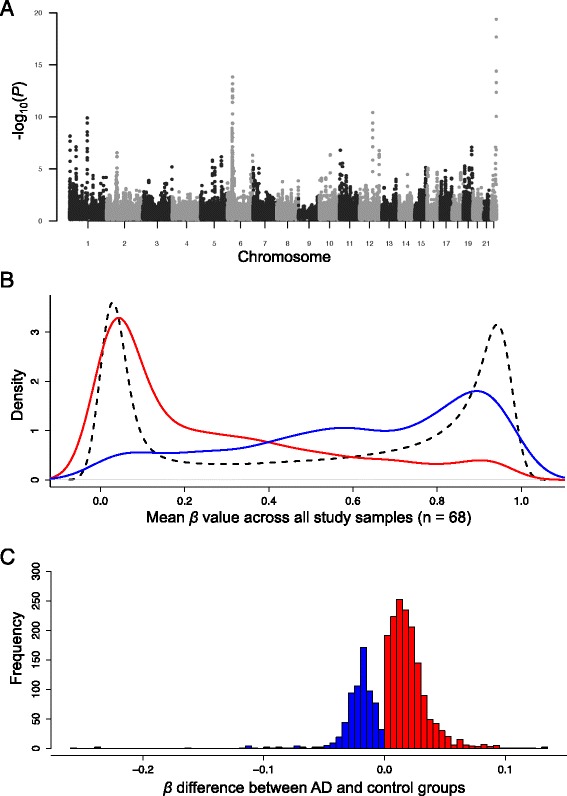
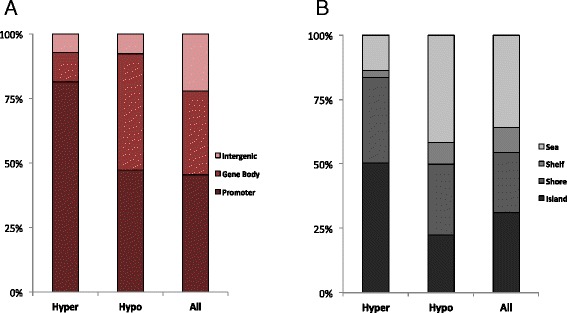
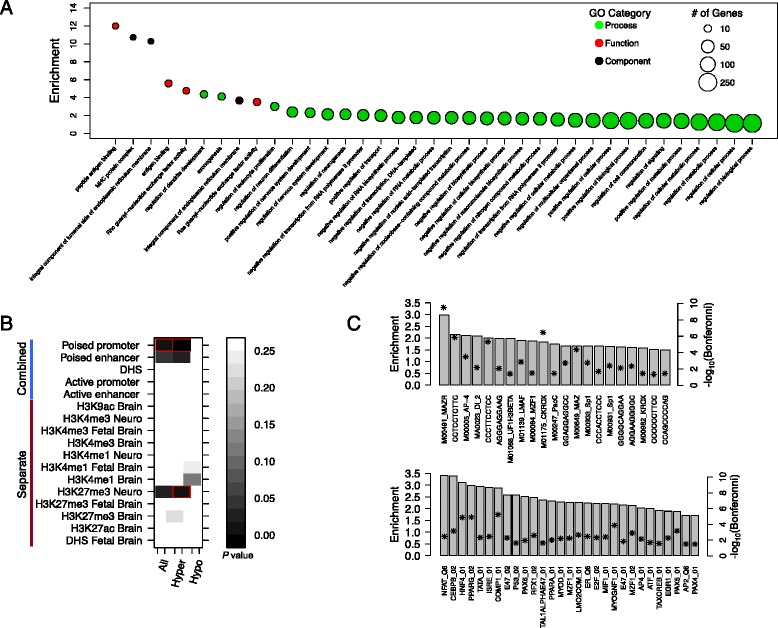
BACKGROUND: Alzheimer's disease affects ~13% of people in the United States 65 years and older, making it the most common neurodegenerative disorder. Recent work has identified roles for environmental, genetic, and epigenetic factors in Alzheimer's disease risk. METHODS: We performed a genome-wide screen of DNA methylation using the Illumina Infinium HumanMethylation450 platform on bulk tissue samples from the superior temporal gyrus of patients with Alzheimer's disease and non-demented controls. We paired a sliding window approach with multivariate linear regression to characterize Alzheimer's disease-associated differentially methylated regions (DMRs). RESULTS: We identified 479 DMRs exhibiting a strong bias for hypermethylated changes, a subset of which were independently associated with aging. DMR intervals overlapped 475 RefSeq genes enriched for gene ontology categories with relevant roles in neuron function and development, as well as cellular metabolism, and included genes reported in Alzheimer's disease genome-wide and epigenome-wide association studies. DMRs were enriched for brain-specific histone signatures and for binding motifs of transcription factors with roles in the brain and Alzheimer's disease pathology. Notably, hypermethylated DMRs preferentially overlapped poised promoter regions, marked by H3K27me3 and H3K4me3, previously shown to co-localize with aging-associated hypermethylation. Finally, the integration of DMR-associated single nucleotide polymorphisms with Alzheimer's disease genome-wide association study risk loci and brain expression quantitative trait loci highlights multiple potential DMRs of interest for further functional analysis. CONCLUSION: We have characterized changes in DNA methylation in the superior temporal gyrus of patients with Alzheimer's disease, highlighting novel loci that facilitate better characterization of pathways and mechanisms underlying Alzheimer's disease pathogenesis, and improve our understanding of epigenetic signatures that may contribute to the development of disease.
Overview
The claims and statistics of this paper haven’t been checked yet.
Free: it reads the open-access text and checks the first 5 claims that cite a source we can check. Create a free account to check every claim.
Integrity signals
Registry
Cites
Statistics
Figures
Verification
Claims the paper makes
The claims and statistics of this paper haven’t been checked yet.
Free: it reads the open-access text and checks the first 5 claims that cite a source we can check. Create a free account to check every claim.
Claims other papers make about this one
Each is checked against this paper’s own text: does it say what the citing paper says it does?
The source backs part of the claim, not all of it — or backs it for a different population, condition or comparison.
In the citing paper
“Consistent with previous studies [18, 19, 86, 87], we observed the majority of these sex-specific differences were hyper-methylated in samples with AD neuropathology, for which methylation levels increased as the AD Braak stage increased”
From Sex-specific DNA methylation differences in Alzheimer’s disease pathology (2021) · cites this paper as [86]
Experimental — accuracy not yet measuredThe cited source says what the claim attributes to it.
In the citing paper
“differences in overall methylation have been observed in AD-affected brain regions”
From Ageing, Cellular Senescence and Neurodegenerative Disease (2018) · cites this paper as [228]
The cited source says what the claim attributes to it.
In the citing paper
“abnormal DNA methylation patterns have been reported in several genes associated with AD [227,228,229].”
From Ageing, Cellular Senescence and Neurodegenerative Disease (2018) · cites this paper as [228]
The cited source says what the claim attributes to it.
In the citing paper
“Indeed, the contribution of epigenetic modifications to neurodegenerative diseases such as PD (Wüllner et al., 2016) (Park et al., 2015) and AD (Watson et al., 2016), (Phipps et al., 2016) has been addressed in a number of studies.”
From TET2 Regulates the Neuroinflammatory Response in Microglia (2019) · cites this paper as Watson et al., 2016
Self-check
Percentages, sums and reported differences re-computed from the paper’s own numbers.
The self-check needs the paper’s full text.
Citations
Cites
Controlling the False Discovery Rate: A Practical and Powerful Approach to Multiple Testing
Benjamini, Y., & Hochberg, Y. (1995) · Journal of the Royal Statistical Society Series B: Statistical Methodology · doi:10.1111/j.2517-6161.1995.tb02031.x · Cited by 109,482 · cited 1×
“The positions of CpGs on either end of a significant window demarcated the coordinates of each DMR. Combined P -values for each window/DMR were corrected using the Benjamini – Hochberg method for false discovery rate (FDR) [56]; DMRs meeting a 1 % FDR cutoff were used for downstream analyses.”
BEDTools: a flexible suite of utilities for comparing genomic features
Quinlan, A. R., & Hall, I. M. (2010) · Bioinformatics · doi:10.1093/bioinformatics/btq033 · Cited by 27,437
A map of human genome variation from population-scale sequencing.
The 1000 Genomes Project Consortium (2010) · Nature · doi:10.1038/nature09534 · Cited by 7,877 · cited 1×
“…genome (build NCBI36; hg18) using BSMAP [48], allowing a maximum of two mismatches and three gaps; and (2) those probes for which a 1000 Genomes Project [49, 50] single nucleotide polymorphism (SNP; minor allele frequency ≥ 0.05) mapped to within 5 base pairs (bp) of the probe-targeted CpG.”
InfluentialAn integrated map of genetic variation from 1,092 human genomes
The 1000 Genomes Project Consortium (2012) · Nature · doi:10.1038/nature11632 · Cited by 7,711 · cited 1×
“…genome (build NCBI36; hg18) using BSMAP [48], allowing a maximum of two mismatches and three gaps; and (2) those probes for which a 1000 Genomes Project [49, 50] single nucleotide polymorphism (SNP; minor allele frequency ≥ 0.05) mapped to within 5 base pairs (bp) of the probe-targeted CpG.”
InfluentialA bivalent chromatin structure marks key developmental genes in embryonic stem cells
Bernstein, B. E., Mikkelsen, T. S., Xie, X., Kamal, M., Huebert, D. J., Cuff, J., Fry, B., Meissner, A., Wernig, M., Plath, K., et al. (2006) · Cell · doi:10.1016/j.cell.2006.02.041 · Cited by 5,361 · cited 2×
“…enrichments specifically for hypermethylated DMRs in poised promoters of the adult brain; these loci, characterized by the presence of both H3K27me3 and H3K4me3, mark regulatory regions associated with developmental genes that have key roles in cellular differentiation and pluripotency [93, 95].”
2016 Alzheimer's disease facts and figures
Alzheimer's Association (2016) · Alzheimer's & Dementia · doi:10.1016/j.jalz.2016.03.001 · Cited by 5,069
Meta-Analysis of 74,046 Individuals Identifies 11 New Susceptibility Loci for Alzheimer’s Disease
(EADI), E. A. D. I., Lambert, J.-C., (GERAD), G. A. E. R. I. A. D., Alzheimer's Disease Genetic Consortium (ADGC), (CHARGE), C. F. H. A. A. R. I. G. E., Ibrahim-Verbaas, C. A., Harold, D., Naj, A. C., Sims, R., Bellenguez, C., et al. (2013) · Nature Genetics · doi:10.1038/ng.2802 · Cited by 4,336 · cited 1×
““Alzheimer’s Disease” (access date: December 2014), including SNPs recently reported in a large meta-analysis [11]; only SNPs with P-values < 10 were considered.”
Genome-wide methylation profiles reveal quantitative views of human aging rates
Hannum, G., Guinney, J., Zhao, L., Zhang, L., Hughes, G., Sadda, S., Klotzle, B., Bibikova, M., Fan, J.-B., Gao, Y., et al. (2013) · Molecular Cell · doi:10.1016/j.molcel.2012.10.016 · Cited by 4,270
Systematic Localization of Common Disease-Associated Variation in Regulatory DNA
Maurano, M. T., Humbert, R., Rynes, E., Thurman, R. E., Haugen, E., Wang, H., Reynolds, A. P., Sandstrom, R., Qu, H., Brody, J., et al. (2012) · Science · doi:10.1126/science.1222794 · Cited by 3,716 · cited 2×
“…from CpG shores), and sea (not within islands, shores, or shelves); and DNaseI hypersensitivity sites and histone marks (H3K9ac, H3K27ac, H3K27me3, H3K4me1, and H3K4me3) in various human brain datasets generated as part of the ENCODE and REMC projects and curated as described previously [58, 59].”
GOrilla: a tool for discovery and visualization of enriched GO terms in ranked gene lists
Eden, E., Navon, R., Steinfeld, I., Lipson, D., & Yakhini, Z. (2009) · BMC Bioinformatics · doi:10.1186/1471-2105-10-48 · Cited by 3,356
Cited by
Ageing, Cellular Senescence and Neurodegenerative Disease
Kritsilis, M., V. Rizou, S., Koutsoudaki, P. N., Evangelou, K., Gorgoulis, V. G., & Papadopoulos, D. (2018) · International Journal of Molecular Sciences · doi:10.3390/ijms19102937 · Cited by 448
Cellular Senescence in Neurodegenerative Diseases
Martínez-Cué, C., & Rueda, N. (2020) · Frontiers in Cellular Neuroscience · doi:10.3389/fncel.2020.00016 · Cited by 281
“It has been demonstrated that in AD brains changes in DNA methylation affect to a few common gene loci which play an essential role in the formation of Aβ plaques (Lord and Cruchaga, 2014; Watson et al., 2016; Qazi et al., 2018; Armstrong et al., 2019; Esposito and Sherr, 2019; Prasad and Jho, 2019).”
BackgroundLi, P., Marshall, L., Oh, G., Jakubowski, J. L., Groot, D., He, Y., Wang, T., Petronis, A., & Labrie, V. (2019) · Nature Communications · doi:10.1038/s41467-019-10101-7 · Cited by 234
Gene–environment interactions in Alzheimer disease: the emerging role of epigenetics
Migliore, L., & Coppedè, F. (2022) · Nature Reviews Neurology · doi:10.1038/s41582-022-00714-w · Cited by 217
PI3K Signaling in Neurons: A Central Node for the Control of Multiple Functions
Sánchez-Alegría, K., Flores-León, M., Avila-Muñoz, E., Rodríguez-Corona, N., & Arias, C. (2018) · International Journal of Molecular Sciences · doi:10.3390/ijms19123725 · Cited by 207
“However, another study reported hypermethylation of autosomal differentially methylated regions that also contained altered histone methylation markers [97].”
BackgroundHarnessing Gut Microbes for Mental Health: Getting From Here to There
Bruce-Keller, A. J., Salbaum, J. M., & Berthoud, H.-R. (2018) · Biological Psychiatry · doi:10.1016/j.biopsych.2017.08.014 · Cited by 189
Epigenetics of Alzheimer’s Disease
Nikolac Perkovic, M., Videtic Paska, A., Konjevod, M., Kouter, K., Svob Strac, D., Nedic Erjavec, G., & Pivac, N. (2021) · Biomolecules · doi:10.3390/biom11020195 · Cited by 176
“Significant increase in DNA methylation has been reported so far in various brain regions including the hippocampus, entorhinal cortex, and dorsolateral prefrontal cortex [51], the temporal cortex [57], and the temporal gyrus [58].”
BackgroundSmith, R. G., Pishva, E., Shireby, G., Smith, A. R., Roubroeks, J. A. Y., Hannon, E., Wheildon, G., Mastroeni, D., Gasparoni, G., Riemenschneider, M., et al. (2021) · Nature Communications · doi:10.1038/s41467-021-23243-4 · Cited by 168
Self-citationEpigenetics in Alzheimer’s Disease: Perspective of DNA Methylation
Qazi, T. J., Quan, Z., Mir, A., & Qing, H. (2018) · Molecular Neurobiology · doi:10.1007/s12035-016-0357-6 · Cited by 153
Rizzardi, L. F., Hickey, P. F., Rodriguez DiBlasi, V., Tryggvadóttir, R., Callahan, C. M., Idrizi, A., Hansen, K. D., & Feinberg, A. P. (2019) · Nature Neuroscience · doi:10.1038/s41593-018-0297-8 · Cited by 146
Genetic–epigenetic interactions in cis: a major focus in the post-GWAS era
Do, C., Shearer, A., Suzuki, M., Terry, M. B., Gelernter, J., Greally, J. M., & Tycko, B. (2017) · Genome Biology · doi:10.1186/s13059-017-1250-y · Cited by 142
Dworzański, J., Strycharz-Dudziak, M., Kliszczewska, E., Kiełczykowska, M., Dworzańska, A., Drop, B., & Polz‐Dacewicz, M. (2020) · PLoS ONE · doi:10.1371/journal.pone.0230374 · Cited by 142
Zhang, L., Silva, T. C., Young, J. I., Gomez, L., Schmidt, M. A., Hamilton-Nelson, K. L., Kunkle, B. W., Chen, X., Martin, E. R., & Wang, L. (2020) · Nature Communications · doi:10.1038/s41467-020-19791-w · Cited by 139
Alzheimer’s disease-associated (hydroxy)methylomic changes in the brain and blood
Lardenoije, R., Roubroeks, J. A. Y., Pishva, E., Leber, M., Wagner, H., Iatrou, A., Smith, A. R., Smith, R. G., Eijssen, L. M. T., Kleineidam, L., et al. (2019) · Clinical Epigenetics · doi:10.1186/s13148-019-0755-5 · Cited by 135
“5fC: 5-Formylcytosine; 5hmC: 5-Hydroxymethylcytosine; 5mC: 5- Methylcytosine; AD: Alzheimer’s disease; AgeCoDe: Study on Ageing, Cognition and Dementia in Primary Care Patients and Stroke and the Alzheimer’s Disease and Related Disorders Association; Aβ: Amyloid beta; BBDP: Brain and Body Donation Program; BS: Bisulfi…”
ResultWen, K.-X., Miliç, J., El-Khodor, B., Dhana, K., Nano, J., Pulido, T., Kraja, B., Zaciragic, A., Bramer, W. M., Troup, J., et al. (2016) · PLOS ONE · doi:10.1371/journal.pone.0167201 · Cited by 119
Epigenomics of Alzheimer's disease
Bennett, D. A., Yu, L., Yang, J., Srivastava, G. P., Aubin, C., & De Jager, P. L. (2015) · Translational Research · doi:10.1016/j.trsl.2014.05.006 · Cited by 123
Alzheimer’s Disorder: Epigenetic Connection and Associated Risk Factors
Sharma, V., Mehta, V., & Singh, T. G. (2020) · Current Neuropharmacology · doi:10.2174/1570159x18666200128125641 · Cited by 134
Semick, S. A., Bharadwaj, R. A., Collado‐Torres, L., Tao, R., Shin, J. H., Deep‐Soboslay, A., Weiss, J. R., Weinberger, D. R., Hyde, T. M., Kleinman, J. E., et al. (2019) · Acta Neuropathologica · doi:10.1007/s00401-019-01966-5 · Cited by 136
DNA methylation signature of human hippocampus in Alzheimer’s disease is linked to neurogenesis
Altuna, M., Urdánoz‐Casado, A., de Gordoa, J. S., Zelaya, M. V., Labarga, A., Lepesant, J. M. J., Roldán, M., Blanco‐Luquin, I., Perdones-Montero, Á., Larumbe, R., et al. (2019) · Clinical Epigenetics · doi:10.1186/s13148-019-0672-7 · Cited by 114
Relation-induced multi-modal shared representation learning for Alzheimer’s disease diagnosis
Ning, Z., Xiao, Q., Feng, Q., Chen, W., & Zhang, Y. (2021) · IEEE Transactions on Medical Imaging · doi:10.1109/tmi.2021.3063150 · Cited by 106
TET2 Regulates the Neuroinflammatory Response in Microglia
Carrillo-Jimenez, A., Deniz, Ö., Niklison-Chirou, M. V., Ruiz, R., Bezerra-Salomão, K., Stratoulias, V., Amouroux, R., Yip, P. K., Vilalta, A., Cheray, M., et al. (2019) · Cell Reports · doi:10.1016/j.celrep.2019.09.013 · Cited by 115
PM20D1 is a quantitative trait locus associated with Alzheimer’s disease
Sanchez-Mut, J. V., Heyn, H., Silva, B. A., Dixsaut, L., Garcia‐Esparcia, P., Vidal, E., Sayols, S., Glauser, L., Monteagudo, A., Pérez‐Tur, J., et al. (2018) · Nature Medicine · doi:10.1038/s41591-018-0013-y · Cited by 115
Epigenetic Basis of Lead-Induced Neurological Disorders
Wang, T., Zhang, J., & Xu, Y. (2020) · International Journal of Environmental Research and Public Health · doi:10.3390/ijerph17134878 · Cited by 111
“A recent genome-wide methylation study in AD brains showed that the identified DMRs (differentially methylated regions) overlapped promoters enriched by bivalent histone marks, indicating that the bivalent region was susceptible for remodeling in AD pathogenesis [37].”
BackgroundPrenatal phthalate exposure and altered patterns of DNA methylation in cord blood
Solomon, O., Yousefi, P., Huen, K., Gunier, R. B., Escudero‐Fung, M., Barcellos, L. F., Eskenazi, B., & Holland, N. (2017) · Environmental and Molecular Mutagenesis · doi:10.1002/em.22095 · Cited by 102
“While the majority of published epigenetic studies have thus far focused on individual CpG sites, emerging evidence suggests that regional approaches may be more informative [Vandiver et al., 2015; Yang et al., 2015; Watson et al., 2016; Breton et al., 2017] and could improve statistical power [Jaffe et al.”
BackgroundRole of Epigenetics in Alzheimer’s Disease Pathogenesis
Stoccoro, A., & Coppedè, F. (2018) · Neurodegenerative Disease Management · doi:10.2217/nmt-2018-0004 · Cited by 89
Polyamine Metabolism and Gene Methylation in Conjunction with One-Carbon Metabolism
Soda, K. (2018) · International Journal of Molecular Sciences · doi:10.3390/ijms19103106 · Cited by 92
Epigenetic Changes in Alzheimer’s Disease: DNA Methylation and Histone Modification
Plano, L. M. D., Saitta, A., Oddo, S., & Caccamo, A. (2024) · Cells · doi:10.3390/cells13080719 · Cited by 98
“However, others have reported an overall increase in DNA methylation in AD [32,37–39].”
BackgroundSoda, K. (2022) · Cells · doi:10.3390/cells11010164 · Cited by 112
Li, Q. S., Sun, Y., & Wang, T. (2020) · Clinical Epigenetics · doi:10.1186/s13148-020-00944-z · Cited by 86
DNA methylation alterations in Alzheimer’s disease
Yokoyama, A. S., Rutledge, J. C., & Medici, V. (2017) · Environmental Epigenetics · doi:10.1093/eep/dvx008 · Cited by 96
Roubroeks, J. A. Y., Smith, A. R., Smith, R. G., Pishva, E., Ibrahim, Z., Sattlecker, M., Hannon, E. J., Kłoszewska, I., Mecocci, P., Soininen, H., et al. (2020) · Neurobiology of Aging · doi:10.1016/j.neurobiolaging.2020.06.023 · Cited by 82
Epigenetics and DNA methylomic profiling in Alzheimer's disease and other neurodegenerative diseases
Roubroeks, J. A. Y., Smith, R. G., van den Hove, D. L. A., & Lunnon, K. (2017) · Journal of Neurochemistry · doi:10.1111/jnc.14148 · Cited by 82
“Watson et al. (2016) recently used this technique to examine superior temporal gyrus tissue from 34 patients with late-onset AD, and an equal number of age-, race-, and gender-matched non-demented controls.”
MethodNature-derived microbiota exposure as a novel immunomodulatory approach
Nurminen, N., Lin, J., Grönroos, M., Puhakka, R., Kramna, L., Vari, H. K., Viskari, H., Oikarinen, S., Roslund, M., Parajuli, A., et al. (2018) · Future Microbiology · doi:10.2217/fmb-2017-0286 · Cited by 80
Epigenetics of chronic inflammatory diseases
Stylianou, E. (2018) · Journal of Inflammation Research · doi:10.2147/jir.s129027 · Cited by 79
DNA Hypomethylation in Blood Links B3GALT4 and ZADH2 to Alzheimer’s Disease
Madrid, A., Hogan, K. J., Papale, L. A., Clark, L. R., Asthana, S., Johnson, S. C., & Alisch, R. S. (2018) · Journal of Alzheimer’s Disease · doi:10.3233/jad-180592 · Cited by 77
“A previous study of DNA methylation alterations in the superior temporal gyrus of postmortem LOAD brain samples reported 53 hypermethylated positions in B3GALT4 [7].”
InfluentialOpening up the DNA methylome of dementia
Delgado-Morales, R., & Esteller, M. (2017) · Molecular Psychiatry · doi:10.1038/mp.2016.242 · Cited by 76
Formaldehyde, Epigenetics, and Alzheimer’s Disease
Wang, F., Chen, D., Wu, P., Klein, C. B., & Jin, C. (2019) · Chemical Research in Toxicology · doi:10.1021/acs.chemrestox.9b00090 · Cited by 76
Genome-wide brain DNA methylation analysis suggests epigenetic reprogramming in Parkinson disease
Young, J. I., Sivasankaran, S. K., Wang, L., Ali, A., Mehta, A., Davis, D. A., Dykxhoorn, D. M., Petito, C. K., Beecham, G. W., Martin, E. R., et al. (2019) · Neurology Genetics · doi:10.1212/nxg.0000000000000342 · Cited by 78
Garg, P., Joshi, R. S., Watson, C. T., & Sharp, A. J. (2018) · PLoS Genetics · doi:10.1371/journal.pgen.1007707 · Cited by 96
Self-citationDNA methylation in Alzheimer’s disease: In brain and peripheral blood
Wei, X., Zhang, L., & Zeng, Y. (2020) · Mechanisms of Ageing and Development · doi:10.1016/j.mad.2020.111319 · Cited by 71
Nagu, P., Parashar, A., Behl, T., & Mehta, V. (2021) · Journal of Molecular Neuroscience · doi:10.1007/s12031-021-01829-3 · Cited by 70
“Reports from genome-wide studies conducted in patients suffering from AD suggest a crucial role of the H3K27me3 and H3K4me3 modification in the pathogenesis of AD (Watson et al. 2016; Sharma et al. 2020).”
BackgroundMolecular Biomarkers in Neurological Diseases: Advances in Diagnosis and Prognosis
Myrou, A. D., Barmpagiannos, K., Ioakimidou, A., & Savopoulos, C. G. (2025) · International Journal of Molecular Sciences · doi:10.3390/ijms26052231 · Cited by 72
“Aberrant DNA methylation has been observed in genes linked to neurodegeneration, including APP, PSEN1, and TREM2 in Alzheimer’s disease (AD), as well as SNCA and LRRK2 in Parkinson’s disease (PD) [25,26].”
Brain DNA Methylation Patterns in CLDN5 Associated With Cognitive Decline
Hüls, A., Robins, C., Conneely, K. N., Edgar, R. D., Jager, P. L. D., Bennett, D. A., Wingo, A. P., Epstein, M. P., & Wingo, T. S. (2019) · Biological Psychiatry · doi:10.1016/j.biopsych.2021.01.015 · Cited by 68
The Role of Epigenetics in Neuroinflammatory-Driven Diseases
Giallongo, S., Longhitano, L., Denaro, S., D’Aprile, S., Torrisi, F., Spina, E. L., Giallongo, C., Mannino, G., Furno, D. L., Zappalà, A., et al. (2022) · International Journal of Molecular Sciences · doi:10.3390/ijms232315218 · Cited by 66
Gerring, Z. F., McRae, A. F., Montgomery, G. W., & Nyholt, D. R. (2018) · BMC Genomics · doi:10.1186/s12864-018-4450-2 · Cited by 65
Li, Q. S., & De Muynck, L. (2021) · Brain, Behavior, & Immunity - Health · doi:10.1016/j.bbih.2021.100227 · Cited by 58
Metabolism navigates neural cell fate in development, aging and neurodegeneration
Traxler, L., Lagerwall, J., Eichhorner, S., Stefanoni, D., D’Alessandro, A., & Mertens, J. (2021) · Disease Models & Mechanisms · doi:10.1242/dmm.048993 · Cited by 64
“The accumulation of certain metabolites, such as acetylCoA or αKG, further destabilizes cell identity by changing the epigenetic landscape (Benito et al., 2015; Huo et al., 2019; Nativio et al., 2018; Schueller et al., 2020; Watson et al., 2016).”
BackgroundBody Mass Index in Multiple Sclerosis modulates ceramide-induced DNA methylation and disease course
Castro, K., Ntranos, A., Amatruda, M., Petracca, M., Kosa, P. F., Chen, E. Y.-S., Morstein, J., Trauner, D. H., Watson, C. T., Kiebish, M. A., et al. (2019) · EBioMedicine · doi:10.1016/j.ebiom.2019.03.087 · Cited by 61
“As we have previously described [52,53], our analysis was focused on genomic regions rather than individual CpG sites as regulatory DNA modifications generally involve multiple consecutive CpGs.”
BackgroundSelf-citationSex-specific DNA methylation differences in Alzheimer’s disease pathology
Zhang, L., Young, J. I., Gomez, L., Silva, T. C., Schmidt, M. A., Cai, J., Chen, X., Martin, E. R., & Wang, L. (2021) · Acta Neuropathologica Communications · doi:10.1186/s40478-021-01177-8 · Cited by 75
“Consistent with previous studies [18, 19, 86, 87], we observed the majority of these sex-specific differences were hyper-methylated in samples with AD neuropathology, for which methylation levels increased as the AD Braak stage increased (Additional file 2: Tables S17, S18).”
ResultHajjo, R., Sabbah, D. A., Abusara, O. H., & Bawab, A. Q. A. (2022) · Diagnostics · doi:10.3390/diagnostics12122975 · Cited by 63
Role of primary aging hallmarks in Alzheimer´s disease
Zhao, J., & Huai, J. (2023) · Theranostics · doi:10.7150/thno.79535 · Cited by 51
Huang, Y., Sun, X., Jiang, H., Yu, S., Robins, C., Armstrong, M. J., Li, R., Mei, Z., Shi, X., Gerasimov, E. S., et al. (2021) · Nature Communications · doi:10.1038/s41467-021-24710-8 · Cited by 51
Epigenetics: Recent Advances and Its Role in the Treatment of Alzheimer's Disease
Xiao, X., Liu, X., & Jiao, B. (2020) · Frontiers in Neurology · doi:10.3389/fneur.2020.538301 · Cited by 55
Peripheral blood DNA methylation differences in twin pairs discordant for Alzheimer’s disease
Konki, M., Malonzo, M., Karlsson, I., Lindgrén, N., Ghimire, B. R., Smolander, J., Scheinin, N. M., Ollikainen, M., Laiho, A., Elo, L. L., et al. (2019) · Clinical Epigenetics · doi:10.1186/s13148-019-0729-7 · Cited by 53
Klein, H.-U., Bennett, D. A., & De Jager, P. L. (2016) · Acta Neuropathologica · doi:10.1007/s00401-016-1612-7 · Cited by 49
“However, in another smaller study, comparing AD subjects to non-AD subjects, associated sites were more likely to increase in methylation with AD but poised promoter regions appeared to be enriched for associated CG dinucleotides measured using the same Illumina platform [51].”
BackgroundResultInfluentialTan, G., Dan, Z.-R., Zhang, Y., Huang, X., Zhong, Y.-L., Ye, L., Rong, R., Ye, L., Zhou, Q., & Shao, Y. (2017) · Journal of International Medical Research · doi:10.1177/0300060517715340 · Cited by 51
“In addition, previous studies have suggested that STG dysfunction may be related to a range of diseases such as schizophrenia,(56) psychosis(57) and Alzheimer’s disease.(58) In the current study, we found that the DC values in the STG were significantly higher in patients with CES, suggesting that CES may lead to the…”
BackgroundSystems healthcare: a holistic paradigm for tomorrow
Fiandaca, M. S., Mapstone, M. E., Connors, E. E., Jacobson, M., Monuki, E. S., Malik, S., Macciardi, F. M., & Federoff, H. J. (2017) · BMC Systems Biology · doi:10.1186/s12918-017-0521-2 · Cited by 54
“and the genome, through epigenetic modifications [71, 72], and especially DNA methylation [73, 74].”
BackgroundXue, C., Sun, H., Hu, G., Qi, W., Yue, Y., Rao, J., Yang, W., Xiao, C., Chen, J., & Initiative, T. A. D. N. (2020) · Frontiers in Neuroscience · doi:10.3389/fnins.2020.575652 · Cited by 49
The fusiform gyrus exhibits an epigenetic signature for Alzheimer’s disease
Ma, D., Fetahu, I. S., Wang, M., Fang, R., Li, J., Liu, H., Gramyk, T., Iwanicki, I. J., Gu, S., Xu, W., et al. (2020) · Clinical Epigenetics · doi:10.1186/s13148-020-00916-3 · Cited by 52
Xie, B., Liu, Z., Liu, W., Jiang, L., Zhang, R., Cui, D., Zhang, Q., & Xu, S. (2017) · Journal of Alzheimer s Disease · doi:10.3233/jad-170007 · Cited by 48
DNA methylation variability in Alzheimer's disease
Huo, Z., Zhu, Y., Yu, L., Yang, J., Jager, P. L. D., Bennett, D. A., & Zhao, J. (2018) · Neurobiology of Aging · doi:10.1016/j.neurobiolaging.2018.12.003 · Cited by 48
Evidence for nucleolar dysfunction in Alzheimer’s disease
Nyhus, C., Pihl, M., Hyttel, P., & Hall, V. J. (2019) · Reviews in the Neurosciences · doi:10.1515/revneuro-2018-0104 · Cited by 49
Spermine and gene methylation: a mechanism of lifespan extension induced by polyamine-rich diet
Soda, K. (2019) · Amino Acids · doi:10.1007/s00726-019-02733-2 · Cited by 48
Pihlstrøm, L., Shireby, G. L., Geut, H., Henriksen, S. P., Rozemüller, A. J. M., Tunold, J., Hannon, E. J., Francis, P. T., Thomas, A. J., Love, S., et al. (2022) · Nature Communications · doi:10.1038/s41467-022-32619-z · Cited by 44
Cell-type specific epigenetic clocks to quantify biological age at cell-type resolution
Tong, H., Guo, X., Jacques, M., Luo, Q., Eynon, N., & Teschendorff, A. E. (2024) · Aging · doi:10.18632/aging.206184 · Cited by 48
Huang, M., Chen, X., Yu, Y., Lai, H., & Feng, Q. (2021) · IEEE Transactions on Medical Imaging · doi:10.1109/tmi.2021.3057660 · Cited by 42
Shulman, D., Dubnov, S., Zorbaz, T., Madrer, N., Paldor, I., Bennett, D. A., Seshadri, S. S., Mufson, E. J., Greenberg, D., Loewenstein, Y., et al. (2023) · Alzheimer s & Dementia · doi:10.1002/alz.13095 · Cited by 41
“The STG is a cortical region that was previ-ouslylinkedtoAD,presentingepigeneticmodificationsinpersonswith AD according to their pathogenesis, 53 whereas the hypothalamus is a subcortical region that is relatively spared.”
Fumarates target the metabolic-epigenetic interplay of brain-homing T cells in multiple sclerosis
Ntranos, A., Ntranos, V., Bonnefil, V., Liu, J., Kim‐Schulze, S., He, Y., Zhu, Y., Brandstadter, R., Watson, C. T., Sharp, A. J., et al. (2019) · Brain · doi:10.1093/brain/awy344 · Cited by 39
Self-citationPromoter DNA hypermethylation – Implications for Alzheimer’s disease
Liu, Y., Wang, M., Marcora, E. M., Zhang, B., & Goate, A. M. (2019) · Neuroscience Letters · doi:10.1016/j.neulet.2019.134403 · Cited by 35
“Watson et al [60] studied STG tissue from 34 LOAD patients and 34 matched controls.”
BackgroundEpigenetic basis of Alzheimer disease
Tecalco-Cruz, Á. C., Ramírez‐Jarquín, J. O., Álvarez-Sánchez, M. E., & Zepeda–Cervantes, J. (2020) · World Journal of Biological Chemistry · doi:10.4331/wjbc.v11.i2.62 · Cited by 39
Utility of DNA Methylation as a Biomarker in Aging and Alzheimer’s Disease
Milicic, L., Porter, T., Vacher, M. A., & Laws, S. M. (2023) · Journal of Alzheimer s Disease Reports · doi:10.3233/adr-220109 · Cited by 40
“AD Superior temporal gyrus 68 (34 case, 34 control) 66–92 Illumina Infinium HumanMethylation 450K array EWAS Identified 479 DMRs, with the majority being hypermethylated [186]”
BackgroundYe, J., Zeng, A., Pan, D., Zhang, Y., Zhao, J., Chen, Q., & Liu, Y. (2024) · IEEE Journal of Biomedical and Health Informatics · doi:10.1109/jbhi.2024.3368500 · Cited by 38
Ellison, E. M., Bradley-Whitman, M. A., & Lovell, M. A. (2017) · Journal of Molecular Neuroscience · doi:10.1007/s12031-017-0969-y · Cited by 35
“…association studies of AD subjects (Lambert et al. 2009, Seshadri et al. 2010) as well as genome-wide methylation mapping studies (De Jager et al. 2014; Yu et al. 2015;Watson et al. 2016) for their roles in endocytosis, immune function, lipid processing, and clearance mechanisms (Tan et al. 2013).”
BackgroundDworzański, J., Drop, B., Kliszczewska, E., Strycharz-Dudziak, M., & Polz‐Dacewicz, M. (2019) · PLoS ONE · doi:10.1371/journal.pone.0222607 · Cited by 39
Mitsumori, R., Sakaguchi, K., Shigemizu, D., Mori, T., Akiyama, S., Ozaki, K., Niida, S., & Shimoda, N. (2020) · PLOS ONE · doi:10.1371/journal.pone.0239196 · Cited by 34
Bellelli, F., Angioni, D., Arosio, B., Vellas, B. J., & Barreto, P. D. S. (2025) · Ageing Research Reviews · doi:10.1016/j.arr.2025.102699 · Cited by 37
Dynorphin and κ-Opioid Receptor Dysregulation in the Dopaminergic Reward System of Human Alcoholics
Bazov, I., Sarkisyan, D., Kononenko, O., Watanabe, H., Yakovleva, T., Hansson, A. C., Sommer, W. H., Spanagel, R., & Bakalkin, G. Y. (2018) · Molecular Neurobiology · doi:10.1007/s12035-017-0844-4 · Cited by 35
Appleby‐Mallinder, C., Schaber, E., Kirby, J., Shaw, P. J., Cooper‐Knock, J., Heath, P. R., & Highley, J. R. (2020) · Neuropathology and Applied Neurobiology · doi:10.1111/nan.12625 · Cited by 35
Bahado-Singh, R. O., Radhakrishna, U., Gordevičius, J., Aydas, B., Yılmaz, A., Jafar, F., Imam, K., Maddens, M. E., Challapalli, K., Metpally, R. P. R., et al. (2022) · Cells · doi:10.3390/cells11111744 · Cited by 36
“A study of DNA methylation in brain tissue [49] reported good predictive accuracy, with an AUC of >0.”
BackgroundMethodInfluentialPsychosis-associated DNA methylomic variation in Alzheimer's disease cortex
Pishva, E., Creese, B., Smith, A. R., Viechtbauer, W., Proitsi, P., van den Hove, D., Ballard, C. G., Mill, J. S., & Lunnon, K. (2020) · Neurobiology of Aging · doi:10.1016/j.neurobiolaging.2020.01.001 · Cited by 34
“It is interesting to note that these genes have been previously reported in the context of AD; TBX15 has been shown to be hypomethylated in the STG of AD cases relatives to non-AD controls (Watson et al., 2016), while WT1 has been previously shown to be present in neurofibrillary tangles (Lovell et al.”
BackgroundZimmer‐Bensch, G., & Zempel, H. (2021) · Cells · doi:10.3390/cells10113064 · Cited by 34
Milicic, L., Vacher, M. A., Porter, T., Doré, V., Burnham, S. C., Bourgeat, P., Shishegar, R., Doecke, J. D., Armstrong, N. J., Tankard, R. M., et al. (2022) · GeroScience · doi:10.1007/s11357-022-00558-8 · Cited by 33
Genome‐wide methylomic regulation of multiscale gene networks in Alzheimer's disease
Wang, E., Wang, M., Guo, L., Fullard, J. F., Micallef, C., Bendl, J. M., Song, W., Chen, M., Huang, Y., Li, Y., et al. (2023) · Alzheimer s & Dementia · doi:10.1002/alz.12969 · Cited by 35
Self-citationNuclear dynamics and stress responses in Alzheimer’s disease
Iatrou, A., Clark, E. M., & Wang, Y. (2021) · Molecular Neurodegeneration · doi:10.1186/s13024-021-00489-6 · Cited by 34
Liu, D., Wang, Y., Jing, H., Meng, Q., & Yang, J. (2020) · Neurobiology of Aging · doi:10.1016/j.neurobiolaging.2020.09.019 · Cited by 32
Research Progress in Predicting DNA Methylation Modifications and the Relation with Human Diseases
Ao, C., Gao, L., & Yu, L. (2021) · Current Medicinal Chemistry · doi:10.2174/0929867328666210917115733 · Cited by 34
Rabaneda‐Bueno, R., Mena‐Montes, B., Torres‐Castro, S., Torres‐Carrillo, N., & Torres-Carrillo, N. M. (2021) · Genes · doi:10.3390/genes12121959 · Cited by 33
Śliwińska, A., Sitarek, P., Toma, M. M., Czarny, P. L., Synowiec, E., Krupa, R., Wigner, P., Białek, K. I., Kwiatkowski, D., Imiela, A., et al. (2017) · Progress in Neuro-Psychopharmacology and Biological Psychiatry · doi:10.1016/j.pnpbp.2017.07.010 · Cited by 32
PLD3 epigenetic changes in the hippocampus of Alzheimer’s disease
Blanco‐Luquin, I., Altuna, M., de Gordoa, J. S., Urdánoz‐Casado, A., Roldán, M., Cámara, M. S., Zelaya, M. V., Erro, M. E., Echávarri, C., & Mendióroz, M. (2018) · Clinical Epigenetics · doi:10.1186/s13148-018-0547-3 · Cited by 38
Lutz, M. W., Sprague, D., & Chiba‐Falek, O. (2019) · Alzheimer s & Dementia · doi:10.1016/j.jalz.2019.04.014 · Cited by 29
Early epigenetic changes of Alzheimer’s disease in the human hippocampus
Blanco‐Luquin, I., Acha, B., Urdánoz‐Casado, A., de Gordoa, J. S., Vicuña‐Urriza, J., Roldán, M., Labarga, A., Zelaya, M. V., Cabello, C., Méndez-López, I., et al. (2020) · Epigenetics · doi:10.1080/15592294.2020.1748917 · Cited by 30
Elevated EXO1 expression is associated with breast carcinogenesis and poor prognosis
Liu, J., & Jin, Z. (2021) · Annals of Translational Medicine · doi:10.21037/atm-20-7922 · Cited by 34
Hernaiz, A., Toivonen, J. M., Bolea, R., & Martín‐Burriel, I. (2022) · International Journal of Molecular Sciences · doi:10.3390/ijms232012609 · Cited by 27
Methylation differences in Alzheimer’s disease neuropathologic change in the aged human brain
Lang, A.-L., Eulalio, T. Y., Fox, E., Yakabi, K., Bukhari, S. A., Kawas, C. H., Corrada, M. M., Montgomery, S. B., Heppner, F. L., Capper, D., et al. (2022) · Acta Neuropathologica Communications · doi:10.1186/s40478-022-01470-0 · Cited by 28
DNA Methylation and Hydroxymethylation and Behavior
Rustad, S. R., Papale, L. A., & Alisch, R. S. (2019) · Current topics in behavioral neurosciences · doi:10.1007/7854_2019_104 · Cited by 28
Alzheimer’s disease is an inherent, natural part of human brain aging: an integrated perspective
Ferrer, I. (2022) · Free Neuropathology · doi:10.17879/freeneuropathology-2022-3806 · Cited by 30
Kwon, K. J., Kim, H. Y., Han, S., & Shin, C. Y. (2024) · International Journal of Molecular Sciences · doi:10.3390/ijms252111338 · Cited by 25
“Based on the finding that the gene encoding for oxytocin, oxt, is differentially methylated in the brain and blood of patients with AD [127,128], it is speculated that oxytocin may modulate memory loss in AD [129].”
BackgroundThe nuclear-mitochondrial crosstalk in aging: From mechanisms to therapeutics
Feng, Y., & Lu, Y. (2025) · Free Radical Biology and Medicine · doi:10.1016/j.freeradbiomed.2025.03.012 · Cited by 24
Beyond Transgenic Mice: Emerging Models and Translational Strategies in Alzheimer’s Disease
Lopes, P. A., & Guil‐Guerrero, J. L. (2025) · International Journal of Molecular Sciences · doi:10.3390/ijms26125541 · Cited by 26
Zhang, Z., Wiencke, J. K., Kelsey, K. T., Koestler, D. C., Molinaro, A. M., Pike, S. C., Karra, P., Christensen, B. C., & Salas, L. A. (2023) · Frontiers in Neuroscience · doi:10.3389/fnins.2023.1198243 · Cited by 26
“We interrogated 516 normal brain tissue samples from 14 different regions in the application data sets (Pidsley et al., 2013, 2014; De Souza et al., 2016; Horvath et al., 2016; Watson et al., 2016; Murphy et al., 2017; Viana et al., 2017; Gasparoni et al., 2018; Smith et al., 2018).”
Method
Metadata
- Authors
- Watson, C. T., Roussos, P., Garg, P., Ho, D. J., Azam, N., Katsel, P. L., Haroutunian, V., & Sharp, A. J.
- Affiliations
- Icahn School of Medicine at Mount Sinai (US)
- New York/New Jersey VA Health Care Network (US)
- Corresponding author
- Sharp, Andrew J.
- Venue
- Genome Medicine
- Published
- 2016-01-19
- Volume
- 8
- Issue
- 1
- Pages
- 5-5
- ISSN
- 1756-994X (ISSN-L)
- PMC
- PMC4719699
- OpenAlex
- W2279197036
- Cited by
- 201
- References
- 112
- Citations by year
- 2026: 7 · 2025: 17 · 2024: 15 · 2023: 18 · 2022: 23 · 2021: 24 · 2020: 22 · 2019: 25 · 2018: 20 · 2017: 24 · 2016: 5
- FWCI
- 12.82
- Type
- journal article
- Language
- en
- Open access
- gold
- doi.org
- Licence
- cc-by
- creativecommons.org/licenses/by/4.0/ (tdm)
- creativecommons.org/licenses/by/4.0/ (vor)
- Locations
- Genome Medicine (publishedVersion, cc-by)
- PubMed Central (publishedVersion, cc-by)
- PubMed (publishedVersion)
- Funders
- Alzheimer's Association (2012ALZNIRG69983)
- National Institutes of Health (DA033660, HG006696, HD073731, MH097018, AG05138)
- March of Dimes Foundation (6-FY13-92)
- U.S. Department of Health and Human Services (HHSN271291300031)
- Topics
- Life Sciences › Biochemistry, Genetics and Molecular Biology › Molecular Biology › Epigenetics and DNA Methylation
- Health Sciences › Medicine › Psychiatry and Mental health › Dementia and Cognitive Impairment Research
- Life Sciences › Neuroscience › Cellular and Molecular Neuroscience › Alzheimer's disease research and treatments
- Keywords
- Alzheimer's disease, DNA methylation, superior temporal gyrus, differentially methylated regions, epigenetic signatures, brain aging, H3K27me3, H3K4me3, transcription factor binding motifs, single nucleotide polymorphisms, expression quantitative trait loci, neurodegeneration
- MeSH terms
- Aged, Aged, 80 and over, Alzheimer Disease, Humans, Temporal Lobe, DNA Methylation, Epigenesis, Genetic, Gene Regulatory Networks, Genome-Wide Association Study, Gene Ontology
About these checks
Registry, retraction, Cites and statistics results are computed, not judged, with one exception: a printed reference that no index lists is read once by a model before it counts as a citation error. Claims are extracted by a model and kept only when their quote appears verbatim in the text; each cited source is then checked, with a model’s help, for whether it says what the claim relies on. Those verdicts can be wrong — read the claim’s quote and the cited source before relying on one.
Statistics and arithmetic are recomputed, not judged.
Confidence bands are shown only for fields calibrated on our annotated test set. None is calibrated yet, so no band is shown.
What counts as a claim ›How we measure confidence ›How we check this ›
Are you an author, or do you see a problem with this page? Request a review
Data sources
Bibliographic data: Semantic Scholar, OpenAlex, Crossref.
Contains information from the Semantic Scholar Academic Graph Datasets, made available under the ODC Attribution License (ODC-BY 1.0).
Semantic Scholar’s data is described in: Kinney, R., et al. (2023). The Semantic Scholar Open Data Platform. arXiv:2301.10140.
