

Genome-wide DNA methylation profiling in the superior temporal gyrus reveals epigenetic signatures associated with Alzheimer’s disease
Open accessThe DOI matches its Crossref record; 111 of the 112 references it cites were found in a registry or an index.
Abstract
BACKGROUND: Alzheimer's disease affects ~13% of people in the United States 65 years and older, making it the most common neurodegenerative disorder. Recent work has identified roles for environmental, genetic, and epigenetic factors in Alzheimer's disease risk. METHODS: We performed a genome-wide screen of DNA methylation using the Illumina Infinium HumanMethylation450 platform on bulk tissue samples from the superior temporal gyrus of patients with Alzheimer's disease and non-demented controls. We paired a sliding window approach with multivariate linear regression to characterize Alzheimer's disease-associated differentially methylated regions (DMRs). RESULTS: We identified 479 DMRs exhibiting a strong bias for hypermethylated changes, a subset of which were independently associated with aging. DMR intervals overlapped 475 RefSeq genes enriched for gene ontology categories with relevant roles in neuron function and development, as well as cellular metabolism, and included genes reported in Alzheimer's disease genome-wide and epigenome-wide association studies. DMRs were enriched for brain-specific histone signatures and for binding motifs of transcription factors with roles in the brain and Alzheimer's disease pathology. Notably, hypermethylated DMRs preferentially overlapped poised promoter regions, marked by H3K27me3 and H3K4me3, previously shown to co-localize with aging-associated hypermethylation. Finally, the integration of DMR-associated single nucleotide polymorphisms with Alzheimer's disease genome-wide association study risk loci and brain expression quantitative trait loci highlights multiple potential DMRs of interest for further functional analysis. CONCLUSION: We have characterized changes in DNA methylation in the superior temporal gyrus of patients with Alzheimer's disease, highlighting novel loci that facilitate better characterization of pathways and mechanisms underlying Alzheimer's disease pathogenesis, and improve our understanding of epigenetic signatures that may contribute to the development of disease.
Overview
The claims and statistics of this paper haven’t been checked yet.
Free: it reads the open-access text and checks the first 5 claims that cite a source we can check. Create a free account to check every claim.
Integrity signals
Registry
Cites
Statistics
Figures
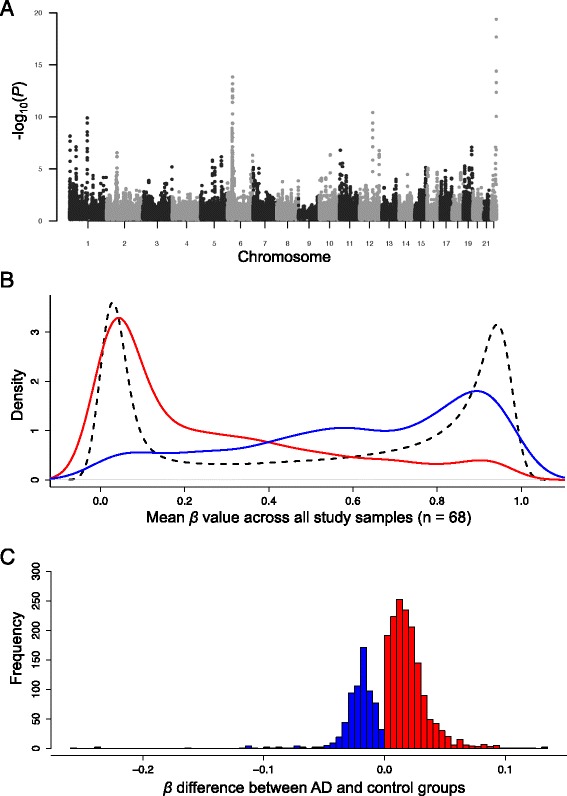
Verification
Claims the paper makes
The claims and statistics of this paper haven’t been checked yet.
Free: it reads the open-access text and checks the first 5 claims that cite a source we can check. Create a free account to check every claim.
Claims other papers make about this one
Each is checked against this paper’s own text: does it say what the citing paper says it does?
The source backs part of the claim, not all of it — or backs it for a different population, condition or comparison.
In the citing paper
“Consistent with previous studies [18, 19, 86, 87], we observed the majority of these sex-specific differences were hyper-methylated in samples with AD neuropathology, for which methylation levels increased as the AD Braak stage increased”
From Sex-specific DNA methylation differences in Alzheimer’s disease pathology (2021) · cites this paper as [86]
Experimental — accuracy not yet measuredThe cited source says what the claim attributes to it.
In the citing paper
“differences in overall methylation have been observed in AD-affected brain regions”
From Ageing, Cellular Senescence and Neurodegenerative Disease (2018) · cites this paper as [228]
The cited source says what the claim attributes to it.
In the citing paper
“abnormal DNA methylation patterns have been reported in several genes associated with AD [227,228,229].”
From Ageing, Cellular Senescence and Neurodegenerative Disease (2018) · cites this paper as [228]
The cited source says what the claim attributes to it.
In the citing paper
“Indeed, the contribution of epigenetic modifications to neurodegenerative diseases such as PD (Wüllner et al., 2016) (Park et al., 2015) and AD (Watson et al., 2016), (Phipps et al., 2016) has been addressed in a number of studies.”
From TET2 Regulates the Neuroinflammatory Response in Microglia (2019) · cites this paper as Watson et al., 2016
Self-check
Percentages, sums and reported differences re-computed from the paper’s own numbers.
The self-check needs the paper’s full text.
Citations
Cites
Controlling the False Discovery Rate: A Practical and Powerful Approach to Multiple Testing
Benjamini, Y., & Hochberg, Y. (1995) · Journal of the Royal Statistical Society Series B: Statistical Methodology · doi:10.1111/j.2517-6161.1995.tb02031.x · Cited by 109,482 · cited 1×
“The positions of CpGs on either end of a significant window demarcated the coordinates of each DMR. Combined P -values for each window/DMR were corrected using the Benjamini – Hochberg method for false discovery rate (FDR) [56]; DMRs meeting a 1 % FDR cutoff were used for downstream analyses.”
BEDTools: a flexible suite of utilities for comparing genomic features
Quinlan, A. R., & Hall, I. M. (2010) · Bioinformatics · doi:10.1093/bioinformatics/btq033 · Cited by 27,437
A map of human genome variation from population-scale sequencing.
The 1000 Genomes Project Consortium (2010) · Nature · doi:10.1038/nature09534 · Cited by 7,877 · cited 1×
“…genome (build NCBI36; hg18) using BSMAP [48], allowing a maximum of two mismatches and three gaps; and (2) those probes for which a 1000 Genomes Project [49, 50] single nucleotide polymorphism (SNP; minor allele frequency ≥ 0.05) mapped to within 5 base pairs (bp) of the probe-targeted CpG.”
InfluentialAn integrated map of genetic variation from 1,092 human genomes
The 1000 Genomes Project Consortium (2012) · Nature · doi:10.1038/nature11632 · Cited by 7,711 · cited 1×
“…genome (build NCBI36; hg18) using BSMAP [48], allowing a maximum of two mismatches and three gaps; and (2) those probes for which a 1000 Genomes Project [49, 50] single nucleotide polymorphism (SNP; minor allele frequency ≥ 0.05) mapped to within 5 base pairs (bp) of the probe-targeted CpG.”
InfluentialA bivalent chromatin structure marks key developmental genes in embryonic stem cells
Bernstein, B. E., Mikkelsen, T. S., Xie, X., Kamal, M., Huebert, D. J., Cuff, J., Fry, B., Meissner, A., Wernig, M., Plath, K., et al. (2006) · Cell · doi:10.1016/j.cell.2006.02.041 · Cited by 5,361 · cited 2×
“…enrichments specifically for hypermethylated DMRs in poised promoters of the adult brain; these loci, characterized by the presence of both H3K27me3 and H3K4me3, mark regulatory regions associated with developmental genes that have key roles in cellular differentiation and pluripotency [93, 95].”
2016 Alzheimer's disease facts and figures
Alzheimer's Association (2016) · Alzheimer's & Dementia · doi:10.1016/j.jalz.2016.03.001 · Cited by 5,069
Meta-Analysis of 74,046 Individuals Identifies 11 New Susceptibility Loci for Alzheimer’s Disease
(EADI), E. A. D. I., Lambert, J.-C., (GERAD), G. A. E. R. I. A. D., Alzheimer's Disease Genetic Consortium (ADGC), (CHARGE), C. F. H. A. A. R. I. G. E., Ibrahim-Verbaas, C. A., Harold, D., Naj, A. C., Sims, R., Bellenguez, C., et al. (2013) · Nature Genetics · doi:10.1038/ng.2802 · Cited by 4,336 · cited 1×
““Alzheimer’s Disease” (access date: December 2014), including SNPs recently reported in a large meta-analysis [11]; only SNPs with P-values < 10 were considered.”
Genome-wide methylation profiles reveal quantitative views of human aging rates
Hannum, G., Guinney, J., Zhao, L., Zhang, L., Hughes, G., Sadda, S., Klotzle, B., Bibikova, M., Fan, J.-B., Gao, Y., et al. (2013) · Molecular Cell · doi:10.1016/j.molcel.2012.10.016 · Cited by 4,270
Systematic Localization of Common Disease-Associated Variation in Regulatory DNA
Maurano, M. T., Humbert, R., Rynes, E., Thurman, R. E., Haugen, E., Wang, H., Reynolds, A. P., Sandstrom, R., Qu, H., Brody, J., et al. (2012) · Science · doi:10.1126/science.1222794 · Cited by 3,716 · cited 2×
“…from CpG shores), and sea (not within islands, shores, or shelves); and DNaseI hypersensitivity sites and histone marks (H3K9ac, H3K27ac, H3K27me3, H3K4me1, and H3K4me3) in various human brain datasets generated as part of the ENCODE and REMC projects and curated as described previously [58, 59].”
GOrilla: a tool for discovery and visualization of enriched GO terms in ranked gene lists
Eden, E., Navon, R., Steinfeld, I., Lipson, D., & Yakhini, Z. (2009) · BMC Bioinformatics · doi:10.1186/1471-2105-10-48 · Cited by 3,356
Harold, D., Abraham, R., Hollingworth, P., Sims, R., Gerrish, A., Hamshere, M. L., Pahwa, J. S., Moskvina, V., Dowzell, K., Williams, A., et al. (2009) · Nature Genetics · doi:10.1038/ng.440 · Cited by 3,326
Epigenetic modifications and human disease
Portela, A., & Esteller, M. (2010) · Nature Biotechnology · doi:10.1038/nbt.1685 · Cited by 2,836 · cited 1×
“Recently, there has been increasing interest in the role of epigenetic mechanisms in the interaction between the genome and environment in human diseases [13, 14], including AD [15, 16].”
The NHGRI GWAS Catalog, a curated resource of SNP-trait associations
Welter, D., MacArthur, J., Morales, J., Burdett, T., Hall, P., Junkins, H., Klemm, A., Flicek, P., Manolio, T., Hindorff, L., et al. (2014) · Nucleic Acids Research · doi:10.1093/nar/gkt1229 · Cited by 2,707 · cited 2×
“The GWAS SNPs used were downloaded from the NHGRI GWAS Catalog [64], using entries under “ Alzheimer ’ s Disease ” (access date: December 2014), including SNPs recently reported in a large meta-analysis [11]; only SNPs with P -values < 10 − 6 were considered.”
Genome-scale DNA methylation maps of pluripotent and differentiated cells
Meissner, A., Mikkelsen, T. S., Gu, H., Wernig, M., Hanna, J., Sivachenko, A., Zhang, X., Bernstein, B. E., Nusbaum, C., Jaffe, D. B., et al. (2008) · Nature · doi:10.1038/nature07107 · Cited by 2,536 · cited 2×
“…enrichments specifically for hypermethylated DMRs in poised promoters of the adult brain; these loci, characterized by the presence of both H3K27me3 and H3K4me3, mark regulatory regions associated with developmental genes that have key roles in cellular differentiation and pluripotency [93, 95].”
Elective induction versus spontaneous labor after sonographic diagnosis of fetal macrosomia.
Combs, C. A., Singh, N. B., & Khoury, J. C. (1993) · PubMed · Cited by 2,505
The ENCODE (ENCyclopedia Of DNA Elements) Project
(2004) · Science · doi:10.1126/science.1105136 · Cited by 2,390
Linking DNA methylation and histone modification: patterns and paradigms
Cedar, H., & Bergman, Y. (2009) · Nature Reviews Genetics · doi:10.1038/nrg2540 · Cited by 2,267
Du, P., Zhang, X., Huang, C.-C., Jafari, N., Kibbe, W. A., Hou, L., & Lin, S. M. (2010) · BMC Bioinformatics · doi:10.1186/1471-2105-11-587 · Cited by 2,136 · cited 1×
“Data for the 461,272 remaining autosomal CpGs passing our exclusion criteria in the 68 individuals were color and background adjusted, and quantile normalized using lumi and methylumi , implemented in R [51, 52] (www.R-project.org).”
lumi: a pipeline for processing Illumina microarray
Du, P., Kibbe, W. A., & Lin, S. M. (2008) · Bioinformatics · doi:10.1093/bioinformatics/btn224 · Cited by 2,019 · cited 1×
“Data for the 461,272 remaining autosomal CpGs passing our exclusion criteria in the 68 individuals were color and background adjusted, and quantile normalized using lumi and methylumi , implemented in R [51, 52] (www.R-project.org).”
Role of Genes and Environments for Explaining Alzheimer Disease
Gatz, M., Reynolds, C. A., Fratiglioni, L., Johansson, B., Mortimer, J. A., Berg, S., Fiske, A., & Pedersen, N. L. (2006) · Archives of General Psychiatry · doi:10.1001/archpsyc.63.2.168 · Cited by 1,798 · cited 3×
“…autosomal dominant disorder caused by rare, highly penetrant mutations in one of a small set of genes ( APP , PSEN1 , and PSEN2 ), the more common late-onset form of the disease (accounting for 90 – 95 % of cases) occurs sporadically, and risk is determined by complex underlying mechanisms [3 – 6].”
Teschendorff, A. E., Marabita, F., Lechner, M., Bartlett, T., Tegner, J., Gomez-Cabrero, D., & Beck, S. (2013) · Bioinformatics · doi:10.1093/bioinformatics/bts680 · Cited by 1,683 · cited 1×
“The Beta Mixture Quantile Method, as implemented in BMIQ version 1.3 [53], was also applied to the data to correct Infinium I/II probe type bias.”
InfluentialIntegrated Systems Approach Identifies Genetic Nodes and Networks in Late-Onset Alzheimer’s Disease
Zhang, B., Gaiteri, C., Bodea, L.-G., Wang, Z., McElwee, J., Podtelezhnikov, A. A., Zhang, C., Xie, T., Tran, L., Dobrin, R., et al. (2013) · Cell · doi:10.1016/j.cell.2013.03.030 · Cited by 1,657 · cited 1×
“…we used the gene expression and genotyping datasets Braincloud [65] [GEO accession number: GSE30272], NIA/NIH [66] [GEO accession number: GSE15745], Harvard Brain Tissue Resource Center [67] [GEO accession number: GSE44772], and UK Brain Expression Consortium [68] [GEO accession number: GSE46706].”
Neuronal loss correlates with but exceeds neurofibrillary tangles in Alzheimer's disease
Gómez‐Isla, T., Hollister, R., West, H., Mui, S., Growdon, J. H., Petersen, R. C., Parisi, J. E., & Hyman, B. T. (1997) · Annals of Neurology · doi:10.1002/ana.410410106 · Cited by 1,489 · cited 1×
“This is consistent with histological studies reporting neuronal loss in the brains of patients with AD [76].”
Charting a dynamic DNA methylation landscape of the human genome
Ziller, M. J., Gu, H., Müller, F., Donaghey, J., Tsai, L. T.-Y., Kohlbacher, O., De Jager, P. L., Rosen, E. D., Bennett, D. A., Bernstein, B. E., et al. (2013) · Nature · doi:10.1038/nature12433 · Cited by 1,357 · cited 2×
“The establishment of DNA methylation is essential for normal cell development and differentiation [19], and impacts many key cellular processes, including gene regulation [20], X chromosome inactivation [21, 22], and genomic imprinting [23].”
BSMAP: whole genome bisulfite sequence MAPping program
Xi, Y., & Li, W. (2009) · BMC Bioinformatics · doi:10.1186/1471-2105-10-232 · Cited by 1,212
Cutler, R. G., Kelly, J., Storie, K., Pedersen, W. A., Tammara, A., Hatanpaa, K., Troncoso, J. C., & Mattson, M. P. (2004) · Proceedings of the National Academy of Sciences · doi:10.1073/pnas.0305799101 · Cited by 1,008 · cited 1×
“…data also highlight the potential importance of genes involved in these processes in AD pathology, with alterations in lipid and cholesterol levels having been observed in the blood, cerebrospinal fluid, and brains of patients with AD [87, 88], and associated with cognitive performance [89].”
2012 Alzheimer's disease facts and figures Alzheimer's Association ∗
Thies, W., & Bleiler, L. (2012) · Alzheimer's & Dementia · doi:10.1016/j.jalz.2012.02.001 · Cited by 982
Linking lipids to Alzheimer's disease: cholesterol and beyond
Di Paolo, G., & Kim, T.-W. (2011) · Nature Reviews Neuroscience · doi:10.1038/nrn3012 · Cited by 972
Liu, Y., Aryee, M. J., Padyukov, L., Fallin, M. D., Hesselberg, E., Runarsson, A., Reinius, L., Acevedo, N., Taub, M., Ronninger, M., et al. (2013) · Nature Biotechnology · doi:10.1038/nbt.2487 · Cited by 969 · cited 2×
“Similar to recent reports in AD and other complex diseases [32 – 35, 41 – 43 Nonetheless, despite modest methylation differences, we observed consistent changes amongst neighboring CpGs within DMRs.”
Alzheimer's disease: early alterations in brain DNA methylation at ANK1, BIN1, RHBDF2 and other loci
De Jager, P. L., Srivastava, G., Lunnon, K., Burgess, J., Schalkwyk, L. C., Yu, L., Eaton, M. L., Keenan, B. T., Ernst, J., McCabe, C., et al. (2014) · Nature Neuroscience · doi:10.1038/nn.3786 · Cited by 956 · cited 1×
“Eight of the genes overlapped by these top 25 DMRs (LOC100507547, PPT2, PPT2-EGFL8, PRDM16, PRRT1, C10orf105, CDH23, and RNF39) were also among genes recently reported to be associated with the most significantly differentially methylated CpGs in one or more of three brain regions (entorhinal cortex, prefrontal cortex…”
Age-dependent DNA methylation of genes that are suppressed in stem cells is a hallmark of cancer
Teschendorff, A. E., Menon, U., Gentry-Maharaj, A., Ramus, S. J., Weisenberger, D. J., Shen, H., Campan, M., Noushmehr, H., Bell, C. G., Maxwell, A. P., et al. (2010) · Genome Research · doi:10.1101/gr.103606.109 · Cited by 855
DNA methylation patterns associate with genetic and gene expression variation in HapMap cell lines
Bell, J. T., Pai, A. A., Pickrell, J. K., Gaffney, D. J., Pique-Regi, R., Degner, J. F., Gilad, Y., & Pritchard, J. K. (2011) · Genome Biology · doi:10.1186/gb-2011-12-1-r10 · Cited by 838 · cited 1×
“The establishment of DNA methylation is essential for normal cell development and differentiation [19], and impacts many key cellular processes, including gene regulation [20], X chromosome inactivation [21, 22], and genomic imprinting [23].”
The Genetics of Alzheimer Disease: Back to the Future
Bertram, L., Lill, C. M., & Tanzi, R. E. (2010) · Neuron · doi:10.1016/j.neuron.2010.10.013 · Cited by 834
Epigenetic inheritance during the cell cycle
Probst, A. V., Dunleavy, E., & Almouzni, G. (2009) · Nature Reviews Molecular Cell Biology · doi:10.1038/nrm2640 · Cited by 795 · cited 1×
“These changes can arise within cells of an individual and be maintained through mitosis [17], as well as passed from parent to offspring meiotic-ally [18].”
Abundant quantitative trait loci exist for DNA methylation and gene expression in human brain
Gibbs, J. R., van der Brug, M. P., Hernandez, D. G., Traynor, B. J., Nalls, M. A., Lai, S.-L., Arepalli, S., Dillman, A., Rafferty, I. P., Troncoso, J., et al. (2010) · PLoS Genetics · doi:10.1371/journal.pgen.1000952 · Cited by 769 · cited 1×
“To generate brain eQTLs, we used the gene expression and genotyping datasets Braincloud [65] [GEO accession number: GSE30272], NIA/NIH [66] [GEO accession number: GSE15745], Harvard Brain Tissue Resource Center [67] [GEO accession number: GSE44772], and UK Brain Expression Consortium [68] [GEO…”
Human aging-associated DNA hypermethylation occurs preferentially at bivalent chromatin domains
Rakyan, V. K., Down, T. A., Maslau, S., Andrew, T., Yang, T.-P., Beyan, H., Whittaker, P., McCann, O. T., Finer, S., Valdes, A. M., et al. (2010) · Genome Research · doi:10.1101/gr.103101.109 · Cited by 750 · cited 2×
“…DNA hypermethylation associated with human aging has been shown to occur preferentially in bivalent domains in various tissues, including the brain [26, 29, 94]; such changes have also been noted in cancer and cell culture, and may suggest that hypermethylation of bivalent domains results in a…”
Mapping cis- and trans-regulatory effects across multiple tissues in twins
The Multiple Tissue Human Expression Resource (MuTHER) Consortium, Grundberg, E., Small, K. S., Hedman, Å. K., Nica, A. C., Buil, A., Keildson, S., Bell, J. T., Yang, T.-P., Meduri, E., et al. (2012) · Nature Genetics · doi:10.1038/ng.2394 · Cited by 729 · cited 3×
“To detect the overlap among the index GWAS AD SNPs and eQTLs we used the regulatory trait concordance (RTC) approach [70, 71].”
InfluentialTemporal dynamics and genetic control of transcription in the human prefrontal cortex
Colantuoni, C., Lipska, B. K., Ye, T., Hyde, T. M., Tao, R., Leek, J. T., Colantuoni, E. A., Elkahloun, A. G., Herman, M. M., Weinberger, D. R., et al. (2011) · Nature · doi:10.1038/nature10524 · Cited by 685 · cited 1×
“To generate brain eQTLs, we used the gene expression and genotyping datasets Braincloud [65] [GEO accession number: GSE30272], NIA/NIH [66] [GEO accession number: GSE15745], Harvard Brain Tissue Resource Center [67] [GEO accession number: GSE44772], and UK Brain Expression Consortium [68] [GEO…”
Genetic variability in the regulation of gene expression in ten regions of the human brain
UK Brain Expression Consortium, Ramasamy, A., North American Brain Expression Consortium, Trabzuni, D., Guelfi, S., Varghese, V., Smith, C., Walker, R., De, T., Coin, L., et al. (2014) · Nature Neuroscience · doi:10.1038/nn.3801 · Cited by 644 · cited 1×
“…we used the gene expression and genotyping datasets Braincloud [65] [GEO accession number: GSE30272], NIA/NIH [66] [GEO accession number: GSE15745], Harvard Brain Tissue Resource Center [67] [GEO accession number: GSE44772], and UK Brain Expression Consortium [68] [GEO accession number: GSE46706].”
Jones, L., Holmans, P. A., Hamshere, M. L., Harold, D., Moskvina, V., Ivanov, D., Pocklington, A., Abraham, R., Hollingworth, P., Sims, R., et al. (2010) · PLoS ONE · doi:10.1371/journal.pone.0013950 · Cited by 606 · cited 2×
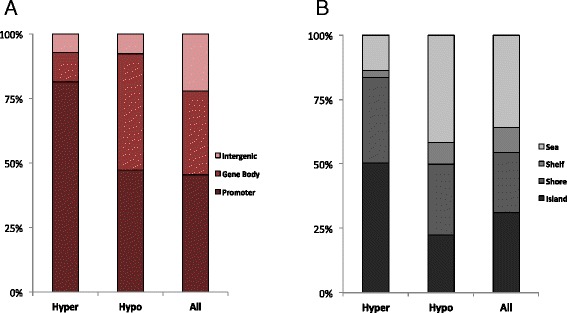
“…both relevant to known molecular and neurological impairments in AD, and consistent with findings from AD transcriptome studies and GWAS [83 – 86 We also found that DMRs were distributed non-randomly in the genome, with biases in their co-localization within gene and CpG island…”
Methylomic profiling implicates cortical deregulation of ANK1 in Alzheimer's disease
Lunnon, K., Smith, R., Hannon, E., De Jager, P. L., Srivastava, G., Volta, M., Troakes, C., Al-Sarraj, S., Burrage, J., Macdonald, R., et al. (2014) · Nature Neuroscience · doi:10.1038/nn.3782 · Cited by 574
Self-citationAnalysing and interpreting DNA methylation data
Bock, C. (2012) · Nature Reviews Genetics · doi:10.1038/nrg3273 · Cited by 574 · cited 2×
“Significant CpGs were clustered into DMRs using a 1 kilobase (kb) sliding window, modified from the genome-tiling method described by Bock [55], and previously developed and implemented by Huynh et al. [32]; a window size of 1 kb was previously shown to be optimal for Illumina Infinium…”
Genome-wide Chromatin State Transitions Associated with Developmental and Environmental Cues
Zhu, J., Adli, M., Zou, J. Y., Verstappen, G., Coyne, M., Zhang, X., Durham, T., Miri, M., Deshpande, V., De Jager, P. L., et al. (2013) · Cell · doi:10.1016/j.cell.2012.12.033 · Cited by 545 · cited 1×
“…from CpG shores), and sea (not within islands, shores, or shelves); and DNaseI hypersensitivity sites and histone marks (H3K9ac, H3K27ac, H3K27me3, H3K4me1, and H3K4me3) in various human brain datasets generated as part of the ENCODE and REMC projects and curated as described previously [58, 59].”
Pique-Regi, R., Degner, J. F., Pai, A. A., Gaffney, D. J., Gilad, Y., & Pritchard, J. K. (2011) · Genome Research · doi:10.1101/gr.112623.110 · Cited by 521
Deregulation of sphingolipid metabolism in Alzheimer’s disease
He, X., Huang, Y., Li, B., Gong, C.-X., & Schuchman, E. H. (2010) · Neurobiology of Aging · doi:10.1016/j.neurobiolaging.2008.05.010 · Cited by 516 · cited 1×
“…data also highlight the potential importance of genes involved in these processes in AD pathology, with alterations in lipid and cholesterol levels having been observed in the blood, cerebrospinal fluid, and brains of patients with AD [87, 88], and associated with cognitive performance [89].”
Nica, A. C., Montgomery, S. B., Dimas, A. S., Stranger, B. E., Beazley, C., Barroso, I., & Dermitzakis, E. T. (2010) · PLoS Genetics · doi:10.1371/journal.pgen.1000895 · Cited by 445 · cited 3×
“To detect the overlap among the index GWAS AD SNPs and eQTLs we used the regulatory trait concordance (RTC) approach [70, 71].”
InfluentialChouliaras, L., Mastroeni, D., Delvaux, E., Grover, A., Kenis, G., Hof, P. R., Steinbusch, H. W. M., Coleman, P. D., Rutten, B. P. F., & van den Hove, D. L. A. (2013) · Neurobiology of Aging · doi:10.1016/j.neurobiolaging.2013.02.021 · Cited by 420 · cited 1×
“For example, differences in tissue-wide methylation patterns in disease-relevant brain regions have been reported in patients with AD compared to controls, as well as in monozygotic twins discordant for AD [36, 37].”
Diagnostic Criteria for Neuropathologic Assessment of Alzheimer’s Disease
Braak, H., & Braak, E. (1997) · Neurobiology of Aging · doi:10.1016/s0197-4580(97)00062-6 · Cited by 410
DNA methylation contributes to natural human variation
Heyn, H., Moran, S., Hernando-Herraez, I., Sayols, S., Gomez, A., Sandoval, J., Monk, D., Hata, K., Marques-Bonet, T., Wang, L., et al. (2013) · Genome Research · doi:10.1101/gr.154187.112 · Cited by 408 · cited 1×
“Recent studies of genome-wide DNA methylation have revealed considerable effects of age [25 – 29], gender [72], ethnicity [73], and cellular composition [19, 54, 74, 75].”
Mechanisms regulating imprinted genes in clusters
Edwards, C. A., & Ferguson-Smith, A. C. (2007) · Current Opinion in Cell Biology · doi:10.1016/j.ceb.2007.04.013 · Cited by 405 · cited 1×
“The establishment of DNA methylation is essential for normal cell development and differentiation [19], and impacts many key cellular processes, including gene regulation [20], X chromosome inactivation [21, 22], and genomic imprinting [23].”
ELOVL1 production of C24 acyl-CoAs is linked to C24 sphingolipid synthesis
Ohno, Y., Suto, S., Yamanaka, M., Mizutani, Y., Mitsutake, S., Igarashi, Y., Sassa, T., & Kihara, A. (2010) · Proceedings of the National Academy of Sciences · doi:10.1073/pnas.1005572107 · Cited by 382 · cited 1×
“It is also interesting that several of the top DMR-associated genes are involved in adiposity, fat distribution, and the synthesis and metabolism of cholesterol and lipids ( PRDM16 , TBX15 , ELOVL1 , and AGPAT1 ) [81, 82].”
Distinct DNA methylation changes highly correlated with chronological age in the human brain
Hernandez, D. G., Nalls, M. A., Gibbs, J. R., Arepalli, S., van der Brug, M., Chong, S., Moore, M., Longo, D. L., Cookson, M. R., Traynor, B. J., et al. (2011) · Human Molecular Genetics · doi:10.1093/hmg/ddq561 · Cited by 375 · cited 1×
“Given that AD is linked to aging, it is interesting that CpG DNA methylation has also been shown to increase with age in multiple studies of the human brain [25, 28].”
The Relationship of DNA Methylation with Age, Gender and Genotype in Twins and Healthy Controls
Boks, M. P., Derks, E. M., Weisenberger, D. J., Strengman, E., Janson, E., Sommer, I. E., Kahn, R. S., & Ophoff, R. A. (2009) · PLoS ONE · doi:10.1371/journal.pone.0006767 · Cited by 369 · cited 1×
“Recent studies of genome-wide DNA methylation have revealed considerable effects of age [25 – 29], gender [72], ethnicity [73], and cellular composition [19, 54, 74, 75].”
Guintivano, J., Aryee, M. J., & Kaminsky, Z. A. (2013) · Epigenetics · doi:10.4161/epi.23924 · Cited by 368 · cited 5×
“Cell proportions were estimated from our bulk tissue samples using the CETS R package, developed from 450 K array profiles of sorted neuronal and glial cell subsets from 59 adult individuals [54].”
InfluentialDNA methylation signatures in development and aging of the human prefrontal cortex
Numata, S., Ye, T., Hyde, T. M., Guitart-Navarro, X., Tao, R., Wininger, M., Colantuoni, C., Weinberger, D. R., Kleinman, J. E., & Lipska, B. K. (2012) · The American Journal of Human Genetics · doi:10.1016/j.ajhg.2011.12.020 · Cited by 364 · cited 3×
“Given that AD is linked to aging, it is interesting that CpG DNA methylation has also been shown to increase with age in multiple studies of the human brain [25, 28].”
Genetic aspects of Alzheimer disease.
Bird, T. D. (2008) · Genetics in Medicine · doi:10.1097/gim.0b013e31816b64dc · Cited by 356 · cited 1×
“late-onset forms of the disease, their underlying etiologies contrast [3].”
DNA methylation presents distinct binding sites for human transcription factors
Hu, S., Wan, J., Su, Y., Song, Q., Zeng, Y., Nguyen, H. N., Shin, J., Cox, E., Rho, H. S., Woodard, C., et al. (2013) · eLife · doi:10.7554/elife.00726 · Cited by 349 · cited 1×
“DNA methylation is also known to play complex roles in TF binding, in some cases either hindering or facilitating interactions between DNA motifs and proteins [97].”
MicroRNA-125b induces tau hyperphosphorylation and cognitive deficits in Alzheimer’s disease
Banzhaf‐Strathmann, J., Benito, E., May, S., Arzberger, T., Tahirovic, S., Kretzschmar, H., Fischer, A., & Edbauer, D. (2014) · The EMBO Journal · doi:10.15252/embj.201387576 · Cited by 347 · cited 1×
“DUSP6 was recently shown to be a target of the AD-associated microRNA miR-125b, exhibiting decreased expression in AD brains; notably, knockdown of DUSP6 in primary hippocampal neurons lead to a significant increase in tau protein hyperphosphorylation, a key hallmark of AD [80].”
Abdul, H. M., Sama, M. A., Furman, J. L., Mathis, D. M., Beckett, T. L., Weidner, A. M., Patel, E. S., Baig, I., Murphy, M. P., LeVine, H., et al. (2009) · The Journal of Neuroscience · doi:10.1523/jneurosci.1064-09.2009 · Cited by 322 · cited 1×
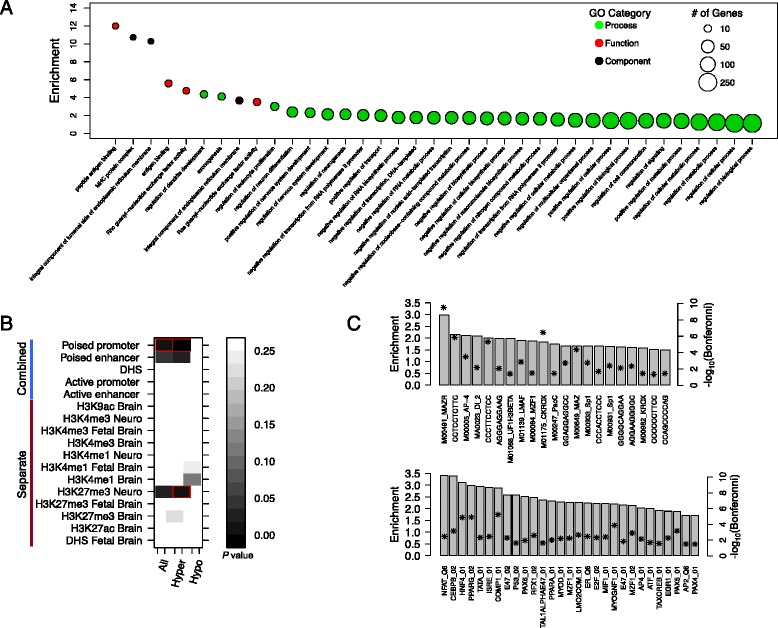
“…were found for motifs of NFAT in the medulloblastoma dataset (fold-enrichment = 3.45, Bonferroni = 0.003), and MAZR in the LCL dataset (fold-enrichment = 2.97; Bonferroni = 2.18 × 10 − 10 ); the NFAT transcription factor family, in particular, has demonstrated roles in AD pathology [98, 99].”
InfluentialDNA methylation profiles of human active and inactive X chromosomes
Sharp, A. J., Stathaki, E., Migliavacca, E., Brahmachary, M., Montgomery, S. B., Dupre, Y., & Antonarakis, S. E. (2011) · Genome Research · doi:10.1101/gr.112680.110 · Cited by 317 · cited 1×
“The establishment of DNA methylation is essential for normal cell development and differentiation [19], and impacts many key cellular processes, including gene regulation [20], X chromosome inactivation [21, 22], and genomic imprinting [23].”
Self-citationGenetics, environmental factors and the emerging role of epigenetics in neurodegenerative diseases
Migliore, L., & Coppedè, F. (2009) · Mutation Research - Fundamental and Molecular Mechanisms of Mutagenesis · doi:10.1016/j.mrfmmm.2008.10.011 · Cited by 317 · cited 1×
“Several environmental factors are also thought to play a role [5, 6], yet exactly how these contribute to risk, onset, and progression remains poorly defined.”
Mastroeni, D., McKee, A., Grover, A., Rogers, J., & Coleman, P. D. (2009) · PLoS ONE · doi:10.1371/journal.pone.0006617 · Cited by 294 · cited 1×
“well as in monozygotic twins discordant for AD [36, 37].”
Yu, L., Chibnik, L. B., Srivastava, G. P., Pochet, N., Yang, J., Xu, J., Kozubek, J., Obholzer, N., Leurgans, S. E., Schneider, J. A., et al. (2015) · JAMA Neurology · doi:10.1001/jamaneurol.2014.3049 · Cited by 290 · cited 1×
“Locus-specific examples from targeted gene studies also demonstrate a role for DNA methylation changes in AD and include observed disease-associated differences at ribosomal RNA gene promoters [38], genome-wide LINE-1 elements [39], and known AD susceptibility genes [40].”
Haroutunian, V. (1998) · Archives of Neurology · doi:10.1001/archneur.55.9.1185 · Cited by 289
Self-citationEpigenome-wide differences in pathology-free regions of multiple sclerosis–affected brains
Huynh, J. L., Garg, P., Thin, T. H., Yoo, S., Dutta, R., Trapp, B. D., Haroutunian, V., Zhu, J., Donovan, M. J., Sharp, A. J., et al. (2014) · Nature Neuroscience · doi:10.1038/nn.3588 · Cited by 279 · cited 8×
“For our primary analysis, we paired linear regression with a 1 kb sliding window method [32] to search for regions of the genome containing clusters of CpGs exhibiting similar changes in methylation with disease, limiting the likelihood of identifying false positives and allowing for the…”
InfluentialSelf-citationGenes and pathways underlying regional and cell type changes in Alzheimer’s disease
Miller, J. A., Woltjer, R. L., Goodenbour, J. M., Horvath, S., & Geschwind, D. H. (2013) · Genome Medicine · doi:10.1186/gm452 · Cited by 275
Genome-wide association studies in Alzheimer’s disease
Bertram, L., & Tanzi, R. E. (2009) · Human Molecular Genetics · doi:10.1093/hmg/ddp406 · Cited by 257
Bakulski, K. M., Dolinoy, D. C., Sartor, M. A., Paulson, H. L., Konen, J. R., Lieberman, A. P., Albin, R. L., Hu, H., & Rozek, L. S. (2012) · Journal of Alzheimer's Disease · doi:10.3233/jad-2012-111223 · Cited by 255 · cited 4×
“More recently, three epigenome-wide studies (EWAS) have been conducted in AD, collectively generating DNA methylation profiles from three different brain regions of patients with AD [41 – 43], observing both cross-tissue and tissue-specific effects.”
InfluentialEpigenetic mechanisms in Alzheimer's disease
Mastroeni, D., Grover, A., Delvaux, E., Whiteside, C., Coleman, P. D., & Rogers, J. (2011) · Neurobiology of Aging · doi:10.1016/j.neurobiolaging.2010.08.017 · Cited by 253
A Role for Noncoding Variation in Schizophrenia
Roussos, P., Mitchell, A. C., Voloudakis, G., Fullard, J. F., Pothula, V. M., Tsang, J., Stahl, E. A., Georgakopoulos, A., Ruderfer, D. M., Charney, A., et al. (2014) · Cell Reports · doi:10.1016/j.celrep.2014.10.015 · Cited by 251
Self-citationKoestler, D. C., Christensen, B. C., Karagas, M. R., Marsit, C. J., Langevin, S. M., Kelsey, K. T., Wiencke, J. K., & Houseman, E. A. (2013) · Epigenetics · doi:10.4161/epi.25430 · Cited by 251 · cited 1×
“Recent studies of genome-wide DNA methylation have revealed considerable effects of age [25 – 29], gender [72], ethnicity [73], and cellular composition [19, 54, 74, 75].”
Katsel, P., Li, C., & Haroutunian, V. (2007) · Neurochemical Research · doi:10.1007/s11064-007-9297-x · Cited by 241 · cited 1×
“GO enrichments in categories related to cholesterol/lipid metabolism are among the highest observed for AD risk genes identified by GWAS [83]; alterations in the expression of related genes have been observed previously in the same cohort studied here [84 – 86].”
Self-citationINRICH: interval-based enrichment analysis for genome-wide association studies
Lee, P. H., O'Dushlaine, C., Thomas, B., & Purcell, S. M. (2012) · Bioinformatics · doi:10.1093/bioinformatics/bts191 · Cited by 238 · cited 1×
“The enrichment of DMRs overlapping ENCODE and REMC datasets was tested using INRICH [60]; DMRs (hyper and hypo were considered separately) were used as test regions, the curated histone marks were used as target regions, and again the background set of 450 K CpGs was used as the map file.”
Bossers, K., Wirz, K. T. S., Meerhoff, G. F., Essing, A. H. W., van Dongen, J. W., Houba, P., Kruse, C. G., Verhaagen, J., & Swaab, D. F. (2010) · Brain · doi:10.1093/brain/awq258 · Cited by 230 · cited 1×
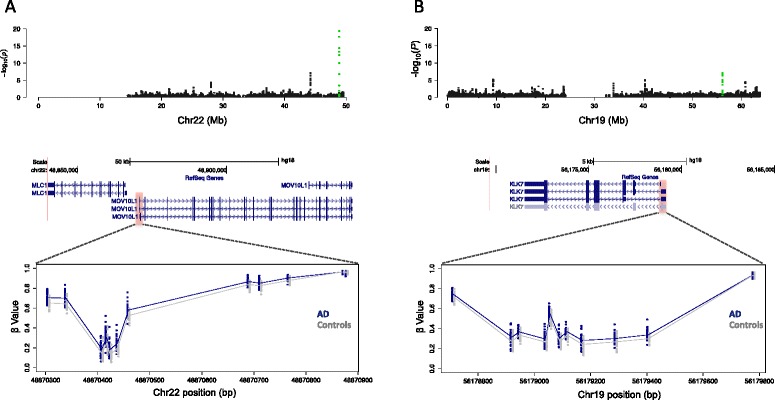
“2b; Table 1) was recently shown to cleave and degrade β -amyloid (A β ) and mitigate A β -mediated toxicity in vitro [78], possibly consistent with the observed negative correlation between KLK7 expression and AD disease severity [79].”
Epigenetics: molecular mechanisms and implications for disease
Handel, A. E., Ebers, G. C., & Ramagopalan, S. V. (2010) · Trends in Molecular Medicine · doi:10.1016/j.molmed.2009.11.003 · Cited by 222 · cited 1×
“Recently, there has been increasing interest in the role of epigenetic mechanisms in the interaction between the genome and environment in human diseases [13, 14], including AD [15, 16].”
Lee, S. H., Harold, D., Nyholt, D. R., ANZGene Consortium, International Endogene Consortium, the Genetic and Environmental Risk for Alzheimer's disease (GERAD1) Consortium, Goddard, M. E., Zondervan, K. T., Williams, J., Montgomery, G. W., et al. (2013) · Human Molecular Genetics · doi:10.1093/hmg/dds491 · Cited by 217 · cited 1×
“%) of the underlying variance in disease susceptibility [12].”
DNA methylation in repetitive elements and Alzheimer disease
Bollati, V., Galimberti, D., Pergoli, L., Dalla Valle, E., Barretta, F., Cortini, F., Scarpini, E., Bertazzi, P. A., & Baccarelli, A. (2011) · Brain, Behavior, and Immunity · doi:10.1016/j.bbi.2011.01.017 · Cited by 207 · cited 1×
“Locus-specific examples from targeted gene studies also demonstrate a role for DNA methylation changes in AD and include observed disease-associated differences at ribosomal RNA gene promoters [38], genome-wide LINE-1 elements [39], and known AD susceptibility genes [40].”
Demirkan, A., van Duijn, C. M., Ugocsai, P., Isaacs, A., Pramstaller, P. P., Liebisch, G., Wilson, J. F., Johansson, Å., Rudan, I., Aulchenko, Y. S., et al. (2012) · PLoS Genetics · doi:10.1371/journal.pgen.1002490 · Cited by 205 · cited 2×
“It is also interesting that several of the top DMR-associated genes are involved in adiposity, fat distribution, and the synthesis and metabolism of cholesterol and lipids ( PRDM16 , TBX15 , ELOVL1 , and AGPAT1 ) [81, 82].”
Neurofibrillary tangles in nondemented elderly subjects and mild Alzheimer disease
Haroutunian, V., Purohit, D. P., Perl, D. P., Marin, D., Khan, K., Lantz, M., Davis, K. L., & Mohs, R. C. (1999) · Archives of Neurology · doi:10.1001/archneur.56.6.713 · Cited by 201
Self-citationDynamics of DNA Methylation in Recent Human and Great Ape Evolution
Hernando-Herraez, I., Prado-Martinez, J., Garg, P., Fernandez-Callejo, M., Heyn, H., Hvilsom, C., Navarro, A., Esteller, M., Sharp, A. J., & Marques-Bonet, T. (2013) · PLoS Genetics · doi:10.1371/journal.pgen.1003763 · Cited by 197 · cited 1×
“…has led to a rapid increase in the characterization of methylation patterns across the genome, and has facilitated the identification of differentially methylated regions (DMRs) associated with evolutionary processes [24], human aging [25 – 29], cancer [30, 31], and complex disease [32 – 35].”
Self-citationA DNA methylation‐based definition of biologically distinct breast cancer subtypes
Stefansson, O. A., Moran, S., Gomez, A., Sayols, S., Arribas-Jorba, C., Sandoval, J., Hilmarsdottir, H., Olafsdottir, E., Tryggvadottir, L., Jonasson, J. G., et al. (2015) · Molecular Oncology · doi:10.1016/j.molonc.2014.10.012 · Cited by 192 · cited 1×
“…has led to a rapid increase in the characterization of methylation patterns across the genome, and has facilitated the identification of differentially methylated regions (DMRs) associated with evolutionary processes [24], human aging [25 – 29], cancer [30, 31], and complex disease [32 – 35].”
Lipids in Alzheimer’s disease: A century-old story
Foley, P. (2010) · Biochimica et Biophysica Acta (BBA) - Molecular and Cell Biology of Lipids · doi:10.1016/j.bbalip.2010.05.004 · Cited by 186 · cited 1×
“Furthermore, at the molecular level, both cholesterol and lipids have important roles in modulating the production and aggregation of A β via interactions with well-known mediators of AD pathogenesis and risk, such as APP, APOE, PSEN1, and BACE1 [90, 91].”
The Role of Clusterin in Alzheimer’s Disease: Pathways, Pathogenesis, and Therapy
Yu, J.-T., & Tan, L. (2012) · Molecular Neurobiology · doi:10.1007/s12035-012-8237-1 · Cited by 174
Methylomic profiling of human brain tissue supports a neurodevelopmental origin for schizophrenia
Pidsley, R., Viana, J., Hannon, E., Spiers, H., Troakes, C., Al-Saraj, S., Mechawar, N., Turecki, G., Schalkwyk, L. C., Bray, N. J., et al. (2014) · Genome biology · doi:10.1186/s13059-014-0483-2 · Cited by 157
Epigenetic Silencing of Nucleolar rRNA Genes in Alzheimer's Disease
Pietrzak, M., Rempala, G., Nelson, P. T., Zheng, J.-J., & Hetman, M. (2011) · PLoS ONE · doi:10.1371/journal.pone.0022585 · Cited by 155 · cited 1×
“Locus-specific examples from targeted gene studies also demonstrate a role for DNA methylation changes in AD and include observed disease-associated differences at ribosomal RNA gene promoters [38], genome-wide LINE-1 elements [39], and known AD susceptibility genes [40].”
Kozlenkov, A., Roussos, P., Timashpolsky, A., Barbu, M., Rudchenko, S., Bibikova, M., Klotzle, B., Byne, W., Lyddon, R., Di Narzo, A. F., et al. (2014) · Nucleic Acids Research · doi:10.1093/nar/gkt838 · Cited by 154 · cited 1×
“Recent studies of genome-wide DNA methylation have revealed considerable effects of age [25 – 29], gender [72], ethnicity [73], and cellular composition [19, 54, 74, 75].”
Self-citationTranscriptional vulnerability of brain regions in Alzheimer's disease and dementia
Haroutunian, V. H., Katsel, P., & Schmeidler, J. (2007) · Neurobiology of Aging · doi:10.1016/j.neurobiolaging.2007.07.021 · Cited by 143 · cited 5×
“…are affected throughout the progression of AD, an extensive study of gene expression changes associated with late-onset AD severity across 15 brain regions recently found the STG to be a site of significant gene dysregulation [44], motivating our focus on this specific region in the present study.”
InfluentialSelf-citationEADI consortium, G. C., Lambert, J.-C., Grenier-Boley, B., Harold, D., Zelenika, D., Chouraki, V, Kamatani, Y., Sleegers, K., Ikram, M. A., Hiltunen, M., et al. (2013) · Molecular Psychiatry · doi:10.1038/mp.2012.14 · Cited by 129
Statistical methods for detecting differentially methylated loci and regions
Robinson, M. D., Kahraman, A., Law, C. W., Lindsay, H., Nowicka, M., Weber, L. M., & Zhou, X. (2014) · Frontiers in Genetics · doi:10.3389/fgene.2014.00324 · Cited by 125 · cited 1×
“To increase power in EWAS using smaller disease cohorts, several methods have recently been developed to extend beyond single CpG analysis by leveraging concordant statistical signals from neighboring CpGs to identify DMRs [55, 77].”
Hudry, E., Wu, H.-Y., Arbel-Ornath, M., Hashimoto, T., Matsouaka, R., Fan, Z., Spires-Jones, T. L., Betensky, R. A., Bacskai, B. J., & Hyman, B. T. (2012) · The Journal of Neuroscience · doi:10.1523/jneurosci.6439-11.2012 · Cited by 110 · cited 1×
“…were found for motifs of NFAT in the medulloblastoma dataset (fold-enrichment = 3.45, Bonferroni = 0.003), and MAZR in the LCL dataset (fold-enrichment = 2.97; Bonferroni = 2.18 × 10 − 10 ); the NFAT transcription factor family, in particular, has demonstrated roles in AD pathology [98, 99].”
InfluentialStem Cell Chromatin Patterns: An Instructive Mechanism for DNA Hypermethylation?
Ohm, J. E., & Baylin, S. B. (2007) · Cell Cycle · doi:10.4161/cc.6.9.4210 · Cited by 102 · cited 1×
“It is interesting to note that, although CpGs within poised promoters are typically characterized by hypomethylation, increased DNA hypermethylation associated with human aging has been shown to occur preferentially in bivalent domains in various tissues, including the brain [26, 29, 94]; such changes have also been n…”
Linkage of DNA Methylation Quantitative Trait Loci to Human Cancer Risk
Heyn, H., Sayols, S., Moutinho, C., Vidal, E., Sanchez-Mut, J. V., Stefansson, O. A., Nadal, E., Moran, S., Eyfjord, J. E., Gonzalez-Suarez, E., et al. (2014) · Cell Reports · doi:10.1016/j.celrep.2014.03.016 · Cited by 87 · cited 1×
“The application of genomewide methylation profiling techniques has led to a rapid increase in the characterization of methylation patterns across the genome, and has facilitated the identification of differentially methylated regions (DMRs) associated with evolutionary processes [24], human aging [25–29], cancer [30,…”
Tau protein abnormalities associated with the progression of alzheimer disease type dementia
Haroutunian, V., Davies, P., Vianna, C., Buxbaum, J. D., & Purohit, D. P. (2007) · Neurobiology of Aging · doi:10.1016/j.neurobiolaging.2005.11.001 · Cited by 86 · cited 1×
“Tissue dissections and sample preparations were carried out following previously published protocols (see [44 – 47]).”
Self-citationLunnon, K., & Mill, J. (2013) · American Journal of Medical Genetics Part B: Neuropsychiatric Genetics · doi:10.1002/ajmg.b.32201 · Cited by 78 · cited 3×
“Future challenges in the field include the development of effective strategies for integrating epigenetic and transcriptomic profiles with genetic datasets, as a means to better understand the roles of different forms of variation in AD [16]. groups (AD mean = 0.247; control mean = 0.303).”
Influentialvan Eijk, K. R., de Jong, S., Strengman, E., Buizer‐Voskamp, J. E., Kahn, R. S., Boks, M. P., Horvath, S., & Ophoff, R. A. (2014) · European Journal of Human Genetics · doi:10.1038/ejhg.2014.245 · Cited by 73 · cited 1×
“Such findings demonstrate that in addition to the ability to identify novel epigenetic signatures underlying risk or disease progression, EWAS data also provide an opportunity to potentially inform the assignment of putative function to genetic variants associated with disease risk, and may help guide functional analy…”
Kajiwara, Y., Franciosi, S., Takahashi, N., Krug, L., Schmeidler, J., Taddei, K., Haroutunian, V., Fried, U., Ehrlich, M., Martins, R. N., et al. (2010) · Molecular Neurodegeneration · doi:10.1186/1750-1326-5-1 · Cited by 72
Self-citationGuilmatre, A., & Sharp, A. (2011) · Clinical Genetics · doi:10.1111/j.1399-0004.2011.01790.x · Cited by 71
Self-citation(ADNI), F. T. A. D. N. I., Ramanan, V. K., Kim, S., Holohan, K., Shen, L., Nho, K., Risacher, S. L., Foroud, T. M., Mukherjee, S., Crane, P. K., et al. (2012) · Brain Imaging and Behavior · doi:10.1007/s11682-012-9196-x · Cited by 67 · cited 1×
“Specifically in the context of previous findings in AD, SP1 has been shown to regulate enriched gene sets that exhibit expression changes associated with memory impairment in patients with AD [100].”
Alzheimer's risk variants in the clusterin gene are associated with alternative splicing
Szymanski, M., Wang, R., Bassett, S. S., & Avramopoulos, D. (2011) · Translational Psychiatry · doi:10.1038/tp.2011.17 · Cited by 67
Cerebrospinal fluid sphingolipids, β-amyloid, and tau in adults at risk for Alzheimer's disease
Mielke, M. M., Haughey, N. J., Bandaru, V. V. R., Zetterberg, H., Blennow, K., Andreasson, U., Johnson, S. C., Gleason, C. E., Blazel, H. M., Puglielli, L., et al. (2014) · Neurobiology of Aging · doi:10.1016/j.neurobiolaging.2014.05.019 · Cited by 66 · cited 1×
“…data also highlight the potential importance of genes involved in these processes in AD pathology, with alterations in lipid and cholesterol levels having been observed in the blood, cerebrospinal fluid, and brains of patients with AD [87, 88], and associated with cognitive performance [89].”
Association of the Alzheimer's Disease Clusterin Risk Allele with Plasma Clusterin Concentration
Schürmann, B., Wiese, B., Bickel, H., Weyerer, S., Riedel-Heller, S. G., Pentzek, M., Bachmann, C., Williams, J., van den Bussche, H., Maier, W., et al. (2011) · Journal of Alzheimer's Disease · doi:10.3233/jad-2011-110251 · Cited by 63 · cited 1×
“Several of these risk variants have been linked to alterations of CLU expression and alternative splicing in AD [103 – 105].”
Tannan, N. B., Brahmachary, M., Garg, P., Borel, C., Alnefaie, R., Watson, C. T., Thomas, N. S., & Sharp, A. J. (2013) · Human Molecular Genetics · doi:10.1093/hmg/ddt553 · Cited by 56
Self-citationAssociation of ApoE and LRP mRNA levels with dementia and AD neuropathology
Akram, A., Schmeidler, J., Katsel, P., Hof, P. R., & Haroutunian, V. (2012) · Neurobiology of Aging · doi:10.1016/j.neurobiolaging.2011.04.010 · Cited by 38 · cited 2×
“…both relevant to known molecular and neurological impairments in AD, and consistent with findings from AD transcriptome studies and GWAS [83 – 86 We also found that DMRs were distributed non-randomly in the genome, with biases in their co-localization within gene and CpG island annotations,…”
Self-citationA TAP2 genotype associated with Alzheimer's disease in APOE4 carriers
Bullido, M. J., Martínez-García, A., Artiga, M. J., Aldudo, J., Sastre, I., Gil, P., Coria, F., Muñoz, D. G., Hachinski, V., Frank, A., et al. (2006) · Neurobiology of Aging · doi:10.1016/j.neurobiolaging.2006.02.011 · Cited by 36 · cited 1×
“TAP2 haplotypes have previously been shown to contribute to AD risk via interactions with APOE4 polymorphisms, with speculated involvement of TAP2 in connections between herpes simplex virus-1 infection and AD [101].”
Chapman, J., Rees, E., Harold, D., Ivanov, D., Gerrish, A., Sims, R., Hollingworth, P., Stretton, A., Holmans, P., Owen, M. J., et al. (2013) · Human Molecular Genetics · doi:10.1093/hmg/dds476 · Cited by 32
Increased expression of RXRα in dementia: an early harbinger for the cholesterol dyshomeostasis?
Akram, A. M., Schmeidler, J., Katsel, P., Hof, P. R., & Haroutunian, V. H. (2010) · Molecular Neurodegeneration · doi:10.1186/1750-1326-5-36 · Cited by 29
Self-citationAltered Hypothalamic Protein Expression in a Rat Model of Huntington's Disease
Cong, W., Cai, H., Wang, R., Daimon, C. M., Maudsley, S. R., Raber, K. A., Canneva, F., von Hörsten, S., & Martin, B. (2012) · PLoS ONE · doi:10.1371/journal.pone.0047240 · Cited by 29 · cited 1×
“Specifically, variants in AGPAT1 are associated with variation in levels of circulating sphingolipids and phospholipids in human plasma [82], and impairments of both Agpat1 expression and cholesterol metabolism have also been observed in a rat model of Huntington ’ s disease [102].”
Vyas, S., & Chang, P. (2013) · Molecular Cell · doi:10.1016/j.molcel.2012.12.017 · Cited by 26
Integrative analysis of cancer imaging readouts by networks
Dominietto, M. D., Tsinoremas, N. F., & Capobianco, E. (2014) · Molecular Oncology · doi:10.1016/j.molonc.2014.08.013 · Cited by 24
Age-Associated Hyper-Methylated Regions in the Human Brain Overlap with Bivalent Chromatin Domains
Watson, C. T., Disanto, G., Sandve, G. K., Breden, F. J., Giovannoni, G., & Ramagopalan, S. V. (2012) · PLoS ONE · doi:10.1371/journal.pone.0043840 · Cited by 20
Self-citationShropshire, T. D., Reifert, J., Rajagopalan, S., Baker, D., Feinstein, S. C., & Daugherty, P. S. (2014) · bchm · doi:10.1515/hsz-2013-0230 · Cited by 20 · cited 1×
“2b; Table 1) was recently shown to cleave and degrade β-amyloid (Aβ) and mitigate Aβ-mediated toxicity in vitro [78], possibly consistent with the observed negative correlation between KLK7 expression and AD disease severity [79].”
Cited by
Ageing, Cellular Senescence and Neurodegenerative Disease
Kritsilis, M., V. Rizou, S., Koutsoudaki, P. N., Evangelou, K., Gorgoulis, V. G., & Papadopoulos, D. (2018) · International Journal of Molecular Sciences · doi:10.3390/ijms19102937 · Cited by 448
Cellular Senescence in Neurodegenerative Diseases
Martínez-Cué, C., & Rueda, N. (2020) · Frontiers in Cellular Neuroscience · doi:10.3389/fncel.2020.00016 · Cited by 281
“It has been demonstrated that in AD brains changes in DNA methylation affect to a few common gene loci which play an essential role in the formation of Aβ plaques (Lord and Cruchaga, 2014; Watson et al., 2016; Qazi et al., 2018; Armstrong et al., 2019; Esposito and Sherr, 2019; Prasad and Jho, 2019).”
BackgroundLi, P., Marshall, L., Oh, G., Jakubowski, J. L., Groot, D., He, Y., Wang, T., Petronis, A., & Labrie, V. (2019) · Nature Communications · doi:10.1038/s41467-019-10101-7 · Cited by 234
Gene–environment interactions in Alzheimer disease: the emerging role of epigenetics
Migliore, L., & Coppedè, F. (2022) · Nature Reviews Neurology · doi:10.1038/s41582-022-00714-w · Cited by 217
PI3K Signaling in Neurons: A Central Node for the Control of Multiple Functions
Sánchez-Alegría, K., Flores-León, M., Avila-Muñoz, E., Rodríguez-Corona, N., & Arias, C. (2018) · International Journal of Molecular Sciences · doi:10.3390/ijms19123725 · Cited by 207
“However, another study reported hypermethylation of autosomal differentially methylated regions that also contained altered histone methylation markers [97].”
Background
Metadata
- Authors
- Watson, C. T., Roussos, P., Garg, P., Ho, D. J., Azam, N., Katsel, P. L., Haroutunian, V., & Sharp, A. J.
- Affiliations
- Icahn School of Medicine at Mount Sinai (US)
- New York/New Jersey VA Health Care Network (US)
- Corresponding author
- Sharp, Andrew J.
- Venue
- Genome Medicine
- Published
- 2016-01-19
- Volume
- 8
- Issue
- 1
- Pages
- 5-5
- ISSN
- 1756-994X (ISSN-L)
- PMC
- PMC4719699
- OpenAlex
- W2279197036
- Cited by
- 201
- References
- 112
- Citations by year
- 2026: 7 · 2025: 17 · 2024: 15 · 2023: 18 · 2022: 23 · 2021: 24 · 2020: 22 · 2019: 25 · 2018: 20 · 2017: 24 · 2016: 5
- FWCI
- 12.82
- Type
- journal article
- Language
- en
- Open access
- gold
- doi.org
- Licence
- cc-by
- creativecommons.org/licenses/by/4.0/ (tdm)
- creativecommons.org/licenses/by/4.0/ (vor)
- Locations
- Genome Medicine (publishedVersion, cc-by)
- PubMed Central (publishedVersion, cc-by)
- PubMed (publishedVersion)
- Funders
- Alzheimer's Association (2012ALZNIRG69983)
- National Institutes of Health (DA033660, HG006696, HD073731, MH097018, AG05138)
- March of Dimes Foundation (6-FY13-92)
- U.S. Department of Health and Human Services (HHSN271291300031)
- Topics
- Life Sciences › Biochemistry, Genetics and Molecular Biology › Molecular Biology › Epigenetics and DNA Methylation
- Health Sciences › Medicine › Psychiatry and Mental health › Dementia and Cognitive Impairment Research
- Life Sciences › Neuroscience › Cellular and Molecular Neuroscience › Alzheimer's disease research and treatments
- Keywords
- Alzheimer's disease, DNA methylation, superior temporal gyrus, differentially methylated regions, epigenetic signatures, brain aging, H3K27me3, H3K4me3, transcription factor binding motifs, single nucleotide polymorphisms, expression quantitative trait loci, neurodegeneration
- MeSH terms
- Aged, Aged, 80 and over, Alzheimer Disease, Humans, Temporal Lobe, DNA Methylation, Epigenesis, Genetic, Gene Regulatory Networks, Genome-Wide Association Study, Gene Ontology
About these checks
Registry, retraction, Cites and statistics results are computed, not judged, with one exception: a printed reference that no index lists is read once by a model before it counts as a citation error. Claims are extracted by a model and kept only when their quote appears verbatim in the text; each cited source is then checked, with a model’s help, for whether it says what the claim relies on. Those verdicts can be wrong — read the claim’s quote and the cited source before relying on one.
Statistics and arithmetic are recomputed, not judged.
Confidence bands are shown only for fields calibrated on our annotated test set. None is calibrated yet, so no band is shown.
What counts as a claim ›How we measure confidence ›How we check this ›
Are you an author, or do you see a problem with this page? Request a review
Data sources
Bibliographic data: Semantic Scholar, OpenAlex, Crossref.
Contains information from the Semantic Scholar Academic Graph Datasets, made available under the ODC Attribution License (ODC-BY 1.0).
Semantic Scholar’s data is described in: Kinney, R., et al. (2023). The Semantic Scholar Open Data Platform. arXiv:2301.10140.
