

Characterisation of the transcriptome and proteome of SARS-CoV-2 reveals a cell passage induced in-frame deletion of the furin-like cleavage site from the spike glycoprotein
Open accessPublished version of a preprint
The DOI matches its Crossref record; 64 of the 64 references it cites were found in a registry or an index.
Abstract
Background: SARS-CoV-2 is a recently emerged respiratory pathogen that has significantly impacted global human health. We wanted to rapidly characterise the transcriptomic, proteomic and phosphoproteomic landscape of this novel coronavirus to provide a fundamental description of the virus’s genomic and proteomic potential. Methods: We used direct RNA sequencing to determine the transcriptome of SARS-CoV-2 grown in Vero E6 cells which is widely used to propagate the novel coronavirus. The viral transcriptome was analysed using a recently developed ORF-centric pipeline. Allied to this, we used tandem mass spectrometry to investigate the proteome and phosphoproteome of the same virally infected cells. Results: Our integrated analysis revealed that the viral transcripts (i.e. subgenomic mRNAs) generally fitted the expected transcription model for coronaviruses. Importantly, a 24 nt in-frame deletion was detected in over half of the subgenomic mRNAs encoding the spike (S) glycoprotein and was predicted to remove a proposed furin cleavage site from the S glycoprotein. Tandem mass spectrometry identified over 500 viral peptides and 44 phosphopeptides in virus-infected cells, covering almost all proteins predicted to be encoded by the SARS-CoV-2 genome, including peptides unique to the deleted variant of the S glycoprotein. Conclusions: Detection of an apparently viable deletion in the furin cleavage site of the S glycoprotein, a leading vaccine target, shows that this and other regions of SARS-CoV-2 proteins may readily mutate. The furin site directs cleavage of the S glycoprotein into functional subunits during virus entry or exit and likely contributes strongly to the pathogenesis and zoonosis of this virus. Our data emphasises that the viral genome sequence should be carefully monitored during the growth of viral stocks for research, animal challenge models and, potentially, in clinical samples. Such variations may result in different levels of virulence, morbidity and mortality.
Overview
The claims and statistics of this paper haven’t been checked yet.
Free: it reads the open-access text and checks the first 5 claims that cite a source we can check. Create a free account to check every claim.
Integrity signals
Registry
Cites
Statistics
Figures
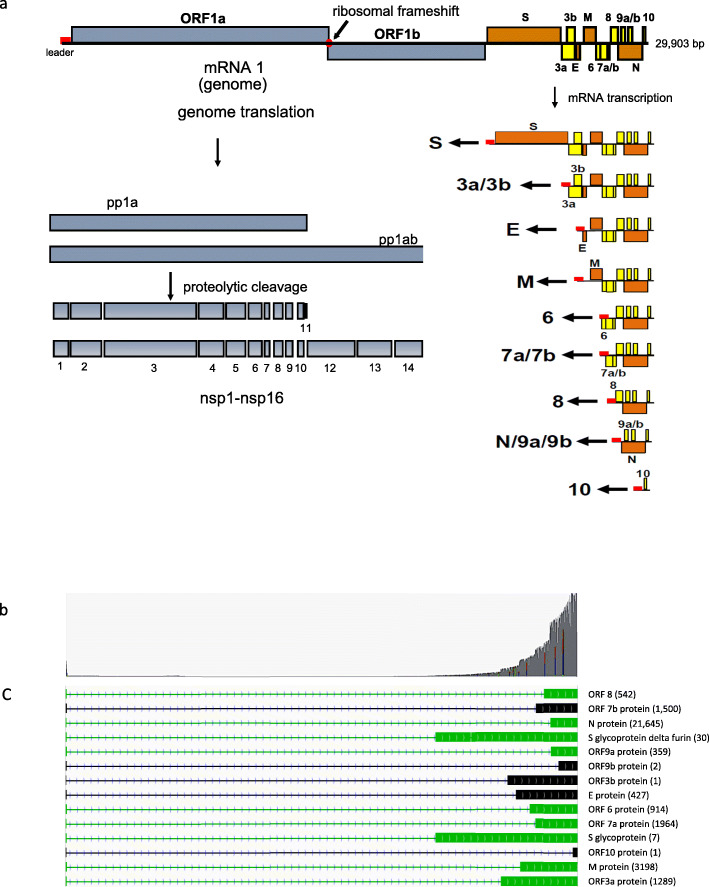
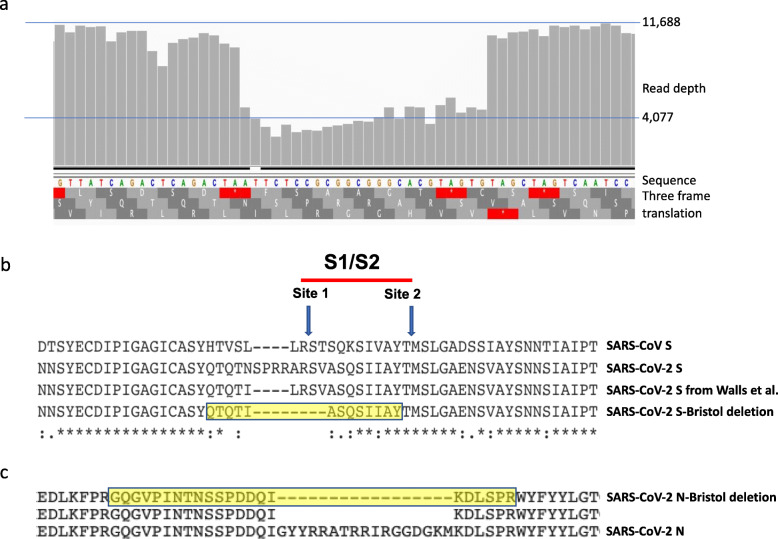
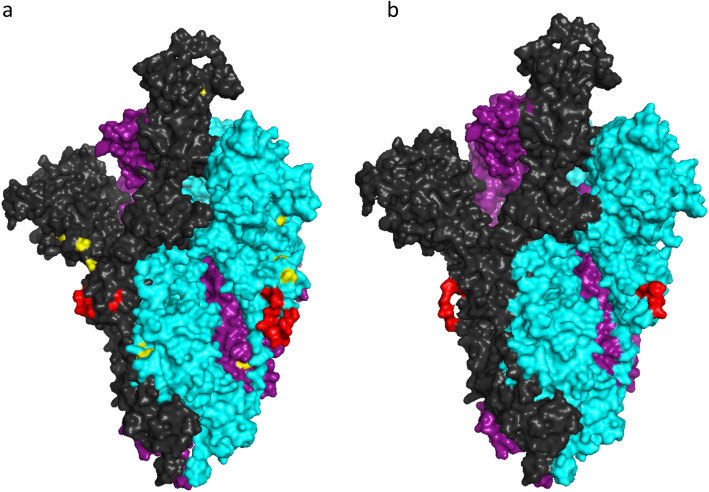
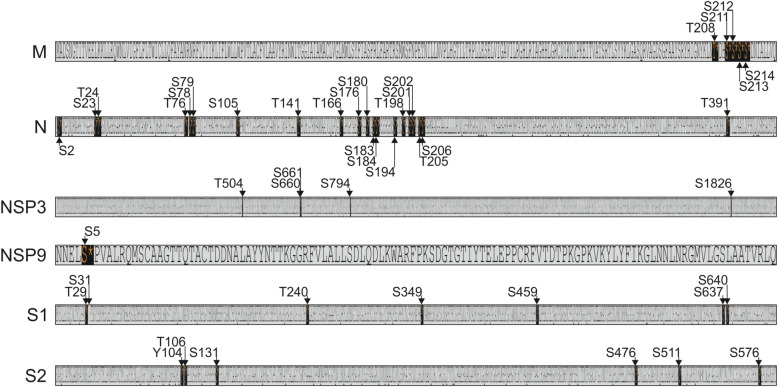
Verification
Claims the paper makes
The claims and statistics of this paper haven’t been checked yet.
Free: it reads the open-access text and checks the first 5 claims that cite a source we can check. Create a free account to check every claim.
Claims other papers make about this one
Each is checked against this paper’s own text: does it say what the citing paper says it does?
In the citing paper
“Moreover, a recent phosphoproteome analysis pointed to the regulation of viral proteins through PTMs160.”
From A high-stringency blueprint of the human proteome (2020) · cites this paper as [160]
Self-check
Percentages, sums and reported differences re-computed from the paper’s own numbers.
The self-check needs the paper’s full text.
Citations
Cites
A pneumonia outbreak associated with a new coronavirus of probable bat origin
Zhou, P., Yang, X.-L., Wang, X.-G., Hu, B., Zhang, L., Zhang, W., Si, H.-R., Zhu, Y., Li, B., Huang, C.-L., et al. (2020) · Nature · doi:10.1038/s41586-020-2012-7 · Cited by 21,969
Hoffmann, M., Kleine-Weber, H., Schroeder, S., Krüger, N., Herrler, T., Erichsen, S., Schiergens, T. S., Herrler, G., Wu, N.-H., Nitsche, A., et al. (2020) · Cell · doi:10.1016/j.cell.2020.02.052 · Cited by 20,286 · cited 1×
“The presence of a furinlike cleavage site at the S1/S2 boundary results in cleavage of the SARS-CoV-2 S glycoprotein before viral exit from the cell, whereas the S glycoprotein of coronaviruses such as SARS-CoV, lacking a S1/S2 furin cleavage site, exit the cells with the S glycoprotein largely uncleaved, necessitatin…”
BackgroundA SIMPLE METHOD OF ESTIMATING FIFTY PER CENT ENDPOINTS12
REED, L. J., & MUENCH, H. (1938) · American Journal of Epidemiology · doi:10.1093/oxfordjournals.aje.a118408 · Cited by 19,926
A new coronavirus associated with human respiratory disease in China
Wu, F., Zhao, S., Yu, B., Chen, Y.-M., Wang, W., Song, Z.-G., Hu, Y., Tao, Z.-W., Tian, J.-H., Pei, Y.-Y., et al. (2020) · Nature · doi:10.1038/s41586-020-2008-3 · Cited by 11,688 · cited 6×
“termined and revealed the virus is most closely related to bat coronavirus RaTG13 and clusters phylogenetically with SARS-CoV, which emerged in 2002, in the genus Betacoronavirus of the family Coronaviridae [3, 4].”
BackgroundInfluentialAn interactive web-based dashboard to track COVID-19 in real time
Dong, E., Du, H., & Gardner, L. (2020) · The Lancet Infectious Diseases · doi:10.1016/s1473-3099(20)30120-1 · Cited by 10,048
Cryo-EM structure of the 2019-nCoV spike in the prefusion conformation
Wrapp, D., Wang, N., Corbett, K. S., Goldsmith, J. A., Hsieh, C.-L., Abiona, O., Graham, B. S., & McLellan, J. S. (2020) · Science · doi:10.1126/science.abb2507 · Cited by 8,897
Structure, function and antigenicity of the SARS-CoV-2 spike glycoprotein
Walls, A. C., Park, Y.-J., Tortorici, M. A., Wall, A., McGuire, A. T., & Veesler, D. (2020) · doi:10.1101/2020.02.19.956581 · Cited by 8,586 · cited 2×
“The presence of a furinlike cleavage site at the S1/S2 boundary results in cleavage of the SARS-CoV-2 S glycoprotein before viral exit from the cell, whereas the S glycoprotein of coronaviruses such as SARS-CoV, lacking a S1/S2 furin cleavage site, exit the cells with the S glycoprotein largely uncleaved, necessitatin…”
BackgroundDetection of 2019 novel coronavirus (2019-nCoV) by real-time RT-PCR
Corman, V. M., Landt, O., Kaiser, M., Molenkamp, R., Meijer, A., Chu, D. K., Bleicker, T., Brünink, S., Schneider, J., Schmidt, M. L., et al. (2020) · Eurosurveillance · doi:10.2807/1560-7917.es.2020.25.3.2000045 · Cited by 7,344 · cited 1×
“This deletion removes one of the primer sites recently recommended as a first-line screening tool [50].”
BackgroundSelf-citationThe proximal origin of SARS-CoV-2
Andersen, K. G., Rambaut, A., Lipkin, W. I., Holmes, E. C., & Garry, R. F. (2020) · Nature Medicine · doi:10.1038/s41591-020-0820-9 · Cited by 5,081 · cited 1×
“The furin cleavage site is also not found in other “lineage B” betacoronaviruses including SARS-CoV, but has been detected in betacoronaviruses in other lineages, suggesting that this region has arisen during natural evolution [25].”
BackgroundCoronaviruses: An Overview of Their Replication and Pathogenesis
Fehr, A. R., & Perlman, S. (2015) · Methods in Molecular Biology · doi:10.1007/978-1-4939-2438-7_1 · Cited by 3,787
Research works printed but not linked: 2
- Davidson, A. D. et al. Characterisation of the transcriptome and proteome of SARS-CoV-2 reveals a cell passage induced in-frame deletion of the furin-like cleavage site from the spike glycoprotein. Proteomics dataset. PRIDE PXD018241. 2020. PMC7386171 32723359
- Davidson, A. D. et al. Characterisation of the transcriptome and proteome of SARS-CoV-2 reveals a cell passage induced in-frame deletion of the furin-like cleavage site from the spike glycoprotein. Transcriptomics data. ENA PRJEB39337. 2020. PMC7386171 32723359
Cited by
Items 301–400 of 461
Multifaceted membrane binding head of the SARS-CoV-2 spike protein
Tran, A., Kervin, T. A., & Overduin, M. (2022) · Current Research in Structural Biology · doi:10.1016/j.crstbi.2022.05.001 · Cited by 9
“Structures were analyzed with ICM Browser and PyMol (DeLano, 2014).”
Nano-targeting lessons from the SARS-CoV-2
Ribeiro, I. R. S., da Silva, R. F., Silveira, C. P., Galdino, F. E., & Cardoso, M. B. (2020) · Nano Today · doi:10.1016/j.nantod.2020.101012 · Cited by 8
Garushyants, S. K., Rogozin, I. B., & Koonin, E. V. (2021) · bioRxiv (Cold Spring Harbor Laboratory) · doi:10.1101/2021.04.23.441209 · Cited by 8
Dong, X., Goldswain, H., Penrice-Randal, R., Shawli, G. T., Prince, T., Williamson, M. K., Randle, N., Jones, B., Salguero, F. J., Tree, J. A., et al. (2021) · bioRxiv (Cold Spring Harbor Laboratory) · doi:10.1101/2021.12.23.474030 · Cited by 8
Self-citationConvergent evolution in nucleocapsid facilitated SARS-CoV-2 adaptation for human infection
Lokugamage, K. G., Zhou, Y., Alvarado, R. E., Plante, J. A., Ahearn, Y. P., Chen, J. C., Estes, L. K., Meyers, W. M., Nilsson, J., Routh, A. L., et al. (2025) · Journal of Virology · doi:10.1128/jvi.02091-24 · Cited by 7
Wu, C. F., Paradis, N. J., Lakernick, P. M., & Hryb, M. (2023) · Computers in Biology and Medicine · doi:10.1016/j.compbiomed.2022.106522 · Cited by 7
“Orf10 does not have a TRS-B and its associated sgRNA and protein have not been observed [23,104].”
Docking and other computing tools in drug design against SARS-CoV-2
Sulimov, A. V., Ilin, I. S., Tashchilova, A. S., Кондакова, О. А., Kutov, D. C., & Sulimov, V. B. (2024) · SAR and QSAR in environmental research · doi:10.1080/1062936x.2024.2306336 · Cited by 7
CoV-er all the bases: Structural perspectives of SARS-CoV-2 RNA synthesis
Malone, B. F., Campbell, E. A., & Darst, S. A. (2021) · The Enzymes · doi:10.1016/bs.enz.2021.06.004 · Cited by 8
Clark, J. J., Sharma, P., Bentley, E. G., Harding, A. C., Kipar, A., Neary, M., Box, H., Hughes, G. L., Patterson, E. I., Sharp, J., et al. (2021) · bioRxiv (Cold Spring Harbor Laboratory) · doi:10.1101/2021.03.10.434447 · Cited by 7
Self-citationApplication of smart responsive materials in phosphopeptide and glycopeptide enrichment
Zhao, Y., Xu, W., & Jia, Q. (2022) · Chinese Journal of Chromatography · doi:10.3724/sp.j.1123.2022.06026 · Cited by 6
Afzal, M., Melnyk, D., Courty, T., Schimanski, L. M., Hill, M. L., Neil, S. J. D., Tan, T. K., & James, W. (2025) · iScience · doi:10.1016/j.isci.2025.112451 · Cited by 6
Okorie, M. C., Jonson, C., Oddi, A. P., Castruita, P. A., Fulton‐Howard, B., Yaffe, K. S., Yokoyama, J. S., Udeh‐Momoh, C. T., Andrews, S. J., & for the Alzheimer's Disease Sequencing Project and the Healthy Aging Brain Study—Health Disparities (2026) · Alzheimer s & Dementia · doi:10.1002/alz.71529 · Cited by 7
Chen, R., Fulton, K. M., Tran, A., Duque, D., Kovalchik, K. A., Caron, É., Twine, S. M., & Li, J. (2023) · Molecular & Cellular Proteomics · doi:10.1016/j.mcpro.2023.100645 · Cited by 6
Identification of SARS-CoV-2 variants in indoor dust
Dusen, J. V., LeBlanc, H., Nastasi, N., Panescu, J., Shamblin, A., Smith, J. W., Sovic, M. G., Williams, A. M., Quam, M. B., Faith, S. A., et al. (2024) · PLoS ONE · doi:10.1371/journal.pone.0297172 · Cited by 6
Agius, J. E., Johnson-Mackinnon, J. C., Fong, W., Gall, M. L., Lam, C., Basile, K., Kok, J., Arnott, A., Sintchenko, V., & Rockett, R. J. (2022) · Frontiers in Microbiology · doi:10.3389/fmicb.2022.824217 · Cited by 6
Shil, A., Levin, L., Golan, H. M., Meiri, G., Michaelovski, A., Sadaka, Y., Aran, A. A., Dinstein, I., & Menashe, I. (2023) · Scientific Reports · doi:10.1038/s41598-023-46258-x · Cited by 7
Lyu, L., Feng, R., Zhang, M., Gong, Q., Liao, Y., Zhou, Y., Guo, X., Su, B., Dorsett, Y., & Chen, L. (2020) · bioRxiv (Cold Spring Harbor Laboratory) · doi:10.1101/2020.04.16.043224 · Cited by 6
Johnston, G. P., Aydemir, F., Byun, H., de Wit, E., Oxford, K. L., Kyle, J. E., McDermott, J., Kaiser, B. L. D., Casey, C., Weitz, K., et al. (2025) · Cell Reports · doi:10.1016/j.celrep.2025.115411 · Cited by 6
“110,111 In summary, we have described the first look with such depth into the many intracellular changes that occur during a henipavirus infection.”
Zhang, Y., Zhang, X., Zheng, H., & Liu, L. (2022) · Biomolecules · doi:10.3390/biom12111680 · Cited by 5
Regulation of viral RNA-dependent RNA polymerases by phosphorylation
Duflos, C., & Michiels, T. (2023) · Frontiers in Virology · doi:10.3389/fviro.2023.1176840 · Cited by 5
“In contrast, Thr223Asp phosphomimetic mutants of either strain could not be rescued by reverse genetics and displayed severely affected replication in a luciferase reporter assay (25, 27).”
BackgroundLevi, H., Elkon, R., & Shamir, R. (2024) · Bioinformatics · doi:10.1093/bioinformatics/btae036 · Cited by 5
da Silva, S. J. R., Mendes, R. P. G., da Silva, C. T. A., Lorusso, A., Kohl, A., & Pena, L. (2020) · Journal of General Virology · doi:10.1099/jgv.0.001458 · Cited by 5
Cueno, M. E., Ueno, M., Iguchi, R., Harada, T., Miki, Y., Yasumaru, K., Kiso, N., Wada, K., Baba, K., & Imai, K. (2021) · Frontiers in Medicine · doi:10.3389/fmed.2021.613412 · Cited by 7
“In particular, several structural changes have been reported with regards to the SARS2 spike protein (39, 42, 46, 47).”
BackgroundEnrichment of SARS-CoV-2 sequence from nasopharyngeal swabs whilst identifying the nasal microbiome
Alrezaihi, A. F., Penrice-Randal, R., Dong, X., Prince, T., Randle, N., Semple, M. G., Openshaw, P., MacGill, T. C., Myers, T. E., Orr, R., et al. (2023) · Journal of Clinical Virology · doi:10.1016/j.jcv.2023.105620 · Cited by 5
Self-citationEnhancers and genome conformation provide complex transcriptional control of a herpesviral gene
Morgens, D. W., Gulyas, L., Mao, X., Rivera-Madera, A., Souza, A. S., & Glaunsinger, B. A. (2024) · Molecular Systems Biology · doi:10.1038/s44320-024-00075-0 · Cited by 6
Pierros, V., Kontopodis, E., Stravopodis, D. J., & Tsangaris, G. T. (2022) · Heliyon · doi:10.1016/j.heliyon.2022.e09222 · Cited by 5
“Their majority are clustered in the S1 domain of Spike protein, with two critical mutations being detected in the S1–S2 bridge region, at the amino acid residue 681 that resides in proximity to the first cleavage position by Furin protease, in between the 685th and 686th amino acid residue (Figure 4C) (Davidson et al.…”
Assessing the Reliability of SARS-CoV-2 Neutralization Studies That Use Post-Vaccination Sera
Jacobsen, H., Sitaras, I., Jurgensmeyer, M., Mulders, M. N., Goldblatt, D., Feikin, D. R., Bar‐Zeev, N., Higdon, M. M., & Knoll, M. D. (2022) · Vaccines · doi:10.3390/vaccines10060850 · Cited by 5
Webb, I., Keep, S., Littolff, K., Stuart, J., Freimanis, G., Britton, P., Davidson, A. D., Maier, H. J., & Bickerton, E. (2022) · Viruses · doi:10.3390/v14081784 · Cited by 5
“This work found that a deletion of the cleavage site within the S gene arose upon passage in Vero-E6 cells, which is not dominant in clinical samples [57].”
BackgroundSelf-citationTranslation landscape of SARS-CoV-2 noncanonical subgenomic RNAs
Wu, K., Wang, D., Wang, J., & Zhou, Y. (2022) · Virologica Sinica · doi:10.1016/j.virs.2022.09.003 · Cited by 5
“Andrewet al. found a novel S glycoprotein with 8 amino acid (aa) deletion and an N protein with 17 aa deletion by mass spectrometry (MS) (Davidson et al., 2020).”
Valleriani, F., Jurišić, L., Pancrazio, C. D., Irelli, R., Ciarrocchi, E., Martino, M., Cocco, A., Felice, E. D., Colaianni, M. L., Decaro, N., et al. (2022) · Pathogens · doi:10.3390/pathogens11101152 · Cited by 6
periscope: sub-genomic RNA identification in SARS-CoV-2 Genomic Sequencing DataPreprint
Parker, M. D., Lindsey, B. B., Leary, S., Gaudieri, S., Chopra, A., Wyles, M., Angyal, A., Green, L. R., Parsons, P., Tucker, R. M., et al. (2020) · bioRxiv (Cold Spring Harbor Laboratory) · doi:10.1101/2020.07.01.181867 · Cited by 5
“The inability to find significant support for ORF10 mirrors previous findings (Alexandersen, Chamings, and Bhatta 2020; Finkel et al. 2020; Davidson et al. 2020; Kim et al. 2020) and is perhaps unsurprising if ORF10 is indeed non-essential (Pancer et al. 2020).”
BackgroundMethodResultGiangrande, E. J., Kämpe, A. J., Suvisaari, J., Lähteenvuo, M., Vartiainen, E., Salo, K. S.-T., Pietiläinen, O. P. H., Palotie, A. V., Smoller, J. W., & Neale, B. M. (2025) · medRxiv · doi:10.1101/2025.05.20.25328039 · Cited by 5
SARS-CoV-2: Literature Review Focusing on Structure, Diagnosis and Vaccine Development
Al-Saadi, M. H. A., & Hoidy, W. H. (2022) · Nano Biomedicine and Engineering · doi:10.5101/nbe.v14i4.p343-348 · Cited by 4
Takada, K., Orba, Y., Kida, Y., Wu, J., Ono, C., Matsuura, Y., Nakagawa, S., Sawa, H., & Watanabe, T. (2024) · Journal of Virology · doi:10.1128/jvi.01784-23 · Cited by 4
Xu, P., Li, X., Ning, S., & Zhi, H. (2021) · Cell & Bioscience · doi:10.1186/s13578-021-00684-4 · Cited by 4
Final results of BIRCOV trial (ARB, ACEI, DRi in COVID-19)
Ivanov, D. D., Ivanova, M. D., & Crestanello, T. (2021) · KIDNEYS · doi:10.22141/2307-1257.10.3.2021.239591 · Cited by 4
Impact of meteorological factors and population density on COVID-19 pandemic in Saudi Arabia
Alzahrani, K. J., Sharif, N., Khan, A., Banjer, H. J., Parvez, A. K., & Dey, S. K. (2022) · Saudi Journal of Biological Sciences · doi:10.1016/j.sjbs.2022.103545 · Cited by 4
“The proteome of SARS-CoV-2 is comprised of 4 structural proteins and about 16 non-structural proteins (Chan et al., 2020; Sharif and Dey, 2020; Khailany et al., 2020; Davidson et al., 2020).”
A culture-free method for rapidly and accurately quantifying active SARS-CoV-2
Yang, Y. J., Feng, X., Pan, Y., Wang, X., Peng, T., Niu, C., Qu, W., Zou, Q., Dong, L., Dai, X., et al. (2023) · Analytical and Bioanalytical Chemistry · doi:10.1007/s00216-023-04855-9 · Cited by 4
A new tool to probe SARS-CoV-2 variants
Johnson, B. A., & Menachery, V. D. (2021) · Science · doi:10.1126/science.abn3781 · Cited by 5
Identification and characterization of an immunodominant SARS-CoV-2-specific CD8 T cell responsePreprint
Gangaev, A., Ketelaars, S. L. C., Isaeva, O. I., Patiwael, S., Dopler, A., Hoefakker, K., Biasi, S. D., Gibellini, L., Mussini, C., Guaraldi, G., et al. (2020) · Research Square · doi:10.21203/rs.3.rs-33197/v2 · Cited by 4
Polygenic scores for disease risk are not associated with clinical outcomes in Parkinson’s diseasePreprint
Tan, M. M. X., Iwaki, H., Bandrés‐Ciga, S., Sosero, Y. L., Shoai, M., Brockmann, K., Williams, N. M., Alcalay, R. N., Maple‐Grødem, J., Alves, G. W., et al. (2025) · medRxiv · doi:10.1101/2025.01.31.25321395 · Cited by 5
MAVISp : A modular structure‐based framework for protein variant effects
(2026) · doi:10.1002/pro.70548 · Cited by 3
Omdahl, A. R., Weinstock, J. S., Keener, R., Chhetri, S. B., Arvanitis, M., & Battle, A. J. (2025) · The American Journal of Human Genetics · doi:10.1016/j.ajhg.2025.07.003 · Cited by 3
Navigating Zoonotic Landscapes: From Genomic Insights to Ethical Frontiers
Aljabali, A. A. A., Alqudah, A. M., Bashatwah, R. M., Alsharedeh, R., Qnais, E. Y., Gammoh, O., Mishra, V. K., Mishra, Y., El‐Tanani, M., & Hatahet, T. (2025) · Zoonotic Diseases · doi:10.3390/zoonoticdis5040035 · Cited by 4
“For example, the furin-like cleavage site in the SARS-CoV-2 spike glycoprotein is critical for both viral entry and pathogenesis, as supported by several studies [27].”
Mechanism of SARS-CoV-2 Nucleocapsid Protein Phosphorylation-Induced Functional Switch
Sullivan, M. S., Morse, M., Grabarkewitz, K., Bayachou, D., Rouzina, I. F., Wysocki, V. H., Williams, M. C., & Musier‐Forsyth, K. (2026) · Viruses · doi:10.3390/v18010105 · Cited by 3
Boceck, D., Laugwitz, L., Sturm, M., Bezdan, D., Gschwind, A., Haack, T. B., & Ossowski, S. (2026) · npj Genomic Medicine · doi:10.1038/s41525-026-00611-x · Cited by 3
Liu, X., Li, Y., Castro, L. K., Yu, Z., Cheng, Y., Daugherty, M. D., & Gross, J. D. (2026) · Cell Reports · doi:10.1016/j.celrep.2026.117401 · Cited by 3
Tampere, M., Le, T. H., Asp, E., Kalman, A., Kaimal, J. M., Njenda, D. T., Bäckström, A., Axelsson, U., Xu, H., Ouyang, W., et al. (2025) · Biomedicine & Pharmacotherapy · doi:10.1016/j.biopha.2025.118447 · Cited by 3
Liu, Y., Li, L., Timani, K. A., & He, J. J. (2022) · Viruses · doi:10.3390/v14050974 · Cited by 3
Transcriptomic approaches in COVID-19: From infection to vaccines
Gardinassi, L. G., Souza, C. O. S., de Lima, D. V., Sales‐Campos, H., & Fonseca, S. G. (2023) · Elsevier eBooks · doi:10.1016/b978-0-323-91794-0.00003-2 · Cited by 3
Identification of Hammerhead-variant ribozyme sequences in SARS-CoV-2
Liu, G., Jiang, H., Chen, D., & Murchie, A. I. H. (2024) · Nucleic Acids Research · doi:10.1093/nar/gkae037 · Cited by 3
Doria, D., Santin, A. D., Tuszyński, J. A., Scheim, D. E., & Aminpour, M. (2022) · BioMedInformatics · doi:10.3390/biomedinformatics2040035 · Cited by 3
“Consistent with this view, the abrogation of the PRRA motif has been experimentally demonstrated to affects virus entry into host cells [15,16].”
BackgroundGupta, Y. A., Maciorowski, D., Mathur, R., Pearce, C. M., Ilc, D. J., Husein, H., Bharti, A., Becker, D. P., Rathi, B., Bradfute, S. B., et al. (2020) · Preprints.org · doi:10.20944/preprints202005.0199.v1 · Cited by 6
Morita, S., Ando, T., Kikuchi, H., Morita, A., Kobayashi, T., Birch, G. C., Tanaka, R., Matsui, A., Ruan, Z., Huang, P., et al. (2023) · bioRxiv (Cold Spring Harbor Laboratory) · doi:10.1101/2023.10.20.563378 · Cited by 3
Louie, L., Wise, J., Berl, A., Shir‐az, O., Kravtsov, V., Yakhini, Z., Shalom, A., Golberg, A., & Vitkin, E. I. (2024) · medRxiv · doi:10.1101/2024.02.01.24301914 · Cited by 3
Mining for disease-associated microbial metabolites in an age-dependent model of multiple sclerosisPreprint
Pu, A., Fettig, N. M., Polyzois, A., Chao, G. Y. C., Naouar, I., Hohman, L. S., Fontaine, M. A., Zuo, M., Champagne-Jorgensen, K., Copeland, J. K., et al. (2024) · bioRxiv (Cold Spring Harbor Laboratory) · doi:10.1101/2024.05.27.595846 · Cited by 3
Erdmann, M., Hodgson, L. R., Webb, I., Davidson, A. D., & Verkade, P. (2024) · Methods in cell biology · doi:10.1016/bs.mcb.2024.02.031 · Cited by 2
Self-citationMuneer, A., Xie, L., Xie, X., Zhang, F., Wrobel, J. A., Xiong, Y., Yu, X., Wang, C., Gheorghe, C. P., Wu, P., et al. (2025) · iScience · doi:10.1016/j.isci.2025.112632 · Cited by 3
“65,70,71 This idea is in line with top up-stream kinases predicted by our dataset to be induced by UNC0642 to reverse the phospho-proteomic landscape of SARS2 infection.”
Cudic, M., Tubbs, J. D., Ge, T., & Smoller, J. W. (2026) · The American Journal of Human Genetics · doi:10.1016/j.ajhg.2026.03.013 · Cited by 3
Lu, H., Ma, J., Ma, X., Wu, Y., Sun, X., Y, C., Li, X., 徐志勇, Lu, P., Luo, Z., et al. (2026) · International Journal of Molecular Sciences · doi:10.3390/ijms27146386 · Cited by 2
“Additionally, the protein features three intrinsically disordered regions that serve as connectors between the two domains and at their flanks [21–23].”
Basic virological aspects of SARS-CoV-2
Comas‐García, M., Rubio-Hernández, E. I., Lara-Hernández, I., Colunga-Saucedo, M., Castillo, C. G., Comas‐García, A., Monsiváis-Urenda, A. E., & Zandi, R. (2021) · Elsevier eBooks · doi:10.1016/b978-0-323-90248-9.00006-1 · Cited by 3
Hodgkins, C., Buckton, L. K., Walker, G. J., Crossett, B., Cordwell, S. J., Horvath, A. R., & Rawlinson, W. D. (2022) · Scientific Reports · doi:10.1038/s41598-022-16250-y · Cited by 2
Smither, S. J., Kempster, S. L., Priestnall, S. L., Suárez‐Bonnet, A., Stapleton, H. L., Laws, T. R., Ferguson, D., Almond, N. M., Lever, M. S., & Williamson, E. D. (2022) · Viruses · doi:10.3390/v14081769 · Cited by 2
“This assay is a competitive ELISA that detects total antibody and results are presented as a percentage inhibition of binding of RBD to hACE2.”
BackgroundMethodInfluentialGarza-Domínguez, R., & Torres‐Quiroz, F. (2022) · Viruses · doi:10.3390/v14112469 · Cited by 2
“suggest that the phosphorylated residues could be considered as potential control points for spike conformational changes [39].”
BackgroundInfluentialHigh-throughput sequencing approaches applied to SARS-CoV-2
Ong’era, E. M., Mohammed, K. S., Makori, T., Bejon, P., Ocholla-Oyier, L. I., Nokes, D. J., Agoti, C. N., & Githinji, G. (2023) · Wellcome Open Research · doi:10.12688/wellcomeopenres.18701.1 · Cited by 2
Fritch, E. J., Sanders, W., Sims, A. M., Herring, L. E., Barker, N. K., Schepmoes, A., Weitz, K., Texier, J. R., Dittmer, D. P., Graves, L. M., et al. (2023) · iScience · doi:10.1016/j.isci.2023.106780 · Cited by 2
Comparative analysis of bioinformatics tools to characterize SARS-CoV-2 subgenomic RNAs
Lavezzari, D., Mori, A., Pomari, E., Deiana, M., Fadda, A., Bertoli, L., Sinigaglia, A., Riccetti, S., Barzon, L., Piubelli, C., et al. (2023) · Life Science Alliance · doi:10.26508/lsa.202302017 · Cited by 2
“Anyway, next-generation sequencing (NGS) approaches have made a signi fi cant contribution to expand the knowledge of sgRNAs in SARS-CoV-2 (Davidson et al, 2020; Doddapaneni et al, 2020 Preprint ; Kim et al, 2020; Taiaroa et al, 2020 Preprint ).”
BackgroundMethodSiddique, A. I., Sarmah, N., Bali, N. K., Nausch, N., & Borkakoty, B. (2024) · Journal of Medical Virology · doi:10.1002/jmv.70074 · Cited by 2
Perfilova, K. V., Matyuta, I. O., Minyaev, M. E., Boyko, K. M., Cooley, R. B., & Sluchanko, N. N. (2025) · Biochemical and Biophysical Research Communications · doi:10.1016/j.bbrc.2025.151915 · Cited by 2
Lugano, D. I., Mwangi, K. W., Mware, B., Kibet, G., Osiany, S., Kiritu, E., Dobi, P. O., Muli, C., Njeru, R., de Oliveira, T., et al. (2025) · Journal of Virology · doi:10.1128/jvi.00482-25 · Cited by 2
Heylen, D., Clerck, C. D., Pusparum, M., Rojo, A. C., Heuvel, R. V. D., Baggerman, G., Standaert, A., Theunis, J., Hooyberghs, J., Ertaylan, G., et al. (2025) · PLoS ONE · doi:10.1371/journal.pone.0326024 · Cited by 2
Coronaviruses: What Should We Know About the Characteristics of Viruses?
Ji, W. (2021) · Advances in experimental medicine and biology · doi:10.1007/978-3-030-63761-3_2 · Cited by 4
Ivanov, D. D., Gozhenko, A., Ivanova, M. D., Zavalna, I., & Crestanello, T. (2023) · European Journal of Clinical and Experimental Medicine · doi:10.15584/ejcem.2023.2.3 · Cited by 2
Cov-trans: an efficient algorithm for discontinuous transcript assembly in coronaviruses
Guo, X., Wu, Z., Zhang, S., & Zhao, J. (2024) · BMC Genomics · doi:10.1186/s12864-024-11179-0 · Cited by 2
“This includes a regulatory sequence at the 3’ end of the leading sequence (TRS-L), which allows for discontinuous transcription, along with a sequence found before each viral gene (TRS-B) [5].”
Gupta, Y. A., Maciorowski, D., Zak, S. E., Jones, K. A., Kathayat, R. S., Azizi, S., Mathur, R., Pearce, C. M., Ilc, D. J., Husein, H., et al. (2020) · Research Square · doi:10.21203/rs.3.rs-48709/v2 · Cited by 2
Gu, S., Bentley, E. G., Milligan, R., Almuqrin, A., Sharma, P., Kirby, A., Mega, D. F., Kipar, A., Erdmann, M., Bazire, J., et al. (2023) · bioRxiv (Cold Spring Harbor Laboratory) · doi:10.1101/2023.08.04.551973 · Cited by 2
“Direct RNA sequencing was performed on a MinIT sequencing device (Oxford Nanopore Technologies, ONT) using the ONT direct RNA sequencing kit (SQKRNA002) as per manufacturer’s instructions and the data was analysed as previously described (2).”
BackgroundMethodInfluentialSelf-citationHoffman, K. W., Tran, K. T., Moore, T. M., Gataviņš, M. M., Visoki, E., DiDomenico, G. E., Schultz, L. M., Almasy, L. A., Hayes, M. R., Daskalakis, N. P., et al. (2023) · medRxiv · doi:10.1101/2023.10.27.23297674 · Cited by 2
Qamar, F., Sharif, Z., Idrees, J., Wasim, A., Haider, S., & Salman, S. (2024) · Future Science OA · doi:10.2144/fsoa-2023-0112 · Cited by 1
Unlocking the puzzle: non-defining mutations in SARS-CoV-2 proteome may affect vaccine effectiveness
Ulzurrun, E., Grande-Pérez, A., del Hoyo, D., Guevara, C., Gil, C., Sorzano, C. Ó. S., & Campillo, N. E. (2024) · Frontiers in Public Health · doi:10.3389/fpubh.2024.1386596 · Cited by 1
Zawawi, Z. M., Kalyanasundram, J., Zain, R. M., Ripen, A. M., Basri, D. F., & Yap, W. B. (2024) · International Journal of Molecular Sciences · doi:10.3390/ijms251910541 · Cited by 1
Wiśniewski, J., & Chen, H. (2025) · iMetaOmics. · doi:10.1002/imo2.70019 · Cited by 1
Variant evolution graph: Can we infer how SARS-CoV-2 variants are evolving?
Das, B., & Heath, L. S. (2025) · PLoS ONE · doi:10.1371/journal.pone.0323970 · Cited by 1
McAuley, L., O’Sullivan, L., Grogan, L., Murphy, A., Skourou, C., Curran, B., McNamara, D. A., Fay, J., O’Neill, B. P., Hennessy, B. T., et al. (2026) · Scientific Reports · doi:10.1038/s41598-026-54265-x · Cited by 1
Wang, B., Morris, S., Fry, H., Iona, A., Clarke, J., Lin, K., Pupko, I., Kartsonaki, C., Bennett, D. A., Chen, Y., et al. (2025) · Biological Psychiatry Global Open Science · doi:10.1016/j.bpsgos.2025.100681 · Cited by 1
Drag, M., Hvilsom, C., Poulsen, L. L., Jensen, H. G., Tahas, S. A., Leineweber, C., Cray, C., Bertelsen, M. F., & Bojesen, A. M. (2026) · Journal of Clinical Microbiology · doi:10.1128/jcm.01054-25 · Cited by 1
Barr, P. B., Neale, Z. E., Bigdeli, T. B., Chatzinakos, C., Harvey, P. D., Peterson, R. E., & Meyers, J. L. (2026) · Psychological Medicine · doi:10.1017/s003329172610470x · Cited by 1
DeVito, R., & Gymrek, M. (2026) · Nature Communications · doi:10.1038/s41467-026-76154-7 · Cited by 1
Derkaoui, D. K., DALI-ALI, A., & Benaissa, N. (2021) · Egyptian Academic Journal of Biological Sciences. C, Physiology and Molecular Biology/Egyptian Academic Journal of Biological Sciences. C, Physiology and Molecular Biology · doi:10.21608/eajbsc.2021.146672 · Cited by 3
PAGEANT: personal access to genome and analysis of natural traits
Huang, J., Liang, Z., Pallotti, S., Ranson, J. M., Llewellyn, D. J., Zheng, Z., King, D. A., Zhou, Q., Zheng, H., & Napolioni, V. (2021) · Nucleic Acids Research · doi:10.1093/nar/gkab1245 · Cited by 1
SARS-CoV-2 spike and ACE2 entanglement-like binding
Pregnolato, M., & Zizzi, P. (2023) · Quantum Machine Intelligence · doi:10.1007/s42484-023-00098-0 · Cited by 1
“…following the cleavage of the S 1 /S 2 furin site by host cell surface proteases, such as the serine protease transmembrane (TMPPRSS2) and the furin (Watanabe et al. 2020; Hoffmann et al. 2020), which mediates the membranes fusion and the entry of the virus into the cell (Davidson et al. 2020).”
BackgroundInfluentialda Silva, A. C. B., & de Carvalho, C. A. M. (2024) · Microbiology Research · doi:10.3390/microbiolres15030090 · Cited by 1
Aktaş, E., Sezerman, O. U., Özer, M., Kırboğa, K. K., Köseoğlu, A. E., & Özgentürk, N. Ö. (2024) · Molecular Diversity · doi:10.1007/s11030-024-11033-1 · Cited by 1
“The length of epitopes for MHC-I is important because MHC-I molecules have a narrow peptide-binding groove that can accommodate peptides of a specific length [72–75].”
Webb, I., Erdmann, M., Milligan, R., Savage, M., Matthews, D. A., & Davidson, A. D. (2025) · Journal of General Virology · doi:10.1099/jgv.0.002072 · Cited by 2
Self-citationCabel, C. R., Guzman, B. A., Alizadeh, E., Li, S., Holberg, C., Wichaidit, C., Cusanovich, D. A., Paek, A. L., Thatcher, G. R. J., Doorslaer, K. V., et al. (2025) · Frontiers in Cell and Developmental Biology · doi:10.3389/fcell.2025.1538934 · Cited by 1
Basile, K., Agius, J. E., Fong, W., McPhie, K. A., Fennel, M., Ko, D., Heuston, L., Lam, C., Arnott, A., Chen, S. C.-A., et al. (2025) · Viruses · doi:10.3390/v17091161 · Cited by 1
Pierros, V., Kontopodis, E., Stravopodis, D. J., & Tsangaris, G. T. (2021) · bioRxiv (Cold Spring Harbor Laboratory) · doi:10.1101/2021.10.03.462911 · Cited by 1
“…Spike protein, with two critical mutations being detected in the S1-S2 bridge region, at the amino acid residue 681 that resides in proximity to the first cleavage position by Furin protease, in between the 685th and 686th amino acid residue (Fig S3C) (Davidson et al., 2020; Coutard et al., 2020).”
BackgroundGarcía, A. R., Paterou, A., Doherty, R. P., Landry, L. G., Lee, M., Anderson, A. M., Scudder, C. L., Slawinski, H., Ferreira, R. C., Trzupek, D., et al. (2022) · medRxiv · doi:10.1101/2022.05.11.22274678 · Cited by 1
Kim, H. H., Woo, J., Kim, D., Lee, J., Seo, G. H., Lee, H., & Lee, K. (2022) · bioRxiv (Cold Spring Harbor Laboratory) · doi:10.1101/2022.10.12.511857 · Cited by 1
Najar, F. Z., Murphy, C. L., Linde, E., Borin, V. A., Wang, H., Haider, S. M., & Agarwal, P. K. (2023) · bioRxiv (Cold Spring Harbor Laboratory) · doi:10.1101/2023.08.12.553079 · Cited by 1
Suzuki-Okutani, M., Okamura, S., Gis, T., Sasaki, H., Lee, S. P., Yoshida, A., Goto, S., Nakagawa, T., Ikawa, M., Kamitani, W., et al. (2024) · eLife · doi:10.7554/elife.97532.1 · Cited by 1
Metadata
- Authors
- Davidson, A. D., Williamson, M. K., Lewis, S., Shoemark, D., Carroll, M. W., Heesom, K. J., Zambon, M., Ellis, J., Lewis, P. A., Hiscox, J. A., & Matthews, D. A.
- Affiliations
- University of Bristol (GB)
- Public Health England (GB)
- University of Liverpool (GB)
- Corresponding author
- Matthews, David A.
- ORCID
- Venue
- Genome Medicine
- Published
- 2020-07-28
- Volume
- 12
- Issue
- 1
- Pages
- 68-68
- ISSN
- 1756-994X (ISSN-L)
- PMC
- PMC7386171
- OpenAlex
- W3043391491
- Semantic Scholar
- bb30d668aa8f4ff1d3fcf6a09dd527a9c23c258d
- Cited by
- 457
- References
- 61
- Citations by year
- 2026: 12 · 2025: 39 · 2024: 45 · 2023: 55 · 2022: 95 · 2021: 143 · 2020: 68
- FWCI
- 11.88
- Type
- journal article
- Language
- en
- Open access
- gold
- doi.org
- Licence
- cc-by
- creativecommons.org/licenses/by/4.0 (tdm)
- creativecommons.org/licenses/by/4.0 (vor)
- Locations
- Genome Medicine (publishedVersion, cc-by)
- bioRxiv (Cold Spring Harbor Laboratory) (acceptedVersion, cc-by)
- PubMed Central (publishedVersion, cc-by)
- PubMed (publishedVersion)
- Bristol Research (University of Bristol) (acceptedVersion, cc-by)
- DOAJ (DOAJ: Directory of Open Access Journals) (submittedVersion, cc-by-sa)
- Funders
- Biotechnology and Biological Sciences Research Council (BB/M02542X/1)
- U.S. Food and Drug Administration (HHSF223201510104C)
- Topics
- Health Sciences › Medicine › Infectious Diseases › SARS-CoV-2 and COVID-19 Research
- Life Sciences › Agricultural and Biological Sciences › Animal Science and Zoology › Animal Virus Infections Studies
- Physical Sciences › Chemistry › Spectroscopy › Advanced Proteomics Techniques and Applications
- Keywords
- SARS-CoV-2, viral transcriptome, viral proteome, phosphoproteome, spike protein, furin cleavage site, in-frame deletion, subgenomic mRNA, Vero E6 cells, viral evolution, vaccine targets
- MeSH terms
- Betacoronavirus, SARS-CoV-2, Animals, Chlorocebus aethiops, Phosphorylation, Serial Passage, Vero Cells, Sequence Deletion, Sequence Analysis, RNA, Gene Expression Profiling, Proteomics, Tandem Mass Spectrometry, Spike Glycoprotein, Coronavirus
About these checks
Registry, retraction, Cites and statistics results are computed, not judged, with one exception: a printed reference that no index lists is read once by a model before it counts as a citation error. Claims are extracted by a model and kept only when their quote appears verbatim in the text; each cited source is then checked, with a model’s help, for whether it says what the claim relies on. Those verdicts can be wrong — read the claim’s quote and the cited source before relying on one.
Statistics and arithmetic are recomputed, not judged.
Confidence bands are shown only for fields calibrated on our annotated test set. None is calibrated yet, so no band is shown.
What counts as a claim ›How we measure confidence ›How we check this ›
Are you an author, or do you see a problem with this page? Request a review
Data sources
Bibliographic data: Semantic Scholar, OpenAlex, Crossref.
Contains information from the Semantic Scholar Academic Graph Datasets, made available under the ODC Attribution License (ODC-BY 1.0).
Semantic Scholar’s data is described in: Kinney, R., et al. (2023). The Semantic Scholar Open Data Platform. arXiv:2301.10140.
