

Co-morbidity and systemic inflammation as drivers of cognitive decline: new experimental models adopting a broader paradigm in dementia research
Open accessThe DOI matches its Crossref record; 107 of the 107 references it cites were found in a registry or an index.
Abstract
Dementia prevalence increases with age and Alzheimer’s disease (AD) accounts for up to 75% of cases. However, significant variability and overlap exists in the extent of amyloid-β and Tau pathology in AD and non-demented populations and it is clear that other factors must influence progression of cognitive decline, perhaps independent of effects on amyloid pathology. Coupled with the failure of amyloid-clearing strategies to provide benefits for AD patients, it seems necessary to broaden the paradigm in dementia research beyond amyloid deposition and clearance. Evidence has emerged from alternative animal model approaches as well as clinical and population epidemiological studies that co-morbidities contribute significantly to neurodegeneration/cognitive decline and systemic inflammation has been a strong common theme in these approaches. We hypothesise, and discuss in this review, that a disproportionate inflammatory response to infection, injury or chronic peripheral disease is a key determinant of cognitive decline. We propose that detailed study of alternative models, which encompass acute and chronic systemic inflammatory co-morbidities, is an important priority for the field and we examine the cognitive consequences of several of these alternative experimental approaches. Experimental models of severe sepsis in normal animals or moderate acute systemic inflammation in animals with existing neurodegenerative pathology have uncovered roles for inflammatory mediators interleukin-1β, tumour necrosis factor-α, inducible nitric oxide synthase, complement, prostaglandins and NADPH oxidase in inflammation-induced cognitive dysfunction and neuronal death. Moreover, microglia are primed by existing neurodegenerative pathology to produce exaggerated responses to subsequent stimulation with bacterial lipopolysaccharide or other inflammatory stimuli and these insults drive acute dysfunction and negatively affect disease trajectory. Chronic co-morbidities, such as arthritis, atherosclerosis, obesity and diabetes, are risk factors for subsequent dementia and those with high inflammatory status are particularly at risk. Models of chronic co-morbidities, and indeed low grade systemic inflammation in the absence of specific pathology, indicate that interleukin-1β, tumour necrosis factor-α and other inflammatory mediators drive insulin resistance, hypothalamic dysfunction, impaired neurogenesis and cognitive function and impact on functional decline. Detailed study of these pathways will uncover important mechanisms of peripheral inflammation-driven cognitive decline and are already driving clinical initiatives to mitigate AD progression through minimising systemic inflammation.
Overview
The claims and statistics of this paper haven’t been checked yet.
Free: it reads the open-access text and checks the first 5 claims that cite a source we can check. Create a free account to check every claim.
Integrity signals
Registry
Cites
Statistics
Figures
Verification
Claims the paper makes
The claims and statistics of this paper haven’t been checked yet.
Free: it reads the open-access text and checks the first 5 claims that cite a source we can check. Create a free account to check every claim.
Claims other papers make about this one
Each is checked against this paper’s own text: does it say what the citing paper says it does?
The source backs part of the claim, not all of it — or backs it for a different population, condition or comparison.
In the citing paper
“Delayed resolution of inflammation makes the brain particularly vulnerable to aberrant microglial responses to acute stressors, such as infection or tissue injury (164, 165).”
From Connecting aging biology and inflammation in the omics era (2022) · cites this paper as [164]
Experimental — accuracy not yet measured
Self-check
Percentages, sums and reported differences re-computed from the paper’s own numbers.
The self-check needs the paper’s full text.
Citations
Cites
Inflammation and insulin resistance
Shoelson, S. E. (2006) · Journal of Clinical Investigation · doi:10.1172/jci29069 · Cited by 4,769
Terry, R. D., Masliah, E., Salmon, D. P., Butters, N., DeTeresa, R., Hill, R., Hansen, L. A., & Katzman, R. (1991) · Annals of Neurology · doi:10.1002/ana.410300410 · Cited by 4,397 · cited 1×
“Synaptic loss is a stronger correlate of cognitive decline than Aβ plaques or Tau tangles [12] and, although not part of the Consortium to Establish a Register for Alzheimer’s Disease neuropathology assessment, these changes in neuronal integrity hold the key to the loss of function that distinguishes the demented fro…”
BackgroundInflammatory Mechanisms in Obesity
Gregor, M. F., & Hotamisligil, G. S. (2011) · Annual Review of Immunology · doi:10.1146/annurev-immunol-031210-101322 · Cited by 3,754 · cited 1×
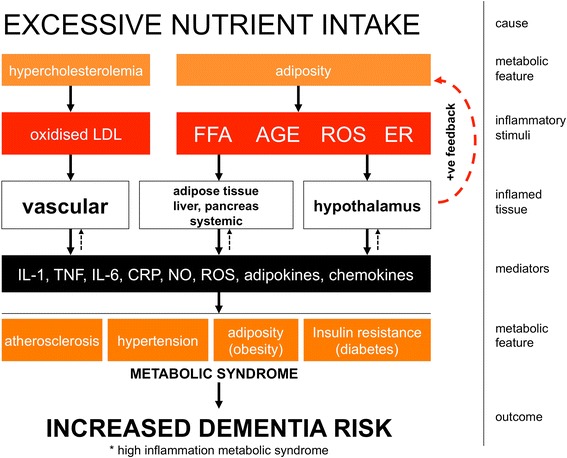
“Excessive nutrient intake is key in the genesis of obesity and type 2 diabetes: adipocytes and macrophages in the white adipose tissue respond to molecules such as free fatty acids, advanced glycation end products and reactive oxygen species (Figure 4) with the production of TNF-α, IL-1β, IL-6, CCL2 and adipokines lik…”
BackgroundNLRP3 is activated in Alzheimer’s disease and contributes to pathology in APP/PS1 mice
Heneka, M. T., Kummer, M. P., Stutz, A., Delekate, A., Schwartz, S., Vieira-Saecker, A., Griep, A., Axt, D., Remus, A., Tzeng, T.-C., et al. (2013) · Nature · doi:10.1038/nature11729 · Cited by 2,898 · cited 1×
“PS1 model of AD [104], it is important to recognise that the former study shows an influence of low grade chronic sterile systemic inflammation on brain aging and cognition in a manner that is IL-1-dependent, in the absence of amyloid pathology.”
BackgroundLong-term cognitive impairment after critical illness
Pandharipande, P. P., Girard, T. D., Jackson, J. C., Morandi, A., Thompson, J. L., Pun, B. T., Brummel, N. E., Hughes, C. G., Vasilevskis, E. E., Shintani, A. K., et al. (2013) · New England Journal of Medicine · doi:10.1056/nejmoa1301372 · Cited by 2,842
Risk of dementia in diabetes mellitus: a systematic review
Biessels, G. J., Staekenborg, S., Brunner, E., Brayne, C., & Scheltens, P. (2006) · The Lancet Neurology · doi:10.1016/s1474-4422(05)70284-2 · Cited by 2,187 · cited 1×
“Obesity and the frequently associated complication type 2 diabetes are associated with functional deficits in learning, memory and executive functions and with increased risk of dementia [78,79].”
BackgroundInitiative, T. A. D. N., Hollingworth, P., CHARGE consortium, EADI1 consortium, Harold, D., Sims, R., Gerrish, A., Lambert, J.-C., Carrasquillo, M. M., Abraham, R., et al. (2011) · Nature Genetics · doi:10.1038/ng.803 · Cited by 1,997 · cited 3×
“Hollingworth P, Harold D, Sims R, Gerrish A, Lambert JC, Carrasquillo MM, et al. Common variants at ABCA7, MS4A6A/MS4A4E, EPHA1, CD33 and CD2AP are associated with Alzheimer’s disease.”
BackgroundWitlox, J., Eurelings, L. S. M., de Jonghe, J. F. M., Kalisvaart, K. J., Eikelenboom, P., & van Gool, W. A. (2010) · JAMA · doi:10.1001/jama.2010.1013 · Cited by 1,960 · cited 3×
“Delirium is an acute neuropsychiatric syndrome triggered by various medical illnesses and it has become clear that these acute episodes also predict long-term cognitive decline [10].”
BackgroundObesity is associated with hypothalamic injury in rodents and humans.
Thaler, J. P., Yi, C.-X., Schur, E. A., Guyenet, S. J., Hwang, B. H., Dietrich, M. O., Zhao, X., Sarruf, D. A., Izgur, V., Maravilla, K. R., et al. (2012) · Journal of Clinical Investigation · doi:10.1172/jci59660 · Cited by 1,857 · cited 1×
“A more recent development is the finding that increased adiposity, altered adipokines and/or inflammatory mediators (but not body weight per se) induce microgliosis [98], cytokine secretion [99] and neuronal dysfunction and death in the hypothalamus [100].”
BackgroundThe ageing systemic milieu negatively regulates neurogenesis and cognitive function
Villeda, S. A., Luo, J., Mosher, K. I., Zou, B., Britschgi, M., Bieri, G., Stan, T. M., Fainberg, N., Ding, Z., Eggel, A., et al. (2011) · Nature · doi:10.1038/nature10357 · Cited by 1,763
Research works printed but not linked: 1
- Cunningham C Ely EW Sharshar T Stevens RD Experimental models of critical illness brain dysfunction Brain dysfunction in critical illness 2013 Cambridge, UK Cambridge University press
Cited by
Items 101–200 of 211
Systemic Inflammation Causes Microglial Dysfunction With a Vascular AD phenotype
Bathini, P., Dupanloup, I., Zenaro, E., Terrabuio, E., Fischer, A., Ballabani, E., Doucey, M., & Alberi, L. A. (2022) · Brain Behavior & Immunity - Health · doi:10.1016/j.bbih.2022.100568 · Cited by 27
Potential effects of shift work on skin autoimmune diseases
Stenger, S., Graßhoff, H., Hundt, J. E., & Lange, T. (2023) · Frontiers in Immunology · doi:10.3389/fimmu.2022.1000951 · Cited by 25
Roerink, M. E., Groen, R. J. M., Franssen, G. M., de Weem, B. L.-V., Boerman, O. C., & van der Meer, J. W. M. (2015) · Alzheimer s Research & Therapy · doi:10.1186/s13195-015-0149-7 · Cited by 20
“It is suspected that inflammation, as a consequence of amyloid deposition, plays an important role in the cognitive decline in AD [1, 2] and that the intensity of this inflammatory reaction influences the speed of cognitive decline in individual patients [3].”
Kawano, T., Iwata, H., Aoyama, B., Nishigaki, A., Yamanaka, D., Tateiwa, H., Eguchi, S., Locatelli, F. M., & Yokoyama, M. (2016) · Life Sciences · doi:10.1016/j.lfs.2016.08.020 · Cited by 22
Modelling physical resilience in ageing mice
Schosserer, M., Banks, G. T., Doğan, S., Dungel, P., Fernandes, A. M. A., Marolt, D., Matheu, A., Osuchowski, M. F., Potter, P. K., Sanfeliu, C., et al. (2018) · Mechanisms of Ageing and Development · doi:10.1016/j.mad.2018.10.001 · Cited by 23
“In addition, in an experimental mouse model of neurodegenerative disease, transient systemic inflammation was associated with acute exacerbation of cognitive and motor impairments and rapid disease progression (Cunningham and Hennessy, 2015).”
BackgroundActivated peripheral blood mononuclear cell mediators trigger astrocyte reactivity
Bellaver, B., da Rocha, A. S., de Souza, D. G., Leffa, D. T., Bastiani, M. A. D., Schu, G. G., Ferreira, P. C. L., Venturin, G. T., Greggio, S., Ribeiro, C. T., et al. (2019) · Brain Behavior and Immunity · doi:10.1016/j.bbi.2019.05.041 · Cited by 24
“Not surprisingly, sepsis has been associated with increased risk for developing dementia (Chou et al., 2017; Cunningham and Hennessy, 2015).”
BackgroundMichelon, C. M., Michels, M., Abatti, M. R., Vieira, A. A. D. S., Borges, H. D. M., Dominguini, D., Barichello, T., & Dal‐Pizzol, F. (2019) · Molecular Neurobiology · doi:10.1007/s12035-019-01808-1 · Cited by 21
Spencer-Hwang, R., Beltrán, X. T., Valladares, J., Pasco-Rubio, M., Dougherty, M., & Kim, W. (2018) · The Permanente Journal · doi:10.7812/tpp/17-146 · Cited by 21
Neshan, M., Malakouti, S. K., Kamalzadeh, L., Makvand, M., Campbell, A., & Ahangari, G. (2021) · Journal of Alzheimer s Disease · doi:10.3233/jad-210480 · Cited by 21
Ghosh, D., Singh, A., Kumar, A., & Sinha, N. (2022) · Immunologic Research · doi:10.1007/s12026-022-09295-8 · Cited by 19
“An early manifestation of these diseases shows anxiety, depression, sickness-like behavior as well as cognitive dysfunction as symptoms [5, 6].”
BackgroundSinghaarachchi, P. H., Antal, P., Calon, F., Culmsee, C., Delpech, J.-C., Feldotto, M., Geertsema, J., Hoeksema, E. E., Kőrösi, A., Layé, S., et al. (2024) · Neuroscience & Biobehavioral Reviews · doi:10.1016/j.neubiorev.2024.105724 · Cited by 21
“As a result, the pro-inflammatory environment that develops during aging contributes to brain vulnerability to the development of cognitive decline, dementia and AD (Cunningham and Hennessy, 2015).”
BackgroundKim, S., Son, M., Kim, Y., & Kang, H. (2022) · Epidemiology and Health · doi:10.4178/epih.e2022077 · Cited by 18
“It has recently been found that inflammation plays an important role in the development and progression of Alzheimer’s disease [30], and efforts have been made to control and prevent the risk factors for Alzheimer’s related to systemic inflammation [5].”
BackgroundKu, L. E., Li, C., & Sun, Y. (2017) · American Journal of Alzheimer s Disease & Other Dementias® · doi:10.1177/1533317517734639 · Cited by 17
“We did manage to reduce such confounding by indication by controlling the comorbidity index, which is commonly used as a proxy of disease severity for patients with dementia.(28,29) Additionally, because only mild to moderate patients with AD having MMSE scores between 10 and 26 as well as CDR scores from 1 to 2 were…”
MethodVázquez-Villaseñor, I., Smith, C. I., Thang, Y. J. R., Heath, P. R., Wharton, S. B., Blackburn, D. J., Ridger, V. C., & Simpson, J. E. (2022) · International Journal of Molecular Sciences · doi:10.3390/ijms23115913 · Cited by 16
“Systemic infection is a risk factor for cognitive decline [1] and accelerates disease progression in Alzheimer’s disease (AD) patients [2].”
BackgroundSleep Disordered Breathing and Neurocognitive Disorders
Ogbu, I. R., Menon, T., Chahil, V., Kahlon, A., Devanand, D., & Kalra, D. K. (2024) · Journal of Clinical Medicine · doi:10.3390/jcm13175001 · Cited by 19
“Moreover, OSA-induced intermittent hypoxia results in hyperpermeability of the blood-brain barrier (BBB) and neuroinflammation, leading to altered synaptic plasticity, neuronal damage, and worsening of cerebral small vessel disease (CSVD) [56,113,118,119].”
BackgroundInfluentialNeuroinflammation: A Driving Force in the Onset and Progression of Alzheimer’s Disease
Long, C., Fritts, A., Broadway, J., Brawman‐Mintzer, O., & Mintzer, J. E. (2025) · Journal of Clinical Medicine · doi:10.3390/jcm14020331 · Cited by 22
“Anti-TNF therapies are popular treatments for RA, and recent findings indicate that controlling this inflammatory signaler can significantly reduce dementia risk [24].”
Bansal, R., Bhojwani, D., Sun, B. F., Sawardekar, S., Wayne, A. S., Ouassil, H., Gupte, C., Marcelino, C., Anaya, M. J. G., Luna, N., et al. (2024) · Pediatric Research · doi:10.1038/s41390-024-03351-9 · Cited by 18
Vancampfort, D., Stubbs, B., Lara, E., Vandenbulcke, M., Swinnen, N., & Koyanagi, A. (2018) · International Psychogeriatrics · doi:10.1017/s1041610218001163 · Cited by 21
“A plausible biological mechanism connecting arthritis and cognitive impairment is the presence of chronic systematic inflammation (Cunningham and Hennessy, 2015).”
BackgroundScherer, R. X., & Scherer, W. J. (2020) · Scientific Reports · doi:10.1038/s41598-020-77937-8 · Cited by 18
Arthritis and Risk of Cognitive and Functional Impairment in Older Mexican Adults
Veeranki, S. P., Downer, B. G., Jupiter, D. C., & Wong, R. (2016) · Journal of Aging and Health · doi:10.1177/0898264316636838 · Cited by 18
“…arthritis is a systemic inflammatory joint disorder, and systemic inflammatory markers could possibly lead to inflammation in the brain, subsequently increasing the risk of cognitive decline and dementia (Cunningham, 2011; Cunningham & Hennessy, 2015; Dziedzic, 2006; Sundelof et al., 2009).”
BackgroundPerspective on potential impact of HIV central nervous system latency on eradication
Chan, P., & Ananworanich, J. (2019) · AIDS · doi:10.1097/qad.0000000000002264 · Cited by 17
Towner, R. A., Saunders, D., Smith, N., Gulej, R., McKenzie, T., Lawrence, B., & Morton, K. A. (2019) · GeroScience · doi:10.1007/s11357-019-00094-y · Cited by 17
Alshammari, F. F., Al-Kuraishy, H. M., Shokr, M. M., Papadakis, M., Alexiou, A. T., & Batiha, G. E. (2025) · Inflammopharmacology · doi:10.1007/s10787-025-01940-6 · Cited by 15
“Systemic inflammation leads to cognitive dysfunction and dementia due to the development of neuroinflammation and neurodegeneration (Cunningham and Hennessy 2015).”
Christova, P. S., James, L. M., Carpenter, A., Lewis, S. M., Johnson, R., Engdahl, B. E., & Georgopoulos, A. P. (2020) · Journal of Neurology and Neuromedicine · doi:10.29245/2572.942x/2020/3.1272 · Cited by 13
“It has been shown that low-grade systemic inflammation alone may be enough to lead to neurological dysfunction 71 .”
Yamanaka, D., Kawano, T., Nishigaki, A., Aoyama, B., Tateiwa, H., Shigematsu-Locatelli, M., Locatelli, F. M., & Yokoyama, M. (2017) · Journal of Anesthesia · doi:10.1007/s00540-017-2392-5 · Cited by 14
Szewieczek, J., Francuz, T., Duława, J., Legierska, K., Hornik, B., Włodarczyk, I., Janusz-Jenczeń, M., & Batko‐Szwaczka, A. (2015) · AGE · doi:10.1007/s11357-015-9822-9 · Cited by 15
“Alzheimer disease) (Tan et al. 2007; Michaud et al. 2013; Cunningham and Hennessy 2015).”
Lian, Y., Zhang, J., & Jia, C.-X. (2020) · The Journal of Nervous and Mental Disease · doi:10.1097/nmd.0000000000001159 · Cited by 14
Liu, M., Li, D., Hong, X., & Sun, Z. (2022) · Frontiers in Neurology · doi:10.3389/fneur.2022.813266 · Cited by 17
Bidirectional brain–heart interactions in health and disease
Scheitz, J. F., Villringer, A., Mikaïl, N., Gebhard, C., & Endres, M. (2026) · Nature Reviews Neurology · doi:10.1038/s41582-025-01180-w · Cited by 25
Zhu, G., Zhang, C., Qin, X., Cao, W., Zheng, H., & Gao, J. (2021) · Journal of Functional Foods · doi:10.1016/j.jff.2021.104607 · Cited by 14
Berdún, R., Òbis, È., Mota‐Martorell, N., Bassols, A., Valent, D., Serrano, J. C. E., Martin‐Garí, M., Rodríguez-Palmero, M., Moreno-Muñoz, J. A., Tibau, J., et al. (2024) · Antioxidants · doi:10.3390/antiox13020161 · Cited by 15
“For instance, obesity has been previously associated with age-related neurodegenerative processes, such as mild cognitive impairment and Alzheimer’s disease (AD) [1–4].”
BackgroundHuang, Q., Chen, H., Zhang, P., Yang, J., Liu, D., Li, Z., & Mao, C. (2025) · Age and Ageing · doi:10.1093/ageing/afaf186 · Cited by 10
Eid, F., Boushehri, M., Boucher, C., Rajkanth, N., Sa, A. F., Alhoutan, T., Vavetsi, K., Dibart, S., & Ma, Y. (2025) · The FASEB Journal · doi:10.1096/fj.202403117rr · Cited by 10
“…and neuroinflammation is characterized by the activation of microglia and astrocytes and their transition to a reactive proinflammatory status [39, 40], we thus cultured and treated mouse BV2 microglial cells and mouse C8-D1A astrocytes with P. gingivalis - LPS or E. coli - LPS with and without…”
D’Amico, R., Tomasello, M., Impellizzeri, D., Cordaro, M., Siracusa, R., Interdonato, L., Abdelhameed, A. S., Fusco, R., Calabrese, V., Cuzzocrea, S., et al. (2023) · Antioxidants · doi:10.3390/antiox12030635 · Cited by 11
“Novel knowledge on the molecular mechanisms connecting systemic inflammation to brain diseases may also be helpful to understand the onset of neuroinflammation itself [17].”
BackgroundAortic Valve Calcification Is Associated with Future Cognitive Impairment
Chung, H. E., Chen, J. W., Ghosalkar, D. S., Christensen, J. L., Chu, A., Mantsounga, C., Neverson, J., Soares, C., Shah, N. R., Wu, W., et al. (2021) · Journal of Alzheimer s Disease Reports · doi:10.3233/adr-200253 · Cited by 11
Ng, T. K. S., Feng, L., Fam, J., Rawtaer, I., Kumar, A. P., Rane, G., Cheah, I. K.-M., Mahendran, R., Lee, Y. K., Tan, E., et al. (2021) · International Journal of Environmental Research and Public Health · doi:10.3390/ijerph181910205 · Cited by 12
Cognitive decline monitoring through a web-based application
Sánchez-Vincitore, L. V., Cubilla-Bonnetier, D., Marte-Santana, H., & Duñabeitia, J. A. (2023) · Frontiers in Aging Neuroscience · doi:10.3389/fnagi.2023.1212496 · Cited by 10
Identification of healthspan-promoting genes in Caenorhabditis elegans based on a human GWAS study
Saul, N., Dhondt, I., Kuokkanen, M., Perola, M., Verschuuren, C., Wouters, B., von Chrzanowski, H., Vos, W. H. D., Temmerman, L., Luyten, W. H. M. L., et al. (2022) · Biogerontology · doi:10.1007/s10522-022-09969-8 · Cited by 11
“(2020c) and Cunningham and Hennessy (2015), for example, found evidence for a causal relationship for inflammation in the occurrence of dementia, whereas Tsui and Davis (2018) and Enciu and Popescu (2013) did not.”
BackgroundMilioli, M. V. M., Burger, H., Olivieri, R., Michels, M., Ávila, P. R. M., Abatti, M. R., Indalécio, A., Ritter, C., & Dal‐Pizzol, F. (2019) · Neuroscience Letters · doi:10.1016/j.neulet.2019.134339 · Cited by 10
Du, M., Liu, M., & Liu, J. (2024) · Journal of Affective Disorders · doi:10.1016/j.jad.2024.07.019 · Cited by 8
Aretz, B., Doblhammer, G., & Heneka, M. T. (2024) · Alzheimer s & Dementia · doi:10.1002/alz.14320 · Cited by 11
“59 Third, this study was conducted in a low-pollution area in the Netherlands, which suggests that the associations may be even more relevant in regions with higher pollution levels in Europe.”
Ding, H., Zhang, L., Ma, C., Shao, Z., Zhao, X., & Li, C. (2025) · BMC Geriatrics · doi:10.1186/s12877-025-06296-8 · Cited by 10
Sanborn, V. E., & Gunstad, J. (2020) · Geriatrics · doi:10.3390/geriatrics5040063 · Cited by 8
Age‐related macular degeneration and myeloproliferative neoplasms – A common pathway
Liisborg, C. (2022) · Acta Ophthalmologica · doi:10.1111/aos.15247 · Cited by 10
“In summary, systemic inflammation is believed to increase local CNS inflammatory signalling, resulting in activation of microglia and astrocytes, quite similar to the proposed mechanisms in late AMD (Cunningham & Hennessy, 2015).”
BackgroundThe Impact of Inflammation on Cognitive Impairment in Chronic Kidney Disease Patients
Καλτσάτου, Α. (2016) · Journal of Clinical & Experimental Nephrology · doi:10.21767/2472-5056.100020 · Cited by 9
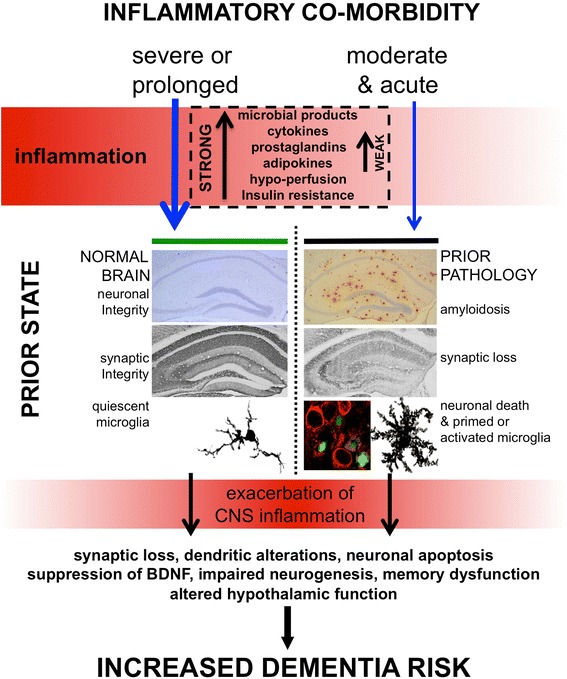
“Severe or prolonged systemic inflammation can induce harmful changes in cognitive function such as synaptic loss, dendritic alterations, neuronal apoptosis, suppression of BDNF, impaired neurogenesis, memory dysfunction, and altered hypothalamic function by activating microglia [21].”
BackgroundAssessing the impact of frailty on cognitive function in older adults receiving home care
Kleisiaris, C. F., Kaffatou, E. M., Papathanasiou, I., Androulakis, E., Panagiotakis, S., Alvino, S., & Tziraki, C. (2019) · PubMed Central · doi:10.14273/unisa-2727 · Cited by 10
“Cognitive decline, including dementia, is strongly associated with co-morbidities in older adults such as systemic inflammation [2], diabetes mellitus type-2 [3].”
BackgroundYu, Y. H., Im, H., Park, S., Song, B., Park, D., Kim, D., & Gil, H. (2024) · Brain Sciences · doi:10.3390/brainsci14111043 · Cited by 7
Trempel, M. A., Du, Y., Widom, L. P., Reitz, E. E., Feidler, A. M., Kasap, P., Engelhardt, B., Gaborski, T. R., Gelbard, H. A., Terrando, N., et al. (2025) · Materials Today Bio · doi:10.1016/j.mtbio.2025.102361 · Cited by 12
“In these subjects, latent BBB vulnerabilities may only be unmasked under inflammatory stress [56].”
Review of the Protective Effects of Statins on Cognition
Chadha, B., & Frishman, W. H. (2020) · Cardiology in Review · doi:10.1097/crd.0000000000000359 · Cited by 8
“High inflammatory states have been implicated in dementia.(32) Using data from Medicare claims, it was observed that patients who had gout had a 15-18% higher risk of dementia, which may be explained by increased system inflammation or oxidative stress.”
BackgroundDeciphering T Cell Dynamics in Alzheimer's Disease Pathogenesis: Insights and Implications
Yang, Q., Qiu, Y., Ni, J., Li, H., & Qing, H. (2025) · Current Neuropharmacology · doi:10.2174/011570159x350611250303044527 · Cited by 7
Zhan, R., Yan, F., Lou, C.-Y., Chen, N., Mo, X., Jiao, B., Liu, M., Zhao, Y., Xu, W., Xu, H., et al. (2025) · Advanced Science · doi:10.1002/advs.202414397 · Cited by 7
Schütze, S., Döpke, A., Kellert, B., Seele, J., Ballüer, M., Bunkowski, S., Kreutzfeldt, M., Brück, W., & Nau, R. (2022) · Journal of Alzheimer s Disease Reports · doi:10.3233/adr-210049 · Cited by 8
“, in mouse models of prion disease or AD, have revealed important mechanisms of inflammation-driven neurodegeneration and cognitive decline [20].”
BackgroundSchubert, C. R., Fischer, M., Pinto, A. A., Paulsen, A. J., Chen, Y., Huang, G., Klein, R., Tsai, M. Y., Merten, N., & Cruickshanks, K. J. (2022) · Neurological Sciences · doi:10.1007/s10072-022-06386-0 · Cited by 10
“Thus, elevated sVCAM-1 could potentially indicate the presence of inflammation or atherosclerosis, pathophysiological processes which have been associated with cognitive decline and impairment [12, 26].”
BackgroundZapawi, M. M. M., You, Y. X., Shahar, S., Shahril, M. R., Rivan, N. F. M., Fakhruddin, N. N. I. N. M., & Yap, A. X. W. (2024) · BMC Geriatrics · doi:10.1186/s12877-024-04966-7 · Cited by 9
“…food components in the MY-MINDD, such as fried/fast foods including banana fritters, banana ball, cucur , curry puff, and cakoi , could elevate the risk of inflammation-induced ailments like high blood pressure and atherosclerosis, which are linked to cognitive decline and dementia [38, 39].”
BackgroundCheng, S., Yin, R., Wu, K., Wang, Q., Zhang, H., Ling, L., Chen, W., & Shi, L. (2024) · Frontiers in Public Health · doi:10.3389/fpubh.2024.1380657 · Cited by 6
Staging cognitive impairment and incidence of dementia
Santabárbara, J., López‐Antón, R., Gracia‐García, P., De‐la‐Cámara, C., Vaquero-Puyuelo, D., Lobo, E., Marcos, G., Salvador‐Carulla, L., Palomo, T., Sartorius, N., et al. (2015) · Epidemiology and Psychiatric Sciences · doi:10.1017/s2045796015000918 · Cited by 7
“Furthermore, potential risk factors of dementia such as the APO-e-4 (Tai et al. 2015), co-morbidity (Cunningham & Hennessy, 2015) or the diet (Morris, 2012), were not controlled in this study.”
BackgroundVentura, J., Downer, B. G., Li, C., & Snih, S. A. (2022) · Archives of Gerontology and Geriatrics · doi:10.1016/j.archger.2022.104903 · Cited by 6
Garcia‐Argibay, M., Hiyoshi, A., & Montgomery, S. (2023) · BMJ Open · doi:10.1136/bmjopen-2023-074110 · Cited by 8
Kelliher, J. C., Marić, I., Engeland, C. G., Shearer, G. C., & Skibicka, K. P. (2024) · American Journal of Physiology-Regulatory, Integrative and Comparative Physiology · doi:10.1152/ajpregu.00242.2024 · Cited by 6
The Impact of Persistent Noise Exposure under Inflammatory Conditions
Cho, I., Kim, J., Jung, S., Kim, S. Y., Kim, E. J., Choo, S., Kam, E. H., & Koo, B. (2023) · Healthcare · doi:10.3390/healthcare11142067 · Cited by 5
Fohner, A. E., Sitlani, C. M., Bůžková, P., Doyle, M. F., Liu, X., Bis, J. C., Fitzpatrick, A. L., Heckbert, S. R., Huber, S. A., Kuller, L. H., et al. (2022) · Journal of Alzheimer s Disease · doi:10.3233/jad-220091 · Cited by 5
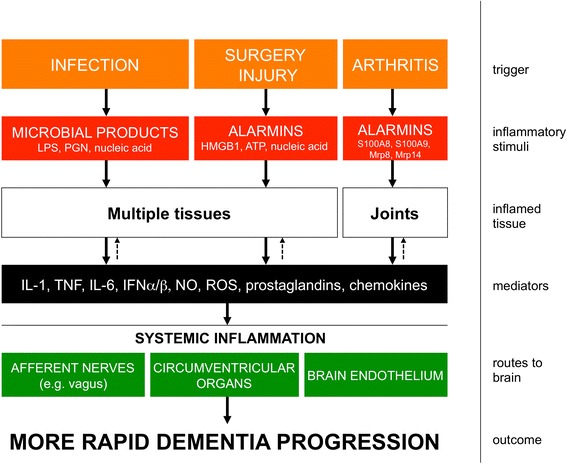
“and chemokines produced by the immune cells [47].”
BackgroundBeckman, D., & Linden, R. (2016) · Prion · doi:10.1080/19336896.2016.1152437 · Cited by 5
“1007/s00401-010-0722-x [95] Cunningham C, Hennessy E.”
Nervonic acid and 15-epi-PGA1 mediate systemic mitochondrial dysfunction in AD dementia
Heimler, S., Amick, K. A., Bergstrom, J., Moliné, M., Mahapatra, G., Craft, S., & Molina, A. J. A. (2025) · GeroScience · doi:10.1007/s11357-025-01776-6 · Cited by 4
“In this study, we focus on the effects of bioactive lipids on both neuronal and non-neuronal cells based on the recognition that AD and dementia-related pathologies exist both within and outside of the CNS [11, 12].”
Huang, L., Li, P., & Li, J. H. (2025) · Medicine · doi:10.1097/md.0000000000046204 · Cited by 5
(2017) · Intensive Care Medicine Experimental · doi:10.1186/s40635-017-0149-y · Cited by 4
Fan, C. F., & Romero, J. R. (2016) · Internal Medicine Review · doi:10.18103/imr.v2i11.265 · Cited by 4
“Although the pathophysiology of CSVD is not entirely elucidated, inflammation has been associated with the main types, CAA and hypertensive arteriopathy, with the MRI markers of CSVD and with the main clinical outcomes associated with CSVD including cognitive impairment,[57] dementia[58] and stroke (both ischemic and…”
BackgroundCardiac Surgery and Cognition: Etiologies and Assessment Considerations
Browndyke, J. N., & Edner, B. J. (2020) · Springer eBooks · doi:10.1007/978-3-030-49586-2_10 · Cited by 6
Shu, Q., Liu, R., Pang, X., Huang, X., & Pang, C. (2025) · Aging advances. · doi:10.4103/agingadv.agingadv-d-25-00026 · Cited by 3
Li, F., Liang, X., Li, J., Cui, M., Ho, T.-E., Li, J., Yuan, Z., Meng, W., Lo, E. C. M., Fan, M., et al. (2026) · EBioMedicine · doi:10.1016/j.ebiom.2026.106231 · Cited by 7
“64,66,93,94 Mechanistically, oral bacteria and their metabolites could modulate systemic inflammation, nitric oxide homoeostasis, and blood–brain barrier integrity, thereby shaping neuroinflammatory responses and neuronal function.”
Alvarez, G., Jolink, T. A., West, T. N., Cardenas, M. N., Feldman, M. J., Cohen, J. R., & Muscatell, K. A. (2024) · Brain Behavior and Immunity · doi:10.1016/j.bbi.2024.09.010 · Cited by 3
Leptin, adiponectin, body mass index, and incident cognitive impairment
Thacker, E. L., Karki, R., Gabor, R., Blades, N. J., Sawyer, R. P., Beckodro, C. K., Preece, Q., Prince, S., Smith, M. M., Gillett, S., et al. (2025) · Journal of Alzheimer s Disease · doi:10.1177/13872877251326060 · Cited by 4
Zhou, A., Wu, Z., Cribb, L., Phyo, A. Z. Z., Vishwanath, S., Zhou, Z., & Ryan, J. L. (2025) · Journal of Alzheimer s Disease · doi:10.1177/13872877251361862 · Cited by 4
Li, Y., Han, X., He, S., Chen, X., Liu, L., & Li, P. (2025) · European journal of medical research · doi:10.1186/s40001-025-03353-1 · Cited by 3
Hwang, G., Lee, S. H., Han, S.-W., Yang, Y., Lee, S., Kim, Y., Kim, Y., & Park, R. W. (2026) · GeroScience · doi:10.1007/s11357-026-02101-5 · Cited by 5
“Chronic inflammation has emerged as a central mechanism linking these conditions to dementia [6, 7].”
Hoecke, L. V., & Vandenbroucke, R. E. (2024) · Acta Neuropathologica Communications · doi:10.1186/s40478-024-01747-6 · Cited by 4
Καλτσάτου, Α., Kouidi, E. J., Kimiskidis, V. Κ., Liakopoulos, V., Michou, V., Christofi, T., & Deligiannis, A. P. (2016) · Journal of Clinical & Experimental Nephrology · doi:10.21767/2472-5056.100014 · Cited by 3
“Severe or prolonged systemic inflammation can induce harmful changes in cognitive function such as synaptic loss, dendritic alterations, neuronal apoptosis, and suppression of brain-derived neurotrophic factor, impaired neurogenesis, memory dysfunction, and altered hypothalamic function by activating microglia [38].”
BackgroundGreen, C., Shen, X., Stevenson, A. J., Conole, E. L. S., Harris, M. A., Barbu, M. C., Hawkins, E. L., Adams, M. J., Lawrie, S. M., Evans, K. L., et al. (2020) · medRxiv · doi:10.1101/2020.08.12.20173567 · Cited by 2
Basic Concepts in Immunobiology
Turner, L., & Harrison, N. A. (2021) · Cambridge University Press eBooks · doi:10.1017/9781108539623.002 · Cited by 2
Costa, E., Diniz, B. S., & Blay, S. L. (2021) · Frontiers in Psychiatry · doi:10.3389/fpsyt.2021.784134 · Cited by 4
“It is indicated by memory loss, other mental processes, changes in attitudes, disabilities to live independently (4).”
BackgroundNeuroinflammation: The link between periodontal disease and Alzheimer’s disease
Zisis, V., Zisis, S., Andreadis, D., & Athanasios, P. (2022) · International Journal of Applied Dental Sciences · doi:10.22271/oral.2022.v8.i1f.1455 · Cited by 1
Omirah, M. H. A., Mously, S. E., Magdy, M. M., Gomaa, S., Elhefny, R., & Ebraheim, M. (2026) · The Egyptian Journal of Neurology Psychiatry and Neurosurgery · doi:10.1186/s41983-026-01114-3 · Cited by 1
“In addition, chronic inflammatory mediators commonly elevated in COPD, such as interleukin-6 and tumor necrosis factor-α, may contribute to neuroinflam-matory changes and synaptic dysfunction, particularly within frontal regions [35, 36].”
Tada, M., Matsumoto, Y., Nakamura, T., Goto, M., & Matsuura, M. (2026) · International Journal of Rheumatic Diseases · doi:10.1111/1756-185x.70686 · Cited by 1
Buckner, T. (2016) · Lincoln (University of Nebraska) · Cited by 1
The Effect of Systemic Inflammation on Cognitive Function and Neurodegenerative Disease
Cunningham, C. M., & Skelly, D. (2021) · Cambridge University Press eBooks · doi:10.1017/9781108539623.010 · Cited by 1
Self-citationRistinawati, I., Tan, K., Benedictus, B., Hafizhan, M., Putra, S. E., Suroto, S., Mirawati, D. K., Subandi, S., Danuaji, R., Budianto, P., et al. (2024) · Jurnal Keperawatan Padjadjaran · doi:10.24198/jkp.v12i2.2526 · Cited by 1
“Additionally, the neutrophil lymphocyte ratio has been proposed as a potential biomarker for predicting cognitive decline in post-stroke patients (Cunningham & Hennessy, 2015; Fest et al., 2019).”
BackgroundThe Role of Fibers and Bioactive Compounds in Gut Microbiota Composition and Health
Graham, É. A., Mallet, J., Jambi, M., Alsadi, N., & Matar, C. (2016) · Wiley eBooks · doi:10.1002/9781119138105.ch8 · Cited by 1
Systemic inflammation causes microglial dysfunction with a mixed AD-like pathologyPreprint
Bathini, P., Dupanloup, I., Zenaro, E., Terrabuio, E., Fischer, A., Ballabani, E., Doucey, M., & Alberi, L. A. (2020) · bioRxiv (Cold Spring Harbor Laboratory) · doi:10.1101/2020.07.27.223198 · Cited by 1
Enhanced cGMP-dependent signaling in astrocytes: Novel therapeutic target for Alzheimer’s Disease
Woart, N., Winkler, J., Ma, H., & White, R. E. (2015) · Digital Commons - PCOM (Philadelphia College of Osteopathic Medicine) · Cited by 1
Appalachian Caregivers of Persons with Dementia Non Use of Services
Childers, K. M. (2019) · The Research Repository @ WVU (West Virginia University) · doi:10.33915/etd.3909
Petruski‐Ivleva, N. (2017) · Carolina Digital Repository (University of North Carolina at Chapel Hill) · doi:10.17615/j7sy-9s93
Long-Lasting Memory Impairments after Subchronic Immune Challenge
Tchessalova, D. (2019) · Deep Blue (University of Michigan)
Systemic Inflammation Causes Microglial Dysfunction with a Mixed AD-Like Pathology.Preprint
Bathini, P., Dupanloup, I., Zenaro, E., Terrabuio, E., Fisher, A., Babaliani, E., Doucey, M., & Alberi, L. A. (2020) · Research Square · doi:10.21203/rs.3.rs-48807/v1
Allen, S. (2020) · Journal of Aging Science · doi:10.35248/2329-8847.20.s3.003
“causation of delirium, in both acute and chronic formats, as well as a complex role in dementia [3].”
Background»Man kennt nur die Dinge, die man zähmt«
Hirsch, R. D. (2017) · Psychotherapie im Alter · doi:10.30820/1613-2637-2017-3-249
Patel, J. (2020) · The Research Repository @ WVU (West Virginia University) · doi:10.33915/etd.7836
Chen, D. (2022) · International Conference on Bioinformatics and Computational Biology (ICBCB) · doi:10.1109/icbcb55259.2022.9802462
Infection-Induced Systemic Inflammation and Dementia
Osafo, N., Dei, S. O., Akwei, N. A., & Yeboah, K. O. (2022) · Springer eBooks · doi:10.1007/978-981-16-7606-2_2
Antioxidants and cognitive decline in elderly
Lobine, D., & Mahomoodally, M. F. (2022) · Elsevier eBooks · doi:10.1016/b978-0-12-819096-8.00054-9 · Cited by 1
TREM1 disrupts myeloid bioenergetics and cognitive function in aging and Alzheimer’s disease modelsPreprint
Wilson, E. N., Wang, C., Swarovski, M. S., Zera, K. A., Ennerfelt, H. E., Wang, Q., Chaney, A. M., Gauba, E., Benitez, J. A. R., Guen, Y. L., et al. (2024) · bioRxiv (Cold Spring Harbor Laboratory) · doi:10.1101/2024.03.05.583562
Metadata
- Authors
- Cunningham, C., & Hennessy, E.
- Affiliations
- Trinity College Dublin (IE)
- Corresponding author
- Cunningham, Colm
- Venue
- Alzheimer's Research & Therapy
- Published
- 2015-03-24
- Volume
- 7
- Issue
- 1
- Pages
- 33-33
- ISSN
- 1758-9193 (ISSN-L)
- PMC
- PMC4369837
- OpenAlex
- W2154575244
- Cited by
- 211
- References
- 107
- Citations by year
- 2026: 8 · 2025: 18 · 2024: 24 · 2023: 12 · 2022: 24 · 2021: 21 · 2020: 24 · 2019: 25 · 2018: 15 · 2017: 16 · 2016: 16 · 2015: 8
- FWCI
- 9.80
- Type
- journal article
- Language
- en
- Open access
- gold
- doi.org
- Licence
- cc-by
- creativecommons.org/licenses/by/4.0 (tdm)
- creativecommons.org/licenses/by/4.0 (vor)
- Locations
- Alzheimer s Research & Therapy (publishedVersion, cc-by)
- Europe PMC (PubMed Central) (publishedVersion, cc-by)
- PubMed Central (publishedVersion, cc-by)
- PubMed (publishedVersion)
- Arrow@dit (Dublin Institute of Technology) (submittedVersion, cc-by-nc-sa)
- Trinity's Access to Research Output (TARA) (Trinity College Dublin) (submittedVersion)
- Funders
- Wellcome Trust (090907)
- Topics
- Life Sciences › Neuroscience › Neurology › Neuroinflammation and Neurodegeneration Mechanisms
- Life Sciences › Neuroscience › Cellular and Molecular Neuroscience › Alzheimer's disease research and treatments
- Life Sciences › Neuroscience › Neurology › Neurological Disease Mechanisms and Treatments
- Keywords
- cognitive decline, dementia, Alzheimer's disease, systemic inflammation, comorbidities, peripheral inflammation, sepsis model, neuroinflammation, IL-1β, TNF-α, arthritis, atherosclerosis, obesity, diabetes mellitus, insulin resistance, hypothalamic dysfunction, neurogenesis, amyloid-beta, tau pathology
About these checks
Registry, retraction, Cites and statistics results are computed, not judged, with one exception: a printed reference that no index lists is read once by a model before it counts as a citation error. Claims are extracted by a model and kept only when their quote appears verbatim in the text; each cited source is then checked, with a model’s help, for whether it says what the claim relies on. Those verdicts can be wrong — read the claim’s quote and the cited source before relying on one.
Statistics and arithmetic are recomputed, not judged.
Confidence bands are shown only for fields calibrated on our annotated test set. None is calibrated yet, so no band is shown.
What counts as a claim ›How we measure confidence ›How we check this ›
Are you an author, or do you see a problem with this page? Request a review
Data sources
Bibliographic data: Semantic Scholar, OpenAlex, Crossref.
Contains information from the Semantic Scholar Academic Graph Datasets, made available under the ODC Attribution License (ODC-BY 1.0).
Semantic Scholar’s data is described in: Kinney, R., et al. (2023). The Semantic Scholar Open Data Platform. arXiv:2301.10140.
