

Co-morbidity and systemic inflammation as drivers of cognitive decline: new experimental models adopting a broader paradigm in dementia research
Open accessThe DOI matches its Crossref record; 107 of the 107 references it cites were found in a registry or an index.
Abstract
Dementia prevalence increases with age and Alzheimer’s disease (AD) accounts for up to 75% of cases. However, significant variability and overlap exists in the extent of amyloid-β and Tau pathology in AD and non-demented populations and it is clear that other factors must influence progression of cognitive decline, perhaps independent of effects on amyloid pathology. Coupled with the failure of amyloid-clearing strategies to provide benefits for AD patients, it seems necessary to broaden the paradigm in dementia research beyond amyloid deposition and clearance. Evidence has emerged from alternative animal model approaches as well as clinical and population epidemiological studies that co-morbidities contribute significantly to neurodegeneration/cognitive decline and systemic inflammation has been a strong common theme in these approaches. We hypothesise, and discuss in this review, that a disproportionate inflammatory response to infection, injury or chronic peripheral disease is a key determinant of cognitive decline. We propose that detailed study of alternative models, which encompass acute and chronic systemic inflammatory co-morbidities, is an important priority for the field and we examine the cognitive consequences of several of these alternative experimental approaches. Experimental models of severe sepsis in normal animals or moderate acute systemic inflammation in animals with existing neurodegenerative pathology have uncovered roles for inflammatory mediators interleukin-1β, tumour necrosis factor-α, inducible nitric oxide synthase, complement, prostaglandins and NADPH oxidase in inflammation-induced cognitive dysfunction and neuronal death. Moreover, microglia are primed by existing neurodegenerative pathology to produce exaggerated responses to subsequent stimulation with bacterial lipopolysaccharide or other inflammatory stimuli and these insults drive acute dysfunction and negatively affect disease trajectory. Chronic co-morbidities, such as arthritis, atherosclerosis, obesity and diabetes, are risk factors for subsequent dementia and those with high inflammatory status are particularly at risk. Models of chronic co-morbidities, and indeed low grade systemic inflammation in the absence of specific pathology, indicate that interleukin-1β, tumour necrosis factor-α and other inflammatory mediators drive insulin resistance, hypothalamic dysfunction, impaired neurogenesis and cognitive function and impact on functional decline. Detailed study of these pathways will uncover important mechanisms of peripheral inflammation-driven cognitive decline and are already driving clinical initiatives to mitigate AD progression through minimising systemic inflammation.
Overview
The claims and statistics of this paper haven’t been checked yet.
Free: it reads the open-access text and checks the first 5 claims that cite a source we can check. Create a free account to check every claim.
Integrity signals
Registry
Cites
Statistics
Figures
Verification
Claims the paper makes
The claims and statistics of this paper haven’t been checked yet.
Free: it reads the open-access text and checks the first 5 claims that cite a source we can check. Create a free account to check every claim.
Claims other papers make about this one
Each is checked against this paper’s own text: does it say what the citing paper says it does?
The source backs part of the claim, not all of it — or backs it for a different population, condition or comparison.
In the citing paper
“Delayed resolution of inflammation makes the brain particularly vulnerable to aberrant microglial responses to acute stressors, such as infection or tissue injury (164, 165).”
From Connecting aging biology and inflammation in the omics era (2022) · cites this paper as [164]
Experimental — accuracy not yet measured
Self-check
Percentages, sums and reported differences re-computed from the paper’s own numbers.
The self-check needs the paper’s full text.
Citations
Cites
Inflammation and insulin resistance
Shoelson, S. E. (2006) · Journal of Clinical Investigation · doi:10.1172/jci29069 · Cited by 4,769
Terry, R. D., Masliah, E., Salmon, D. P., Butters, N., DeTeresa, R., Hill, R., Hansen, L. A., & Katzman, R. (1991) · Annals of Neurology · doi:10.1002/ana.410300410 · Cited by 4,397 · cited 1×
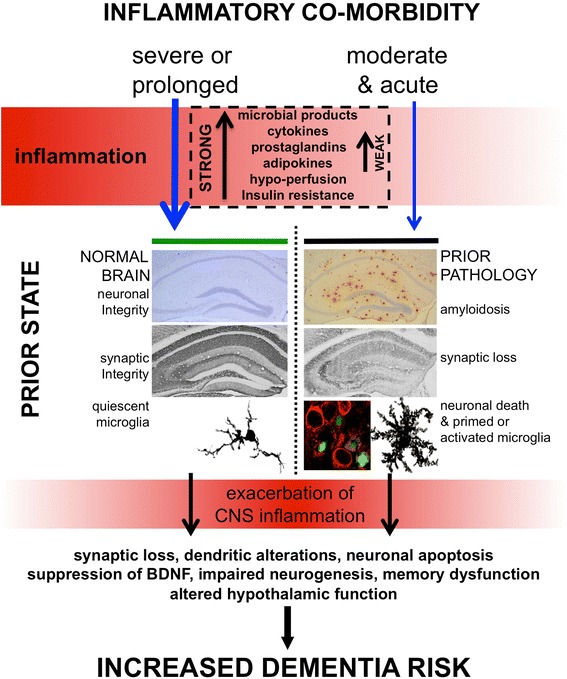
“Synaptic loss is a stronger correlate of cognitive decline than Aβ plaques or Tau tangles [12] and, although not part of the Consortium to Establish a Register for Alzheimer’s Disease neuropathology assessment, these changes in neuronal integrity hold the key to the loss of function that distinguishes the demented fro…”
BackgroundInflammatory Mechanisms in Obesity
Gregor, M. F., & Hotamisligil, G. S. (2011) · Annual Review of Immunology · doi:10.1146/annurev-immunol-031210-101322 · Cited by 3,754 · cited 1×
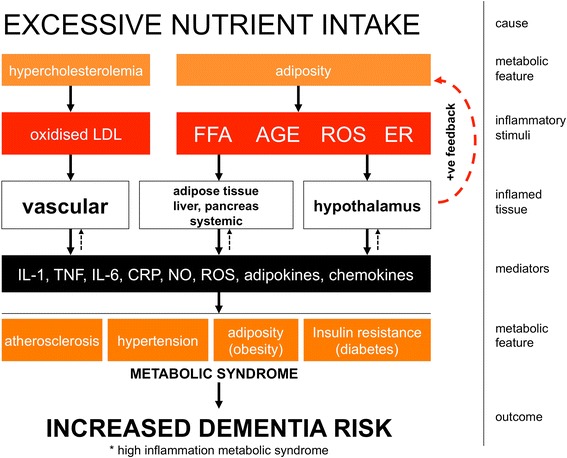
“Excessive nutrient intake is key in the genesis of obesity and type 2 diabetes: adipocytes and macrophages in the white adipose tissue respond to molecules such as free fatty acids, advanced glycation end products and reactive oxygen species (Figure 4) with the production of TNF-α, IL-1β, IL-6, CCL2 and adipokines lik…”
BackgroundNLRP3 is activated in Alzheimer’s disease and contributes to pathology in APP/PS1 mice
Heneka, M. T., Kummer, M. P., Stutz, A., Delekate, A., Schwartz, S., Vieira-Saecker, A., Griep, A., Axt, D., Remus, A., Tzeng, T.-C., et al. (2013) · Nature · doi:10.1038/nature11729 · Cited by 2,898 · cited 1×
“PS1 model of AD [104], it is important to recognise that the former study shows an influence of low grade chronic sterile systemic inflammation on brain aging and cognition in a manner that is IL-1-dependent, in the absence of amyloid pathology.”
BackgroundLong-term cognitive impairment after critical illness
Pandharipande, P. P., Girard, T. D., Jackson, J. C., Morandi, A., Thompson, J. L., Pun, B. T., Brummel, N. E., Hughes, C. G., Vasilevskis, E. E., Shintani, A. K., et al. (2013) · New England Journal of Medicine · doi:10.1056/nejmoa1301372 · Cited by 2,842
Risk of dementia in diabetes mellitus: a systematic review
Biessels, G. J., Staekenborg, S., Brunner, E., Brayne, C., & Scheltens, P. (2006) · The Lancet Neurology · doi:10.1016/s1474-4422(05)70284-2 · Cited by 2,187 · cited 1×
“Obesity and the frequently associated complication type 2 diabetes are associated with functional deficits in learning, memory and executive functions and with increased risk of dementia [78,79].”
BackgroundInitiative, T. A. D. N., Hollingworth, P., CHARGE consortium, EADI1 consortium, Harold, D., Sims, R., Gerrish, A., Lambert, J.-C., Carrasquillo, M. M., Abraham, R., et al. (2011) · Nature Genetics · doi:10.1038/ng.803 · Cited by 1,997 · cited 3×
“Hollingworth P, Harold D, Sims R, Gerrish A, Lambert JC, Carrasquillo MM, et al. Common variants at ABCA7, MS4A6A/MS4A4E, EPHA1, CD33 and CD2AP are associated with Alzheimer’s disease.”
BackgroundWitlox, J., Eurelings, L. S. M., de Jonghe, J. F. M., Kalisvaart, K. J., Eikelenboom, P., & van Gool, W. A. (2010) · JAMA · doi:10.1001/jama.2010.1013 · Cited by 1,960 · cited 3×
“Delirium is an acute neuropsychiatric syndrome triggered by various medical illnesses and it has become clear that these acute episodes also predict long-term cognitive decline [10].”
BackgroundObesity is associated with hypothalamic injury in rodents and humans.
Thaler, J. P., Yi, C.-X., Schur, E. A., Guyenet, S. J., Hwang, B. H., Dietrich, M. O., Zhao, X., Sarruf, D. A., Izgur, V., Maravilla, K. R., et al. (2012) · Journal of Clinical Investigation · doi:10.1172/jci59660 · Cited by 1,857 · cited 1×
“A more recent development is the finding that increased adiposity, altered adipokines and/or inflammatory mediators (but not body weight per se) induce microgliosis [98], cytokine secretion [99] and neuronal dysfunction and death in the hypothalamus [100].”
BackgroundThe ageing systemic milieu negatively regulates neurogenesis and cognitive function
Villeda, S. A., Luo, J., Mosher, K. I., Zou, B., Britschgi, M., Bieri, G., Stan, T. M., Fainberg, N., Ding, Z., Eggel, A., et al. (2011) · Nature · doi:10.1038/nature10357 · Cited by 1,763
Holmes, C., Boche, D., Wilkinson, D., Yadegarfar, G., Hopkins, V., Bayer, A., Jones, R. W., Bullock, R., Love, S., Neal, J. W., et al. (2008) · The Lancet · doi:10.1016/s0140-6736(08)61075-2 · Cited by 1,416 · cited 2×
“The successful removal of amyloid plaques by active and passive immunisation strategies did not prove beneficial for patients [3] and the majority of information from the clinical literature would suggest that systemic infection or inflammation leads to worse outcomes in AD pa-”
Background(2001) · The Lancet · doi:10.1016/s0140-6736(00)03589-3 · Cited by 1,338
Masters, S. L., Dunne, A., Subramanian, S. L., Hull, R. L., Tannahill, G. M., Sharp, F. A., Becker, C., Franchi, L., Yoshihara, E., Chen, Z., et al. (2010) · Nature Immunology · doi:10.1038/ni.1935 · Cited by 1,330 · cited 1×
“activate the NLRP3 (Nod-like receptor family, Pyrin domain containing 3) inflammasome to drive IL-1β secretion [67,82].”
BackgroundDe Souza, C. T., Araujo, E. P., Bordin, S., Ashimine, R., Zollner, R. L., Boschero, A. C., Saad, M. J. A., & Velloso, L. A. (2005) · Endocrinology · doi:10.1210/en.2004-1520 · Cited by 1,171 · cited 1×
“A more recent development is the finding that increased adiposity, altered adipokines and/or inflammatory mediators (but not body weight per se) induce microgliosis [98], cytokine secretion [99] and neuronal dysfunction and death in the hypothalamus [100].”
BackgroundSystemic inflammation and disease progression in Alzheimer disease
Holmes, C., Cunningham, C., Zotova, E., Woolford, J., Dean, C., Kerr, S., Culliford, D., & Perry, V. H. (2009) · Neurology · doi:10.1212/wnl.0b013e3181b6bb95 · Cited by 1,139
Self-citationMicroglial priming in neurodegenerative disease
Perry, V. H., & Holmes, C. (2014) · Nature Reviews Neurology · doi:10.1038/nrneurol.2014.38 · Cited by 1,127 · cited 2×
“tients, including acute delirium and worse long-term cognitive trajectories [10,31].”
BackgroundTakahashi, K., Rochford, C. D. P., & Neumann, H. (2005) · The Journal of Experimental Medicine · doi:10.1084/jem.20041611 · Cited by 1,124 · cited 3×
“Neumann H, Daly MJ. Variant TREM2 as risk factor for Alzheimer’s disease.”
BackgroundLong-Term Cognitive Impairment After Critical Illness
Pandharipande, P. P., Girard, T. D., Jackson, J. C., Morandi, A., Thompson, J. L., Pun, B. T., Brummel, N. E., Hughes, C. G., Vasilevskis, E. E., Shintani, A. K., et al. (2014) · Survey of Anesthesiology · doi:10.1097/sa.0000000000000071 · Cited by 1,114
The effect of age on the development and outcome of adult sepsis*
Martin, G. S., Mannino, D. M., & Moss, M. (2006) · Critical Care Medicine · doi:10.1097/01.ccm.0000194535.82812.ba · Cited by 1,040 · cited 3×
“Delirium occurs in around half of all ICU patients and patients are more likely to subsequently develop dementia, but delirium and associated brain injury may push patients towards a dementia diagnosis that is not associated with Aβ [11].”
BackgroundThe metabolic syndrome, inflammation, and risk of cognitive decline
Yaffe, K. (2004) · JAMA · doi:10.1001/jama.292.18.2237 · Cited by 1,025 · cited 2×
“Metabolic syndrome is a significant risk factor for development of AD but this association was limited to those metabolic syndrome cases with elevated serum pro-inflammatory markers [9], indicating that inflammatory processes associated with, or even underpinning, metabolic syndrome may contribute to dementia progress…”
BackgroundSheedy, F. J., Grebe, A., Rayner, K. J., Kalantari, P., Ramkhelawon, B., Carpenter, S. B., Becker, C. E., Ediriweera, H. N., Mullick, A. E., Golenbock, D. T., et al. (2013) · Nature Immunology · doi:10.1038/ni.2639 · Cited by 935
Hypothalamic programming of systemic ageing involving IKK-β, NF-κB and GnRH
Zhang, G., Li, J., Purkayastha, S., Tang, Y., Zhang, H., Yin, Y., Li, B., Liu, G., & Cai, D. (2013) · Nature · doi:10.1038/nature12143 · Cited by 834
Godbout, J. P., Chen, J., Abraham, J., Richwine, A. F., Berg, B. M., Kelley, K. W., & Johnson, R. W. (2005) · The FASEB Journal · doi:10.1096/fj.05-3776fje · Cited by 813 · cited 1×
“Microglial priming has been confirmed in aged rodents [23], animal models of AD [24], Parkinson’s disease [25] and axonal degeneration [26].”
BackgroundObesity and neuroinflammation: A pathway to cognitive impairment
Miller, A. A., & Spencer, S. J. (2014) · Brain, Behavior, and Immunity · doi:10.1016/j.bbi.2014.04.001 · Cited by 788
Lee, J. W., Lee, Y. K., Yuk, D. Y., Choi, D. Y., Ban, S. B., Oh, K. W., & Hong, J. T. (2008) · Journal of Neuroinflammation · doi:10.1186/1742-2094-5-37 · Cited by 772
Microglia and neurodegeneration: The role of systemic inflammation
Cunningham, C. (2013) · Glia · doi:10.1002/glia.22350 · Cited by 769 · cited 2×
“Although there is no space to discuss these here, each has their own merits in manipulating aspects of systemic or CNS inflammation to examine the impact on underlying brain pathology (reviewed in [30]).”
BackgroundSelf-citationCunningham, C., Wilcockson, D. C., Campion, S., Lunnon, K., & Perry, V. H. (2005) · The Journal of Neuroscience · doi:10.1523/jneurosci.2614-05.2005 · Cited by 768 · cited 2×
“In a simple conceptual advance [19], our laboratory used a single challenge with bacterial endotoxin, LPS (500 μg/kg intraperitoneally) superimposed upon chronic neurodegeneration induced by prion disease, to demonstrate that the principal brain macrophage population, the microglia, were primed by primary neurodegener…”
BackgroundMethodSelf-citationTumor necrosis factor-α triggers a cytokine cascade yielding postoperative cognitive decline
Terrando, N., Monaco, C., Ma, D., Foxwell, B. M. J., Feldmann, M., & Maze, M. (2010) · Proceedings of the National Academy of Sciences · doi:10.1073/pnas.1014557107 · Cited by 726
Kitazawa, M., Oddo, S., Yamasaki, T. R., Green, K. N., & LaFerla, F. M. (2005) · The Journal of Neuroscience · doi:10.1523/jneurosci.2868-05.2005 · Cited by 697 · cited 1×
“Multiple LPS doses also affect tau hyperphosphorylation and tangle pathology in the 3xTg model in a cyclin-dependent kinase 5 (cdk5)-dependent manner [39].”
BackgroundCanonical Nlrp3 Inflammasome Links Systemic Low-Grade Inflammation to Functional Decline in Aging
Youm, Y.-H., Grant, R. W., McCabe, L. R., Albarado, D. C., Nguyen, K. Y., Ravussin, A., Pistell, P., Newman, S., Carter, R., Laque, A., et al. (2013) · Cell Metabolism · doi:10.1016/j.cmet.2013.09.010 · Cited by 674 · cited 1×
“Significantly, the lack of NLRP3-mediated IL-1 release and activity led to improved glucose metabolism, decreased brain innate immune activation, reduced gliosis, improved cognitive function and extended life-span [103].”
BackgroundImmune Effector Mechanisms Implicated in Atherosclerosis: From Mice to Humans
Libby, P., Lichtman, A. H., & Hansson, G. K. (2013) · Immunity · doi:10.1016/j.immuni.2013.06.009 · Cited by 671 · cited 1×
“This leads to a state of chronic vascular and systemic inflammation [68].”
BackgroundCunningham, C., Campion, S., Lunnon, K., Murray, C. L., Woods, J. F. C., Deacon, R. M. J., Rawlins, J. N. P., & Perry, V. H. (2009) · Biological Psychiatry · doi:10.1016/j.biopsych.2008.07.024 · Cited by 584 · cited 3×
“In a simple conceptual advance [19], our laboratory used a single challenge with bacterial endotoxin, LPS (500 μg/kg intraperitoneally) superimposed upon chronic neurodegeneration induced by prion disease, to demonstrate that the principal brain macrophage population, the microglia, were primed by primary neurodegener…”
BackgroundMethodSelf-citationDelirium is a strong risk factor for dementia in the oldest-old: a population-based cohort study
Davis, D. H. J., Muniz Terrera, G., Keage, H., Rahkonen, T., Oinas, M., Matthews, F. E., Cunningham, C., Polvikoski, T., Sulkava, R., MacLullich, A. M. J., et al. (2012) · Brain · doi:10.1093/brain/aws190 · Cited by 558
Self-citationEtminan, M., Gill, S., & Samii, A. (2003) · BMJ · doi:10.1136/bmj.327.7407.128 · Cited by 511 · cited 1×
“Individuals taking non-steroidal anti-inflammatory drugs (NSAIDs) during middle age are significantly protected from subsequent development of AD [7] and it may be instructive to recall that these medications were taken to treat peripheral inflammatory conditions like rheumatoid arthritis (RA).”
BackgroundTakeda, S., Sato, N., Uchio-Yamada, K., Sawada, K., Kunieda, T., Takeuchi, D., Kurinami, H., Shinohara, M., Rakugi, H., & Morishita, R. (2010) · Proceedings of the National Academy of Sciences · doi:10.1073/pnas.1000645107 · Cited by 505
Deciphering the mechanism underlying late-onset Alzheimer disease
Krstic, D., & Knuesel, I. (2013) · Nature Reviews Neurology · doi:10.1038/nrneurol.2012.236 · Cited by 457 · cited 1×
“These authors propose a model where inflammation-induced alteration of APP cleavage is an early step in pathogenesis of AD and tau mislocalisation occurs as a result of axonopathy and is key to cognitive deficits and one in which the senile amyloid plaque itself is a late feature of disease and largely irrelevant to c…”
BackgroundAnstey, K. J., Lipnicki, D. M., & Low, L.-F. (2008) · The American Journal of Geriatric Psychiatry · doi:10.1097/01.jgp.0000310778.20870.ae · Cited by 437
Jun, G. (2010) · Archives of Neurology · doi:10.1001/archneurol.2010.201 · Cited by 422 · cited 3×
“Jun G, Naj AC, Beecham GW, Wang LS, Buros J, Gallins PJ, et al. Meta-analysis confirms CR1, CLU, and PICALM as Alzheimer disease risk loci and reveals interactions with APOE genotypes.”
BackgroundSystemic immune challenges trigger and drive Alzheimer-like neuropathology in mice
Krstic, D., Madhusudan, A., Doehner, J., Vogel, P., Notter, T., Imhof, C., Manalastas, A., Hilfiker, M., Pfister, S., Schwerdel, C., et al. (2012) · Journal of Neuroinflammation · doi:10.1186/1742-2094-9-151 · Cited by 400 · cited 1×
“challenge to wild-type pregnant dams during late gestation [34].”
BackgroundChen, J., Buchanan, J. B., Sparkman, N. L., Godbout, J. P., Freund, G. G., & Johnson, R. W. (2008) · Brain, Behavior, and Immunity · doi:10.1016/j.bbi.2007.08.014 · Cited by 398 · cited 1×
“Importantly, these changes are only observed in the predisposed brain: whether by the occurrence of microglial priming [20,51], the loss of synaptic connectivity due to progressing disease [52], or loss of the neuromodulatory and anti-inflammatory influence of acetylcholine [53], the diseased brain is vulnerable to th…”
BackgroundSheng, J. (2003) · Neurobiology of Disease · doi:10.1016/s0969-9961(03)00069-x · Cited by 388 · cited 1×
“There have also been several studies with multiple doses of LPS administered to normal animals and to particular transgenic mice broadly demonstrating increased activity of β- and γ-secretase, intraneuronal APP and extracellular amyloid plaques [36,37]; this increase in intraneuronal APP in the triple transgenic (3xTg…”
BackgroundDissecting phenotypic traits linked to human resilience to Alzheimer’s pathology
Perez-Nievas, B. G., Stein, T. D., Tai, H.-C., Dols-Icardo, O., Scotton, T. C., Barroeta-Espar, I., Fernandez-Carballo, L., de Munain, E. L., Perez, J., Marquie, M., et al. (2013) · Brain · doi:10.1093/brain/awt171 · Cited by 387 · cited 1×
“A recent study, which analysed patients with high amyloid but no dementia, showed a less inflammatory microglial response to the tissue amyloid than those high amyloid patients that did develop dementia [8].”
BackgroundLong-term cerebral consequences of sepsis
Widmann, C. N., & Heneka, M. T. (2014) · The Lancet Neurology · doi:10.1016/s1474-4422(14)70017-1 · Cited by 361 · cited 2×
“In rodents high-dose bacterial lipopolysaccharide (LPS; 5 to 10 mg/kg), mimicking Gram-negative bacterial infection, induces robust central nervous system (CNS) inflammation, microglial-inducible nitric oxide synthase, neuronal death, blood–brain barrier breakdown and long-term cognitive decline with causative roles d…”
BackgroundReview: Systemic inflammation andAlzheimer's disease
Holmes, C. (2013) · Neuropathology and Applied Neurobiology · doi:10.1111/j.1365-2990.2012.01307.x · Cited by 356
Pott Godoy, M. C., Tarelli, R., Ferrari, C. C., Sarchi, M. I., & Pitossi, F. J. (2008) · Brain · doi:10.1093/brain/awn101 · Cited by 335 · cited 1×
“Microglial priming has been confirmed in aged rodents [23], animal models of AD [24], Parkinson’s disease [25] and axonal degeneration [26].”
BackgroundTucsek, Z., Toth, P., Sosnowska, D., Gautam, T., Mitschelen, M., Koller, A., Szalai, G., Sonntag, W. E., Ungvari, Z., & Csiszar, A. (2014) · The Journals of Gerontology Series A: Biological Sciences and Medical Sciences · doi:10.1093/gerona/glt177 · Cited by 328 · cited 1×
“When superimposed on the ageing brain, HFDs exacerbated systemic inflammation, blood–brain barrier disruption, oxidative damage, hippocampal micro-vascular rarefaction and hippocampal-dependent cognitive decline [84-86].”
BackgroundGlucocorticoids mediate stress-induced priming of microglial pro-inflammatory responses
Frank, M. G., Thompson, B. M., Watkins, L. R., & Maier, S. F. (2012) · Brain, Behavior, and Immunity · doi:10.1016/j.bbi.2011.10.005 · Cited by 310 · cited 1×
“Insulin resistance in this model also chronically elevates corticosterone, which, like chronic stress [93], contributes to microglial priming, increasing brain IL-1 and TNF responses [94].”
BackgroundMorrison, C. D., Pistell, P. J., Ingram, D. K., Johnson, W. D., Liu, Y., Fernandez‐Kim, S. O., White, C. L., Purpera, M. N., Uranga, R. M., Bruce‐Keller, A. J., et al. (2010) · Journal of Neurochemistry · doi:10.1111/j.1471-4159.2010.06865.x · Cited by 291 · cited 1×
“When superimposed on the ageing brain, HFDs exacerbated systemic inflammation, blood–brain barrier disruption, oxidative damage, hippocampal micro-vascular rarefaction and hippocampal-dependent cognitive decline [84-86].”
BackgroundMolecular mechanism in tolerance to lipopolysaccharide.
Ziegler‐Heitbrock, H. W. L. (1995) · PubMed · Cited by 290
Obesity Elicits Interleukin 1-Mediated Deficits in Hippocampal Synaptic Plasticity
Erion, J. R., Wosiski-Kuhn, M., Dey, A., Hao, S., Davis, C. L., Pollock, N. K., & Stranahan, A. M. (2014) · The Journal of Neuroscience · doi:10.1523/jneurosci.4200-13.2014 · Cited by 282 · cited 1×
“Intrahippocampal administration of IL-1 receptor antagonist was protective against obesity-induced neurophysiological dysfunction, indicating that leptin deficiency, via promotion of a proinflammatory environment in the brain, may therefore contribute directly to cognitive decline [95].”
BackgroundMatthews, F. E., Brayne, C., Lowe, J., McKeith, I., Wharton, S. B., & Ince, P. (2009) · PLoS Medicine · doi:10.1371/journal.pmed.1000180 · Cited by 279 · cited 1×
“It is increasingly clear, however, that amyloid beta (Aβ) and Tau pathology cannot account for all AD patients: a large proportion of nondemented individuals in the population have significant Aβ and Tau pathology without any signs of dementia [1] and a rather small proportion of dementia risk is attributable to amylo…”
BackgroundAaltonen, K. J., Virkki, L. M., Malmivaara, A., Konttinen, Y. T., Nordström, D. C., & Blom, M. (2012) · PLoS ONE · doi:10.1371/journal.pone.0030275 · Cited by 273 · cited 1×
“Anti-TNF therapies are an effective treatment for RA [61], and recent conference proceedings from the American College of Rheumatology have reported that they significantly reduce the risk of development of AD.”
BackgroundMcAlpine, F. E., Lee, J.-K., Harms, A. S., Ruhn, K. A., Blurton-Jones, M., Hong, J., Das, P., Golde, T. E., LaFerla, F. M., Oddo, S., et al. (2009) · Neurobiology of Disease · doi:10.1016/j.nbd.2009.01.006 · Cited by 268 · cited 1×
“There have also been several studies with multiple doses of LPS administered to normal animals and to particular transgenic mice broadly demonstrating increased activity of β- and γ-secretase, intraneuronal APP and extracellular amyloid plaques [36,37]; this increase in intraneuronal APP in the triple transgenic (3xTg…”
BackgroundHormones and diet, but not body weight, control hypothalamic microglial activity
Gao, Y., Ottaway, N., Schriever, S. C., Legutko, B., García‐Cáceres, C., de la Fuente, E., Mergen, C., Bour, S., Thaler, J. P., Seeley, R. J., et al. (2014) · Glia · doi:10.1002/glia.22580 · Cited by 263 · cited 1×
“A more recent development is the finding that increased adiposity, altered adipokines and/or inflammatory mediators (but not body weight per se) induce microgliosis [98], cytokine secretion [99] and neuronal dysfunction and death in the hypothalamus [100].”
BackgroundLyons, A., Downer, E. J., Crotty, S., Nolan, Y. M., Mills, K. H. G., & Lynch, M. A. (2007) · The Journal of Neuroscience · doi:10.1523/jneurosci.1781-07.2007 · Cited by 258 · cited 2×
“Several molecules, including CCL2, CSF-1, and complement factor C3, are increased in the brain during neurodegeneration and prime microglia, while the loss of microglial inhibiting molecules such as CD200 [27], fractalkine [28] and TREM2 [29] and neurotransmitters such as noradrenaline, acetylcholine and gamma aminobu…”
BackgroundMichaud, J.-P., Hallé, M., Lampron, A., Thériault, P., Préfontaine, P., Filali, M., Tribout-Jover, P., Lanteigne, A.-M., Jodoin, R., Cluff, C., et al. (2013) · Proceedings of the National Academy of Sciences · doi:10.1073/pnas.1215165110 · Cited by 252 · cited 20×
“Repeated LPS challenge can produce tolerance depending on dose and timing [40] and there is evidence for diminished systemic responses to LPS after three to four doses, while CNS synthesis of IL-1α, TNF-α, IL-6, IL-12 and CCL2 was maintained or even exacerbated in the same animals [41,42].”
BackgroundInfluentialEtanercept in Alzheimer disease: A randomized, placebo-controlled, double-blind, phase 2 trial
Butchart, J., Brook, L., Hopkins, V., Teeling, J., Püntener, U., Culliford, D., Sharples, R., Sharif, S., McFarlane, B., Raybould, R., et al. (2015) · Neurology · doi:10.1212/wnl.0000000000001617 · Cited by 248
André, C., Dinel, A.-L., Ferreira, G., Layé, S., & Castanon, N. (2014) · Brain Behavior and Immunity · doi:10.1016/j.bbi.2014.03.012 · Cited by 241
Neurodegeneration by Activation of the Microglial Complement-Phagosome Pathway
Bodea, L.-G., Wang, Y., Linnartz-Gerlach, B., Kopatz, J., Sinkkonen, L., Musgrove, R., Kaoma, T., Muller, A., Vallar, L., Di Monte, D. A., et al. (2014) · Journal of Neuroscience · doi:10.1523/jneurosci.5002-13.2014 · Cited by 234 · cited 1×
“One recent study in an inflammatory model of Parkinson’s disease demonstrated that four LPS challenges (1 mg/kg) result in a transcriptome response that is distinct from that induced by a single LPS challenge, with significant activation of the complement and phagosome systems directly leading to complement factor 3 (…”
BackgroundKnight, E. M., Martins, I. V. A., Gümüsgöz, S., Allan, S. M., & Lawrence, C. B. (2014) · Neurobiology of Aging · doi:10.1016/j.neurobiolaging.2014.02.010 · Cited by 232 · cited 1×
“A HFD in the 3xTg AD model induced memory deficits and exacerbated neuro-inflammation, but these effects were independent of alterations in Aβ or Tau pathology [89].”
BackgroundPeripheral infection evokes exaggerated sickness behaviour in pre-clinical murine prion disease
Combrinck, M. I., Perry, V. H., & Cunningham, C. (2002) · Neuroscience · doi:10.1016/s0306-4522(02)00030-1 · Cited by 231 · cited 1×
“In a simple conceptual advance [19], our laboratory used a single challenge with bacterial endotoxin, LPS (500 μg/kg intraperitoneally) superimposed upon chronic neurodegeneration induced by prion disease, to demonstrate that the principal brain macrophage population, the microglia, were primed by primary neurodegener…”
MethodSelf-citationTime‐Course of Cytokines During Delirium in Elderly Patients with Hip Fractures
Van Munster, B. C., Korevaar, J. C., Zwinderman, A. H., Levi, M., Wiersinga, W. J., & De Rooij, S. E. (2008) · Journal of the American Geriatrics Society · doi:10.1111/j.1532-5415.2008.01851.x · Cited by 230
Murray, C., Sanderson, D. J., Barkus, C., Deacon, R. M. J., Rawlins, J. N. P., Bannerman, D. M., & Cunningham, C. (2012) · Neurobiology of Aging · doi:10.1016/j.neurobiolaging.2010.04.002 · Cited by 226 · cited 1×
“In a simple conceptual advance [19], our laboratory used a single challenge with bacterial endotoxin, LPS (500 μg/kg intraperitoneally) superimposed upon chronic neurodegeneration induced by prion disease, to demonstrate that the principal brain macrophage population, the microglia, were primed by primary neurodegener…”
MethodSelf-citationField, R., Campion, S., Warren, C., Murray, C., & Cunningham, C. (2010) · Brain, Behavior, and Immunity · doi:10.1016/j.bbi.2010.04.004 · Cited by 209 · cited 2×
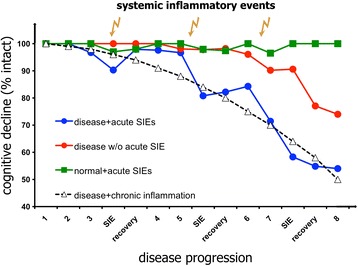
“Moreover, three poly I:C challenges, each 2 weeks apart, showed that each successive challenge produced acute onset deficits that were progressively more severe and less reversible as the underlying disease progressed [32] (Figure 3).”
BackgroundSelf-citationThe Cholinergic System and Inflammation: Common Pathways in Delirium Pathophysiology
Cerejeira, J., Nogueira, V., Luís, P., Vaz‐Serra, A., & Mukaetova‐Ladinska, E. B. (2012) · Journal of the American Geriatrics Society · doi:10.1111/j.1532-5415.2011.03883.x · Cited by 207 · cited 1×
“Patients suffering delirium after systemic inflammatory insults such as hip fracture/repair show markedly elevated systemic cytokines [46,47] and inflammatory cytokines are now increasingly demonstrated to be elevated in the cerebrospinal fluid and to be associated with delirium [48,49].”
BackgroundBrain inflammation is induced by co-morbidities and risk factors for stroke
Drake, C., Boutin, H., Jones, M. S., Denes, A., McColl, B. W., Selvarajah, J. R., Hulme, S., Georgiou, R. F., Hinz, R., Gerhard, A., et al. (2011) · Brain, Behavior, and Immunity · doi:10.1016/j.bbi.2011.02.008 · Cited by 205 · cited 1×
“The acute reactant C reactive protein is most readily measureable and it has been shown that high levels of it are associated with increased microglial activation in human positron emission tomography imaging studies [69].”
BackgroundCorona, A. W., Huang, Y., O'Connor, J. C., Dantzer, R., Kelley, K. W., Popovich, P. G., & Godbout, J. P. (2010) · Journal of Neuroinflammation · doi:10.1186/1742-2094-7-93 · Cited by 200 · cited 1×
“Several molecules, including CCL2, CSF-1, and complement factor C3, are increased in the brain during neurodegeneration and prime microglia, while the loss of microglial inhibiting molecules such as CD200 [27], fractalkine [28] and TREM2 [29] and neurotransmitters such as noradrenaline, acetylcholine and gamma aminobu…”
BackgroundHMGB1 Mediates Cognitive Impairment in Sepsis Survivors
Chavan, S. S., Huerta, P. T., Robbiati, S., Valdes-Ferrer, S. I., Ochani, M., Dancho, M., Frankfurt, M., Volpe, B. T., Tracey, K. J., & Diamond, B. (2012) · Molecular Medicine · doi:10.2119/molmed.2012.00195 · Cited by 199 · cited 1×
“in the cecal ligation and puncture model of polymicrobial sepsis [16-18].”
Schelbergen, R. F. P., Blom, A. B., van den Bosch, M. H. J., Slöetjes, A., Abdollahi‐Roodsaz, S., Schreurs, B. W., Mort, J. S., Vogl, T., Roth, J., van den Berg, W. B., et al. (2012) · Arthritis & Rheumatism · doi:10.1002/art.33495 · Cited by 198
Tucsek, Z., Toth, P., Tarantini, S., Sosnowska, D., Gautam, T., Warrington, J. P., Giles, C. B., Wren, J. D., Koller, A., Ballabh, P., et al. (2014) · The Journals of Gerontology Series A: Biological Sciences and Medical Sciences · doi:10.1093/gerona/glu080 · Cited by 191 · cited 1×
“When superimposed on the ageing brain, HFDs exacerbated systemic inflammation, blood–brain barrier disruption, oxidative damage, hippocampal micro-vascular rarefaction and hippocampal-dependent cognitive decline [84-86].”
BackgroundGrainger, D. J., Reckless, J., & McKilligin, E. (2004) · The Journal of Immunology · doi:10.4049/jimmunol.173.10.6366 · Cited by 183 · cited 1×
“ApoE-deficient animals (which show a similar phenotype to Apoε4 allele carrying mice) show elevated inflammation and gliosis associated with their deficient phagocytosis of apoptotic bodies [73] and APP23 mice negative for ApoE fed an atherogenic diet also showed increased endothelial activation and increased vascular…”
BackgroundCunningham, C., & MacLullich, A. M. J. (2013) · Brain, Behavior, and Immunity · doi:10.1016/j.bbi.2012.07.012 · Cited by 179 · cited 1×
“It is clear that existing cognitive impairment is the biggest risk factor for delirium and, on this background, milder inflammatory insults, including infections, injury and surgery, readily produce the profound acute cognitive, attentional and neuropsychiatric disturbances characteristic of delirium [45].”
BackgroundSelf-citationVariant TREM2 as Risk Factor for Alzheimer's Disease
Neumann, H., & Daly, M. J. (2013) · New England Journal of Medicine · doi:10.1056/nejme1213157 · Cited by 177 · cited 1×
“In addition there are loci of much more significant risk, such as TREM2, a macrophage gene involved in phagocytosis and suppression of pro-inflammatory phenotype in microglia [6].”
BackgroundSly, L. M., Krzesicki, R. F., Brashler, J. R., Buhl, A. E., McKinley, D. D., Carter, D. B., & Chin, J. E. (2001) · Brain Research Bulletin · doi:10.1016/s0361-9230(01)00730-4 · Cited by 174 · cited 1×
“Microglial priming has been confirmed in aged rodents [23], animal models of AD [24], Parkinson’s disease [25] and axonal degeneration [26].”
BackgroundField, R. H., Gossen, A., & Cunningham, C. (2012) · The Journal of Neuroscience · doi:10.1523/jneurosci.4673-11.2012 · Cited by 164 · cited 1×
“Importantly, these changes are only observed in the predisposed brain: whether by the occurrence of microglial priming [20,51], the loss of synaptic connectivity due to progressing disease [52], or loss of the neuromodulatory and anti-inflammatory influence of acetylcholine [53], the diseased brain is vulnerable to th…”
BackgroundSelf-citationLong-term impact of systemic bacterial infection on the cerebral vasculature and microglia
Püntener, U., Booth, S. G., Perry, V. H., & Teeling, J. L. (2012) · Journal of Neuroinflammation · doi:10.1186/1742-2094-9-146 · Cited by 164 · cited 1×
“Repeated LPS challenge can produce tolerance depending on dose and timing [40] and there is evidence for diminished systemic responses to LPS after three to four doses, while CNS synthesis of IL-1α, TNF-α, IL-6, IL-12 and CCL2 was maintained or even exacerbated in the same animals [41,42].”
BackgroundVacas, S., Degos, V., Tracey, K. J., & Maze, M. (2014) · Anesthesiology · doi:10.1097/aln.0000000000000045 · Cited by 163 · cited 1×
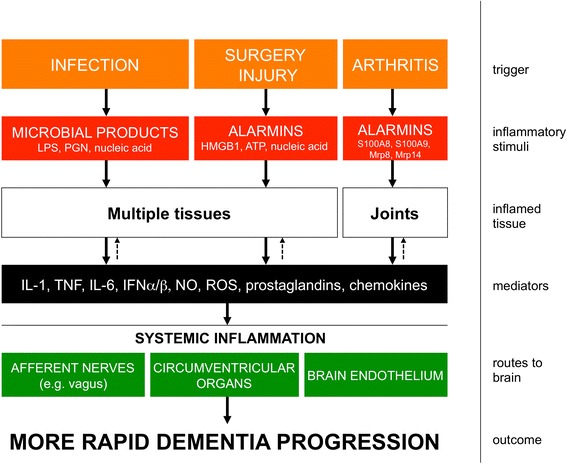
“There is evidence that the surgical trauma leads to release of endogenous tissue alarmins such as high mobility group box-1, which act at pattern recognition receptor Toll-like receptor 4 to induce TNF-α and IL-1β, either sequentially or in parallel, and these cytokines can have direct acute effects on cognitive funct…”
BackgroundDifferential central pathology and cognitive impairment in pre-diabetic and diabetic mice
Ramos‐Rodríguez, J. J., Ortiz, O., Jiménez-Palomares, M., Kay, K. R., Berrocoso, E., Murillo-Carretero, M. I., Perdomo, G., Spires‐Jones, T. L., Cózar‐Castellano, I., Lechuga-Sancho, A. M., et al. (2013) · Psychoneuroendocrinology · doi:10.1016/j.psyneuen.2013.05.010 · Cited by 161 · cited 1×
“Crossing of APP transgenics with db/db mice resulted in increased inflammation, amyloid angiopathy, increased brain atrophy, cortical Tau pathology and exacerbated cognitive deficits but no additional effect on Aβ deposition [90-92].”
BackgroundSimvastatin suppresses endotoxin-induced upregulation of toll-like receptors 4 and 2 in vivo
Niessner, A., Steiner, S., Speidl, W. S., Pleiner, J., Seidinger, D., Maurer, G., Goronzy, J. J., Weyand, C. M., Kopp, C. W., Huber, K., et al. (2006) · Atherosclerosis · doi:10.1016/j.atherosclerosis.2005.12.022 · Cited by 156 · cited 1×
“Statins are now recognised to have anti-inflammatory actions [76] and they significantly enhanced memory and reduced Aβ plaque deposition without altering serum lipid levels in an APP overexpression model [77].”
BackgroundBour, A., Grootendorst, J., Vogel, E., Kelche, C., Dodart, J.-C., Bales, K., Moreau, P.-H., Sullivan, P. M., & Mathis, C. (2008) · Behavioural Brain Research · doi:10.1016/j.bbr.2008.05.008 · Cited by 141 · cited 1×
“Expression of Apoε4 versus Apoε3 in mice resulted in impairments in spatial and avoidance memory [71,72].”
BackgroundDavis, D. H. J., Skelly, D. T., Murray, C., Hennessy, E., Bowen, J., Norton, S., Brayne, C., Rahkonen, T., Sulkava, R., Sanderson, D. J., et al. (2015) · The American Journal of Geriatric Psychiatry · doi:10.1016/j.jagp.2014.08.005 · Cited by 137
Self-citationCape, E., Hall, R. J., van Munster, B. C., de Vries, A., Howie, S. E., Pearson, A., Middleton, S. D., Gillies, F., Armstrong, I. R., White, T. O., et al. (2014) · Journal of Psychosomatic Research · doi:10.1016/j.jpsychores.2014.06.014 · Cited by 133 · cited 1×
“Patients suffering delirium after systemic inflammatory insults such as hip fracture/repair show markedly elevated systemic cytokines [46,47] and inflammatory cytokines are now increasingly demonstrated to be elevated in the cerebrospinal fluid and to be associated with delirium [48,49].”
BackgroundSelf-citationMaesako, M., Uemura, K., Kubota, M., Kuzuya, A., Sasaki, K., Asada, M., Watanabe, K., Hayashida, N., Ihara, M., Ito, H., et al. (2011) · Neurobiology of Aging · doi:10.1016/j.neurobiolaging.2011.10.028 · Cited by 129
Boyd, T. D., Bennett, S. P., Mori, T., Governatori, N., Runfeldt, M., Norden, M., Padmanabhan, J., Neame, P., Wefes, I., Sanchez-Ramos, J., et al. (2010) · Journal of Alzheimer's Disease · doi:10.3233/jad-2010-091471 · Cited by 128 · cited 1×
“Epidemiological studies showing that RA patients were protected against the subsequent development of AD led some to suggest that arthritis may actually protect against AD [59].”
BackgroundThe role of Nox2-derived ROS in the development of cognitive impairment after sepsis
Hernandes, M. S., D’Avila, J. C., Trevelin, S. C., Reis, P. A., Kinjo, E. R., Lopes, L. R., Castro-Faria-Neto, H. C., Cunha, F. Q., Britto, L. R., & Bozza, F. A. (2014) · Journal of Neuroinflammation · doi:10.1186/1742-2094-11-36 · Cited by 127
Wallin, K., Solomon, A., Kåreholt, I., Tuomilehto, J., Soininen, H., & Kivipelto, M. (2012) · Journal of Alzheimer's Disease · doi:10.3233/jad-2012-111736 · Cited by 122 · cited 1×
“45) [60].”
Barron, A. M., Rosario, E. R., Elteriefi, R., & Pike, C. J. (2013) · PLoS ONE · doi:10.1371/journal.pone.0078554 · Cited by 119 · cited 1×
“Alzheimer transgenic models fed a HFD show exacerbated memory impairment as well as increased levels of Aβ oligomers and deposition [87,88].”
BackgroundIl1-β Involvement in Cognitive Impairment after Sepsis
Mina, F., Comim, C. M., Dominguini, D., Cassol-Jr, O. J., Dall’Igna, D. M., Ferreira, G. K., Silva, M. C., Galant, L. S., STRECK, E. L., Quevedo, J., et al. (2013) · Molecular Neurobiology · doi:10.1007/s12035-013-8581-9 · Cited by 114
Osteoarthritis accelerates and exacerbates Alzheimer's disease pathology in mice
Kyrkanides, S., Tallents, R. H., Miller, J.-N. H., Olschowka, M. E., Johnson, R., Yang, M., Olschowka, J. A., Brouxhon, S. M., & O'Banion, M. K. (2011) · Journal of Neuroinflammation · doi:10.1186/1742-2094-8-112 · Cited by 113 · cited 1×
“Since IL-1β is known to contribute to osteoarthritis pathology, the Col1-IL1β Cre inducible model was used to model osteoarthritis and when these animals were crossed with APP/PS1 mice and injected with Cre to induce chronically elevated IL-1β expression, there were significant exacerbations of Aβ deposition and assoc…”
MethodLi, L., Cao, D., Garber, D. W., Kim, H., & Fukuchi, K.-I. (2003) · The American Journal of Pathology · doi:10.1016/s0002-9440(10)63572-9 · Cited by 105 · cited 1×
“The addition of a high cholesterol (atherogenic) diet leads to alterations in APP processing and exacerbated spatial learning impairment in the Tg2576 human APP-overexpressing mouse [70].”
BackgroundSystemic inflammation switches the inflammatory cytokine profile in CNS Wallerian degeneration
Palin, K., Cunningham, C., Forse, P., Perry, V. H., & Platt, N. (2008) · Neurobiology of Disease · doi:10.1016/j.nbd.2007.11.012 · Cited by 104 · cited 1×
“Microglial priming has been confirmed in aged rodents [23], animal models of AD [24], Parkinson’s disease [25] and axonal degeneration [26].”
BackgroundSelf-citationHölscher, C. (2014) · Biochemical Society Transactions · doi:10.1042/bst20140016 · Cited by 96 · cited 1×
“Use of glucagon like peptide 1, which stimulates insulin, can reverse deleterious effects of HFD on learning and memory, CA1 long-term potentiation and hippocampal glial fibrillary acidic protein, mammalian target of rapamycin and vascular endothelial growth factor [96] and this is now a promising therapeutic target f…”
BackgroundGriffin, É. W., Skelly, D. T., Murray, C. L., & Cunningham, C. (2013) · The Journal of Neuroscience · doi:10.1523/jneurosci.6361-11.2013 · Cited by 96 · cited 1×
“Animal model studies using LPS to mimic acute inflammation are consistent with this, showing causative roles for IL-1β and cyclooxygenase-1-mediated prostaglandins in acute cognitive deficits [50].”
Self-citationSystemic inflammation and Alzheimer's disease
Holmes, C., & Butchart, J. (2011) · Biochemical Society Transactions · doi:10.1042/bst0390898 · Cited by 91
Niedowicz, D. M., Reeves, V. L., Platt, T. L., Kohler, K., Beckett, T. L., Powell, D. K., Lee, T. L., Sexton, T. R., Song, E. S., Brewer, L. D., et al. (2014) · Acta Neuropathologica Communications · doi:10.1186/2051-5960-2-64 · Cited by 85
Lennox, R., Porter, D. W., Flatt, P. R., Hölscher, C., Irwin, N., & Gault, V. A. (2014) · Neuropharmacology · doi:10.1016/j.neuropharm.2014.06.026 · Cited by 83 · cited 1×
“Use of glucagon like peptide 1, which stimulates insulin, can reverse deleterious effects of HFD on learning and memory, CA1 long-term potentiation and hippocampal glial fibrillary acidic protein, mammalian target of rapamycin and vascular endothelial growth factor [96] and this is now a promising therapeutic target f…”
BackgroundHolmes, C. (2003) · Age and Ageing · doi:10.1093/ageing/32.2.200 · Cited by 82 · cited 1×
“This mimics the fluctuating and variable rate of decline seen in AD patients [33] and suggests that multiple systemic inflammatory insults contribute, in a cumulative way, to the progression of cognitive decline.”
BackgroundApoE ε4 is associated with eIF2α phosphorylation and impaired learning in young mice
Segev, Y., Michaelson, D. M., & Rosenblum, K. (2012) · Neurobiology of Aging · doi:10.1016/j.neurobiolaging.2012.06.020 · Cited by 77
MacLullich, A. M. J., Edelshain, B. T., Hall, R. J., de Vries, A., Howie, S. E. M., Pearson, A., Middleton, S. D., Gillies, F., Armstrong, I. R., White, T. O., et al. (2011) · Journal of the American Geriatrics Society · doi:10.1111/j.1532-5415.2011.03428.x · Cited by 70 · cited 1×
“Patients suffering delirium after systemic inflammatory insults such as hip fracture/repair show markedly elevated systemic cytokines [46,47] and inflammatory cytokines are now increasingly demonstrated to be elevated in the cerebrospinal fluid and to be associated with delirium [48,49].”
BackgroundSelf-citationModulation of Murine Alzheimer Pathogenesis and Behavior by Surgery
Tang, J. X., Mardini, F., Janik, L. S., Garrity, S. T., Li, R. Q., Bachlani, G., Eckenhoff, R. G., & Eckenhoff, M. F. (2012) · Annals of Surgery · doi:10.1097/sla.0b013e318269d623 · Cited by 63 · cited 1×
“Evidence for lasting dysfunction or indeed decline is thus limited, although there are some reports of longerterm effects and/or neuropathological changes [56].”
BackgroundNeurodegenerative diseases: insights into pathogenic mechanisms from atherosclerosis
Napoli, C., & Palinski, W. (2004) · Neurobiology of Aging · doi:10.1016/j.neurobiolaging.2004.02.031 · Cited by 62 · cited 1×
“Atherosclerosis is characterised by elevated low density lipoprotein (LDL; Figure 4), which becomes oxidised and activates macrophages via the scavenger receptor CD36, producing IL-1β via the NLRP3 inflammasome [66,67].”
BackgroundTibolla, G., Norata, G. D., Meda, C., Arnaboldi, L., Uboldi, P., Piazza, F., Ferrarese, C., Corsini, A., Maggi, A. C., Vegeto, E., et al. (2009) · Atherosclerosis · doi:10.1016/j.atherosclerosis.2009.10.040 · Cited by 62 · cited 1×
“ApoE-deficient animals (which show a similar phenotype to Apoε4 allele carrying mice) show elevated inflammation and gliosis associated with their deficient phagocytosis of apoptotic bodies [73] and APP23 mice negative for ApoE fed an atherogenic diet also showed increased endothelial activation and increased vascular…”
BackgroundAssociation of statin use with risk of dementia: A meta‐analysis of prospective cohort studies
Song, Y., Nie, H., Xu, Y., Zhang, L., & Wu, Y. (2013) · Geriatrics & Gerontology International · doi:10.1111/ggi.12044 · Cited by 60 · cited 1×
“Statins have long been used to regulate peripheral cholesterol and meta-analysis shows that these drugs reduced dementia risk [75].”
BackgroundGlucocorticoid sensitization of microglia in a genetic mouse model of obesity and diabetes
Dey, A., Hao, S., Erion, J. R., Wosiski-Kuhn, M., & Stranahan, A. M. (2014) · Journal of Neuroimmunology · doi:10.1016/j.jneuroim.2014.01.013 · Cited by 60 · cited 1×
“Insulin resistance in this model also chronically elevates corticosterone, which, like chronic stress [93], contributes to microglial priming, increasing brain IL-1 and TNF responses [94].”
BackgroundFaggioni, R., Fantuzzi, G., Villa, P., Buurman, W., van Tits, L. J., & Ghezzi, P. (1995) · Infection and Immunity · doi:10.1128/iai.63.4.1473-1477.1995 · Cited by 51 · cited 1×
“Repeated LPS challenge can produce tolerance depending on dose and timing [40] and there is evidence for diminished systemic responses to LPS after three to four doses, while CNS synthesis of IL-1α, TNF-α, IL-6, IL-12 and CCL2 was maintained or even exacerbated in the same animals [41,42].”
BackgroundKurata, T., Kawai, H., Miyazaki, K., Kozuki, M., Morimoto, N., Ohta, Y., Ikeda, Y., & Abe, K. (2012) · Journal of the Neurological Sciences · doi:10.1016/j.jns.2012.06.011 · Cited by 35 · cited 1×
“Statins are now recognised to have anti-inflammatory actions [76] and they significantly enhanced memory and reduced Aβ plaque deposition without altering serum lipid levels in an APP overexpression model [77].”
BackgroundPark, S. M., Shin, J. H., Moon, G. J., Cho, S. I., Lee, Y. B., & Gwag, B. J. (2011) · BMC Neuroscience · doi:10.1186/1471-2202-12-106 · Cited by 22 · cited 1×
“One recent study reported decreased Aβ, but increased vascular damage and mortality in RA APP/PS1 double transgenic mice [63].”
Background
Research works printed but not linked: 1
- Cunningham C Ely EW Sharshar T Stevens RD Experimental models of critical illness brain dysfunction Brain dysfunction in critical illness 2013 Cambridge, UK Cambridge University press
Cited by
Restoring metabolism of myeloid cells reverses cognitive decline in ageing
Minhas, P. S., Latif-Hernandez, A., McReynolds, M. R., Durairaj, A. S., Wang, Q., Rubin, A., Joshi, A. U., He, J. Q., Gauba, E., Liu, L., et al. (2021) · Nature · doi:10.1038/s41586-020-03160-0 · Cited by 526
Insulin resistance and Parkinson’s disease: A new target for disease modification?
Athauda, D., & Foltynie, T. (2016) · Progress in Neurobiology · doi:10.1016/j.pneurobio.2016.10.001 · Cited by 328
“This may somewhat explain why animal models of peripheral insulin resistance and obesity/high fat diet models show increased CNS macrophage infiltration and activation within the hypothalamus and exaggerated responses to peripherally administered toxins, indicating a priming of microglial cells (Cunningham and Henness…”
The potential mechanism of postoperative cognitive dysfunction in older people
Lin, X., Chen, Y., Zhang, P., Chen, G., Zhou, Y., & Yu, X. (2020) · Experimental Gerontology · doi:10.1016/j.exger.2019.110791 · Cited by 320
“, 2016), dementia (Cunningham and Hennessy, 2015) and age-related cognitive decline (Dev et al.”
Lopez‐Rodriguez, A. B., Hennessy, E., Murray, C. L., Nazmi, A., Delaney, H. J., Healy, D., Fagan, S. G., Rooney, M., Stewart, E., Lewis, A., et al. (2021) · Alzheimer's & Dementia · doi:10.1002/alz.12341 · Cited by 293
Self-citationSystemic inflammation during midlife and cognitive change over 20 years: The ARIC Study
Walker, K. A., Gottesman, R. F., Wu, A., Knopman, D. S., Gross, A. L., Mosley, T. H., Selvin, E., & Windham, B. G. (2019) · Neurology · doi:10.1212/wnl.0000000000007094 · Cited by 282
“Given that neuropathologic processes associated with dementia, such as β-amyloid deposition, are believed to begin during midlife, decades before the onset of clinical symptoms,(26) the current findings provide support for the idea that systemic inflammation may have an early pathologic role in driving or accelerating…”
Background
Metadata
- Authors
- Cunningham, C., & Hennessy, E.
- Affiliations
- Trinity College Dublin (IE)
- Corresponding author
- Cunningham, Colm
- Venue
- Alzheimer's Research & Therapy
- Published
- 2015-03-24
- Volume
- 7
- Issue
- 1
- Pages
- 33-33
- ISSN
- 1758-9193 (ISSN-L)
- PMC
- PMC4369837
- OpenAlex
- W2154575244
- Cited by
- 211
- References
- 107
- Citations by year
- 2026: 8 · 2025: 18 · 2024: 24 · 2023: 12 · 2022: 24 · 2021: 21 · 2020: 24 · 2019: 25 · 2018: 15 · 2017: 16 · 2016: 16 · 2015: 8
- FWCI
- 9.80
- Type
- journal article
- Language
- en
- Open access
- gold
- doi.org
- Licence
- cc-by
- creativecommons.org/licenses/by/4.0 (tdm)
- creativecommons.org/licenses/by/4.0 (vor)
- Locations
- Alzheimer s Research & Therapy (publishedVersion, cc-by)
- Europe PMC (PubMed Central) (publishedVersion, cc-by)
- PubMed Central (publishedVersion, cc-by)
- PubMed (publishedVersion)
- Arrow@dit (Dublin Institute of Technology) (submittedVersion, cc-by-nc-sa)
- Trinity's Access to Research Output (TARA) (Trinity College Dublin) (submittedVersion)
- Funders
- Wellcome Trust (090907)
- Topics
- Life Sciences › Neuroscience › Neurology › Neuroinflammation and Neurodegeneration Mechanisms
- Life Sciences › Neuroscience › Cellular and Molecular Neuroscience › Alzheimer's disease research and treatments
- Life Sciences › Neuroscience › Neurology › Neurological Disease Mechanisms and Treatments
- Keywords
- cognitive decline, dementia, Alzheimer's disease, systemic inflammation, comorbidities, peripheral inflammation, sepsis model, neuroinflammation, IL-1β, TNF-α, arthritis, atherosclerosis, obesity, diabetes mellitus, insulin resistance, hypothalamic dysfunction, neurogenesis, amyloid-beta, tau pathology
About these checks
Registry, retraction, Cites and statistics results are computed, not judged, with one exception: a printed reference that no index lists is read once by a model before it counts as a citation error. Claims are extracted by a model and kept only when their quote appears verbatim in the text; each cited source is then checked, with a model’s help, for whether it says what the claim relies on. Those verdicts can be wrong — read the claim’s quote and the cited source before relying on one.
Statistics and arithmetic are recomputed, not judged.
Confidence bands are shown only for fields calibrated on our annotated test set. None is calibrated yet, so no band is shown.
What counts as a claim ›How we measure confidence ›How we check this ›
Are you an author, or do you see a problem with this page? Request a review
Data sources
Bibliographic data: Semantic Scholar, OpenAlex, Crossref.
Contains information from the Semantic Scholar Academic Graph Datasets, made available under the ODC Attribution License (ODC-BY 1.0).
Semantic Scholar’s data is described in: Kinney, R., et al. (2023). The Semantic Scholar Open Data Platform. arXiv:2301.10140.
