

Co-morbidity and systemic inflammation as drivers of cognitive decline: new experimental models adopting a broader paradigm in dementia research
Open accessThe DOI matches its Crossref record; 107 of the 107 references it cites were found in a registry or an index.
Abstract
Dementia prevalence increases with age and Alzheimer’s disease (AD) accounts for up to 75% of cases. However, significant variability and overlap exists in the extent of amyloid-β and Tau pathology in AD and non-demented populations and it is clear that other factors must influence progression of cognitive decline, perhaps independent of effects on amyloid pathology. Coupled with the failure of amyloid-clearing strategies to provide benefits for AD patients, it seems necessary to broaden the paradigm in dementia research beyond amyloid deposition and clearance. Evidence has emerged from alternative animal model approaches as well as clinical and population epidemiological studies that co-morbidities contribute significantly to neurodegeneration/cognitive decline and systemic inflammation has been a strong common theme in these approaches. We hypothesise, and discuss in this review, that a disproportionate inflammatory response to infection, injury or chronic peripheral disease is a key determinant of cognitive decline. We propose that detailed study of alternative models, which encompass acute and chronic systemic inflammatory co-morbidities, is an important priority for the field and we examine the cognitive consequences of several of these alternative experimental approaches. Experimental models of severe sepsis in normal animals or moderate acute systemic inflammation in animals with existing neurodegenerative pathology have uncovered roles for inflammatory mediators interleukin-1β, tumour necrosis factor-α, inducible nitric oxide synthase, complement, prostaglandins and NADPH oxidase in inflammation-induced cognitive dysfunction and neuronal death. Moreover, microglia are primed by existing neurodegenerative pathology to produce exaggerated responses to subsequent stimulation with bacterial lipopolysaccharide or other inflammatory stimuli and these insults drive acute dysfunction and negatively affect disease trajectory. Chronic co-morbidities, such as arthritis, atherosclerosis, obesity and diabetes, are risk factors for subsequent dementia and those with high inflammatory status are particularly at risk. Models of chronic co-morbidities, and indeed low grade systemic inflammation in the absence of specific pathology, indicate that interleukin-1β, tumour necrosis factor-α and other inflammatory mediators drive insulin resistance, hypothalamic dysfunction, impaired neurogenesis and cognitive function and impact on functional decline. Detailed study of these pathways will uncover important mechanisms of peripheral inflammation-driven cognitive decline and are already driving clinical initiatives to mitigate AD progression through minimising systemic inflammation.
Overview
The claims and statistics of this paper haven’t been checked yet.
Free: it reads the open-access text and checks the first 5 claims that cite a source we can check. Create a free account to check every claim.
Integrity signals
Registry
Cites
Statistics
Figures
Verification
Claims the paper makes
The claims and statistics of this paper haven’t been checked yet.
Free: it reads the open-access text and checks the first 5 claims that cite a source we can check. Create a free account to check every claim.
Claims other papers make about this one
Each is checked against this paper’s own text: does it say what the citing paper says it does?
The source backs part of the claim, not all of it — or backs it for a different population, condition or comparison.
In the citing paper
“Delayed resolution of inflammation makes the brain particularly vulnerable to aberrant microglial responses to acute stressors, such as infection or tissue injury (164, 165).”
From Connecting aging biology and inflammation in the omics era (2022) · cites this paper as [164]
Experimental — accuracy not yet measured
Self-check
Percentages, sums and reported differences re-computed from the paper’s own numbers.
The self-check needs the paper’s full text.
Citations
Cites
Inflammation and insulin resistance
Shoelson, S. E. (2006) · Journal of Clinical Investigation · doi:10.1172/jci29069 · Cited by 4,769
Terry, R. D., Masliah, E., Salmon, D. P., Butters, N., DeTeresa, R., Hill, R., Hansen, L. A., & Katzman, R. (1991) · Annals of Neurology · doi:10.1002/ana.410300410 · Cited by 4,397 · cited 1×
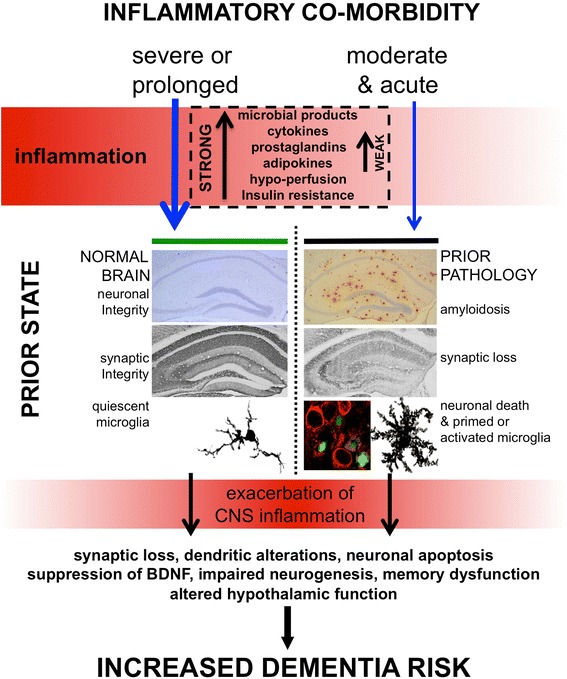
“Synaptic loss is a stronger correlate of cognitive decline than Aβ plaques or Tau tangles [12] and, although not part of the Consortium to Establish a Register for Alzheimer’s Disease neuropathology assessment, these changes in neuronal integrity hold the key to the loss of function that distinguishes the demented fro…”
BackgroundInflammatory Mechanisms in Obesity
Gregor, M. F., & Hotamisligil, G. S. (2011) · Annual Review of Immunology · doi:10.1146/annurev-immunol-031210-101322 · Cited by 3,754 · cited 1×
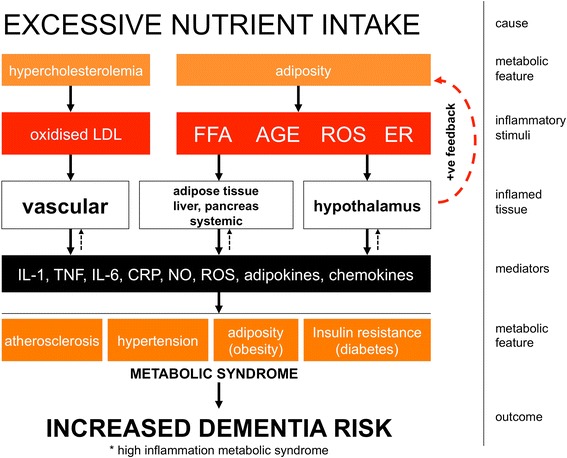
“Excessive nutrient intake is key in the genesis of obesity and type 2 diabetes: adipocytes and macrophages in the white adipose tissue respond to molecules such as free fatty acids, advanced glycation end products and reactive oxygen species (Figure 4) with the production of TNF-α, IL-1β, IL-6, CCL2 and adipokines lik…”
BackgroundNLRP3 is activated in Alzheimer’s disease and contributes to pathology in APP/PS1 mice
Heneka, M. T., Kummer, M. P., Stutz, A., Delekate, A., Schwartz, S., Vieira-Saecker, A., Griep, A., Axt, D., Remus, A., Tzeng, T.-C., et al. (2013) · Nature · doi:10.1038/nature11729 · Cited by 2,898 · cited 1×
“PS1 model of AD [104], it is important to recognise that the former study shows an influence of low grade chronic sterile systemic inflammation on brain aging and cognition in a manner that is IL-1-dependent, in the absence of amyloid pathology.”
BackgroundLong-term cognitive impairment after critical illness
Pandharipande, P. P., Girard, T. D., Jackson, J. C., Morandi, A., Thompson, J. L., Pun, B. T., Brummel, N. E., Hughes, C. G., Vasilevskis, E. E., Shintani, A. K., et al. (2013) · New England Journal of Medicine · doi:10.1056/nejmoa1301372 · Cited by 2,842
Risk of dementia in diabetes mellitus: a systematic review
Biessels, G. J., Staekenborg, S., Brunner, E., Brayne, C., & Scheltens, P. (2006) · The Lancet Neurology · doi:10.1016/s1474-4422(05)70284-2 · Cited by 2,187 · cited 1×
“Obesity and the frequently associated complication type 2 diabetes are associated with functional deficits in learning, memory and executive functions and with increased risk of dementia [78,79].”
BackgroundInitiative, T. A. D. N., Hollingworth, P., CHARGE consortium, EADI1 consortium, Harold, D., Sims, R., Gerrish, A., Lambert, J.-C., Carrasquillo, M. M., Abraham, R., et al. (2011) · Nature Genetics · doi:10.1038/ng.803 · Cited by 1,997 · cited 3×
“Hollingworth P, Harold D, Sims R, Gerrish A, Lambert JC, Carrasquillo MM, et al. Common variants at ABCA7, MS4A6A/MS4A4E, EPHA1, CD33 and CD2AP are associated with Alzheimer’s disease.”
BackgroundWitlox, J., Eurelings, L. S. M., de Jonghe, J. F. M., Kalisvaart, K. J., Eikelenboom, P., & van Gool, W. A. (2010) · JAMA · doi:10.1001/jama.2010.1013 · Cited by 1,960 · cited 3×
“Delirium is an acute neuropsychiatric syndrome triggered by various medical illnesses and it has become clear that these acute episodes also predict long-term cognitive decline [10].”
BackgroundObesity is associated with hypothalamic injury in rodents and humans.
Thaler, J. P., Yi, C.-X., Schur, E. A., Guyenet, S. J., Hwang, B. H., Dietrich, M. O., Zhao, X., Sarruf, D. A., Izgur, V., Maravilla, K. R., et al. (2012) · Journal of Clinical Investigation · doi:10.1172/jci59660 · Cited by 1,857 · cited 1×
“A more recent development is the finding that increased adiposity, altered adipokines and/or inflammatory mediators (but not body weight per se) induce microgliosis [98], cytokine secretion [99] and neuronal dysfunction and death in the hypothalamus [100].”
BackgroundThe ageing systemic milieu negatively regulates neurogenesis and cognitive function
Villeda, S. A., Luo, J., Mosher, K. I., Zou, B., Britschgi, M., Bieri, G., Stan, T. M., Fainberg, N., Ding, Z., Eggel, A., et al. (2011) · Nature · doi:10.1038/nature10357 · Cited by 1,763
Research works printed but not linked: 1
- Cunningham C Ely EW Sharshar T Stevens RD Experimental models of critical illness brain dysfunction Brain dysfunction in critical illness 2013 Cambridge, UK Cambridge University press
Cited by
Restoring metabolism of myeloid cells reverses cognitive decline in ageing
Minhas, P. S., Latif-Hernandez, A., McReynolds, M. R., Durairaj, A. S., Wang, Q., Rubin, A., Joshi, A. U., He, J. Q., Gauba, E., Liu, L., et al. (2021) · Nature · doi:10.1038/s41586-020-03160-0 · Cited by 526
Insulin resistance and Parkinson’s disease: A new target for disease modification?
Athauda, D., & Foltynie, T. (2016) · Progress in Neurobiology · doi:10.1016/j.pneurobio.2016.10.001 · Cited by 328
“This may somewhat explain why animal models of peripheral insulin resistance and obesity/high fat diet models show increased CNS macrophage infiltration and activation within the hypothalamus and exaggerated responses to peripherally administered toxins, indicating a priming of microglial cells (Cunningham and Henness…”
The potential mechanism of postoperative cognitive dysfunction in older people
Lin, X., Chen, Y., Zhang, P., Chen, G., Zhou, Y., & Yu, X. (2020) · Experimental Gerontology · doi:10.1016/j.exger.2019.110791 · Cited by 320
“, 2016), dementia (Cunningham and Hennessy, 2015) and age-related cognitive decline (Dev et al.”
Lopez‐Rodriguez, A. B., Hennessy, E., Murray, C. L., Nazmi, A., Delaney, H. J., Healy, D., Fagan, S. G., Rooney, M., Stewart, E., Lewis, A., et al. (2021) · Alzheimer's & Dementia · doi:10.1002/alz.12341 · Cited by 293
Self-citationSystemic inflammation during midlife and cognitive change over 20 years: The ARIC Study
Walker, K. A., Gottesman, R. F., Wu, A., Knopman, D. S., Gross, A. L., Mosley, T. H., Selvin, E., & Windham, B. G. (2019) · Neurology · doi:10.1212/wnl.0000000000007094 · Cited by 282
“Given that neuropathologic processes associated with dementia, such as β-amyloid deposition, are believed to begin during midlife, decades before the onset of clinical symptoms,(26) the current findings provide support for the idea that systemic inflammation may have an early pathologic role in driving or accelerating…”
BackgroundUnderstanding the Role of Systemic Inflammation in Alzheimer’s Disease
Walker, K. A., Ficek, B. N., & Westbrook, R. (2019) · ACS Chemical Neuroscience · doi:10.1021/acschemneuro.9b00333 · Cited by 259
Connecting aging biology and inflammation in the omics era
Walker, K. A., Basisty, N., Wilson, D. M., & Ferrucci, L. (2022) · Journal of Clinical Investigation · doi:10.1172/jci158448 · Cited by 189
“Delayed resolution of inflammation makes the brain particularly vulnerable to aberrant microglial responses to acute stressors, such as infection or tissue injury (164, 165).”
BackgroundNeutrophil hyperactivation correlates with Alzheimer's disease progression
Dong, Y., Lagarde, J., Xicota, L., Corne, H., Chantran, Y., Chaigneau, T., Crestani, B., Bottlaender, M., Potier, M., Aucouturier, P., et al. (2018) · Annals of Neurology · doi:10.1002/ana.25159 · Cited by 178
“On the whole, our results suggest that the peripheral proinflammatory cytokine environment is instrumental in the alteration of circulating neutrophils homeostasis in AD.”
BackgroundInfluentialEstrogens, inflammation and cognition
Au, A., Feher, A., McPhee, L., Jessa, A., Oh, S., & Einstein, G. (2016) · Frontiers in Neuroendocrinology · doi:10.1016/j.yfrne.2016.01.002 · Cited by 174
“…reviewed elsewhere (e.g. Henderson and Sherwin, 2007; Vearncombe and Pachana, 2009), as have the literatures on inflammation and cognition (e.g. Cunningham and Hennessy, 2015; Goshen and Yirmiya, 2007; Trollor and Agars, 2010) and on estrogens and the immune system (e.g. Fish, 2008; Kovats,…”
Teixeira, F. B., Saito, M. T., Matheus, F. C., Prediger, R. D., Yamada, E. S., Maia, C. S. F., & Lima, R. R. (2017) · Frontiers in Aging Neuroscience · doi:10.3389/fnagi.2017.00327 · Cited by 174
“Therefore, there is an increasing interest in identifying modifiable risk factors for dementia and AD, aiming to develop preventive strategies that could lower dementia prevalence over the next few years (Barnes and Yaffe, 2011; Norton et al., 2014; Deckers et al., 2015).”
BackgroundInflammatory pathways in Alzheimer’s disease mediated by gut microbiota
Qian, X.-H., Song, X.-X., Liu, X.-L., Chen, S.-D., & Tang, H.-D. (2021) · Ageing Research Reviews · doi:10.1016/j.arr.2021.101317 · Cited by 153
CD4+ effector T cells accelerate Alzheimer’s disease in mice
Machhi, J., Yeapuri, P., Lu, Y., Foster, E., Chikhale, R., Herskovitz, J., Namminga, K. L., Olson, K. E., Abdelmoaty, M. M., Gao, J., et al. (2021) · Journal of Neuroinflammation · doi:10.1186/s12974-021-02308-7 · Cited by 143
“Aβ‐Teffs promote systemic inflammation The onset of systemic inflammatory responses has been demonstrated decades before memory impairment and subsequent neurodegeneration in AD [32].”
BackgroundPeriodontal disease, tooth loss and dementia: Is there a link? A systematic review
Tonsekar, P. P., Jiang, S. S., & Yue, G. (2017) · Gerodontology · doi:10.1111/ger.12261 · Cited by 136
Cerutti-Kopplin, D., Feine, J., Padilha, D. M., de Souza, R. F., Ahmadi, M., Rompré, P., Booij, L., & Emami, E. (2016) · JDR Clinical & Translational Research · doi:10.1177/2380084416633102 · Cited by 129
“However, the oral health–cognitive decline association can be confounded by several common risk factors, such as aging, lifestyle, and systemic diseases such as diabetes (Machtei et al. 1999; Gatz et al. 2006; Cunningham and Hennessy 2015).”
BackgroundFard, M. T., & Stough, C. K. K. (2019) · Frontiers in Aging Neuroscience · doi:10.3389/fnagi.2019.00056 · Cited by 134
Gasparotto, J., Girardi, C. S., Somensi, N., Ribeiro, C. T., Moreira, J. C. F., Michels, M., Sonai, B., Rocha, M., Steckert, A. V., Barichello, T., et al. (2018) · Journal of Biological Chemistry · doi:10.1074/jbc.m117.786756 · Cited by 120
“In addition, unveiling new details on the molecular events linking systemic inflammation to brain dysfunction may also uncover new insights to the understanding of the onset of neurodegeneration itself (14).”
BackgroundBradburn, S., Sarginson, J., & Murgatroyd, C. A. (2018) · Frontiers in Aging Neuroscience · doi:10.3389/fnagi.2017.00438 · Cited by 119
“The underlying pathogenesis behind this heterogenous transition from cognitive aging to dementia is still under debate but, evidence suggests that systemic inflammation may be a contributing factor (Cunningham and Hennessy, 2015).”
BackgroundHayden, K. M., Beavers, D. P., Steck, S. E., Hebert, J. R., Tabung, F. K., Shivappa, N., Casanova, R., Manson, J. E., Padula, C. B., Salmoirago‐Blotcher, E., et al. (2017) · Alzheimer's & Dementia · doi:10.1016/j.jalz.2017.04.004 · Cited by 118
“Inflammation has been implicated in both AD and vascular cognitive impairment [8,9]; therefore, it is important to study whether inflammation associated with diet affects cognitive function and impairment.”
BackgroundWalker, K. A., Power, M. C., Hoogeveen, R. C., Folsom, A. R., Ballantyne, C. M., Knopman, D. S., Windham, B. G., Selvin, E., Jack, C. R., & Gottesman, R. F. (2017) · Stroke · doi:10.1161/strokeaha.117.018675 · Cited by 113
“The observation that our results were largely unchanged after excluding participants with abnormally elevated inflammatory markers (suggestive of an acute inflammatory response) supports current theories, which posit that low-grade systemic inflammation alone may be enough to contribute to poor neurological outcomes.(…”
Sorrenti, V., Contarini, G., Sut, S., Dall’Acqua, S., Confortin, F., Pagetta, A., Giusti, P., & Zusso, M. (2018) · Frontiers in Pharmacology · doi:10.3389/fphar.2018.00183 · Cited by 113
“…studies have shown that both chronic and acute systemic inflammatory processes can have deleterious consequences for the brain, representing a risk factor for the development of permanent CNS dysfunction, mostly in the aged and vulnerable brain (Cunningham, 2013; Cunningham and Hennessy, 2015).”
BackgroundSystemic and CNS Inflammation Crosstalk: Implications for Alzheimer’s Disease
Paouri, E., & Georgopoulos, S. (2019) · Current Alzheimer Research · doi:10.2174/1567205016666190321154618 · Cited by 110
Giacomeli, R., Izoton, J. C., dos Santos, R. B., Boeira, S. P., Jesse, C. R., & Haas, S. E. (2019) · Brain Research · doi:10.1016/j.brainres.2019.146325 · Cited by 106
“important role in AD pathology and lead to increased production ROS, and further neuronal dysfunction and death (Balducci and Forloni, 2014; Cunningham and Hennessy, 2015).”
BackgroundAspirin and other non-steroidal anti-inflammatory drugs for the prevention of dementia
Jordan, F., Quinn, T. J., McGuinness, B., Passmore, P., Kelly, J. P., Tudur Smith, C., Murphy, K., & Devane, D. (2020) · Cochrane Database of Systematic Reviews · doi:10.1002/14651858.cd011459.pub2 · Cited by 60
Weber, A., Mak, S., Berenbaum, F., Sellam, J., Zheng, Y., Han, Y., & Wen, C. (2019) · Medicine · doi:10.1097/md.0000000000014355 · Cited by 110
“Dementia and OA share similar risk factors, are both age-related and low-grade inflammatoryassociated diseases.([5,7,14,15]) However, the relationship between OA and dementia is not clear and only very limited data is available.”
BackgroundWalker, K. A., Windham, B. G., Power, M. C., Hoogeveen, R. C., Folsom, A. R., Ballantyne, C. M., Knopman, D. S., Selvin, E., Jack, C. R., & Gottesman, R. F. (2018) · Neurobiology of Aging · doi:10.1016/j.neurobiolaging.2018.03.031 · Cited by 87
Reading, C. L., Ahlem, C. N., & Murphy, M. F. (2021) · Neurodegenerative Disease Management · doi:10.2217/nmt-2021-0022 · Cited by 84
Ng, T. K. S., Fam, J., Feng, L., Cheah, I. K.-M., Tan, C. T.-Y., Nur, F., Wee, S. T., Goh, L. G., Chow, W. L., Ho, R., et al. (2020) · Translational Psychiatry · doi:10.1038/s41398-020-0696-y · Cited by 93
Mohan, D., on behalf of DePEC team, Yap, K. H., Reidpath, D., Soh, Y. C., McGrattan, A., Stephan, B. C. M., Robinson, L., Chaiyakunapruk, N., & Siervo, M. (2020) · Journal of Alzheimer's Disease · doi:10.3233/jad-191339 · Cited by 78
Winterer, G., Androsova, G., Bender, O., Boraschi, D., Borchers, F., Dschietzig, T. B., Feinkohl, I., Fletcher, P. C., Gallinat, J., Hadzidiakos, D. A., et al. (2018) · European Psychiatry · doi:10.1016/j.eurpsy.2017.10.004 · Cited by 74
“In fact, during the past decade, the cholinergic-anti-inflammatory pathway attracted increasing attention since systemic inflammation emerged as a significant driver of cognitive decline in the aged and vulnerable brain as recently reviewed by Cunningham and Hennesey [26].”
Amyloid-β specific regulatory T cells attenuate Alzheimer’s disease pathobiology in APP/PS1 mice
Yeapuri, P., Machhi, J., Lu, Y., Abdelmoaty, M. M., Kadry, R., Patel, M., Bhattarai, S., Lu, E., Namminga, K. L., Olson, K. E., et al. (2023) · Molecular Neurodegeneration · doi:10.1186/s13024-023-00692-7 · Cited by 108
Kim, G. H., Lee, Y. C., Kim, T. J., Kim, E. R., Hong, S. N., Chang, D. K., & Kim, Y. (2021) · Journal of Crohn s and Colitis · doi:10.1093/ecco-jcc/jjab162 · Cited by 83
AST-120 Reduces Neuroinflammation Induced by Indoxyl Sulfate in Glial Cells
Adesso, S., Paterniti, I., Cuzzocrea, S., Fujioka, M., Autore, G., Magnus, T. U., Pinto, A., & Marzocco, S. (2018) · Journal of Clinical Medicine · doi:10.3390/jcm7100365 · Cited by 83
“Severe or prolonged systemic inflammation can induce harmful changes in cognitive function such as synaptic loss, dendritic alterations, neuronal apoptosis, impaired neurogenesis, memory dysfunction, and altered hypothalamic function, by activating microglia [19].”
Lee, B., Yeom, M., Shim, I., Lee, H., & Hahm, D. (2020) · Evidence-based Complementary and Alternative Medicine · doi:10.1155/2020/4892415 · Cited by 71
“Recently, targeting neuroinflammation has been proposed as a novelty therapeutic tool for the control of neuropsychiatric disease [5].”
BackgroundHeart–brain axis in health and disease: role of innate and adaptive immunity
Simats, A., Sager, H. B., & Liesz, A. (2024) · Cardiovascular Research · doi:10.1093/cvr/cvae185 · Cited by 78
Profiling the oral microbiomes in patients with Alzheimer's disease
Guo, H., Li, B., Yao, H., Liu, D., Chen, R., Zhou, S., Ji, Y., Zeng, L., & Du, M. (2022) · Oral Diseases · doi:10.1111/odi.14110 · Cited by 67
Wilson, E. N., Wang, C., Swarovski, M. S., Zera, K. A., Ennerfelt, H. E., Wang, Q., Chaney, A. M., Gauba, E., Benitez, J. A. R., Guen, Y. L., et al. (2024) · Nature Neuroscience · doi:10.1038/s41593-024-01610-w · Cited by 65
The role of human kallikrein 6, clusterin and adiponectin as potential blood biomarkers of dementia
Dukić, L., Šimundić, A.-M., Martinić-Popović, I., Kačkov, S., Diamandis, A., Begcevic, I., & Diamandis, E. P. (2015) · Clinical Biochemistry · doi:10.1016/j.clinbiochem.2015.10.014 · Cited by 61
Towner, R. A., Saunders, D., Smith, N., Towler, W., Cruz, M., Do, S., Maher, J. E., Whitaker, K., Lerner, M. R., & Morton, K. A. (2018) · GeroScience · doi:10.1007/s11357-018-0009-z · Cited by 60
Ajikumar, A., Long, M. B., Heath, P. R., Wharton, S. B., Ince, P. G., Ridger, V. C., & Simpson, J. E. (2019) · International Journal of Molecular Sciences · doi:10.3390/ijms20205227 · Cited by 60
Obesity and post‐operative cognitive dysfunction: a systematic review and meta‐analysis
Feinkohl, I., Winterer, G., & Pischon, T. (2016) · Diabetes/Metabolism Research and Reviews · doi:10.1002/dmrr.2786 · Cited by 58
“Blood–brain barrier function also appears to be compromised in obesity [53] which may affect susceptibility to cognitive impairment [54] and so potentially to POCD.”
BackgroundYamanaka, D., Kawano, T., Nishigaki, A., Aoyama, B., Tateiwa, H., Shigematsu-Locatelli, M., Locatelli, F. M., & Yokoyama, M. (2016) · Journal of Anesthesia · doi:10.1007/s00540-016-2264-4 · Cited by 59
“These changes could affect long-term behavioral and cognitive outcomes, especially among the more aged and ill [1, 2].”
BackgroundLi, C., Yu, R., & Ding, Y. (2022) · Frontiers in Cellular and Infection Microbiology · doi:10.3389/fcimb.2022.1026457 · Cited by 63
“Numerous clinical and experimental research have suggested that systemic peripheral inflammation or infection may be the crucial factor in the pathophysiology of AD, which supports bidirectional communication between the brain and the systemic immune response (Perry et al., 2007; Poole et al., 2013; Cunningham and Hen…”
BackgroundMagalhães, T. N. C., Weiler, M., Teixeira, C. V. L., Hayata, T., Moraes, A. S., Boldrini, V. D. O., dos Santos, L. M., de Campos, B. M., de Rezende, T. J. R., Joaquim, H. P. G., et al. (2017) · Molecular Neurobiology · doi:10.1007/s12035-017-0795-9 · Cited by 55
“Peripheral inflammation may also be able to serve as an indicator of cognitive decline [49, 50].”
BackgroundHuang, W.-Y., Liu, K.-H., Lin, S., Chen, T.-Y., Tseng, C.-Y., Chen, H.-Y., Wu, H.-M., & Hsu, K. (2019) · Brain Behavior and Immunity · doi:10.1016/j.bbi.2019.12.006 · Cited by 57
Walker, K. A., Gross, A. L., Moghekar, A., Soldan, A., Pettigrew, C. A., Hou, X., Lu, H., Alfini, A. J., Bilgel, M., Miller, M. I., et al. (2020) · Brain Behavior and Immunity · doi:10.1016/j.bbi.2020.01.006 · Cited by 53
“The finding that modest elevations in circulating inflammatory markers were associated with lower network connectivity is consistent with the idea that low-grade inflammation may confer risk for adverse neurocognitive outcomes in later life (Cunningham and Hennessy, 2015).”
ResultIs There Any Association Between Neurodegenerative Diseases and Periodontitis? A Systematic Review
Alvarenga, M. O. P., Frazão, D. R., Matos, I. G. D., Bittencourt, L. O., Fagundes, N. C. F., Rösing, C. K., Maia, L. C., & Lima, R. R. (2021) · Frontiers in Aging Neuroscience · doi:10.3389/fnagi.2021.651437 · Cited by 50
“Infections or systemic peripheral inflammation has been associated with the onset and progression of cognitive decline (Cunningham and Hennessy, 2015).”
BackgroundRamos-Cejudo, J., Johnson, A. D., Beiser, A., Seshadri, S., Salinas, J., Berger, J. S., Fillmore, N. R., Do, N., Zheng, C., Kovbasyuk, Z., et al. (2021) · Frontiers in Aging Neuroscience · doi:10.3389/fnagi.2021.773984 · Cited by 49
“In addition, clinical studies have indicated that the inflammatory status influences the rate of disease progression in patients with AD (Holmes et al., 2009; Cunningham and Hennessy, 2015).”
BackgroundInflammatory bowel disease: A potential pathogenic factor of Alzheimer's disease
Wang, D., Zhang, X., & Du, H. (2022) · Progress in Neuro-Psychopharmacology and Biological Psychiatry · doi:10.1016/j.pnpbp.2022.110610 · Cited by 57
Guenther, U., Riedel, L., & Radtke, F. M. (2016) · Current Opinion in Anaesthesiology · doi:10.1097/aco.0000000000000327 · Cited by 60
Age and Sex Influence the Hippocampal Response and Recovery Following Sepsis
Barter, J., Kumar, A., Stortz, J. A., Hollen, M. K., Nacionales, D. C., Efron, P. A., Moldawer, L. L., & Foster, T. C. (2019) · Molecular Neurobiology · doi:10.1007/s12035-019-01681-y · Cited by 55
“The prolonged activation of apoptotic processes in the hippocampus in older males is consistent with the idea that systemic inflammation can contribute to age-related neurodegenerative diseases [75, 76].”
Mechanisms of long-term cognitive dysfunction of sepsis: from blood-borne leukocytes to glial cells
Michels, M., Steckert, A. V., Quevedo, J., Barichello, T., & Dal‐Pizzol, F. (2015) · Intensive Care Medicine Experimental · doi:10.1186/s40635-015-0066-x · Cited by 51
“In this context, severe systemic inflammation can produce a new neuropathology or accelerate cognitive decline previously installed [29].”
Inhibitory effect of carvacrol on lipopolysaccharide-induced memory impairment in rats
Lee, B., Yeom, M., Shim, I., Lee, H., & Hahm, D. (2020) · Korean Journal of Physiology and Pharmacology · doi:10.4196/kjpp.2020.24.1.27 · Cited by 51
Elevated blood neutrophil to lymphocyte ratio in older adults with cognitive impairment
Liu, J., Zhang, Y., Ma, Q., Sun, H., Xu, Y., & Pan, C. (2020) · Archives of Gerontology and Geriatrics · doi:10.1016/j.archger.2020.104041 · Cited by 48
Giacomeli, R., de Gomes, M. G., Reolon, J. B., Haas, S. E., Colomé, L. M., & Jessé, C. R. (2020) · Behavioural Brain Research · doi:10.1016/j.bbr.2020.112696 · Cited by 54
Periodontal disease's contribution to Alzheimer's disease progression in Down syndrome
Kamer, A. R., Fortea, J. O., Videla, S., Mayoral, A., Janal, M., Carmona‐Iragui, M., Benejam, B., Craig, R. G., Saxena, D., Corby, P., et al. (2016) · Alzheimer's & Dementia: Diagnosis, Assessment & Disease Monitoring · doi:10.1016/j.dadm.2016.01.001 · Cited by 44
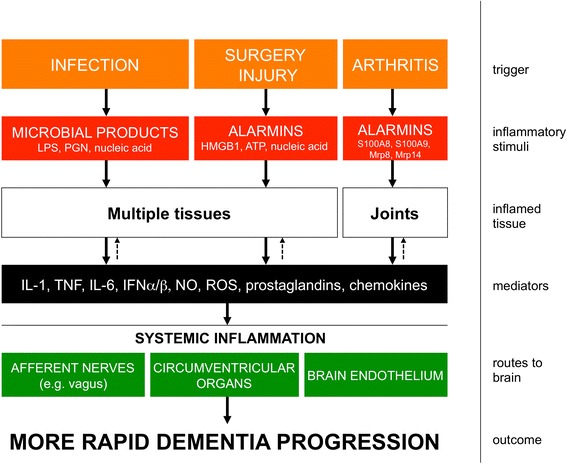
“Furthermore, some studies including ours showed that when peripheral infectious/inflammatory conditions are associated with a pro-inflammatory phenotype, the effect of these conditions on the brain is significantly more than predicted by either of them, thus suggesting a modifying effect [10–12,59].”
BackgroundGeloso, M. C., Zupo, L., & Corvino, V. (2024) · Neurochemistry International · doi:10.1016/j.neuint.2024.105872 · Cited by 43
Unified theory of Alzheimer’s disease (UTAD): implications for prevention and curative therapy
Nehls, M. (2016) · Journal of Molecular Psychiatry · doi:10.1186/s40303-016-0018-8 · Cited by 41
“Starting with age as the main cause and primary risk factor, AD is being explained by the oligomeric amyloid beta (Aβ) cascade hypothesis, which includes hyperphosphorylated and dysregulated tau [1], the intoxication hypothesis [2–4], chronic infections [5–7], microbiome composition [8], neuronal insulin resistance [9…”
BackgroundPrajapati, S. K., Shah, R., Alford, N., Mishra, S. P., Jain, S., HANSEN, B. C., Sanberg, P. R., Molina, A. J. A., & Yadav, H. (2023) · The Journals of Gerontology Series A · doi:10.1093/gerona/glad226 · Cited by 43
Du, M., Tao, L., Liu, M., & Liu, J. (2024) · BMC Medicine · doi:10.1186/s12916-024-03245-x · Cited by 50
“Chronic co-morbidities, such as arthritis and diabetes, are risk factors for subsequent dementia due to their poorer progression of high inflammatory status [35].”
BackgroundAgostini, A., Yuchun, D., Li, B., Kendall, D. A., & Pardon, M.-C. (2020) · Brain, Behavior, and Immunity · doi:10.1016/j.bbi.2019.09.019 · Cited by 41
“In preclinical mouse models, lipopolysaccharide (LPS), mimicking gram-negative bacterial infection, and other acute systemic inflammatory stimuli have been found to exacerbate cognitive dysfunction, Aβ plaque load and tau phosphorylation (Barron et al., 2017; Cunningham and Hennessy, 2015; Nazem et al., 2015).”
Recent Aspects of Periodontitis and Alzheimer’s Disease—A Narrative Review
Cichońska, D., Mazuś, M., & Kusiak, A. (2024) · International Journal of Molecular Sciences · doi:10.3390/ijms25052612 · Cited by 53
“In contrast to the brains of younger individuals, within aged and diseased brains where microglia have undergone prior priming, there is an amplified inflammatory response that hastens the onset of cognitive decline [24,32].”
BackgroundResultGypenosides Attenuate Lipopolysaccharide‐Induced Neuroinflammation and Memory Impairment in Rats
Lee, B., Shim, I., & Lee, H. (2018) · Evidence-based Complementary and Alternative Medicine · doi:10.1155/2018/4183670 · Cited by 39
Li, A., Chen, Y., van der Sluis, L. W. M., Schuller, A. A., & Tjakkes, G. E. (2020) · The Journals of Gerontology Series A · doi:10.1093/gerona/glaa223 · Cited by 41
Does Infection-Induced Immune Activation Contribute to Dementia?
Tatiana, Jaqueline, Jessica, Allan, Meagan, R. P., Lutiana, R. S., João, Q., & Felipe, D. (2015) · Aging and disease · doi:10.14336/ad.2015.0521 · Cited by 39
“Systemic inflammation and neuroinflammation are emerging as important targets in cognitive decline in the aged and susceptible brain [37].”
BackgroundRelationships of inflammation trajectories with white matter volume and integrity in midlife
O’Donovan, A., Bahorik, A. L., Sidney, S., Launer, L. J., & Yaffe, K. S. (2020) · Brain Behavior and Immunity · doi:10.1016/j.bbi.2020.09.006 · Cited by 40
O′Neill, E., Griffin, É. W., O'Sullivan, R., Murray, C., Ryan, L., Yssel, J. D., Harkin, A., & Cunningham, C. M. (2020) · Brain Behavior and Immunity · doi:10.1016/j.bbi.2020.12.002 · Cited by 41
“Systemic inflammatory episodes are drivers of cognitive decline in the aged and vulnerable brain and can increase the risk of dementia (Cunningham and Hennessy, 2015).”
Self-citationGut Microbiome, Inflammation, and Cerebrovascular Function: Link Between Obesity and Cognition
Olsthoorn, L., Vreeken, D., & Kiliaan, A. J. (2021) · Frontiers in Neuroscience · doi:10.3389/fnins.2021.761456 · Cited by 41
“Interesting points for future research may include differences between race and ethnicity and sex in the role of obesity on cognitive function (Lainez et al., 2018; Metzler-Baddeley et al., 2019; Daly et al., 2020).”
BackgroundNew Pathways Identify Novel Drug Targets for the Prevention and Treatment of Alzheimer’s Disease
Penke, B., Szűcs, M., & Bogár, F. (2023) · International Journal of Molecular Sciences · doi:10.3390/ijms24065383 · Cited by 45
“IL-1β, TNF-α, and other proinflammatory mediators may drive hypothalamic dysfunction, impair neurogenesis, and cause cognitive functional decline [93,152].”
BackgroundSalani, F., Sterbini, V., Sacchinelli, E., Garramone, M., & Bossù, P. (2019) · Frontiers in Immunology · doi:10.3389/fimmu.2019.01768 · Cited by 37
“In addition, complex human diseases with chronic inflammatory components in their etiologies, such as atherosclerosis, arthritis, diabetes and obesity, are predisposing factors for subsequent dementia (79), strengthening the link between a persistent activation of innate response and AD.”
BackgroundZhao, D., Güallar, E., Qiao, Y., Knopman, D. S., Palatino, M. C., Gottesman, R. F., Mosley, T. H., & Wasserman, B. A. (2024) · Circulation · doi:10.1161/circulationaha.123.067003 · Cited by 42
“50,51 Furthermore, ICAD could promote platelet phagocytosis during foam cell production, releasing amyloid precursor protein and increasing the risk of dementia.”
Gasparotto, J., Ribeiro, C. T., Bortolin, R. C., Somensi, N., Fernandes, H. S., Teixeira, A. A., Guasselli, M. O. R., Agani, C. A. J. O., Souza, N. C., Grings, M., et al. (2017) · Brain Behavior and Immunity · doi:10.1016/j.bbi.2017.01.008 · Cited by 42
Noradrenergic neuromodulation in ageing and disease
Krohn, F., Lancini, E., Ludwig, M., Leiman, M., Guruprasath, G., Haag, L., Panczyszyn, J., Düzel, E., Hämmerer, D., & Betts, M. J. (2023) · Neuroscience & Biobehavioral Reviews · doi:10.1016/j.neubiorev.2023.105311 · Cited by 42
Cognitive complaints in age-related chronic conditions: A systematic review
Hill, N. L., Bhargava, S., Brown, M. J., Kim, H., Bhang, I., Mullin, K. T., Phillips, K., & Mogle, J. A. (2021) · PLoS ONE · doi:10.1371/journal.pone.0253795 · Cited by 41
Therapeutic potential of systemic brain rejuvenation strategies for neurodegenerative disease
Horowitz, A. M., & Villeda, S. A. (2017) · F1000Research · doi:10.12688/f1000research.11437.1 · Cited by 32
Bharani, K., Derex, R., Granholm, A., & Ledreux, A. (2017) · PLoS ONE · doi:10.1371/journal.pone.0189821 · Cited by 33
The link between periodontitis and Alzheimer's disease – emerging clinical evidence
Wu, D. T. S., Cho, Y. W., Spalti, M. D., Bishara, M., & Nguyen, T. T. H. (2022) · Dentistry Review · doi:10.1016/j.dentre.2022.100062 · Cited by 42
Asthma amplifies dementia risk: Evidence from CSF biomarkers and cognitive decline
Nair, A. K., Hulle, C. A. V., Bendlin, B. B., Zetterberg, H., Blennow, K., Wild, N., Kollmorgen, G., Suridjan, I., Busse, W. W., & Rosenkranz, M. A. (2022) · Alzheimer s & Dementia Translational Research & Clinical Interventions · doi:10.1002/trc2.12315 · Cited by 37
“25,26 Biomarkers forAD-specific pathology includedamyloid beta (1-42) (Aβ42), phosphorylated tau (181P; p-tau181), Aβ (1-40) (Aβ40), and their ratios (Aβ42/Aβ40 and p-tau181/Aβ42).”
BackgroundAcetylcholinesterase inhibitors in Alzheimer's disease influence Zinc and Copper homeostasis
Giacconi, R., Giuli, C., Casoli, T., Balietti, M., Costarelli, L., Provinciali, M., Basso, A., Piacenza, F., Postacchini, D., Galeazzi, R., et al. (2019) · Journal of Trace Elements in Medicine and Biology · doi:10.1016/j.jtemb.2019.06.001 · Cited by 30
Dutta, R., & Roy, S. (2015) · Journal of Neuroinflammation · doi:10.1186/s12974-015-0341-5 · Cited by 32
“Frequent and repeated systemic infection in various neurodegenerative diseases, such as Alzheimer’s and Parkinson’s disease, results in unregulated activation of proinflammatory cytokines in the central nervous system (CNS) leading to progressive decline in cognitive function [5, 6].”
Adesse, D., Gladulich, L., Alvarez-Rosa, L., Siqueira, M., Marcos, A. C., Heider, M., Motta, C. S., Torices, S., Toborek, M. J., & Stipursky, J. (2022) · Fluids and Barriers of the CNS · doi:10.1186/s12987-022-00357-5 · Cited by 35
Walker, K. A., Windham, B. G., Brown, C. H., Knopman, D. S., Jack, C. R., Mosley, T. H., Selvin, E., Wong, D. F., Hughes, T. M., Zhou, Y., et al. (2018) · Journal of Alzheimer s Disease · doi:10.3233/jad-180469 · Cited by 31
“Previous theories have posited that individuals with chronic systemic inflammation may be at greatest risk for adverse neurologic outcomes [41,42].”
BackgroundThe additive effect of aging on sepsis-induced cognitive impairment and neuroinflammation
Olivieri, R., Michels, M., Pescador, B., Ávila, P. R. M., Abatti, M. R., Cucker, L., Burger, H., Dominguini, D., Quevedo, J., & Dal‐Pizzol, F. (2017) · Journal of Neuroimmunology · doi:10.1016/j.jneuroim.2017.11.014 · Cited by 32
“In this context, systemic inflammation is emerging as a significant driver of cognitive decline in the aged and vulnerable brain (Cunningham and Hennessy, 2015).”
BackgroundImpact of asthma on the brain: evidence from diffusion MRI, CSF biomarkers and cognitive decline
Nair, A. K., Hulle, C. A. V., Bendlin, B. B., Zetterberg, H., Blennow, K., Wild, N., Kollmorgen, G., Suridjan, I., Busse, W. W., Dean, D., et al. (2023) · Brain Communications · doi:10.1093/braincomms/fcad180 · Cited by 29
“minimizing systemic inflammation for preserving brain health and preventing or delaying dementia onset in affected individuals.(2) We extend our recent findings of deleterious effects of asthma on the brain by anchoring brain imaging evidence in validated CSF measures of neuropathology and longitudinal comprehensive c…”
Mapping secretome-mediated interaction between paired neuron–macrophage single cells
Deng, J., Ji, Y., Zhu, F., Liu, L., Li, L., Bai, X., Li, H., Liu, X., Luo, Y., Lin, B., et al. (2022) · Proceedings of the National Academy of Sciences · doi:10.1073/pnas.2200944119 · Cited by 27
Graves, K. G., May, H. T., Jacobs, V., Knowlton, K. U., Muhlestein, J. B., LAPPE, D. L., Anderson, J. L., Horne, B. D., & Bunch, T. J. (2019) · Heart Rhythm · doi:10.1016/j.hrthm.2018.10.018 · Cited by 26
“When a healthy brain is exposed to prolonged systemic inflammation (such as diabetes, atherosclerosis, obesity, infectious processes, autoimmune disorders, and possibly AF), microglia activation results in progressive neurodegeneration through multiple molecular signaling pathways that can significantly affect cogniti…”
BackgroundUnravelling the broader complexity of IL-6 involvement in health and disease
Jenkins, R. L., Hughes, S. T. O., Figueras, A. C., & Jones, S. A. (2021) · Cytokine · doi:10.1016/j.cyto.2021.155684 · Cited by 26
“Here, data from clinical trials and patient recorded outcomes support the view that inflammatory mediators activate processes affecting psychopathology and behaviour 199-207 .”
Kim, J., Jeong, Y., Lee, E. J., Park, J., Seo, H., & Kim, H.-S. (2017) · Biochemical and Biophysical Research Communications · doi:10.1016/j.bbrc.2017.09.129 · Cited by 26
“signal usually occurs by systemic inflammation, which is associated with rapid cognitive decline and aggravation of the symptoms [8,9].”
BackgroundLipocalin‐2: Its perspectives in brain pathology and possible roles in cognition
Pinyopornpanish, K., Chattipakorn, N., & Chattipakorn, S. C. (2019) · Journal of Neuroendocrinology · doi:10.1111/jne.12779 · Cited by 25
The Association Between Anemia of Chronic Inflammation and Alzheimer’s Disease and Related Dementias
Andreev, A., Erdinc, B., Shivaraj, K., Schmutz, J.-L., Levochkina, O., Bhowmik, D., Farag, F., Money, K. M., Primavera, L. H., Gotlieb, V. K., et al. (2020) · Journal of Alzheimer s Disease Reports · doi:10.3233/adr-200178 · Cited by 26
“Subsequently a pro-inflammatory state triggers A -dependent or A -independent inflammation inside the CNS, eventually leading to cognitive impairment [56, 57].”
BackgroundLee, S., Oh, J. W., Son, N., & Chung, W. (2022) · International Journal of Environmental Research and Public Health · doi:10.3390/ijerph19031048 · Cited by 24
“Second, since cognitive function and muscle strength are both related to executive function, entities affecting the nervous system, such as chronic inflammation, may be associated with changes in cognitive function [35] as well as sarcopenia [36].”
BackgroundRivan, N. F. M., Shahar, S., Fakhruddin, N. N. I. N. M., You, Y. X., Din, N. C., & Rajikan, R. (2022) · Frontiers in Nutrition · doi:10.3389/fnut.2022.901750 · Cited by 28
“Overconsumption of fried foods could increase the risk of inflammation-induced diseases such as high blood pressure and atherosclerosis, which is associated with cognitive decline and dementia (47, 48).”
BackgroundEvaluation of plasma biomarkers of inflammation in patients with maple syrup urine disease
Scaini, G., Tonon, T., de Souza, C. F. M., Schuck, P. F., Ferreira, G. C., Quevedo, J., Neto, J. S., Amorim, T., Camelo, J. S., Margutti, A. V. B., et al. (2018) · Journal of Inherited Metabolic Disease · doi:10.1007/s10545-018-0188-x · Cited by 27
“Inflammation has been recognized as a risk factor for agerelated neurodegenerative diseases (Amor et al 2010, 2014; Fakhoury 2015), and high inflammatory profiles at baseline assessment may increase risk of conversion to dementia at long-term follow-up (Schmidt et al 2002; Cunningham and Hennessy 2015).”
BackgroundCheon, S. Y., Kim, J., Kim, S. Y., Kim, E. J., & Koo, B. (2020) · International Journal of Molecular Sciences · doi:10.3390/ijms21031103 · Cited by 24
“Moreover, early activation of the microglia and peripheral blood inflammatory changes are involved in cognitive decline and dementia [7,8].”
BackgroundYap, K. H., Warren, N., Allotey, P. A., & Reidpath, D. D. (2018) · Aging & Mental Health · doi:10.1080/13607863.2018.1550632 · Cited by 24
“These inflammatory processes were thought to exacerbate underlying central nervous system diseases which can produce damage in the brain, thus hastening and worsening cognitive decline (Cunningham & Hennessy, 2015).”
BackgroundDu, M., Liu, M., & Liu, J. (2024) · BMC Medicine · doi:10.1186/s12916-024-03642-2 · Cited by 25
“Firstly, related research suggests that dementia, physical disorders, and psychological disorders may share similar risk factors and all be age-related and inflammatory-associated diseases [8–10].”
BackgroundBahorik, A. L., Hoang, T. D. M., Jacobs, D. R., Levine, D. A., & Yaffe, K. S. (2024) · Neurology · doi:10.1212/wnl.0000000000209526 · Cited by 23
Zhou, J., Ma, L., Zhao, L., Sheng, J., Xu, Y., Chen, J., Yu, L., Sun, Q., Zhou, H., Zhu, S., et al. (2021) · Journal of Alzheimer s Disease · doi:10.3233/jad-210141 · Cited by 22
Acute and long-term cognitive impairment following sepsis: mechanism and prevention
Ji, M., Gao, Y.-Z., Shi, C., Wu, X., & Yang, J. (2023) · Expert Review of Neurotherapeutics · doi:10.1080/14737175.2023.2250917 · Cited by 24
Arthritis and cognitive impairment in older adults
Baker, N. A., Barbour, K. E., Helmick, C. G., Zack, M. M., & Snih, S. A. (2017) · Rheumatology International · doi:10.1007/s00296-017-3698-1 · Cited by 24
“A plausible biological mechanism connecting arthritis and cognitive impairment is inflammation [11, 12].”
BackgroundLee, B., Sur, B., & Oh, S. (2021) · Journal of Ginseng Research · doi:10.1016/j.jgr.2021.08.002 · Cited by 23
“Therefore, recent studies have identified neuroinflammation as an important factor underlying PTSD, making neuroinflammation an important therapeutic target for treating PTSD [13].”
Background
Metadata
- Authors
- Cunningham, C., & Hennessy, E.
- Affiliations
- Trinity College Dublin (IE)
- Corresponding author
- Cunningham, Colm
- Venue
- Alzheimer's Research & Therapy
- Published
- 2015-03-24
- Volume
- 7
- Issue
- 1
- Pages
- 33-33
- ISSN
- 1758-9193 (ISSN-L)
- PMC
- PMC4369837
- OpenAlex
- W2154575244
- Cited by
- 211
- References
- 107
- Citations by year
- 2026: 8 · 2025: 18 · 2024: 24 · 2023: 12 · 2022: 24 · 2021: 21 · 2020: 24 · 2019: 25 · 2018: 15 · 2017: 16 · 2016: 16 · 2015: 8
- FWCI
- 9.80
- Type
- journal article
- Language
- en
- Open access
- gold
- doi.org
- Licence
- cc-by
- creativecommons.org/licenses/by/4.0 (tdm)
- creativecommons.org/licenses/by/4.0 (vor)
- Locations
- Alzheimer s Research & Therapy (publishedVersion, cc-by)
- Europe PMC (PubMed Central) (publishedVersion, cc-by)
- PubMed Central (publishedVersion, cc-by)
- PubMed (publishedVersion)
- Arrow@dit (Dublin Institute of Technology) (submittedVersion, cc-by-nc-sa)
- Trinity's Access to Research Output (TARA) (Trinity College Dublin) (submittedVersion)
- Funders
- Wellcome Trust (090907)
- Topics
- Life Sciences › Neuroscience › Neurology › Neuroinflammation and Neurodegeneration Mechanisms
- Life Sciences › Neuroscience › Cellular and Molecular Neuroscience › Alzheimer's disease research and treatments
- Life Sciences › Neuroscience › Neurology › Neurological Disease Mechanisms and Treatments
- Keywords
- cognitive decline, dementia, Alzheimer's disease, systemic inflammation, comorbidities, peripheral inflammation, sepsis model, neuroinflammation, IL-1β, TNF-α, arthritis, atherosclerosis, obesity, diabetes mellitus, insulin resistance, hypothalamic dysfunction, neurogenesis, amyloid-beta, tau pathology
About these checks
Registry, retraction, Cites and statistics results are computed, not judged, with one exception: a printed reference that no index lists is read once by a model before it counts as a citation error. Claims are extracted by a model and kept only when their quote appears verbatim in the text; each cited source is then checked, with a model’s help, for whether it says what the claim relies on. Those verdicts can be wrong — read the claim’s quote and the cited source before relying on one.
Statistics and arithmetic are recomputed, not judged.
Confidence bands are shown only for fields calibrated on our annotated test set. None is calibrated yet, so no band is shown.
What counts as a claim ›How we measure confidence ›How we check this ›
Are you an author, or do you see a problem with this page? Request a review
Data sources
Bibliographic data: Semantic Scholar, OpenAlex, Crossref.
Contains information from the Semantic Scholar Academic Graph Datasets, made available under the ODC Attribution License (ODC-BY 1.0).
Semantic Scholar’s data is described in: Kinney, R., et al. (2023). The Semantic Scholar Open Data Platform. arXiv:2301.10140.
