

Safety, tolerability and efficacy of the glutaminyl cyclase inhibitor PQ912 in Alzheimer’s disease: results of a randomized, double-blind, placebo-controlled phase 2a study
Open accessThe DOI matches its Crossref record; 38 of the 38 references it cites were found in a registry or an index.
Abstract
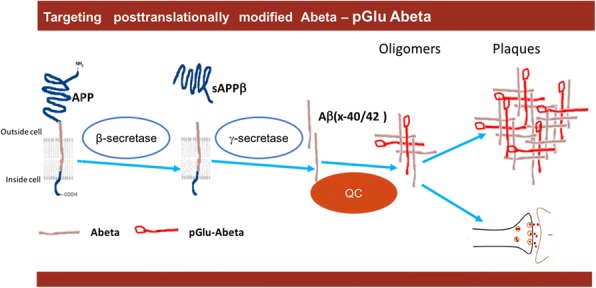
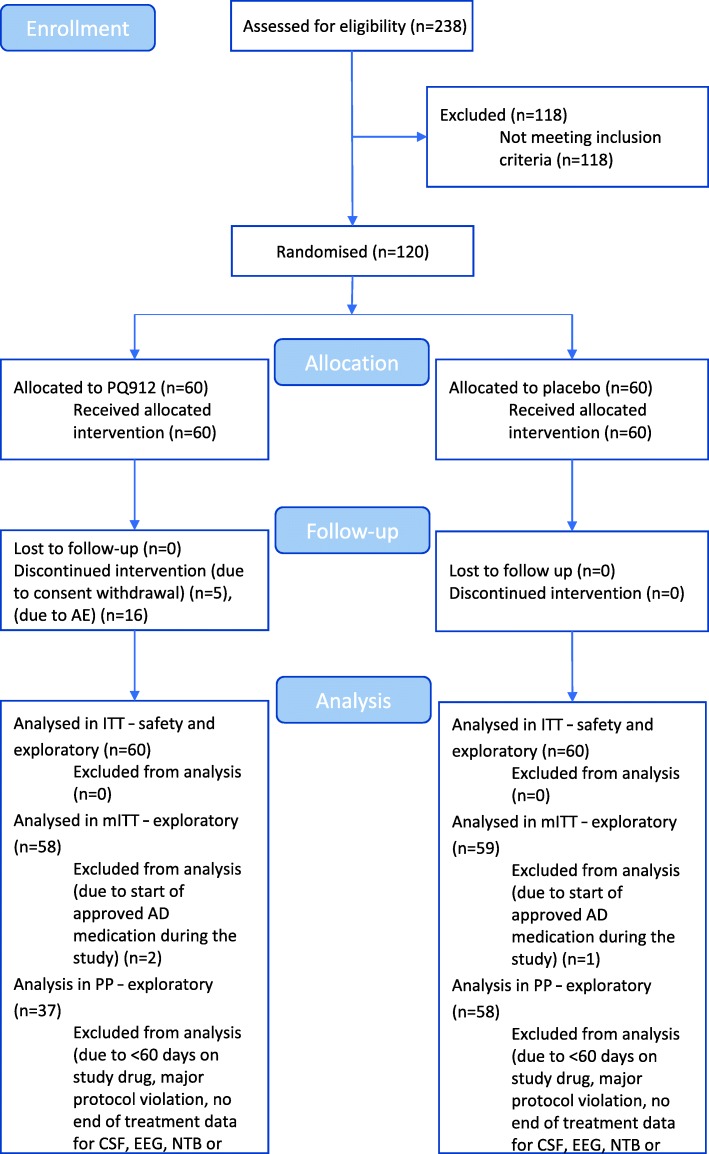
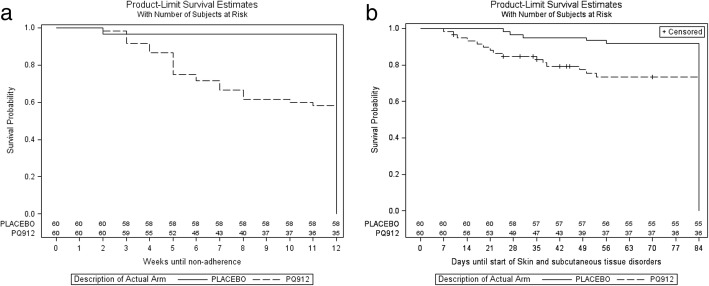
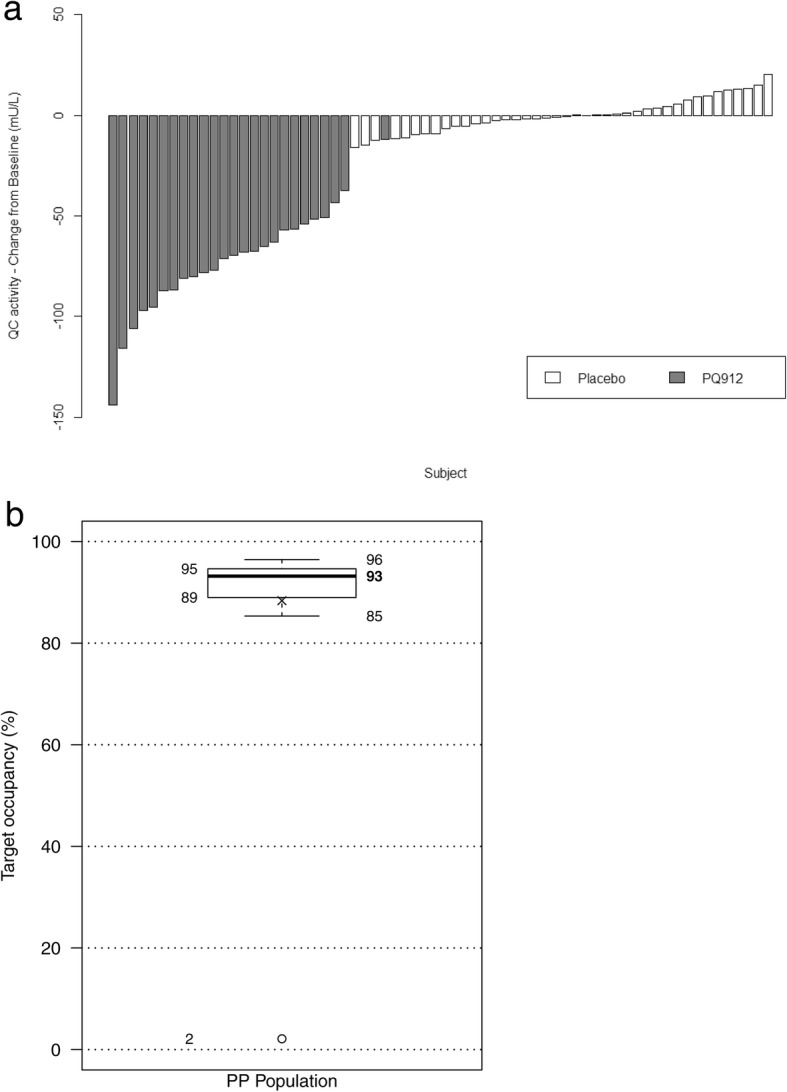
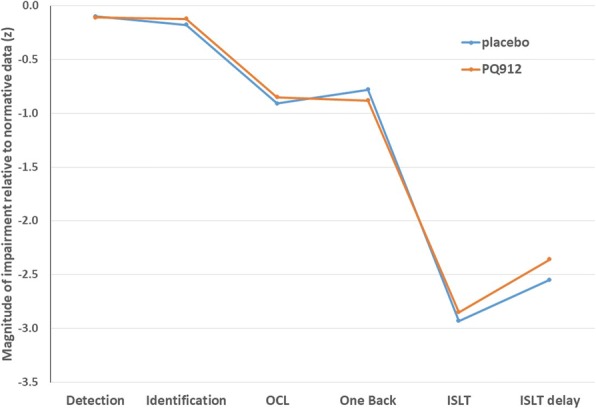
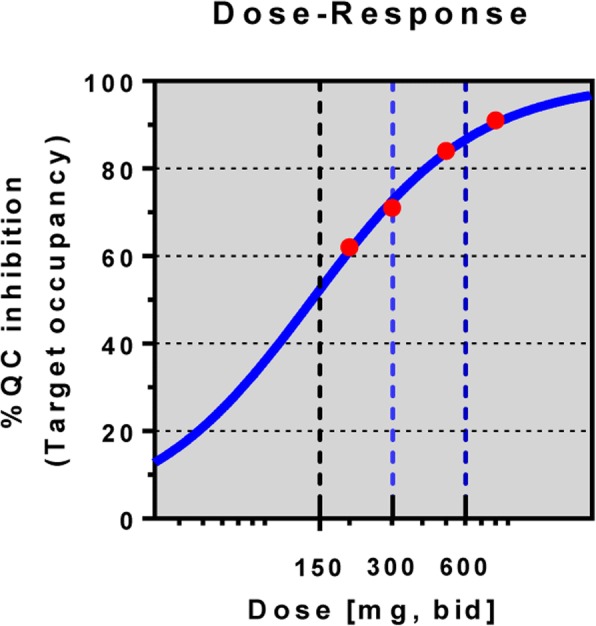
BACKGROUND: PQ912 is an inhibitor of the glutaminyl cyclase enzyme that plays a central role in the formation of synaptotoxic pyroglutamate-A-beta oligomers. We report on the first clinical study with PQ912 in subjects with biomarker-proven Alzheimer's disease (AD). The aim was to determine the maximal tolerated dose, target occupancy and treatment-related pharmacodynamic effects. The exploratory efficacy readouts selected were tailored to the patient population with early AD. The therapeutic approach focuses on synaptic dysfunction as captured by various measures such as electroencephalography (EEG), synaptic biomarkers and sensitive cognitive tests. METHODS: This was a randomized, double-blind, placebo-controlled trial evaluating the safety, tolerability and efficacy of PQ912 800 mg twice daily (bid) for 12 weeks in subjects with mild cognitive impairment or mild dementia due to AD. The 120 enrolled subjects were treatment-naïve at the start of the study, had confirmed AD biomarkers in their cerebrospinal fluid at screening and had a Mini Mental State Examination score between 21 and 30. After 1 week of treatment with 400 mg bid, patients were up-titrated to 800 mg bid for 11 weeks. Patients were randomized 1:1 to either PQ912 or placebo. The primary composite endpoints were to assess safety and tolerability based on the number of patients who discontinued due to (serious) adverse events (safety), and based on dose adjustment during the treatment period and/or nonadherence to randomized treatment (tolerability). All randomized subjects who took at least one dose of the study treatment or placebo were used for safety analyses. RESULTS: There was no significant difference between treatments in the number of subjects with (serious) adverse events, although there were slightly more patients with a serious adverse event in the PQ912 group compared to placebo. More subjects treated with PQ912 discontinued treatment due to adverse events, mostly related to gastrointestinal and skin/subcutaneous tissue disorders. PQ912 treatment resulted in a significant reduction in glutaminyl cyclase activity, which resulted in an average target occupancy of > 90%. A significant reduction of theta power in the EEG frequency analysis and a significant improvement in the One Back test of our Neuropsychological Test Battery was observed. The exploratory biomarker readouts, neurogranin for synaptic toxicity and YKL-40 as a marker of inflammation, appear to be sensitive enough to serve as efficacy markers in the next phase 2b study. CONCLUSIONS: The maximal tolerated dose of PQ912 has been identified and the results support future studies at still lower doses reaching > 50% target occupancy, a longer up-titration phase to potentially induce adaptation and longer treatment periods to confirm the early signals of efficacy as seen in this study. TRIAL REGISTRATION: Clinicaltrials.gov, NCT 02389413 . Registered on 17 March 2015.
Overview
The claims and statistics of this paper haven’t been checked yet.
Free: it reads the open-access text and checks the first 5 claims that cite a source we can check. Create a free account to check every claim.
Integrity signals
Registry
Cites
Statistics
Figures
Verification
Claims the paper makes
The claims and statistics of this paper haven’t been checked yet.
Free: it reads the open-access text and checks the first 5 claims that cite a source we can check. Create a free account to check every claim.
Claims other papers make about this one
Each is checked against this paper’s own text: does it say what the citing paper says it does?
The source backs part of the claim, not all of it — or backs it for a different population, condition or comparison.
In the citing paper
“In its phase IIa study (NCT03919162), varoglutamstat (17, formerly PQ912) demonstrated acceptable safety and tolerability, as well as a reduction in working memory decline.454”
From Recent advances in Alzheimer's disease: Mechanisms, clinical trials and new drug development strategies. (2024) · cites this paper as [454]
Experimental — accuracy not yet measured
Self-check
Percentages, sums and reported differences re-computed from the paper’s own numbers.
The self-check needs the paper’s full text.
Citations
Cites
McKhann, G. M., Knopman, D. S., Chertkow, H., Hyman, B. T., Jack, C. R., Kawas, C. H., Klunk, W. E., Koroshetz, W. J., Manly, J. J., Mayeux, R., et al. (2011) · Alzheimer's & Dementia · doi:10.1016/j.jalz.2011.03.005 · Cited by 18,657
Self-citationAmyloid oligomers exacerbate tau pathology in a mouse model of tauopathy
Selenica, M.-L. B., Brownlow, M., Jimenez, J. P., Lee, D. C., Pena, G., Dickey, C. A., Gordon, M. N., & Morgan, D. (2013) · Neurodegenerative Diseases · doi:10.1159/000337230 · Cited by 10,359
Albert, M. S., DeKosky, S. T., Dickson, D., Dubois, B., Feldman, H. H., Fox, N. C., Gamst, A., Holtzman, D. M., Jagust, W. J., Petersen, R. C., et al. (2011) · Alzheimer's & Dementia · doi:10.1016/j.jalz.2011.03.008 · Cited by 10,152 · cited 1×
“A total of 120 treatment-naïve men (n = 56) and women (n = 64), aged 51–85 years, with a diagnosis of mild cognitive impairment due to AD or mild dementia due to AD, according to the Alzheimer Association–National Institute on Aging criteria [14, 15], were included in the study.”
MethodNeuroinflammation in Alzheimer's disease
Heneka, M. T., Carson, M. J., Khoury, J. E., Landreth, G. E., Brosseron, F., Feinstein, D. L., Jacobs, A. H., Wyss-Coray, T., Vitorica, J., Ransohoff, R. M., et al. (2015) · The Lancet Neurology · doi:10.1016/s1474-4422(15)70016-5 · Cited by 6,226
2016 Alzheimer's disease facts and figures
Alzheimer's Association (2016) · Alzheimer's & Dementia · doi:10.1016/j.jalz.2016.03.001 · Cited by 5,069
Hypothetical model of dynamic biomarkers of the Alzheimer's pathological cascade
Jack, C. R., Knopman, D. S., Jagust, W. J., Shaw, L. M., Aisen, P. S., Weiner, M. W., Petersen, R. C., & Trojanowski, J. Q. (2010) · The Lancet Neurology · doi:10.1016/s1474-4422(09)70299-6 · Cited by 4,806
Alzheimer's Disease Is a Synaptic Failure
Selkoe, D. J. (2002) · Science · doi:10.1126/science.1074069 · Cited by 4,420
Albert, M. S., DeKosky, S. T., Dickson, D., Dubois, B., Feldman, H. H., Fox, N. C., Gamst, A., Holtzman, D. M., Jagust, W. J., Petersen, R. C., et al. (2013) · Focus · doi:10.1176/appi.focus.11.1.96 · Cited by 2,621
Villemagne, V. L., Burnham, S., Bourgeat, P., Brown, B., Ellis, K. A., Salvado, O., Szoeke, C., Macaulay, S. L., Martins, R., Maruff, P., et al. (2013) · The Lancet Neurology · doi:10.1016/s1474-4422(13)70044-9 · Cited by 2,279
Self-citationBloom (2014) · doi:10.1001/jamaneurol.2013.5847 · Cited by 2,194
Cited by
Zhang, J., Zhang, Y., Wang, J., Xia, Y., Zhang, J., & Chen, L. (2024) · Signal Transduction and Targeted Therapy · doi:10.1038/s41392-024-01911-3 · Cited by 1,138
Amyloid β-based therapy for Alzheimer’s disease: Challenges, successes and future
Zhang, Y., Chen, H., Li, R., Sterling, K., & Song, W. (2023) · Signal Transduction and Targeted Therapy · doi:10.1038/s41392-023-01484-7 · Cited by 988
Tolar, M., Abushakra, S., Hey, J. A., Porsteinsson, A., & Sabbagh, M. (2020) · Alzheimer's Research & Therapy · doi:10.1186/s13195-020-00663-w · Cited by 354
The clinical promise of biomarkers of synapse damage or loss in Alzheimer’s disease
the Synaptic Health Endpoints Working Group, Colom-Cadena, M., Spires-Jones, T., Zetterberg, H., Blennow, K., Caggiano, A., DeKosky, S. T., Fillit, H., Harrison, J. E., Schneider, L. S., et al. (2020) · Alzheimer's Research & Therapy · doi:10.1186/s13195-020-00588-4 · Cited by 328
Self-citationHow chemokines organize the tumour microenvironment
Mempel, T. R., Lill, J. K., & Altenburger, L. M. (2024) · Nature Reviews Cancer · doi:10.1038/s41568-023-00635-w · Cited by 281
“Accord-ingly, inhibitors of glutaminyl cyclases, which are being developed for the treatment of Alzheimer disease 254 and which prevent N-terminal cyclization of CCL7 to render it susceptible to truncation by DPP4, reduce the accumulation of alternatively activated macrophages in the TME and…”
Tolar, M., Hey, J., Power, A., & Abushakra, S. (2021) · International Journal of Molecular Sciences · doi:10.3390/ijms22126355 · Cited by 243
“In a Phase 2a study, PQ912 showed promising biomarker effects [67] and has advanced to a Phase 2b study.”
BackgroundThe “rights” of precision drug development for Alzheimer’s disease
Cummings, J., Feldman, H. H., & Scheltens, P. (2019) · Alzheimer's Research & Therapy · doi:10.1186/s13195-019-0529-5 · Cited by 238
“EEG is dependent on the intact network function and may have applications in AD drug development similar to, but more robustly, than those of fMRI [108, 118, 119].”
BackgroundResultSelf-citationLogtenberg, M. E. W., Jansen, J. H. M., Raaben, M., Toebes, M., Franke, K., Brandsma, A. M., Matlung, H. L., Fauster, A., Gomez-Eerland, R., Bakker, N. A. M., et al. (2019) · Nature Medicine · doi:10.1038/s41591-019-0356-z · Cited by 240
Babiloni, C., Arakaki, X., Azami, H., Bennys, K., Blinowska, K., Bonanni, L., Bujan, A., Carrillo, M. C., Cichocki, A., de Frutos‐Lucas, J., et al. (2021) · Alzheimer's & Dementia · doi:10.1002/alz.12311 · Cited by 215
Novak, P., Kovacech, B., Katina, S., Schmidt, R., Scheltens, P., Kontsekova, E., Ropele, S., Fialova, L., Kramberger, M., Paulenka-Ivanovova, N., et al. (2021) · Nature Aging · doi:10.1038/s43587-021-00070-2 · Cited by 187
Self-citationPassive immunotherapies targeting Aβ and tau in Alzheimer's disease
Plotkin, S. S., & Cashman, N. R. (2020) · Neurobiology of Disease · doi:10.1016/j.nbd.2020.105010 · Cited by 155
Advances in Alzheimer’s disease’s pharmacological treatment
Filho, C. E. C., Loss, L. B., Pereira, C. M., Rossoni, J. V., Barcelos, R. M., Chiarelli-Neto, O., da Silva, B. S., Ambrósio, R. P., Castro, F. C. D. A. Q., Teixeira, S. F., et al. (2023) · Frontiers in Pharmacology · doi:10.3389/fphar.2023.1101452 · Cited by 123
“Three works showed therapeutic effect followed by toxicity (Scheltens et al., 2018; Egan et al., 2019; Farlow et al., 2019).”
BackgroundPyroglutamate Aβ cascade as drug target in Alzheimer’s disease
Bayer, T. A. (2022) · Molecular Psychiatry · doi:10.1038/s41380-021-01409-2 · Cited by 94
“PQ912, a competitive inhibitor of QC, was analyzed in clinical trials in order to assess the safety, pharmacokinetics, and pharmacodynamics in healthy individuals [53], MCI and AD patients [54, 55] and was reported to be safe.”
MethodThe informed road map to prevention of Alzheimer Disease: a call to arms
McDade, E., Llibre-Guerra, J. J., Holtzman, D. M., Morris, J. C., & Bateman, R. J. (2021) · Molecular Neurodegeneration · doi:10.1186/s13024-021-00467-y · Cited by 89
“Small Molecule PQ912 (Inhibitor of glutaminyl cyclase) Phase 2 Early AD NCT03919162 414 Safety, PK and clinical outcomes Good safety profile; trends for cognitive benefit [45].”
BackgroundMulti-target drugs for Alzheimer's disease
Turgutalp, B., & Kızıl, Ç. (2024) · Trends in Pharmacological Sciences · doi:10.1016/j.tips.2024.05.005 · Cited by 92
Hoffmann, T., Meyer, A., Heiser, U., Kurat, S., Böhme, L., Kleinschmidt, M., Bühring, K.-U., Hutter-Paier, B., Farcher, M., Demuth, H.-U., et al. (2017) · The Journal of Pharmacology and Experimental Therapeutics · doi:10.1124/jpet.117.240614 · Cited by 76
Self-citationBiomarkers in amyotrophic lateral sclerosis: current status and future prospects
McMackin, R., Bede, P., Ingre, C., Malaspina, A., & Hardiman, O. M. (2023) · Nature Reviews Neurology · doi:10.1038/s41582-023-00891-2 · Cited by 85
Progress of CD47 immune checkpoint blockade agents in anticancer therapy: a hematotoxic perspective
Chen, Y., Shi, W., Shi, J.-J., & Lu, J. (2021) · Journal of Cancer Research and Clinical Oncology · doi:10.1007/s00432-021-03815-z · Cited by 74
Ribarič, S. (2023) · Biomedicines · doi:10.3390/biomedicines11020355 · Cited by 66
Martínková, J., Quevenco, F., Karcher, H., Ferrari, A., Sandset, E. C., Szoeke, C. E. I., Hort, J., Schmidt, R., Chadha, A. S., & Ferretti, M. T. (2021) · JAMA Network Open · doi:10.1001/jamanetworkopen.2021.24124 · Cited by 69
Review on anti-alzheimer drug development: approaches, challenges and perspectives
Abdallah, A. E. (2024) · RSC Advances · doi:10.1039/d3ra08333k · Cited by 72
Progress toward Alzheimer's disease treatment: Leveraging the Achilles' heel of Aβ oligomers?
Fantini, J., Chahinian, H., & Yahi, N. (2020) · Protein Science · doi:10.1002/pro.3906 · Cited by 64
“formation of a subset of neurotoxic Aβ oligomers.(107) Hopefully, the paradigm shift from amyloid plaques to Aβ oligomers as the root cause of AD will now allow to quickly identify an efficient cure for AD.”
BackgroundZhao, W., Hu, X., Li, W., Li, R., Chen, J., Zhou, L., Qiang, S., Wu, W., Shi, S., & Dong, C. (2021) · Small · doi:10.1002/smll.202007051 · Cited by 67
From Recognition to Remedy: The Significance of Biomarkers in Neurodegenerative Disease Pathology
Toader, C., Dobrin, N., Brehar, F.-M., Popa, C., Covache-Busuioc, R.-A., Glavan, L.-A., Costin, H. P., Bratu, B.-G., Corlatescu, A.-D., Popa, A. A., et al. (2023) · International Journal of Molecular Sciences · doi:10.3390/ijms242216119 · Cited by 75
“For instance, the SAPHIR trial observed a decline in YKL-40, a marker for AD-related neuroinflamma-tion, following varoglutamstat administration [90].”
BackgroundYuan, Y., & Zhao, Y. (2025) · Frontiers in Aging Neuroscience · doi:10.3389/fnagi.2025.1522552 · Cited by 69
Sharma, A., Rudrawar, S., Bharate, S. B., & Jadhav, H. R. (2025) · RSC Medicinal Chemistry · doi:10.1039/d4md00630e · Cited by 70
Morató, X., Pytel, V., Jofresa, S., Ruiz, A., & Boada, M. (2022) · International Journal of Molecular Sciences · doi:10.3390/ijms23169305 · Cited by 53
Small-molecule drugs development for Alzheimer's disease
Yao, W., Yang, H., & Yang, J. (2022) · Frontiers in Aging Neuroscience · doi:10.3389/fnagi.2022.1019412 · Cited by 58
Therapeutic potential of glutaminyl cyclases: Current status and emerging trends
Coimbra, J. R. M., Moreira, P. I., Santos, A. E., & Salvador, J. A. R. (2023) · Drug Discovery Today · doi:10.1016/j.drudis.2023.103644 · Cited by 56
Briels, C. T., Stam, C. J., Scheltens, P., Bruins, S., Lues, I., & Gouw, A. A. (2019) · Clinical Neurophysiology · doi:10.1016/j.clinph.2019.09.014 · Cited by 55
Self-citationda Silva, R. B., Leitao, R. M., Pechuan-Jorge, X., Werneke, S. W., Oeh, J., Javinal, V., Wang, Y., Phung, W., Everett, C., Nonomiya, J., et al. (2022) · Nature Immunology · doi:10.1038/s41590-022-01153-x · Cited by 49
Vijverberg, E. G. B., Axelsen, T., Bihlet, A. R., Henriksen, K., Weber, F., Fuchs, K., Harrison, J., Kühn‐Wache, K., Alexandersen, P., Prins, N. D., et al. (2021) · Alzheimer s Research & Therapy · doi:10.1186/s13195-021-00882-9 · Cited by 48
“[19] as regards the global relative power in the delta (0.”
BackgroundInfluentialSelf-citationEmerging roles of N- and C-terminally truncated Aβ species in Alzheimer’s disease
Wirths, O., & Zampar, S. (2019) · Expert Opinion on Therapeutic Targets · doi:10.1080/14728222.2019.1702972 · Cited by 44
“activity resulting in an average target occupancy of >90% [124].”
BackgroundHuman glutaminyl cyclase: Structure, function, inhibitors and involvement in Alzheimer’s disease
Dileep, K. V., & Zhang, K. Y. J. (2019) · Pharmacological Research · doi:10.1016/j.phrs.2019.104342 · Cited by 45
Scheijbeler, E. P., de Haan, W., Stam, C. J., Twisk, J. W. R., & Gouw, A. A. (2023) · Alzheimer s Research & Therapy · doi:10.1186/s13195-023-01327-1 · Cited by 43
“Our results are in line with previous studies reporting spectral EEG measures as most consistent for monitoring AD progression [59] and response to interventions in AD clinical trials [60, 61].”
ResultSelf-citationGlutaminyl Cyclase, Diseases, and Development of Glutaminyl Cyclase Inhibitors
Xu, C., Wang, Y., & Wu, H. (2021) · Journal of Medicinal Chemistry · doi:10.1021/acs.jmedchem.1c00325 · Cited by 36
New hope for tumor immunotherapy: the macrophage-related “do not eat me” signaling pathway
Deng, H. Y., Wang, G., Zhao, S., Tao, Y., Zhang, Z., Yang, J., & Lei, Y. (2023) · Frontiers in Pharmacology · doi:10.3389/fphar.2023.1228962 · Cited by 39
“Examples of this class include RRX-001, PQ912, etc. (Figure 8).”
BackgroundShen, X., Li, H., Zhang, B., Li, Y., & Zhu, Z. (2025) · Cells · doi:10.3390/cells14191506 · Cited by 36
“…a combination of factors: phase mismatch (intervention after widespread network malfunction), patient heterogeneity, and endpoint misalignment (i.e., adequate CSF signaling but lack of synaptic engagement or too short an observation window to capture downstream functional changes) [218,244].”
A glutaminyl cyclase-catalyzed α-synuclein modification identified in human synucleinopathies
Hartlage‐Rübsamen, M., Bluhm, A., Moceri, S., Machner, L., Köppen, J., Schenk, M., Hilbrich, I., Holzer, M., Weidenfeller, M., Richter, F., et al. (2021) · Acta Neuropathologica · doi:10.1007/s00401-021-02349-5 · Cited by 35
“In addition, clinical trials indicated safety, tolerability and efficacy of the QC inhibitor PQ912 in human subjects [65, 89].”
BackgroundHettmann, T., Gillies, S. D., Kleinschmidt, M., Piechotta, A., Makioka, K., Lemere, C. A., Schilling, S., Rahfeld, J., & Lues, I. (2020) · Scientific Reports · doi:10.1038/s41598-020-60319-5 · Cited by 29
Self-citationIncreased glutaminyl cyclase activity in brains of Alzheimer’s disease individuals
Gunn, A. P., Wong, B. X. W., McLean, C., Fowler, C. J., Barnard, P. J., Duce, J. A., & Roberts, B. R. (2020) · Journal of Neurochemistry · doi:10.1111/jnc.15114 · Cited by 31
“…AD pathology spurred the generation of libraries of QC inhibitor compounds (Buchholz et al., 2006; Li et al., 2017; Wang et al., 2019), though only one (PQ912) has thus far progressed to safety and tolerability testing in human clinical trials (Lues, Weber, & Meyer, 2015; Scheltens et al., 2018).”
BackgroundHu, Q., Shi, Y., Wang, H., Li, B., & Xu, Z. (2025) · Experimental Hematology and Oncology · doi:10.1186/s40164-025-00627-6 · Cited by 32
“QPCTL inhibitors, such as SEN177 and PQ912, are currently in clinical trials for neurodegenerative diseases and have shown good tolerability [301].”
Scheijbeler, E. P., van Nifterick, A. M., Stam, C. J., Hillebrand, A., Gouw, A. A., & de Haan, W. (2022) · Network Neuroscience · doi:10.1162/netn_a_00224 · Cited by 27
“However, without any extensive optimization, the accuracy obtained with 371 the JPEinv and PE falls within the same range as the current ‘gold standard’ in early AD: relative 372 theta power (Gouw et al., 2017; 2021; Scheltens et al., 2018).”
BackgroundMethodInfluentialSelf-citationSiemers, E., Hitchcock, J., Sundell, K. L., Dean, R. A., Jerecic, J., Cline, E. N., Iverson, K., Moore, J. A., Edgar, C. J., Manber, R., et al. (2022) · The Journal of Prevention of Alzheimer s Disease · doi:10.14283/jpad.2022.93 · Cited by 33
“The computerized cognitive assessments used in the trial have been validated in multiple clinical trials, are intended to address cognitive domains under-represented by traditional tools, and have previously shown sensitivity in proof-of-concept studies in AD, including the early and more sensitive detection of drug e…”
MethodMackey-Alfonso, S. E., Butler, M. J., Taylor, A., Williams-Medina, A. R., Muscat, S. M., Fu, H., & Barrientos, R. M. (2024) · Brain Behavior and Immunity · doi:10.1016/j.bbi.2024.07.021 · Cited by 26
“Furthermore, these results are trans-lationally relevant as there is currently a phase two clinical trial on the protective effects of CD47, which counteracts the phagocytic complement protein signals (Li, 2022; Scheltens, 2018; Vijverberg, 2021).”
BackgroundStrategies for Treatment of Disease-Associated Dementia Beyond Alzheimer's Disease: An Update
Khan, S. S., Khatik, G. L., & Datusalia, A. K. (2022) · Current Neuropharmacology · doi:10.2174/1570159x20666220411083922 · Cited by 32
“(A higher resolution/colour version of this figure is available in the electronic copy of the article). result not published [263] well-tolerated but not effective in patients with mild to moderate AD in phase II clinical trial [211].”
Glutaminyl cyclases, the potential targets of cancer and neurodegenerative diseases
Zhang, Y., Wang, Y., Zhao, Z., Peng, W., Wang, P., Xu, X., & Zhao, C. (2022) · European Journal of Pharmacology · doi:10.1016/j.ejphar.2022.175178 · Cited by 28
Therapeutic Strategies Aimed at Improving Neuroplasticity in Alzheimer Disease
Colavitta, M. F., & Barrantes, F. J. (2023) · Pharmaceutics · doi:10.3390/pharmaceutics15082052 · Cited by 25
An Overview of Glutaminyl Cyclase Inhibitors for Alzheimer’s Disease
Coimbra, J. R. M., Sobral, P. J. M., Santos, A. E., Moreira, P. I., & Salvador, J. A. R. (2019) · Future Medicinal Chemistry · doi:10.4155/fmc-2019-0163 · Cited by 26
Natural Products from Plants and Algae for Treatment of Alzheimer’s Disease: A Review
Klose, J., Griehl, C., Roßner, S., & Schilling, S. (2022) · Biomolecules · doi:10.3390/biom12050694 · Cited by 23
“Hence, the inhibition of QC is a potential strategy for the treatment of AD [142].”
BackgroundGuo, Y., Dang, G., Hordacre, B. G., Su, X., Yan, N., Chen, S., Ren, H., Shi, X., Cai, M., Zhang, S., et al. (2021) · Frontiers in Aging Neuroscience · doi:10.3389/fnagi.2021.679585 · Cited by 26
Hoffmann, T., Rahfeld, J., Schenk, M., Ponath, F., Makioka, K., Hutter‐Paier, B., Lues, I., Lemere, C. A., & Schilling, S. (2021) · International Journal of Molecular Sciences · doi:10.3390/ijms222111791 · Cited by 21
“Accordingly, inhibition of QC has been shown to attenuate ADlike symptoms in mice dose-dependently [27] and Varoglutamstat, a first in-class QC inhibitor, has been proven safe and showed signs of efficacy in clinical phase 1 and 2 studies [32,33].”
BackgroundSelf-citationGoossens, J., González, A. C., Dewit, N., Lidón, L., Fortea, J., Alcolea, D. A., Lleó, A., Belbin, O., & Vanmechelen, E. (2023) · Alzheimer s Research & Therapy · doi:10.1186/s13195-023-01336-0 · Cited by 26
“…have been evaluated in exploratory CSF cohorts and shown to be altered in subjects with sporadic AD, both by mass spectrometry [12–16] and immunoassays [8, 17–23] but the first steps towards patient monitoring have largely been restricted to CSF neurogranin measurements in clinical trials [24, 25].”
BackgroundFeldman, H., for the ADCS VIVA-MIND Study Group, Messer, K. S., Qiu, Y., Sabbagh, M., Galasko, D., Turner, R. S., López, O. L., Smith, A., Durant, J., et al. (2024) · Journal of Alzheimer s Disease · doi:10.3233/jad-231126 · Cited by 23
Cummings, J. L. (2020) · Journal of Neuropsychiatry · doi:10.1176/appi.neuropsych.20060152 · Cited by 26
Baumann, N., Rösner, T., Jansen, J. H. M., Chan, C., Eichholz, K. M., Klausz, K., Winterberg, D., Müller, K., Humpe, A., Burger, R., et al. (2021) · Cancer Science · doi:10.1111/cas.14999 · Cited by 21
Pilot Evaluation of the Unsupervised, At-Home Cogstate Brief Battery in ADNI-2
Edgar, C. J., Initiative, A. D. N., Siemers, E., Maruff, P. T., Petersen, R. C., Aisen, P. S. S., Weiner, M. W., & Albala, B. (2021) · Journal of Alzheimer s Disease · doi:10.3233/jad-210201 · Cited by 22
Self-citationAdvancements in the treatment of Alzheimer's disease: a comprehensive review
Rajanna, S., Gundale, P. P., & Mahadevaiah, A. D. (2025) · Dementia & Neuropsychologia · doi:10.1590/1980-5764-dn-2024-0204 · Cited by 22
“Recruiting and retaining patients for clinical trials is often difficult, especially in the early stages of the disease when individuals may not yet experience significant symptoms 62 .”
Functions of glutaminyl cyclase and its isoform in diseases
Liu, Y., Shi, Y., & Wang, P. (2023) · Visualized Cancer Medicine · doi:10.1051/vcm/2022008 · Cited by 21
“The results have shown that PQ912 is safe and highly effective [162, 165].”
In vitro and in silico determination of glutaminyl cyclase inhibitors
Tran, P., Hoang, V.-H., Lee, J., Hiền, T. T. T., Tùng, N. T., & Ngô, S. T. (2019) · RSC Advances · doi:10.1039/c9ra05763c · Cited by 24
Novel immunotherapy for gastric cancer: targeting the CD47–SIRPα axis
Ooki, A., Osumi, H., Shimozaki, K., & Yamaguchi, K. (2025) · Cancer and Metastasis Reviews · doi:10.1007/s10555-025-10269-z · Cited by 21
“Phase I/IIa studies on QPCTL inhibitors for neurodegenerative diseases have not reported significant toxicities [183, 184].”
Wang, X., Wang, L., Yu, X., Li, Y., Liu, Z., Zou, Y., Zheng, Y., He, Z., & Wu, H. (2019) · International Immunopharmacology · doi:10.1016/j.intimp.2019.105770 · Cited by 20
Taudte, N., Linnert, M., Rahfeld, J., Piechotta, A., Ramsbeck, D., Buchholz, M., Kolenko, P., Parthier, C., Houston, J. A., Veillard, F., et al. (2021) · Journal of Biological Chemistry · doi:10.1016/j.jbc.2021.100263 · Cited by 18
“For this reason, selective inhibition of QC activity is being explored in clinical phase II trials as a treatment option for AD (36).”
MethodMạnh, N. V., Hoang, V.-H., Ngo, V. T. H., Ann, J., Jang, T., Ha, J.-H., Song, J. Y., Ha, H.-J., Kim, H., Kim, Y.-H., et al. (2021) · European Journal of Medicinal Chemistry · doi:10.1016/j.ejmech.2021.113819 · Cited by 18
Emerging amyloid and tau targeting treatments for Alzheimer’s disease
Khan, A., Corbett, A., & Ballard, C. G. (2017) · Expert Review of Neurotherapeutics · doi:10.1080/14737175.2017.1326819 · Cited by 17
Kupski, O., Funk, L.-M., Sautner, V., Seifert, F., Worbs, B., Ramsbeck, D., Meyer, F., Diederichsen, U., Buchholz, M., Schilling, S., et al. (2020) · Biochemistry · doi:10.1021/acs.biochem.0c00337 · Cited by 16
A patent review of glutaminyl cyclase inhibitors (2004–present)
Coimbra, J. R. M., & Salvador, J. A. R. (2021) · Expert Opinion on Therapeutic Patents · doi:10.1080/13543776.2021.1917549 · Cited by 16
Amyloid-beta Targeted Therapeutic Approaches for Alzheimer’s Disease: Long Road Ahead
Dai, Y., Lei, C., Zhang, Z., Qi, Y., Lao, K., & Gou, X. (2022) · Current Drug Targets · doi:10.2174/1389450123666220421124030 · Cited by 16
Schrempel, S., Kottwitz, A. K., Piechotta, A., Gnoth, K., Büschgens, L., Hartlage‐Rübsamen, M., Morawski, M., Schenk, M., Kleinschmidt, M., Serrano, G. E., et al. (2024) · Acta Neuropathologica · doi:10.1007/s00401-024-02824-9 · Cited by 18
Targeting QPCTL: An Emerging Therapeutic Opportunity
Yu, L., Sun, Y., Xie, L.-Y., Tan, X., Wang, P., & Xu, S. (2025) · Journal of Medicinal Chemistry · doi:10.1021/acs.jmedchem.4c02247 · Cited by 14
Kumar, A., Bagri, K., Nimbhal, M., & Kumar, P. (2020) · Journal of Biomolecular Structure and Dynamics · doi:10.1080/07391102.2020.1806111 · Cited by 14
“The double-blind, placebo-controlled phase 2 study on PQ912 further proved its safety, efficacy in inhibiting glutaminyl cyclase and improving cognition (Scheltens et al., 2018).”
BackgroundAlzheimer's disease approaches - Focusing on pathology, biomarkers and clinical trial candidates
Hroudová, J., & Fišar, Z. (2024) · Progress in Neuro-Psychopharmacology and Biological Psychiatry · doi:10.1016/j.pnpbp.2024.111069 · Cited by 13
The overall potential of CD47 in cancer immunotherapy: with a focus on gastrointestinal tumors
Tzatzarakis, E., Hissa, B., Reißfelder, C., & Schölch, S. (2019) · Expert Review of Anticancer Therapy · doi:10.1080/14737140.2019.1689820 · Cited by 15
Vijverberg, E. G. B., de Haan, W., Scheijbeler, E. P., Hamby, M., Catalano, S. M., Scheltens, P., Grundman, M., & Caggiano, A. O. (2024) · The Journal of Prevention of Alzheimer s Disease · doi:10.14283/jpad.2024.154 · Cited by 13
Self-citationMạnh, N. V., Hoang, V.-H., Ngo, V. T. H., Kang, S., Jeong, J. J., Ha, H.-J., Kim, H., Kim, Y.-H., Ann, J., & Lee, J. (2022) · European Journal of Medicinal Chemistry · doi:10.1016/j.ejmech.2022.114837 · Cited by 13
Chen, D., Chen, Q., Qin, X., Tong, P., Peng, L., Zhang, T., & Xia, C. (2023) · Frontiers in Aging Neuroscience · doi:10.3389/fnagi.2023.1209863 · Cited by 11
“The treatment of PQ912 resulted in an average QC target occupancy of >90% in cerebrospinal fluid (CSF), an improvement of working memory, and a reduction of synaptotoxicity and neurogranin levels, as well as improvements in some other experimental endpoints (Scheltens et al., 2018).”
BackgroundInfluentialThe role of CD47 in non-neoplastic diseases
Wang, C., Feng, Y., Patel, D., Xie, H., Lv, Y., & Hai, Z. (2023) · Heliyon · doi:10.1016/j.heliyon.2023.e22905 · Cited by 11
“PQ-912 (also known as Varoglutamstat) has been applied in clinical trials and has completed a phase 2a trial in AD [84] [ – ] [87].”
MethodWei, C., Zhang, H., Niu, L., Zhong, Q., Yan, H., & Wang, J. (2024) · Computational Biology and Chemistry · doi:10.1016/j.compbiolchem.2024.108131 · Cited by 9
Translational Scoring of Candidate Treatments for Alzheimer’s Disease: A Systematic Approach
Cummings, J. L. (2020) · Dementia and Geriatric Cognitive Disorders · doi:10.1159/000507569 · Cited by 10
Bagri, K., Kapoor, A., Kumar, P., & Kumar, A. (2023) · SAR and QSAR in environmental research · doi:10.1080/1062936x.2023.2212175 · Cited by 8
Victorino, D. B., Faber, J., Pinheiro, D. J. L. L., Scorza, F. A., de Almeida, A.-C. G., Costa, A. C. S., & Scorza, C. A. (2022) · Aging and Disease · doi:10.14336/ad.2022.0906 · Cited by 11
Commentary: Composite cognitive and functional measures for early stage Alzheimer's disease trials
Harrison, J. (2020) · Alzheimer s & Dementia Diagnosis Assessment & Disease Monitoring · doi:10.1002/dad2.12009 · Cited by 8
Self-citationCognitive go/No-go decision-making criteria in Alzheimer’s disease drug development
Wessels, A. M., Edgar, C. J., Nathan, P. J., Siemers, E. R., Maruff, P., & Harrison, J. (2021) · Drug Discovery Today · doi:10.1016/j.drudis.2021.01.012 · Cited by 7
Self-citationAdvances in the drug treatment of Alzheimer’s disease: pathophysiology and mechanisms of action
Nowell, J., Crook, H., de Leon, M. J., & Edison, P. (2026) · BMJ · doi:10.1136/bmj-2023-078881 · Cited by 8
Li, Y., & Yang, X. (2024) · Cognitive Neurodynamics · doi:10.1007/s11571-024-10064-6 · Cited by 9
Behof, W. J., Haynes, J. R., Whitmore, C. A., Cheung, Y., Tantawy, M. N., Peterson, T. E., Wijesinghe, P., Matsubara, J. A., & Pham, W. N. (2024) · ACS Sensors · doi:10.1021/acssensors.4c00313 · Cited by 6
Liu, Y., Chen, S., Li, S., Pei, Z., Fan, S., & Guo, Y. (2025) · Journal of Alzheimer s Disease Reports · doi:10.1177/25424823251362444 · Cited by 10
Genetic Screening for Novel Regulators of Immune Checkpoint Molecules
Arens, R., & Scheeren, F. A. (2020) · Trends in Immunology · doi:10.1016/j.it.2020.06.005 · Cited by 7
Diversity of amyloid beta peptide actions
Mardanyan, S. S., Sharoyan, S. G., & Antonyan, A. A. (2024) · Reviews in the Neurosciences · doi:10.1515/revneuro-2023-0100 · Cited by 5
Emerging Novel Therapeutic Approaches for the Treatment of Alzheimer’s Disease
Panwar, A., Khan, M. I. K., Kumar, R., Kumar, R., Kumar, S., & Kumar, A. (2024) · Advances in Alzheimer s Disease · doi:10.4236/aad.2024.133006 · Cited by 5
Huang, K.-F., Huang, J.-S., Wu, M.-L., Hsieh, W., Hsu, K., Hsu, H.-L., Ko, T., & Wang, A. H. ‐. (2021) · Journal of Molecular Biology · doi:10.1016/j.jmb.2021.166960 · Cited by 5
An Overview of Glutaminyl Cyclase as a Promising Drug Target for Alzheimer’s Disease
Madhusudhana, R., Boyle, E., & Cen, Y. (2025) · Biomedicines · doi:10.3390/biomedicines13061467 · Cited by 4
“…performed slightly better than the placebo group in most of the exploratory endpoints for efficacy such as QC activity, neuronal injury, glial activation biomarkers, and cognitive assessments like the One Back test, although these differences were not statistically significant in most cases [32].”
Zhang, X., Sun, Z., Wu, D.-W., Shi, X., Song, C., Guan, X., Hao, J., Guo, Y., Wang, X., Wei, D., et al. (2025) · Journal of Alzheimer s Disease · doi:10.1177/13872877251366656 · Cited by 9
Tiek, D. M., Song, X., Yu, X., Wu, R., Iglesia, R. P., Catezone, A., McCortney, K., Walshon, J. P., Horbinski, C., Jamshidi, P., et al. (2025) · iScience · doi:10.1016/j.isci.2025.111769 · Cited by 6
“50 However, we tested the effect of inhibiting either GGCT (pro-GA 48 ) or QC (PQ912 51 ) and found that only GGCT inhibition decreased EWSR1 aggregates (Figure 4D).”
Yu, X., Li, Y., Zou, Y., Zheng, Y., He, Z., Liu, Z., Xie, W., & Wu, H. (2018) · Journal of Cellular Biochemistry · doi:10.1002/jcb.28222 · Cited by 4
“And PQ912, one QC inhibitor, has been in phase 2a clinical trial for AD treatment.(20) However, the underlying mechanisms are poorly understood.”
BackgroundRemya, C., & Dileep, K. V. (2021) · Chemical Biology & Drug Design · doi:10.1111/cbdd.13940 · Cited by 4
Recent Treatment Strategies in Alzheimer's Disease and Chronic Traumatic Encephalopathy
Lucke-Wold, B. P. (2022) · Biomedical Research and Clinical Reviews · doi:10.31579/2692-9406/128 · Cited by 5
“In particular, amyloid precursor protein (APP) can be cut by secretases and modified by glutaminyl cyclase to form pyroglutamylated forms of Aβ (pE-Aβ), a particularly cytotoxic variant of Aβ known to induce synaptic dysregulation [23,24].”
BackgroundVaroglutamstat Inhibits the Dimerization of the Aβ25–35 Fragment in Aqueous Solution
Nguyen, H. A., Nguyen, T. H., Vu, V. V., Derreumaux, P., & Ngo, S. T. (2025) · The Journal of Physical Chemistry B · doi:10.1021/acs.jpcb.5c03306 · Cited by 3
Wu, J.-W., Ning, X.-L., Tang, B.-D., Chen, Y., Yang, Z.-B., Meng, F.-B., Cong, Z., Yu, J., Li, R., Li, Z., et al. (2025) · Journal of Chemical Information and Modeling · doi:10.1021/acs.jcim.5c00498 · Cited by 2
Kaya, Y., & Kırboğa, K. K. (2026) · Frontiers in Human Neuroscience · doi:10.3389/fnhum.2026.1768774 · Cited by 4
“Additionally, buntanetap aims to inhibit the translation of multiple neurotoxic proteins, whereas varoglutamstat targets both A β pathology and inflammatory pathways (Fang et al., 2023; Scheltens et al., 2018).”
Metadata
- Authors
- Scheltens, P., Hallikainen, M., Grimmer, T., Duning, T., Gouw, A. A., Teunissen, C. E., Wink, A. M., Maruff, P., Harrison, J., van Baal, C. M., Bruins, S., Lues, I., & Prins, N. D.
- Affiliations
- Amsterdam Neuroscience (NL)
- University of Eastern Finland (FI)
- TUM Klinikum (DE)
- University of Münster (DE)
- King's College London (GB)
- Probiodrug (Germany) (DE)
- Corresponding author
- Scheltens, Philip
- ORCID
- Venue
- Alzheimer's Research & Therapy
- Published
- 2018-10-12
- Volume
- 10
- Issue
- 1
- Pages
- 107-107
- ISSN
- 1758-9193 (ISSN-L)
- PMC
- PMC6182869
- OpenAlex
- W2895816045
- Cited by
- 129
- References
- 38
- Citations by year
- 2026: 10 · 2025: 17 · 2024: 21 · 2023: 18 · 2022: 15 · 2021: 24 · 2020: 12 · 2019: 9 · 2018: 1
- FWCI
- 7.88
- Type
- journal article
- Language
- en
- Open access
- gold
- doi.org
- Licence
- cc-by
- creativecommons.org/licenses/by/4.0/ (tdm)
- Locations
- Alzheimer s Research & Therapy (publishedVersion, cc-by)
- Europe PMC (PubMed Central) (publishedVersion, other-oa)
- PubMed Central (publishedVersion, cc-by)
- PubMed (publishedVersion)
- Minerva Access (University of Melbourne) (submittedVersion, cc-by)
- Pure Amsterdam UMC (submittedVersion, cc-by)
- DOAJ (DOAJ: Directory of Open Access Journals) (submittedVersion, cc-by-sa)
- mediaTUM – the media and publications repository of the Technical University Munich (Technical University Munich) (submittedVersion)
- Amsterdam UMC (VU Amsterdam) - Institutional Repository (submittedVersion, other-oa)
- Data Archiving and Networked Services (DANS) (submittedVersion, other-oa)
- Funders
- Probiodrug AG
- Topics
- Life Sciences › Neuroscience › Cellular and Molecular Neuroscience › Alzheimer's disease research and treatments
- Health Sciences › Medicine › Psychiatry and Mental health › Dementia and Cognitive Impairment Research
- Health Sciences › Medicine › Pharmacology (medical) › Cholinesterase and Neurodegenerative Diseases
- Keywords
- Alzheimer's disease, synaptic dysfunction, mild cognitive impairment, mild dementia, EEG theta power, neurogranin, YKL-40, neuroinflammation, target occupancy, drug safety and tolerability, cerebrospinal fluid biomarkers
- MeSH terms
- Aged, Aged, 80 and over, Alzheimer Disease, Benzimidazoles, Double-Blind Method, Female, Humans, Male, Middle Aged, Biomarkers, Treatment Outcome, Maximum Tolerated Dose, Imidazolines
About these checks
Registry, retraction, Cites and statistics results are computed, not judged, with one exception: a printed reference that no index lists is read once by a model before it counts as a citation error. Claims are extracted by a model and kept only when their quote appears verbatim in the text; each cited source is then checked, with a model’s help, for whether it says what the claim relies on. Those verdicts can be wrong — read the claim’s quote and the cited source before relying on one.
Statistics and arithmetic are recomputed, not judged.
Confidence bands are shown only for fields calibrated on our annotated test set. None is calibrated yet, so no band is shown.
What counts as a claim ›How we measure confidence ›How we check this ›
Are you an author, or do you see a problem with this page? Request a review
Data sources
Bibliographic data: Semantic Scholar, OpenAlex, Crossref.
Contains information from the Semantic Scholar Academic Graph Datasets, made available under the ODC Attribution License (ODC-BY 1.0).
Semantic Scholar’s data is described in: Kinney, R., et al. (2023). The Semantic Scholar Open Data Platform. arXiv:2301.10140.
