

Upregulation of MIF as a defense mechanism and a biomarker of Alzheimer’s disease
Open accessThe DOI matches its Crossref record; 45 of the 45 references it cites were found in a registry or an index.
Abstract
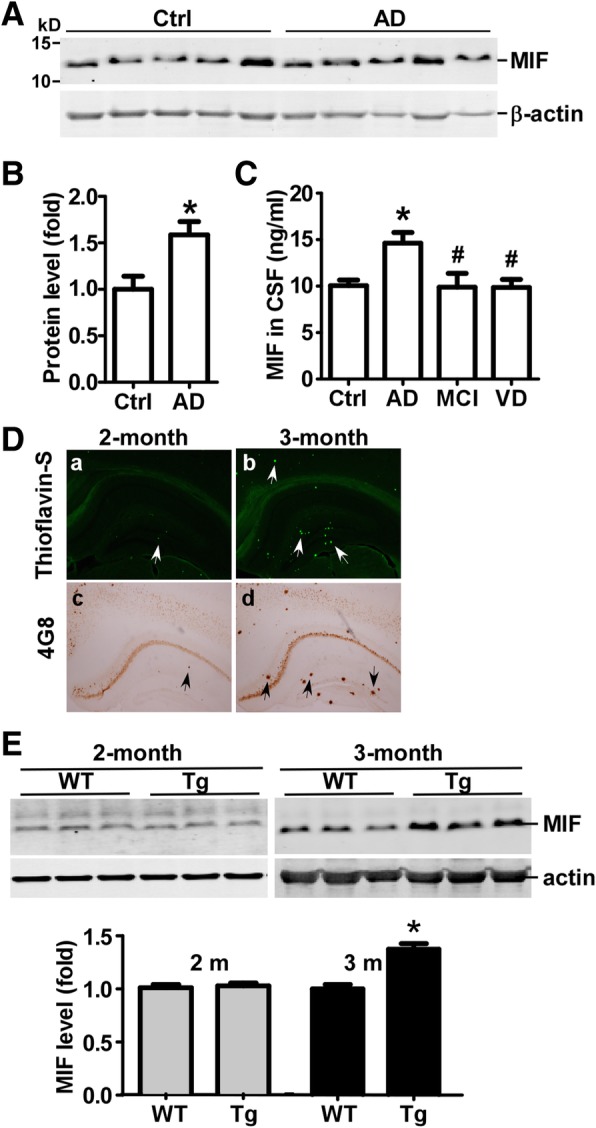
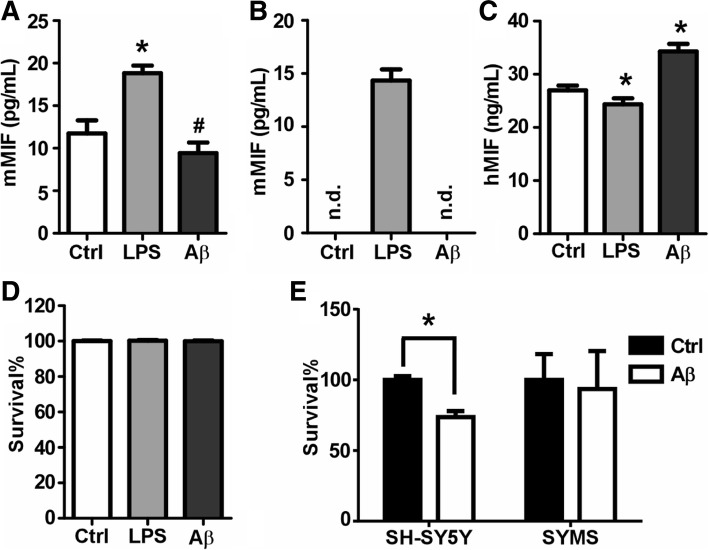
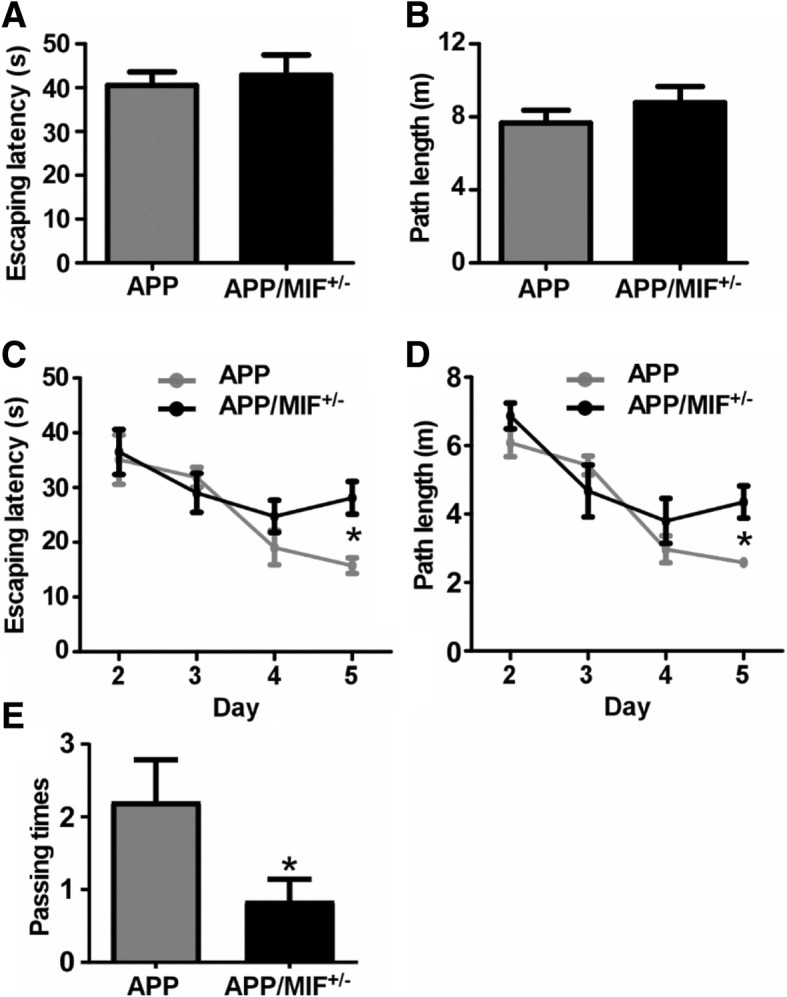
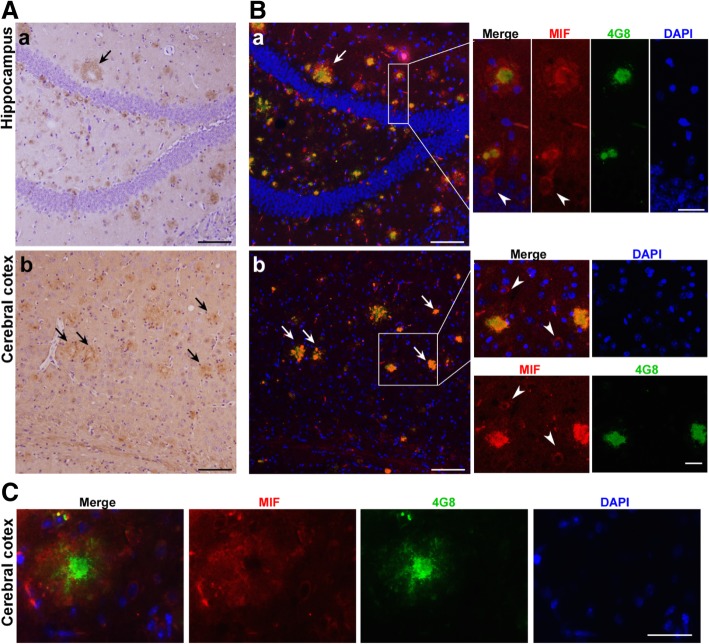
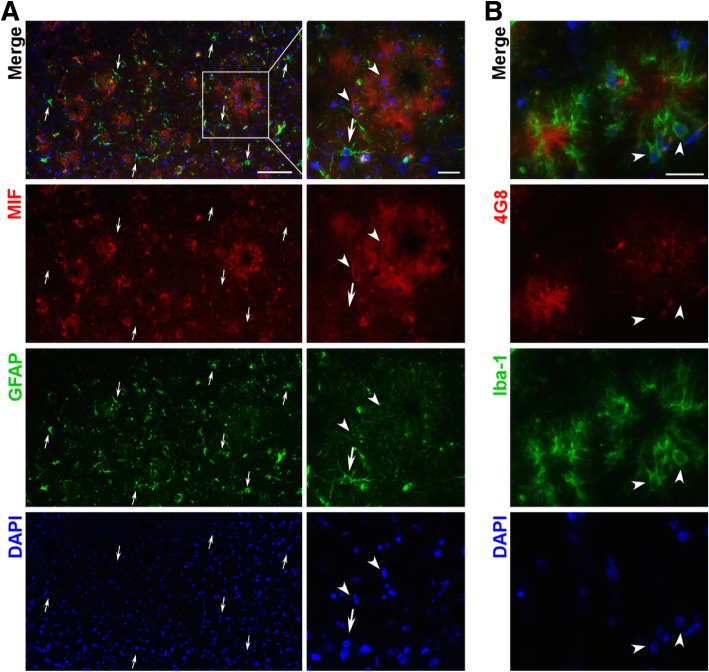
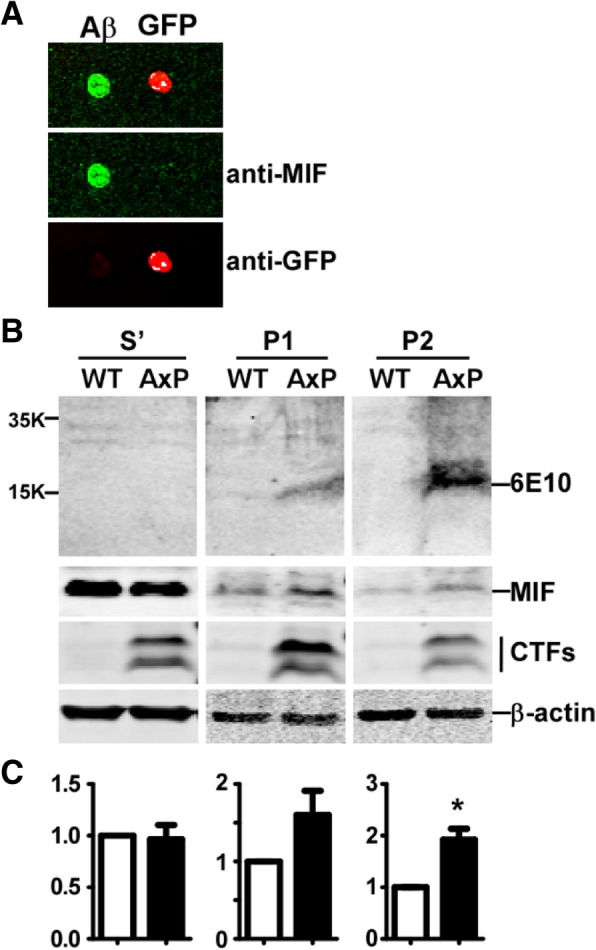
Macrophage migration inhibitory factor (MIF) is a pro-inflammatory cytokine. Chronic inflammation induced by amyloid β proteins (Aβ) is one prominent neuropathological feature in Alzheimer’s disease (AD) brain. Elisa, Western blot, and immunohistochemical staining analysis were performed to examine the level of MIF protein in CSF and brain tissues. MTT and LDH assays were used to examine the neurotoxicity, and the Morris Water Maze test was performed to examine the cognitive function in the MIF +/− /APP23 transgenic mice. MIF expression was upregulated in the brain of AD patients and AD model mice. Elevated MIF concentration was detected in the cerebrospinal fluid of AD patients but not in that of the patients suffering from mild cognitive impairment and vascular dementia. Reduced MIF expression impaired learning and memory in the AD model mice. MIF expression largely associates with Aβ deposits and microglia. The binding assay revealed a direct association between MIF and Aβ oligomers. Neurons instead of glial cells were responsible for the secretion of MIF upon stimulation by Aβ oligomers. In addition, overexpression of MIF significantly protected neuronal cells from Aβ-induced cytotoxicity. Our study suggests that neuronal secretion of MIF may serve as a defense mechanism to compensate for declined cognitive function in AD, and increased MIF level could be a potential AD biomarker.
Overview
The claims and statistics of this paper haven’t been checked yet.
Free: it reads the open-access text and checks the first 5 claims that cite a source we can check. Create a free account to check every claim.
Integrity signals
Registry
Cites
Statistics
Figures
Verification
Claims the paper makes
The claims and statistics of this paper haven’t been checked yet.
Free: it reads the open-access text and checks the first 5 claims that cite a source we can check. Create a free account to check every claim.
Claims other papers make about this one
Each is checked against this paper’s own text: does it say what the citing paper says it does?
The source backs part of the claim, not all of it — or backs it for a different population, condition or comparison.
In the citing paper
“There has been a previous study showing that MIF co-localized with Aβ plaques in APP23 transgenic mice, suggesting an association between MIF and AD [85].”
From Abnormal accumulation of extracellular vesicles in hippocampal dystrophic axons and regulation by the primary cilia in Alzheimer's disease (2023) · cites this paper as [85]
Experimental — accuracy not yet measuredThe cited source says what the claim attributes to it.
In the citing paper
“The increased expression of the macrophage migration inhibitory factor (MIF) protein (Fig. 4G, H), which is encoded by the Mif gene, provided additional evidence for the previous findings that an inflammatory response is closely associated with Aβ plaques [51, 85].”
From Abnormal accumulation of extracellular vesicles in hippocampal dystrophic axons and regulation by the primary cilia in Alzheimer's disease (2023) · cites this paper as [85]
Self-check
Percentages, sums and reported differences re-computed from the paper’s own numbers.
The self-check needs the paper’s full text.
Citations
Cites
Amyloid oligomers exacerbate tau pathology in a mouse model of tauopathy
Selenica, M.-L. B., Brownlow, M., Jimenez, J. P., Lee, D. C., Pena, G., Dickey, C. A., Gordon, M. N., & Morgan, D. (2013) · Neurodegenerative Diseases · doi:10.1159/000337230 · Cited by 10,359
The antibody aducanumab reduces Aβ plaques in Alzheimer’s disease
Sevigny, J., Chiao, P., Bussière, T., Weinreb, P. H., Williams, L., Maier, M., Dunstan, R., Salloway, S., Chen, T., Ling, Y., et al. (2016) · Nature · doi:10.1038/nature19323 · Cited by 3,059
Two amyloid precursor protein transgenic mouse models with Alzheimer disease-like pathology
Sturchler-Pierrat, C., Abramowski, D., Duke, M., Wiederhold, K.-H., Mistl, C., Rothacher, S., Ledermann, B., Bürki, K., Frey, P., Paganetti, P. A., et al. (1997) · Proceedings of the National Academy of Sciences · doi:10.1073/pnas.94.24.13287 · Cited by 1,507
Bernhagen, J., Krohn, R., Lue, H., Gregory, J. L., Zernecke, A., Koenen, R. R., Dewor, M., Georgiev, I., Schober, A., Leng, L., et al. (2007) · Nature Medicine · doi:10.1038/nm1567 · Cited by 1,269
MIF Signal Transduction Initiated by Binding to CD74
Leng, L., Metz, C. N., Fang, Y., Xu, J., Donnelly, S., Baugh, J., Delohery, T., Chen, Y., Mitchell, R. A., & Bucala, R. (2003) · The Journal of Experimental Medicine · doi:10.1084/jem.20030286 · Cited by 1,154
In vitro characterization of conditions for amyloid-β peptide oligomerization and fibrillogenesis
Stine, W. B., Dahlgren, K. N., Krafft, G. A., & LaDu, M. J. (2003) · Journal of Biological Chemistry · doi:10.1074/jbc.m210207200 · Cited by 1,015
Calandra, T., Bernhagen, J., Mitchell, R. A., & Bucala, R. (1994) · The Journal of experimental medicine · doi:10.1084/jem.179.6.1895 · Cited by 985
Inflammation in Alzheimer Disease--A Brief Review of the Basic Science and Clinical Literature
Wyss-Coray, T., & Rogers, J. (2012) · Cold Spring Harbor Perspectives in Medicine · doi:10.1101/cshperspect.a006346 · Cited by 975
Heterogeneity of Microglial Activation in the Innate Immune Response in the Brain
Colton, C. A. (2009) · Journal of Neuroimmune Pharmacology · doi:10.1007/s11481-009-9164-4 · Cited by 877
A Review: Inflammatory Process in Alzheimer's Disease, Role of Cytokines
Rubio-Perez, J. M., & Morillas-Ruiz, J. M. (2012) · The Scientific World Journal · doi:10.1100/2012/756357 · Cited by 839
Cited by
Amyloid β-based therapy for Alzheimer’s disease: Challenges, successes and future
Zhang, Y., Chen, H., Li, R., Sterling, K., & Song, W. (2023) · Signal Transduction and Targeted Therapy · doi:10.1038/s41392-023-01484-7 · Cited by 988
Self-citationBrain-Derived Neurotrophic Factor in Alzheimer’s Disease and Its Pharmaceutical Potential
Gao, L., Zhang, Y., Sterling, K., & Song, W. (2022) · Translational Neurodegeneration · doi:10.1186/s40035-022-00279-0 · Cited by 606
“Aβ- and tau-induced neuroinflammation and neuronal apoptosis contribute to AD pathogenesis [15, 16].”
BackgroundSelf-citationMcQuade, A., Kang, Y. J., Hasselmann, J., Jairaman, A., Sotelo, A., Coburn, M., Shabestari, S. K., Chadarevian, J. P., Fote, G., Tu, C. H., et al. (2020) · Nature Communications · doi:10.1038/s41467-020-19227-5 · Cited by 361
Sumaiya, K., Langford, D., Natarajaseenivasan, K., & Shanmughapriya, S. (2022) · Pharmacology & Therapeutics · doi:10.1016/j.pharmthera.2021.108024 · Cited by 299
Gut microbiota, circulating cytokines and dementia: a Mendelian randomization study
Ji, D., Chen, W.-Z., Zhang, L., Zhang, Z., & Chen, L. (2024) · Journal of Neuroinflammation · doi:10.1186/s12974-023-02999-0 · Cited by 164
“Previous studies have shown that increased MIF level could be a potential AD biomarker [41].”
BackgroundKoopmans, F., Li, K. W., Klaassen, R. V., & Smit, A. B. (2022) · Journal of Proteome Research · doi:10.1021/acs.jproteome.2c00513 · Cited by 109
Poly (ADP-ribose) polymerase-1 as a promising drug target for neurodegenerative diseases
Thapa, K., Khan, H., Sharma, U., Grewal, A. K., & Singh, T. G. (2021) · Life Sciences · doi:10.1016/j.lfs.2020.118975 · Cited by 92
Targeting NLRP3 inflammasome for neurodegenerative disorders
Yao, J., Wang, Z., Song, W., & Zhang, Y. (2023) · Molecular Psychiatry · doi:10.1038/s41380-023-02239-0 · Cited by 86
“Neuroin fl ammation also plays a prominent role in Alzheimer ’ s pathogenesis and development [96].”
Self-citationAttenuated CSF‐1R signalling drives cerebrovascular pathology
Delaney, C., Farrell, M., Doherty, C. P., Brennan, K., O’Keeffe, E., Greene, C., Byrne, K., Kelly, E., Birmingham, N., Hickey, P., et al. (2021) · EMBO Molecular Medicine · doi:10.15252/emmm.202012889 · Cited by 69
“Upregulation of Mif expression has been implicated in the activation of microglial-medi-ated inflammatory processes and has recently been proposed to be a biomarker of Alzheimer’s disease (Zhang et al , 2016, 2019).”
Liu, Y., Guttman, L. C., Dawson, V. L., & Dawson, T. M. (2024) · Biochemical Pharmacology · doi:10.1016/j.bcp.2024.116174 · Cited by 73
Petralia, M. C., Battaglia, G., Bruno, V., Pennisi, M., Mangano, K., Lombardo, S. D., Fagone, P., Cavalli, E., Saraceno, A., Nicoletti, F., et al. (2020) · Molecules · doi:10.3390/molecules25020291 · Cited by 53
Degradation of FA reduces Aβ neurotoxicity and Alzheimer-related phenotypes
Fei, X., Zhang, Y., Mei, Y., Yue, X., Jiang, W., Ai, L., Yu, Y., Luo, H., Li, H., Luo, W., et al. (2020) · Molecular Psychiatry · doi:10.1038/s41380-020-00929-7 · Cited by 51
Self-citationChen, Q., Ni, C., Jiang, Y., Chen, L., Liao, H., Gao, J., Qin, X. R., Pan, S., Luan, X., Wu, Y., et al. (2025) · BMC Geriatrics · doi:10.1186/s12877-025-06095-1 · Cited by 49
“High blood pressure is a major risk factor for cardio-vascular diseases, stroke, Alzheimer’s Disease and other health complications [25–28].”
Self-citationSARM1 Promotes Neurodegeneration and Memory Impairment in Mouse Models of Alzheimer's Disease
Miao, X., Wu, Q., Du, S., Xiang, L., Zhou, S., Zhu, J., Chen, Z., Wang, H., Pan, X., Fan, Y., et al. (2023) · Aging and Disease · doi:10.14336/ad.2023.0516-1 · Cited by 46
“The Morris Water Maze (MWM) was used to test spatial memory in mice [30, 31].”
MethodHok‐A‐Hin, Y. S., del Campo, M., Boiten, W. A., Stoops, E., Vanhooren, M., Lemstra, A. W., van der Flier, W. M., & Teunissen, C. E. (2023) · Journal of Neuroinflammation · doi:10.1186/s12974-023-02796-9 · Cited by 43
“Here, we show that MIF levels are increased in MCI and AD stages, which is in agreement with the previous studies including our proteomics discovery study [18, 21, 22].”
BackgroundResultMIF contribution to progressive brain diseases
Matejuk, A., Benedek, G., Bucala, R., Matejuk, S., Offner, H., & Vandenbark, A. A. (2024) · Journal of Neuroinflammation · doi:10.1186/s12974-023-02993-6 · Cited by 42
“Further usefulness of MIF as a potential AD bio-marker has been proposed by Zhang et al. [89].”
BackgroundYeung, S. S.-H., Ho, J. Y. S., & Chang, R. C. (2021) · Experimental & Molecular Medicine · doi:10.1038/s12276-021-00660-5 · Cited by 37
Hu, J., Lin, S. L., & Schachner, M. (2022) · Cell Death and Disease · doi:10.1038/s41419-021-04348-6 · Cited by 34
Parekh, S., & Kaur, T. (2023) · Frontiers in Neurology · doi:10.3389/fneur.2023.1308823 · Cited by 34
Inhibition of IFITM3 in cerebrovascular endothelium alleviates Alzheimer's‐related phenotypes
Feng, Y., Wang, S., Yang, D., Wu, Z., Xia, H., Zhu, Q., Wang, Z., Hu, B., Jiang, X., Qin, X., et al. (2025) · Alzheimer s & Dementia · doi:10.1002/alz.14543 · Cited by 33
Self-citationLi, T., Chen, J., Xie, Z., Fang, J., Wu, Q., Cao, X., Chen, Z., Wang, Y.-Y., Fan, Q., Wang, Q., et al. (2025) · Frontiers in Pharmacology · doi:10.3389/fphar.2025.1528590 · Cited by 31
Macrophage migration inhibitor factor (MIF): Potential role in cognitive impairment disorders
Zeng, L., Hu, P., Zhang, Y., Li, M., Zhao, Y., Li, S., & Luo, A. (2024) · Cytokine & Growth Factor Reviews · doi:10.1016/j.cytogfr.2024.03.003 · Cited by 31
Self-citationAnti-Stokes photoluminescence from CsPbBr3 nanostructures embedded in a Cs4PbBr6 crystal
Kajino, Y., Otake, S., Yamada, T., Kojima, K., Nakamura, T., Wakamiya, A., Kanemitsu, Y., & Yamada, Y. (2022) · Physical Review Materials · doi:10.1103/physrevmaterials.6.l043001 · Cited by 29
Meza, G. C., Ávalos-Navarro, G., la Cruz-Mosso, U. D., Patiño, R. R., Valle, J. F. M., & Herrera, L. B. (2025) · International Journal of Molecular Medicine · doi:10.3892/ijmm.2025.5590 · Cited by 28
“MIF also exerts neuroprotec‑ tive effects, including the suppression of inflammation and apoptosis in Alzheimer's and Parkinson's disease, stimulation of autophagy and the rescue of neurons from superoxide dismutase 1‑induced death (11,60,75‑77).”
Zhang, Y., Xu, L., Zhang, Y., Pan, J., Wang, P., Tian, S., Li, H., Gao, B., Hou, T., Zhen, X.-C., et al. (2021) · Acta Pharmacologica Sinica · doi:10.1038/s41401-021-00753-x · Cited by 27
“Abnormal expression of MIF has been found in the progression of multiple neuroinflammation-related diseases, such as stroke [8], multiple sclerosis (MS) [9], AD [10], and PD [11].”
BackgroundSelf-citationResearch progress of the CXCR4 mechanism in Alzheimer's disease
Wang, Q., Fang, C., Huang, X., & Xue, L. (2022) · Ibrain · doi:10.1002/ibra.12026 · Cited by 26
“51 We might be able to restore the CXCL12/CXCR4 axis by increasing CXCL12 levels in the brain, transforming the microglia response from proinflammatory into neuroprotective.”
Zarbock, K. R., Han, J. H., Singh, A. P., Thomas, S. P., Bendlin, B. B., Denu, J. M., Yu, J. J., Rey, F. E., & Ulland, T. K. (2022) · Journal of Alzheimer s Disease · doi:10.3233/jad-220413 · Cited by 24
“MIF has been shown to be elevated in brain tissue and CSF of humans with AD [23, 30] and in brain tissues of the APP23 transgenic AD mouse model [23].”
Microglial Transforming Growth Factor-β Signaling in Alzheimer’s Disease
Vidovic, N., & Spittau, B. (2024) · International Journal of Molecular Sciences · doi:10.3390/ijms25063090 · Cited by 25
“MIF has been found to be expressed by neurons rather than glial cells upon interaction with A β oligomers, serving as a defense mechanism, and could be useful as a potential biomarker for AD rather than MCI [119].”
BackgroundRuan, Z., Lu, Q., Wang, J. E., Zhou, M., Liu, S., Zhang, H., Durvasula, A., Wang, Y., Wang, Y., Luo, W., et al. (2021) · Cellular and Molecular Life Sciences · doi:10.1007/s00018-021-04037-9 · Cited by 25
Kaczmarczyk, L., Schleif, M., Dittrich, L., Williams, R. H., Koderman, M., Bansal, V., Rajput, A., Schulte, T., Jonson, M., Krost, C., et al. (2022) · PLoS Pathogens · doi:10.1371/journal.ppat.1010747 · Cited by 23
“This factor is induced in neurons in AD patients and mouse models [34].”
BackgroundGallo, L. H., Akanda, N., Autar, K., Patel, A., Cox, I. M., Powell, H. A., Grillo, M., Barakat, N. M., Morgan, D., Guo, X., et al. (2024) · Alzheimer s & Dementia · doi:10.1002/alz.14044 · Cited by 22
Khan, H., Naseem, T., Kaushik, P., Narang, J., Khan, R., Panwar, S., & Parvez, S. (2024) · Ageing Research Reviews · doi:10.1016/j.arr.2024.102535 · Cited by 22
Jang, J., Yeo, S., Baek, S., Jung, H. J., Lee, M. S., Choi, S. H., & Choe, Y. (2023) · Acta Neuropathologica Communications · doi:10.1186/s40478-023-01637-3 · Cited by 20
“There has been a previous study showing that MIF co-localized with Aβ plaques in APP23 transgenic mice, suggesting an association between MIF and AD [85].”
BackgroundResultHok‐A‐Hin, Y. S., Vermunt, L., Peeters, C. F. W., van der Ende, E. L., de Boer, S. C. M., Meeter, L. H. H., Houwer, J. F. H. D., Seelaar, H., Swieten, J. C. V., Hu, W. T., et al. (2025) · Molecular Neurodegeneration · doi:10.1186/s13024-025-00882-5 · Cited by 20
“Despite most of these being more prominently dysregulated in AD (e.g., SDC4, ITGB2, MIF, and sTREM1) [29, 69, 70], a small subset of proteins showed an opposite effect between these dementias (e.g., CHL1, GPC1, and CNTN5).”
Guo, W., Zeng, Z., Xing, C., Zhang, J., Bi, W., Yang, J., Shah, R., Wang, D., Li, Y., Zhang, X., et al. (2021) · Cytotherapy · doi:10.1016/j.jcyt.2021.07.018 · Cited by 18
Pulliam, L., Sun, B., McCafferty, E., Soper, S. A., Witek, M. A., Hu, M., Ford, J. M., Song, S., Kapogiannis, D., Glesby, M. J., et al. (2024) · International Journal of Molecular Sciences · doi:10.3390/ijms25073830 · Cited by 17
“MIF is secreted from neurons and is thought to be a defense mechanism from the toxic effects of A β [47].”
BackgroundResultZhao, Y., Wei, X., Li, W., Shan, C., Song, J., & Zhang, M. (2020) · BioMed Research International · doi:10.1155/2020/5946205 · Cited by 17
“Neuronal secretion of MIF might serve as a defense mechanism to compensate for decreased cognitive function in Alzheimer’s disease, and increased MIF level could be a potential biomarker for the disease [17].”
BackgroundZhang, Y., Yu, Z., Ye, N., & Zhen, X. (2023) · Fundamental Research · doi:10.1016/j.fmre.2023.05.008 · Cited by 16
Self-citationXuan, W., Xie, W., Li, F., Huang, D., Zhu, Z., Lin, Y., Lu, B., Yu, W., Li, Y., & Li, P. (2022) · Journal of Cerebral Blood Flow & Metabolism · doi:10.1177/0271678x221138412 · Cited by 15
“The above evidence provides a more complete view of MIF in various AD models.(113) The multifaced role of MIF on Parkinson’s disease Prior to the year of 2000, the function of MIF on allogeneic fetal mesencephalic dopaminergic grafts was Figure 2.”
BackgroundModelling the innate immune system in microphysiological systems
Rupar, M. J., Hanson, H. M., Rogers, S., Botlick, B. L., Trimmer, S. J., & Hickman, J. J. (2024) · Lab on a Chip · doi:10.1039/d3lc00812f · Cited by 17
Profile of MIF in Developing Hippocampus: Association With Cell Proliferation and Neurite Outgrowth
Chai, X., Zhang, W., Li, L., Wu, Y., Zhu, X., & Zhao, S. (2020) · Frontiers in Molecular Neuroscience · doi:10.3389/fnmol.2020.00147 · Cited by 15
“MIF has been found to be expressed in neocortex, hippocampus, hypothalamus, cerebellum, choroid plexus, and spinal cord (Nishibori et al., 1997; Bacher et al., 1998; Ogata et al., 1998; Vedder et al., 2000; Li et al., 2008; Danış et al., 2011; Zhang et al., 2019) and involved in Parkinson disease, Alzheimer disease (A…”
BackgroundInfluentialIannucci, J., Dominy, R., Bandopadhyay, S., Arthur, E. M., Noarbe, B. P., Jullienne, A., Krkasharyan, M., Tobin, R. P., Pereverzev, A., Beevers, S., et al. (2024) · Journal of Neuroinflammation · doi:10.1186/s12974-024-03146-z · Cited by 14
Hjæresen, S., Sejbæk, T., Axelsson, M., Mortensen, S. K., Vinsløv-Jensen, H., Pihl-Jensen, G., Novakova, L., Pedersen, C. B., Halle, B., Poulsen, F. R., et al. (2022) · Journal of the Neurological Sciences · doi:10.1016/j.jns.2022.120320 · Cited by 14
Chen, X., Chen, Y., Qi, D., & Cui, D. (2021) · Progress in Neuro-Psychopharmacology and Biological Psychiatry · doi:10.1016/j.pnpbp.2021.110422 · Cited by 13
Seddon, A. R., MacArthur, C. P., Hampton, M. B., & Stevens, A. J. (2024) · Redox Report · doi:10.1080/13510002.2024.2428152 · Cited by 12
Meningeal lymphatics as a therapeutic target for neurodegenerative disorders
Feng, Y., Wang, S., Xia, H., Jiang, X., Wu, M., Pan, S., & Song, W. (2025) · Translational Neurodegeneration · doi:10.1186/s40035-025-00528-y · Cited by 12
Self-citationOxidized MIF is an Alzheimer’s disease drug target relaying external risk factors to tau pathology
Müller-Schiffmann, A., Torres, F., Kitaygorodskyy, A., Ramani, A., Alatza, A., Tschirner, S. K., Orts, J., Haltrich, A., Prikulis, I., Yu, S., et al. (2025) · Cell Reports Medicine · doi:10.1016/j.xcrm.2025.102520 · Cited by 9
Bancroft, E. A., Srinivasan, R., & Shapiro, L. A. (2019) · International Journal of Molecular Sciences · doi:10.3390/ijms21010276 · Cited by 9
Humanized rodent models of neurodegenerative diseases and other brain disorders
Zhang, X., Wang, J., Zhang, J., Jiang, C., Liu, X., Wang, S., Zhang, Z., Rastegar‐Kashkooli, Y., Dialameh, F., Peng, Q., et al. (2025) · Neuroscience & Biobehavioral Reviews · doi:10.1016/j.neubiorev.2025.106112 · Cited by 8
Yu, J., Zhao, Q., Li, H., Song, J., & Chen, D. (2021) · Australian & New Zealand Journal of Psychiatry · doi:10.1177/00048674211013086 · Cited by 8
“Zhang et al. reported that, following activation of microglia and infiltrating macrophages, MIF directly acted on amyloid β (Aβ) protein deposits, inducing chronic neuroinflammation (Zhang et al., 2019).”
BackgroundMethodInfluentialActivity-Based Imaging of Macrophage Migration Inhibitory Factor with a Two-Photon Fluorescent Probe
Wang, X., Wang, X., Liu, Y., Sun, Z., Liu, H., Shen, J., Zhu, H., & Qian, Y. (2022) · ACS Sensors · doi:10.1021/acssensors.2c02326 · Cited by 8
Zhao, J., Wang, X., Li, Q., Lu, C., & Li, S. (2023) · Frontiers in Aging Neuroscience · doi:10.3389/fnagi.2023.1083818 · Cited by 7
“In an in vitro model of Parkinson’s disease (PD), overexpression of MIF could protect dopaminergic neurons and reduce neuronal neuroinflammation, while knockout of MIF in an AD mouse model could impair cognition, suggesting that MIF may be involved in the process of PD and even PD-CI (Li et al., 2019; Zhang et al., 20…”
BackgroundSelf-citationBelmonte, K. C. D., Harman, J. C., Lanson, N. A., & Gidday, J. M. (2019) · Physiological Genomics · doi:10.1152/physiolgenomics.00094.2019 · Cited by 7
Webb, S. J. N., Chitta, S., Magden, E. R., & Simmons, J. H. (2025) · PLoS ONE · doi:10.1371/journal.pone.0318173 · Cited by 6
van der Linden, R. J., Witte, W. D., & Poelmans, G. (2021) · Genes · doi:10.3390/genes12060865 · Cited by 6
“Hence, MIF levels may be upregulated in the brain as a defense mechanism to compensate for declined cognitive function in AD [36].”
BackgroundResultAdvances in plasma biomarkers for the diagnosis of Alzheimer’s disease
Wu, H., Liu, L., & Zeng, L. (2026) · Brain Research · doi:10.1016/j.brainres.2025.150138 · Cited by 5
Gladen-Kolarsky, N., Neff, C. J., Hack, W. R., Brandes, M. S., Wiedrick, J. T., Meza‐Romero, R., Lockwood, D. R., Quinn, J. F., Offner, H., Vandenbark, A. A., et al. (2025) · Metabolic Brain Disease · doi:10.1007/s11011-024-01433-5 · Cited by 5
“Elevated MIF expression has been observed in the plasma and CNS of AD patients (Bacher et al. 2010; Zhang et al. 2019 ).”
Dual role of MIF in aging and cellular senescence
Altulea, A., Nehme, J., & Demaria, M. (2026) · Cytokine & Growth Factor Reviews · doi:10.1016/j.cytogfr.2026.03.001 · Cited by 4
Patel, J., Dawson, V. L., & Dawson, T. M. (2024) · Movement Disorders · doi:10.1002/mds.29748 · Cited by 4
“37”
Ongtanasup, T., Jampa, O., Suwannakul, N., & Eawsakul, K. (2025) · Advances in Pharmacological and Pharmaceutical Sciences · doi:10.1155/adpp/6634761 · Cited by 4
“AD Early onset of MIF transcription was associated with learning and memory impairments in AD model mice [77].”
Lee, S., Foo, J. B., Yong, Y. K., Looi, Q. D., & Ooi, Y. (2025) · Current Alzheimer Research · doi:10.2174/0115672050383519250825060815 · Cited by 2
Khalil, R. M., Alaa, S., Eissa, H., & Youssef, I. (2022) · Journal of Alzheimer s Disease · doi:10.3233/jad-215561 · Cited by 2
Hjæresen, S., Benedikz, E., Sejbæk, T., Axelsson, M., Novakova, L., Zhang, M., Lycke, J., Illés, Z., & Svenningsen, Å. F. (2024) · Journal of the Neurological Sciences · doi:10.1016/j.jns.2024.122888 · Cited by 1
Fu, Z., Wang, M., Yu, M., Zhu, Q., & Zheng, Y. (2025) · Brain Disorders · doi:10.1016/j.dscb.2025.100237 · Cited by 1
Gönüllü, S., Aydın, Ş., ÇELİK, H., Çelik, O., Küçükler, S., Topal, A., Akay, R., Yıldız, M. O., Alım, B., Culha, M. H., et al. (2026) · Biochemical and Biophysical Research Communications · doi:10.1016/j.bbrc.2026.153306 · Cited by 1
Manaka, H., & Yamada, Y. (2026) · The Journal of Physical Chemistry Letters · doi:10.1021/acs.jpclett.6c02497 · Cited by 1
Nakayama, Y., Nakagawa, N., Matsuo, Y., Kaizu, T., Harada, Y., Ishihara, T., & Kita, T. (2022) · AIP Advances · doi:10.1063/5.0079632 · Cited by 1
Targeting PAAN/MIF nuclease activity in parthanatos-associated brain diseases
Guttman, L. C., Liu, Y., Liu, M., Dawson, V. L., & Dawson, T. M. (2025) · Advances in pharmacology · doi:10.1016/bs.apha.2024.12.001 · Cited by 1
Martí-Sarrias, A., Puertas, M. C., Turpín, I., Garrido-Sanz, L., Bayón-Gil, Á., Resa‐Infante, P., Chojnacki, J., García-Guerrero, M. C., Urrea, V., Lorenzo-Redondo, R., et al. (2026) · bioRxiv (Cold Spring Harbor Laboratory) · doi:10.64898/2026.02.13.705720 · Cited by 1
“In Alzheimer's disease, MIF is found upregulated (Hok-A-Hin et al., 2023), and may defend neurons against Aβ-induced toxicity (Zhang et al., 2019).”
Genetics of Alzheimer’s Disease
Ibáñez, L., & Miller, J. B. (2022) · MDPI eBooks · doi:10.3390/books978-3-0365-2932-5
Hjæresen, S., & Svenningsen, Å. F. (2022) · Journal of the Neurological Sciences · doi:10.1016/j.jns.2022.120352
Xing, Y., Chen, N., Wang, D., Lin, X., Lin, T., Song, Y., & Zhuo, J. (2023) · Indian Journal of Pharmaceutical Sciences · doi:10.36468/pharmaceutical-sciences.1132
Implication du récepteur de chimiokine CXCR4 dans la remyélinisation par la testostérone
Asbelaoui, N. (2022) · theses.fr (ABES) · doi:10.70675/47bb2156z11a1z4455z8518zc58d57f9a556
Zsigmond, P., Bäckryd, E., & Ghafouri, B. (2025) · Brain Disorders · doi:10.1016/j.dscb.2025.100277
Jang, J., Yeo, S., Baek, S., Jung, H. J., Lee, M. S., Choi, S. H., & Choe, Y. (2024) · Figshare · doi:10.6084/m9.figshare.26614915
Ji, D., Chen, W.-Z., Zhang, L., Zhang, Z.-H., & Chen, L.-J. (2024) · Figshare · doi:10.6084/m9.figshare.26660615
Ji, D., Chen, W.-Z., Zhang, L., Zhang, Z.-H., & Chen, L.-J. (2024) · Figshare · doi:10.6084/m9.figshare.26660627
Ji, D., Chen, W.-Z., Zhang, L., Zhang, Z.-H., & Chen, L.-J. (2024) · Figshare · doi:10.6084/m9.figshare.24946444
Jang, J., Yeo, S., Baek, S., Jung, H. J., Lee, M. S., Choi, S. H., & Choe, Y. (2024) · Figshare · doi:10.6084/m9.figshare.26614924
Jang, J., Yeo, S., Baek, S., Jung, H. J., Lee, M. S., Choi, S. H., & Choe, Y. (2024) · Figshare · doi:10.6084/m9.figshare.26614909
Ji, D., Chen, W.-Z., Zhang, L., Zhang, Z.-H., & Chen, L.-J. (2024) · Figshare · doi:10.6084/m9.figshare.26660621
Ji, D., Chen, W.-Z., Zhang, L., Zhang, Z.-H., & Chen, L.-J. (2024) · Figshare · doi:10.6084/m9.figshare.24946649
Ji, D., Chen, W.-Z., Zhang, L., Zhang, Z.-H., & Chen, L.-J. (2024) · Figshare · doi:10.6084/m9.figshare.26660612
Ji, D., Chen, W.-Z., Zhang, L., Zhang, Z.-H., & Chen, L.-J. (2024) · Figshare · doi:10.6084/m9.figshare.26660618
Jang, J., Yeo, S., Baek, S., Jung, H. J., Lee, M. S., Choi, S. H., & Choe, Y. (2024) · Figshare · doi:10.6084/m9.figshare.26614918
Jang, J., Yeo, S., Baek, S., Jung, H. J., Lee, M. S., Choi, S. H., & Choe, Y. (2024) · Figshare · doi:10.6084/m9.figshare.26614921
Ji, D., Chen, W.-Z., Zhang, L., Zhang, Z.-H., & Chen, L.-J. (2024) · Figshare · doi:10.6084/m9.figshare.26660624
Ji, D., Chen, W.-Z., Zhang, L., Zhang, Z.-H., & Chen, L.-J. (2024) · Figshare · doi:10.6084/m9.figshare.26660609
Ji, D., Chen, W.-Z., Zhang, L., Zhang, Z.-H., & Chen, L.-J. (2024) · Figshare · doi:10.6084/m9.figshare.26660630
Jang, J., Yeo, S., Baek, S., Jung, H. J., Lee, M. S., Choi, S. H., & Choe, Y. (2024) · Figshare · doi:10.6084/m9.figshare.26614927
Hok‐A‐Hin, Y. S., del Campo, M., Boiten, W. A., Stoops, E., Vanhooren, M., Lemstra, A. W., van der Flier, W. M., & Teunissen, C. E. (2023) · Figshare · doi:10.6084/m9.figshare.22774331
Jang, J., Yeo, S., Baek, S., Jung, H. J., Lee, M. S., Choi, S. H., & Choe, Y. (2024) · Figshare · doi:10.6084/m9.figshare.26614906
Jang, J., Yeo, S., Baek, S., Jung, H. J., Lee, M. S., Choi, S. H., & Choe, Y. (2024) · Figshare · doi:10.6084/m9.figshare.26614912
Gönüllü, S., Dalkılınç, E., Çelik, O., ÇELİK, H., Küçükler, S., Topal, A., Akay, R., Yıldız, M. O., Alım, B., & Özdemir, S. (2026) · Neurotoxicity Research · doi:10.1007/s12640-026-00823-0
“Pre - vious studies have confirmed that cerebrospinal fluid (CSF) MIF levels are elevated in AD patients compared to controls (Zhang et al. 2019; Nasiri et al. 2020 ).”
Metadata
- Authors
- Zhang, S., Zhao, J., Zhang, Y., Zhang, Y., Cai, F., Wang, L., & Song, W.
- Affiliations
- University of British Columbia (CA)
- Guangdong General Hospital (CN)
- Corresponding author
- Wang, Lijuan
- Song, Weihong
- Venue
- Alzheimer's Research & Therapy
- Published
- 2019-06-07
- Volume
- 11
- Issue
- 1
- Pages
- 54-54
- ISSN
- 1758-9193 (ISSN-L)
- PMC
- PMC6555932
- OpenAlex
- W2948651404
- Cited by
- 73
- References
- 45
- Citations by year
- 2026: 4 · 2025: 14 · 2024: 17 · 2023: 10 · 2022: 11 · 2021: 8 · 2020: 7 · 2019: 2
- FWCI
- 4.80
- Type
- journal article
- Language
- en
- Open access
- gold
- doi.org
- Licence
- cc-by
- creativecommons.org/licenses/by/4.0/ (tdm)
- creativecommons.org/licenses/by/4.0/ (vor)
- Locations
- Alzheimer s Research & Therapy (publishedVersion, cc-by)
- PubMed Central (publishedVersion, cc-by)
- PubMed (publishedVersion)
- cIRcle (University of British Columbia) (submittedVersion, cc-by)
- DOAJ (DOAJ: Directory of Open Access Journals) (submittedVersion)
- Open Collections
- Funders
- Canadian Institutes of Health Research (MOP-142487)
- Topics
- Life Sciences › Neuroscience › Cellular and Molecular Neuroscience › Alzheimer's disease research and treatments
- Life Sciences › Neuroscience › Neurology › Neuroinflammation and Neurodegeneration Mechanisms
- Life Sciences › Immunology and Microbiology › Immunology › Macrophage Migration Inhibitory Factor
- Keywords
- macrophage migration inhibitory factor, Alzheimer's disease, amyloid-beta oligomers, cerebrospinal fluid biomarkers, neuroinflammation, APP23 transgenic mice, learning and memory impairment, microglia, mild cognitive impairment, vascular dementia
- MeSH terms
- Adult, Aged, Alzheimer Disease, Animals, Brain, Female, Humans, Macrophage Migration-Inhibitory Factors, Male, Mice, Inbred BALB C, Mice, Inbred C57BL, Mice, Transgenic, Middle Aged, Biomarkers, Up-Regulation, Maze Learning, Intramolecular Oxidoreductases, Mice
About these checks
Registry, retraction, Cites and statistics results are computed, not judged, with one exception: a printed reference that no index lists is read once by a model before it counts as a citation error. Claims are extracted by a model and kept only when their quote appears verbatim in the text; each cited source is then checked, with a model’s help, for whether it says what the claim relies on. Those verdicts can be wrong — read the claim’s quote and the cited source before relying on one.
Statistics and arithmetic are recomputed, not judged.
Confidence bands are shown only for fields calibrated on our annotated test set. None is calibrated yet, so no band is shown.
What counts as a claim ›How we measure confidence ›How we check this ›
Are you an author, or do you see a problem with this page? Request a review
Data sources
Bibliographic data: Semantic Scholar, OpenAlex, Crossref.
Contains information from the Semantic Scholar Academic Graph Datasets, made available under the ODC Attribution License (ODC-BY 1.0).
Semantic Scholar’s data is described in: Kinney, R., et al. (2023). The Semantic Scholar Open Data Platform. arXiv:2301.10140.
