

Rescuing epileptic and behavioral alterations in a Dravet syndrome mouse model by inhibiting eukaryotic elongation factor 2 kinase (eEF2K)
Open accessPublished version of a preprint
The DOI matches its Crossref record; 73 of the 73 references it cites were found in a registry or an index.
Abstract
Background: Dravet Syndrome is a severe childhood pharmaco-resistant epileptic disorder mainly caused by mutations in the SCN1A gene, which encodes for the α1 subunit of the type I voltage-gated sodium channel (Na V 1.1), that causes imbalance between excitation and inhibition in the brain. We recently found that eEF2K knock out mice displayed enhanced GABAergic transmission and tonic inhibition and were less susceptible to epileptic seizures. Thus, we investigated the effect of inhibition of eEF2K on the epileptic and behavioral phenotype of Scn1a ± mice, a murine model of Dravet Syndrome. Methods: To elucidate the role of eEF2K pathway in the etiopathology of Dravet syndrome we generated a new mouse model deleting the eEF2K gene in Scn1a ± mice. By crossing Scn1a ± mice with eEF2K−/− mice we obtained the three main genotypes needed for our studies, Scn1a+/+ eEF2K+/+ (WT mice), Scn1a ± eEF2K+/+ mice (Scn1a ± mice) and Scn1a ± eEF2K−/− mice, that were fully characterized for EEG and behavioral phenotype. Furthermore, we tested the ability of a pharmacological inhibitor of eEF2K in rescuing EEG alterations of the Scn1a ± mice. Results: We showed that the activity of eEF2K/eEF2 pathway was enhanced in Scn1a ± mice. Then, we demonstrated that both genetic deletion and pharmacological inhibition of eEF2K were sufficient to ameliorate the epileptic phenotype of Scn1a ± mice. Interestingly we also found that motor coordination defect, memory impairments, and stereotyped behavior of the Scn1a ± mice were reverted by eEF2K deletion. The analysis of spontaneous inhibitory postsynaptic currents (sIPSCs) suggested that the rescue of the pathological phenotype was driven by the potentiation of GABAergic synapses. Limitations: Even if we found that eEF2K deletion was able to increase inhibitory synapses function, the molecular mechanism underlining the inhibition of eEF2K/eEF2 pathway in rescuing epileptic and behavioral alterations in the Scn1a ± needs further investigations. Conclusions: Our data indicate that pharmacological inhibition of eEF2K could represent a novel therapeutic intervention for treating epilepsy and related comorbidities in the Dravet syndrome.
Overview
The claims and statistics of this paper haven’t been checked yet.
Free: it reads the open-access text and checks the first 5 claims that cite a source we can check. Create a free account to check every claim.
Integrity signals
Registry
Cites
Statistics
Figures
Verification
Claims the paper makes
The claims and statistics of this paper haven’t been checked yet.
Free: it reads the open-access text and checks the first 5 claims that cite a source we can check. Create a free account to check every claim.
Claims other papers make about this one
Each is checked against this paper’s own text: does it say what the citing paper says it does?
The cited source doesn’t support the claim as written.
In the citing paper
“Rather than increasing synapse number or global firing, it selectively scales AMPAR mediated currents, producing a controlled gain in synaptic efficacy [147,152,154,155].”
From Synaptic Plasticity—Intrinsic Excitability and Antidepressant Discovery (2026) · cites this paper as [154]
Checked by a reasoning model — may be wrong.
Experimental — accuracy not yet measuredThe source backs part of the claim, not all of it — or backs it for a different population, condition or comparison.
In the citing paper
“This calibrated potentiation supports learning related plasticity while preserving network stability [152,153,154].”
From Synaptic Plasticity—Intrinsic Excitability and Antidepressant Discovery (2026) · cites this paper as [154]
Experimental — accuracy not yet measuredThe source backs part of the claim, not all of it — or backs it for a different population, condition or comparison.
In the citing paper
“These properties make eEF2K a mechanistically interesting but still preclinical adjunct concept for fast-acting glutamatergic antidepressant research [147,154].”
From Synaptic Plasticity—Intrinsic Excitability and Antidepressant Discovery (2026) · cites this paper as [154]
Experimental — accuracy not yet measuredThe check wasn’t confident either way, so it gives no verdict — never disputed.
In the citing paper
“eEF2K inhibition offers a distinctive advantage by extending plasticity without driving excitotoxicity [152,153,154].”
From Synaptic Plasticity—Intrinsic Excitability and Antidepressant Discovery (2026) · cites this paper as [154]
Experimental — accuracy not yet measured
Self-check
Percentages, sums and reported differences re-computed from the paper’s own numbers.
The self-check needs the paper’s full text.
Citations
Cites
Developments of a water-maze procedure for studying spatial learning in the rat
Morris, R. (1984) · Journal of Neuroscience Methods · doi:10.1016/0165-0270(84)90007-4 · Cited by 7,180 · cited 10×
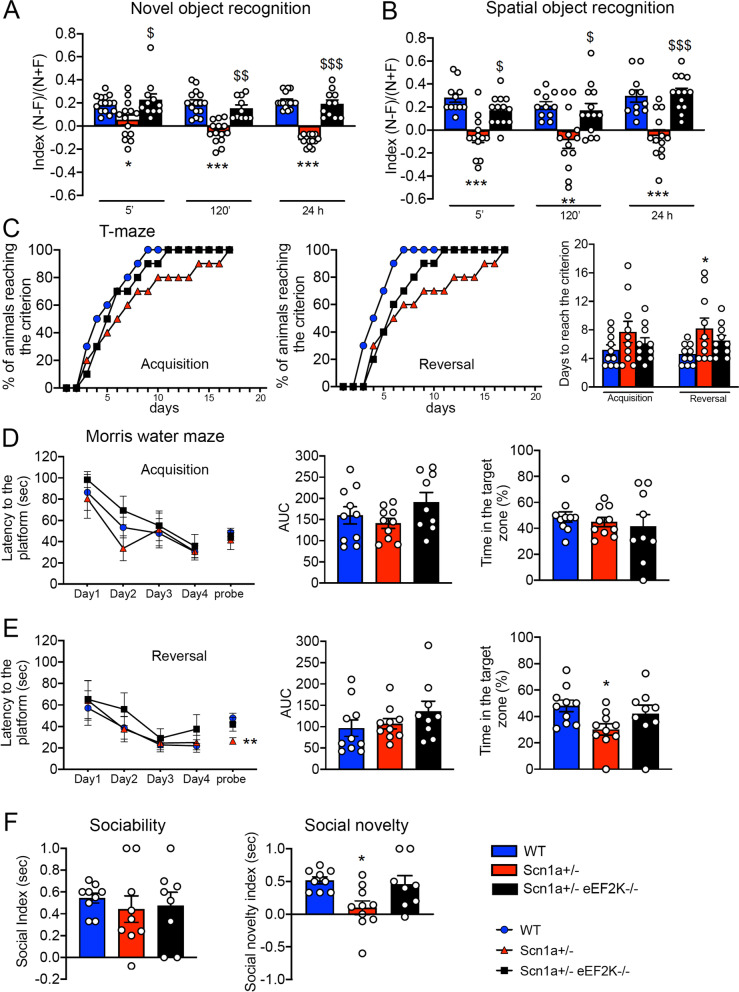
“(D) Scn1a+/- mice display normal Morris water maze learning in the acquisition phase in both latency to reach the platform and in probe test.”
MethodInfluentialThe mouse brain in stereotaxic coordinates
Konsman, J.-P. (2003) · Psychoneuroendocrinology · doi:10.1016/s0306-4530(03)00088-x · Cited by 4,045
The tail suspension test: A new method for screening antidepressants in mice
Steru, L., Chermat, R., Thierry, B., & Simon, P. (1985) · Psychopharmacology · doi:10.1007/bf00428203 · Cited by 3,534 · cited 1×
“Tail suspension Tail suspension test assayed depressive-like behaviors of mice as described in [35].”
MethodThe use of a plus-maze to measure anxiety in the mouse
Lister, R. (1987) · Psychopharmacology · doi:10.1007/bf00177912 · Cited by 2,609
De Novo Mutations in the Sodium-Channel Gene SCN1A Cause Severe Myoclonic Epilepsy of Infancy
Claes, L., Del-Favero, J., Ceulemans, B., Lagae, L., Van Broeckhoven, C., & De Jonghe, P. (2001) · The American Journal of Human Genetics · doi:10.1086/320609 · Cited by 1,292
Bevins, R. A., & Besheer, J. (2006) · Nature Protocols · doi:10.1038/nprot.2006.205 · Cited by 1,277
Yu, F. H., Mantegazza, M., Westenbroek, R. E., Robbins, C. A., Kalume, F., Burton, K. A., Spain, W. J., McKnight, G. S., Scheuer, T., & Catterall, W. A. (2006) · Nature Neuroscience · doi:10.1038/nn1754 · Cited by 1,173 · cited 8×
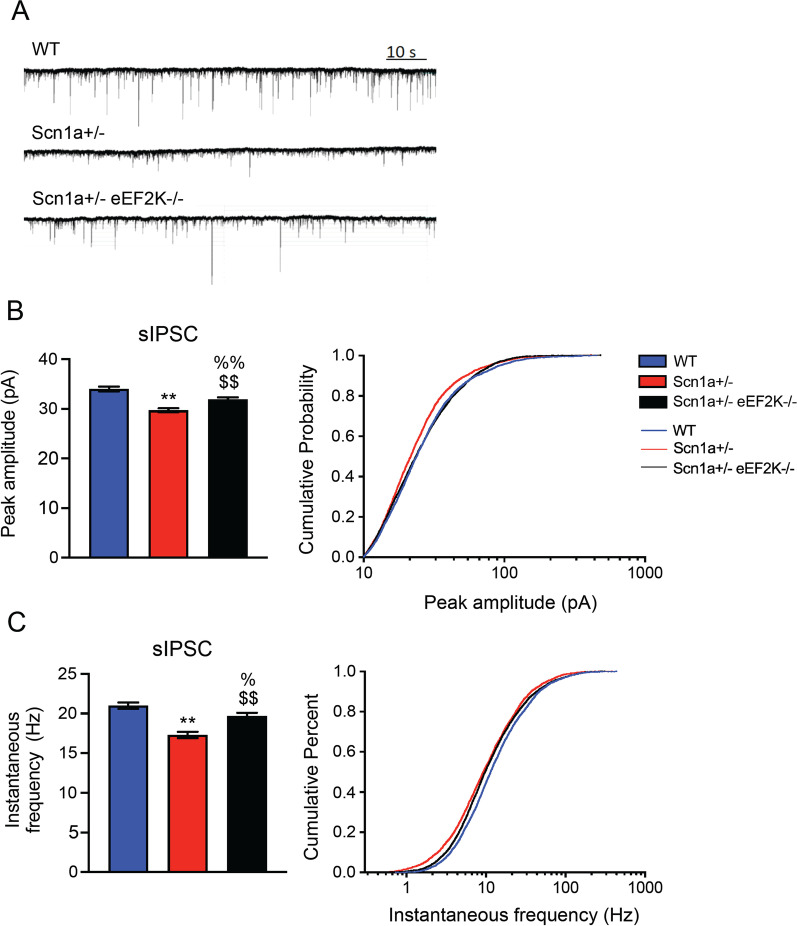
“As expected, Scn1a ± mice displayed reduced amplitude and instantaneous frequency in the recorded sIPSCs compared to WT mice [13].”
BackgroundMethodResultSelf-citationOgiwara, I., Miyamoto, H., Morita, N., Atapour, N., Mazaki, E., Inoue, I., Takeuchi, T., Itohara, S., Yanagawa, Y., Obata, K., et al. (2007) · The Journal of Neuroscience · doi:10.1523/jneurosci.5270-06.2007 · Cited by 879
Autism‐like behavioral phenotypes in BTBR T+tf/J mice
McFarlane, H. G., Kusek, G. K., Yang, M., Phoenix, J. L., Bolivar, V. J., & Crawley, J. N. (2008) · Genes, Brain and Behavior · doi:10.1111/j.1601-183x.2007.00330.x · Cited by 812 · cited 1×
“Repetitive self‐grooming Mice were assessed for spontaneous self-grooming as a measure of repetitive behavior as previously described in [32].”
MethodRegulation of elongation factor 2 kinase by p90RSK1 and p70 S6 kinase
Wang, X. (2001) · The EMBO Journal · doi:10.1093/emboj/20.16.4370 · Cited by 796
Autistic-like behaviour in Scn1a+/− mice and rescue by enhanced GABA-mediated neurotransmission
Han, S., Tai, C., Westenbroek, R. E., Yu, F. H., Cheah, C. S., Potter, G. B., Rubenstein, J. L., Scheuer, T., de la Iglesia, H. O., & Catterall, W. A. (2012) · Nature · doi:10.1038/nature11356 · Cited by 643
The core Dravet syndrome phenotype
Dravet, C. (2011) · Epilepsia · doi:10.1111/j.1528-1167.2011.02994.x · Cited by 627
Digging and marble burying in mice: simple methods for in vivo identification of biological impacts
Deacon, R. M. J. (2006) · Nature Protocols · doi:10.1038/nprot.2006.20 · Cited by 508
Regulation of peptide‐chain elongation in mammalian cells
Browne, G. J., & Proud, C. G. (2002) · European Journal of Biochemistry · doi:10.1046/j.1432-1033.2002.03290.x · Cited by 468
Phosphorylation of elongation factor 2 by EF-2 kinase affects rate of translation
Ryazanov, A. G., Shestakova, E. A., & Natapov, P. G. (1988) · Nature · doi:10.1038/334170a0 · Cited by 454
Catterall, W. A., Kalume, F., & Oakley, J. C. (2010) · The Journal of Physiology · doi:10.1113/jphysiol.2010.187484 · Cited by 428
Assessment of Motor Balance and Coordination in Mice using the Balance Beam
Luong, T. N., Carlisle, H. J., Southwell, A., & Patterson, P. H. (2011) · Journal of Visualized Experiments · doi:10.3791/2376 · Cited by 385
Cannabidiol attenuates seizures and social deficits in a mouse model of Dravet syndrome
Kaplan, J. S., Stella, N., Catterall, W. A., & Westenbroek, R. E. (2017) · Proceedings of the National Academy of Sciences · doi:10.1073/pnas.1711351114 · Cited by 378
Sala, M., Braida, D., Lentini, D., Busnelli, M., Bulgheroni, E., Capurro, V., Finardi, A., Donzelli, A., Pattini, L., Rubino, T., et al. (2011) · Biological Psychiatry · doi:10.1016/j.biopsych.2010.12.022 · Cited by 375
Self-citationWhich GABA A Receptor Subunits Are Necessary for Tonic Inhibition in the Hippocampus?
Glykys, J., Mann, E. O., & Mody, I. (2008) · The Journal of Neuroscience · doi:10.1523/jneurosci.4751-07.2008 · Cited by 370 · cited 9×
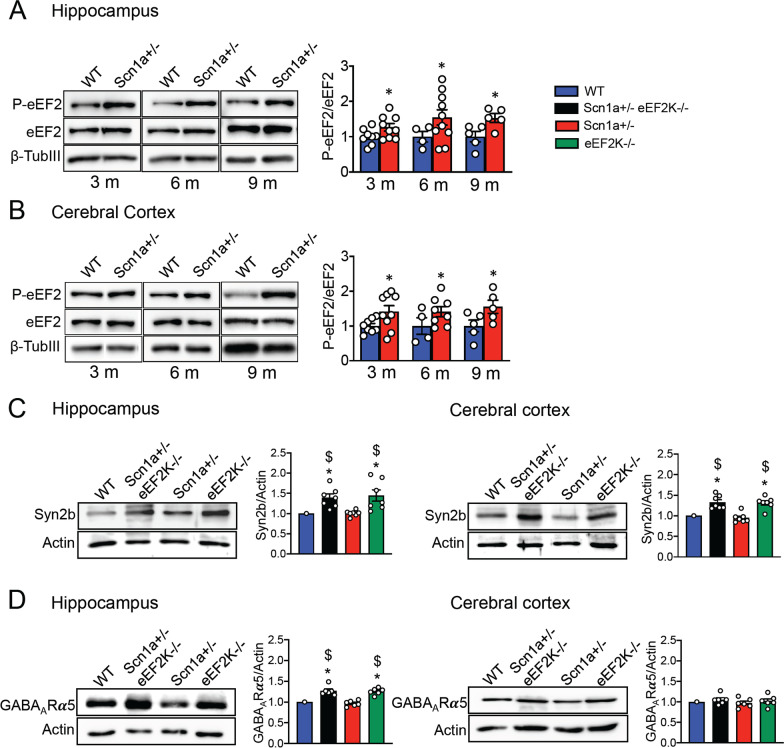
“On the contrary the expression of both Syn2b and GABAAR𝜶5 was not changed in the Scn1a+/- mice (Figure 1C and D).”
BackgroundInfluentialLi, X., Alafuzoff, I., Soininen, H., Winblad, B., & Pei, J. (2005) · The FEBS Journal · doi:10.1111/j.1742-4658.2005.04833.x · Cited by 324 · cited 1×
“High levels of P-eEF2 were reported in a mouse model of Alzheimer’s disease [47] and in brain samples of patients affected by Alzheimer’s disease [47, 53] as a consequence of the pathological activation of AMPK followed by the activation of eEF2K [51].”
BackgroundSevere myoclonic epilepsy in infancy: Dravet syndrome.
Dravet, C., Bureau, M., Oguni, H., Fukuyama, Y., & Çokar, Ö. (2005) · PubMed · Cited by 319
The genetics of Dravet syndrome
Marini, C., Scheffer, I. E., Nabbout, R., Suls, A., De Jonghe, P., Zara, F., & Guerrini, R. (2011) · Epilepsia · doi:10.1111/j.1528-1167.2011.02997.x · Cited by 273
Tai, C., Abe, Y., Westenbroek, R. E., Scheuer, T., & Catterall, W. A. (2014) · Proceedings of the National Academy of Sciences · doi:10.1073/pnas.1411131111 · Cited by 270
Dravet syndrome: The long‐term outcome
Genton, P., Velizarova, R., & Dravet, C. (2011) · Epilepsia · doi:10.1111/j.1528-1167.2011.03001.x · Cited by 266
Noebels, J. (2011) · Epilepsia · doi:10.1111/j.1528-1167.2010.02909.x · Cited by 263
Kalume, F., Yu, F. H., Westenbroek, R. E., Scheuer, T., & Catterall, W. A. (2007) · The Journal of Neuroscience · doi:10.1523/jneurosci.2162-07.2007 · Cited by 261
Temperature- and age-dependent seizures in a mouse model of severe myoclonic epilepsy in infancy
Oakley, J. C., Kalume, F., Yu, F. H., Scheuer, T., & Catterall, W. A. (2009) · Proceedings of the National Academy of Sciences · doi:10.1073/pnas.0813330106 · Cited by 239
Multiple and Plastic Receptors Mediate Tonic GABAAReceptor Currents in the Hippocampus
Scimemi, A., Semyanov, A., Sperk, G., Kullmann, D. M., & Walker, M. C. (2005) · The Journal of Neuroscience · doi:10.1523/jneurosci.2520-05.2005 · Cited by 230
Mantegazza, M., Gambardella, A., Rusconi, R., Schiavon, E., Annesi, F., Cassulini, R. R., Labate, A., Carrideo, S., Chifari, R., Canevini, M. P., et al. (2005) · Proceedings of the National Academy of Sciences · doi:10.1073/pnas.0506818102 · Cited by 198
Self-citationThe role of eukaryotic elongation factor 2 kinase in rapid antidepressant action of ketamine
Monteggia, L. M., Gideons, E., & Kavalali, E. T. (2013) · Biological Psychiatry · doi:10.1016/j.biopsych.2012.09.006 · Cited by 198
Sodium Channels, Inherited Epilepsy, and Antiepileptic Drugs
Catterall, W. A. (2014) · Annual Review of Pharmacology and Toxicology · doi:10.1146/annurev-pharmtox-011112-140232 · Cited by 191
Ma, T., Chen, Y., Vingtdeux, V., Zhao, H., Viollet, B., Marambaud, P., & Klann, E. (2014) · The Journal of Neuroscience · doi:10.1523/jneurosci.1694-14.2014 · Cited by 191 · cited 3×
“High levels of phosphorylated eEF2 have been described in Alzheimer disease [51, 52], Parkinson disease [48] and genetic”
BackgroundDRAVET, C. (2011) · Developmental Medicine & Child Neurology · doi:10.1111/j.1469-8749.2011.03964.x · Cited by 164
Hedrich, U. B. S., Liautard, C., Kirschenbaum, D., Pofahl, M., Lavigne, J., Liu, Y., Theiss, S., Slotta, J., Escayg, A., Dihné, M., et al. (2014) · The Journal of Neuroscience · doi:10.1523/jneurosci.0721-14.2014 · Cited by 164 · cited 2×
“eEF2K deletion enhances GABAergic transmission in Scn1a ± mice A hyperexcitable neuronal network is one of the major causes of the epileptic seizures in Dravet syndrome [23, 45].”
BackgroundSelf-citationSevere myoclonic epilepsy of infancy (Dravet syndrome): Recognition and diagnosis in adults
Jansen, F. E., Sadleir, L. G., Harkin, L. A., Vadlamudi, L., McMahon, J. M., Mulley, J. C., Scheffer, I. E., & Berkovic, S. F. (2006) · Neurology · doi:10.1212/01.wnl.0000249312.73155.7d · Cited by 157
Elongation factor‐2 kinase and its newly discovered relatives
Ryazanov, A. G. (2002) · FEBS Letters · doi:10.1016/s0014-5793(02)02299-8 · Cited by 151
Role of the mTOR signaling pathway in epilepsy
Meng, X., Yu, J., Song, J., Chi, S., & Tan, L. (2013) · Journal of the Neurological Sciences · doi:10.1016/j.jns.2013.05.029 · Cited by 139
Dissecting the phenotypes of Dravet syndrome by gene deletion
Rubinstein, M., Han, S., Tai, C., Westenbroek, R. E., Hunker, A., Scheuer, T., & Catterall, W. A. (2015) · Brain · doi:10.1093/brain/awv142 · Cited by 138
Sodium channelopathies of skeletal muscle and brain
Mantegazza, M., Cestèle, S., & Catterall, W. A. (2021) · Physiological Reviews · doi:10.1152/physrev.00025.2020 · Cited by 133
Self-citationTargeting PI3K-AKT/mTOR signaling in the prevention of autism
Sharma, A., & Mehan, S. (2021) · Neurochemistry International · doi:10.1016/j.neuint.2021.105067 · Cited by 129
Rial, D., Castro, A. A., Machado, N., Garção, P., Gonçalves, F. Q., Silva, H. B., Tomé, Â. R., Köfalvi, A., Corti, O., Raisman-Vozari, R., et al. (2014) · PLoS ONE · doi:10.1371/journal.pone.0114216 · Cited by 122
Liu, R., & Proud, C. G. (2016) · Acta Pharmacologica Sinica · doi:10.1038/aps.2015.123 · Cited by 117 · cited 1×
“Despite eEF2k is an ubiquitous and conserved protein, it has only one substrate [65] and its deletion in WT mice caused only minor impairments suggesting that inhibiting its function should not elicit serious side effects.”
BackgroundGenetic reduction of eEF2 kinase alleviates pathophysiology in Alzheimer’s disease model mice
Beckelman, B. C., Yang, W., Kasica, N. P., Zimmermann, H. R., Zhou, X., Keene, C. D., Ryazanov, A. G., & Ma, T. (2019) · Journal of Clinical Investigation · doi:10.1172/jci122954 · Cited by 113
Bender, A. C., Morse, R. P., Scott, R. C., Holmes, G. L., & Lenck-Santini, P.-P. (2012) · Epilepsy & Behavior · doi:10.1016/j.yebeh.2011.11.022 · Cited by 112
Medrihan, L., Cesca, F., Raimondi, A., Lignani, G., Baldelli, P., & Benfenati, F. (2013) · Nature Communications · doi:10.1038/ncomms2515 · Cited by 101
Heise, C., Gardoni, F., Culotta, L., di Luca, M., Verpelli, C., & Sala, C. (2014) · Frontiers in Cellular Neuroscience · doi:10.3389/fncel.2014.00035 · Cited by 99
Self-citationTau Reduction Prevents Key Features of Autism in Mouse Models
Tai, C., Chang, C.-W., Yu, G.-Q., Lopez, I., Yu, X., Wang, X., Guo, W., & Mucke, L. (2020) · Neuron · doi:10.1016/j.neuron.2020.01.038 · Cited by 96 · cited 2×
“Moreover, alteration of the Akt signaling has been also recently described in the Scn1a ± mice [44].”
BackgroundTherapeutic role of targeting mTOR signaling and neuroinflammation in epilepsy
Hodges, S. L., & Lugo, J. N. (2020) · Epilepsy Research · doi:10.1016/j.eplepsyres.2020.106282 · Cited by 84
eEF2K inhibition blocks Aβ42 neurotoxicity by promoting an NRF2 antioxidant response
Jan, A., Jansonius, B., Delaidelli, A., Somasekharan, S. P., Bhanshali, F., Vandal, M., Negri, G. L., Moerman, D. G., Mackenzie, I. R., Calon, F., et al. (2016) · Acta Neuropathologica · doi:10.1007/s00401-016-1634-1 · Cited by 82
Comparative study of behavioural tests in the SOD1G93A mouse model of amyotrophic lateral sclerosis
OLIVÁN, S., CALVO, A. C., RANDO, A., MUÑOZ, M. J., ZARAGOZA, P., & OSTA, R. (2015) · Experimental Animals · doi:10.1538/expanim.14-0077 · Cited by 80
Suppression of Akt-mTOR pathway rescued the social behavior in Cntnap2-deficient mice
Xing, X., Zhang, J., Wu, K., Cao, B., Li, X., Jiang, F., Hu, Z., Xia, K., & Li, J. (2019) · Scientific Reports · doi:10.1038/s41598-019-39434-5 · Cited by 80
Hippocampal hyperexcitability and specific epileptiform activity in a mouse model of Dravet syndrome
Liautard, C., Scalmani, P., Carriero, G., de Curtis, M., Franceschetti, S., & Mantegazza, M. (2013) · Epilepsia · doi:10.1111/epi.12213 · Cited by 76
Self-citationJan, A., Jansonius, B., Delaidelli, A., Bhanshali, F., An, Y. A., Ferreira, N., Smits, L. M., Negri, G. L., Schwamborn, J. C., Jensen, P. H., et al. (2018) · Acta Neuropathologica Communications · doi:10.1186/s40478-018-0554-9 · Cited by 73
Kenney, J. W., Adoff, M. D., Wilkinson, D. S., & Gould, T. J. (2011) · Psychopharmacology · doi:10.1007/s00213-011-2283-7 · Cited by 67 · cited 1×
“Spatial object recognition test Spatial object recognition test was performed in an arena according to [37], with minor modifications that consisted in an opaque white plexiglass cage (58 × 50 × 43 cm) that was dimly lit from above (27 lx) and two visual cues were placed above two adjacent walls.”
MethodPereira, A. R. S., Duprat, F., Pousinha, P. A., Loucif, A., Douchamps, V., Regondi, M. C., Ayrault, M., Eugie, M., Stunault, M. I., Escayg, A., et al. (2019) · Neurobiology of Disease · doi:10.1016/j.nbd.2019.01.006 · Cited by 65
Self-citationCognitive development in children with Dravet syndrome
Ragona, F. (2011) · Epilepsia · doi:10.1111/j.1528-1167.2011.03000.x · Cited by 64
Germline Quality Control: eEF2K Stands Guard to Eliminate Defective Oocytes
Chu, H.-P., Liao, Y., Novak, J. S., Hu, Z., Merkin, J. J., Shymkiv, Y., Braeckman, B. P., Dorovkov, M. V., Nguyen, A., Clifford, P. M., et al. (2014) · Developmental Cell · doi:10.1016/j.devcel.2014.01.027 · Cited by 64
Heise, C., Taha, E., Murru, L., Ponzoni, L., Cattaneo, A., Guarnieri, F. C., Montani, C., Mossa, A., Vezzoli, E., Ippolito, G., et al. (2016) · Cerebral Cortex · doi:10.1093/cercor/bhw075 · Cited by 62 · cited 12×
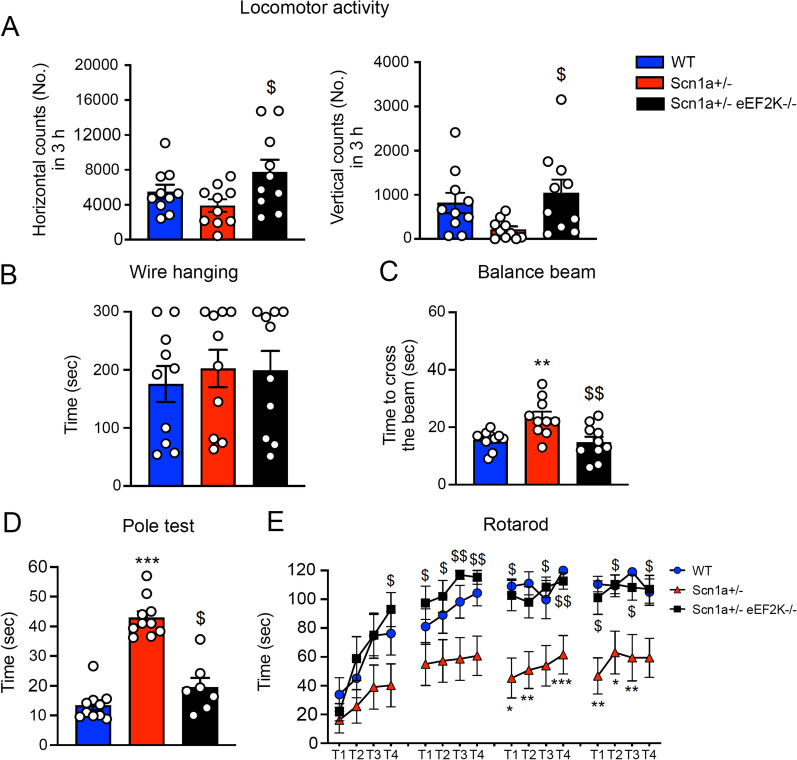
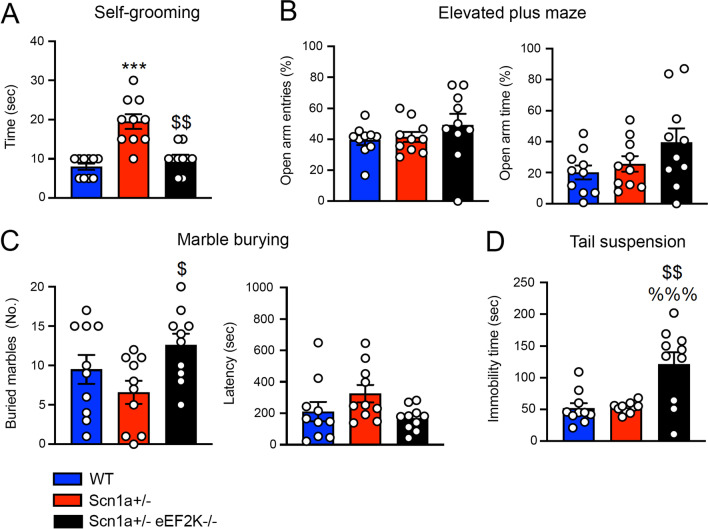
“…the three genotypes nor in the elevated plus maze nor in the marble burying test demonstrating that eEF2K deletion did not affect anxiety-like behavior (Figure 5B and C), as also previously demonstrated by Heise et al. (2017) where eEF2K-/- mice behave like WT when tested for anxiety-like behavior.”
BackgroundResultSelf-citationBraida, D., & Sala, M. (2000) · Neuroreport · doi:10.1097/00001756-200006260-00044 · Cited by 60
Self-citationeEF2/eEF2K Pathway in the Mature Dentate Gyrus Determines Neurogenesis Level and Cognition
Taha, E., Patil, S., Barrera, I., Panov, J., Khamaisy, M., Proud, C. G., Bramham, C. R., & Rosenblum, K. (2020) · Current Biology · doi:10.1016/j.cub.2020.06.061 · Cited by 57
Efficient Object Recognition Using Boundary Representation and Wavelet Neural Network
Pan, H., & Liang-zheng, X. (2008) · IEEE Transactions on Neural Networks · doi:10.1109/tnn.2008.2006331 · Cited by 52
Kang, S. K., Hawkins, N. A., & Kearney, J. A. (2019) · Epilepsia Open · doi:10.1002/epi4.12287 · Cited by 50
Expression of mutant β2 nicotinic receptors during development is crucial for epileptogenesis
Manfredi, I., Zani, A. D., Rampoldi, L., Pegorini, S., Bernascone, I., Moretti, M., Gotti, C., Croci, L., Consalez, G. G., Ferini-Strambi, L., et al. (2009) · Human Molecular Genetics · doi:10.1093/hmg/ddp004 · Cited by 43
Self-citationRepression of eEF2 kinase improves deficits in novel object recognition memory in aged mice
Gosrani, S. P., Jester, H. M., Zhou, X., Ryazanov, A. G., & Ma, T. (2020) · Neurobiology of Aging · doi:10.1016/j.neurobiolaging.2020.07.016 · Cited by 43
Developmental impaired Akt signaling in the Shank1 and Shank3 double knock-out mice
Mossa, A., Pagano, J., Ponzoni, L., Tozzi, A., Vezzoli, E., Sciaccaluga, M., Costa, C., Beretta, S., Francolini, M., Sala, M., et al. (2021) · Molecular Psychiatry · doi:10.1038/s41380-020-00979-x · Cited by 39
Self-citationBender, A. C., Luikart, B. W., & Lenck‐Santini, P. (2016) · PLoS ONE · doi:10.1371/journal.pone.0151538 · Cited by 34
Adolescent behavioral abnormalities in a Scn1a+/− mouse model of Dravet syndrome
Bahceci, D., Anderson, L. L., Brown, C., Zhou, C., & Arnold, J. C. (2019) · Epilepsy & Behavior · doi:10.1016/j.yebeh.2019.106842 · Cited by 33
Zhang, H., Zhang, S., Zhang, Q., Liu, M., He, X., Zou, Z., Sun, H., You, Z., & Xue-yin, S. (2013) · CNS Neuroscience & Therapeutics · doi:10.1111/cns.12088 · Cited by 23
Beretta, S., Gritti, L., Verpelli, C., & Sala, C. (2020) · Neuroscience · doi:10.1016/j.neuroscience.2020.02.015 · Cited by 22
Self-citationZerimech, S., Chever, O., Scalmani, P., Pizzamiglio, L., Duprat, F., & Mantegazza, M. (2020) · Neuropharmacology · doi:10.1016/j.neuropharm.2020.107951 · Cited by 20
Self-citation(2011) · Developmental Medicine & Child Neurology · doi:10.1111/j.1469-8749.2011.04111.x · Cited by 8
Kodama, T., Okada, M., & Yamawaki, H. (2019) · Journal of Veterinary Medical Science · doi:10.1292/jvms.19-0425 · Cited by 6
Cited by
Zhao, Y., Chang, Y., Ren, H.-R., Lou, M., Jiang, F., Wang, J.-X., Chen, M., Liu, S., Shi, Y.-S., Zhu, H., et al. (2024) · Journal of Agricultural and Food Chemistry · doi:10.1021/acs.jafc.3c07752 · Cited by 68
Altered motor learning and coordination in mouse models of autism spectrum disorder
Cording, K. R., & Bateup, H. S. (2023) · Frontiers in Cellular Neuroscience · doi:10.3389/fncel.2023.1270489 · Cited by 53
Dysregulated proteostasis network in neuronal diseases
Tseng, C.-S., Chao, Y.-W., Liu, Y.-H., Huang, Y., & Chao, H. (2023) · Frontiers in Cell and Developmental Biology · doi:10.3389/fcell.2023.1075215 · Cited by 39
Moseley, R. L., Gregory, N. J., Smith, P. L., Allison, C. L., Cassidy, S., & Baron‐Cohen, S. (2022) · Molecular Autism · doi:10.1186/s13229-022-00522-5 · Cited by 36
Moseley, R. L., Gregory, N. J., Smith, P. L., Allison, C. L., Cassidy, S., & Baron‐Cohen, S. (2024) · Autism in Adulthood · doi:10.1089/aut.2022.0042 · Cited by 23
Metadata
- Authors
- Beretta, S., Gritti, L., Ponzoni, L., Scalmani, P., Mantegazza, M., Sala, M., Verpelli, C., & Sala, C.
- Affiliations
- National Research Council (IT)
- Fondazione IRCCS Istituto Neurologico Carlo Besta (IT)
- Centre National de la Recherche Scientifique (FR)
- Corresponding author
- Verpelli, Chiara
- Sala, Carlo
- ORCID
- Venue
- Molecular Autism
- Published
- 2022-01-03
- Volume
- 13
- Issue
- 1
- Pages
- 1-1
- ISSN
- 2040-2392 (ISSN-L)
- PMC
- PMC8722032
- OpenAlex
- W4220694972
- Cited by
- 18
- References
- 73
- Citations by year
- 2026: 5 · 2025: 4 · 2024: 1 · 2023: 7 · 2022: 1
- FWCI
- 2.12
- Type
- journal article
- Language
- en
- Open access
- gold
- doi.org
- Licence
- cc-by
- creativecommons.org/licenses/by/4.0 (tdm)
- creativecommons.org/licenses/by/4.0 (vor)
- Locations
- Molecular Autism (publishedVersion, cc-by)
- bioRxiv (Cold Spring Harbor Laboratory) (acceptedVersion)
- Research Square (acceptedVersion, cc-by)
- PubMed Central (publishedVersion, cc-by)
- PubMed (publishedVersion)
- DOAJ (DOAJ: Directory of Open Access Journals) (submittedVersion, cc-by-sa)
- Funders
- fondazione telethon (GGP17176, GGP16131)
- fondation jérôme lejeune (project #1638, Project #1938)
- regione lombardia (NeOn" POR-FESR 2014-2020)
- Topics
- Health Sciences › Medicine › Clinical Neurology › Epilepsy research and treatment
- Life Sciences › Biochemistry, Genetics and Molecular Biology › Genetics › Genetics and Neurodevelopmental Disorders
- Life Sciences › Biochemistry, Genetics and Molecular Biology › Molecular Biology › Ion channel regulation and function
- Keywords
- Dravet syndrome, eEF2K, SCN1A, Nav1.1 sodium channel, epilepsy, GABAergic synapses, inhibitory postsynaptic currents, tonic inhibition, motor coordination, memory impairment, stereotypy, seizure susceptibility, mouse model
- MeSH terms
- Epileptic Syndromes, Animals, Disease Models, Animal, Epilepsy, Epilepsies, Myoclonic, Mice, Inbred C57BL, Spasms, Infantile, Mice, Elongation Factor 2 Kinase, NAV1.1 Voltage-Gated Sodium Channel
About these checks
Registry, retraction, Cites and statistics results are computed, not judged, with one exception: a printed reference that no index lists is read once by a model before it counts as a citation error. Claims are extracted by a model and kept only when their quote appears verbatim in the text; each cited source is then checked, with a model’s help, for whether it says what the claim relies on. Those verdicts can be wrong — read the claim’s quote and the cited source before relying on one.
Statistics and arithmetic are recomputed, not judged.
Confidence bands are shown only for fields calibrated on our annotated test set. None is calibrated yet, so no band is shown.
What counts as a claim ›How we measure confidence ›How we check this ›
Are you an author, or do you see a problem with this page? Request a review
Data sources
Bibliographic data: Semantic Scholar, OpenAlex, Crossref.
Contains information from the Semantic Scholar Academic Graph Datasets, made available under the ODC Attribution License (ODC-BY 1.0).
Semantic Scholar’s data is described in: Kinney, R., et al. (2023). The Semantic Scholar Open Data Platform. arXiv:2301.10140.
