

The DOI matches its Crossref record; 59 of the 59 references it cites were found in a registry or an index.
Osteogenesis and aging: lessons from mesenchymal stem cells
Open accessAbstract
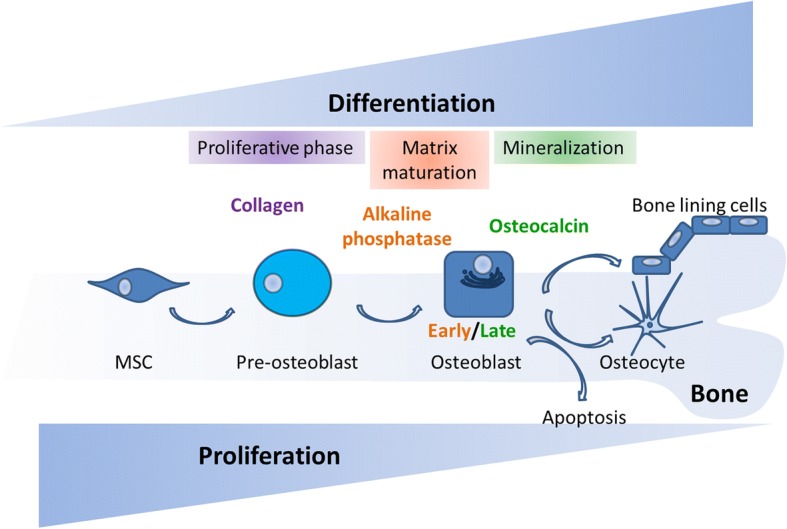
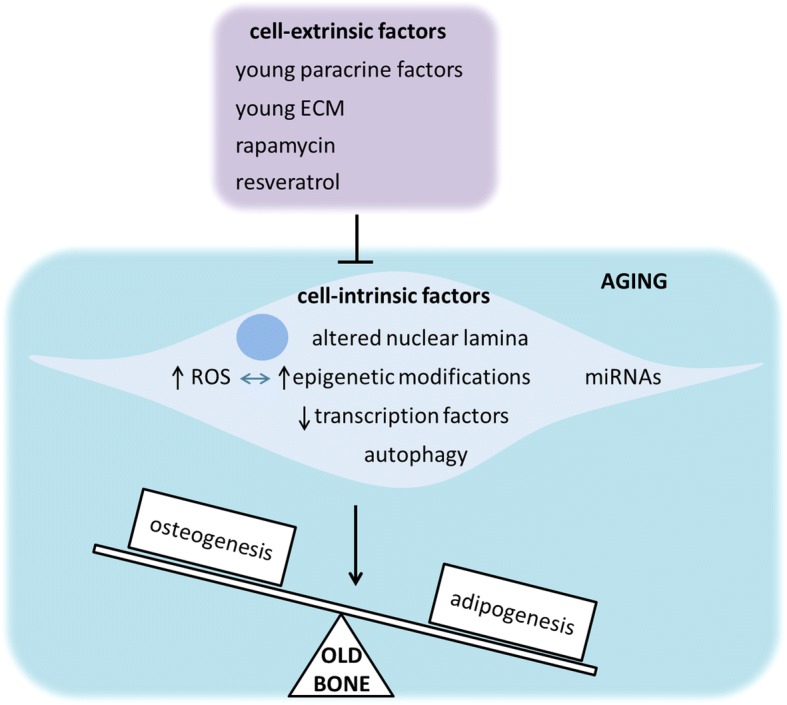
Aging is a high risk factor for the development of osteoporosis, a multifactorial age-related progressive disease characterized by reduced bone mass and increased risk of fractures. At the cellular level, the mesenchymal stem cell pool in the bone marrow niche shows a biased differentiation into adipogenesis at the cost of osteogenesis. This differentiation shift leads to decreased bone formation, contributing to the etiology of osteoporosis. This review will focus on the most recent/relevant molecular findings driving this functional impairment of mesenchymal stem cells in the aging process.
Overview
The claims and statistics of this paper haven’t been checked yet.
Run the check — free, no account needed. It reads the open-access text and checks the sources it cites.
Integrity signals
Registry
Cites
Statistics
Figures
Verification
Claims the paper makes
The claims and statistics of this paper haven’t been checked yet.
Run the check — free, no account needed. It reads the open-access text and checks the sources it cites.
Claims other papers make about this one
Each is checked against this paper’s own text: does it say what the citing paper says it does?
In the citing paper
“Bone ageing is major risk factor for primary osteoporosis, an age-related disease characterised by altered bone metabolism that suppresses bone formation and promotes bone resorption, 91 impairing bone homoeostasis.92”
From The costs and benefits of senotherapeutics for human health (2022) · cites this paper as [92]
Self-check
Percentages, sums and reported differences re-computed from the paper’s own numbers.
The self-check needs the paper’s full text.
Citations
Cites
López-Otín, C., Blasco, M. A., Partridge, L., Serrano, M., & Kroemer, G. (2013) · Cell · doi:10.1016/j.cell.2013.05.039 · Cited by 14,982
Stöckl, S., Göttl, C., Grifka, J. K., & Grässel, S. (2013) · Cellular Physiology and Biochemistry · doi:10.1159/000350089 · Cited by 4,670
Mechanisms of fatty acid-induced inhibition of glucose uptake.
Boden, G., Chen, X., Ruiz, J., White, J. V., & Rossetti, L. (1994) · Journal of Clinical Investigation · doi:10.1172/jci117252 · Cited by 3,720
Nakashima, K., Zhou, X., Kunkel, G., Zhang, Z., Deng, J. M., Behringer, R. R., & de Crombrugghe, B. (2002) · Cell · doi:10.1016/s0092-8674(01)00622-5 · Cited by 3,608
Manolagas, S. C. (2000) · Endocrine Reviews · doi:10.1210/edrv.21.2.0395 · Cited by 2,639
Mesenchymal stem cells reside in virtually all post-natal organs and tissues
Meirelles, L. D. S., Chagastelles, P. C., & Nardi, N. B. (2006) · Journal of Cell Science · doi:10.1242/jcs.02932 · Cited by 2,472
Bonewald, L. F. (2011) · Journal of Bone and Mineral Research · doi:10.1002/jbmr.320 · Cited by 2,287
Stenderup, K. (2003) · Bone · doi:10.1016/j.bone.2003.07.005 · Cited by 1,207
PPARγ: a Nuclear Regulator of Metabolism, Differentiation, and Cell Growth
Rosen, E. D., & Spiegelman, B. M. (2001) · Journal of Biological Chemistry · doi:10.1074/jbc.r100034200 · Cited by 1,178
Fate decision of mesenchymal stem cells: adipocytes or osteoblasts?
Chen, Q., Shou, P., Zheng, C., Jiang, M., Cao, G., Yang, Q., Cao, J., Xie, N., Velletri, T., Zhang, X., et al. (2016) · Cell Death & Differentiation · doi:10.1038/cdd.2015.168 · Cited by 1,156
Cited by
Sorted by citations
Items 101–200 of 336
Soleymani, H., Moghaddam, M. M., Naderi‐Manesh, H., & Taheri, R. A. (2024) · Scientific Reports · doi:10.1038/s41598-024-76957-y · Cited by 19
Quercetin regulates ERα mediated differentiation of BMSCs through circular RNA
Li, X., Chen, R., Lei, X., Wang, P., Zhu, X., Zhang, R., & Yang, L. (2020) · Gene · doi:10.1016/j.gene.2020.145172 · Cited by 19
Hyväri, L., Vanhatupa, S., Halonen, H. T., Kääriäinen, M., & Miettinen, S. (2020) · Stem Cells International · doi:10.1155/2020/8853541 · Cited by 18
Yun, H., Kim, B., Jeong, Y. H., Hong, J. T., & Park, K. (2022) · BioFactors · doi:10.1002/biof.1878 · Cited by 17
Gambari, L., Grigolo, B., Filardo, G., & Grassi, F. (2020) · Biomedicine & Pharmacotherapy · doi:10.1016/j.biopha.2020.110344 · Cited by 17
Regulatory cellular and molecular networks in the bone microenvironment during aging
Zhang, L., Wang, Z., Zhang, Y., Ji, R., Li, Z., Zou, J., & Gao, B. (2024) · Life Medicine · doi:10.1093/lifemedi/lnae019 · Cited by 19
Biomechanical Basis for Bone Healing and Osseointegration of Implants in Sinus Grafts
Stacchi, C., Coyac, B. R., & Helms, J. A. (2024) · Clinical Implant Dentistry and Related Research · doi:10.1111/cid.13424 · Cited by 17
Wu, H., Zhang, Q., Zhu, J., Wu, L., Xiao, Y., & Yang, X. (2025) · Bioactive Materials · doi:10.1016/j.bioactmat.2025.09.002 · Cited by 18
Consumption of Phytoestrogens Affects Bone Health by Regulating Estrogen Metabolism
Tomczyk‐Warunek, A., Winiarska‐Mieczan, A., Blicharski, T., Blicharski, R., Kowal, F., Pano, I. T., Tomaszewska, E., & Muszyński, S. (2024) · Journal of Nutrition · doi:10.1016/j.tjnut.2024.05.026 · Cited by 17
Effects of physical exercise on the prevention of stem cells senescence
Valenti, M. T., Carbonare, L. D., Dorelli, G., & Mottes, M. (2019) · Stem Cell Reviews and Reports · doi:10.1007/s12015-019-09928-w · Cited by 15
Park, K.-R., Lee, J. Y., Cho, M., Hong, J. T., & Yun, H. (2021) · International Journal of Molecular Sciences · doi:10.3390/ijms22136899 · Cited by 14
Targeted delivery of liposomal senolytics to alleviate cellular senescence-induced bone loss
Li, R., Wei, Y., Xiong, C., Wang, J., Lin, Y., Deng, R., Qin, H., Yang, C., Li, N., Zheng, G., et al. (2024) · Fundamental Research · doi:10.1016/j.fmre.2024.12.010 · Cited by 17
Zhang, W., Xie, Y., & Wang, B. (2025) · Stem Cell Research & Therapy · doi:10.1186/s13287-025-04874-6 · Cited by 14
Beeren, I. A. O., Dijkstra, P. J., Lourenço, A. F. H., Sinha, R., Gomes, D. B., Liu, H., Bouvy, N. D., Baker, M. B., Camarero‐Espinosa, S., & Moroni, L. (2022) · Biofabrication · doi:10.1088/1758-5090/aca3d4 · Cited by 14
Chen, R., Wang, J., Chen, L., Li, Z., Feng, Q., Chen, F., Hao, Z., Chen, T., Shi, G., Zhang, Q., et al. (2024) · Materials & Design · doi:10.1016/j.matdes.2024.113179 · Cited by 14
Park, K., Lee, J. Y., Kim, B., Kang, S. W., & Yun, H. (2020) · International Journal of Molecular Sciences · doi:10.3390/ijms21155332 · Cited by 15
Andronowski, J. M., & Cole, M. E. (2020) · Wiley Interdisciplinary Reviews Forensic Science · doi:10.1002/wfs2.1399 · Cited by 17
Wang, W.-Z., Wang, Y.-H., Tang, Z., Chen, Y., Liu, Z., Duan, H., Zhong, Z.-Y., & He, F. (2021) · Biochemical and Biophysical Research Communications - BBRC · doi:10.1016/j.bbrc.2021.10.033 · Cited by 10
Infante, A., & Rodríguez, C. I. (2021) · Journal of Personalized Medicine · doi:10.3390/jpm11101043 · Cited by 14
Self-citationBalbuena-Pecino, S., Montblanch, M., García-Meilán, I., Fontanillas, R., Gallardo, Á., Gutiérrez, J., Navarro, I., & Capilla, E. (2022) · Frontiers in Physiology · doi:10.3389/fphys.2022.966175 · Cited by 14
Tailor-made oligonucleotide-loaded lipid-polymer nanosystems designed for bone gene therapy
García‐García, P., Briffault, E., Landín, M., Évora, C., Díaz‐Rodríguez, P., & Delgado, A. (2021) · Drug Delivery and Translational Research · doi:10.1007/s13346-021-00926-5 · Cited by 14
Hiramoto, K., Konno, A., Nashimoto, Y., Hirano‐Iwata, A., Ino, K., & Shiku, H. (2024) · Electrochimica Acta · doi:10.1016/j.electacta.2024.144291 · Cited by 13
Paeonolide as a Novel Regulator of Core-Binding Factor Subunit Alpha-1 in Bone-Forming Cells
Park, K., Lee, J. Y., Cho, M., Hong, J. T., & Yun, H. (2021) · International Journal of Molecular Sciences · doi:10.3390/ijms22094924 · Cited by 13
Lee, H., Lee, H., Na, C., Song, I., Ryu, J., & Park, J. (2021) · Medicina · doi:10.3390/medicina57060520 · Cited by 14
HA15 alleviates bone loss in ovariectomy-induced osteoporosis by targeting HSPA5
Han, C., Xie, K., Yang, C., Zhang, F., Liang, Q., Lan, C., Chen, J., Huang, K., Liu, J., Li, K., et al. (2021) · Experimental Cell Research · doi:10.1016/j.yexcr.2021.112781 · Cited by 13
Krstić, J., Mojsilović, S. B., Mojsilović, S. S., & Santibanez, J. F. (2021) · World Journal of Stem Cells · doi:10.4252/wjsc.v13.i11.1696 · Cited by 13
Curculigoside Ameliorates Bone Loss by Influencing Mesenchymal Stem Cell Fate in Aging Mice
Wang, N., Li, Z., Li, S., Li, Y., Gao, L., Bao, X., Wang, K., Liu, C., Xue, P., & Liu, S. (2021) · Frontiers in Cell and Developmental Biology · doi:10.3389/fcell.2021.767006 · Cited by 13
Wei, J., Luo, Y., Xu, Y., & Xiao, J. (2022) · Biomedicine & Pharmacotherapy · doi:10.1016/j.biopha.2021.112605 · Cited by 13
Xiao, P., Shi, G., Lu, Z., Liu, S., Huang, C., Zhao, Y., Wang, L., Wang, Z., Zhang, H., Liu, Y., et al. (2025) · Materials Today Bio · doi:10.1016/j.mtbio.2025.102290 · Cited by 12
Feng, K., Yu, M., Lou, X., Wang, D., Wang, L., & Ren, W. (2023) · Genomics · doi:10.1016/j.ygeno.2023.110668 · Cited by 12
Hanetseder, D., Levstek, T., Teuschl, A., Frank, J. K., Schaedl, B., Redl, H. R., & Marolt, D. (2023) · Frontiers in Bioengineering and Biotechnology · doi:10.3389/fbioe.2023.1214019 · Cited by 13
Zhu, G., Guo, B., & Liang, J. (2024) · Bone · doi:10.1016/j.bone.2024.117255 · Cited by 13
Hung, C.-Y., Hsueh, T.-Y., Rethi, L., Lu, H., & Chuang, A. E.-Y. (2025) · Journal of Materials Chemistry B · doi:10.1039/d4tb01769b · Cited by 13
Effects of different physical factors on osteogenic differentiation
Peng, L., Wu, F., Cao, M., Li, M., Cui, J., Liu, L., Zhao, Y., & Yang, J. Y. (2022) · Biochimie · doi:10.1016/j.biochi.2022.10.020 · Cited by 11
Deciphering the chromatin spatial organization landscapes during BMMSC differentiation
Teng, Z., Zhu, Y., Lin, D., Hao, Q., Yue, Q., Yu, X., Sun, S., Jiang, L., & Lu, S. (2023) · Journal of genetics and genomics/Journal of Genetics and Genomics · doi:10.1016/j.jgg.2023.01.009 · Cited by 11
Zhang, X., Liu, L., Liu, X., Huang, Q., Liu, L., Liu, H., Ren, S., Wei, P., Cheng, P., Yao, M., et al. (2023) · iScience · doi:10.1016/j.isci.2023.106221 · Cited by 11
King, J. L., Shrivastava, R., Shah, P. D., Maturavongsadit, P., & Benhabbour, S. R. (2023) · Pharmaceutics · doi:10.3390/pharmaceutics15092270 · Cited by 11
Wei, F., Hughes, M., Omer, M., Ngo, C., Pugazhendhi, A. S., Kolanthai, E., Aceto, M., Ghattas, Y. S., Razavi, M., Kean, T. J., et al. (2024) · Advanced Science · doi:10.1002/advs.202308698 · Cited by 11
Osteoking inhibits apoptosis of BMSCs in osteoporotic rats via PI3K/AKT signaling pathway
Huang, G., Yin, W., Zhao, X., Xu, M., Wang, P., Li, R., Zhou, L., Tang, W., & Jiao, J. (2024) · Journal of Ethnopharmacology · doi:10.1016/j.jep.2024.118961 · Cited by 12
Souza, A. T. P., Freitas, G. P., Lopes, H. B., Totoli, G. G. C., Tarone, A. G., Maróstica, M. R., Rosa, A. L., & Beloti, M. M. (2020) · Journal of Bone and Mineral Metabolism · doi:10.1007/s00774-020-01152-8 · Cited by 11
Cole, M. E., Stout, S. D., Dominguez, V. M., & Agnew, A. M. (2022) · American Journal of Biological Anthropology · doi:10.1002/ajpa.24618 · Cited by 11
Andronowski, J. M., Cole, M. E., Davis, R. A., Tubo, G. R., Taylor, J. T., & Cooper, D. M. L. (2022) · The Anatomical Record · doi:10.1002/ar.25089 · Cited by 12
Dubon, M. J., Lee, S., Park, J., Lee, J., & Kang, D. (2021) · International Journal of Medical Sciences · doi:10.7150/ijms.53650 · Cited by 11
Yun, H., Kim, E., Kwon, Y.-J., & Park, K. (2024) · Pharmaceutics · doi:10.3390/pharmaceutics16040485 · Cited by 10
Mei, H., Li, X., Wu, Y., Feng, Q., Li, Z., Chen, J., Zhou, Y., Guo, Y., Xie, B., Quan, S., et al. (2022) · Cellular Signalling · doi:10.1016/j.cellsig.2022.110394 · Cited by 10
Lazăr, L., Manu, D. R., Dakó, T., Mârțu, M.-A., Suciu, M., Ormenișan, A., Păcurar, M., & Lazăr, A. P. (2022) · Diagnostics · doi:10.3390/diagnostics12102358 · Cited by 10
Mavinga, M., Palmier, M., Rémy, M., Jeannière, C., Lenoir, S., Rey, S., Saint-Marc, M., Alonso, F., Genot, E. M., Thébaud, N., et al. (2022) · Cells · doi:10.3390/cells11244098 · Cited by 10
Tompkins, Y. H., Liu, G., & Kim, W. K. (2023) · Frontiers in Physiology · doi:10.3389/fphys.2023.1124355 · Cited by 10
Sattar, M. A., Lingens, L. F., Guillaume, V. G. J., Götzl, R., Beier, J. P., & Ruhl, T. (2024) · Current Issues in Molecular Biology · doi:10.3390/cimb46020092 · Cited by 10
Paolella, F., Gabusi, E., Manferdini, C., Schiavinato, A., & Lisignoli, G. (2019) · Journal of Biomedical Materials Research Part A · doi:10.1002/jbm.a.36780 · Cited by 10
Global and local fat effects on bone mass and quality in obesity
Dai, X., Liu, B., Hou, Q., Dai, Q.-J., Wang, D., Xie, B., Sun, Y., & Wang, B. (2023) · Bone & Joint Research · doi:10.1302/2046-3758.129.bjr-2023-0102.r1 · Cited by 8
Osteoimmunology: Interactions With the Immune System in Spinal Fusion
Bergin, S. M., Crutcher, C. L., Keeler, C., Rocos, B., Haglund, M. M., Guo, H. M., Gottfried, O. N., Richardson, W. J., & Than, K. D. (2023) · The International Journal of Spine Surgery · doi:10.14444/8556 · Cited by 9
Zhang, R., Huang, L., Jin, M., Kou, H., Ma, J., Zhang, W., & Ma, J. (2025) · Stem Cell Research & Therapy · doi:10.1186/s13287-025-04836-y · Cited by 11
Yang, Y., Luo, H., Deng, Y., Yao, X., Zhang, J., Su, Y., & He, B. (2022) · The International Journal of Biochemistry & Cell Biology · doi:10.1016/j.biocel.2022.106341 · Cited by 9
Martynenko, N. S., Anisimova, N. Y., Rybalchenko, G. V., Rybalchenko, O. V., Serebryany, V. N., Zheleznyi, M. V., Shinkareva, M., Gorbenko, A. D., Temralieva, D. R., Lukyanova, E. A., et al. (2023) · Metals · doi:10.3390/met13081386 · Cited by 9
Effect of the Pulsed Electromagnetic Field Treatment in a Rat Model of Senile Osteoporosis In Vivo
Zhou, J., Wang, J., Qu, M., Huang, X., Yin, L., Liao, Y., Huang, F., Ning, P., Zhong, P., & Zeng, Y. (2022) · Bioelectromagnetics · doi:10.1002/bem.22423 · Cited by 9
High Concentrations of Polyelectrolyte Complex Nanoparticles Decrease Activity of Osteoclasts
Kauschke, V., Hessland, F. M., Vehlow, D., Müller, M., Heiß, C., & Lips, K. S. (2019) · Molecules · doi:10.3390/molecules24122346 · Cited by 9
Bioactive Self‐Regulated Liquified Microcompartments to Bioengineer Bone‐Like Microtissues
Pinho, A. R., Gomes, M. C., Costa, D. C. S., & Mano, J. F. (2023) · Small · doi:10.1002/smll.202305029 · Cited by 8
Apoptotic vesicles inhibit bone marrow adiposity via wnt/β-catenin signaling
Zhu, Y., Liu, Y., Yang, K., Wu, W., Cheng, Y., Ding, Y., Gu, R., Liu, H., Zhang, X., & Liu, Y. (2025) · Regenerative Therapy · doi:10.1016/j.reth.2025.03.012 · Cited by 8
Xue, H., Shen, X.-L., Wang, Z., Bi, H., Xu, H., Wu, J., Cui, R., & Liu, M.-W. (2025) · International Journal of Molecular Medicine · doi:10.3892/ijmm.2025.5601 · Cited by 11
Mendes, M. C., Martins, E. A. G., Chernozem, R. V., Chernozem, P. V., Custódio, C. A., Анатольевич, С. Р., Kholkin, A. L., Silva, A. S., & Mano, J. F. (2025) · ACS Nano · doi:10.1021/acsnano.5c10509 · Cited by 8
Cellular senescence and aging in bone
Mohan, M., Muthusami, S., Selvamurugan, N., Narasimhan, S., Kumaran, R., & Ramachandran, I. (2021) · Elsevier eBooks · doi:10.1016/b978-0-12-820071-1.00013-x · Cited by 8
Skubis-Sikora, A., Sikora, B., Małysiak, W., Wieczorek, P., & Czekaj, P. (2023) · Pharmaceuticals · doi:10.3390/ph16091236 · Cited by 8
Valenti, M. T., Mattè, A., Federti, E., Puder, M., Anez‐Bustillos, L., Deiana, M., Cheri, S., Minoia, A., Brugnara, C., Paolo, M. L. D., et al. (2021) · Antioxidants · doi:10.3390/antiox10050799 · Cited by 8
Perico, M. E., Maluta, T., Conti, G., Vella, A., Provezza, L., Cestari, T., Cao, G. D., Segalla, L., Tecchio, C., Benedetti, F. M., et al. (2021) · Cells · doi:10.3390/cells11010001 · Cited by 8
Ahmad, H. I., Ijaz, N., Afzal, G., Asif, A. R., Rehman, A. U., Rahman, A., Ahmed, I., Yousaf, M., Elokil, A., Muhammad, S. A., et al. (2022) · BioMed Research International · doi:10.1155/2022/4013729 · Cited by 7
RetractedHaghpanah, Z., Mondal, D., Momenbeitollahi, N., Mohsenkhani, S., Zarshenas, K., Jin, Y., Watson, M., Willett, T. L., & Gorbet, M. (2024) · Journal of Biomedical Materials Research Part A · doi:10.1002/jbm.a.37719 · Cited by 7
Liu, W., Abou-Elsoud, M., Salama, M., Ding, L., Cai, Z., Ahn, D. U., Shu, D., & Huang, X. (2024) · Food Bioscience · doi:10.1016/j.fbio.2024.104622 · Cited by 7
Li, M., Gong, W., Chen, J., Zhang, Y., Ma, Y., & Tu, X. (2023) · International Journal of Molecular Sciences · doi:10.3390/ijms24054421 · Cited by 9
Targeted Proteomic Profiling Revealed Roles of Small GTPases during Osteogenic Differentiation
Yang, Y., Soh, R., Vera-Colón, M. K. M., Huang, M. S., Nieden, N. I. Z., & Wang, Y. (2023) · Analytical Chemistry · doi:10.1021/acs.analchem.2c05781 · Cited by 8
Extract of Artemisia dracunculus L. Modulates Osteoblast Proliferation and Mineralization
Scott, M. C., Bourgeois, A., Yu, Y., Burk, D. H., Smith, B. J., & Floyd, Z. E. (2023) · International Journal of Molecular Sciences · doi:10.3390/ijms241713423 · Cited by 8
Anti-aging Related Activities and Health Benefits of Licochalcone A: A Review
Ara, I., Turcio, R., Islam, T., Hossain, M. S., & Hasan, M. K. (2023) · Clinical Complementary Medicine and Pharmacology · doi:10.1016/j.ccmp.2023.100125 · Cited by 10
Sistanipour, E., Meshkini, A., & Oveisi, H. (2023) · Colloids and Surfaces A Physicochemical and Engineering Aspects · doi:10.1016/j.colsurfa.2023.132947 · Cited by 7
Characterization of mesenchymal stem cells in mucolipidosis type II (I-cell disease)
Köse, S., Aerts‐Kaya, F., Kuşkonmaz, B., & Uçkan, D. (2019) · TURKISH JOURNAL OF BIOLOGY · doi:10.3906/biy-1902-20 · Cited by 7
Sordi, M. B., Curtarelli, R. B., Mantovani, I. F., Moreira, A. C., Fernandes, C. P., da Cruz, A. C. C., & Magini, R. D. S. (2021) · Clinical Oral Investigations · doi:10.1007/s00784-021-04240-9 · Cited by 7
Osteo-modulatory potential of biologically synthesized cis-resveratrol passivated gold nanoparticles
Gupta, A., Madhyastha, H., Kumar, A., & Singh, S. (2024) · International Journal of Pharmaceutics · doi:10.1016/j.ijpharm.2024.124637 · Cited by 6
Fujimori, K., Iguchi, Y., Yamashita, Y., Gohda, K., & Teno, N. (2024) · Molecules · doi:10.3390/molecules30010058 · Cited by 6
Shilajit Boosts Osteogenic Ability of Mesenchymal Stem Cells for Regeneration of Rat Bone Defect
Kangari, P., Roshangar, L., Tanideh, N., Afshari, F., Chenari, N., Talaei-Khozani, T., & Razmkhah, M. (2024) · Regenerative Engineering and Translational Medicine · doi:10.1007/s40883-023-00329-7 · Cited by 6
Yu, W., Poon, C. C., Zhou, L., Wong, K., Cao, S., Lam, C.-Y., Lee, W., & Wong, M. (2024) · Biomedicine & Pharmacotherapy · doi:10.1016/j.biopha.2024.116402 · Cited by 6
Kord-Parijaee, E., Ferdosi-Shahandashti, E., Bakhshandeh, B., & Pournajaf, A. (2024) · Tissue Engineering Part C Methods · doi:10.1089/ten.tec.2024.0169 · Cited by 6
Wang, B., Ni, J., Yu, L., Chen, S., Shang, W., Fang, P., & Wen, M. (2025) · Molecular and Cellular Endocrinology · doi:10.1016/j.mce.2025.112465 · Cited by 6
Yun, H., Kim, B., Park, J. E., & Park, K. (2022) · Cells · doi:10.3390/cells11233887 · Cited by 6
Das, D. M., Teli, P., Vaidya, A., & Kale, V. P. (2022) · Stem Cells and Development · doi:10.1089/scd.2022.0213 · Cited by 6
Amorim, S., Dudik, O., da Costa, D. S., Reis, R. L., Silva, T. H., & Pires, R. A. (2023) · ACS Biomaterials Science & Engineering · doi:10.1021/acsbiomaterials.3c00265 · Cited by 6
Liu, Y.-C., Lo, G.-J., Shyu, V. B., Tsai, C.-H., Chen, C., & Chen, C.-T. (2023) · International Journal of Molecular Sciences · doi:10.3390/ijms242417410 · Cited by 6
Osteogenic capacity of mesenchymal stem cells from patients with osteoporotic hip fractures in vivo
López-Delgado, L., del Real, Á., Sañudo, C., García‐Ibarbia, C., Laguna-Bercero, E., Menendez, G., García‐Montesinos, B., Santurtún, A., Merino, J., Pérez‐Núñez, M. I., et al. (2021) · Connective Tissue Research · doi:10.1080/03008207.2021.1894140 · Cited by 6
The circadian clock component BMAL1 regulates osteogenesis in osseointegration
Deng, S., Qi, M., Gong, P., & Tan, Z. (2022) · Frontiers in Pediatrics · doi:10.3389/fped.2022.1091296 · Cited by 5
He, E., Sui, H.-T., Wang, H., Zhao, X., Guo, W., Dai, Z., Wu, Z.-K., Huang, K., & Zhao, Q.-H. (2024) · Stem Cell Reviews and Reports · doi:10.1007/s12015-024-10709-3 · Cited by 5
Wang, H., Li, J., Qin, R., Guo, F., Wang, R., Bian, Y., Chen, H., Yuan, H., Pan, Y., Jin, J., et al. (2024) · ACS Biomaterials Science & Engineering · doi:10.1021/acsbiomaterials.4c00269 · Cited by 5
Osteoblast-Mesenchymal Stem Cell Coculture Drives In Vitro Osteogenesis in 3D Bioprinted Periosteum
McLoughlin, S. T., Wilcox, P., Caccamese, J. F., & Fisher, J. P. (2025) · Tissue Engineering Part A · doi:10.1089/ten.tea.2025.0038 · Cited by 5
Sanchez-Rubio, A., Hope, L., Barcelona‐Estaje, E., Jayawarna, V., Williams, J. M., & Manuel, S.-S. (2025) · Biomaterials Advances · doi:10.1016/j.bioadv.2025.214408 · Cited by 7
Activation of AKT1 enhances the capacity of senescent BMSCs to regulate osteoclast activation
Lu, C. G., Peng, X., Zhang, B., Qi, Y., Dou, B., Karanis, G., Gu, W., Karanis, P., & Li, K. (2025) · Molecular Medicine Reports · doi:10.3892/mmr.2025.13642 · Cited by 6
Zhou, W., Zhu, C., & Zhou, F. (2024) · Connective Tissue Research · doi:10.1080/03008207.2024.2358361 · Cited by 5
Wang, H., Tan, Q., Duan, Y., Wu, M., Bin, Z., & Li, J. (2025) · Experimental Gerontology · doi:10.1016/j.exger.2025.112786 · Cited by 5
Next‑generation sequencing of miRNAs and lncRNAs from rat femur and tibia under mechanical stress
Qiu, Y., Zhu, G., Zeng, C., Song, Y., Qian, Y., Ye, Z., Zhao, S., & Li, R. (2021) · Molecular Medicine Reports · doi:10.3892/mmr.2021.12200 · Cited by 5
Modeling Sympathetic Hyperactivity in Alzheimer’s Related Bone Loss
Culibrk, R. A., Arabiyat, A. S., DeKalb, C. A., & Hahn, M. S. (2021) · Journal of Alzheimer s Disease · doi:10.3233/jad-215007 · Cited by 5
Huang, H., Luo, H., Wei, N., Liu, M.-L., He, F., Yang, W. C., Dong, J., Yang, X., & Li, F. (2022) · Stem Cell Research & Therapy · doi:10.1186/s13287-022-02792-5 · Cited by 5
HSPB7 oppositely regulates human mesenchymal stromal cell-derived osteogenesis and adipogenesis
Zhang, S., van de Peppel, J., Koedam, M., van Leeuwen, J. P. T. M., & van der Eerden, B. C. J. (2023) · Stem Cell Research & Therapy · doi:10.1186/s13287-023-03361-0 · Cited by 5
Chromium Oxide Nanoparticle Impaired Osteogenesis and Cellular Response to Mechanical Stimulus
Chen, J., Ding, J., Wu, Y., Zhang, S., Zheng, N., Yang, J., & Xu, J. (2021) · International Journal of Nanomedicine · doi:10.2147/ijn.s317430 · Cited by 5
Camacho-Cardeñosa, M., Pulido-Escribano, V., Torrecillas-Baena, B., Quesada‐Gómez, J. M., Herrera-Martínez, A. D., Sola‐Guirado, R. R., Dorado, G., Gálvez-Moreno, M. Á., & Casado‐Díaz, A. (2024) · Journal of Clinical Medicine · doi:10.3390/jcm13195805 · Cited by 5
Metadata
- Authors
- Infante, A., & Rodríguez, C. I.
- Affiliations
- BioCruces Health research Institute (ES)
- Venue
- Stem Cell Research & Therapy
- Published
- 2018-09-26
- Volume
- 9
- Issue
- 1
- Pages
- 244-244
- ISSN
- 1757-6512 (ISSN-L)
- PMC
- PMC6158877
- OpenAlex
- W2893485895
- Cited by
- 334
- References
- 59
- Citations by year
- 2026: 28 · 2025: 45 · 2024: 54 · 2023: 54 · 2022: 53 · 2021: 49 · 2020: 35 · 2019: 15
- FWCI
- 3.65
- Type
- journal article
- Language
- en
- Open access
- gold
- doi.org
- Licence
- Locations
- Stem Cell Research & Therapy (publishedVersion, cc-by)
- Europe PMC (PubMed Central) (publishedVersion, other-oa)
- PubMed Central (publishedVersion, cc-by)
- PubMed (publishedVersion)
- DOAJ (DOAJ: Directory of Open Access Journals) (submittedVersion, cc-by-sa)
- Funders
- Instituto de Salud Carlos III (PI15/00820)
- Basque Country Government (KK-2018/00031)
- Topics
- Life Sciences › Biochemistry, Genetics and Molecular Biology › Cell Biology › Mesenchymal stem cell research
- Life Sciences › Biochemistry, Genetics and Molecular Biology › Molecular Biology › Bone Metabolism and Diseases
- Health Sciences › Medicine › Orthopedics and Sports Medicine › Bone health and osteoporosis research
- Keywords
- bone formation, aging, mesenchymal stem cells, osteoporosis, bone marrow microenvironment, adipogenesis, osteogenic differentiation, molecular mechanisms of aging
- MeSH terms
- Aging, Bone Marrow Cells, Cell Differentiation, Humans, Osteogenesis, Adipogenesis, Stem Cell Niche, Mesenchymal Stem Cells
About these checks
Registry, retraction, Cites and statistics results are computed, not judged, with one exception: a printed reference that no index lists is read once by a model before it counts as a citation error. Claims are extracted by a model and kept only when their quote appears verbatim in the text; each cited source is then checked, with a model’s help, for whether it says what the claim relies on. Those verdicts can be wrong — read the claim’s quote and the cited source before relying on one.
Statistics and arithmetic are recomputed, not judged.
Confidence bands are shown only for fields calibrated on our annotated test set. None is calibrated yet, so no band is shown.
What counts as a claim ›How we measure confidence ›How we check this ›
Are you an author, or do you see a problem with this page? Request a review
