

Mesenchymal stem cells in preclinical cancer cytotherapy: a systematic review
Open accessThe DOI matches its Crossref record; 296 of the 299 references it cites were found in a registry or an index.
Abstract
Mesenchymal stem cells (MSC) comprise a heterogeneous population of rapidly proliferating cells that can be isolated from adult (e.g., bone marrow, adipose tissue) as well as fetal (e.g., umbilical cord) tissues (termed bone marrow (BM)-, adipose tissue (AT)-, and umbilical cord (UC)-MSC, respectively) and are capable of differentiation into a wide range of non-hematopoietic cell types. An additional, unique attribute of MSC is their ability to home to tumor sites and to interact with the local supportive microenvironment which rapidly conceptualized into MSC-based experimental cancer cytotherapy at the turn of the century. Towards this purpose, both naïve (unmodified) and genetically modified MSC (GM-MSC; used as delivery vehicles for the controlled expression and release of antitumorigenic molecules) have been employed using well-established in vitro and in vivo cancer models, albeit with variable success. The first approach is hampered by contradictory findings regarding the effects of naïve MSC of different origins on tumor growth and metastasis, largely attributed to inherent biological heterogeneity of MSC as well as experimental discrepancies. In the second case, although the anti-cancer effect of GM-MSC is markedly improved over that of naïve cells, it is yet apparent that some protocols are more efficient against some types of cancer than others. Regardless, in order to maximize therapeutic consistency and efficacy, a deeper understanding of the complex interaction between MSC and the tumor microenvironment is required, as well as examination of the role of key experimental parameters in shaping the final cytotherapy outcome. This systematic review represents, to the best of our knowledge, the first thorough evaluation of the impact of experimental anti-cancer therapies based on MSC of human origin (with special focus on human BM-/AT-/UC-MSC). Importantly, we dissect the commonalities and differences as well as address the shortcomings of work accumulated over the last two decades and discuss how this information can serve as a guide map for optimal experimental design implementation ultimately aiding the effective transition into clinical trials.
Overview
The claims and statistics of this paper haven’t been checked yet.
Free: it reads the open-access text and checks the first 5 claims that cite a source we can check. Create a free account to check every claim.
Integrity signals
Registry
Cites
Statistics
Figures
Verification
Claims the paper makes
The claims and statistics of this paper haven’t been checked yet.
Free: it reads the open-access text and checks the first 5 claims that cite a source we can check. Create a free account to check every claim.
Claims other papers make about this one
Each is checked against this paper’s own text: does it say what the citing paper says it does?
The source backs part of the claim, not all of it — or backs it for a different population, condition or comparison.
In the citing paper
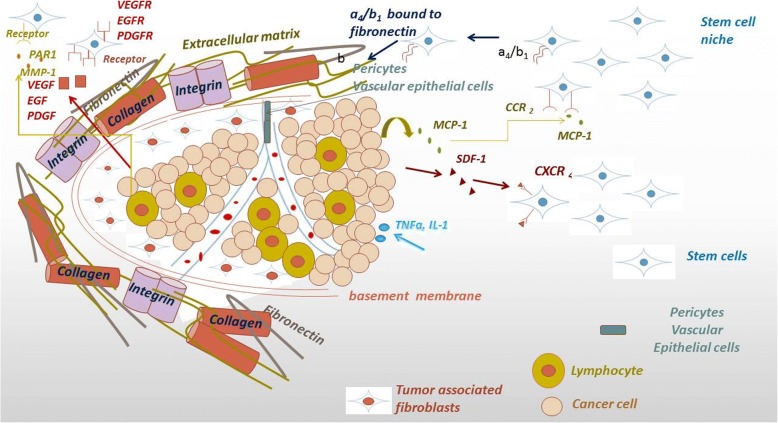
“In vivo and in vitro studies have confirmed that numerous factors such as monocyte chemotactic protein-1 (MCP-1 or CCL2) in breast cancer or stromal cell-derived factor-1 (SDF-1) in prostate, colorectal and breast cancer that are produced by tumour and inflammatory cells promote the homing and migration of MSCs into the tumour microenvironment [23].”
From Mesenchymal stromal cells for bone sarcoma treatment: Roadmap to clinical practice (2019) · cites this paper as [23]
Experimental — accuracy not yet measuredThe source backs part of the claim, not all of it — or backs it for a different population, condition or comparison.
In the citing paper
“The pro-metastatic effect of MSCs has been proven in breast cancer (CCL5 and IL-17B), hepatocellular carcinoma (MMP2) and osteosarcoma (CXCR4/VEGF axis) [23].”
From Mesenchymal stromal cells for bone sarcoma treatment: Roadmap to clinical practice (2019) · cites this paper as [23]
Experimental — accuracy not yet measuredThe source backs part of the claim, not all of it — or backs it for a different population, condition or comparison.
In the citing paper
“MSCs and cancer cells are thought to use similar signaling pathways regulating self-renewal and differentiation, namely the Wnt/β-catenin, Notch, Shh and BMP pathways [23], [54].”
From Mesenchymal stromal cells for bone sarcoma treatment: Roadmap to clinical practice (2019) · cites this paper as [23]
Experimental — accuracy not yet measuredThe source backs part of the claim, not all of it — or backs it for a different population, condition or comparison.
In the citing paper
“Other possible mechanisms that contribute to the anti-tumour potential of MSCs include apoptosis caused by upregulation of TRAIL, G1 arrest, and expression of tumour suppressor genes [23] (Fig. 2).”
From Mesenchymal stromal cells for bone sarcoma treatment: Roadmap to clinical practice (2019) · cites this paper as [23]
Experimental — accuracy not yet measuredThe cited source says what the claim attributes to it.
In the citing paper
“Once MSCs are recruited by cancer cells, they enhance the production of factors like TGF-β, VEGF, SDF-1, and CCL5 or microparticles like exosomes that can either induce or inhibit tumour growth; owing to this bimodal interaction, MSCs have been described as a ”double-edged sword” [23].”
From Mesenchymal stromal cells for bone sarcoma treatment: Roadmap to clinical practice (2019) · cites this paper as [23]
1 more claim about this paper
Create a free account to see every claim other papers make about this one.
Self-check
Percentages, sums and reported differences re-computed from the paper’s own numbers.
The self-check needs the paper’s full text.
Citations
Cites
2 retracted
Items 201–299 of 299
Therapeutic Efficacy and Fate of Bimodal Engineered Stem Cells in Malignant Brain Tumors
Martínez‐Quintanilla, J., Bhere, D., Heidari, P., He, D., Mahmood, U., & Shah, K. (2013) · Stem Cells · doi:10.1002/stem.1355 · Cited by 103 · cited 1×
“It is worth highlighting that in some cases, in an effort to maximize tumor suppression efficiency, a combination of strategies is employed as evidenced for example in the case of UC-MSC-IFN-β plus 5-FU (cytokine-transduced MSC + chemotherapy drug) for the treatment of breast cancer [73], UC-MSC-sTRAIL plus 5-FU (apop…”
MethodKučerová, L., Miklikova, S., Matúšková, M., Boháč, M., & Kozovská, Z. (2013) · BMC Cancer · doi:10.1186/1471-2407-13-535 · Cited by 102 · cited 35×
“With respect to GM-AT-MSC, experimental cytotherapy data so far are suggestive of an increased antitumor efficacy in relation to gliomas, especially when combined with a form of GDEPT.”
BackgroundInfluentialMesenchymal stem cell signaling in cancer progression
Torsvik, A., & Bjerkvig, R. (2013) · Cancer Treatment Reviews · doi:10.1016/j.ctrv.2012.03.005 · Cited by 100
Du, T., Ju, G., Wu, S., Cheng, Z., Cheng, J., Zou, X., Zhang, G., Miao, S., Liu, G., & Zhu, Y. (2014) · PLoS ONE · doi:10.1371/journal.pone.0096836 · Cited by 100 · cited 1×
“Thus, not only MSC-EV cargo composition seems to vary depending on the MSC source ultimately having a differential impact on tumor fate [205], but even more interestingly EV isolated from the same MSC source can have opposing effect depending on the type of tumor target [83, 206].”
BackgroundJiang, X., Fitch, S., Wang, C., Wilson, C., Li, J., Grant, G. A., & Yang, F. (2016) · Proceedings of the National Academy of Sciences · doi:10.1073/pnas.1615396113 · Cited by 99 · cited 1×
“bine the low toxicity and immunogenicity of cationic liposomic carriers with the high transfection efficiency of viral systems [287, 288].”
BackgroundMamidi, M. K., Nathan, K. G., Singh, G., Thrichelvam, S. T., Mohd Yusof, N. A. N., Fakharuzi, N. A., Zakaria, Z., Bhonde, R., Das, A. K., & Majumdar, A. S. (2012) · Journal of Cellular Biochemistry · doi:10.1002/jcb.24193 · Cited by 98 · cited 2×
“A senescent phenotype, characterized by a plateau in the rate of PD accumulation, a sharp reduction in cloning efficiency, and an increase in positive β-galactosidase staining, has been observed in some cases as early as only six PD/passages [166, 175, 176].”
BackgroundSubramanian, A., Shu‐Uin, G., Kae‐Siang, N., Gauthaman, K., Biswas, A., Choolani, M. A., Bongso, A., & Chui-Yee, F. (2012) · Journal of Cellular Biochemistry · doi:10.1002/jcb.24057 · Cited by 97 · cited 1×
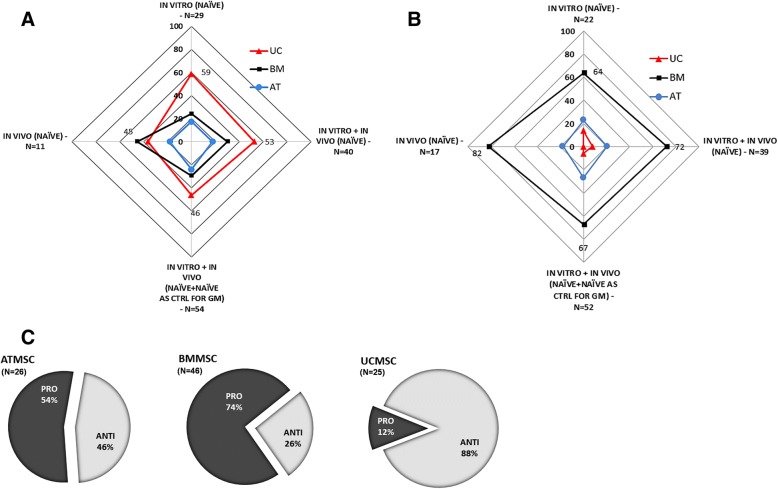
“Furthermore, in contrast to UC-MSC, a series of studies have provided evidence for transition of BM-MSC to a TAF-like myofibroblastic phenotype and hence contribution to tumor growth after long-term exposure to conditioned medium of breast and ovarian carcinoma cells [35, 89, 189].”
ResultNASEF, A., ZHANG, Y. Z., MAZURIER, C., BOUCHET, S., BENSIDHOUM, M., FRANCOIS, S., GORIN, N. C., LOPEZ, M., THIERRY, D., FOUILLARD, L., et al. (2009) · International Journal of Laboratory Hematology · doi:10.1111/j.1751-553x.2007.00997.x · Cited by 97 · cited 1×
“Inhibition of T cell proliferation has been found enhanced by different mechanisms, like interferon (IFN)-gamma-mediated upregulation of an inhibitory cell surface marker, B7-H1 [102], or by Stro-1 expression [103].”
BackgroundTong, C. K., Vellasamy, S., Chong Tan, B., Abdullah, M., Vidyadaran, S., Fong Seow, H., & Ramasamy, R. (2011) · Cell Biology International · doi:10.1042/cbi20100326 · Cited by 96 · cited 2×
“Thus, similar to hESC and unlike adult MSC, they are consistently positive for pluripotency and self-renewal markers such as Oct-4, NANOG, LIF, SSEA-1, SSEA-4, Tra-1–60, and Tra-1–81 [116, 117, 182, 183].”
BackgroundDrela, K., Sarnowska, A., Siedlecka, P., Szabłowska‐Gadomska, I., Wielgoś, M., Jurga, M., Łukomska, B., & Domańska‐Janik, K. (2014) · Cytotherapy · doi:10.1016/j.jcyt.2014.02.009 · Cited by 96
Tu, B., Zhu, J., Liu, S., Wang, L., Fan, Q., Hao, Y., Fan, C., & Tang, T.-T. (2016) · Oncotarget · doi:10.18632/oncotarget.10219 · Cited by 95 · cited 1×
“Except for promoting anti-apoptotic events, MSC have been reported to protect osteosarcoma cells from drug-induced apoptosis, through activation of the STAT3 pathway [119].”
BackgroundBurrow, K. L., Hoyland, J. A., & Richardson, S. M. (2017) · Stem Cells International · doi:10.1155/2017/2541275 · Cited by 87 · cited 1×
“On the contrary, adult MSC show a limited potential for prolonged propagation, being able to maintain only up to 15–25 PD (9–12 passages) in culture [153, 165, 168].”
BackgroundUmbilical Cord Mesenchymal Stem Cells Suppress Host Rejection
Coulson-Thomas, V. J., Gesteira, T. F., Hascall, V., & Kao, W. (2014) · Journal of Biological Chemistry · doi:10.1074/jbc.m114.557447 · Cited by 85 · cited 1×
“They do this by secreting components of their unique glycocalyx which constitutes the characteristic matrix in which the cells naturally reside and function [217].”
BackgroundMa, Y., Hao, X., Zhang, S., & Zhang, J. (2012) · Breast Cancer Research and Treatment · doi:10.1007/s10549-011-1774-x · Cited by 85 · cited 1×
“A moderate or strong tumor suppressive effect of UC-MSC-CM has been observed against a group of cancer targets much more diverse than in the case of adult MSC; these include the bladder [83], breast [68, 71], larynx [127], lung [128], glioma [129], lymphoma [130], melanoma [131], osteosarcoma, and ovarian adenocarcino…”
BackgroundAdipose Tissue - Adequate, Accessible Regenerative Material
Kolaparthy, L., Sanivarapu, S., Moogla, S., & Kuntcham, R. S. (2015) · International Journal of Stem Cells · doi:10.15283/ijsc.2015.8.2.121 · Cited by 84 · cited 2×
“2–4 %) [161], so actual AT-MSC turnover can range from 0.”
BackgroundMarrow-derived mesenchymal stem cells: Role in epithelial tumor cell determination
Fierro, F. A., Sierralta, W. D., EPUÑÁN, M. J., & Minguell, J. J. (2004) · Clinical & Experimental Metastasis · doi:10.1023/b:clin.0000046130.79363.33 · Cited by 83 · cited 1×
“Most notable is the case of breast, in which tumor promotion was verified in vitro using three different cancer cell lines by five independent groups [33, 56, 58, 74, 76].”
BackgroundMatsuzuka, T., Rachakatla, R. S., Doi, C., Maurya, D. K., Ohta, N., Kawabata, A., Pyle, M. M., Pickel, L., Reischman, J., Marini, F. C., et al. (2010) · Lung Cancer · doi:10.1016/j.lungcan.2010.01.003 · Cited by 83
Blázquez-Prunera, A., Díez, J. M., Gajardo, R., & Grancha, S. (2017) · Stem Cell Research & Therapy · doi:10.1186/s13287-017-0552-z · Cited by 79 · cited 36×
“With respect to GM-AT-MSC, experimental cytotherapy data so far are suggestive of an increased antitumor efficacy in relation to gliomas, especially when combined with a form of GDEPT.”
BackgroundInfluentialPlasticity of the neoplastic phenotype in vivo is regulated by epigenetic factors
McCullough, K. D., Coleman, W. B., Ricketts, S. L., Wilson, J. W., Smith, G. J., & Grisham, J. W. (1998) · Proceedings of the National Academy of Sciences · doi:10.1073/pnas.95.26.15333 · Cited by 78 · cited 1×
“However, there is mounting experimental evidence that healthy tumor microenvironments suppress tumor growth, and it is only after acquisition of tumor-like genetic lesions that fibroblasts appear to promote tumor progression [14, 17, 18].”
BackgroundWu, X.-B., Liu, Y., Wang, G.-H., Xu, X., Cai, Y., Wang, H.-Y., Li, Y.-Q., Meng, H.-F., Dai, F., & Jin, J.-D. (2016) · Scientific Reports · doi:10.1038/srep21420 · Cited by 76
Valenick, L. V., Hsia, H. C., & Schwarzbauer, J. E. (2005) · Experimental Cell Research · doi:10.1016/j.yexcr.2005.05.024 · Cited by 74 · cited 1×
“to play a major role in transmigration of MSC into the extracellular matrix [47] (Fig.”
BackgroundLI, T., ZHANG, C., DING, Y., ZHAI, W., LIU, K., BU, F., TU, T., SUN, L., ZHU, W., ZHOU, F., et al. (2015) · Oncology Reports · doi:10.3892/or.2015.4109 · Cited by 73 · cited 3×
“since drug-mediated inhibition of ERK in breast cancer cells cultured in MSC-CM resulted in decreased proliferation of tumor cells [68].”
BackgroundBarbera-Guillem, E., May, K. F., Nyhus, J. K., & Nelson, M. B. (1999) · Neoplasia · doi:10.1038/sj.neo.7900054 · Cited by 73 · cited 1×
“activation of a crosstalk between polymorphonuclear (PMN) leukocytes and monocytes [126].”
BackgroundLuetzkendorf, J., Mueller, L. P., Mueller, T., Caysa, H., Nerger, K., & Schmoll, H. (2010) · Journal of Cellular and Molecular Medicine · doi:10.1111/j.1582-4934.2009.00794.x · Cited by 72 · cited 1×
“Indeed, GM-MSC have been shown to successfully target and significantly reduce tumor growth in models of multiple myeloma [250], glioma/glioblastoma [232, 234, 235], lung [226, 249, 253], liver [229, 252], colorectal [251], and cervical [249] cancers.”
BackgroundDing, D.-C., Chou, H.-L., Chang, Y.-H., Hung, W.-T., Liu, H.-W., & Chu, T.-Y. (2016) · Cell Transplantation · doi:10.3727/096368915x688182 · Cited by 72 · cited 7×
“UC-MSC/WJ-MSC, like their adult counterparts, evade immune recognition by lacking co-stimulatory molecule expression (CD40L, CD80/CD86) which are normally implicated in activation of both T and B cell responses.”
BackgroundInfluentialOhta, N., Ishiguro, S., Kawabata, A., Uppalapati, D., Pyle, M., Troyer, D., De, S., Zhang, Y., Becker, K. G., & Tamura, M. (2015) · PLOS ONE · doi:10.1371/journal.pone.0123756 · Cited by 70 · cited 1×
“In terms of anti-cancer efficacy, a number of studies have convincingly demonstrated the therapeutic potential of GM-BM-MSC against lung [33, 226–230] and brain [231–237] cancers and of AT-MSC and UC-MSC on brain [238–241] and breast [72, 73, 200, 242] tumors, respectively (Additional file 6: Figure S6).”
Yang, B., Wu, X., Mao, Y. Q., Bao, W., Gao, L., Zhou, P., Xie, R., Zhou, L., & Zhu, J. (2009) · Neurosurgery · doi:10.1227/01.neu.0000350227.61132.a7 · Cited by 70
Extrinsic and Intrinsic Mechanisms by Which Mesenchymal Stem Cells Suppress the Immune System
Coulson-Thomas, V. J., Coulson-Thomas, Y. M., Gesteira, T. F., & Kao, W. W.-Y. (2016) · The Ocular Surface · doi:10.1016/j.jtos.2015.11.004 · Cited by 70 · cited 1×
“, arise after interaction with malignant tumor cells, dead tumor cells, or other benign cellular components of the tumor supportive stroma [196].”
BackgroundPalpable Breast Cancers Are Inherently Different From Nonpalpable Breast Cancers
Skinner, K. A., Silberman, H., Sposto, R., & Silverstein, M. J. (2001) · Annals of Surgical Oncology · doi:10.1007/s10434-001-0705-1 · Cited by 69 · cited 1×
“, T1 palpable breast cancer) and a cancer cell (breast cancer cell lines) are spheroids with diameters of 2 cm [179] and 15 μm [180], respectively, one would need 12–24 billion MSC to treat a single tumor.”
BackgroundBertolo, A., Mehr, M., Janner-Jametti, T., Graumann, U., Aebli, N., Baur, M., Ferguson, S. J., & Stoyanov, J. V. (2016) · Journal of Tissue Engineering and Regenerative Medicine · doi:10.1002/term.1734 · Cited by 68 · cited 1×
“In fact a cumulative number of 20 or more PD and a PDT > 60 h have been highlighted as thresholds for replicative senescence in BM-MSC, with recommendations to use cells at the lowest passage possible, preferably up to fifth to sixth [142, 177, 178].”
BackgroundSimões, I. N., Boura, J. S., dos Santos, F., Andrade, P. Z., Cardoso, C. M. P., Gimble, J. M., da Silva, C. L., & Cabral, J. M. S. (2013) · Biotechnology Journal · doi:10.1002/biot.201200340 · Cited by 68
Madeira, A., da Silva, C. L., dos Santos, F., Camafeita, E., Cabral, J. M. S., & Sá‐Correia, I. (2012) · PLoS ONE · doi:10.1371/journal.pone.0043523 · Cited by 66
Microfluidic cytometric analysis of cancer cell transportability and invasiveness
Liu, Z., Lee, Y., Jang, J. H., Li, Y., Han, X., Yokoi, K., Mauro Ferrari, B., Zhou, L., & Qin, L. (2015) · Scientific Reports · doi:10.1038/srep14272 · Cited by 63 · cited 1×
“, T1 palpable breast cancer) and a cancer cell (breast cancer cell lines) are spheroids with diameters of 2 cm [179] and 15 μm [180], respectively, one would need 12–24 billion MSC to treat a single tumor.”
Maffey, A., Storini, C., Diceglie, C., Martelli, C., Sironi, L., Calzarossa, C., Tonna, N., Lovchik, R. D., Delamarche, E., Ottobrini, L., et al. (2017) · Scientific Reports · doi:10.1038/s41598-017-13460-7 · Cited by 63 · cited 35×
“With respect to GM-AT-MSC, experimental cytotherapy data so far are suggestive of an increased antitumor efficacy in relation to gliomas, especially when combined with a form of GDEPT.”
BackgroundInfluentialRachakatla, R. S., Pyle, M. M., Ayuzawa, R., Edwards, S. M., Marini, F. C., Weiss, M. L., Tamura, M., & Troyer, D. L. (2008) · Cancer Investigation · doi:10.1080/07357900701871134 · Cited by 61 · cited 3×
“4%) in mice receiving BM-MSC-IFN-β [33], UC-MSC-IFN-β [72], or UC-MSC-IFN-β+5-FU combination treatment [73], respectively, as evidenced by the reduction of mouse lung masses one month after GM-MSC administration.”
MethodEngineered Mesenchymal Stem Cells as an Anti-Cancer Trojan Horse
Nowakowski, A., Drela, K., Rozycka, J., Janowski, M., & Lukomska, B. (2016) · Stem Cells and Development · doi:10.1089/scd.2016.0120 · Cited by 60 · cited 1×
“number of studies with genetically modified MSC (GM-MSC) targeting an extensive range of cancers in various experimental animal models [reviewed recently by [224, 225].”
BackgroundJeon, B.-G., Kumar, B. M., Kang, E., Ock, S., Lee, S., Kwack, D.-O., Byun, J., Park, B.-W., & Rho, G. (2011) · Cell and Tissue Research · doi:10.1007/s00441-011-1191-9 · Cited by 59 · cited 1×
“, showing no signs of spontaneous transformation [149, 154, 184, 185].”
BackgroundThe dual effect of mesenchymal stem cells on tumour growth and tumour angiogenesis
Kéramidas, M., de Fraipont, F., Karageorgis, A., Moisan, A., Persoons, V., Richard, M., Coll, J., & Rome, C. (2013) · Stem Cell Research & Therapy · doi:10.1186/scrt195 · Cited by 59
Zhang, X., Tu, H., Yang, Y., Fang, L., Wu, Q., & Li, J. (2017) · Stem Cells International · doi:10.1155/2017/1758139 · Cited by 59 · cited 1×
“Little is known about the exact mechanisms but data so far are indicative of complex regulation involving antagonistic effects [203, 204].”
BackgroundYamamoto, S., Suzuki, S., Hoshino, A., Akimoto, M., & Shimada, T. (1997) · PubMed · Cited by 57
Selective interactions between epithelial tumour cells and bone marrow mesenchymal stem cells
Hombauer, H., & Minguell, J. J. (2000) · British Journal of Cancer · doi:10.1054/bjoc.1999.1093 · Cited by 57
Immune properties of mesenchymal stem cells
Sotiropoulou, P. A., & Papamichail, M. (2007) · Methods in Molecular Biology · doi:10.1007/978-1-59745-536-7_16 · Cited by 57 · cited 1×
“MSC are thought to promote tumorigenesis through their immunomodulatory behavior, which is characterized mainly by immunosuppressive effects that can be beneficial for cancer cells to escape the immune system surveillance [97].”
BackgroundHao, H., Chen, G., Liu, J., Ti, D., Zhao, Y., Xu, S., Fu, X., & Han, W. (2013) · PLoS ONE · doi:10.1371/journal.pone.0058314 · Cited by 57 · cited 8×
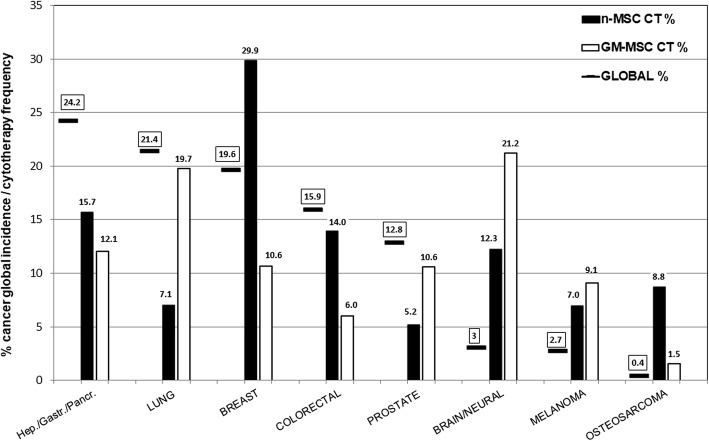
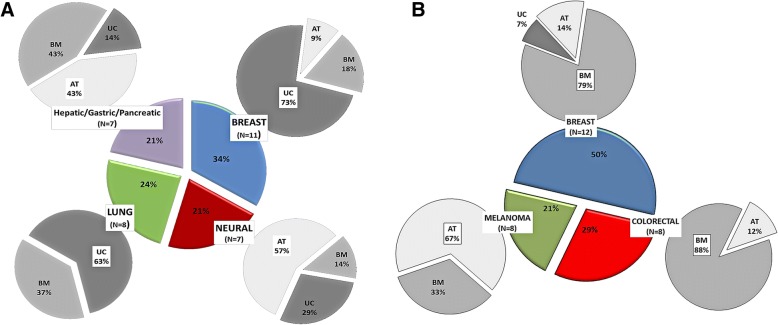
“Nevertheless, it validated breast cancer, as not only the most common cytotherapy target but also the only one being both suppressed and promoted by naïve MSC (UC-MSC and BM-MSC, respectively).”
BackgroundInfluentialde Melo, S. M., Bittencourt, S., Ferrazoli, E. G., da Silva, C. S., da Cunha, F. F., da Silva, F. H., Stilhano, R. S., Denapoli, P. M. A., Zanetti, B. F., Martin, P. K. M., et al. (2015) · PLoS ONE · doi:10.1371/journal.pone.0128922 · Cited by 56
Xie, C., Xie, D.-Y., Lin, B.-L., Zhang, G.-L., Wang, P.-P., Peng, L., & Gao, Z.-L. (2013) · British Journal of Cancer · doi:10.1038/bjc.2013.422 · Cited by 56
ZHANG, P., DONG, L., YAN, K., LONG, H., YANG, T.-T., DONG, M.-Q., ZHOU, Y., FAN, Q.-Y., & MA, B.-A. (2013) · Oncology Reports · doi:10.3892/or.2013.2619 · Cited by 54 · cited 1×
“showed that MSC from the bone marrow can promote pulmonary metastasis of osteosarcoma tumors in mice, through a mechanism involving the CXCR4/VEGF axis [113].”
BackgroundDoi, C., Maurya, D. K., Pyle, M. M., Troyer, D. L., & Tamura, M. (2010) · Cytotherapy · doi:10.3109/14653240903548194 · Cited by 54
Wu, N., Zhang, Y., Wang, H.-T., Li, D., Dai, H., Zhang, Q.-Q., Zhang, J., Ma, Y., Xia, Q., Bian, J., et al. (2016) · Cancer Biology & Therapy · doi:10.1080/15384047.2016.1177675 · Cited by 53
IFN-γ-Secreting-Mesenchymal Stem Cells Exert an Antitumor Effect In Vivo via the TRAIL Pathway
Yang, X., Du, J., Xu, X., Xu, C., & Song, W. (2014) · Journal of Immunology Research · doi:10.1155/2014/318098 · Cited by 52
Zolochevska, O., Yu, G., Gimble, J. M., & Figueiredo, M. L. (2011) · Stem Cells and Development · doi:10.1089/scd.2011.0247 · Cited by 52 · cited 1×
“to home to and interact with tumors is being exploited for the effective targeting of the tumor microenvironment [54, 55].”
BackgroundSeverino, P. B., Szymanski, M., Favaro, M. T. D. P., Azzoni, A. R., Chaud, M. V., Santana, M. H. A., Silva, A. M., & Souto, E. B. (2014) · European Journal of Pharmaceutical Sciences · doi:10.1016/j.ejps.2014.09.021 · Cited by 50 · cited 1×
“bine the low toxicity and immunogenicity of cationic liposomic carriers with the high transfection efficiency of viral systems [287, 288].”
BackgroundTang, Q., Chen, Q., Lai, X., Liu, S., Chen, Y., Zheng, Z., Xie, Q., Maldonado, M., Cai, Z., Qin, S., et al. (2013) · PLoS ONE · doi:10.1371/journal.pone.0081844 · Cited by 49
Yan, C., Yang, M., Li, Z., Li, S., Hu, X., Fan, D., Zhang, Y., Wang, J., & Xiong, D. (2014) · Biomaterials · doi:10.1016/j.biomaterials.2013.12.037 · Cited by 49 · cited 3×
“Among these are BM-MSC and UC-MSC carrying human recombinant sTRAIL against glioma/glioblastoma [232, 234] and hepatocarcinoma [252], respectively.”
BackgroundMethodHendijani, F., Javanmard, S. H., Rafiee, L., & Sadeghi‐Aliabadi, H. (2015) · PubMed Central · Cited by 49
Mesenchymal stem cells in tissue repairing and regeneration: Progress and future
Pei, X., Xi, J., Yan, X., Yue, W., & Zhou, J. (2013) · Burns & Trauma · doi:10.4103/2321-3868.113330 · Cited by 49 · cited 1×
“applications such as tissue repair and regeneration, as well as autoimmune disease [31].”
BackgroundIn vitro anti‐myeloma activity of TRAIL‐expressing adipose‐derived mesenchymal stem cells
Ciavarella, S., Grisendi, G., Dominici, M., Tucci, M., Brunetti, O., Dammacco, F., & Silvestris, F. (2012) · British Journal of Haematology · doi:10.1111/j.1365-2141.2012.09082.x · Cited by 48
Intratracheal Delivery of CX3CL1-Expressing Mesenchymal Stem Cells to Multiple Lung Tumors
Xin, H., Sun, R., Kanehira, M., Takahata, T., Itoh, J., Mizuguchi, H., & Saijo, Y. (2009) · Molecular Medicine · doi:10.2119/molmed.2009.00059 · Cited by 48 · cited 2×
“, CXC3L1) [228], to molecules with pro-apoptotic (e.”
Interaction of human adipose tissue-derived mesenchymal stromal cells with breast cancer cells
KUCEROVA, L., KOVACOVICOVA, M., POLAK, S., BOHAC, M., FEDELES, J., PALENCAR, D., & MATUSKOVA, M. (2011) · Neoplasma · doi:10.4149/neo_2011_05_361 · Cited by 47 · cited 35×
“With respect to GM-AT-MSC, experimental cytotherapy data so far are suggestive of an increased antitumor efficacy in relation to gliomas, especially when combined with a form of GDEPT.”
BackgroundInfluentialLee, W., Zhang, T., Lau, C., Wang, C. C., Chan, K., & Li, G. (2013) · Cytotherapy · doi:10.1016/j.jcyt.2013.06.010 · Cited by 47 · cited 1×
“Cancer types targeted include melanomas [275], sarcomas [276], colon [277], prostate [67, 278, 279], and ovarian [274].”
BackgroundHarnessing mesenchymal stem cell homing as an anticancer therapy
Hagenhoff, A., Bruns, C. J., Zhao, Y., von Lüttichau, I., Niess, H., Spitzweg, C., & Nelson, P. J. (2016) · Expert Opinion on Biological Therapy · doi:10.1080/14712598.2016.1196179 · Cited by 47 · cited 1×
“number of studies with genetically modified MSC (GM-MSC) targeting an extensive range of cancers in various experimental animal models [reviewed recently by [224, 225].”
BackgroundVilalta, M., Degano, I. R., Bagó, J. R., Aguilar, E., Gambhir, S. S., Rubio, N., & Blanco, J. (2008) · Gene Therapy · doi:10.1038/gt.2008.176 · Cited by 46 · cited 1×
“The TK/GCV system has been predominantly applied in combination with AT-MSC for treating neural tumors demonstrating very high efficacy [238, 239, 280].”
MethodHendijani, F., Javanmard, S. H., & Sadeghi‐Aliabadi, H. (2015) · Tissue and Cell · doi:10.1016/j.tice.2015.01.005 · Cited by 45
Mesenchymal stem cells enhance the metastasis of 3D-cultured hepatocellular carcinoma cells
Liu, C., Liu, Y., Xu, X., Guo, X. W., Sun, G., & Ma, X. (2016) · BMC Cancer · doi:10.1186/s12885-016-2595-4 · Cited by 45 · cited 1×
“In a 3D model of hepatocellular carcinoma, co-culture with UC-MSC led to increased secretion of MMP2, which in turn enhanced the invasive ability of cancer cells [110].”
BackgroundFang, L., Lange, C., Engel, M., Zander, A. R., & Fehse, B. (2006) · Transplantation · doi:10.1097/01.tp.0000232450.62408.f9 · Cited by 44 · cited 4×
“Overall, ontogeny-related differences in the pattern of expression of HLA molecules (e.g., HLA-DR, HLA-G), as well as in the cytokine secretion profile (e.g., HGF, LIF, IL-6) between adult MSC and UC-MSC are largely responsible for the course of direct or indirect interaction with cellular components and bioactive fac…”
BackgroundInfluentialAndo, M., Hoyos, V, Yagyu, S., Tao, W., Ramos, C. A., Dotti, G., Brenner, M. K., & Bouchier-Hayes, L. (2014) · Cancer Gene Therapy · doi:10.1038/cgt.2014.53 · Cited by 43
Zhang, Y., Wang, J., Ren, M., Li, M., Chen, D., Chen, J., Shi, F., Wang, X., & Dou, J. (2014) · Journal of Ovarian Research · doi:10.1186/1757-2215-7-8 · Cited by 43
Matúšková, M., Kozovská, Z., Toro, L., Durinikova, E., Tyčiaková, S., Čierna, Z., Bohovic, R., & Kučerová, L. (2015) · Journal of Experimental & Clinical Cancer Research · doi:10.1186/s13046-015-0149-2 · Cited by 43 · cited 3×
“5%) for BM-MSC-IFN-β [33], BM-MSC-TRAIL [226], or AT-MSC receiving double GDEPT (CD::UPRT/5-FC : HSVtk/GCV, 1:1) [273], respectively.”
BackgroundMethodTyciakova, S., Matuskova, M., Bohovic, R., Polakova, K., Toro, L., Skolekova, S., & Kucerova, L. (2015) · The Journal of Gene Medicine · doi:10.1002/jgm.2823 · Cited by 41
Maurya, D. K., Doi, C., Kawabata, A., Pyle, M. M., King, C., Wu, Z., Troyer, D. L., & Tamura, M. (2010) · BMC Cancer · doi:10.1186/1471-2407-10-590 · Cited by 40
Yan, C., Song, X., Yu, W., Wei, F., Li, H., Lv, M., Zhang, X., & Ren, X. (2016) · Tumor Biology · doi:10.1007/s13277-015-4746-7 · Cited by 40 · cited 1×
“Indeed, GM-MSC have been shown to successfully target and significantly reduce tumor growth in models of multiple myeloma [250], glioma/glioblastoma [232, 234, 235], lung [226, 249, 253], liver [229, 252], colorectal [251], and cervical [249] cancers.”
BackgroundKim, E. S., Jeon, H. B., Lim, H., Shin, J. H., Park, S. J., Jo, Y. K., Oh, W., Yang, Y. S., Cho, D., & Kim, J. (2015) · PLoS ONE · doi:10.1371/journal.pone.0128078 · Cited by 38 · cited 1×
“A moderate or strong tumor suppressive effect of UC-MSC-CM has been observed against a group of cancer targets much more diverse than in the case of adult MSC; these include the bladder [83], breast [68, 71], larynx [127], lung [128], glioma [129], lymphoma [130], melanoma [131], osteosarcoma, and ovarian adenocarcino…”
BackgroundMesenchymal stem cell-based NK4 gene therapy in nude mice bearing gastric cancer xenografts
Zhu, Cheng, M., Yang, Z., Zeng, C., Chen, J., Xie, Y., Luo, S., Zhang, K., Zhou, S.-F., & Lv, N. (2014) · Drug Design, Development and Therapy · doi:10.2147/dddt.s71466 · Cited by 38 · cited 2×
“, Alpha1-anitrypsin, NK4) [254, 255], or other properties (e.”
Mesenchymal stem cells expressing therapeutic genes induce autochthonous prostate tumour regression
Abrate, A., Buono, R., Canu, T., Esposito, A., Maschio, A. D., Lucianò, R., Bettiga, A., Colciago, G., Guazzoni, G. F., Benigni, F., et al. (2014) · European Journal of Cancer · doi:10.1016/j.ejca.2014.06.014 · Cited by 38
Venugopal, P., Balasubramanian, Majumdar, A. S., & Ta, M. (2011) · Stem Cells and Cloning Advances and Applications · doi:10.2147/sccaa.s17548 · Cited by 38
Isolation and characterization of stem cells from the human parathyroid gland
Shih, Y. V., Kuo, T. K., Yang, A., Lee, O. K., & Lee, C. (2009) · Cell Proliferation · doi:10.1111/j.1365-2184.2009.00614.x · Cited by 37
Mesenchymal stem cells as vehicles for targeted delivery of anti‐angiogenic protein to solid tumors
Ghaedi, M., Soleimani, M., Mohammadtaghvaei, N., Sheikhfatollahi, M., Azadmanesh, K., Lotfi, A. S., & Wu, J. (2011) · The Journal of Gene Medicine · doi:10.1002/jgm.1552 · Cited by 37 · cited 2×
“, Alpha1-anitrypsin, NK4) [254, 255], or other properties (e.”
Koyama, F., SAWADA, H., Hirao, T., Fujii, H., Hamada, H., & Nakano, H. (2000) · Cancer Gene Therapy · doi:10.1038/sj.cgt.7700189 · Cited by 37
Namba, H., Iwadate, Y., Kawamura, K., Sakiyama, S., & Tagawa, M. (2001) · Cancer Gene Therapy · doi:10.1038/sj.cgt.7700317 · Cited by 36 · cited 1×
“A requirement for this phenomenon is the active or passive transference of the activated toxic metabolite to neighboring cells which involves the use of gap junctions [266, 267], endocytosis of apoptotic vesicles [265, 268], or paracrine effects that lead to immune system stimulation [269, 270].”
BackgroundHuiming, Sheng, Ying, Y., Wang, Yuqing, Jin, Qiuyu, Zhang, Yan, Li, et al. (2008) · Cell Research · Cited by 36
Human Adipose Tissue-Derived Mesenchymal Stem Cells Target Brain Tumor-Initiating Cells
Choi, S. A., Lee, J. Y., Kwon, S. E., Wang, K., Phi, J. H., Choi, J. W., Jin, X. J., Lim, J. Y., Kim, H., & Kim, S. (2015) · PLoS ONE · doi:10.1371/journal.pone.0129292 · Cited by 35
Identification of senescence-associated genes in human bone marrow mesenchymal stem cells
Ryu, E., Hong, S. H., Kang, J., Woo, J., Park, J., Lee, J., & Seo, J. (2008) · Biochemical and Biophysical Research Communications · doi:10.1016/j.bbrc.2008.04.111 · Cited by 35 · cited 1×
“In contrast, human adult MSC have been linked to malignant transformation as well as karyotypic instabilities and epigenetic damage, raising safety concerns [176, 186, 187].”
BackgroundLin, H. D., Fong, C., Biswas, A., Choolani, M. A., & Bongso, A. (2016) · Journal of Cellular Biochemistry · doi:10.1002/jcb.25501 · Cited by 34 · cited 4×
“Upstream apoptosis-mediating mechanisms shown to be involved include JAK/STAT signaling [200] as well as regulation of Akt phosphorylation [83] and intracellular H2O2 production [130].”
BackgroundInfluentialMesenchymal stem cells overexpressing PEDF decrease the angiogenesis of gliomas
Wang, Q., Zhang, Z., Ding, T., Chen, Z., & Zhang, T. (2013) · Bioscience Reports · doi:10.1042/bsr20110124 · Cited by 33
Wang, G.-X., Zhan, Y.-A., Hl, H., Wang, Y., & Fu, B. (2012) · Journal of International Medical Research · doi:10.1177/147323001204000132 · Cited by 32
Matúšková, M., Baranovičová, L., Kozovská, Z., Durinikova, E., Pastorakova, A., Hunáková, Ľ., Waczulíková, I., Nencka, R., & Kučerová, L. (2012) · The Journal of Gene Medicine · doi:10.1002/jgm.2684 · Cited by 32
Shen, C., Chan, T., Chen, C.-C., Hsu, Y., Long, C., & Lai, C. (2016) · Oncotarget · doi:10.18632/oncotarget.8997 · Cited by 32
NguyenThai, Q., Sharma, N., Luong, D. H., Sodhi, S. S., Kim, J., Kim, N., Oh, S., & Jeong, D. K. (2015) · The Journal of Gene Medicine · doi:10.1002/jgm.2826 · Cited by 28
Zheng, H., Zou, W., Shen, J., Xu, L., Wang, S., Fu, Y.-X., & Fan, W. (2016) · Stem Cells Translational Medicine · doi:10.5966/sctm.2015-0300 · Cited by 28
Zhang, X., Xu, W., Qian, H., Zhu, W., & Zhang, R. (2009) · Journal of Cellular and Molecular Medicine · doi:10.1111/j.1582-4934.2009.00920.x · Cited by 24
Hasebe, T., Sasaki, S., Sugitoh, M., Ono, M., Saitoh, N., & Ochiai, A. (2001) · Human Pathology · doi:10.1053/hupa.2001.23915 · Cited by 22 · cited 1×
“Most if not all solid tumors have some degree of tumor stroma, and the presence of reactive stroma is often an indicator of poor prognosis [4].”
BackgroundFreshly isolated bone marrow cells induce death of various carcinoma cell lines
Larmonier, N., Ghiringhelli, F., Larmonier, C. B., Moutet, M., Fromentin, A., Baulot, E., Solary, É., Bonnotte, B., & Martin, F. (2003) · International Journal of Cancer · doi:10.1002/ijc.11463 · Cited by 22 · cited 1×
“In support of these observations, the use of BM-MSC against colon cancer cell lines has either led to promotion of the tumorigenic properties of these MSC [60] positively affecting proliferation of cancer cells, or, on the contrary, was cytotoxic for the latter [57].”
MethodHe, L., Zheng, Y., Wan, Y., & Song, J. (2014) · Histochemistry and Cell Biology · doi:10.1007/s00418-014-1210-5 · Cited by 20
Jung, J. H., Kim, A. A., Chang, D., Park, Y. R., Suh‐Kim, H., & Kim, S. (2015) · Europe PMC (PubMed Central) · Cited by 18
Regulation challenge of tissue engineering and regenerative medicine in China
Xi, T., Chen, L., & Wang, C. (2013) · Burns & Trauma · doi:10.4103/2321-3868.118927 · Cited by 17
Toro, L., Bohovic, R., Matúšková, M., Smolková, B., & Kučerová, L. (2016) · Stem Cells and Development · doi:10.1089/scd.2016.0064 · Cited by 15
Frankincense (Boswellia Species): The Novel Phytotherapy for Drug Targeting in Cancer
Hamidpour, R. (2016) · Archives in Cancer Research · doi:10.21767/2254-6081.100046 · Cited by 14
Does cell therapy and tissue engineering represent a promising treatment of diabetic foot ulcers?
Ulicna, M., Danišovič, Ľ., & Vojtaššák, J. (2010) · Bratislavské lekárske listy/Bratislava medical journal · doi:10.1007/bf03657341 · Cited by 13 · cited 1×
“In addition, due to their complex immunomodulatory properties, MSC can counteract inflammation, suppress host immune responses, and prevent fibrosis [30].”
BackgroundThe Effect of Wharton's Jelly Mesenchymal Stem Cells on a Squamous Cell Carcinoma Cell Line
Elias, W. Y. (2016) · Archives in Cancer Research · doi:10.21767/2254-6081.100045 · Cited by 4 · cited 3×
“A moderate or strong tumor suppressive effect of UC-MSC-CM has been observed against a group of cancer targets much more diverse than in the case of adult MSC; these include the bladder [83], breast [68, 71], larynx [127], lung [128], glioma [129], lymphoma [130], melanoma [131], osteosarcoma, and ovarian adenocarcino…”
BackgroundLong term survivors of childhood brain cancer have an increased risk for cardiovascular disease
(2000) · Pure Amsterdam UMC · doi:10.1002/(sici)1097-0142(20000501)88:9
Cited by
Stem cells: past, present, and future
Zakrzewski, W., Dobrzyński, M., Szymonowicz, M., & Rybak, Z. (2019) · Stem Cell Research & Therapy · doi:10.1186/s13287-019-1165-5 · Cited by 1,834
Stromal cells in the tumor microenvironment: accomplices of tumor progression?
Zhao, Y., Shen, M., Wu, L., Yang, H., Yao, Y., Yang, Q., Du, J., Liu, L., Li, Y., & Bai, Y. (2023) · Cell Death & Disease · doi:10.1038/s41419-023-06110-6 · Cited by 431
“Furthermore, allogeneic bone marrow MSCs transplantation rarely causes rejection due to the bone marrow MSCs express low levels of major histocompatibility complex (MHC) class I, MHCII class I, and co-stimulatory molecules (CD40, CD80, and CD86) [188, 189].”
Chu, D.-T., Nguyen, T. T., Tien, N. L. B., Tran, D.-K., Jeong, J.-H., Anh, P. G., Thanh, V. V., Truong, D. T., & Dinh, T. C. (2020) · Cells · doi:10.3390/cells9030563 · Cited by 216
Cell primitive-based biomimetic functional materials for enhanced cancer therapy
Luo, G.-F., Chen, W.-H., Zeng, X., & Zhang, X.-Z. (2021) · Chemical Society Reviews · doi:10.1039/d0cs00152j · Cited by 193
Galland, S., & Stamenkovic, I. (2020) · The Journal of Pathology · doi:10.1002/path.5357 · Cited by 165
“A recent systematic review by Christodoulou et al addresses these issues in the settings of preclinical cancer cytotherapy [225].”
Background
Metadata
- Authors
- Christodoulou, I., Goulielmaki, M., Devetzi, M., Panagiotidis, M., Koliakos, G., & Zoumpourlis, V.
- Affiliations
- National Hellenic Research Foundation (GR)
- Corresponding author
- Zoumpourlis, Vassilis
- Venue
- Stem Cell Research & Therapy
- Published
- 2018-12
- Volume
- 9
- Issue
- 1
- Pages
- 336-336
- ISSN
- 1757-6512 (ISSN-L)
- PMC
- PMC6286545
- OpenAlex
- W2904058752
- Cited by
- 122
- References
- 299
- Citations by year
- 2026: 8 · 2025: 11 · 2024: 19 · 2023: 21 · 2022: 18 · 2021: 16 · 2020: 18 · 2019: 10 · 2018: 1
- FWCI
- 1.63
- Type
- journal article
- Language
- en
- Open access
- gold
- doi.org
- Licence
- cc-by
- creativecommons.org/licenses/by/4.0/ (tdm)
- Locations
- Stem Cell Research & Therapy (publishedVersion, cc-by)
- Europe PMC (PubMed Central) (publishedVersion, cc-by)
- PubMed Central (publishedVersion, cc-by)
- PubMed (publishedVersion)
- Northumbria Research Link (Northumbria University) (acceptedVersion)
- DOAJ (DOAJ: Directory of Open Access Journals) (submittedVersion, cc-by-sa)
- National Hellenic Research Foundation Helios Repository (National Hellenic Research Foundation) (submittedVersion)
- Funders
- General Secretariat for Research and Technology (2400)
- State Scholarships Foundation
- Topics
- Life Sciences › Biochemistry, Genetics and Molecular Biology › Cell Biology › Mesenchymal stem cell research
- Life Sciences › Biochemistry, Genetics and Molecular Biology › Biotechnology › Bacterial Cancer Therapy
- Health Sciences › Medicine › Oncology › Cancer Cells and Metastasis
- Keywords
- mesenchymal stem cells, bone marrow-derived mesenchymal stem cells, adipose-derived stem cells, human umbilical cord mesenchymal stem cells, tumor microenvironment, tumor growth, metastasis, preclinical cancer models, experimental design
- MeSH terms
- Animals, Humans, Neoplasms, Phenotype, Mesenchymal Stem Cell Transplantation, Tumor Microenvironment, Mesenchymal Stem Cells
About these checks
Registry, retraction, Cites and statistics results are computed, not judged, with one exception: a printed reference that no index lists is read once by a model before it counts as a citation error. Claims are extracted by a model and kept only when their quote appears verbatim in the text; each cited source is then checked, with a model’s help, for whether it says what the claim relies on. Those verdicts can be wrong — read the claim’s quote and the cited source before relying on one.
Statistics and arithmetic are recomputed, not judged.
Confidence bands are shown only for fields calibrated on our annotated test set. None is calibrated yet, so no band is shown.
What counts as a claim ›How we measure confidence ›How we check this ›
Are you an author, or do you see a problem with this page? Request a review
Data sources
Bibliographic data: Semantic Scholar, OpenAlex, Crossref.
Contains information from the Semantic Scholar Academic Graph Datasets, made available under the ODC Attribution License (ODC-BY 1.0).
Semantic Scholar’s data is described in: Kinney, R., et al. (2023). The Semantic Scholar Open Data Platform. arXiv:2301.10140.
