

Mesenchymal stem cells in preclinical cancer cytotherapy: a systematic review
Open accessThe DOI matches its Crossref record; 296 of the 299 references it cites were found in a registry or an index.
Abstract
Mesenchymal stem cells (MSC) comprise a heterogeneous population of rapidly proliferating cells that can be isolated from adult (e.g., bone marrow, adipose tissue) as well as fetal (e.g., umbilical cord) tissues (termed bone marrow (BM)-, adipose tissue (AT)-, and umbilical cord (UC)-MSC, respectively) and are capable of differentiation into a wide range of non-hematopoietic cell types. An additional, unique attribute of MSC is their ability to home to tumor sites and to interact with the local supportive microenvironment which rapidly conceptualized into MSC-based experimental cancer cytotherapy at the turn of the century. Towards this purpose, both naïve (unmodified) and genetically modified MSC (GM-MSC; used as delivery vehicles for the controlled expression and release of antitumorigenic molecules) have been employed using well-established in vitro and in vivo cancer models, albeit with variable success. The first approach is hampered by contradictory findings regarding the effects of naïve MSC of different origins on tumor growth and metastasis, largely attributed to inherent biological heterogeneity of MSC as well as experimental discrepancies. In the second case, although the anti-cancer effect of GM-MSC is markedly improved over that of naïve cells, it is yet apparent that some protocols are more efficient against some types of cancer than others. Regardless, in order to maximize therapeutic consistency and efficacy, a deeper understanding of the complex interaction between MSC and the tumor microenvironment is required, as well as examination of the role of key experimental parameters in shaping the final cytotherapy outcome. This systematic review represents, to the best of our knowledge, the first thorough evaluation of the impact of experimental anti-cancer therapies based on MSC of human origin (with special focus on human BM-/AT-/UC-MSC). Importantly, we dissect the commonalities and differences as well as address the shortcomings of work accumulated over the last two decades and discuss how this information can serve as a guide map for optimal experimental design implementation ultimately aiding the effective transition into clinical trials.
Overview
The claims and statistics of this paper haven’t been checked yet.
Free: it reads the open-access text and checks the first 5 claims that cite a source we can check. Create a free account to check every claim.
Integrity signals
Registry
Cites
Statistics
Figures
Verification
Claims the paper makes
The claims and statistics of this paper haven’t been checked yet.
Free: it reads the open-access text and checks the first 5 claims that cite a source we can check. Create a free account to check every claim.
Claims other papers make about this one
Each is checked against this paper’s own text: does it say what the citing paper says it does?
The source backs part of the claim, not all of it — or backs it for a different population, condition or comparison.
In the citing paper
“In vivo and in vitro studies have confirmed that numerous factors such as monocyte chemotactic protein-1 (MCP-1 or CCL2) in breast cancer or stromal cell-derived factor-1 (SDF-1) in prostate, colorectal and breast cancer that are produced by tumour and inflammatory cells promote the homing and migration of MSCs into the tumour microenvironment [23].”
From Mesenchymal stromal cells for bone sarcoma treatment: Roadmap to clinical practice (2019) · cites this paper as [23]
Experimental — accuracy not yet measuredThe source backs part of the claim, not all of it — or backs it for a different population, condition or comparison.
In the citing paper
“The pro-metastatic effect of MSCs has been proven in breast cancer (CCL5 and IL-17B), hepatocellular carcinoma (MMP2) and osteosarcoma (CXCR4/VEGF axis) [23].”
From Mesenchymal stromal cells for bone sarcoma treatment: Roadmap to clinical practice (2019) · cites this paper as [23]
Experimental — accuracy not yet measuredThe source backs part of the claim, not all of it — or backs it for a different population, condition or comparison.
In the citing paper
“MSCs and cancer cells are thought to use similar signaling pathways regulating self-renewal and differentiation, namely the Wnt/β-catenin, Notch, Shh and BMP pathways [23], [54].”
From Mesenchymal stromal cells for bone sarcoma treatment: Roadmap to clinical practice (2019) · cites this paper as [23]
Experimental — accuracy not yet measuredThe source backs part of the claim, not all of it — or backs it for a different population, condition or comparison.
In the citing paper
“Other possible mechanisms that contribute to the anti-tumour potential of MSCs include apoptosis caused by upregulation of TRAIL, G1 arrest, and expression of tumour suppressor genes [23] (Fig. 2).”
From Mesenchymal stromal cells for bone sarcoma treatment: Roadmap to clinical practice (2019) · cites this paper as [23]
Experimental — accuracy not yet measuredThe cited source says what the claim attributes to it.
In the citing paper
“Once MSCs are recruited by cancer cells, they enhance the production of factors like TGF-β, VEGF, SDF-1, and CCL5 or microparticles like exosomes that can either induce or inhibit tumour growth; owing to this bimodal interaction, MSCs have been described as a ”double-edged sword” [23].”
From Mesenchymal stromal cells for bone sarcoma treatment: Roadmap to clinical practice (2019) · cites this paper as [23]
1 more claim about this paper
Create a free account to see every claim other papers make about this one.
Self-check
Percentages, sums and reported differences re-computed from the paper’s own numbers.
The self-check needs the paper’s full text.
Citations
Cites
2 retracted
Li, H., Hu, J., Zhao, J., Liu, J., Ouyang, W., Yang, C., Gong, N., Du, L., Khanal, A., & Chen, L. (2013) · BioMed Research International · doi:10.1155/2013/438243 · Cited by 72
RetractedHan, I., Yun, M., Kim, E.-O., Kim, B., Jung, M.-H., & Kim, S.-H. (2014) · Stem Cell Research & Therapy · doi:10.1186/scrt443 · Cited by 56
RetractedMultilineage potential of adult human mesenchymal stem cells
Pittenger, M. F., Mackay, A. M., Beck, S. C., Jaiswal, R. K., Douglas, R., Mosca, J. D., Moorman, M. A., Simonetti, D. W., Craig, S., & Marshak, D. R. (1999) · Science · doi:10.1126/science.284.5411.143 · Cited by 21,052 · cited 1×
“Mesenchymal stem cells (MSC) are multipotent stem cells that upon stimulation give rise to most body cell types including those of muscle, bone, fat, and cartilage lineages [25].”
BackgroundDominici, M., Le Blanc, K., Mueller, I., Slaper-Cortenbach, I., Marini, F. C., Krause, D. S., Deans, R. J., Keating, A., Prockop, D. J., & Horwitz, E. M. (2006) · Cytotherapy · doi:10.1080/14653240600855905 · Cited by 17,766 · cited 2×
“Regardless of their origin, these MSC share similar defining characteristics including plastic adherence, cell surface marker expression (negative for hematopoietic markers CD34, CD35/ positive for core markers CD29, CD44, CD73, CD90, CD105), and at least a tri-lineage differentiation potential (towards fat, bone, car…”
BackgroundMethodMolecular portraits of human breast tumours
Perou, C. M., Sørlie, T., Eisen, M. B., van de Rijn, M., Jeffrey, S. S., Rees, C. A., Pollack, J. R., Ross, D. T., Johnsen, H., Akslen, L. A., et al. (2000) · Nature · doi:10.1038/35021093 · Cited by 16,261
Nishimura, R., Osako, T., Nishiyama, Y., Tashima, R., Nakano, M., Fujisue, M., Toyozumi, Y., & Arima, N. (2013) · Oncology · doi:10.1159/000353099 · Cited by 13,166
Multilineage Cells from Human Adipose Tissue: Implications for Cell-Based Therapies
Zuk, P. A., Zhu, M., Mizuno, H., Huang, J., Futrell, J. W., Katz, A. J., Benhaim, P., Lorenz, H. P., & Hedrick, M. H. (2001) · Tissue Engineering · doi:10.1089/107632701300062859 · Cited by 7,956 · cited 2×
“On the contrary, adult MSC show a limited potential for prolonged propagation, being able to maintain only up to 15–25 PD (9–12 passages) in culture [153, 165, 168].”
BackgroundThe immune contexture in human tumours: impact on clinical outcome
Fridman, W. H., Pagès, F., Sautès-Fridman, C., & Galon, J. (2012) · Nature reviews. Cancer · doi:10.1038/nrc3245 · Cited by 4,981
Stöckl, S., Göttl, C., Grifka, J., & Grässel, S. (2013) · Cellular Physiology and Biochemistry · doi:10.1159/000350089 · Cited by 4,656
Accessories to the Crime: Functions of Cells Recruited to the Tumor Microenvironment
Hanahan, D., & Coussens, L. M. (2012) · Cancer Cell · doi:10.1016/j.ccr.2012.02.022 · Cited by 4,632
Tumors: Wounds That Do Not Heal
Flier, J. S., Underhill, L. H., & Dvorak, H. F. (1986) · New England Journal of Medicine · doi:10.1056/nejm198612253152606 · Cited by 4,391 · cited 1×
“Tumors can be considered as chronic wounds and, thus, attract MSC in similar ways as injured tissues [36].”
BackgroundElkablawy, M. A., Albasri, A. M., Mohammed, R. A., Hussainy, A. S., Nouh, M. M., & Alhujaily, A. S. (2016) · Saudi Medical Journal · doi:10.15537/smj.2016.2.12285 · Cited by 4,382
A perivascular origin for mesenchymal stem cells in multiple human organs
Crisan, M., Yap, S., Casteilla, L., Chen, C.-W., Corselli, M., Park, T. S., Andriolo, G., Sun, B., Zheng, B., Zhang, L., et al. (2008) · Cell Stem Cell · doi:10.1016/j.stem.2008.07.003 · Cited by 3,991 · cited 1×
“A MSC-like population expressing the characteristic surface markers CD10, CD13, and CD90 has been identified within pericytes isolated from the stromal-vascular compartment [87, 88].”
BackgroundOrimo, A., Gupta, P. B., Sgroi, D. C., Arenzana-Seisdedos, F., Delaunay, T., Naeem, R., Carey, V. J., Richardson, A. L., & Weinberg, R. A. (2005) · Cell · doi:10.1016/j.cell.2005.02.034 · Cited by 3,759
Kern, S., Eichler, H., Stoeve, J., Klüter, H., & Bieback, K. (2006) · STEM CELLS · doi:10.1634/stemcells.2005-0342 · Cited by 3,370 · cited 1×
“Ιndeed, BM-MSC have the least favorable characteristics in terms of tissue accessibility/abundance for harvesting purposes since their isolation relies on invasive, painful techniques that use aspiration needles to reach their anatomical source (usually the marrow cavity of the pelvic bones) and which are often associ…”
BackgroundDi Nicola, M., Carlo-Stella, C., Magni, M., Milanesi, M., Longoni, P. D., Matteucci, P., Grisanti, S., & Gianni, A. M. (2002) · Blood · doi:10.1182/blood.v99.10.3838 · Cited by 3,226 · cited 1×
“MSC can suppress T cell activity by either inhibiting their proliferation or, in case of activated T lymphocytes, by leading them to apoptosis [100, 101].”
BackgroundMesenchymal stem cells within tumour stroma promote breast cancer metastasis
Karnoub, A. E., Dash, A. B., Vo, A. P., Sullivan, A., Brooks, M. W., Bell, G. W., Richardson, A. L., Polyak, K., Tubo, R., & Weinberg, R. A. (2007) · Nature · doi:10.1038/nature06188 · Cited by 3,206
Liao, J., Wei, Q., Zou, Y., Fan, J., Song, D., Cui, J., Zhang, W., Zhu, Y., Ma, C., Hu, X., et al. (2017) · Cellular Physiology and Biochemistry · doi:10.1159/000471945 · Cited by 2,742
Le Blanc, K., Rasmusson, I., Sundberg, B., Götherström, C., Hassan, M., Uzunel, M., & Ringdén, O. (2004) · The Lancet · doi:10.1016/s0140-6736(04)16104-7 · Cited by 2,734
Macrophages: Obligate Partners for Tumor Cell Migration, Invasion, and Metastasis
Condeelis, J., & Pollard, J. W. (2006) · Cell · doi:10.1016/j.cell.2006.01.007 · Cited by 2,695 · cited 2×
“, p53) [127, 130], initiator and executor caspases (caspase-9 and caspase-3) [8, 129, 130, 200], and negative/positive apoptosis regulators (Bcl-2, Survivin/Bax) [70, 127, 129, 130].”
BackgroundPericytes: Developmental, Physiological, and Pathological Perspectives, Problems, and Promises
Armulik, A., Genové, G., & Betsholtz, C. (2011) · Developmental Cell · doi:10.1016/j.devcel.2011.07.001 · Cited by 2,653 · cited 1×
“cures vasculature maintenance by providing structural support to blood vessels [11].”
BackgroundA serious adverse event after successful gene therapy for X-linked severe combined immunodeficiency
Hacein-Bey-Abina, S., von Kalle, C., Schmidt, M., Le Deist, F., Wulffraat, N., McIntyre, E., Radford, I., Villeval, J.-L., Fraser, C. C., Cavazzana-Calvo, M., et al. (2003) · New England Journal of Medicine · doi:10.1056/nejm200301163480314 · Cited by 1,867 · cited 1×
“For example, AV expression is transient and often produces a significant host immune response, whereas RV may cause incorporation errors or even oncogene activation [283, 284].”
BackgroundThe tumor microenvironment at a glance
Balkwill, F. R., Capasso, M., & Hagemann, T. (2012) · Journal of Cell Science · doi:10.1242/jcs.116392 · Cited by 1,857 · cited 6×
“Support of tumor vasculature and fibrovascular network Α significant amount of in vivo experimental data, including labeled MSC tracking, support the contribution of MSC to the tumor vascular and fibrovascular network, either directly by differentiating into pericytes, fibroblasts, and myofibrobasts that transform int…”
BackgroundInfluentialHuman mesenchymal stem cells modulate B-cell functions
Corcione, A., Benvenuto, F., Ferretti, E., Giunti, D., Cappiello, V., Cazzanti, F., Risso, M., Gualandi, F., Mancardi, G. L., Pistoia, V., et al. (2006) · Blood · doi:10.1182/blood-2005-07-2657 · Cited by 1,767
Hass, R., Kasper, C., Böhm, S., & Jacobs, R. (2011) · Cell Communication and Signaling · doi:10.1186/1478-811x-9-12 · Cited by 1,748
Le Blanc, K., Tammik, C., Rosendahl, K., Zetterberg, E., & Ringdén, O. (2003) · Experimental Hematology · doi:10.1016/s0301-472x(03)00110-3 · Cited by 1,623 · cited 1×
“relatively high numbers of MSC are used has been found to correspond to the immunosuppressive functions of these cells that are known to be more active at higher MSC numbers but lost at low doses [132, 133] (see also the “Linking MSC phenotypic differences to variation in anti-cancer efficacy” section).”
BackgroundPresta, L. G., Chen, H., O'Connor, S. J., Chisholm, V., Meng, Y. G., KRUMMEN, L. A., Winkler, M., & Ferrara, N. (1997) · PubMed · Cited by 1,608
Cytostatic and apoptotic actions of TGF-β in homeostasis and cancer
Siegel, P. M., & Massagué, J. (2003) · Nature Reviews Cancer · doi:10.1038/nrc1208 · Cited by 1,604
Bruder, S. P., Jaiswal, N., & Haynesworth, S. E. (1997) · Journal of Cellular Biochemistry · doi:10.1002/(sici)1097-4644(199702)64:2<278::aid-jcb11>3.0.co;2-f · Cited by 1,485 · cited 3×
“studies report population doubling times (PDT) in the range of 26–42 h until the fifth passage (which incidentally is the most common sub-culture threshold used) while for adult MSC it is 50–65 h [136, 137, 139, 149, 165, 166], although there are studies reporting PDT exceeding 96 h especially in the case of AT-MSC [1…”
BackgroundKinnaird, T., Stabile, E., Burnett, M. S., Lee, C. W., Barr, S., Fuchs, S., & Epstein, S. E. (2004) · Circulation Research · doi:10.1161/01.res.0000118601.37875.ac · Cited by 1,415 · cited 2×
“MSC also secrete various pro-angiogenic factors, such as VEGF, fibroblast-derived growth factor, PDGF, and stromal-derived factor-1 (SDF-1), that facilitate angiogenesis through promotion of endothelial and smooth muscle migration and proliferation towards the tumor site [92].”
BackgroundMesenchymal Stromal Cells: Sensors and Switchers of Inflammation
Bernardo, M. E., & Fibbe, W. E. (2013) · Cell Stem Cell · doi:10.1016/j.stem.2013.09.006 · Cited by 1,383 · cited 1×
“vivo ultimately adopting a pro- or anti-inflammatory phenotype [290].”
BackgroundCollagen density promotes mammary tumor initiation and progression
Provenzano, P. P., Inman, D. R., Eliceiri, K. W., Knittel, J. G., Yan, L., Rueden, C. T., White, J. G., & Keely, P. J. (2008) · BMC Medicine · doi:10.1186/1741-7015-6-11 · Cited by 1,361
Targeting death and decoy receptors of the tumour-necrosis factor superfamily
Ashkenazi, A. (2002) · Nature Reviews Cancer · doi:10.1038/nrc821 · Cited by 1,360
Viral vectors for gene therapy: the art of turning infectious agents into vehicles of therapeutics
Kay, M. A., Glorioso, J. C., & Naldini, L. (2001) · Nature Medicine · doi:10.1038/83324 · Cited by 1,342 · cited 1×
“Generally, viral vectors are more efficient at transferring genes than non-viral vectors; however, clinical studies have revealed that the efficacy of virus-mediated suicide gene therapy was limited due to adverse effects, such as toxicity, oncogenicity, and the possibility of invoking an excessive antiviral host immu…”
BackgroundWaterman, R. S., Tomchuck, S. L., Henkle, S. L., & Betancourt, A. M. (2010) · PLoS ONE · doi:10.1371/journal.pone.0010088 · Cited by 1,238 · cited 2×
“In addition, Toll-like receptor (TLR) signaling has also been shown to contribute to the immunomodulatory properties of MSC, as expression of certain receptors can lead MSC to switch from a predominately immune-suppressive to a proinflammatory phenotype [104].”
BackgroundStenderup, K. (2003) · Bone · doi:10.1016/j.bone.2003.07.005 · Cited by 1,206 · cited 1×
“A large number of studies have unequivocally demonstrated that variations in ex vivo manipulation conditions, such as age and anatomical origin of donor tissue [134, 135] harvesting procedures [136], type of culture medium, including type of constituent growth serum[137, 138], initial plating and sub-culture seeding d…”
BackgroundImmunosuppressive effect of mesenchymal stem cells favors tumor growth in allogeneic animals
Djouad, F., Plence, P., Bony, C., Tropel, P., Apparailly, F., Sany, J., Noël, D., & Jorgensen, C. (2003) · Blood · doi:10.1182/blood-2003-04-1193 · Cited by 1,166 · cited 3×
“, the reported immunosuppressive action of MSC led to a higher incidence of melanoma formation in an allogeneic mouse model [16].”
BackgroundLalu, M. M., McIntyre, L., Pugliese, C., Fergusson, D., Winston, B. W., Marshall, J. C., Granton, J., Stewart, D. J., & Canadian Critical Care Trials Group (2012) · PLoS ONE · doi:10.1371/journal.pone.0047559 · Cited by 1,146
Mitchell, J. B., McIntosh, K., Zvonic, S., Garrett, S., Floyd, Z. E., Kloster, A., Di Halvorsen, Y., Storms, R. W., Goh, B., Kilroy, G., et al. (2006) · Stem Cells · doi:10.1634/stemcells.2005-0234 · Cited by 1,124 · cited 36×
“With respect to GM-AT-MSC, experimental cytotherapy data so far are suggestive of an increased antitumor efficacy in relation to gliomas, especially when combined with a form of GDEPT.”
BackgroundInfluentialThe "bystander effect": tumor regression when a fraction of the tumor mass is genetically modified.
Freeman, S. M., Abboud, C. N., Whartenby, K. A., Packman, C. H., Koeplin, D. S., Moolten, F. L., & Abraham, G. N. (1993) · PubMed · Cited by 1,084
Human Bone Marrow–Derived Mesenchymal Stem Cells in the Treatment of Gliomas
Nakamizo, A., Marini, F., Amano, T., Khan, A., Studeny, M., Gumin, J., Chen, J., Hentschel, S., Vecil, G., Dembinski, J., et al. (2005) · Cancer Research · doi:10.1158/0008-5472.can-04-1874 · Cited by 1,035
Puissant, B., Barreau, C., Bourin, P., Clavel, C., Corre, J., Bousquet, C., Taureau, C., Cousin, B., Abbal, M., Laharrague, P., et al. (2005) · British Journal of Haematology · doi:10.1111/j.1365-2141.2005.05409.x · Cited by 957 · cited 2×
“Nevertheless, the immunomodulatory properties of fetal and adult MSC have been quite well documented in comparison [105, 207, 208]; moreover, some excellent studies employing syngeneic models provide an insight into the immunomodulation-mediated tumor suppressive effect of UC-MSC [209–211].”
ResultStem and progenitor cells: origins, phenotypes, lineage commitments, and transdifferentiations
Weissman, I. L., Anderson, D. J., & Gage, F. (2001) · Annual Review of Cell and Developmental Biology · doi:10.1146/annurev.cellbio.17.1.387 · Cited by 948
Nozawa, H., Chiu, C., & Hanahan, D. (2006) · Proceedings of the National Academy of Sciences · doi:10.1073/pnas.0601807103 · Cited by 923
Carcinoma-associated fibroblast-like differentiation of human mesenchymal stem cells
Mishra, P. J., Mishra, P. J., Humeniuk, R., Medina, D. J., Alexe, G., Mesirov, J. P., Ganesan, S., Glod, J. W., & Banerjee, D. (2008) · Cancer Research · doi:10.1158/0008-5472.can-08-0943 · Cited by 912 · cited 2×
“Furthermore, in contrast to UC-MSC, a series of studies have provided evidence for transition of BM-MSC to a TAF-like myofibroblastic phenotype and hence contribution to tumor growth after long-term exposure to conditioned medium of breast and ovarian carcinoma cells [35, 89, 189].”
BackgroundResult(2002) · PubMed · Cited by 903
DiGirolamo, C. M., Stokes, D., Colter, D., Phinney, D. G., Class, R., & Prockop, D. J. (1999) · British Journal of Haematology · doi:10.1046/j.1365-2141.1999.01715.x · Cited by 879 · cited 1×
“A senescent phenotype, characterized by a plateau in the rate of PD accumulation, a sharp reduction in cloning efficiency, and an increase in positive β-galactosidase staining, has been observed in some cases as early as only six PD/passages [166, 175, 176].”
BackgroundTRAIL and apoptosis induction by TNF-family death receptors
Wang, S., & El-Deiry, W. S. (2003) · Oncogene · doi:10.1038/sj.onc.1207232 · Cited by 871 · cited 1×
“Tumor necrosis factor-related apoptosis-inducing ligand (TRAIL) is a type II transmembrane protein of the tumor necrosis factor (TNF) family of ligands that is expressed by a variety of immune cells and is capable of initiating apoptosis through engagement of its receptors which are differentially expressed in normal…”
BackgroundLu, L., Liu, Y.-J., Yang, S.-G., Zhao, Q., Wang, X., Gong, W., Han, Z., Xu, Z., Lu, Y., Liu, D., et al. (2006) · PubMed · Cited by 852
Studeny, M., Marini, F. C., Dembinski, J. L., Zompetta, C., Cabreira-Hansen, M., Bekele, B. N., Champlin, R. E., & Andreeff, M. (2004) · JNCI Journal of the National Cancer Institute · doi:10.1093/jnci/djh299 · Cited by 842 · cited 5×
“Most notable is the case of breast, in which tumor promotion was verified in vitro using three different cancer cell lines by five independent groups [33, 56, 58, 74, 76].”
BackgroundInfluentialTraktuev, D. O., Merfeld-Clauss, S., Li, J., Kolonin, M., Arap, W., Pasqualini, R., Johnstone, B. H., & March, K. L. (2008) · Circulation Research · doi:10.1161/circresaha.107.159475 · Cited by 839
Strioga, M., Viswanathan, S., Darinskas, A., Slaby, O., & Michalek, J. (2012) · Stem Cells and Development · doi:10.1089/scd.2011.0722 · Cited by 825
Spaeth, E. L., Dembinski, J. L., Sasser, A. K., Watson, K., Klopp, A., Hall, B., Andreeff, M., & Marini, F. (2009) · PLoS ONE · doi:10.1371/journal.pone.0004992 · Cited by 807 · cited 9×
“Support of tumor vasculature and fibrovascular network Α significant amount of in vivo experimental data, including labeled MSC tracking, support the contribution of MSC to the tumor vascular and fibrovascular network, either directly by differentiating into pericytes, fibroblasts, and myofibrobasts that transform int…”
BackgroundResultInfluentialConcise Review: Wharton's Jelly-Derived Cells Are a Primitive Stromal Cell Population
Troyer, D. L., & Weiss, M. L. (2008) · Stem Cells · doi:10.1634/stemcells.2007-0439 · Cited by 767
Gene Therapy Death Prompts Review of Adenovirus Vector
Marshall, E. (1999) · Science · doi:10.1126/science.286.5448.2244 · Cited by 760
Human mesenchymal stem cells exert potent antitumorigenic effects in a model of Kaposi's sarcoma
Khakoo, A. Y., Pati, S., Anderson, S. A., Reid, W., Elshal, M. F., Rovira, I. I., Nguyen, A. T., Malide, D., Combs, C. A., Hall, G., et al. (2006) · The Journal of Experimental Medicine · doi:10.1084/jem.20051921 · Cited by 747 · cited 2×
“, intravenously administered BM-MSC homed to tumorigenic regions and dynamically suppressed tumor growth in a mouse model of Kaposi’s sarcoma [59].”
BackgroundDe novo carcinogenesis promoted by chronic inflammation is B lymphocyte dependent
de Visser, K. E., Korets, L. V., & Coussens, L. M. (2005) · Cancer Cell · doi:10.1016/j.ccr.2005.04.014 · Cited by 715 · cited 1×
“Moreover, it has been proposed that active B cells, which in this case may escape MSC targeting, promote acute innate inflammation, which in turn impels malignant progression [125].”
BackgroundWeiss, M. L., Medicetty, S., Bledsoe, A. R., Rachakatla, R. S., Choi, M., Merchav, S., Luo, Y., Rao, M. S., Velagaleti, G., & Troyer, D. (2006) · Stem Cells · doi:10.1634/stemcells.2005-0330 · Cited by 694 · cited 3×
“There are various studies reporting a yield of 10,000–15,000 MSC per cm of umbilical cord tissue in the starting culture [137, 146, 149, 154], while this can be further increased by protocol modification [155, 156].”
BackgroundBernardo, M. E., Zaffaroni, N., Novara, F., Cometa, A. M., Avanzini, M. A., Moretta, A., Montagna, D., Maccario, R., Villa, R., Daidone, M. G., et al. (2007) · Cancer Research · doi:10.1158/0008-5472.can-06-4690 · Cited by 694 · cited 1×
“With respect to BM-MSC, Bernardo and colleagues did not observe any sign of transformation or genomic instability after 25 passages/ 44 weeks in culture, respectively [192].”
BackgroundKidd, S., Spaeth, E., Dembinski, J. L., Dietrich, M., Watson, K., Klopp, A., Battula, V. L., Weil, M., Andreeff, M., & Marini, F. C. (2009) · Stem Cells · doi:10.1002/stem.187 · Cited by 679 · cited 1×
“The homing ability of MSC towards tumors has been verified and studied in animal models in a variety of experimental settings, and it has been shown that MSC are active regulators of tumor progression [37, 38].”
BackgroundPreclinical Mouse Cancer Models: A Maze of Opportunities and Challenges
Day, C.-P., Merlino, G., & Van Dyke, T. (2015) · Cell · doi:10.1016/j.cell.2015.08.068 · Cited by 676 · cited 1×
“analysis, it on the other hand constrained heterogeneity attributed to differences in native antitumor immune responses and, most importantly, in homology of expressed molecules between therapeutic cells and target cells [123].”
BackgroundRøsland, G. V., Svendsen, A., Torsvik, A., Sobala, E., McCormack, E., Immervoll, H., Mysliwietz, J., Tonn, J.-C., Goldbrunner, R., Lønning, P. E., et al. (2009) · Cancer Research · doi:10.1158/0008-5472.can-08-4630 · Cited by 644
Haynesworth, S. E., Barer, M. A., & Caplan, A. I. (1992) · Bone · doi:10.1016/8756-3282(92)90363-2 · Cited by 643 · cited 1×
“001% of total nucleated cells (1–10 colony-forming unit–fibroblast (CFU-F) per million of peripheral blood mononuclear cells) [160].”
BackgroundImmune Properties of Human Umbilical Cord Wharton's Jelly-Derived Cells
Weiss, M. L., Anderson, C., Medicetty, S., Seshareddy, K. B., Weiss, R. J., VanderWerff, I., Troyer, D., & McIntosh, K. R. (2008) · Stem Cells · doi:10.1634/stemcells.2007-1028 · Cited by 613 · cited 1×
“There are various studies reporting a yield of 10,000–15,000 MSC per cm of umbilical cord tissue in the starting culture [137, 146, 149, 154], while this can be further increased by protocol modification [155, 156].”
BackgroundIsolation, cultivation, and characterization of human mesenchymal stem cells
Mushahary, D., Spittler, A., Kasper, C., Weber, V., & Charwat, V. (2018) · Cytometry Part A · doi:10.1002/cyto.a.23242 · Cited by 599 · cited 1×
“2500-fold greater than that of BM-MSC [136, 163, 164].”
Inflammation and tumor microenvironments: defining the migratory itinerary of mesenchymal stem cells
Spaeth, E., Klopp, A., Dembinski, J., Andreeff, M., & Marini, F. (2008) · Gene Therapy · doi:10.1038/gt.2008.39 · Cited by 579
Youn, J., & Gabrilovich, D. I. (2010) · European Journal of Immunology · doi:10.1002/eji.201040895 · Cited by 568
Mesenchymal stem cells display coordinated rolling and adhesion behavior on endothelial cells
Rüster, B., Göttig, S., Ludwig, R. J., Bistrian, R., Müller, S., Seifried, E., Gille, J., & Henschler, R. (2006) · Blood · doi:10.1182/blood-2006-05-025098 · Cited by 562 · cited 2×
“The α4/ β1-VCAM-1 interaction has a central role in MSC communication with endothelial cells [46].”
BackgroundKlopp, A. H., Gupta, A., Spaeth, E., Andreeff, M., & Marini, F. (2011) · Stem Cells · doi:10.1002/stem.559 · Cited by 562 · cited 1×
“Methodology of the meta-analysis Until this day, several reviews have focused on summarizing the aforementioned conflicting results involving the efficacy of MSC in cancer treatment and have, in some cases and to a limited extent, tried to dissect the causal relationship to those discrepancies [84, 121].”
MethodAdipose‐derived stem cell: a better stem cell than BMSC
Zhu, Y., Liu, T., Song, K., Fan, X., Ma, X., & Cui, Z. (2008) · Cell Biochemistry and Function · doi:10.1002/cbf.1488 · Cited by 560
Bone marrow contribution to tumor-associated myofibroblasts and fibroblasts
Direkze, N. C., Hodivala-Dilke, K., Jeffery, R., Hunt, T., Poulsom, R., Oukrif, D., Alison, M. R., & Wright, N. A. (2004) · Cancer Research · doi:10.1158/0008-5472.can-04-1708 · Cited by 530 · cited 1×
“It has been reported that MSC that home to tumor sites are transformed into TAFs [2] and promote tumor angiogenesis and invasive properties [48].”
BackgroundBiology of Stem Cells in Human Umbilical Cord Stroma: In Situ and In Vitro Surveys
Karahuseyinoglu, S., Cinar, O., Kilic, E., Kara, F., Akay, G. G., Demiralp, D. Ö., Tukun, A., Uckan, D., & Can, A. (2007) · Stem Cells · doi:10.1634/stemcells.2006-0286 · Cited by 515
Immunomodulatory effects of fetal and adult mesenchymal stem cells
Le Blanc, K. (2003) · Cytotherapy · doi:10.1080/14653240310003611 · Cited by 514 · cited 2×
“Nevertheless, the immunomodulatory properties of fetal and adult MSC have been quite well documented in comparison [105, 207, 208]; moreover, some excellent studies employing syngeneic models provide an insight into the immunomodulation-mediated tumor suppressive effect of UC-MSC [209–211].”
BackgroundResultTolerogenic dendritic cells: cytokine modulation comes of age
Rutella, S., Danese, S., & Leone, G. (2006) · Blood · doi:10.1182/blood-2006-03-006403 · Cited by 491
Prasanna, S. J., Gopalakrishnan, D., Shankar, S. R., & Vasandan, A. B. (2010) · PLoS ONE · doi:10.1371/journal.pone.0009016 · Cited by 467
De Ugarte, D. A., Alfonso, Z., Zuk, P. A., Elbarbary, A., Zhu, M., Ashjian, P., Benhaim, P., Hedrick, M. H., & Fraser, J. K. (2003) · Immunology Letters · doi:10.1016/s0165-2478(03)00108-1 · Cited by 457
Oedayrajsingh-Varma, M. J., van Ham, S. M., Knippenberg, M., Helder, M. N., Klein-Nulend, J., Schouten, T. E., Ritt, M. J. P. F., & van Milligen, F. J. (2006) · Cytotherapy · doi:10.1080/14653240600621125 · Cited by 456 · cited 3×
“2500-fold greater than that of BM-MSC [136, 163, 164].”
BackgroundSasportas, L. S., Kasmieh, R., Wakimoto, H., Hingtgen, S., van de Water, J. A. J. M., Mohapatra, G., Figueiredo, J. L., Martuza, R. L., Weissleder, R., & Shah, K. (2009) · Proceedings of the National Academy of Sciences · doi:10.1073/pnas.0806647106 · Cited by 455 · cited 2×
“Among these are BM-MSC and UC-MSC carrying human recombinant sTRAIL against glioma/glioblastoma [232, 234] and hepatocarcinoma [252], respectively.”
BackgroundMilne, K., Köbel, M., Kalloger, S. E., Barnes, R. O., Gao, D., Gilks, C. B., Watson, P. H., & Nelson, B. H. (2009) · PLoS ONE · doi:10.1371/journal.pone.0006412 · Cited by 446
Viral Vectors for Gene Transfer: A Review of Their Use in the Treatment of Human Diseases
Walther, W., & Stein, U. (2000) · Drugs · doi:10.2165/00003495-200060020-00002 · Cited by 442 · cited 1×
“using stem cells that are often quiescent or slow growing [285].”
MethodDwyer, R. M., Potter-Beirne, S. M., Harrington, K. A., Lowery, A. J., Hennessy, E., Murphy, J. M., Barry, F. P., O'Brien, T., & Kerin, M. J. (2007) · Clinical Cancer Research · doi:10.1158/1078-0432.ccr-07-0731 · Cited by 431 · cited 1×
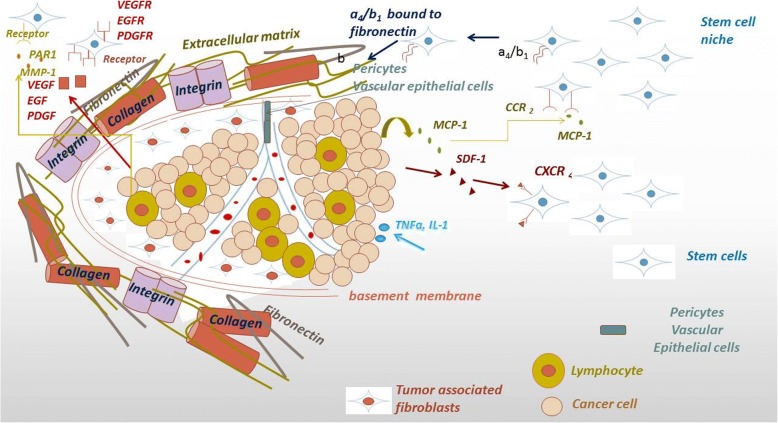
“Homing and migration of MSC to tumor sites has been proved to be mediated by monocyte chemotactic protein-1 (MCP-1 or CCL2) secreted by primary breast cancers [39], or stromal cell-derived factor 1 (SDF-1), a small chemotactic cytokine that activates leukocytes and is often induced by proinflammatory stimuli such as T…”
BackgroundAdipose Tissue–Derived Human Mesenchymal Stem Cells Mediated Prodrug Cancer Gene Therapy
Kucerova, L., Altanerova, V., Matuskova, M., Tyciakova, S., & Altaner, C. (2007) · Cancer Research · doi:10.1158/0008-5472.can-06-4024 · Cited by 431 · cited 1×
“Cancer types targeted include melanomas [275], sarcomas [276], colon [277], prostate [67, 278, 279], and ovarian [274].”
BackgroundHuber, B. E., Austin, E. A., Richards, C. A., Davis, S. T., & Good, S. S. (1994) · Proceedings of the National Academy of Sciences · doi:10.1073/pnas.91.17.8302 · Cited by 420
B cells inhibit induction of T cell-dependent tumor immunity
Qin, Z., Richter, G., Schüler, T., Ibe, S., Cao, X., & Blankenstein, T. (1998) · Nature Medicine · doi:10.1038/nm0598-627 · Cited by 419
Chan, J. L., Tang, K. C., Patel, A. P., Bonilla, L. M., Pierobon, N., Ponzio, N. M., & Rameshwar, P. (2006) · Blood · doi:10.1182/blood-2006-01-0057 · Cited by 418
Mesenchymal Stem Cell Delivery of TRAIL Can Eliminate Metastatic Cancer
Loebinger, M. R., Eddaoudi, A., Davies, D., & Janes, S. M. (2009) · Cancer Research · doi:10.1158/0008-5472.can-08-4698 · Cited by 417 · cited 4×
“%) for BM-MSC-IFN-β [33], BM-MSC-TRAIL [226], or AT-MSC receiving double GDEPT (CD::UPRT/5-FC : HSVtk/GCV, 1:1) [273], respectively.”
BackgroundInfluentialComparison of immunomodulatory properties of mesenchymal stem cells derived from adult human tissues
Yoo, K. H., Jang, I. K., Lee, M. W., Kim, H. E., Yang, M. S., Eom, Y., Lee, J. E., Kim, Y. J., Yang, S. K., Jung, H. L., et al. (2009) · Cellular Immunology · doi:10.1016/j.cellimm.2009.06.010 · Cited by 416 · cited 1×
“Nevertheless, the immunomodulatory properties of fetal and adult MSC have been quite well documented in comparison [105, 207, 208]; moreover, some excellent studies employing syngeneic models provide an insight into the immunomodulation-mediated tumor suppressive effect of UC-MSC [209–211].”
ResultNing, H., Yang, F., Jiang, M., Hu, L., Feng, K., Zhang, J., Yu, Z., Li, B., Xu, C., Li, Y., et al. (2008) · Leukemia · doi:10.1038/sj.leu.2405090 · Cited by 407
VEGF expression by mesenchymal stem cells contributes to angiogenesis in pancreatic carcinoma
Beckermann, B. M., Kallifatidis, G., Groth, A., Frommhold, D., Apel, A., Mattern, J., Salnikov, A. V., Moldenhauer, G., Wagner, W., Diehlmann, A., et al. (2008) · British Journal of Cancer · doi:10.1038/sj.bjc.6604508 · Cited by 406 · cited 1×
“MSC-expressing VEGF caused increased microvessel density in pancreatic xenografts [93] and enhanced neovascularization in syngeneic mouse models of melanoma and lung tumors [94].”
BackgroundRamasamy, R., Lam, E. W.-F., Soeiro, I., Tisato, V, Bonnet, D., & Dazzi, F. (2007) · Leukemia · doi:10.1038/sj.leu.2404489 · Cited by 404 · cited 1×
“G1 phase arrest was also observed when leukemia cells were cultivated with MSC in vitro [34].”
BackgroundStromal cells prevent apoptosis of AML cells by up-regulation of anti-apoptotic proteins
Konopleva, M., Konoplev, S., Hu, W., Zaritskey, A., Afanasiev, B., & Andreeff, M. (2002) · Leukemia · doi:10.1038/sj.leu.2402608 · Cited by 389
Sheng, H., Wang, Y., Jin, Y., Zhang, Q., Zhang, Y., Wang, L., Shen, B., Yin, S., Liu, W., Cui, L., et al. (2008) · Cell Research · doi:10.1038/cr.2008.80 · Cited by 388
Comparison of Human Placenta- and Bone Marrow–Derived Multipotent Mesenchymal Stem Cells
Barlow, S., Brooke, G., Chatterjee, K., Price, G., Pelekanos, R., Rossetti, T., Doody, M., Venter, D., Pain, S., Gilshenan, K., et al. (2008) · Stem Cells and Development · doi:10.1089/scd.2007.0154 · Cited by 387
Mesenchymal stem cells derived from bone marrow favor tumor cell growth in vivo
Zhu, W., Xu, W., Jiang, R., Qian, H., Chen, M., Hu, J., Cao, W., Han, C., & Chen, Y. (2006) · Experimental and Molecular Pathology · doi:10.1016/j.yexmp.2005.07.004 · Cited by 386 · cited 1×
“Furthermore, an onco-suppressive effect could not be established in vivo either, since human fetal or adult-derived BM-MSC were found to promote tumor growth, following their subcutaneous co-injection with SW480 colon cancer cells, in BALB/c-nu/nu mice [61].”
BackgroundRegional Anatomic and Age Effects on Cell Function of Human Adipose-Derived Stem Cells
Schipper, B. M., Marra, K. G., Zhang, W., Donnenberg, A. D., & Rubin, J. P. (2008) · Annals of Plastic Surgery · doi:10.1097/sap.0b013e3181723bbe · Cited by 350 · cited 1×
“A large number of studies have unequivocally demonstrated that variations in ex vivo manipulation conditions, such as age and anatomical origin of donor tissue [134, 135] harvesting procedures [136], type of culture medium, including type of constituent growth serum[137, 138], initial plating and sub-culture seeding d…”
BackgroundFong, C.-Y., Chak, L.-L., Biswas, A., Tan, J.-H., Gauthaman, K., Chan, W.-K., & Bongso, A. (2011) · Stem Cell Reviews and Reports · doi:10.1007/s12015-010-9166-x · Cited by 345 · cited 3×
“, tumor suppressors, caspases) on cancer cells [117], as well as variety of immunomodulatory effectors (e.”
BackgroundAmable, P. R., Teixeira, M. V. T., Carias, R. B. V., Granjeiro, J. M., & Borojevic, R. (2014) · Stem Cell Research & Therapy · doi:10.1186/scrt442 · Cited by 345
Concentration-dependent inhibition of angiogenesis by mesenchymal stem cells
Otsu, K., Das, S., Houser, S. D., Quadri, S. K., Bhattacharya, S., & Bhattacharya, J. (2009) · Blood · doi:10.1182/blood-2008-09-176198 · Cited by 344 · cited 2×
“Similar results were obtained after intratumoral administration of MSC into melanoma-bearing mice, where interaction of MSC with the neocapillary network in the tumors caused cytotoxicity and apoptosis of the tumor-associated endothelial cells [96].”
BackgroundResultKim, D.-W., Staples, M., Shinozuka, K., Pantcheva, P., Kang, S.-D., & Borlongan, C. (2013) · International Journal of Molecular Sciences · doi:10.3390/ijms140611692 · Cited by 340
Human mesenchymal stem cells inhibit cancer cell proliferation by secreting DKK-1
Zhu, Y., Sun, Z., Han, Q., Liao, L., Wang, J., Bian, C., Li, J., Yan, X., Liu, Y., Shao, C., et al. (2009) · Leukemia · doi:10.1038/leu.2008.384 · Cited by 338
Vallabhaneni, K. C., Penfornis, P., Dhule, S., Guillonneau, F., Adams, K. V., Mo, Y. Y., Xu, R., Liu, Y., Watabe, K., Vemuri, M. C., et al. (2015) · Oncotarget · doi:10.18632/oncotarget.3211 · Cited by 332 · cited 1×
“MSC-derived exosomes can modulate the function of tumor cells through induction of MMP-2 and ecto-5′-nucleotidase activity, thus enhancing the heterogeneity within the tumor microenvironment [50], while they also enclose tumor supportive micro RNAs, which enhance tumor growth [51].”
BackgroundMesenchymal stem cells induce apoptosis of activated T cells
Plumas, J., Chaperot, L., Richard, M.-J., Molens, J.-P., Bensa, J.-C., & Favrot, M.-C. (2005) · Leukemia · doi:10.1038/sj.leu.2403871 · Cited by 326 · cited 1×
“MSC can suppress T cell activity by either inhibiting their proliferation or, in case of activated T lymphocytes, by leading them to apoptosis [100, 101].”
BackgroundSelective Evolution of Stromal Mesenchyme with p53 Loss in Response to Epithelial Tumorigenesis
Hill, R., Song, Y., Cardiff, R. D., & Van Dyke, T. (2005) · Cell · doi:10.1016/j.cell.2005.09.030 · Cited by 324 · cited 1×
“However, there is mounting experimental evidence that healthy tumor microenvironments suppress tumor growth, and it is only after acquisition of tumor-like genetic lesions that fibroblasts appear to promote tumor progression [14, 17, 18].”
BackgroundImmunogenicity and Immunomodulatory Properties of Umbilical Cord Lining Mesenchymal Stem Cells
Deuse, T., Stubbendorff, M., Tang-Quan, K., Phillips, N., Kay, M. A., Eiermann, T., Phan, T. T., Volk, H.-D., Reichenspurner, H., Robbins, R. C., et al. (2011) · Cell Transplantation · doi:10.3727/096368910x536473 · Cited by 316 · cited 5×
“UC-MSC/WJ-MSC, like their adult counterparts, evade immune recognition by lacking co-stimulatory molecule expression (CD40L, CD80/CD86) which are normally implicated in activation of both T and B cell responses.”
BackgroundInfluentialMultipotential Mesenchymal Stem Cells Are Mobilized into Peripheral Blood by Hypoxia
Rochefort, G. Y., Delorme, B., Lopez, A., Hérault, O., Bonnet, P., Charbord, P., Eder, V., & Domenech, J. (2006) · STEM CELLS · doi:10.1634/stemcells.2006-0164 · Cited by 315 · cited 1×
“In another study, it has also been suggested that a small population of MSC circulates within the peripheral blood and is highly mobilized during hypoxia [28].”
BackgroundTolerization of dendritic cells by HLA‐G
Ristich, V., Liang, S., Zhang, W., Wu, J., & Horuzsko, A. (2005) · European Journal of Immunology · doi:10.1002/eji.200425741 · Cited by 315 · cited 1×
“This high expression of soluble as well as membrane-bound HLA-G isoforms allow UC-MSC to suppress immune reactions by reducing allo-proliferation of T cells, by disturbing the cytolytic function of NK cells, and by preventing maturation of dendritic cells [221, 222].”
BackgroundLila, N., Rouas-Freiss, N., Dausset, J., Carpentier, A., & Carosella, E. D. (2001) · Proceedings of the National Academy of Sciences · doi:10.1073/pnas.201407398 · Cited by 314
Qiao, L., Xu, Z.-L., Zhao, T.-J., Ye, L.-H., & Zhang, X.-D. (2008) · Cancer Letters · doi:10.1016/j.canlet.2008.04.032 · Cited by 313
Mesenchymal stem cells enhance growth and metastasis of colon cancer
Shinagawa, K., Kitadai, Y., Tanaka, M., Sumida, T., Kodama, M., Higashi, Y., Tanaka, S., Yasui, W., & Chayama, K. (2010) · International Journal of Cancer · doi:10.1002/ijc.25440 · Cited by 308 · cited 1×
“In another orthotopic mouse model of colon cancer, co-injected MSC were incorporated into the tumor stroma and expressed a-SMA, PDGFRb, desmin, FSP, and FAP as TAF markers [91].”
BackgroundLa Rocca, G., Anzalone, R., Corrao, S., Magno, F., Loria, T., Lo Iacono, M., Di Stefano, A., Giannuzzi, P., Marasà, L., Cappello, F., et al. (2009) · Histochemistry and Cell Biology · doi:10.1007/s00418-008-0519-3 · Cited by 297
Martin, F. T., Dwyer, R. M., Kelly, J., Khan, S., Murphy, J. M., Curran, C., Miller, N., Hennessy, E., Dockery, P., Barry, F. P., et al. (2010) · Breast Cancer Research and Treatment · doi:10.1007/s10549-010-0734-1 · Cited by 290
Kim, S. M., Lim, J. Y., Park, S. I., Jeong, C. H., Oh, J. H., Jeong, M., Oh, W., Park, S.-H., Sung, Y.-C., & Jeun, S.-S. (2008) · Cancer Research · doi:10.1158/0008-5472.can-08-0451 · Cited by 277
Najar, M., Raicevic, G., Boufker, H. I., Kazan, H. F., Bruyn, C. D., Meuleman, N., Bron, D., Toungouz, M., & Lagneaux, L. (2010) · Cellular Immunology · doi:10.1016/j.cellimm.2010.06.006 · Cited by 275
Chowdhury, R., Webber, J. P., Gurney, M., Mason, M. D., Tabi, Z., & Clayton, A. (2015) · Oncotarget · doi:10.18632/oncotarget.2711 · Cited by 272
Mesenchymal Stem Cells Derived from Human Adipose Tissues Favor Tumor Cell Growth in vivo
Yu, J. M., Jun, E. S., Bae, Y. C., & Jung, J. S. (2008) · Stem Cells and Development · doi:10.1089/scd.2007.0181 · Cited by 271
Mohseny, A. B., Szuhai, K., Romeo, S., Buddingh, E. P., Briaire‐de Bruijn, I., de Jong, D., van Pel, M., Cleton‐Jansen, A., & Hogendoorn, P. C. (2009) · The Journal of Pathology · doi:10.1002/path.2603 · Cited by 269 · cited 1×
“Last, noteworthy is the implication of BM-MSC as originating cells for sarcomas, most notably the highly metastatic osteosarcoma [190, 191].”
BackgroundRibeiro, A., Laranjeira, P., Mendes, S., Velada, I., Leite, C., Andrade, P., Santos, F., Henriques, A., Grãos, M., Cardoso, C. M. P., et al. (2013) · Stem Cell Research & Therapy · doi:10.1186/scrt336 · Cited by 266 · cited 1×
“Last, with respect to B cell activation, UC-MSC when co-cultured with PHA-stimulated MNC do not influence acquisition of lymphoblast characteristics by B cells or their progression from non-activated to early activated stage, in contrast to BM-MSC and AT-MSC that exert an inhibitory effect [215].”
ResultAa, E., Saavedra, A., Zhang, H., Kucharczuk, J. C., Dc, S., Fishman, G. I., Km, A., Kaiser, L. R., & Albelda, S. (1996) · PubMed · Cited by 259
Lund, R. D., Wang, S., Lu, B., Girman, S., Holmes, T., Sauvé, Y., Messina, D. J., Harris, I. R., Kihm, A. J., Harmon, A. M., et al. (2009) · STEM CELLS · doi:10.1634/stemcells.2006-0308 · Cited by 258
Cousin, B., Ravet, E., Poglio, S., De Toni, F., Bertuzzi, M., Lulka, H., Touil, I., André, M., Grolleau, J.-L., Péron, J.-M., et al. (2009) · PLoS ONE · doi:10.1371/journal.pone.0006278 · Cited by 255 · cited 1×
“Similarly to BM-MSC, AT-MSC have been shown both to promote and inhibit the survival of brain [62–64], breast [65], and prostate [66, 67] cancers in vitro and in vivo.”
BackgroundTRAIL and its receptors as targets for cancer therapy
Yagita, H., Takeda, K., Hayakawa, Y., Smyth, M. J., & Okumura, K. (2004) · Cancer Science · doi:10.1111/j.1349-7006.2004.tb02181.x · Cited by 254 · cited 1×
“apoptosis via binding to the cytoplasmic part of DR4 and DR5 on target cells [260].”
BackgroundGrisendi, G., Bussolari, R., Cafarelli, L., Petak, I., Rasini, V., Veronesi, E., De Santis, G., Spano, C., Tagliazzucchi, M., Barti-Juhasz, H., et al. (2010) · Cancer Research · doi:10.1158/0008-5472.can-09-1865 · Cited by 245 · cited 1×
“Indeed, GM-MSC have been shown to successfully target and significantly reduce tumor growth in models of multiple myeloma [250], glioma/glioblastoma [232, 234, 235], lung [226, 249, 253], liver [229, 252], colorectal [251], and cervical [249] cancers.”
BackgroundMesenchymal Stromal Cells Promote Tumor Growth through the Enhancement of Neovascularization
Suzuki, K., Sun, R., Origuchi, M., Kanehira, M., Takahata, T., Itoh, J., Umezawa, A., Kijima, H., Fukuda, S., & Saijo, Y. (2011) · Molecular Medicine · doi:10.2119/molmed.2010.00157 · Cited by 244 · cited 1×
“MSC-expressing VEGF caused increased microvessel density in pancreatic xenografts [93] and enhanced neovascularization in syngeneic mouse models of melanoma and lung tumors [94].”
BackgroundMenon, L. G., Picinich, S., Koneru, R., Gao, H., Lin, S. Y., Koneru, M., Mayer-Kuckuk, P., Glod, J., & Banerjee, D. (2007) · Stem Cells · doi:10.1634/stemcells.2006-0257 · Cited by 237 · cited 1×
“Homing and migration of MSC to tumor sites has been proved to be mediated by monocyte chemotactic protein-1 (MCP-1 or CCL2) secreted by primary breast cancers [39], or stromal cell-derived factor 1 (SDF-1), a small chemotactic cytokine that activates leukocytes and is often induced by proinflammatory stimuli such as T…”
BackgroundGood Manufacturing Practices Production of Mesenchymal Stem/Stromal Cells
Sensebé, L., Bourin, P., & Tarte, K. (2011) · Human Gene Therapy · doi:10.1089/hum.2010.197 · Cited by 233 · cited 1×
“In fact a cumulative number of 20 or more PD and a PDT > 60 h have been highlighted as thresholds for replicative senescence in BM-MSC, with recommendations to use cells at the lowest passage possible, preferably up to fifth to sixth [142, 177, 178].”
BackgroundImmunogenicity of umbilical cord tissue–derived cells
Cho, P. S., Messina, D. J., Hirsh, E. L., Chi, N., Goldman, S. N., Lo, D. P., Harris, I. R., Popma, S. H., Sachs, D. H., & Huang, C. A. (2008) · Blood · doi:10.1182/blood-2007-03-078774 · Cited by 231 · cited 1×
“MHC-mismatched inactivated UC-MSC did not elicit a detectable immune response, repeated injections in the same region caused the opposite effect, as evidenced by the production of alloantibodies within 1 week [223].”
BackgroundThe growth inhibitory effect of mesenchymal stem cells on tumor cells in vitro and in vivo
Lu, Y.-R., Yuan, Y., Wang, X.-J., Wei, L.-L., Chen, Y.-N., Cong, C., Li, S.-F., Long, D., Tan, W.-D., Mao, Y.-Q., et al. (2008) · Cancer Biology & Therapy · doi:10.4161/cbt.7.2.5296 · Cited by 225 · cited 1×
“demonstrated that MSC had an inhibitory effect on mouse tumor cells and ascitogenic hepatoma cells in a cell-dependent manner involving Caspase 3, an apoptotic protein, and p21, a negative regulator of cell cycle, implying that MSC exert tumor inhibitory effects in the absence of host immunosuppression, by inducing G0…”
BackgroundWu, S., Ju, G.-Q., Du, T., Zhu, Y.-J., & Liu, G.-H. (2013) · PLoS ONE · doi:10.1371/journal.pone.0061366 · Cited by 224 · cited 3×
“Upstream apoptosis-mediating mechanisms shown to be involved include JAK/STAT signaling [200] as well as regulation of Akt phosphorylation [83] and intracellular H2O2 production [130].”
BackgroundGu, J., Qian, H., Shen, L., Zhang, X., Zhu, W., Huang, L., Yan, Y., Mao, F., Zhao, C., Shi, Y., et al. (2012) · PLoS ONE · doi:10.1371/journal.pone.0052465 · Cited by 220 · cited 1×
“to carcinoma-associated fibroblasts and thus enhance the tumor fibrovascular network, an effect that can be eliminated through blockade of the TGF-β pathway [95].”
BackgroundDifferent Facets of Aging in Human Mesenchymal Stem Cells
Wagner, W., Ho, A. D., & Zenke, M. (2010) · Tissue Engineering Part B: Reviews · doi:10.1089/ten.teb.2009.0825 · Cited by 214 · cited 1×
“In contrast, human adult MSC have been linked to malignant transformation as well as karyotypic instabilities and epigenetic damage, raising safety concerns [176, 186, 187].”
BackgroundTherapeutic potential of mesenchymal stromal cells in a mouse breast cancer metastasis model
Sun, B., Roh, K.-H., Park, J.-R., Lee, S.-R., Park, S.-B., Jung, J.-W., Kang, S.-K., Lee, Y.-S., & Kang, K.-S. (2009) · Cytotherapy · doi:10.1080/14653240902807026 · Cited by 214 · cited 1×
“tastases in mice with established mammary tumors [109].”
BackgroundMesenchymal Stem Cell-Mediated Effects of Tumor Support or Suppression
Rhee, K.-J., Lee, J., & Eom, Y. (2015) · International Journal of Molecular Sciences · doi:10.3390/ijms161226215 · Cited by 214 · cited 2×
“Methodology of the meta-analysis Until this day, several reviews have focused on summarizing the aforementioned conflicting results involving the efficacy of MSC in cancer treatment and have, in some cases and to a limited extent, tried to dissect the causal relationship to those discrepancies [84, 121].”
BackgroundMethodGoldstein, R. H., Reagan, M. R., Anderson, K., Kaplan, D. L., & Rosenblatt, M. (2010) · Cancer Research · doi:10.1158/0008-5472.can-10-1254 · Cited by 210 · cited 2×
“Additionally, hBM-MSC secrete IL-17B, which may act through IL-17BR—a prognostic indicator of breast cancer progression and metastasis—to stimulate metastasis.”
Xu, W.-T., Bian, Z.-Y., Fan, Q.-M., Li, G., & Tang, T.-T. (2009) · Cancer Letters · doi:10.1016/j.canlet.2009.02.022 · Cited by 206 · cited 1×
“Last, noteworthy is the implication of BM-MSC as originating cells for sarcomas, most notably the highly metastatic osteosarcoma [190, 191].”
BackgroundErbs, P., Régulier, E., Kintz, J., Leroy, P., Poitevin, Y., Exinger, F., Jund, R., & Mehtali, M. (2000) · PubMed · Cited by 202
Kidd, S., Caldwell, L., Dietrich, M., Samudio, I., Spaeth, E. L., Watson, K., Shi, Y., Abbruzzese, J., Konopleva, M., Andreeff, M., et al. (2010) · Cytotherapy · doi:10.3109/14653241003631815 · Cited by 201
Tumor cell behaviour modulation by mesenchymal stromal cells
Kucerova, L., Matuskova, M., Hlubinova, K., Altanerova, V., & Altaner, C. (2010) · Molecular Cancer · doi:10.1186/1476-4598-9-129 · Cited by 200 · cited 35×
“With respect to GM-AT-MSC, experimental cytotherapy data so far are suggestive of an increased antitumor efficacy in relation to gliomas, especially when combined with a form of GDEPT.”
BackgroundInfluentialJacobsen, K., Kravitz, J., Kincade, P., & Osmond, D. (1996) · Blood · doi:10.1182/blood.v87.1.73.73 · Cited by 199
Moinfar, F., Man, Y., Bratthauer, G. L., Ratschek, M., & Tavassoli, F. A. (2000) · PubMed · Cited by 198
Bypassing cellular EGF receptor dependence through epithelial-to-mesenchymal-like transitions
Barr, S., Thomson, S., Buck, E., Russo, S., Petti, F., Sujka-Kwok, I., Eyzaguirre, A., Rosenfeld-Franklin, M., Gibson, N. W., Miglarese, M., et al. (2008) · Clinical & Experimental Metastasis · doi:10.1007/s10585-007-9121-7 · Cited by 197
Waterman, R. S., Henkle, S. L., & Betancourt, A. M. (2012) · PLoS ONE · doi:10.1371/journal.pone.0045590 · Cited by 197 · cited 1×
“For example, polarization of BM-MSC (through specific priming of Toll-like receptors (TLR)) into proinflammatory or immunosuppressive phenotype directly correlates to tumor suppressive or tumor-promoting effects, respectively [104, 212].”
BackgroundComparative growth behaviour and characterization of stem cells from human Wharton's jelly
Fong, C., Richards, M., Manasi, N., Biswas, A., & Bongso, A. (2007) · Reproductive BioMedicine Online · doi:10.1016/s1472-6483(10)60539-1 · Cited by 192 · cited 1×
“Thus, similar to hESC and unlike adult MSC, they are consistently positive for pluripotency and self-renewal markers such as Oct-4, NANOG, LIF, SSEA-1, SSEA-4, Tra-1–60, and Tra-1–81 [116, 117, 182, 183].”
BackgroundKurose, K. (2001) · Human Molecular Genetics · doi:10.1093/hmg/10.18.1907 · Cited by 191
Malignant gliomas actively recruit bone marrow stromal cells by secreting angiogenic cytokines
Birnbaum, T., Roider, J., Schankin, C. J., Padovan, C. S., Schichor, C., Goldbrunner, R., & Straube, A. (2007) · Journal of Neuro-Oncology · doi:10.1007/s11060-007-9332-4 · Cited by 188 · cited 1×
“On the other hand, in cases of malignant gliomas, MSC recruitment is achieved through interaction with a large array of angiogenesis-related cytokines including IL-8, TGF-β, and VEGF secreted by cancer cells [42].”
BackgroundCavarretta, I. T., Altanerova, V., Matuskova, M., Kucerova, L., Culig, Z., & Altaner, C. (2010) · Molecular Therapy · doi:10.1038/mt.2009.237 · Cited by 186
Del Fattore, A., Luciano, R., Saracino, R., Battafarano, G., Rizzo, C., Pascucci, L., Alessandri, G., Pessina, A., Perrotta, A., Fierabracci, A., et al. (2015) · Expert Opinion on Biological Therapy · doi:10.1517/14712598.2015.997706 · Cited by 185 · cited 1×
“Thus, not only MSC-EV cargo composition seems to vary depending on the MSC source ultimately having a differential impact on tumor fate [205], but even more interestingly EV isolated from the same MSC source can have opposing effect depending on the type of tumor target [83, 206].”
BackgroundMenon, L. G., Kelly, K., Yang, H. W., Kim, S.-K., Black, P. M., & Carroll, R. S. (2009) · Stem Cells · doi:10.1002/stem.136 · Cited by 185 · cited 2×
“Among these are BM-MSC and UC-MSC carrying human recombinant sTRAIL against glioma/glioblastoma [232, 234] and hepatocarcinoma [252], respectively.”
BackgroundCulture systems for pluripotent stem cells
Ulloa-Montoya, F., Verfaillie, C. M., & Hu, W.-S. (2005) · Journal of Bioscience and Bioengineering · doi:10.1263/jbb.100.12 · Cited by 179 · cited 1×
“These functions are triggered by signals that impel a stem cell to undergo either symmetric or asymmetric divisions [24].”
BackgroundWhat Might A Stromal Response Mean to Prostate Cancer Progression?
Rowley, D. R. (1998) · Cancer and Metastasis Reviews · doi:10.1023/a:1006129420005 · Cited by 177
Akimoto, K., Kimura, K., Nagano, M., Takano, S., To'a Salazar, G., Yamashita, T., & Ohneda, O. (2013) · Stem Cells and Development · doi:10.1089/scd.2012.0486 · Cited by 176 · cited 1×
“studies evaluating the anti-cancer effects of MSC of different developmental origin [64, 129], although clearly more such studies should be carefully designed and carried out,”
BackgroundPlasticity of human adipose stem cells toward endothelial cells and cardiomyocytes
Fraser, J. K., Schreiber, R., Strem, B., Zhu, M., Alfonso, Z., Wulur, I., & Hedrick, M. H. (2006) · Nature Clinical Practice Cardiovascular Medicine · doi:10.1038/ncpcardio0444 · Cited by 175 · cited 1×
“2500-fold greater than that of BM-MSC [136, 163, 164].”
Raicevic, G., Rouas, R., Najar, M., Stordeur, P., Id Boufker, H., Bron, D., Martiat, P., Goldman, M., Nevessignsky, M. T., & Lagneaux, L. (2010) · Human Immunology · doi:10.1016/j.humimm.2009.12.005 · Cited by 174 · cited 35×
“With respect to GM-AT-MSC, experimental cytotherapy data so far are suggestive of an increased antitumor efficacy in relation to gliomas, especially when combined with a form of GDEPT.”
BackgroundInfluentialKucerova, L., Matuskova, M., Pastorakova, A., Tyciakova, S., Jakubikova, J., Bohovic, R., Altanerova, V., & Altaner, C. (2008) · The Journal of Gene Medicine · doi:10.1002/jgm.1239 · Cited by 171
Zhou, C., Yang, B., Tian, Y., Jiao, H., Zheng, W., Wang, J., & Guan, F. (2011) · Cellular Immunology · doi:10.1016/j.cellimm.2011.09.010 · Cited by 171 · cited 1×
“showed that both AT-MSC and BM-MSC can inhibit lymphocytes only when they are in close contact [105], while in another study, UC-MSC (isolated from Wharton’s Jelly (WJ)-MSC) were able to suppress proliferation of peripheral blood lymphocytes [106].”
ResultHSV-tk expressing mesenchymal stem cells exert bystander effect on human glioblastoma cells
Matuskova, M., Hlubinova, K., Pastorakova, A., Hunakova, L., Altanerova, V., Altaner, C., & Kucerova, L. (2010) · Cancer Letters · doi:10.1016/j.canlet.2009.08.028 · Cited by 171 · cited 1×
“The TK/GCV system has been predominantly applied in combination with AT-MSC for treating neural tumors demonstrating very high efficacy [238, 239, 280].”
MethodNekanti, U., Rao, V. B., Bahirvani, A. G., Jan, M., Totey, S., & Ta, M. (2010) · Stem Cells and Development · doi:10.1089/scd.2009.0177 · Cited by 170 · cited 3×
“A yield of about five billion UC-MSC from a single cord can be obtained within 5–6 passages when large five-cell stacks are used for propagation [138].”
BackgroundSalehinejad, P., Alitheen, N. B., Ali, A. M., Omar, A. R., Mohit, M., Janzamin, E., Samani, F. S., Torshizi, Z., & Nematollahi-Mahani, S. N. (2012) · In Vitro Cellular & Developmental Biology - Animal · doi:10.1007/s11626-011-9480-x · Cited by 167 · cited 1×
“There are various studies reporting a yield of 10,000–15,000 MSC per cm of umbilical cord tissue in the starting culture [137, 146, 149, 154], while this can be further increased by protocol modification [155, 156].”
BackgroundGene-Directed Enzyme Prodrug Therapy
Zhang, J., Kale, V. M., & Chen, M. (2014) · The AAPS Journal · doi:10.1208/s12248-014-9675-7 · Cited by 163 · cited 1×
“In the second strategy, GDEPT (also known as suicide gene therapy), GM-MSC act as carriers of genes encoding for specific enzymes that convert non-toxic prodrugs into active derivatives [263].”
BackgroundMatrix metalloproteinases as drivers and therapeutic targets in breast cancer
Radisky, E. S. (2015) · Frontiers in Bioscience · doi:10.2741/4364 · Cited by 162
Gao, P., Ding, Q., Wu, Z., Jiang, H., & Fang, Z. (2010) · Cancer Letters · doi:10.1016/j.canlet.2009.08.031 · Cited by 158
Pitfalls in spontaneous in vitro transformation of human mesenchymal stem cells
Garcia, S., Martín, M. C., de la Fuente, R., Cigudosa, J. C., Garcia-Castro, J., & Bernad, A. (2010) · Experimental Cell Research · doi:10.1016/j.yexcr.2010.02.016 · Cited by 155 · cited 1×
“was later recognized as an artifact attributed to unnoticed minimal cross-contamination with a fibrosarcoma cell line cultured simultaneously in the same laboratory [194].”
BackgroundLentiviral Vectors for Sustained Transgene Expression in Human Bone Marrow–Derived Stromal Cells
Zhang, X.-Y., La Russa, V. F., Bao, L., Kolls, J., Schwarzenberger, P., & Reiser, J. (2002) · Molecular Therapy · doi:10.1006/mthe.2002.0585 · Cited by 155
Human umbilical cord wharton's jelly stem cell (hWJSC) extracts inhibit cancer cell growth in vitro
Gauthaman, K., Yee, F. C., Cheyyatraivendran, S., Biswas, A., Choolani, M., & Bongso, A. (2012) · Journal of Cellular Biochemistry · doi:10.1002/jcb.24073 · Cited by 152 · cited 4×
“A moderate or strong tumor suppressive effect of UC-MSC-CM has been observed against a group of cancer targets much more diverse than in the case of adult MSC; these include the bladder [83], breast [68, 71], larynx [127], lung [128], glioma [129], lymphoma [130], melanoma [131], osteosarcoma, and ovarian adenocarcino…”
BackgroundInfluentialRyu, C. H., Park, S.-H., Park, S. A., Kim, S. M., Lim, J. Y., Jeong, C. H., Yoon, W.-S., Oh, W.-I., Sung, Y. C., & Jeun, S.-S. (2011) · Human Gene Therapy · doi:10.1089/hum.2010.187 · Cited by 150 · cited 1×
“to home to and interact with tumors is being exploited for the effective targeting of the tumor microenvironment [54, 55].”
BackgroundMesenchymal Stem Cells in Early Entry of Breast Cancer into Bone Marrow
Corcoran, K. E., Trzaska, K. A., Fernandes, H., Bryan, M., Taborga, M., Srinivas, V., Packman, K., Patel, P. S., & Rameshwar, P. (2008) · PLoS ONE · doi:10.1371/journal.pone.0002563 · Cited by 150 · cited 3×
“Accordingly, MSC facilitated the entry of breast cancer cells into the bone marrow through Tac-1 regulation of SDF-a1 and C-X-C chemokine receptor type 4 (CXCR4) [112].”
BackgroundInfluentialSecchiero, P., Zorzet, S., Tripodo, C., Corallini, F., Melloni, E., Caruso, L., Bosco, R., Ingrao, S., Zavan, B., & Zauli, G. (2010) · PLoS ONE · doi:10.1371/journal.pone.0011140 · Cited by 148
Ho, I. A. W., Chan, K. Y. W., Ng, W.-H., Guo, C. M., Hui, K. M., Cheang, P., & Lam, P. Y. P. (2009) · Stem Cells · doi:10.1002/stem.50 · Cited by 147
Roorda, B. D., ter Elst, A., Kamps, W. A., & de Bont, E. S. J. M. (2008) · Critical Reviews in Oncology/Hematology · doi:10.1016/j.critrevonc.2008.06.004 · Cited by 145 · cited 1×
“Α significant amount of in vivo experimental data, including labeled MSC tracking, support the contribution of MSC to the tumor vascular and fibrovascular network, either directly by differentiating into pericytes, fibroblasts, and myofibrobasts that transform into TAFs [35, 85] or indirectly through secretion of spec…”
BackgroundLund, R. D., Wang, S., Lu, B., Girman, S., Holmes, T., Sauvé, Y., Messina, D. J., Harris, I. R., Kihm, A. J., Harmon, A. M., et al. (2007) · STEM CELLS · doi:10.1634/stemcells.2006-0308erratum · Cited by 144
Immune system in suicide-gene therapy
Freeman, S. M., Ramesh, R., & Marrogi, A. J. (1997) · The Lancet · doi:10.1016/s0140-6736(97)22001-5 · Cited by 143 · cited 1×
“A requirement for this phenomenon is the active or passive transference of the activated toxic metabolite to neighboring cells which involves the use of gap junctions [266, 267], endocytosis of apoptotic vesicles [265, 268], or paracrine effects that lead to immune system stimulation [269, 270].”
BackgroundAthymic Nude Mice as an Experimental Model for Cancer Treatment
Szadvári, I., Križanová, O., & Babula, P. (2016) · Physiological Research · doi:10.33549/physiolres.933526 · Cited by 143 · cited 1×
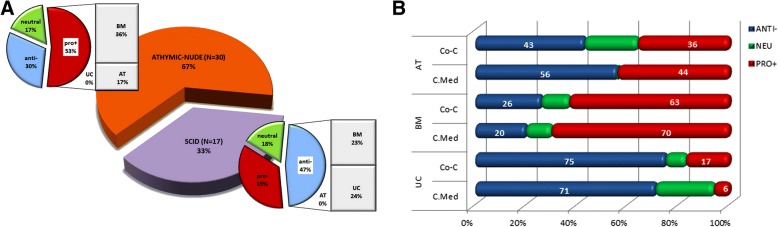
“The latter bear the advantage of being less immunodeficient than SCID variants, therefore more convincingly recapitulate immune system- affiliated antitumor therapeutic responses and disease progression [124].”
BackgroundSubramanian, A., Fong, C.-Y., Biswas, A., & Bongso, A. (2015) · PLOS ONE · doi:10.1371/journal.pone.0127992 · Cited by 139
The therapeutic potential of bone marrow-derived mesenchymal stem cells on hepatic cirrhosis
Dai, L., Li, H. Y., Guan, L.-X., Ritchie, G., & Zhou, J. X. (2008) · Stem Cell Research · doi:10.1016/j.scr.2008.07.005 · Cited by 137
Expression of Stromal-Derived Factor-1 Is Decreased by IL-1 and TNF and in Dermal Wound Healing
Fedyk, E. R., Jones, D., Critchley, H. O. D., Phipps, R. P., Blieden, T. M., & Springer, T. A. (2001) · The Journal of Immunology · doi:10.4049/jimmunol.166.9.5749 · Cited by 136 · cited 7×
“This hypothesis was tested in a humanized model of breast cancer metastasis to bone, where co-injection of cancer cells with BM-MSC increased the frequency of metastases with increased expression of IL-17BR [75].”
BackgroundInfluentialSasser, A. K., Mundy-Bosse, B. L., Smith, K. M., Studebaker, A. W., Axel, A. E., Haidet, A. M., Fernández, S., & Hall, B. M. (2007) · Cancer Letters · doi:10.1016/j.canlet.2007.03.012 · Cited by 136 · cited 1×
“Most notable is the case of breast, in which tumor promotion was verified in vitro using three different cancer cell lines by five independent groups [33, 56, 58, 74, 76].”
BackgroundColombo, B. M., Benedetti, S., Ottolenghi, S., Mora, M., Pollo, B., Poli, G., & Finocchiaro, G. (1995) · Human Gene Therapy · doi:10.1089/hum.1995.6.6-763 · Cited by 136
Fong, C., Subramanian, A., Biswas, A., Gauthaman, K., Srikanth, P., Hande, M. P., & Bongso, A. (2010) · Reproductive BioMedicine Online · doi:10.1016/j.rbmo.2010.04.010 · Cited by 135
Earlier Onset of Syngeneic Tumors in the Presence of Mesenchymal Stem Cells
Djouad, F., Bony, C., Apparailly, F., Louis-Plence, P., Jorgensen, C., & Noël, D. (2006) · Transplantation · doi:10.1097/01.tp.0000236098.13804.0b · Cited by 134 · cited 1×
“relatively high numbers of MSC are used has been found to correspond to the immunosuppressive functions of these cells that are known to be more active at higher MSC numbers but lost at low doses [132, 133] (see also the “Linking MSC phenotypic differences to variation in anti-cancer efficacy” section).”
BackgroundAyuzawa, R., Doi, C., Rachakatla, R. S., Pyle, M. M., Maurya, D. K., Troyer, D., & Tamura, M. (2009) · Cancer Letters · doi:10.1016/j.canlet.2009.02.011 · Cited by 133
Mandel, K., Yang, Y., Schambach, A., Glage, S., Otte, A., & Hass, R. (2013) · Stem Cells and Development · doi:10.1089/scd.2013.0249 · Cited by 133
Yoon, J. H., Roh, E. Y., Shin, S., Jung, N. H., Song, E. Y., Chang, J. Y., Kim, B. J., & Jeon, H. W. (2013) · BioMed Research International · doi:10.1155/2013/428726 · Cited by 132 · cited 1×
“There are various studies reporting a yield of 10,000–15,000 MSC per cm of umbilical cord tissue in the starting culture [137, 146, 149, 154], while this can be further increased by protocol modification [155, 156].”
BackgroundRole of stem cell derived exosomes in tumor biology
Sharma, A. (2018) · International Journal of Cancer · doi:10.1002/ijc.31089 · Cited by 131 · cited 1×
“Little is known about the exact mechanisms but data so far are indicative of complex regulation involving antagonistic effects [203, 204].”
BackgroundAcquisition of new tumor cell properties by MSC-derived exosomes
YANG, Y., BUCAN, V., BAEHRE, H., VON DER OHE, J., OTTE, A., & HASS, R. (2015) · International Journal of Oncology · doi:10.3892/ijo.2015.3001 · Cited by 129 · cited 1×
“MSC-derived exosomes can modulate the function of tumor cells through induction of MMP-2 and ecto-5′-nucleotidase activity, thus enhancing the heterogeneity within the tumor microenvironment [50], while they also enclose tumor supportive micro RNAs, which enhance tumor growth [51].”
BackgroundMolloy, A. P., Martin, F. T., Dwyer, R. M., Griffin, T. P., Murphy, M., Barry, F. P., O'Brien, T., & Kerin, M. J. (2009) · International Journal of Cancer · doi:10.1002/ijc.23939 · Cited by 128 · cited 1×
“Most notable is the case of breast, in which tumor promotion was verified in vitro using three different cancer cell lines by five independent groups [33, 56, 58, 74, 76].”
BackgroundAnti‐tumor activity of mesenchymal stem cells producing IL‐12 in a mouse melanoma model
Elzaouk, L., Moelling, K., & Pavlovic, J. (2006) · Experimental Dermatology · doi:10.1111/j.1600-0625.2006.00479.x · Cited by 128
The (in) auspicious role of mesenchymal stromal cells in cancer: be it friend or foe
Kidd, S., Spaeth, E., Klopp, A., Andreeff, M., Hall, B., & Marini, F. (2008) · Cytotherapy · doi:10.1080/14653240802486517 · Cited by 128 · cited 6×
“Support of tumor vasculature and fibrovascular network Α significant amount of in vivo experimental data, including labeled MSC tracking, support the contribution of MSC to the tumor vascular and fibrovascular network, either directly by differentiating into pericytes, fibroblasts, and myofibrobasts that transform int…”
BackgroundInfluentialDevelopment of human umbilical cord matrix stem cell-based gene therapy for experimental lung tumors
Rachakatla, R. S., Marini, F., Weiss, M. L., Tamura, M., & Troyer, D. L. (2007) · Cancer Gene Therapy · doi:10.1038/sj.cgt.7701077 · Cited by 127 · cited 5×
“4%) in mice receiving BM-MSC-IFN-β [33], UC-MSC-IFN-β [72], or UC-MSC-IFN-β+5-FU combination treatment [73], respectively, as evidenced by the reduction of mouse lung masses one month after GM-MSC administration.”
BackgroundInfluentialIsolation of Stromal Stem Cells From Human Adipose Tissue
Boquest, A. C., Shahdadfar, A., Brinchmann, J. E., & Collas, P. (2006) · Humana Press eBooks · doi:10.1385/1-59745-005-7:35 · Cited by 125 · cited 1×
“3 million stem cells from an average 300 ml (= 270 g) lipoarspirate) [152, 162]; this yield can be 500–”
BackgroundGanta, C., Chiyo, D., Ayuzawa, R., Rachakatla, R., Pyle, M., Andrews, G., Weiss, M., Tamura, M., & Troyer, D. (2009) · Cancer Research · doi:10.1158/0008-5472.can-08-2750 · Cited by 122
Jo, C. H., Kim, O.-S., Park, E.-Y., Kim, B. J., Lee, J. H., Kang, S., Lee, J. H., Han, H. S., Rhee, S. H., & Yoon, K.-S. (2008) · Cell and Tissue Research · doi:10.1007/s00441-008-0696-3 · Cited by 119 · cited 1×
“They not only can be serially propagated up to eight or nine times while maintaining a short PDT (< 30 h), but can be additionally expanded up to 25–50 population doubling (PD) (over 20 passages) while maintaining a normal karyotype as well as their immunophenotypical and stemness characteristics [137, 158, 169, 170].”
BackgroundGenetically modified mesenchymal stromal cells in cancer therapy
Sage, E. K., Thakrar, R. M., & Janes, S. M. (2016) · Cytotherapy · doi:10.1016/j.jcyt.2016.09.003 · Cited by 119 · cited 2×
“Interestingly, the trial addresses the issues of BM-MSC adequacy and variability by pooling cells from multiple donors before transduction [1].”
BackgroundYang, C., Lei, D., Ouyang, W., Ren, J., Li, H., Hu, J., & Huang, S. (2014) · BioMed Research International · doi:10.1155/2014/109389 · Cited by 115 · cited 4×
“studies evaluating the anti-cancer effects of MSC of different developmental origin [64, 129], although clearly more such studies should be carefully designed and carried out,”
BackgroundInfluentialUC blood-derived mesenchymal stromal cells: an overview
Flynn, A. W., Barry, F., & O’Brien, T. (2007) · Cytotherapy · doi:10.1080/14653240701584578 · Cited by 115 · cited 1×
“MSC or MSC-like cells have been isolated from fetal tissues as well, including skin, cord blood (-CB), umbilical cord (-UC), and placenta [29].”
Niess, H., von Einem, J. C., Thomas, M. N., Michl, M., Angele, M. K., Huss, R., Günther, C., Nelson, P. J., Bruns, C. J., & Heinemann, V. (2015) · BMC Cancer · doi:10.1186/s12885-015-1241-x · Cited by 111
Adult human mesenchymal stem cells enhance breast tumorigenesis and promote hormone independence
Rhodes, L. V., Muir, S. E., Elliott, S., Guillot, L. M., Antoon, J. W., Penfornis, P., Tilghman, S. L., Salvo, V. A., Fonseca, J. P., Lacey, M. R., et al. (2010) · Breast Cancer Research and Treatment · doi:10.1007/s10549-009-0458-2 · Cited by 110
Christodoulou, I., Kolisis, F. N., Papaevangeliou, D., & Zoumpourlis, V. (2013) · Stem Cells International · doi:10.1155/2013/246134 · Cited by 109
Self-citationWu, X., Hu, J., Zhou, L., Mao, Y., Yang, B., Gao, L., Xie, R., Xu, F., Zhang, D., Liu, J., et al. (2008) · Journal of Neurosurgery · doi:10.3171/jns/2008/108/2/0320 · Cited by 107
Cell Culture Medium Composition and Translational Adult Bone Marrow‐Derived Stem Cell Research
Sotiropoulou, P. A., Perez, S. A., Salagianni, M. L., Baxevanis, C. N., & Papamichail, M. (2006) · Stem Cells · doi:10.1634/stemcells.2005-0654 · Cited by 106 · cited 1×
“A large number of studies have unequivocally demonstrated that variations in ex vivo manipulation conditions, such as age and anatomical origin of donor tissue [134, 135] harvesting procedures [136], type of culture medium, including type of constituent growth serum[137, 138], initial plating and sub-culture seeding d…”
BackgroundDabrowski, F. A., Burdzinska, A., Kulesza, A., Sladowska, A., Zolocinska, A., Gala, K., Paczek, L., & Wielgos, M. (2017) · Journal of Obstetrics and Gynaecology Research · doi:10.1111/jog.13432 · Cited by 106
Cited by
Stem cells: past, present, and future
Zakrzewski, W., Dobrzyński, M., Szymonowicz, M., & Rybak, Z. (2019) · Stem Cell Research & Therapy · doi:10.1186/s13287-019-1165-5 · Cited by 1,834
Stromal cells in the tumor microenvironment: accomplices of tumor progression?
Zhao, Y., Shen, M., Wu, L., Yang, H., Yao, Y., Yang, Q., Du, J., Liu, L., Li, Y., & Bai, Y. (2023) · Cell Death & Disease · doi:10.1038/s41419-023-06110-6 · Cited by 431
“Furthermore, allogeneic bone marrow MSCs transplantation rarely causes rejection due to the bone marrow MSCs express low levels of major histocompatibility complex (MHC) class I, MHCII class I, and co-stimulatory molecules (CD40, CD80, and CD86) [188, 189].”
Chu, D.-T., Nguyen, T. T., Tien, N. L. B., Tran, D.-K., Jeong, J.-H., Anh, P. G., Thanh, V. V., Truong, D. T., & Dinh, T. C. (2020) · Cells · doi:10.3390/cells9030563 · Cited by 216
Cell primitive-based biomimetic functional materials for enhanced cancer therapy
Luo, G.-F., Chen, W.-H., Zeng, X., & Zhang, X.-Z. (2021) · Chemical Society Reviews · doi:10.1039/d0cs00152j · Cited by 193
Galland, S., & Stamenkovic, I. (2020) · The Journal of Pathology · doi:10.1002/path.5357 · Cited by 165
“A recent systematic review by Christodoulou et al addresses these issues in the settings of preclinical cancer cytotherapy [225].”
Background
Metadata
- Authors
- Christodoulou, I., Goulielmaki, M., Devetzi, M., Panagiotidis, M., Koliakos, G., & Zoumpourlis, V.
- Affiliations
- National Hellenic Research Foundation (GR)
- Corresponding author
- Zoumpourlis, Vassilis
- Venue
- Stem Cell Research & Therapy
- Published
- 2018-12
- Volume
- 9
- Issue
- 1
- Pages
- 336-336
- ISSN
- 1757-6512 (ISSN-L)
- PMC
- PMC6286545
- OpenAlex
- W2904058752
- Cited by
- 122
- References
- 299
- Citations by year
- 2026: 8 · 2025: 11 · 2024: 19 · 2023: 21 · 2022: 18 · 2021: 16 · 2020: 18 · 2019: 10 · 2018: 1
- FWCI
- 1.63
- Type
- journal article
- Language
- en
- Open access
- gold
- doi.org
- Licence
- cc-by
- creativecommons.org/licenses/by/4.0/ (tdm)
- Locations
- Stem Cell Research & Therapy (publishedVersion, cc-by)
- Europe PMC (PubMed Central) (publishedVersion, cc-by)
- PubMed Central (publishedVersion, cc-by)
- PubMed (publishedVersion)
- Northumbria Research Link (Northumbria University) (acceptedVersion)
- DOAJ (DOAJ: Directory of Open Access Journals) (submittedVersion, cc-by-sa)
- National Hellenic Research Foundation Helios Repository (National Hellenic Research Foundation) (submittedVersion)
- Funders
- General Secretariat for Research and Technology (2400)
- State Scholarships Foundation
- Topics
- Life Sciences › Biochemistry, Genetics and Molecular Biology › Cell Biology › Mesenchymal stem cell research
- Life Sciences › Biochemistry, Genetics and Molecular Biology › Biotechnology › Bacterial Cancer Therapy
- Health Sciences › Medicine › Oncology › Cancer Cells and Metastasis
- Keywords
- mesenchymal stem cells, bone marrow-derived mesenchymal stem cells, adipose-derived stem cells, human umbilical cord mesenchymal stem cells, tumor microenvironment, tumor growth, metastasis, preclinical cancer models, experimental design
- MeSH terms
- Animals, Humans, Neoplasms, Phenotype, Mesenchymal Stem Cell Transplantation, Tumor Microenvironment, Mesenchymal Stem Cells
About these checks
Registry, retraction, Cites and statistics results are computed, not judged, with one exception: a printed reference that no index lists is read once by a model before it counts as a citation error. Claims are extracted by a model and kept only when their quote appears verbatim in the text; each cited source is then checked, with a model’s help, for whether it says what the claim relies on. Those verdicts can be wrong — read the claim’s quote and the cited source before relying on one.
Statistics and arithmetic are recomputed, not judged.
Confidence bands are shown only for fields calibrated on our annotated test set. None is calibrated yet, so no band is shown.
What counts as a claim ›How we measure confidence ›How we check this ›
Are you an author, or do you see a problem with this page? Request a review
Data sources
Bibliographic data: Semantic Scholar, OpenAlex, Crossref.
Contains information from the Semantic Scholar Academic Graph Datasets, made available under the ODC Attribution License (ODC-BY 1.0).
Semantic Scholar’s data is described in: Kinney, R., et al. (2023). The Semantic Scholar Open Data Platform. arXiv:2301.10140.
