

The DOI matches its Crossref record; 6 of the 6 references it cites were found in a registry or an index.
Exosome crosstalk between cancer stem cells and tumor microenvironment: cancer progression and therapeutic strategies
Abstract
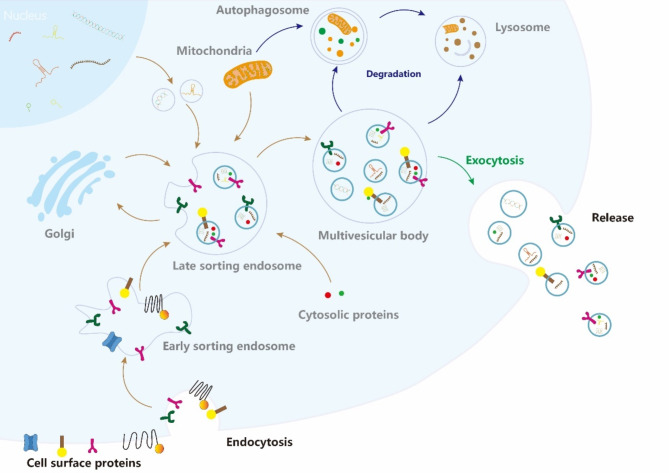
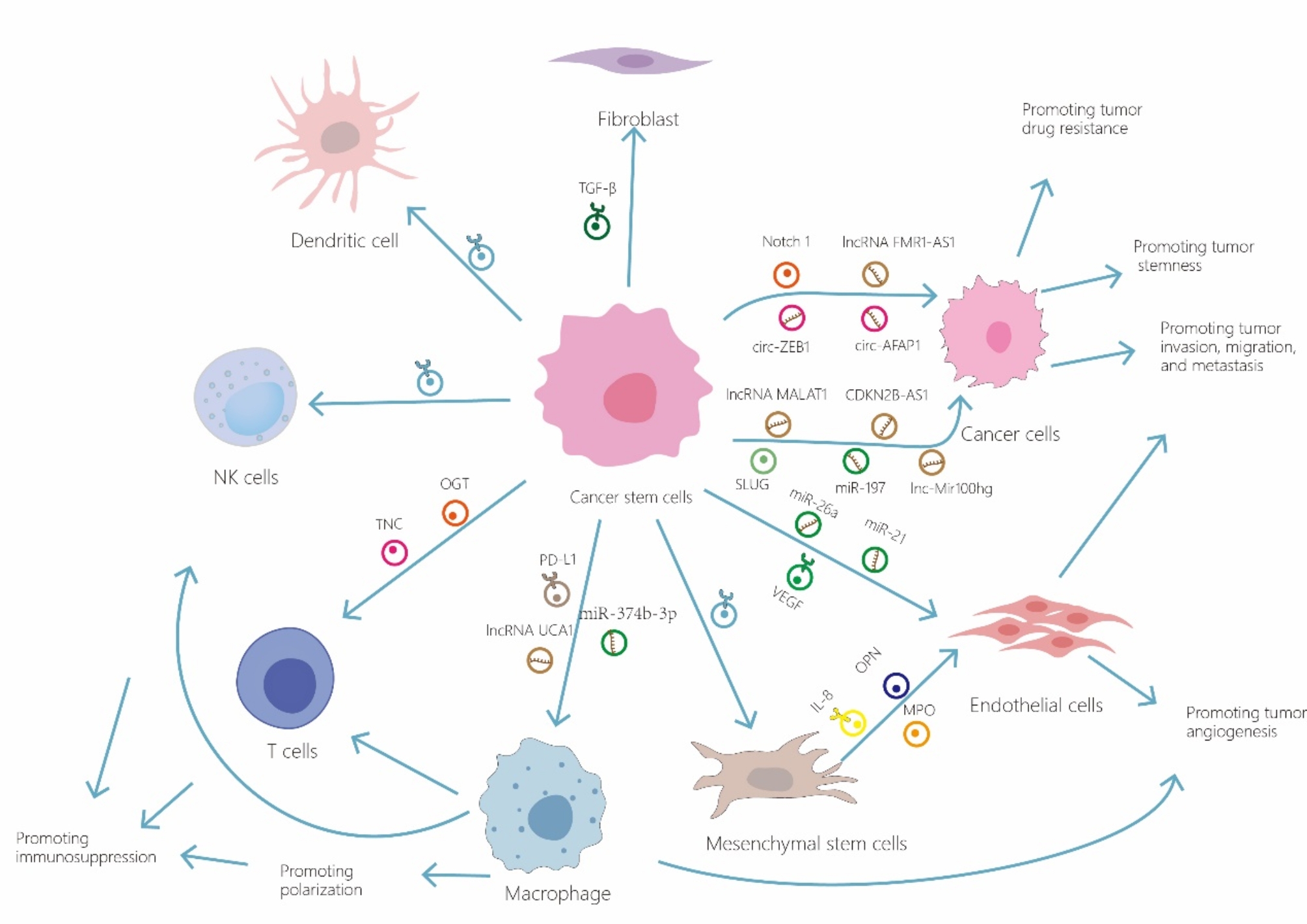
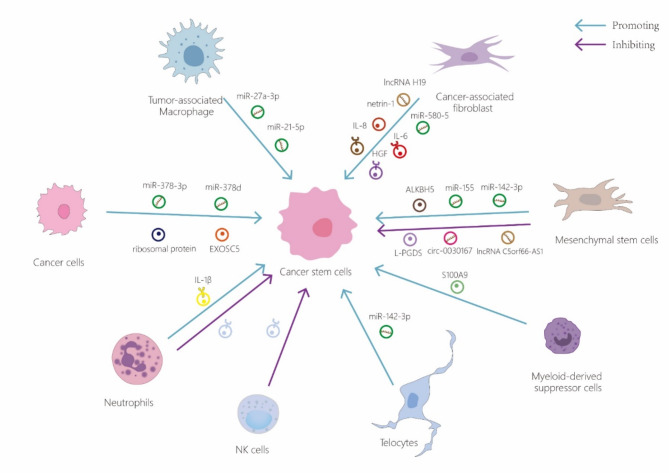
Cancer stem cells (CSCs) represent a small yet pivotal subset of tumor cells endowed with self-renewal capabilities. These cells are intricately linked to tumor progression and are central to drug resistance, metastasis, and recurrence. The tumor microenvironment (TME) encompasses the cancer cells and their surrounding milieu, including immune and inflammatory cells, cancer-associated fibroblasts, adjacent stromal tissues, tumor vasculature, and a variety of cytokines and chemokines. Within the TME, cells such as immune and inflammatory cells, endothelial cells, adipocytes, and fibroblasts release growth factors, cytokines, chemokines, and exosomes, which can either sustain or disrupt CSCs, thereby influencing tumor progression. Conversely, CSCs can also secrete cytokines, chemokines, and exosomes, affecting various components of the TME. Exosomes, a subset of extracellular vesicles (EVs), carry a complex cargo of nucleic acids, proteins, and lipids, playing a crucial role in the communication between CSCs and the TME. This review primarily focuses on the impact of exosomes secreted by CSCs (CSC-exo) on tumor progression, including their roles in maintaining stemness, promoting angiogenesis, facilitating metastasis, inducing immune suppression, and contributing to drug resistance. Additionally, we discuss how exosomes secreted by different cells within the TME affect CSCs. Finally, we explore the potential of utilizing exosomes to mitigate the detrimental effects of CSCs or to target and eliminate them. A thorough understanding of the exosome-mediated crosstalk between CSCs and the TME could provide valuable insights for developing targeted therapies against CSCs.
Overview
The claims and statistics of this paper haven’t been checked yet.
Run the check — free, no account needed. It reads the open-access text and checks the sources it cites.
Integrity signals
Registry
Cites
Statistics
Figures
Verification
Claims the paper makes
The claims and statistics of this paper haven’t been checked yet.
Run the check — free, no account needed. It reads the open-access text and checks the sources it cites.
Claims other papers make about this one
Each is checked against this paper’s own text: does it say what the citing paper says it does?
In the citing paper
“Studies have shown that tumor cell-derived exosomes can carry oncogenic substances that affect normal cell functions10.”
From Emerging role of exosomes in cancer therapy: progress and challenges (2025) · cites this paper as [10]
In the citing paper
“Furthermore, they can suppress host immune responses, helping tumor cells evade immune surveillance [10].”
From Emerging role of exosomes in cancer therapy: progress and challenges (2025) · cites this paper as [10]
Self-check
Percentages, sums and reported differences re-computed from the paper’s own numbers.
The self-check needs the paper’s full text.
Citations
Cites
Bray, F., Laversanne, M., Sung, H., Ferlay, J., Siegel, R. L., Soerjomataram, I., & Jemal, A. (2024) · CA: a cancer journal for clinicians · doi:10.3322/caac.21834 · Cited by 27,064
Hu, J. L., Wang, W., Lan, X. L., Zeng, Z. C., Liang, Y. S., Yan, Y. R., Song, F. Y., Wang, F. F., Zhu, X. H., Liao, W. J., et al. (2019) · Molecular Cancer · doi:10.1186/s12943-019-1019-x · Cited by 773
Mutations and mechanisms of WNT pathway tumour suppressors in cancer
Bugter, J. M., Fenderico, N., & Maurice, M. M. (2021) · Nature Reviews Cancer · doi:10.1038/s41568-020-00307-z · Cited by 466 · cited 1×
“Common stemness signaling pathways cover WNT/β-catenin [67], Notch [68], Hedgehog [69], and STAT pathways [70].”
Mesenchymal stem/stromal cells in cancer therapy
Lan, T., Luo, M., & Wei, X. (2021) · Journal of Hematology & Oncology · doi:10.1186/s13045-021-01208-w · Cited by 374
Lin, Z., Wu, Y., Xu, Y., Li, G., Li, Z., & Liu, T. (2022) · Molecular Cancer · doi:10.1186/s12943-022-01650-5 · Cited by 297
Modulation of the tumor vasculature and oxygenation to improve therapy
Siemann, D. W., & Horsman, M. R. (2015) · Pharmacology & Therapeutics · doi:10.1016/j.pharmthera.2015.06.006 · Cited by 169
Research works printed but not linked: 121
- Bray F, Laversanne M, Weiderpass E, Soerjomataram I. The ever-increasing importance of cancer as a leading cause of premature death worldwide. Cancer. 2021;127(16):3029–30. · DOI
- Huang T, Song X, Xu D, Tiek D, Goenka A, Wu B, et al. Stem cell programs in cancer initiation, progression, and therapy resistance. Theranostics. 2020;10(19):8721–43. · DOI · Paper page
- Prasetyanti PR, Medema JP. Intra-tumor heterogeneity from a cancer stem cell perspective. Mol Cancer. 2017;16(1):41. · DOI
- Lapidot T, Sirard C, Vormoor J, Murdoch B, Hoang T, Caceres-Cortes J, et al. A cell initiating human acute myeloid leukaemia after transplantation into SCID mice. Nature. 1994;367(6464):645–8. · DOI · Paper page
- Bhat GR, Sethi I, Sadida HQ, Rah B, Mir R, Algehainy N, et al. Cancer cell plasticity: from cellular, molecular, and genetic mechanisms to tumor heterogeneity and drug resistance. Cancer Metastasis Rev. 2024;43(1):197–228. · DOI
- Saw PE, Liu Q, Wong PP, Song E. Cancer stem cell mimicry for immune evasion and therapeutic resistance. Cell Stem Cell. 2024;31(8):1101–12. · DOI
- Easwaran H, Tsai HC, Baylin SB. Cancer epigenetics: tumor heterogeneity, plasticity of stem-like states, and drug resistance. Mol Cell. 2014;54(5):716–27. · DOI · Paper page
- Nowell PC. The clonal evolution of tumor cell populations. Science. 1976;194(4260):23–8. · DOI · Paper page
- Peng C, Xu Y, Wu J, Wu D, Zhou L, Xia X. TME-Related biomimetic strategies against Cancer. Int J Nanomed. 2024;19:109–35. · DOI
- Bejarano L, Jordāo MJC, Joyce JA. Therapeutic targeting of the Tumor Microenvironment. Cancer Discov. 2021;11(4):933–59. · DOI
- Cocozza F, Grisard E, Martin-Jaular L, Mathieu M, Théry C, SnapShot. Extracell Vesicles Cell. 2020;182(1):262–e1.
- He G, Peng X, Wei S, Yang S, Li X, Huang M, et al. Exosomes in the hypoxic TME: from release, uptake and biofunctions to clinical applications. Mol Cancer. 2022;21(1):19. · DOI
- Sun Z, Wang L, Zhou Y, Dong L, Ma W, Lv L, et al. Glioblastoma stem cell-derived Exosomes Enhance Stemness and Tumorigenicity of Glioma cells by transferring Notch1 protein. Cell Mol Neurobiol. 2020;40(5):767–84. · DOI
- Huang H, Hou J, Liu K, Liu Q, Shen L, Liu B, et al. RAB27A-dependent release of exosomes by liver cancer stem cells induces nanog expression in their differentiated progenies and confers regorafenib resistance. J Gastroenterol Hepatol. 2021;36(12):3429–37. · DOI
- Li W, Zhang L, Guo B, Deng J, Wu S, Li F, et al. Exosomal FMR1-AS1 facilitates maintaining cancer stem-like cell dynamic equilibrium via TLR7/NFκB/c-Myc signaling in female esophageal carcinoma. Mol Cancer. 2019;18(1):22. · DOI
- Hwang WL, Yang MH. Numb is involved in the non-random segregation of subcellular vesicles in colorectal cancer stem cells. Cell Cycle. 2016;15(20):2697–703. · DOI
- Dai W, Jin X, Han L, Huang H, Ji Z, Xu X, et al. Exosomal lncRNA DOCK9-AS2 derived from cancer stem cell-like cells activated Wnt/β-catenin pathway to aggravate stemness, proliferation, migration, and invasion in papillary thyroid carcinoma. Cell Death Dis. 2020;11(9):743. · DOI · Paper page
- Han T, Chen L, Li K, Hu Q, Zhang Y, You X, et al. Significant CircRNAs in liver cancer stem cell exosomes: mediator of malignant propagation in liver cancer? Mol Cancer. 2023;22(1):197. · DOI
- Geindreau M, Bruchard M, Vegran F. Role of cytokines and chemokines in Angiogenesis in a Tumor Context. Cancers (Basel). 2022;14(10). · DOI
- Collet G, El Hafny-Rahbi B, Nadim M, Tejchman A, Klimkiewicz K, Kieda C. Hypoxia-shaped vascular niche for cancer stem cells. Contemp Oncol (Pozn). 2015;19(1a):A39–43.
- Wang ZF, Liao F, Wu H, Dai J. Glioma stem cells-derived exosomal miR-26a promotes angiogenesis of microvessel endothelial cells in glioma. J Exp Clin Cancer Res. 2019;38(1):201. · DOI
- Sun X, Ma X, Wang J, Zhao Y, Wang Y, Bihl JC, et al. Glioma stem cells-derived exosomes promote the angiogenic ability of endothelial cells through miR-21/VEGF signal. Oncotarget. 2017;8(22):36137–48. · DOI
- Treps L, Perret R, Edmond S, Ricard D, Gavard J. Glioblastoma stem-like cells secrete the pro-angiogenic VEGF-A factor in extracellular vesicles. J Extracell Vesicles. 2017;6(1):1359479. · DOI
- Lindoso RS, Collino F, Camussi G. Extracellular vesicles derived from renal cancer stem cells induce a pro-tumorigenic phenotype in mesenchymal stromal cells. Oncotarget. 2015;6(10):7959–69. · DOI
- Alfaro C, Sanmamed MF, Rodríguez-Ruiz ME, Teijeira Á, Oñate C, González Á, et al. Interleukin-8 in cancer pathogenesis, treatment and follow-up. Cancer Treat Rev. 2017;60:24–31. · DOI
- Kumari A, Kashyap D, Garg VK. Osteopontin in cancer. Adv Clin Chem. 2024;118:87–110. · DOI
- Khalil A, Medfai H, Poelvoorde P, Kazan MF, Delporte C, Van Antwerpen P, et al. Myeloperoxidase promotes tube formation, triggers ERK1/2 and akt pathways and is expressed endogenously in endothelial cells. Arch Biochem Biophys. 2018;654:55–69. · DOI
- Peitzsch C, Tyutyunnykova A, Pantel K, Dubrovska A. Cancer stem cells: the root of tumor recurrence and metastases. Semin Cancer Biol. 2017;44:10–24. · DOI
- Zhang J, Hu Z, Horta CA, Yang J. Regulation of epithelial-mesenchymal transition by tumor microenvironmental signals and its implication in cancer therapeutics. Semin Cancer Biol. 2023;88:46–66. · DOI
- Fontana R, Mestre-Farrera A, Yang J. Update on epithelial-mesenchymal plasticity in Cancer Progression. Annu Rev Pathol. 2024;19:133–56. · DOI
- Khan AQ, Hasan A, Mir SS, Rashid K, Uddin S, Steinhoff M. Exploiting transcription factors to target EMT and cancer stem cells for tumor modulation and therapy. Semin Cancer Biol. 2024;100:1–16. · DOI
- Hardin H, Helein H, Meyer K, Robertson S, Zhang R, Zhong W, et al. Thyroid cancer stem-like cell exosomes: regulation of EMT via transfer of lncRNAs. Lab Invest. 2018;98(9):1133–42. · DOI
- Alzahrani FA, El-Magd MA, Abdelfattah-Hassan A, Saleh AA, Saadeldin IM, El-Shetry ES, et al. Potential effect of Exosomes Derived from Cancer Stem cells and MSCs on progression of DEN-Induced HCC in rats. Stem Cells Int. 2018;2018:8058979. · DOI
- Wu Q, He Y, Liu X, Luo F, Jiang Y, Xiang M, et al. Cancer stem cell-like cells-derived exosomal lncRNA CDKN2B-AS1 promotes biological characteristics in thyroid cancer via miR-122-5p/P4HA1 axis. Regen Ther. 2023;22:19–29. · DOI
- Wang L, He J, Hu H, Tu L, Sun Z, Liu Y, et al. Lung CSC-derived exosomal mir-210-3p contributes to a pro-metastatic phenotype in lung cancer by targeting FGFRL1. J Cell Mol Med. 2020;24(11):6324–39. · DOI
- Wang L, Yang G, Zhao D, Wang J, Bai Y, Peng Q, et al. CD103-positive CSC exosome promotes EMT of clear cell renal cell carcinoma: role of remote MiR-19b-3p. Mol Cancer. 2019;18(1):86. · DOI
- Liu D, Li X, Zeng B, Zhao Q, Chen H, Zhang Y, et al. Exosomal microRNA-4535 of Melanoma Stem cells promotes metastasis by inhibiting Autophagy Pathway. Stem Cell Rev Rep. 2023;19(1):155–69. · DOI
- Li X, Liu D, Chen H, Zeng B, Zhao Q, Zhang Y, et al. Melanoma stem cells promote metastasis via exosomal miR-1268a inactivation of autophagy. Biol Res. 2022;55(1):29. · DOI
- Zhu Y, Huang S, Chen S, Chen J, Wang Z, Wang Y, et al. SOX2 promotes chemoresistance, cancer stem cells properties, and epithelial-mesenchymal transition by β-catenin and Beclin1/autophagy signaling in colorectal cancer. Cell Death Dis. 2021;12(5):449. · DOI
- Patnam S, Majumder B, Joshi P, Singh AD, Nagalla B, Kumar D, et al. Differential expression of SRY-Related HMG-Box transcription factor 2, Oligodendrocyte Lineage Transcription Factor 2, and Zinc Finger E-Box binding Homeobox 1 in serum-derived extracellular vesicles: implications for Mithramycin Sensitivity and targeted therapy in high-Grade Glioma. ACS Pharmacol Transl Sci. 2024;7(1):137–49. · DOI
- Shi L, Li B, Zhang Y, Chen Y, Tan J, Chen Y, et al. Exosomal lncRNA Mir100hg derived from cancer stem cells enhance glycolysis and promote metastasis of lung adenocarcinoma through mircroRNA-15a-5p/31-5p. Cell Commun Signal. 2023;21(1):248. · DOI
- Ji W, Bai J, Ke Y. Exosomal ZFPM2-AS1 contributes to tumorigenesis, metastasis, stemness, macrophage polarization, and infiltration in hepatocellular carcinoma through PKM mediated glycolysis. Environ Toxicol. 2023;38(6):1332–46. · DOI
- Hwang WL, Lan HY, Cheng WC, Huang SC, Yang MH. Tumor stem-like cell-derived exosomal RNAs prime neutrophils for facilitating tumorigenesis of colon cancer. J Hematol Oncol. 2019;12(1):10. · DOI
- Gonzalez-Callejo P, Guo Z, Ziglari T, Claudio NM, Nguyen KH, Oshimori N, et al. Cancer stem cell-derived extracellular vesicles preferentially target MHC-II-macrophages and PD1 + T cells in the tumor microenvironment. PLoS ONE. 2023;18(2):e0279400. · DOI
- Ning J, Hou X, Hao J, Zhang W, Shi Y, Huang Y, et al. METTL3 inhibition induced by M2 macrophage-derived extracellular vesicles drives anti-PD-1 therapy resistance via M6A-CD70-mediated immune suppression in thyroid cancer. Cell Death Differ. 2023;30(10):2265–79. · DOI
- Huang S, Zhang P, Yin N, Xu Z, Liu X, Wu A, et al. Glioblastoma stem cell-derived exosomal miR-374b-3p promotes tumor angiogenesis and progression through inducing M2 macrophages polarization. iScience. 2024;27(3):109270. · DOI
- Bied M, Ho WW, Ginhoux F, Blériot C. Roles of macrophages in tumor development: a spatiotemporal perspective. Cell Mol Immunol. 2023;20(9):983–92. · DOI
- Chen S, Saeed A, Liu Q, Jiang Q, Xu H, Xiao GG, et al. Macrophages in immunoregulation and therapeutics. Signal Transduct Target Ther. 2023;8(1):207. · DOI
- Yuan P, Xu X, Hu D, Chen Y, Fan J, Yao S, et al. Highly sensitive imaging of Tumor Metastasis based on the Targeting and polarization of M2-like macrophages. J Am Chem Soc. 2023;145(14):7941–51. · DOI
- Rouzbahani E, Majidpoor J, Najafi S, Mortezaee K. Cancer stem cells in immunoregulation and bypassing anti-checkpoint therapy. Biomed Pharmacother. 2022;156:113906. · DOI
- Gabrusiewicz K, Li X, Wei J, Hashimoto Y, Marisetty AL, Ott M, et al. Glioblastoma stem cell-derived exosomes induce M2 macrophages and PD-L1 expression on human monocytes. Oncoimmunology. 2018;7(4):e1412909. · DOI
- Wu L, Ye S, Yao Y, Zhang C, Liu W. Oral Cancer stem cell-derived small extracellular vesicles promote M2 macrophage polarization and suppress CD4(+) T-Cell activity by transferring UCA1 and targeting LAMC2. Stem Cells Int. 2022;2022:5817684. · DOI
- Pan Y, Yu Y, Wang X, Zhang T. Tumor-Associated macrophages in Tumor Immunity. Front Immunol. 2020;11:583084. · DOI
- Yuan Y, Wang L, Ge D, Tan L, Cao B, Fan H, et al. Exosomal O-GlcNAc transferase from esophageal carcinoma stem cell promotes cancer immunosuppression through up-regulation of PD-1 in CD8(+) T cells. Cancer Lett. 2021;500:98–106. · DOI
- Cheng WC, Liao TT, Lin CC, Yuan LE, Lan HY, Lin HH, et al. RAB27B-activated secretion of stem-like tumor exosomes delivers the biomarker microRNA-146a-5p, which promotes tumorigenesis and associates with an immunosuppressive tumor microenvironment in colorectal cancer. Int J Cancer. 2019;145(8):2209–24. · DOI
- Mirzaei R, Sarkar S, Dzikowski L, Rawji KS, Khan L, Faissner A, et al. Brain tumor-initiating cells export tenascin-C associated with exosomes to suppress T cell activity. Oncoimmunology. 2018;7(10):e1478647. · DOI
- Naseri M, Zöller M, Hadjati J, Ghods R, Ranaei Pirmardan E, Kiani J, et al. Dendritic cells loaded with exosomes derived from cancer stem cell-enriched spheroids as a potential immunotherapeutic option. J Cell Mol Med. 2021;25(7):3312–26. · DOI
- Song H, Liu D, Dong S, Zeng L, Wu Z, Zhao P, et al. Epitranscriptomics and epiproteomics in cancer drug resistance: therapeutic implications. Signal Transduct Target Ther. 2020;5(1):193. · DOI
- Yang Z, Zhao N, Cui J, Wu H, Xiong J, Peng T. Exosomes derived from cancer stem cells of gemcitabine-resistant pancreatic cancer cells enhance drug resistance by delivering miR-210. Cell Oncol (Dordr). 2020;43(1):123–36. · DOI
- Santos JC, Lima NDS, Sarian LO, Matheu A, Ribeiro ML, Derchain SFM. Exosome-mediated breast cancer chemoresistance via miR-155 transfer. Sci Rep. 2018;8(1):829. · DOI
- Yang J, Sun G, Hu Y, Yang J, Shi Y, Liu H, et al. Extracellular vesicle lncRNA Metastasis-Associated Lung Adenocarcinoma transcript 1 released from glioma stem cells modulates the inflammatory response of Microglia after Lipopolysaccharide Stimulation through regulating miR-129-5p/High mobility Group Box-1 protein Axis. Front Immunol. 2019;10:3161. · DOI
- Guo Z, Guo A, Zhou C. Breast Cancer stem cell-derived ANXA6-Containing exosomes sustain Paclitaxel Resistance and Cancer aggressiveness in breast Cancer. Front Cell Dev Biol. 2021;9:718721. · DOI
- Yao W, Guo P, Mu Q, Wang Y. Exosome-derived Circ-PVT1 contributes to Cisplatin Resistance by regulating Autophagy, Invasion, and apoptosis Via miR-30a-5p/YAP1 Axis in Gastric Cancer cells. Cancer Biother Radiopharm. 2021;36(4):347–59.
- Lu T, Li Z, Yang Y, Ji W, Yu Y, Niu X, et al. The Hippo/YAP1 pathway interacts with FGFR1 signaling to maintain stemness in lung cancer. Cancer Lett. 2018;423:36–46. · DOI
- Zhou B, Lin W, Long Y, Yang Y, Zhang H, Wu K, et al. Notch signaling pathway: architecture, disease, and therapeutics. Signal Transduct Target Ther. 2022;7(1):95. · DOI
- Jiang J. Hedgehog signaling mechanism and role in cancer. Semin Cancer Biol. 2022;85:107–22. · DOI
- Sadrkhanloo M, Entezari M, Orouei S, Ghollasi M, Fathi N, Rezaei S, et al. STAT3-EMT axis in tumors: modulation of cancer metastasis, stemness and therapy response. Pharmacol Res. 2022;182:106311. · DOI
- Yang Q, Zhao S, Shi Z, Cao L, Liu J, Pan T, et al. Chemotherapy-elicited exosomal miR-378a-3p and miR-378d promote breast cancer stemness and chemoresistance via the activation of EZH2/STAT3 signaling. J Exp Clin Cancer Res. 2021;40(1):120. · DOI
- Huang YH, Wang WL, Wang PH, Lee HT, Chang WW. EXOSC5 maintains cancer stem cell activity in endometrial cancer by regulating the NTN4/integrin β1 signalling axis. Int J Biol Sci. 2024;20(1):265–79. · DOI
- Chung WM, Molony RD, Lee YF. Non-stem bladder cancer cell-derived extracellular vesicles promote cancer stem cell survival in response to chemotherapy. Stem Cell Res Ther. 2021;12(1):533. · DOI
- Chhabra Y, Weeraratna AT. Fibroblasts in cancer: Unity in heterogeneity. Cell. 2023;186(8):1580–609. · DOI
- Luo H, Xia X, Huang LB, An H, Cao M, Kim GD, et al. Pan-cancer single-cell analysis reveals the heterogeneity and plasticity of cancer-associated fibroblasts in the tumor microenvironment. Nat Commun. 2022;13(1):6619. · DOI
- Zhuang J, Shen L, Li M, Sun J, Hao J, Li J, et al. Cancer-Associated fibroblast-derived miR-146a-5p generates a Niche that promotes bladder Cancer Stemness and Chemoresistance. Cancer Res. 2023;83(10):1611–27. · DOI
- Liu L, Zhang Z, Zhou L, Hu L, Yin C, Qing D, et al. Cancer associated fibroblasts-derived exosomes contribute to radioresistance through promoting colorectal cancer stem cells phenotype. Exp Cell Res. 2020;391(2):111956. · DOI
- Hasegawa T, Yashiro M, Nishii T, Matsuoka J, Fuyuhiro Y, Morisaki T, et al. Cancer-associated fibroblasts might sustain the stemness of scirrhous gastric cancer cells via transforming growth factor-β signaling. Int J Cancer. 2014;134(8):1785–95. · DOI
- Ren J, Ding L, Zhang D, Shi G, Xu Q, Shen S, et al. Carcinoma-associated fibroblasts promote the stemness and chemoresistance of colorectal cancer by transferring exosomal lncRNA H19. Theranostics. 2018;8(14):3932–48. · DOI · Paper page
- Owusu BY, Galemmo R, Janetka J, Klampfer L. Hepatocyte Growth Factor, a key tumor-promoting factor in the Tumor Microenvironment. Cancers (Basel). 2017;9(4). · DOI
- Heenatigala Palliyage G, Samart P, Bobbala S, Rojanasakul LW, Coyle J, Martin K, et al. Chemotherapy-induced PDL-1 expression in cancer-associated fibroblasts promotes chemoresistance in NSCLC. Lung Cancer. 2023;181:107258. · DOI
- Li Y, Wang R, Xiong S, Wang X, Zhao Z, Bai S, et al. Cancer-associated fibroblasts promote the stemness of CD24(+) liver cells via paracrine signaling. J Mol Med (Berl). 2019;97(2):243–55. · DOI
- Liu Y, Hua F, Zhan Y, Yang Y, Xie J, Cheng Y, et al. Carcinoma associated fibroblasts small extracellular vesicles with low miR-7641 promotes breast cancer stemness and glycolysis by HIF-1α. Cell Death Discov. 2021;7(1):176. · DOI
- Zhan Y, Du J, Min Z, Ma L, Zhang W, Zhu W, et al. Carcinoma-associated fibroblasts derived exosomes modulate breast cancer cell stemness through exonic circHIF1A by mir-580-5p in hypoxic stress. Cell Death Discov. 2021;7(1):141. · DOI
- Timaner M, Tsai KK, Shaked Y. The multifaceted role of mesenchymal stem cells in cancer. Semin Cancer Biol. 2020;60:225–37. · DOI
- Lyu T, Wang Y, Li D, Yang H, Qin B, Zhang W, et al. Exosomes from BM-MSCs promote acute myeloid leukemia cell proliferation, invasion and chemoresistance via upregulation of S100A4. Exp Hematol Oncol. 2021;10(1):24. · DOI
- Hu Y, Liu H, Xiao X, Yu Q, Deng R, Hua L et al. Bone marrow mesenchymal stem cell-derived Exosomes Inhibit Triple-negative breast Cancer Cell Stemness and Metastasis via an ALKBH5-Dependent mechanism. Cancers (Basel). 2022;14(24). · DOI
- Gu H, Yan C, Wan H, Wu L, Liu J, Zhu Z, et al. Mesenchymal stem cell-derived exosomes block malignant behaviors of hepatocellular carcinoma stem cells through a lncRNA C5orf66-AS1/microRNA-127-3p/DUSP1/ERK axis. Hum Cell. 2021;34(6):1812–29. · DOI
- Gao X, Zhou J, Wang J, Dong X, Chang Y, Jin Y. Mechanism of exosomal miR-155 derived from bone marrow mesenchymal stem cells on stemness maintenance and drug resistance in myeloma cells. J Orthop Surg Res. 2021;16(1):637. · DOI
- Li H, Li F. Exosomes from BM-MSCs increase the population of CSCs via transfer of miR-142-3p. Br J Cancer. 2018;119(6):744–55. · DOI
- Yao X, Mao Y, Wu D, Zhu Y, Lu J, Huang Y, et al. Exosomal circ_0030167 derived from BM-MSCs inhibits the invasion, migration, proliferation and stemness of pancreatic cancer cells by sponging mir-338-5p and targeting the Wif1/Wnt8/β-catenin axis. Cancer Lett. 2021;512:38–50. · DOI
- You B, Jin C, Zhang J, Xu M, Xu W, Sun Z, et al. MSC-Derived Extracellular vesicle-delivered L-PGDS inhibit gastric Cancer progression by suppressing Cancer Cell Stemness and STAT3 phosphorylation. Stem Cells Int. 2022;2022:9668239. · DOI
- Li W, Xin X, Li X, Geng J, Sun Y. Exosomes secreted by M2 macrophages promote cancer stemness of hepatocellular carcinoma via the miR-27a-3p/TXNIP pathways. Int Immunopharmacol. 2021;101(Pt A):107585. · DOI
- Chang J, Li H, Zhu Z, Mei P, Hu W, Xiong X, et al. microRNA-21-5p from M2 macrophage-derived extracellular vesicles promotes the differentiation and activity of pancreatic cancer stem cells by mediating KLF3. Cell Biol Toxicol. 2022;38(4):577–90. · DOI
- Li K, Shi H, Zhang B, Ou X, Ma Q, Chen Y, et al. Myeloid-derived suppressor cells as immunosuppressive regulators and therapeutic targets in cancer. Signal Transduct Target Ther. 2021;6(1):362. · DOI
- Wang Y, Yin K, Tian J, Xia X, Ma J, Tang X, et al. Granulocytic myeloid-derived suppressor cells promote the stemness of Colorectal Cancer cells through Exosomal S100A9. Adv Sci (Weinh). 2019;6(18):1901278. · DOI · Paper page
- Peng D, Tanikawa T, Li W, Zhao L, Vatan L, Szeliga W, et al. Myeloid-derived suppressor cells endow stem-like qualities to breast Cancer cells through IL6/STAT3 and NO/NOTCH cross-talk signaling. Cancer Res. 2016;76(11):3156–65. · DOI
- Babadag S, Altundag-Erdogan Ö, Akkaya-Ulum YZ, Çelebi-Saltik B. Evaluation of Tumorigenic properties of MDA-MB-231 Cancer stem cells cocultured with Telocytes and Telocyte-Derived Mitochondria following miR-146a inhibition. DNA Cell Biol. 2024. · DOI
- Rigg E, Wang J, Xue Z, Lunavat TR, Liu G, Hoang T, et al. Inhibition of extracellular vesicle-derived miR-146a-5p decreases progression of melanoma brain metastasis via notch pathway dysregulation in astrocytes. J Extracell Vesicles. 2023;12(10):e12363. · DOI
- Fabbri M. Natural killer cell-derived vesicular miRNAs: a New Anticancer Approach? Cancer Res. 2020;80(1):17–22. · DOI
- Lee J, Lee SA, Gu NY, Jeong SY, Byeon JS, Jeong DU, et al. Canine natural killer cell-derived exosomes exhibit Antitumor Activity in a mouse model of Canine Mammary Tumor. Biomed Res Int. 2021;2021:6690704. · DOI
- García-Ortega MB, Aparicio E, Griñán-Lisón C, Jiménez G, López-Ruiz E, Palacios JL et al. Interferon-Alpha decreases Cancer Stem Cell properties and modulates exosomes in Malignant Melanoma. Cancers (Basel). 2023;15(14). · DOI
- Chen J, Xu R, Xia J, Huang J, Su B, Wang S. Aspirin inhibits hypoxia-mediated lung cancer cell stemness and exosome function. Pathol Res Pract. 2019;215(6):152379. · DOI
- Chen JH, Wu ATH, Bamodu OA, Yadav VK, Chao TY, Tzeng YM et al. Ovatodiolide suppresses oral Cancer Malignancy by Down-regulating Exosomal Mir-21/STAT3/β-Catenin Cargo and Preventing Oncogenic Transformation of normal gingival fibroblasts. Cancers (Basel). 2019;12(1). · DOI
- Li H, Yang C, Shi Y, Zhao L. Exosomes derived from siRNA against GRP78 modified bone-marrow-derived mesenchymal stem cells suppress Sorafenib resistance in hepatocellular carcinoma. J Nanobiotechnol. 2018;16(1):103. · DOI
- Yu L, Gui S, Liu Y, Qiu X, Zhang G, Zhang X, et al. Exosomes derived from microRNA-199a-overexpressing mesenchymal stem cells inhibit glioma progression by down-regulating AGAP2. Aging. 2019;11(15):5300–18. · DOI
- Wu H, Mu X, Liu L, Wu H, Hu X, Chen L, et al. Bone marrow mesenchymal stem cells-derived exosomal microRNA-193a reduces cisplatin resistance of non-small cell lung cancer cells via targeting LRRC1. Cell Death Dis. 2020;11(9):801. · DOI
- Zhao X, Wu X, Qian M, Song Y, Wu D, Zhang W. Knockdown of TGF-β1 expression in human umbilical cord mesenchymal stem cells reverts their exosome-mediated EMT promoting effect on lung cancer cells. Cancer Lett. 2018;428:34–44. · DOI
- Zhou W, Zhou Y, Chen X, Ning T, Chen H, Guo Q, et al. Pancreatic cancer-targeting exosomes for enhancing immunotherapy and reprogramming tumor microenvironment. Biomaterials. 2021;268:120546. · DOI · Paper page
- Sherman MH, Yu RT, Engle DD, Ding N, Atkins AR, Tiriac H, et al. Vitamin D receptor-mediated stromal reprogramming suppresses pancreatitis and enhances pancreatic cancer therapy. Cell. 2014;159(1):80–93. · DOI · Paper page
- Mao X, Xu J, Wang W, Liang C, Hua J, Liu J, et al. Crosstalk between cancer-associated fibroblasts and immune cells in the tumor microenvironment: new findings and future perspectives. Mol Cancer. 2021;20(1):131. · DOI · Paper page
- Ghorbaninezhad F, Alemohammad H, Najafzadeh B, Masoumi J, Shadbad MA, Shahpouri M, et al. Dendritic cell-derived exosomes: a new horizon in personalized cancer immunotherapy? Cancer Lett. 2023;562:216168. · DOI
- Li J, Li J, Peng Y, Du Y, Yang Z, Qi X. Dendritic cell derived exosomes loaded neoantigens for personalized cancer immunotherapies. J Control Release. 2023;353:423–33. · DOI · Paper page
- Zhou Q, Wei S, Wang H, Li Y, Fan S, Cao Y, et al. T cell-derived exosomes in tumor immune modulation and immunotherapy. Front Immunol. 2023;14:1130033. · DOI
- Zhu T, Chen Z, Jiang G, Huang X. Sequential targeting hybrid nanovesicles composed of chimeric Antigen receptor T-Cell-derived exosomes and liposomes for enhanced Cancer Immunochemotherapy. ACS Nano. 2023;17(17):16770–86. · DOI
- Si C, Gao J, Ma X. Natural killer cell-derived exosome-based cancer therapy: from biological roles to clinical significance and implications. Mol Cancer. 2024;23(1):134. · DOI
- Chen Y, Gong L, Cao Y, Liu Z, Wang Y, Cheng H, et al. Reprogramming tumor-associated macrophages by a dually targeted milk exosome system as a potent monotherapy for cancer. J Control Release. 2024;366:395–409. · DOI
- Kim H, Park HJ, Chang HW, Back JH, Lee SJ, Park YE, et al. Exosome-guided direct reprogramming of tumor-associated macrophages from protumorigenic to antitumorigenic to fight cancer. Bioact Mater. 2023;25:527–40.
- Zhang J, Ji C, Zhang H, Shi H, Mao F, Qian H, et al. Engineered neutrophil-derived exosome-like vesicles for targeted cancer therapy. Sci Adv. 2022;8(2):eabj8207. · DOI
- Qiu H, Liang J, Yang G, Xie Z, Wang Z, Wang L, et al. Application of exosomes in tumor immunity: recent progresses. Front Cell Dev Biol. 2024;12:1372847. · DOI
- He C, Jaffar Ali D, Qi Y, Li Y, Sun B, Liu R, et al. Engineered extracellular vesicles mediated CRISPR-induced deficiency of IQGAP1/FOXM1 reverses sorafenib resistance in HCC by suppressing cancer stem cells. J Nanobiotechnol. 2023;21(1):154. · DOI
- Ishiguro K, Yan IK, Lewis-Tuffin L, Patel T. Targeting Liver Cancer Stem cells using Engineered Biological nanoparticles for the treatment of Hepatocellular Cancer. Hepatol Commun. 2020;4(2):298–313. · DOI
- Yong T, Zhang X, Bie N, Zhang H, Zhang X, Li F, et al. Tumor exosome-based nanoparticles are efficient drug carriers for chemotherapy. Nat Commun. 2019;10(1):3838. · DOI · Paper page
- Li L, Xiong Y, Wang N, Zhu M, Gu Y. Breast Cancer stem cells-derived Extracellular vesicles affect PPARG expression by delivering MicroRNA-197 in breast Cancer cells. Clin Breast Cancer. 2022;22(5):478–90. · DOI
Cited by
Sorted by citations
Emerging role of exosomes in cancer therapy: progress and challenges
Li, J., Wang, J., & Chen, Z. (2025) · Molecular Cancer · doi:10.1186/s12943-024-02215-4 · Cited by 297
Metadata
- Authors
- Li, Q., He, G., Yu, Y., Li, X., Peng, X., & Yang, L.
- Venue
- Stem Cell Research & Therapy
- Published
- 2024-11-22
- Volume
- 15
- Issue
- 1
- ISSN
- 1757-6512
- PMC
- PMC11583673
- Cited by
- 64
- References
- 6
- Language
- en
- Funders
- National Natural Science Foundation of China (82372919, 82003040, 82303373)
- China Postdoctoral Science Foundation (2021M703602)
- Natural Science Foundation of Liaoning Province (2022-BS-137)
- Scientific Research Fund of Liaoning Provincial Education Department (LJKMZ20221210, LJ212410159099, LJ212410159084)
- Shenyang Municipal Bureau of Science and Technology (22-321-31-02)
- Shenyang Young and Middle-aged Science and Technology Innovation Talent Support Program (RC220032, RC230600)
About these checks
Registry, retraction, Cites and statistics results are computed, not judged, with one exception: a printed reference that no index lists is read once by a model before it counts as a citation error. Claims are extracted by a model and kept only when their quote appears verbatim in the text; each cited source is then checked, with a model’s help, for whether it says what the claim relies on. Those verdicts can be wrong — read the claim’s quote and the cited source before relying on one.
Statistics and arithmetic are recomputed, not judged.
Confidence bands are shown only for fields calibrated on our annotated test set. None is calibrated yet, so no band is shown.
What counts as a claim ›How we measure confidence ›How we check this ›
Are you an author, or do you see a problem with this page? Request a review
