

The DOI matches its Crossref record; 8 of the 8 references it cites were found in a registry or an index.
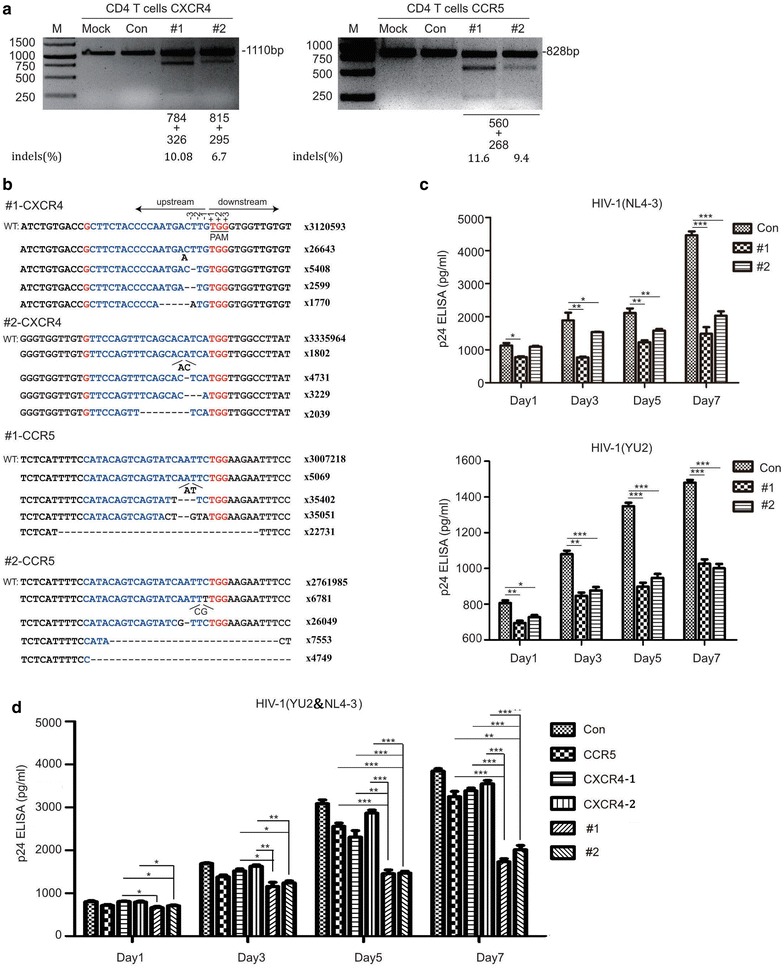
Genome editing of the HIV co-receptors CCR5 and CXCR4 by CRISPR-Cas9 protects CD4+ T cells from HIV-1 infection
Overview
The claims and statistics of this paper haven’t been checked yet.
Run the check — free, no account needed. It reads the open-access text and checks the sources it cites.
Integrity signals
Registry
Cites
Statistics
Figures
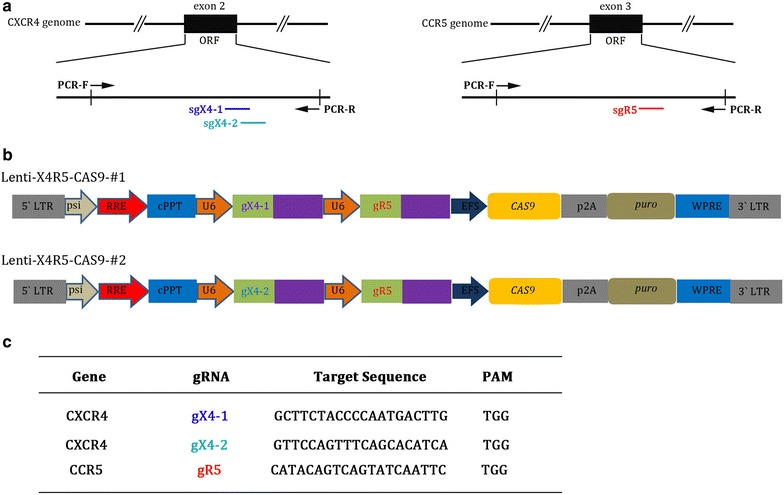
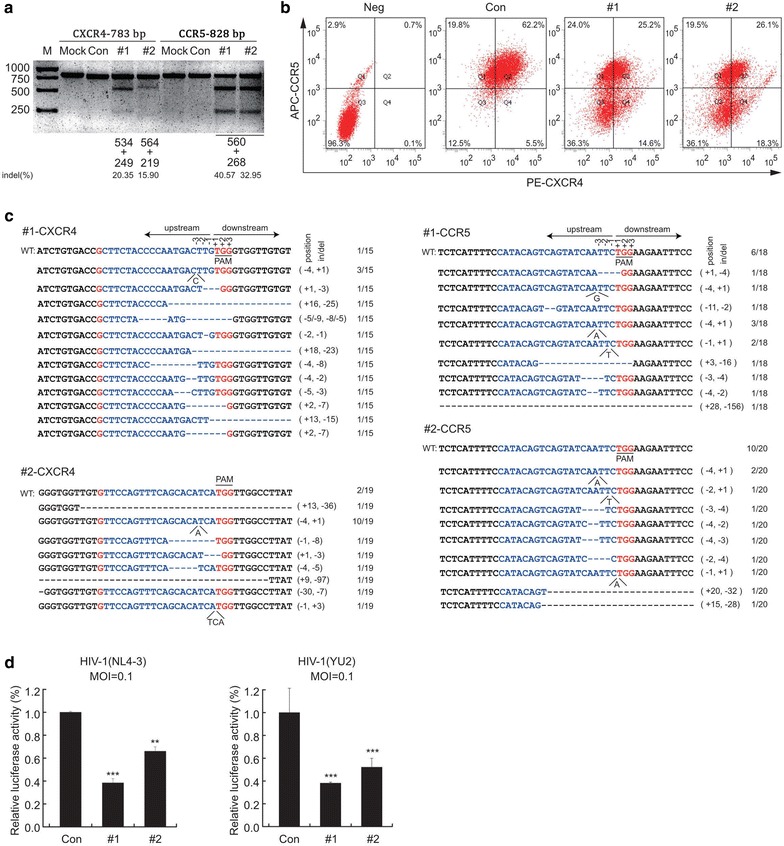
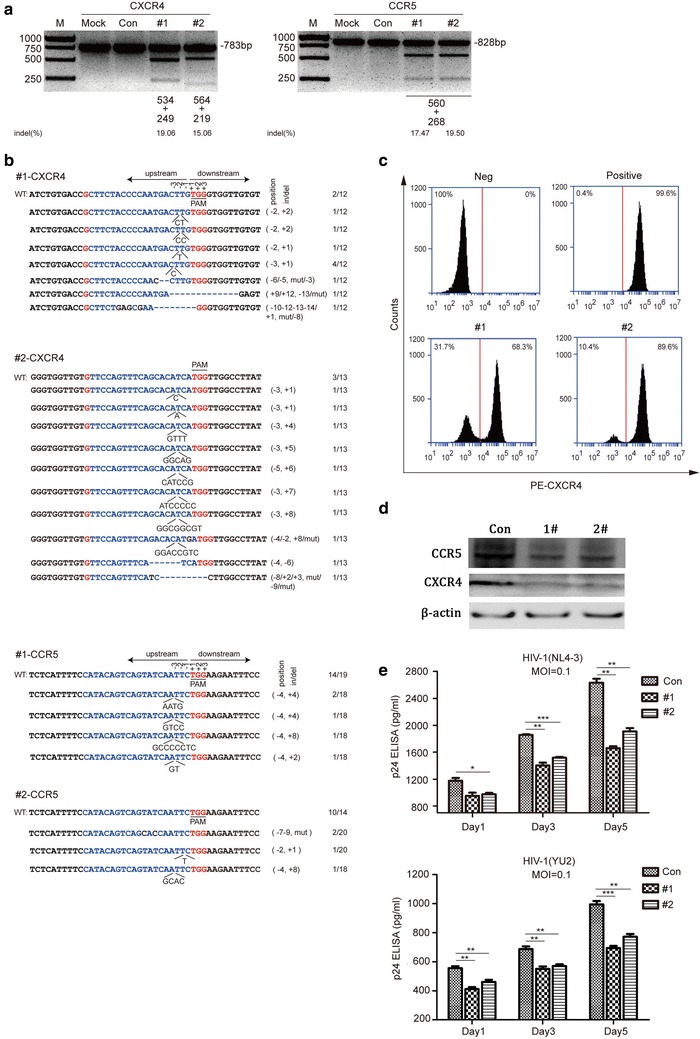
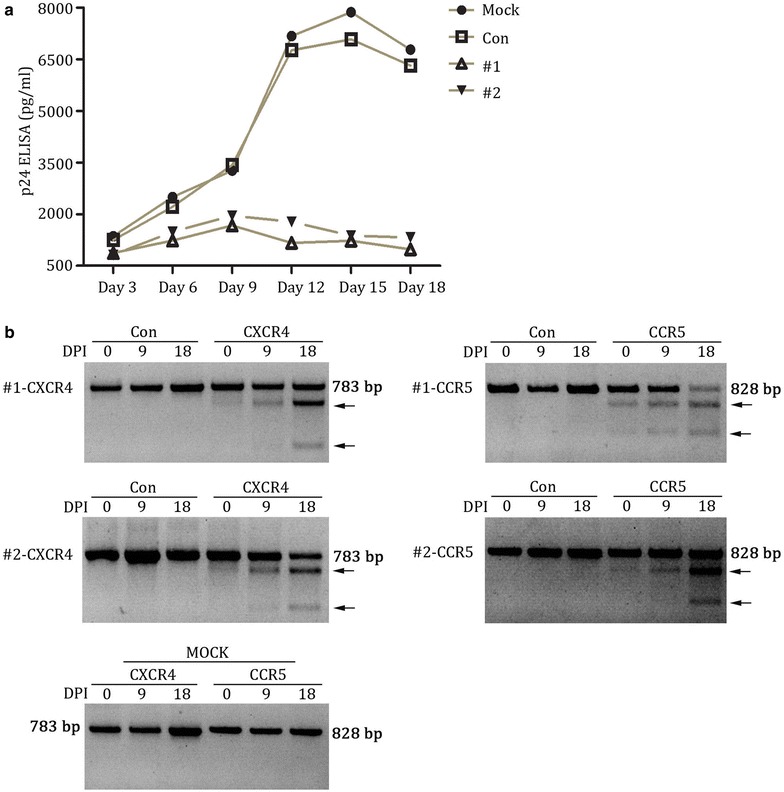
Verification
Claims the paper makes
The claims and statistics of this paper haven’t been checked yet.
Run the check — free, no account needed. It reads the open-access text and checks the sources it cites.
Claims other papers make about this one
Each is checked against this paper’s own text: does it say what the citing paper says it does?
In the citing paper
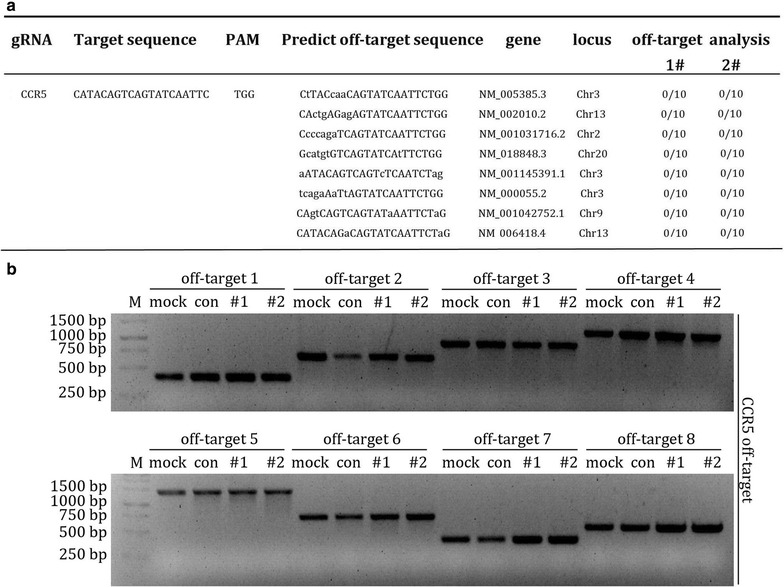
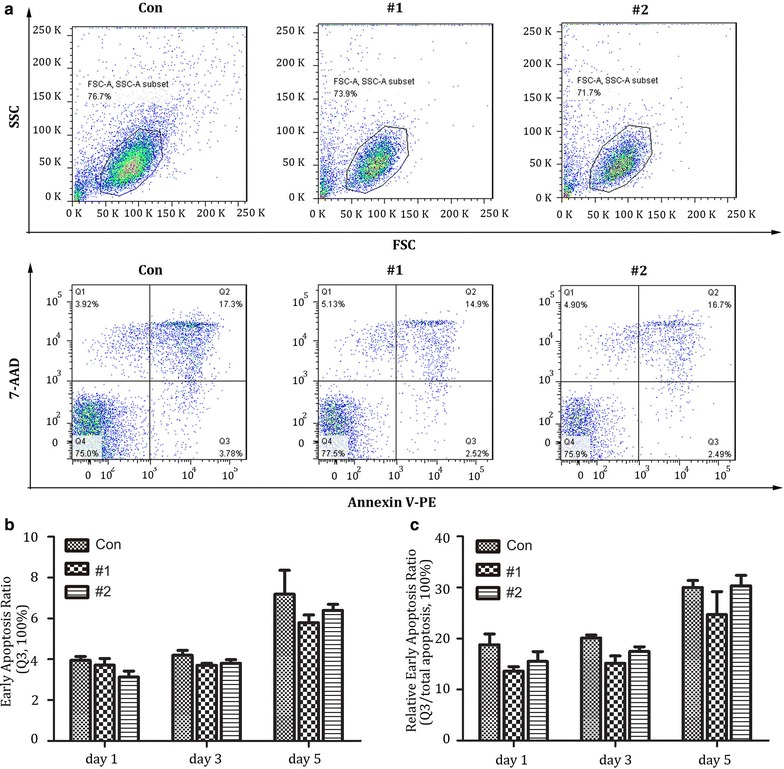
“For instance, an in vitro trial conducted in China reported that genome editing of CCR5 by CRISPR/Cas-9 showed no evidence of toxicity (infection) on cells”
From Mechanism and Applications of CRISPR/Cas-9-Mediated Genome Editing (2021) · cites this paper as [48]
In the citing paper
“In addition to the approach of targeting the HIV-genome, CRISPR/Cas-9 technology can also be used to block HIV entry into host cells by editing chemokine co-receptor type-5 (CCR5) genes in the host cells.”
From Mechanism and Applications of CRISPR/Cas-9-Mediated Genome Editing (2021) · cites this paper as [48]
In the citing paper
“they concluded that edited cells could effectively be protected from HIV infection than unmodified cells.48”
From Mechanism and Applications of CRISPR/Cas-9-Mediated Genome Editing (2021) · cites this paper as [48]
Self-check
Percentages, sums and reported differences re-computed from the paper’s own numbers.
The self-check needs the paper’s full text.
Citations
Cites
RNA-Guided Human Genome Engineering via Cas9
Mali, P., Yang, L., Esvelt, K. M., Aach, J., Guell, M., DiCarlo, J. E., Norville, J. E., & Church, G. M. (2013) · Science · doi:10.1126/science.1232033 · Cited by 9,210
The new frontier of genome engineering with CRISPR-Cas9
Doudna, J. A., & Charpentier, E. (2014) · Science · doi:10.1126/science.1258096 · Cited by 7,062
The mechanism of double-strand DNA break repair by the nonhomologous DNA end-joining pathway
Lieber, M. R. (2010) · Annual Review of Biochemistry · doi:10.1146/annurev.biochem.052308.093131 · Cited by 2,882
Finzi, D., Blankson, J., Siliciano, J. D., Margolick, J. B., Chadwick, K., Pierson, T., Smith, K., Lisziewicz, J., Lori, F., Flexner, C., et al. (1999) · Nature Medicine · doi:10.1038/8394 · Cited by 2,119
RNA-guided genetic silencing systems in bacteria and archaea
Wiedenheft, B., Sternberg, S. H., & Doudna, J. A. (2012) · Nature · doi:10.1038/nature10886 · Cited by 1,851
Establishment of HIV-1 resistance in CD4+ T cells by genome editing using zinc-finger nucleases
Perez, E. E., Wang, J., Miller, J. C., Jouvenot, Y., Kim, K. A., Liu, O., Wang, N., Lee, G., Bartsevich, V. V., Lee, Y.-L., et al. (2008) · Nature Biotechnology · doi:10.1038/nbt1410 · Cited by 999
Li, L., Krymskaya, L., Wang, J., Henley, J., Rao, A., Cao, L.-F., Tran, C.-A., Torres-Coronado, M., Gardner, A., Gonzalez, N., et al. (2013) · Molecular Therapy · doi:10.1038/mt.2013.65 · Cited by 181
Engineering HIV-resistant human CD4+ T cells with CXCR4-specific zinc-finger nucleases
Wilen, C. B., Wang, J., Tilton, J. C., Miller, J. C., Kim, K. A., Rebar, E. J., Sherrill-Mix, S. A., Patro, S. C., Secreto, A. J., Jordan, A. P. O., et al. (2011) · PLoS Pathogens · doi:10.1371/journal.ppat.1002020 · Cited by 142
Research works printed but not linked: 42
- Update on acquired immune deficiency syndrome (AIDS)–United States. MMWR. 1982;31(37):507-8, 13-4. (Epub 1982/09/24).
- Bayer R, Levine C, Murray TH. Guidelines for confidentiality in research on AIDS. AIDS Res. 1983;1(4):275–97 (Epub 1983/01/01). · DOI
- Cunningham AL, Donaghy H, Harman AN, Kim M, Turville SG. Manipulation of dendritic cell function by viruses. Curr Opin Microbiol. 2010;13(4):524–9 (Epub 2010/07/06). · DOI
- Klasse PJ. The molecular basis of HIV entry. Cell Microbiol. 2012;14(8):1183–92 (Epub 2012/05/16). · DOI
- Chan DC, Kim PS. HIV entry and its inhibition. Cell. 1998;93(5):681–4 (Epub 1998/06/18). · DOI
- Zheng YH, Lovsin N, Peterlin BM. Newly identified host factors modulate HIV replication. Immunol Lett. 2005;97(2):225–34 (Epub 2005/03/09). · DOI
- Kim SY, Byrn R, Groopman J, Baltimore D. Temporal aspects of DNA and RNA synthesis during human immunodeficiency virus infection: evidence for differential gene expression. J Virol. 1989;63(9):3708–13 (Epub 1989/09/01). · DOI
- Pomerantz RJ, Trono D, Feinberg MB, Baltimore D. Cells nonproductively infected with HIV-1 exhibit an aberrant pattern of viral RNA expression: a molecular model for latency. Cell. 1990;61(7):1271–6 (Epub 1990/06/29). · DOI
- Moore RD, Chaisson RE. Natural history of HIV infection in the era of combination antiretroviral therapy. Aids. 1999;13(14):1933–42. · DOI
- Palella FJ Jr, Delaney KM, Moorman AC, Loveless MO, Fuhrer J, Satten GA, et al. Declining morbidity and mortality among patients with advanced human immunodeficiency virus infection. HIV Outpatient Study Investigators. N Engl J Med. 1998;338(13):853–60. · DOI
- Durand CM, Blankson JN, Siliciano RF. Developing strategies for HIV-1 eradication. Trends Immunol. 2012;33(11):554–62. · DOI
- Siliciano JD, Siliciano RF. HIV-1 eradication strategies: design and assessment. Curr Opin HIV AIDS. 2013;8(4):318–25.
- Blas-Garcia A, Apostolova N, Esplugues JV. Oxidative stress and mitochondrial impairment after treatment with anti-HIV drugs: clinical implications. Curr Pharm Des. 2011;17(36):4076–86 (Epub 2011/12/23). · DOI
- Liu R, Paxton WA, Choe S, Ceradini D, Martin SR, Horuk R, et al. Homozygous defect in HIV-1 coreceptor accounts for resistance of some multiply-exposed individuals to HIV-1 infection. Cell. 1996;86(3):367–77 (Epub 1996/08/09). · DOI · Paper page
- Dean M, Carrington M, Winkler C, Huttley GA, Smith MW, Allikmets R, et al. Genetic restriction of HIV-1 infection and progression to AIDS by a deletion allele of the CKR5 structural gene. Hemophilia growth and Development Study, Multicenter AIDS Cohort Study, Multicenter Hemophilia Cohort Study, San Francisco City Cohort, ALIVE Study. Science. 1996;273(5283):1856–62 (Epub 1996/09/27). · DOI
- Broder CC, Collman RG. Chemokine receptors and HIV. J Leukoc Biol. 1997;62(1):20–9 (Epub 1997/07/01). · DOI
- Hutter G, Nowak D, Mossner M, Ganepola S, Mussig A, Allers K, et al. Long-term control of HIV by CCR5 Delta32/Delta32 stem-cell transplantation. New Engl J Med. 2009;360(7):692–8 (Epub 2009/02/14). · DOI
- Allers K, Hutter G, Hofmann J, Loddenkemper C, Rieger K, Thiel E, et al. Evidence for the cure of HIV infection by CCR5Delta32/Delta32 stem cell transplantation. Blood. 2011;117(10):2791–9 (Epub 2010/12/15). · DOI · Paper page
- Yuan J, Wang J, Crain K, Fearns C, Kim KA, Hua KL, et al. Zinc-finger nuclease editing of human cxcr4 promotes HIV-1 CD4+ T cell resistance and enrichment. Mol Ther. 2012;20(4):849–59 (Epub 2012/01/26). · DOI · Paper page
- Didigu CA, Wilen CB, Wang J, Duong J, Secreto AJ, Danet-Desnoyers GA, et al. Simultaneous zinc-finger nuclease editing of the HIV coreceptors ccr5 and cxcr4 protects CD4+ T cells from HIV-1 infection. Blood. 2014;123(1):61–9 (Epub 2013/10/29). · DOI
- Tebas P, Stein D, Tang WW, Frank I, Wang SQ, Lee G, et al. Gene editing of CCR5 in autologous CD4 T cells of persons infected with HIV. New Engl J Med. 2014;370(10):901–10 (Epub 2014/03/07). · DOI · Paper page
- Cong L, Ran FA, Cox D, Lin S, Barretto R, Habib N, et al. Multiplex genome engineering using CRISPR/Cas systems. Science. 2013;339(6121):819–23. · DOI · Paper page
- Hsu PD, Lander ES, Zhang F. Development and applications of CRISPR-Cas9 for genome engineering. Cell. 2014;157(6):1262–78 (Epub 2014/06/07). · DOI · Paper page
- Makarova KS, Haft DH, Barrangou R, Brouns SJ, Charpentier E, Horvath P, et al. Evolution and classification of the CRISPR-Cas systems. Nat Rev Microbiol. 2011;9(6):467–77. · DOI · Paper page
- Jinek M, Chylinski K, Fonfara I, Hauer M, Doudna JA, Charpentier E. A programmable dual-RNA-guided DNA endonuclease in adaptive bacterial immunity. Science. 2012;337(6096):816–21 (Epub 2012/06/30). · DOI · Paper page
- Wang W, Ye C, Liu J, Zhang D, Kimata JT, Zhou P. CCR5 gene disruption via lentiviral vectors expressing Cas9 and single guided RNA renders cells resistant to HIV-1 infection. PloS one. 2014;9(12):e115987 (Epub 2014/12/30). · DOI
- Hutter G, Bodor J, Ledger S, Boyd M, Millington M, Tsie M, et al. CCR5 targeted cell therapy for HIV and prevention of viral escape. Viruses. 2015;7(8):4186–203 (Epub 2015/08/01). · DOI
- Poveda E. HIV tropism shift: new paradigm on cell therapy strategies for HIV cure. AIDS Rev. 2015;17(1):65 (Epub 2015/01/23).
- Hou P, Chen S, Wang S, Yu X, Chen Y, Jiang M, et al. Genome editing of CXCR4 by CRISPR/cas9 confers cells resistant to HIV-1 infection. Sci Rep. 2015;5:15577. · DOI
- Yu S, Yao Y, Xiao H, Li J, Liu Q, Yang Y, et al. Simultaneous knockout of CXCR4 and CCR5 genes in CD4+ T cells via CRISPR/Cas9 confers resistance to both X4- and R5-tropic HIV-1 infection. Human gene therapy. 2017. doi: 10.1089/hum.2017.032 . · DOI
- Ye L, Wang J, Beyer AI, Teque F, Cradick TJ, Qi Z, et al. Seamless modification of wild-type induced pluripotent stem cells to the natural CCR5Delta32 mutation confers resistance to HIV infection. Proc Natl Acad Sci USA. 2014;111(26):9591–6 (Epub 2014/06/14). · DOI · Paper page
- Gao G, Wu X, Zhou J, He M, He JJ, Guo D. Inhibition of HIV-1 transcription and replication by a newly identified cyclin T1 splice variant. J Biol Chem. 2013;288(20):14297–309. · DOI
- Yu S, Yao Y, Xiao H, Li J, Liu Q, Yang Y, et al. Simultaneous Knockout of CXCR4 and CCR5 Genes in CD4+ T Cells via CRISPR/Cas9 Confers Resistance to Both X4- and R5-Tropic Human Immunodeficiency Virus Type 1 Infection. Human gene therapy. 2017. doi: 10.1089/hum.2017.032 · DOI
- Duan J, Lu G, Xie Z, Lou M, Luo J, Guo L, et al. Genome-wide identification of CRISPR/Cas9 off-targets in human genome. Cell Res. 2014;24(8):1009–12. · DOI · Paper page
- Kang H, Minder P, Park MA, Mesquitta WT, Torbett BE, Slukvin II. CCR5 disruption in induced pluripotent stem cells using CRISPR/Cas9 provides selective resistance of immune cells to CCR5-tropic HIV-1 virus. Mol Ther Nucleic Acids. 2015;4:e268 (Epub 2015/12/17). · DOI
- Shi B, Li J, Shi X, Jia W, Wen Y, Hu X, et al. TALEN-mediated knockout of CCR5 confers protection against infection of human immunodeficiency virus. J Acquir Immune Defic Syndr. 2017;74(2):229–41 (Epub 2016/10/18). · DOI
- Kordelas L, Verheyen J, Beelen DW, Horn PA, Heinold A, Kaiser R, et al. Shift of HIV tropism in stem-cell transplantation with CCR5 Delta32 mutation. New Engl J Med. 2014;371(9):880–2. · DOI
- Badia R, Riveira-Munoz E, Clotet B, Este JA, Ballana E. Gene editing using a zinc-finger nuclease mimicking the CCR5Delta32 mutation induces resistance to CCR5-using HIV-1. J Antimicrob Chemother. 2014;69(7):1755–9 (Epub 2014/03/22). · DOI
- Wang C, Abdel-Mohsen M, Strain MC, Lada SM, Yukl S, Cockerham LR, et al. Decreased HIV type 1 transcription in CCR5-Delta32 heterozygotes during suppressive antiretroviral therapy. J Infect Dis. 2014;210(11):1838–43 (Epub 2014/06/18). · DOI
- Aiuti A, Webb IJ, Bleul C, Springer T, Gutierrez-Ramos JC. The chemokine SDF-1 is a chemoattractant for human CD34+ hematopoietic progenitor cells and provides a new mechanism to explain the mobilization of CD34+ progenitors to peripheral blood. J Exp Med. 1997;185(1):111–20 (Epub 1997/01/06). · DOI
- Peled A, Petit I, Kollet O, Magid M, Ponomaryov T, Byk T, et al. Dependence of human stem cell engraftment and repopulation of NOD/SCID mice on CXCR4. Science. 1999;283(5403):845–8 (Epub 1999/02/05). · DOI · Paper page
- Chung SH, Seki K, Choi BI, Kimura KB, Ito A, Fujikado N, et al. CXC chemokine receptor 4 expressed in T cells plays an important role in the development of collagen-induced arthritis. Arthr Res Ther. 2010;12(5):R188 (Epub 2010/10/14). · DOI
Cited by
Sorted by citations
Mechanism and Applications of CRISPR/Cas-9-Mediated Genome Editing
Mengstie, M. A., & Wondimu, B. Z. (2021) · Biologics: Targets and Therapy · doi:10.2147/btt.s326422 · Cited by 478
Metadata
- Authors
- Liu, Z., Chen, S., Jin, X., Wang, Q., Yang, K., Li, C., Xiao, Q., Hou, P., Liu, S., Wu, S., Hou, W., Xiong, Y., Kong, C., Zhao, X., Wu, L., Li, C., Sun, G., & Guo, D.
- ORCID
- Guo, Deyin
- Venue
- Cell & Bioscience
- Published
- 2017-09-09
- Volume
- 7
- Issue
- 1
- ISSN
- 2045-3701
- PMC
- PMC5591563
- Cited by
- 131
- References
- 8
- Language
- en
- Funders
- China National Special Research Program of Major Infectious Diseases (2014ZX10001003)
- Hubei Provincial Science & Technology Innovation Team Grant (2012FFA043)
- Natural Science Foundation of China (81401659)
- China Postdoctoral Science Foundation (2015T80838)
- China Postdoctoral Science Foundation (CN) (2014M560622)
About these checks
Registry, retraction, Cites and statistics results are computed, not judged, with one exception: a printed reference that no index lists is read once by a model before it counts as a citation error. Claims are extracted by a model and kept only when their quote appears verbatim in the text; each cited source is then checked, with a model’s help, for whether it says what the claim relies on. Those verdicts can be wrong — read the claim’s quote and the cited source before relying on one.
Statistics and arithmetic are recomputed, not judged.
Confidence bands are shown only for fields calibrated on our annotated test set. None is calibrated yet, so no band is shown.
What counts as a claim ›How we measure confidence ›How we check this ›
Are you an author, or do you see a problem with this page? Request a review
