

The influence of contextual factors on healthcare quality improvement initiatives: a realist review
Open accessThe DOI matches its Crossref record; 79 of the 80 references it cites were found in a registry or an index, and 1 are not checked yet.
Abstract
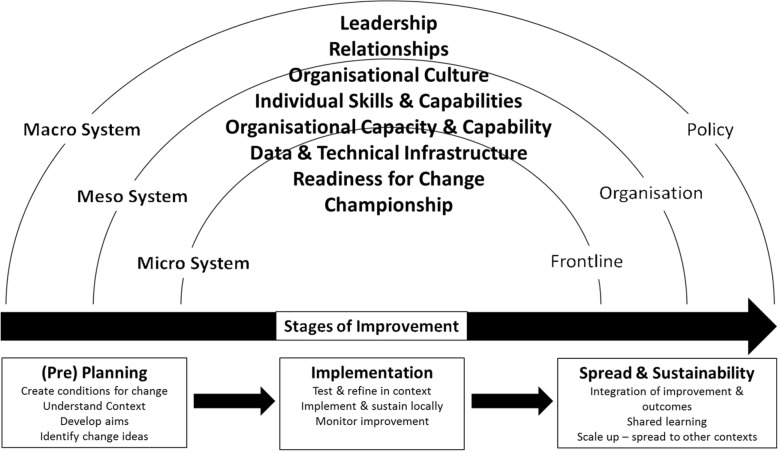
Background: Recognising the influence of context and the context-sensitive nature of quality improvement (QI) interventions is crucial to implementing effective improvements and successfully replicating them in new settings, yet context is still poorly understood. To address this challenge, it is necessary to capture generalisable knowledge, first to understand which aspects of context are most important to QI and why, and secondly, to explore how these factors can be managed to support healthcare improvement, in terms of implementing successful improvement initiatives, achieving sustainability and scaling interventions. The research question was how and why does context influence quality improvement initiatives in healthcare? Methods: A realist review explored the contextual conditions that influence healthcare improvement. Realist methodology integrates theoretical understanding and stakeholder input with empirical research findings. The review aimed to identify and understand the role of context during the improvement cycle, i.e. planning, implementation, sustainability and transferability; and distil new knowledge to inform the design and development of context-sensitive QI initiatives. We developed a preliminary theory of the influence of context to arrive at a conceptual and theoretical framework. Results: Thirty-five studies were included in the review, demonstrating the interaction of key contextual factors across healthcare system levels during the improvement cycle. An evidence-based explanatory theoretical model is proposed to illustrate the interaction between contextual factors, system levels (macro, meso, micro) and the stages of the improvement journey. Findings indicate that the consideration of these contextual factors would enhance the design and delivery of improvement initiatives, across a range of improvement settings. Conclusions: This is the first realist review of context in QI and contributes to a deeper understanding of how context influences quality improvement initiatives. The distillation of key contextual factors offers the potential to inform the design and development of context-sensitive interventions to enhance improvement initiatives and address the challenge of spread and sustainability. Future research should explore the application of our conceptual model to enhance improvement-planning processes. Systematic review registration: PROSPERO CRD42017062135
Overview
The claims and statistics of this paper haven’t been checked yet.
Free: it reads the open-access text and checks the first 5 claims that cite a source we can check. Create a free account to check every claim.
Integrity signals
Registry
Cites
Statistics
Figures
Verification
Claims the paper makes
The claims and statistics of this paper haven’t been checked yet.
Free: it reads the open-access text and checks the first 5 claims that cite a source we can check. Create a free account to check every claim.
Self-check
Percentages, sums and reported differences re-computed from the paper’s own numbers.
The self-check needs the paper’s full text.
Citations
Cites
Damschroder, L. J., Aron, D. C., Keith, R. E., Kirsh, S. R., Alexander, J. A., & Lowery, J. C. (2009) · Implementation Science · doi:10.1186/1748-5908-4-50 · Cited by 14,496 · cited 2×
“The variability within the body of literature in this area [9, 16, 17, 25] suggests that further work is required to unpack the role of context, and explore which characteristics of context matter, and how, why, when and for whom they matter.”
BackgroundDiffusion of Innovations in Service Organizations: Systematic Review and Recommendations
GREENHALGH, T., ROBERT, G., MACFARLANE, F., BATE, P., & KYRIAKIDOU, O. (2004) · The Milbank Quarterly · doi:10.1111/j.0887-378x.2004.00325.x · Cited by 7,448 · cited 1×
“This review emphasises the importance of stakeholders (individuals/teams and their capacities and skills) within the improvement process, particularly around the key roles of change agents and champions [19, 81] in supporting the success of QI interventions at the microsystem and senior organisational support for init…”
BackgroundRealist review - a new method of systematic review designed for complex policy interventions
Pawson, R., Greenhalgh, T., Harvey, G., & Walshe, K. (2005) · Journal of Health Services Research & Policy · doi:10.1258/1355819054308530 · Cited by 3,190 · cited 3×
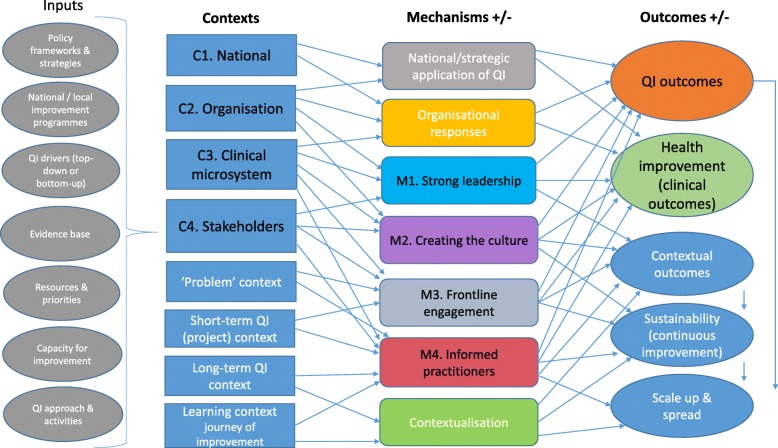
“terms of context, mechanism and outcome (CMO) configurations [26, 27].”
BackgroundOgrinc, G., Davies, L., Goodman, D., Batalden, P., Davidoff, F., & Stevens, D. (2016) · BMJ Quality & Safety · doi:10.1136/bmjqs-2015-004411 · Cited by 2,996 · cited 1×
“0 publication guidelines for quality improvement studies in healthcare [13] recognises context as one of the fundamental reporting items.”
BackgroundPawson, R. (2006) · doi:10.4135/9781849209120 · Cited by 1,791 · cited 6×
“The starting point for the notion of context in realist review is the four contextual ‘layers’ defined by Pawson et al [27]: individuals, interpersonal relations, institution and infrastructure.”
BackgroundMethodInfluentialWhat drives change? Barriers to and incentives for achieving evidence‐based practice
Grol, R., & Wensing, M. (2004) · Medical Journal of Australia · doi:10.5694/j.1326-5377.2004.tb05948.x · Cited by 1,378 · cited 3×
“Quality improvement in healthcare is a relatively new area, [1, 8] furthered by the work of the Institute for Healthcare Improvement in the USA [1].”
BackgroundRAMESES publication standards: realist syntheses
Wong, G., Greenhalgh, T., Westhorp, G., Buckingham, J., & Pawson, R. (2013) · BMC Medicine · doi:10.1186/1741-7015-11-21 · Cited by 1,374
What is "quality improvement" and how can it transform healthcare?
Batalden, P. B., & Davidoff, F. (2007) · Quality and Safety in Health Care · doi:10.1136/qshc.2006.022046 · Cited by 1,100 · cited 1×
“‘healthcare improvement’, which incorporates changes leading to ‘better patient outcomes (health), better system performance (care) and better professional development’ [2].”
BackgroundPfadenhauer, L. M., Gerhardus, A., Mozygemba, K., Lysdahl, K. B., Booth, A., Hofmann, B., Wahlster, P., Polus, S., Burns, J., Brereton, L., et al. (2017) · Implementation Science · doi:10.1186/s13012-017-0552-5 · Cited by 1,016 · cited 1×
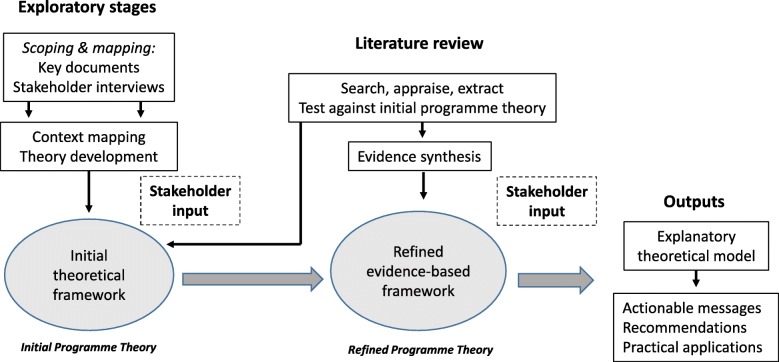
“This scoping exercise included the identification and scrutiny of key publications examining the role of context in healthcare quality improvement [10, 11, 14, 16, 23, 34, 35].”
BackgroundImplementation, context and complexity
May, C. R., Johnson, M., & Finch, T. (2016) · Implementation Science · doi:10.1186/s13012-016-0506-3 · Cited by 978 · cited 1×
“Contextual ‘confounders’ that act as barriers to improvement in one setting may be facilitators in other settings; such confounders often represent ‘typical’ healthcare conditions [15].”
Background
Research works printed but not linked: 4
- Health Foundation. Overcoming challenges to improving quality. Lessons from the Health Foundation's improvement programme evaluations and relevant literature. London: Health Foundation; 2012.
- Horton T, Illingworth J, Warburton W. The spread challenge. London: Health Foundation; 2018.
- Øvretveit J. How does context affect quality improvement? In: Perspectives on context. London: The Health Foundation; 2014.
- Fulop N, Robert G. Context for successful quality improvement: evidence review. London: The Health Foundation; 2015.
Cited by
Nikiphorou, E., Santos, E. J. F., Marques, A., Böhm, P., Bijlsma, J. W., Daien, C. I., Esbensen, B. A., Ferreira, R. J. O., Fragoulis, G. E., Holmes, P., et al. (2021) · Annals of the Rheumatic Diseases · doi:10.1136/annrheumdis-2021-220249 · Cited by 315
Aunger, J. A., Millar, R. W., Greenhalgh, J., Mannion, R., Rafferty, A.-M., & McLeod, H. (2021) · Systematic Reviews · doi:10.1186/s13643-021-01630-8 · Cited by 143
Mitigating Vaccine Hesitancy and Building Trust to Prevent Future Measles Outbreaks in England
Thompson, S., Meyer, J. C., Burnett, R. J., & Campbell, S. (2023) · Vaccines · doi:10.3390/vaccines11020288 · Cited by 61
“This resonates with wider quality improvement literature that emphasises systemic approaches with interventions at micro, meso and macro levels that reinforce each other [113].”
BackgroundAlsubahi, N., Pavlova, M., Alzahrani, A. A., Ahmad, A., & Groot, W. N. J. (2024) · Healthcare · doi:10.3390/healthcare12030315 · Cited by 62
“Previous studies highlighted the role of cultural and contextual factors in influencing care quality and satisfaction [47,48].”
BackgroundFactors of the Revisit Intention of Patients in the Primary Health Care System in Argentina
Pighin, M., Álvarez-Risco, A., Del-Aguila-Arcentales, S., Rojas-Osorio, M., & Yáñez, J. A. (2022) · Sustainability · doi:10.3390/su142013021 · Cited by 58
Pavithra, A., Sunderland, N., Callen, J. L., & Westbrook, J. I. (2022) · BMC Health Services Research · doi:10.1186/s12913-022-07763-3 · Cited by 58
Mielke, J., Leppla, L., Valenta, S., Zullig, L. L., Zúñiga, F., Staudacher, S., Teynor, A., & Geest, S. D. (2022) · Implementation Science Communications · doi:10.1186/s43058-022-00354-7 · Cited by 56
“Currently, little guidance is available regarding which contextual factors to record at which timepoints and how frequently [31, 103].”
BackgroundZanoni, P., Scime, N. V., Benzies, K., McNeil, D. A., & Mrklas, K. (2021) · BMJ Open · doi:10.1136/bmjopen-2021-054938 · Cited by 51
Testa, L., Richardson, L., Cheek, C., Hensel, T., Austin, E. E., Safi, M., Ransolin, N., Carrigan, A., Long, J. C., Hutchinson, K., et al. (2024) · BMC Health Services Research · doi:10.1186/s12913-024-10576-1 · Cited by 48
“ED interventions interact with the characteristics, circumstances, and unique factors of the ED where they are implemented [115].”
BackgroundThompson, W., McEachan, R., Pavitt, S. H., Douglas, G. V. A., Bowman, M., Boards, J., & Sandoe, J. A. T. (2020) · Antibiotics · doi:10.3390/antibiotics9090575 · Cited by 44
Austin, E. E., Cheek, C., Richardson, L., Testa, L., Dominello, A., Long, J. C., Carrigan, A., Ellis, L. A., Norman, A., Murphy, M., et al. (2024) · Frontiers in Psychiatry · doi:10.3389/fpsyt.2024.1368129 · Cited by 41
Context factors in clinical decision-making: a scoping review
Schuler, K., Jung, I.-C., Zerlik, M., Hahn, W., Sedlmayr, M., & Sedlmayr, B. (2025) · BMC Medical Informatics and Decision Making · doi:10.1186/s12911-025-02965-1 · Cited by 42
“In contrast, research that provides a more comprehensive picture of contextual influence factors is not based on a systematic approach [6] or does not specifically refer to the clinical decision-making process, but, for example, the quality of care [33].”
Jesus, T. S., Stern, B. Z., Lee, D., Zhang, M., Struhar, J., Heinemann, A. W., Jordan, N., & Deutsch, A. F. (2024) · PLoS ONE · doi:10.1371/journal.pone.0299176 · Cited by 39
“Because context is a vital variable in QI science [44], future studies may consider generating evidence with validity across organizations and networks and their varied sets of circumstances.”
BackgroundWainwright, T. W. (2021) · Medicina · doi:10.3390/medicina57010081 · Cited by 38
“Eight key contextual factors linked to the success of QI efforts have recently been proposed following a systematic realist review [17].”
BackgroundTeam is brain: leveraging EHR audit log data for new insights into acute care processes
Rose, C. C., Thombley, R. L., Noshad, M., Lu, Y., Clancy, H., Schlessinger, D., Li, R., Liu, V. X., Chen, J. H., & Adler‐Milstein, J. (2022) · Journal of the American Medical Informatics Association · doi:10.1093/jamia/ocac201 · Cited by 31
Fekadu, G., Tobiano, G., Muir, R., Engidaw, M. T., & Marshall, A. P. (2025) · BMC Health Services Research · doi:10.1186/s12913-025-12762-1 · Cited by 29
“Hence, it is essential to consider these unique factors and develop context-specific evidence within African healthcare settings to overcome challenges related to the appropriateness, scope, and sustainability of evidence-based practice [33].”
Socioeconomic and sex inequalities in chronic pain: A population-based cross-sectional study
de Oliveira, A. M. B., Teixeira, D. S. D. C., Menezes, F. D. S., Marques, A. P., Duarte, Y. A. D. O., & Casarotto, R. A. (2023) · PLoS ONE · doi:10.1371/journal.pone.0285975 · Cited by 27
“The environment in which older adults live can affect chronic pain [8].”
BackgroundKalakou, F. T., Wiig, S., & Aase, K. (2023) · BMC Health Services Research · doi:10.1186/s12913-023-09698-9 · Cited by 27
“This is in line with previous research on the role of context in healthcare [79, 80].”
ResultSingh, S., Hasan, Z., Sharma, D., Kaur, A., Khurana, D., Shrivastava, J. N., & Gupta, S. (2024) · BMC Pregnancy and Childbirth · doi:10.1186/s12884-024-06450-x · Cited by 27
“The emerging concerns in implementation are inter-connected and multifaceted, spanning leadership misper-ceptions, insufficient staff training, clinical competency gaps, sub-optimal data management, and coordination issues and have been observed in other similar settings [54].”
BackgroundGeneral healthcare policy and its influence on management practices: A review
Omaghomi, T. T., Elufioye, O. A., Onwumere, C., Arowoogun, J. O., Odilibe, I. P., & Owolabi, O. R. (2023) · World Journal of Advanced Research and Reviews · doi:10.30574/wjarr.2024.21.2.0477 · Cited by 24
“This often involves reevaluating and redesigning patient care processes to meet or exceed regulatory requirements (Coles et al., 2020).”
BackgroundHands, C., Hands, S., Verriotis, M., Bunn, J., Bailey, E., Samuels, R. J., Sankoh, K., Mustapha, A. M., Williams, B., & Taylor, S. A. J. (2021) · Journal of Global Health · doi:10.7189/jogh.11.04069 · Cited by 23
Quality and Performance Measurement in Primary Diabetes Care: A Qualitative Study in Urban China
Rasooly, A., Pan, Y., Tang, Z., He, J., Ellen, M., Manor, O., Hu, S., & Davidovitch, N. (2022) · International Journal of Health Policy and Management · doi:10.34172/ijhpm.2022.6372 · Cited by 22
“30 Bearing in mind the intricate relationship between measurement and context, the goal of this study was to answer two key questions: ( a ) what is the current state of quality and performance measurement in primary diabetes care, and ( b ) what are the facilitators and barriers to their…”
Aluh, D. O., Aigbogun, O., Ukoha-Kalu, B. O., Silva, M., Grigaitė, U., Pedrosa, B., Santos-Dias, M., Cardoso, G., & Caldas‐de‐Almeida, J. M. (2023) · Healthcare · doi:10.3390/healthcare11141986 · Cited by 20
“In healthcare literature, contextual factors are often viewed as barriers or facilitators to implementing an intervention [23].”
BackgroundPeters, L. A. (2024) · Research Methods in Medicine & Health Sciences · doi:10.1177/26320843231224807 · Cited by 20
“29,30 Coles et al. 36 utilised conceptual mapping to enable stakeholder engagement and support programme theory development, although only context was mapped in this example.”
Lindlöf, H., Savage, C., Härenstam, K. P., & Vicente, V. (2025) · BMC Health Services Research · doi:10.1186/s12913-025-12433-1 · Cited by 19
Vaughn, V. M., Krein, S. L., Hersh, A. L., Buckel, W. R., White, A. T., Horowitz, J. K., Patel, P., Gandhi, T. N., Petty, L. A., Spivak, E. S., et al. (2023) · Clinical Infectious Diseases · doi:10.1093/cid/ciad743 · Cited by 17
“However, we know little about these hospital-level contextual factors [10, 11] (eg, social, technical, economic, cultural, organizational policy) that shape the quality of antibiotic prescribing and can inform the design and implementation of stewardship interventions [12–17].”
Jones, O., Gold, J., & Claxton, J. (2021) · Total Quality Management & Business Excellence · doi:10.1080/14783363.2021.1911633 · Cited by 17
“Potential Routines Higher Education PI/CI/Lean/Six Sigma Literature Project Selection Routines Cho and Linderman (2019) Onofrei et al. (2019) Use of Visual management Radnor and Bucci (2011) Cano et al. (2013) de Jager et al. (2004) Jurburg et al. (2017) Laureani and Antony (2019) Understand and use process performanc…”
BackgroundMethodInfluentialResearch on high quality health care needs to move beyond what to how
Ashish, K. C., Waiswa, P., & Kinney, M. V. (2023) · The Lancet Global Health · doi:10.1016/s2214-109x(23)00209-7 · Cited by 16
Spence, S. H., Khurshid, Z., Flynn, M. A., Fitzsimons, J., & Brún, A. D. (2023) · BMC Health Services Research · doi:10.1186/s12913-023-09190-4 · Cited by 16
“Organisational context Within the context of this study, organisational context can be understood as the “underlying systems, culture and circumstances of the environment in which an intervention is implemented” ([47] p.”
BackgroundKhurshid, Z., McAuliffe, É., & Brún, A. D. (2021) · BMC Health Services Research · doi:10.1186/s12913-021-07297-0 · Cited by 16
“Studies exploring contextual factors that influence QI initiatives often cite an organisational culture that supports improvement work and the presence of individuals who drive change as important elements [21].”
BackgroundJesus, T. S., Zhang, M., Lee, D., Stern, B. Z., Struhar, J., Heinemann, A. W., Jordan, N., & Deutsch, A. F. (2025) · Medical Care · doi:10.1097/mlr.0000000000002158 · Cited by 17
Kinney, M. V., Bergh, A., Rhoda, N. R., Pattinson, R., & George, A. S. (2022) · BMJ Global Health · doi:10.1136/bmjgh-2022-009242 · Cited by 15
“Through individual interviews, this study included the perspectives of front-line health workers, subdistrict health management and regional actors involved in the PPIP process.”
Vanegas, M. A. Z., & Saturno-Hernández, P. J. (2020) · BMC Health Services Research · doi:10.1186/s12913-020-05582-y · Cited by 15
O’Bryan, G., Ensminger, A. L., Billah, I., Sithole, E., Nghatanga, M., Brandt, L., Shepard, M., Aupokolo, M. A., Mengistu, A. T., Forster, N., et al. (2023) · BMC Health Services Research · doi:10.1186/s12913-023-10016-6 · Cited by 14
“Successful QM approaches and processes must consider local context to ensure responsiveness to the implementing environment [5, 10].”
BackgroundPatrician, P. A., Travis, J. R., Blackburn, C., Carter, J.-L., Hall, A. G., Meese, K. A., Miltner, R. S., Montgomery, A. P., Stewart, J., Ruffin, A., et al. (2024) · Nursing Administration Quarterly · doi:10.1097/naq.0000000000000626 · Cited by 14
“63,64 With this principle in mind, interventions were tailored to address the top 4 drivers of overall distress at our medical center: (1) heavy workloads and long hours, (2) increased job demands and responsibilities, (3) moral distress, and (4) lack of perceived organizational support.”
BackgroundDetollenaere, J., Benahmed, N., Costa, E., den Heede, K. V., & Christiaens, W. (2024) · The Journal of Perinatal & Neonatal Nursing · doi:10.1097/jpn.0000000000000730 · Cited by 14
Campbell, K. K., Abreu, A. A., Zeh, H. J., Daniel, W. C., Palter, V. N., Bishop, S. J., Sims, S., Odeh, J. M., Evans, K. D., Dandekar, P., et al. (2024) · Annals of Surgery · doi:10.1097/sla.0000000000006438 · Cited by 14
Grant, A. R., Westhorp, G., Murray, C. M., de la Perrelle, L., Dettwiller, P. Y., Davey, A., Norrish, A., Walsh, S., Scinta, G., Karran, E. L., et al. (2025) · Pain · doi:10.1097/j.pain.0000000000003482 · Cited by 13
Goodwin, L. F., Wallymahmed, A. H., Triandafilidis, Z., & Barker, D. (2025) · BMC Health Services Research · doi:10.1186/s12913-025-13437-7 · Cited by 14
“…is not expected for research to define all factors and interactions influencing positive outcomes in a specific context, exploring why and how some factors work in particular contexts can inform the design and development of context-sensitive interventions and improve their chances of success [28].”
Olaniran, A., Oludipe, M., Hill, Z. E., Ogunyemi, A. O., Umar, N., Ohiri, K., Schellenberg, J., & Marchant, T. (2021) · Qualitative Health Research · doi:10.1177/10497323211058699 · Cited by 13
“On the other hand, this approach does not encourage bottom-up ownership and problem-solving, potentially jeopardising sustainability (Coles et al., 2020; Zamboni et al., 2020).”
BackgroundMethodHertz, J. T., Stark, K., Sakita, F. M., Mlangi, J. J., Kweka, G. L., Prattipati, S., Shayo, F. M., Kaboigora, V., Mtui, J., Isack, M. N., et al. (2024) · Annals of Global Health · doi:10.5334/aogh.4361 · Cited by 13
Characteristics of Quality Improvement Projects in Health Services: A Systematic Scoping Review
Khalil, H., de Moel‐Mandel, C., Verma, D., Kynoch, K., Fernandez, R. S., Ramis, M., & Opie, J. E. (2025) · Journal of Evidence-Based Medicine · doi:10.1111/jebm.12670 · Cited by 12
What Does a Systems Approach to Quality Improvement Look Like in Practice?
Williams, S., & Best, S. (2022) · International Journal of Environmental Research and Public Health · doi:10.3390/ijerph19020747 · Cited by 12
“Although the evidence base around context in QI is increasing, there remains limited knowledge and guidance concerning which contextual factors are most influential for whom and when [53].”
BackgroundSeljemo, C., Wiig, S., Røise, O., & Ree, E. (2023) · BMC Health Services Research · doi:10.1186/s12913-023-09444-1 · Cited by 13
“Echoing other studies [44], our study found that the government’s constantly changing guidelines and measures were not tailored to all local contexts and imposed more challenges than solutions.”
ResultHave we forgotten the moral justification for patient-centred care?
Russell, G. M. (2021) · BMJ Quality & Safety · doi:10.1136/bmjqs-2020-012565 · Cited by 12
Variation in stroke care at the hospital level: A cross-sectional multicenter study
Lens, C., Coeckelberghs, E., Seys, D., Demeestere, J., Weltens, C. G., Vanhaecht, K., & Lemmens, R. (2022) · Frontiers in Neurology · doi:10.3389/fneur.2022.1004901 · Cited by 11
Interventions for improving critical care in low- and middle-income countries: a systematic review
Wagstaff, D., Arfin, S., Korver, A., Chappel, P., Rashan, A., Haniffa, R., & Beane, A. (2024) · Intensive Care Medicine · doi:10.1007/s00134-024-07377-9 · Cited by 11
A systematic literature review of the relationship between management and resilience in healthcare
Glette, M. K., Wiig, S., Petersen, E., Dombestein, H., Ree, E., Austin, E. E., & Lyng, H. B. (2025) · Applied Ergonomics · doi:10.1016/j.apergo.2025.104554 · Cited by 11
Danhieux, K., Buffel, V., Remmen, R., Wouters, E., & van Olmen, J. (2023) · BMC Health Services Research · doi:10.1186/s12913-023-09115-1 · Cited by 13
“Additionally, for practitioners as well, real multidisciplinary teamwork is only possible if they work under the same roof and is key to reaching healthcare quality improvement [14].”
BackgroundNkhwashu, T. E., Moloko, S. M., & Zikalala, M. J. (2023) · International Journal of Africa Nursing Sciences · doi:10.1016/j.ijans.2023.100569 · Cited by 11
Building capacity and capability for quality improvement: developing an organisational approach
Frasquilho, F., Brittin, K., Chitewe, A., Aurelio, M. G., Ballingall, N., Lloyd, R. C., & Shah, A. (2023) · British Journal of Healthcare Management · doi:10.12968/bjhc.2023.0003 · Cited by 11
Keshmiri, F., & Raadabadi, M. (2023) · BMC Family Practice · doi:10.1186/s12875-023-02153-y · Cited by 11
“The findings of various studies indicated that the complex inter-relationship issues at multiple interpersonal, individual, and organizational levels formed the phenomenon of unprofessional behavior [33–38].”
BackgroundKinney, M. V., George, A. S., Rhoda, N. R., Pattinson, R., & Bergh, A. (2023) · Global Health Science and Practice · doi:10.9745/ghsp-d-22-00213 · Cited by 12
“To further advance implementation at all levels, we will need more nuanced health policy and systems investigations about what drives and motivates those who are initiating and overseeing implementation and how to create a culture of adaptive learning through MPDSR that supports trust, communication, and collaboration…”
BackgroundOgueji, I. A., Motajo, O. O., Orjingene, O., Adejumo, A. O., Oduola, A. B., & Ajayi, A. V. (2023) · Current Psychology · doi:10.1007/s12144-023-05359-6 · Cited by 10
“Within the literature, it is suggested that a QI intervention is more likely to be effective if it is contextually relevant to the targeted health system (Coles et al., 2020; Dixon-Woods & Martin, 2016; Kaplan et al., 2010).”
Sustained Performance of Cardiac Arrest Prevention in Pediatric Cardiac Intensive Care Units
Mueller, D. M., Bailly, D. K., Banerjee, M., Bertrandt, R. A., Borasino, S., Briceno-Medina, M., Chan, T., Diddle, J. W., Domnina, Y. A., Clarke‐Myers, K., et al. (2024) · JAMA Network Open · doi:10.1001/jamanetworkopen.2024.32393 · Cited by 10
Amenyah, S., Waters, D., Tang, W. J., Fenge, L., & Murphy, J. L. (2022) · BMC Public Health · doi:10.1186/s12889-022-14518-6 · Cited by 10
“Methodological rigour refers to whether the methods used to generate the relevant data were credible, plausible and trustworthy and relevance refers to relevance of the contributions of any section of the study to refining the underlying theory and context-mechanism-outcome evidence [32, 44].”
MethodImplementation challenges to patient safety in Guatemala: a mixed methods evaluation
Hall, B. J., Puente, M., Aguilar, A., Sico, I. P., Barrios, M. O., Méndez, S., Baumgartner, J. N., Boyd, D. L., Calgua, E., Lou‐Meda, R., et al. (2021) · BMJ Quality & Safety · doi:10.1136/bmjqs-2020-012552 · Cited by 10
Delameillieure, A., Vandekerkhof, S., Grootven, B. V., Wuyts, W. A., & Dobbels, F. (2021) · Respiratory Research · doi:10.1186/s12931-021-01815-8 · Cited by 10
“Because of the high variability in settings and contexts in which changes are envisioned, a detailed context analysis and description is crucial in view of replicability or scalability of findings to other settings [58].”
BackgroundPadamata, K., & Vangapandu, R. D. (2023) · Benchmarking An International Journal · doi:10.1108/bij-10-2022-0617 · Cited by 9
Casoojee, A. (2024) · South African Journal of Communication Disorders · doi:10.4102/sajcd.v71i1.1071 · Cited by 9
“Effective healthcare must integrate contextual considerations to optimise intervention outcomes, ensure intervention relevance and address sustainability challenges to achieve widespread impact (Coles et al., 2020).”
BackgroundKhurshid, Z., Brún, A. D., & McAuliffe, É. (2022) · BMC Medical Education · doi:10.1186/s12909-022-03282-1 · Cited by 9
“The lack of conclusive evidence around success of QI initiatives is also attributed to the poor understanding of contextual factors in research as sometimes successful QI initiatives may fail to transfer to other settings, owing to contextual barriers [8].”
BackgroundBeattie, M., Morrison, C., MacGilleEathain, R., Gray, N., & Anderson, J. M. (2020) · BMJ Open Quality · doi:10.1136/bmjoq-2020-001035 · Cited by 9
“16 Recognising NHS Highland’s commitment to quality improvement (QI) approaches, the initial development of Near Me and subsequent extension to the home environment was conducted using QI methodologies, incorporating codesign.”
MethodSelf-citationSustainability management control in healthcare organizations - current state and future directions
Bauer, P., Greiling, D., Grüb, B., & Kienast, L. (2025) · BMC Health Services Research · doi:10.1186/s12913-025-13845-9 · Cited by 9
“Healthcare services are provided to patients cover the entire human lifespan including primary and secondary prevention initiatives, acute care in both ambulatory and inpatient settings, the provision of medical devices, pharmaceuticals, and palliative care interventions [13, 14].”
Gengiah, S., Connolly, C. A., Yende‐Zuma, N., Barker, P., Nunn, A., Padayatchi, N., Taylor, M., Loveday, M., & Naidoo, K. (2021) · Implementation Science · doi:10.1186/s13012-021-01155-7 · Cited by 8
Moon, S., Hogden, A., Eljiz, K., & Siddiqui, N. (2023) · Healthcare · doi:10.3390/healthcare11152175 · Cited by 8
“However, the findings of this review indicate the need to examine improvement sustainment in real-world settings due to the context dependency of change implementation in the complex hospital environment [40,41].”
Backgroundda Silva, E. P., Saturno-Hernández, P. J., de Freitas, M. R., & Gama, Z. A. D. S. (2024) · BMC Health Services Research · doi:10.1186/s12913-024-10678-w · Cited by 8
“When we achieved the results of reducing ventilator-associated pneumonia, and the team saw that it was possible, it was a great motivator” (Interview 17, physical therapist, member of a healthcare team, public hospital).”
BackgroundUnveiling the Context for Implementing Evidence‐Based Practice in Spanish Nursing
Fernández‐Domínguez, J. C., Sesé, A., de Pedro‐Gómez, J. E., Morales‐Asencio, J. M., & Jiménez, R. (2024) · Journal of Advanced Nursing · doi:10.1111/jan.16604 · Cited by 8
Costa, D. S. A., Cruz, E. B., Rodrigues, A. M., Gonçalves, D. C., Gomes, L. A., Donato, H., & Nunes, C. (2021) · BMJ Open · doi:10.1136/bmjopen-2020-045358 · Cited by 8
Bramwell, D., Hotham, S., Peckham, S., Checkland, K., & Forbes, L. J. L. (2022) · BMJ Open Quality · doi:10.1136/bmjoq-2022-001960 · Cited by 8
“31 Our findings also support evidence which suggests that context is important for QI programmes; 25 32 financially incentivised QI in England may need to better adapt to organisational context or local needs.”
Odendaal, W., Chetty, T., Goga, A. E., Tomlinson, M., Singh, Y., Marshall, C., Kauchali, S., Pillay, Y. G., Makua, M., & Hunt, X. (2023) · BMC Health Services Research · doi:10.1186/s12913-023-09826-5 · Cited by 9
“The importance of context in shaping QI implementation is well documented [27, 39] and we thirdly attribute variance between teams to the facility type, and the wider facility context in which teams functioned.”
BackgroundQuality improvement in allied healthcare: Key recommendations for educational institutions
Sreedharan, J. K., AlRabeeah, S. M., Subbarayalu, A. V., AlZahrani, E. M., Alqahtani, J. S., AlAhmari, M. D., AlQahtani, A. S., Alnasser, M., Alsomali, A., AlHarbi, A., et al. (2023) · Informatics in Medicine Unlocked · doi:10.1016/j.imu.2023.101412 · Cited by 8
Jordan, S. E., Prout, H., Carter, N., Dicomidis, J., Hayes, J., Round, J. A., & Carson‐Stevens, A. (2021) · PLoS ONE · doi:10.1371/journal.pone.0244519 · Cited by 8
“Although human factors, leadership, organisational culture and multidisciplinary team-working vary between care homes and health boards [57], ADRe achieves similar outcomes.”
BackgroundDemirci, A. D., Avcı, M., & Kabukçuoğlu, K. (2025) · Cancer Causes & Control · doi:10.1007/s10552-025-02008-0 · Cited by 7
“This finding corresponds with findings suggesting that populations with more negative cancer beliefs tend to experience stronger fear-related barriers than those in high-income settings [41, 42].”
Champions as catalysts for change: a realist evaluation of their impact in primary care
Martin, É., Bergeron, D. A., & Gaboury, I. (2025) · BMC Health Services Research · doi:10.1186/s12913-025-13573-0 · Cited by 7
“Consequently, integrating QI initiatives may improve the adaptability and proactivity of the healthcare system [5–8].”
Manson, J., Taylor, P., Mawson, S., Bayly, J., Keen, C., Gath, J., Green, T., Anderson, F., Smith, R. A., & O’Cathain, A. (2025) · Palliative Medicine · doi:10.1177/02692163251331166 · Cited by 7
Mitigating teacher professionalism problem in Indonesia: What Scopus AI tell us?
Husamah, H., Azizah, J., Permana, T. I., Setyaningrum, Y., & Hindun, I. (2025) · Jurnal Pendidikan Profesi Guru · doi:10.22219/jppg.v6i2.37934 · Cited by 7
Hyde, A. M., Johnson, E., Luig, T., Schroeder, D., Carbonneau, M., Campbell-Scherer, D. L., & Tandon, P. (2023) · BMC Health Services Research · doi:10.1186/s12913-023-09632-z · Cited by 7
Esquisábel‐Soteras, B., Olano‐Lizarraga, M., Pardavila‐Belio, M. I., & Vázquez‐Calatayud, M. (2025) · Nurse Education in Practice · doi:10.1016/j.nepr.2025.104537 · Cited by 6
Larkin, C., Kiefe, C. I., Morena, A., Rahmoun, M. B., Lázár, P., Sefair, A. V., & Boudreaux, E. D. (2023) · Psychiatric Services · doi:10.1176/appi.ps.20230082 · Cited by 6
Care transformation defined by conditions, mechanisms, and outcomes: a systematic literature review
Garritsen, G. A. G., den Ouden, M. E. M., Keijser, W., Hulshof, S. F. H., Jong, N. B.-D., & Kelders, S. M. (2024) · Discover Health Systems · doi:10.1007/s44250-024-00073-x · Cited by 6
Schneider, H. M., & Mianda, S. (2024) · International Journal of Health Policy and Management · doi:10.34172/ijhpm.2024.7948 · Cited by 6
Developing a tool to measure enactment of complex quality improvement interventions in healthcare
MacEachern, L., Ginsburg, L. R., Hoben, M., Doupe, M. B., Wagg, A., Knopp‐Sihota, J., Cranley, L. A., Song, Y., Estabrooks, C. A., & Berta, W. B. (2023) · BMJ Open Quality · doi:10.1136/bmjoq-2022-002027 · Cited by 6
“Given that these are complex interventions that have elicited complex responses from our participants, we feel that they merit detailed consideration and thus we intend to continue our collaborative approach to measuring enactment in the next phases of the SSaSSy study.”
Fournie, M., Sibbald, S. L., & Harris, S. B. (2023) · BMC Health Services Research · doi:10.1186/s12913-023-09442-3 · Cited by 6
“As a result, there are increasing calls for research on contextual factors that influence QI [20, 21].”
BackgroundCullen, J., Childerhouse, P., Jayamaha, N. P., & McBain, L. (2023) · Journal of Primary Health Care · doi:10.1071/hc23046 · Cited by 6
Gadsden, T., Sujarwoto, S., Salsabilla, S. A., Maharani, A., Praveen, D., Tampubolon, G., Abímbọ́lá, Ṣ., Patel, A. A., & Palagyi, A. (2025) · PLOS Global Public Health · doi:10.1371/journal.pgph.0005577 · Cited by 5
Reconceptualising Dementia Education: From Information Transfer to Behavioural and Contextual Change
Carey, P. J. (2026) · International Internal Medicine Journal · doi:10.33140/iimj.04.02.03 · Cited by 5
Killeen, O. J., Saylor, K., Hogan, C. M., Jacobson, A., Collins, M. E., & Ehrlich, J. R. (2023) · JBI Evidence Synthesis · doi:10.11124/jbies-22-00026 · Cited by 5
Naylor, M. D., Hirschman, K. B., Morgan, B. E., McHugh, M., Hanlon, A. L., Ahrens, M., McCauley, K. M., Shaid, E., & Pauly, M. V. (2023) · Archives of Gerontology and Geriatrics · doi:10.1016/j.archger.2023.104944 · Cited by 5
“Findings from a systematic review of 35 studies that examined contextual factors across diverse healthcare systems revealed that consideration of context is needed to enhance the design and delivery of quality improvement initiatives (Coles et al., 2020).”
Olaniran, A., Oludipe, M., Hill, Z. E., Ogunyemi, A. O., Umar, N., Ayorinde, R., Ohiri, K., Schellenberg, J., & Marchant, T. (2022) · BMJ Open Quality · doi:10.1136/bmjoq-2021-001532 · Cited by 5
Sand‐Svartrud, A., Berdal, G., Aanerud, G. J., Azimi, M., Bjørnerud, A. M., Dager, T. N., van den Ende, C. H. M., Johansen, I., Valaas, H. L., Dagfinrud, H. S., et al. (2023) · Disability and Rehabilitation · doi:10.1080/09638288.2023.2204247 · Cited by 5
“These results underline the importance of paying attention to contextual features in future quality improvement research and practice, also in the field of rehabilitation [29].”
BackgroundTariq, H., Collins, K. C., Dunn, J., Tait, D., & Porter, S. (2024) · Clinical Rehabilitation · doi:10.1177/02692155241229285 · Cited by 5
“30 Panellists were asked to rate the relevance of the contextual factors on a 7-point Likert scale from 1 (extremely irrelevant) to 7 (extremely relevant).”
BackgroundContextual Factors Affecting Implementation of Pediatric Quality Improvement Programs
Cope, E. L., Johnson, M., Khan, M., Kaplan, H. C., Sales, A. E., & Mistry, K. B. (2022) · Academic Pediatrics · doi:10.1016/j.acap.2021.08.016 · Cited by 5
Bruzi, M. C. T. B. G., Arcuri, R., Bellas, H. C., de Souza, J. T. V., dos Santos, L., & Moraes, A. S. P. (2025) · Ciência & Saúde Coletiva · doi:10.1590/1413-81232025306.04542025 · Cited by 4
Conflicto trabajo-familia y su impacto en la salud de la mujer trabajadora: una revisión sistemática
García-Rodríguez, I., Gómez-Salgado, J. C., Prieto-Callejero, B., Fagundo-Rivera, J., Khoury-Moreno, L. E., & García‐Iglesias, J. J. (2026) · Atención Primaria · doi:10.1016/j.aprim.2025.103391 · Cited by 4
Quan, Y., Zhang, M., Ji, H., & Cheng, R. (2024) · Frontiers in Public Health · doi:10.3389/fpubh.2024.1408378 · Cited by 4
Ike, B. R., Keppel, G. A., Osterhage, K. P., Ko, L. K., & Cole, A. (2024) · Journal of Primary Care & Community Health · doi:10.1177/21501319241288025 · Cited by 4
“13 19-21 The CORC program involved collaboration across 6 geographically and administratively distinct rural PCOs and a CBO, and required developing a new partnership between each PCO and the CBO.”
BackgroundTowards Equitable Diabetes Care: A Global Perspective on Quality Measurement Exchange
Rasooly, A., Manor, O., Shao, R., Ellen, M., & Davidovitch, N. (2025) · Health Systems & Reform · doi:10.1080/23288604.2024.2435076 · Cited by 4
“26 Understanding these contextual interactions helps explain why quality measurement initiatives may succeed in one setting but encounter setbacks in another, 24 informing our subsequent analysis of “pull,” “push,” and “exchange” processes across different settings.”
Operationalising perioperative safety: learning to walk the talk
Chejfec‐Ciociano, J. M., Barach, P. R., & Gelb, A. W. (2025) · British Journal of Anaesthesia · doi:10.1016/j.bja.2025.06.018 · Cited by 4
Kersey, E., Li, J., Kay, J. L., Adler‐Milstein, J., Yazdany, J., & Schmajuk, G. (2024) · JAMIA Open · doi:10.1093/jamiaopen/ooae061 · Cited by 4
Slootmans, S., Bogaert, P. V., Peremans, L., & Franck, E. (2025) · Journal of Health Organization and Management · doi:10.1108/jhom-10-2024-0436 · Cited by 4
Metadata
- Authors
- Coles, E., Anderson, J., Maxwell, M., Harris, F. M., Gray, N. M., Milner, G., & MacGillivray, S.
- Affiliations
- University of Stirling (GB)
- University of Dundee (GB)
- Corresponding author
- Coles, Emma
- Venue
- Systematic Reviews
- Published
- 2020-04-26
- Volume
- 9
- Issue
- 1
- Pages
- 94-94
- ISSN
- 2046-4053 (ISSN-L)
- PMC
- PMC7184709
- OpenAlex
- W3019114423
- Cited by
- 246
- References
- 80
- Citations by year
- 2026: 32 · 2025: 49 · 2024: 62 · 2023: 45 · 2022: 21 · 2021: 32 · 2020: 5
- FWCI
- 26.88
- Type
- journal article
- Language
- en
- Open access
- gold
- doi.org
- Licence
- cc-by
- creativecommons.org/licenses/by/4.0/ (tdm)
- creativecommons.org/licenses/by/4.0/ (vor)
- Locations
- Systematic Reviews (publishedVersion, cc-by)
- PubMed Central (publishedVersion, cc-by)
- PubMed (publishedVersion)
- Discovery Research Portal (University of Dundee) (publishedVersion, cc-by)
- DOAJ (DOAJ: Directory of Open Access Journals) (submittedVersion, cc-by-sa)
- Stirling Online Research Repository (University of Stirling) (submittedVersion, cc-by)
- Funders
- Scottish Funding Council (242343290)
- Topics
- Health Sciences › Health Professions › General Health Professions › Health Policy Implementation Science
- Health Sciences › Medicine › Public Health, Environmental and Occupational Health › Healthcare Quality and Management
- Health Sciences › Health Professions › General Health Professions › Health Sciences Research and Education
- Keywords
- healthcare quality improvement, contextual factors, context-sensitive interventions, improvement cycle, sustainability of improvement, scaling up interventions, transferability, improvement planning
- MeSH terms
- Delivery of Health Care, Health Facilities, Humans, Quality of Health Care, Research Design, Quality Improvement
About these checks
Registry, retraction, Cites and statistics results are computed, not judged, with one exception: a printed reference that no index lists is read once by a model before it counts as a citation error. Claims are extracted by a model and kept only when their quote appears verbatim in the text; each cited source is then checked, with a model’s help, for whether it says what the claim relies on. Those verdicts can be wrong — read the claim’s quote and the cited source before relying on one.
Statistics and arithmetic are recomputed, not judged.
Confidence bands are shown only for fields calibrated on our annotated test set. None is calibrated yet, so no band is shown.
What counts as a claim ›How we measure confidence ›How we check this ›
Are you an author, or do you see a problem with this page? Request a review
Data sources
Bibliographic data: Semantic Scholar, OpenAlex, Crossref.
Contains information from the Semantic Scholar Academic Graph Datasets, made available under the ODC Attribution License (ODC-BY 1.0).
Semantic Scholar’s data is described in: Kinney, R., et al. (2023). The Semantic Scholar Open Data Platform. arXiv:2301.10140.
