

The influence of contextual factors on healthcare quality improvement initiatives: a realist review
Open accessThe DOI matches its Crossref record; 79 of the 80 references it cites were found in a registry or an index, and 1 are not checked yet.
Abstract
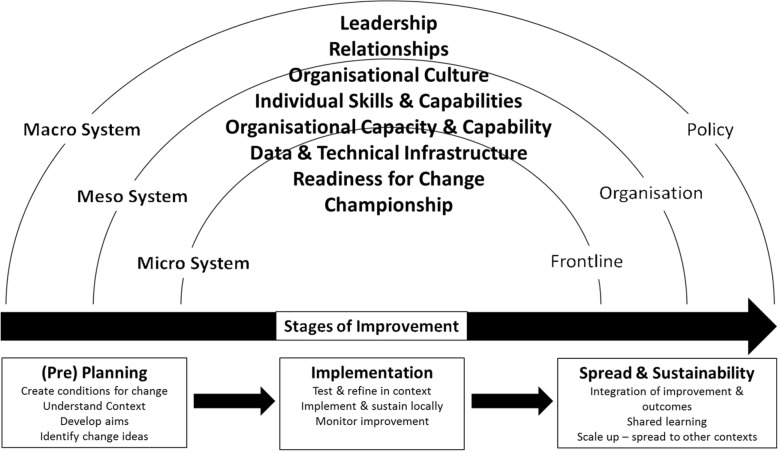
Background: Recognising the influence of context and the context-sensitive nature of quality improvement (QI) interventions is crucial to implementing effective improvements and successfully replicating them in new settings, yet context is still poorly understood. To address this challenge, it is necessary to capture generalisable knowledge, first to understand which aspects of context are most important to QI and why, and secondly, to explore how these factors can be managed to support healthcare improvement, in terms of implementing successful improvement initiatives, achieving sustainability and scaling interventions. The research question was how and why does context influence quality improvement initiatives in healthcare? Methods: A realist review explored the contextual conditions that influence healthcare improvement. Realist methodology integrates theoretical understanding and stakeholder input with empirical research findings. The review aimed to identify and understand the role of context during the improvement cycle, i.e. planning, implementation, sustainability and transferability; and distil new knowledge to inform the design and development of context-sensitive QI initiatives. We developed a preliminary theory of the influence of context to arrive at a conceptual and theoretical framework. Results: Thirty-five studies were included in the review, demonstrating the interaction of key contextual factors across healthcare system levels during the improvement cycle. An evidence-based explanatory theoretical model is proposed to illustrate the interaction between contextual factors, system levels (macro, meso, micro) and the stages of the improvement journey. Findings indicate that the consideration of these contextual factors would enhance the design and delivery of improvement initiatives, across a range of improvement settings. Conclusions: This is the first realist review of context in QI and contributes to a deeper understanding of how context influences quality improvement initiatives. The distillation of key contextual factors offers the potential to inform the design and development of context-sensitive interventions to enhance improvement initiatives and address the challenge of spread and sustainability. Future research should explore the application of our conceptual model to enhance improvement-planning processes. Systematic review registration: PROSPERO CRD42017062135
Overview
The claims and statistics of this paper haven’t been checked yet.
Free: it reads the open-access text and checks the first 5 claims that cite a source we can check. Create a free account to check every claim.
Integrity signals
Registry
Cites
Statistics
Figures
Verification
Claims the paper makes
The claims and statistics of this paper haven’t been checked yet.
Free: it reads the open-access text and checks the first 5 claims that cite a source we can check. Create a free account to check every claim.
Self-check
Percentages, sums and reported differences re-computed from the paper’s own numbers.
The self-check needs the paper’s full text.
Citations
Cites
Damschroder, L. J., Aron, D. C., Keith, R. E., Kirsh, S. R., Alexander, J. A., & Lowery, J. C. (2009) · Implementation Science · doi:10.1186/1748-5908-4-50 · Cited by 14,496 · cited 2×
“The variability within the body of literature in this area [9, 16, 17, 25] suggests that further work is required to unpack the role of context, and explore which characteristics of context matter, and how, why, when and for whom they matter.”
BackgroundDiffusion of Innovations in Service Organizations: Systematic Review and Recommendations
GREENHALGH, T., ROBERT, G., MACFARLANE, F., BATE, P., & KYRIAKIDOU, O. (2004) · The Milbank Quarterly · doi:10.1111/j.0887-378x.2004.00325.x · Cited by 7,448 · cited 1×
“This review emphasises the importance of stakeholders (individuals/teams and their capacities and skills) within the improvement process, particularly around the key roles of change agents and champions [19, 81] in supporting the success of QI interventions at the microsystem and senior organisational support for init…”
BackgroundRealist review - a new method of systematic review designed for complex policy interventions
Pawson, R., Greenhalgh, T., Harvey, G., & Walshe, K. (2005) · Journal of Health Services Research & Policy · doi:10.1258/1355819054308530 · Cited by 3,190 · cited 3×
“terms of context, mechanism and outcome (CMO) configurations [26, 27].”
BackgroundOgrinc, G., Davies, L., Goodman, D., Batalden, P., Davidoff, F., & Stevens, D. (2016) · BMJ Quality & Safety · doi:10.1136/bmjqs-2015-004411 · Cited by 2,996 · cited 1×
“0 publication guidelines for quality improvement studies in healthcare [13] recognises context as one of the fundamental reporting items.”
BackgroundPawson, R. (2006) · doi:10.4135/9781849209120 · Cited by 1,791 · cited 6×
“The starting point for the notion of context in realist review is the four contextual ‘layers’ defined by Pawson et al [27]: individuals, interpersonal relations, institution and infrastructure.”
BackgroundMethodInfluentialWhat drives change? Barriers to and incentives for achieving evidence‐based practice
Grol, R., & Wensing, M. (2004) · Medical Journal of Australia · doi:10.5694/j.1326-5377.2004.tb05948.x · Cited by 1,378 · cited 3×
“Quality improvement in healthcare is a relatively new area, [1, 8] furthered by the work of the Institute for Healthcare Improvement in the USA [1].”
BackgroundRAMESES publication standards: realist syntheses
Wong, G., Greenhalgh, T., Westhorp, G., Buckingham, J., & Pawson, R. (2013) · BMC Medicine · doi:10.1186/1741-7015-11-21 · Cited by 1,374
What is "quality improvement" and how can it transform healthcare?
Batalden, P. B., & Davidoff, F. (2007) · Quality and Safety in Health Care · doi:10.1136/qshc.2006.022046 · Cited by 1,100 · cited 1×
“‘healthcare improvement’, which incorporates changes leading to ‘better patient outcomes (health), better system performance (care) and better professional development’ [2].”
BackgroundPfadenhauer, L. M., Gerhardus, A., Mozygemba, K., Lysdahl, K. B., Booth, A., Hofmann, B., Wahlster, P., Polus, S., Burns, J., Brereton, L., et al. (2017) · Implementation Science · doi:10.1186/s13012-017-0552-5 · Cited by 1,016 · cited 1×
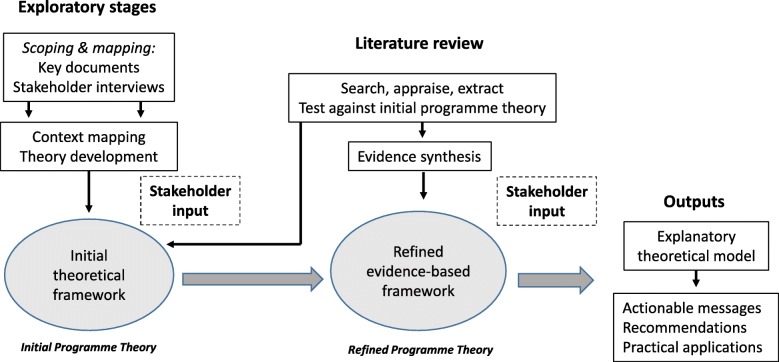
“This scoping exercise included the identification and scrutiny of key publications examining the role of context in healthcare quality improvement [10, 11, 14, 16, 23, 34, 35].”
BackgroundImplementation, context and complexity
May, C. R., Johnson, M., & Finch, T. (2016) · Implementation Science · doi:10.1186/s13012-016-0506-3 · Cited by 978 · cited 1×
“Contextual ‘confounders’ that act as barriers to improvement in one setting may be facilitators in other settings; such confounders often represent ‘typical’ healthcare conditions [15].”
Background
Research works printed but not linked: 4
- Health Foundation. Overcoming challenges to improving quality. Lessons from the Health Foundation's improvement programme evaluations and relevant literature. London: Health Foundation; 2012.
- Horton T, Illingworth J, Warburton W. The spread challenge. London: Health Foundation; 2018.
- Øvretveit J. How does context affect quality improvement? In: Perspectives on context. London: The Health Foundation; 2014.
- Fulop N, Robert G. Context for successful quality improvement: evidence review. London: The Health Foundation; 2015.
Cited by
Items 101–200 of 298
Armstrong, L., Moir, C., & Taylor, P. (2023) · BMJ Open · doi:10.1136/bmjopen-2023-077784 · Cited by 5
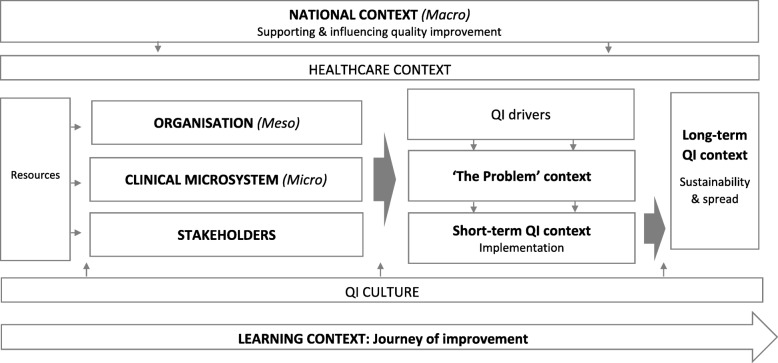
“33 For instance, The Model for Understanding Success in Quality improvement targets contexts relating to micro-systems; these include the QI team, QI support and capacity, the organisation and the external environment 34 while others consider context as the outer components (political, social and…”
BackgroundKelly, M. C., Naisby, J., & Bell, D. J. (2023) · PLoS ONE · doi:10.1371/journal.pone.0295382 · Cited by 4
Quality Enhancement in Higher Education: Insights from Strategic Plan Implementation
Azhar, M., Subaedah, S., & Asykur, M. (2024) · AL-TANZIM JURNAL MANAJEMEN PENDIDIKAN ISLAM · doi:10.33650/al-tanzim.v8i2.6612 · Cited by 5
Gadsby, E. W., Brown, C., Crawford, C., Dale, G., Duncan, E., Galbraith, L. D., Gold, K., Hibberd, C. J., McFarland, A., McGlashan, J., et al. (2023) · BMC Cancer · doi:10.1186/s12885-023-11592-w · Cited by 4
“By involving healthcare providers, patients, policymakers, and other relevant parties, such research can harness the collective wisdom and insights needed to understand how innovations function within the real-world context of healthcare delivery [33, 34].”
BackgroundKumwenda, W., Bengtson, A. M., Wallie, S. D., Chikaonda, T., Matoga, M., Bula, A. K., Villiera, J., Kamanga, E., Hosseinipour, M. C., & Mwapasa, V. (2024) · BMC Health Services Research · doi:10.1186/s12913-024-11342-z · Cited by 3
“The attributes of each organization’s context inherently differ, thus explaining the QI implementation variations [44, 45].”
BackgroundSituational Analysis of European and International Oral Health Policy Making for Quality Improvement
Akter, S., Fehrer, V., Lorenz, M., Jeurissen, P., & Listl, S. (2025) · JDR Clinical & Translational Research · doi:10.1177/23800844251325540 · Cited by 3
“The findings of this study and previous research indicated that for QI, it is essential to recognize the needs and contexts (Coles et al. 2020), learn from best practices, and share knowledge (Hughes 2008; NHS England 2022).”
Animashaun, E., Peprah, E. B., Olorunfemi, O., Oyekunle, O., Nortey-Adom, E. E., & Karbo, S. A.-I. (2025) · BMC Emergency Medicine · doi:10.1186/s12873-025-01400-y · Cited by 3
Liu, W.-L., Chen, L., Zhang, L., Yang, L., & Fu, M.-Y. (2026) · Frontiers in Public Health · doi:10.3389/fpubh.2026.1789683 · Cited by 3
“At Level 4, systematic assessment of contextual confounders, including staffing ratios, leadership climate, and concurrent quality initiatives, should be incorporated into outcome analyses to enhance attribution accuracy (68, 69).”
Dakhilallah, H., Aljuhani, M., Alshehri, W. M., Eid, T., Almutairi, R. R., Almutairi, A. S., Alyahya, N. M., & Alodhialah, A. M. (2026) · Healthcare · doi:10.3390/healthcare14131882 · Cited by 3
Cassie, H., Treweek, S. P., McKee, L., Ramsay, C. R., Young, L. C., & Clarkson, J. (2022) · BMJ Open · doi:10.1136/bmjopen-2021-059564 · Cited by 3
Lai, J. H., Gwini, S. M., Chen, G., Long, K. M., Russell, G. M., Schlaich, M. P., Stowasser, M., Young, M. J., Fuller, P. J., Mori, T. A., et al. (2022) · Internal Medicine Journal · doi:10.1111/imj.15955 · Cited by 3
“44 Much of this work is under way, particularly with respect to PA.”
BackgroundCan a quality improvement approach reduce inequalities in respiratory health?
Pham, J., McKenzie, L., Martin, L., & Roberts, C. M. (2023) · European Respiratory Society eBooks · doi:10.1183/2312508x.10005322 · Cited by 3
Odendaal, W., Tomlinson, M., Goga, A. E., Singh, Y., Kauchali, S., Marshall, C., Pillay, Y. G., Makua, M., Chetty, T., & Hunt, X. (2024) · PLoS ONE · doi:10.1371/journal.pone.0314024 · Cited by 3
“The role of the leader is well reported [11, 51, 52].”
Let them eat (birthday) cake: reframing healthy eating in healthcare organizations
Kennedy, L. J., Kirk, S., Sim, M., Leigh, J. P., Wong, H., & Mah, C. L. (2025) · Global Health Promotion · doi:10.1177/17579759251318731 · Cited by 3
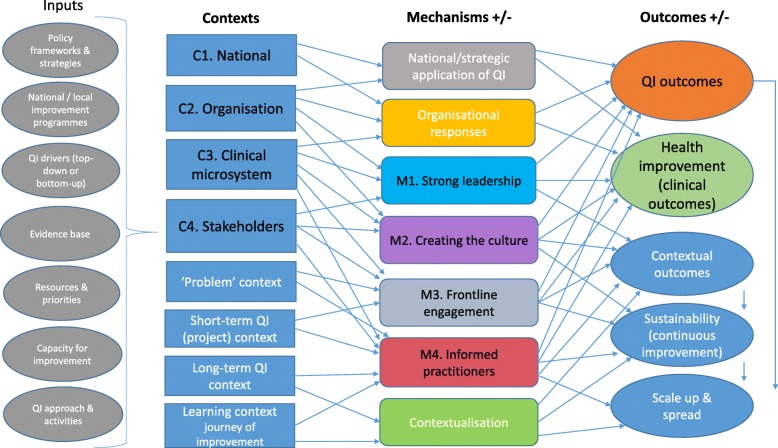
“(24) explored contextual factors influencing clinical CQI studies and identified that in addition to policies, CQI required strong leadership, strategic application and ‘point-of-sale’ or frontline engagement as possible mechanisms for effective CQI management across policy and organizational…”
Pearson, R., Owen, M. B., Inman, J., & Relph, N. (2025) · Journal of Adventure Education & Outdoor Learning · doi:10.1080/14729679.2025.2530094 · Cited by 3
“The involvement of experts enabled a multitude of perspectives to be captured throughout the review (Coles et al., 2020; Emmel et al., 2018).”
The Impact of Rural Energy Poverty on Primary Health Services Efficiency: The Case of China
Sun, X., Zheng, X., Li, S., Zhang, J., & Shi, H. (2025) · Systems · doi:10.3390/systems13080675 · Cited by 3
Hill, Z. E., Keraga, D. W., Kiflie, A., Schellenberg, J., Magge, H., & Estifanos, A. S. (2023) · Health Research Policy and Systems · doi:10.1186/s12961-023-00986-8 · Cited by 3
“Although we purposively selected typical facilities our findings may not be transferable to other settings as context can modify how QICs are experienced and how they function [9, 12].”
BackgroundFahsold, A., Schmüdderich, K., Verbeek, H., Palm, R., & Holle, B. (2024) · Das Gesundheitswesen · doi:10.1055/a-2326-6612 · Cited by 3
Russell, G. M., Advocat, J. R., Lane, R., Neil, J., Staunton-Smith, T., Alexander, K., Hattle, S., Crabtree, B. F., Miller, W. L., Setunge, S. N., et al. (2021) · BMJ Open · doi:10.1136/bmjopen-2020-046086 · Cited by 3
Kennel, V. L., & Lowndes, B. R. (2023) · Elsevier eBooks · doi:10.1016/b978-0-323-91841-1.00021-x · Cited by 3
Outcomes of completed quality activities in an Australian tertiary hospital, 2015–2019
Li, Q. C., Karnon, J. D., & Codde, J. (2023) · International Journal for Quality in Health Care · doi:10.1093/intqhc/mzad074 · Cited by 3
Queiroz, G. D. O. M., da Silva, L. J., Silva, Í. R., Fagundes, L. D. C., Pereira, A. S. L., Duarte, S. D. C. M., da Silva, M. L., & da Silva, T. P. (2024) · Texto & Contexto - Enfermagem · doi:10.1590/1980-265x-tce-2024-0029en · Cited by 2
Dias, E., Walker, T. J., Balasubramanian, B. A., Cuccaro, P. M., Workman, L. M., Wandersman, A., & Fernández, M. E. (2024) · Journal of Clinical and Translational Science · doi:10.1017/cts.2024.689 · Cited by 2
“A realist review exploring contextual conditions that influence healthcare improvement identified several factors, including organizational capacity and infrastructure, as critical elements to the extent that quality improvement initiatives are planned, implemented, and maintained [27].”
Dryburgh, N. S. J., Wang, L., Repchuck, R., Matte, A. R., Runions, K., & Georgiades, K. (2025) · School Mental Health · doi:10.1007/s12310-025-09742-5 · Cited by 2
“In healthcare settings, for example, organizational features like leadership, collaboration, resources, and ongoing monitoring have been found to be crucial for the adoption of evidence-based practices (Coles et al., 2020; Li et al., 2018; Yano, 2008).”
A Practical Guide to Assessing and Addressing Context in Quality Improvement
Tyler, A. N., Perry, M. F., Slemmer, A., Westphal, K., & Chavez, L. J. (2025) · Hospital Pediatrics · doi:10.1542/hpeds.2024-007745 · Cited by 2
Contextual factors affecting learning-oriented leadership in healthcare: a case study
Lørum, R. M., Eriksson, H., & Smith, F. (2025) · Journal of Health Organization and Management · doi:10.1108/jhom-03-2025-0151 · Cited by 2
“Leaders who cultivate stakeholder engagement, collaborative learning infrastructures and reflective spaces can help overcome fragmentation and foster sustainable learning environments (Lalani et al ., 2020; Greenhalgh and Papoutsi, 2018; Coles et al ., 2020).”
Beciete, E. A. J., & Guillena, J. G. (2025) · Psychology and Education A Multidisciplinary Journal · doi:10.70838/pemj.491002 · Cited by 2
Hoffins, E. L., Moore, K. G., Gilson, A. M., Stone, J. A., Ford, J., & Chui, M. A. (2026) · Human Factors in Healthcare · doi:10.1016/j.hfh.2026.100149 · Cited by 2
Micro-Clinical Cultures, Group Mindlines, and Evidence-Based Practice
Grove, A. (2023) · Organizational behaviour in health care · doi:10.1007/978-3-031-24212-0_4 · Cited by 2
Gillner, S., & Wild, E. (2024) · Health Care Management Review · doi:10.1097/hmr.0000000000000400 · Cited by 2
Nicholls, M., Anderson, N. E., Jarden, R., Selak, V., Frampton, C. M., & Dalziel, S. R. (2024) · BMJ Open · doi:10.1136/bmjopen-2024-087328 · Cited by 2
Vanderkruik, R. C., Freeman, M. P., Gaw, M. L., Reuman, A. R. L., Verghese, M., Louis, C. C., Jellinek, M. S., Bartels, S. J., & Cohen, L. S. (2025) · PLoS ONE · doi:10.1371/journal.pone.0319181 · Cited by 2
“As all interventions are implemented within a given context, they are necessarily influenced by surrounding social, cultural, political, environmental, and economic factors [45].”
Why the Pharmaceutical Industry Needs Implementation Science for Sustainable Innovation
Messina, A. J. (2025) · Pharmaceutical Medicine · doi:10.1007/s40290-025-00566-x · Cited by 2
“The complexity of systemic barriers, especially when these hurdles vary based on settings, often requires a shift in focus towards understanding and addressing the broader context of healthcare delivery [5].”
Barberis, M., & Vandermosten, M. (2023) · International Journal of Language & Communication Disorders · doi:10.1111/1460-6984.12928 · Cited by 2
The Role of Self-management in Inflammatory Arthritis
Nikiphorou, E. (2022) · touchREVIEWS in RMD · doi:10.17925/rmd.2022.1.1.7 · Cited by 2
Gibson, E. (2025) · BCU Open Access Repository (Birmingham City University) · Cited by 2
Madden, M. J., & Ross, D. (2023) · Journal of Sports Medicine and Allied Health Sciences Official Journal of the Ohio Athletic Trainers Association · doi:10.25035/jsmahs.08.04.02 · Cited by 1
Arts in Healthy Aging: Exploring Research, Policy, and Professional Practice
Lambert, P. D., Blandy, D., & Wyszomirski, M. J. (2024) · doi:10.1093/oso/9780192847607.001.0001 · Cited by 1
Older Adults, Community Arts Participation, and Age-Friendliness
Lambert, P. D., Blandy, D., & Wyszomirski, M. J. (2024) · Oxford University Press eBooks · doi:10.1093/oso/9780192847607.003.0007 · Cited by 1
Oh, K. K., Ferdinand, J. G., Kapologwe, N., Ngaiza, B. M., Gordon, J. M., Lim, D., Ngowi, A. E., Yusuph, S. A., Kim, H., Park, H., et al. (2024) · BMC Health Services Research · doi:10.1186/s12913-024-11917-w · Cited by 1
Juba, O. O., & JUBA, I. D. (2024) · International Journal of Science and Research Archive · doi:10.30574/ijsra.2024.13.2.2254 · Cited by 1
Keymeulen, A., Staal, I. I. E., van Achterberg, T., & de Kroon, M. L. A. (2025) · Journal of Pediatric Nursing · doi:10.1016/j.pedn.2025.03.002 · Cited by 1
Winberg, M., Fjordkvist, E., Joelsson‐Alm, E., Carlfjord, S., Nyman, M. H., & Eldh, A. C. (2025) · Journal of Advanced Nursing · doi:10.1111/jan.70098 · Cited by 1
“When seeking to bridge any gap between best and current practice, the clinical context is a core element, as it represents both hindering and facilitating factors for knowledge implementation (Coles et al. 2020).”
Korpal, M., & Jaddou, N. (2025) · Cureus · doi:10.7759/cureus.89711 · Cited by 1
“Numerous studies have reinforced that small, targeted QI projects, especially when they are contextually relevant and integrated into existing routines, can lead to substantial gains in performance metrics [15,16].”
Perspectives of mental health service users on vocational rehabilitation in Namibia
Chimara, M., van Biljon, H., Adams, F., & van Niekerk, L. (2025) · African Journal of Disability · doi:10.4102/ajod.v14i0.1631 · Cited by 1
“Contextual factors can be defined as ‘the underlying systems, culture and circumstances of the environment in which an intervention is implemented’ (Coles et al. 2020:1).”
Methodologies for quality measurement, monitoring, and evaluation
Liaw, S. (2025) · Elsevier eBooks · doi:10.1016/b978-0-323-95260-6.00006-x · Cited by 1
Families’ perspectives of transitioning young adults with cerebral palsy to independent living
Hickey, L., Harms, L., Culnane, E., Saunders, V., Imms, C., Ball, M., & Reddihough, D. S. (2025) · Disability and Rehabilitation · doi:10.1080/09638288.2025.2564289 · Cited by 1
“This is consistent with the fact that most environmental or contextual factors can act as barriers or enablers depending on the circumstances [56,57].”
Bamigbade, P., Sowunmi, C. O., OPE-BABADELE, O. O., & Olabisi, E. O. (2025) · Babcock University Medical Journal · doi:10.38029/babcockuniv.med.j..v8i2.818 · Cited by 1
“Their findings, along with that of Coles et al. (18), point to the critical role of effective communication, timely interventions, and respectful care practices in optimising MCH outcomes.”
Defining Health System Capacity: A Rapid Review
O’Grady, H. K., Leone, A., McElhone, S., Kirkwood, A., Awad, Z., Orlando, E., & Tsang, J. L. Y. (2026) · Healthcare Management Forum · doi:10.1177/08404704261416752 · Cited by 1
“6,7 These contextual factors are not static, and thus health systems also need to be dynamic.”
Implementation Fidelity of the Transitional Care Model: A Mixed Methods Study
Hirschman, K. B., Toles, M., Whitehouse, C. R., McHugh, M., Regan, C., Ahrens, M., Hanlon, A. L., Osokpo, O. H., McCauley, K., Shaid, E., et al. (2026) · Global Implementation Research and Applications · doi:10.1007/s43477-026-00234-5 · Cited by 1
“A recent systematic review of contextual factors affecting diverse healthcare systems highlighted staffing, regulation, and pay - ment policies as important influences of implementation and outcomes (Coles et al., 2020).”
Quality improvement interventions in surgical oncology: systematic review of international studies
Rashid, A., Sukumar, S., Dodkins, J., Zachou, G., Fearnhead, N. S., Walker, K., & Aggarwal, A. K. (2026) · BJS Open · doi:10.1093/bjsopen/zrag053 · Cited by 1
“Whereas methodologically rigorous designs, such as multicentre RCTs, are essential to establish causality, the success of QI interventions are context dependent 131 .”
Wolsink, L., Belrhiti, Z., Slemming, W., Crone, M. R., & Orgill, M. (2026) · Health Policy and Planning · doi:10.1093/heapol/czag078 · Cited by 1
“In the realist perspective, social programmes do not work because of their inherent properties but because of the intertwined interactions between interventions, contexts, actors, and social structures (Pawson et al. 2004, Wong et al. 2013, Coles et al. 2020).”
Mahama, F., Harkin, D., Hayes, N., Doherty, M., & COATES, V. E. (2026) · Journal of Clinical Nursing · doi:10.1111/jocn.70508 · Cited by 1
Obssa, A., Frew, A. H., Belayihun, B., Teshome, L., Nzau, J. J., Molla, Y., & Kibret, M. A. (2021) · Ethiopian Journal of Health Development · Cited by 1
Passos, A. C. D. B., Sampaio, P. P., dos Santos, D. B., & Fonteles, M. M. D. F. (2021) · Brazilian Journal of Development · doi:10.34117/bjdv7n6-147 · Cited by 1
Procureur, F., Estifanos, A. S., Keraga, D., Alemayehu, A. K., Hailemariam, N., Schellenberg, J., Magge, H., & Hill, Z. E. (2023) · BMC Health Services Research · doi:10.1186/s12913-023-09341-7 · Cited by 1
“Contextual factors that may be important include leadership characteristics; organizational and individual capabilities/characteristics; data and technical infrastructure; relationships; readiness for change; core values and ideologies, and how well the quality improvement (QI) topic aligns with existing priorities, s…”
BackgroundResultInfluentialBruzi, M. C. T. B. G., Arcuri, R., Bellas, H. C., de Souza, J. T. V., dos Santos, L., de Carvalho, P. V. R., & Jatobá, A. (2023) · Congresso Brasileiro de Ergonomia. · doi:10.29327/1338428.23-14 · Cited by 1
Introducing Arts in Healthy Aging Policy and Practice
Lambert, P. D., Blandy, D., & Wyszomirski, M. J. (2024) · Oxford University Press eBooks · doi:10.1093/oso/9780192847607.003.0001 · Cited by 1
Delahunt, M., McGaw, R., & Hardidge, A. J. (2024) · Australian Health Review · doi:10.1071/ah24011 · Cited by 1
Luchowska, K., Chmielewska, M., Byszek, K., Olearczyk, A., Gawrońska, A., & Więckowska, B. (2024) · BMJ Open · doi:10.1136/bmjopen-2024-088169 · Cited by 1
“29 30 According to the WHO recommendations on DH implementation strategies, the national context should be considered to take into account the local health priorities, the level of DH advancement, the relevant needs and the existing resource constraints.”
Boatman, D., Eason, S., Sturgeon-Danley, K., Whitworth, C., & Kennedy-Rea, S. K. (2025) · Journal of Primary Care & Community Health · doi:10.1177/21501319251327849 · Cited by 1
“13 While 3 contextual factors subscales were statistically significantly correlated with changes in colorectal cancer screening rates over the observed period, “Microsystem” and “QI Support” had the strongest and largest associations.”
Dor crônica e condições de vida dos idosos: um panorama da maior cidade da América do Sul
de Oliveira, A. M. B. (2021) · Digital Library of Theses and Dissertations (Universidade de São Paulo) · doi:10.11606/t.5.2021.tde-06012022-143439 · Cited by 1
Navigating uncertainty : trauma quality improvement in urban India
Berg, J. (2025) · doi:10.69622/29994562 · Cited by 1
Excellence is expected : quality monitoring and improvement in veterinary medicine
Rooke, F. (2023) · Nottingham ePrints (University of Nottingham) · Cited by 1
Gobierno digital en la atención al ciudadano en una municipalidad de la región Lima, 2024
Jaimes, S. G. O. (2025) · LA Referencia (Red Federada de Repositorios Institucionales de Publicaciones Científicas) · Cited by 1
Laberge, M., Than, V., Tanguay, F., & Roch, G. (2022) · Research Square · doi:10.21203/rs.3.rs-2142931/v1
Leadership Styles and Change Management: A Comprehensive Analysis
Adams, S. (2024) · The Pinnacle A Journal by Scholar-Practitioners · doi:10.61643/c92452
Robertson, C., Hibberd, C. J., Shepherd, A. J., & Johnston, G. (2024) · JMIR Research Protocols · doi:10.2196/51779
Lambert, P. D., Blandy, D., & Wyszomirski, M. J. (2024) · Oxford University Press eBooks · doi:10.1093/oso/9780192847607.002.0003
National Organizations Advancing the Fields of Arts, Health, Aging, and Lifelong Learning
Lambert, P. D., Blandy, D., & Wyszomirski, M. J. (2024) · Oxford University Press eBooks · doi:10.1093/oso/9780192847607.005.0002
Lambert, P. D., Blandy, D., & Wyszomirski, M. J. (2024) · Oxford University Press eBooks · doi:10.1093/oso/9780192847607.002.0011
Creating a Learner-Centered Transformative Arts Education Environment for Older Adults
Lambert, P. D., Blandy, D., & Wyszomirski, M. J. (2024) · Oxford University Press eBooks · doi:10.1093/oso/9780192847607.003.0006
How the Arts Support Health and Well-Being Outcomes in Older Adults
Lambert, P. D., Blandy, D., & Wyszomirski, M. J. (2024) · Oxford University Press eBooks · doi:10.1093/oso/9780192847607.003.0004
Arts Programs in Hospice and End-of-Life Care
Lambert, P. D., Blandy, D., & Wyszomirski, M. J. (2024) · Oxford University Press eBooks · doi:10.1093/oso/9780192847607.003.0009
America’s Arts in Healthy Aging Timeline
Lambert, P. D., Blandy, D., & Wyszomirski, M. J. (2024) · Oxford University Press eBooks · doi:10.1093/oso/9780192847607.005.0001
Lambert, P. D., Blandy, D., & Wyszomirski, M. J. (2024) · Oxford University Press eBooks · doi:10.1093/oso/9780192847607.002.0004
Lambert, P. D., Blandy, D., & Wyszomirski, M. J. (2024) · Oxford University Press eBooks · doi:10.1093/oso/9780192847607.002.0010
Lambert, P. D., Blandy, D., & Wyszomirski, M. J. (2024) · Oxford University Press eBooks · doi:10.1093/oso/9780192847607.002.0008
Centering the Learner in Arts Education for Older Adults
Lambert, P. D., Blandy, D., & Wyszomirski, M. J. (2024) · Oxford University Press eBooks · doi:10.1093/oso/9780192847607.003.0005
Lambert, P. D., Blandy, D., & Wyszomirski, M. J. (2024) · Oxford University Press eBooks · doi:10.1093/oso/9780192847607.002.0009
Arts Programs for Older Adults in Residential and Clinical Care Settings
Lambert, P. D., Blandy, D., & Wyszomirski, M. J. (2024) · Oxford University Press eBooks · doi:10.1093/oso/9780192847607.003.0008
Advancing Public Policy and Professional Practice for the Arts in Healthy Aging
Lambert, P. D., Blandy, D., & Wyszomirski, M. J. (2024) · Oxford University Press eBooks · doi:10.1093/oso/9780192847607.003.0010
Foundational Concepts in Creative Aging
Lambert, P. D., Blandy, D., & Wyszomirski, M. J. (2024) · Oxford University Press eBooks · doi:10.1093/oso/9780192847607.003.0002
Four Strategies to Advance Arts and Aging Policy
Lambert, P. D., Blandy, D., & Wyszomirski, M. J. (2024) · Oxford University Press eBooks · doi:10.1093/oso/9780192847607.003.0003
Jansen, J. A., van Geenen, R. C. I., & Pilot, P. (2024) · Springer eBooks · doi:10.1007/978-3-031-57220-3_2
Queiroz, G. D. O. M., da Silva, L. J., Silva, Í. R., Fagundes, L. D. C., Pereira, A. S. L., Duarte, S. D. C. M., da Silva, M. L., & da Silva, T. P. (2024) · Texto & Contexto - Enfermagem · doi:10.1590/1980-265x-tce-2024-0029pt
Contextual Factors Affecting Patient Representatives in Primary Healthcare Service Development
Olsson, A. B. S., Haaland‐Øverby, M., Stenberg, U., Slettebø, T., & Strøm, A. (2025) · Tidsskrift for omsorgsforskning · doi:10.18261/tfo.11.1.1
“Thus, contextual factors may be facilitatory in one process and barriers in another, and more important in different phases of the same process (Coles et al., 2020).”
Clinical Leaders Can Become Powerful Therapeutic Agents by Being Authentic and Vulnerable
Livesay, K., & de Courten, B. V. (2025) · Springer eBooks · doi:10.1007/978-981-96-4233-5_9
Moulton, J. E., Arefadib, N., Botfield, J. R., Freilich, K., & Mazza, D. (2025) · SSM - Health Systems · doi:10.1016/j.ssmhs.2025.100095
Daniel, O., Yunus, M., Abdullah, M. T., Ibrahim, M. A., & Pauzi, R. (2025) · International Journal of Environmental Sciences · doi:10.64252/36vcn513
Investigating Technology Implementation in Community Hospitals: A Resilience Engineering Approach
dos Santos, L. C., Allana, S., Waseem, A., Girolametto, C., & Burns, C. M. (2025) · Proceedings of the International Symposium on Human Factors and Ergonomics in Health Care · doi:10.1177/2327857925141031
“Health systems can be defined as complex adaptive systems, which translate into an uncertain frequency of patients, the demand for individualized procedures, and many stakeholders (Braithwaite, 2018; Coles et al., 2020; Ellis et al., 2019).”
Schouten, H. (2025) · doi:10.5463/thesis.1226
How to improve shared decision making in your practice: Using improvement methods to drive change
Collins, A., Bulbeck, H., & Grundy, P. (2025) · Oxford University Press eBooks · doi:10.1093/med/9780198897804.003.0025
Slootmans, S., Bogaert, P. V., Vleminckx, S., & Franck, E. (2025) · Research Square · doi:10.21203/rs.3.rs-7246729/v1
Caglar, Y., & Özdal, M. A. (2025) · Frontiers in Public Health · doi:10.3389/fpubh.2025.1601796
Mateus, A., & Waldman, E. A. (2025) · Health · doi:10.4236/health.2025.1710084
Guan, Y. (2025) · Journal of Digital Business and International Marketing · doi:10.64026/jdbim/2025019
Ejdemyr, I., Isomaa, R., Gulliksen, K. S., Reas, D. L., & Levallius, J. (2025) · Journal of Eating Disorders · doi:10.1186/s40337-025-01438-0
“The ability to develop and maintain the above-mentioned therapeutic stance is, at least partly, shaped and constrained by organizational priorities and policies [34].”
Metadata
- Authors
- Coles, E., Anderson, J., Maxwell, M., Harris, F. M., Gray, N. M., Milner, G., & MacGillivray, S.
- Affiliations
- University of Stirling (GB)
- University of Dundee (GB)
- Corresponding author
- Coles, Emma
- Venue
- Systematic Reviews
- Published
- 2020-04-26
- Volume
- 9
- Issue
- 1
- Pages
- 94-94
- ISSN
- 2046-4053 (ISSN-L)
- PMC
- PMC7184709
- OpenAlex
- W3019114423
- Cited by
- 246
- References
- 80
- Citations by year
- 2026: 32 · 2025: 49 · 2024: 62 · 2023: 45 · 2022: 21 · 2021: 32 · 2020: 5
- FWCI
- 26.88
- Type
- journal article
- Language
- en
- Open access
- gold
- doi.org
- Licence
- cc-by
- creativecommons.org/licenses/by/4.0/ (tdm)
- creativecommons.org/licenses/by/4.0/ (vor)
- Locations
- Systematic Reviews (publishedVersion, cc-by)
- PubMed Central (publishedVersion, cc-by)
- PubMed (publishedVersion)
- Discovery Research Portal (University of Dundee) (publishedVersion, cc-by)
- DOAJ (DOAJ: Directory of Open Access Journals) (submittedVersion, cc-by-sa)
- Stirling Online Research Repository (University of Stirling) (submittedVersion, cc-by)
- Funders
- Scottish Funding Council (242343290)
- Topics
- Health Sciences › Health Professions › General Health Professions › Health Policy Implementation Science
- Health Sciences › Medicine › Public Health, Environmental and Occupational Health › Healthcare Quality and Management
- Health Sciences › Health Professions › General Health Professions › Health Sciences Research and Education
- Keywords
- healthcare quality improvement, contextual factors, context-sensitive interventions, improvement cycle, sustainability of improvement, scaling up interventions, transferability, improvement planning
- MeSH terms
- Delivery of Health Care, Health Facilities, Humans, Quality of Health Care, Research Design, Quality Improvement
About these checks
Registry, retraction, Cites and statistics results are computed, not judged, with one exception: a printed reference that no index lists is read once by a model before it counts as a citation error. Claims are extracted by a model and kept only when their quote appears verbatim in the text; each cited source is then checked, with a model’s help, for whether it says what the claim relies on. Those verdicts can be wrong — read the claim’s quote and the cited source before relying on one.
Statistics and arithmetic are recomputed, not judged.
Confidence bands are shown only for fields calibrated on our annotated test set. None is calibrated yet, so no band is shown.
What counts as a claim ›How we measure confidence ›How we check this ›
Are you an author, or do you see a problem with this page? Request a review
Data sources
Bibliographic data: Semantic Scholar, OpenAlex, Crossref.
Contains information from the Semantic Scholar Academic Graph Datasets, made available under the ODC Attribution License (ODC-BY 1.0).
Semantic Scholar’s data is described in: Kinney, R., et al. (2023). The Semantic Scholar Open Data Platform. arXiv:2301.10140.
