

Blocking meningeal lymphatic drainage aggravates Parkinson’s disease-like pathology in mice overexpressing mutated α-synuclein
Open accessThe DOI matches its Crossref record; 70 of the 70 references it cites were found in a registry or an index.
Abstract
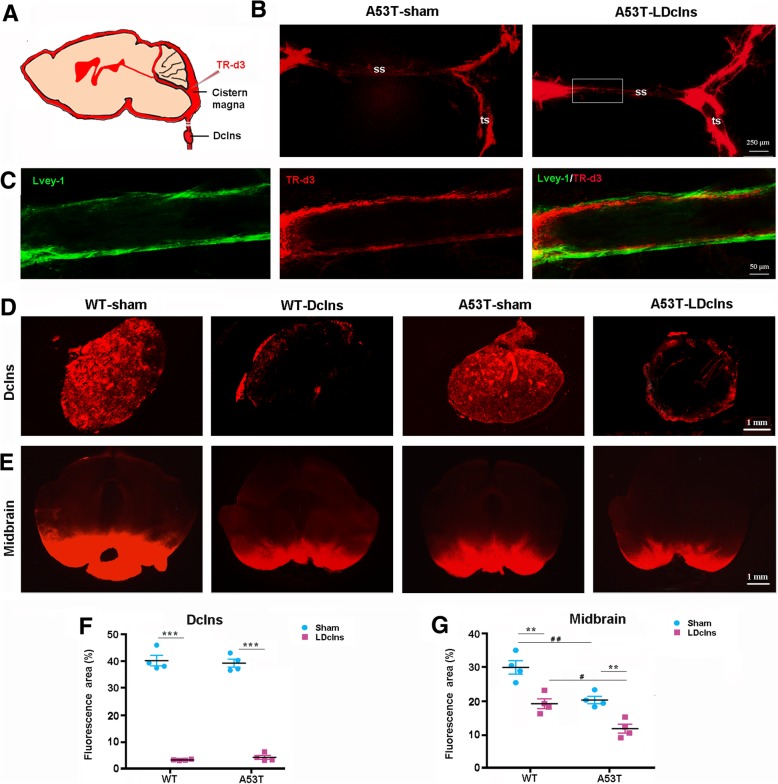
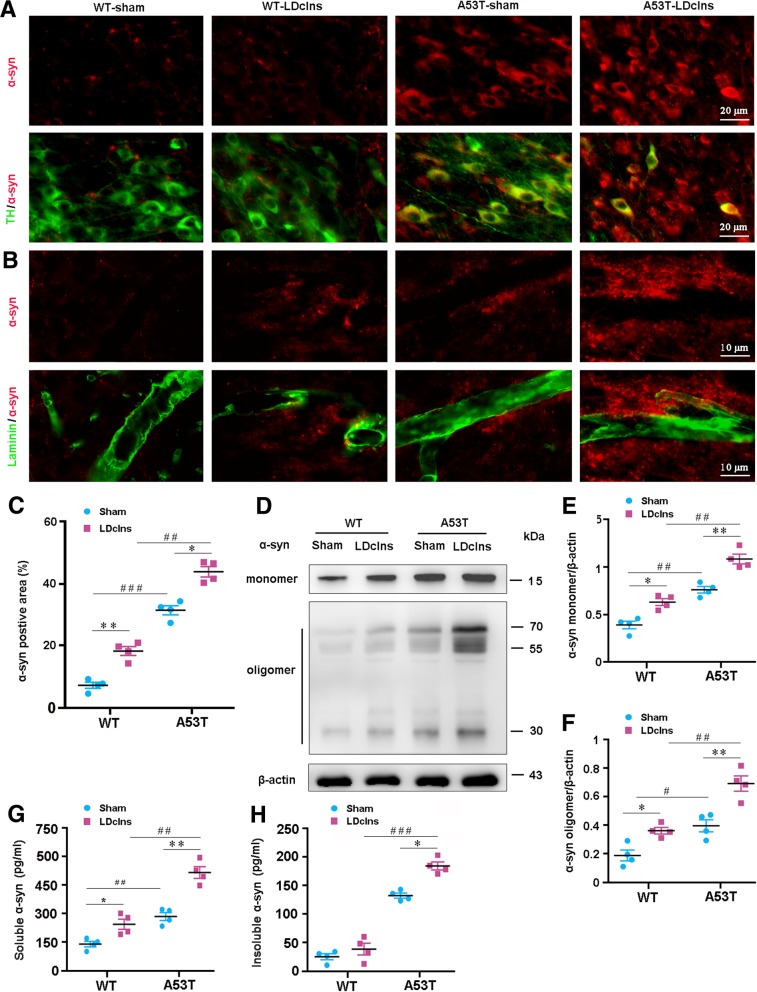
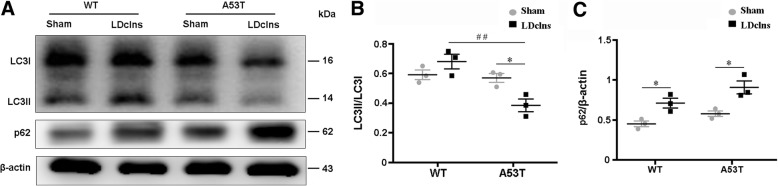
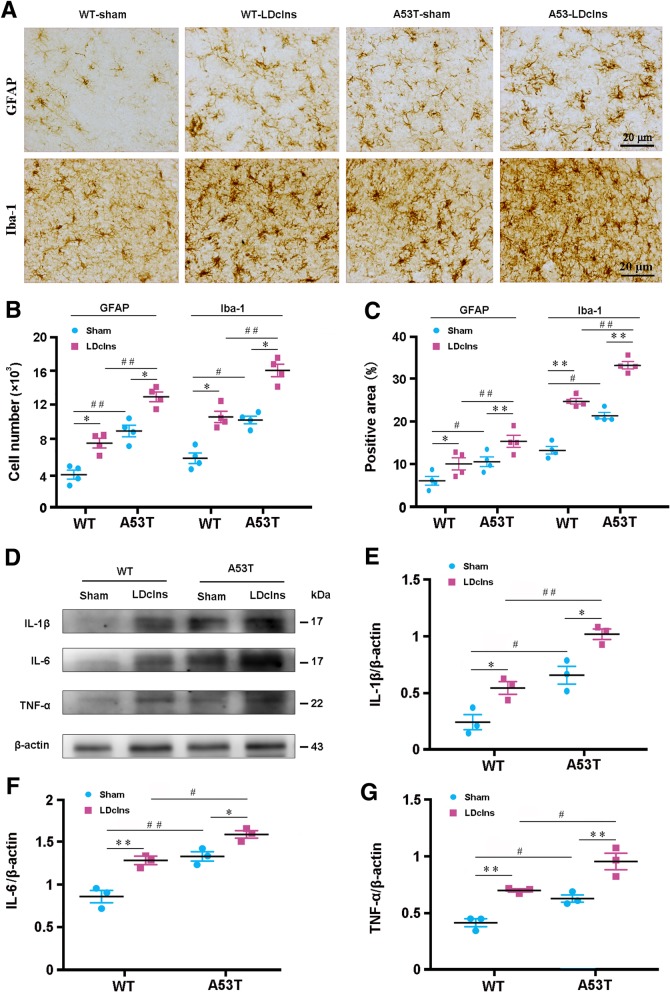
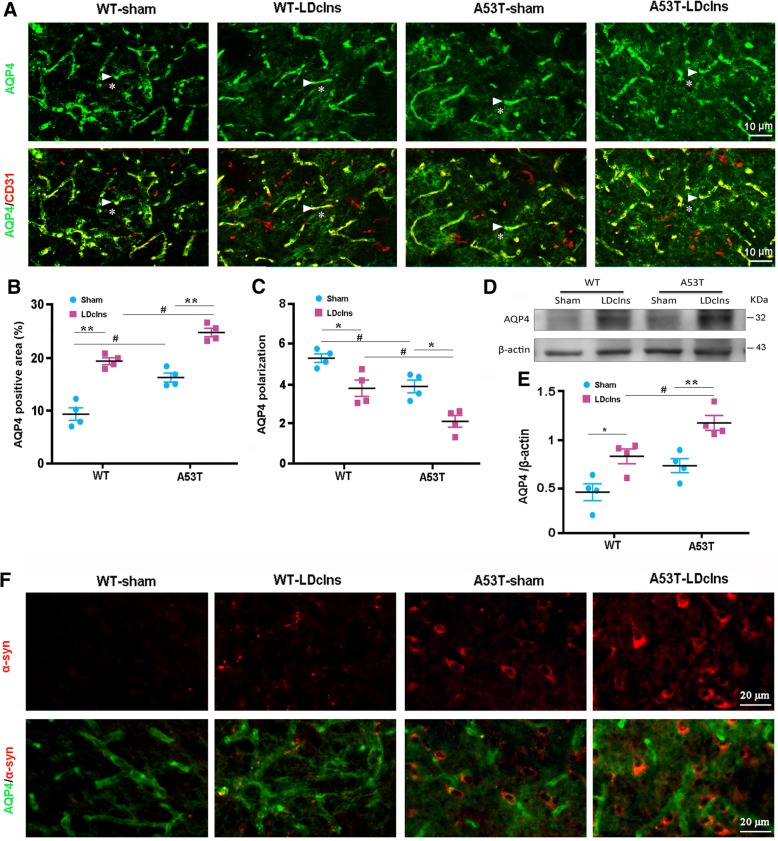
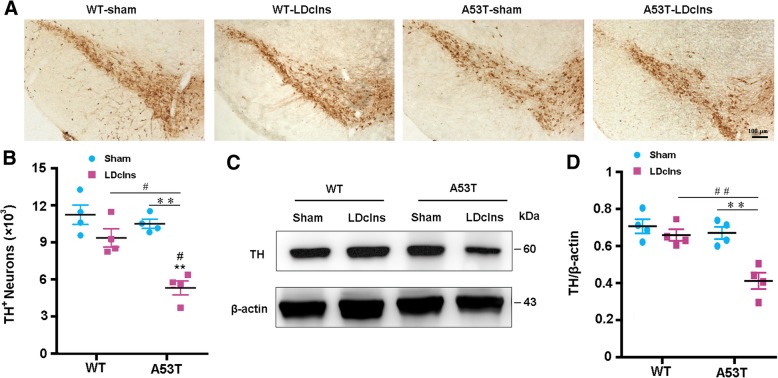
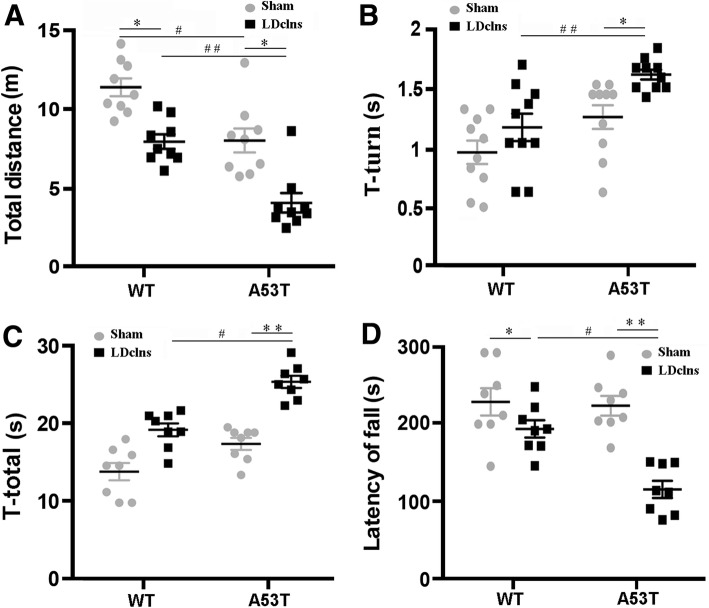
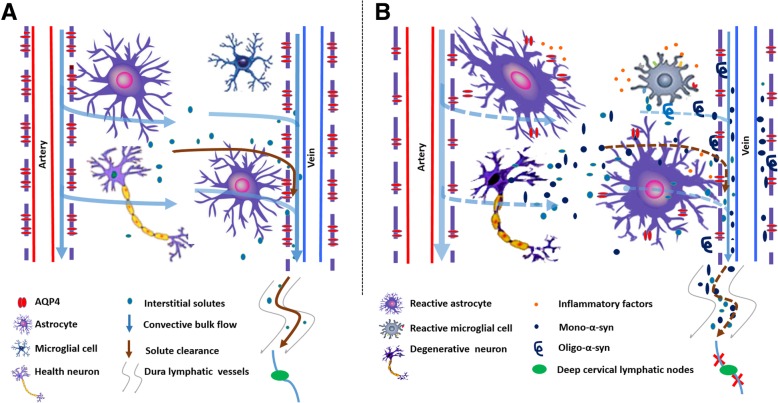
BACKGROUND: Abnormal aggregation of brain α-synuclein is a central step in the pathogenesis of Parkinson's disease (PD), thus, it is reliable to promote the clearance of α-synuclein to prevent and treat PD. Recent studies have revealed an essential role of glymphatic system and meningeal lymphatic vessels in the clearance of brain macromolecules, however, their pathophysiological aspects remain elusive. METHOD: Meningeal lymphatic drainage of 18-week-old A53T mice was blocked via ligating the deep cervical lymph nodes. Six weeks later, glymphatic functions and PD-like phenotypes were systemically analyzed. RESULTS: Glymphatic influx of cerebrospinal fluid tracer was reduced in A53T mice, accompanied with perivascular aggregation of α-synuclein and impaired polarization of aquaporin 4 expression in substantia nigra. Cervical lymphatic ligation aggravated glymphatic dysfunction of A53T mice, causing more severe accumulation of α-synuclein, glial activation, inflammation, dopaminergic neuronal loss and motor deficits. CONCLUSION: The results suggest that brain lymphatic clearance dysfunction may be an aggravating factor in PD pathology.
Overview
The claims and statistics of this paper haven’t been checked yet.
Free: it reads the open-access text and checks the first 5 claims that cite a source we can check. Create a free account to check every claim.
Integrity signals
Registry
Cites
Statistics
Figures
Verification
Claims the paper makes
The claims and statistics of this paper haven’t been checked yet.
Free: it reads the open-access text and checks the first 5 claims that cite a source we can check. Create a free account to check every claim.
Claims other papers make about this one
Each is checked against this paper’s own text: does it say what the citing paper says it does?
In the citing paper
“The suppressive effects of both age and amyloid-ß overexpression on glymphatic flow can be extended to other experimental rodent models of neurodegeneration; both traumatic brain injury and Parkinson’s disease are similarly linked to a sustained reduction of glymphatic fluid transport (56–58).”
From Glymphatic failure as a final common pathway to dementia (2020) · cites this paper as [57]
Self-check
Percentages, sums and reported differences re-computed from the paper’s own numbers.
The self-check needs the paper’s full text.
Citations
Cites
Iliff, J. J., Wang, M., Liao, Y., Plogg, B. A., Peng, W., Gundersen, G. A., Benveniste, H., Vates, G. E., Deane, R., Goldman, S. A., et al. (2012) · Science Translational Medicine · doi:10.1126/scitranslmed.3003748 · Cited by 5,824 · cited 4×
“exacerbates Aβ deposition in the brain of a mouse model of Alzheimer’s disease (AD) [13].”
InfluentialA dural lymphatic vascular system that drains brain interstitial fluid and macromolecules
Aspelund, A., Antila, S., Proulx, S. T., Karlsen, T. V., Karaman, S., Detmar, M., Wiig, H., & Alitalo, K. (2015) · Journal of Experimental Medicine · doi:10.1084/jem.20142290 · Cited by 2,198
Masliah, E., Rockenstein, E., Veinbergs, I., Mallory, M., Hashimoto, M., Takeda, A., Sagara, Y., Sisk, A., & Mucke, L. (2000) · Science · doi:10.1126/science.287.5456.1265 · Cited by 1,765
Clearance systems in the brain—implications for Alzheimer disease
Tarasoff-Conway, J. M., Carare, R. O., Osorio, R. S., Glodzik, L., Butler, T., Fieremans, E., Axel, L., Rusinek, H., Nicholson, C., Zlokovic, B. V., et al. (2015) · Nature Reviews Neurology · doi:10.1038/nrneurol.2015.119 · Cited by 1,678 · cited 2×
“This supports the view that AQP4 specifically mediates clearance of soluble macromolecules from the brain parenchyma [14, 15].”
BackgroundImpairment of paravascular clearance pathways in the aging brain
Kress, B. T., Iliff, J. J., Xia, M., Wang, M., Wei, H. S., Zeppenfeld, D., Xie, L., Kang, H., Xu, Q., Liew, J. A., et al. (2014) · Annals of Neurology · doi:10.1002/ana.24271 · Cited by 1,521 · cited 3×
“was obtained by the ratio between the AQP4 fluorescence intensity of the perivascular domains and the adjacent neutrophil domains [27, 28].”
BackgroundFunctional aspects of meningeal lymphatics in ageing and Alzheimer’s disease
Da Mesquita, S., Louveau, A., Vaccari, A., Smirnov, I., Cornelison, R. C., Kingsmore, K. M., Contarino, C., Onengut-Gumuscu, S., Farber, E., Raper, D., et al. (2018) · Nature · doi:10.1038/s41586-018-0368-8 · Cited by 1,445 · cited 4×
“Furthermore, disruption of meningeal lymphatic drainage aggravates parenchymal Aβ accumulation and cognitive decline of AD transgenic mice [16, 17].”
BackgroundResultInfluentialα-Synuclein Is Degraded by Both Autophagy and the Proteasome
Webb, J. L., Ravikumar, B., Atkins, J., Skepper, J. N., & Rubinsztein, D. C. (2003) · Journal of Biological Chemistry · doi:10.1074/jbc.m300227200 · Cited by 1,429
Neuronal α-Synucleinopathy with Severe Movement Disorder in Mice Expressing A53T Human α-Synuclein
Giasson, B. I., Duda, J. E., Quinn, S. M., Zhang, B., Trojanowski, J. Q., & Lee, V. M.-Y. (2002) · Neuron · doi:10.1016/s0896-6273(02)00682-7 · Cited by 1,266
Impairment of Glymphatic Pathway Function Promotes Tau Pathology after Traumatic Brain Injury
Iliff, J. J., Chen, M. J., Plog, B. A., Zeppenfeld, D. M., Soltero, M., Yang, L., Singh, I., Deane, R., & Nedergaard, M. (2014) · The Journal of Neuroscience · doi:10.1523/jneurosci.3020-14.2014 · Cited by 1,159 · cited 1×
“Indeed, loss of perivascular AQP4 polarization has been reported in various animal models including aging [28, 62], AD [65], traumatic brain injury [66] and”
BackgroundNeuropathological assessment of Parkinson’s disease: refining the diagnostic criteria
Dickson, D. W., Braak, H., Duda, J. E., Duyckaerts, C., Gasser, T., Halliday, G. M., Hardy, J., Leverenz, J. B., Del Tredici, K., Wszolek, Z. K., et al. (2009) · The Lancet Neurology · doi:10.1016/s1474-4422(09)70238-8 · Cited by 972 · cited 1×
“Parkinson’s disease (PD) is an age-dependent neurodegenerative disease, characterized by progressive loss of midbrain dopaminergic neurons and formation of Lewy bodies [1, 2].”
α-synuclein toxicity in neurodegeneration: mechanism and therapeutic strategies
Wong, Y. C., & Krainc, D. (2017) · Nature Medicine · doi:10.1038/nm.4269 · Cited by 897
Initiation and Synergistic Fibrillization of Tau and Alpha-Synuclein
Giasson, B. I., Forman, M. S., Higuchi, M., Golbe, L. I., Graves, C. L., Kotzbauer, P. T., Trojanowski, J. Q., & Lee, V. M.-Y. (2003) · Science · doi:10.1126/science.1082324 · Cited by 879
The Glymphatic System in Central Nervous System Health and Disease: Past, Present, and Future
Plog, B. A., & Nedergaard, M. (2018) · Annual Review of Pathology: Mechanisms of Disease · doi:10.1146/annurev-pathol-051217-111018 · Cited by 780
Aquaporin-4-dependent glymphatic solute transport in the rodent brain
Mestre, H., Hablitz, L. M., Xavier, A. L., Feng, W., Zou, W., Pu, T., Monai, H., Murlidharan, G., Castellanos Rivera, R. M., Simon, M. J., et al. (2018) · eLife · doi:10.7554/elife.40070 · Cited by 738
Self-citationMa, Q., Ineichen, B. V., Detmar, M., & Proulx, S. T. (2017) · Nature Communications · doi:10.1038/s41467-017-01484-6 · Cited by 690 · cited 1×
“They align with dural blood vessels and exit the cranium via the foramina together with venous sinuses, arteries and cranial nerves [53, 54].”
BackgroundZeppenfeld, D. M., Simon, M., Haswell, J. D., D’Abreo, D., Murchison, C., Quinn, J. F., Grafe, M. R., Woltjer, R. L., Kaye, J., & Iliff, J. J. (2017) · JAMA Neurology · doi:10.1001/jamaneurol.2016.4370 · Cited by 651 · cited 1×
“Studies in human specimens also report that Aβ deposition is associated with aberrant AQP4 expression in aging brains [68].”
Absinta, M., Ha, S.-K., Nair, G., Sati, P., Luciano, N. J., Palisoc, M., Louveau, A., Zaghloul, K. A., Pittaluga, S., Kipnis, J., et al. (2017) · eLife · doi:10.7554/elife.29738 · Cited by 643 · cited 1×
“Recent studies have identified meningeal lymphatic vessels in human and rodent brains [51, 52].”
Understanding the functions and relationships of the glymphatic system and meningeal lymphatics
Louveau, A., Plog, B. A., Antila, S., Alitalo, K., Nedergaard, M., & Kipnis, J. (2017) · Journal of Clinical Investigation · doi:10.1172/jci90603 · Cited by 640 · cited 1×
“Functional studies have revealed that meningeal lymphatic vessels mainly contribute to the delivery of CSF macromolecules within the subarachnoid space into the Dclns [11, 16, 17, 55, 56].”
BackgroundSuppression of glymphatic fluid transport in a mouse model of Alzheimer's disease
Peng, W., Achariyar, T. M., Li, B., Liao, Y., Mestre, H., Hitomi, E., Regan, S., Kasper, T., Peng, S., Ding, F., et al. (2016) · Neurobiology of Disease · doi:10.1016/j.nbd.2016.05.015 · Cited by 580 · cited 1×
“Further evidence suggests that glymphatic function depends on astroglial aquaporin-4 (AQP4), contributing to a major portion of brain soluble amyloid-β (Aβ) clearance [12].”
BackgroundDehay, B., Bourdenx, M., Gorry, P., Przedborski, S., Vila, M., Hunot, S., Singleton, A., Olanow, C. W., Merchant, K. M., Bezard, E., et al. (2015) · The Lancet Neurology · doi:10.1016/s1474-4422(15)00006-x · Cited by 529
Maiti, P., Manna, J., & Dunbar, G. L. (2017) · Translational Neurodegeneration · doi:10.1186/s40035-017-0099-z · Cited by 525
Deletion of aquaporin-4 in APP/PS1 mice exacerbates brain Aβ accumulation and memory deficits
Xu, Z., Xiao, N., Chen, Y., Huang, H., Marshall, C., Gao, J., Cai, Z., Wu, T., Hu, G., & Xiao, M. (2015) · Molecular Neurodegeneration · doi:10.1186/s13024-015-0056-1 · Cited by 500 · cited 3×
“was obtained by the ratio between the AQP4 fluorescence intensity of the perivascular domains and the adjacent neutrophil domains [27, 28].”
Self-citationThe Meningeal Lymphatic System: A New Player in Neurophysiology
Da Mesquita, S., Fu, Z., & Kipnis, J. (2018) · Neuron · doi:10.1016/j.neuron.2018.09.022 · Cited by 479 · cited 1×
“They align with dural blood vessels and exit the cranium via the foramina together with venous sinuses, arteries and cranial nerves [53, 54].”
BackgroundEarly and Progressive Sensorimotor Anomalies in Mice Overexpressing Wild-Type Human α-Synuclein
Fleming, S. M., Salcedo, J., Fernagut, P.-O., Rockenstein, E., Masliah, E., Levine, M. S., & Chesselet, M.-F. (2004) · The Journal of Neuroscience · doi:10.1523/jneurosci.3080-04.2004 · Cited by 474
Defects in trafficking bridge Parkinson’s disease pathology and genetics
Abeliovich, A., & Gitler, A. D. (2016) · Nature · doi:10.1038/nature20414 · Cited by 462 · cited 1×
“This is mainly due to an imbalance between production and clearance of α-syn in the brain [3, 4].”
BackgroundMatsuura, K., Kabuto, H., Makino, H., & Ogawa, N. (1997) · Journal of Neuroscience Methods · doi:10.1016/s0165-0270(96)02211-x · Cited by 422 · cited 1×
“Pole test was used to evaluate autonomic ability of mice [22].”
MethodEbrahimi-Fakhari, D., Cantuti-Castelvetri, I., Fan, Z., Rockenstein, E., Masliah, E., Hyman, B. T., McLean, P. J., & Unni, V. K. (2011) · The Journal of Neuroscience · doi:10.1523/jneurosci.1560-11.2011 · Cited by 377
He, X.-F., Liu, D.-X., Zhang, Q., Liang, F.-Y., Dai, G.-Y., Zeng, J.-S., Pei, Z., Xu, G.-Q., & Lan, Y. (2017) · Frontiers in Molecular Neuroscience · doi:10.3389/fnmol.2017.00144 · Cited by 371 · cited 1×
“Indeed, loss of perivascular AQP4 polarization has been reported in various animal models including aging [28, 62], AD [65], traumatic brain injury [66] and”
BackgroundKempuraj, D., Thangavel, R., Selvakumar, G. P., Zaheer, S., Ahmed, M. E., Raikwar, S. P., Zahoor, H., Saeed, D., Natteru, P. A., Iyer, S., et al. (2017) · Frontiers in Cellular Neuroscience · doi:10.3389/fncel.2017.00216 · Cited by 365 · cited 1×
“Previous studies showed that excessive aggregation of α-syn induces glial activation, subsequently causing release of inflammatory cytokines, and eventually intensifying degeneration of dopaminergic neurons [36, 37].”
BackgroundIs There a Cerebral Lymphatic System?
Iliff, J. J., & Nedergaard, M. (2013) · Stroke · doi:10.1161/strokeaha.112.678698 · Cited by 364
Smith, A. J., Yao, X., Dix, J. A., Jin, B.-J., & Verkman, A. S. (2017) · eLife · doi:10.7554/elife.27679 · Cited by 362 · cited 1×
“Several groups independently reported that astrocyte AQP4 is essential for fast glymphatic transport [13, 59–63], although there is literature not supporting this view [64].”
Lysosomal impairment in Parkinson's disease
Dehay, B., Martinez‐Vicente, M., Caldwell, G. A., Caldwell, K. A., Yue, Z., Cookson, M. R., Klein, C., Vila, M., & Bezard, E. (2013) · Movement Disorders · doi:10.1002/mds.25462 · Cited by 340 · cited 1×
“On the other hand, accumulation of oligomeric α-syn is thought to be cytotoxic and damaging autophagy-lysosomal function subsequently, resulting in a pathological cycle leading to neuronal death [49].”
BackgroundGlymphatic clearance controls state-dependent changes in brain lactate concentration
Lundgaard, I., Lu, M. L., Yang, E., Peng, W., Mestre, H., Hitomi, E., Deane, R., & Nedergaard, M. (2017) · Journal of Cerebral Blood Flow & Metabolism · doi:10.1177/0271678x16661202 · Cited by 299
Self-citationKoh, L., Zakharov, A., & Johnston, M. (2005) · Cerebrospinal Fluid Research · doi:10.1186/1743-8454-2-6 · Cited by 295 · cited 1×
“Functional studies have revealed that meningeal lymphatic vessels mainly contribute to the delivery of CSF macromolecules within the subarachnoid space into the Dclns [11, 16, 17, 55, 56].”
BackgroundAutophagy and Alpha‐Synuclein: Relevance to Parkinson's Disease and Related Synucleopathies
Xilouri, M., Brekk, O. R., & Stefanis, L. (2016) · Movement Disorders · doi:10.1002/mds.26477 · Cited by 261
Lymphatic drainage system of the brain: A novel target for intervention of neurological diseases
Sun, B.-L., Wang, L.-H., Yang, T., Sun, J.-Y., Mao, L.-L., Yang, M.-F., Yuan, H., Colvin, R. A., & Yang, X.-Y. (2018) · Progress in Neurobiology · doi:10.1016/j.pneurobio.2017.08.007 · Cited by 255 · cited 1×
“Recent findings have suggested that brain lymphatic drainage system including a brain-wide network of paravascular channels, termed the ‘glymphatic system’ and meningeal lymphatic vessels drain macromolecules from the brain parenchyma to the deep cervical lymph nodes (Dclns) [10, 11].”
BackgroundLu, M., Su, C., Qiao, C., Bian, Y., Ding, J., & Hu, G. (2016) · International Journal of Neuropsychopharmacology · doi:10.1093/ijnp/pyw047 · Cited by 252 · cited 1×
“The numbers of TH-, GFAP- and Iba-1-positive cells in SN were assessed as described previously [26].”
MethodSelf-citationAchariyar, T. M., Li, B., Peng, W., Verghese, P. B., Shi, Y., McConnell, E., Benraiss, A., Kasper, T., Song, W., Takano, T., et al. (2016) · Molecular Neurodegeneration · doi:10.1186/s13024-016-0138-8 · Cited by 252
Dopamine induces soluble α-synuclein oligomers and nigrostriatal degeneration
Mor, D. E., Tsika, E., Mazzulli, J. R., Gould, N. S., Kim, H., Daniels, M. J., Doshi, S., Gupta, P., Grossman, J. L., Tan, V. X., et al. (2017) · Nature Neuroscience · doi:10.1038/nn.4641 · Cited by 217 · cited 1×
“Parkinson’s disease (PD) is an age-dependent neurodegenerative disease, characterized by progressive loss of midbrain dopaminergic neurons and formation of Lewy bodies [1, 2].”
BackgroundVerkhratsky, A., Nedergaard, M., & Hertz, L. (2015) · Neurochemical Research · doi:10.1007/s11064-014-1403-2 · Cited by 205
Deep cervical lymph node ligation aggravates AD‐like pathology of APP/PS1 mice
Wang, L., Zhang, Y., Zhao, Y., Marshall, C., Wu, T., & Xiao, M. (2019) · Brain Pathology · doi:10.1111/bpa.12656 · Cited by 199 · cited 2×
“Furthermore, disruption of meningeal lymphatic drainage aggravates parenchymal Aβ accumulation and cognitive decline of AD transgenic mice [16, 17].”
BackgroundSelf-citationPaumier, K. L., Sukoff Rizzo, S. J., Berger, Z., Chen, Y., Gonzales, C., Kaftan, E., Li, L., Lotarski, S., Monaghan, M., Shen, W., et al. (2013) · PLoS ONE · doi:10.1371/journal.pone.0070274 · Cited by 192
How Do Meningeal Lymphatic Vessels Drain the CNS?
Raper, D., Louveau, A., & Kipnis, J. (2016) · Trends in Neurosciences · doi:10.1016/j.tins.2016.07.001 · Cited by 179 · cited 1×
“Recent studies have identified meningeal lymphatic vessels in human and rodent brains [51, 52].”
BackgroundZhu, J., Hu, Z., Han, X., Wang, D., Jiang, Q., Ding, J., Xiao, M., Wang, C., Lu, M., & Hu, G. (2018) · Cell Death & Differentiation · doi:10.1038/s41418-018-0127-2 · Cited by 171
Self-citationBacyinski, A., Xu, M., Wang, W., & Hu, J. (2017) · Frontiers in Neuroanatomy · doi:10.3389/fnana.2017.00101 · Cited by 163 · cited 1×
“This supports the view that AQP4 specifically mediates clearance of soluble macromolecules from the brain parenchyma [14, 15].”
BackgroundRamirez, J., Berezuk, C., McNeely, A. A., Gao, F., McLaurin, J., & Black, S. E. (2016) · Cellular and Molecular Neurobiology · doi:10.1007/s10571-016-0343-6 · Cited by 161
Xia, M., Yang, L., Sun, G., Qi, S., & Li, B. (2017) · Psychopharmacology · doi:10.1007/s00213-016-4473-9 · Cited by 149
Rainey-Smith, S. R., Mazzucchelli, G. N., Villemagne, V. L., Brown, B. M., Porter, T., Weinborn, M., Bucks, R. S., Milicic, L., Sohrabi, H. R., Taddei, K., et al. (2018) · Translational Psychiatry · doi:10.1038/s41398-018-0094-x · Cited by 144
Burfeind, K. G., Murchison, C. F., Westaway, S. K., Simon, M. J., Erten‐Lyons, D., Kaye, J. A., Quinn, J. F., & Iliff, J. J. (2017) · Alzheimer's & Dementia: Translational Research & Clinical Interventions · doi:10.1016/j.trci.2017.05.001 · Cited by 136 · cited 1×
“Indeed, loss of perivascular AQP4 polarization has been reported in various animal models including aging [28, 62], AD [65], traumatic brain injury [66] and”
BackgroundRen, H., Luo, C., Feng, Y., Yao, X., Shi, Z., Liang, F., Kang, J. X., Wan, J., Pei, Z., & Su, H. (2017) · The FASEB Journal · doi:10.1096/fj.201600896 · Cited by 133
Wang, X., Zhai, Y., Xu, L., Qiao, C., Sun, X., Ding, J., Lu, M., & Hu, G. (2013) · Experimental Neurology · doi:10.1016/j.expneurol.2013.11.001 · Cited by 123 · cited 1×
“Immunohistochemical staining was performed as previously described [25].”
MethodSelf-citationAge-Dependent Effects of A53T Alpha-Synuclein on Behavior and Dopaminergic Function
Oaks, A. W., Frankfurt, M., Finkelstein, D. I., & Sidhu, A. (2013) · PLoS ONE · doi:10.1371/journal.pone.0060378 · Cited by 116
Radjavi, A., Smirnov, I., Derecki, N., & Kipnis, J. (2014) · Molecular Psychiatry · doi:10.1038/mp.2013.79 · Cited by 112 · cited 1×
“Similarly, early studies reported that ablation of Dclns results in cognitive impairment, which is associated with disruption of the normal flow of meningeal T-cells into the Dclns [57].”
BackgroundFan, Y., Zhang, J., Sun, X.-L., Gao, L., Zeng, X.-N., Ding, J.-H., Cao, C., Niu, L., & Hu, G. (2005) · Journal of Neuroscience Research · doi:10.1002/jnr.20664 · Cited by 110 · cited 1×
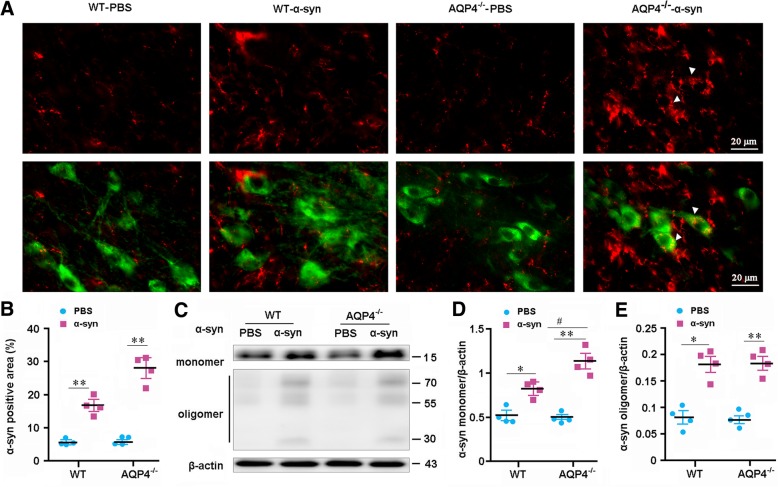
“In addition, three-month old male AQP4 knockout (AQP4) mice in a CD1 genetic background [19] were used to evaluate the effect of Aqp4 gene deletion on removal of injected exogenous α-syn clearance from the brain parenchyma.”
Self-citationPotential Modes of Intercellular α-Synuclein Transmission
Valdinocci, D., Radford, R., Siow, S., Chung, R., & Pountney, D. (2017) · International Journal of Molecular Sciences · doi:10.3390/ijms18020469 · Cited by 108
Luo, C., Yao, X., Li, J., He, B., Liu, Q., Ren, H., Liang, F., Li, M., Lin, H., Peng, J., et al. (2016) · Cell Death & Disease · doi:10.1038/cddis.2016.63 · Cited by 106
Hoshi, A., Tsunoda, A., Tada, M., Nishizawa, M., Ugawa, Y., & Kakita, A. (2016) · Brain Pathology · doi:10.1111/bpa.12369 · Cited by 99
Isolation Housing Exacerbates Alzheimer's Disease-Like Pathophysiology in Aged APP/PS1 Mice
Huang, H., Wang, L., Cao, M., Marshall, C., Gao, J., Xiao, N., Hu, G., & Xiao, M. (2015) · International Journal of Neuropsychopharmacology · doi:10.1093/ijnp/pyu116 · Cited by 93 · cited 1×
“The experiment was used to assess autonomic motor ability in mice [20].”
MethodSelf-citationAquaporin-4 maintains ependymal integrity in adult mice
Li, X., Kong, H., Wu, W., Xiao, M., Sun, X., & Hu, G. (2009) · Neuroscience · doi:10.1016/j.neuroscience.2009.04.044 · Cited by 88 · cited 3×
“1% Tween 20 (TBST) at room temperature for 1 h [24].”
BackgroundMethodInfluentialSelf-citationEffect of Trehalose on PC12 Cells Overexpressing Wild-Type or A53T Mutant α-synuclein
Lan, D.-M., Liu, F., Zhao, J., Chen, Y., Wu, J.-J., Ding, Z., Yue, Z., Ren, H., Jiang, Y., & Wang, J. (2012) · Neurochemical Research · doi:10.1007/s11064-012-0823-0 · Cited by 84 · cited 1×
“A small part of patients with early-onset PD show increased α-syn production because of mutations in the α-syn gene, while the vast majority of PD patients suffer from decreased removal of α-syn from the brain [5, 6].”
Αlpha-Synuclein as a Mediator in the Interplay between Aging and Parkinson’s Disease
Bobela, W., Aebischer, P., & Schneider, B. L. (2015) · Biomolecules · doi:10.3390/biom5042675 · Cited by 78 · cited 2×
“This is mainly due to an imbalance between production and clearance of α-syn in the brain [3, 4].”
BackgroundTau oligomers mediate α-synuclein toxicity and can be targeted by immunotherapy
Gerson, J. E., Farmer, K. M., Henson, N., Castillo-Carranza, D. L., Carretero Murillo, M., Sengupta, U., Barrett, A., & Kayed, R. (2018) · Molecular Neurodegeneration · doi:10.1186/s13024-018-0245-9 · Cited by 77 · cited 1×
“This result is consistent with the view that there is a synergistic interaction between α-syn and tau in mediating neurodegeneration in PD, as α-syn may increase tau aggregation [32–34] and treating A53T mice with tau oligomer specific monoclonal antibody can alleviate PD-like pathophysiological phenotypes [35].”
ResultFan, Z., Lu, M., Qiao, C., Zhou, Y., Ding, J.-H., & Hu, G. (2016) · Molecular Neurobiology · doi:10.1007/s12035-015-9620-5 · Cited by 76 · cited 2×
“A53T mice were constructed by Nanjing University [18].”
MethodSelf-citationGlymphatic fluid transport controls paravascular clearance of AAV vectors from the brain
Murlidharan, G., Crowther, A., Reardon, R. A., Song, J., & Asokan, A. (2016) · JCI Insight · doi:10.1172/jci.insight.88034 · Cited by 72
Nübling, G., Bader, B., Levin, J., Hildebrandt, J., Kretzschmar, H., & Giese, A. (2012) · Molecular Neurodegeneration · doi:10.1186/1750-1326-7-35 · Cited by 69
Interaction between -Synuclein and Other Proteins in Neurodegenerative Disorders
Jellinger, K. A. (2011) · The Scientific World JOURNAL · doi:10.1100/2011/371893 · Cited by 64
Sequential Extraction of Soluble and Insoluble Alpha-Synuclein from Parkinsonian Brains
Bandopadhyay, R. (2016) · Journal of Visualized Experiments · doi:10.3791/53415 · Cited by 48 · cited 1×
“To analysis insoluble α-syn oligomeric protein, 5 volumes of Triton X-100 insoluble lysate were added to the precipitated protein obtained from centrifugation, sonication, boiling at 95 °C for 20min, and centrifuged again for additional 10min at room temperature [29].”
Pupyshev, A. B., Короленко, Т. А., Akopyan, A. A., Amstislavskaya, T. G., & Tikhonova, M. A. (2017) · Neuroscience Letters · doi:10.1016/j.neulet.2017.12.001 · Cited by 45
A53T in a parkinsonian family: a clinical update of the SNCA phenotypes
Tambasco, N., Nigro, P., Romoli, M., Prontera, P., Simoni, S., & Calabresi, P. (2016) · Journal of Neural Transmission · doi:10.1007/s00702-016-1578-6 · Cited by 42 · cited 1×
“A small part of patients with early-onset PD show increased α-syn production because of mutations in the α-syn gene, while the vast majority of PD patients suffer from decreased removal of α-syn from the brain [5, 6].”
Backgroundα-synuclein fate: Proteasome or autophagy?
Engelender, S. (2012) · Autophagy · doi:10.4161/auto.19085 · Cited by 28
Cited by
Glymphatic failure as a final common pathway to dementia
Nedergaard, M., & Goldman, S. A. (2020) · Science · doi:10.1126/science.abb8739 · Cited by 1,145
The Lymphatic Vasculature in the 21st Century: Novel Functional Roles in Homeostasis and Disease
Oliver, G., Kipnis, J., Randolph, G. J., & Harvey, N. L. (2020) · Cell · doi:10.1016/j.cell.2020.06.039 · Cited by 679
“When meningeal lymphatics were ligated in mice, it worsened the disease phenotype as a result of meningeal lymphatic dysfunction (Zou et al., 2019).”
BackgroundRasmussen, M. K., Mestre, H., & Nedergaard, M. (2022) · Physiological Reviews · doi:10.1152/physrev.00031.2020 · Cited by 597
The Brain’s Glymphatic System: Current Controversies
Mestre, H., Mori, Y., & Nedergaard, M. (2020) · Trends in Neurosciences · doi:10.1016/j.tins.2020.04.003 · Cited by 609
The Glymphatic System: A Novel Component of Fundamental Neurobiology
Hablitz, L. M., & Nedergaard, M. (2021) · The Journal of Neuroscience · doi:10.1523/jneurosci.0619-21.2021 · Cited by 453
“…Mesquita et al., 2018a; Ahn et al., 2019), as well as along nerve sheaths in the cribriform plate, which lead to cervical lymphatic vessels (Kida et al., 1993), with both pathways leading to the superficial and deep cervical lymphatic nodes (Raper et al., 2016; Cao et al., 2018; Zou et al., 2019).”
Background
Metadata
- Authors
- Zou, W., Pu, T., Feng, W., Lu, M., Zheng, Y., Du, R., Xiao, M., & Hu, G.
- Affiliations
- Nanjing University of Chinese Medicine (CN)
- Nanjing Medical University (CN)
- Corresponding author
- Xiao, Ming
- Hu, Gang
- Venue
- Translational Neurodegeneration
- Published
- 2019-03-01
- Volume
- 8
- Issue
- 1
- Pages
- 7-7
- ISSN
- 2047-9158 (ISSN-L)
- PMC
- PMC6396507
- OpenAlex
- W2924627473
- Cited by
- 396
- References
- 70
- Citations by year
- 2026: 48 · 2025: 91 · 2024: 66 · 2023: 64 · 2022: 61 · 2021: 29 · 2020: 23 · 2019: 13
- FWCI
- 21.32
- Type
- journal article
- Language
- en
- Open access
- gold
- doi.org
- Licence
- cc-by
- creativecommons.org/licenses/by/4.0/ (tdm)
- Locations
- Translational Neurodegeneration (publishedVersion, cc-by)
- Europe PMC (PubMed Central) (publishedVersion, cc-by)
- PubMed Central (publishedVersion, cc-by)
- PubMed (publishedVersion)
- DOAJ (DOAJ: Directory of Open Access Journals) (submittedVersion, cc-by-sa)
- Funders
- National Natural Science Foundation of China (81671070, 81473196)
- Topics
- Health Sciences › Medicine › Clinical Neurology › Parkinson's Disease Mechanisms and Treatments
- Health Sciences › Medicine › Clinical Neurology › Cerebrospinal fluid and hydrocephalus
- Life Sciences › Neuroscience › Neurology › Neuroinflammation and Neurodegeneration Mechanisms
- Keywords
- Parkinson's disease, alpha-synuclein aggregation, glymphatic system, meningeal lymphatic drainage, cerebrospinal fluid clearance, substantia nigra, dopaminergic neuron loss, glial activation, neuroinflammation, motor impairment
About these checks
Registry, retraction, Cites and statistics results are computed, not judged, with one exception: a printed reference that no index lists is read once by a model before it counts as a citation error. Claims are extracted by a model and kept only when their quote appears verbatim in the text; each cited source is then checked, with a model’s help, for whether it says what the claim relies on. Those verdicts can be wrong — read the claim’s quote and the cited source before relying on one.
Statistics and arithmetic are recomputed, not judged.
Confidence bands are shown only for fields calibrated on our annotated test set. None is calibrated yet, so no band is shown.
What counts as a claim ›How we measure confidence ›How we check this ›
Are you an author, or do you see a problem with this page? Request a review
Data sources
Bibliographic data: Semantic Scholar, OpenAlex, Crossref.
Contains information from the Semantic Scholar Academic Graph Datasets, made available under the ODC Attribution License (ODC-BY 1.0).
Semantic Scholar’s data is described in: Kinney, R., et al. (2023). The Semantic Scholar Open Data Platform. arXiv:2301.10140.
