

Blocking meningeal lymphatic drainage aggravates Parkinson’s disease-like pathology in mice overexpressing mutated α-synuclein
Open accessThe DOI matches its Crossref record; 70 of the 70 references it cites were found in a registry or an index.
Abstract
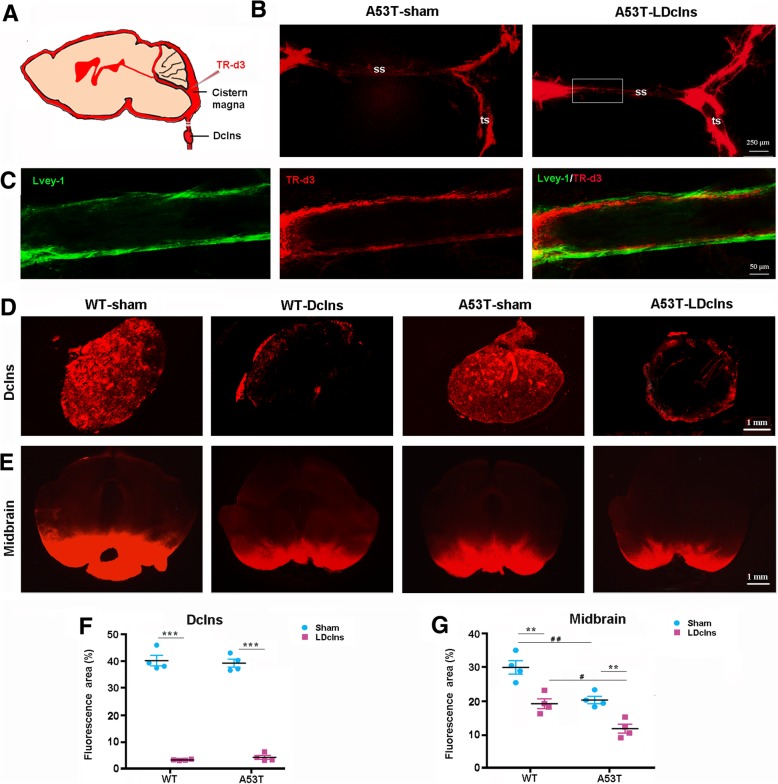
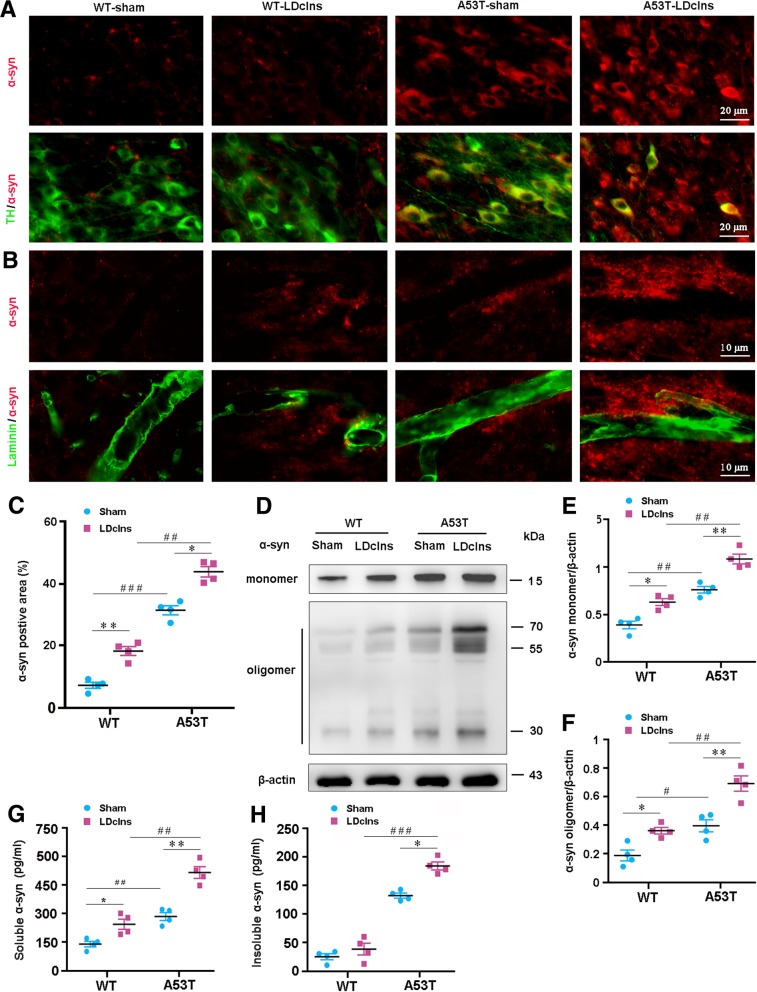
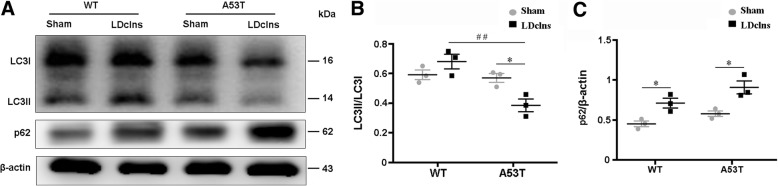
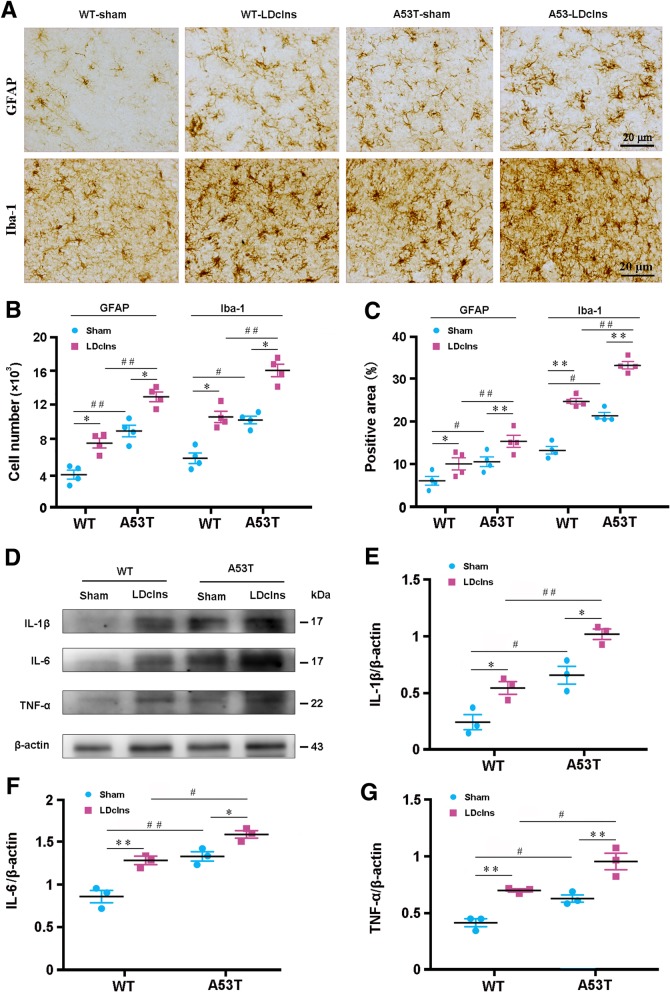
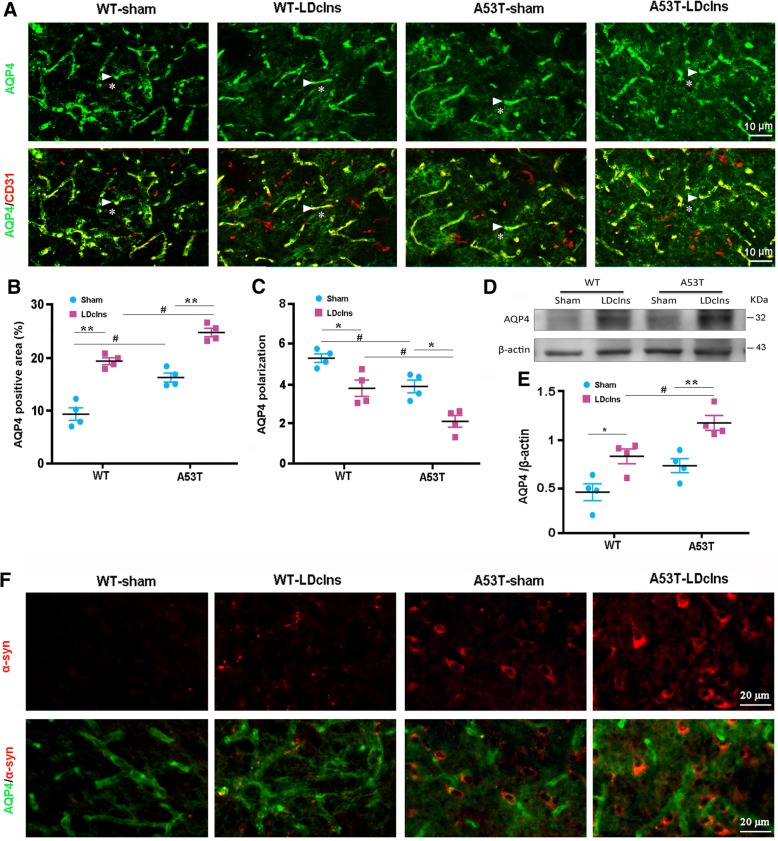
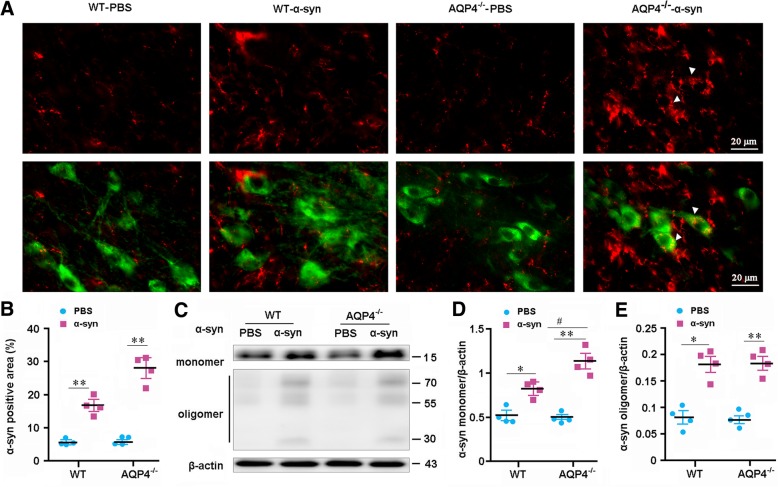
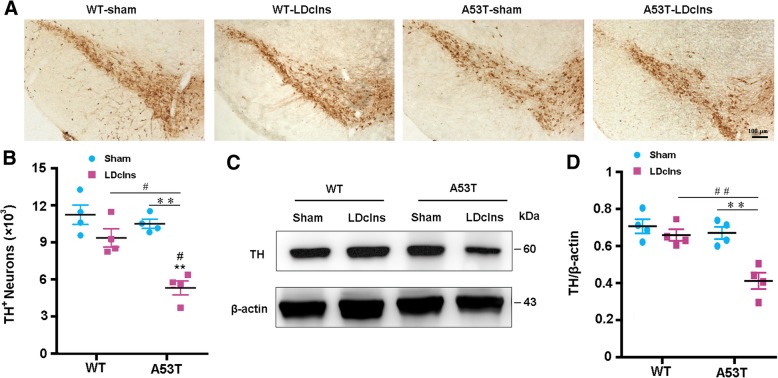
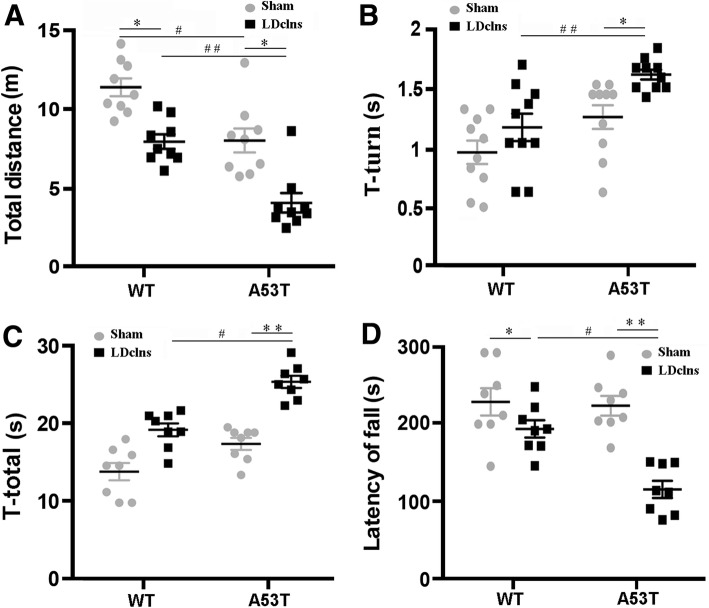
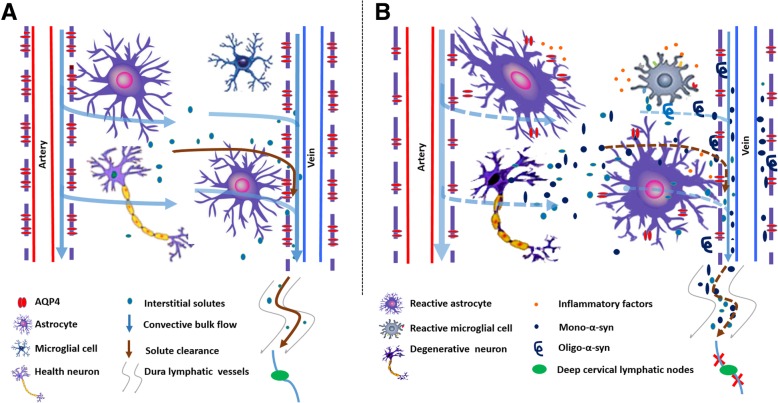
BACKGROUND: Abnormal aggregation of brain α-synuclein is a central step in the pathogenesis of Parkinson's disease (PD), thus, it is reliable to promote the clearance of α-synuclein to prevent and treat PD. Recent studies have revealed an essential role of glymphatic system and meningeal lymphatic vessels in the clearance of brain macromolecules, however, their pathophysiological aspects remain elusive. METHOD: Meningeal lymphatic drainage of 18-week-old A53T mice was blocked via ligating the deep cervical lymph nodes. Six weeks later, glymphatic functions and PD-like phenotypes were systemically analyzed. RESULTS: Glymphatic influx of cerebrospinal fluid tracer was reduced in A53T mice, accompanied with perivascular aggregation of α-synuclein and impaired polarization of aquaporin 4 expression in substantia nigra. Cervical lymphatic ligation aggravated glymphatic dysfunction of A53T mice, causing more severe accumulation of α-synuclein, glial activation, inflammation, dopaminergic neuronal loss and motor deficits. CONCLUSION: The results suggest that brain lymphatic clearance dysfunction may be an aggravating factor in PD pathology.
Overview
The claims and statistics of this paper haven’t been checked yet.
Free: it reads the open-access text and checks the first 5 claims that cite a source we can check. Create a free account to check every claim.
Integrity signals
Registry
Cites
Statistics
Figures
Verification
Claims the paper makes
The claims and statistics of this paper haven’t been checked yet.
Free: it reads the open-access text and checks the first 5 claims that cite a source we can check. Create a free account to check every claim.
Claims other papers make about this one
Each is checked against this paper’s own text: does it say what the citing paper says it does?
In the citing paper
“The suppressive effects of both age and amyloid-ß overexpression on glymphatic flow can be extended to other experimental rodent models of neurodegeneration; both traumatic brain injury and Parkinson’s disease are similarly linked to a sustained reduction of glymphatic fluid transport (56–58).”
From Glymphatic failure as a final common pathway to dementia (2020) · cites this paper as [57]
Self-check
Percentages, sums and reported differences re-computed from the paper’s own numbers.
The self-check needs the paper’s full text.
Citations
Cites
Iliff, J. J., Wang, M., Liao, Y., Plogg, B. A., Peng, W., Gundersen, G. A., Benveniste, H., Vates, G. E., Deane, R., Goldman, S. A., et al. (2012) · Science Translational Medicine · doi:10.1126/scitranslmed.3003748 · Cited by 5,824 · cited 4×
“exacerbates Aβ deposition in the brain of a mouse model of Alzheimer’s disease (AD) [13].”
InfluentialA dural lymphatic vascular system that drains brain interstitial fluid and macromolecules
Aspelund, A., Antila, S., Proulx, S. T., Karlsen, T. V., Karaman, S., Detmar, M., Wiig, H., & Alitalo, K. (2015) · Journal of Experimental Medicine · doi:10.1084/jem.20142290 · Cited by 2,198
Masliah, E., Rockenstein, E., Veinbergs, I., Mallory, M., Hashimoto, M., Takeda, A., Sagara, Y., Sisk, A., & Mucke, L. (2000) · Science · doi:10.1126/science.287.5456.1265 · Cited by 1,765
Clearance systems in the brain—implications for Alzheimer disease
Tarasoff-Conway, J. M., Carare, R. O., Osorio, R. S., Glodzik, L., Butler, T., Fieremans, E., Axel, L., Rusinek, H., Nicholson, C., Zlokovic, B. V., et al. (2015) · Nature Reviews Neurology · doi:10.1038/nrneurol.2015.119 · Cited by 1,678 · cited 2×
“This supports the view that AQP4 specifically mediates clearance of soluble macromolecules from the brain parenchyma [14, 15].”
BackgroundImpairment of paravascular clearance pathways in the aging brain
Kress, B. T., Iliff, J. J., Xia, M., Wang, M., Wei, H. S., Zeppenfeld, D., Xie, L., Kang, H., Xu, Q., Liew, J. A., et al. (2014) · Annals of Neurology · doi:10.1002/ana.24271 · Cited by 1,521 · cited 3×
“was obtained by the ratio between the AQP4 fluorescence intensity of the perivascular domains and the adjacent neutrophil domains [27, 28].”
BackgroundFunctional aspects of meningeal lymphatics in ageing and Alzheimer’s disease
Da Mesquita, S., Louveau, A., Vaccari, A., Smirnov, I., Cornelison, R. C., Kingsmore, K. M., Contarino, C., Onengut-Gumuscu, S., Farber, E., Raper, D., et al. (2018) · Nature · doi:10.1038/s41586-018-0368-8 · Cited by 1,445 · cited 4×
“Furthermore, disruption of meningeal lymphatic drainage aggravates parenchymal Aβ accumulation and cognitive decline of AD transgenic mice [16, 17].”
BackgroundResultInfluentialα-Synuclein Is Degraded by Both Autophagy and the Proteasome
Webb, J. L., Ravikumar, B., Atkins, J., Skepper, J. N., & Rubinsztein, D. C. (2003) · Journal of Biological Chemistry · doi:10.1074/jbc.m300227200 · Cited by 1,429
Neuronal α-Synucleinopathy with Severe Movement Disorder in Mice Expressing A53T Human α-Synuclein
Giasson, B. I., Duda, J. E., Quinn, S. M., Zhang, B., Trojanowski, J. Q., & Lee, V. M.-Y. (2002) · Neuron · doi:10.1016/s0896-6273(02)00682-7 · Cited by 1,266
Impairment of Glymphatic Pathway Function Promotes Tau Pathology after Traumatic Brain Injury
Iliff, J. J., Chen, M. J., Plog, B. A., Zeppenfeld, D. M., Soltero, M., Yang, L., Singh, I., Deane, R., & Nedergaard, M. (2014) · The Journal of Neuroscience · doi:10.1523/jneurosci.3020-14.2014 · Cited by 1,159 · cited 1×
“Indeed, loss of perivascular AQP4 polarization has been reported in various animal models including aging [28, 62], AD [65], traumatic brain injury [66] and”
BackgroundNeuropathological assessment of Parkinson’s disease: refining the diagnostic criteria
Dickson, D. W., Braak, H., Duda, J. E., Duyckaerts, C., Gasser, T., Halliday, G. M., Hardy, J., Leverenz, J. B., Del Tredici, K., Wszolek, Z. K., et al. (2009) · The Lancet Neurology · doi:10.1016/s1474-4422(09)70238-8 · Cited by 972 · cited 1×
“Parkinson’s disease (PD) is an age-dependent neurodegenerative disease, characterized by progressive loss of midbrain dopaminergic neurons and formation of Lewy bodies [1, 2].”
Cited by
Glymphatic failure as a final common pathway to dementia
Nedergaard, M., & Goldman, S. A. (2020) · Science · doi:10.1126/science.abb8739 · Cited by 1,145
The Lymphatic Vasculature in the 21st Century: Novel Functional Roles in Homeostasis and Disease
Oliver, G., Kipnis, J., Randolph, G. J., & Harvey, N. L. (2020) · Cell · doi:10.1016/j.cell.2020.06.039 · Cited by 679
“When meningeal lymphatics were ligated in mice, it worsened the disease phenotype as a result of meningeal lymphatic dysfunction (Zou et al., 2019).”
BackgroundRasmussen, M. K., Mestre, H., & Nedergaard, M. (2022) · Physiological Reviews · doi:10.1152/physrev.00031.2020 · Cited by 597
The Brain’s Glymphatic System: Current Controversies
Mestre, H., Mori, Y., & Nedergaard, M. (2020) · Trends in Neurosciences · doi:10.1016/j.tins.2020.04.003 · Cited by 609
The Glymphatic System: A Novel Component of Fundamental Neurobiology
Hablitz, L. M., & Nedergaard, M. (2021) · The Journal of Neuroscience · doi:10.1523/jneurosci.0619-21.2021 · Cited by 453
“…Mesquita et al., 2018a; Ahn et al., 2019), as well as along nerve sheaths in the cribriform plate, which lead to cervical lymphatic vessels (Kida et al., 1993), with both pathways leading to the superficial and deep cervical lymphatic nodes (Raper et al., 2016; Cao et al., 2018; Zou et al., 2019).”
BackgroundImpaired meningeal lymphatic drainage in patients with idiopathic Parkinson’s disease
Ding, X.-B., Wang, X.-X., Xia, D.-H., Liu, H., Tian, H.-Y., Fu, Y., Chen, Y.-K., Qin, C., Wang, J.-Q., Xiang, Z., et al. (2021) · Nature Medicine · doi:10.1038/s41591-020-01198-1 · Cited by 349
Meningeal lymphatic dysfunction exacerbates traumatic brain injury pathogenesis.
Bolte, A. C., Dutta, A. B., Hurt, M. E., Smirnov, I., Kovacs, M. A., McKee, C. A., Ennerfelt, H. E., Shapiro, D., Nguyen, B. H., Frost, E. L., et al. (2020) · Nature Communications · doi:10.1038/s41467-020-18113-4 · Cited by 357
α-Synuclein pathology in Parkinson’s disease and related α-synucleinopathies
Henderson, M. X., Trojanowski, J. Q., & Lee, V. M.-Y. (2019) · Neuroscience Letters · doi:10.1016/j.neulet.2019.134316 · Cited by 291
Physical Exercise Inhibits Inflammation and Microglial Activation
Mee-inta, O., Zhao, Z.-W., & Kuo, Y.-M. (2019) · Cells · doi:10.3390/cells8070691 · Cited by 268
“It has been suggested that the anti-microglial activation effect of exercise is due to the enhanced glymphatic system, which facilitates the clearance of metabolic wastes and toxins, such as amyloid-β and α-synuclein, from the brain [121,122].”
BackgroundInnate Immune Cell Death in Neuroinflammation and Alzheimer’s Disease
Rajesh, Y., & Kanneganti, T.-D. (2022) · Cells · doi:10.3390/cells11121885 · Cited by 262
Brain borders at the central stage of neuroimmunology
Rustenhoven, J., & Kipnis, J. (2022) · Nature · doi:10.1038/s41586-022-05474-7 · Cited by 253
The glymphatic hypothesis: the theory and the evidence
Hladky, S. B., & Barrand, M. A. (2022) · Fluids and Barriers of the CNS · doi:10.1186/s12987-021-00282-z · Cited by 240
Shen, T., Yue, Y., Ba, F., He, T., Tang, X., Hu, X., Pu, J., Huang, C., Lv, W., Zhang, B., et al. (2022) · npj Parkinson's Disease · doi:10.1038/s41531-022-00437-1 · Cited by 209
Si, X., Guo, T., Wang, Z., Fang, Y., Gu, L., Cao, L., Yang, W., Gao, T., Song, Z., Tian, J., et al. (2022) · npj Parkinson's Disease · doi:10.1038/s41531-022-00316-9 · Cited by 198
The Role of Glymphatic System in Alzheimer’s and Parkinson’s Disease Pathogenesis
Buccellato, F. R., D’Anca, M., Serpente, M., Arighi, A., & Galimberti, D. (2022) · Biomedicines · doi:10.3390/biomedicines10092261 · Cited by 169
“Using neuroimaging, Zou et al. (2019) assessed glymphatic dysfunction in an animal PD model [134].”
MethodPotentiating glymphatic drainage minimizes post-traumatic cerebral oedema
Hussain, R., Tithof, J., Wang, W., Cheetham-West, A., Song, W., Peng, W., Sigurdsson, B., Kim, D., Sun, Q., Peng, S., et al. (2023) · Nature · doi:10.1038/s41586-023-06737-7 · Cited by 169
Interaction Between the Glymphatic System and α-Synuclein in Parkinson’s Disease
Zhang, Y., Zhang, C., He, X.-Z., Li, Z., Meng, J., Mao, R.-T., Li, X., Xue, R., Gui, Q., Zhang, G., et al. (2023) · Molecular Neurobiology · doi:10.1007/s12035-023-03212-2 · Cited by 153
“Alexa 555-conjugated ovalbumin (O-34782; OA-45; MW: 45 kDa; Invitrogen, Carlsbad, CA, USA) was diluted in artificial CSF (containing NaCl 7.247 g, KCl 0.224 g, NaHCO3 2.184 g, NaH2PO4 0.193 g, MgSO4 0.493 g, CaCl2 0.222 g, C6H12O6 1.982 g, for the volume of 1000 mL) to a final concentration of 0.5% (10 μL total volume…”
BackgroundMethodResultInfluentialSi, X., Dai, S., Fang, Y., Tang, J., Wang, Z., Li, Y., Song, Z., Chen, Y., Liu, Y., Zhao, G., et al. (2023) · Journal of Advanced Research · doi:10.1016/j.jare.2023.03.004 · Cited by 145
Global and Regional Changes in Perivascular Space in Idiopathic and Familial Parkinson's Disease
Donahue, E. K., Murdos, A., Jakowec, M. W., Sheikh‐Bahaei, N., Toga, A. W., Petzinger, G. M., & Sepehrband, F. (2021) · Movement Disorders · doi:10.1002/mds.28473 · Cited by 132
“For example, surgical disruption of the glymphatic system in the SNCA transgenic rodent leads to increased PVS and increased SNCA protein aggregates.(22) Aggregates, including SNCA, are thought to contribute to cognitive impairment in PD,(82,83) although their exact role in PD pathophysiology is unclear.”
BackgroundKlostranec, J. M., Vucevic, D., Bhatia, K. D., Kortman, H. G. J., Krings, T., Murphy, K., terBrugge, K. G., & Mikulis, D. J. (2021) · Radiology · doi:10.1148/radiol.2021204088 · Cited by 128
Cui, H., Wang, W., Zheng, X., Xia, D., Liu, H., Qin, C., Tian, H., & Teng, J. (2021) · Journal of Molecular Neuroscience · doi:10.1007/s12031-021-01836-4 · Cited by 121
Glymphatic System as a Gateway to Connect Neurodegeneration From Periphery to CNS
Natale, G., Limanaqi, F., Busceti, C. L., Mastroiacovo, F., Nicoletti, F., Puglisi‐Allegra, S., & Fornai, F. (2021) · Frontiers in Neuroscience · doi:10.3389/fnins.2021.639140 · Cited by 125
Neurodegeneration and Neuroinflammation in Parkinson’s Disease: a Self-Sustained Loop
Arena, G., Sharma, K., Agyeah, G., Krüger, R., Grünewald, A., & Fitzgerald, J. C. (2022) · Current Neurology and Neuroscience Reports · doi:10.1007/s11910-022-01207-5 · Cited by 128
Cai, Y., Zhang, Y., Leng, S., Ma, Y., Jiang, Q., Wen, Q., Ju, S., & Hu, J. (2024) · Neurobiology of Disease · doi:10.1016/j.nbd.2024.106426 · Cited by 135
“Blocking mLVs drainage in mice has been shown to exacerbate the pathological and motor symptoms caused by α -syn, indicating a possible relationship between mLVs and PD (Zou et al., 2019).”
Age-related alterations in meningeal immunity drive impaired CNS lymphatic drainage
Rustenhoven, J., Pavlou, G., Storck, S. E., Dykstra, T., Du, S., Wan, Z., Quintero, D., Scallan, J. P., Smirnov, I., Kamm, R. D., et al. (2023) · The Journal of Experimental Medicine · doi:10.1084/jem.20221929 · Cited by 117
Salehpour, F., Khademi, M., Bragin, D. E., & DiDuro, J. O. (2022) · International Journal of Molecular Sciences · doi:10.3390/ijms23062975 · Cited by 114
“Animal studies have also shown impaired meningeal lymphatic function in AD [9] and PD [14].”
BackgroundBorder-associated macrophages in the central nervous system
Sun, R., & Jiang, H. (2024) · Journal of Neuroinflammation · doi:10.1186/s12974-024-03059-x · Cited by 137
“Furthermore, a study employing a transgenic mouse model of PD indicates that meningeal macrophages might participate in the clearance of brain α-synuclein via the glymphatic system and meningeal lymphatic vessels [43, 133].”
BackgroundBrain perivascular macrophages: current understanding and future prospects
Wen, W., Cheng, J., & Tang, Y. (2023) · Brain · doi:10.1093/brain/awad304 · Cited by 114
“77,105,117 Additionally, ob-structing meningeal lymphatic drainage via ligating deep cervical lymph nodes exacerbated the accumulation of α -synuclein in the perivascular space, 118 suggesting a functional role for PVMs and lymphatic drainage in α -synuclein clearance.”
BackgroundLi, G., Cao, Y., Tang, X., Huang, J., Cai, L., & Zhou, L. (2022) · Journal of Cerebral Blood Flow & Metabolism · doi:10.1177/0271678x221098145 · Cited by 133
Massey, A., Boag, M. K., Magnier, A., Bispo, D. P. C. F., Khoo, T. K., & Pountney, D. L. (2022) · International Journal of Molecular Sciences · doi:10.3390/ijms232112928 · Cited by 119
“The A53T-LDclns and AQP4+/−-PFFs mice models showed the highest AQP4 depolarisation, alpha-synuclein aggregation, dopaminergic neurodegeneration and inflammatory activity compared to the other mice models, indicating that impaired glymphatic flow is a powerful progression factor in a developing synucleinopathy [32,33].”
BackgroundResultInfluentialThe Role of Neurovascular System in Neurodegenerative Diseases
Ahmad, A., Patel, V., Xiao, J., & Khan, M. M. (2020) · Molecular Neurobiology · doi:10.1007/s12035-020-02023-z · Cited by 107
“Recent studies suggested that AQP4 participated in the onset and progression of PD [61, 62].”
BackgroundGlymphatic system: a gateway for neuroinflammation
Zou, K., Deng, Q., Zhang, H., & Huang, C. (2023) · Neural Regeneration Research · doi:10.4103/1673-5374.391312 · Cited by 115
Liu, X., Gao, C., Yuan, J., Xiang, T., Gong, Z., Luo, H., Jiang, W., Song, Y., Huang, J., Quan, W., et al. (2020) · Acta Neuropathologica Communications · doi:10.1186/s40478-020-0888-y · Cited by 88
Taoka, T., & Naganawa, S. (2020) · Japanese Journal of Radiology · doi:10.1007/s11604-020-01017-0 · Cited by 95
“Glymphatic influx of CSF tracer was reduced in these model mice, causing severe accumulation of α-synuclein, glial activation, inflammation, dopaminergic neuronal loss, and motor deficits [53].”
Background(2020) · International Review of Neurobiology · doi:10.1016/bs.irn.2020.02.006 · Cited by 87
Kip, E., & Parr‐Brownlie, L. C. (2022) · Ageing Research Reviews · doi:10.1016/j.arr.2022.101618 · Cited by 98
“In contrast, in a PD mouse model overexpressing α-syn, blocked meningeal glymphatic drainage caused α-syn accumulation, glial activation, inflammation and dopamine neuronal loss (Zou et al., 2019).”
Meningeal lymphatic drainage: novel insights into central nervous system disease
Zhang, Q., Niu, Y., Li, Y., Xia, C., Chen, Z., Chen, Y., & Feng, H. (2025) · Signal Transduction and Targeted Therapy · doi:10.1038/s41392-025-02177-z · Cited by 113
Qin, Y., He, R., Chen, J., Zhou, X., Zhou, X. C., Liu, Z., Xu, Q., Guo, J., Yan, X., Jiang, N., et al. (2023) · Journal of Neurology · doi:10.1007/s00415-023-11594-5 · Cited by 86
Jeong, S. H., Park, C. J., Jeong, H.-J., Sunwoo, M. K., Ahn, S. S., Lee, S., Lee, P. H., Kim, Y. J., Sohn, Y. H., & Chung, S. J. (2023) · Journal of Neurology Neurosurgery & Psychiatry · doi:10.1136/jnnp-2023-331170 · Cited by 105
“Several preclinical and clinical studies demonstrated that glymphatic dysfunction plays a significant role in PD. 10 25 26 In addition, our previous study showed that a high number of enlarged perivascular space in the basal ganglia, which is regarded as one of the imaging markers of glymphatic…”
BackgroundIs Parkinson’s disease a chronic low-grade inflammatory bowel disease?
Rolli‐Derkinderen, M., Leclair‐Visonneau, L., Bourreille, A., Coron, E., Neunlist, M., & Derkinderen, P. (2019) · Journal of Neurology · doi:10.1007/s00415-019-09321-0 · Cited by 98
Achieving brain clearance and preventing neurodegenerative diseases—A glymphatic perspective
Kylkilahti, T. M., Berends, E., Ramos, M., Shanbhag, N. C., Töger, J., Bloch, K. M., & Lundgaard, I. (2021) · Journal of Cerebral Blood Flow & Metabolism · doi:10.1177/0271678x20982388 · Cited by 95
“Indeed, the glymphatic system plays a role in clearance of amyloid-b, tau,(8,9) and a-synuclein.(10) The glymphatic brain clearance mechanism relies on interchange of CSF and interstitial fluid (ISF) that allows waste to be transferred to the CSF and”
BackgroundBypassing the blood-brain barrier
Rustenhoven, J., & Kipnis, J. (2019) · Science · doi:10.1126/science.aay0479 · Cited by 82
Photophysical Mechanisms of Photobiomodulation Therapy as Precision Medicine
Liebert, A. D., Capon, W., Pang, V., Vila, D., Bicknell, B. T., McLachlan, C. S., & Kiat, H. (2023) · Biomedicines · doi:10.3390/biomedicines11020237 · Cited by 107
Meningeal Lymphatics in Central Nervous System Diseases
Salvador, A. F., Abduljawad, N., & Kipnis, J. (2024) · Annual Review of Neuroscience · doi:10.1146/annurev-neuro-113023-103045 · Cited by 99
The role of neutrophils in the dysfunction of central nervous system barriers
Santos-Lima, B., Pietronigro, E. C., Terrabuio, E., Zenaro, E., & Constantin, G. (2022) · Frontiers in Aging Neuroscience · doi:10.3389/fnagi.2022.965169 · Cited by 87
“, 2021), suggesting that a dysfunctional meningeal immunity may contribute to CNS disorders, such as MS, AD, and PD (Russi and Brown, 2015; Silva and Ferrari, 2019; Zou et al., 2019; Mentis et al., 2021).”
BackgroundThe glymphatic system: a new perspective on brain diseases
Ding, Z., Fan, X., Zhang, Y., Yao, M., Wang, G., Dong, Y., Liu, J., & Song, W. (2023) · Frontiers in Aging Neuroscience · doi:10.3389/fnagi.2023.1179988 · Cited by 120
“When meningeal lymphatic drainage was blocked by ligating the deep cervical lymph nodes of A53T mice (PD model), the glymphatic inflow of CSF tracer in the mice’s brain was reduced, which resulted in more severe α-syn accumulation, neuroglia activation, inflammation, loss of dopaminergic neurons and dyskinesia (Zou et…”
BackgroundHe, P., Shi, L., Li, Y., Duan, Q., Qiu, Y., Feng, S., Gao, Y., Luo, Y., Ma, G., Zhang, Y., et al. (2023) · Annals of Neurology · doi:10.1002/ana.26729 · Cited by 82
“27,28 α -Syn pathology is still considered to be the leading cause of PD. 2 The glymphatic system, a drainage system that removes pathological protein via the CSF, usually effectively scavenges α -syn from the central nervous system, 5,7 and its dysfunction may, thus, contribute to PD symptoms.”
Basal lamina changes in neurodegenerative disorders
Nguyen, B., Bix, G., & Yao, Y. (2021) · Molecular Neurodegeneration · doi:10.1186/s13024-021-00502-y · Cited by 75
Dysfunction of the Glymphatic System Might Be Related to Iron Deposition in the Normal Aging Brain
Zhou, W., Shen, B., Shen, W., Chen, H., Zheng, Y.-F., & Fei, J.-J. (2020) · Frontiers in Aging Neuroscience · doi:10.3389/fnagi.2020.559603 · Cited by 77
“Numerous neurological disorders have been found to be closely related to the dysfunction of the glymphatic system, including Alzheimer’s disease and Parkinson’s disease (Rasmussen et al., 2018; Zou et al., 2019).”
BackgroundSelf-citationPropagation of tau and α-synuclein in the brain: therapeutic potential of the glymphatic system
Lopes, D. M., Llewellyn, S. K., & Harrison, I. F. (2022) · Translational Neurodegeneration · doi:10.1186/s40035-022-00293-2 · Cited by 81
CNS-Draining Meningeal Lymphatic Vasculature: Roles, Conundrums and Future Challenges
das Neves, S. P., Delivanoglou, N., & Mesquita, S. D. (2021) · Frontiers in Pharmacology · doi:10.3389/fphar.2021.655052 · Cited by 79
“Interestingly, A53T animals with ligated lymphatics also presented a decreased clearance of other macromolecules from the brain, namely of different toxic Tau species (Zou et al., 2019).”
BackgroundInfluentialNeuroimmune cleanup crews in brain injury
Bolte, A. C., & Lukens, J. R. (2021) · Trends in Immunology · doi:10.1016/j.it.2021.04.003 · Cited by 72
Eide, P. K., Lashkarivand, A., Pripp, A. H., Valnes, L. M., Hovd, M. H., Ringstad, G. A., Blennow, K., & Zetterberg, H. (2023) · Nature Communications · doi:10.1038/s41467-023-37685-5 · Cited by 78
“It may be of particular interest, however, that emerging evidence suggests that CSF-to-blood clearance by impaired meningeal function to be a risk factor for abnormal aggregation of toxic proteins (e.g., A β , tau, and α -synuclein) 7,8,37,50,51 .”
Association between choroid plexus volume and cognition in Parkinson disease
Jeong, S. H., Jeong, H., Sunwoo, M. K., Ahn, S. S., Lee, S., Lee, P. H., Kim, Y. J., Sohn, Y. H., Park, C. J., & Chung, S. J. (2023) · European Journal of Neurology · doi:10.1111/ene.15999 · Cited by 78
“One preclinical study revealed that blocking the glymphatic system accelerated α- synuclein aggregation in a mouse model of PD [41].”
Meng, J., Shen, M.-Q., Lu, Y., Feng, H., Chen, X., Xu, D.-Q., Wu, G.-H., Cheng, Q., Wang, L., & Gui, Q. (2023) · Journal of Neurology · doi:10.1007/s00415-023-12004-6 · Cited by 72
“Studies have demonstrated a close association between the glymphatic system and neuro-degenerative diseases, such as PD [15–17] and Alzheimer's disease (AD) [18–20].”
Liu, X., Wu, G., Tang, N., Li, L., Liu, C., Wang, F., & Ke, S. (2021) · Frontiers in Cellular Neuroscience · doi:10.3389/fncel.2021.784154 · Cited by 68
“However, only CLB was reported to reduce spontaneous motor activity in the open field test and motor coordination ability in rotarod testing; increase the IL-1β, TNF-α, and GFAP expression; and influence the AQP4 expression (Cao et al., 2018; Wang et al., 2019; Zou et al., 2019).”
BackgroundReduced coupling of global brain function and cerebrospinal fluid dynamics in Parkinson’s disease
Wang, Z., Song, Z., Zhou, C., Fang, Y., Gu, L., Yang, W., Gao, T., Si, X., Liu, Y., Chen, Y., et al. (2023) · Journal of Cerebral Blood Flow & Metabolism · doi:10.1177/0271678x231164337 · Cited by 72
Waste clearance shapes aging brain health
Jiang-Xie, L.-F., Drieu, A., & Kipnis, J. (2024) · Neuron · doi:10.1016/j.neuron.2024.09.017 · Cited by 75
“Furthermore, lymphatic drainage to deep cervical lymph nodes was impaired in PD. 108,109 Sleep disorders have been associated with early PD in both mice and patients, in particular, slow-wave sleep and REM sleep.”
BackgroundGlymphatic system evaluation using diffusion tensor imaging in patients with traumatic brain injury
Park, J. H., Bae, Y. J., Kim, J. S., Jung, W. S., Choi, J. W., Roh, T. H., You, N. K., Kim, S.-H., & Han, M. (2022) · Neuroradiology · doi:10.1007/s00234-022-03073-x · Cited by 69
“Many previous studies have reported human glymphatic system impairment in Alzheimer’s disease [4], Parkinson’s disease [5, 6], and idiopathic normal pressure hydrocephalus (iNPH) [3, 7].”
BackgroundMorrone, C. D., Raghuraman, R., Hussaini, S. A., & Yu, W. H. (2023) · Molecular Neurodegeneration · doi:10.1186/s13024-023-00617-4 · Cited by 69
Biological sex does not predict glymphatic influx in healthy young, middle aged or old mice
Giannetto, M., Xia, M., Stæger, F. F., Metcalfe, T., Vinitsky, H. S., Dang, J. A. M. L., Xavier, A. L. R., Kress, B. T., Nedergaard, M., & Hablitz, L. M. (2020) · Scientific Reports · doi:10.1038/s41598-020-72621-3 · Cited by 62
B lymphocytes ameliorate Alzheimer’s disease-like neuropathology via interleukin-35
Feng, W., Zhang, Y., Ding, S., Chen, S., Wang, T., Wang, Z., Zou, Y., Sheng, C., Chen, Y., Pang, Y., et al. (2023) · Brain, Behavior, and Immunity · doi:10.1016/j.bbi.2022.11.012 · Cited by 62
Self-citationBogale, T. A., Faustini, G., Longhena, F., Mitola, S. M. F., Pizzi, M., & Bellucci, A. (2021) · Frontiers in Immunology · doi:10.3389/fimmu.2021.611761 · Cited by 67
“The close association of BAMs to perivascular and lymphatic drainage systems in the brain when coupled to the detection of α-synuclein aggregates in the perivascular space of a PD mouse model (61) supports that understanding of whether and how these cells contribute to the clearance of α-synuclein along these pathways…”
BackgroundInfluentialEide, P. K., Pripp, A. H., & Ringstad, G. A. (2020) · Brain Communications · doi:10.1093/braincomms/fcaa187 · Cited by 62
“Recent, groundbreaking findings of glymphatic and meningeal lymphatic molecular clearance failure in neurodegenerative disease (Da Mesquita et al., 2018; Sweeney and Zlokovic, 2018; Zou et al., 2019; Reeves et al., 2020) still await translation into the clinic and patient treatment.”
BackgroundThe glymphatic system’s role in traumatic brain injury-related neurodegeneration
Peters, M. E., & Lyketsos, C. G. (2023) · Molecular Psychiatry · doi:10.1038/s41380-023-02070-7 · Cited by 66
“Similarly growing literatures exist demonstrating the importance of glymphatic system functioning in normal aging [115], Alzheimer ’ s [116, 117], and Parkinson ’ s [118].”
BackgroundMeningeal Lymphatics: An Immune Gateway for the Central Nervous System
Tavares, G. A., & Louveau, A. (2021) · Cells · doi:10.3390/cells10123385 · Cited by 58
“It has been shown that A53T (a model of PD with expression of a mutated form of human α-synuclein) mice have impaired CSF homeostasis with increased accumulation of α-synuclein within the perivascular spaces [57].”
Advances in the study of the glymphatic system and aging
Xiong, Y., Yu, Q., Zhi, H., Peng, H., Xie, M., Li, R., Li, K., Ma, Y., & Sun, P. (2024) · CNS Neuroscience & Therapeutics · doi:10.1111/cns.14803 · Cited by 60
“…to influence disease progression in aging-associated neurodegenerative and neurologic-related diseases, including Alzheimer's disease (AD) 12–14 Parkinson's disease (PD), 15,16 traumatic brain injury (TBI), 17–19 and cognitive impairment due to depression, 20 and di - abetic cognitive impairment.”
BackgroundRestoration of cervical lymphatic vessel function in aging rescues cerebrospinal fluid drainage
Du, T., Raghunandan, A., Mestre, H., Plá, V., Liu, G., Ladrón-de-Guevara, A., Newbold, E. J., Tobin, P., Gahn‐Martinez, D., Pattanayak, S., et al. (2024) · Nature Aging · doi:10.1038/s43587-024-00691-3 · Cited by 64
“…venous circulation. cLVs in the rodent neck are responsible for draining ~50% of CSF from the brain and into cervical lymph nodes (cLNs) 6–8 , and this drainage pathway plays a role in animal models of Alzheimer’s disease 9,10 , Parkinson’s disease 11 , stroke 12 and traumatic brain injury 13,14 .”
BackgroundGlymphatic System a Window on TBI Pathophysiology: A Systematic Review
Ferrara, M., Bertozzi, G., Volonnino, G., Fazio, N. D., Frati, P., Cipolloni, L., Russa, R. L., & Fineschi, V. (2022) · International Journal of Molecular Sciences · doi:10.3390/ijms23169138 · Cited by 58
Transcranial near-infrared light in treatment of neurodegenerative diseases
Nizamutdinov, D., Ezeudu, C., Wu, E., Huang, J. H., & Yi, S. S. (2022) · Frontiers in Pharmacology · doi:10.3389/fphar.2022.965788 · Cited by 58
“Impaired glymphatic pathway clearance is diminished in diseases like Alzheimer’s and Parkinson’s, explained by the common feature of accumulation of the protein aggregates in patients (Rasmussen et al., 2018; Zou et al., 2019).”
BackgroundCSF transport at the brain–meningeal border: effects on neurological health and disease
Pinho-Correia, L. M., McCullough, S. J. C., Ghanizada, H., Nedergaard, M., Rustenhoven, J., & Mesquita, S. D. (2025) · The Lancet Neurology · doi:10.1016/s1474-4422(25)00115-2 · Cited by 61
Hovd, M. H., Mariussen, E., Uggerud, H. T., Lashkarivand, A., Christensen, H., Ringstad, G. A., & Eide, P. K. (2022) · Fluids and Barriers of the CNS · doi:10.1186/s12987-022-00352-w · Cited by 56
Microglial dynamics and neuroinflammation in prodromal and early Parkinson’s disease
Mogensen, F. L., Seibler, P., Grünewald, A., & Michelucci, A. (2025) · Journal of Neuroinflammation · doi:10.1186/s12974-025-03462-y · Cited by 69
“Blocking the MLVs led to an increase of PD symptoms in A53 T α-synuclein mutant mice [165].”
Ion Channel Dysfunction in Astrocytes in Neurodegenerative Diseases
Wang, S., Wang, B., Shang, D., Zhang, K., Yan, X., & Zhang, X. (2022) · Frontiers in Physiology · doi:10.3389/fphys.2022.814285 · Cited by 55
Sun, Y.-R., Lv, Q.-K., Liu, J., Wang, F., & Liu, C. (2025) · Neurobiology of Disease · doi:10.1016/j.nbd.2025.106791 · Cited by 53
Resolving the mysteries of brain clearance and immune surveillance
Kipnis, J., Benveniste, H., Eichmann, A., Thomas, J., Reich, D. S., Lewis, L. D., Tsai, L., Drieu, A., Bakker, E. N. T. P., Kelley, D. H., et al. (2025) · Neuron · doi:10.1016/j.neuron.2025.10.036 · Cited by 70
Bai, S., Lu, X., Pan, Q., Wang, B., Kin Pong, U., Yang, Y., Wang, H., Lin, S., Lu, F., Wang, Y., et al. (2022) · Stroke · doi:10.1161/strokeaha.121.037912 · Cited by 50
Zhang, Y., Peng, B., Chen, S., Liang, Q., Zhang, Y., Lin, S., Xu, Z., Zhang, J., Hou, G., & Qiu, Y. (2024) · Journal of Affective Disorders · doi:10.1016/j.jad.2024.03.023 · Cited by 51
Meningeal Lymphatics: A Review and Future Directions From a Clinical Perspective
Hershenhouse, K. S., Shauly, O., Gould, D. J., & Patel, K. M. (2019) · Neuroscience Insights · doi:10.1177/1179069519889027 · Cited by 52
Si, X., Gu, L., Song, Z., Zhou, C., Fang, Y., Jin, C., Wu, J., Gao, T., Guo, T., Guan, X., et al. (2020) · Frontiers in Aging Neuroscience · doi:10.3389/fnagi.2020.580853 · Cited by 49
“First, MRI-visible EPVSs, which may indicate diminished glymphatic clearance of α-synuclein (Jessen et al., 2015; Zou et al., 2019), were potentially related to the clinical events in PD (Laitinen et al., 2000).”
BackgroundLi, Y., Zhu, Z., Chen, J., Zhang, M., Yang, Y., & Huang, P. (2020) · Frontiers in Aging Neuroscience · doi:10.3389/fnagi.2020.00161 · Cited by 48
Molecular and metabolic orchestration of the lymphatic vasculature in physiology and pathology
Montenegro-Navarro, N., García-Báez, C., & García‐Caballero, M. (2023) · Nature Communications · doi:10.1038/s41467-023-44133-x · Cited by 61
“In fact, disruption of meningeal lymphatic vessels increases β -amyloid and α -synucleinaggregate levelsin mouse models of AD and PD 124 , and induces neuroin fl ammation in the latter 125 .”
BackgroundThe emerging importance of lymphatics in health and disease: an NIH workshop report
Mehrara, B. J., Radtke, A. J., Randolph, G. J., Wachter, B. T., Greenwel, P., Rovira, I. I., Galis, Z. S., & Muratoglu, S. C. (2023) · Journal of Clinical Investigation · doi:10.1172/jci171582 · Cited by 51
“…food tolerance, including celiac disease associated with antigluten immunity and food allergies in general, are associated with altered responses in lymph nodes of the proximal Alzheimer’s disease, Parkinson’s disease, small-vessel cerebro-vascular disease, and traumatic brain injury (63–66).”
Choi, C., Park, J. W., Kim, H., Chang, K. T., Park, J., & Min, K. (2021) · The Journal of Pathology · doi:10.1002/path.5767 · Cited by 47
Aquaporin-4 Polymorphisms Are Associated With Cognitive Performance in Parkinson’s Disease
Fang, Y., Dai, S., Jin, C., Si, X., Gu, L., Song, Z., Gao, T., Chen, Y., Yan, Y., Yin, X., et al. (2022) · Frontiers in Aging Neuroscience · doi:10.3389/fnagi.2021.740491 · Cited by 47
Drainage of senescent astrocytes from brain via meningeal lymphatic routes
Li, Q., Chen, Y., Feng, W., Cai, J., Gao, J., Ge, F., Zhou, T., Wang, Z., Ding, F., Marshall, C., et al. (2022) · Brain Behavior and Immunity · doi:10.1016/j.bbi.2022.04.005 · Cited by 47
Self-citationWang, T., Chen, Y., Zou, Y., Pang, Y., He, X., Chen, Y., Liu, Y., Feng, W., Zhang, Y., Li, Q., et al. (2022) · Aging and Disease · doi:10.14336/ad.2022.0219 · Cited by 54
“This result was consistent with our previous reports that impaired glymphatic transport hampers clearance of interstitial macromolecules to the dcLNs via meningeal lymphatic vessels [18, 20, 24].”
BackgroundMethodResultInfluentialSelf-citationNaganawa, S., Ito, R., Kawai, H., Taoka, T., Yoshida, T., & Sone, M. (2020) · Magnetic Resonance in Medical Sciences · doi:10.2463/mrms.mp.2019-0182 · Cited by 43
Overview of the meningeal lymphatic vessels in aging and central nervous system disorders
Jiang, H., Wei, H., Zhou, Y., Xiao, X., Zhou, C., & Ji, X. (2022) · Cell & Bioscience · doi:10.1186/s13578-022-00942-z · Cited by 46
“Disruption of meningeal lymphatic drainage via cervical lymphatic ligation promoted reactive gliosis and inflammatory cytokine production [97, 98].”
BackgroundGu, L., Dai, S., Guo, T., Si, X., Lv, D., Wang, Z., Lu, J., Fang, Y., Guan, X., Zhou, C., et al. (2022) · Parkinsonism & Related Disorders · doi:10.1016/j.parkreldis.2022.105254 · Cited by 48
Glymphatic-lymphatic coupling: assessment of the evidence from magnetic resonance imaging of humans
Ringstad, G. A., & Eide, P. K. (2024) · Cellular and Molecular Life Sciences · doi:10.1007/s00018-024-05141-2 · Cited by 49
“In a Parkinson’s disease animal model, ligation of cervical lymphatic vessels aggravated accumulation of alfa-synuclein [84].”
BackgroundPang, H., Wang, J., Yu, Z., Hong-mei, Y., Li, X., Bu, S., Zhao, M., Jiang, Y., Liu, Y., & Fan, G. (2024) · Journal of Neurology · doi:10.1007/s00415-024-12525-8 · Cited by 52
“Animal studies reported diminished glym-phatic influx and heightened perivascular α-syn aggregation, as well as blocked glymphatic efflux and increased deposition of α-syn and worsened PD pathology [6].”
BackgroundCerebrospinal fluid egress to human parasagittal dura and the impact of sleep deprivation
Eide, P. K., & Ringstad, G. A. (2021) · Brain Research · doi:10.1016/j.brainres.2021.147669 · Cited by 47
“Alzheimer and Parkinson diseases) (Da Mesquita et al., 2018; Ding et al., 2021; Louveau et al., 2016; Louveau et al., 2017; Patel et al., 2019; Sweeney and Zlokovic, 2018; Wang et al., 2019; Zou et al., 2019).”
Enlarged Perivascular Spaces and Age-Related Clinical Diseases
Yang, Y., Wang, M., Luan, M., Song, X., Wang, Y., Xu, L., Zhong, M., & Zheng, X. (2023) · Clinical Interventions in Aging · doi:10.2147/cia.s404908 · Cited by 44
Modulation of lymphatic transport in the central nervous system
Li, W., Chen, D., Liu, N., Luan, Y., Zhu, S., & Wang, H. (2022) · Theranostics · doi:10.7150/thno.66026 · Cited by 50
“After blocking the MLVs outflow pathway of CSF with ligation of dCLNs, photochemical ablation of the MLVs or MLVs developmental defects, both glymphatic influx and brain solute clearance are decreased in mice [4, 10, 127-130].”
MethodMeningeal lymphatic dysfunction exacerbates traumatic brain injury pathogenesisPreprint
Bolte, A. C., Hurt, M. E., Smirnov, I., Kovacs, M. A., McKee, C. A., Natale, N. R., Ennerfelt, H. E., Frost, E. L., Lammert, C. R., Kipnis, J., et al. (2019) · bioRxiv (Cold Spring Harbor Laboratory) · doi:10.1101/817023 · Cited by 41
The cervical lymph node contributes to peripheral inflammation related to Parkinson’s disease
Liu, Z., Huang, Y. Z., Wang, X., Li, J., Zhang, C., Yang, Y., & Zhang, J. (2023) · Journal of Neuroinflammation · doi:10.1186/s12974-023-02770-5 · Cited by 43
Glymphatic system dysfunction and risk of clinical milestones in patients with Parkinson disease
Zhou, C. Y., Jiang, X., Guan, X., Guo, T., Wu, J., Wu, H., Wu, C., Chen, J., Wen, J., Tan, S., et al. (2024) · European Journal of Neurology · doi:10.1111/ene.16521 · Cited by 42
“In turn, the reduced efficiency of the glymphatic drainage system then worsened the α - synuclein pathology aggravation [10, 33 ].”
BackgroundMa, T., Wang, F., Xu, S., & Huang, J. H. (2021) · Brain Behavior and Immunity · doi:10.1016/j.bbi.2021.01.028 · Cited by 42
Kozina, E. A., Byrne, M. D., & Smeyne, R. J. (2022) · npj Parkinson s Disease · doi:10.1038/s41531-022-00289-9 · Cited by 43
Metadata
- Authors
- Zou, W., Pu, T., Feng, W., Lu, M., Zheng, Y., Du, R., Xiao, M., & Hu, G.
- Affiliations
- Nanjing University of Chinese Medicine (CN)
- Nanjing Medical University (CN)
- Corresponding author
- Xiao, Ming
- Hu, Gang
- Venue
- Translational Neurodegeneration
- Published
- 2019-03-01
- Volume
- 8
- Issue
- 1
- Pages
- 7-7
- ISSN
- 2047-9158 (ISSN-L)
- PMC
- PMC6396507
- OpenAlex
- W2924627473
- Cited by
- 396
- References
- 70
- Citations by year
- 2026: 48 · 2025: 91 · 2024: 66 · 2023: 64 · 2022: 61 · 2021: 29 · 2020: 23 · 2019: 13
- FWCI
- 21.32
- Type
- journal article
- Language
- en
- Open access
- gold
- doi.org
- Licence
- cc-by
- creativecommons.org/licenses/by/4.0/ (tdm)
- Locations
- Translational Neurodegeneration (publishedVersion, cc-by)
- Europe PMC (PubMed Central) (publishedVersion, cc-by)
- PubMed Central (publishedVersion, cc-by)
- PubMed (publishedVersion)
- DOAJ (DOAJ: Directory of Open Access Journals) (submittedVersion, cc-by-sa)
- Funders
- National Natural Science Foundation of China (81671070, 81473196)
- Topics
- Health Sciences › Medicine › Clinical Neurology › Parkinson's Disease Mechanisms and Treatments
- Health Sciences › Medicine › Clinical Neurology › Cerebrospinal fluid and hydrocephalus
- Life Sciences › Neuroscience › Neurology › Neuroinflammation and Neurodegeneration Mechanisms
- Keywords
- Parkinson's disease, alpha-synuclein aggregation, glymphatic system, meningeal lymphatic drainage, cerebrospinal fluid clearance, substantia nigra, dopaminergic neuron loss, glial activation, neuroinflammation, motor impairment
About these checks
Registry, retraction, Cites and statistics results are computed, not judged, with one exception: a printed reference that no index lists is read once by a model before it counts as a citation error. Claims are extracted by a model and kept only when their quote appears verbatim in the text; each cited source is then checked, with a model’s help, for whether it says what the claim relies on. Those verdicts can be wrong — read the claim’s quote and the cited source before relying on one.
Statistics and arithmetic are recomputed, not judged.
Confidence bands are shown only for fields calibrated on our annotated test set. None is calibrated yet, so no band is shown.
What counts as a claim ›How we measure confidence ›How we check this ›
Are you an author, or do you see a problem with this page? Request a review
Data sources
Bibliographic data: Semantic Scholar, OpenAlex, Crossref.
Contains information from the Semantic Scholar Academic Graph Datasets, made available under the ODC Attribution License (ODC-BY 1.0).
Semantic Scholar’s data is described in: Kinney, R., et al. (2023). The Semantic Scholar Open Data Platform. arXiv:2301.10140.
