

The DOI matches its Crossref record; 274 of the 274 references it cites were found in a registry or an index.
Oligodendrocyte progenitor cells in Alzheimer's disease: from physiology to pathology
Open accessAbstract
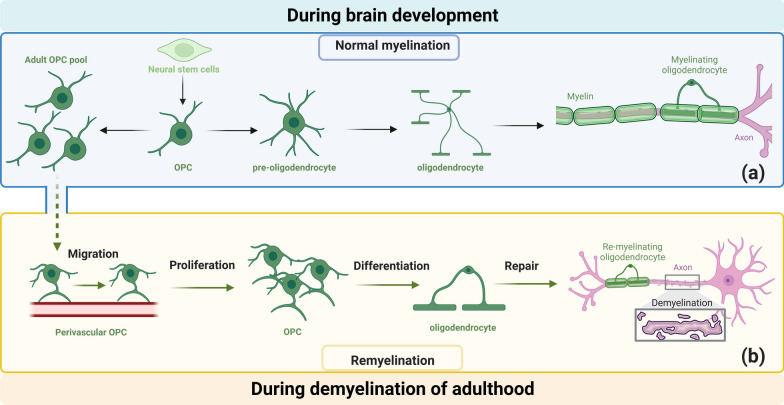
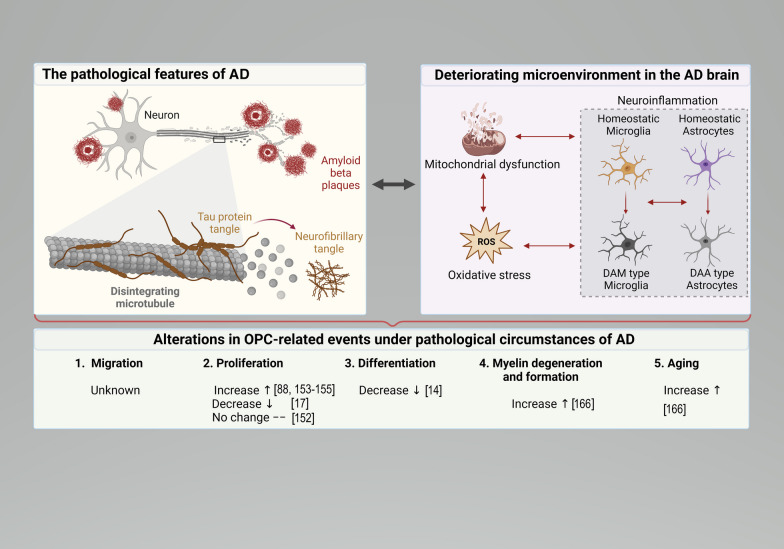
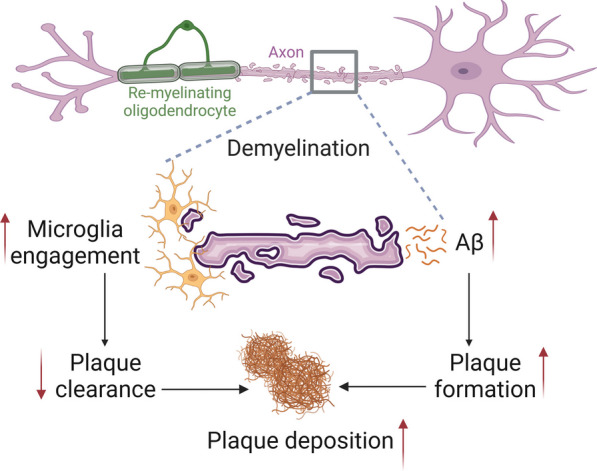
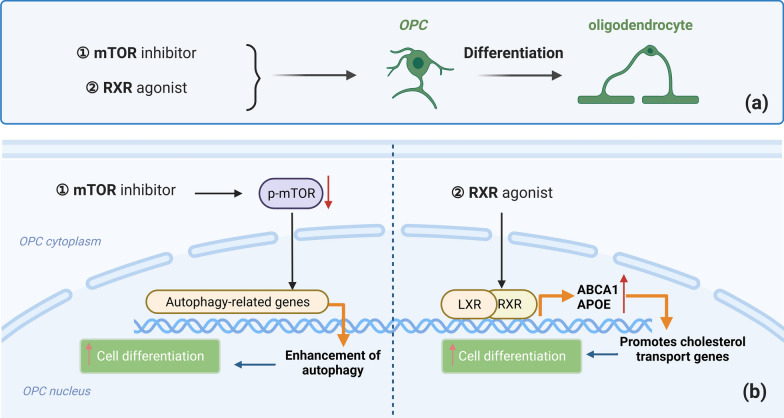
Oligodendrocyte progenitor cells (OPCs) play pivotal roles in myelin formation and phagocytosis, communicating with neighboring cells and contributing to the integrity of the blood–brain barrier (BBB). However, under the pathological circumstances of Alzheimer’s disease (AD), the brain’s microenvironment undergoes detrimental changes that significantly impact OPCs and their functions. Starting with OPC functions, we delve into the transformation of OPCs to myelin-producing oligodendrocytes, the intricate signaling interactions with other cells in the central nervous system (CNS), and the fascinating process of phagocytosis, which influences the function of OPCs and affects CNS homeostasis. Moreover, we discuss the essential role of OPCs in BBB formation and highlight the critical contribution of OPCs in forming CNS-protective barriers. In the context of AD, the deterioration of the local microenvironment in the brain is discussed, mainly focusing on neuroinflammation, oxidative stress, and the accumulation of toxic proteins. The detrimental changes disturb the delicate balance in the brain, impacting the regenerative capacity of OPCs and compromising myelin integrity. Under pathological conditions, OPCs experience significant alterations in migration and proliferation, leading to impaired differentiation and a reduced ability to produce mature oligodendrocytes. Moreover, myelin degeneration and formation become increasingly active in AD, contributing to progressive neurodegeneration. Finally, we summarize the current therapeutic approaches targeting OPCs in AD. Strategies to revitalize OPC senescence, modulate signaling pathways to enhance OPC differentiation, and explore other potential therapeutic avenues are promising in alleviating the impact of AD on OPCs and CNS function. In conclusion, this review highlights the indispensable role of OPCs in CNS function and their involvement in the pathogenesis of AD. The intricate interplay between OPCs and the AD brain microenvironment underscores the complexity of neurodegenerative diseases. Insights from studying OPCs under pathological conditions provide a foundation for innovative therapeutic strategies targeting OPCs and fostering neurodegeneration. Future research will advance our understanding and management of neurodegenerative diseases, ultimately offering hope for effective treatments and improved quality of life for those affected by AD and related disorders.
Overview
The claims and statistics of this paper haven’t been checked yet.
Run the check — free, no account needed. It reads the open-access text and checks the sources it cites.
Integrity signals
Registry
Cites
Statistics
Figures
Verification
Claims the paper makes
The claims and statistics of this paper haven’t been checked yet.
Run the check — free, no account needed. It reads the open-access text and checks the sources it cites.
Claims other papers make about this one
Each is checked against this paper’s own text: does it say what the citing paper says it does?
The cited source says what the claim attributes to it.
In the citing paper
“Despite the elevated rate of myelin formation in AD mice, the overall myelin levels were reduced, suggesting the increased rate of myelin regeneration is insufficient to fully counterbalance the accelerated myelin degeneration”
From Serum/glucocorticoid regulated kinase 1 (SGK1) in neurological disorders: pain or gain (2024) · cites this paper as Zou et al., 2023
Self-check
Percentages, sums and reported differences re-computed from the paper’s own numbers.
The self-check needs the paper’s full text.
Citations
Cites
Lecanemab in early Alzheimer's disease
van Dyck, C. H., Swanson, C. J., Aisen, P., Bateman, R. J., Chen, C., Gee, M., Kanekiyo, M., Li, D., Reyderman, L., Cohen, S., et al. (2023) · New England Journal of Medicine · doi:10.1056/nejmoa2212948 · Cited by 5,678
A Unique Microglia Type Associated with Restricting Development of Alzheimer’s Disease
Keren-Shaul, H., Spinrad, A., Weiner, A., Matcovitch-Natan, O., Dvir-Szternfeld, R., Ulland, T. K., David, E., Baruch, K., Lara-Astaiso, D., Toth, B., et al. (2017) · Cell · doi:10.1016/j.cell.2017.05.018 · Cited by 5,493
Microglia Sculpt Postnatal Neural Circuits in an Activity and Complement-Dependent Manner
Schafer, D. P., Lehrman, E. K., Kautzman, A. G., Koyama, R., Mardinly, A. R., Yamasaki, R., Ransohoff, R. M., Greenberg, M. E., Barres, B. A., & Stevens, B. (2012) · Neuron · doi:10.1016/j.neuron.2012.03.026 · Cited by 4,089
Neuroinflammation and microglial activation in Alzheimer disease: where do we go from here?
Leng, F., & Edison, P. (2021) · Nature Reviews Neurology · doi:10.1038/s41582-020-00435-y · Cited by 3,179
Single-cell transcriptomic analysis of Alzheimer’s disease
Mathys, H., Davila-Velderrain, J., Peng, Z., Gao, F., Mohammadi, S., Young, J. Z., Menon, M., He, L., Abdurrob, F., Jiang, X., et al. (2019) · Nature · doi:10.1038/s41586-019-1195-2 · Cited by 2,568
Senolytics improve physical function and increase lifespan in old age
Xu, M., Pirtskhalava, T., Farr, J. N., Weigand, B. M., Palmer, A. K., Weivoda, M. M., Inman, C. L., Ogrodnik, M. B., Hachfeld, C. M., Fraser, D. G., et al. (2018) · Nature Medicine · doi:10.1038/s41591-018-0092-9 · Cited by 2,287 · cited 1×
“Interestingly, an increasing body of research indicates that OPCs undergo functional dysregulation in the pathological state of AD, suggesting OPCs as a potential therapeutic target for AD [18, 148, 203].”
BackgroundCellular senescence in ageing: from mechanisms to therapeutic opportunities
Di Micco, R., Krizhanovsky, V., Baker, D., & d’Adda di Fagagna, F. (2021) · Nature Reviews Molecular Cell Biology · doi:10.1038/s41580-020-00314-w · Cited by 2,277 · cited 1×
“Cellular senescence refers to a state in which cells are blocked in the G1 phase, unable to proliferate and unresponsive to external stimuli, resulting in the inability to perform normal functions [170].”
BackgroundHammond, T. R., Dufort, C., Dissing-Olesen, L., Giera, S., Young, A., Wysoker, A., Walker, A. J., Segel, M., Nemesh, J., Saunders, A., et al. (2018) · doi:10.1101/406140 · Cited by 2,225
Microglia states and nomenclature: A field at its crossroads
Paolicelli, R. C., Sierra, A., Stevens, B., Tremblay, M.-E., Aguzzi, A., Ajami, B., Amit, I., Audinat, E., Bechmann, I., Bennett, M., et al. (2022) · Neuron · doi:10.1016/j.neuron.2022.10.020 · Cited by 1,973
Two Phase 3 Trials of Bapineuzumab in Mild-to-Moderate Alzheimer's Disease
Salloway, S., Sperling, R., Fox, N. C., Blennow, K., Klunk, W., Raskind, M., Sabbagh, M., Honig, L. S., Porsteinsson, A. P., Ferris, S., et al. (2014) · New England Journal of Medicine · doi:10.1056/nejmoa1304839 · Cited by 1,960
Cited by
Sorted by citations
Cellular senescence in Alzheimer’s disease: from physiology to pathology
Zhu, J., Wu, C., & Yang, L. (2024) · Translational Neurodegeneration · doi:10.1186/s40035-024-00447-4 · Cited by 74
Self-citationDias, D., Portugal, C. C., Relvas, J. B., & Socodato, R. (2025) · Cells · doi:10.3390/cells14040243 · Cited by 71
Shokr, M. M. (2025) · Metabolic Brain Disease · doi:10.1007/s11011-025-01739-y · Cited by 64
The impact of physical exercise on neuroinflammation mechanism in Alzheimer’s disease
Hu, J., Huang, B., & Chen, K. (2024) · Frontiers in Aging Neuroscience · doi:10.3389/fnagi.2024.1444716 · Cited by 55
Myelin dysfunction in aging and brain disorders: mechanisms and therapeutic opportunities
Huang, Z., Zhang, Y., Zou, P., Zong, X., & Zhang, Q. (2025) · Molecular Neurodegeneration · doi:10.1186/s13024-025-00861-w · Cited by 49
Self-citationNavigating oligodendrocyte precursor cell aging in brain health
Leenders, F., Koole, L., Slaets, H., Tiane, A., van den Hove, D., & Vanmierlo, T. (2024) · Mechanisms of Ageing and Development · doi:10.1016/j.mad.2024.111959 · Cited by 30
Tătăranu, L. G., & Rizea, R. E. (2025) · Brain Sciences · doi:10.3390/brainsci15040400 · Cited by 43
Does photobiomodulation alter mitochondrial dynamics?
Trajano, L. A. D. S. N., Siqueira, P. B., Rodrigues, M. M. D. S., Pires, B. R. B., da Fonseca, A. D. S., & Mencalha, A. L. (2024) · Photochemistry and Photobiology · doi:10.1111/php.13963 · Cited by 27
Alzheimer’s Disease: From Molecular Mechanisms to Promising Therapeutic Strategies
Ivanova, A. V., Kutuzova, A. D., Kuzmichev, I., & Abakumov, M. A. (2025) · International Journal of Molecular Sciences · doi:10.3390/ijms26199444 · Cited by 33
Yan, Q., Qin, Q., Zhang, S., Chen, F., Ru, Y., Zhong, Y., & Wu, G. (2025) · Critical Reviews in Food Science and Nutrition · doi:10.1080/10408398.2025.2568606 · Cited by 28
Hudson, H. R., Sun, X., & Orr, M. E. (2025) · Neurotherapeutics · doi:10.1016/j.neurot.2024.e00519 · Cited by 28
The Role of Oligodendrocytes in Neurodegenerative Diseases: Unwrapping the Layers
Panichi, L. B., Stanca, S., Dolciotti, C., & Bongioanni, P. (2025) · International Journal of Molecular Sciences · doi:10.3390/ijms26104623 · Cited by 23
Kumar, S., Ramos, E., Hidalgo, A. M., Rodarte, D., Sharma, B., Torres, M. M., Devara, D., & Gadad, S. S. (2025) · Molecular Psychiatry · doi:10.1038/s41380-025-03095-w · Cited by 22
Tolédano, A., Rodríguez‐Casado, A., Álvarez, M., & Toledano‐Díaz, A. (2024) · Brain Sciences · doi:10.3390/brainsci14111101 · Cited by 19
Emerging Role of Oligodendrocytes Malfunction in the Progression of Alzheimer's Disease
Tylek, K., & Basta‐Kaim, A. (2025) · Journal of Neuroimmune Pharmacology · doi:10.1007/s11481-025-10236-z · Cited by 19
Wu, C., Zou, P., Zhu, L., Feng, S., Deng, Q., Liu, T. C., Duan, R., & YANG, L. (2025) · Medicine & Science in Sports & Exercise · doi:10.1249/mss.0000000000003650 · Cited by 16
Self-citationOligodendrogenesis in Evolution, Development and Adulthood
Hu, H., Gao, T., Zhao, J., & Li, H. (2025) · Glia · doi:10.1002/glia.70033 · Cited by 16
Advances in the genetics and pathology of Lewy body dementia
Scholz, S. W., Okubadejo, N. U., Prakash, P., Liddelow, S. A., Ryten, M., & Halliday, G. M. (2025) · The Lancet Neurology · doi:10.1016/s1474-4422(25)00363-1 · Cited by 20
Wawrzyniak, A., Krawczyk-Marć, I., Żuryń, A., Walocha, J. A., & Balawender, K. (2025) · International Journal of Molecular Sciences · doi:10.3390/ijms26189080 · Cited by 19
Serum/glucocorticoid regulated kinase 1 (SGK1) in neurological disorders: pain or gain
Howard, P. G., Zou, P., Zhang, Y., Huang, F., Tesic, V., Wu, C. Y.-C., & Lee, R. H.-C. (2024) · Experimental Neurology · doi:10.1016/j.expneurol.2024.114973 · Cited by 13
Self-citationCurrent Development of iPSC-Based Modeling in Neurodegenerative Diseases
Guo, X., Wang, X., Wang, J., Ma, M., & Ren, Q. (2025) · International Journal of Molecular Sciences · doi:10.3390/ijms26083774 · Cited by 15
Zheng, Y., Huang, R., & Pan, J. (2025) · International Journal of Molecular Sciences · doi:10.3390/ijms26178155 · Cited by 11
Shifting Microglial Phenotypes: Targeting Disease-Associated Microglia in Neurodegeneration
Sasidharan, A., Somayaji, Y., & Fernandes, R. (2025) · ACS Chemical Neuroscience · doi:10.1021/acschemneuro.5c00159 · Cited by 11
Rivera, A. D., Normanton, J. R., Butt, A. M., & Azim, K. (2024) · International Journal of Molecular Sciences · doi:10.3390/ijms25084452 · Cited by 10
The Many Lives of an Oligodendrocyte Precursor Cell
Buchanan, J., & Cheadle, L. (2025) · Annual Review of Neuroscience · doi:10.1146/annurev-neuro-112723-025806 · Cited by 11
Is age-related myelinodegenerative change an initial risk factor of neurodegenerative diseases?
Wu, S., & Chen, J. (2025) · Neural Regeneration Research · doi:10.4103/nrr.nrr-d-24-00848 · Cited by 9
Yilmaz, S. N., Steiner, K., Marksteiner, J., Faserl, K., Villunger, M., Sarg, B., & Humpel, C. (2024) · Biomolecules · doi:10.3390/biom14101326 · Cited by 9
The Role of Oligodendrocyte Lineage Cells in the Pathogenesis of Alzheimer’s Disease
Liu, X., Lv, Z., Huang, Q., Lei, Y., Liu, H., & Xu, P. (2025) · Neurochemical Research · doi:10.1007/s11064-024-04325-3 · Cited by 9
Neuropathological links between T2DM and LOAD: systematic review and meta-analysis
Lemche, E., Hortobágyi, T., Kiecker, C. M., & Turkheimer, F. (2025) · Physiological Reviews · doi:10.1152/physrev.00040.2024 · Cited by 9
Glial Cells in Alzheimer’s Disease: Pathogenic Mechanisms and Therapeutic Frontiers
Sil, M., Mukherjee, N., Chatterjee, I., Ghosh, A., & Goswami, A. (2025) · Journal of Molecular Neuroscience · doi:10.1007/s12031-025-02379-8 · Cited by 9
Yawoot, N., Tocharus, J., & Tocharus, C. (2025) · Molecular Neurobiology · doi:10.1007/s12035-025-04718-7 · Cited by 7
Bartas, K., Nguyen, M. H., Zhao, W., Hui, M., Nie, Q., & Beier, K. T. (2025) · Scientific Reports · doi:10.1038/s41598-025-10795-4 · Cited by 15
Pan, Q., Jiang, L. H., Xiong, Y., Chao, F., Liu, S., Zhang, S., Zhu, L. L., Luo, Y., Xiao, Q., Tang, J., et al. (2024) · Brain Research Bulletin · doi:10.1016/j.brainresbull.2024.111170 · Cited by 6
Ancestral genomic functional differences in oligodendroglia: implications for Alzheimer's disease
Ramírez, A. M., Nasciben, L. B., Moura, S., Coombs, L. E., Rajabli, F., DeRosa, B. A., Whitehead, P. L., Adams, L. D., Starks, T. D., Mena, P. R., et al. (2025) · Alzheimer s & Dementia · doi:10.1002/alz.70593 · Cited by 7
Ji, J. X., Giles, B. L., Bhattacharjee, S., Kautzmann, M.-A. I., Masson, A. P., Carmo, S. D., Cuello, A. C., & Bazan, N. G. (2025) · Communications Biology · doi:10.1038/s42003-025-08959-z · Cited by 6
Zou, P., Huang, Z., Zhang, Y., Zong, X., & Zhang, Q. (2026) · NeuroMolecular Medicine · doi:10.1007/s12017-026-08905-0 · Cited by 8
Self-citationShao, Y. H., Li, F., Zou, B., Jin, Y., Wang, X., Wang, L.-T., Huang, Y., Xie, Y., Sun, W., Kang, J. X., et al. (2024) · Food & Function · doi:10.1039/d4fo03355h · Cited by 6
Roles of Ion Channels in Oligodendrocyte Precursor Cells: From Physiology to Pathology
Wang, J., Shen, Y., Liao, P. S., Yang, B., & Jiang, R. (2025) · International Journal of Molecular Sciences · doi:10.3390/ijms26157336 · Cited by 10
Regulatory T cells in stroke inflammation: Therapeutic perspectives
Sun, Z., Zhou, H., Wang, Y., & Li, Z. (2025) · Neural Regeneration Research · doi:10.4103/nrr.nrr-d-24-01424 · Cited by 6
Zou, P., Huang, Z., Zong, X., & Zhang, Q. (2025) · Neuroscience & Biobehavioral Reviews · doi:10.1016/j.neubiorev.2025.106436 · Cited by 5
Self-citationCantero‐Fortiz, Y., Butler, C., Montalbán, X., & Boada, M. (2026) · Frontiers in Cellular Neuroscience · doi:10.3389/fncel.2026.1805691 · Cited by 6
Chen, Y., Li, C., Yao, Y., & Yazhen, S. (2024) · Current Alzheimer Research · doi:10.2174/0115672050338777241028071955 · Cited by 6
Feng, Y., Ma, X., Zong, X., Jordan, J. D., Wu, C. Y., Tešić, V., Lee, R. H., & Zhang, Q. (2025) · Biomedicine & Pharmacotherapy · doi:10.1016/j.biopha.2025.117916 · Cited by 5
Self-citationThe Role of Oligodendrocytes in Alzheimer’s Disease Pathogenesis and Therapy
Guo, S., Yu, X., & Zhang, H. (2025) · Neuroglia · doi:10.3390/neuroglia6040046 · Cited by 5
Li, Q., Wang, G., Zhao, J., Chen, W., & Tian, P. (2025) · Microbiological Research · doi:10.1016/j.micres.2025.128286 · Cited by 6
Research progress of cell senescence in Alzheimer's disease: mechanisms and therapy
Cai, J., Yang, L. C., Xu, Y., Wang, L., Zhang, M., Qiao, J., Qian, X., Zhu, H., & Cai, M. (2025) · European Journal of Pharmacology · doi:10.1016/j.ejphar.2025.177697 · Cited by 4
Self-citationMechanistic correlation of potassium channel sensing and nitric oxide activity in neuroinflammation
Mannan, A., & Singh, T. G. (2025) · Molecular Biology Reports · doi:10.1007/s11033-025-10954-w · Cited by 3
Gurikar, S., Ahmed, S. S., & Raghunatahanaidu, B. D. (2025) · Journal of Molecular Neuroscience · doi:10.1007/s12031-025-02433-5 · Cited by 3
Exploring the Therapeutic Potential of Piezo1 in Ageing-Related Neurodegenerative Diseases
Kaur, A., Singh, S., Vishwas, S., & Singh, T. (2026) · Journal of Molecular Neuroscience · doi:10.1007/s12031-025-02449-x · Cited by 3
Gao, W., Chen, S., Huang, Y., (10164), X. W., Zhuang, L., Zheng, Y., Dai, X., Fu, Y., Chen, W., Ye, Q., et al. (2026) · Nature Aging · doi:10.1038/s43587-026-01071-9 · Cited by 4
The impact of kidney dysfunction on blood-brain barrier integrity and neurological conditions
Aderinto, N., Olatunji, G. D., Kokori, E., Ogieuhi, I., Ayodeji, K. B., Ajekiigbe, V. O., Bisola, M.-A. I., Ajayi, J. O., Agbo, C. E., Omoworare, O. T., et al. (2026) · The Egyptian Journal of Neurology Psychiatry and Neurosurgery · doi:10.1186/s41983-026-01132-1 · Cited by 3
Some, A., Naskar, N., Thomas, D. M., Jeengar, M. K., & Nassar, A. (2026) · Neurochemical Research · doi:10.1007/s11064-026-04737-3 · Cited by 3
Extracellular Vesicles in Alzheimer’s Disease: Mechanisms, Biomarkers, and Therapeutic Engineering
Wang, L., Mao, L., & Zong, X. (2026) · International Journal of Molecular Sciences · doi:10.3390/ijms27093974 · Cited by 4
Ma, Y., Hu, X., Karako, K., Song, P., Tang, W., & Xia, Y. (2024) · Drug Discoveries & Therapeutics · doi:10.5582/ddt.2024.01085 · Cited by 3
Wu, D., Zhou, W., Du, J., Zhao, T., Li, N., Fan, P., Li, A., Zhang, X., Zhang, M., & Hao, A. (2024) · Frontiers in Pharmacology · doi:10.3389/fphar.2024.1473019 · Cited by 2
Oligodendroglia in Ageing and Age-Dependent Neurodegenerative Diseases
Niu, J., Verkhratsky, A., Butt, A. M., & Yi, C. (2025) · Advances in neurobiology · doi:10.1007/978-3-031-87919-7_13 · Cited by 4
Shoae‐Hassani, A., Niknam, P., Ahmadirad, N., Aghdam, K. A., Javan, M., Mirshahi, R., Naseripour, M., & Dehghan, S. (2025) · Life Sciences · doi:10.1016/j.lfs.2025.124013 · Cited by 2
White matter degeneration precedes tau aggregation in rats with Alzheimer's-like tauopathy
Ai, L., Carmo, S. D., Antel, J. P., Kuhlmann, T., & Cuello, A. C. (2025) · Neurobiology of Disease · doi:10.1016/j.nbd.2025.107149 · Cited by 2
Mohammed, S. N., Direksunthorn, T., Zwamel, A. H., Uthirapathy, S., Ballal, S., Kalia, R., Arya, R., Naidu, K. S., Ahmad, I. S., & Ahmed, J. K. (2025) · Molecular Neurobiology · doi:10.1007/s12035-025-05338-x · Cited by 3
Liu, Z., Liu, J. J., 梁浚婧, Meng, C., Wang, Q., Luo, Y., & Zhang, H. (2026) · Frontiers in Aging Neuroscience · doi:10.3389/fnagi.2026.1843643 · Cited by 2
Hsieh, K., Zhang, K., Chu, Y., Yu, L., Li, X., Hu, N., Kawosa, I., Pilie, P. G., Bhattacharya, P. K., Zhi, D., et al. (2025) · Briefings in Bioinformatics · doi:10.1093/bib/bbaf296 · Cited by 3
Adult human ex vivo brain slices for dissecting glial biology and multicellular communicationPreprint
Adam, M., Shapira, I., Schoffman, H., Piester, G., Li, Z., Quintana, F. J., Paldor, I., Shahar, T., & Habib, N. (2026) · bioRxiv (Cold Spring Harbor Laboratory) · doi:10.64898/2026.01.12.698855 · Cited by 2
NG2 Glia: The Guardians Against Prion-induced Neurotoxicity Through Prostaglandin E2 Blockade
Feng, S., Parker, E. J., Liu, T. C., & Yang, L. (2024) · Neuroscience Bulletin · doi:10.1007/s12264-024-01333-9 · Cited by 1
Self-citationLu, Y., Xu, H., Sun, Y., Ihejirika, S. A., Chiang, C. W. K., Darst, B. F., Song, S., Shen, Y., & Ye, K. (2025) · Current Developments in Nutrition · doi:10.1016/j.cdnut.2025.107524 · Cited by 2
Cellular therapy in neuromyelitis optica spectrum disorder
Zhong, K., & Tang, Y. (2025) · Frontiers in Neurology · doi:10.3389/fneur.2025.1709474 · Cited by 1
Oligodendrocytes at the crossroads: Central players and interactive partners in white matter aging
Zhang, X., Yu, P., Chen, Y., Xu, Y., Xu, R., Yang, X., Lv, S., Shang, H., & Hu, Y. (2026) · Ageing Research Reviews · doi:10.1016/j.arr.2026.103034 · Cited by 1
Wang, R., Feng, Y., Zhou, Z., Jiang, J., Zhang, R., Zou, W., Yang, H., Lv, W., & Shen, Y. (2026) · Frontiers in Aging Neuroscience · doi:10.3389/fnagi.2026.1748418 · Cited by 2
Weathered plastic particles negatively affect mouse primary neurons and glial cells
Shin, H. S., So, Y. H., Lee, D. H., Chang, Y., Kim, M., Joung, D., Youn, B., Lee, E.-H., & Jung, E.-M. (2026) · Archives of Toxicology · doi:10.1007/s00204-026-04334-x · Cited by 1
Baek, S., Jang, J., Yeo, S., Jung, H. J., & Choe, Y. (2026) · Signal Transduction and Targeted Therapy · doi:10.1038/s41392-026-02620-9 · Cited by 1
Long, S., Li, R., Yang, J., Cheng, R., Wang, Y., & Dong, Y. (2026) · Cytotechnology · doi:10.1007/s10616-026-00952-6 · Cited by 1
The Rise of Pluripotent Stem Cell-Derived Glia Models of Neuroinflammation
Kala, S., Strutz, A. G., & Katt, M. E. (2025) · Neurology International · doi:10.3390/neurolint17010006 · Cited by 2
Castellani, R. J. (2025) · Elsevier eBooks · doi:10.1016/b978-0-323-99651-8.00010-7
Gene Expression in the Hippocampus
Taheri, S., & Abusalim, M. R. S. (2025) · Springer eBooks · doi:10.1007/978-3-031-88907-3_11
Neurodegeneration in the Aging Brain: Role of Cellular Senescence
Khan, A., Alaqel, S. I., Alanazi, M. N., Siddique, M. I., & Imran, M. (2025) · Springer eBooks · doi:10.1007/978-981-96-8873-9_5
Harati, J., & Wang, P. (2025) · Stem cell biology and regenerative medicine · doi:10.1007/978-3-031-94101-6_4
van Tellingen, O., Tolboom, Z. J., Leter, Y. M., Tsouri, E., Burylo, A. M., Heijningen, C. L. V., Schagen, S. B., de Gooijer, M. C., & Kuil, L. E. (2025) · bioRxiv (Cold Spring Harbor Laboratory) · doi:10.1101/2025.10.11.681780
BrainBridge Characterizes Key Factors affecting Alzheimer’s Disease and Associated PhenotypesPreprint
Liu, T., Hao, M., Sun, E., Markov, Y., Zhang, L., Zou, J., & Zhao, H. (2025) · bioRxiv (Cold Spring Harbor Laboratory) · doi:10.64898/2025.12.03.692255
Self-citationEndogenous lithium deficiency: a potential early contributor to Alzheimer’s disease onset
Feng, S., & Yang, L. (2026) · Neuroscience and Behavioral Physiology · doi:10.1007/s11055-025-01939-0
Self-citationA Cross Talk Between Natural Biomolecules and Neuroglia
Iman, T., Akram, R., Tehreem, A., Asghar, A., Mustafa, M., & Iqbal, J. (2026) · IGI Global eBooks · doi:10.4018/979-8-3373-4139-2.ch001
Zhou, X., Zhang, Y., Sun, L., Kwok, C. K., & Zhang, J. (2026) · bioRxiv (Cold Spring Harbor Laboratory) · doi:10.64898/2026.01.20.700564
Ju, M., Shen, H., Zhang, X., Tian, M., & Zhang, L. (2026) · Biochemistry and Biophysics Reports · doi:10.1016/j.bbrep.2026.102475
From Cerebrovascular Injury to Brain Cancer: The Role of Blood–Brain Barrier Dysfunction
Kisiel, S., Pawlik, M., Niemcewicz, W. J., Janicki, W., Świerczyńska, J., Romańczuk, K., Zdanowski, R., & Borkowska, A. (2026) · Biomedicines · doi:10.3390/biomedicines14030511
Zafar, S., Rasheed, U., & Zerr, I. (2026) · IntechOpen eBooks · doi:10.5772/intechopen.1013648 · Cited by 1
Xu, X. J., Ni, Z., Wang, Y.-B., Fan, S., Du, Y., Wang, X., & Meng, X. (2026) · Cell Biology and Toxicology · doi:10.1007/s10565-026-10208-w
Yang, X., Gao, Y., Zhang, M., Pan, J., Liu, H., & Fan, H. (2026) · Journal of Alzheimer s Disease · doi:10.1177/13872877261450636
Translational stem cell therapy for neurodegeneration and CNS trauma: a focused review
Khosrofar, R., Nafei, P., Zare, F., Sadrmohammadbagheri, A., Zargari, F., Rastgar, N., Radvar, S., Eskandani, N. A., Hoseinzade, F., & Akhavan‐Sigari, R. (2026) · Molecular Biology Reports · doi:10.1007/s11033-026-12011-6
Chen, Z., Yang, K., Lin, F., Tang, W., Shi, Y., Zhou, S., Liu, J. S., & You, Y. (2026) · Ageing Research Reviews · doi:10.1016/j.arr.2026.103229
Mechanisms of autophagy–lysosome pathway impairment in Alzheimer's disease
Lü, K., Lu, Y., Tang, R., Dong, X., Zhuang, P., Gao, Y., Cheng, M., Wang, Y., & Wang, Y. (2026) · Journal of Alzheimer s Disease · doi:10.1177/13872877261460879
Ayubcha, C., Dennis, E., Bhattacharyya, U., John, J., Lam, M., Lencz, T., Ge, T., & Chen, C. (2026) · medRxiv · doi:10.64898/2026.07.13.26358006 · Cited by 1
Li, R.-D., Reiter, J. L., Wyatt-Johnson, S. K., Dong, C.-P., Smith, C., Green, N., Gao, H.-Y., Hauser, S. R., Kapoor, M., Stevens, J., et al. (2026) · Brain Communications · doi:10.1093/braincomms/fcag264
Tahir, M. M., Liu, X., Yi, L.-S., Hou, X.-Q., Liao, Q., & Yu, H.-L. (2026) · Molecular Biology Reports · doi:10.1007/s11033-026-12488-1
Rawal, P., Moon, H.-J., Nguyen, V., Khatri, S., Larson, M. A., Vivian, J. C., Saido, T. C., & Zhao, L. (2026) · bioRxiv (Cold Spring Harbor Laboratory) · doi:10.64898/2026.07.30.741791
Yu, J., Qi, W., Li, F., Chang, B., Wang, Z., Kan, Y., Yu, Y., & Yu, Y. (2026) · Progress in Neuro-Psychopharmacology and Biological Psychiatry · doi:10.1016/j.pnpbp.2026.111892
Sehgal, J., Bagri, K., & Deshmukh, R. (2026) · Molecular Biology Reports · doi:10.1007/s11033-026-12698-7
The role of oxidative stress in the pathogenesis of neuroinflammation
Sorokovikova, T., Chichanovskaya, L., Pavlova, O., Morozov, A. M., Bereza, A., & Tsurtsumia, D. (2026) · Vrach · doi:10.29296/25877305-2026-08-03 · Cited by 1
Dehghan, S., Dehdar, K., Ahmadirad, N., Mehrizi, S. A., Raoufy, M. R., & Javan, M. (2026) · PLoS ONE · doi:10.1371/journal.pone.0357965
Wei, C., & Xiong, X. (2026) · Journal of Cellular Physiology · doi:10.1002/jcp.70245
Metadata
- Authors
- Zou, P., Wu, C., Liu, T. C.-Y., Duan, R., & Yang, L.
- Affiliations
- Louisiana State University (US)
- South China Normal University (CN)
- Corresponding author
- Yang, Luodan
- Venue
- Translational Neurodegeneration
- Published
- 2023-11-14
- Volume
- 12
- Issue
- 1
- Pages
- 52-52
- ISSN
- 2047-9158 (ISSN-L)
- PMC
- PMC10644503
- OpenAlex
- W4388667039
- Cited by
- 97
- References
- 274
- Citations by year
- 2026: 34 · 2025: 49 · 2024: 14
- FWCI
- 3.72
- Type
- journal article
- Language
- en
- Open access
- gold
- doi.org
- Locations
- Translational Neurodegeneration (publishedVersion, cc-by)
- PubMed Central (publishedVersion, cc-by)
- PubMed (publishedVersion)
- DOAJ (DOAJ: Directory of Open Access Journals) (submittedVersion, cc-by-sa)
- Funders
- National Natural Science Foundation of China (31971096, 32100918)
- China Postdoctoral Science Foundation (2021M690060, 2022T150227)
- Sigma Xi Grants in Aid of Research (GIAR) program (G03152021115804390)
- Guangzhou Scientific Research Grant (SL2022B04J00013, SL2024A04J00578)
- SCNU Young Faculty Development Program (22KJ04)
- Topics
- Life Sciences › Neuroscience › Developmental Neuroscience › Neurogenesis and neuroplasticity mechanisms
- Life Sciences › Neuroscience › Cellular and Molecular Neuroscience › Alzheimer's disease research and treatments
- Life Sciences › Neuroscience › Neurology › Neuroinflammation and Neurodegeneration Mechanisms
- Keywords
- oligodendrocyte precursor cells, Alzheimer's disease, myelination, phagocytosis, blood-brain barrier, neuroinflammation, oxidative stress, amyloid-beta, tau protein, OPC differentiation, myelin degeneration, neurodegeneration, cellular senescence
- MeSH terms
- Oligodendrocyte Precursor Cells, Alzheimer Disease, Cell Differentiation, Humans, Oligodendroglia, Quality of Life
About these checks
Registry, retraction, Cites and statistics results are computed, not judged, with one exception: a printed reference that no index lists is read once by a model before it counts as a citation error. Claims are extracted by a model and kept only when their quote appears verbatim in the text; each cited source is then checked, with a model’s help, for whether it says what the claim relies on. Those verdicts can be wrong — read the claim’s quote and the cited source before relying on one.
Statistics and arithmetic are recomputed, not judged.
Confidence bands are shown only for fields calibrated on our annotated test set. None is calibrated yet, so no band is shown.
What counts as a claim ›How we measure confidence ›How we check this ›
Are you an author, or do you see a problem with this page? Request a review
