

Structures and characteristics of carbohydrates in diets fed to pigs: a review
Open accessThe DOI matches its Crossref record; 74 of the 76 references it cites were found in a registry or an index; 24 of the 157 sources its claims cite were checked for support.
Abstract
Classifies carbohydrates by degree of polymerization and reviews digestible and non-digestible carbohydrates and their roles as energy sources.
Overview
CoChat Summary
TL;DR
This review describes carbohydrate classification and the structure/chemical composition of digestible carbohydrates and fiber in common swine feed ingredients. It compiles fiber fractions for cereal grains, cereal byproducts, oilseed meals, and pulse crops, emphasizing how ingredient and tissue type affect cellulose, arabinoxylan, β-glucan, pectin, lignin, starch, and galacto-oligosaccharide content.
Key findings
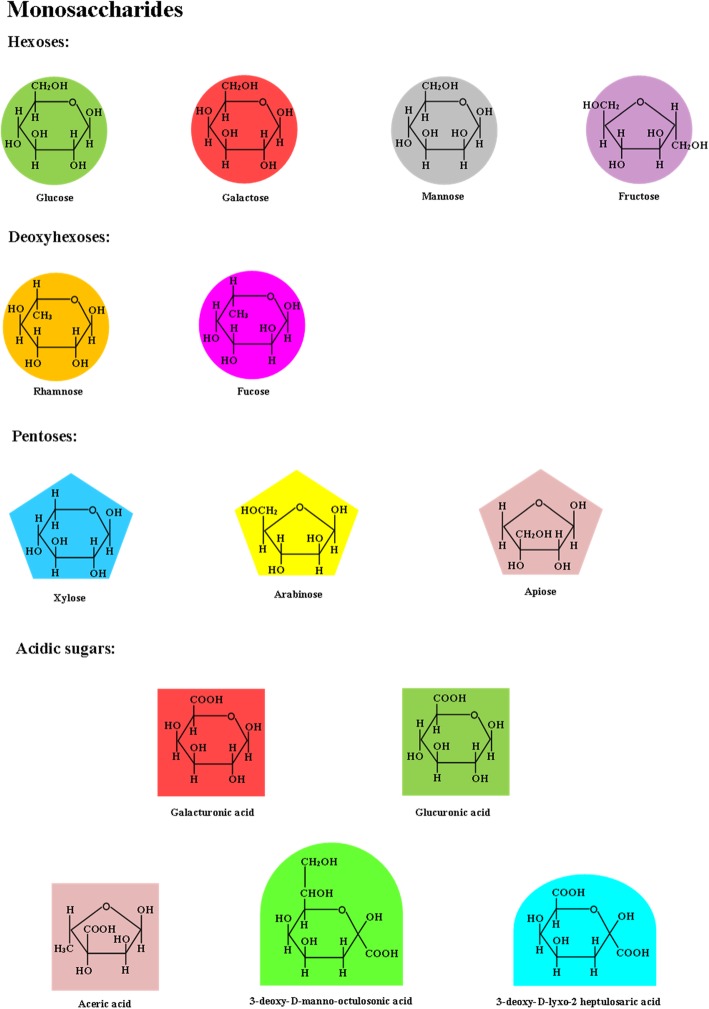
- Carbohydrates are classified by degree of polymerization into monosaccharides, disaccharides, oligosaccharides, and polysaccharides; digestible carbohydrates include sugars, digestible starch, and glycogen, whereas non-digestible carbohydrates/fiber include two disaccharides, oligosaccharides, resistant starch, and non-starch polysaccharides.
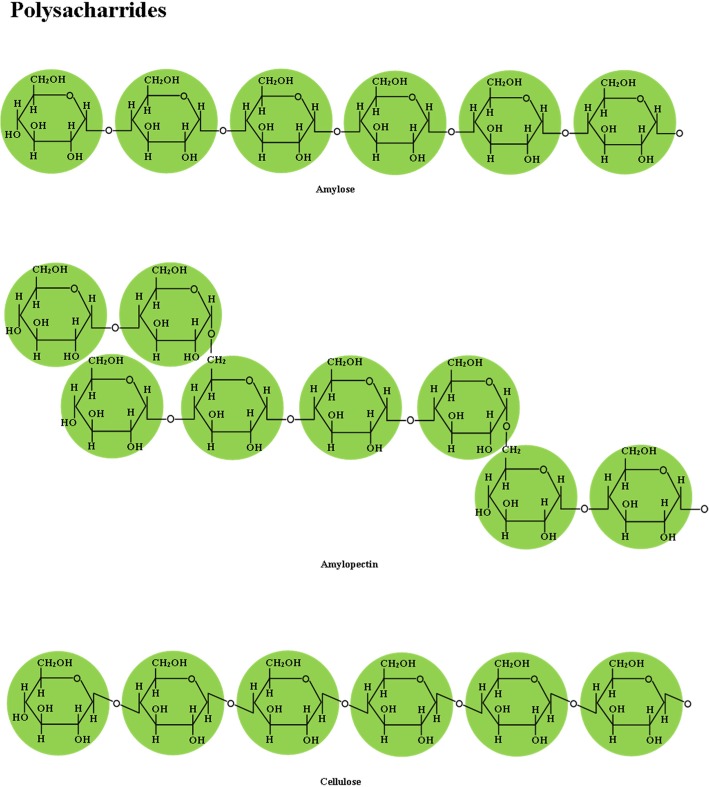
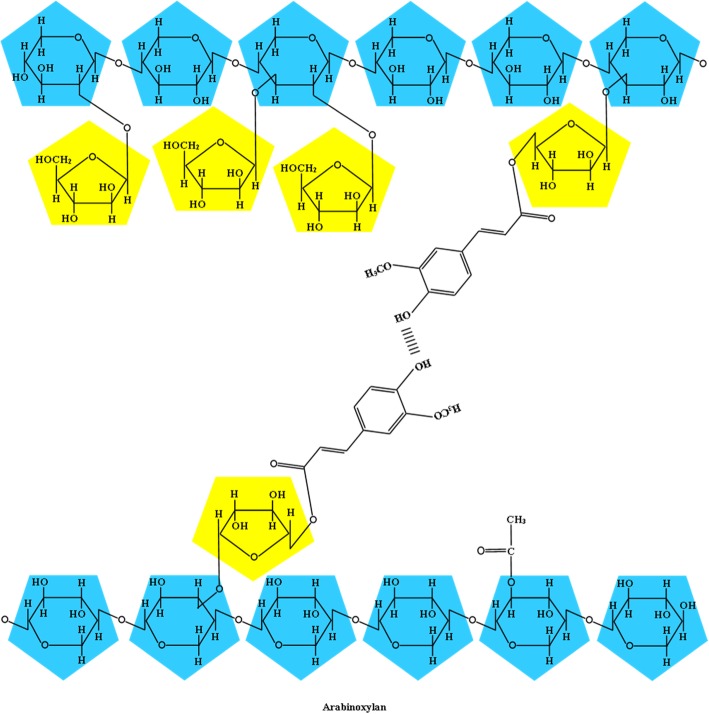
- In cereal grains, cellulose, arabinoxylans (AX), and mixed linked β-(1,3)(1,4)-d-glucans (MBG) are the main cell wall polysaccharides. Table 1 reports starch values of 680 g/kg DM in corn, 647 in wheat, 587 in barley, 468 in oats, and 837 in polished rice; resistant starch values include 10 in corn, 4 in wheat, 55 in barley, 54 in oats, 162 in sorghum, and 3 in polished rice. Oats had the greatest total AX among cereal grains (97 g/kg DM), followed by rye (95) and triticale (85), whereas sorghum (24) and polished rice (26) had the least.
- MBG concentrations were 1% or less in corn, wheat, sorghum, triticale, and polished rice; rye contained 1.7% MBG, and oats and barley contained between 2.8% and 5.0%.
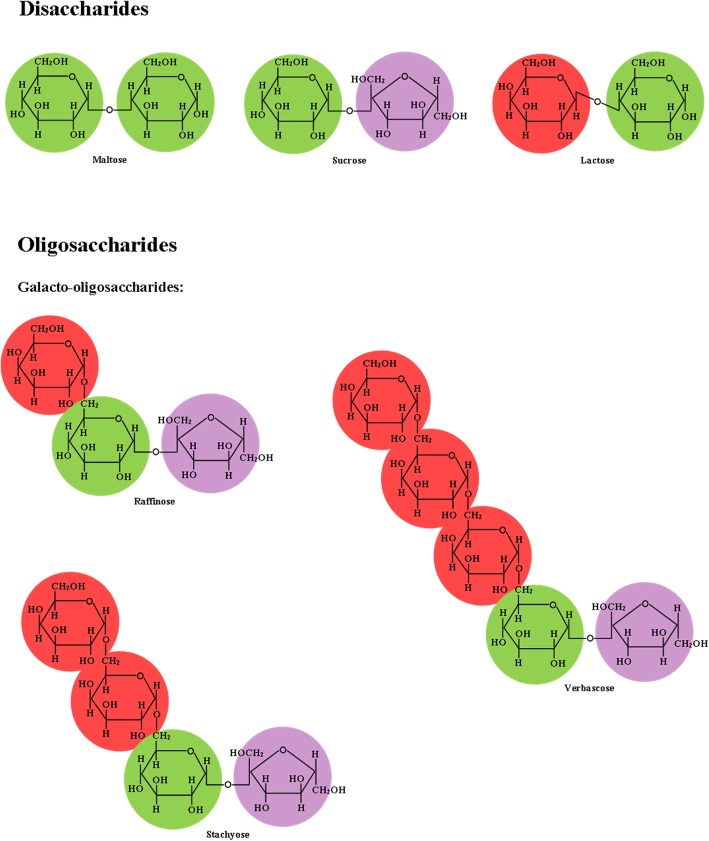
- Oilseeds, oilseed meals, and pulse crops contain cellulose, pectic polysaccharides, lignin, and xyloglucans; pulse crops and legumes also contain galacto-oligosaccharides including raffinose, stachyose, and verbascose. Soybeans have the greatest concentrations of these oligosaccharides, which can make up 5% to 7% of DM; Table 3 reports soybean meal stachyose at 47 g/kg DM and raffinose at 10 g/kg DM, while Table 4 reports lupins stachyose at 53 g/kg DM and verbascose at 14 g/kg DM. Resistant starch values typically range from 0 to 19% in most cereal grains and 10% to 20% in legumes.
Methods
- Narrative review; the stated objective was to review the structure and chemical composition of digestible carbohydrates and fiber components in common feed ingredients used in swine diets.
- Data are drawn from the literature and compiled into tables of carbohydrates and lignin in cereal grains, cereal grain byproducts, oilseed meals and expellers, and pulse crops, with values adapted from cited sources.
- Analysis is qualitative synthesis; no experimental animals, primary sampling, or statistical analysis are reported.
Limitations
- The paper states there are limited robust and practical methods to quantify fiber fractions important for assessing the energy value of fiber, and it explicitly excludes discussion of physical characteristics of fiber and effects of fiber on nutrient digestibility, fermentability, intestinal health, and intestinal microbial activity.
- Evident from the text: this is a narrative review without a systematic search or meta-analysis, and the compiled tables contain missing values and combine adapted data from multiple sources, which may constrain direct comparisons across ingredients.
Model-written summary. Check it against the paper before relying on it.
Integrity signals
Registry
Cites
Statistics
Figures
Verification
Claims the paper makes
24 Valid · 5 Not valid · 97 Not checked · 19 Own results and interpretations
Every source the paper cites for this claim was checked and supports it.
In the paper
“The AX in wheat and rye has a larger proportion that is soluble compared with the AX in barley and oats, mainly due to differences in their structural features [42].”
§ Structures and characteristics of carbohydrates in diets fed to pigs: a review > Nonstarch polysaccharides in feed ingredients > Cereal grains and cereal co-products
What the sources say
- Supportedcites [42] Bach Knudsen KE Fiber and nonstarch polysaccharide content and variation in common crops used in broiler diets Poult Sci 2014 93 2380 2393 10.3382/ps.2014-03902 25012855 source
The ‘AX and β-Glucan of Cereal Grains’ section states that a much larger proportion of arabinoxylan in wheat and rye is soluble than in barley and oats, and identifies differences in structural features as the main reason. (LLM, conf=0.95)
plainstates a cause- Asserted: passes — The authors put it forward as true.
- Checkable: passes — It can be checked against evidence.
- Load-bearing: unclear — It is unclear whether the paper’s conclusions depend on it.
- Based: passes — The paper gives a reason why it holds.
- Supported
Every source the paper cites for this claim was checked and supports it.
In the paper
“The arabinose to xylose ratio is lower in the insoluble aleurone AX compared with the starchy endosperm of wheat and barley [42].”
§ Structures and characteristics of carbohydrates in diets fed to pigs: a review > Nonstarch polysaccharides in feed ingredients > Cereal grains and cereal co-products
What the sources say
- Supportedcites [42] Bach Knudsen KE Fiber and nonstarch polysaccharide content and variation in common crops used in broiler diets Poult Sci 2014 93 2380 2393 10.3382/ps.2014-03902 25012855 source
The “AX and β-Glucan of Cereal Grains” section explicitly states that aleurone arabinoxylan is insoluble and has a lower arabinose-to-xylose ratio than starchy-endosperm arabinoxylan in both wheat and barley. (LLM, conf=0.95)
plain- Asserted: passes — The authors put it forward as true.
- Checkable: passes — It can be checked against evidence.
- Load-bearing: unclear — It is unclear whether the paper’s conclusions depend on it.
- Based: passes — The paper gives a reason why it holds.
- Supported
Every source the paper cites for this claim was checked and supports it.
In the paper
“Arabinoxylans in the aleurone layer, a specific tissue of cereal endosperm that is structurally similar to the starchy endosperm, may encapsulate available nutrients [42].”
§ Structures and characteristics of carbohydrates in diets fed to pigs: a review > Nonstarch polysaccharides in feed ingredients > Cereal grains and cereal co-products
What the sources say
- Supportedcites [42] Bach Knudsen KE Fiber and nonstarch polysaccharide content and variation in common crops used in broiler diets Poult Sci 2014 93 2380 2393 10.3382/ps.2014-03902 25012855 source
The “AX and β-Glucan of Cereal Grains” section describes the aleurone as structurally related to the starchy endosperm and states that its arabinoxylans encapsulate potentially available nutrients. The claim’s “may” is consistent with that statement. (LLM, conf=0.94)
hedgedstates a possible cause- Asserted: passes — The authors put it forward as true.
- Checkable: passes — It can be checked against evidence.
- Load-bearing: unclear — It is unclear whether the paper’s conclusions depend on it.
- Based: passes — The paper gives a reason why it holds.
- Supported
The cited sources support only part of this claim — read each source’s verdict below.
In the paper
“Barley, oats, and rye contain more MBG in the endosperm, aleurone, and subaleurone cell walls compared with corn and wheat [6, 42, 48].”
§ Structures and characteristics of carbohydrates in diets fed to pigs: a review > Nonstarch polysaccharides in feed ingredients > Cereal grains and cereal co-products
What the sources say
- Not matchedcites [6] Mateos-Aparicio I Redondo-Cuenca A Villanueva MJ Betancur-Ancona D Chel-Guerrero L Segura-Campos MR Dietary fiber from the food industry by-products Dietary fiber: sources, properties and their relationship to health 2013 New York Nova Science Publishers, Inc. 1 21
We searched by its title and found no matching paper.
- Partly supportedcites [42] Bach Knudsen KE Fiber and nonstarch polysaccharide content and variation in common crops used in broiler diets Poult Sci 2014 93 2380 2393 10.3382/ps.2014-03902 25012855 sourceExperimental — accuracy not yet measured
The ‘AX and β-Glucan of Cereal Grains’ section says β-glucan concentrations are highest in barley and oats, and Table 1 shows barley exceeds wheat and corn. The copy does not establish that rye also exceeds both, or that the comparison holds specifically across endosperm, aleurone, and subaleurone cell walls; it describes rye as rich in arabinoxylan instead. Page numbers were not available in the indexed passages. (LLM, conf=0.86)
- Not checked — no full text of the sourcecites [48] Bach Knudsen KE Carbohydrate and lignin contents of plant materials used in animal feeding J Anim Feed Sci Technol 1997 67 319 338 10.1016/S0377-8401(97)00009-6 source
plainstates an association- Asserted: passes — The authors put it forward as true.
- Checkable: passes — It can be checked against evidence.
- Load-bearing: unclear — It is unclear whether the paper’s conclusions depend on it.
- Based: passes — The paper gives a reason why it holds.
- Not matched
The cited sources support only part of this claim — read each source’s verdict below.
In the paper
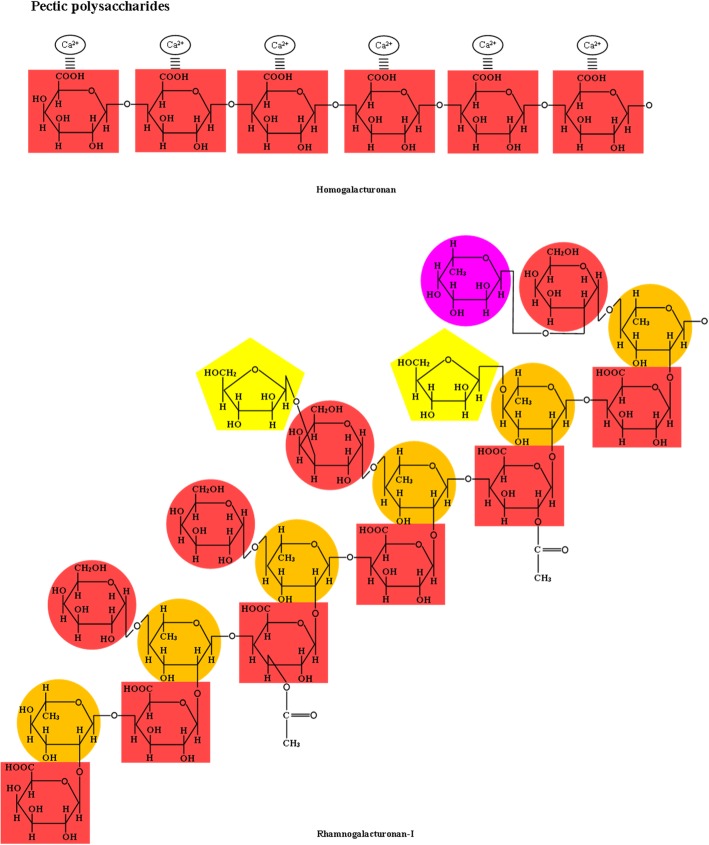
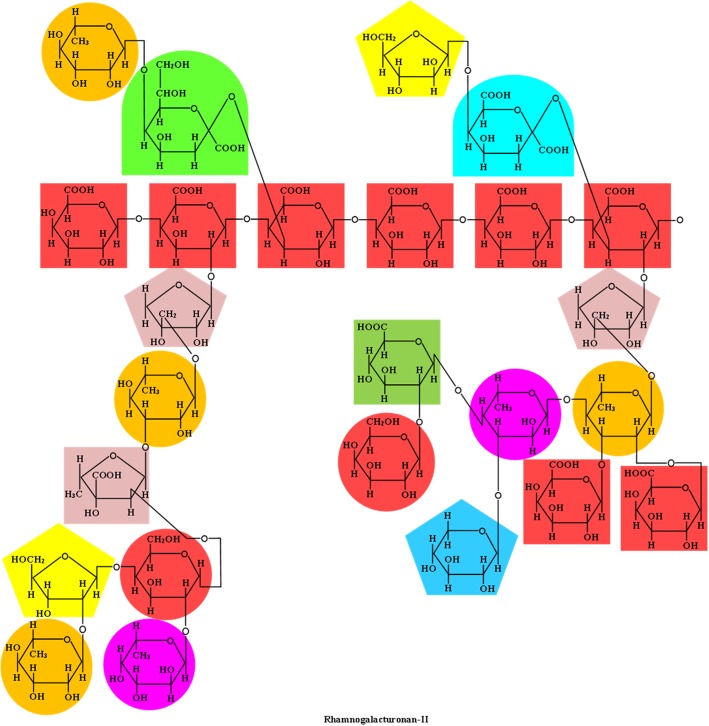
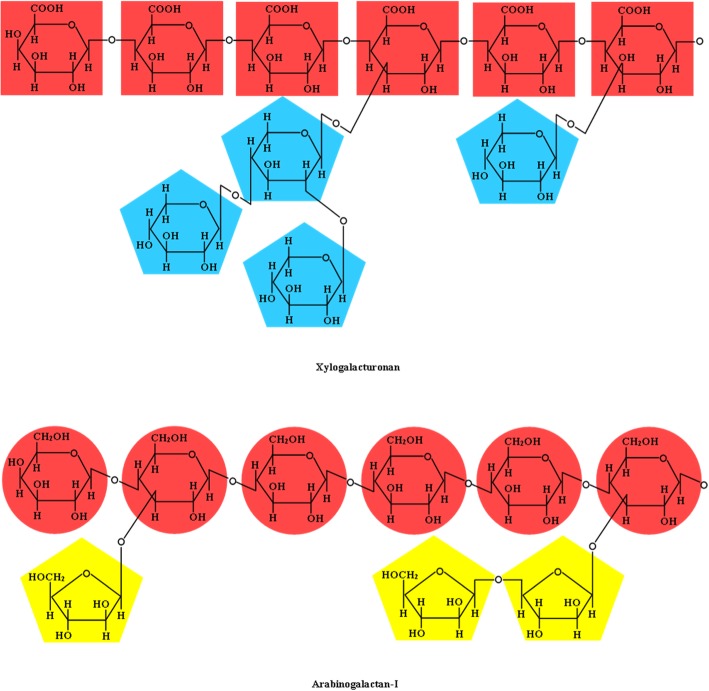
“The cell walls of oilseeds primarily contain cellulose, pectic polysaccharides, lignin, and xyloglucans that serve to protect the seeds [42].”
§ Structures and characteristics of carbohydrates in diets fed to pigs: a review > Nonstarch polysaccharides in feed ingredients > Oilseeds and oilseed meals
What the sources say
- Partly supportedcites [42] Bach Knudsen KE Fiber and nonstarch polysaccharide content and variation in common crops used in broiler diets Poult Sci 2014 93 2380 2393 10.3382/ps.2014-03902 25012855 sourceExperimental — accuracy not yet measured
The ‘General Structure of Seeds and Grains’ section says outer seed tissues serve a protective role and their cell walls contain high levels of cellulose, xyloglucans, and acidic pectic substances. It says only some seeds have significant lignin, and describes cotyledon and germ cell walls differently. The claim overstates lignin as a primary component of oilseed cell walls generally and extends the protective role beyond the outer tissues. (LLM, conf=0.86)
plainstates a cause- Asserted: passes — The authors put it forward as true.
- Checkable: passes — It can be checked against evidence.
- Load-bearing: unclear — It is unclear whether the paper’s conclusions depend on it.
- Based: passes — The paper gives a reason why it holds.
- Partly supported
41 more claims · 7 with their cited sources checked
Create a free account to see all 145 claims and to verify the 51 references still open.
- It may state two separate claims as one. 64
- Probably not a substantial claim. 62
Self-check
Percentages, sums and reported differences re-computed from the paper’s own numbers.
Each contradiction between two passages listed here was confirmed by an independent check.
Rated minor: it would not touch a result — a value no result rests on, a p-value that stays on the same side of the significance level, or a conflict that is clerical, resolved elsewhere in the paper, or outside its own findings.
In the paper
§ Structures and characteristics of carbohydrates in diets fed to pigs: a review > Definition of carbohydrates > Polysaccharides
“| Total dietary fiber | 127 | 131 | 81 | 73 | 13 | 103 | 13 | – |”
§ Structures and characteristics of carbohydrates in diets fed to pigs: a review > Definition of carbohydrates > Polysaccharides
“| Total AX | 47 | 73 | 84 | 97 | 95 | 24 | 26 | 85 |”
Rated minor: it would not touch a result — a value no result rests on, a p-value that stays on the same side of the significance level, or a conflict that is clerical, resolved elsewhere in the paper, or outside its own findings.
In the paper
§ Structures and characteristics of carbohydrates in diets fed to pigs: a review > Nonstarch polysaccharides in feed ingredients > Pulse crops
“Lupins do not contain starch, but have greater concentrations of cellulose, raffinose, and stachyose than the other pulse crops, which may stimulate more microbial fermentation in the hindgut.”
§ Structures and characteristics of carbohydrates in diets fed to pigs: a review > Nonstarch polysaccharides in feed ingredients > Oilseeds and oilseed meals
“| Starch | 432 | 14 | 375 | 598 |”
Rated minor: it would not touch a result — a value no result rests on, a p-value that stays on the same side of the significance level, or a conflict that is clerical, resolved elsewhere in the paper, or outside its own findings.
In the paper
“| Total dietary fiber | 457 | 414 | – | – | 237 | – | – | 410 | – | 423 | 371 | | Insoluble dietary fiber | 406 | 376 | – | – | 115 | – | – | 390 | – | 411 | 329 | | Soluble dietary fiber | 52 | 38 | – | – | 113 | – | – | 21 | – | 12 | 42 |”
§ Structures and characteristics of carbohydrates in diets fed to pigs: a review > Definition of carbohydrates > Nonstarch polysaccharides
Reported 237 · recomputed 228
Rated minor: it would not touch a result — a value no result rests on, a p-value that stays on the same side of the significance level, or a conflict that is clerical, resolved elsewhere in the paper, or outside its own findings.
In the paper
§ Structures and characteristics of carbohydrates in diets fed to pigs: a review > Nonstarch polysaccharides in feed ingredients > Cereal grains and cereal co-products
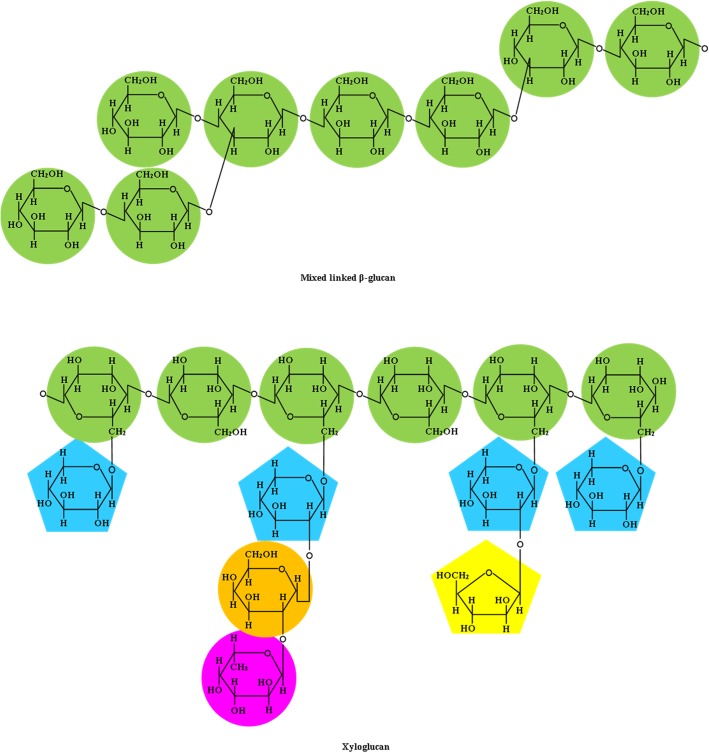
“Typically, the ratio of β-(1,4) to β-(1,3) bonds is approximately three to two [33].”
§ Structures and characteristics of carbohydrates in diets fed to pigs: a review > Nonstarch polysaccharides in feed ingredients > Cereal grains and cereal co-products
“Mixed linked β-glucans in cereal grains are soluble linear homopolymers of d-glucopyranosyl residues that are linked by two to three consecutive β-(1,4) linkages and separated by a single β-(1,3) linkage (Fig. 5) [42, 45].”
Citations
Cites
Nutrient Requirements of Swine: Eighth revised edition, 1979
(1979) · National Academies Press eBooks · doi:10.17226/19882 · Cited by 4,196
Modern Nutrition in Health and Disease.
(1988) · Annals of Internal Medicine · doi:10.7326/0003-4819-108-3-508_7 · Cited by 3,379
Nutrient Requirements of Swine: Eleventh Revised Edition
(2012) · National Academies Press eBooks · doi:10.17226/13298 · Cited by 3,293
The structure, function, and biosynthesis of plant cell wall pectic polysaccharides
Caffall, K. H., & Mohnen, D. (2009) · Carbohydrate Research · doi:10.1016/j.carres.2009.05.021 · Cited by 1,645
Carbohydrate and lignin contents of plant materials used in animal feeding
Knudsen, K. E. B. (1997) · Animal Feed Science and Technology · doi:10.1016/s0377-8401(97)00009-6 · Cited by 1,548 · cited 6×
“Adapted from Bach Knudsen [48], Bailoni et al.”
BackgroundMethodInfluentialCereal arabinoxylans: advances in structure and physicochemical properties
Izydorczyk, M. S., & Biliaderis, C. G. (1995) · Carbohydrate Polymers · doi:10.1016/0144-8617(95)00077-1 · Cited by 893
Carbohydrate Chemistry for Food Scientists
(2019) · Elsevier eBooks · doi:10.1016/c2016-0-01960-5 · Cited by 706
Fructan: More Than a Reserve Carbohydrate?1
Vijn, I., & Smeekens, S. (1999) · Plant Physiology · doi:10.1104/pp.120.2.351 · Cited by 596
ENZYMIC QUANTIFICATION OF (1→3) (1→4)-β-D-GLUCAN IN BARLEY AND MALT
Mcclear, B. V., & Glennie-Holmes, M. (1985) · Journal of the Institute of Brewing · doi:10.1002/j.2050-0416.1985.tb04345.x · Cited by 573 · cited 2×
“McCleary BV, Glennie-Holmes M. Enzymic quantification of (1→3) (1→4)-βD-glucan in barley and malt.”
MethodCarbohydrate terminology and classification
Cummings, J. H., & Stephen, A. M. (2007) · European Journal of Clinical Nutrition · doi:10.1038/sj.ejcn.1602936 · Cited by 570
Research works printed but not linked: 9
- Slavin JL Stipanuk MH Caudill MA Structure, nomenclature, and properties of carbohydrates Biochemical, physiological, and molecular aspects of human nutrition 2013 St. Louis Elsevier, Inc. 50 68
- Ferrier DR Biochemistry 2014 6 Philadelphia Lippincott Williams & Wilkins
- Mateos-Aparicio I Redondo-Cuenca A Villanueva MJ Betancur-Ancona D Chel-Guerrero L Segura-Campos MR Dietary fiber from the food industry by-products Dietary fiber: sources, properties and their relationship to health 2013 New York Nova Science Publishers, Inc. 1 21
- NRC Nutrient requirements of swine 2012 11 Washington, DC Natl. Acad. Press
- Liener IE Drackley JK Non-nutritive factors and bioactive compounds in soy Soy in animal nutrition 2000 Champaign Fed. Anim. Sci. Soc 13 45
- Dar YL Embuscado ME Starches as food texturizing systems Functionalizing carbohydrates for food applications: texturizing and bioactive/flavor delivery systems 2014 Lancaster DEStech Publications, Inc. 41 79
- Sacks DB Burtis CA Ashwood ER Bruns DE Carbohydrates Clinical chemistry and molecular diagnostics 2006 4 St. Louis Elsevier, Inc. 837 901
- McGrane MM Stipanuk MH Caudill MA Carbohydrate metabolism: synthesis and oxidation Biochemical, physiological, and molecular aspects of human nutrition 2013 St. Louis Elsevier, Inc. 209 255
- Slavin JL Stipanuk MH Caudill MA Dietary fiber Biochemical, physiological, and molecular aspects of human nutrition 2013 St. Louis Elsevier, Inc. 194 205
Cited by
Items 101–150 of 150
Combating Malnutrition through Sustainable Approaches
Saeed, F., Ahmed, A., & Afzaal, M. (2022) · IntechOpen eBooks · doi:10.5772/intechopen.96841 · Cited by 6
Marine Biomaterials: Resources, Categories, and Applications
Ibrahim, H. A. H., El-Sayed, W. M. M., & El-Sheekh, M. M. (2022) · Springer eBooks · doi:10.1007/978-981-16-5374-2_1 · Cited by 12
Pandeya, P. R., Black, I. M., Karlen, S. D., Heiß, C., Tseng, Y., Downie, A. B., Azadi, P., & Schendel, R. R. (2025) · Carbohydrate Polymers · doi:10.1016/j.carbpol.2025.123635 · Cited by 5
Perspective Chapter: Sugar and Its Impact on Health
Ordóñez-Araque, R., & Revelo-Vizuete, B. (2023) · IntechOpen eBooks · doi:10.5772/intechopen.104454 · Cited by 3
Oh, S.-M., Hosseindoust, A., Ha, S. H., et al. (2021) · Research Square · doi:10.21203/rs.3.rs-952458/v1 · Cited by 3
Cellulose-based composite fibres and advanced applications
Venkatesan, R., Srinivasan, S., Kim, S., Deepa, S., & Mondal, M. I. H. (2024) · Elsevier eBooks · doi:10.1016/b978-0-443-15459-1.00001-2 · Cited by 9
Leveraging the potential of antibacterial biomolecules in antibiofouling membrane design: A review
Suresh, D., Goh, P. S., Ismail, A. F., Wong, T., & Kang, H. S. (2025) · Environmental Research · doi:10.1016/j.envres.2025.121861 · Cited by 2
Review: Nutrition-based perinatal strategies towards antimicrobial-free systems in piglets
Roura, E., Bogere, P., Liu, X., Taylor, S., Tran, V. H., Chen, S. H., Dunshea, F. R., Gidley, M. J., Navarro, M., Pluske, J. R., et al. (2025) · animal · doi:10.1016/j.animal.2025.101699 · Cited by 4
Zhao, M., Jiang, Y., Hu, B., Li, R., He, J., Zhuo, W. A. N. G., Chen, Y., Shi, N., Li, M., & Xiao, H. (2026) · Drying Technology · doi:10.1080/07373937.2026.2642377 · Cited by 4
Oligosaccharides—‘Sweet or Healthy Promises’
Steinberg, C. E. W. (2022) · Springer eBooks · doi:10.1007/978-3-030-87227-4_20 · Cited by 2
Diego-Nava, F., Granados-Echegoyen, C. A., Ruíz-Vega, J., Aquino-Bolaños, T., Pacheco, R. P., Díaz-Ramos, A., Alonso-Hernández, N., Arroyo-Balán, F., & López-Hernández, M. B. (2023) · AgriEngineering · doi:10.3390/agriengineering5020049 · Cited by 4
“For example, rice and corn are rich in carbohydrates, particularly starch and cellulose, which are the primary energy sources for fungal growth [60,61].”
BackgroundFibrolytic enzymes in animal and fish nutrition
Mahesh, M. S., Tariq, H., & Patra, A. K. (2024) · Elsevier eBooks · doi:10.1016/b978-0-443-13510-1.00012-8 · Cited by 2
Xue, L., Zhang, C., Cheng, B., Song, Q., Johnston, L. J., Liu, L., Wang, F., & Zang, J. (2025) · Animal Bioscience · doi:10.5713/ab.24.0663 · Cited by 4
“These oligosaccharides cannot be digested effectively by pigs due to lack of α-galactosidases, but can be used by bacteria in large intestine of pigs [37].”
Acosta, J. P., Espinosa, C. D., González‐Ortiz, G., & Stein, H. H. (2025) · Journal of Animal Science and Biotechnology/Journal of animal science and biotechnology · doi:10.1186/s40104-025-01205-w · Cited by 3
“Xylo-oligosaccharides (XOS) and AXOS may be fermented by intestinal microbes in the hindgut to release short-chain fatty acids that can provide energy to the animals [3].”
Self-citationPham, T. K. T., Yoo, S. B., Song, Y. S., et al. (2025) · Animal Industry and Technology · doi:10.5187/ait.2025.12.1.53 · Cited by 2
“The greater IVID of CP in cashew nuts, soybean meal, and rice compared with the other test ingredients is likely because of the relatively low fiber concentration in cashew nuts, soybean meal, and rice [39,40].”
Nutraceutical products based on polysaccharides: sources, properties and applications
Srivastava, R. K., Nedungadi, S. V., Alharthi, M. A., Ahamad, M. I., & Luqman, M. (2021) · Elsevier eBooks · doi:10.1016/b978-0-12-819239-9.00021-x · Cited by 3
Synthesis of tailor-made polysaccharides: An overview
Al‐Muhanna, M. K., Anwar, N., Hasnain, M. S., & Nayak, A. K. (2022) · Elsevier eBooks · doi:10.1016/b978-0-12-821286-8.00013-6 · Cited by 9
Moale, P. K., Chauke, M. A., Mokgotho, M. P., & Shai, L. J. (2024) · Journal of Medicinal Plants for Economic Development · doi:10.4102/jomped.v8i1.236 · Cited by 1
Yam starch: approach towards agroindustryin the production of biomaterials
Mercado, L. L., de Córdoba, U., Polo, P. C., Combatt, E. M., Laza, D. E. C., RodrÃguez, L. A., Manjarrez, M. J. L., Palencia, M., Arrieta, Á. A., de Sucre, U., et al. (2024) · Journal of Science with Technological Applications · doi:10.34294/j.jsta.25.19.112 · Cited by 1
Cruz-Conesa, A., Knudsen, K. E. B., Ruisánchez, I., Ferré, J., Pérez-Vendrell, A. M., & Noel, S. J. (2025) · Poultry Science · doi:10.1016/j.psj.2025.105394 · Cited by 3
Miller, H. E., Sasser, C., Hernandez, M. S., Legako, J. F., Anderson, C. J., Schmitz‐Esser, S., Ericsson, A. C., Broadway, P. R., Sanchez, N. C. B., Carroll, J. A., et al. (2025) · Journal of Animal Science · doi:10.1093/jas/skaf360 · Cited by 1
Guttuso, P., Santos, R. A., Magalhães, R., Moutinho, S., Couto, A., Gamboa, M., Pousão‐Ferreira, P., de Carvalho, N. M., Madureira, A. R., Serra, C. R. B. E. M., et al. (2026) · Aquaculture · doi:10.1016/j.aquaculture.2026.744032 · Cited by 1
Acosta, J. P., Guardiola, L. V., Jaworski, N. W., & Stein, H. H. (2026) · Journal of Animal Science · doi:10.1093/jas/skag141 · Cited by 3
Self-citationMarine Polysaccharide Nanocarriers: New Strategies for Targeted Cancer Therapy
Das, S., Murty, U. S., & Banerjee, S. (2026) · BioNanoScience · doi:10.1007/s12668-026-02610-9 · Cited by 1
Ha, D. U., Hwang, Y., Lee, S. A., & Kim, B. G. (2026) · Journal of Animal Science · doi:10.1093/jas/skag198 · Cited by 1
Chai, H., Zhao, D., Yu, X., Shaoshuai, Z., Ji, F., Peng, W., Song, J., Diao, X., & Wu, H. (2026) · Agriculture · doi:10.3390/agriculture16141508 · Cited by 1
Wang, Q., Zhu, L., He, F., Zhu, T., Tang, Y., Chen, C., Zhang, X., & Wang, L. (2026) · Frontiers in Immunology · doi:10.3389/fimmu.2026.1903979 · Cited by 3
“Based on their plant sources, PPS can be obtained from stems, leaves, fl owers, fruits, and roots (74).”
Lee, Y., Yoo, S., Chung, J., et al. (2021) · Journal of Food Science and Technology · doi:10.1007/s13197-021-05140-2 · Cited by 1
“Addition of GTP and FVN into GTE could inhibit starch hydrolysis into glucose during digestion, which can directly affect blood glucose after small intestine absorption (Navarro et al. 2019).”
BackgroundNfor, G. N., Kom, C. W., Daïrou, H., Zouheira, D., Yadang, S. A. F., Mba, J. R., Betote, D. P. H., Bouobouo, P. L., Gbaweng, Y. A. J., Ayong, L. S., et al. (2022) · European Journal of Medicinal Plants · doi:10.9734/ejmp/2022/v33i430458 · Cited by 1
“small intestine catalyses the endpoint digestion of starch and disaccharide that are abundant in the human diets to maltose and maltotriose [14,15].”
BackgroundGut microbe interactions: roles, benefits, and applications
Yasin, I. S. M., Chin, Y. K., Ali, N. S. M., & Zahaludin, M. A. D. (2022) · Elsevier eBooks · doi:10.1016/b978-0-323-90261-8.00013-4 · Cited by 2
In Vivo Digestibility and In Vitro Fermentation of High Dietary Fiber Forages in Growing Pigs’ Diets
Gandarillas, M., Valenzuela, M. I., Molina, J., et al. (2023) · Fermentation · doi:10.3390/fermentation9050448 · Cited by 1
Atiba, O. I., Falowo, A. B., Oloruntola, O. D., Olarotimi, O. J., & Ayankoso, M. T. (2024) · Black Sea Journal of Agriculture · doi:10.47115/bsagriculture.1495158 · Cited by 2
Freitas, G. M. D. O., da Silva, F. D. P. S., & Matta, A. E. R. (2019) · Cadernos de Ciências Sociais Aplicadas · doi:10.22481/ccsa.v16i28.5854 · Cited by 2
Nakasone, D. H. (2020) · Digital Library of Theses and Dissertations (Universidade de São Paulo) · doi:10.11606/d.10.2020.tde-04092020-125846
Mazlan, M. A., Isa, M., & Ibrahim, M. (2020) · Egyptian Journal of Medical Human Genetics · doi:10.1186/s43042-020-00109-w
“Mannose is a sugar monomer of the aldohexose series of carbohydrates [9].”
BackgroundNutritional value of heat-processed field pea and lentil grains as alternative feedstuffs for pigs
Hugman, J. (2020) · ERA: Education and Research Archive (University of Alberta) · doi:10.7939/r3-s0xt-es63
Ảnh hưởng của điều kiện sinh thái đến hoạt tính sinh học của Chè đại (Trichanthera gigantea)
Nguyễn, T. H. P., Phan, T. Đ., Nguyễn, T. T., et al. (2022) · Can Tho University Journal of Science · doi:10.22144/ctu.jvn.2022.042
Materials for Bioactive Compound Delivery Systems
de Aguiar, A. C., Gomes, A., Costa, A. L. R., & Cunha, R. L. (2023) · Royal Society of Chemistry eBooks · doi:10.1039/bk9781839165566-00034 · Cited by 1
Correction of piglets’ immune status during critical growing periods
Lunegova, I. V., Lunegov, A. M., Kuznetsov, A., & Tyts, V. V. (2024) · Pharmacy Formulas · doi:10.17816/phf115283
Blood Glucose Levels, Platelet Count, and Urinary Ketone Levels in Lame Bali Cattle
Jayanti, P. D., & Gunawan, I. W. N. F. (2024) · Media Kedokteran Hewan · doi:10.20473/mkh.v35i2.2024.79-86
Dash, S., Sahoo, A. C., Sahoo, P. K., et al. (2024) · Research Square · doi:10.21203/rs.3.rs-4444215/v1
Herpandi, Saputra, E. P., Nugroho, G. D., Widiastuti, I., Janna, M., & Sudirman, S. (2025) · Tropical Journal of Natural Product Research · doi:10.26538/tjnpr/v9i2.26
Linggo, G., Phothisoot, T., Kongpichitchoke, T., & Lo, D. (2025) · IOP Conference Series Earth and Environmental Science · doi:10.1088/1755-1315/1449/1/012164 · Cited by 3
“Sucrose is a disaccharide composed of two monosaccharide units, fructose and glucose [18-19].”
Microbial Functional Foods and Nutraceuticals
Rana, A., Kumar, V. S., Taneja, N. K., & Dhewa, T. (2025) · Royal Society of Chemistry eBooks · doi:10.1039/9781837673292-00206
Physicochemical pretreatment of lignocellulosic biomass
Kim, T. Y., Min, B. Y., & Kim, T. H. (2025) · Elsevier eBooks · doi:10.1016/b978-0-443-28810-4.00012-8
Oh, H. E., Song, Y. S., & Kim, B. G. (2025) · Animal Industry and Technology · doi:10.5187/ait.2500017
Majul, L. M., Topalian, J., Omarini, A., Levin, L. N., Campos, E., & Wirth, S. A. (2026) · Biocatalysis and Agricultural Biotechnology · doi:10.1016/j.bcab.2026.104023
Ramkumar, P., Muruganantham, V., & Chandira, R. M. (2026) · Journal of Natural Remedies · doi:10.18311/jnr/2026/51589
Goo, J., & Lee, G. (2026) · Animal Industry and Technology · doi:10.5187/ait.2500016 · Cited by 1
de Oliveira, C. H., Mike, B., Lima, I. L., Bortoluzzi, C., Zotti, E., Calderano, A. A., Dias, K. M. M., & Rostagno, H. S. (2026) · Scientia Agricola · doi:10.1590/1678-992x-2025-0093
Metadata
- Authors
- Navarro, D. M. D. L., Abelilla, J. J., & Stein, H. H.
- Affiliations
- University of Illinois Urbana-Champaign (US)
- Corresponding author
- Stein, Hans H.
- Venue
- Journal of Animal Science and Biotechnology
- Published
- 2019-04-17
- Volume
- 10
- Issue
- 1
- Pages
- 39-39
- ISSN
- 1674-9782 (ISSN-L)
- 2049-1891
- PMC
- PMC6480914
- OpenAlex
- W2947923234
- Cited by
- 151
- References
- 76
- Citations by year
- 2026: 12 · 2025: 23 · 2024: 30 · 2023: 25 · 2022: 32 · 2021: 17 · 2020: 8 · 2019: 4
- FWCI
- 1.41
- Type
- journal article
- Language
- en
- Open access
- gold
- doi.org
- Licence
- cc-by
- creativecommons.org/licenses/by/4.0/ (tdm)
- Locations
- Journal of Animal Science and Biotechnology/Journal of animal science and biotechnology (publishedVersion, cc-by)
- Europe PMC (PubMed Central) (publishedVersion, cc-by)
- PubMed Central (publishedVersion, cc-by)
- PubMed (publishedVersion)
- DOAJ (DOAJ: Directory of Open Access Journals) (submittedVersion, cc-by-sa)
- Topics
- Life Sciences › Agricultural and Biological Sciences › Animal Science and Zoology › Animal Nutrition and Physiology
- Health Sciences › Nursing › Nutrition and Dietetics › Food composition and properties
- Life Sciences › Agricultural and Biological Sciences › Animal Science and Zoology › Ruminant Nutrition and Digestive Physiology
- Keywords
- dietary fiber, non-digestible carbohydrates, pig feed, oligosaccharides, resistant starch, non-starch polysaccharides, short-chain fatty acids, cellulose, arabinoxylan, galactooligosaccharides, raffinose, stachyose, verbascose, cereals, oilseed crops, pulses, Fabaceae, degree of polymerization, feed ingredients, energy utilization
About these checks
Registry, retraction, Cites and statistics results are computed, not judged, with one exception: a printed reference that no index lists is read once by a model before it counts as a citation error. Claims are extracted by a model and kept only when their quote appears verbatim in the text; each cited source is then checked, with a model’s help, for whether it says what the claim relies on. Those verdicts can be wrong — read the claim’s quote and the cited source before relying on one.
The claim verdicts this report counts are experimental: their accuracy is not yet measured.
A language model drew the claims from the paper on 2026-10-10, under version 3 of the claim definition (model deepseek-v4.1-flash, prompt extract-v3).
A second model labelled each claim on 2026-10-10 (model jev-1.13-20260917, definition revision gold-guideline-v0.2).
Cited sources are checked with a language model’s help (gpt-6-sol).
Statistics and arithmetic are recomputed, not judged.
Confidence bands are shown only for fields calibrated on our annotated test set. None is calibrated yet, so no band is shown.
What counts as a claim ›How we measure confidence ›How we check this ›
Are you an author, or do you see a problem with this page? Request a review
Data sources
Bibliographic data: Semantic Scholar, OpenAlex, Crossref.
Contains information from the Semantic Scholar Academic Graph Datasets, made available under the ODC Attribution License (ODC-BY 1.0).
Semantic Scholar’s data is described in: Kinney, R., et al. (2023). The Semantic Scholar Open Data Platform. arXiv:2301.10140.
