

The DOI matches its Crossref record; 24 of the 25 references it cites were found in a registry or an index.
Deriving accurate microbiota profiles from human samples with low bacterial content through post-sequencing processing of Illumina MiSeq data
Open accessAbstract
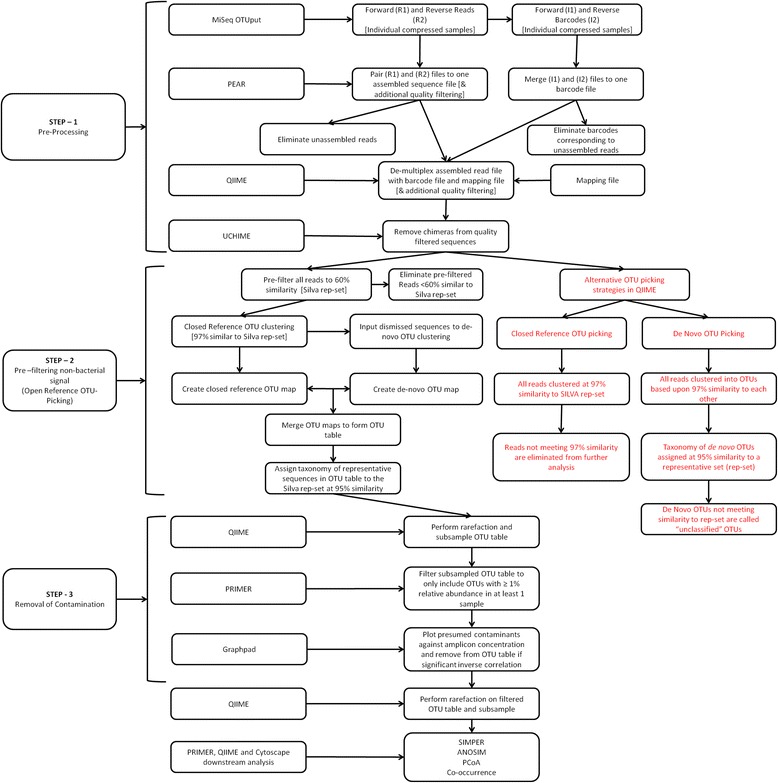
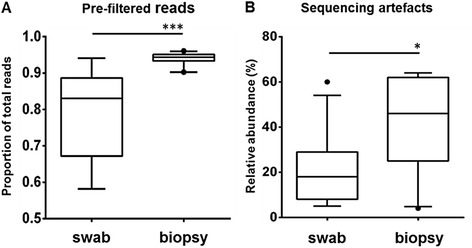
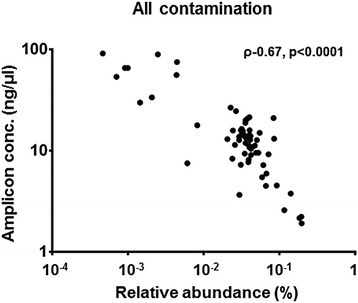
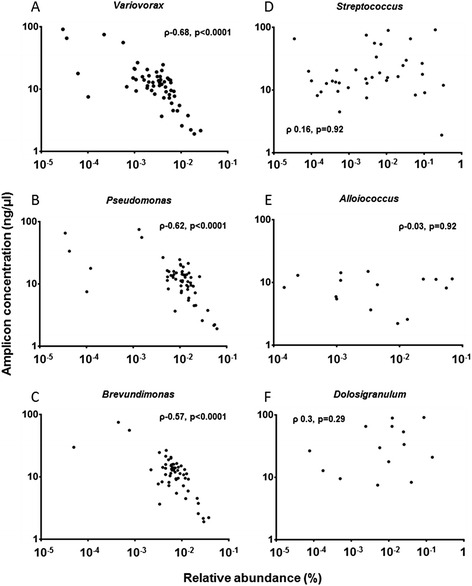
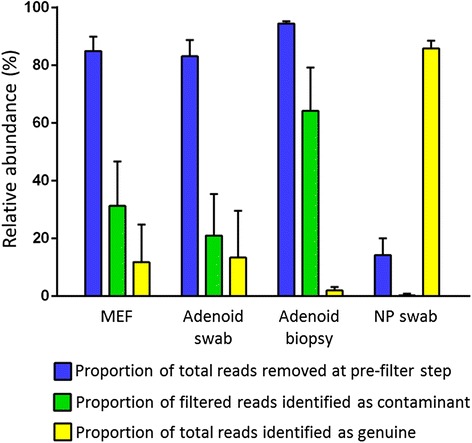
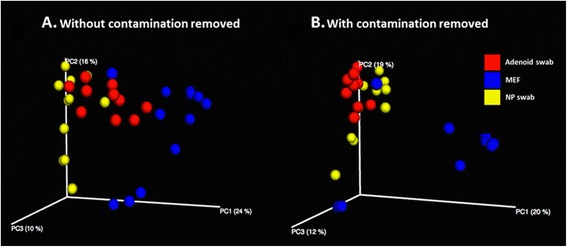
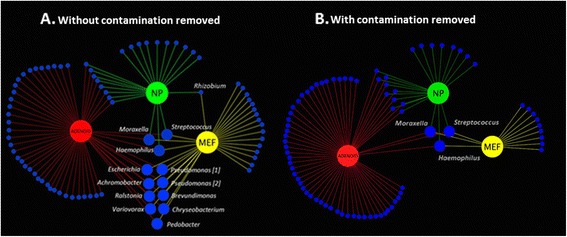
BACKGROUND: The rapid expansion of 16S rRNA gene sequencing in challenging clinical contexts has resulted in a growing body of literature of variable quality. To a large extent, this is due to a failure to address spurious signal that is characteristic of samples with low levels of bacteria and high levels of non-bacterial DNA. We have developed a workflow based on the paired-end read Illumina MiSeq-based approach, which enables significant improvement in data quality, post-sequencing. We demonstrate the efficacy of this methodology through its application to paediatric upper-respiratory samples from several anatomical sites. RESULTS: A workflow for processing sequence data was developed based on commonly available tools. Data generated from different sample types showed a marked variation in levels of non-bacterial signal and 'contaminant' bacterial reads. Significant differences in the ability of reference databases to accurately assign identity to operational taxonomic units (OTU) were observed. Three OTU-picking strategies were trialled as follows: de novo, open-reference and closed-reference, with open-reference performing substantially better. Relative abundance of OTUs identified as potential reagent contamination showed a strong inverse correlation with amplicon concentration allowing their objective removal. The removal of the spurious signal showed the greatest improvement in sample types typically containing low levels of bacteria and high levels of human DNA. A substantial impact of pre-filtering data and spurious signal removal was demonstrated by principal coordinate and co-occurrence analysis. For example, analysis of taxon co-occurrence in adenoid swab and middle ear fluid samples indicated that failure to remove the spurious signal resulted in the inclusion of six out of eleven bacterial genera that accounted for 80% of similarity between the sample types. CONCLUSIONS: The application of the presented workflow to a set of challenging clinical samples demonstrates its utility in removing the spurious signal from the dataset, allowing clinical insight to be derived from what would otherwise be highly misleading output. While other approaches could potentially achieve similar improvements, the methodology employed here represents an accessible means to exclude the signal from contamination and other artefacts.
Overview
The claims and statistics of this paper haven’t been checked yet.
Run the check — free, no account needed. It reads the open-access text and checks the sources it cites.
Integrity signals
Registry
Cites
Statistics
Figures
Verification
Claims the paper makes
The claims and statistics of this paper haven’t been checked yet.
Run the check — free, no account needed. It reads the open-access text and checks the sources it cites.
Claims other papers make about this one
Each is checked against this paper’s own text: does it say what the citing paper says it does?
In the citing paper
“Additional putative external contamination was identified on the basis that sequences from contaminants generally have frequencies that are inversely correlated with sample analyte concentration16,38.”
From RETRACTED ARTICLE: Microbiome analyses of blood and tissues suggest cancer diagnostic approach (2020) · cites this paper as [38]
In the citing paper
“As an additional quality control step, all OTUs were tested for correlations between the proportional abundance of the OTU and the post-PCR amplicon concentration of a sample using the method developed by Jervis-Brady et al. [90] as implemented in the contam_test program for R (https://github.com/eclarke/eclectic).”
From Population structure of human gut bacteria in a diverse cohort from rural Tanzania and Botswana (2019) · cites this paper as [90]
Self-check
Percentages, sums and reported differences re-computed from the paper’s own numbers.
The self-check needs the paper’s full text.
Citations
Cites
Cytoscape: A software Environment for integrated models of biomolecular interaction networks
Shannon, P., Markiel, A., Ozier, O., Baliga, N. S., Wang, J. T., Ramage, D., Amin, N., Schwikowski, B., & Ideker, T. (2003) · Genome Research · doi:10.1101/gr.1239303 · Cited by 51,888 · cited 1×
“2 [26] was used to create a co-occurrence model.”
MethodQIIME allows analysis of high-throughput community sequencing data
Caporaso, J. G., Kuczynski, J., Stombaugh, J., Bittinger, K., Bushman, F. D., Costello, E. K., Fierer, N., Peña, A. G., Goodrich, J. K., Gordon, J. I., et al. (2010) · Nature Methods · doi:10.1038/nmeth.f.303 · Cited by 34,887 · cited 12×
“Keywords: 16S rRNA, Respiratory, MiSeq, Contamination, Pair-end reads, QIIME, Otitis media * Correspondence: jakejervisbardy@hotmail.com †Equal contributors 1Menzies School of Health Research, Child Health Division, Charles Darwin University, Darwin, NT, Australia 2School of Medicine, Flinders University, Bedford Park…”
MethodInfluentialThe SILVA ribosomal RNA gene database project: improved data processing and web-based tools
Quast, C., Pruesse, E., Yilmaz, P., Gerken, J., Schweer, T., Yarza, P., Peplies, J., & Glöckner, F. O. (2012) · Nucleic Acids Research · doi:10.1093/nar/gks1219 · Cited by 33,055 · cited 2×
“8) [9] and SILVA (v111) [10], to assign identities to OTUs generated from a multi-template control comprised of known species at defined relative abundance.”
BackgroundMethodSearch and clustering orders of magnitude faster than BLAST
Edgar, R. C. (2010) · Bioinformatics · doi:10.1093/bioinformatics/btq461 · Cited by 21,098
Schloss, P. D., Westcott, S. L., Ryabin, T., Hall, J. R., Hartmann, M., Hollister, E. B., Lesniewski, R. A., Oakley, B. B., Parks, D. H., Robinson, C. J., et al. (2009) · Applied and Environmental Microbiology · doi:10.1128/aem.01541-09 · Cited by 19,549
UCHIME improves sensitivity and speed of chimera detection
Edgar, R. C., Haas, B. J., Clemente, J. C., Quince, C., & Knight, R. (2011) · Bioinformatics · doi:10.1093/bioinformatics/btr381 · Cited by 15,114
McDonald, D. T., Price, M. N., Goodrich, J. K., Nawrocki, E. P., DeSantis, T. Z., Probst, A. J., Andersen, G. L., Knight, R. D., & Hugenholtz, P. (2011) · The ISME Journal · doi:10.1038/ismej.2011.139 · Cited by 5,144 · cited 1×
“8) [9] and SILVA (v111) [10], to assign identities to OTUs generated from a multi-template control comprised of known species at defined relative abundance.”
BackgroundKraken: ultrafast metagenomic sequence classification using exact alignments
Wood, D. E., & Salzberg, S. L. (2014) · Genome Biology · doi:10.1186/gb-2014-15-3-r46 · Cited by 4,521 · cited 7×
“We note there are a variety of stand-alone methods available to eliminate this type of non-bacterial signal, such as DeconSeq [12], Kraken [11] and FastQ Screen (Babraham Bioinformatics, Babraham Institute, UK).”
MethodInfluentialPEAR: a fast and accurate Illumina Paired-End reAd mergeR
Zhang, J., Kobert, K., Flouri, T., & Stamatakis, A. (2014) · Bioinformatics · doi:10.1093/bioinformatics/btt593 · Cited by 4,497 · cited 2×
“5 [18] was used to pair the forward and reverse reads of sequences in each sample and discard all sequences less than 450 bp and/or with a Phred score <33.”
MethodReagent and laboratory contamination can critically impact sequence-based microbiome analyses
Salter, S. J., Cox, M. J., Turek, E. M., Calus, S. T., Cookson, W. O., Moffatt, M. F., Turner, P., Parkhill, J., Loman, N. J., & Walker, A. W. (2014) · BMC Biology · doi:10.1186/s12915-014-0087-z · Cited by 3,463 · cited 5×
“Such a spurious signal can substantially distort community profiles from samples with low bacterial load [4-6].”
BackgroundInfluential
Research works printed but not linked: 2
- The National Center for Biotechnology Information Sequence Read Archive. http://www.ncbi.nlm.nih.gov/sra/ (accessed 011014)
- The National Center for Biotechnology Information Basic Local Alignment Search Tool. http://blast.ncbi.nlm.nih.gov/Blast.cgi (accessed 011014)
Cited by
Sorted by citations
Davis, N. M., Proctor, D. M., Holmes, S. P., Relman, D. A., & Callahan, B. J. (2018) · Microbiome · doi:10.1186/s40168-018-0605-2 · Cited by 3,493
Contamination in Low Microbial Biomass Microbiome Studies: Issues and Recommendations
Eisenhofer, R., Minich, J. J., Marotz, C., Cooper, A., Knight, R., & Weyrich, L. S. (2019) · Trends in Microbiology · doi:10.1016/j.tim.2018.11.003 · Cited by 1,146
RETRACTED ARTICLE: Microbiome analyses of blood and tissues suggest cancer diagnostic approach
Poore, G. D., Kopylova, E., Zhu, Q., Carpenter, C., Fraraccio, S., Wandro, S., Kosciolek, T., Janssen, S., Metcalf, J., Song, S. J., et al. (2020) · Nature · doi:10.1038/s41586-020-2095-1 · Cited by 989
RetractedTumor-resident intracellular microbiota promotes metastatic colonization in breast cancer
Fu, A., Yao, B., Dong, T., Chen, Y., Yao, J., Liu, Y., Li, H., Bai, H., Liu, X., Zhang, Y., et al. (2022) · Cell · doi:10.1016/j.cell.2022.02.027 · Cited by 981
Human placenta has no microbiome but can contain potential pathogens
de Goffau, M. C., Lager, S., Sovio, U., Gaccioli, F., Cook, E., Peacock, S. J., Parkhill, J., Charnock-Jones, D. S., & Smith, G. C. S. (2019) · Nature · doi:10.1038/s41586-019-1451-5 · Cited by 691
Glassing, A., Dowd, S. E., Galandiuk, S., Davis, B. R., & Chiodini, R. J. (2016) · Gut Pathogens · doi:10.1186/s13099-016-0103-7 · Cited by 577
Inflammasome signaling affects anxiety- and depressive-like behavior and gut microbiome composition
Wong, M.-L., Inserra, A., Lewis, M. D., Mastronardi, C. A., Leong, L., Choo, J., Kentish, S., Xie, P., Morrison, M., Wesselingh, S. L., et al. (2016) · Molecular Psychiatry · doi:10.1038/mp.2016.46 · Cited by 568
Self-citationOptimizing methods and dodging pitfalls in microbiome research
Kim, D. J., Hofstaedter, C. E., Zhao, C., Mattei, L. M., Tanes, C., Clarke, E., Lauder, A. P., Sherrill-Mix, S. A., Chehoud, C., Kelsen, J. R., et al. (2017) · Microbiome · doi:10.1186/s40168-017-0267-5 · Cited by 557
“Jervis-Bardy and colleagues showed that contaminating taxa tend to show a strong decrease in relative abundance as total DNA concentration increases and used this as the basis of another method to remove contaminant taxa [21].”
MethodSample storage conditions significantly influence faecal microbiome profiles
Choo, J. M., Leong, L. E. X., & Rogers, G. B. (2015) · Scientific Reports · doi:10.1038/srep16350 · Cited by 526
Self-citationTranslocation and dissemination of commensal bacteria in post-stroke infection
Stanley, D., Mason, L. J., Mackin, K. E., Srikhanta, Y. N., Lyras, D., Prakash, M. D., Nurgali, K., Venegas, A., Hill, M. D., Moore, R. J., et al. (2016) · Nature Medicine · doi:10.1038/nm.4194 · Cited by 464
Questioning the fetal microbiome illustrates pitfalls of low-biomass microbial studies
Kennedy, K. M., de Goffau, M. C., Pérez-Muñoz, M. E., Arrieta, M., Bäckhed, F., Bork, P., Braun, T., Bushman, F. D., Dore, J. M., de Vos, W. M., et al. (2023) · Nature · doi:10.1038/s41586-022-05546-8 · Cited by 415
It's all relative: analyzing microbiome data as compositions
Gloor, G. B., Wu, J. R., Pawlowsky-Glahn, V., & Egozcue, J. J. (2016) · Annals of Epidemiology · doi:10.1016/j.annepidem.2016.03.003 · Cited by 323
Recognizing the reagent microbiome
de Goffau, M. C., Lager, S., Salter, S. J., Wagner, J., Kronbichler, A., Jones, D. S., Peacock, S. J., Smith, G. C. S., & Parkhill, J. (2018) · Nature Microbiology · doi:10.1038/s41564-018-0202-y · Cited by 370
Sun, S., Jones, R. B., & Fodor, A. A. (2020) · Microbiome · doi:10.1186/s40168-020-00815-y · Cited by 365
Gut dysbiosis impairs recovery after spinal cord injury
Kigerl, K. A., Hall, J. C. E., Wang, L., Mo, X. M., Yu, Z., & Popovich, P. G. (2016) · The Journal of Experimental Medicine · doi:10.1084/jem.20151345 · Cited by 344
Controlling for Contaminants in Low-Biomass 16S rRNA Gene Sequencing Experiments
Karstens, L., Asquith, M. J., Davin, S., Fair, D. A., Gregory, W. T., Wolfe, A. J., Braun, J. G., & McWeeney, S. K. (2019) · mSystems · doi:10.1128/msystems.00290-19 · Cited by 343
“Failure to account for contaminants may also affect biological conclusions drawn from studies, such as inflating alpha diversity metrics, distorting the abundance of true microbial members of the environment[10], and altering differences between clinical groups[7, 9, 11].”
BackgroundMethodInfluentialTaylor, S. L., Leong, L. E. X., Choo, J. M., Wesselingh, S., Yang, I. A., Upham, J. W., Reynolds, P. N., Hodge, S., James, A. L., Jenkins, C., et al. (2018) · Journal of Allergy and Clinical Immunology · doi:10.1016/j.jaci.2017.03.044 · Cited by 314
“16S rRNA sequence data were processed, as previously described.(16) Spurious operational taxonomic units (OTUs) were removed systematically by using previous reports of common laboratory sequencing contaminants.”
MethodSelf-citationThe gut microbiota is largely independent of host genetics in regulating fat deposition in chickens
Wen, C., Yan, W., Sun, C., Ji, C., Zhou, Q., Zhang, D., Zheng, J., & Yang, N. (2019) · The ISME Journal · doi:10.1038/s41396-019-0367-2 · Cited by 284
Wampach, L., Heintz‐Buschart, A., Hogan, A. H., Muller, E. E. L., Narayanasamy, S., Laczny, C. C., Hugerth, L. W., Bindl, L., Bottu, J., Andersson, A. F., et al. (2017) · Frontiers in Microbiology · doi:10.3389/fmicb.2017.00738 · Cited by 270
McKnight, D. T., Huerlimann, R., Bower, D. S., Schwarzkopf, L., Alford, R. A., & Zenger, K. R. (2019) · Environmental DNA · doi:10.1002/edn3.11 · Cited by 282
“First, we used the method of detect‐ ing and removing contaminant OTUs proposed in Jervis‐Bardy et al. (2015).”
BackgroundMethodInfluentialIssues and current standards of controls in microbiome research
Hornung, B., Zwittink, R. D., & Kuijper, E. J. (2019) · FEMS Microbiology Ecology · doi:10.1093/femsec/fiz045 · Cited by 262
“The observation that the concentration of contaminants is inversely correlated to amplicon concentration has been reported multiple times (Salter et al. 2014; Jervis-Bardy et al. 2015; Lazarevic et al. 2016).”
BackgroundBacterial microbiota of the upper respiratory tract and childhood asthma
Depner, M., Ege, M. J., Cox, M. J., Dwyer, S., Walker, A. W., Birzele, L. T., Genuneit, J., Horak, E., Braun‐Fahrländer, C., Danielewicz, H., et al. (2016) · Journal of Allergy and Clinical Immunology · doi:10.1016/j.jaci.2016.05.050 · Cited by 203
Earl, J. P., Adappa, N. D., Król, J. E., Bhat, A. S., Balashov, S. V., Ehrlich, R. L., Palmer, J. N., Workman, A. D., Blasetti, M. T., Sen, B., et al. (2018) · Microbiome · doi:10.1186/s40168-018-0569-2 · Cited by 196
On the limits of 16S rRNA gene-based metagenome prediction and functional profiling
Matchado, M. S., Rühlemann, M. C., Reitmeier, S., Kacprowski, T., Frost, F., Haller, D., Baumbach, J., & List, M. (2024) · Microbial Genomics · doi:10.1099/mgen.0.001203 · Cited by 221
“Additionally, MGS can be challenging for low biomass samples or samples that are dominated by non-microbial DNA [25, 26].”
BackgroundChanges in the respiratory microbiome during acute exacerbations of idiopathic pulmonary fibrosis
Molyneaux, P. L., Cox, M. J., Wells, A. U., Kim, H. C., Ji, W., Cookson, W., Moffatt, M. F., Kim, D. S., & Maher, T. M. (2017) · Respiratory Research · doi:10.1186/s12931-017-0511-3 · Cited by 197
“Specifically none of the OTUs demonstrated a correlation with a lower bacterial burden, which can indicate a contaminant [21] and the inclusion of negative reagent controls, which yielded bacterial burden close to or below the lower limit of qPCR quantification, also demonstrates that the qPCR results are not a sampli…”
BackgroundTaylor, S., Leong, L. E. X., Mobegi, F. M., Choo, J. M., Wesselingh, S. L., Yang, I. A., Upham, J. W., Reynolds, P. N., Hodge, S. J., James, A. L., et al. (2019) · American Journal of Respiratory and Critical Care Medicine · doi:10.1164/rccm.201809-1739oc · Cited by 187
Self-citationQuantifying and Understanding Well-to-Well Contamination in Microbiome Research
Minich, J. J., Sanders, J. G., Amir, A., Humphrey, G. C., Gilbert, J. A., & Knight, R. D. (2019) · mSystems · doi:10.1128/msystems.00186-19 · Cited by 189
An insight into intestinal mucosal microbiota disruption after stroke
Stanley, D., Moore, R. J., & Wong, C. H. Y. (2018) · Scientific Reports · doi:10.1038/s41598-017-18904-8 · Cited by 177
Nelson, M. T., Pope, C. E., Marsh, R. L., Wolter, D. J., Weiss, E. J., Hager, K. R., Vo, A. T., Brittnacher, M., Radey, M. C., Hayden, H. S., et al. (2019) · Cell Reports · doi:10.1016/j.celrep.2019.01.091 · Cited by 176
“, 2012), middle ear, and nasopharyngeal samples (Jervis-Bardy et al., 2015).”
BackgroundSelf-citationMarsh, R. L., Kaestli, M., Chang, A. B., Binks, M. J., Pope, C. E., Hoffman, L. R., & Smith-Vaughan, H. C. (2016) · Microbiome · doi:10.1186/s40168-016-0182-1 · Cited by 171
“Specimens with fewer than 1025 reads were excluded from further analysis [24, 26].”
BackgroundResultInfluentialSelf-citationA clinician's guide to microbiome analysis
Claesson, M. J., Clooney, A. G., & O'Toole, P. W. (2017) · Nature Reviews Gastroenterology & Hepatology · doi:10.1038/nrgastro.2017.97 · Cited by 153
Emerging roles of intratumor microbiota in cancer metastasis
Fu, A., Yao, B., Dong, T., & Cai, S. (2022) · Trends in Cell Biology · doi:10.1016/j.tcb.2022.11.007 · Cited by 146
Ixodes scapularis does not harbor a stable midgut microbiome
Ross, B. D., Hayes, B. M., Radey, M. C., Lee, X., Josek, T., Bjork, J., Neitzel, D. F., Paskewitz, S. M., Chou, S., & Mougous, J. D. (2018) · The ISME Journal · doi:10.1038/s41396-018-0161-6 · Cited by 138
Li, Y., Bruni, L., Jaramillo-Torres, A., Gajardo, K., Kortner, T. M., & Krogdahl, Å. (2021) · Animal Microbiome · doi:10.1186/s42523-020-00071-3 · Cited by 133
Community profiling of the urinary microbiota: considerations for low-biomass samples
Karstens, L., Asquith, M. J., Caruso, V. G., Rosenbaum, J. T., Fair, D. A., Braun, J. G., Gregory, W. T., Nardos, R., & McWeeney, S. K. (2018) · Nature Reviews Urology · doi:10.1038/s41585-018-0104-z · Cited by 127
Population structure of human gut bacteria in a diverse cohort from rural Tanzania and Botswana
Hansen, M. E. B., Rubel, M. A., Bailey, A. G., Ranciaro, A., Thompson, S. R., Campbell, M. C., Beggs, W., Dave, J. R., Mokone, G. G., Mpoloka, S. W., et al. (2019) · Genome Biology · doi:10.1186/s13059-018-1616-9 · Cited by 110
“[90] as implemented in the contam_test program for R (https://github.”
MethodManoil, D., Al‐Manei, K., & Belibasakis, G. N. (2020) · PROTEOMICS - CLINICAL APPLICATIONS · doi:10.1002/prca.201900060 · Cited by 112
Zaura, E., Pappalardo, V. Y., Buijs, M. J., Volgenant, C. M. C., & Brandt, B. W. (2020) · Periodontology 2000 · doi:10.1111/prd.12359 · Cited by 108
The respiratory microbiome: an underappreciated player in the human response to inhaled pollutants?
Adar, S. D., Huffnagle, G. B., & Curtis, J. L. (2016) · Annals of Epidemiology · doi:10.1016/j.annepidem.2016.03.010 · Cited by 88
Akorli, J., Gendrin, M., Pels, N. A., Yeboah‐Manu, D., Christophides, G. K., & Wilson, M. D. (2016) · PLoS ONE · doi:10.1371/journal.pone.0157529 · Cited by 95
“As contamination is mostly expected to influence the results of low abundance samples, a linear regression and Spearman’s rho test (ρ) between amplicon concentration and relative bacterial abundance would give a significantly negative correlation [39,40].”
BackgroundSelective targeting of skin pathobionts and inflammation with topically applied lactobacilli
Lebeer, S., Oerlemans, E. F. M., Claes, I., Henkens, T., Delanghe, L., Wuyts, S., Spacova, I., van den Broek, M. F. L., Tuyaerts, I., Wittouck, S., et al. (2022) · Cell Reports Medicine · doi:10.1016/j.xcrm.2022.100521 · Cited by 95
DNA extraction approaches substantially influence the assessment of the human breast milk microbiome
Douglas, C. A., Ivey, K. L., Papanicolas, L. E., Best, K. P., Mühlhäusler, B. S., & Rogers, G. B. (2020) · Scientific Reports · doi:10.1038/s41598-019-55568-y · Cited by 90
Self-citationPiphillin predicts metagenomic composition and dynamics from DADA2-corrected 16S rDNA sequences
Narayan, N., Weinmaier, T., Mendieta, E. J. L., Claesson, M. J., Shanahan, F., Dabbagh, K., Iwai, S., & DeSantis, T. Z. (2020) · BMC Genomics · doi:10.1186/s12864-019-6427-1 · Cited by 88
Sequence-Based Characterization of Intratumoral Bacteria—A Guide to Best Practice
Walker, S. P., Tangney, M., & Claesson, M. J. (2020) · Frontiers in Oncology · doi:10.3389/fonc.2020.00179 · Cited by 88
Influence of sampling technique and bedding type on the milk microbiota: Results of a pilot study
Metzger, S. A., Hernandez, L. L., Skarlupka, J. H., Suen, G., Walker, T. M., & Ruegg, P. L. (2018) · Journal of Dairy Science · doi:10.3168/jds.2017-14212 · Cited by 82
The microbiome of otitis media with effusion
Chan, C. L., Wabnitz, D. A. M., Jervis-Bardy, J., Bassiouni, A., Wormald, P., Vreugde, S., & Psaltis, A. J. (2016) · The Laryngoscope · doi:10.1002/lary.26128 · Cited by 75
“OTUs with cumulative relative abundance ranked in the top 10 of all OTUs in the dataset were filtered from the data if the relative abundance distribution was inversely correlated with amplicon concentration.(12)”
MethodSelf-citationMaternal and early life exposures and their potential to influence development of the microbiome
Bolte, E., Moorshead, D., & Aagaard, K. M. (2022) · Genome Medicine · doi:10.1186/s13073-021-01005-7 · Cited by 78
Plummer, E. L., Vodstrcil, L. A., Danielewski, J., Murray, G. L., Fairley, C. K., Garland, S. M., Hocking, J. S., Tabrizi, S. N., & Bradshaw, C. S. (2018) · PLoS ONE · doi:10.1371/journal.pone.0190199 · Cited by 70
The microbiome of the invertebrate model host Galleria mellonella is dominated by Enterococcus
Allonsius, C. N., Beeck, W. V., Boeck, I. D., Wittouck, S., & Lebeer, S. (2019) · Animal Microbiome · doi:10.1186/s42523-019-0010-6 · Cited by 72
Lazarević, V., Gaïa, N., Girard, M., & Schrenzel, J. (2016) · BMC Microbiology · doi:10.1186/s12866-016-0689-4 · Cited by 71
“Inverse correlation of a taxon relative abundance with bacterial load as an indicator of a possible reagent contaminant was initially described for bacterial genera in a mock community [4] and subsequently confirmed at the OTU level in cultures and ‘real’ microbiota samples [2, 3, 5, 11].”
BackgroundImpact of a lactobacilli-containing gel on vulvovaginal candidosis and the vaginal microbiome
Oerlemans, E. F. M., Bellen, G., Claes, I., Henkens, T., Allonsius, C. N., Wittouck, S., van den Broek, M. F. L., Wuyts, S., Kiekens, F., Donders, G. G. G., et al. (2020) · Scientific Reports · doi:10.1038/s41598-020-64705-x · Cited by 66
The microbiome in urogenital schistosomiasis and induced bladder pathologies
Adebayo, A. S., Suryavanshi, M. V., Bhute, S. S., Agunloye, A. M., Isokpehi, R. D., Anumudu, C. I., & Shouche, Y. S. (2017) · PLoS neglected tropical diseases · doi:10.1371/journal.pntd.0005826 · Cited by 66
The Blood Microbiome and Health: Current Evidence, Controversies, and Challenges
Cheng, H. S., Tan, S. P., Wong, D. M. K., Koo, W. L. Y., Wong, S. H., & Tan, N. S. (2023) · International Journal of Molecular Sciences · doi:10.3390/ijms24065633 · Cited by 68
The bacterial microbiota in first-void urine from men with and without idiopathic urethritis
Frølund, M., Wikström, A., Lidbrink, P., Al‐Soud, W. A., Larsen, N., Harder, C. B., Sørensen, S. J., Jensen, J. S., & Ahrens, P. (2018) · PLoS ONE · doi:10.1371/journal.pone.0201380 · Cited by 66
Metzger, S. A., Hernandez, L. L., Skarlupka, J. H., Walker, T. M., Suen, G., & Ruegg, P. L. (2018) · Frontiers in Veterinary Science · doi:10.3389/fvets.2018.00247 · Cited by 62
The excreted microbiota of bats: evidence of niche specialisation based on multiple body habitats
Dietrich, M., Kearney, T., Seamark, E. C. J., & Markotter, W. (2016) · FEMS Microbiology Letters · doi:10.1093/femsle/fnw284 · Cited by 62
“The inclusion of controls and accurate post-processing of sequences is thus highly recommended (Jervis-Bardy et al. 2015) in order to identify and filter these background bacterial contaminants from datasets, but this has been rarely applied to date (but see Meadow, Altrichter and Green 2014;…”
mbImpute: an accurate and robust imputation method for microbiome data
Jiang, R., Li, W. V., & Li, J. J. (2021) · Genome biology · doi:10.1186/s13059-021-02400-4 · Cited by 67
Wang, N., Wu, S., Huang, L., Hu, Y., He, X., He, J., Hu, B., Xu, Y., Rong, Y., Yuan, C., et al. (2025) · Journal of Biomedical Science · doi:10.1186/s12929-025-01117-x · Cited by 62
“First, the bacterial biomass in the tumor specimen was low; therefore, the bacterial genomic content was likely overwhelmed by the host/tumor genomic content, resulting in low PCR efficiency and inaccurate results [176].”
The microbiome of otitis media with effusion in Indigenous Australian children
Jervis-Bardy, J., Rogers, G. B., Morris, P. S., Smith‐Vaughan, H., Nosworthy, E., Leong, L. E. X., Smith, R. J., Weyrich, L. S., Haan, J. D., Carney, A. S., et al. (2015) · International Journal of Pediatric Otorhinolaryngology · doi:10.1016/j.ijporl.2015.07.013 · Cited by 62
Self-citationIntricacies of assessing the human microbiome in epidemiologic studies
Robinson, C. K., Brotman, R. M., & Ravel, J. (2016) · Annals of Epidemiology · doi:10.1016/j.annepidem.2016.04.005 · Cited by 64
Laboratory contamination in airway microbiome studies
Drengenes, C., Wiker, H. G., Kalananthan, T., Nordeide, E., Eagan, T., & Nielsen, R. (2019) · BMC Microbiology · doi:10.1186/s12866-019-1560-1 · Cited by 60
Understanding the Milk Microbiota
Metzger, S. A., Hernandez, L. L., Suen, G., & Ruegg, P. L. (2018) · Veterinary Clinics of North America Food Animal Practice · doi:10.1016/j.cvfa.2018.06.003 · Cited by 53
Ciric, M., Waite, D. W., Draper, J. L., & Jones, J. B. (2019) · Archives of Biological Sciences · doi:10.2298/abs190402040c · Cited by 48
“Removal of OTUs associated with negative controls or with distributions inversely correlated to amplicon yield [35] improved the fit of the data (Fig.”
ResultHow low can we go? The implications of low bacterial load in respiratory microbiota studies
Marsh, R. L., Nelson, M. T., Pope, C. E., Leach, A. J., Hoffman, L. R., Chang, A. B., & Smith‐Vaughan, H. (2018) · Pneumonia · doi:10.1186/s41479-018-0051-8 · Cited by 52
“[56] excluded OTUs detected in negative controls or clinical specimens when a strong negative correlation was observed between the relative abundance and the bacterial load.”
BackgroundSelf-citationPeleg, A. Y., Choo, J. M., Langan, K. M., Edgeworth, D. M., Keating, D., Wilson, J. W., Rogers, G. B., & Kotsimbos, T. C. (2017) · Journal of Cystic Fibrosis · doi:10.1016/j.jcf.2017.08.002 · Cited by 53
Self-citationCharacterisation of the nasal microbiota in granulomatosis with polyangiitis
Rhee, R. L., Sreih, A. G., Najem, C. E., Grayson, P. C., Zhao, C., Bittinger, K. L., Collman, R. G., & Merkel, P. A. (2018) · Annals of the Rheumatic Diseases · doi:10.1136/annrheumdis-2018-213645 · Cited by 48
Considerations For Optimizing Microbiome Analysis Using a Marker Gene
de la Cuesta‐Zuluaga, J., & Escobar, J. S. (2016) · Frontiers in Nutrition · doi:10.3389/fnut.2016.00026 · Cited by 49
Choo, J. M., Kanno, T., Zain, N. M. M., Leong, L. E. X., Abell, G. C. J., Keeble, J. E., Bruce, K. D., Mason, A. J., & Rogers, G. B. (2017) · mSphere · doi:10.1128/msphere.00005-17 · Cited by 50
“8.0) (63) using a bioinformatics pipeline described previously (64).”
InfluentialSelf-citationPlummer, E. L., Vodstrcil, L. A., Fairley, C. K., Tabrizi, S. N., Garland, S. M., Law, M. G., Hocking, J. S., Fethers, K. A., Bulach, D., Murray, G. L., et al. (2019) · Scientific Reports · doi:10.1038/s41598-019-55929-7 · Cited by 49
Biomass-degrading glycoside hydrolases of archaeal origin
Suleiman, M., Krüger, A., & Antranikian, G. (2020) · Biotechnology for Biofuels · doi:10.1186/s13068-020-01792-y · Cited by 46
“With sinking costs for NGS, this technology became the gold standard in all areas of life sciences, reaching from the analysis of human microbiome consortia [107] to microbial communities in extreme hydrothermal ecosystems [108].”
BackgroundDuodenal Dysbiosis and Relation to the Efficacy of Proton Pump Inhibitors in Functional Dyspepsia
Wauters, L. I., Tito, R. Y., Ceulemans, M., Lambaerts, M., Accarie, A., Rymenans, L., Verspecht, C., Tóth, J. G., Mols, R., Augustijns, P., et al. (2021) · International Journal of Molecular Sciences · doi:10.3390/ijms222413609 · Cited by 46
Hilmi, M., Kamal, M. T., Vacher, S., Dupain, C., Ibadioune, S., Halladjian, M., Sablin, M. P., Marret, G., Ajgal, Z. C., Nijnikoff, M., et al. (2023) · European Journal of Cancer · doi:10.1016/j.ejca.2023.01.024 · Cited by 45
Engel, K., Sauer, J., Jünemann, S., Winkler, A., Wibberg, D., Kalinowski, J., Tauch, A., & Caspers, B. A. (2017) · Microbial Ecology · doi:10.1007/s00248-017-1130-8 · Cited by 45
Stygofauna enhance prokaryotic transport in groundwater ecosystems
Smith, R. J., Paterson, J. S., Launer, E., Tobe, S. S., Morello, E., Leijs, R., Marri, S., & Mitchell, J. G. (2016) · Scientific Reports · doi:10.1038/srep32738 · Cited by 42
Self-citationThe airway microbiota in early cystic fibrosis lung disease
Frayman, K. B., Armstrong, D., Grimwood, K., & Ranganathan, S. (2017) · Pediatric Pulmonology · doi:10.1002/ppul.23782 · Cited by 44
Engel, M., Endesfelder, D., Schloter-Hai, B., Kublik, S., Granitsiotis, M. S., Boschetto, P., Stendardo, M., Barta, I., Döme, B., Deleuze, J., et al. (2017) · PLoS ONE · doi:10.1371/journal.pone.0180859 · Cited by 40
Zhang, M., Zou, Y., Xiao, S., & Hou, J. (2023) · Marine Pollution Bulletin · doi:10.1016/j.marpolbul.2023.115430 · Cited by 42
Mottawea, W., Butcher, J., Li, J. S. Y., Abujamel, T. S., Manoogian, J., Mack, D. R., & Stintzi, A. (2019) · Pediatric Research · doi:10.1038/s41390-019-0326-7 · Cited by 41
Changes in 16s RNA Gene Microbial Community Profiling by Concentration of Prokaryotic DNA
Glassing, A., Dowd, S. E., Galandiuk, S., Davis, B. R., Jorden, J. R., & Chiodini, R. J. (2015) · Journal of Microbiological Methods · doi:10.1016/j.mimet.2015.11.001 · Cited by 38
“Although it is common to exclude bacteria containing a relative prevalence less than 1% of a microbial community (Jervis-Bardy et al., 2015), organisms at very low prevalence are capable of causing chronic disease (Silva et al., 2015) and it may be erroneous to perform such arbitrary exclusions.”
BackgroundMarsh, R. L., Aho, C., Beissbarth, J., Bialasiewicz, S., Binks, M., Cervin, A., Kirkham, L. S., Lemon, K. P., Slack, M., & Smith‐Vaughan, H. (2019) · International Journal of Pediatric Otorhinolaryngology · doi:10.1016/j.ijporl.2019.109836 · Cited by 37
Self-citationChoo, J. M., Tran, C. D., Luscombe‐Marsh, N. D., Stonehouse, W., Bowen, J., Johnson, N. A., Thompson, C. H., Watson, E.-J., Brinkworth, G. D., & Rogers, G. B. (2020) · Nutrition Research · doi:10.1016/j.nutres.2020.11.005 · Cited by 38
Self-citationGaleano Niño, J. L., Wu, H., LaCourse, K. D., Srinivasan, H., Fitzgibbon, M., Minot, S. S., Sather, C., Johnston, C. D., & Bullman, S. (2023) · Nature Protocols · doi:10.1038/s41596-023-00888-7 · Cited by 36
16S metagenomics for diagnosis of bloodstream infections: opportunities and pitfalls
Rutanga, J. P., Puyvelde, S. V., Heroes, A., Muvunyi, C. M., Jacobs, J. A., & Deborggraeve, S. (2018) · Expert Review of Molecular Diagnostics · doi:10.1080/14737159.2018.1498786 · Cited by 36
“Another interesting approach was recently reported by Jervis-Bardy and colleagues who applied a statistical method to distinguish true hits from environmental contaminations based on a correlation between the relative abundance across samples and sequencing depths [68].”
BackgroundCastellano‐Hinojosa, A., & Strauss, S. L. (2021) · Scientific Reports · doi:10.1038/s41598-021-89569-7 · Cited by 38
Liang, Q., Li, J., Zou, Y., Hu, X., Deng, X., Zou, B., Liu, Y., Wei, L., Liang, L., & Wen, X. (2021) · Frontiers in Cell and Developmental Biology · doi:10.3389/fcell.2021.731867 · Cited by 36
“We further excluded the species whose relative abundance was greater than 0.05% in at least one negative blank control and the species whose relative abundance showed a significant inverse correlation with DNA concentrations (ρ < −0.2, p < 0.05, Spearman’s correlation) (Jervis-Bardy et al., 2015).”
BackgroundInfluentialQuin, C., & Gibson, D. L. (2020) · Gut Microbes · doi:10.1080/19490976.2020.1736973 · Cited by 35
“Still, others maintain that any DNA detected using DNA-based methods may represent contaminants.(12) Whether infants are colonized prior to birth or not remains unclear, most agree that mode of birth, vaginal or Cesarean section (C-section), impacts infant gut microbial communities.”
BackgroundClaassen-Weitz, S., Gardner‐Lubbe, S., Mwaikono, K. S., du Toit, E., Zar, H. J., & Nicol, M. P. (2020) · BMC Microbiology · doi:10.1186/s12866-020-01795-7 · Cited by 36
Bacterial communities of Aedes aegypti mosquitoes differ between crop and midgut tissues
Villegas, L. E. M., Radl, J., Dimopoulos, G., & Short, S. M. (2023) · PLoS neglected tropical diseases · doi:10.1371/journal.pntd.0011218 · Cited by 32
Examining the Evidence for an Adult Healthy Middle Ear Microbiome
Jervis-Bardy, J., Leong, L. E. X., Papanicolas, L. E., Ivey, K. L., Chawla, S., Woods, C. M., Frauenfelder, C., Ooi, E. H., & Rogers, G. B. (2019) · mSphere · doi:10.1128/msphere.00456-19 · Cited by 33
Self-citationThe Influence of DNA Extraction and Lipid Removal on Human Milk Bacterial Profiles
Okunola, A. O., Claassen-Weitz, S., Mwaikono, K. S., Gardner‐Lubbe, S., Zar, H. J., Nicol, M. P., & du Toit, E. (2020) · Methods and Protocols · doi:10.3390/mps3020039 · Cited by 35
Borgognone, A., Serna, G., Noguera-Julián, M., Alonso, L., Parera, M., Català‐Moll, F., Sanchez, L. R., Fasani, R., Paredes, R., & Nuciforo, P. G. (2021) · Cancers · doi:10.3390/cancers13215421 · Cited by 34
“Additionally, a high host to bacterial DNA ratio, as found in our samples, potentially derived from the patient, hospital and/or lab personnel can lead to PCR biases, thus reducing amplification efficiency and validity of results [51].”
BackgroundNext Generation Sequencing and the Microbiome of Chronic Rhinosinusitis
Jervis-Bardy, J., & Psaltis, A. J. (2016) · Annals of Otology Rhinology & Laryngology · doi:10.1177/0003489416641429 · Cited by 30
Self-citationAkorli, J., Namaali, P., Ametsi, G., Egyirifa, R. K., & Pels, N. A. (2019) · Parasites & Vectors · doi:10.1186/s13071-019-3287-0 · Cited by 30
The bovine milk microbiome – an evolving science
Ruegg, P. L. (2021) · Domestic Animal Endocrinology · doi:10.1016/j.domaniend.2021.106708 · Cited by 32
Hu, Y., & Satten, G. A. (2022) · Bioinformatics · doi:10.1093/bioinformatics/btac399 · Cited by 28
Challenges for case-control studies with microbiome data
Brooks, J. P. (2016) · Annals of Epidemiology · doi:10.1016/j.annepidem.2016.03.009 · Cited by 30
Boelsen, L. K., Dunne, E. M., Mika, M., Eggers, S., Nguyen, C. D., Ratu, F. T., Russell, F. M., Mulholland, K., Hilty, M., & Satzke, C. (2019) · Microbiome · doi:10.1186/s40168-019-0716-4 · Cited by 30
“The exception is Pseudomonas, which is not commonly found in the nasopharynx, but has been identified as a potential contaminant in several studies [51, 54].”
BackgroundTotal bacterial load, inflammation, and structural lung disease in paediatric cystic fibrosis
Taylor, S., Leong, L. E. X., Ivey, K. L., Wesselingh, S. L., Grimwood, K., Wainwright, C. E., & Rogers, G. B. (2020) · Journal of Cystic Fibrosis · doi:10.1016/j.jcf.2020.03.008 · Cited by 28
Self-citationEngel, K., Pankoke, H., Jünemann, S., Brandl, H. B., Sauer, J., Griffith, S. C., Kalinowski, J., & Caspers, B. A. (2020) · BMC Ecology · doi:10.1186/s12898-020-00326-2 · Cited by 28
Topical cream with live lactobacilli modulates the skin microbiome and reduce acne symptoms
Lebeer, S., Oerlemans, E., Claes, I., Wuyts, S., Henkens, T., Spacova, I., van den Broek, M., Tuyaerts, I., Wittouck, S., De Boeck, I., et al. (2018) · doi:10.1101/463307 · Cited by 29
Metadata
- Authors
- Jervis-Bardy, J., Leong, L. E. X., Marri, S., Smith, R. J., Choo, J. M., Smith-Vaughan, H. C., Nosworthy, E., Morris, P. S., O’Leary, S., Rogers, G. B., & Marsh, R. L.
- Affiliations
- Flinders University (AU)
- South Australian Health and Medical Research Institute (AU)
- Charles Darwin University (AU)
- The University of Melbourne (AU)
- Corresponding author
- Jervis-Bardy, Jake
- ORCID
- Venue
- Microbiome
- Published
- 2015-05-05
- Volume
- 3
- Issue
- 1
- Pages
- 19-19
- ISSN
- 2049-2618 (ISSN-L)
- PMC
- PMC4428251
- OpenAlex
- W2063276097
- Cited by
- 192
- References
- 25
- Citations by year
- 2026: 3 · 2025: 6 · 2024: 10 · 2023: 20 · 2022: 14 · 2021: 23 · 2020: 25 · 2019: 27 · 2018: 23 · 2017: 20 · 2016: 18 · 2015: 3
- FWCI
- 9.27
- Type
- journal article
- Language
- en
- Open access
- gold
- doi.org
- Locations
- Microbiome (publishedVersion, cc-by)
- Europe PMC (PubMed Central) (publishedVersion, cc-by)
- PubMed Central (publishedVersion, cc-by)
- PubMed (publishedVersion)
- Minerva Access (University of Melbourne) (submittedVersion, cc-by)
- Adelaide Research & Scholarship (AR&S) (University of Adelaide) (submittedVersion, cc-by)
- Griffith Research Online (submittedVersion, cc-by)
- Funders
- Medical Research Council
- National Health and Medical Research Council (1007641)
- Topics
- Life Sciences › Biochemistry, Genetics and Molecular Biology › Molecular Biology › Genomics and Phylogenetic Studies
- Life Sciences › Biochemistry, Genetics and Molecular Biology › Molecular Biology › Gut microbiota and health
- Physical Sciences › Environmental Science › Ecology › Microbial Community Ecology and Physiology
- Keywords
- 16S rRNA gene sequencing, microbiota profiling, reagent contamination, operational taxonomic units, paired-end reads, middle ear fluid, reference database
About these checks
Registry, retraction, Cites and statistics results are computed, not judged, with one exception: a printed reference that no index lists is read once by a model before it counts as a citation error. Claims are extracted by a model and kept only when their quote appears verbatim in the text; each cited source is then checked, with a model’s help, for whether it says what the claim relies on. Those verdicts can be wrong — read the claim’s quote and the cited source before relying on one.
Statistics and arithmetic are recomputed, not judged.
Confidence bands are shown only for fields calibrated on our annotated test set. None is calibrated yet, so no band is shown.
What counts as a claim ›How we measure confidence ›How we check this ›
Are you an author, or do you see a problem with this page? Request a review
