

Intestinal dysbiosis in children with short bowel syndrome is associated with impaired outcome
Open accessThe DOI matches its Crossref record; 21 of the 22 references it cites were found in a registry or an index.
Abstract
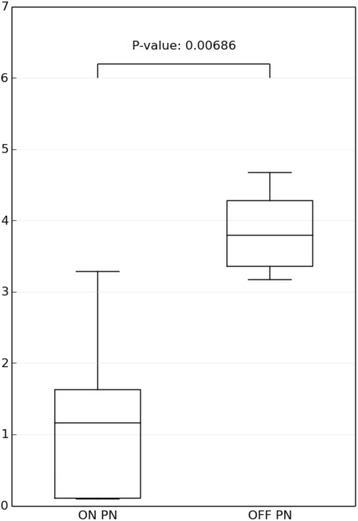
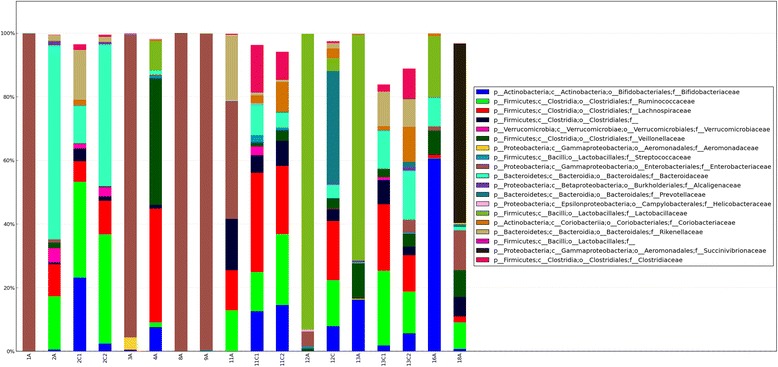
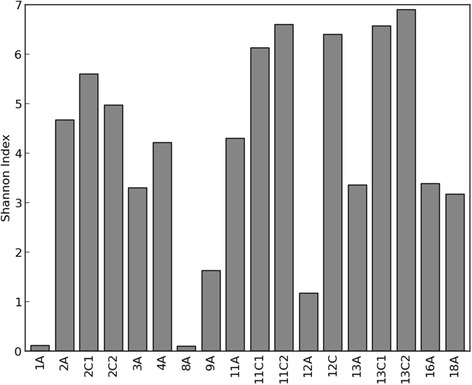
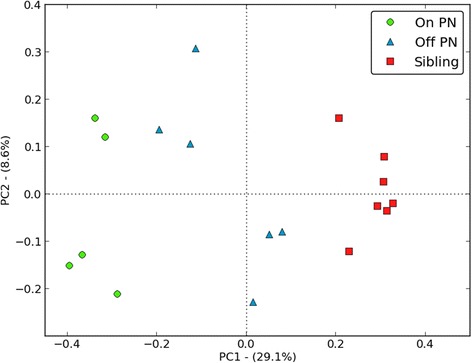
BACKGROUND: The composition of the intestinal microbiota seems to be an important factor in determining the clinical outcome in children with short bowel syndrome (SBS). Alterations in the microbiota may result in serious complications such as small bowel bacterial overgrowth (SBBO) and intestinal mucosal inflammation that lead to prolonged parenteral nutrition (PN) dependency with subsequently increased risk of liver failure and sepsis. To date, there are no reported mappings of the intestinal microbiome in children with SBS. Here, we present the first report on the intestinal microbial community profile in children with SBS. FINDINGS: The study includes children diagnosed with SBS in the neonatal period. Healthy siblings served as controls. Fecal samples were collected, and microbial profiles were analyzed by using 16S rRNA gene sequencing on the Illumina MiSeq platform. We observed a pronounced microbial dysbiosis in children with SBS on PN treatment with an increased and totally dominating relative abundance of Enterobacteriacae in four out of five children compared to children with SBS weaned from PN and healthy siblings. CONCLUSIONS: The overall decreased bacterial diversity in children with SBS is consistent with intestinal microbiome mappings in inflammatory bowel diseases such as Crohn's disease and necrotizing enterocolitis in preterm infants. Our findings indicate that intestinal dysbiosis in children with SBS is associated with prolonged PN dependency.
Overview
The claims and statistics of this paper haven’t been checked yet.
Free: it reads the open-access text and checks the first 5 claims that cite a source we can check. Create a free account to check every claim.
Integrity signals
Registry
Cites
Statistics
Figures
Verification
Claims the paper makes
The claims and statistics of this paper haven’t been checked yet.
Free: it reads the open-access text and checks the first 5 claims that cite a source we can check. Create a free account to check every claim.
Claims other papers make about this one
Each is checked against this paper’s own text: does it say what the citing paper says it does?
The source backs part of the claim, not all of it — or backs it for a different population, condition or comparison.
In the citing paper
“Dysbiosis in SBS also contributes to alterations such as impaired intestinal adaptation, worsened nutrient malabsorption, prolonged dependence on PN, increased susceptibility to sepsis, a higher risk of IFALD and an increased risk of SIBO [4,13,15].”
From Pre-, Pro-, Post- and Synbiotics in Pediatric Short Bowel Syndrome: A Narrative Review of Current Evidence (2026) · cites this paper as [4]
Experimental — accuracy not yet measured
Self-check
Percentages, sums and reported differences re-computed from the paper’s own numbers.
The self-check needs the paper’s full text.
Citations
Cites
QIIME allows analysis of high-throughput community sequencing data
Caporaso, J. G., Kuczynski, J., Stombaugh, J., Bittinger, K., Bushman, F. D., Costello, E. K., Fierer, N., Peña, A. G., Goodrich, J. K., Gordon, J. I., et al. (2010) · Nature Methods · doi:10.1038/nmeth.f.303 · Cited by 34,887 · cited 3×
“Primer sequences were trimmed away, and the pairedend reads produced by the sequencing instrument were merged using SeqPrep version 1.1 (https://github.com/ jstjohn/SeqPrep) with default parameters and thereafter processed with the QIIME 1.8.0 pipeline (Quantitative Insight into Microbial Ecology) [11].”
BackgroundMethodInfluentialSearch and clustering orders of magnitude faster than BLAST
Edgar, R. C. (2010) · Bioinformatics · doi:10.1093/bioinformatics/btq461 · Cited by 20,826
Human gut microbiome viewed across age and geography
Yatsunenko, T., Rey, F. E., Manary, M. J., Trehan, I., Dominguez-Bello, M. G., Contreras, M., Magris, M., Hidalgo, G., Baldassano, R. N., Anokhin, A. P., et al. (2012) · Nature · doi:10.1038/nature11053 · Cited by 7,815 · cited 2×
“Most cases of SBS occur in neonates during a period when the sterile intestines normally are colonized by bacteria, reaching a microbial profile characteristic of the adult gastrointestinal tract around 2 to 4 years of age [6].”
BackgroundMethodJakobsson, H. E., Abrahamsson, T. R., Jenmalm, M. C., Harris, K., Quince, C., Jernberg, C., Björkstén, B., Engstrand, L., & Andersson, A. F. (2014) · Gut · doi:10.1136/gutjnl-2012-303249 · Cited by 1,011 · cited 1×
“Her fecal bacterial diversity showed Lactobacillacae as the most relative abundant taxonomic family in accordance to our previous findings (Figure 2) [13].”
ResultSelf-citationWalker, A. W., Sanderson, J. D., Churcher, C., Parkes, G. C., Hudspith, B. N., Rayment, N., Brostoff, J., Parkhill, J., Dougan, G., & Petrovska, L. (2011) · BMC Microbiology · doi:10.1186/1471-2180-11-7 · Cited by 726
Therapeutic Potential of Fecal Microbiota Transplantation
Smits, L. P., Bouter, K. E. C., de Vos, W. M., Borody, T. J., & Nieuwdorp, M. (2013) · Gastroenterology · doi:10.1053/j.gastro.2013.08.058 · Cited by 717 · cited 6×
“A disruption in the balanced intestinal microbial community, that is, dysbiosis, with an increased relative abundance of facultative anaerobic Enterobacteriaceae in the large bowel is seen in inflammatory bowel disease (IBD) in mouse models, in humans with Crohn’s disease, and in NEC in preterm infants [7,8].”
BackgroundInfluentialHugerth, L. W., Wefer, H. A., Lundin, S., Jakobsson, H. E., Lindberg, M., Rodin, S., Engstrand, L., & Andersson, A. F. (2014) · Applied and Environmental Microbiology · doi:10.1128/aem.01403-14 · Cited by 480
Self-citationSerial transverse enteroplasty (STEP): A novel bowel lengthening procedure
Kim, H. B., Fauza, D., Garza, J., Oh, J.-T., Nurko, S., & Jaksic, T. (2003) · Journal of Pediatric Surgery · doi:10.1053/jpsu.2003.50073 · Cited by 417 · cited 2×
“Child 1A, 8A, and 13A underwent bowel lengthening procedure with serial transverse enteroplasty (STEP) [9].”
MethodShort-bowel syndrome in children and adults
Vanderhoof, J., & Langnas, A. (1997) · Gastroenterology · doi:10.1053/gast.1997.v113.pm9352883 · Cited by 318 · cited 2×
“Luminal/oral antibiotic long-term treatment has been recommended for SBBO in children [4,5].”
BackgroundMethodKaufman, S. S., Loseke, C. A., Lupo, J. V., Young, R. J., Murray, N. D., Pinch, L. W., & Vanderhoof, J. A. (1997) · The Journal of Pediatrics · doi:10.1016/s0022-3476(97)80058-3 · Cited by 259 · cited 1×
“Alterations in the microbiota can result in serious complications such as small bowel bacterial overgrowth (SBBO) and intestinal mucosal inflammation that may prevent weaning from PN by compromising intestinal absorptive functions [2,3].”
Background
Cited by
Kastl, A. J., Terry, N. A., Wu, G. D., & Albenberg, L. G. (2020) · Cellular and Molecular Gastroenterology and Hepatology · doi:10.1016/j.jcmgh.2019.07.006 · Cited by 358
Mechanisms of intestinal adaptation
Rubin, D. C., & Levin, M. S. (2016) · Best Practice & Research Clinical Gastroenterology · doi:10.1016/j.bpg.2016.03.007 · Cited by 209
Goulet, O., Abi‐Nader, E., Pigneur, B., & Lambe, C. (2019) · Pediatric Gastroenterology Hepatology & Nutrition · doi:10.5223/pghn.2019.22.4.303 · Cited by 136
“Finally, one should consider the intestinal microbiota as a major factor for achieving intestinal adaptation and should be always respected and not be destroyed by unnecessary and/or inappropriate use of oral antibiotics worsening the so called SBS related intestinal dysbiosis [47,48].”
BackgroundSevere Gut Microbiota Dysbiosis Is Associated With Poor Growth in Patients With Short Bowel Syndrome
Piper, H. G., Fan, D., Coughlin, L. A., Ho, E. X., McDaniel, M. M., Channabasappa, N., Kim, J., Kim, M., Zhan, X., Xie, Y., et al. (2017) · Journal of Parenteral and Enteral Nutrition · doi:10.1177/0148607116658762 · Cited by 97
Composition of human faecal microbiota in resistance to Campylobacter infection
Kampmann, C., Dicksved, J., Engstrand, L., & Rautelin, H. (2016) · Clinical Microbiology and Infection · doi:10.1016/j.cmi.2015.09.004 · Cited by 94
“Details on 16S rRNA gene primers, amplification conditions and sample barcodes were as published earlier [19].”
MethodSelf-citationSmall Intestinal Bacterial Overgrowth in Children: A State-Of-The-Art Review
Avelar Rodriguez, D., Ryan, P. M., Toro Monjaraz, E. M., Ramirez Mayans, J. A., & Quigley, E. M. (2019) · Frontiers in Pediatrics · doi:10.3389/fped.2019.00363 · Cited by 91
Epidemiology, management and outcome of ultrashort bowel syndrome in infancy
Batra, A., Keys, S. C., Johnson, M. J., Wheeler, R. A., & Beattie, R. M. (2017) · Archives of Disease in Childhood Fetal & Neonatal · doi:10.1136/archdischild-2016-311765 · Cited by 76
Wang, P., Wang, Y., Lu, L., Yan, W., Tao, Y., Zhou, K., Jia, J., & Cai, W. (2017) · Journal of Pediatric Surgery · doi:10.1016/j.jpedsurg.2017.04.020 · Cited by 77
“The few studies that have focused on microbiota in children with SBS, using highthroughput sequencing techniques, have been restricted to the late stage of SBS (patients with good tolerance of enteral nutrition) [6,7].”
BackgroundThe Pathogenesis of Resection-Associated Intestinal Adaptation
Warner, B. W. (2016) · Cellular and Molecular Gastroenterology and Hepatology · doi:10.1016/j.jcmgh.2016.05.001 · Cited by 73
Parenteral Nutrition-Associated Liver Disease: The Role of the Gut Microbiota
Cahová, M., Brátová, M., & Wohl, P. (2017) · Nutrients · doi:10.3390/nu9090987 · Cited by 81
Neelis, E., de Koning, B., Rings, E., Wijnen, R., Nichols, B., Hulst, J., & Gerasimidis, K. (2019) · Journal of Parenteral and Enteral Nutrition · doi:10.1002/jpen.1423 · Cited by 70
“Engstrand Lilja et al.(51) found that microbiome diversity was significantly reduced in children with SBS on PN compared to children weaned off PN.”
BackgroundFecal microbiota signatures of adult patients with different types of short bowel syndrome
Huang, Y., Guo, F., Li, Y., Wang, J., & Li, J. (2017) · Journal of Gastroenterology and Hepatology · doi:10.1111/jgh.13806 · Cited by 64
Longitudinal changes in the gut microbiome of infants on total parenteral nutrition
Dahlgren, A. F., Pan, A., Lam, V., Gouthro, K. C., Simpson, P. M., Salzman, N. H., & Nghiem‐Rao, T. H. (2019) · Pediatric Research · doi:10.1038/s41390-019-0391-y · Cited by 68
“In children and adults with short bowel syndrome, those with TPN-dependence were reported to have lower intestinal microbial diversity and higher relative abundance of Proteobacteria compared to those who had been weaned from TPN and healthy controls (19,20).”
Andersen, S., Staudacher, H. M., Weber, N., Kennedy, G., Varelias, A., Banks, M., & Bauer, J. D. (2019) · British Journal of Haematology · doi:10.1111/bjh.16218 · Cited by 62
“…abundances of the genus Enterococcus (Shiga et al., 2012) the phylum Proteobacteria (Korpela et al., 2017) including the family Enterobacteriaceae (de Castro Furtado et al., 2013; Lilja et al., 2015) and lower microbiota diversity (Schneider et al., 2000; Shiga et al., 2012; Lilja et al., 2015).”
BackgroundHost-Gut Microbiota Crosstalk in Intestinal Adaptation
Marchix, J., Goddard, G., & Helmrath, M. A. (2018) · Cellular and Molecular Gastroenterology and Hepatology · doi:10.1016/j.jcmgh.2018.01.024 · Cited by 56
Demehri, F. R., Barrett, M., & Teitelbaum, D. H. (2015) · Nutrition in Clinical Practice · doi:10.1177/0884533615609904 · Cited by 53
Engelstad, H. J., Barron, L., Moen, J., Wylie, T. N., Wylie, K., Rubin, D. C., Davidson, N., Cade, T. W., Warner, B. B., & Warner, B. W. (2018) · Journal of the American College of Surgeons · doi:10.1016/j.jamcollsurg.2018.07.657 · Cited by 49
Kastl, A., Zong, W., Gershuni, V. M., Friedman, E. S., Tanes, C., Boateng, A., Mitchell, W. J., O’Connor, K., Bittinger, K. L., Terry, N. A., et al. (2022) · Gut Microbes · doi:10.1080/19490976.2022.2083417 · Cited by 51
“Correlations between %whole food intake and the relative abundance of glycoside hydrolases (GH) and bile salt hydrolases (BSH) in the gut microbiome of patients with SBS. (a) The significantly correlated relative abundance of twenty GHs with %calories from whole food using mixed-effect linear modeling (fdr 0.05) (b) T…”
ResultInfluentialPediatric intestinal failure-associated liver disease
Courtney, C. M., & Warner, B. W. (2017) · Current Opinion in Pediatrics · doi:10.1097/mop.0000000000000484 · Cited by 50
Mezoff, E. A., Hawkins, J., Ollberding, N. J., Karns, R. A., Morrow, A. L., & Helmrath, M. A. (2015) · American Journal of Physiology-Gastrointestinal and Liver Physiology · doi:10.1152/ajpgi.00305.2015 · Cited by 49
Microbial perturbations and modulation in conditions associated with malnutrition and malabsorption
Jonkers, D. M. A. E. (2016) · Best Practice & Research Clinical Gastroenterology · doi:10.1016/j.bpg.2016.02.006 · Cited by 52
D-lactic Acidosis: Successful Suppression of D-lactate–Producing Lactobacillus by Probiotics
Yilmaz, B., Schibli, S., Macpherson, A. J., & Sokollik, C. (2018) · Pediatrics · doi:10.1542/peds.2018-0337 · Cited by 43
Antibiotic-induced alterations and repopulation dynamics of yellowtail kingfish microbiota
Legrand, T. P. R. A., Catalano, S. R., Wos‐Oxley, M. L., Wynne, J. W., Weyrich, L. S., & Oxley, A. P. A. (2020) · Animal Microbiome · doi:10.1186/s42523-020-00046-4 · Cited by 49
Norsa, L., Goulet, O., Alberti, D., DeKooning, B., Domellöf, M., Haiden, N., Hill, S. M., Indrio, F., Köglmeier, J., Lapillonne, A., et al. (2023) · Journal of Pediatric Gastroenterology and Nutrition · doi:10.1097/mpg.0000000000003850 · Cited by 48
Short Bowel Syndrome: A Paradigm for Intestinal Adaptation to Nutrition?
Beyec, J. L., Billiauws, L., Bado, A., Joly, F., & Gall, M. L. (2020) · Annual Review of Nutrition · doi:10.1146/annurev-nutr-011720-122203 · Cited by 46
Small Bowel Bacterial Overgrowth in Children
Sieczkowska, A., Landowski, P., Kamińska, B., & Lifschitz, C. H. (2016) · Journal of Pediatric Gastroenterology and Nutrition · doi:10.1097/mpg.0000000000000920 · Cited by 46
“Another study including 57 children with intestinal failure, however, did not report increased risk of bloodstream infection associated with SBBO (65).”
BackgroundCresci, G., & Izzo, K. (2018) · Elsevier eBooks · doi:10.1016/b978-0-12-814330-8.00004-4 · Cited by 45
Cerdó, T., García-Santos, J. A., Rodríguez-Pöhnlein, A., García-Ricobaraza, M., Nieto-Ruíz, A., García-Bermúdez, M., & Campoy, C. (2022) · Nutrients · doi:10.3390/nu14214691 · Cited by 51
Enteral Nutrition in Pediatric Short‐Bowel Syndrome
Channabasappa, N., Girouard, S., Nguyen, V., & Piper, H. G. (2020) · Nutrition in Clinical Practice · doi:10.1002/ncp.10565 · Cited by 45
Nutritional Feeding Strategies in Pediatric Intestinal Failure
Olieman, J. F., & Kastelijn, W. (2020) · Nutrients · doi:10.3390/nu12010177 · Cited by 43
Side Effects and Complications of Proton Pump Inhibitors: A Pediatric Perspective
Stark, C. M., & Nylund, C. M. (2015) · The Journal of Pediatrics · doi:10.1016/j.jpeds.2015.08.064 · Cited by 36
Thänert, R., Thänert, A., Ou, J., Bajinting, A., Burnham, C.-A. D., Engelstad, H. J., Tecos, M. E., Ndao, I. M., Hall-Moore, C., Rouggly-Nickless, C., et al. (2021) · Gut Microbes · doi:10.1080/19490976.2021.1940792 · Cited by 35
Hukkinen, M., Mutanen, A., & Pakarinen, M. P. (2017) · Surgery · doi:10.1016/j.surg.2017.04.018 · Cited by 33
“an overabundance of LPS-producing Proteobacteria, while mucosal inflammation becomes increasingly prevalent.(14,20,21,42) Simultaneously, deprivation of enteral nutrients creates a proinflammatory state within the intestine increasing epithelial permeability and translocation of bacterial products.”
BackgroundFecal microbiome and bile acid metabolome in adult short bowel syndrome
Boutte, H. J., Chen, J., Wylie, T. N., Wylie, K. M., Xie, Y., Geisman, M., Prabu, A., Gazit, V., Tarr, P. I., Levin, M. S., et al. (2022) · American Journal of Physiology-Gastrointestinal and Liver Physiology · doi:10.1152/ajpgi.00091.2021 · Cited by 33
Berntson, L., Agback, P., & Dicksved, J. (2016) · Clinical Rheumatology · doi:10.1007/s10067-016-3238-5 · Cited by 36
The Impact of Lactobacillus Probiotics on the Gut Microbiota in Children with Short Bowel Syndrome
Piper, H. G., Coughlin, L. A., Hussain, S., Nguyen, V., Channabasappa, N., & Koh, A. Y. (2020) · Journal of Surgical Research · doi:10.1016/j.jss.2020.01.024 · Cited by 31
Ralls, M. W., Demehri, F. R., Feng, Y., Raskind, S., Ruan, C., Schintlmeister, A., Loy, A., Hanson, B. T., Berry, D., Burant, C., et al. (2016) · American Journal of Physiology-Gastrointestinal and Liver Physiology · doi:10.1152/ajpgi.00088.2016 · Cited by 31
“Thus Enterobacteriaceae were specifically targeted, as they are the dominant Proteobacteria known to bloom in small intestine during TPN (31).”
BackgroundInfluentialIntestinal microbiota in short bowel syndrome
Piper, H. G. (2018) · Seminars in Pediatric Surgery · doi:10.1053/j.sempedsurg.2018.07.007 · Cited by 29
Short bowel syndrome in children and adults: from rehabilitation to transplantation
Lauro, A., & Lacaille, F. (2018) · Expert Review of Gastroenterology & Hepatology · doi:10.1080/17474124.2019.1541736 · Cited by 30
Till, H., Castellani, C., Moissl‐Eichinger, C., Gorkiewicz, G., & Singer, G. (2015) · Frontiers in Microbiology · doi:10.3389/fmicb.2015.01154 · Cited by 34
“Engstrand Lilja et al. (2015) analyzed the microbial profile of 11 children with SBS (5 of them not weaned from parenteral nutrition) and compared the results to seven healthy siblings.”
ResultShakhsheer, B. A., & Warner, B. W. (2019) · Current Treatment Options in Pediatrics · doi:10.1007/s40746-019-00179-y · Cited by 32
Boccia, S., Torre, I., Santarpia, L., Iervolino, C., Piano, C. D., Puggina, A., Pastorino, R., Dragic, M., Amore, R., Borriello, T., et al. (2016) · Clinical Nutrition · doi:10.1016/j.clnu.2016.09.028 · Cited by 28
“Most recent studies, in fact, reported data obtained in children [8,9].”
ResultEnman, M., Wilkinson, L. T., Meloni, K., Shroyer, M. C., Jackson, T. F., Aban, I., Dimmitt, R. A., Martin, C. A., & Galloway, D. P. (2019) · Journal of Parenteral and Enteral Nutrition · doi:10.1002/jpen.1754 · Cited by 25
McGrath, K. H., Pitt, J. J., & Bines, J. E. (2019) · JGH Open · doi:10.1002/jgh3.12174 · Cited by 27
Pauline, M., Fouhse, J., Hinchliffe, T., Wizzard, P., Nation, P., Huynh, H., Wales, P., Willing, B., & Turner, J. (2022) · Journal of Parenteral and Enteral Nutrition · doi:10.1002/jpen.2377 · Cited by 24
Severe Intestinal Dysbiosis in Rat Models of Short Bowel Syndrome with Ileocecal Resection
Huang, Y., Chen, A., Guo, F., Wang, J., & Li, Y. (2019) · Digestive Diseases and Sciences · doi:10.1007/s10620-019-05802-4 · Cited by 25
Pereira-Fantini, P. M., Byars, S. G., Pitt, J., Lapthorne, S., Fouhy, F., Cotter, P. D., & Bines, J. E. (2017) · Scientific Reports · doi:10.1038/srep43326 · Cited by 22
Yu, Z., Li, Y., Niu, Y., Tang, Q., & Wu, J. (2020) · Journal of Parenteral and Enteral Nutrition · doi:10.1002/jpen.1956 · Cited by 22
Neelis, E. G., de Koning, B. A. E., Hulst, J. M., Papadopoulou, R., Kerbiriou, C., Rings, E. H. H. M., Wijnen, R. M. H., Nichols, B., & Gerasimidis, K. (2021) · Journal of Parenteral and Enteral Nutrition · doi:10.1002/jpen.2188 · Cited by 25
Parenteral Nutrition, Inflammatory Bowel Disease, and Gut Barrier: An Intricate Plot
Covello, C., Becherucci, G., Di Vincenzo, F., Del Gaudio, A., Pizzoferrato, M., Cammarota, G., Gasbarrini, A., Scaldaferri, F., & Mentella, M. C. (2024) · Nutrients · doi:10.3390/nu16142288 · Cited by 21
“The most consistent result across these studies is a decline in bacterial diversity [140–144], which appears to be linked to the length of the remaining small intestine [141] and the duration of PN dependence [143].”
BackgroundGut Microbiota Modulation of Short Bowel Syndrome and the Gut–Brain Axis
Carter, J., Bettag, J., Morfin, S., Manithody, C., Nagarapu, A., Jain, A., Nazzal, H., Prem, S., Unes, M., McHale, M., et al. (2023) · Nutrients · doi:10.3390/nu15112581 · Cited by 21
Gut Microbiota as a Modulator of Paneth Cells During Parenteral Nutrition in Mice
Wang, J., Tian, F., Wang, P., Zheng, H., Zhang, Y., Tian, H., Zhang, L., Gao, X., & Wang, X. (2018) · Journal of Parenteral and Enteral Nutrition · doi:10.1002/jpen.1162 · Cited by 21
Courtney, C. M., Onufer, E. J., McDonald, K. G., Steinberger, A. E., Sescleifer, A. M., Seiler, K. M., Tecos, M. E., Newberry, R. D., & Warner, B. W. (2020) · Journal of Surgical Research · doi:10.1016/j.jss.2020.08.049 · Cited by 24
Romani, L., CHIERICO, F. D., Chiriaco, M., Foligno, S., Reddel, S., Salvatori, G., Cifaldi, C., Faraci, S., Finocchi, A., Rossi, P., et al. (2020) · Frontiers in Cellular and Infection Microbiology · doi:10.3389/fcimb.2020.00059 · Cited by 23
“In spite of these considerations, the comprehension of the mutual relationship between the intestinal IS and the microbiome in neonatal intestinal ischemic injuries is still unclear (Maynard et al., 2012; Engstrand Lilja et al., 2015).”
BackgroundGrowth Trajectory in Children With Short Bowel Syndrome During the First 2 Years of Life
McLaughlin, C. M., Channabasappa, N., Pace, J., Nguyen, H. Q., & Piper, H. G. (2017) · Journal of Pediatric Gastroenterology and Nutrition · doi:10.1097/mpg.0000000000001762 · Cited by 20
Phyo, L. Y., Singkhamanan, K., Laochareonsuk, W., Surachat, K., Phutong, N., Boonsanit, K., Chiengkriwate, P., & Sangkhathat, S. (2021) · Pediatric Surgery International · doi:10.1007/s00383-021-04948-5 · Cited by 20
“However, previous studies reported a striking increase in the percentage of Gram-negative Proteobacteria, especially Gammaproteobacteria and the family Enterobacteriaceae, and a lower percentage of Firmicutes and Bacteroides in SBS [7, 26, 27].”
ResultDowhaniuk, J. K., Szamosi, J. C., Chorlton, S. D., Owens, J., Mileski, H., Clause, R., Pernica, J. M., Bowdish, D. M. E., Surette, M. G., & Ratcliffe, E. M. (2019) · Journal of Parenteral and Enteral Nutrition · doi:10.1002/jpen.1715 · Cited by 22
Independence of gut bacterial content and neonatal necrotizing enterocolitis severity
Barron, L. M., Warner, B. B., Tarr, P. I., Shannon, W. D., Deych, E., & Warner, B. W. (2017) · Journal of Pediatric Surgery · doi:10.1016/j.jpedsurg.2017.03.029 · Cited by 19
Improved Outcome of Intestinal Failure in Preterm Infants
Fredriksson, F., Nyström, N., Waldenvik, K., Ördén, H., Lindblom, M., Paulsson, M., Finkel, Y., & Lilja, H. E. (2020) · Journal of Pediatric Gastroenterology and Nutrition · doi:10.1097/mpg.0000000000002763 · Cited by 22
“Routine administration of enteral cyclic antibiotic prophylaxis was abandoned in 2014 following a study where we found that severe intestinal dysbiosis in children with IF was associated with prolonged PN dependency (21).”
BackgroundSelf-citationGui, L., Duan, X., Wang, H., Xie, H., Zhang, R., Jiang, W., & Tang, W. (2025) · Communications Biology · doi:10.1038/s42003-025-08254-x · Cited by 17
“In contrast, Clostridium from the Firmicutes phylum was signi fi cantly reduced 5,20 .”
Nutrition Support and the Gastrointestinal Microbiota: A Systematic Review
Andersen, S., Banks, M., & Bauer, J. D. (2020) · Journal of the Academy of Nutrition and Dietetics · doi:10.1016/j.jand.2020.04.024 · Cited by 19
Jiménez, L., Stamm, D. A., DePaula, B., & Duggan, C. (2017) · The Journal of Pediatrics · doi:10.1016/j.jpeds.2017.09.024 · Cited by 18
Berlin, P., Barrantes, I., Reiner, J., Schröder, E., Vollmar, B., Bull, J., Kreikemeyer, B., Lamprecht, G., & Witte, M. (2023) · American Journal of Physiology-Gastrointestinal and Liver Physiology · doi:10.1152/ajpgi.00201.2022 · Cited by 15
Short Bowel Syndrome in an Infant
Engelstad, H. J., & Danko, M. E. (2020) · NeoReviews · doi:10.1542/neo.21-6-e370 · Cited by 15
Culbreath, K., Knell, J., Keefe, G., Han, S. M., Hong, C. R., Riley, H., Liu, E., McAdam, A. J., Modi, B. P., Jaksic, T., et al. (2022) · Journal of Pediatric Gastroenterology and Nutrition · doi:10.1097/mpg.0000000000003501 · Cited by 15
“SBBO is defined as the presence of abnormally high bacterial counts within the proximal small bowel and has been associated with feeding intolerance and prolonged parenteral nutrition (PN) dependence (7,8).”
BackgroundFecal microbiota transplantation in a rodent model of short bowel syndrome: A therapeutic approach?
Fourati, S., Dumay, A., Roy, M., Willemetz, A., Ribeiro‐Parenti, L., Mauras, A., Mayeur, C., Thomas, M., Kapel, N., Joly, F., et al. (2023) · Frontiers in Cellular and Infection Microbiology · doi:10.3389/fcimb.2023.1023441 · Cited by 17
Maselli, K. M., Gee, K. M., Isani, M. A., Fode, A. M., Schall, K. A., & Grikscheit, T. C. (2020) · American Journal of Physiology-Gastrointestinal and Liver Physiology · doi:10.1152/ajpgi.00119.2020 · Cited by 17
A comparison of small bowel and fecal microbiota in children with short bowel syndrome
Piper, H. G., Coughlin, L. A., Nguyen, V., Channabasappa, N., & Koh, A. Y. (2020) · Journal of Pediatric Surgery · doi:10.1016/j.jpedsurg.2020.01.032 · Cited by 14
Jiang, L., Wang, Y., Xiao, Y., Wang, Y., Yan, J., Schnabl, B., & Cai, W. (2021) · Journal of Nutrition · doi:10.1093/jn/nxab380 · Cited by 13
Changes to human faecal microbiota after international travel
Kampmann, C., Dicksved, J., Engstrand, L. G., & Rautelin, H. I. K. (2021) · Travel Medicine and Infectious Disease · doi:10.1016/j.tmaid.2021.102199 · Cited by 14
Self-citationThe gut microbiota in adults with chronic intestinal failure
Pironi, L., D’Amico, F., Guidetti, M., Brigidi, P., Sasdelli, A. S., & Turroni, S. (2024) · Clinical Nutrition · doi:10.1016/j.clnu.2024.04.018 · Cited by 13
Zhang, T., Wang, Y., Yan, W., Lu, L., Tao, Y., Jia, J., & Cai, W. (2019) · Journal of Pediatric Surgery · doi:10.1016/j.jpedsurg.2019.08.004 · Cited by 12
Talathi, S., Wilkinson, L. T., Meloni, K., Shroyer, M. C., Eipers, P. G., Pol, W. J. V. D., Martin, C. A., Dimmitt, R. A., Yi, N., Morrow, C. D., et al. (2020) · Nutrition in Clinical Practice · doi:10.1002/ncp.10594 · Cited by 12
Hu, X., Cheng, W., Fan, S., Huang, Y., Chen, X., Jiang, Z., & Wang, J. (2021) · BMC Infectious Diseases · doi:10.1186/s12879-021-06270-w · Cited by 13
Intestinal microbiome in short bowel syndrome: Diagnostic and therapeutic opportunities
Chowdhury, F., Hill, L., Shah, N., Popov, J., Cheveldayoff, P., & Pai, N. (2023) · Current Opinion in Gastroenterology · doi:10.1097/mog.0000000000000970 · Cited by 11
“Antibiotics (for treatment of CLABSI, SBBO) [24,54] DysbiosisIncreases in antibiotic resistant organisms”
InfluentialL. rhamnosus CNCM I-3690 survival, adaptation, and small bowel microbiome impact in human
Zaccaria, E., Klaassen, T., Alleleyn, A. M. E., Boekhorst, J., Chervaux, C., Smokvina, T., Troost, F. J., & Kleerebezem, M. (2023) · Gut Microbes · doi:10.1080/19490976.2023.2244720 · Cited by 12
Wang, Y., Zheng, L., Zhou, Z., Yao, D., Huang, Y., Liu, B., Duan, Y., & Li, Y. (2021) · Alimentary Pharmacology & Therapeutics · doi:10.1111/apt.16676 · Cited by 12
Mucosal homeostasis is altered in the ileum of gnotobiotic mice
Greig, C. J., Alper, A., Goodman, A. L., & Cowles, R. A. (2018) · Journal of Surgical Research · doi:10.1016/j.jss.2018.05.055 · Cited by 14
Chapter 5.2.1. Short Bowel Syndrome
Goulet, O., Finkel, Y., Kolaček, S., & Puntis, J. W. L. (2018) · Journal of Pediatric Gastroenterology and Nutrition · doi:10.1097/mpg.0000000000001915 · Cited by 11
Self-citationHinchliffe, T., Pauline, M. L., Wizzard, P. R., Jovel, J., Nation, P. N., Wales, P. W., Madsen, K. L., & Turner, J. M. (2022) · Journal of Parenteral and Enteral Nutrition · doi:10.1002/jpen.2333 · Cited by 10
Effect of formaldehyde exposure on bacterial communities in simulating indoor environments
Guo, J., Xiong, Y., Kang, T., Zhu, H., Yang, Q., & Qin, C. (2021) · Scientific Reports · doi:10.1038/s41598-021-00197-7 · Cited by 11
Short bowel syndrome in infancy: recent advances and practical management
Cernat, E., Corlett, C., Iglesias, N. C., Onyeador, N., Steele, J., & Batra, A. (2020) · Frontline Gastroenterology · doi:10.1136/flgastro-2020-101457 · Cited by 9
Factors Affecting the Gut Microbiome in Pediatric Intestinal Failure
Talathi, S., Wilkinson, L. T., Meloni, K., Shroyer, M. C., Zhang, L., Ding, Z., Eipers, P. G., Pol, W. V. D., Martin, C. A., Dimmitt, R. A., et al. (2023) · Journal of Pediatric Gastroenterology and Nutrition · doi:10.1097/mpg.0000000000003828 · Cited by 9
Altered fecal microbiome and metabolome profiles in rat models of short bowel syndrome
Huang, Y., Jiao, J., Yao, D., Guo, F., & Li, Y. (2023) · Frontiers in Microbiology · doi:10.3389/fmicb.2023.1185463 · Cited by 11
Isani, M. A., Gee, K. M., Schall, K. A., Schlieve, C. R., Fode, A. M., Fowler, K. L., & Grikscheit, T. C. (2019) · American Journal of Physiology-Gastrointestinal and Liver Physiology · doi:10.1152/ajpgi.00343.2018 · Cited by 10
An anatomic approach to understanding mechanisms of intestinal adaptation
Courtney, C. M., Onufer, E. J., Seiler, K. M., & Warner, B. W. (2018) · Seminars in Pediatric Surgery · doi:10.1053/j.sempedsurg.2018.07.002 · Cited by 8
Zhang, T., Liu, Y., Yan, J., & Cai, W. (2020) · The FASEB Journal · doi:10.1096/fj.201902513r · Cited by 10
Zhang, A., Sodhi, C. P., Wang, M., Shores, D. R., Fulton, W. B., Prindle, T., Brosten, S., O’Hare, E., Lau, A. R., Ding, H., et al. (2020) · Cellular and Molecular Gastroenterology and Hepatology · doi:10.1016/j.jcmgh.2020.04.006 · Cited by 9
Shah, A., Fairlie, T., Morrison, M., Martin, N., Hammer, K., Hammer, J., Koloski, N. A., Rezaie, A. R., Pimentel, M., Kashyap, P., et al. (2024) · Journal of Gastroenterology and Hepatology · doi:10.1111/jgh.16668 · Cited by 8
Baxter, K. J., Srinivasan, J. K., Ziegler, T. R., Dhere, T., Ricketts, R. R., & Durham, M. M. (2017) · Pediatric Surgery International · doi:10.1007/s00383-017-4080-9 · Cited by 8
Wieck, M. M., Debelius, J. W., Spurrier, R. G., Trecartin, A., Knight, R. D., & Grikscheit, T. C. (2016) · Surgery · doi:10.1016/j.surg.2016.05.005 · Cited by 7
Paediatric parenteral nutrition: current issues
Cernat, E., & Puntis, J. W. L. (2019) · Frontline Gastroenterology · doi:10.1136/flgastro-2018-101127 · Cited by 11
Elemental and microbiota content in indoor and outdoor air using recuperation unit filters
Zíková, N., Ziembik, Z., Olszowski, T., Bożym, M., Nabrdalik, M., & Rybak, J. (2021) · The Science of The Total Environment · doi:10.1016/j.scitotenv.2021.147903 · Cited by 7
Impact of Clinical Factors on the Intestinal Microbiome in Infants With Gastroschisis
Wu, A. J., Lee, D., Li, F., Tobin, N. H., Aldrovandi, G. M., Shew, S. B., & Calkins, K. L. (2020) · Journal of Parenteral and Enteral Nutrition · doi:10.1002/jpen.1926 · Cited by 7
Gut microbiome in paediatric short bowel syndrome: a systematic review and sequencing re-analysis
Cleminson, J. S., Young, G. R., Campbell, D. I., Campbell, F., Gennery, A. R., Berrington, J. E., & Stewart, C. J. (2025) · Pediatric Research · doi:10.1038/s41390-025-04083-0 · Cited by 10
“9 The current meta-analysis including 20 children with IA, 33 still on PN, and 41 HCs, demonstrated signi fi cantly lower bacterial diversity and richness in SBS children regardless of whether they had achieved IA. Diversity and richness were greater in SBS patients who had achieved IA than those on…”
Hilberath, J., Busch, A., Schoppmeier, U., Schmauder, K., Oberhettinger, P., Marschal, M., Slavetinsky, C. J., Sturm, E., Peter, S., & D’Alvise, P. (2025) · Journal of Parenteral and Enteral Nutrition · doi:10.1002/jpen.2808 · Cited by 5
“23 Interestingly, in that study, dysbiosis was associated with prolonged parenteral nutrition dependence.”
The gut microbiome and intestinal failure-associated liver disease
Jiang, L., Xu, J., Cheng, S., Wang, Y., & Cai, W. (2023) · Hepatobiliary & pancreatic diseases international · doi:10.1016/j.hbpd.2023.07.002 · Cited by 7
Sanaksenaho, G., Mutanen, A., Koivusalo, A., Merras‐Salmio, L., & Pakarinen, M. P. (2016) · Journal of Pediatric Gastroenterology and Nutrition · doi:10.1097/mpg.0000000000001347 · Cited by 5
“Altered intestinal microbiota is associated with impaired outcome in IF (25,27) and may be 1 mechanism contributing to the decreased maltase and sucrase activity and mucosal inflammation during prolonged PN.”
BackgroundPediatric intestinal failure and the microbiome
Josyabhatla, R., & Imseis, E. M. (2021) · Seminars in Perinatology · doi:10.1016/j.semperi.2021.151453 · Cited by 5
Ruiz, R. G., Morelli, A., Grieco, R., Cardile, S., Capriati, T., Trovato, C. M., Bolasco, G., Knafelz, D., Bracci, F., Alterio, A., et al. (2026) · Children · doi:10.3390/children13030349 · Cited by 3
“It is well established that the intestinal microbiota plays a fundamental role in the health of these patients; thus, recent research has been focusing on finding therapies to restore gut bacteria homeostasis [4].”
Influential
Metadata
- Authors
- Engstrand Lilja, H., Wefer, H., Nyström, N., Finkel, Y., & Engstrand, L.
- Affiliations
- Science for Life Laboratory (SE)
- Uppsala University (SE)
- Karolinska Institutet (SE)
- Venue
- Microbiome
- Published
- 2015-05-04
- Volume
- 3
- Issue
- 1
- Pages
- 18-18
- ISSN
- 2049-2618 (ISSN-L)
- PMC
- PMC4418071
- OpenAlex
- W2083337853
- Cited by
- 145
- References
- 22
- Citations by year
- 2026: 9 · 2025: 8 · 2024: 7 · 2023: 13 · 2022: 7 · 2021: 17 · 2020: 20 · 2019: 16 · 2018: 15 · 2017: 14 · 2016: 13 · 2015: 6
- FWCI
- 6.94
- Type
- journal article
- Language
- en
- Open access
- gold
- doi.org
- Locations
- Microbiome (publishedVersion, cc-by)
- Europe PMC (PubMed Central) (publishedVersion, cc-by)
- PubMed Central (publishedVersion, cc-by)
- PubMed (publishedVersion)
- Uppsala University Publications (Uppsala University) (submittedVersion, other-oa)
- Funders
- Vetenskapsrådet
- Topics
- Life Sciences › Biochemistry, Genetics and Molecular Biology › Molecular Biology › Gut microbiota and health
- Health Sciences › Nursing › Nutrition and Dietetics › Clinical Nutrition and Gastroenterology
- Health Sciences › Nursing › Nutrition and Dietetics › Infant Nutrition and Health
- Keywords
- short bowel syndrome, gut dysbiosis, gut microbiota, children, Enterobacteriaceae, bacterial diversity, small intestinal bacterial overgrowth, weaning from parenteral nutrition, neonates, fecal microbiota
About these checks
Registry, retraction, Cites and statistics results are computed, not judged, with one exception: a printed reference that no index lists is read once by a model before it counts as a citation error. Claims are extracted by a model and kept only when their quote appears verbatim in the text; each cited source is then checked, with a model’s help, for whether it says what the claim relies on. Those verdicts can be wrong — read the claim’s quote and the cited source before relying on one.
Statistics and arithmetic are recomputed, not judged.
Confidence bands are shown only for fields calibrated on our annotated test set. None is calibrated yet, so no band is shown.
What counts as a claim ›How we measure confidence ›How we check this ›
Are you an author, or do you see a problem with this page? Request a review
Data sources
Bibliographic data: Semantic Scholar, OpenAlex, Crossref.
Contains information from the Semantic Scholar Academic Graph Datasets, made available under the ODC Attribution License (ODC-BY 1.0).
Semantic Scholar’s data is described in: Kinney, R., et al. (2023). The Semantic Scholar Open Data Platform. arXiv:2301.10140.
