

The DOI matches its Crossref record; 73 of the 73 references it cites were found in a registry or an index.
A prebiotic intervention study in children with autism spectrum disorders (ASDs)
Open accessAbstract
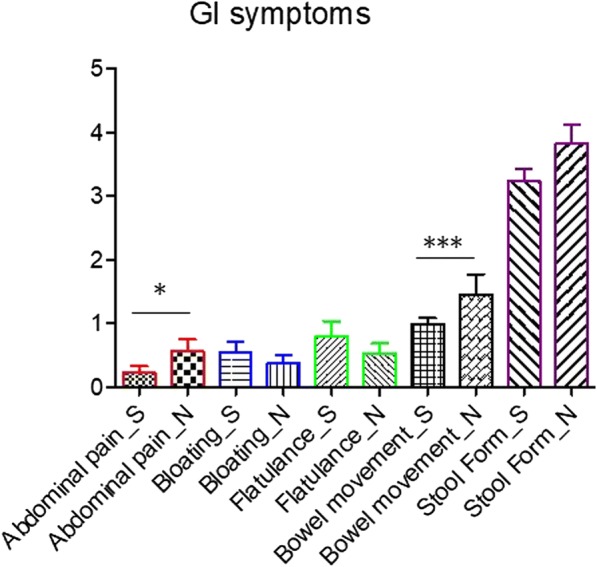
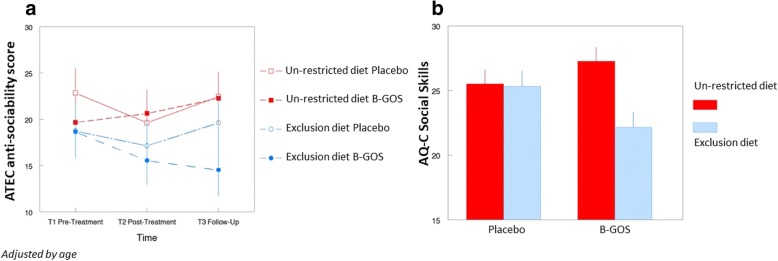
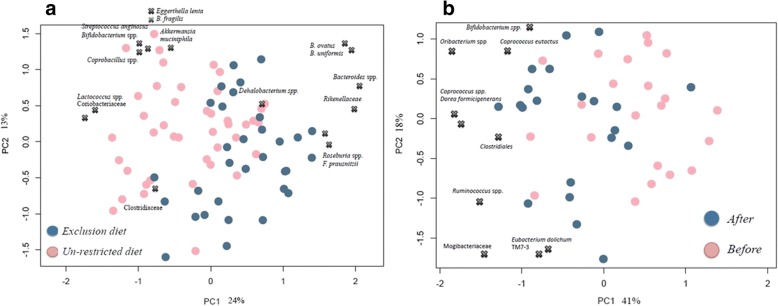
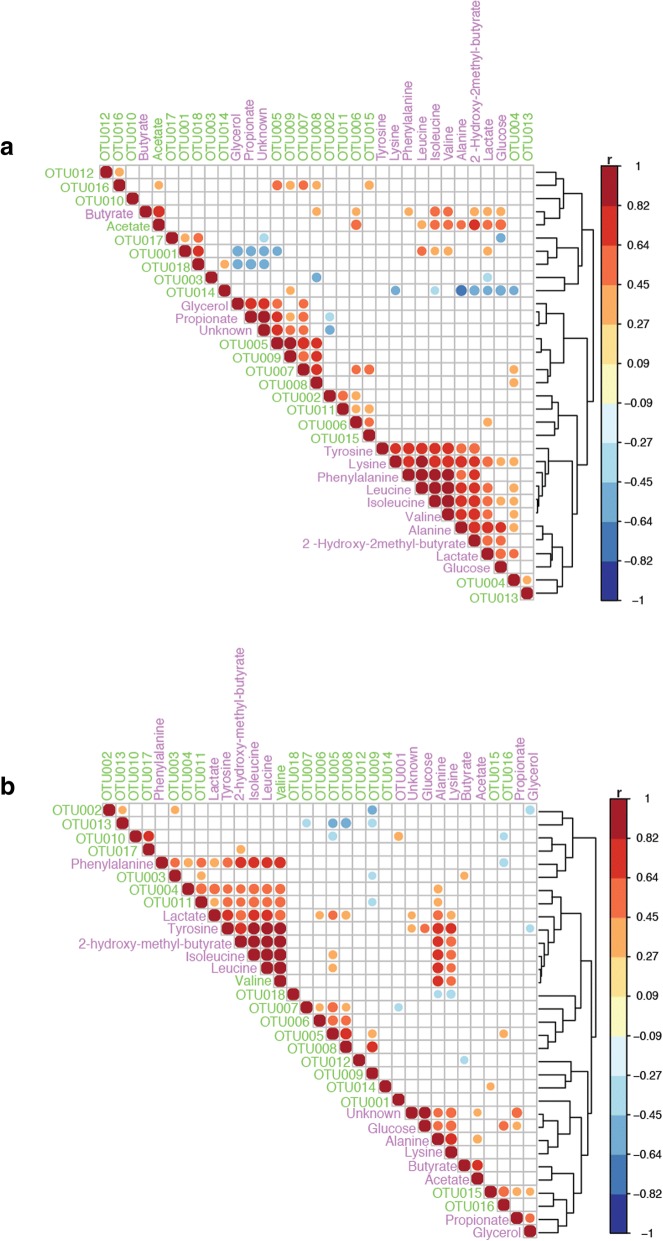
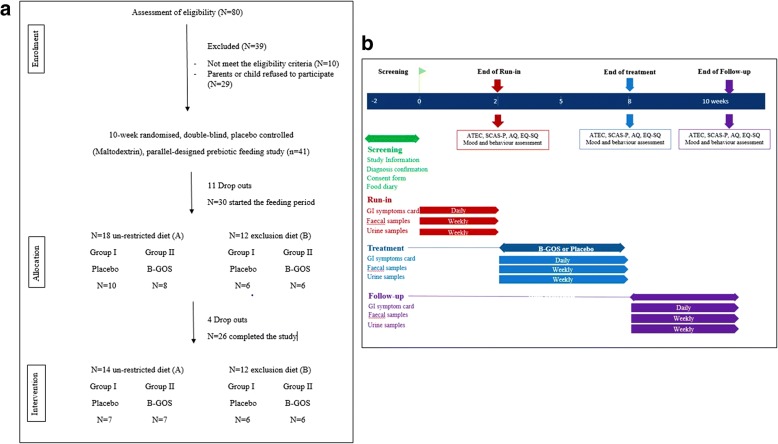
BACKGROUND: Different dietary approaches, such as gluten and casein free diets, or the use of probiotics and prebiotics have been suggested in autistic spectrum disorders in order to reduce gastrointestinal (GI) disturbances. GI symptoms are of particular interest in this population due to prevalence and correlation with the severity of behavioural traits. Nowadays, there is lack of strong evidence about the effect of dietary interventions on these problems, particularly prebiotics. Therefore, we assessed the impact of exclusion diets and a 6-week Bimuno® galactooligosaccharide (B-GOS®) prebiotic intervention in 30 autistic children. RESULTS: The results showed that children on exclusion diets reported significantly lower scores of abdominal pain and bowel movement, as well as lower abundance of Bifidobacterium spp. and Veillonellaceae family, but higher presence of Faecalibacterium prausnitzii and Bacteroides spp. In addition, significant correlations were found between bacterial populations and faecal amino acids in this group, compared to children following an unrestricted diet. Following B-GOS® intervention, we observed improvements in anti-social behaviour, significant increase of Lachnospiraceae family, and significant changes in faecal and urine metabolites. CONCLUSIONS: To our knowledge, this is the first study where the effect of exclusion diets and prebiotics has been evaluated in autism, showing potential beneficial effects. A combined dietary approach resulted in significant changes in gut microbiota composition and metabolism suggesting that multiple interventions might be more relevant for the improvement of these aspects as well as psychological traits. TRIAL REGISTRATION: NCT02720900 ; registered in November 2015.
Overview
The claims and statistics of this paper haven’t been checked yet.
Run the check — free, no account needed. It reads the open-access text and checks the sources it cites.
Integrity signals
Registry
Cites
Statistics
Figures
Verification
Claims the paper makes
The claims and statistics of this paper haven’t been checked yet.
Run the check — free, no account needed. It reads the open-access text and checks the sources it cites.
Claims other papers make about this one
Each is checked against this paper’s own text: does it say what the citing paper says it does?
In the citing paper
“microbial-based interventions, including fecal transplantation, antibiotics, and probiotics, have shown promise in a limited number of human trials (Grimaldi et al., 2018; Kang et al., 2017b; Sandler et al., 2000).”
From Human Gut Microbiota from Autism Spectrum Disorder Promote Behavioral Symptoms in Mice (2019) · cites this paper as Grimaldi et al., 2018
Self-check
Percentages, sums and reported differences re-computed from the paper’s own numbers.
The self-check needs the paper’s full text.
Citations
Cites
QIIME allows analysis of high-throughput community sequencing data
Caporaso, J. G., Kuczynski, J., Stombaugh, J., Bittinger, K., Bushman, F. D., Costello, E. K., Fierer, N., Peña, A. G., Goodrich, J. K., Gordon, J. I., et al. (2010) · Nature Methods · doi:10.1038/nmeth.f.303 · Cited by 34,887
UPARSE: highly accurate OTU sequences from microbial amplicon reads
Edgar, R. C. (2013) · Nature Methods · doi:10.1038/nmeth.2604 · Cited by 16,770
Gibson, G. R., Hutkins, R., Sanders, M. E., Prescott, S. L., Reimer, R. A., Salminen, S. J., Scott, K., Stanton, C., Swanson, K. S., Cani, P. D., et al. (2017) · Nature Reviews Gastroenterology & Hepatology · doi:10.1038/nrgastro.2017.75 · Cited by 5,634
Self-citationMcDonald, D. T., Price, M. N., Goodrich, J. K., Nawrocki, E. P., DeSantis, T. Z., Probst, A. J., Andersen, G. L., Knight, R. D., & Hugenholtz, P. (2011) · The ISME Journal · doi:10.1038/ismej.2011.139 · Cited by 5,144
Stool form scale as a useful guide to intestinal transit time
Lewis, S. J., & Heaton, K. W. (1997) · Scandinavian Journal of Gastroenterology · doi:10.3109/00365529709011203 · Cited by 3,244
Differential abundance analysis for microbial marker-gene surveys
Paulson, J. N., Stine, O. C., Bravo, H. C., & Pop, M. (2013) · Nature Methods · doi:10.1038/nmeth.2658 · Cited by 2,471
Daims, H., Brühl, A., Amann, R., SCHLEIFER, K. H., & Wagner, M. (1999) · Systematic and Applied Microbiology · doi:10.1016/s0723-2020(99)80053-8 · Cited by 2,273
Swanson, K. S., Gibson, G. R., Hutkins, R., Reimer, R. A., Reid, G., Verbeke, K., Scott, K. P., Holscher, H. D., Azad, M. B., Delzenne, N. M., et al. (2020) · Nature Reviews Gastroenterology & Hepatology · doi:10.1038/s41575-020-0344-2 · Cited by 2,196
Self-citationAdams, J. B., Johansen, L. J., Powell, L. D., Quig, D., & Rubin, R. A. (2011) · BMC Gastroenterology · doi:10.1186/1471-230x-11-22 · Cited by 1,076
New evidences on the altered gut microbiota in autism spectrum disorders
Strati, F., Cavalieri, D., Albanese, D., De Felice, C., Donati, C., Hayek, J., Jousson, O., Leoncini, S., Renzi, D., Calabrò, A., et al. (2017) · Microbiome · doi:10.1186/s40168-017-0242-1 · Cited by 1,040
Cited by
Sorted by citations
Items 101–200 of 369
Gut microbiota affects brain development and behavior
Kim, G.-H., & Shim, J. O. (2022) · Korean Journal of Pediatrics · doi:10.3345/cep.2021.01550 · Cited by 47
The Many Faces of Microbiota-Gut-Brain Axis in Autism Spectrum Disorder
Gonçalves, C. L., Doifode, T., Rezende, V. L., Costa, M. A., Rhoads, J. M., & Soutullo, C. A. (2024) · Life Sciences · doi:10.1016/j.lfs.2023.122357 · Cited by 42
Smith, L. K., & Wissel, E. F. (2019) · Perspectives on Psychological Science · doi:10.1177/1745691618809379 · Cited by 46
Kwak, M., Kim, S. H., Kim, H. H., Tanpure, R. S., Kim, J. I., Jeon, B., & Park, H. (2023) · Frontiers in Cellular and Infection Microbiology · doi:10.3389/fcimb.2023.1238005 · Cited by 42
Nettleton, J. E., Klančič, T., Schick, A., Choo, A. C., Cheng, N., Shearer, J., Borgland, S. L., Rho, J. M., & Reimer, R. A. (2021) · Microorganisms · doi:10.3390/microorganisms9091833 · Cited by 43
Qureshi, F. A., Adams, J. B., Hanagan, K., Kang, D., Krajmalnik‐Brown, R., & Hahn, J. (2020) · Journal of Personalized Medicine · doi:10.3390/jpm10040152 · Cited by 40
Chen, Y., Fang, H., Li, C., Wu, G. G., Xu, T., Yang, X., Zhao, L., Ke, X., & Zhang, C. (2020) · mSphere · doi:10.1128/msphere.01044-20 · Cited by 39
Gut microbiota in mental health and depression: role of pre/pro/synbiotics in their modulation
Methiwala, H. N., Vaidya, B., Addanki, V. K., Bishnoi, M., Sharma, S. S., & Kondepudi, K. K. (2021) · Food & Function · doi:10.1039/d0fo02855j · Cited by 38
Noğay, N. H., & Nahikian-Nelms, M. L. (2019) · Nutritional Neuroscience · doi:10.1080/1028415x.2019.1630894 · Cited by 39
Hebert, J. C., Radford‐Smith, D. E., Probert, F., Ilott, N. E., Chan, K. W., Anthony, D. C., & Burnet, P. W. J. (2020) · Brain Behavior and Immunity · doi:10.1016/j.bbi.2020.09.034 · Cited by 37
Deidda, G., & Biazzo, M. (2021) · Frontiers in Neuroscience · doi:10.3389/fnins.2021.753915 · Cited by 37
In sickness and health: Effects of gut microbial metabolites on human physiology
Glowacki, R. W. P., & Martens, E. C. (2020) · PLoS Pathogens · doi:10.1371/journal.ppat.1008370 · Cited by 40
The Development of Early Life Microbiota in Human Health and Disease
Lv, H., Zhang, L., Han, Y., Wu, L. M., & Wang, B. (2021) · Engineering · doi:10.1016/j.eng.2020.12.014 · Cited by 40
Gut microbes and host behavior: The forgotten members of the gut-microbiome
Weiner, A., Turjeman, S., & Koren, O. (2023) · Neuropharmacology · doi:10.1016/j.neuropharm.2023.109453 · Cited by 34
Serra, D., Henriques, J. F., Sousa, F. J., Laranjo, M., Resende, R., Ferreira‐Marques, M., de Freitas, V. A. P., Silva, G., Peça, J., Dinis, T. C. P., et al. (2022) · International Journal of Molecular Sciences · doi:10.3390/ijms23169259 · Cited by 34
A narrative review on the use of probiotics in several diseases. Evidence and perspectives
Campaniello, D., Bevilacqua, A., Speranza, B., Racioppo, A., Sinigaglia, M., & Corbo, M. R. (2023) · Frontiers in Nutrition · doi:10.3389/fnut.2023.1209238 · Cited by 36
Phan, J. L., Calvo, D. C., Nair, D., Jain, S., Montagne, T., Corbitt, J., Blanchard, K., Treadwell, S. M., Adams, J. B., & Krajmalnik‐Brown, R. (2024) · mSystems · doi:10.1128/msystems.00503-24 · Cited by 38
Dietary Approaches to the Management of Autism Spectrum Disorders
Hartman, R. E., & Patel, D. (2020) · Advances in neurobiology · doi:10.1007/978-3-030-30402-7_19 · Cited by 37
Li, Y., Sun, Y.-H., Liang, Y.-P., Zhou, F., Yang, J., & Jin, S.-L. (2021) · PubMed Central · doi:10.7499/j.issn.1008-8830.2108085 · Cited by 34
Wong, G. C., Montgomery, J. M., & Taylor, M. W. (2021) · Exon Publications eBooks · doi:10.36255/exonpublications.autismspectrumdisorders.2021 · Cited by 41
Ross, F. C., Mayer, D. E., Gupta, A., Gill, C. I. R., Rio, D. D., Cryan, J. F., Lavelle, A., Ross, R. P., Stanton, C., & Mayer, E. A. (2023) · Biological Psychiatry · doi:10.1016/j.biopsych.2023.10.018 · Cited by 35
Neuroprotective Potential of Non-Digestible Oligosaccharides: An Overview of Experimental Evidence
Divyashri, G., Sadanandan, B., Murthy, K. N. C., Shetty, K., & Mamta, K. (2021) · Frontiers in Pharmacology · doi:10.3389/fphar.2021.712531 · Cited by 34
Dietary interventions for autism spectrum disorder: An updated systematic review of human studies
Amadi, C. N., Orish, C. N., Frazzoli, C., & Orisakwe, O. E. (2022) · Psychiatriki · doi:10.22365/jpsych.2022.073 · Cited by 37
Bashir, Y., & Khan, A. U. (2022) · Frontiers in Neuroscience · doi:10.3389/fnins.2022.1030694 · Cited by 35
Sun, Y., Liang, J., Zhang, Z., Sun, D., Li, H., & Chen, L. (2024) · Food Chemistry · doi:10.1016/j.foodchem.2024.140103 · Cited by 32
Soleimanpour, S., Abavisani, M., Khoshrou, A., & Sahebkar, A. (2024) · Journal of Psychiatric Research · doi:10.1016/j.jpsychires.2024.09.009 · Cited by 38
Interventions on Microbiota: Where Do We Stand on a Gut–Brain Link in Autism? A Systematic Review
Prosperi, M., Santocchi, E., Guiducci, L., Frinzi, J., Morales, M. A., Tancredi, R., Muratori, F., & Calderoni, S. (2022) · Nutrients · doi:10.3390/nu14030462 · Cited by 34
Takyi, E., Nirmalkar, K., Adams, J. B., & Krajmalnik‐Brown, R. (2025) · Gut Microbes · doi:10.1080/19490976.2025.2499580 · Cited by 37
Serra, D., Almeida, L. M., & Dinis, T. C. P. (2019) · Neuroscience & Biobehavioral Reviews · doi:10.1016/j.neubiorev.2019.05.010 · Cited by 31
Piras, C., Mussap, M., Noto, A., Giacomo, A. D., Cristofori, F., Spada, M., Fanos, V., Atzori, L., & Francavilla, R. (2022) · Metabolites · doi:10.3390/metabo12020104 · Cited by 32
Mucosal Immunity and the Gut-Microbiota-Brain-Axis in Neuroimmune Disease
Sterling, K. G., Dodd, G. K., Alhamdi, S., Asimenios, P. G., Dagda, R. K., Meirleir, K. L. D., Hudig, D., & Lombardi, V. C. (2022) · International Journal of Molecular Sciences · doi:10.3390/ijms232113328 · Cited by 34
Exploring Dietary Interventions in Autism Spectrum Disorder
Pérez-Cabral, I. D., Bernal-Mercado, A. T., Islas-Rubio, A. R., Suárez-Jiménez, G. M., Robles-García, M. Á., Puebla-Duarte, A. L., & Del‐Toro‐Sánchez, C. L. (2024) · Foods · doi:10.3390/foods13183010 · Cited by 40
The Gut-Brain Axis in Autism Spectrum Disorder: A Focus on the Metalloproteases ADAM10 and ADAM17
Zheng, Y., Verhoeff, T. A., Perez‐Pardo, P., Garssen, J., & Kraneveld, A. D. (2020) · International Journal of Molecular Sciences · doi:10.3390/ijms22010118 · Cited by 33
A gut (microbiome) feeling about addiction: Interactions with stress and social systems
García‐Cabrerizo, R., & Cryan, J. F. (2024) · Neurobiology of Stress · doi:10.1016/j.ynstr.2024.100629 · Cited by 32
Advances in the Treatment of Autism Spectrum Disorder: Current and Promising Strategies
Yenkoyan, K. B., Ounanian, Z., Mirumyan, M., Hayrapetyan, L., Zakaryan, N., Sahakyan, R., & Bjørklund, G. (2023) · Current Medicinal Chemistry · doi:10.2174/0109298673252910230920151332 · Cited by 32
Health Impact and Therapeutic Manipulation of the Gut Microbiome
Daliri, E. B., Ofosu, F. K., Chelliah, R., Lee, B. H., & Oh, D. (2020) · Microarrays · doi:10.3390/ht9030017 · Cited by 28
Dooling, S. W., Sgritta, M., Wang, I.-C., Duque, A. L. R. F., & Costa‐Mattioli, M. (2022) · mSystems · doi:10.1128/msystems.00358-22 · Cited by 30
Attention Deficit Hyperactivity Disorder (ADHD) and the gut microbiome: An ecological perspective
Cickovski, T., Mathee, K., Aguirre, G., Tatke, G., Hermida, A., Narasimhan, G., & Stollstorff, M. (2023) · PLoS ONE · doi:10.1371/journal.pone.0273890 · Cited by 35
Microbiota Gut–Brain Axis and Autism Spectrum Disorder: Mechanisms and Therapeutic Perspectives
Petropoulos, A., Stavropoulou, E., Tsigalou, C., & Bezirtzoglou, E. (2025) · Nutrients · doi:10.3390/nu17182984 · Cited by 35
Amadieu, C., Leclercq, S., Coste, V., Thijssen, V., Neyrinck, A. M., Bindels, L. B., Cani, P. D., Piessevaux, H. H., Stärkel, P., de Timary, P., et al. (2021) · Clinical Nutrition · doi:10.1016/j.clnu.2021.03.029 · Cited by 28
Adolescence, the Microbiota-Gut-Brain Axis, and the Emergence of Psychiatric Disorders
Neufeld, S. M., Ahn, M., Kunze, W., & Neufeld, K. M. (2023) · Biological Psychiatry · doi:10.1016/j.biopsych.2023.10.006 · Cited by 27
Huang, J., Zhang, C., Wang, J., Guo, Q., & Zou, W. (2019) · Brain and Behavior · doi:10.1002/brb3.1260 · Cited by 27
Select symbionts drive high IgA levels in the mouse intestine
Zhang, S., Han, Y., Schofield, W. B., Nicosia, M., Karell, P. E., Newhall, K. P., Zhou, J. Y., Musich, R. J., Pan, S., Valujskikh, A., et al. (2023) · Cell Host & Microbe · doi:10.1016/j.chom.2023.09.001 · Cited by 25
Mitchell, L. K., & Davies, P. S. W. (2021) · European Journal of Clinical Nutrition · doi:10.1038/s41430-021-01027-9 · Cited by 28
Prebiotics, probiotics and fecal microbiota transplantation in autism: A systematic review
Martínez‐González, A. E., & Andreo‐Martínez, P. (2020) · Revista de Psiquiatría y Salud Mental (English Edition) · doi:10.1016/j.rpsmen.2020.09.001 · Cited by 25
Microbe-Disease Association Prediction Using RGCN Through Microbe-Drug-Disease Network
Wang, Y., Lei, X., & Pan, Y. F. (2023) · IEEE Transactions on Computational Biology and Bioinformatics · doi:10.1109/tcbb.2023.3247035 · Cited by 24
Inchingolo, A. M., Patano, A., Piras, F., Mancini, A., Inchingolo, A. D., Paduanelli, G., Inchingolo, F., Palermo, A., Dipalma, G., & Malcangi, G. (2023) · Microorganisms · doi:10.3390/microorganisms11061477 · Cited by 28
Diet in treatment of autism spectrum disorders
Alam, S., Westmark, C. J., & McCullagh, E. A. (2023) · Frontiers in Neuroscience · doi:10.3389/fnins.2022.1031016 · Cited by 25
Probiotics and Prebiotics in the Treatment of Autism Spectrum Disorder: A Narrative Review
Zhang, S., Han, F., Wang, Q., & Fan, F. (2024) · Journal of Integrative Neuroscience · doi:10.31083/j.jin2301020 · Cited by 29
Długosz, A., Wróblewski, M., Błaszak, B., & Szulc, J. (2025) · International Journal of Molecular Sciences · doi:10.3390/ijms26020808 · Cited by 30
Palmer, J. K., van der Pols, J. C., Sullivan, K. A., Staudacher, H. M., & Byrne, R. (2024) · Journal of Autism and Developmental Disorders · doi:10.1007/s10803-024-06239-z · Cited by 29
Fang, Z., Zhou, Y., Chen, K. G., Wang, J., Liu, X., & Jia, P. (2025) · Frontiers in Neuroscience · doi:10.3389/fnins.2025.1587818 · Cited by 24
Turriziani, L., Ricciardello, A., Cucinotta, F., Bellomo, F., Turturo, G., Boncoddo, M., Mirabelli, S., Scattoni, M. L., Rossi, M., & Persico, A. M. (2021) · Autism Research · doi:10.1002/aur.2639 · Cited by 22
Tong, J., Satyanarayanan, S. K., & Su, H. (2020) · Brain Behavior and Immunity · doi:10.1016/j.bbi.2020.08.027 · Cited by 24
Tryptophan metabolism and the gut-brain axis: focus on specific gut microbial genera
Xia, Y., Zhang, C., Yu, L., Zhang, Q., Narbad, A., Chen, W., Zhai, Q., & Tian, F. (2025) · Journal of Future Foods · doi:10.1016/j.jfutfo.2024.09.006 · Cited by 24
Gut microbiome associated dysbiosis: Limited regimens and expanding horizons of phage therapy
Singha, B., Rawat, B. S., Venkataraman, R., Nair, T., Rosenn, E. H., & Soni, V. (2023) · Aspects of Molecular Medicine · doi:10.1016/j.amolm.2023.100029 · Cited by 23
Falsaperla, R., Sortino, V., Gambilonghi, F., Vitaliti, G., & Striano, P. (2024) · Nutrients · doi:10.3390/nu16173009 · Cited by 23
Hetta, H. F., Alanazi, F. E., Alqifari, S. F., Ali, M. A. S., Albalwi, M. A., Albalawi, A. A., & Ramadan, Y. N. (2025) · Molecular Neurobiology · doi:10.1007/s12035-025-05321-6 · Cited by 26
Sex-related patterns of the gut-microbiota-brain axis in the neuropsychiatric conditions
Manosso, L. M., Lin, J. H. X., Carlessi, A. S., Recco, K. C. C., Quevedo, J., Gonçalves, C. L., & Réus, G. Z. (2021) · Brain Research Bulletin · doi:10.1016/j.brainresbull.2021.04.001 · Cited by 23
The Gut-Microbiota-Brain Axis in Autism Spectrum Disorder
Wong, G. C., Montgomery, J. M., & Taylor, M. W. (2021) · Exon Publications eBooks · doi:10.36255/exonpublications.autismspectrumdisorders.2021.gutmicrobiota · Cited by 22
Rahim, F., Toguzbaeva, K., Qasim, N. H., Dzhusupov, K. O., Zhumagaliuly, A., & Khozhamkul, R. (2023) · Frontiers in Nutrition · doi:10.3389/fnut.2023.1294089 · Cited by 25
The Brain, the Eating Plate, and the Gut Microbiome: Partners in Migraine Pathogenesis
Gazerani, P., Papetti, L., Dalkara, T., Cook, C. L., Webster, C., & Bai, J. (2024) · Nutrients · doi:10.3390/nu16142222 · Cited by 22
A Gut Feeling: The Importance of the Intestinal Microbiota in Psychiatric Disorders
Ochoa‐Repáraz, J., Ramelow, C. C., & Kasper, L. H. (2020) · Frontiers in Immunology · doi:10.3389/fimmu.2020.510113 · Cited by 21
Hassib, L., Kanashiro, A., Pedrazzi, J. F. C., Vercesi, B. F., Higa, S., Arruda, Í., Soares, Y., de Souza, A. P., Barichello, T., Guimarães, F. S., et al. (2025) · Progress in Neuro-Psychopharmacology and Biological Psychiatry · doi:10.1016/j.pnpbp.2025.111385 · Cited by 19
Peng, Z., Hou, T., Yang, K., Zhang, J., Mao, Y.-H., & Hou, X. (2025) · Nutrients · doi:10.3390/nu17111769 · Cited by 21
Ortí, J. E. D. L. R., Moneti, C., Serrano-Ballesteros, P., Castellano, G., Bayona-Babiloni, R., Carriquí-Suárez, A. B., Motos-Muñoz, M., Proaño, B., & Benlloch, M. (2023) · Nutrients · doi:10.3390/nu15143265 · Cited by 18
Microbial metabolites regulate social novelty via CaMKII neurons in the BNST
Liou, C.-W., Cheng, S., Yao, T.-H., Lai, T.-T., Tsai, Y.-H., Chien, C.-W., Kuo, Y., Chou, S.-H., Hsu, C., & Wu, W. (2023) · Brain Behavior and Immunity · doi:10.1016/j.bbi.2023.06.029 · Cited by 20
Yan, C., Liu, Z., Xie, W., Zhang, T., Zhang, J., Li, G., Xu, X., Ye, L., & Gong, J. (2023) · Experimental Neurology · doi:10.1016/j.expneurol.2023.114672 · Cited by 18
Cox, I. J., Idılman, R., Fagan, A., Gökçe, D. T., Ajayi, L., Guennec, A. D. L., Taylor-Robinson, S. D., Karakaya, F., Gavis, E. A., Atkinson, R. A., et al. (2019) · Liver International · doi:10.1111/liv.14256 · Cited by 18
Altered Metabolic Characteristics in Plasma of Young Boys with Autism Spectrum Disorder
Wang, L., Zheng, R., Xu, Y., Zhou, Z., Guan, P., Wu, Y., Zhou, J. R., Cheng, Z., & Zhang, L. (2021) · Journal of Autism and Developmental Disorders · doi:10.1007/s10803-021-05364-3 · Cited by 18
Potential Benefits of Anthocyanins in Chronic Disorders of the Central Nervous System
Panchal, S. K., & Brown, L. (2022) · Molecules · doi:10.3390/molecules28010080 · Cited by 18
Nutritional Approaches in Autism Spectrum Disorder: A Scoping Review
Özler, E., & Şanlıer, N. (2025) · Current Nutrition Reports · doi:10.1007/s13668-025-00655-y · Cited by 16
Yano, N., & Hosokawa, K. (2023) · Frontiers in Psychiatry · doi:10.3389/fpsyt.2023.1119142 · Cited by 16
Drugging the gut microbiota: toward rational modulation of bacterial composition in the gut
Altamura, F., Maurice, C. F., & Castagner, B. (2019) · Current Opinion in Chemical Biology · doi:10.1016/j.cbpa.2019.09.005 · Cited by 17
Antimicrobial Prophylaxis and Modifications of the Gut Microbiota in Children with Cancer
Bossù, G., Sario, R. D., Argentiero, A., & Esposito, S. (2021) · Antibiotics · doi:10.3390/antibiotics10020152 · Cited by 15
Noğay, N. H., & Nahikian-Nelms, M. L. (2022) · International Journal of Developmental Disabilities · doi:10.1080/20473869.2022.2036921 · Cited by 15
Cerdó, T., Nieto-Ruíz, A., García-Santos, J. A., Rodríguez-Pöhnlein, A., García-Ricobaraza, M., Suárez, A., García-Bermúdez, M., & Campoy, C. (2023) · Annual Review of Nutrition · doi:10.1146/annurev-nutr-061021-025355 · Cited by 16
Kombucha: Challenges for Health and Mental Health
Batista, P., Penas, M. R., Vila-Real, C., Pintado, M., & Oliveira‐Silva, P. (2023) · Foods · doi:10.3390/foods12183378 · Cited by 21
Microbiome and Brain Development: A Tale of Two Systems
Cryan, J. F. (2025) · Annals of Nutrition and Metabolism · doi:10.1159/000544950 · Cited by 15
Understanding of the efficacy of gut microbiota-directed foods on human health
Fang, Q., Yu, L., Tian, F., Chen, W., & Zhai, Q. (2023) · Trends in Food Science & Technology · doi:10.1016/j.tifs.2023.04.005 · Cited by 15
Marano, G., Sfratta, G., Marzo, E. M., Cozzo, G., Abate, F., Traversi, G., Mazza, O., Capristo, E., Gaetani, E., & Mazza, M. (2025) · Children · doi:10.3390/children12111561 · Cited by 18
Zhang, Y., Hu, N., Cai, Q., Zhang, F., Jun, Z. O. U., Liu, Y., Wei, D., Zhu, Q., Chen, K., Zeng, L., et al. (2020) · Bioscience of Microbiota Food and Health · doi:10.12938/bmfh.2019-032 · Cited by 13
The role of the gut microbiota in the pathophysiology of mental and neurological disorders
Pusceddu, M. M., & Bas-Prior, J. M. D. (2020) · Psychiatric Genetics · doi:10.1097/ypg.0000000000000255 · Cited by 15
Overall Rebalancing of Gut Microbiota Is Key to Autism Intervention
Lu, C. F., Rong, J., Fu, C., Wang, W., Xu, J. B., & Ju, X. (2022) · Frontiers in Psychology · doi:10.3389/fpsyg.2022.862719 · Cited by 13
Hu, J., Zhang, Y., Liu, C., Gkaravella, A., & Yu, J. (2025) · Journal of Pediatric Gastroenterology and Nutrition · doi:10.1002/jpn3.70092 · Cited by 11
Saxami, G., Mitsou, E. K., Kerezoudi, E. N., Mavrouli, I., Vlassopoulou, M., Koutrotsios, G., Mountzouris, K. C., Zervakis, G. I., & Kyriacou, A. (2023) · Microorganisms · doi:10.3390/microorganisms11020414 · Cited by 13
Pancheva, R., Chamova, R., Marinov, D. B., Toneva, A., Dzhogova, M., Eyubova, S. A., & Usheva, N. (2024) · Research in Autism · doi:10.1016/j.rasd.2024.102352 · Cited by 14
A long journey to treat epilepsy with the gut microbiota
Li, Q., Gu, Y., Liang, J., Yang, Z., & Qin, J. (2024) · Frontiers in Cellular Neuroscience · doi:10.3389/fncel.2024.1386205 · Cited by 13
Sagbasan, B. H., Williams, C. M., Bell, L., Barfoot, K. L., Poveda, C. G., & Walton, G. (2024) · Microorganisms · doi:10.3390/microorganisms12071501 · Cited by 15
Unraveling the relative abundance of psychobiotic bacteria in children with Autism Spectrum Disorder
Darwesh, M.-A. K., Bakr, W., Omar, T. E. I., El‐Kholy, M. A., & Azzam, N. F. A. E. M. (2024) · Scientific Reports · doi:10.1038/s41598-024-72962-3 · Cited by 13
Mamun, A. A., Geng, P., Wang, S., Shao, C., & Xiao, J. (2024) · Pharmacological Research · doi:10.1016/j.phrs.2024.107559 · Cited by 15
Novel Personalized Dietary Treatment for Autism Based on the Gut-Immune-Endocrine-Brain Axis
Doenyas, C. (2019) · Frontiers in Endocrinology · doi:10.3389/fendo.2019.00508 · Cited by 14
Leng, J., Walton, G., Swann, J. R., Darby, A. C., Ragione, R. M. L., & PROUDMAN, C. J. (2019) · Applied and Environmental Microbiology · doi:10.1128/aem.02093-19 · Cited by 12
Neuroimmunogastroenterology: At the Interface of Neuroimmunology and Gastroenterology
Sanchez, J. M. S., McNally, J. S., Cortez, M. M., Hemp, J., Pace, L., & Clardy, S. L. (2020) · Frontiers in Neurology · doi:10.3389/fneur.2020.00787 · Cited by 13
Keleszade, E., Willner, T., Patterson, M., Trangmar, S. J., Kolida, S., & Costabile, A. (2020) · Journal of Functional Foods · doi:10.1016/j.jff.2020.104157 · Cited by 14
Self-citationLu, H., Nguyen, N. T. K., Panwar, R., Lin, C., Cross, T.-W., & Lin, S. (2025) · Autism Research · doi:10.1002/aur.70091 · Cited by 13
Taha, H. A., Issa, A., Muhanna, Z., Al-Shehab, M., Wadi, T., Awamleh, S., Ateiwi, Y. A., Abusido, M., & Berggren, V. (2025) · Frontiers in Microbiology · doi:10.3389/fmicb.2025.1648118 · Cited by 13
Targeted Approaches for In Situ Gut Microbiome Manipulation
Cresci, G., Lampe, J. W., & Gibson, G. R. (2020) · Journal of Parenteral and Enteral Nutrition · doi:10.1002/jpen.1779 · Cited by 12
Self-citationA Narrative Review about Autism Spectrum Disorders and Exclusion of Gluten and Casein from the Diet
González-Domenech, P., Díaz-Atienza, F., Gutiérrez-Rojas, L., Fernández‐Soto, M. L., & González-Domenech, C. M. (2022) · Nutrients · doi:10.3390/nu14091797 · Cited by 11
Lombardi, M., & Troisi, J. (2021) · Nutrients · doi:10.3390/nu13103492 · Cited by 11
Metadata
- Authors
- Grimaldi, R., Gibson, G. R., Vulevic, J., Giallourou, N., Castro-Mejía, J. L., Hansen, L. H., Leigh Gibson, E., Nielsen, D. S., & Costabile, A.
- Affiliations
- Clasado BioSciences (United Kingdom) (GB)
- University of Reading (GB)
- Imperial College London (GB)
- University of Copenhagen (DK)
- Aarhus University (DK)
- University of Roehampton (GB)
- Corresponding author
- Grimaldi, Roberta
- ORCID
- Venue
- Microbiome
- Published
- 2018-08-02
- Volume
- 6
- Issue
- 1
- Pages
- 133-133
- ISSN
- 2049-2618 (ISSN-L)
- PMC
- PMC6091020
- OpenAlex
- W2887688374
- Cited by
- 369
- References
- 73
- Citations by year
- 2026: 26 · 2025: 46 · 2024: 47 · 2023: 58 · 2022: 60 · 2021: 47 · 2020: 51 · 2019: 31 · 2018: 3
- FWCI
- 11.74
- Type
- journal article
- Language
- en
- Open access
- gold
- doi.org
- Licence
- Locations
- Microbiome (publishedVersion, cc-by)
- Europe PMC (PubMed Central) (publishedVersion, other-oa)
- PubMed Central (publishedVersion, cc-by)
- PubMed (publishedVersion)
- Research at the University of Copenhagen (University of Copenhagen) (publishedVersion, cc-by)
- CentAUR (University of Reading) (acceptedVersion)
- DOAJ (DOAJ: Directory of Open Access Journals) (submittedVersion, cc-by-sa)
- Spiral (Imperial College London) (submittedVersion, cc-by)
- Topics
- Life Sciences › Biochemistry, Genetics and Molecular Biology › Molecular Biology › Gut microbiota and health
- Health Sciences › Medicine › Gastroenterology › Gastrointestinal motility and disorders
- Life Sciences › Neuroscience › Cognitive Neuroscience › Autism Spectrum Disorder Research
- Keywords
- autism spectrum disorder, prebiotics, galactooligosaccharides, elimination diet, gluten-free diet, casein-free diet, gut microbiota, gastrointestinal symptoms, abdominal pain, Faecalibacterium prausnitzii, Bifidobacterium, urinary metabolites, antisocial behavior, children
- MeSH terms
- Autism Spectrum Disorder, Bacteria, Child, Child, Preschool, Double-Blind Method, Feces, Female, Humans, Male, Urine, Gastrointestinal Tract, Prebiotics
About these checks
Registry, retraction, Cites and statistics results are computed, not judged, with one exception: a printed reference that no index lists is read once by a model before it counts as a citation error. Claims are extracted by a model and kept only when their quote appears verbatim in the text; each cited source is then checked, with a model’s help, for whether it says what the claim relies on. Those verdicts can be wrong — read the claim’s quote and the cited source before relying on one.
Statistics and arithmetic are recomputed, not judged.
Confidence bands are shown only for fields calibrated on our annotated test set. None is calibrated yet, so no band is shown.
What counts as a claim ›How we measure confidence ›How we check this ›
Are you an author, or do you see a problem with this page? Request a review
