

Microbial differences between dental plaque and historic dental calculus are related to oral biofilm maturation stage
Open accessThe DOI matches its Crossref record; 78 of the 78 references it cites were found in a registry or an index.
Abstract
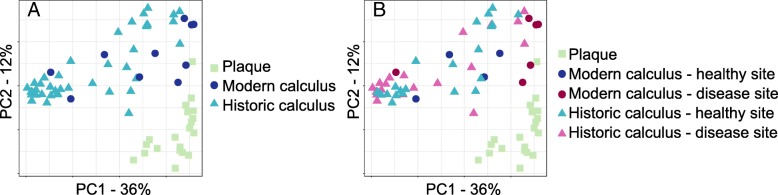
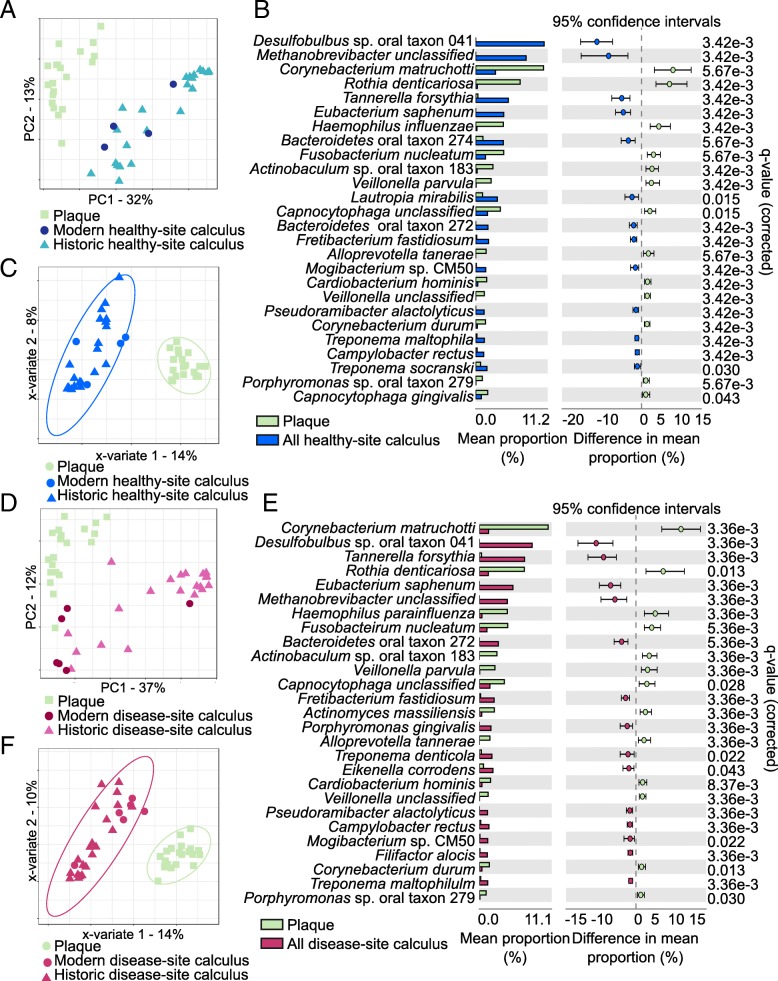
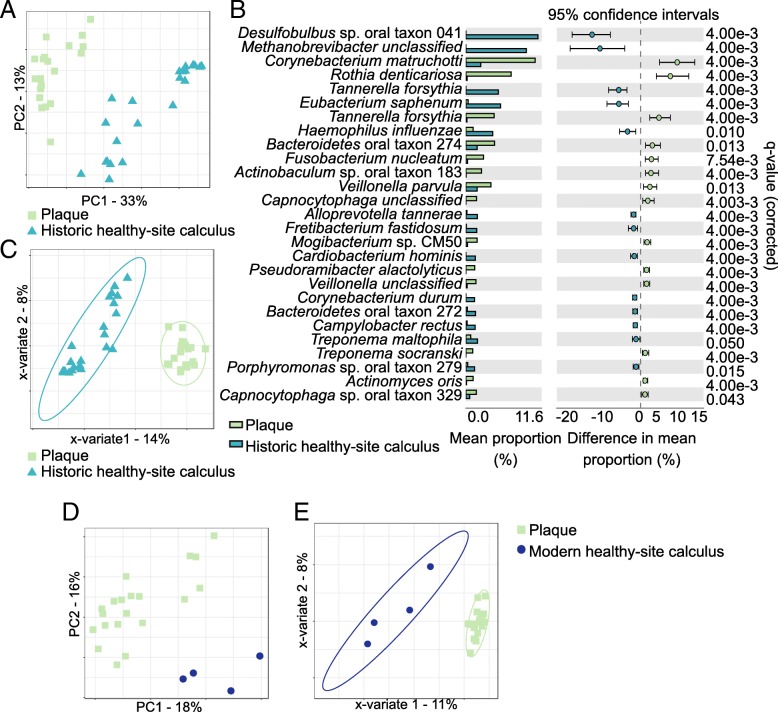
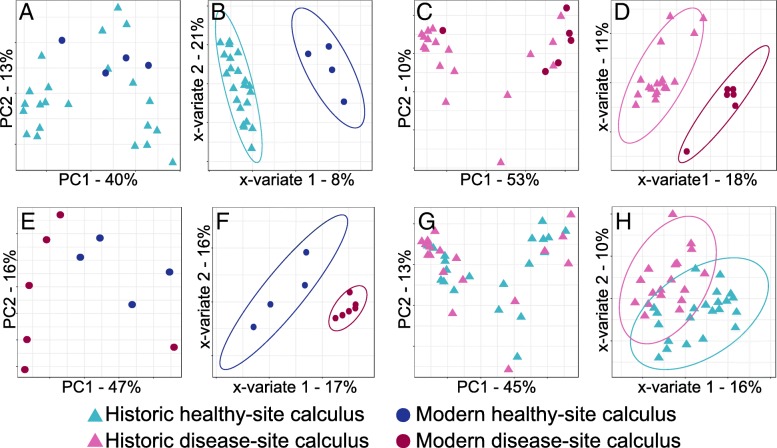
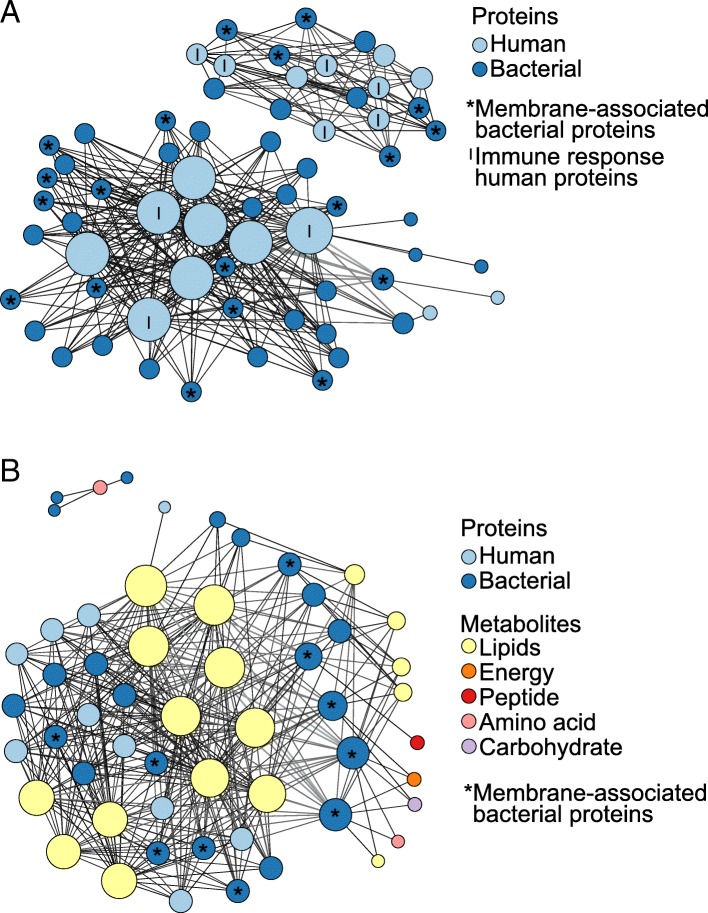
BACKGROUND: Dental calculus, calcified oral plaque biofilm, contains microbial and host biomolecules that can be used to study historic microbiome communities and host responses. Dental calculus does not typically accumulate as much today as historically, and clinical oral microbiome research studies focus primarily on living dental plaque biofilm. However, plaque and calculus reflect different conditions of the oral biofilm, and the differences in microbial characteristics between the sample types have not yet been systematically explored. Here, we compare the microbial profiles of modern dental plaque, modern dental calculus, and historic dental calculus to establish expected differences between these substrates. RESULTS: Metagenomic data was generated from modern and historic calculus samples, and dental plaque metagenomic data was downloaded from the Human Microbiome Project. Microbial composition and functional profile were assessed. Metaproteomic data was obtained from a subset of historic calculus samples. Comparisons between microbial, protein, and metabolomic profiles revealed distinct taxonomic and metabolic functional profiles between plaque, modern calculus, and historic calculus, but not between calculus collected from healthy teeth and periodontal disease-affected teeth. Species co-exclusion was related to biofilm environment. Proteomic profiling revealed that healthy tooth samples contain low levels of bacterial virulence proteins and a robust innate immune response. Correlations between proteomic and metabolomic profiles suggest co-preservation of bacterial lipid membranes and membrane-associated proteins. CONCLUSIONS: Overall, we find that there are systematic microbial differences between plaque and calculus related to biofilm physiology, and recognizing these differences is important for accurate data interpretation in studies comparing dental plaque and calculus.
Overview
The claims and statistics of this paper haven’t been checked yet.
Free: it reads the open-access text and checks the first 5 claims that cite a source we can check. Create a free account to check every claim.
Integrity signals
Registry
Cites
Statistics
Figures
Verification
Claims the paper makes
The claims and statistics of this paper haven’t been checked yet.
Free: it reads the open-access text and checks the first 5 claims that cite a source we can check. Create a free account to check every claim.
Claims other papers make about this one
Each is checked against this paper’s own text: does it say what the citing paper says it does?
The cited source says what the claim attributes to it.
In the citing paper
“When it comes to analyzing ancient human remains, most studies work with historic dental calculus [11, 15, 22-26], as it is a stable, long-term reservoir of proteins [27].”
From Metaproteomic analysis of King Ghezo tomb wall (Abomey, Benin) confirms 19th century voodoo sacrifices (2024) · cites this paper as [26]
In the citing paper
“Early colonizers are typically facultative anaerobes and saccharolytic species that thrive on salivary mucins and other glycoproteins3.”
From Recent advances in the pathogenesis and prevention strategies of dental calculus (2024) · cites this paper as [3]
In the citing paper
“Notable examples of diseases linked to biofilms include chronic wound infections, where biofilms hinder the healing process; dental plaque causing tooth decay and gum disease; persistent lung infections in individuals with cystic fibrosis; and infections associated with medical implants such as catheters and prosthetic joints [35,36,37,38].”
From Biofilm Resilience: Molecular Mechanisms Driving Antibiotic Resistance in Clinical Contexts (2025) · cites this paper as [37]
Self-check
Percentages, sums and reported differences re-computed from the paper’s own numbers.
The self-check needs the paper’s full text.
Citations
Cites
The Sequence Alignment/Map format and SAMtools
Li, H., Handsaker, B., Wysoker, A., Fennell, T., Ruan, J., Homer, N., Marth, G., Abecasis, G., Durbin, R., & 1000 Genome Project Data Processing Subgroup (2009) · Bioinformatics · doi:10.1093/bioinformatics/btp352 · Cited by 62,041 · cited 2×
“3 [63] was then used to convert to bam format, gener-”
MethodFast and accurate short read alignment with Burrows-Wheeler transform
Li, H., & Durbin, R. (2009) · Bioinformatics · doi:10.1093/bioinformatics/btp324 · Cited by 58,607
Gephi: An Open Source Software for Exploring and Manipulating Networks
Bastian, M., Heymann, S., & Jacomy, M. (2009) · Proceedings of the International AAAI Conference on Web and Social Media · doi:10.1609/icwsm.v3i1.13937 · Cited by 11,675 · cited 3×
“For graphical assessment of co-exclusion patterns, the data were visualized as network graphs with the species/genera as nodes and the co-exclusion value as edges, using Gephi [71].”
MethodInfluentialMicrobial complexes in subgingival plaque
Socransky, S. S., Haffajee, A. D., Cugini, M. A., Smith, C., & Kent, R. L. (1998) · Journal of Clinical Periodontology · doi:10.1111/j.1600-051x.1998.tb02419.x · Cited by 5,050 · cited 4×
“Because the proportions of several species in our calculus samples deviated strongly from those in the plaque samples, we next investigated the differences in species profiles using Socransky’s microbial complexes scheme [17].”
BackgroundMethodInfluentialSTAMP: statistical analysis of taxonomic and functional profiles
Parks, D. H., Tyson, G. W., Hugenholtz, P., & Beiko, R. G. (2014) · Bioinformatics · doi:10.1093/bioinformatics/btu494 · Cited by 4,191 · cited 3×
“Differential abundance of species between selected sample groups was determined using the program Statistical Analysis of Metagenomic Profiles (STAMP) [69, 70].”
MethodA cross-platform toolkit for mass spectrometry and proteomics
Chambers, M. C., Maclean, B., Burke, R., Amodei, D., Ruderman, D. L., Neumann, S., Gatto, L., Fischer, B., Pratt, B., Egertson, J., et al. (2012) · Nature Biotechnology · doi:10.1038/nbt.2377 · Cited by 4,093 · cited 1×
“Briefly, spectral data generated via MS/ MS were converted to Mascot generic format using the application MSConvert [75].”
MethodmixOmics: An R package for ‘omics feature selection and multiple data integration
Rohart, F., Gautier, B., Singh, A., & Lê Cao, K.-A. (2017) · PLOS Computational Biology · doi:10.1371/journal.pcbi.1005752 · Cited by 4,056 · cited 3×
“Sparse partial least squares-discriminant analysis (sPLSDA) was performed for each metadata category of interest (sample source, sample health status) with the species tables using the R package mixOmics [68], fol-”
MethodInfluentialDewhirst, F. E., Chen, T., Izard, J., Paster, B. J., Tanner, A. C. R., Yu, W.-H., Lakshmanan, A., & Wade, W. G. (2010) · Journal of Bacteriology · doi:10.1128/jb.00542-10 · Cited by 3,352
Illumina Sequencing Library Preparation for Highly Multiplexed Target Capture and Sequencing
Meyer, M., & Kircher, M. (2010) · Cold Spring Harbor Protocols · doi:10.1101/pdb.prot5448 · Cited by 2,231 · cited 1×
“Shotgun Illumina libraries of the Radcliffe calculus samples were constructed following previously described methods [57] with the AccuPrime PFX (Invitrogen) and KAPA HiFi Uracil+ (Roche) polymerases.”
MethodBrooks, S., & Suchey, J. M. (1990) · Human Evolution · doi:10.1007/bf02437238 · Cited by 2,213
Research works printed but not linked: 1
- Loe L, Pollard M, Gibson M, Simmonds A, Cotter J, Parkin A, et al. Radcliffe Infirmary Burial Ground, Oxford. Post-excavation assessment and project design. Booth P, editor. 2014:1–85.
Cited by
The oralome and its dysbiosis: New insights into oral microbiome-host interactions
Radaic, A., & Kapila, Y. L. (2021) · Computational and Structural Biotechnology Journal · doi:10.1016/j.csbj.2021.02.010 · Cited by 467
Orlando, L., Allaby, R., Skoglund, P., Der Sarkissian, C., Stockhammer, P. W., Ávila-Arcos, M. C., Fu, Q., Krause, J., Willerslev, E., Stone, A. C., et al. (2021) · Nature Reviews Methods Primers · doi:10.1038/s43586-020-00011-0 · Cited by 411
Self-citationBiofilm Resilience: Molecular Mechanisms Driving Antibiotic Resistance in Clinical Contexts
Almatroudi, A. (2025) · Biology · doi:10.3390/biology14020165 · Cited by 303
The evolution and changing ecology of the African hominid oral microbiome
Fellows Yates, J. A., Velsko, I. M., Aron, F., Posth, C., Hofman, C. A., Austin, R. M., Parker, C. E., Mann, A. E., Nägele, K., Arthur, K. W., et al. (2021) · Proceedings of the National Academy of Sciences · doi:10.1073/pnas.2021655118 · Cited by 176
“Present-day calculus was extracted as previously described (23).”
InfluentialSelf-citationReproducible, portable, and efficient ancient genome reconstruction with nf-core/eager
Fellows Yates, J. A., Lamnidis, T. C., Borry, M., Andrades Valtueña, A., Fagernäs, Z., Clayton, S., Garcia, M. U., Neukamm, J., & Peltzer, A. (2021) · PeerJ · doi:10.7717/peerj.10947 · Cited by 167
Zaura, E., Pappalardo, V. Y., Buijs, M. J., Volgenant, C. M. C., & Brandt, B. W. (2020) · Periodontology 2000 · doi:10.1111/prd.12359 · Cited by 129
Innate and adaptive immunity of periodontal disease. From etiology to alveolar bone loss
Becerra‐Ruiz, J. S., Velázquez, C. G., Martínez–Esquivias, F., Martínez‐Pérez, L. A., & Guzmán‐Flores, J. M. (2021) · Oral Diseases · doi:10.1111/odi.13884 · Cited by 89
Oral care product formulations, properties and challenges
Aspinall, S. R., Parker, J. K., & Khutoryanskiy, V. V. (2021) · Colloids and Surfaces B Biointerfaces · doi:10.1016/j.colsurfb.2021.111567 · Cited by 89
“Due to this, the colony of bacteria now known as dental plaque, becomes increasingly complex as more oxygen is consumed by the ever-growing number of bacteria present [29-30].”
BackgroundLi, S., Guo, R., Zhang, Y., Li, P., Chen, F., Wang, X., Li, J., Jie, Z., Lv, Q., Jin, H., et al. (2021) · iScience · doi:10.1016/j.isci.2022.104418 · Cited by 79
Rowińska, I., Szyperska-Ślaska, A., Zariczny, P., Pasławski, R., Kramkowski, K., & Kowalczyk, P. (2021) · Materials · doi:10.3390/ma14061444 · Cited by 80
Natural products from reconstructed bacterial genomes of the Middle and Upper Paleolithic
Klapper, M., Hübner, A., Ibrahim, A., Wasmuth, I., Borry, M., Haensch, V. G., Zhang, S., Al‐Jammal, W. K., Suma, H. R., Yates, J. A. F., et al. (2023) · Science · doi:10.1126/science.adf5300 · Cited by 72
Self-citationOttoni, C., Borić, D., Cheronet, O., Sparacello, V., Dori, I., Coppa, A., Antonović, D., Vujević, D., Price, T. D., Pinhasi, R., et al. (2021) · Proceedings of the National Academy of Sciences · doi:10.1073/pnas.2102116118 · Cited by 66
“py from KrakenTools to extract and convert to fasta the reads of the ancient and modern calculus samples from this study and the literature (7, 9, 22, 35) classified as bacteria in Kraken2 (using the options –t 2 –include-children).”
BackgroundMethodResultInfluentialSeguin-Orlando, A., Donat, R., Der Sarkissian, C., Southon, J., Thèves, C., Manen, C., Tchérémissinoff, Y., Crubézy, E., Shapiro, B., Deleuze, J.-F., et al. (2021) · Current Biology · doi:10.1016/j.cub.2020.12.015 · Cited by 61
Neukamm, J., Pfrengle, S., Molak, M., Seitz, A., Francken, M., Eppenberger, P., Avanzi, C., Reiter, E., Urban, C., Welte, B., et al. (2020) · BMC Biology · doi:10.1186/s12915-020-00839-8 · Cited by 58
“However, for the oral samples, comparative published calculus and plaque samples were available [31, 32, 87], which allowed us to perform a more detailed analysis of the oral microbiome of the oral samples investigated in this study.”
BackgroundMethodThe potential impact of salivary peptides in periodontitis
Hirtz, C., O’flynn, R., Voisin, P., de Périère, D. D., Lehmann, S., Guedes, S. D. M., Amado, F. M. L., Ferreira, R. M., Trindade, F., & Vitorino, R. M. P. (2021) · Critical Reviews in Clinical Laboratory Sciences · doi:10.1080/10408363.2021.1907298 · Cited by 55
Dental Calculus as a Tool to Study the Evolution of the Mammalian Oral Microbiome
Brealey, J. C., Leitão, H. G., van der Valk, T., Xu, W., Bougiouri, K., Dalén, L., & Guschanski, K. (2020) · Molecular Biology and Evolution · doi:10.1093/molbev/msaa135 · Cited by 54
“…denticola, and Tannerella forsythia) (Socransky et al. 1998) were identified in most bear and gorilla samples without signs of oral disease, consistent with findings in humans, where these bacteria are normal members of the mature plaque biofilm (Kolenbrander et al. 2002; Velsko et al. 2019).”
ResultThe evolutionary history of the human oral microbiota and its implications for modern health
Weyrich, L. S. (2020) · Periodontology 2000 · doi:10.1111/prd.12353 · Cited by 54
Granehäll, L., Huang, K. D., Tett, A., Manghi, P., Paladin, A., O’Sullivan, N. J., Rota‐Stabelli, O., Segata, N., Zink, A., & Maixner, F. (2021) · Microbiome · doi:10.1186/s40168-021-01132-8 · Cited by 50
Mann, A. E., Yates, J. A. F., Fagernäs, Z., Austin, R. M., Nelson, E. A., & Hofman, C. A. (2020) · Quaternary International · doi:10.1016/j.quaint.2020.11.019 · Cited by 49
Recent advances in the pathogenesis and prevention strategies of dental calculus
Wei, Y., Dang, G.-P., Ren, Z.-Y., Wan, M.-C., Wang, C.-Y., Li, H.-B., Zhang, T., Tay, F. R., & Niu, L.-N. (2024) · npj Biofilms and Microbiomes · doi:10.1038/s41522-024-00529-1 · Cited by 43
Investigating the demographic history of Japan using ancient oral microbiota
Eisenhofer, R., Kanzawa‐Kiriyama, H., Shinoda, K., & Weyrich, L. S. (2020) · Philosophical Transactions of the Royal Society B Biological Sciences · doi:10.1098/rstb.2019.0578 · Cited by 42
“Therefore, the absence of these phyla from the modern plaque samples might be associated with disease-state, as all HMP samples were taken from healthy individuals [27], but a current lack of information regarding the microbiome in health status of ancient individuals makes this difficult to classify [78].”
BackgroundBravo-Lopez, M., Villa-Islas, V., Rocha Arriaga, C., Villaseñor-Altamirano, A. B., Guzmán-Solís, A., Sandoval-Velasco, M., Wesp, J. K., Alcantara, K., López-Corral, A., Gómez-Valdés, J., et al. (2020) · Philosophical Transactions of the Royal Society B: Biological Sciences · doi:10.1098/rstb.2019.0580 · Cited by 40
Khosravi, Y., Kandukuri, R. D. P., Palmer, S. R., Gloag, E. S., Borisov, S. M., Starke, E. M., Ward, M. T., Kumar, P., de Beer, D., Chennu, A., et al. (2020) · BMC Oral Health · doi:10.1186/s12903-020-01217-0 · Cited by 40
Triebl, Z., Bencze, B., Bányai, D., Rózsa, N. K., Hermann, P., & Végh, D. (2024) · BMC Oral Health · doi:10.1186/s12903-024-04516-y · Cited by 40
“Also, we have found similar results regarding GI and CI parameters, that are closely connected with dental plaque induced inflammation, that further strengthens the connections of DM and caries [73, 74].”
ResultThe past, present and future of ancient bacterial DNA
Arning, N., & Wilson, D. J. (2020) · Microbial Genomics · doi:10.1099/mgen.0.000384 · Cited by 41
“Anaerobic species like Clostridium also survive due to a rapid decrease in oxygen concentration postmortem, indicating that the uncovered abundance of Clostrdium is unlikely to reflect the true state of the microbiome at the point of death [73].”
BackgroundInfluentialAchtman, M., & Zhou, Z. (2020) · Philosophical Transactions of the Royal Society B Biological Sciences · doi:10.1098/rstb.2019.0573 · Cited by 35
“Seven metagenomes (electronic supplementary material, table S2; Archive 11:2; Archive 17:5) were excluded from further analyses because they contained too few reads from common microbial taxa in the oral microbiome. archive accession sets of short reads no. samples source institute citation 1 PRJNA445215 62 48 ancient…”
BackgroundInfluentialFagernäs, Z., García-Collado, M. I., Hendy, J., Hofman, C. A., Speller, C., Velsko, I., & Warinner, C. (2020) · Journal of Archaeological Science · doi:10.1016/j.jas.2020.105135 · Cited by 32
“For example, two studies of ancient dental calculus (Velsko et al., 2019; Warinner et al., 2014b) identified both DNA and proteins from the periodontal pathogen Porphyromonas gingivalis , thereby providing strong evidence of both its presence and activity.”
Self-citationAncient Metagenomic Studies: Considerations for the Wider Scientific Community
Sarkissian, C. D., Velsko, I., Fotakis, A., Vågene, Å. J., Hübner, A., & Yates, J. A. F. (2021) · mSystems · doi:10.1128/msystems.01315-21 · Cited by 25
Self-citationMetagenomic analysis of dental calculus in ancient Egyptian baboons
Ottoni, C., Guellil, M., Ozga, A. T., Stone, A. C., Kersten, O., Bramanti, B., Porcier, S. M., & Neer, W. V. (2019) · Scientific Reports · doi:10.1038/s41598-019-56074-x · Cited by 33
Association between oral health and atrial fibrillation: A systematic review
Leelapatana, P., & Limpuangthip, N. (2022) · Heliyon · doi:10.1016/j.heliyon.2022.e09161 · Cited by 31
Velsko, I. M., Semerau, L., Inskip, S. A., Collado, M. I. G., Ziesemer, K. A., Ruber, M. S., Enrich, L. B. D. L., García, J. M., Valle, D. G., Ruiz, C. P., et al. (2022) · PNAS Nexus · doi:10.1093/pnasnexus/pgac148 · Cited by 31
“Given that dental calculus species profiles generally have higher abundance of these same disease-associated species, even in the absence of dental pathology (4, 68), detecting smoke exposureinduced changes may be difficult.”
InfluentialSelf-citationEcology, Not Host Phylogeny, Shapes the Oral Microbiome in Closely Related Species
Moraitou, M., Forsythe, A., Yates, J. A. F., Brealey, J. C., Warinner, C., & Guschanski, K. (2022) · Molecular Biology and Evolution · doi:10.1093/molbev/msac263 · Cited by 30
“Previous research suggests that microbial communities in historical and modern dental calculus are remarkably similar (Velsko et al. 2019); therefore, studying museum specimens provides reliable information about present-day microbiomes.”
Self-citationJacobson, D. K., Honap, T. P., Monroe, C., Lund, J. R., Houk, B. A., Novotny, A. C., Robin, C., Marini, E., & Lewis, C. M. (2020) · Philosophical Transactions of the Royal Society B Biological Sciences · doi:10.1098/rstb.2019.0586 · Cited by 30
“The ancient dental calculus was compared to modern Spanish dental calculus [63].”
BackgroundMethodResultInfluentialThe impact of dietary interventions on cardiometabolic health
Gjermeni, E., Fiebiger, R., Bundalian, L., Garten, A., Schöneberg, T., Duc, D. L., & Blüher, M. (2025) · Cardiovascular Diabetology · doi:10.1186/s12933-025-02766-w · Cited by 30
“Moreover, studies have shown that the microbial profiles of dental calculus differ markedly from those of dental plaque, suggesting that dietary habits have evolved alongside changes in oral microbiomes [42, 43].”
Oral microbiome diversity in chimpanzees from Gombe National Park
Ozga, A. T., Gilby, I. C., Nockerts, R. S., Wilson, M. L., Pusey, A. E., & Stone, A. C. (2019) · Scientific Reports · doi:10.1038/s41598-019-53802-1 · Cited by 29
Exploring the potential of dental calculus to shed light on past human migrations in Oceania
Velsko, I. M., Fagernäs, Z., Tromp, M., Bedford, S., Buckley, H. R., Clark, G., Dudgeon, J., Flexner, J., Galipaud, J., Kinaston, R. L., et al. (2024) · Nature Communications · doi:10.1038/s41467-024-53920-z · Cited by 28
Self-citationLi, Q., Zhou, F., Su, Z., Li, Y., & Li, J. (2022) · Frontiers in Microbiology · doi:10.3389/fmicb.2022.940643 · Cited by 28
“…role of C. matruchotii in the formation of dental calculus. the porous structure derived from dental calculus, which accommodated a large number of periodontitis-related pathogenic bacteria such as Porphyromonas gingivalis and their virulence factors (Socransky, 1970; Velsko et al., 2019).”
BackgroundAdvancing and refining archaeological dental calculus research using multiomic frameworks
Wright, S. L., Dobney, K., & Weyrich, L. (2021) · STAR: Science & Technology of Archaeological Research · doi:10.1080/20548923.2021.1882122 · Cited by 21
Beyond dirty teeth: Integrating dental calculus studies with osteoarchaeological parameters
Radini, A., & Nikita, E. (2022) · Quaternary International · doi:10.1016/j.quaint.2022.03.003 · Cited by 30
Quorum Sensing in Oral Biofilms: Influence on Host Cells
Nagi, M., Chapple, I., Sharma, P., Kuehne, S. A., & Hirschfeld, J. (2023) · Microorganisms · doi:10.3390/microorganisms11071688 · Cited by 27
Zhu, J., Jiang, Z., Yu, F., Gao, L., Wang, X., & Wang, Q. (2025) · Frontiers in Cellular and Infection Microbiology · doi:10.3389/fcimb.2025.1641816 · Cited by 27
Dimopoulos, E. A., Carmagnini, A., Velsko, I. M., Warinner, C., Larson, G., Frantz, L., & Irving-Pease, E. K. (2022) · PLoS Computational Biology · doi:10.1371/journal.pcbi.1010493 · Cited by 24
“Members of the Haemophilus genus were rarely identified, which is expected given that many species from that genus are generally low-abundance in dental plaque compared to other oral surfaces such as the tongue [44], and are similarly low-abundance in dental calculus [43].”
BackgroundMethodInfluentialSelf-citationKazarina, A., Pētersone-Gordina, E., Ķimsis, J., Kuzmicka, J., Zayakin, P., Griškjans, Ž., Gerhards, G., & Ranka, R. (2021) · Genes · doi:10.3390/genes12020309 · Cited by 21
Fagernäs, Z., Salazar‐García, D. C., Uriarte, M. H., Fernández, A. A., Henry, A. G., Maurandi, J. L., Ozga, A. T., Velsko, I. M., & Warinner, C. (2022) · FEMS Microbes · doi:10.1093/femsmc/xtac006 · Cited by 22
“Dental calculus represents a fully mature stage of oral biofilm development that is often disrupted in living individuals practicing oral hygiene, leading to a distinct microbial profile between dental plaque and dental calculus (Velsko et al. 2019; Kazarina et al. 2021).”
BackgroundInfluentialSelf-citationShiba, T., Komatsu, K., Sudo, T., Sawafuji, R., Saso, A., Ueda, S., Watanabe, T., Nemoto, T., Kano, C., Nagai, T., et al. (2021) · Frontiers in Cellular and Infection Microbiology · doi:10.3389/fcimb.2021.723821 · Cited by 20
“…of calculus derived from Neanderthals and other ancient humans revealed the diet of that era and how the bacterial composition in ancient humans differed from that of modern humans (Adler et al., 2013; Warinner et al., 2014; Lloyd-Price et al., 2017; Weyrich et al., 2017; Velsko et al., 2019).”
BackgroundDental calculus as a proxy for animal microbiomes
Ozga, A. T., & Ottoni, C. (2021) · Quaternary International · doi:10.1016/j.quaint.2021.06.012 · Cited by 19
Honap, T. P., Monroe, C., Johnson, S. J., Jacobson, D. K., Abin, C. A., Austin, R. M., Sandberg, P., Levine, M. N., Sankaranarayanan, K., & Lewis, C. M. (2023) · American Journal of Biological Anthropology · doi:10.1002/ajpa.24735 · Cited by 19
Zhang, S., Gao, W., Xie, L., Zhang, G., Wei, Z., Li, J., Song, C., & Chang, M. (2023) · Chemosphere · doi:10.1016/j.chemosphere.2023.141092 · Cited by 17
Xu, J., Wang, L., Sun, H., & Liu, S. (2022) · Journal of Healthcare Engineering · doi:10.1155/2022/6505672 · Cited by 17
RetractedJackson, I., Woodman, P. C., Dowd, M., Fibiger, L., & Cassidy, L. M. (2024) · Molecular Biology and Evolution · doi:10.1093/molbev/msae017 · Cited by 16
Standardized studies of the oral microbiome: From technology‐driven to hypothesis‐driven
Gao, C., Li, X., Zhao, X., Yang, P., Wang, X., Chen, X., Chen, N., & Chen, F. (2022) · iMeta · doi:10.1002/imt2.19 · Cited by 16
Velsko, I. M., & Warinner, C. (2025) · npj Biofilms and Microbiomes · doi:10.1038/s41522-024-00642-1 · Cited by 15
“Ancient dental calculus metagenomic data from studies published prior to June 2022, which includedmore than 2samples thatwereIllumina shotgun sequenced, and were not explicitly used for extraction or decontamination method testing were downloaded from the European Nucleotide Archive (ENA) 6,10 – 12, 20 , 49 – 56 .”
InfluentialSelf-citationLai, S., Tang, N., Guo, J. J., Deng, L., Yuan, L., Zeng, L., Yang, L., & Mu, Y. (2025) · Colloids and Surfaces B Biointerfaces · doi:10.1016/j.colsurfb.2025.114709 · Cited by 15
Ankily, M. A., Makkeyah, F., Bakr, M. M., & Shamel, M. (2020) · Journal of international oral health · doi:10.4103/jioh.jioh_121_20 · Cited by 15
Velsko, I. M., Gallois, S., Stahl, R., Henry, A. G., & Warinner, C. (2023) · Molecular Ecology · doi:10.1111/mec.16988 · Cited by 16
“For industrial food consumers, both dental plaque and dental calculus were included because they have been shown to contain distinct species profiles (Velsko, Fellows Yates, et al., 2019 ).”
InfluentialSelf-citationConsiderations in the treatment of individuals with obesity and periodontitis
Cheong, A. S. Q., & Suvan, J. E. (2025) · Clinical Obesity · doi:10.1111/cob.70002 · Cited by 13
“31 Early intervention with good oral hygiene and routine dental visits for professional mechanical plaque removal (PMPR) can arrest periodontitis or prevent the progression of gingivitis to periodontitis.”
Spirito, F. D., Palo, M. P. D., Benedetto, G. D., Piedepalumbo, F. V., Galdi, M., Cannatà, D., Cafà, N., & Contaldo, M. (2025) · Microorganisms · doi:10.3390/microorganisms13081813 · Cited by 13
“…healthy pediatric individuals, the periodontal niche maintains an immunologically tolerant but vigilant state, in which microbial metabolites, including short-chain fatty acids, proteases, and extracellular vesicles [56,94], are constantly surveyed but contained within a homeostatic network.”
Dental calculus: A repository of bioinformation indicating diseases and human evolution
Li, Q., Luo, K., Su, Z., Huang, F., Wu, Y., Zhou, F., Li, Y., Peng, X., Li, J., & Ren, B. (2022) · Frontiers in Cellular and Infection Microbiology · doi:10.3389/fcimb.2022.1035324 · Cited by 13
“And they found out that ancient calculus and modern calculus could not be classified from each other but they could be separated from modern plaque by “Red Complex” members P.gingivalis and T.forsythia (Velsko et al., 2019).”
BackgroundBelašić, T. Z., Badnjević, M., Žigante, M., Vitezić, B. M., Špalj, S., & Markova-Car, E. (2024) · Archives of Oral Biology · doi:10.1016/j.archoralbio.2024.105984 · Cited by 14
Warinner, C. (2022) · Journal of Anthropological Research · doi:10.1086/721976 · Cited by 14
“…al. 2019; Tito et al. 2008;Wibowo et al. 2021), dental calculus (Brealey et al. 2020; Fellows Yates et al. 2021a; Granehäll et al. 2021; Mann et al. 2018; Velsko et al. 2019; Warinner et al. 2014; Weyrich et al. 2017), and the necrobiome of skeletal remains (Mann et al. 2018;Warinner et al. 2014).”
BackgroundSelf-citationGancz, A. S., & Weyrich, L. S. (2023) · F1000Research · doi:10.12688/f1000research.129036.1 · Cited by 12
Farva, K., Sattar, H., Ullah, H., Raziq, A., Mehmood, M. D., Tareen, A. K., Sultan, I. N., Zohra, Q., & Khan, M. W. (2023) · Microorganisms · doi:10.3390/microorganisms11081952 · Cited by 11
Power Play of Commensal Bacteria in the Buccal Cavity of Female Nile Tilapia
Abdelhafiz, Y. A., Fernandes, J. M. O., Stefani, E., Albanese, D., Donati, C., & Kiron, V. (2021) · Frontiers in Microbiology · doi:10.3389/fmicb.2021.773351 · Cited by 12
The Role of Glycoside Hydrolases in S. gordonii and C. albicans Interactions
Zhou, Z., Ren, B., Li, J., Zhou, X., Xu, X., & Zhou, Y. (2022) · Applied and Environmental Microbiology · doi:10.1128/aem.00116-22 · Cited by 11
Impact of different oral treatments on the composition of the supragingival plaque microbiome
Rabe, A., Salazar, M. G., Michalik, S., Kocher, T., Below, H., Völker, U., & Welk, A. (2022) · Journal of Oral Microbiology · doi:10.1080/20002297.2022.2138251 · Cited by 11
Anti-inflammatory effectiveness of Peperomia pellucida (L.) Kunth in rats induced with periodontitis
Nasution, D. L. I., Tjahajawati, S., Indriyanti, R., & Amaliya (2024) · Biochemistry and Biophysics Reports · doi:10.1016/j.bbrep.2024.101856 · Cited by 12
“Mechanical debridement of tooth and root surfaces through scaling and root planing (SRP) is considered the gold standard for periodontal therapy [5,11].”
Prêcheur, I., Rolland, Y., Hasseine, L., Orange, F., Morisot, A., & Landreau, A. (2020) · Antibiotics · doi:10.3390/antibiotics9040137 · Cited by 10
“Red complex species may be underrepresented in the subgingival plaque associated with periodontitis [65], but abundant in mature dental plaque [66].”
BackgroundThe making of the oral microbiome in Agta hunter–gatherers
Dobón, B., Musciotto, F., Mira, Á., Greenacre, M. J., Schlaepfer, R., Aguileta, G., Astete, L. H., Ngales, M. L., Latora, V., Battiston, F., et al. (2023) · Evolutionary Human Sciences · doi:10.1017/ehs.2023.9 · Cited by 11
Metagenomic analysis of Mesolithic chewed pitch reveals poor oral health among stone age individuals
Kırdök, E., Kashuba, N., Damlien, H., Manninen, M. A., Nordqvist, B., Kjellström, A., Jakobsson, M., Lindberg, A. M., Storå, J., Persson, P., et al. (2024) · Scientific Reports · doi:10.1038/s41598-023-48762-6 · Cited by 10
The Feasibility of Phage Therapy for Periodontitis
Zhen, C., Guo, Z., Lin, H., Tian, Y., Zhang, P., Chen, H., Wang, Y., & Shen, Y. (2021) · Future Microbiology · doi:10.2217/fmb-2020-0161 · Cited by 10
Exploring the Potential of Micro-Immunotherapy in the Treatment of Periodontitis
Ferrà‐Cañellas, M. D. M., & Garcia-Sureda, L. (2024) · Life · doi:10.3390/life14050552 · Cited by 9
“The extracellular matrix on the teeth surface at the initial stage of biofilm formation facilitates this process, leading to anaerobic microorganisms increasing due to oxygen depletion in a growing and mature biofilm [8].”
BackgroundInferring diet, disease and antibiotic resistance from ancient human oral microbiomes
Dahlquist-Axe, G., Standeven, F. J., Speller, C., Tedder, A., & Meehan, C. J. (2024) · Microbial Genomics · doi:10.1099/mgen.0.001251 · Cited by 9
“It is noteworthy that there are microbial differences between calculus and plaque regarding species preservation bias and the maturity of biofilms [63].”
BackgroundSpirito, F. D., Pisano, M., Caggiano, M., Benedetto, G. D., Palo, M. P. D., Franci, G., & Amato, M. (2024) · Children · doi:10.3390/children12010039 · Cited by 9
Fagernäs, Z., & Warinner, C. (2023) · Wiley eBooks · doi:10.1002/9781119592112.ch28 · Cited by 9
Self-citationBartholdy, B. P., Hasselstrøm, J. B., Sørensen, L. K., Casna, M., Hoogland, M., Beemster, H. G., & Henry, A. G. (2024) · Peer Community Journal · doi:10.24072/pcjournal.414 · Cited by 9
“…ing life, which is largely controlled by the quantity consumed, how often the calculus was disrupted/removed, metabolic breakdown of the compound, and inter-and intra-individual factors related to stages of biofilm maturation (Lustmann et al., 1976; Velsko et al., 2019; Zijnge et al., 2010).”
BackgroundCharlier, P., Bourdin, V., N'Dah, D., Kielbasa, M., Pible, O., & Armengaud, J. (2024) · PROTEOMICS · doi:10.1002/pmic.202400048 · Cited by 8
“When it comes to analyzing ancient human remains, most studies work with historic dental calculus [11, 15, 22–26], as it is a stable, long-term reservoir of proteins [27].”
Gkavela, G., Nørrisgaard, P. E., & Rahiotis, C. (2024) · Dentistry Journal · doi:10.3390/dj12120395 · Cited by 8
The oral microbiota and its relationship to dental calculus and caries
Benseddik, F., Pilliol, V., Alou, M. T., Wasfy, R. M., Raoult, D., & Dubourg, G. (2024) · Archives of Oral Biology · doi:10.1016/j.archoralbio.2024.106161 · Cited by 8
Wu, J., Lee, C., Chang, W., Wu, P., Chen, L., Huang, J., Su, W., & Kuo, K. (2021) · The Kaohsiung Journal of Medical Sciences · doi:10.1002/kjm2.12406 · Cited by 8
“The presence of dental calculus thus indicates high bacteria levels, which can cause the spread of pro-inflammatory mediators, cytokines and chemokines, in the body.(14,16,22) Several studies have investigated the relationship of dental and periodontal status to LT candidates.”
BackgroundNasution, D. L. I., Tjahajawati, S., Indriyanti, R., Amaliya, A., Fadilah, R. P. N., & Mutiara, R. (2023) · Padjadjaran Journal of Dentistry · doi:10.24198/pjd.vol35no3.47856 · Cited by 9
Fiorin, E., Roberts, C. A., Baldoni, M., Connelly, E. N., Lee, C., Ottoni, C., & Cristiani, E. (2024) · Scientific Reports · doi:10.1038/s41598-024-52422-8 · Cited by 9
“Alternatively, Elma Brenner, in her analysis of monastic houses of Rouen, France, found that ’not all the resident lepers ate the same diet’ and this may be related to the religious status of the individual rather than to ideas about diet consumed as part of the care regime( 41 , pp. 96–97).”
BackgroundPutrino, A., Marinelli, E., Galeotti, A., Ferrazzano, G. F., Ciribè, M., & Zaami, S. (2024) · Microorganisms · doi:10.3390/microorganisms12050902 · Cited by 7
“Dental calculus’ microbiome analysis has identified ‘red complex’ bacteria correlated with periodontal diseases even in Ancient Egypt [42].”
BackgroundInfluentialKlimek, L., Makówka, M., Sobczyk‐Guzenda, A., & Kula, Z. M. (2024) · Materials · doi:10.3390/ma17102450 · Cited by 7
“The bacteria causing periodontal diseases are Porphyromonas gingivalis and Treponema denticola [54,55].”
BackgroundMoraitou, M., Richards, J., Bolyos, C., Saliari, K., Gilissen, E., Timmons, Z., Kitchener, A. C., Pauwels, O. S. G., Sabin, R., Kokkini, P., et al. (2025) · Molecular Ecology Resources · doi:10.1111/1755-0998.70039 · Cited by 7
“In addition, because of the exceptional preservation of genetic material (Mann et al. 2018; Velsko et al. 2019; Fellows Yates et al. 2021), this ‘microbial fossil’ can be sampled decades, centuries, or even millennia after the host's death, and analysed using metagenomics, providing snap-shots of…”
Galtier, A., Warinner, C., & Velsko, I. M. (2026) · Genome Biology and Evolution · doi:10.1093/gbe/evag136 · Cited by 7
Self-citationSamimi, F., Baazm, M., Eftekhar, E., & Jalali-Mashayekhi, F. (2019) · مجله دانشگاه علوم پزشکی اراک · doi:10.32598/jams.22.4.30 · Cited by 7
Leigh, R. J., Murphy, R. A., & Walsh, F. (2021) · bioRxiv (Cold Spring Harbor Laboratory) · doi:10.1101/2021.05.17.444491 · Cited by 7
Fontani, F., Boano, R., Cinti, A., Demarchi, B., Sandron, S., Rampelli, S., Candela, M., Traversari, M., Latorre, A., Iacovera, R., et al. (2023) · Scientific Reports · doi:10.1038/s41598-023-39250-y · Cited by 6
Uchida‐Fukuhara, Y., Shimamura, S., Sawafuji, R., Nishiuchi, T., Yoneda, M., Ishida, H., Matsumura, H., & Tsutaya, T. (2024) · Scientific Reports · doi:10.1038/s41598-024-55779-y · Cited by 6
“Proteins from the red complex bacteria have frequently been identified in both modern and ancient human dental calculus samples 13,15,51,52 .”
BackgroundĶimsis, J., Pokšāne, A., Kazarina, A., Vilcāne, A., Pētersone-Gordina, E., Zayakin, P., Gerhards, G., & Ranka, R. (2023) · Environmental Microbiology Reports · doi:10.1111/1758-2229.13157 · Cited by 6
Evolutionary History of Periodontitis and the Oral Microbiota—Lessons for the Future
Shanmugasundaram, S., Nayak, N., Karmakar, S., Chopra, A., & Arangaraju, R. (2024) · Current Oral Health Reports · doi:10.1007/s40496-024-00370-7 · Cited by 6
“Therefore, for an unbiased comparison, the microbiological evidence that is retrieved from pre-historic dental calculus needs to be compared with the data from modern dental calculus, rather than relying on the evidence from modern plaque samples [94].”
Genomic Analysis of 18th-Century Kazakh Individuals and Their Oral Microbiome
White, A. E., de-Dios, T., Carrión, P., Bonora, G. L., Llovera, L., Cilli, E., Lizano, E., Хабдулина, М. К., Тлеугабулов, Д. Т., Olalde, Í., et al. (2021) · Biology · doi:10.3390/biology10121324 · Cited by 6
Evaluation of Antioxidant and Anticancer Effects of Nanoemulsions Prepared Using Dill Essential Oil
Afshari, H. S. T., Tabrizi, M. H., & Ardalan, T. (2019) · مجله دانشگاه علوم پزشکی اراک · doi:10.32598/jams.22.4.40 · Cited by 6
Rogóż, J., Podbielska, M., Szpyrka, E., & Wnuk, M. (2021) · Molecules · doi:10.3390/molecules26102951 · Cited by 6
“Bacterial biofilm is defined as a complex aggregation of micro-organisms connected with each other and attached to various surfaces, surrounded by the extracellular polymeric substance (EPS) they produce [1].”
BackgroundStandeven, F. J., Dahlquist-Axe, G., Hendy, J., Fiddyment, S., Holst, M., McGrath, K. M., Collins, M. J., Mundorff, A. Z., Radini, A., Wagner, J., et al. (2025) · Data in Brief · doi:10.1016/j.dib.2025.111770 · Cited by 6
Meta-omics reveals subgingival plaque reconstruction dynamics
Zhou, F., Wu, Y., Ren, B., Liu, Y., Luo, K., Li, Q., Huang, F., Peng, X., Li, Y., Su, Z., et al. (2025) · Journal of Oral Microbiology · doi:10.1080/20002297.2025.2569528 · Cited by 5
“While co-occurrence network analysis has become a cornerstone of microbial ecology [45,46], this approach fails to capture directional relationships or causal mechanisms [47].”
White, A. E., Koch, T. J., Jensen, T. Z. T., Niemann, J., Pedersen, M. W., Søtofte, M. B., Binder, D., Lepère, C., Harb, C., Huber, R., et al. (2025) · Proceedings of the Royal Society B Biological Sciences · doi:10.1098/rspb.2025.0092 · Cited by 5
Ma, S., Yang, L., Li, H., Chen, X., Lin, X., Ge, W., Wang, Y., Sun, L., Zhao, G., Wang, B., et al. (2023) · BMC Infectious Diseases · doi:10.1186/s12879-022-07979-y · Cited by 5
Correlation of Parental and Child Dental Plaque Levels: A Clinical Study
Mazzoleni, S., Zuccon, A., Matteo, S. D., Parcianello, R. G., Favero, R., Ludovichetti, R., Malvicini, G., & Ludovichetti, F. S. (2024) · Applied Sciences · doi:10.3390/app142210448 · Cited by 5
Blatt, S. H., Shields, J. R., & Michael, A. R. (2022) · Forensic Genomics · doi:10.1089/forensic.2022.0003 · Cited by 5
Metadata
- Authors
- Velsko, I. M., Fellows Yates, J. A., Aron, F., Hagan, R. W., Frantz, L. A. F., Loe, L., Martinez, J. B. R., Chaves, E., Gosden, C., Larson, G., & Warinner, C.
- Affiliations
- University of Oxford (GB)
- Max Planck Institute of Geoanthropology (DE)
- Queen Mary University of London (GB)
- Oxford Archaeology (GB)
- University of Oklahoma Health Sciences Center (US)
- Corresponding author
- Velsko, Irina M.
- Warinner, Christina
- ORCID
- Venue
- Microbiome
- Published
- 2019-07-06
- Volume
- 7
- Issue
- 1
- Pages
- 102-102
- ISSN
- 2049-2618 (ISSN-L)
- PMC
- PMC6612086
- OpenAlex
- W2954206569
- Cited by
- 170
- References
- 77
- Citations by year
- 2026: 20 · 2025: 25 · 2024: 31 · 2023: 20 · 2022: 18 · 2021: 31 · 2020: 17 · 2019: 8
- FWCI
- 20.64
- Type
- journal article
- Language
- en
- Open access
- gold
- doi.org
- Licence
- cc-by
- creativecommons.org/licenses/by/4.0/ (tdm)
- creativecommons.org/licenses/by/4.0/ (vor)
- Locations
- Microbiome (publishedVersion, cc-by)
- PubMed Central (publishedVersion, cc-by)
- PubMed (publishedVersion)
- DOAJ (DOAJ: Directory of Open Access Journals) (submittedVersion, cc-by-sa)
- Oxford University Research Archive (ORA) (University of Oxford) (submittedVersion, cc-by)
- MPG.PuRe (Max Planck Society) (submittedVersion, other-oa)
- Queen Mary Research Online (Queen Mary University of London) (submittedVersion, cc-by)
- Funders
- John Fell Fund, University of Oxford (143/108)
- National Science Foundation (BCS-1516633)
- Topics
- Health Sciences › Dentistry › Periodontics › Oral microbiology and periodontitis research
- Life Sciences › Biochemistry, Genetics and Molecular Biology › Molecular Biology › Bacterial biofilms and quorum sensing
- Social Sciences › Arts and Humanities › Archeology (arts and humanities) › Paleopathology and ancient diseases
- Keywords
- dental plaque, dental calculus, oral microbiota, periodontal disease, bacterial virulence proteins, innate immune response, microbial community composition
- MeSH terms
- DNA, Ancient, Bacteria, Bacterial Proteins, Bone and Bones, Dental Calculus, Dental Plaque, DNA, Bacterial, Female, Humans, Male, Periodontal Diseases, Tooth, Bacterial Physiological Phenomena, Biofilms, Proteomics, History, Ancient, Metagenomics, Microbiota
About these checks
Registry, retraction, Cites and statistics results are computed, not judged, with one exception: a printed reference that no index lists is read once by a model before it counts as a citation error. Claims are extracted by a model and kept only when their quote appears verbatim in the text; each cited source is then checked, with a model’s help, for whether it says what the claim relies on. Those verdicts can be wrong — read the claim’s quote and the cited source before relying on one.
Statistics and arithmetic are recomputed, not judged.
Confidence bands are shown only for fields calibrated on our annotated test set. None is calibrated yet, so no band is shown.
What counts as a claim ›How we measure confidence ›How we check this ›
Are you an author, or do you see a problem with this page? Request a review
Data sources
Bibliographic data: Semantic Scholar, OpenAlex, Crossref.
Contains information from the Semantic Scholar Academic Graph Datasets, made available under the ODC Attribution License (ODC-BY 1.0).
Semantic Scholar’s data is described in: Kinney, R., et al. (2023). The Semantic Scholar Open Data Platform. arXiv:2301.10140.
