

Microbial differences between dental plaque and historic dental calculus are related to oral biofilm maturation stage
Open accessThe DOI matches its Crossref record; 78 of the 78 references it cites were found in a registry or an index.
Abstract
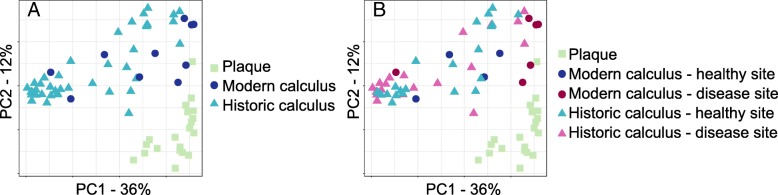
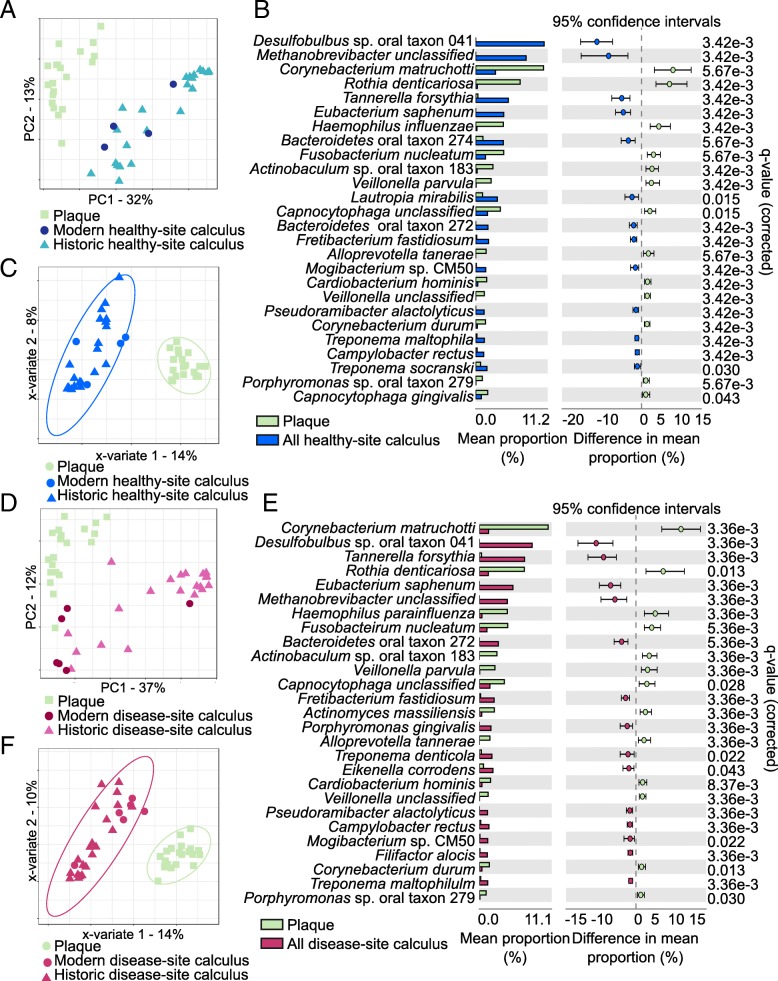
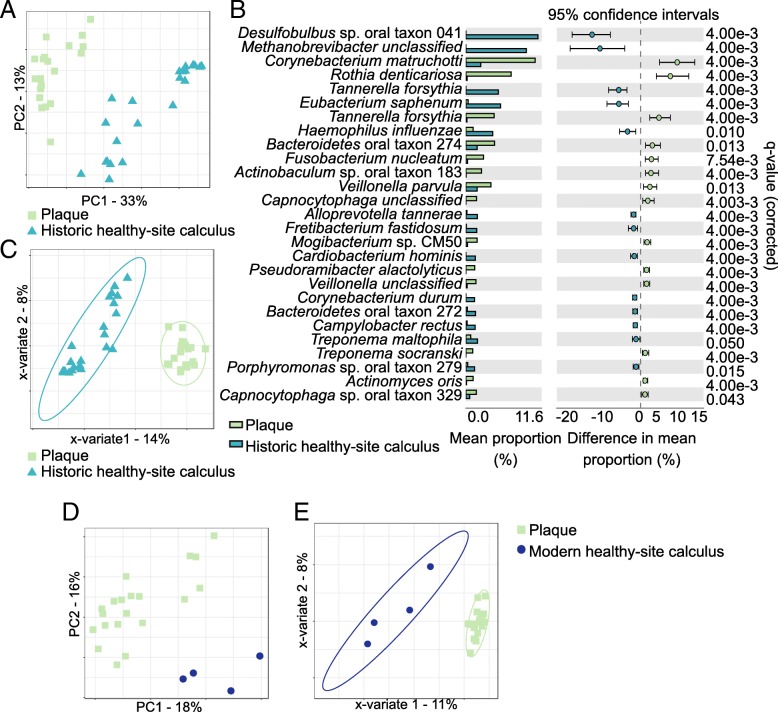
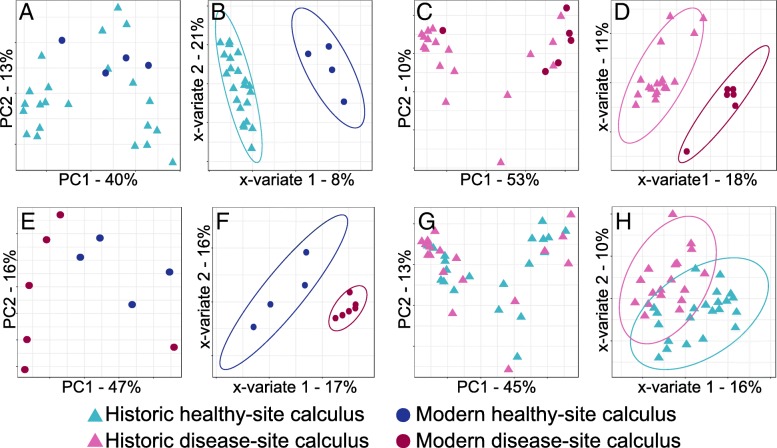
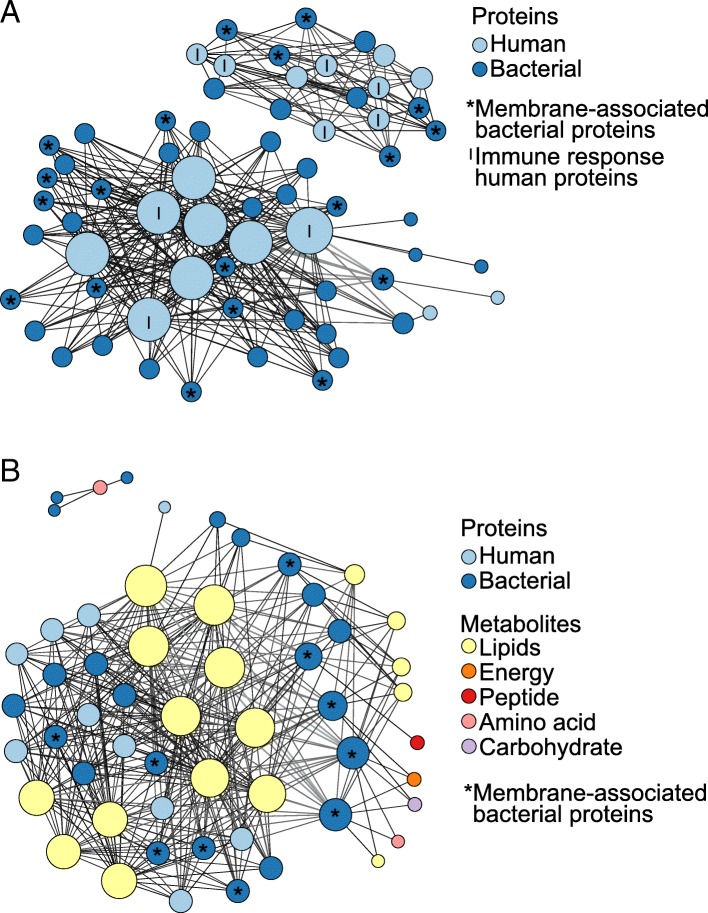
BACKGROUND: Dental calculus, calcified oral plaque biofilm, contains microbial and host biomolecules that can be used to study historic microbiome communities and host responses. Dental calculus does not typically accumulate as much today as historically, and clinical oral microbiome research studies focus primarily on living dental plaque biofilm. However, plaque and calculus reflect different conditions of the oral biofilm, and the differences in microbial characteristics between the sample types have not yet been systematically explored. Here, we compare the microbial profiles of modern dental plaque, modern dental calculus, and historic dental calculus to establish expected differences between these substrates. RESULTS: Metagenomic data was generated from modern and historic calculus samples, and dental plaque metagenomic data was downloaded from the Human Microbiome Project. Microbial composition and functional profile were assessed. Metaproteomic data was obtained from a subset of historic calculus samples. Comparisons between microbial, protein, and metabolomic profiles revealed distinct taxonomic and metabolic functional profiles between plaque, modern calculus, and historic calculus, but not between calculus collected from healthy teeth and periodontal disease-affected teeth. Species co-exclusion was related to biofilm environment. Proteomic profiling revealed that healthy tooth samples contain low levels of bacterial virulence proteins and a robust innate immune response. Correlations between proteomic and metabolomic profiles suggest co-preservation of bacterial lipid membranes and membrane-associated proteins. CONCLUSIONS: Overall, we find that there are systematic microbial differences between plaque and calculus related to biofilm physiology, and recognizing these differences is important for accurate data interpretation in studies comparing dental plaque and calculus.
Overview
The claims and statistics of this paper haven’t been checked yet.
Free: it reads the open-access text and checks the first 5 claims that cite a source we can check. Create a free account to check every claim.
Integrity signals
Registry
Cites
Statistics
Figures
Verification
Claims the paper makes
The claims and statistics of this paper haven’t been checked yet.
Free: it reads the open-access text and checks the first 5 claims that cite a source we can check. Create a free account to check every claim.
Claims other papers make about this one
Each is checked against this paper’s own text: does it say what the citing paper says it does?
The cited source says what the claim attributes to it.
In the citing paper
“When it comes to analyzing ancient human remains, most studies work with historic dental calculus [11, 15, 22-26], as it is a stable, long-term reservoir of proteins [27].”
From Metaproteomic analysis of King Ghezo tomb wall (Abomey, Benin) confirms 19th century voodoo sacrifices (2024) · cites this paper as [26]
In the citing paper
“Early colonizers are typically facultative anaerobes and saccharolytic species that thrive on salivary mucins and other glycoproteins3.”
From Recent advances in the pathogenesis and prevention strategies of dental calculus (2024) · cites this paper as [3]
In the citing paper
“Notable examples of diseases linked to biofilms include chronic wound infections, where biofilms hinder the healing process; dental plaque causing tooth decay and gum disease; persistent lung infections in individuals with cystic fibrosis; and infections associated with medical implants such as catheters and prosthetic joints [35,36,37,38].”
From Biofilm Resilience: Molecular Mechanisms Driving Antibiotic Resistance in Clinical Contexts (2025) · cites this paper as [37]
Self-check
Percentages, sums and reported differences re-computed from the paper’s own numbers.
The self-check needs the paper’s full text.
Citations
Cites
The Sequence Alignment/Map format and SAMtools
Li, H., Handsaker, B., Wysoker, A., Fennell, T., Ruan, J., Homer, N., Marth, G., Abecasis, G., Durbin, R., & 1000 Genome Project Data Processing Subgroup (2009) · Bioinformatics · doi:10.1093/bioinformatics/btp352 · Cited by 62,041 · cited 2×
“3 [63] was then used to convert to bam format, gener-”
MethodFast and accurate short read alignment with Burrows-Wheeler transform
Li, H., & Durbin, R. (2009) · Bioinformatics · doi:10.1093/bioinformatics/btp324 · Cited by 58,607
Gephi: An Open Source Software for Exploring and Manipulating Networks
Bastian, M., Heymann, S., & Jacomy, M. (2009) · Proceedings of the International AAAI Conference on Web and Social Media · doi:10.1609/icwsm.v3i1.13937 · Cited by 11,675 · cited 3×
“For graphical assessment of co-exclusion patterns, the data were visualized as network graphs with the species/genera as nodes and the co-exclusion value as edges, using Gephi [71].”
MethodInfluentialMicrobial complexes in subgingival plaque
Socransky, S. S., Haffajee, A. D., Cugini, M. A., Smith, C., & Kent, R. L. (1998) · Journal of Clinical Periodontology · doi:10.1111/j.1600-051x.1998.tb02419.x · Cited by 5,050 · cited 4×
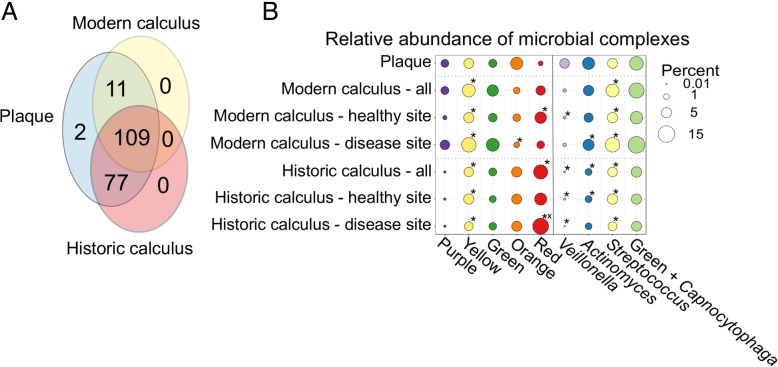
“Because the proportions of several species in our calculus samples deviated strongly from those in the plaque samples, we next investigated the differences in species profiles using Socransky’s microbial complexes scheme [17].”
BackgroundMethodInfluentialSTAMP: statistical analysis of taxonomic and functional profiles
Parks, D. H., Tyson, G. W., Hugenholtz, P., & Beiko, R. G. (2014) · Bioinformatics · doi:10.1093/bioinformatics/btu494 · Cited by 4,191 · cited 3×
“Differential abundance of species between selected sample groups was determined using the program Statistical Analysis of Metagenomic Profiles (STAMP) [69, 70].”
MethodA cross-platform toolkit for mass spectrometry and proteomics
Chambers, M. C., Maclean, B., Burke, R., Amodei, D., Ruderman, D. L., Neumann, S., Gatto, L., Fischer, B., Pratt, B., Egertson, J., et al. (2012) · Nature Biotechnology · doi:10.1038/nbt.2377 · Cited by 4,093 · cited 1×
“Briefly, spectral data generated via MS/ MS were converted to Mascot generic format using the application MSConvert [75].”
MethodmixOmics: An R package for ‘omics feature selection and multiple data integration
Rohart, F., Gautier, B., Singh, A., & Lê Cao, K.-A. (2017) · PLOS Computational Biology · doi:10.1371/journal.pcbi.1005752 · Cited by 4,056 · cited 3×
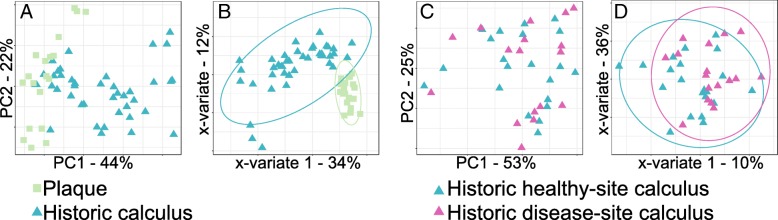
“Sparse partial least squares-discriminant analysis (sPLSDA) was performed for each metadata category of interest (sample source, sample health status) with the species tables using the R package mixOmics [68], fol-”
MethodInfluentialDewhirst, F. E., Chen, T., Izard, J., Paster, B. J., Tanner, A. C. R., Yu, W.-H., Lakshmanan, A., & Wade, W. G. (2010) · Journal of Bacteriology · doi:10.1128/jb.00542-10 · Cited by 3,352
Illumina Sequencing Library Preparation for Highly Multiplexed Target Capture and Sequencing
Meyer, M., & Kircher, M. (2010) · Cold Spring Harbor Protocols · doi:10.1101/pdb.prot5448 · Cited by 2,231 · cited 1×
“Shotgun Illumina libraries of the Radcliffe calculus samples were constructed following previously described methods [57] with the AccuPrime PFX (Invitrogen) and KAPA HiFi Uracil+ (Roche) polymerases.”
MethodBrooks, S., & Suchey, J. M. (1990) · Human Evolution · doi:10.1007/bf02437238 · Cited by 2,213
MetaPhlAn2 for enhanced metagenomic taxonomic profiling
Truong, D. T., Franzosa, E. A., Tickle, T. L., Scholz, M., Weingart, G., Pasolli, E., Tett, A., Huttenhower, C., & Segata, N. (2015) · Nature Methods · doi:10.1038/nmeth.3589 · Cited by 2,185 · cited 6×
“The species-level assignments were extracted from the MetaPhlAn2 output tables (Additional file 2: Table S2) and used for all further analyses.”
MethodInfluentialAdapterRemoval v2: rapid adapter trimming, identification, and read merging
Schubert, M., Lindgreen, S., & Orlando, L. (2016) · BMC Research Notes · doi:10.1186/s13104-016-1900-2 · Cited by 2,151 · cited 2×
“Forward and reverse reads were trimmed and merged using AdapterRemoval2 [61], with the following parameters: --trimns –trimqualities –minlength 30 – minquality 20 –minadapteroverlap 1.”
MethodLovejoy, C. O., Meindl, R. S., Pryzbeck, T. R., & Mensforth, R. P. (1985) · American Journal of Physical Anthropology · doi:10.1002/ajpa.1330680103 · Cited by 2,062
The Subsystems Approach to Genome Annotation and its Use in the Project to Annotate 1000 Genomes
Overbeek, R. (2005) · Nucleic Acids Research · doi:10.1093/nar/gki866 · Cited by 2,012 · cited 1×
“To generate SEED protein category classification [72] for the Radcliffe calculus and HMP plaque samples, the”
MethodA high-coverage genome sequence from an archaic denisovan individual
Meyer, M., Kircher, M., Gansauge, M.-T., Li, H., Racimo, F., Mallick, S., Schraiber, J. G., Jay, F., Prüfer, K., de Filippo, C., et al. (2012) · Science · doi:10.1126/science.1224344 · Cited by 1,967
Bayesian community-wide culture-independent microbial source tracking
Knights, D., Kuczynski, J., Charlson, E. S., Zaneveld, J., Mozer, M. C., Collman, R. G., Bushman, F. D., Knight, R., & Kelley, S. T. (2011) · Nature Methods · doi:10.1038/nmeth.1650 · Cited by 1,856 · cited 2×
“The Bayesian analysisbased program SourceTracker [65] was used to estimate the source composition of the AccuPrimePFX enzymegenerated library microbial communities as assessed from 16S rRNA gene reads processed in QIIME, exactly as described in [5].”
MethodMetagenomic microbial community profiling using unique clade-specific marker genes
Segata, N., Waldron, L., Ballarini, A., Narasimhan, V., Jousson, O., & Huttenhower, C. (2012) · Nature Methods · doi:10.1038/nmeth.2066 · Cited by 1,776 · cited 6×
“The species-level assignments were extracted from the MetaPhlAn2 output tables (Additional file 2: Table S2) and used for all further analyses.”
MethodInfluentialHuson, D. H., Beier, S., Flade, I., Górska, A., El-Hadidi, M., Mitra, S., Ruscheweyh, H.-J., & Tappu, R. (2016) · PLOS Computational Biology · doi:10.1371/journal.pcbi.1004957 · Cited by 1,761
mapDamage2.0: fast approximate Bayesian estimates of ancient DNA damage parameters
Jónsson, H., Ginolhac, A., Schubert, M., Johnson, P. L. F., & Orlando, L. (2013) · Bioinformatics · doi:10.1093/bioinformatics/btt193 · Cited by 1,669 · cited 2×
“Damage patterns were assessed using mapDamage2 [59] on the Radcliffe calculus libraries that were generated with the KAPAHiFi Uracil+ polymerase.”
MethodA newly developed visual method of sexing the os pubis
Phenice, T. W. (1969) · American Journal of Physical Anthropology · doi:10.1002/ajpa.1330300214 · Cited by 1,625
The oral microbiome in health and disease
Wade, W. G. (2013) · Pharmacological Research · doi:10.1016/j.phrs.2012.11.006 · Cited by 1,347 · cited 2×
“During the course of biofilm growth and maturation, oxygen is progressively depleted and proteolytic obligate anaerobes, including methanogens and sulfate-reducers, rise in abundance [16], thus resulting in the formation of a fully mature oral biofilm profile.”
BackgroundPathogenesis of inflammatory periodontal disease. A summary of current work.
Rc, P., & Schroeder, H. E. (1976) · PubMed · Cited by 1,108
Communication among Oral Bacteria
Kolenbrander, P. E., Andersen, R. N., Blehert, D. S., Egland, P. G., Foster, J. S., & Palmer, R. J. (2002) · Microbiology and Molecular Biology Reviews · doi:10.1128/mmbr.66.3.486-505.2002 · Cited by 1,022 · cited 1×
“This has led to the classification of some oral taxa as “early colonizers” and others as “late colonizers” [15], and progressive taxonomic shifts”
BackgroundHillson, S. (1996) · Cambridge University Press eBooks · doi:10.1017/cbo9781139170697 · Cited by 1,017
Recommendations for age and sex diagnoses of skeletons
(1980) · Journal of Human Evolution · doi:10.1016/0047-2484(80)90061-5 · Cited by 972
Identifying biologically relevant differences between metagenomic communities
Parks, D. H., & Beiko, R. G. (2010) · Bioinformatics · doi:10.1093/bioinformatics/btq041 · Cited by 947 · cited 3×
“Differential abundance of species between selected sample groups was determined using the program Statistical Analysis of Metagenomic Profiles (STAMP) [69, 70].”
MethodHolt, S. C., & Ebersole, J. L. (2005) · Periodontology 2000 · doi:10.1111/j.1600-0757.2005.00113.x · Cited by 932
Clinical Periodontology and Implant Dentistry
Lindhe, J., Lang, N. P., & Karring, T. (2008) · Cited by 903
Age estimation from the auricular surface of the ilium: a revised method
Buckberry, J. L., & Chamberlain, A. T. (2002) · American Journal of Physical Anthropology · doi:10.1002/ajpa.10130 · Cited by 853
Oral Biofilm Architecture on Natural Teeth
Zijnge, V., van Leeuwen, M. B. M., Degener, J. E., Abbas, F., Thurnheer, T., Gmür, R., & M. Harmsen, H. J. (2010) · PLoS ONE · doi:10.1371/journal.pone.0009321 · Cited by 689
Adler, C. J., Dobney, K., Weyrich, L. S., Kaidonis, J., Walker, A. W., Haak, W., Bradshaw, C. J. A., Townsend, G., Sołtysiak, A., Alt, K. W., et al. (2013) · Nature Genetics · doi:10.1038/ng.2536 · Cited by 621 · cited 7×
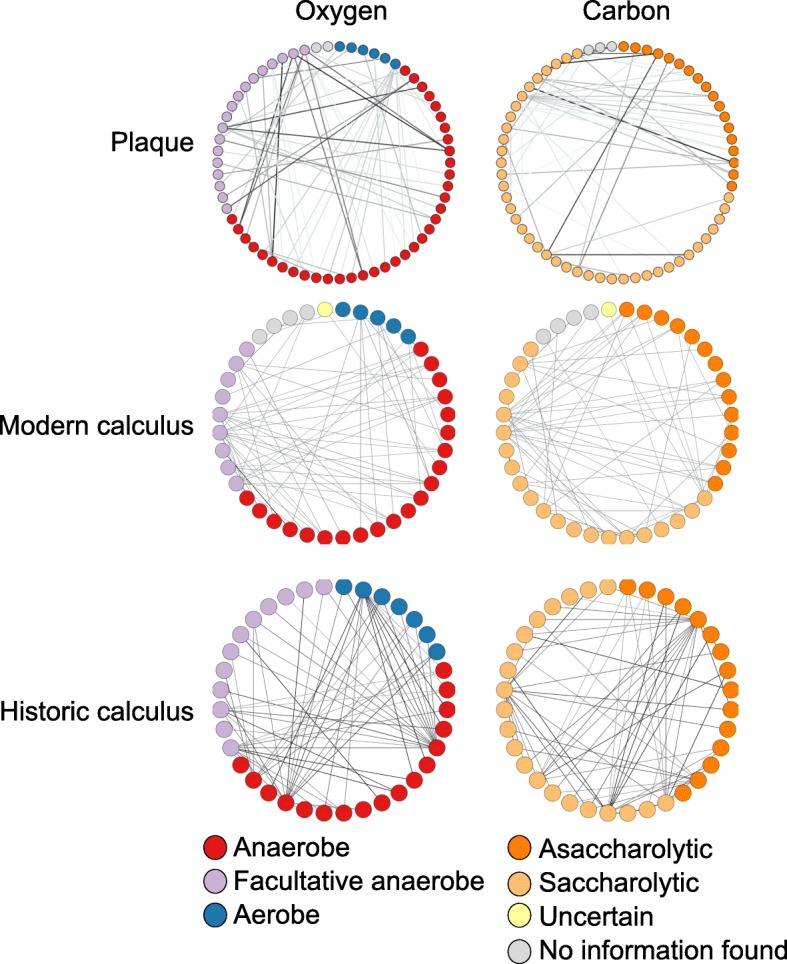
“plaque, microbial profile differences have been noted between historic calculus and modern dental plaque [1, 2], but reasons for these differences, such as degree of biofilm”
BackgroundInfluentialPathogens and host immunity in the ancient human oral cavity
Warinner, C., Rodrigues, J. F. M., Vyas, R., Trachsel, C., Shved, N., Grossmann, J., Radini, A., Hancock, Y., Tito, R. Y., Fiddyment, S., et al. (2014) · Nature Genetics · doi:10.1038/ng.2906 · Cited by 618 · cited 8×
“plaque, microbial profile differences have been noted between historic calculus and modern dental plaque [1, 2], but reasons for these differences, such as degree of biofilm”
BackgroundInfluentialSelf-citationNeanderthal behaviour, diet, and disease inferred from ancient DNA in dental calculus
Weyrich, L. S., Duchene, S., Soubrier, J., Arriola, L., Llamas, B., Breen, J., Morris, A. G., Alt, K. W., Caramelli, D., Dresely, V., et al. (2017) · Nature · doi:10.1038/nature21674 · Cited by 582 · cited 3×
“analysis-ready reads for both were profiled using MALTX [36] in default mode with a custom database of NCBI RefSeq genomes of bacteria, viruses, archaea, and”
BackgroundMethodInfluentialAccurate sex identification of ancient human remains using DNA shotgun sequencing
Skoglund, P., Storå, J., Götherström, A., & Jakobsson, M. (2013) · Journal of Archaeological Science · doi:10.1016/j.jas.2013.07.004 · Cited by 513
EAGER: efficient ancient genome reconstruction
Peltzer, A., Jäger, G., Herbig, A., Seitz, A., Kniep, C., Krause, J., & Nieselt, K. (2016) · Genome Biology · doi:10.1186/s13059-016-0918-z · Cited by 509
Gross, E. L., Beall, C. J., Kutsch, S. R., Firestone, N. D., Leys, E. J., & Griffen, A. L. (2012) · PLoS ONE · doi:10.1371/journal.pone.0047722 · Cited by 507
Recommendation for Age and Sex Diagnoses of Skeletons
Ferembach, D., Schwindezky, I., & Stoukal, M. (1980) · Journal of Human Evolution · Cited by 464
mixOmics : an R package for ‘omics feature selection and multiple data integrationPreprint
Rohart, F., Gautier, B., Singh, A., et al. (2017) · bioRxiv (Cold Spring Harbor Laboratory) · doi:10.1101/108597 · Cited by 442
Genomic and archaeological evidence suggest a dual origin of domestic dogs
Frantz, L. A. F., Mullin, V. E., Pionnier-Capitan, M., Lebrasseur, O., Ollivier, M., Perri, A., Linderholm, A., Mattiangeli, V., Teasdale, M. D., Dimopoulos, E. A., et al. (2016) · Science · doi:10.1126/science.aaf3161 · Cited by 430
Self-citationMetatranscriptomics of the Human Oral Microbiome during Health and Disease
Jorth, P., Turner, K. H., Gumus, P., Nizam, N., Buduneli, N., & Whiteley, M. (2014) · mBio · doi:10.1128/mbio.01012-14 · Cited by 386 · cited 2×
“tween samples of the same condition [31, 32], we further assessed if potential metabolic profiles differ between”
BackgroundMethodmapDamage: testing for damage patterns in ancient DNA sequences
Ginolhac, A., Rasmussen, M., Gilbert, M. T. P., Willerslev, E., & Orlando, L. (2011) · Bioinformatics · doi:10.1093/bioinformatics/btr347 · Cited by 363 · cited 1×
“The AccuPrimePFX enzyme-generated reads were used for all subsequent analyses, while the KAPA HiFi Uracil+ enzyme-generated reads were used for DNA damage pattern analysis with mapDamage2 [58, 59].”
MethodThe Role of Gingipains in the Pathogenesis of Periodontal Disease
Imamura, T. (2003) · Journal of Periodontology · doi:10.1902/jop.2003.74.1.111 · Cited by 341 · cited 1×
“Samples with gingipains, including either or both of arginine gingipain Gingipain R1, a highly antigenic Porphyromonas gingivalis protease [35], or lysine gingipain, also had P.”
BackgroundYost, S., Duran-Pinedo, A. E., Teles, R., Krishnan, K., & Frias-Lopez, J. (2015) · Genome Medicine · doi:10.1186/s13073-015-0153-3 · Cited by 340 · cited 2×
“tween samples of the same condition [31, 32], we further assessed if potential metabolic profiles differ between”
BackgroundMethodSkoglund, P., Ersmark, E., Palkopoulou, E., & Dalén, L. (2015) · Current Biology · doi:10.1016/j.cub.2015.04.019 · Cited by 310
Warinner, C., Speller, C., & Collins, M. J. (2015) · Philosophical Transactions of the Royal Society B: Biological Sciences · doi:10.1098/rstb.2013.0376 · Cited by 253 · cited 1×
“Comparatively less is known about the structure and formation of dental calculus, and studies of modern calculus are additionally hampered by the fact that deposits are smaller and less prevalent in living populations practicing tooth brushing and other forms of active oral hygiene [9, 10].”
BackgroundSelf-citationDirect evidence of milk consumption from ancient human dental calculus
Warinner, C., Hendy, J., Speller, C., Cappellini, E., Fischer, R., Trachsel, C., Arneborg, J., Lynnerup, N., Craig, O. E., Swallow, D. M., et al. (2014) · Scientific Reports · doi:10.1038/srep07104 · Cited by 216
Self-citationThe periodontal war: microbes and immunity
Ebersole, J. L., Dawson, D., Emecen‐Huja, P., Nagarajan, R., Howard, K., Grady, M. E., Thompson, K., Peyyala, R., Al‐Attar, A., Lethbridge, K., et al. (2017) · Periodontology 2000 · doi:10.1111/prd.12222 · Cited by 208 · cited 1×
“The SEED categories Iron Acquisition and Potassium Metabolism, which are associated with healthy site plaque in our results, and Protein Metabolism and Sulfur Metabolism, which are associated with healthy site calculus in our results (Additional file 1: Figure S14B), are associated with periodontal disease through cli…”
BackgroundSkeleton Keys: An Introduction to Human Skeletal Morphology, Development, and Analysis
Schwartz, J. H. (1995) · Medical Entomology and Zoology · Cited by 204
Bronze Age population dynamics and the rise of dairy pastoralism on the eastern Eurasian steppe
Jeong, C., Wilkin, S., Amgalantugs, T., Bouwman, A. S., Taylor, W. T. T., Hagan, R. W., Bromage, S., Tsolmon, S., Trachsel, C., Grossmann, J., et al. (2018) · Proceedings of the National Academy of Sciences · doi:10.1073/pnas.1813608115 · Cited by 195 · cited 1×
“01, were used to calculate FDR at both the protein and peptide level across the dataset [74].”
MethodSelf-citationRisk Indicators for Harboring Periodontal Pathogens
Umeda, M., Chen, C., Bakker, I., Contreras, A., Morrison, J. L., & Slots, J. (1998) · Journal of Periodontology · doi:10.1902/jop.1998.69.10.1111 · Cited by 184
Metatranscriptomics reveals overall active bacterial composition in caries lesions
Simón-Soro, A., Guillen-Navarro, M., & Mira, A. (2014) · Journal of Oral Microbiology · doi:10.3402/jom.v6.25443 · Cited by 170
Fueling the caries process: carbohydrate metabolism and gene regulation by Streptococcus mutans
Moye, Z. D., Zeng, L., & Burne, R. A. (2014) · Journal of Oral Microbiology · doi:10.3402/jom.v6.24878 · Cited by 164 · cited 1×
“Although this species grows prolifically in a laboratory setting and can thrive under a range of environmental conditions [40], it is less common in biofilms from early compared to advanced caries lesions [37–39].”
BackgroundAdvances in the Palaeopathology of Teeth and Jaws
Ogden, A. (2007) · Wiley eBooks · doi:10.1002/9780470724187.ch13 · Cited by 153 · cited 3×
“Briefly, periodontal disease refers to the inflammatory loss of the alveolar bone and was recorded following Ogden [47].”
BackgroundBuckley, S., Usai, D., Jakob, T., Radini, A., & Hardy, K. (2014) · PLoS ONE · doi:10.1371/journal.pone.0100808 · Cited by 133
Dabdoub, S. M., Ganesan, S. M., & Kumar, P. S. (2016) · Scientific Reports · doi:10.1038/srep38993 · Cited by 131 · cited 1×
“Examining the potential metabolic functional profile of the microbial gut [41] and subgingival plaque [42] communities has revealed the differences in enriched gene”
BackgroundManor, O., & Borenstein, E. (2017) · Cell Host & Microbe · doi:10.1016/j.chom.2016.12.014 · Cited by 131 · cited 1×
“Examining the potential metabolic functional profile of the microbial gut [41] and subgingival plaque [42] communities has revealed the differences in enriched gene”
BackgroundDifferential preservation of endogenous human and microbial DNA in dental calculus and dentin
Mann, A. E., Sabin, S., Ziesemer, K., Vågene, Å. J., Schroeder, H., Ozga, A. T., Sankaranarayanan, K., Hofman, C. A., Fellows Yates, J. A., Salazar-García, D. C., et al. (2018) · Scientific Reports · doi:10.1038/s41598-018-28091-9 · Cited by 130
Self-citationMicrobiological Characterization in Children with Aggressive Periodontitis
Shaddox, L. M., Huang, H., Lin, T., Hou, W., Harrison, P. L., Aukhil, I., Walker, C. B., Klepac-Ceraj, V., & Paster, B. J. (2012) · Journal of Dental Research · doi:10.1177/0022034512456039 · Cited by 127 · cited 1×
“Of the 14 species with greater abundance in disease site calculus, 11 are also more abundant in healthy site calculus, but other species including Porphyromonas gingivalis, Treponema denticola, and Filifactor alocis, all of which are strongly associated with periodontal disease site plaque [17, 24], are significantly…”
BackgroundFilifactor alocis – a new emerging periodontal pathogen
Aruni, A. W., Mishra, A., Dou, Y., Chioma, O., Hamilton, B. N., & Fletcher, H. M. (2015) · Microbes and Infection · doi:10.1016/j.micinf.2015.03.011 · Cited by 123 · cited 1×
“Several of the species contributing to the classification of both modern and historic healthy site calculus are strongly associated with periodontal disease in modern populations, including the “red complex” members Porphyromonas gingivalis and Tannerella forsythia, as well as Filifactor alocis, an emerging periodonta…”
BackgroundAcceleration of Purine Degradation by Periodontal Diseases
Barnes, V. M., Teles, R., Trivedi, H. M., Devizio, W., Xu, T., Mitchell, M. W., Milburn, M. V., & Guo, L. (2009) · Journal of Dental Research · doi:10.1177/0022034509341967 · Cited by 120 · cited 2×
“Rather, for dental calculus, gene expression measured by proteomics and/or metabolomics may be a more accurate and reliable method of distinguishing healthy and disease site biofilm metabolic activity [5, 29, 31, 32, 43].”
BackgroundMethodPrevalence of periodontal pathogens in localized and generalized forms of early‐onset periodontitis
Mullally, B. H., Dace, B., Shelburne, C. E., Wolff, L. F., & Coulter, W. A. (2000) · Journal of Periodontal Research · doi:10.1034/j.1600-0765.2000.035004232.x · Cited by 110
Proteomic evidence of dietary sources in ancient dental calculus
Hendy, J., Warinner, C., Bouwman, A., Collins, M. J., Fiddyment, S., Fischer, R., Hagan, R., Hofman, C. A., Holst, M., Chaves, E., et al. (2018) · Proceedings of the Royal Society B: Biological Sciences · doi:10.1098/rspb.2018.0977 · Cited by 104 · cited 2×
“This dataset was previously assessed for the presence of dietary proteins, but none were identified [6].”
BackgroundSelf-citationRibeiro, A. A., Azcárate-Peril, M. A., Cadenas, M. B., Butz, N., Paster, B. J., Chen, T., Bair, E., & Arnold, R. R. (2017) · PLoS ONE · doi:10.1371/journal.pone.0180621 · Cited by 100
Quantitative metaproteomics of medieval dental calculus reveals individual oral health status
Jersie-Christensen, R. R., Lanigan, L. T., Lyon, D., Mackie, M., Belstrøm, D., Kelstrup, C. D., Fotakis, A. K., Willerslev, E., Lynnerup, N., Jensen, L. J., et al. (2018) · Nature Communications · doi:10.1038/s41467-018-07148-3 · Cited by 100 · cited 1×
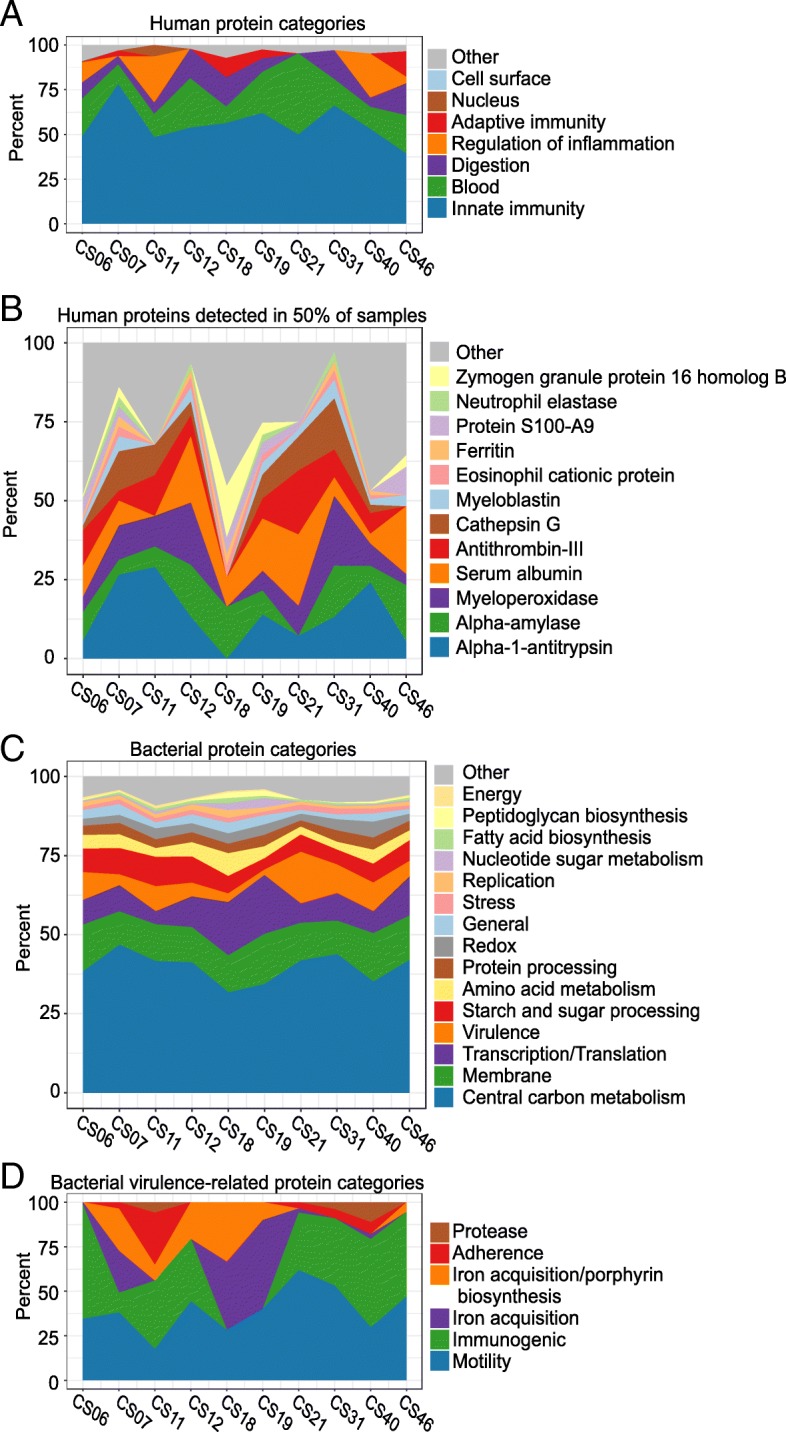
“Consistent with previous studies [2, 34], immune response proteins make up nearly 50% of all human proteins identified in each calculus sample (Fig.”
Belstrøm, D., Jersie-Christensen, R. R., Lyon, D., Damgaard, C., Jensen, L. J., Holmstrup, P., & Olsen, J. V. (2016) · PeerJ · doi:10.7717/peerj.2433 · Cited by 77 · cited 1×
“Rather, for dental calculus, gene expression measured by proteomics and/or metabolomics may be a more accurate and reliable method of distinguishing healthy and disease site biofilm metabolic activity [5, 29, 31, 32, 43].”
MethodBacterial colonization during de novo plaque formation
Ramberg, P., Sekino, S., Uzel, N. G., Socransky, S., & Lindhe, J. (2003) · Journal of Clinical Periodontology · doi:10.1034/j.1600-051x.2003.00419.x · Cited by 71
Selection of Appropriate Metagenome Taxonomic Classifiers for Ancient Microbiome Research
Velsko, I. M., Frantz, L. A. F., Herbig, A., Larson, G., & Warinner, C. (2018) · mSystems · doi:10.1128/msystems.00080-18 · Cited by 68
Self-citationDistribution of Periodontal Pathogens in Korean Aggressive Periodontitis
Lee, J., Choi, B., Yoo, Y., Choi, S., Cho, K., Chai, J., & Kim, C. (2003) · Journal of Periodontology · doi:10.1902/jop.2003.74.9.1329 · Cited by 67
The dental calculus metabolome in modern and historic samples
Velsko, I. M., Overmyer, K. A., Speller, C., Klaus, L., Collins, M. J., Loe, L., Frantz, L. A. F., Sankaranarayanan, K., Lewis, C. M., Martinez, J. B. R., et al. (2017) · Metabolomics · doi:10.1007/s11306-017-1270-3 · Cited by 67 · cited 5×
“In the strongest metabolite-protein correlations, the majority of metabolites in the network are lipids, which is consistent with the observation that lipids are the most abundant metabolite class in historic dental calculus [5].”
MethodInfluentialSelf-citationVelsko, I. M., Chukkapalli, S. S., Rivera-Kweh, M. F., Zheng, D., Aukhil, I., Lucas, A. R., Larjava, H., & Kesavalu, L. (2015) · Infection and Immunity · doi:10.1128/iai.01077-15 · Cited by 66
Self-citationAn in vitro biofilm model of subgingival plaque
Walker, C., & Sedlacek, M. J. (2007) · Oral Microbiology and Immunology · doi:10.1111/j.1399-302x.2007.00336.x · Cited by 63
Potassium is a key signal in host-microbiome dysbiosis in periodontitis
Yost, S., Duran-Pinedo, A. E., Krishnan, K., & Frias-Lopez, J. (2017) · PLOS Pathogens · doi:10.1371/journal.ppat.1006457 · Cited by 59 · cited 3×
“The SEED categories Iron Acquisition and Potassium Metabolism, which are associated with healthy site plaque in our results, and Protein Metabolism and Sulfur Metabolism, which are associated with healthy site calculus in our results (Additional file 1: Figure S14B), are associated with periodontal disease through cli…”
BackgroundImpact of Oral Hygiene Discontinuation on Supragingival and Salivary Microbiomes
Belstrøm, D., Sembler-Møller, M. L., Grande, M. A., Kirkby, N., Cotton, S. L., Paster, B. J., Twetman, S., & Holmstrup, P. (2018) · JDR Clinical & Translational Research · doi:10.1177/2380084417723625 · Cited by 48
Calculus update: prevalence, pathogenicity and prevention
Mandel, I. D. (1995) · The Journal of the American Dental Association · doi:10.14219/jada.archive.1995.0235 · Cited by 46 · cited 1×
“Comparatively less is known about the structure and formation of dental calculus, and studies of modern calculus are additionally hampered by the fact that deposits are smaller and less prevalent in living populations practicing tooth brushing and other forms of active oral hygiene [9, 10].”
BackgroundCross, K. L., Chirania, P., Xiong, W., Beall, C. J., Elkins, J. G., Giannone, R. J., Griffen, A. L., Guss, A. M., Hettich, R. L., Joshi, S. S., et al. (2018) · mBio · doi:10.1128/mbio.02061-17 · Cited by 46 · cited 1×
“oral taxon 041 (aka Desulfobulbus oralis [26]), and F.”
BackgroundHayashi, H., & Sternlieb, I. (1975) · PubMed · Cited by 37
Basic, A., Alizadehgharib, S., Dahlén, G., & Dahlgren, U. (2017) · Clinical and Experimental Dental Research · doi:10.1002/cre2.69 · Cited by 30 · cited 1×
“Sulfur metabolism and potassium metabolism in our data contribute to the classification of healthy site samples but in plaque are associated with periodontitis [28, 33].”
BackgroundDetection of multi-dimensional co-exclusion patterns in microbial communities
Albayrak, L., Khanipov, K., Golovko, G., & Fofanov, Y. (2018) · Bioinformatics · doi:10.1093/bioinformatics/bty414 · Cited by 6
Research works printed but not linked: 1
- Loe L, Pollard M, Gibson M, Simmonds A, Cotter J, Parkin A, et al. Radcliffe Infirmary Burial Ground, Oxford. Post-excavation assessment and project design. Booth P, editor. 2014:1–85.
Cited by
The oralome and its dysbiosis: New insights into oral microbiome-host interactions
Radaic, A., & Kapila, Y. L. (2021) · Computational and Structural Biotechnology Journal · doi:10.1016/j.csbj.2021.02.010 · Cited by 467
Orlando, L., Allaby, R., Skoglund, P., Der Sarkissian, C., Stockhammer, P. W., Ávila-Arcos, M. C., Fu, Q., Krause, J., Willerslev, E., Stone, A. C., et al. (2021) · Nature Reviews Methods Primers · doi:10.1038/s43586-020-00011-0 · Cited by 411
Self-citationBiofilm Resilience: Molecular Mechanisms Driving Antibiotic Resistance in Clinical Contexts
Almatroudi, A. (2025) · Biology · doi:10.3390/biology14020165 · Cited by 303
The evolution and changing ecology of the African hominid oral microbiome
Fellows Yates, J. A., Velsko, I. M., Aron, F., Posth, C., Hofman, C. A., Austin, R. M., Parker, C. E., Mann, A. E., Nägele, K., Arthur, K. W., et al. (2021) · Proceedings of the National Academy of Sciences · doi:10.1073/pnas.2021655118 · Cited by 176
“Present-day calculus was extracted as previously described (23).”
InfluentialSelf-citationReproducible, portable, and efficient ancient genome reconstruction with nf-core/eager
Fellows Yates, J. A., Lamnidis, T. C., Borry, M., Andrades Valtueña, A., Fagernäs, Z., Clayton, S., Garcia, M. U., Neukamm, J., & Peltzer, A. (2021) · PeerJ · doi:10.7717/peerj.10947 · Cited by 167
Metadata
- Authors
- Velsko, I. M., Fellows Yates, J. A., Aron, F., Hagan, R. W., Frantz, L. A. F., Loe, L., Martinez, J. B. R., Chaves, E., Gosden, C., Larson, G., & Warinner, C.
- Affiliations
- University of Oxford (GB)
- Max Planck Institute of Geoanthropology (DE)
- Queen Mary University of London (GB)
- Oxford Archaeology (GB)
- University of Oklahoma Health Sciences Center (US)
- Corresponding author
- Velsko, Irina M.
- Warinner, Christina
- ORCID
- Venue
- Microbiome
- Published
- 2019-07-06
- Volume
- 7
- Issue
- 1
- Pages
- 102-102
- ISSN
- 2049-2618 (ISSN-L)
- PMC
- PMC6612086
- OpenAlex
- W2954206569
- Cited by
- 170
- References
- 77
- Citations by year
- 2026: 20 · 2025: 25 · 2024: 31 · 2023: 20 · 2022: 18 · 2021: 31 · 2020: 17 · 2019: 8
- FWCI
- 20.64
- Type
- journal article
- Language
- en
- Open access
- gold
- doi.org
- Licence
- cc-by
- creativecommons.org/licenses/by/4.0/ (tdm)
- creativecommons.org/licenses/by/4.0/ (vor)
- Locations
- Microbiome (publishedVersion, cc-by)
- PubMed Central (publishedVersion, cc-by)
- PubMed (publishedVersion)
- DOAJ (DOAJ: Directory of Open Access Journals) (submittedVersion, cc-by-sa)
- Oxford University Research Archive (ORA) (University of Oxford) (submittedVersion, cc-by)
- MPG.PuRe (Max Planck Society) (submittedVersion, other-oa)
- Queen Mary Research Online (Queen Mary University of London) (submittedVersion, cc-by)
- Funders
- John Fell Fund, University of Oxford (143/108)
- National Science Foundation (BCS-1516633)
- Topics
- Health Sciences › Dentistry › Periodontics › Oral microbiology and periodontitis research
- Life Sciences › Biochemistry, Genetics and Molecular Biology › Molecular Biology › Bacterial biofilms and quorum sensing
- Social Sciences › Arts and Humanities › Archeology (arts and humanities) › Paleopathology and ancient diseases
- Keywords
- dental plaque, dental calculus, oral microbiota, periodontal disease, bacterial virulence proteins, innate immune response, microbial community composition
- MeSH terms
- DNA, Ancient, Bacteria, Bacterial Proteins, Bone and Bones, Dental Calculus, Dental Plaque, DNA, Bacterial, Female, Humans, Male, Periodontal Diseases, Tooth, Bacterial Physiological Phenomena, Biofilms, Proteomics, History, Ancient, Metagenomics, Microbiota
About these checks
Registry, retraction, Cites and statistics results are computed, not judged, with one exception: a printed reference that no index lists is read once by a model before it counts as a citation error. Claims are extracted by a model and kept only when their quote appears verbatim in the text; each cited source is then checked, with a model’s help, for whether it says what the claim relies on. Those verdicts can be wrong — read the claim’s quote and the cited source before relying on one.
Statistics and arithmetic are recomputed, not judged.
Confidence bands are shown only for fields calibrated on our annotated test set. None is calibrated yet, so no band is shown.
What counts as a claim ›How we measure confidence ›How we check this ›
Are you an author, or do you see a problem with this page? Request a review
Data sources
Bibliographic data: Semantic Scholar, OpenAlex, Crossref.
Contains information from the Semantic Scholar Academic Graph Datasets, made available under the ODC Attribution License (ODC-BY 1.0).
Semantic Scholar’s data is described in: Kinney, R., et al. (2023). The Semantic Scholar Open Data Platform. arXiv:2301.10140.
