

Microbial differences between dental plaque and historic dental calculus are related to oral biofilm maturation stage
Open accessThe DOI matches its Crossref record; 78 of the 78 references it cites were found in a registry or an index.
Abstract
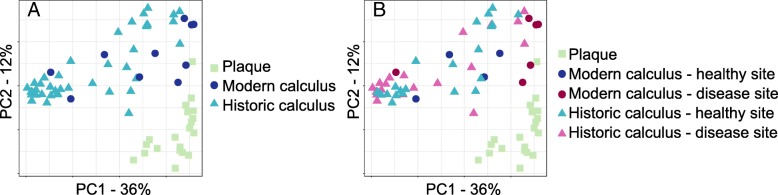
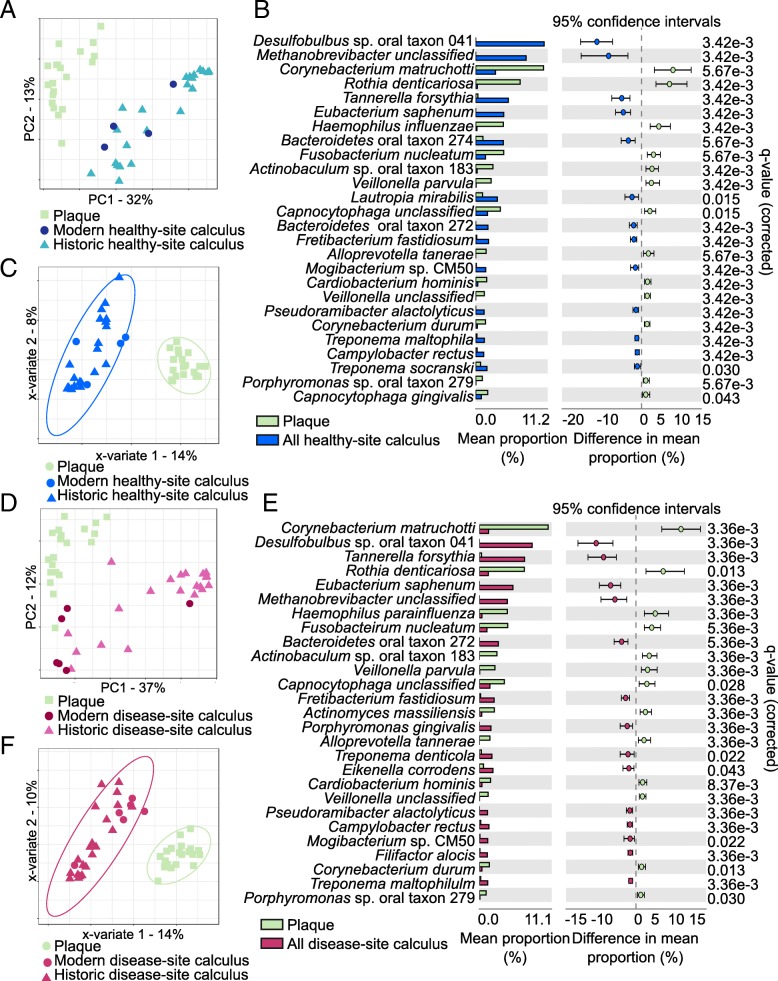
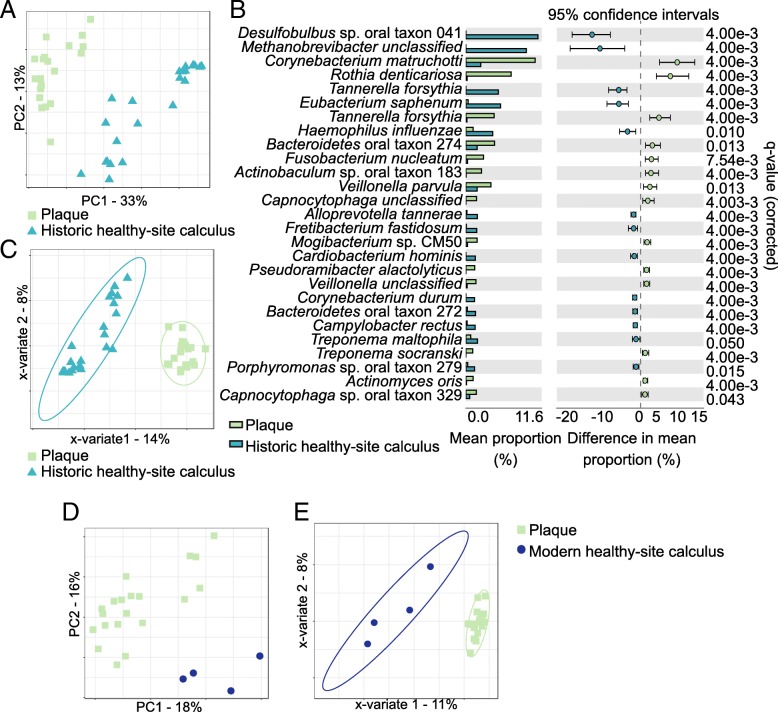
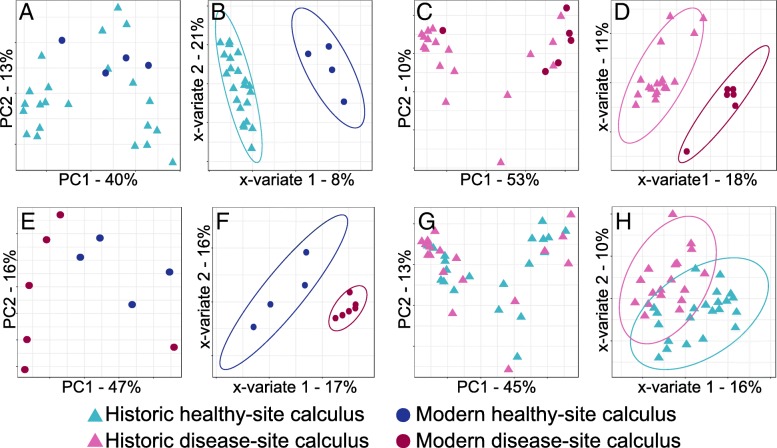
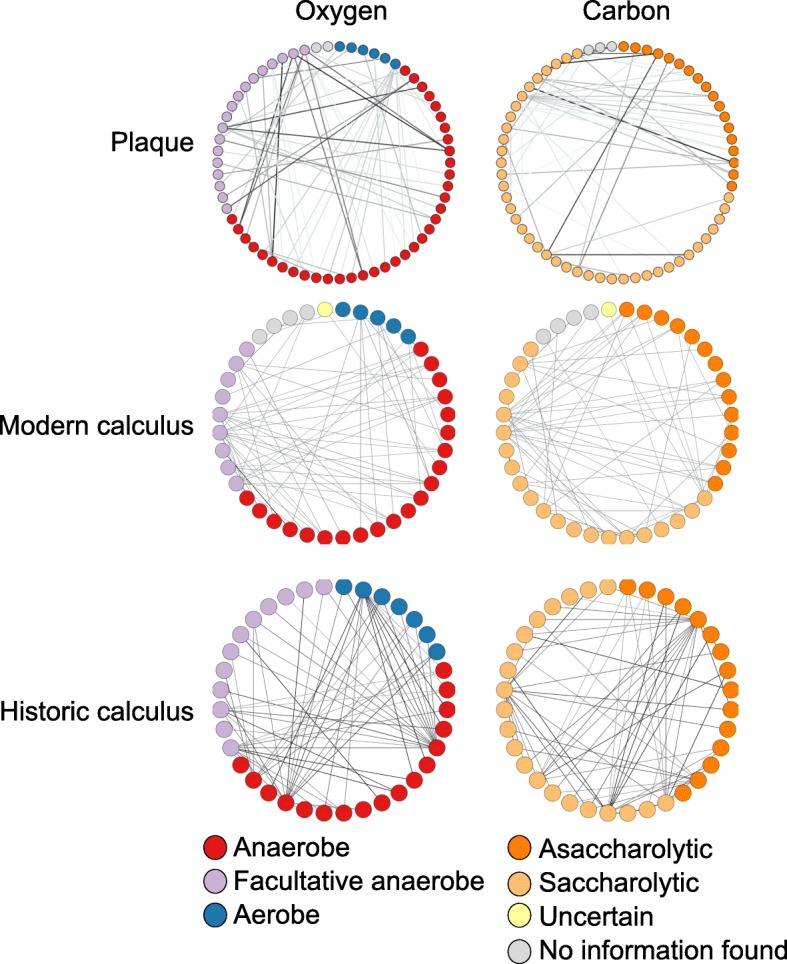
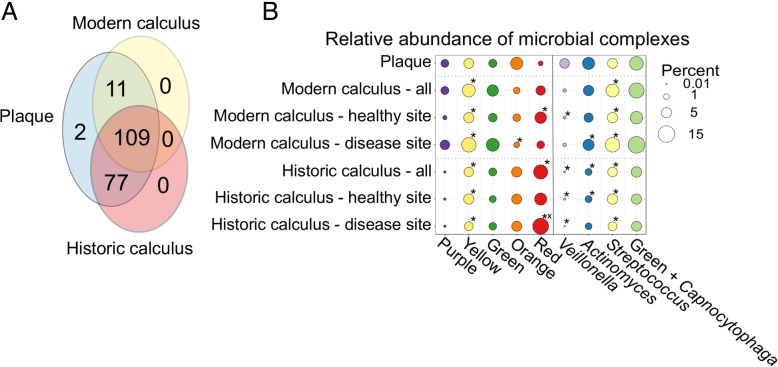
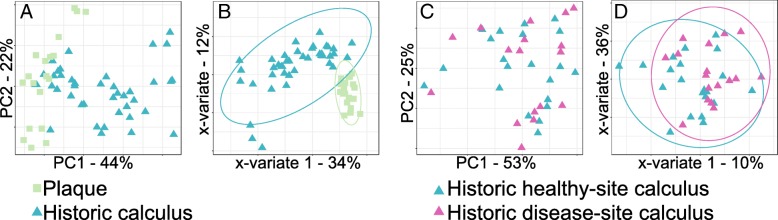
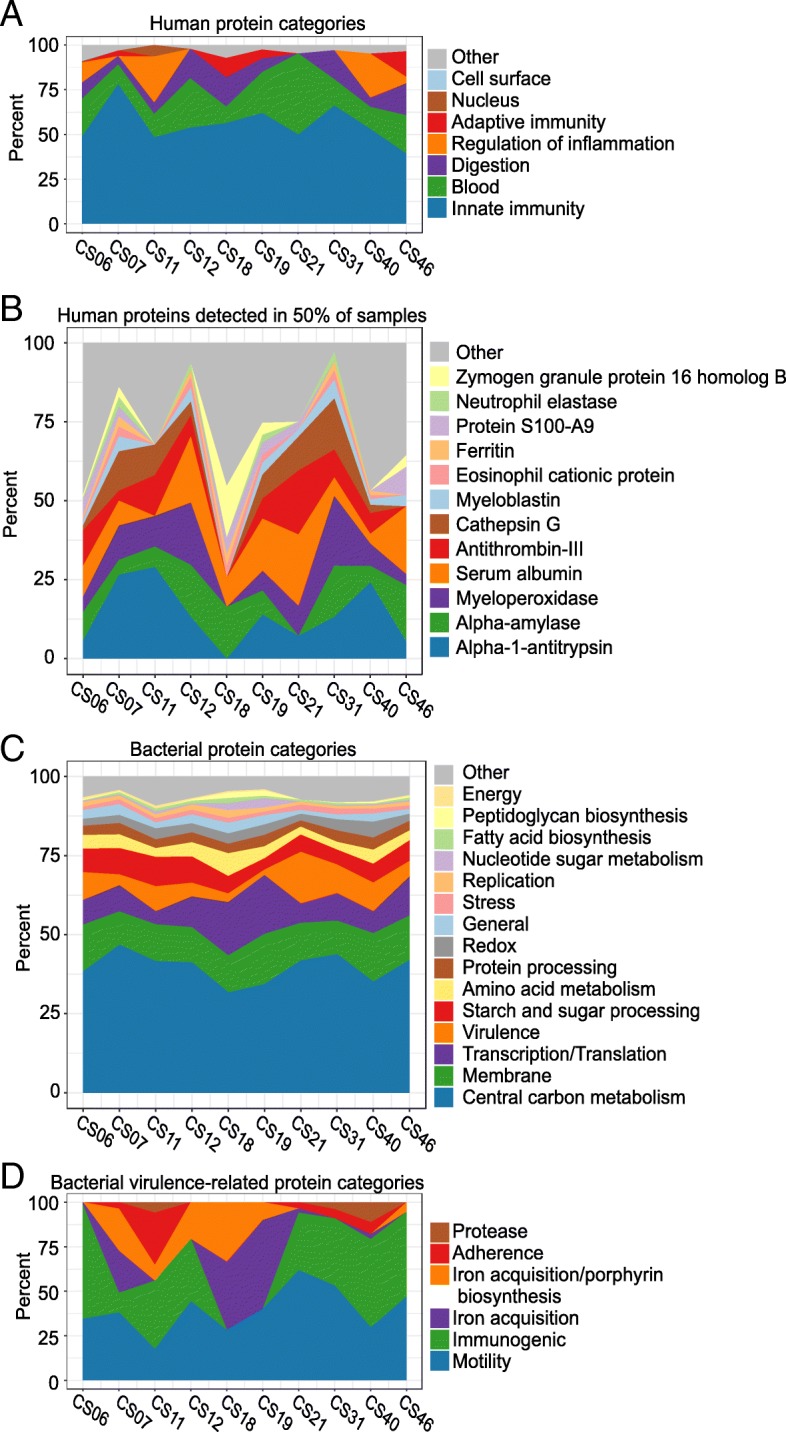
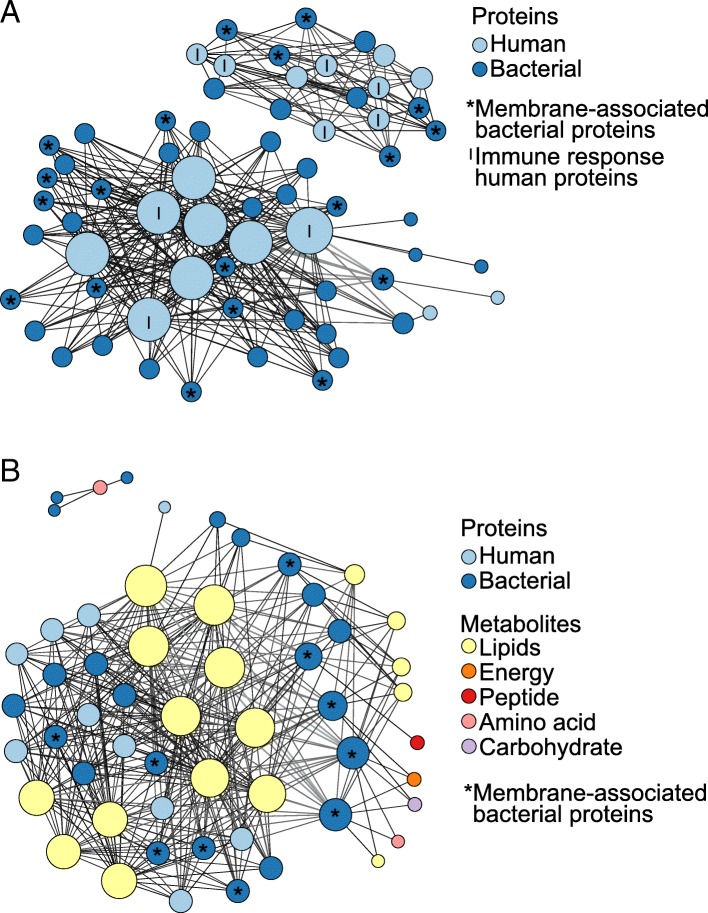
BACKGROUND: Dental calculus, calcified oral plaque biofilm, contains microbial and host biomolecules that can be used to study historic microbiome communities and host responses. Dental calculus does not typically accumulate as much today as historically, and clinical oral microbiome research studies focus primarily on living dental plaque biofilm. However, plaque and calculus reflect different conditions of the oral biofilm, and the differences in microbial characteristics between the sample types have not yet been systematically explored. Here, we compare the microbial profiles of modern dental plaque, modern dental calculus, and historic dental calculus to establish expected differences between these substrates. RESULTS: Metagenomic data was generated from modern and historic calculus samples, and dental plaque metagenomic data was downloaded from the Human Microbiome Project. Microbial composition and functional profile were assessed. Metaproteomic data was obtained from a subset of historic calculus samples. Comparisons between microbial, protein, and metabolomic profiles revealed distinct taxonomic and metabolic functional profiles between plaque, modern calculus, and historic calculus, but not between calculus collected from healthy teeth and periodontal disease-affected teeth. Species co-exclusion was related to biofilm environment. Proteomic profiling revealed that healthy tooth samples contain low levels of bacterial virulence proteins and a robust innate immune response. Correlations between proteomic and metabolomic profiles suggest co-preservation of bacterial lipid membranes and membrane-associated proteins. CONCLUSIONS: Overall, we find that there are systematic microbial differences between plaque and calculus related to biofilm physiology, and recognizing these differences is important for accurate data interpretation in studies comparing dental plaque and calculus.
Overview
The claims and statistics of this paper haven’t been checked yet.
Free: it reads the open-access text and checks the first 5 claims that cite a source we can check. Create a free account to check every claim.
Integrity signals
Registry
Cites
Statistics
Figures
Verification
Claims the paper makes
The claims and statistics of this paper haven’t been checked yet.
Free: it reads the open-access text and checks the first 5 claims that cite a source we can check. Create a free account to check every claim.
Claims other papers make about this one
Each is checked against this paper’s own text: does it say what the citing paper says it does?
The cited source says what the claim attributes to it.
In the citing paper
“When it comes to analyzing ancient human remains, most studies work with historic dental calculus [11, 15, 22-26], as it is a stable, long-term reservoir of proteins [27].”
From Metaproteomic analysis of King Ghezo tomb wall (Abomey, Benin) confirms 19th century voodoo sacrifices (2024) · cites this paper as [26]
In the citing paper
“Early colonizers are typically facultative anaerobes and saccharolytic species that thrive on salivary mucins and other glycoproteins3.”
From Recent advances in the pathogenesis and prevention strategies of dental calculus (2024) · cites this paper as [3]
In the citing paper
“Notable examples of diseases linked to biofilms include chronic wound infections, where biofilms hinder the healing process; dental plaque causing tooth decay and gum disease; persistent lung infections in individuals with cystic fibrosis; and infections associated with medical implants such as catheters and prosthetic joints [35,36,37,38].”
From Biofilm Resilience: Molecular Mechanisms Driving Antibiotic Resistance in Clinical Contexts (2025) · cites this paper as [37]
Self-check
Percentages, sums and reported differences re-computed from the paper’s own numbers.
The self-check needs the paper’s full text.
Citations
Cites
The Sequence Alignment/Map format and SAMtools
Li, H., Handsaker, B., Wysoker, A., Fennell, T., Ruan, J., Homer, N., Marth, G., Abecasis, G., Durbin, R., & 1000 Genome Project Data Processing Subgroup (2009) · Bioinformatics · doi:10.1093/bioinformatics/btp352 · Cited by 62,041 · cited 2×
“3 [63] was then used to convert to bam format, gener-”
MethodFast and accurate short read alignment with Burrows-Wheeler transform
Li, H., & Durbin, R. (2009) · Bioinformatics · doi:10.1093/bioinformatics/btp324 · Cited by 58,607
Gephi: An Open Source Software for Exploring and Manipulating Networks
Bastian, M., Heymann, S., & Jacomy, M. (2009) · Proceedings of the International AAAI Conference on Web and Social Media · doi:10.1609/icwsm.v3i1.13937 · Cited by 11,675 · cited 3×
“For graphical assessment of co-exclusion patterns, the data were visualized as network graphs with the species/genera as nodes and the co-exclusion value as edges, using Gephi [71].”
MethodInfluentialMicrobial complexes in subgingival plaque
Socransky, S. S., Haffajee, A. D., Cugini, M. A., Smith, C., & Kent, R. L. (1998) · Journal of Clinical Periodontology · doi:10.1111/j.1600-051x.1998.tb02419.x · Cited by 5,050 · cited 4×
“Because the proportions of several species in our calculus samples deviated strongly from those in the plaque samples, we next investigated the differences in species profiles using Socransky’s microbial complexes scheme [17].”
BackgroundMethodInfluentialSTAMP: statistical analysis of taxonomic and functional profiles
Parks, D. H., Tyson, G. W., Hugenholtz, P., & Beiko, R. G. (2014) · Bioinformatics · doi:10.1093/bioinformatics/btu494 · Cited by 4,191 · cited 3×
“Differential abundance of species between selected sample groups was determined using the program Statistical Analysis of Metagenomic Profiles (STAMP) [69, 70].”
MethodA cross-platform toolkit for mass spectrometry and proteomics
Chambers, M. C., Maclean, B., Burke, R., Amodei, D., Ruderman, D. L., Neumann, S., Gatto, L., Fischer, B., Pratt, B., Egertson, J., et al. (2012) · Nature Biotechnology · doi:10.1038/nbt.2377 · Cited by 4,093 · cited 1×
“Briefly, spectral data generated via MS/ MS were converted to Mascot generic format using the application MSConvert [75].”
MethodmixOmics: An R package for ‘omics feature selection and multiple data integration
Rohart, F., Gautier, B., Singh, A., & Lê Cao, K.-A. (2017) · PLOS Computational Biology · doi:10.1371/journal.pcbi.1005752 · Cited by 4,056 · cited 3×
“Sparse partial least squares-discriminant analysis (sPLSDA) was performed for each metadata category of interest (sample source, sample health status) with the species tables using the R package mixOmics [68], fol-”
MethodInfluentialDewhirst, F. E., Chen, T., Izard, J., Paster, B. J., Tanner, A. C. R., Yu, W.-H., Lakshmanan, A., & Wade, W. G. (2010) · Journal of Bacteriology · doi:10.1128/jb.00542-10 · Cited by 3,352
Illumina Sequencing Library Preparation for Highly Multiplexed Target Capture and Sequencing
Meyer, M., & Kircher, M. (2010) · Cold Spring Harbor Protocols · doi:10.1101/pdb.prot5448 · Cited by 2,231 · cited 1×
“Shotgun Illumina libraries of the Radcliffe calculus samples were constructed following previously described methods [57] with the AccuPrime PFX (Invitrogen) and KAPA HiFi Uracil+ (Roche) polymerases.”
MethodBrooks, S., & Suchey, J. M. (1990) · Human Evolution · doi:10.1007/bf02437238 · Cited by 2,213
Research works printed but not linked: 1
- Loe L, Pollard M, Gibson M, Simmonds A, Cotter J, Parkin A, et al. Radcliffe Infirmary Burial Ground, Oxford. Post-excavation assessment and project design. Booth P, editor. 2014:1–85.
Cited by
Items 101–184 of 184
Paleomicrobiology of the human digestive tract: A review
Nodari, R., Drancourt, M., & Barbieri, R. (2021) · Microbial Pathogenesis · doi:10.1016/j.micpath.2021.104972 · Cited by 5
Weyrich, L. S., & Pérez, V. (2023) · Wiley eBooks · doi:10.1002/9781119592112.ch27 · Cited by 5
The genomic history of Streptococcus mutans from the Mesolithic until modern times
Thygesen, V. F. D. F., Farahani, M. F., Nielsen, S. H., Constancias, F., Givskov, M., Abranches, J., Scorrano, G., Jørkov, M. L. S., Ebrahimi, G., Bendezú-Sarmiento, J., et al. (2026) · Genome biology · doi:10.1186/s13059-026-04018-w · Cited by 4
“Our 25 newly reported samples substantially expands the number of ancient S. mutans genomes, which contradicts the notion that it can only be rarely reported in ancient genomic datasets [73].”
Population Proteomics: A Tool to Gain Insights Into the Inflamed Periodontium
Reckelkamm, S. L., Baumeister, S., Hagenfeld, D., Alayash, Z., & Nolde, M. (2024) · PROTEOMICS · doi:10.1002/pmic.202400055 · Cited by 4
Ancient microbial DNA and proteins preserve in concretions covering human remains
Bonucci, B., de-Dios, T., Barbieri, R., Thompson, J. E., Panella, S., Radina, F., Sivilli, S., Kabral, H., Solnik, A., Tafuri, M. A., et al. (2025) · iScience · doi:10.1016/j.isci.2025.113182 · Cited by 4
Hendiani, I., Fitriani, T. D., Prasetyo, B. C., Bawono, C. A., & Pribadi, I. M. S. (2024) · European Journal of General Dentistry · doi:10.1055/s-0044-1791502 · Cited by 4
“8 The data from Riskes-das 2018 reported that the prevalence of periodontal tissue diseases among individuals aged (cid:1) 15 years reached 74.1%; this emphasized the importance of preventing the formation of dental plaque.”
InfluentialAssessing the validity of a calcifying oral biofilm model as a suitable proxy for dental calculus
Bartholdy, B. P., Velsko, I. M., Gur-Arieh, S., Fagernäs, Z., Warinner, C., & Henry, A. G. (2025) · Open Research Europe · doi:10.12688/openreseurope.19129.1 · Cited by 5
Self-citationOremosu, O. A., & Soroye, M. O. (2022) · World Journal of Advanced Research and Reviews · doi:10.30574/wjarr.2022.13.1.0761 · Cited by 4
Casula, E., Contu, M. P., Demontis, C., Coghe, F., Steri, G. C., Scano, A., Ferrando, M. L., & Orrù, G. (2022) · Scientific Reports · doi:10.1038/s41598-022-20193-9 · Cited by 4
Rabe, A., Salazar, M. G., & Völker, U. (2021) · Methods in molecular biology · doi:10.1007/978-1-0716-1518-8_13 · Cited by 4
Davison, G. M., Matsha, T. E., Raghubeer, S., Hector, S. B., Davids, S. F. G., & Prince, Y. (2026) · Microorganisms · doi:10.3390/microorganisms14051104 · Cited by 3
“A healthy oral microbiome is composed of aerobic and facultative anaerobic bacteria, which coexist symbiotically with other organisms and the host, thereby supporting health and preventing disease [21–23].”
Bender, Ö., Megreli, D., Gavish, T., Meyrom, N., Zamir, N., May, H., Sarig, R., & Bar, D. Z. (2022) · International Journal of Molecular Sciences · doi:10.3390/ijms232214387 · Cited by 3
The Oral Microbiome of King Richard III of England
Velsko, I. M., Hübner, A., Fagernäs, Z., Yates, J. A. F., Mann, A. E., Hofman, C. A., Ozga, A. T., Lewis, C. M., Speller, C., Fiddyment, S., et al. (2026) · American Journal of Biological Anthropology · doi:10.1002/ajpa.70350 · Cited by 3
Self-citationSofian, M., Eghbal, E., Ghaznavi‐Rad, E., Ramezani, A., & Mohaghegh, P. (2019) · مجله دانشگاه علوم پزشکی اراک · doi:10.32598/jams.22.4.50 · Cited by 3
Iranpoor, A., Bayani, M., Arjomandzadegan, M., & Nakhostin, A. (2019) · مجله دانشگاه علوم پزشکی اراک · doi:10.32598/jams.22.4.20 · Cited by 3
Průvodce analýzami zubního kamene v archeologii
Chocholová, E., Fialova, D. B., Novotná, K., & Drozdová, E. (2024) · Acta Musei Nationalis Pragae - Historia · doi:10.37520/amnph.2024.002 · Cited by 2
Sari, M., Varianziana, F., & Ananda, G. A. (2025) · Padjadjaran Journal of Dental Researchers and Students · doi:10.24198/pjdrs.v9i2.63052 · Cited by 2
An ancient DNA perspective on the Russian conquest of Yakutia
Crubézy, É., Guarino‐Vignon, P., Seguin‐Orlando, A., Sarkissian, C. S. I. D., Hanghøj, K., Duchesne, S., Gérard, P., Thèves, C., Alcouffe, A., Romanova, L., et al. (2026) · Nature · doi:10.1038/s41586-025-09856-5 · Cited by 2
“…oral pathogens or abundant oral species, which offer improved resolution into the oral health of ancient individuals relative to bacterial complexes 35 , indicated different strains circulating in Yakutia and the rest of the world, as well as no shifts during the Russian conquest (Supplementary…”
Ultimate and proximate explanations for human cumulative culture and collective intelligence
Vinicius, L., Gunasekaram, C., & Migliano, A. B. (2026) · Philosophical Transactions of the Royal Society B Biological Sciences · doi:10.1098/rstb.2024.0446 · Cited by 2
Oral microbial diversity in 18th century African individuals from South Carolina
Fleskes, R. E., Johnson, S. J., Honap, T. P., Abin, C. A., Gilmore, J. K., Oubré, L., Bueschgen, W. D., Abel, S. M., Ofunniyin, A. A., Lewis, C. M., et al. (2024) · Communications Biology · doi:10.1038/s42003-024-06893-0 · Cited by 2
Obesity Phenotypes and Dental Calculus in Young Adults: CHIEF Oral Health Study
Liu, W.-N., Huang, R., Cheng, W., Wang, H.-S., Huang, C.-M., Chen, H.-H., Tsai, K., & Lin, G. (2023) · Endocrine Metabolic & Immune Disorders - Drug Targets · doi:10.2174/0118715303245065230925060301 · Cited by 2
Mohsenpourian, K., Nokani, M., Jamilian, H., & Ghasemi, M. (2019) · مجله دانشگاه علوم پزشکی اراک · doi:10.32598/jams.22.4.70 · Cited by 2
The Nabataean Urban Experiment and Dental Disease and Childhood Stress
Perry, M., & Lieurance, A. J. (2020) · Bioarchaeology and social theory · doi:10.1007/978-3-030-53417-2_17 · Cited by 1
Clustering of Signs and Symptoms of Oral Diseases in a Colombian Population
Mafla, A. C., & Schwendicke, F. (2022) · International Dental Journal · doi:10.1016/j.identj.2022.06.007 · Cited by 2
Sundström, K., Mishra, P. P., Tuomisto, S., Ceder, T., Goebeler, S., Martiskainen, M., Lampinen, V., Ojanen, M. J. T., Hytönen, V. P., Lehtimäki, T. J., et al. (2025) · medRxiv · doi:10.1101/2025.01.15.25320636 · Cited by 2
Museum specimens reveal evolutionary drivers and functions of oral microbiome in mammalsPreprint
Moraitou, M., Rozwalak, P., Richards, J., Saliari, K., Gillissen, E., Timmons, Z., Kitchener, A. C., Pauwels, O. S. G., Sabin, R., Kokkini, P., et al. (2026) · bioRxiv (Cold Spring Harbor Laboratory) · doi:10.64898/2026.06.19.733412 · Cited by 2
“Dental calculus forms through periodic mineralisation, which preserves microbiome DNA, allowing post-mortem sampling 45,46 .”
Prabakar, J. (2020) · Indian Journal of Forensic Medicine & Toxicology · doi:10.37506/ijfmt.v14i4.12485 · Cited by 1
Stone, A. C. (2023) · Wiley eBooks · doi:10.1002/9781119828075.ch12 · Cited by 1
Amuh, V., Ehizele, A., & Ezebor, R. E. (2025) · Clinical Medicine Research · doi:10.11648/j.cmr.20251401.11 · Cited by 1
Kulygina, V. M., Arshynnikov, R. S., Дрогомирецька, М. С., Pylypiuk, O. Y., Gadzhula, N. G., Poberezhna, H. M., & Polyanyk, N. (2025) · Wiadomości Lekarskie · doi:10.36740/wlek/203844 · Cited by 1
Wright, S., Slușanschi, O., Giura, A.-M.-C., Părlătescu, I., Funieru, C., Gaidula, S. M., Moore, N. E., & Weyrich, L. S. (2025) · Healthcare · doi:10.3390/healthcare13172133 · Cited by 1
“In contrast, dental calculus is the calcified form of dental plaque and serves as a long-term, stable substrate of the oral microbiome [65–67].”
Innate Immunity Gene Variants Affect Periodontitis Susceptibility
Levine, M., & Lohinai, Z. M. (2025) · Advances in experimental medicine and biology · doi:10.1007/978-3-032-03176-1_23 · Cited by 1
Antimicrobial Peptides as an Alternative Treatment for Oral Cavity Infections?
Nowicka, J., Banaszczyk, A., Dembowska, J., & Pajączkowska, M. (2025) · Postępy Mikrobiologii - Advancements of Microbiology · doi:10.2478/am-2025-0020 · Cited by 1
“Mineralization of dental plaque biofilm results in the formation of dental tartar (Velsko et al. 2019; Bigos et al. 2021).”
Feng, Z., Cheng, L., Liu, Y., Huang, D., Huo, J., Liu, L., Zhang, L., Xia, Y., & Feng, Z. (2026) · Dental Materials · doi:10.1016/j.dental.2026.07.001 · Cited by 1
Murgia, M. E., Murgia, M. S., Casu, C., Casula, E., Fonzo, O., Paglietti, G., Garau, V., & Orrù, G. (2021) · Biointerface Research in Applied Chemistry · doi:10.33263/briac115.1278412795 · Cited by 1
Winter sources of ascorbic acid for Pleistocene hominins in northern Eurasia
Schwarcz, H. P. (2023) · Archaeological and Anthropological Sciences · doi:10.1007/s12520-023-01828-y · Cited by 1
Alternativas Terapêuticas para o Cálculo Dentário: uma análise prospectiva científica e tecnológica
de Oliveira, N. N. D. C., Gomes, D. D. S., Kodel, H. D. A. C., & Droppa‐Almeida, D. (2023) · Cadernos de Prospecção · doi:10.9771/cp.v16i6.54497 · Cited by 1
Wang, X., Jing, M., Ma, Q., Lin, Y., Zheng, T., Yan, J., Yun, L., Wang, C., & Li, Y. (2024) · Frontiers in Cellular and Infection Microbiology · doi:10.3389/fcimb.2024.1356907 · Cited by 1
Techniques for Studying the Microbiome
Zain, M., Saba, S., Hussain, A., Khalid, J., Janiad, S., Mahmood, S., & Cheema, M. T. (2024) · Springer eBooks · doi:10.1007/978-981-97-3790-1_3 · Cited by 1
Ancient pathogens and paleoepidemiology
Blevins, K. E. (2024) · Elsevier eBooks · doi:10.1016/b978-0-323-99931-1.00202-6 · Cited by 1
Estudi comparatiu de la microbiota oral de l'antiga Tàrraco i la població actual
González‐Ruiz, M. (2024) · DUGiDocs (Universitat de Girona) · Cited by 1
Zamani, F. (2019) · مجله دانشگاه علوم پزشکی اراک · doi:10.32598/jams.22.4.60
Oberstaller, J., Adapa, S. R., Dayhoff, G. W., Gibbons, J., Keller, T. E., Li, C., Lim, S. J., Pham, M., Sarkar, A., Sharma, R. D., et al. (2020) · F1000Research · doi:10.12688/f1000research.26459.1
“Data sources and processing MS data and shotgun sequencing data obtained from ancient human dental calculus samples were used for these analyses 36,37 .”
Method(2021) · PeerJ · doi:10.7287/peerj.10947v0.1/reviews/2
“Ancient metagenomic studies sometimes include comparative samples from living individuals ( Velsko et al., 2019 ).”
BackgroundBiobanking of Oral-Derived Bioresources
Han, D., & Cho, E. S. (2021) · 대한구강악안면병리학회지 · doi:10.17779/kaomp.2021.45.2.001
Khosravi, Y., Kandukuri, R. D. P., Palmer, S. R., Gloag, E. S., Borisov, S. M., Starke, E. M., Ward, M. T., Kumar, P., de Beer, D., Chennu, A., et al. (2020) · BMC Oral Health · doi:10.1186/s12903-020-01236-x
Sankeshwari, R. M., Choudhury, A. R., Talathi, A. A., Ankola, A. V., Deshpande, A. P., Jalihal, S., & Bhat, D. V. (2022) · World Journal of Dentistry · doi:10.5005/jp-journals-10015-2128
Bhosale, R., Moolya, N. N., Rajhans, N., Daule, N., Lawande, A. S., Ujgare, S., Arekar, A., & Landge, Y. U. (2023) · Scholars Journal of Dental Sciences · doi:10.36347/sjds.2023.v10i09.002
Pilliol, V., Boualam, M. A., Terlier, L., Drancourt, M., Aboudharam, G., Grine, G., & Terrer, E. (2023) · Research Square · doi:10.21203/rs.3.rs-3423779/v1
Multiple approaches in the study of ancient human microbiome
Rosas-Plaza, S., Rosas-Plaza, X., & Cerritos, R. (2024) · CABI Reviews · doi:10.1079/cabireviews.2024.0011
Gancz, A. S., Muller, S., & Weyrich, L. S. (2024) · Elsevier eBooks · doi:10.1016/b978-0-323-99931-1.00156-2
Prevalencia de placa bacteriana en estudiantes de odontología
Chávez-Del-Pozo, C. E., Álvarez-Delgado, Y. J., Loor-Diaz, K. M., & Benites, R. M. (2024) · Revista Arbitrada Interdisciplinaria de Ciencias de la Salud Salud y Vida · doi:10.35381/s.v.v8i1.3962
Ryota, K., Kazuhisa, S., Takahiko, N., Shunsuke, M., Koki, T., Yasuo, T., Takahiko, S., & Takanori, I. (2025) · THE JOURNAL OF THE STOMATOLOGICAL SOCIETY JAPAN · doi:10.5357/koubyou.92.1_7
Oral microbiome: A paradigm shift in dental diagnosis
Megantoro, A., Alphianti, L. T., Gunawan, P. N., Bachtiar, E. W., & Bachtiar, B. M. (2025) · Narra X · doi:10.52225/narrax.v3i1.197
“The adhesive mechanisms in the initial stages typically involve facultative anaerobic bacteria using sucrose-dependent pathways mediated by glucosyltransferases (Gtfs) or sucrose-independent pathways involving salivary agglutinins [37-40].”
Kopetskiy, I., Pobozhieva, L. V., & Kopetskaya, A. I. (2025) · Bulletin of Russian State Medical University · doi:10.24075/brsmu.2025.030
Ponce, N. B., Milbrandt, N. B., Alam, M. M., Ledesma, C. R. M., Ju, M., Venkataraman, S., Draganoiu, E., Mîinea, L. A., Li, Y., & Samia, A. C. S. (2025) · Oral · doi:10.3390/oral5040089
“Over time, this process leads to accumulation and maturation, which ultimately develops into dental plaque and its hardened, calcified form known as tartar [4,5].”
InfluentialMa, S., Yang, L., Li, H., Chen, X., Lin, X., Ge, W., Wang, Y., Sun, L., Zhao, G., Wang, B., et al. (2024) · Figshare · doi:10.6084/m9.figshare.26563507
Ma, S., Yang, L., Li, H., Chen, X., Lin, X., Ge, W., Wang, Y., Sun, L., Zhao, G., Wang, B., et al. (2024) · Figshare · doi:10.6084/m9.figshare.26563504
Granehäll, L., Huang, K. D., Tett, A., Manghi, P., Paladin, A., O’Sullivan, N., Rota‐Stabelli, O., Segata, N., Zink, A., & Maixner, F. (2021) · Figshare · doi:10.6084/m9.figshare.16714050
Method development for screening archaeological samples for ancient pathogens
Hübler, R. (2023) · Common Library Network (Der Gemeinsame Bibliotheksverbund)
Evolução da microbiota oral ao longo do tempo e suas implicações na saúde oral contemporânea
Tourtin, M. L. V. (2024) · Repositório Comum (Repositório Científico de Acesso Aberto de Portugal)
Sehrawat, J., & Thakur, S. (2025) · Anthropological Review · doi:10.18778/1898-6773.88.3.02
“Two 3-5 mm long fragments of supra-lingual calculus are generally removed (particularly from 2 to 3 maxillary molars or mandibular incisors) using sterile or decontaminated hand or ultrasonic scaler (White 1997; Velsko et al. 2019).”
Those ancient teeth and the endurance predator: Dentition and human heat adaptation
Marino, A., & Marino, F. E. (2026) · Journal of Thermal Biology · doi:10.1016/j.jtherbio.2026.104421
Yaita, N., Maruyama, K., Hoashi, K., & Sato, S. (2026) · Clinical Oral Investigations · doi:10.1007/s00784-026-06890-z
“Although calculus itself is non-pathogenic, its rough surface promotes bacterial plaque accumulation, leading to peri - odontal inflammation [2, 3].”
Nasution, D. L. I., Tjahajawati, S., Indriyanti, R., Amaliya, & Permadi, M. A. (2026) · Interdental Jurnal Kedokteran Gigi (IJKG) · doi:10.46862/interdental.v22i1.12376
Pilliol, V., Beye, M., Boualam, M. A., Lucille, T., Slimani, A., Drancourt, M., Aboudharam, G., Tassery, H., Grine, G., & Terrer, E. (2026) · Archives of Oral Biology · doi:10.1016/j.archoralbio.2026.106622
Effect of antimicrobial oral rinse use on prognostic scores in critically ill patients
de Moura, J. C. S., da Rocha, T. C. V., Quintanilha, R. D. M. C., de Oliveira, S. P., Salgado, D. R., Agostini, M., & Torres, S. R. (2026) · Brazilian Oral Research · doi:10.1590/1807-3107bor-2026.vol40.029
“23 Gingival inflammation was recorded when the gingival mucosa was erythematous and edematous, with spontaneous bleeding or bleeding on probing.”
Multimodal analysis of physicochemical changes in dental enamel under plaque and calculus coverage
Rong, M., Sun, J., Wang, Q., Li, Z., Chen, L., Liu, J.-G., & Yang, W. (2026) · Archives of Oral Biology · doi:10.1016/j.archoralbio.2026.106681
Bonucci, B. (2026) · DSpace repository (University of Tartu)
Bukhari, O. M. (2026) · Journal of Umm Al-Qura University for Medical Sciences · doi:10.1007/s44361-026-00051-3
Burge, K., Velsko, I. M., Salazar‐García, D. C., Uriarte, M. H., Maurandi, J. L., & Warinner, C. (2026) · Molecular Ecology Resources · doi:10.1111/1755-0998.70201
“…~50–200 oral species per sample, is well characterized in both modern and ancient contexts and spans a wide range of preservation states (Akcalı and Lang 2018; de La Fuente et al. 2013; Fellows Yates, Velsko, et al. 2021; Velsko et al. 2019, 2023, 2024; Warinner et al. 2014; Weyrich et al. 2017).”
Self-citationBachtiar, R., Febriany, M., Aslan, S., Ilmianti, I., & Marsadi, M. (2024) · IJOH Indonesian Journal of Public Health
Bendayan, A., Bonetti, V., Sanabria, Z., Azócar, E., Salazar, V., & Fernández-Delgado, M. (2024) · Acta microscópica
Moraitou, M., Young, F., Richards, J. L., Saliari, K., Gillissen, E., Timmons, Z., Kitchener, A. C., & Guschanski, K. (2026) · bioRxiv (Cold Spring Harbor Laboratory) · doi:10.64898/2026.10.12.757897
Reconstructing ancient disease ecology through pathogen genomics and palaeoproteomics
Xie, H., & Yuan, B. (2026) · Frontiers in Ecology and Evolution · doi:10.3389/fevo.2026.1944061
Advanced microscopy of oral methanogenic archaea: insights and challenges
Louis, S., Tassery, H., Panayotov, I., Desoutter, A., Salehi, H., Baudoin, J., Hama, H. O., Pilliol, V., Terrer, E., & Slimani, A. (2026) · Journal of Microbiological Methods · doi:10.1016/j.mimet.2026.107755
Edwards, L. A., Edwards, J. A., & Dailey, Y. M. (2026) · BDJ · doi:10.1038/s41415-026-0173-y
Dimopoulos, E. A., Carmagnini, A., Velsko, I. M., Warinner, C., Larson, G., Frantz, L. A. F., & Irving-Pease, E. K. (2022) · doi:10.1371/journal.pcbi.1010493.r004
Self-citationShiba, T., Komatsu, K., Sudo, T., Sawafuji, R., Saso, A., Ueda, S., Watanabe, T., Nemoto, T., Kano, C., Nagai, T., et al. (2021) · doi:10.3389/fcimb.2021.723821.s002
Metadata
- Authors
- Velsko, I. M., Fellows Yates, J. A., Aron, F., Hagan, R. W., Frantz, L. A. F., Loe, L., Martinez, J. B. R., Chaves, E., Gosden, C., Larson, G., & Warinner, C.
- Affiliations
- University of Oxford (GB)
- Max Planck Institute of Geoanthropology (DE)
- Queen Mary University of London (GB)
- Oxford Archaeology (GB)
- University of Oklahoma Health Sciences Center (US)
- Corresponding author
- Velsko, Irina M.
- Warinner, Christina
- ORCID
- Venue
- Microbiome
- Published
- 2019-07-06
- Volume
- 7
- Issue
- 1
- Pages
- 102-102
- ISSN
- 2049-2618 (ISSN-L)
- PMC
- PMC6612086
- OpenAlex
- W2954206569
- Cited by
- 170
- References
- 77
- Citations by year
- 2026: 20 · 2025: 25 · 2024: 31 · 2023: 20 · 2022: 18 · 2021: 31 · 2020: 17 · 2019: 8
- FWCI
- 20.64
- Type
- journal article
- Language
- en
- Open access
- gold
- doi.org
- Licence
- cc-by
- creativecommons.org/licenses/by/4.0/ (tdm)
- creativecommons.org/licenses/by/4.0/ (vor)
- Locations
- Microbiome (publishedVersion, cc-by)
- PubMed Central (publishedVersion, cc-by)
- PubMed (publishedVersion)
- DOAJ (DOAJ: Directory of Open Access Journals) (submittedVersion, cc-by-sa)
- Oxford University Research Archive (ORA) (University of Oxford) (submittedVersion, cc-by)
- MPG.PuRe (Max Planck Society) (submittedVersion, other-oa)
- Queen Mary Research Online (Queen Mary University of London) (submittedVersion, cc-by)
- Funders
- John Fell Fund, University of Oxford (143/108)
- National Science Foundation (BCS-1516633)
- Topics
- Health Sciences › Dentistry › Periodontics › Oral microbiology and periodontitis research
- Life Sciences › Biochemistry, Genetics and Molecular Biology › Molecular Biology › Bacterial biofilms and quorum sensing
- Social Sciences › Arts and Humanities › Archeology (arts and humanities) › Paleopathology and ancient diseases
- Keywords
- dental plaque, dental calculus, oral microbiota, periodontal disease, bacterial virulence proteins, innate immune response, microbial community composition
- MeSH terms
- DNA, Ancient, Bacteria, Bacterial Proteins, Bone and Bones, Dental Calculus, Dental Plaque, DNA, Bacterial, Female, Humans, Male, Periodontal Diseases, Tooth, Bacterial Physiological Phenomena, Biofilms, Proteomics, History, Ancient, Metagenomics, Microbiota
About these checks
Registry, retraction, Cites and statistics results are computed, not judged, with one exception: a printed reference that no index lists is read once by a model before it counts as a citation error. Claims are extracted by a model and kept only when their quote appears verbatim in the text; each cited source is then checked, with a model’s help, for whether it says what the claim relies on. Those verdicts can be wrong — read the claim’s quote and the cited source before relying on one.
Statistics and arithmetic are recomputed, not judged.
Confidence bands are shown only for fields calibrated on our annotated test set. None is calibrated yet, so no band is shown.
What counts as a claim ›How we measure confidence ›How we check this ›
Are you an author, or do you see a problem with this page? Request a review
Data sources
Bibliographic data: Semantic Scholar, OpenAlex, Crossref.
Contains information from the Semantic Scholar Academic Graph Datasets, made available under the ODC Attribution License (ODC-BY 1.0).
Semantic Scholar’s data is described in: Kinney, R., et al. (2023). The Semantic Scholar Open Data Platform. arXiv:2301.10140.
